


shutterstock

Top 9 Italian Rice

Last updated on June 15, 2026

Best Italian Rice

01

Acquerello

5 ·
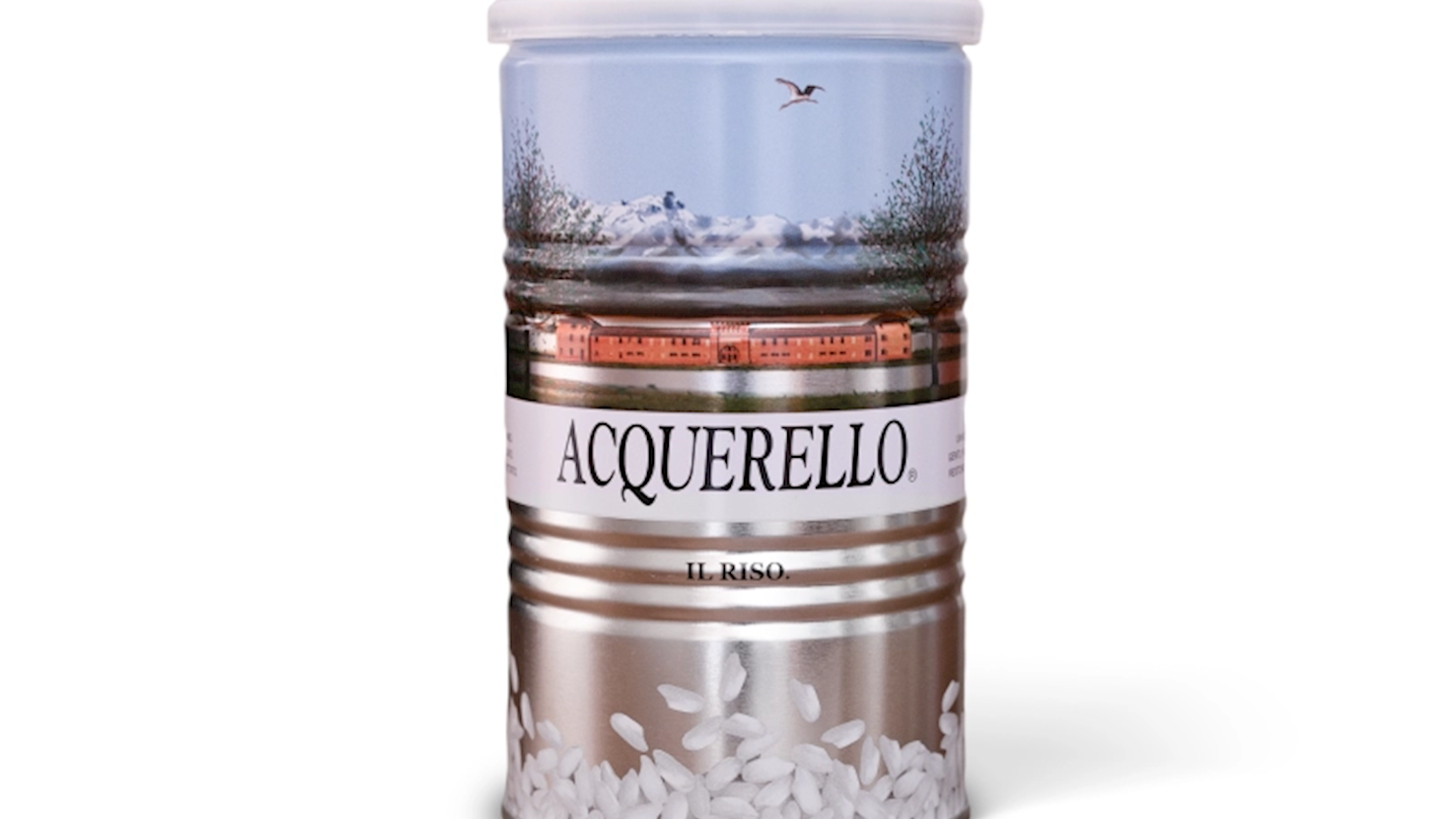
Acquerello is a renowned Italian rice producer based in Livorno Ferraris, Piedmont, known for its commitment to quality and tradition. Established in 1991 by Piero Rondolino, Acquerello operates from Tenuta Colombara, a historic estate in Italy's prime rice-growing region. The company specializes in Carnaroli rice, often called the king of rices, valued for its superior texture and versatility in cooking. What sets Acquerello apart is its unique aging process - rice is stored in refrigerated silos for at least one year, enhancing starch stability and enriching its flavor. Their innovative processing method preserves more nutrients than conventional rice while maintaining grain integrity. Favored by top chefs worldwide, Acquerello rice is packaged in vacuum-sealed tins to ensure freshness and extend shelf life. The company is also dedicated to sustainability, implementing environmentally responsible farming practices. Beyond production, the Tenuta Colombara estate holds historical significance in Italian rice cultivation, serving as both a functional farm and a cultural heritage site.
02

Riserva San Massimo

4.9 ·
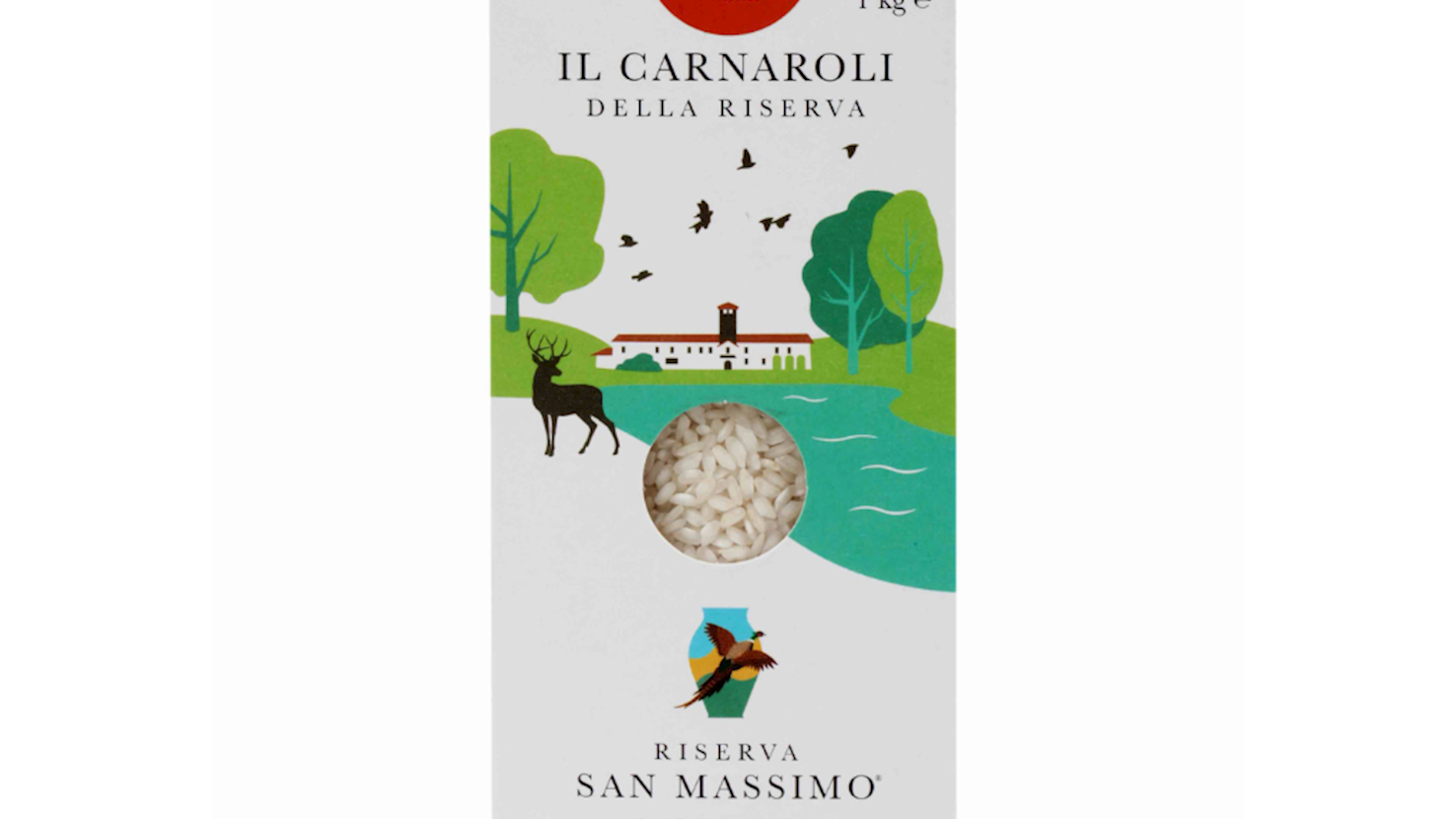
Riserva San Massimo is a nature reserve and agricultural estate spanning over 600 hectares in the municipality of Gropello Cairoli, in the province of Pavia, Lombardy, Italy. Within the reserve, 200 hectares are dedicated to the cultivation of high-quality rice, particularly the Carnaroli variety, which is grown exclusively from 100% certified pure seeds. At Riserva San Massimo, rice cultivation is not treated as an industrial process but rather as a form of artisan, sustainable agriculture that respects the natural cycles and biodiversity of the region. The entire production process is carried out by hand: from manual harvesting, to low-temperature drying, to careful packaging, all with the goal of preserving the rice's organoleptic properties. The objective of this meticulous approach is to produce rice with the perfect balance of firmness and creaminess - qualities that are essential for making a perfect risotto. The grains are harvested by hand to ensure they remain in optimal condition, followed by gentle drying at low temperatures to maintain the rice's natural structure and starch content. Thanks to this dedication to quality and tradition, Carnaroli rice from Riserva San Massimo is used in numerous fine-dining restaurants across Italy and around the world. It is especially appreciated by top chefs for its reliability, consistency, and exceptional culinary performance.
03

Società Agricola La Fagiana

4.7 ·
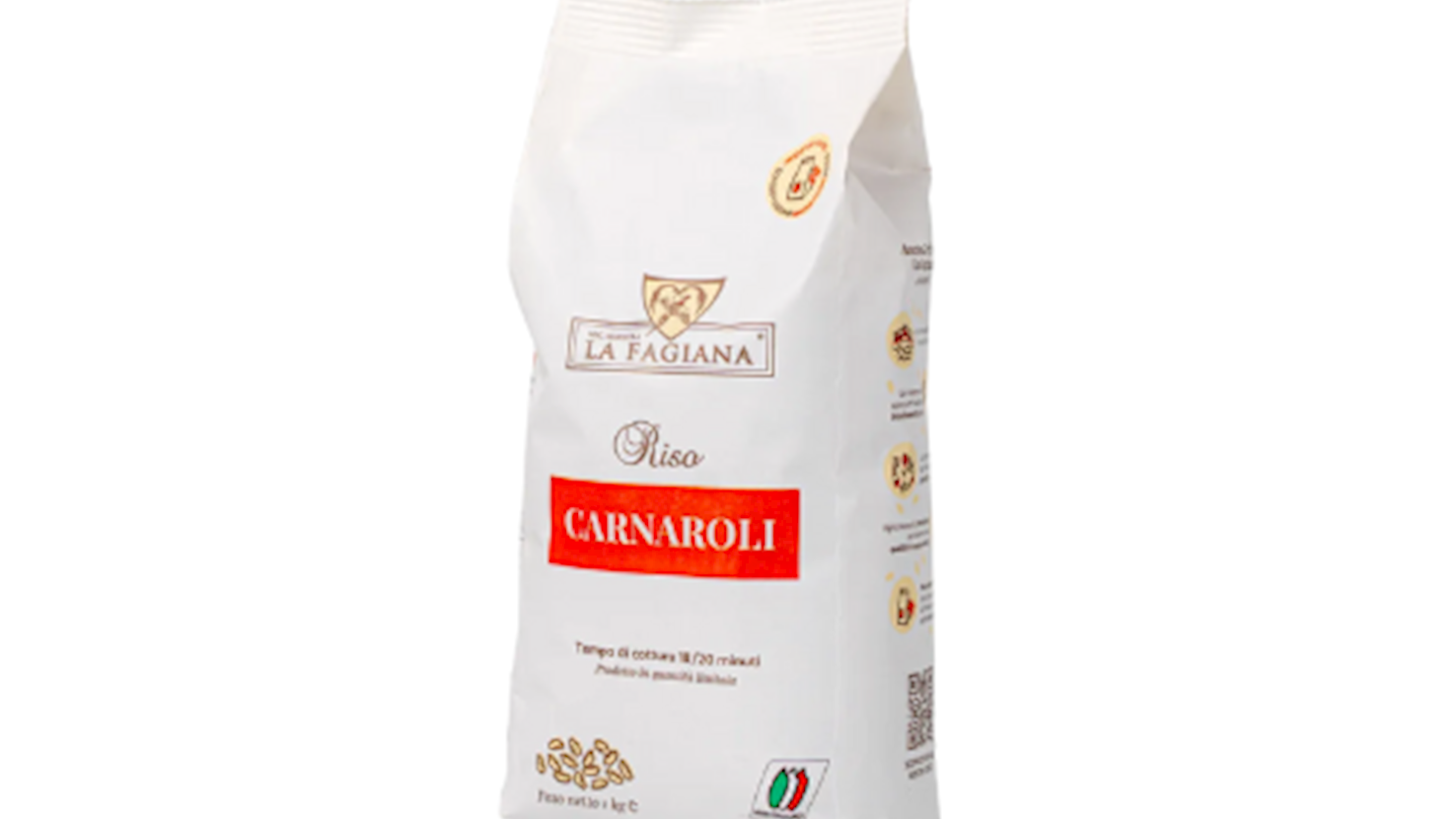
Società Agricola La Fagiana is a family-run farm located in the Venetian plain, specializing in the cultivation and processing of rice, particularly the prestigious Carnaroli variety, one of the most valued in Italian cuisine. Production takes place across roughly 150 hectares using a combination of traditional rice-growing practices and modern principles of sustainable water and soil management. After harvesting, the grains are stored in refrigerated chambers without chemical treatments to preserve their natural texture and aroma. Beyond rice, La Fagiana has developed a broader product range that includes rice flour, rice cakes, risotto mixes, pasta, fruit juices, local wines, and craft beers, creating a small but complete agricultural–gastronomic ecosystem. The farm also organizes guided tours and tastings, allowing visitors to learn about rice cultivation, local biodiversity, and the philosophy of sustainable production. The brand is recognized for its transparency, quality, and strong connection to the cultural and agricultural identity of the Venetian landscape.
04

Riseria Ferron

4.4 ·
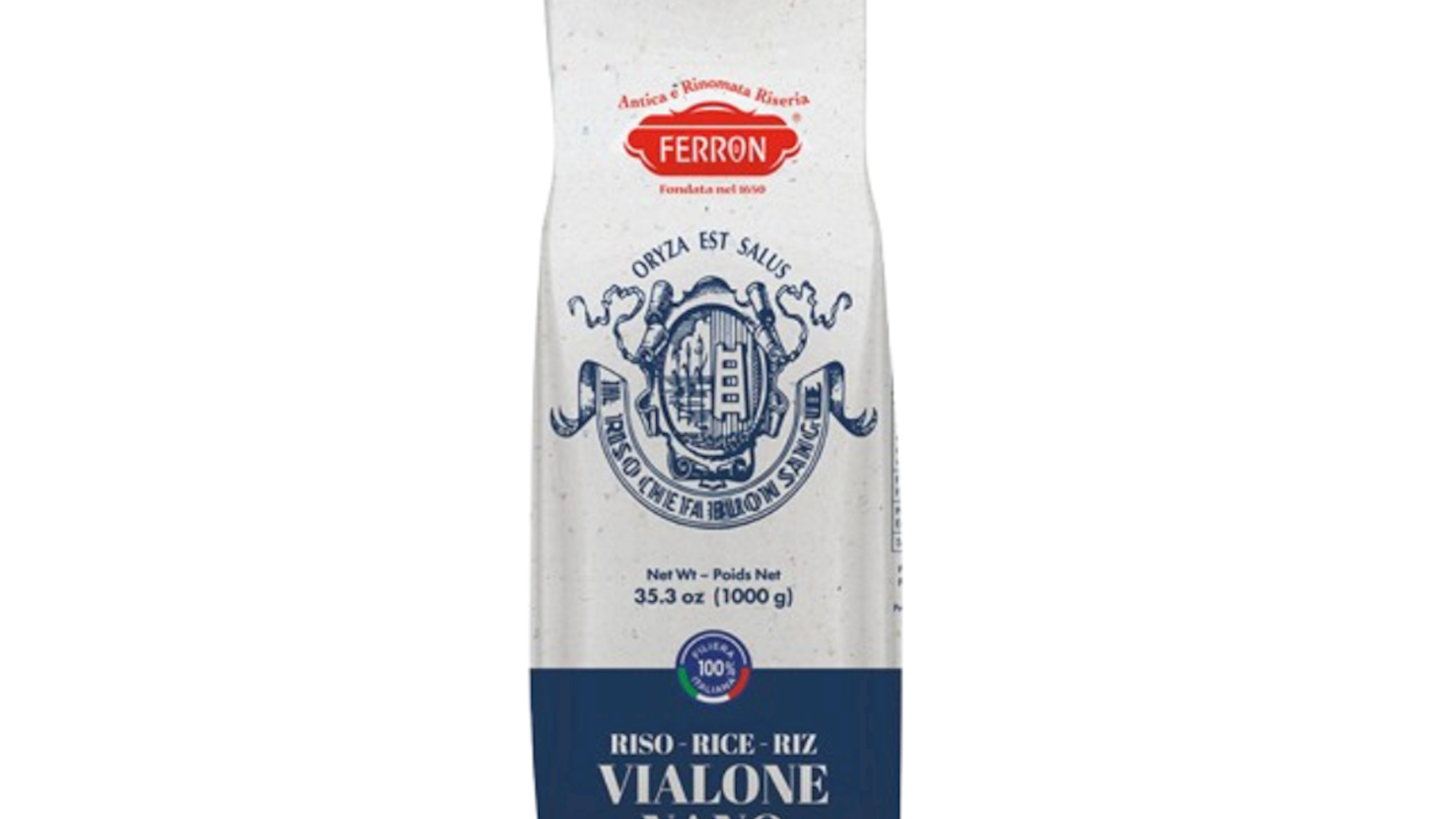
Riseria Ferron is one of the oldest and most respected rice mills in Italy, located in Isola della Scala, in the heart of the Veneto region. Founded in 1650, this family-owned company is now led by the Ferron brothers, the fifth generation of rice producers. Ferron is known for its traditional and sustainable cultivation of premium rice varieties such as Vialone Nano and Carnaroli, both especially prized for making authentic Italian risotto. The Ferron rice mill still uses the historic "Pila Vecia" mill, operating without industrial chemicals and irrigated solely with pure spring water. This eco-conscious approach - free from pesticides and focused on biodiversity - enabled the Vialone Nano rice to receive the Protected Geographical Indication (PGI) status in 1996, making it one of the few European rice varieties with this distinction. Blending tradition and innovation, Ferron also runs the “Risotteria Ferron” restaurant in Peschiera del Garda, where guests can experience creative dishes centered around their top-quality rice. Thanks to its dedication to quality and sustainability, Ferron has become a symbol of excellence, with its products available in specialty shops and fine restaurants around the world.
05

Riso Magno

4.3 ·
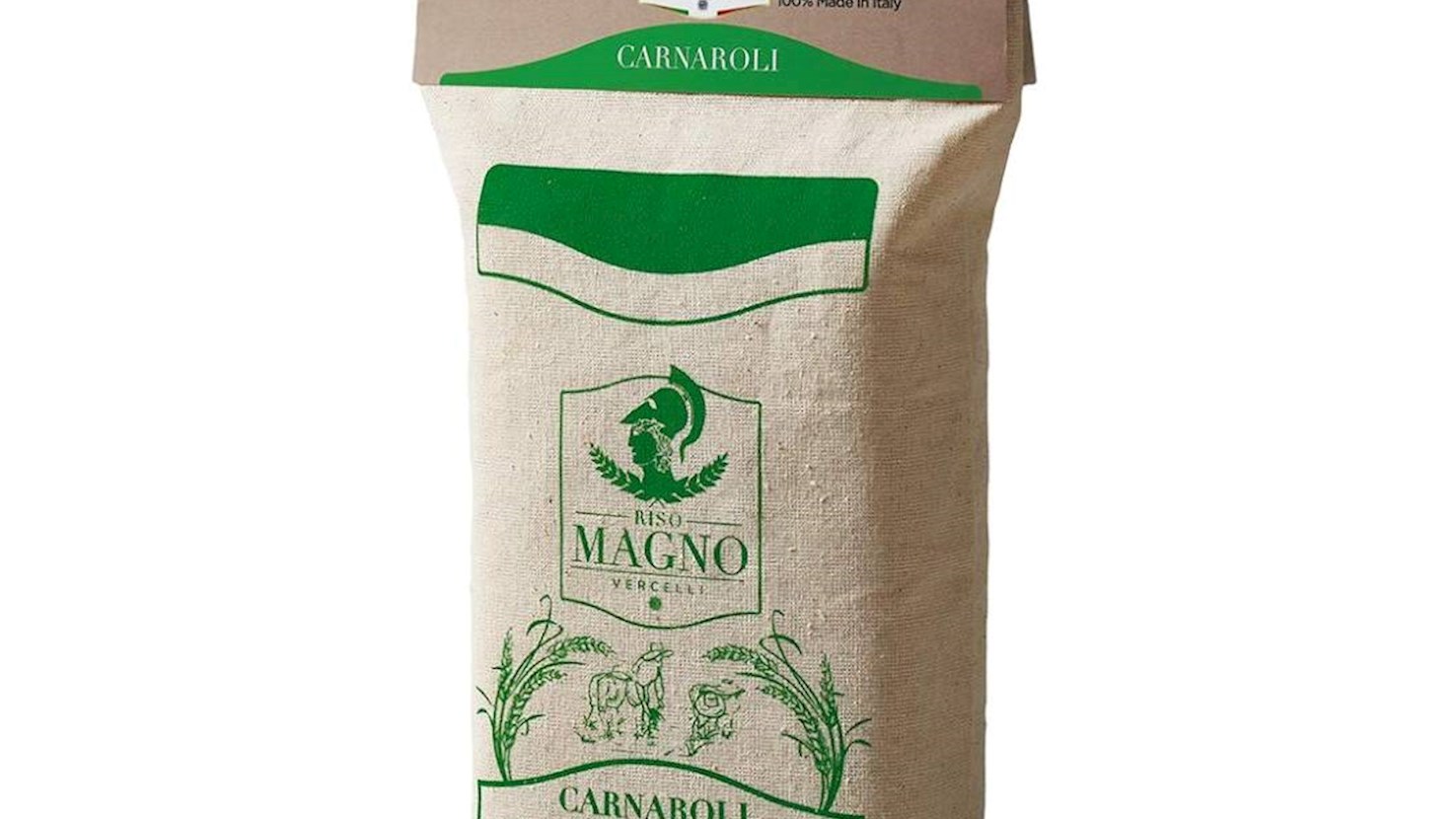
Riso Magno is an Italian company composed of a team of young professionals dedicated to healthy and authentic products. They specialize in selecting the highest quality 100% Italian rice, grown in the fertile regions of Piedmont, particularly in the Vercelli area, renowned for its premium rice production. The company prides itself on collaborating with a network of specialized producers who implement sustainable agricultural practices, preserving soil resources and supporting local communities. Their commitment to quality is reflected in the careful supervision of every production stage and the detailed design of their packaging, ensuring the freshness and practicality of their products.
Awards
Superior Taste Awards - 2 stars (2024)

Best Italian Rice Types

01

Arborio

4.2 ·

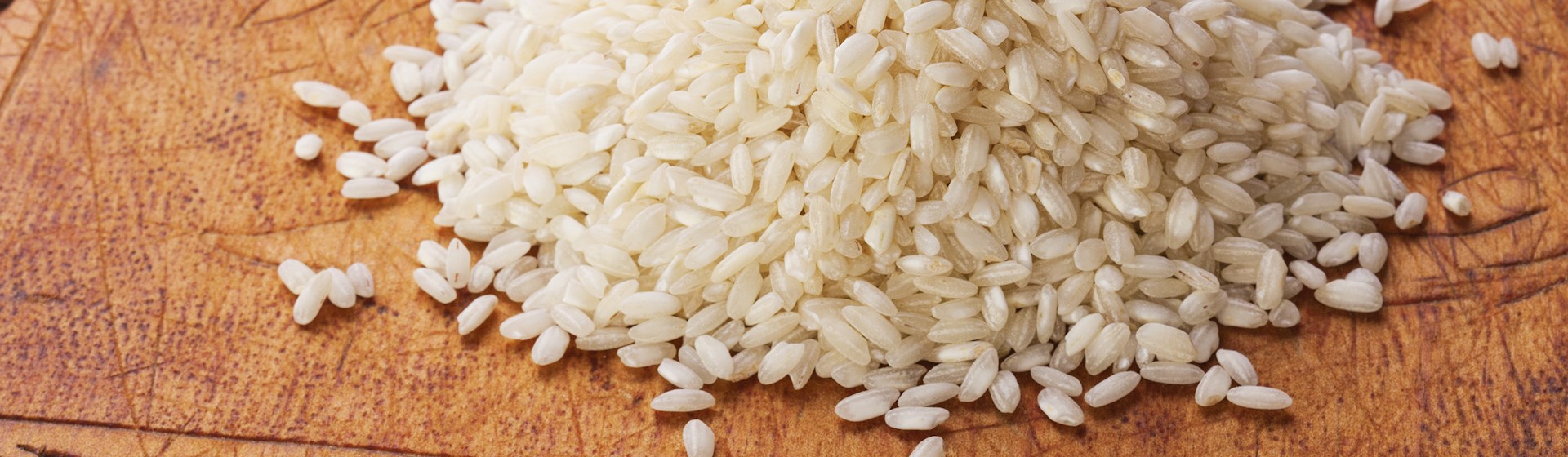
Arborio is an Italian rice variety that's mostly used for risottos and rice puddings. The short, rounded grains are firm and have a high content of starch, resulting in creamy textures of dishes that the rice is used in. Because of its characteristics, Arborio is almost double the price of regular long-grain rice. This rice variety was named after the eponymous town in the Po Valley. It should be cooked al dente, while still slightly firm to the bite, and never washed or rinsed as it will lose the starchy coating that creates the creamy and slightly chewy texture once cooked. Apart from risottos and rice puddings, Arborio is sometimes used as an ingredient in arancini or minestrone soup.

02

Carnaroli

4 ·

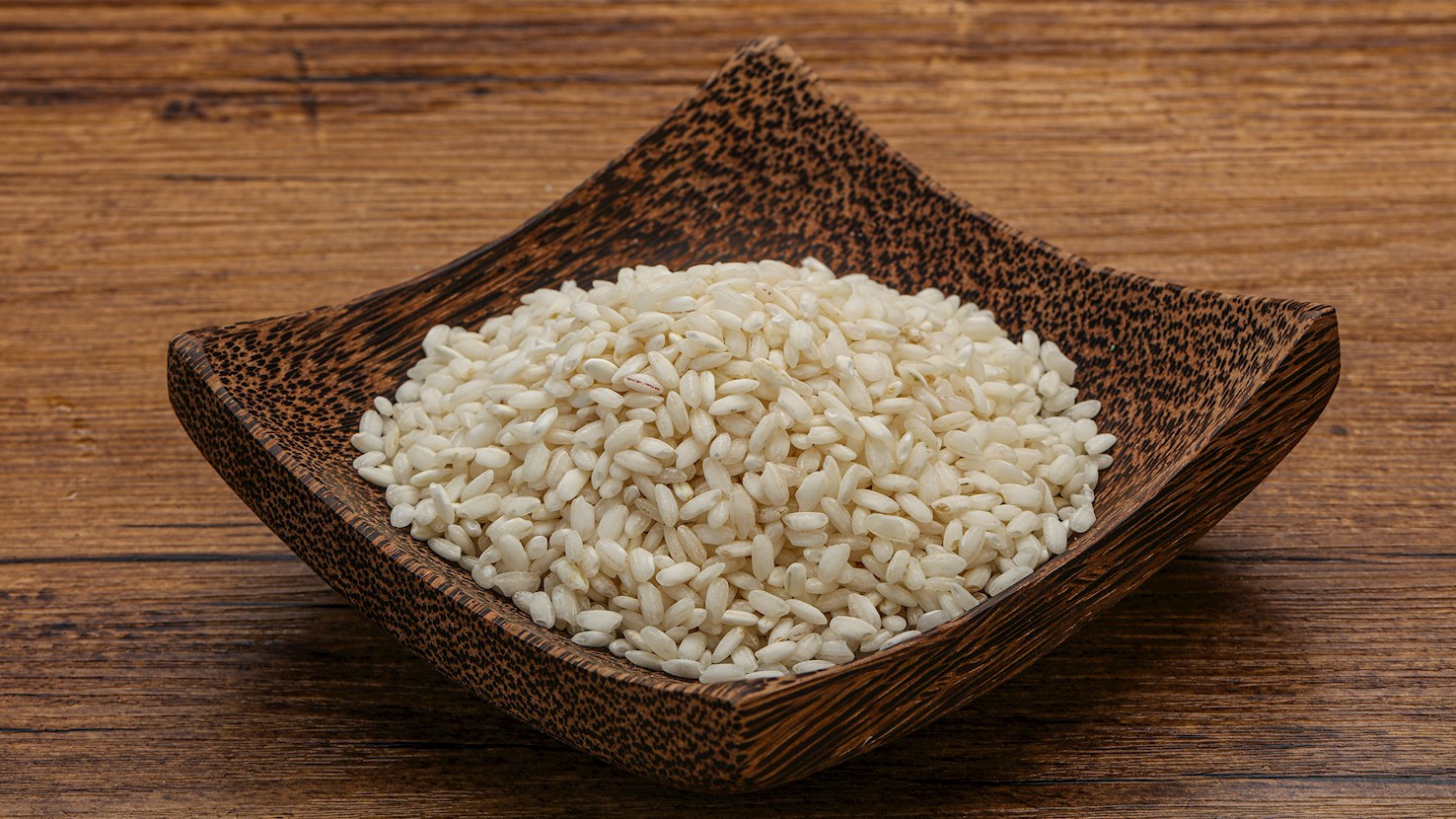
Carnaroli is an Italian rice variety that's mostly used for the preparation of risotto. It's characterized by a short grain, smaller than the one of Arborio rice, and a high starch content. As a result, Carnaroli rice can absorb liquids without becoming overcooked, creating the creamy texture that's a characteristic of great risottos. It's grown in the Novara, Vercelli, and Pavia provinces. The rice variety was discovered by Emiliano Carnaroli as a cross between Lencino and Vialone Nano varieties, hence the name. Interestingly, Carnaroli rice is often hailed as the 'caviar' or 'king' of Italian rice.

03

Riso

4 ·

Oryza sativa, the plant species most commonly referred to as rice, is one of the most widely consumed cereal grains. Italy is the largest producer of rice in Europe, and Lombardy is Italy's rice bowl, especially the provinces of Lodi, Mantua, Milano, and Pavia. Rice is grown from April to October, and among many varieties that can be found on the irrigated Lombardian paddies, the most common ones are Carnaroli, Arborio, Vialone Nano, Baldo, Balilla, Lotus, Gladius, Rome, Selenium, Volano, and Nembo. Gastronomic offer in the area includes numerous rice-based dishes such as risotto alla Milanese or panissa, and all these different sorts can be bought directly from the farmers. Depending on the type, rice grains can be white or light yellow, shorter or longer, and each type has its own flavor, texture, and method of cooking, so substituting one type for another can completely alter the result of a recipe. Carnaroli and Arborio are generally considered to be the best sorts for making the creamiest risottos, while Vialone Nano is delicious in rice puddings. There is a saying in Italy that rice is born in water, but dies in wine, and Lombardy offers a wide choice of both excellent rice and wines to pair it with.

04

Baldo

3.8 ·

Baldo rice is a white rice variety grown exclusively in Italy and Türkiye. It is a relatively new variety, first cultivated in 1977 in the Italian Po valley as a hybrid of stirpe 136 rice and arborio rice. Baldo rice soon became known as the "king of rice" thanks to its exquisite qualities, and it found its way to Türkiye, where it is considered the finest quality rice. Depending on the variety, Baldo rice can come in a long, medium, and short-grain format, although short-grain is most known and used. It has a buttery aroma and a distinct but not overpowering taste, with pronounced starchiness (Turkish varieties tend to be starchier than the Italian). When cooked, this rice retains its compact shape and chewiness, which makes it a perfect choice for risottos, pilafs, and paellas.

05

Riso del Delta del Po

3.1 ·

Produced within the provinces of Rovigo and Ferrara, in the neighboring regions of Veneto and Emilia Romagna, Riso del Delta del Po refers to rice of the Japonica type grown in the fertile Po Delta plains. Due to specific pedoclimatic conditions and high levels of salinity in that area, each of the Po Delta rice varieties attains a unique flavor and aroma. While Carnaroli rice is especially recommended for fine risottos, soups and even desserts, Arborio, Baldo and Volano varieties are excellent for timballo casseroles and arancini or supplì rice balls. To preserve its nutritional values, Riso del Delta del Po is stored in a controlled atmosphere and marketed in vacuum-sealed packages.

06

Riso Nano Vialone Veronese

n/a ·

Cultivated in the fertile, water-rich lowlands of the Verona province in northern Italy, Vialone Nano is a short, plump variety of rice revered as the foundation of some of Italy’s finest risotti. Unlike the more globally recognized Arborio, Vialone Nano possesses a unique ability to absorb liquid and flavor while maintaining a firm, slightly toothsome core, an essential quality in the art of risotto-making. Officially recognized under the Protected Geographical Indication (PGI) label as Riso Nano Vialone Veronese, this rice is intrinsically linked to the province of Verona, where its cultivation is deeply embedded in agricultural tradition, culinary identity, and regional pride. Developed in the early 20th century through a cross between Vialone and Nano varieties, it is a product of both innovation and climate: a rice bred for texture and yield, thriving in the clay-heavy soils and abundant spring water of the Po Valley. Its round, pearl-like grains are slightly smaller than those of Arborio, but their high starch content results in an exceptionally creamy risotto without the need for added cream. In Verona’s trattorias and family kitchens, Vialone Nano is the rice of choice not only for its technical performance but for the specific mouthfeel and balance it brings to traditional dishes, especially the celebrated risotto all’Amarone and risotto al tastasal, both of which draw on deeply local ingredients like Amarone della Valpolicella wine and spiced pork sausage paste.mThe rice is sown and harvested with respect for historical practices, often rotated with crops like maize to preserve the soil’s vitality. Its IGP status protects not just a product, but a method and a landscape: the meticulous irrigation channels, the rhythm of seasonal labor, the recipes handed down through generations. In the world of Italian gastronomy, where regional identity defines the plate, Vialone Nano occupies a place of quiet authority. It is not flamboyant, not exported in mass quantities, and rarely marketed outside Italy with fanfare. Yet for chefs, purists, and risotto lovers who understand the nuances of grain structure and absorption, it remains one of the most esteemed varieties in the Italian culinary canon.

07

Riso di Baraggia Biellese e Vercellese

n/a ·

Produced in Piedmont, namely the provinces of Biella and Vercelli, Riso di Baraggia Biellese e Vercellese refers to rice grown in the fertile plains of the Baraggia nature reserve. Baraggia rice is marketed either as whole grain brown rice, refined or parboiled, and available in following varieties: Arborio, Baldo, Balilla, Carnaroli, S. Andrea, Loto and Gladio. While the Arborio variety is ideal for creamy risotto gratins, Baldo rice is perfect for oven-baking and timbale dishes, whereas Balilla is recommended for all types of rice-based cakes and desserts. Carnaroli rice is most suitable for risotto and rice salads, S. Andrea is excellent in soups and rice flans, and both Loto and Gladio varieties are most often used for risottos and various side dishes.

08

Riso Orange

n/a ·

Following the success of riso violet, an autochthonous variety of naturally purple rice, riso orange is another variety of naturally colored rice cultured by Eleonora Bertolone and her company Risodinori, located in Collobiano. This aromatic rice looks like ordinary rice, but once cooked, it develops a bright orange color. Grains keep their form during cooking, which makes this rice variety perfect for salads. Riso orange can be used as a side dish served with a variety of meat or fish dishes, and its delicate flavor pairs especially nice with vegetables.

09

Riso Violet

n/a ·

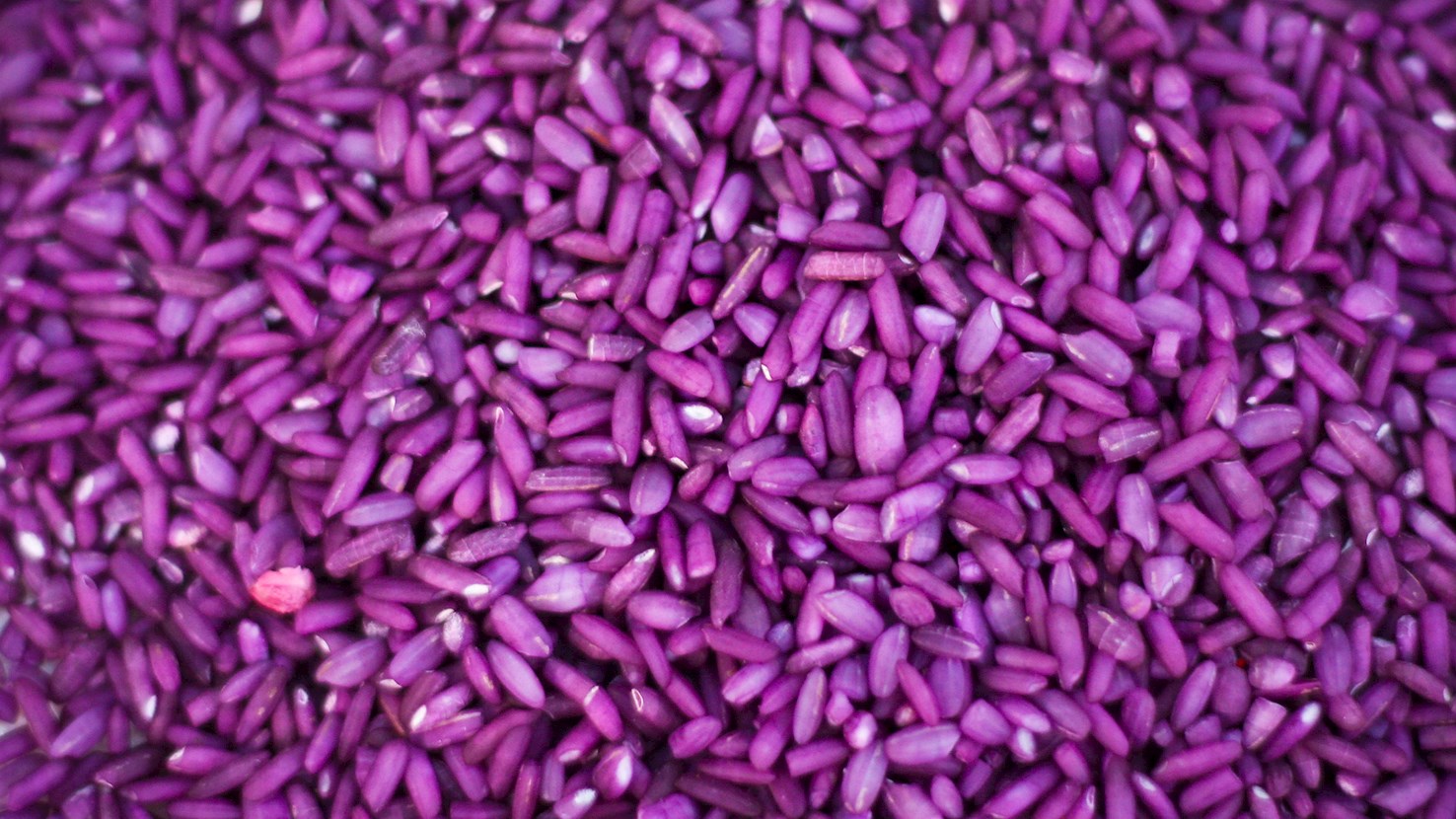
Riso violet is an autochthonous variety of naturally purple-colored rice cultured by Eleonora Bertolone. The rice is grown and sold exclusively by her company Risodinori, located in Collobiano. Both the plant and the grain are intensively purple-colored due to the presence of anthocyanins - antioxidant and anti-inflammatory substances that make this rice look beautiful on the plate, but it also provides the rice with great aromatic richness. Riso violet can be combined with a variety of meat or fish dishes or it can be used in salads and risottos, but to fully experience the potential of this truly unique rice variety, it is best to enjoy it simply boiled, flavored only with extra-virgin olive oil and shavings of Parmigiano cheese.

Read more
View all
View map
About this ranking

TasteAtlas food rankings are based on the ratings of the TasteAtlas audience, with a series of mechanisms that recognize real users and that ignore bot, nationalist or local patriotic ratings, and give additional value to the ratings of users that the system recognizes as knowledgeable. For the “Top 9 Italian Rice” list until June 15, 2026, 207 ratings were recorded, of which 132 were recognized by the system as legitimate. TasteAtlas Rankings should not be seen as the final global conclusion about food. Their purpose is to promote excellent local foods, instill pride in traditional dishes, and arouse curiosity about dishes you haven’t tried.

The initial list of top producers was compiled based on available reviews, awards, local recommendations, media and blog coverage, and consumer reviews. The list will be updated with ratings from TasteAtlas local ambassadors and TasteAtlas users.

Similar lists