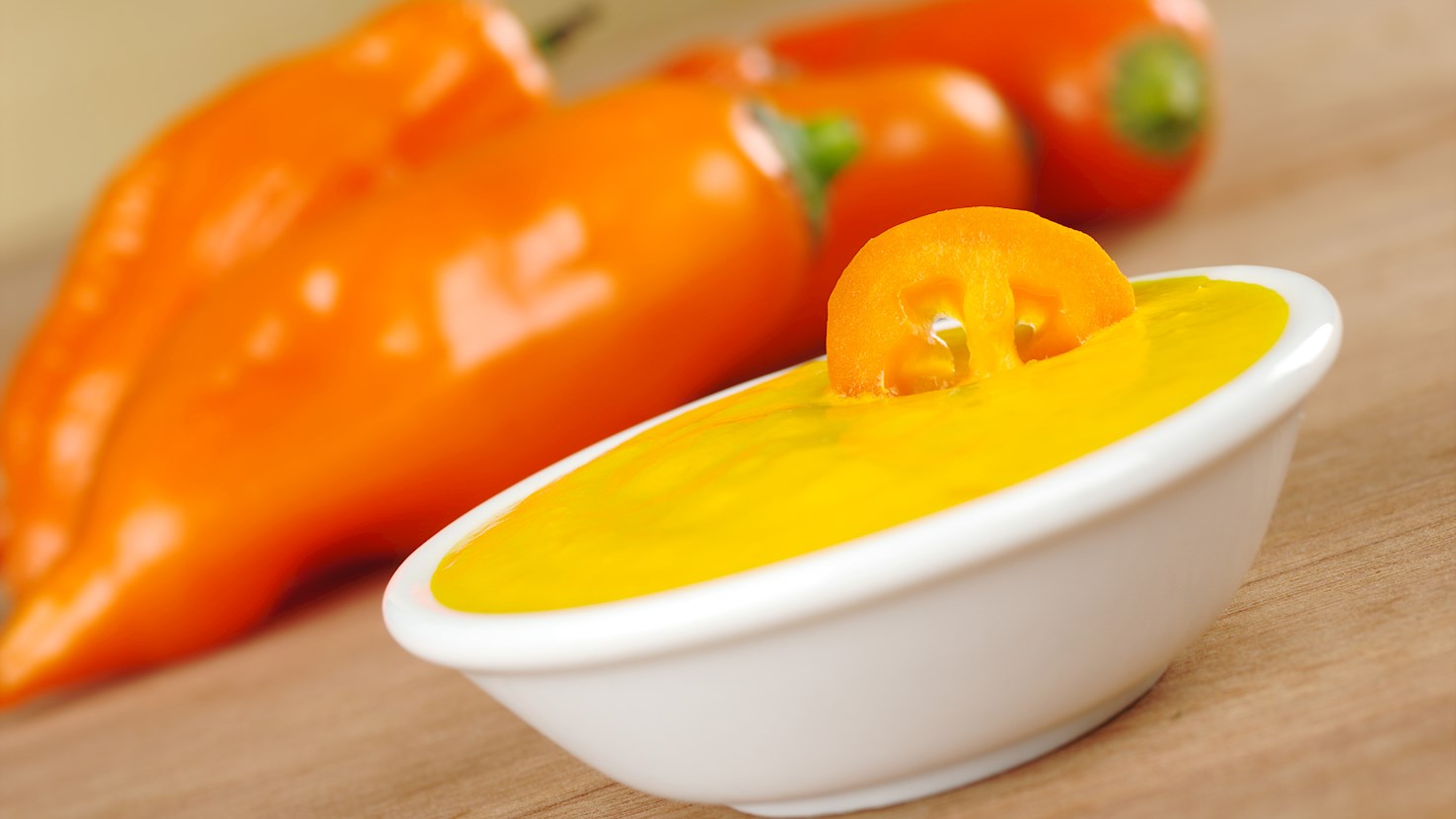
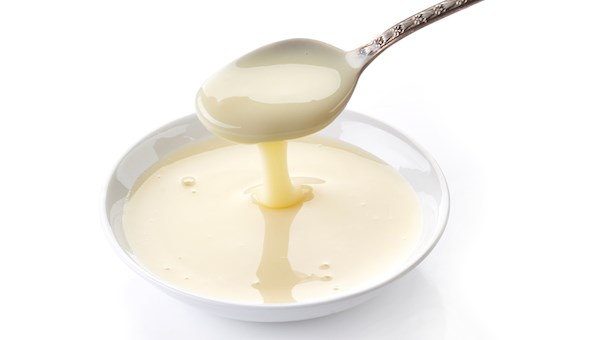
Ají criollo is a fundamental Peruvian chili paste, used as a table condiment rather than a finished sauce, and it does not have a single fixed recipe. At its core, it is built around ají amarillo peppers, seasoned with salt and often lime juice, then processed into a coarse or smooth paste that delivers heat, acidity, and aroma. This simple base reflects the original purpose of ají criollo: to season food at the moment of eating, according to personal taste. Preparation commonly begins by cleaning the ají amarillo—splitting the peppers and removing seeds and veins to control heat—then gently sautéing the ingredients in a small amount of oil. The peppers may be cooked alone or together with garlic, onion, or, in some variations, tomate de árbol, which adds mild acidity and fruitiness. Sautéing softens the ingredients, reduces bitterness, and creates a more rounded flavor before the mixture is ground or blended. Salt is added gradually, and lime juice may be incorporated, though some versions omit citrus entirely. From this flexible base, many variations are accepted. Some rely mainly on oil rather than lime juice, producing a smoother, mellower paste. Others emulsify the sautéed mixture with oil and evaporated milk, resulting in the richer style commonly served with pollo a la brasa. Herbs further define regional or household preferences: huacatay brings a distinct Andean character, while oregano or cilantro may be added more subtly for freshness. Ají criollo is always served at the table, never fully integrated into a dish beforehand. It accompanies grilled meats, anticuchos, roasted chicken, fried foods, potatoes, sandwiches, and everyday meals.
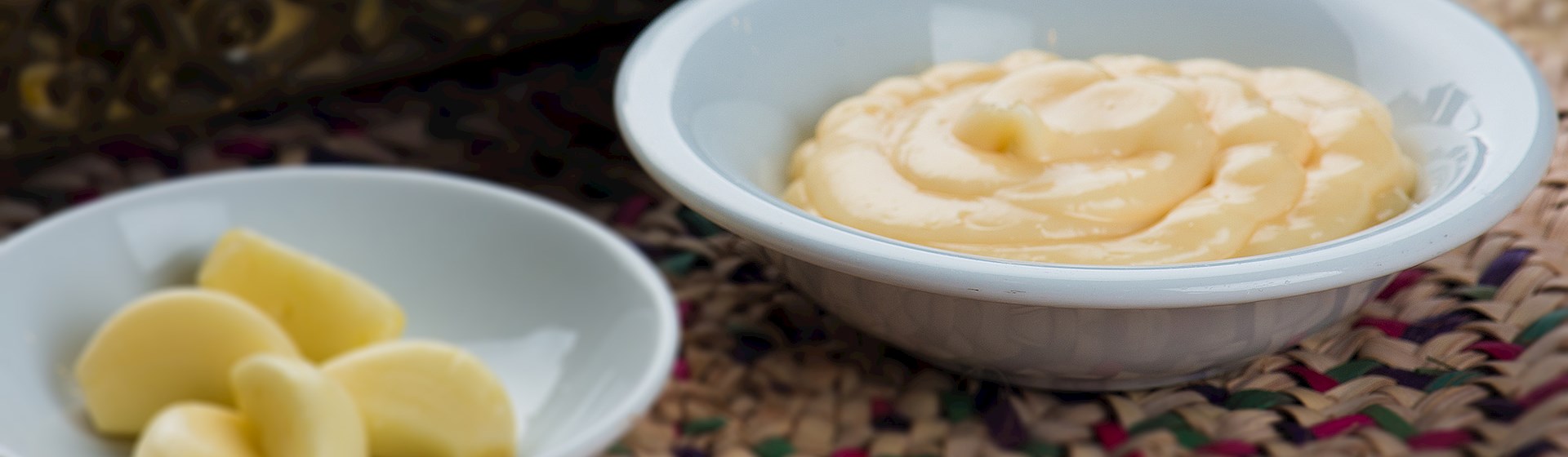
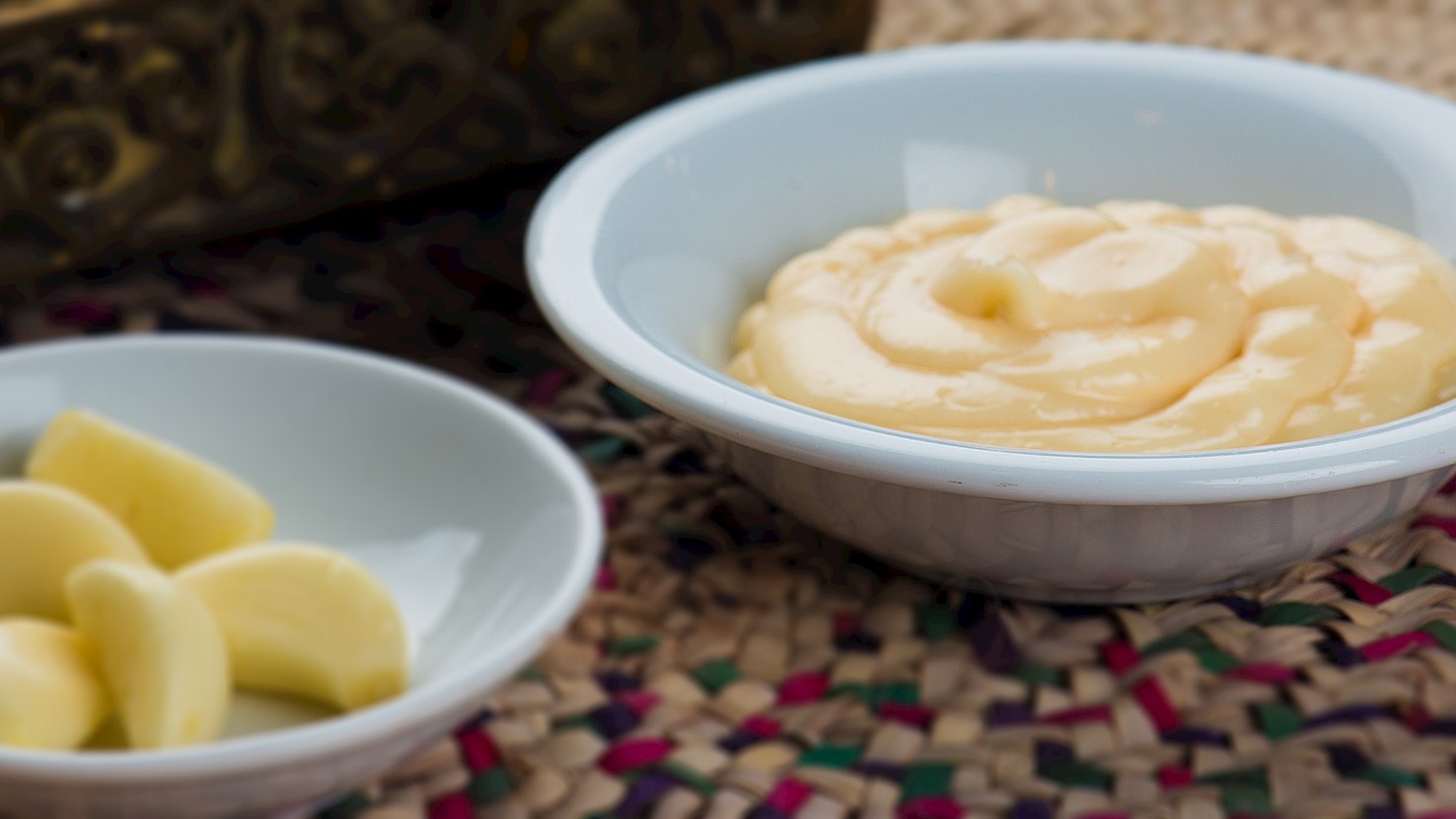
Toum is a traditional Levantine garlic sauce, prized for its intense, creamy flavor and airy texture. It is made with a simple but bold combination of raw garlic, salt, lemon juice, and neutral oil (like sunflower or canola oil). The key to toum is in its preparation: the ingredients are emulsified slowly — often using a mortar and pestle or a food processor — to create a fluffy, mayonnaise-like sauce without the use of eggs. Toum's powerful, spicy garlic taste is balanced by the acidity of lemon and the richness of the oil. It is traditionally served as a condiment alongside grilled meats like shawarma, kebabs, and roast chicken, or used as a dip for fries and flatbreads.
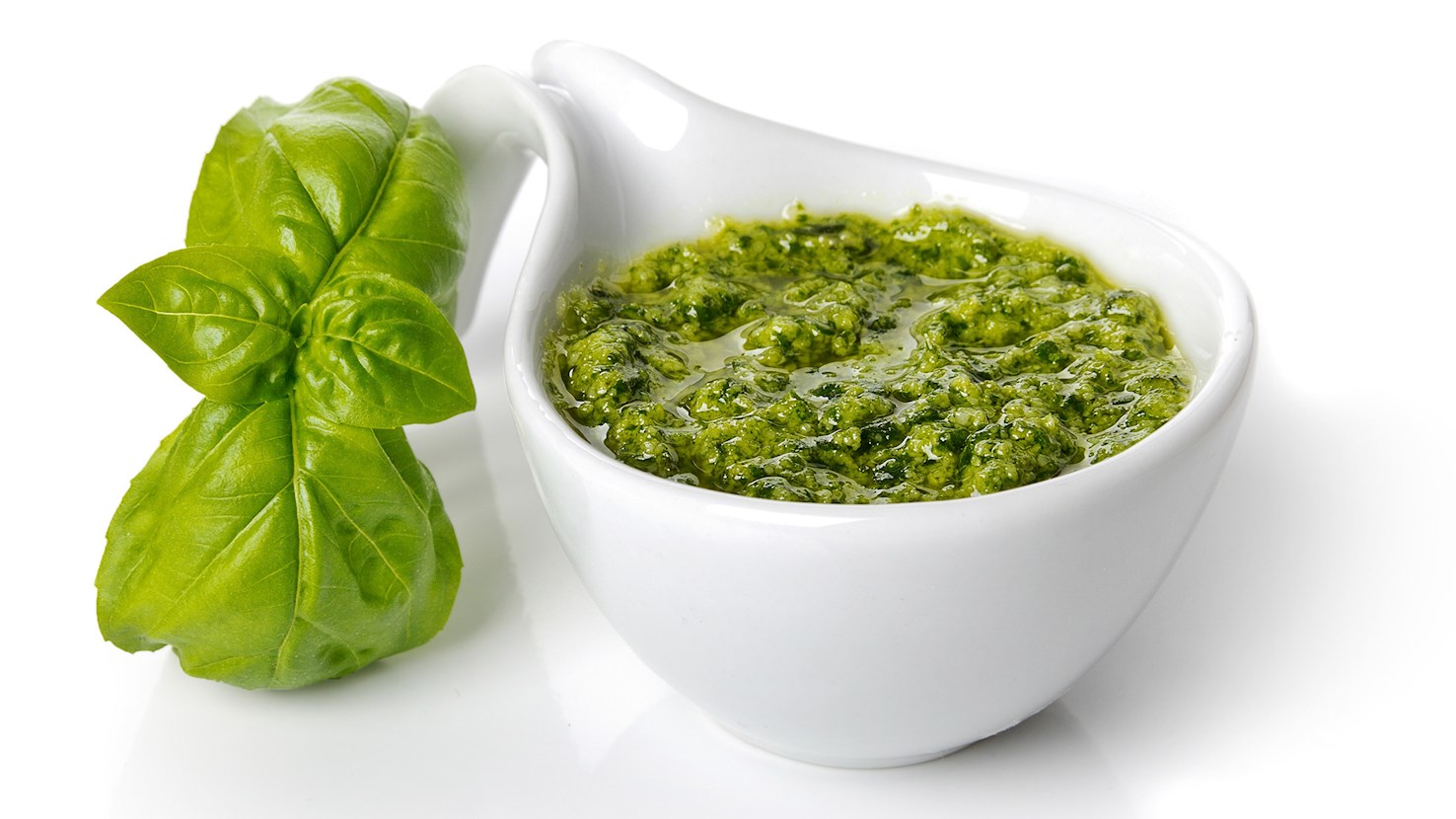
Carefully chosen ingredients and some manual labor are all you need for a perfect pesto Genovese, a fragrant, rich sauce that originates from the city of Genoa in the Italian region of Liguria. With no cooking involved, the only tool required for the preparation of pesto Genovese is a traditional marble mortar with a wooden pestle. The pesto Genovese is made from only seven ingredients — the garlic and some salt are crushed first, next come the pine nuts, followed by basil leaves and two kinds of Italian cheeses — Parmigiano Reggiano and Pecorino. The preparation is finished by gradually adding some olive oil which binds the paste together. The pesto is most commonly served with pasta, especially trofie or trenette: the first ones are twisted pasta rolls, and the other ones are long pasta stripes similar to linguini. Italian chefs use a trick of adding a little bit of starchy water the pasta was cooked in into the pesto Genovese as this makes the pesto stick to the pasta and enhances its flavor.
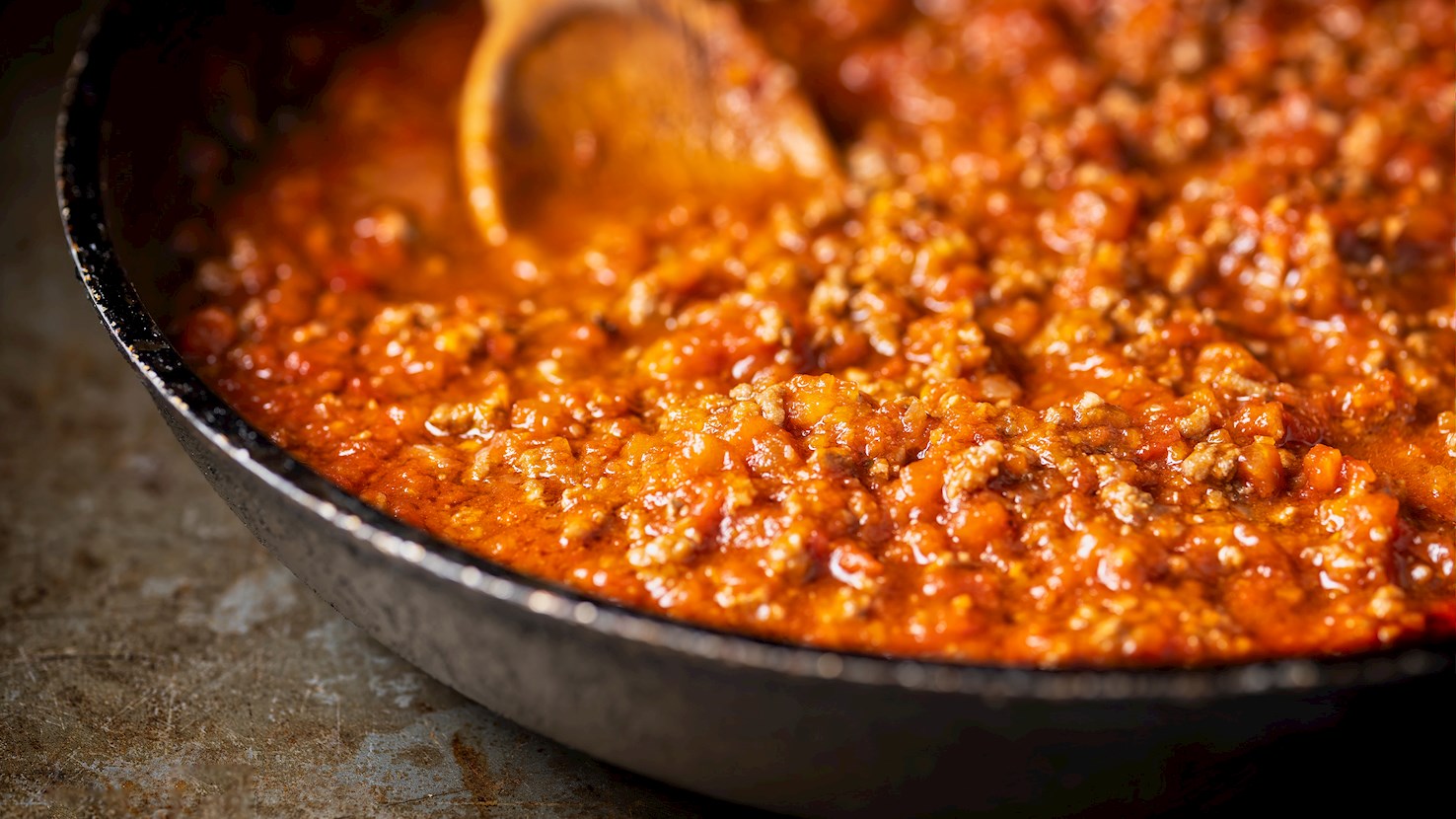
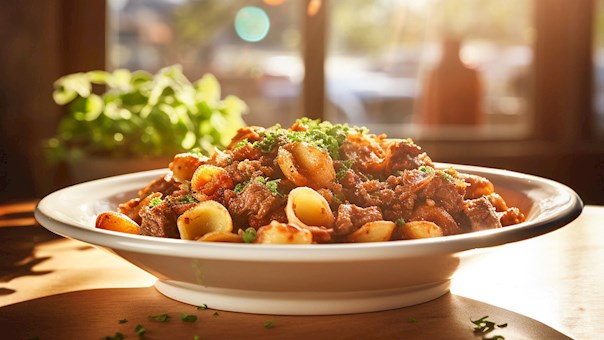
Ragù alla Bolognese is traditionally made with beef or a mix of pork and beef; sometimes even pork sausages are employed. Key ingredients include Italian fresh pork pancetta, dry white or red wine, tomato concentrate, passata (strained tomatoes), and soffritto—an aromatic blend of celery, onions, and carrots traditionally used as a base for many Italian dishes. Milk can be added halfway through the cooking process, and the dish is typically served with freshly grated Parmigiano-Reggiano cheese, though this is optional. Contrary to the popular "spaghetti Bolognese" known elsewhere, this dish is rarely, if ever, served with spaghetti in Italy, particularly not in Bologna. Traditionally, ragù alla Bolognese is paired with tagliatelle or used in lasagne alla Bolognese. It also complements other types of fresh egg pasta, such as pappardelle, fettuccine, or homemade farfalle.
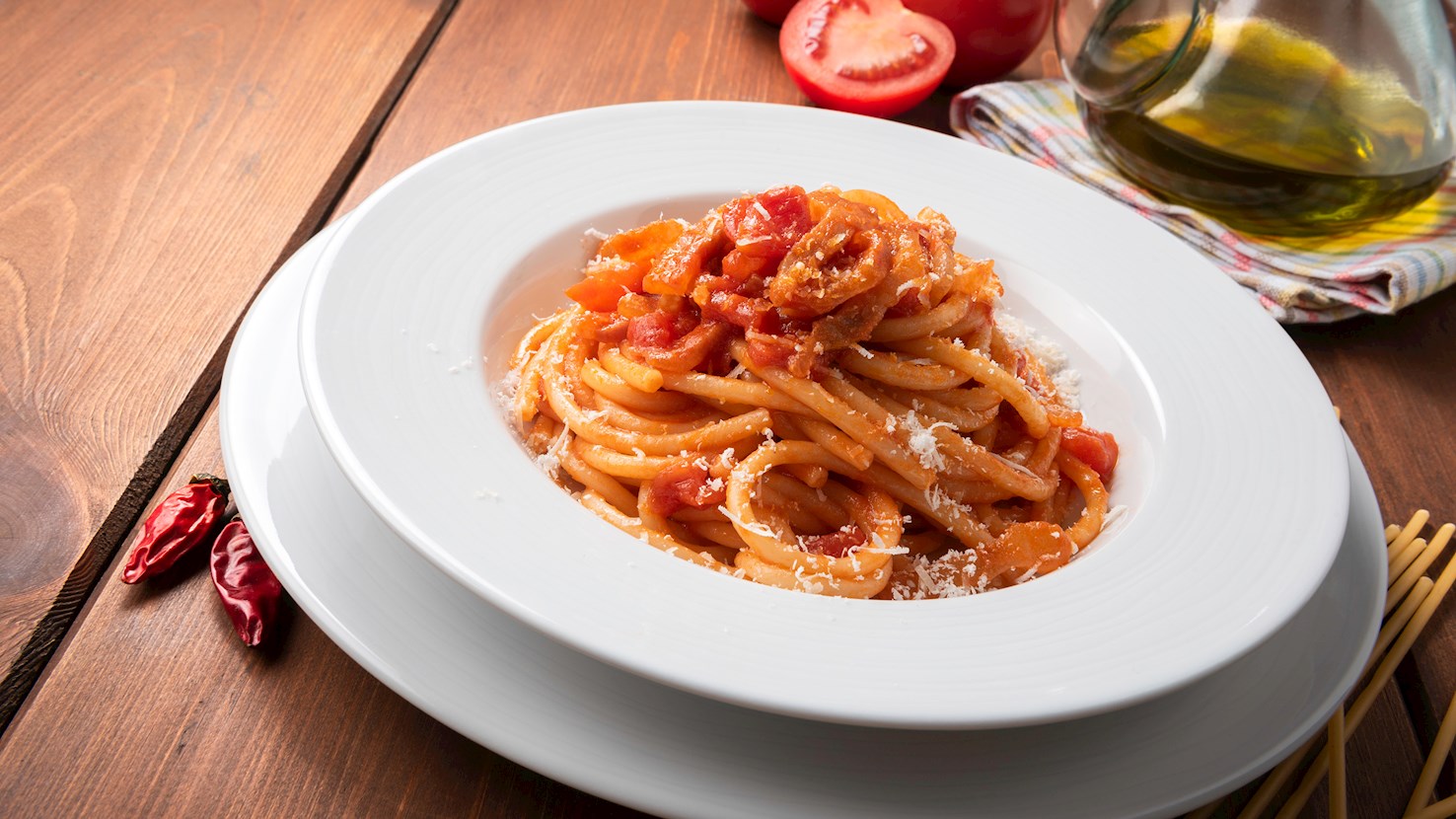
To prepare the famous Amatriciana pasta sauce, two ingredients are essential: pecorino cheese and a cured Italian pork jowl salami known as guanciale, a traditional ingredient for which there is considered to be no proper substitute. Guanciale is known to have a deeper, richer, sweet-savory pork flavor than both Italian pancetta or bacon, and due to its high fat-to-meat ratio, it has a meltingly tender texture. Some recipes also advise adding onion or even garlic to Amatriciana, which has become a fairly common practice both in Italy and abroad as it makes the sauce a little sweeter. However, locals from Amatrice, the birthplace of this pasta sauce, consider this a serious offense. In fact, every local chef, gourmet, and food enthusiast will insist that there are only six ingredients in a genuine Amatriciana sauce: guanciale, pecorino cheese, white wine, black pepper, peperoncino, and tomatoes, preferably from San Marzano.
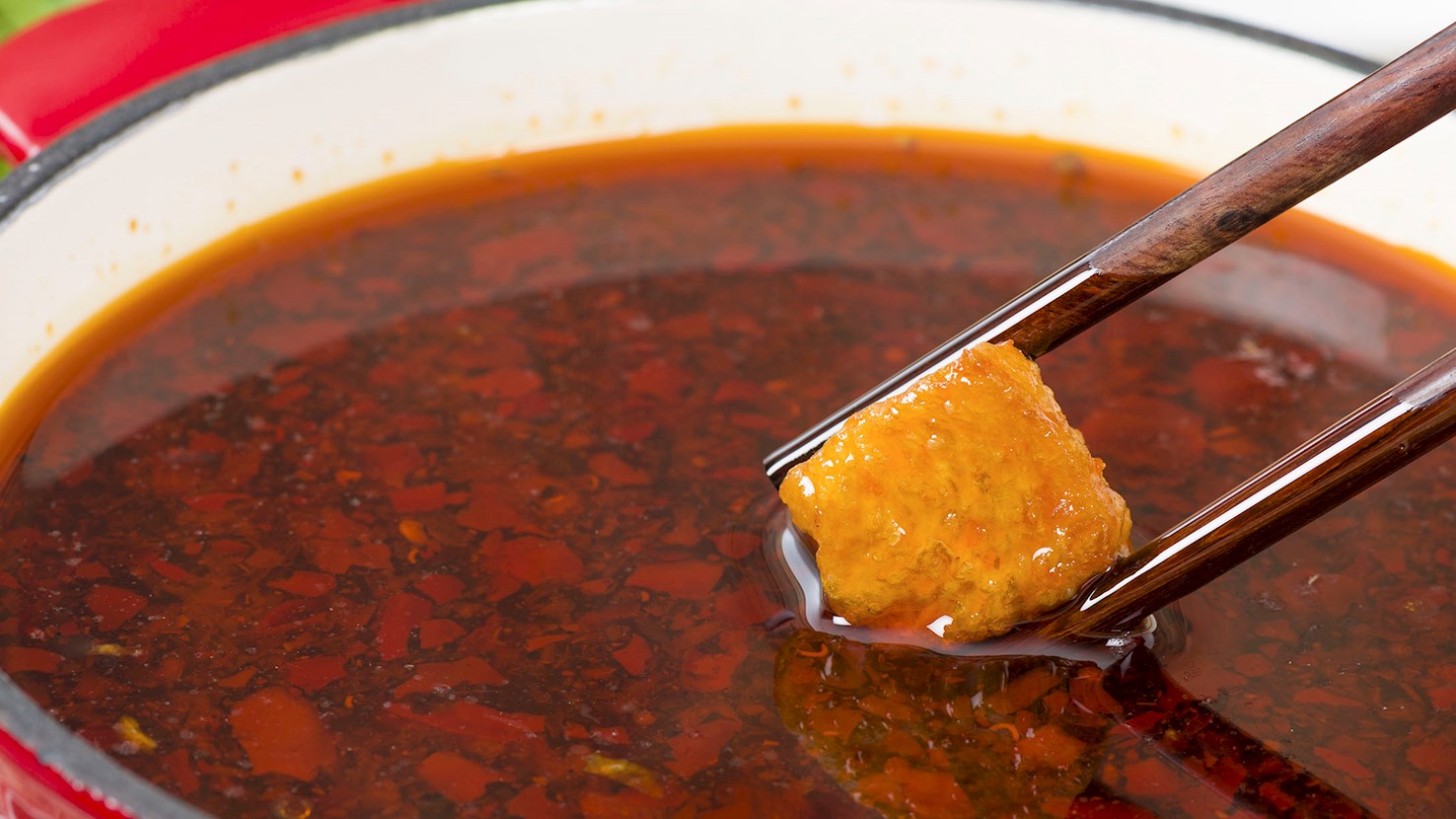
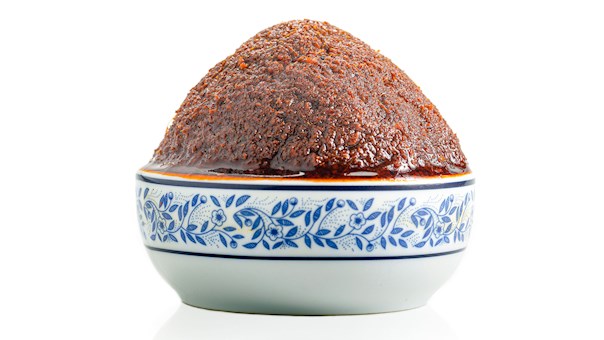
Mala sauce is a savory and greasy dip customarily connected to the culinary traditions of the Sichuan province and the city of Chongqing. It is prepared with chili peppers, oil, Sichuan pepper, and a number of other flavorings. First, chili flakes and pepper are finely ground, then combined with other spices, such as star anise, clove, fennel, black cardamom, ginger, and cinnamon. The mixture is then simmered in vegetable oil, or a mixture of oil and beef tallow, then packed into a jar. Chili powder and douban paste (salted, fermented bean paste) are also occasionally added to the sauce. This famous dip has seen many regional variations throughout China. It is eaten with a whole variety of different foods, including squid, shrimp, barbecued pork, chicken, corn, and mushrooms. Besides being used as a condiment, the sauce is also employed in the preparation of several different meals, such as hot pots, stir-fries, grilled noodles, and soups.
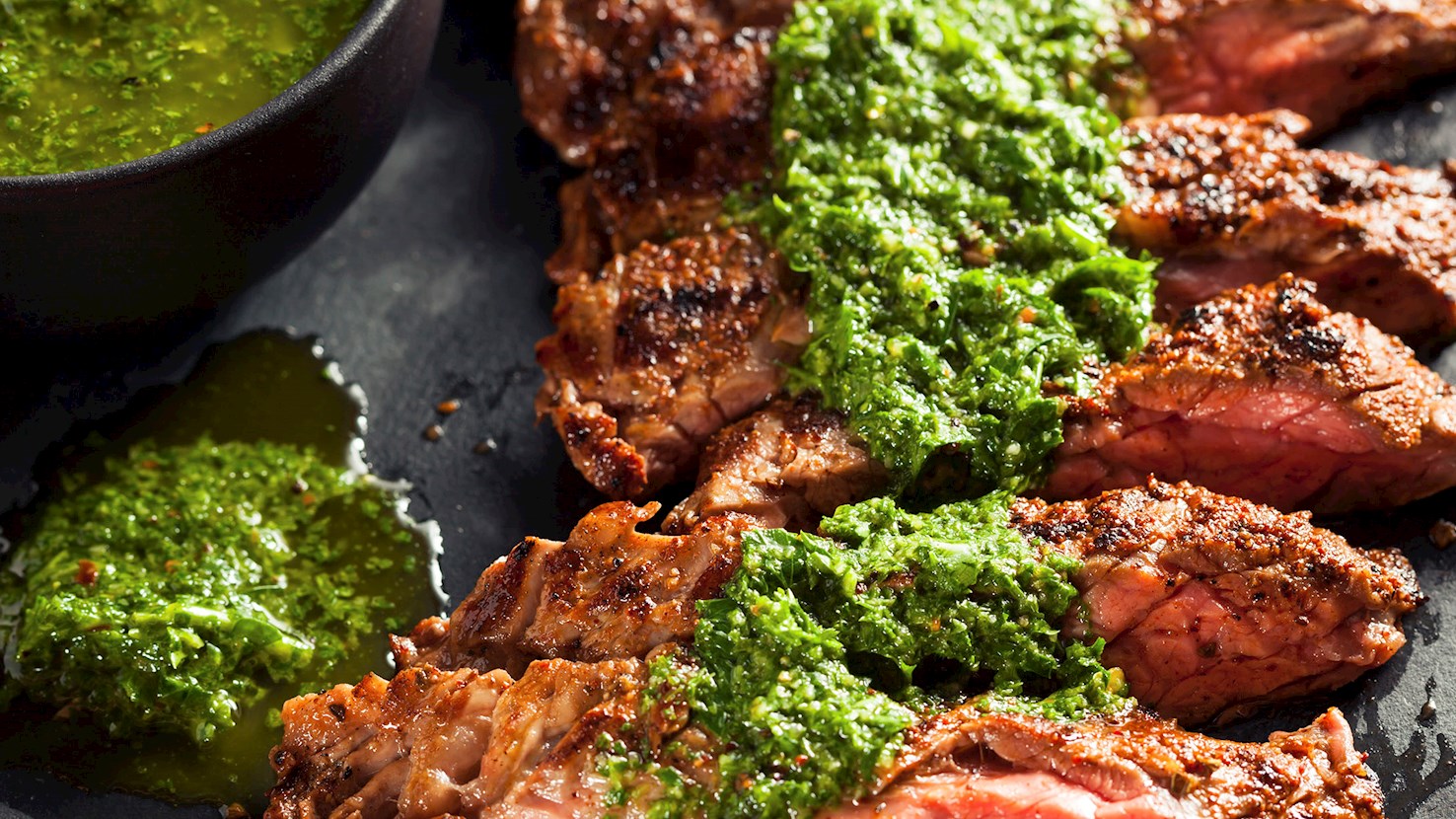
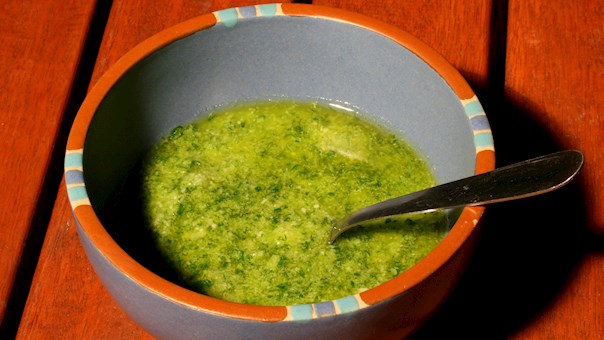
Chimichurri is a boldly-flavored Argentinian sauce traditionally served with grilled meats and offal (asado). It is also used to make choripan, a kind of chorizo hot dog, and is often served with empanadas. At its most basic, this Argentine staple consists of parsley, garlic, oregano, red chili pepper flakes, oil, and vinegar, but as one might imagine, there are a plethora of different variations of this sauce. However, depending on the ingredients used, they can roughly be divided into two groups — verde or green and roja, meaning red. Some of the additional ingredients include lemon, cumin, paprika, basil, cilantro, or bay leaf, while some variations of chimichurri even include tomatoes or red peppers and even red wine. In addition to being the perfect accompaniment to asado or grilled meats, this condiment can be served with almost anything — from simple toast or crackers to fried eggs, fish, or other meat-based dishes.
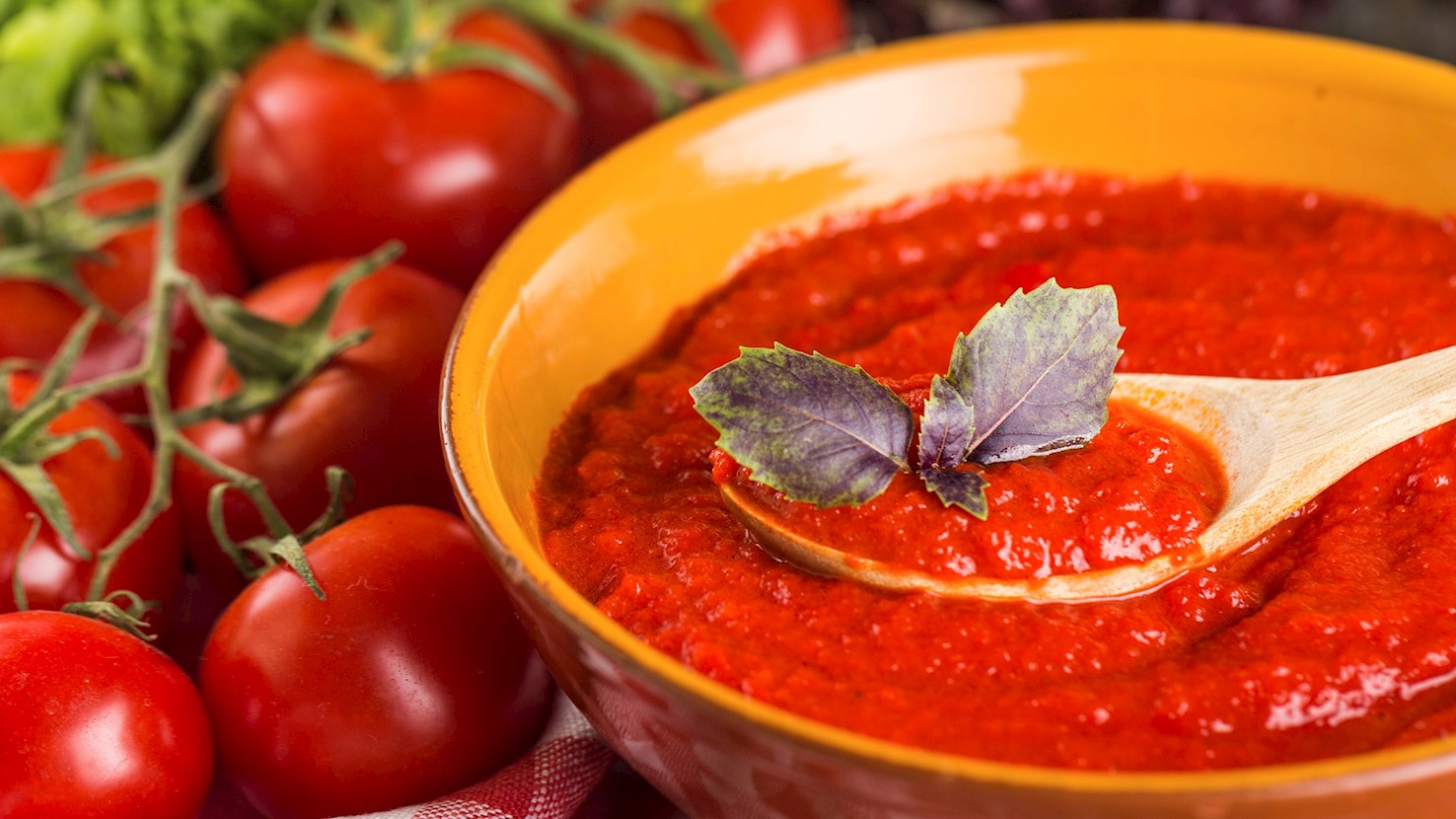
The basic marinara sauce is prepared with only tomatoes, garlic, extra virgin olive oil, salt, and herbs, most notably oregano, parsley, or basil. Variations on this basic recipe include the addition of onion, white wine, and chili pepper. Although fresh tomatoes are preferred, most recipes call for canned ones or tomato passata to speed up the preparation process.
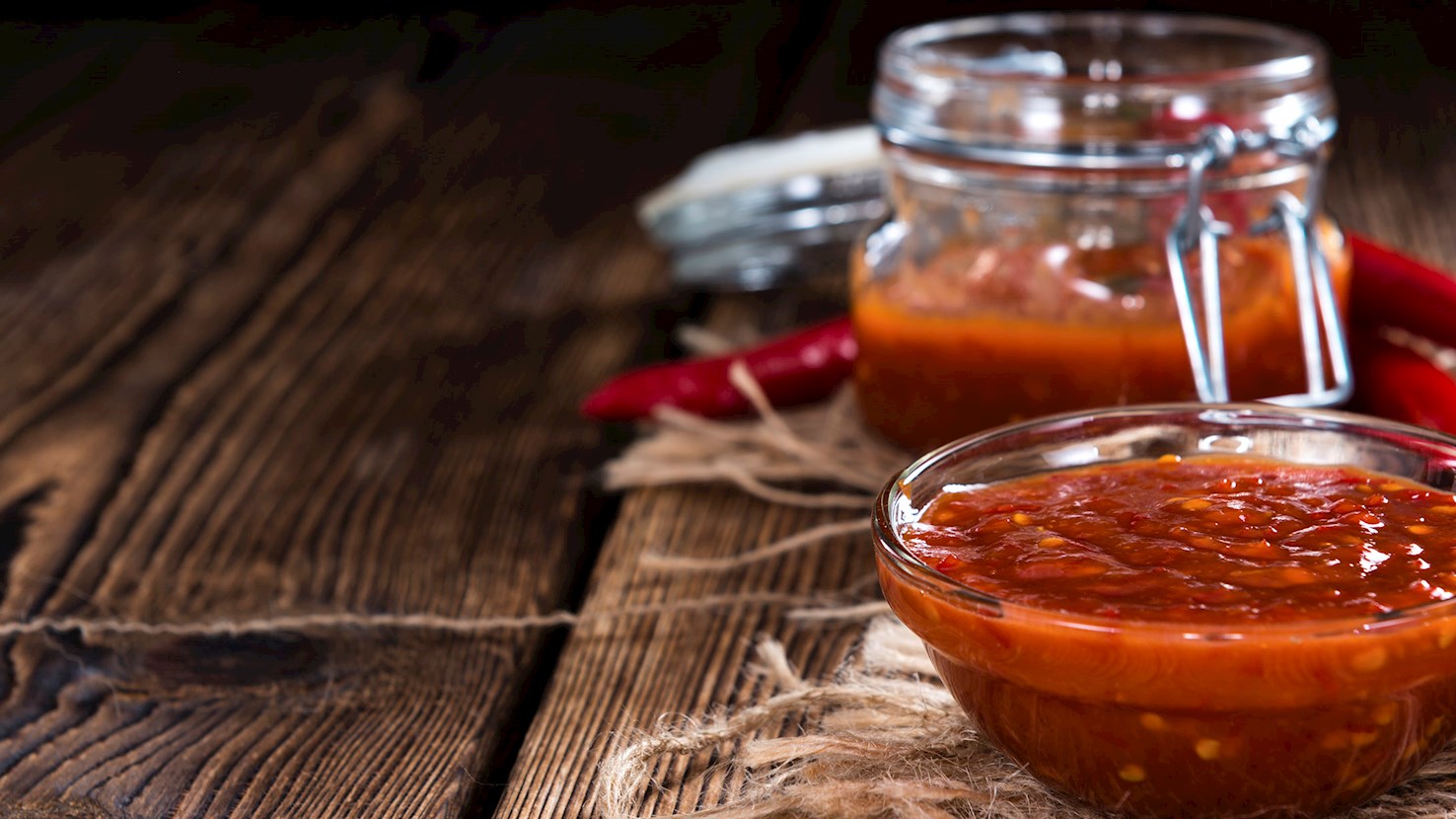
Sambal refers to a large group of spicy sauces or condiments which are a quintessential part of almost every Indonesian meal. It can be spicy, sweet, salty, or sour depending on the region, and its texture can range from coarse to smooth. Basic sambal, sometimes known as sambal oelek or sambal ulek, is traditionally made by grinding raw chili peppers with some salt using a stone mortar and pestle called ulek. Sometimes, sambal ulek is enriched with vinegar of lime juice and serves as a base for other, more complex sambals. Those are made with either fresh or fried vegetables — chili peppers in the first place, onions, Asian shallots, garlic, eggplants, and tomatoes seasoned with vinegar, lime juice, lemongrass, sugar, soy sauce and terasi — fermented shrimp paste or powder. Additional ingredients include various fruits such as mango, young banana, and strawberries, or nuts like peanuts and Indian walnuts. A traditional way of preparing sambal with mortar and pestle is often substituted with processing the ingredients in a food processor. Sambal can either be served on the side or mixed with other ingredients such as vegetables, meat and fish creating a wide range of individual dishes which often have a word sambal in their names. If the sambal is too spicy, cold water will bring no relief — Indonesians serve sambal with warm tea, milk or yogurt.
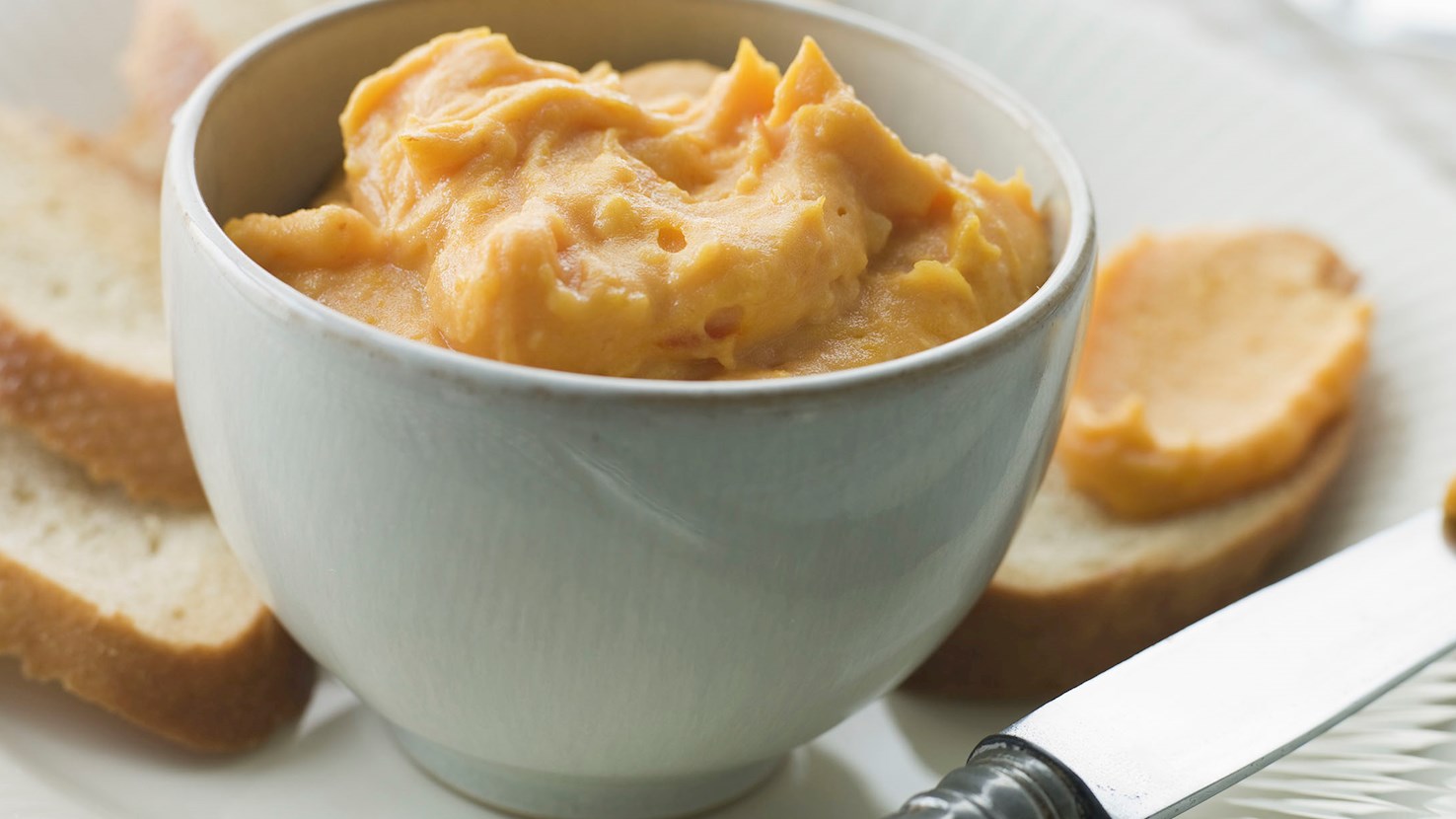
This spicy sauce is made using a mortar and pestle and is typically thickened with bread or breadcrumbs. Known as rouïo in Provençal (lit. “rust”), it gets its ruddy color and most of its flavor from garlic and saffron. Traditional rouille uses olive oil as a base, although most modern versions of the sauce use mayonnaise instead. Some rouille varieties are also made with fish liver, boiled potatoes, tomatoes, garlic, and olive oil. This sauce serves as the perfect, traditional finishing touch for bouillabaisse and other classic French seafood soups and dishes.
TasteAtlas food rankings are based on the ratings of the TasteAtlas audience, with a series of mechanisms that recognize real users and that ignore bot,
nationalist or local patriotic ratings, and give additional value to the ratings of users that the system recognizes as knowledgeable.
For the “Top 15 Sauce Recipes” list until August 17, 2026, 17,709 ratings were recorded, of which 11,155 were recognized by the system as legitimate.
TasteAtlas Rankings should not be seen as the final global conclusion about food. Their purpose is to promote excellent local foods,
instill pride in traditional dishes, and arouse curiosity about dishes you haven’t tried.






What People Say