shutterstock

Top 24 Italian Sausages

Last updated on June 16, 2026

Best Italian Sausage Types
01

Soppressata

4.3 ·

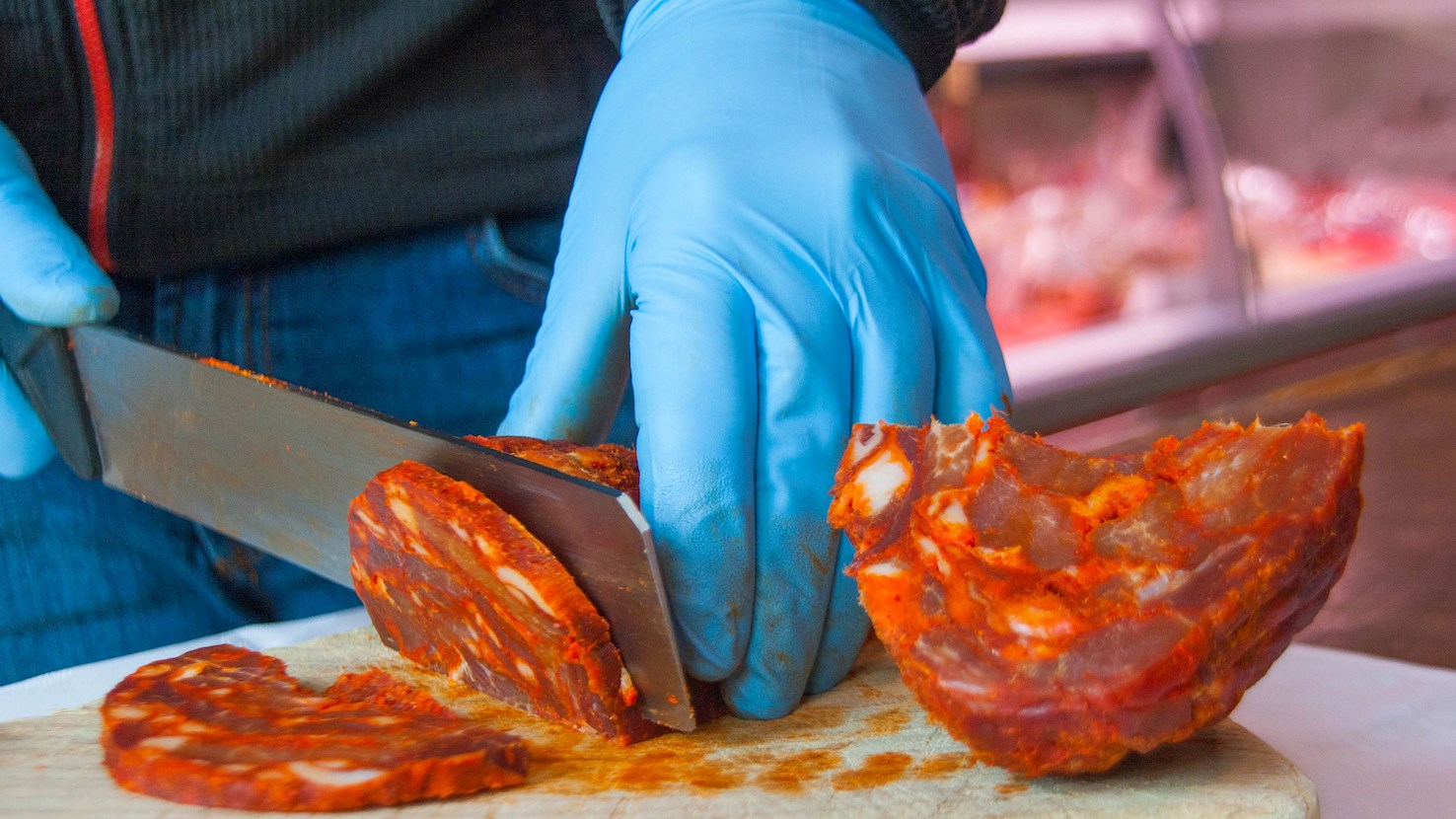
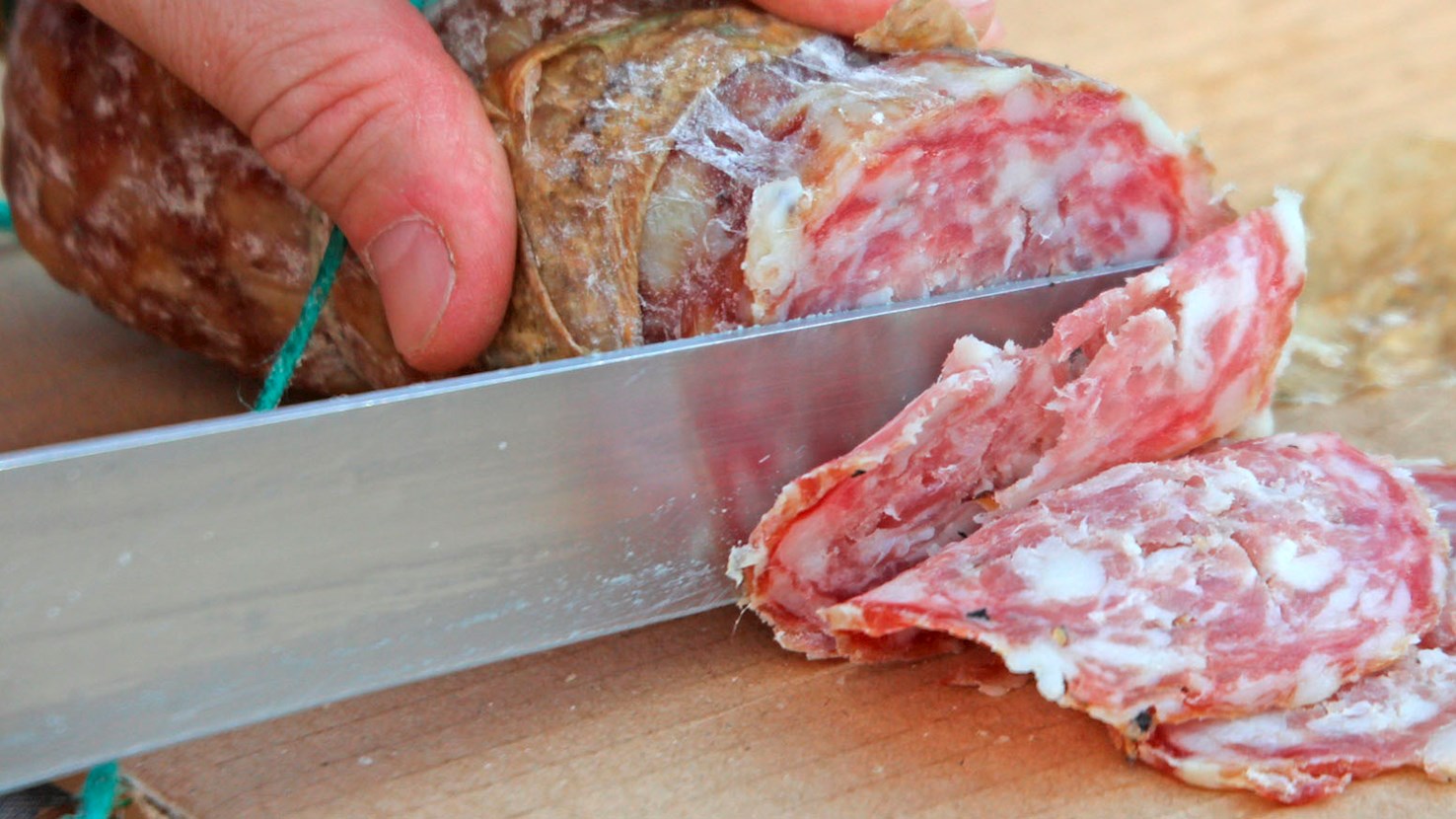
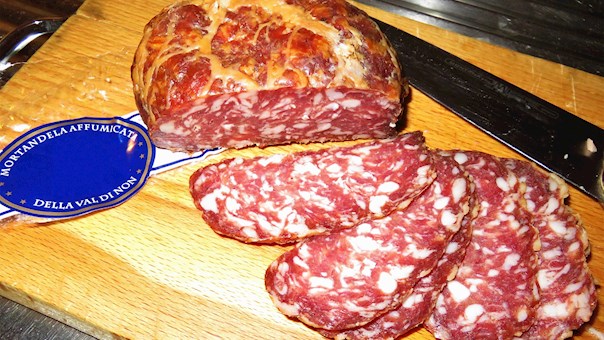
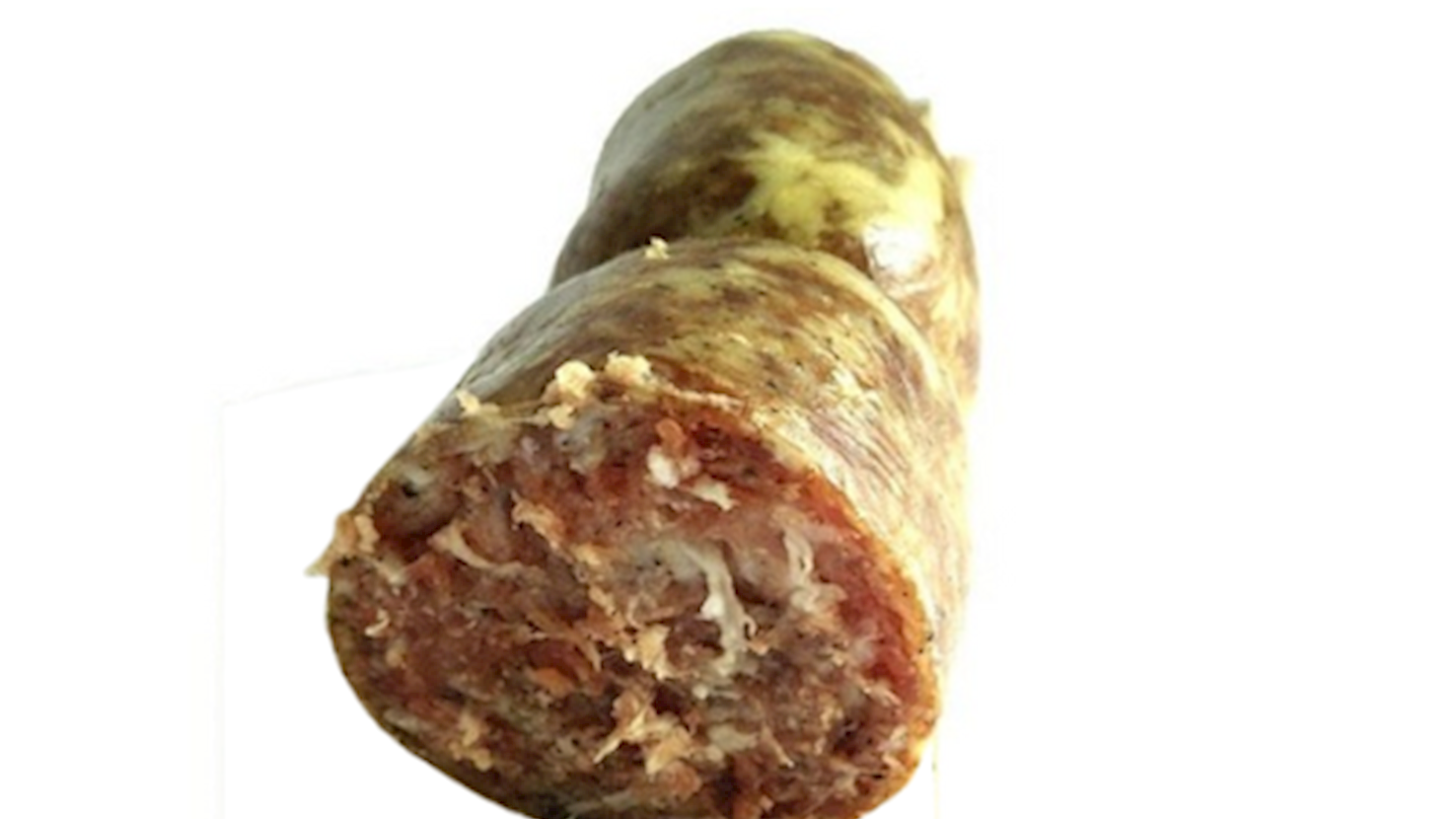
The Italian soppressata is a traditional sausage that comes in many different regional varieties. Soppressata sausages are mainly prepared with roughly cut pork meat and fat, while the Tuscan version also incorporates offal and closely resembles brawn or head cheese. Unlike the typical pressed and dry varieties found in Basilicata, Apulia, and Calabria, the most common versions in Tuscany and Liguria are sold fresh and come in large, round shapes. The basic seasonings are salt and pepper, but depending on the region and tradition many other spices such as pepperoncinos or citrus zest can be used. The tradition of preparing soppressata is mainly associated with southern Italy, but due to large immigration, they are well-known in other parts of the world. All the varieties are served sliced and are mainly enjoyed as a part of traditional Italian antipasto.

02

'Nduja

4.2 ·

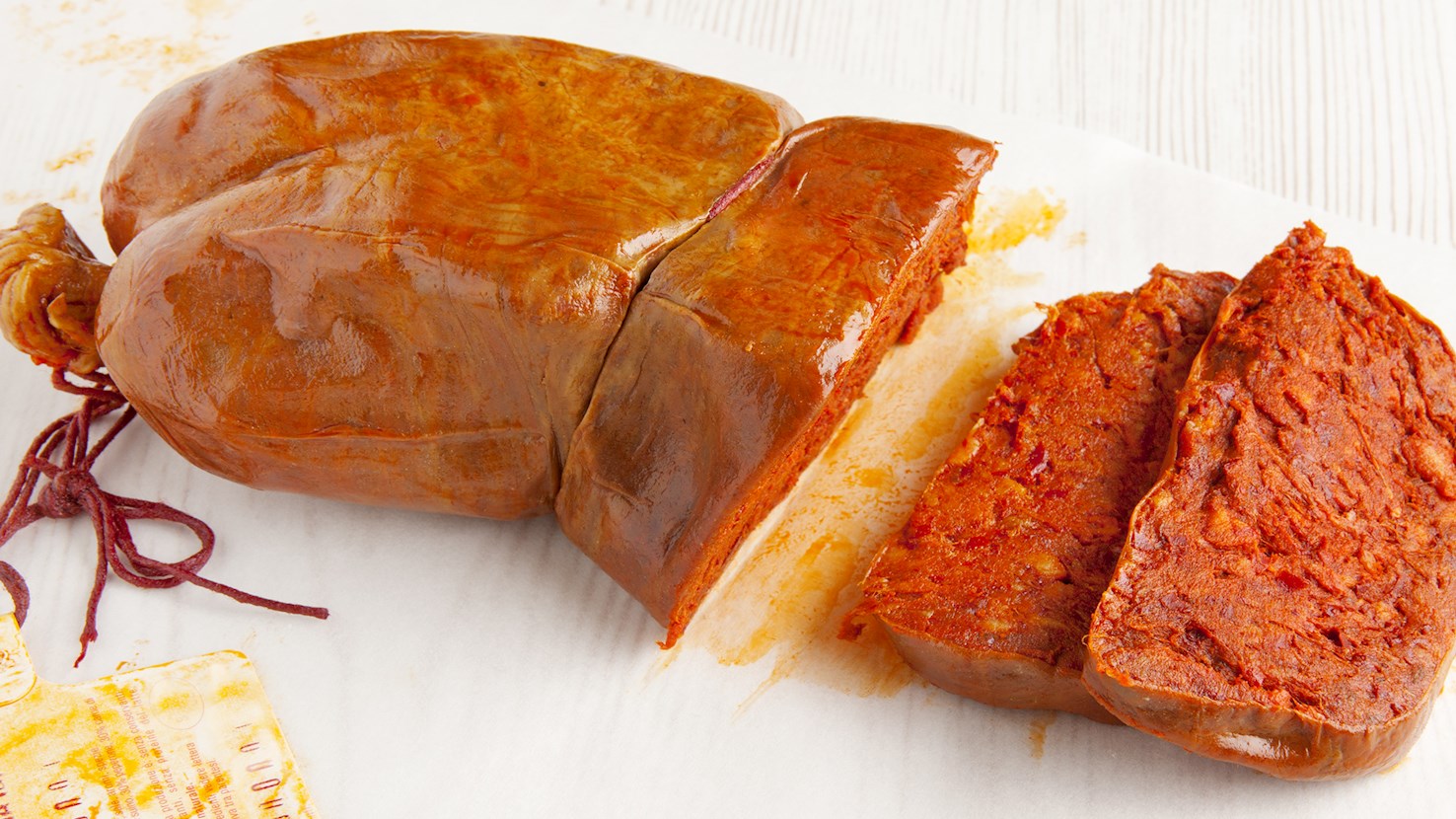
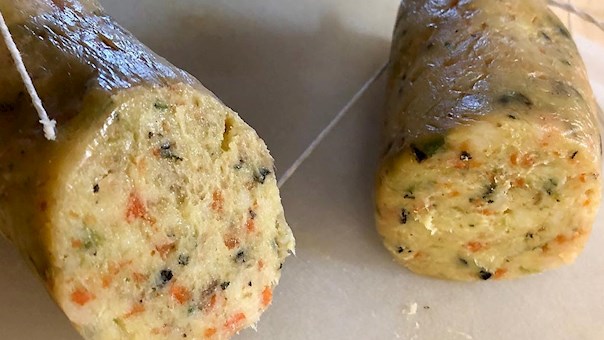
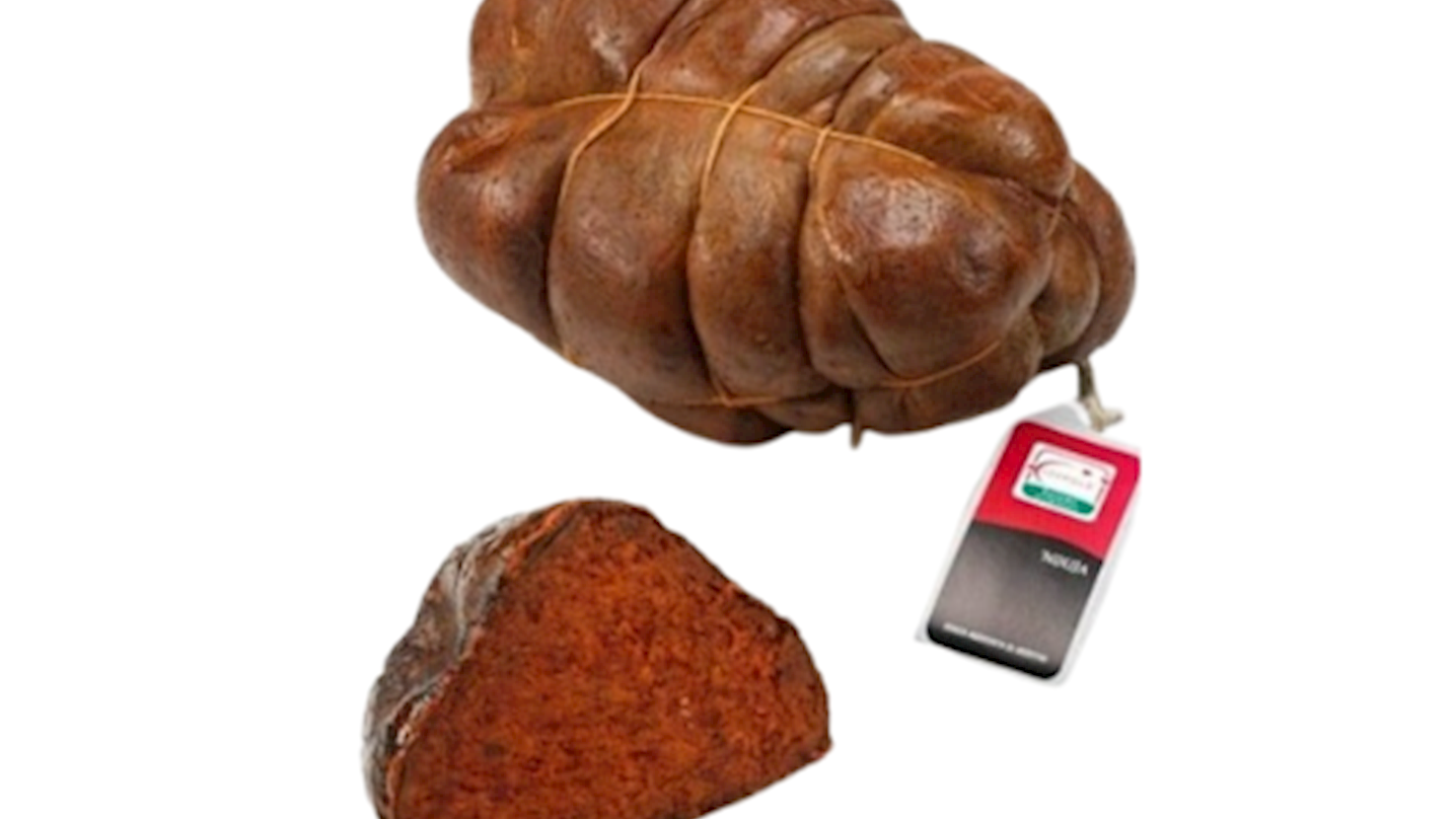
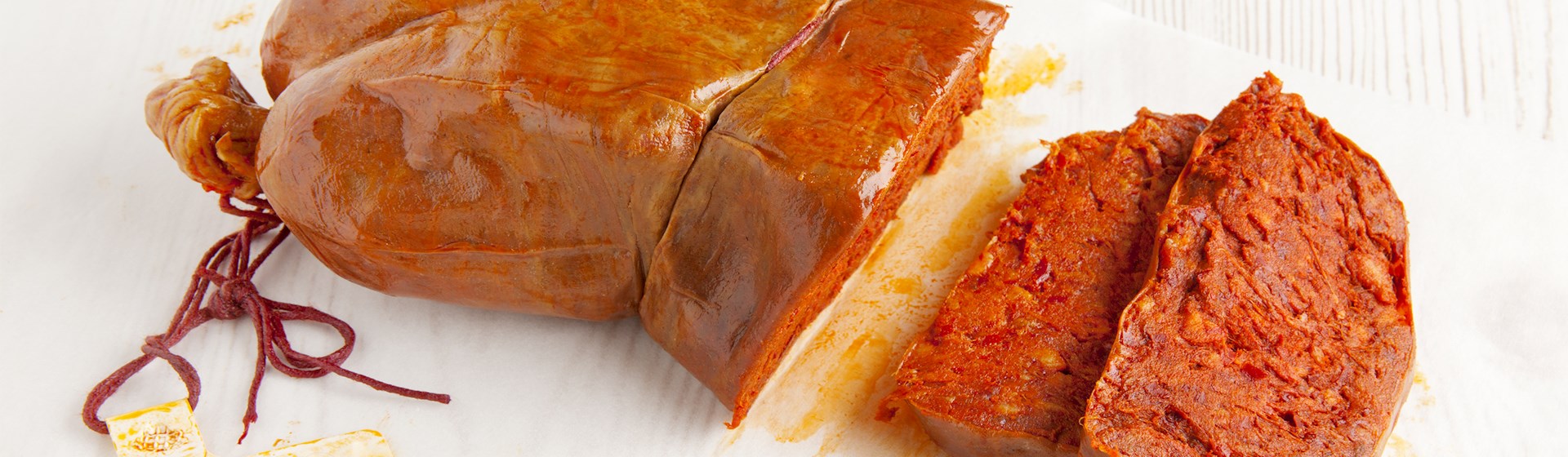
'Nduja is a traditional spicy, spreadable pork sausage from Calabria, believed to originate in a small town of Spilinga. Known for its fiery flavor, creamy texture, and versatility in cooking, 'nduja originated in rural Calabria as a way for farmers to utilize less desirable cuts of pork by mixing them with a high concentration of chili peppers for preservation and flavor. It is typically made from pork fat, meat (especially shoulder or belly), and an abundance of Calabrian chili peppers, which give it its distinctive red color and intense spiciness. The high fat content results in a soft, spreadable texture, setting it apart from traditional cured sausages. After the ingredients are mixed, 'nduja is stuffed into natural casings and cured for weeks or months, allowing the flavors to develop while maintaining its creamy, paste-like consistency. Its bold, smoky, spicy, and slightly tangy flavor makes it a unique ingredient in Italian cuisine. 'Nduja is incredibly versatile; it can be spread on crusty bread as an appetizer, melted into pasta sauces, used as a pizza topping, or incorporated into soups and stews for a spicy kick. It pairs well with cheese, seafood, and eggs, adding depth and heat to a variety of dishes.

03

Soppressata di Calabria

4.2 ·

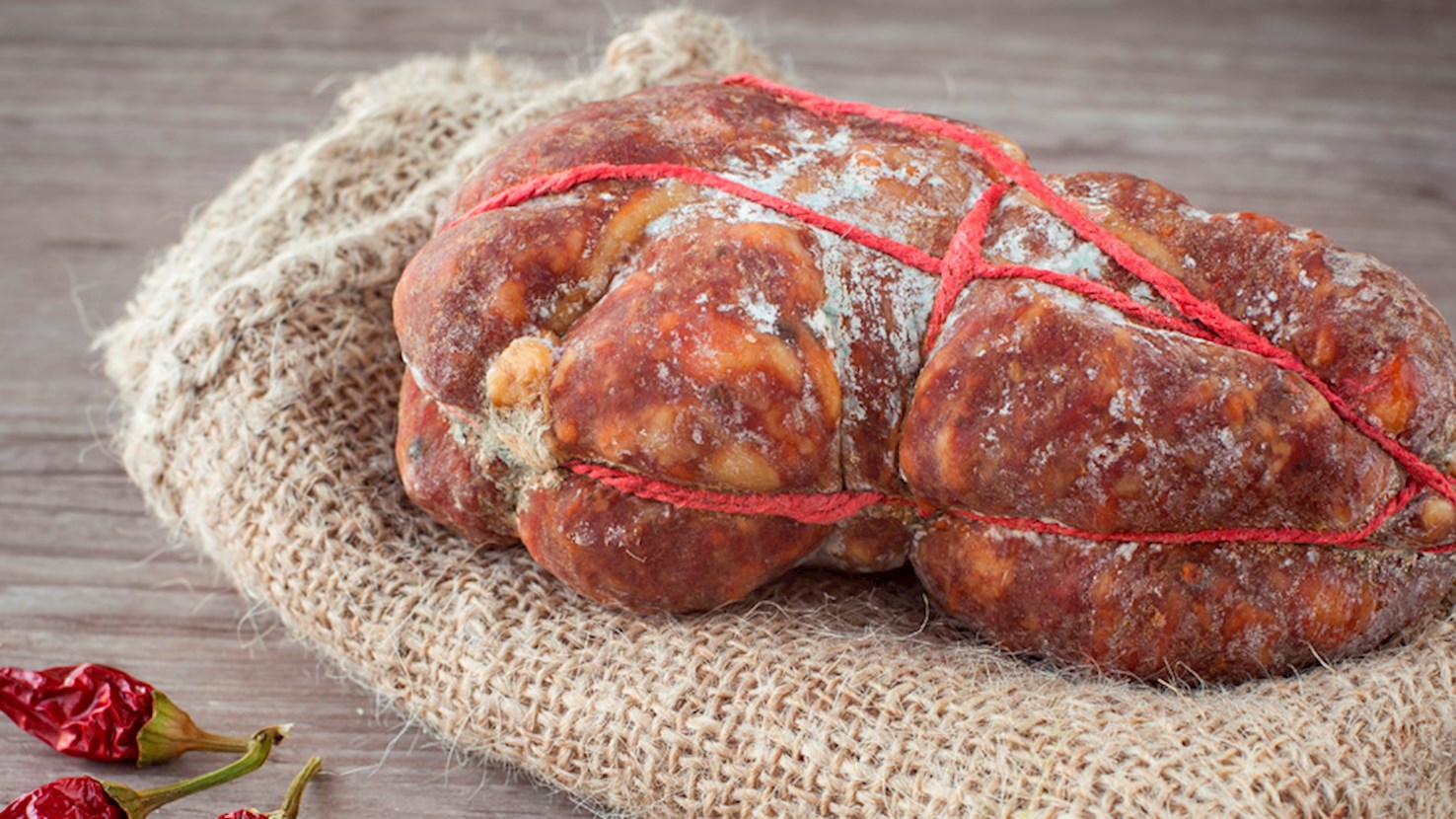
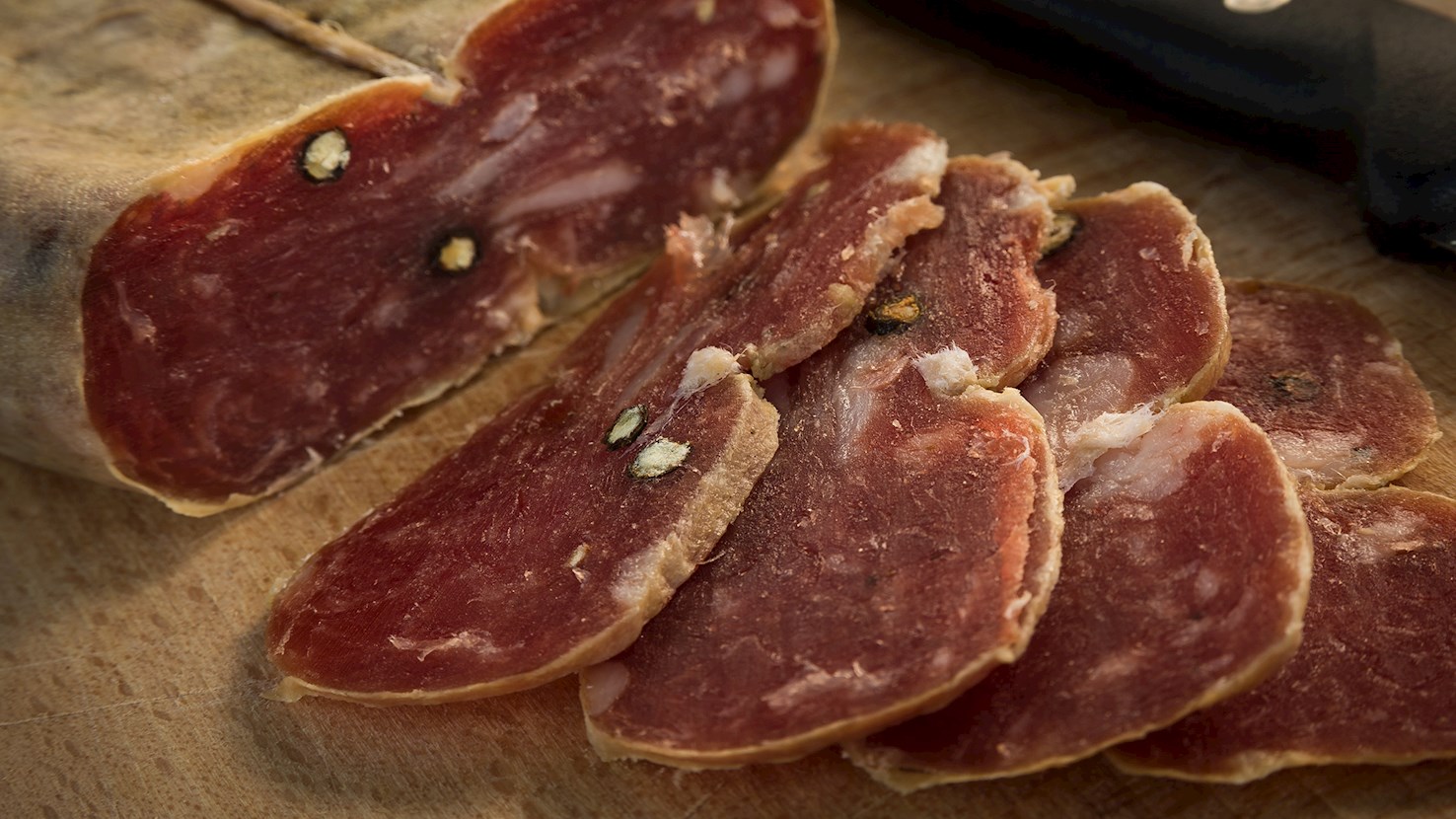
Among the typical products of southern Italy, soppressata stands out as a type of Calabrian cured sausage, made from a mixture of coarsely ground finest pork cuts: ham, shoulder, and tenderloin, along with fat from the front loin. The meat is seasoned with salt, black pepper, and strong or mild peperoncino. Stuffed into a natural casing and hand-tied with twine, it is left to mature for a minimum of 45 days in a cool, humid place to develop the rounded, savory taste that comes from slow ripening. Sometimes it's cured close to a brazier where orange peels are burnt, which gives this sausage quite a distinctive aroma. Bright red in color and rather spicy, it is about 15cm long and slightly flattened, with a diameter of about 6cm. The sausage is traditionally produced in the province of Cosenza, including the towns of Acre and Serra San Bruno. An excellent choice for any charcuterie assortment, soppressata is most often served as an antipasto accompanied by cheese and sourdough bread.

04

Ventricina

4.2 ·

Ventricina is a renowned Italian cured sausage, produced in the regions of Abruzzo and Molise. There are two main, significantly different varieties of this Italian delicacy produced in Abruzzo. Ventricina del Vastese is a hard, cured sausage made with coarsely chopped lean pork, garlic, sweet and spicy pepper, black pepper, and wild fennel seeds - it is usually enjoyed thickly sliced and paired with crusty bread. On the other hand, ventricina Teramana is a soft, spreadable variety made with fattier parts of pork, lard, garlic, rosemary, fennel seeds, peperoncini, orange zest, and salt. It is best enjoyed spread over slices of homemade bread and paired with a glass of local red wine. The region of Molise also has its take on this treat: Ventricina di Montenero di Bisaccia, made with pork from local pigs that feed exclusively on cereals and dried legumes.

05

Pitina

4.1 ·

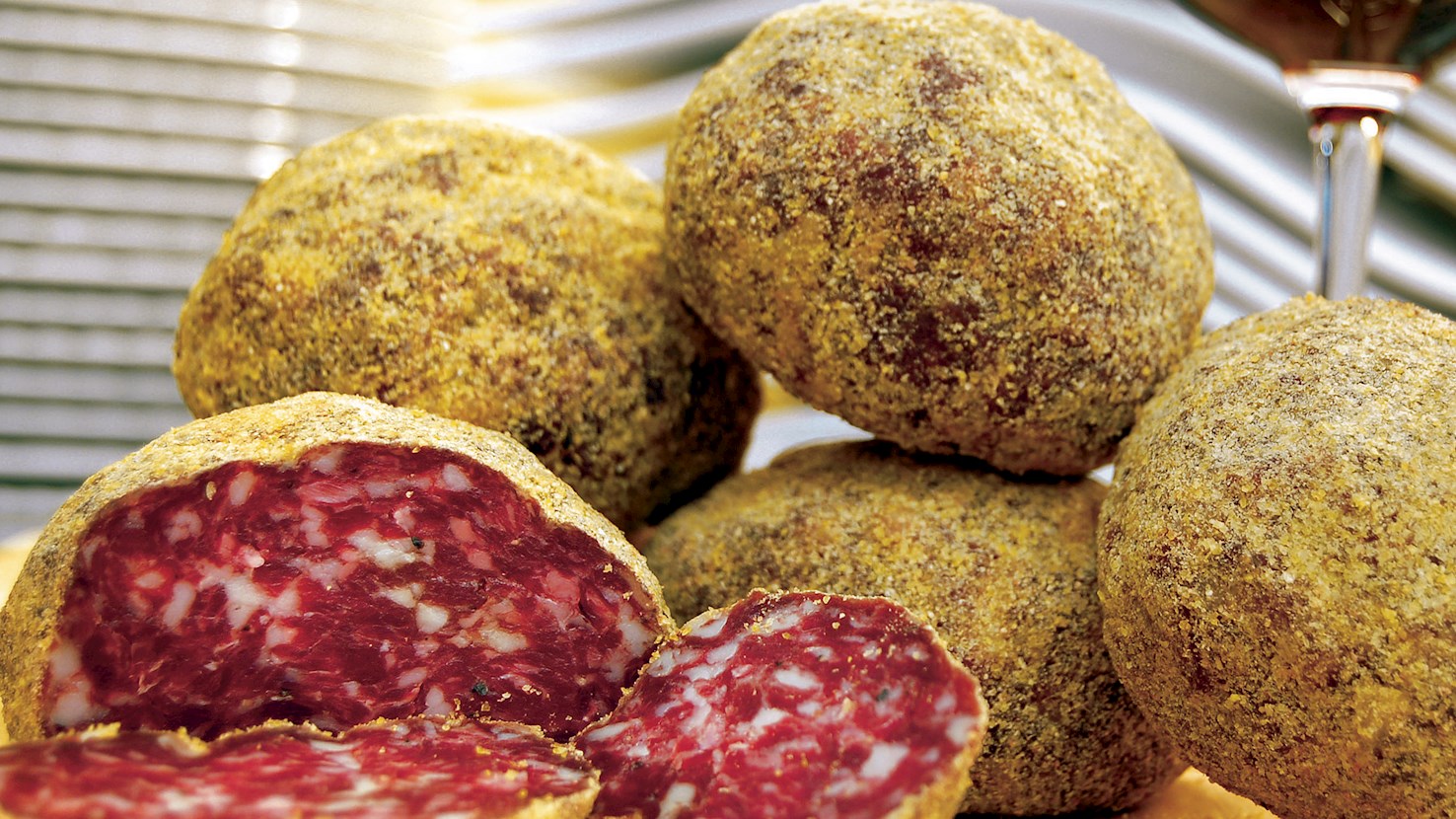
Pitina is a traditional meat product originating from the province of Pordenone. It's made from a paste that contains lean meat (sheep, goat, roe deer, fallow deer, red deer or chamois) and fat (pork belly or shoulder). The meat and fat are seasoned with sea salt or rock salt, garlic, red wine, black pepper, and aromatic herbs. The mixture is shaped into a ball, rolled in maize flour for preservation purposes, and it's then smoked over the embers of juniper wood and left to age. When cut, the pitina is lean with a fine grain. The aroma is smoky, while the flavor is rich and full-bodied. The meat mixture was not stuffed into pig intestines due to the scarcity of swine in the area. Nowadays, most butchers use a combination of mutton, goat, pork, and beef, adding pork fat to soften the texture, while mushrooms or truffles are added occasionally for extra flavor.

06

Salsiccia di Bra

4.1 ·

Salsiccia di Bra is a traditional sausage hailing from Bra in Cuneo, Italy. Although the exact recipe is a secret, certified producers say that the secret of this cylindrical sausage lies in the right amount of lean veal meat, pig's fat, sea salt, white pepper, cinnamon, mace, and nutmeg. Many producers enrich it further with fennel, garlic, cheese, leeks, white wine, and even prosecco or sparkling wine for Christmas. The combination is stuffed in a small ram's gut, and the sausage is traditionally eaten fresh and raw with a splash of lemon juice as part of antipasti or as a snack during aperitivo (pre-dinner drink). And for true fans of salsiccia di Bra, every spring there is a festival in Bra dedicated to this local sausage.

07

Mortadella Bologna

4 ·

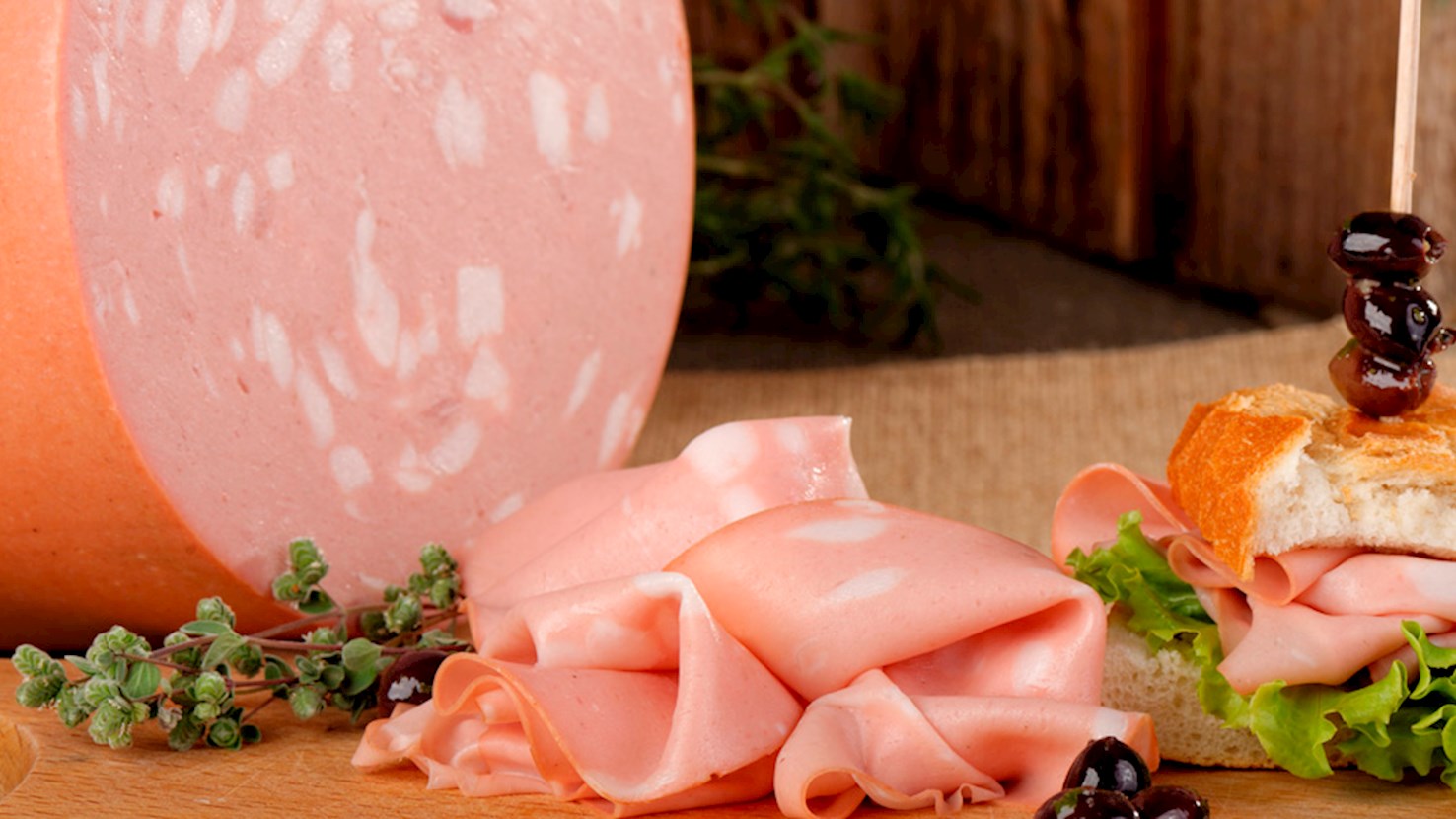
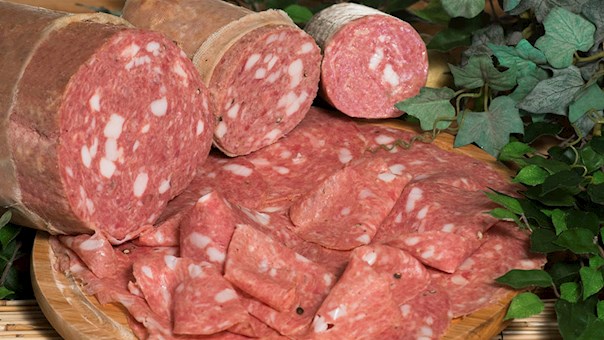
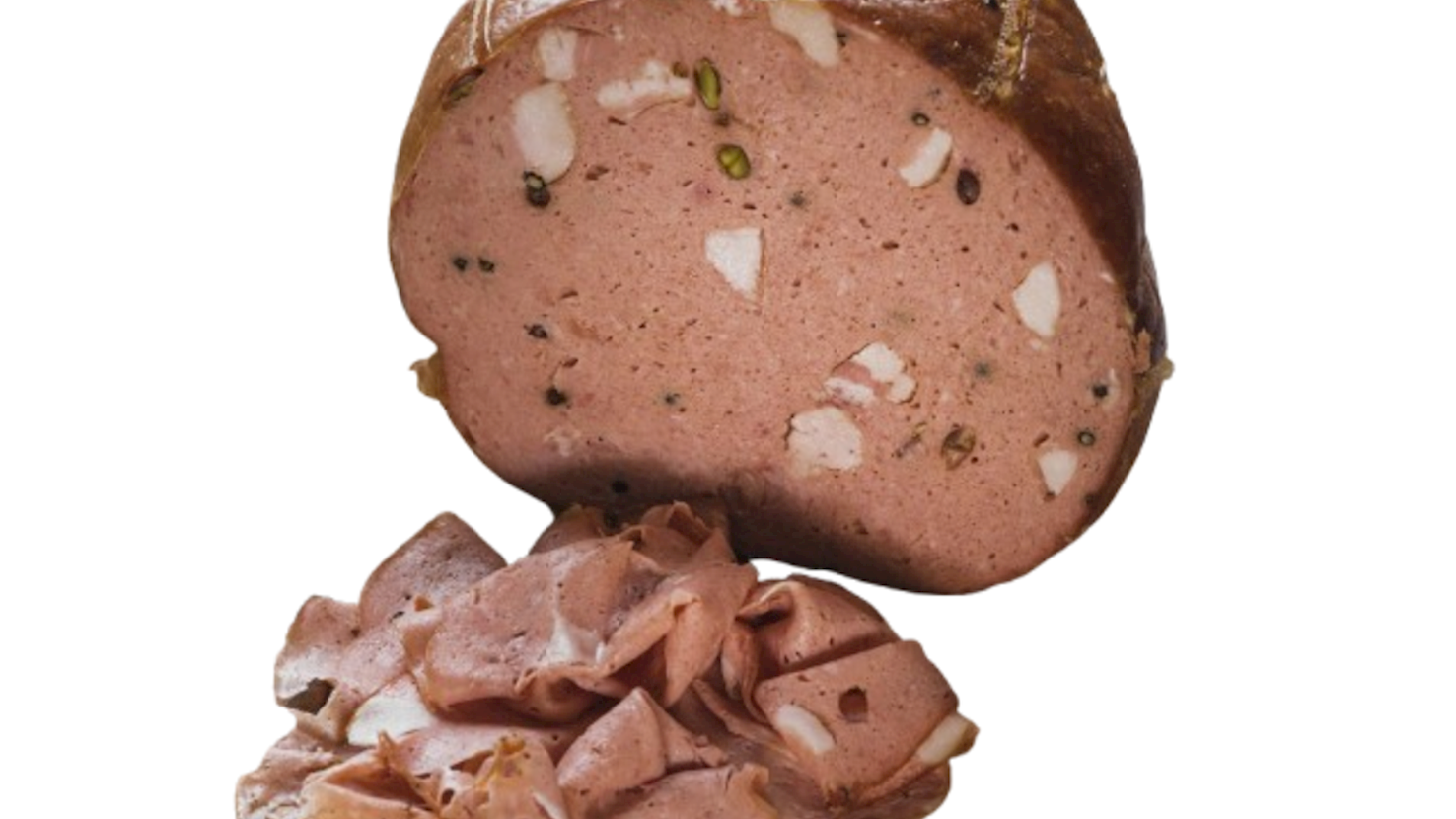
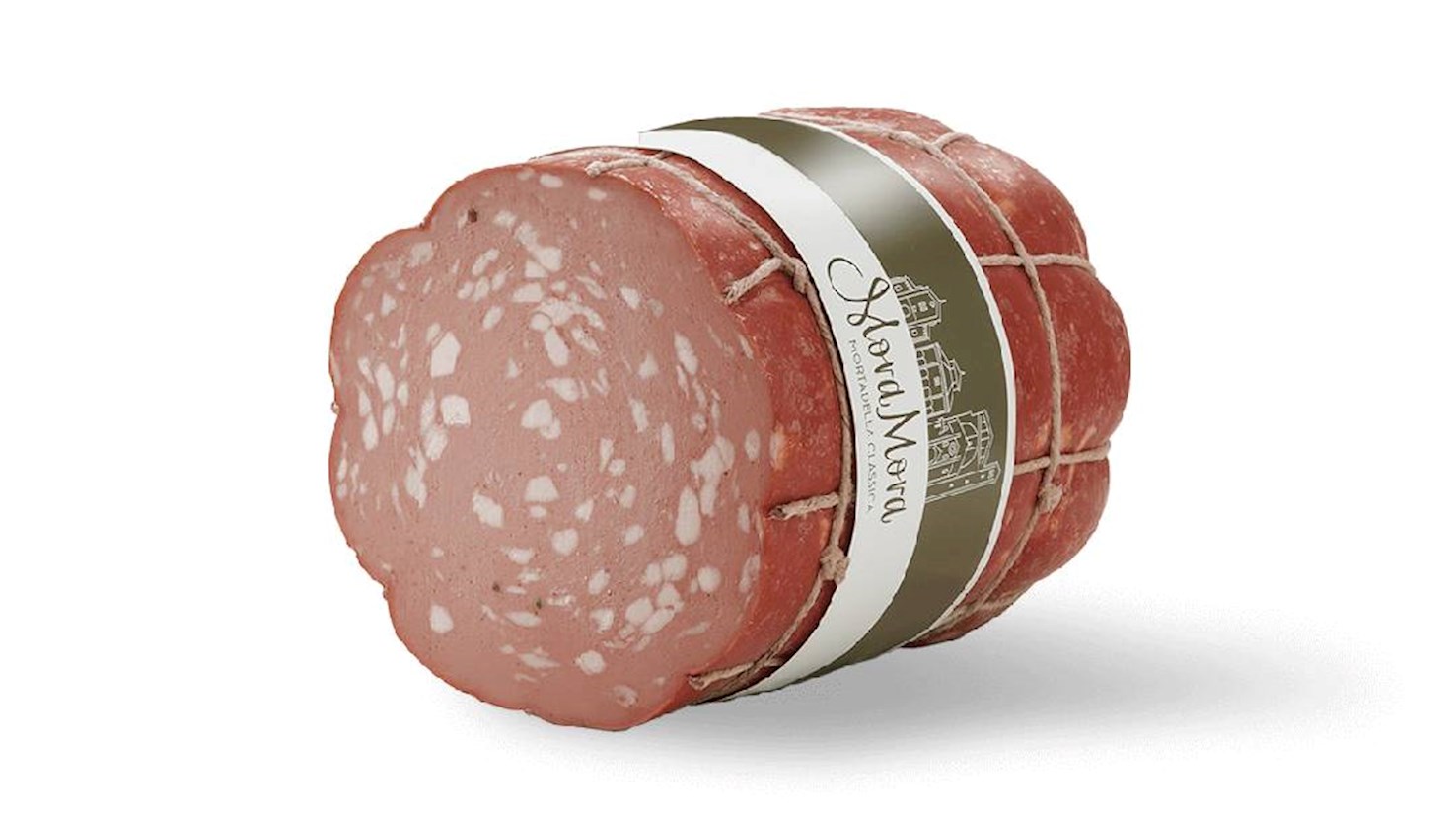
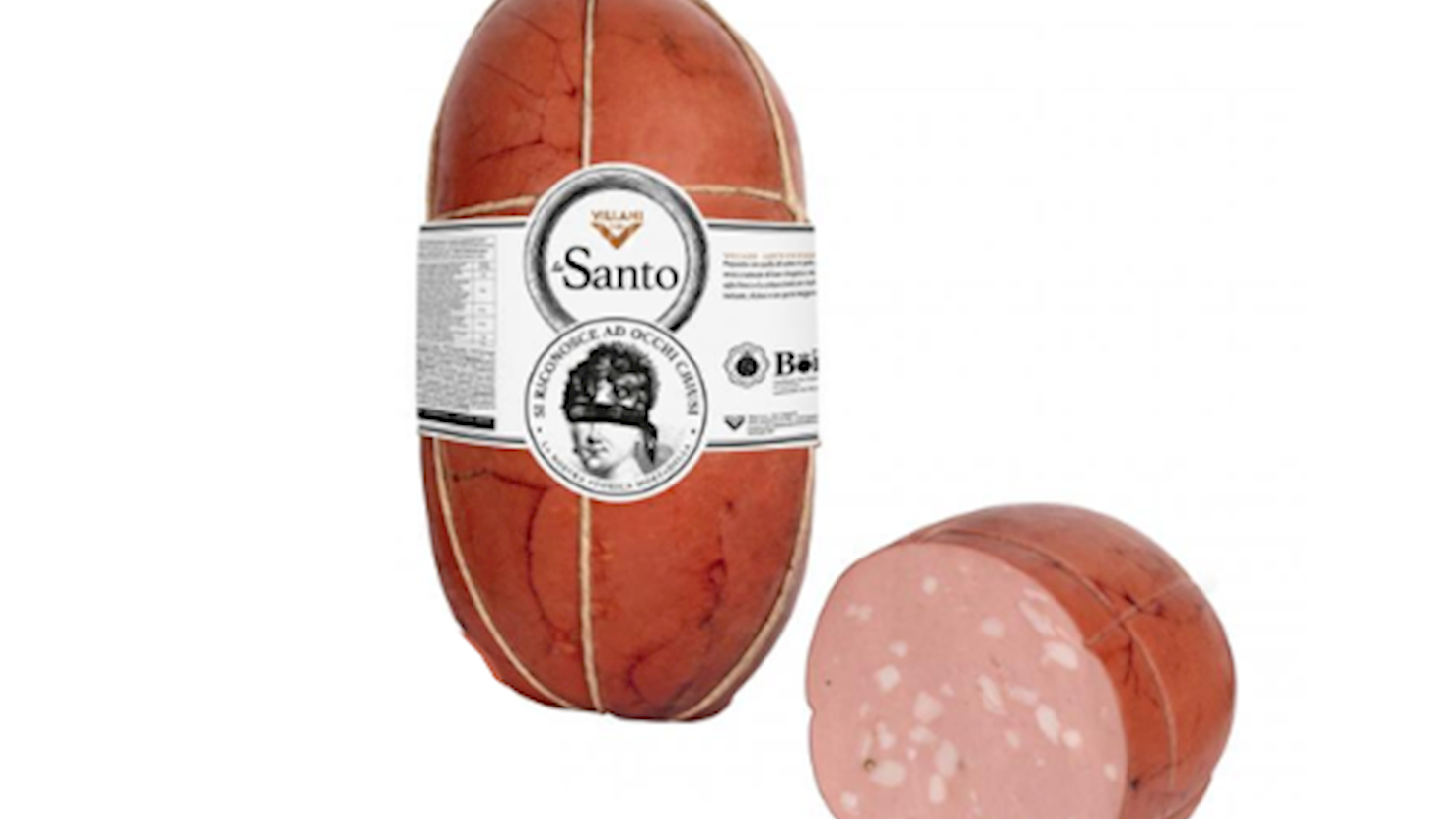
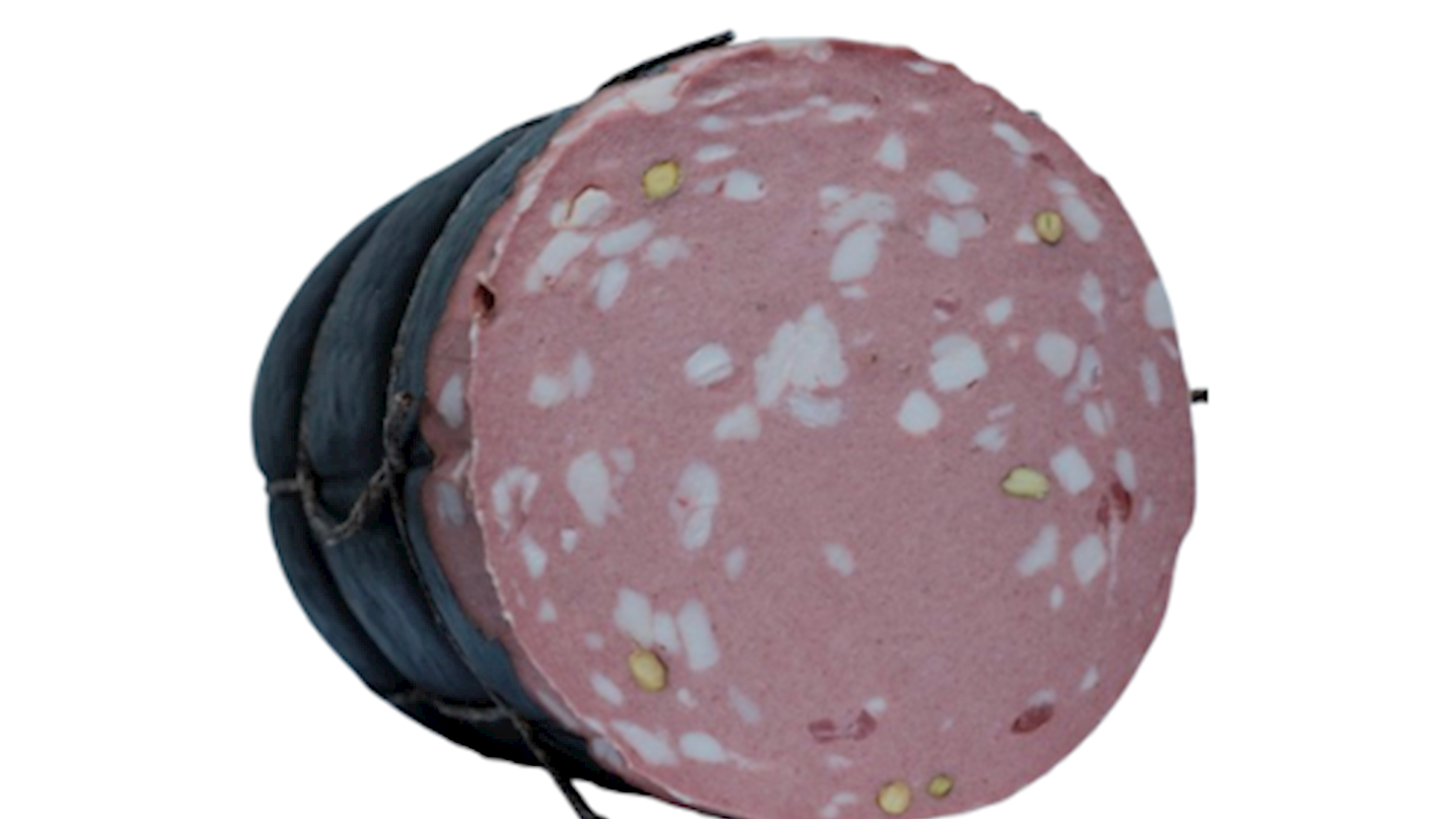
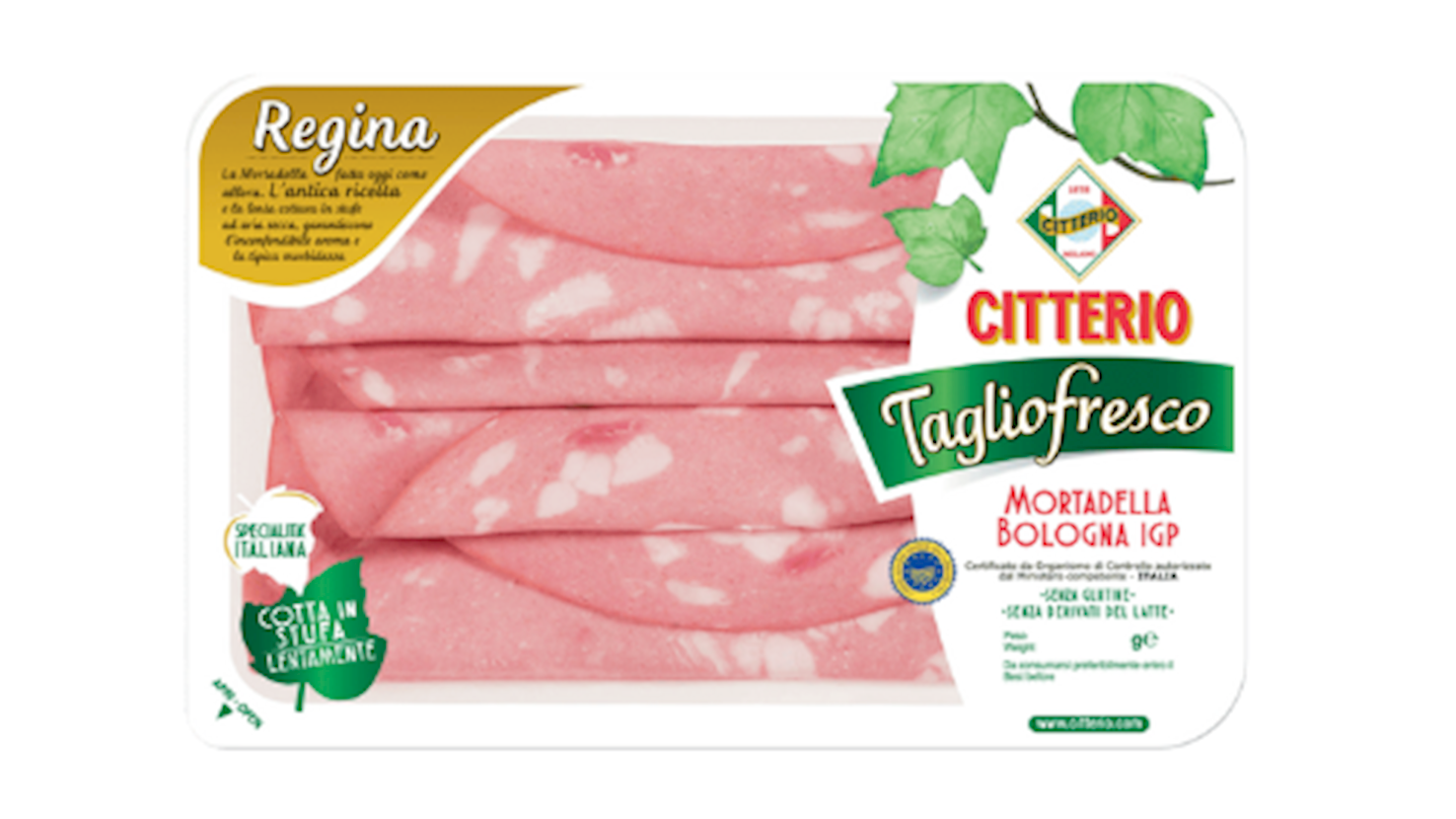
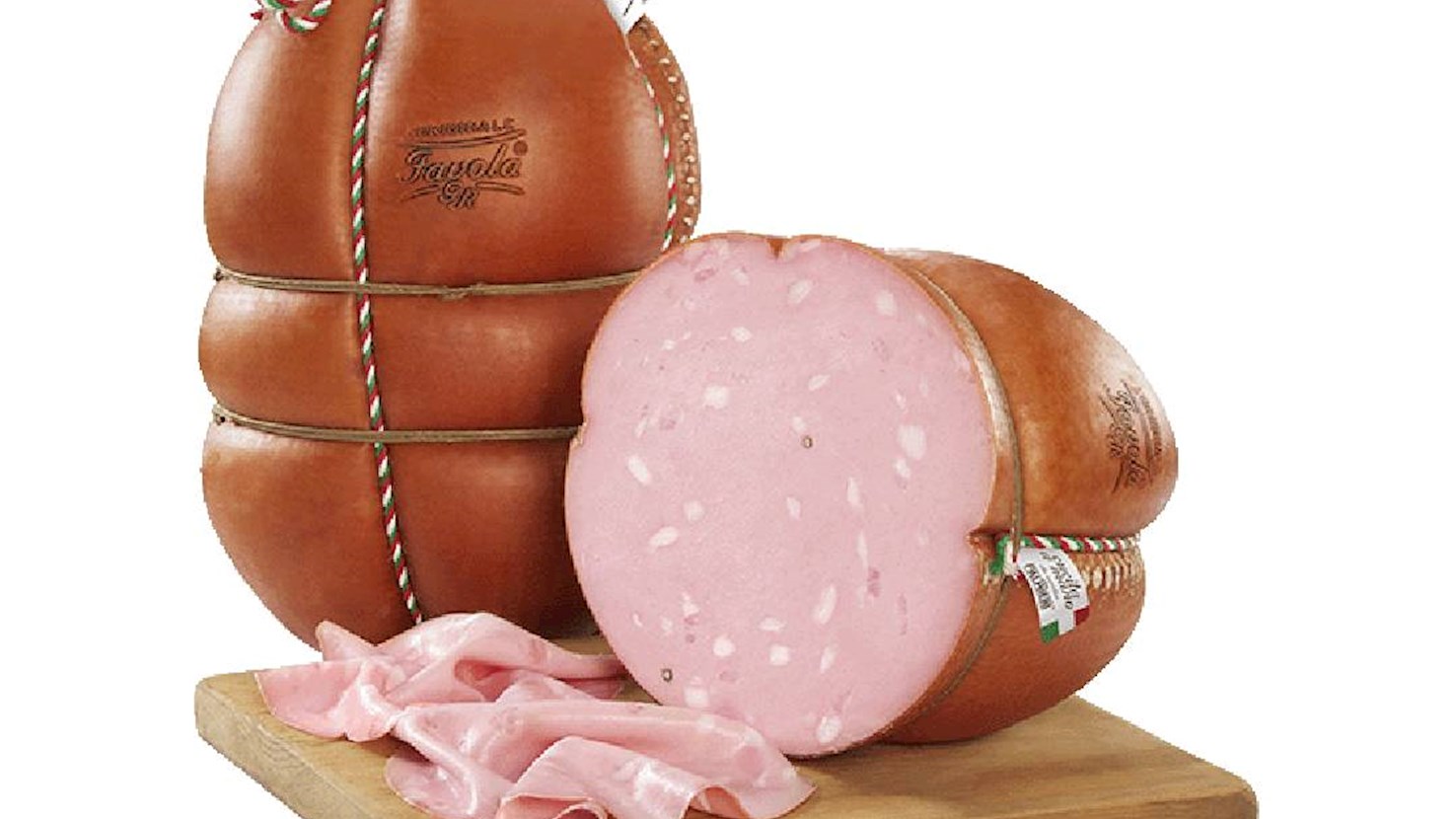
Mortadella Bologna is a traditional sausage made from pork, cubes of fat called lardelli, and selected spices. Closely related to the pig farming tradition of the Emilia-Romagna region, the origins of mortadella can be traced back to the ancient Bologna, namely the Etruscan city of Felsina and the surrounding areas rich in oak forests which provided tasty acorns and tubers for the numerous local swine, both wild and domesticated. As suggested by its full name, the bountiful city of Bologna, nicknamed La Grassa (meaning the fat one), is the home of this famous sausage, although its production takes place throughout central-northern parts of Italy (the regions of Emilia-Romagna, Piedmont, Lombardy, Veneto, Trento, Marche, Lazio, and Tuscany). It is made from pork that is first ground and then mashed into a paste, using a large mortar (mortaio), hence the name mortadella. Alternatively, some written sources say that the name comes from an old Roman word for myrtle, which was used for seasoning instead of pepper. In addition to meat, mortadella is traditionally studded with lardelli, cubes of fat coming from the pig's throat, and finally spiced with grain and/or ground pepper. Mortadella must be cooked for several hours at a low temperature with low humidity. If stored well, it can be kept for up to eight months. To bring out its rich flavor, mortadella Bologna is best served at room temperature, either thinly sliced or cut into cubes.

08

Soprèssa Vicentina

4 ·

Traditionally produced in the Veneto region, namely the province of Vicenza, soprèssa Vicentina is considered to be the the best Venetian cold cut and the most famous type of sopressa. To make this Italian medium-grained cured sausage, only the best cuts of pork are used, including both belly and neck fat, as well as lean cuts such as coscia (leg), shoulder, neck, and loin, which determines the quality of the final product. The meat is seasoned with salt, pepper, and garlic. Soprèssa Vicentina has a delicate peppery-sweet flavor, a pronounced aroma of garlic, and it is typically served as an appetizer alongside grilled polenta.

09

Ciauscolo

3.9 ·

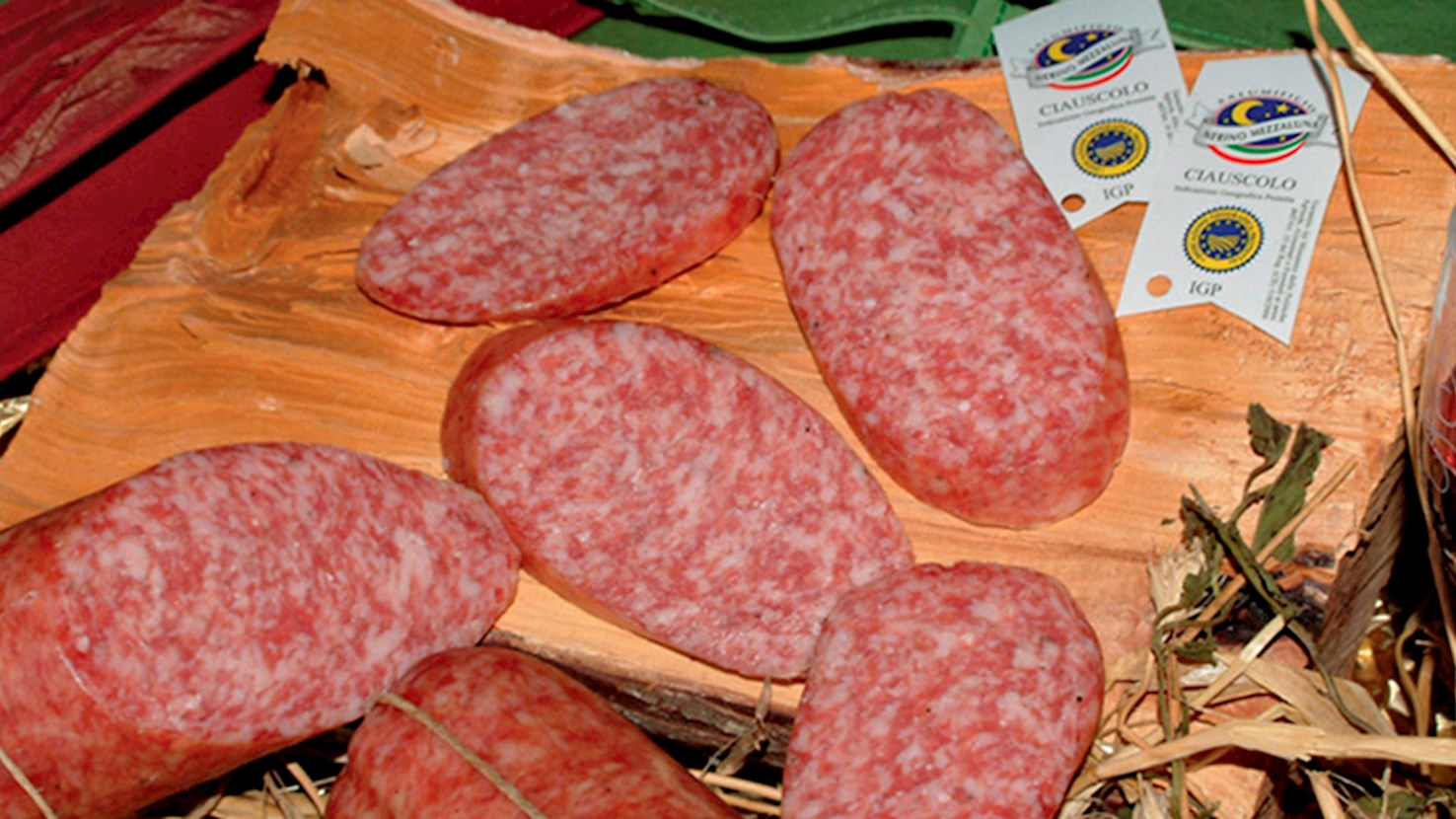
This variety of smoked salami is typical of the Marche region, especially the Sibillini Mountains and the provinces of Macerata, Ancona, Ascoli Piceno, and Fermo. Ciauscolo is a spreadable pork sausage produced from different cuts such as shoulder, bacon and loin, with the addition of ham trimmings and lard. The meat is seasoned with salt, spices, wine, garlic, and fennel seeds, and sometimes even Vincotto. It is then finely minced and stuffed into natural casings. Lastly, ciauscolo is cold-smoked for two days over juniper wood and left to dry. Even though these sausages can be aged for a couple of months, they are typically eaten after only two weeks, when they are still very soft and succulent, which makes them perfect for spreading on toasted bread, just like pâtés. These salami sausages are somewhat different depending on the area of production: the ones made in the province of Ascoli Piceno are leaner, while the Macerata versions have more lard, which makes them softer. Ciauscolo has a distinctive aroma of smoke with hints of fennel seeds and a sweet, spicy flavor.

10

Strolghino

3.7 ·

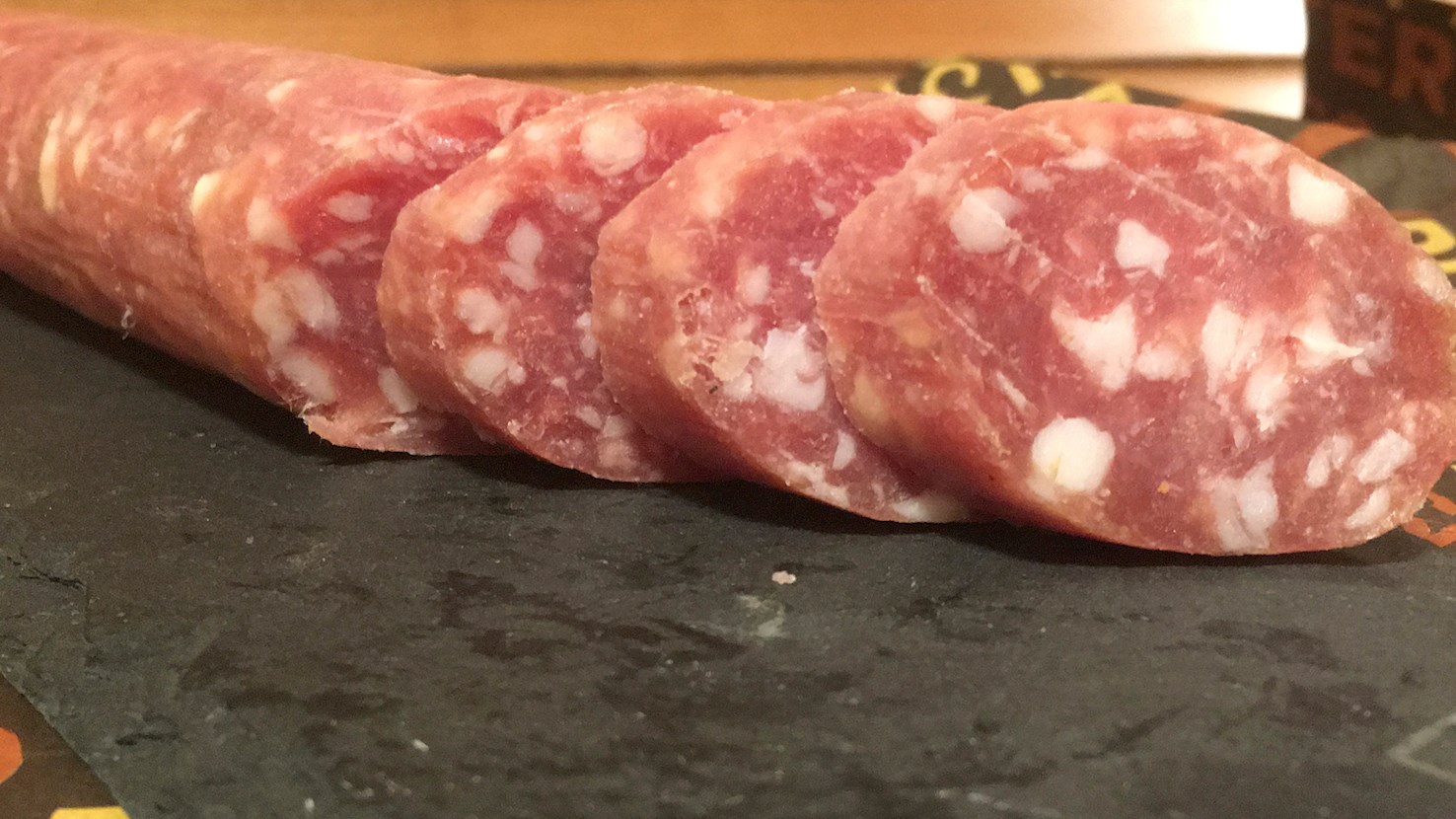
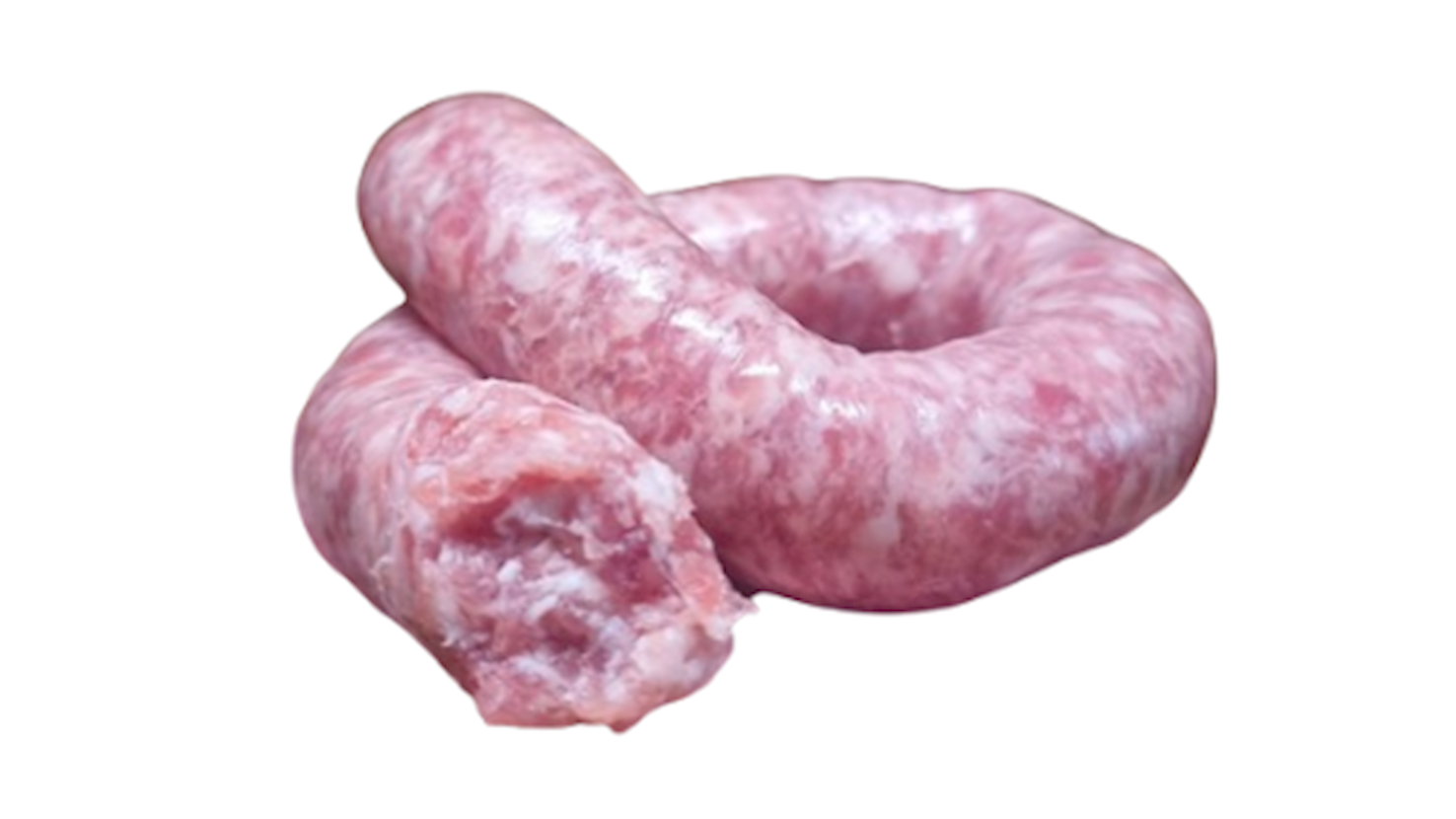
Strolghino is a short-matured Italian salami hailing from the lower Parma region. The salami is typically made by combining finely ground lean pork with salt, pepper, and spices, and then stuffing the meat mixture into thin natural casings. This Italian delicacy has been traditionally prepared with the lean trimmings of the finest pork meat coming from pork legs used in the preparation of culatello and fiocchetto, both of which are highly prized cured meats originating in the Bassa Parmense area. The preparation traditionally takes place from October to February, and the salami is typically matured for only about 15 to 20 days, yielding a delicately-flavored and tender meat. Strolghino’s name derives from the Italian word strolga, meaning guess in the Parma dialect, referring to the fact that its flavor was believed to be predictive of the flavor of other, longer-matured cured meats.

Best Italian Sausages
01

Salumificio Palmieri

5 ·
Salumificio Palmieri is a renowned Italian producer of cured meat specialties, driven by a long-standing tradition and a passion for exceptional quality. Located in the heart of Emilia-Romagna, a region famous for its rich culinary heritage, the company stands out for its carefully selected ingredients and traditional production methods that ensure authentic flavor and outstanding texture in every product. Best known for its mortadella, it represents a perfect blend of craftsmanship, innovation, and respect for tradition. Each product is the result of strictly controlled processes, from meat selection to precise processing and maturation, achieving a unique aroma and superior quality. With years of experience and continuous development, Salumificio Palmieri has become synonymous with excellence in the production of cured meat delicacies, combining tradition and modern techniques to offer lovers of authentic Italian gastronomy products of exceptional taste and unmatched freshness.
02

Macelleria Pucci

4.9 ·
Macelleria Pucci is a prestigious butcher shop and restaurant located in Terni, Umbria, Italy, known for its commitment to quality, tradition, and innovation in the preparation of meat products. Established in 1964 by the Pucci family, this establishment has evolved into a center of local gastronomy, offering a wide range of products and services that celebrate the richness of Umbrian culinary heritage. Their offerings include a broad selection of fresh meats, as well as specialties such as game, which is often used in the preparation of traditional dishes in the Umbria region. In addition, Macelleria Pucci is renowned for its authentic Umbrian cured meat products, including delicious salamis, mortadella, and porchetta. Beyond traditional meat products, Macelleria Pucci also features a restaurant where visitors can enjoy dishes prepared with their top-quality products. The restaurant takes pride in using fresh meat from its selection to create exquisite meals every day.
03

Artigianquality

4.8 ·
Artigianquality is a family-owned Italian company dedicated to preserving tradition and delivering the finest quality mortadella. Based in Bologna, the birthplace of this iconic delicacy, Artigianquality combines generations of expertise, artisanal craftsmanship, and carefully selected ingredients to create products of unparalleled flavor and texture. Their range includes classic mortadella, crafted following traditional recipes, as well as organic mortadella "Sette Chiese", designed for those who appreciate natural and wholesome delicacies. Every product is handmade and naturally matured, ensuring a rich, full-bodied taste that embodies the essence of Italian gastronomy. At Artigianquality, tradition and innovation go hand in hand – while they remain committed to age-old preparation methods, they also respond to modern demands for healthier and more natural food choices. Their products are free from artificial additives and made exclusively from the highest quality ingredients. Whether you're indulging in classic Italian flavors, crafting gourmet sandwiches, or impressing guests with a premium charcuterie selection, Artigianquality mortadella delivers an authentic taste of Italy – naturally, artisanally, and uncompromisingly high in quality.
04

Villani Salumi

4.7 ·
Villani Salumi is a renowned Italian producer of cured meat products with a rich tradition, founded in 1886 in Castelnuovo Rangone, in the province of Modena, Emilia-Romagna. The company was established by Costante Villani and Ernesta Cavazzuti, who opened a small workshop in the heart of their hometown to produce cured meats, including salami, mortadella, and cooked ham. In 2013, Villani Salumi opened the Salumeria Museum (MuSa) in Castelnuovo Rangone, the first museum dedicated to cured meats in Italy. The company is present in international markets, exporting its products to over 50 countries. Villani Salumi is recognized for the quality of its products and its commitment to preserving the tradition of the Italian cured meat industry.
05

Re Norcino

4.7 ·
Re Norcino is an Italian family-run producer of traditional cured meats based in San Ginesio, in the Marche region of central Italy. The company was founded in 1957 by the Vitali family, whose activity combines farming, pig breeding, and the production of artisanal salumi. Re Norcino follows a controlled supply chain that begins with the cultivation of cereals used for animal feed and continues through the raising of pigs and the processing and aging of meats in its own facilities. The company produces a variety of regional specialties typical of the Marche area, including salami, prosciutto, guanciale, lonza, and traditional sausages, with particular recognition for its Ciauscolo IGP, a soft, spreadable salami typical of the region. By combining local agricultural production with traditional curing techniques, Re Norcino focuses on preserving the gastronomic heritage of the Monti Sibillini area while maintaining quality and traceability throughout the production process.
06

Capitelli

4.6 ·
Capitelli is a renowned Italian producer of premium cured meats, located in the town of Borgonovo Val Tidone, in the province of Piacenza, Emilia-Romagna region. Founded in 1976 as a family-owned company, Capitelli has remained faithful to tradition through generations, continuously refining its artisanal meat processing techniques. Today, Capitelli is recognized for its unwavering commitment to quality, careful selection of raw materials, and meticulously controlled production processes. Their sausages are crafted exclusively from fresh, carefully selected pork raised in Italy, enhanced with natural spices and traditional blends of salt and herbs. The drying and aging process is slow and conducted under controlled conditions, allowing rich, complex flavors to develop and achieving a perfect texture. The result is sausages that radiate authenticity, with a delicate structure, pleasant aroma, and well-rounded taste - ideal for traditional Italian antipasti, gourmet sandwiches, and creative culinary dishes.
07

Giuseppe Citterio Salumificio

4.6 ·
Citterio is a renowned Italian company specializing in the production of traditional cured meat products such as ham, salami, pancetta, and mortadella. It was founded in 1878 in Milan by Giuseppe Citterio, who turned his passion for meat products into the creation of one of the most recognizable brands in Italy and beyond. The company stands out for its combination of tradition and innovation - it preserves old methods of meat processing while also using modern technologies to ensure food safety and maintain product quality. Citterio products come from several regions of Italy, including Lombardy, Emilia-Romagna, and Piedmont, with a focus on carefully selecting raw materials, often sourced from local farmers. In addition to its strong presence in Italy, Citterio has expanded globally, particularly in the United States, where it has become synonymous with Italian delicacies. Over the years, the company has won numerous awards and accolades, and today it represents elegance and the high quality of Italian gastronomic tradition.
08

Macelleria Salumeria Beccalli

4.6 ·
Macelleria Salumeria Beccalli is a renowned butcher shop and delicatessen located in Costa Masnaga, in the province of Lecco, Lombardy, Italy. Established in 1961, this family-owned business is distinguished by its dedication to tradition and quality, combining artisanal techniques with a modern approach. Their work has been recognized by the Lombardy Region, which awarded Beccalli for its commitment to preserving artisanal production. Macelleria Salumeria Beccalli offers a wide range of products, including pork and beef charcuterie, as well as prepared dishes and specialties. In addition, Beccalli has opened a restaurant called retroBottega, located within the same complex. The restaurant offers sophisticated cuisine with a focus on meat specialties, using products from their butcher shop. Macelleria Salumeria Beccalli is the perfect destination for lovers of high-quality meat products and authentic Italian cuisine.
09

Macelleria Ioppolo

4.5 ·
Macelleria Ioppolo is a traditional butcher shop located in the heart of the Italian region of Calabria, specifically in the municipality of San Giorgio Morgeto, in the province of Reggio Calabria. This butcher shop is known for its dedication to the quality of meat and meat products, carefully selecting and offering only the best to its customers. With a long-standing tradition, Macelleria Ioppolo offers a wide range of meat products, including fresh meats, sausages, cured meats, and specialties that are characteristic of Calabrian cuisine. The Ioppolo family, who owns the butcher shop, always strives to provide the best quality, using only meat from trusted and high-quality sources. The shop prides itself on its personalized approach to each customer, offering advice on preparation and cooking techniques, as well as recommendations for the best meat products based on the customers' desires and needs.
10

Macelleria Brocani 1921

4.5 ·
Macelleria Brocani 1921 is a family-owned butcher shop located in Loreto, in the province of Ancona, in the Marche region of Italy. Founded in 1921, this butcher shop is known for its traditional production of cured meats, particularly ciauscolo, a regional specialty. Ciauscolo is a soft, spreadable cured meat made from selected cuts of pork, seasoned with garlic, salt, and pepper, and aged in natural casings. In addition to ciauscolo, Macelleria Brocani 1921 also produces other traditional products such as salami, fresh and dried liver sausages, and long meat products. The butcher shop prides itself on its hands-on approach and dedication to preserving traditional production methods, ensuring the high quality and authentic taste of their products.
Read more
View all
View map
About this ranking

TasteAtlas food rankings are based on the ratings of the TasteAtlas audience, with a series of mechanisms that recognize real users and that ignore bot, nationalist or local patriotic ratings, and give additional value to the ratings of users that the system recognizes as knowledgeable. For the “Top 24 Italian Sausages” list until June 16, 2026, 690 ratings were recorded, of which 515 were recognized by the system as legitimate. TasteAtlas Rankings should not be seen as the final global conclusion about food. Their purpose is to promote excellent local foods, instill pride in traditional dishes, and arouse curiosity about dishes you haven’t tried.

The initial list of top producers was compiled based on available reviews, awards, local recommendations, media and blog coverage, and consumer reviews. The list will be updated with ratings from TasteAtlas local ambassadors and TasteAtlas users.

Similar lists