shutterstock

Top 100 European Seafood

Last updated on August 12, 2026

Best European Seafood Types
01

Norwegian salmon

4.6 ·

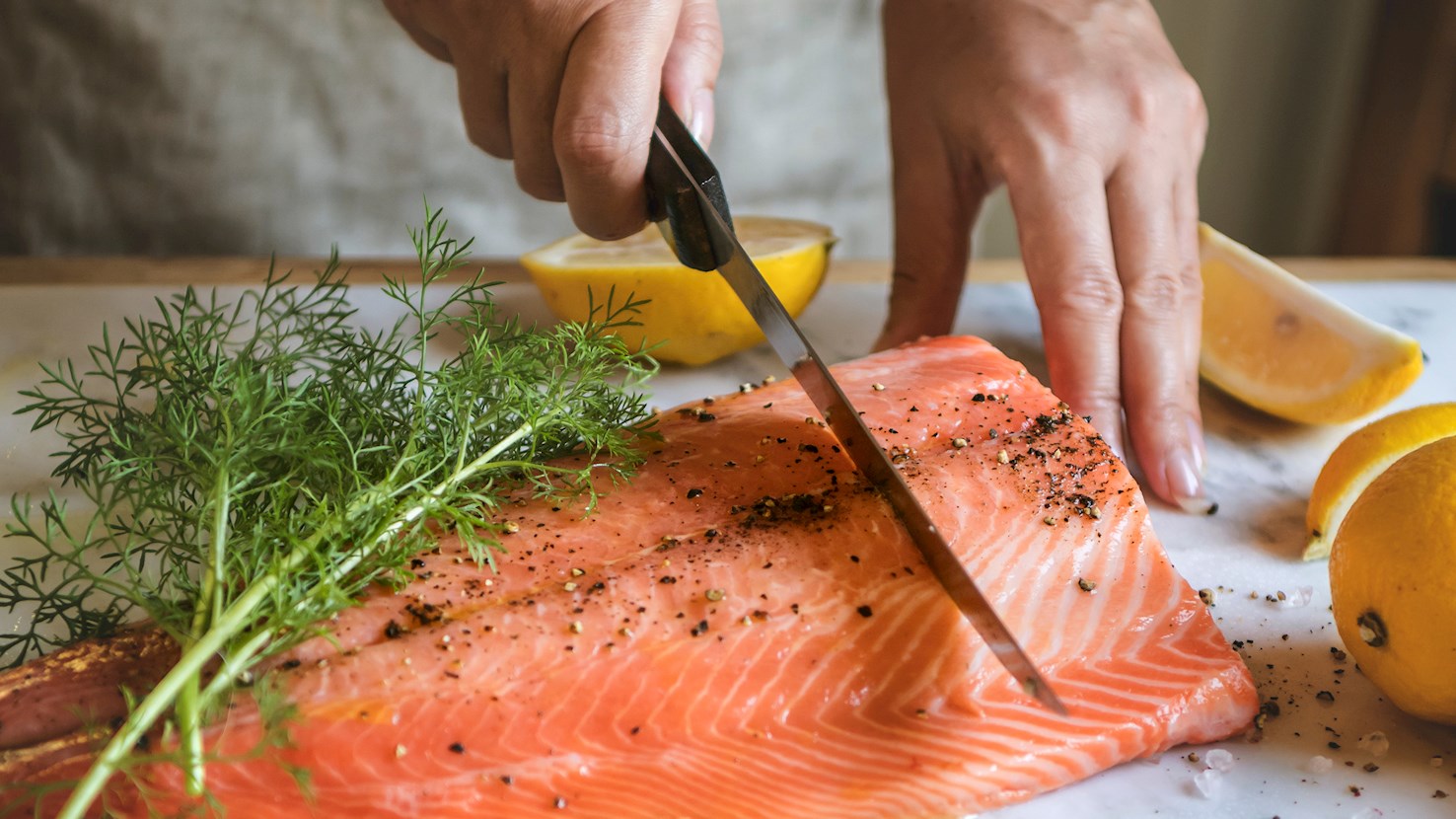
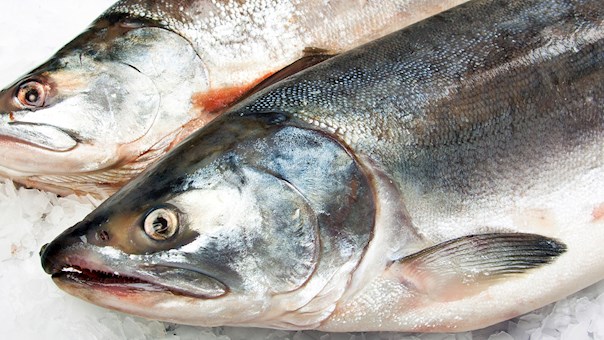
In Norway, Atlantic salmon takes up around 40% of all seafood that's exported from the country. Most of it isn't caught in the wild – the salmon is farmed in giant tanks that are moored off the coast. In order of decreasing amount, there is fresh whole salmon, frozen whole salmon, frozen salmon fillets, and fresh salmon fillets that are exported across the world. The great versatility, flavor, and high nutrient content are the reasons why Norwegian salmon rose to fame and it's popularity increased worldwide since the 1970s, when the world's first successfully farmed salmon was placed into a pen in a fjord outside Trodheim. Nowadays, the Norwegian salmon is used in anything from sushi, gravlax, burgers, and woks to fiskesuppe, wraps, tacos, and poke bowls.

02

Røkelaks (Norwegian Smoked Salmon)

4.5 ·

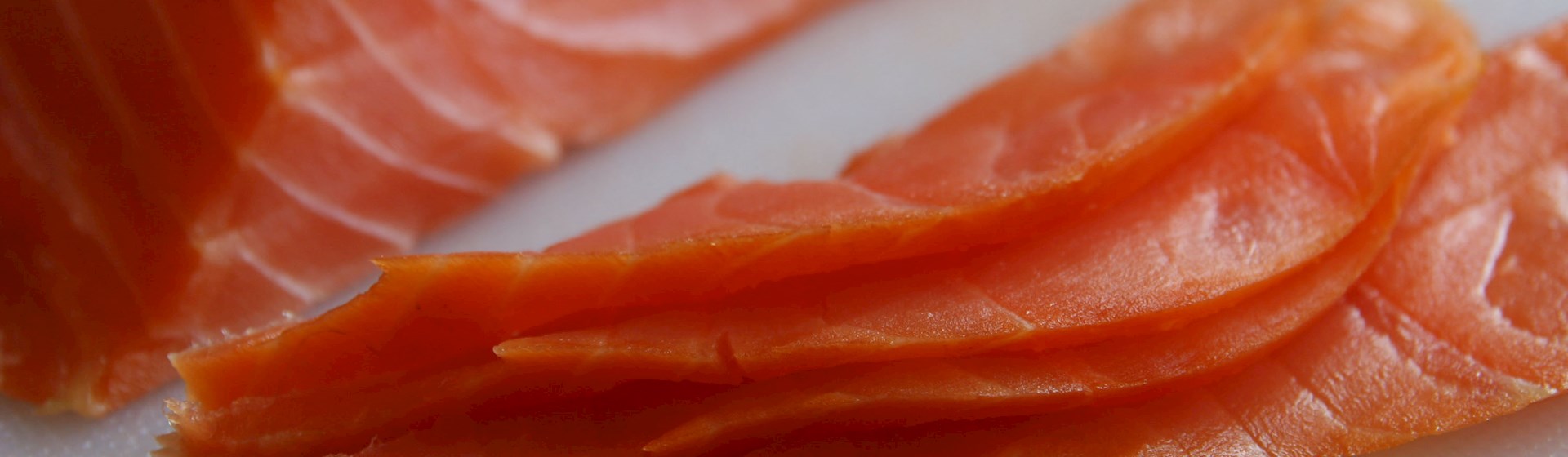
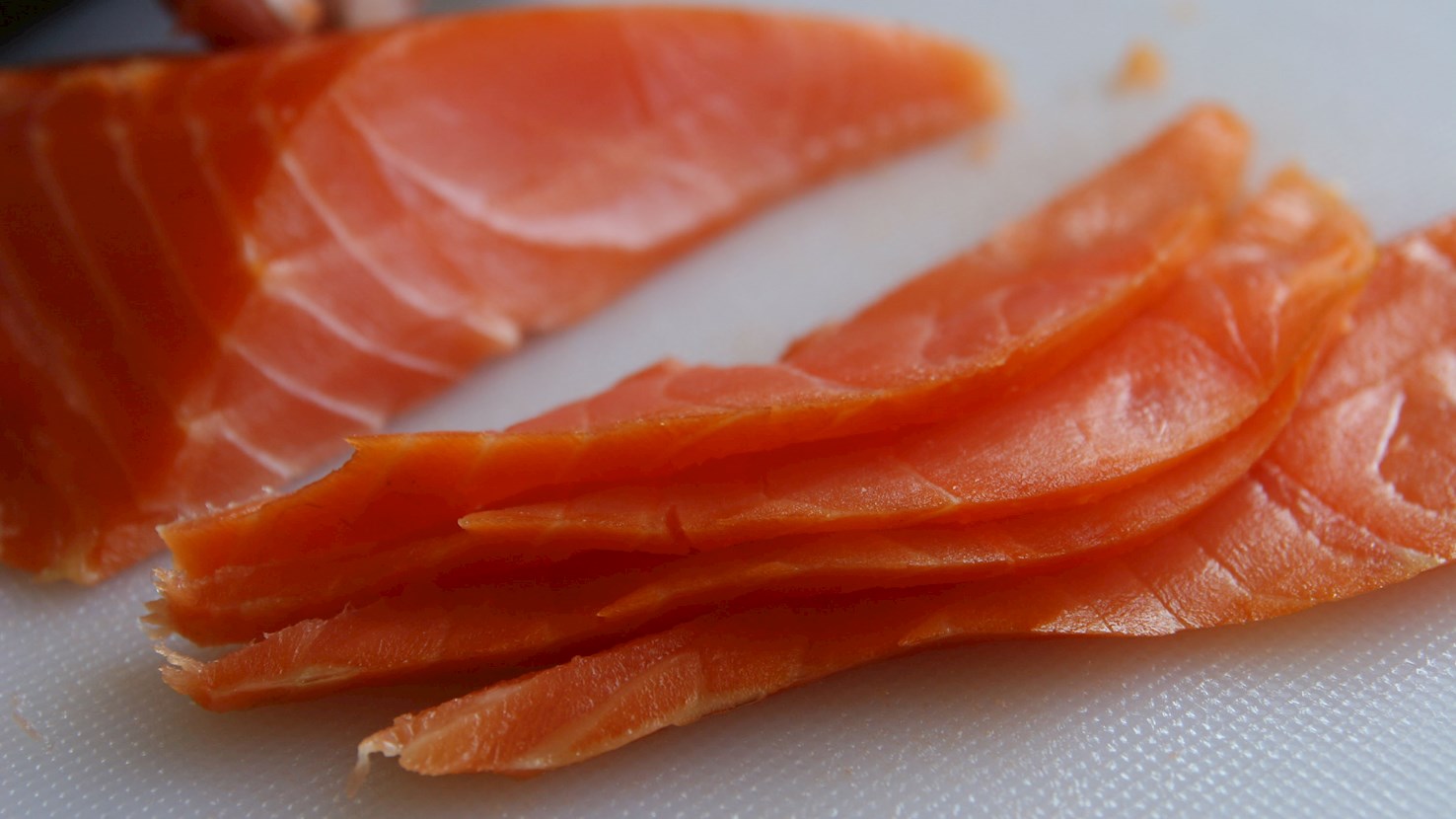
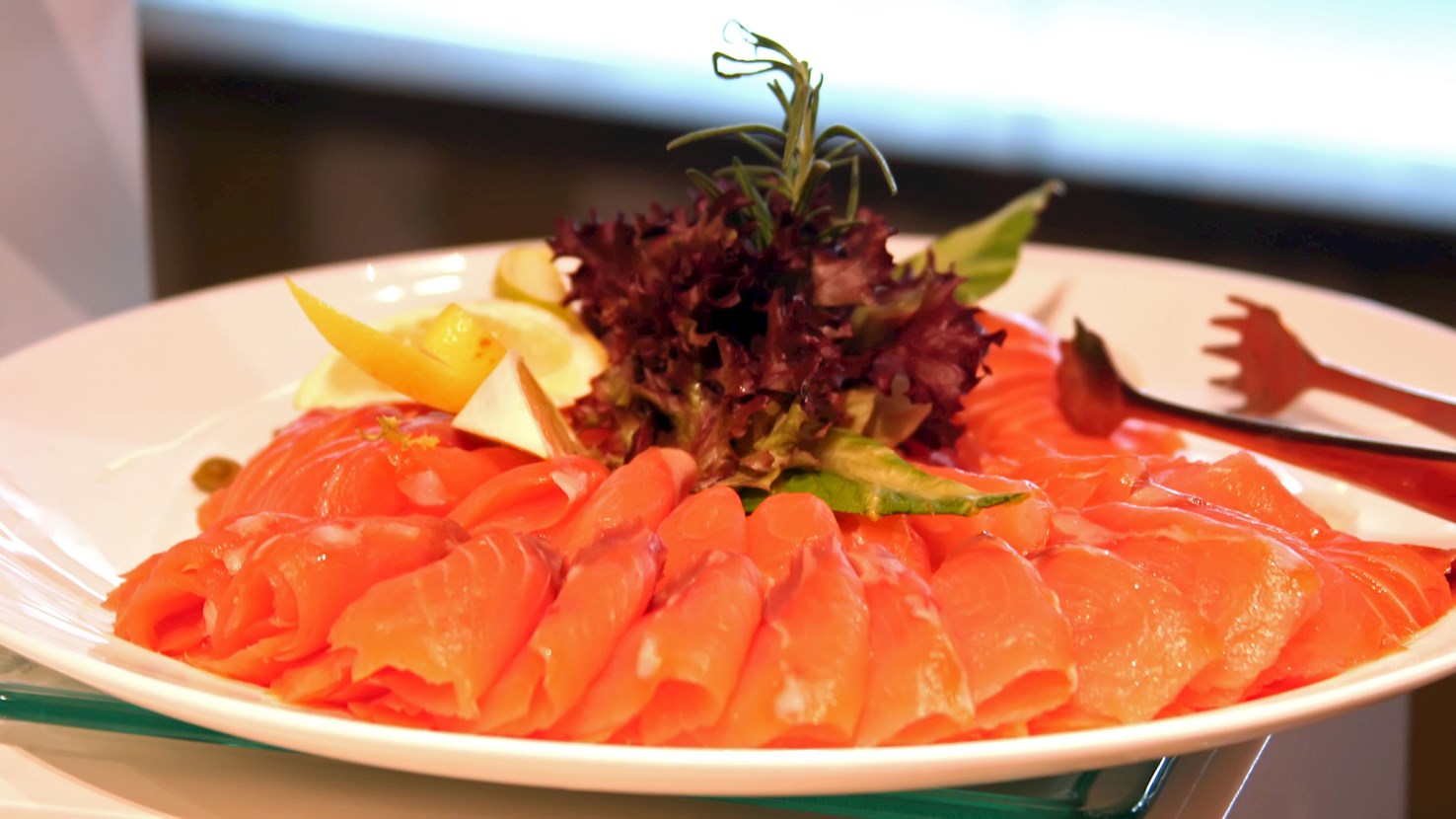
Norwegian smoked salmon or røkelaks is one of the most popular smoked salmon varieties. It is usually made with farmed Atlantic salmon (Salmo salar), and it stands out for its quality, bright pink color, and tender and flaky flesh. The flavor and the aroma are mild and have a distinctive, subtly smoky note. Before smoking, the salmon can undergo wet or dry curing, while the smoking process can be hot or cold, the latter being prevalent these days. Beech or other wood chips can be added during smoking. The final taste profile will depend on the type of salmon and the production techniques. Norwegian smoked salmon can be enjoyed on its own, and it can be used in a variety of dishes. One of the most popular options is the salmon wrap—made with lefse (Norwegian flatbread).

03

Mejillón de Galicia

4.4 ·

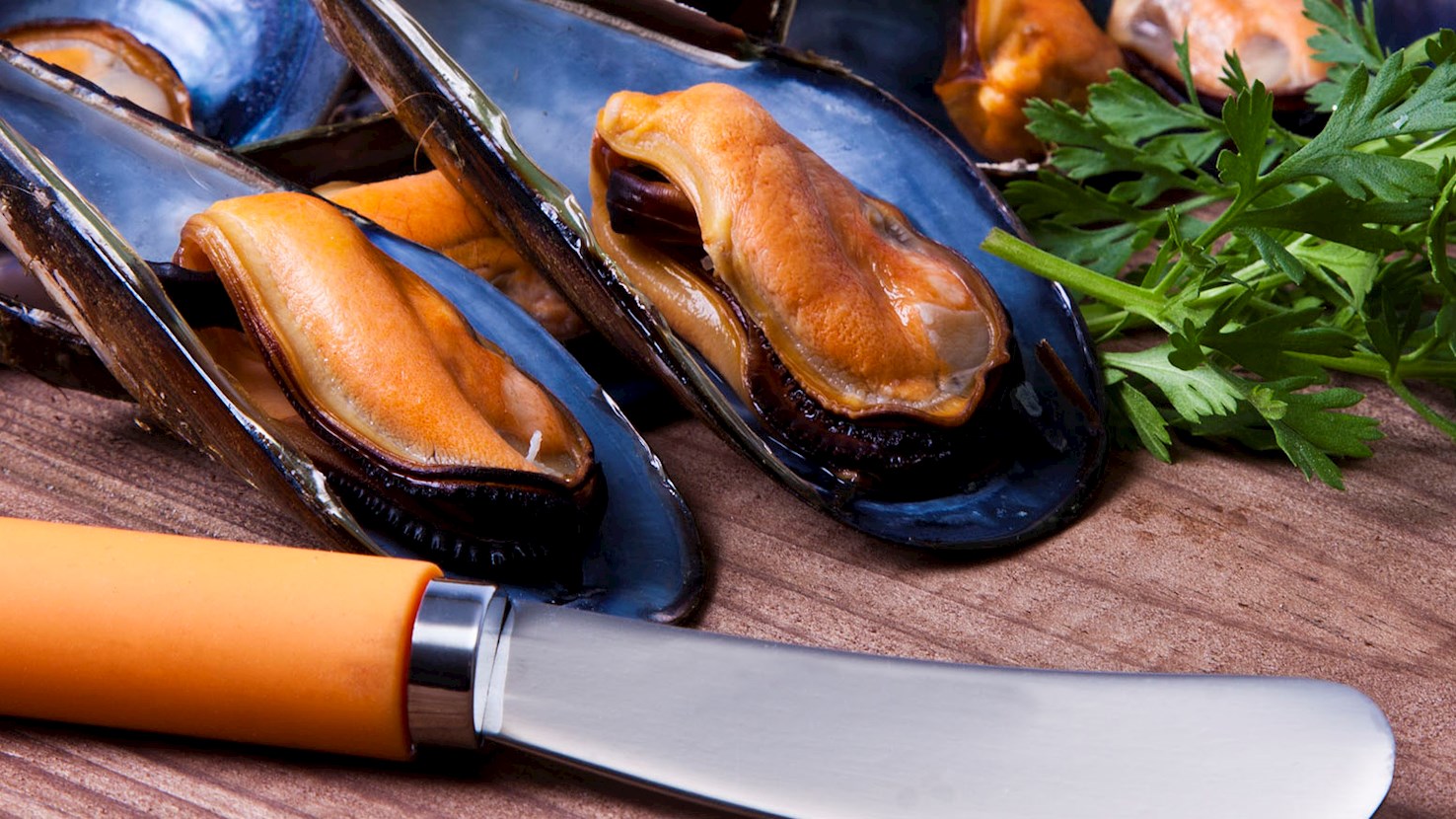
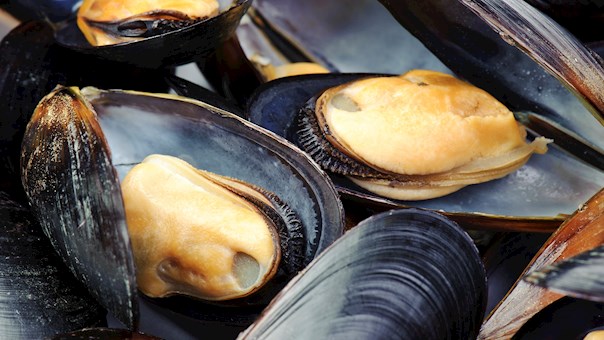
Mejillón de Galicia are the fresh mussels (lat. Mytilus galloprovincialis), cultivated using rafts in the area of the Galician rías in the provinces of A Coruña and Pontevedra. These mussels have bright orange flesh and are very flavorful. They are grown in the traditional way using rafts on which the mussels grow on the ropes that are suspended up to 12 meters deep below the surface. Once harvested, mejillón de Galicia are thoroughly inspected according to the strict set of rules and guidelines. They are then either in the vacuum-packed or packaged in a controlled atmosphere to ensure freshness and preserve the flavor.

04

Atlantic Smoked Salmon

4.4 ·

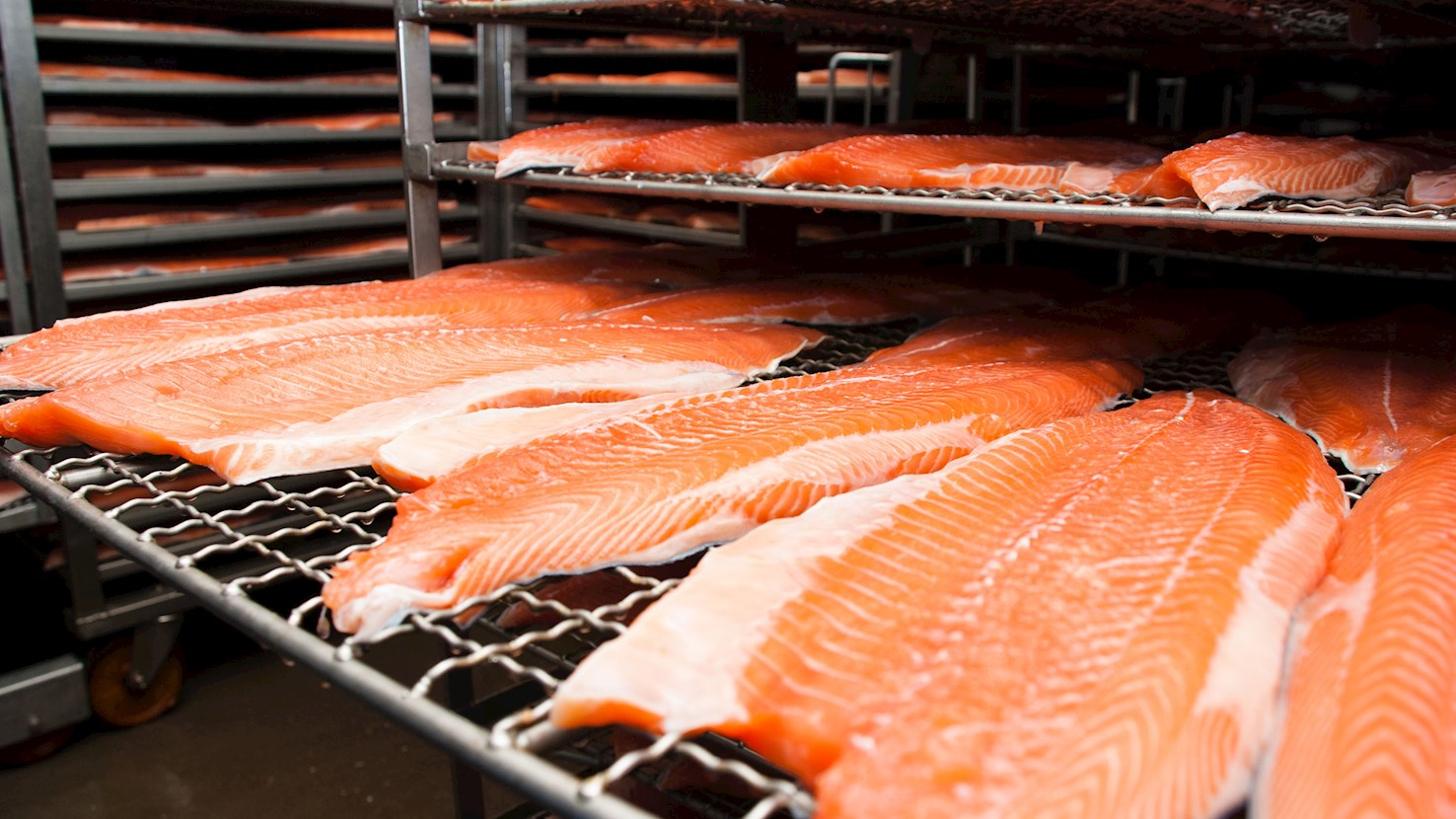
Atlantic smoked salmon is a broad category that can include numerous types of smoked salmon found in the Eastern Seaboard of North America and in Northern Europe. The salmon has a rich and buttery flavor and it's cured and cold-smoked by using artisanal methods. It's often used in pasta dishes, sandwiches, and appetizers. Originally, Norway was the first to begin with Atlantic salmon farming, and nowadays smoked salmon from across the world is incorrectly labeled as Norwegian smoked salmon.

05

Ohrid Trout

4.3 ·

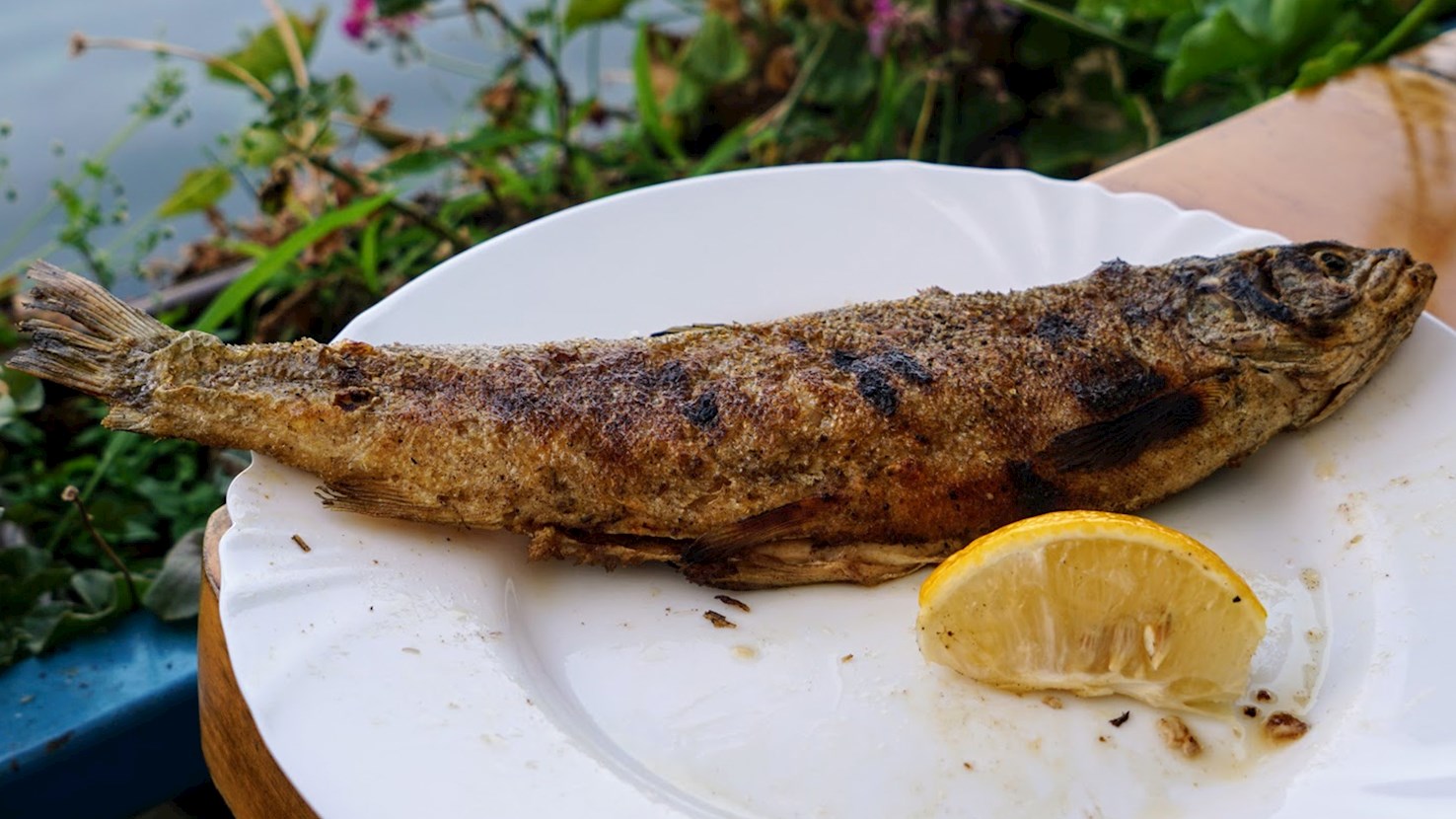
Ohrid trout is an endangered salmonoid fish that is praised for its delicately-flavored pink flesh. It inhabits the waters of Lake Ohrid, shared by Albania and North Macedonia, and the rivers leading to and from the lake. Although it is held in high esteem, it would be a crime against nature to eat the trout. Due to overfishing, poaching, and poor conservation methods, as of recently, the fish has been in danger of extinction. Four varieties of the trout have been distinguished, including Salmo balcanicus, Salmo lumi, Salmo aphelios, and Salmo letnica. The trout is considered a culinary delicacy, usually enjoyed on its own or used in a variety of hearty fish soups or other fish dishes. Dubbed as a living fossil, the fish has supposedly survived the ice age period due to the favorable microclimate of Lake Ohrid. Until 1991, the annual catch of trout was 220 tons, but since then, the numbers have significantly fallen. In 2005, the Macedonian government introduced a ban on catching Ohrid trout in their waters until 2014, but despite the legislation, in reality, not much was changed. Mainly, because similar conservation methods did not exist in the neighboring Albania where Ohrid trout was legally caught and sold, usually for an unreasonably low price. This opened up a new set of problems, including smuggling operations that made the trout available in Ohrid and other Macedonian cities.

06

Bacalhau de Cura Tradicional Portuguesa

4.2 ·

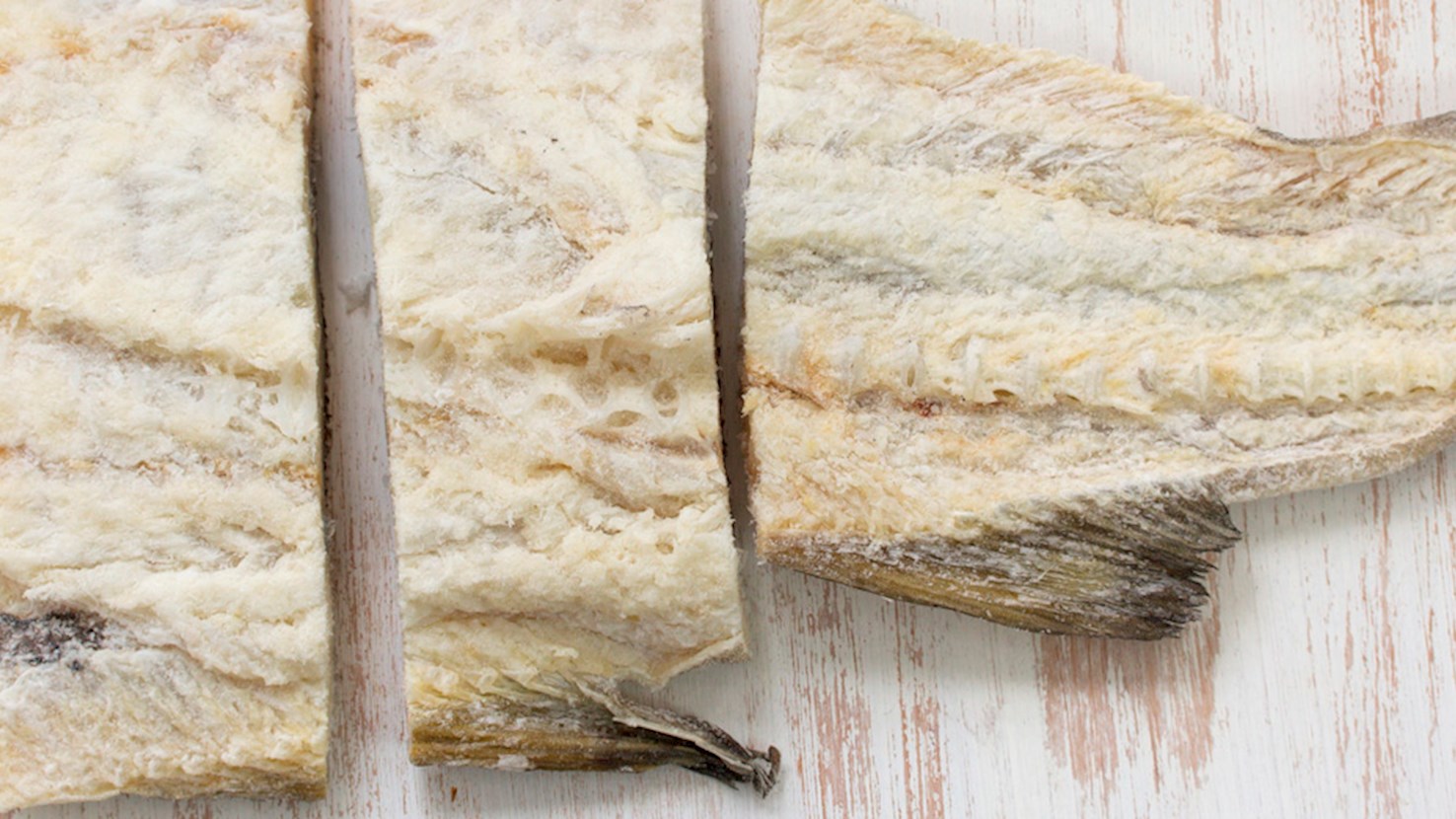
Portugal is the number one consumer of cod in the world. Cured cod is a centuries-old method of preparing cod, and it is still the most popular and best-known today. A cured Bacalhau de Cura Tradicional Portuguesa is carefully selected, as it must weigh more than 1.5 kilos, and it is then salted and left to cure under controlled conditions. After maturation, the fish is cleaned and is then ready to use. Cod fish prepared in this way is smooth, juicy, and tender, and ranges in color from pale to bright yellow. The flavor of the fish is extremely complex and intense, and its flavor is preserved in its entirety even if cooked for an extended period of time.

07

Smoked Scottish Salmon

4.2 ·

Smoked Scottish salmon can be produced from wild and farm-raised salmons that fall into the category of Atlantic salmons (Salmo salar). The fish is typically cold-smoked and dry-cured, usually with salt, sugar, or spices. Smoked Scottish salmon will have orange-pink color, tender but firm flesh, and mild flavor and aroma. The smoking is usually done with oak chips made with old sherry or whisky casks, but adding birch, beech, peat, or heather is also common. The use of traditional techniques and ingredients results in a smoked salmon with unique qualities. Raw Scottish salmon (wild and farmed) is a protected PGI product, but there is no status for the smoked variety. Since there is a large influx of products labeled as Scottish-style smoked salmons produced outside of Scotland, there is an effort to protect the smoked variety under the name Smoked Scottish Salmon. This smoked salmon is often said to be the best in the world.

08

Beluga Caviar

4.2 ·

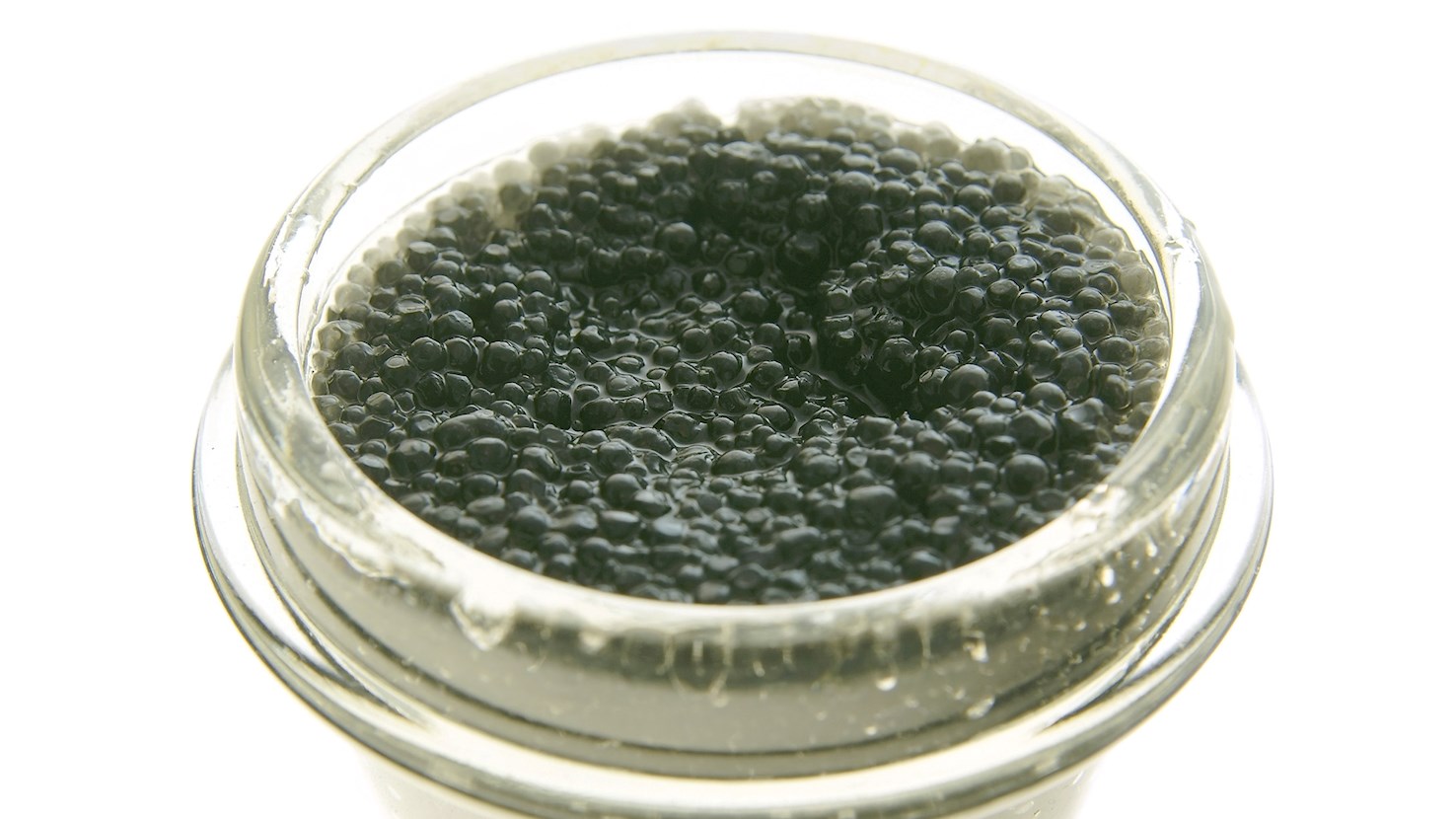
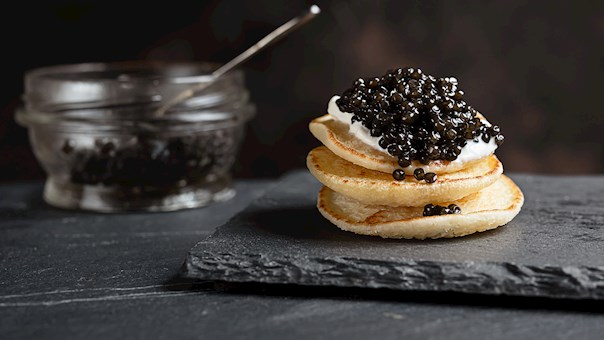
Beluga caviar (the roe of beluga sturgeon) is one of the most prized caviar varieties in the world. Since it can take up to 25 years for the animal to mature and start producing roe, this caviar is extremely rare, expensive, and extravagant. Beluga caviar beads are large, plump, and firm, with a color that can range from light to dark gray. With a delicate, tender, and almost buttery flavor, beluga caviar can be eaten plain, allowing the complex layers to develop individually. It is also commonly combined with boiled potatoes, blini pancakes, or sour cream. Recently, wild beluga varieties have become critically endangered, partially due to wild poaching in the Caspian Sea, and strong sanctions have been introduced to limit the production, sales, and trade of this rare ingredient.

09

Coquille Saint-Jacques des Côtes-d'Armor

4.2 ·

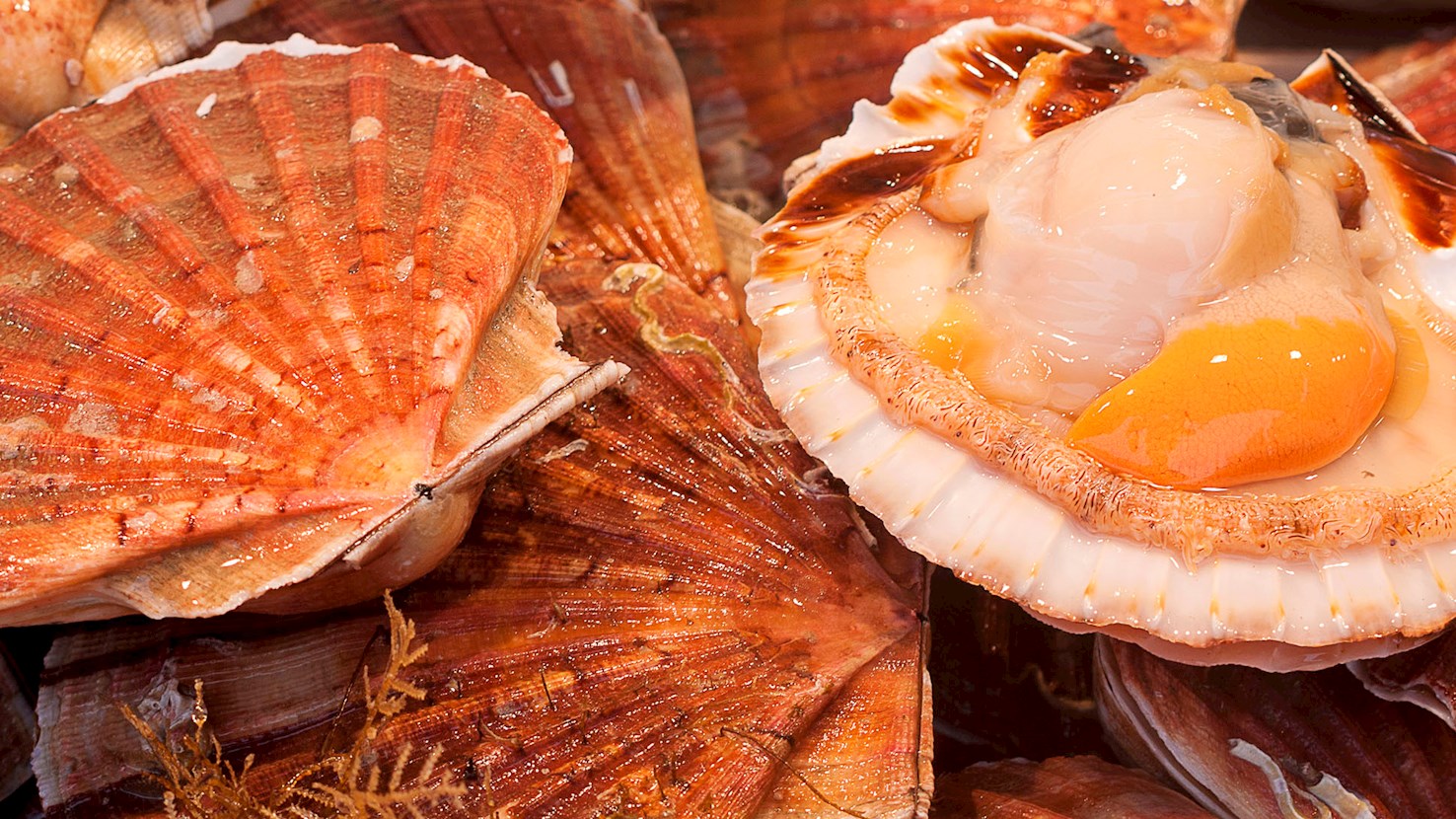
Coquille Saint-Jacques des Côtes-d'Armor are scallops of the pecten maximus species that are sold whole, either fresh or frozen in their shells. They come from the seabed in the Côtes-d'Armor region, famous for its fish products since the 1960s. The scallops are caught in the wintertime, their taste is complex, at the same time sweet and salty and their texture is delicately creamy. When fresh, they are quite firm and have a pleasant smell but when they are out of the shell they will become softer and lose some of their moisture. As they are very versatile in cooking, they can be paired with a wide variety of products such as mushrooms, wine, butter, used in gratins or baked with cheese for a tasty appetizer.

10

Osetra Caviar

4.2 ·

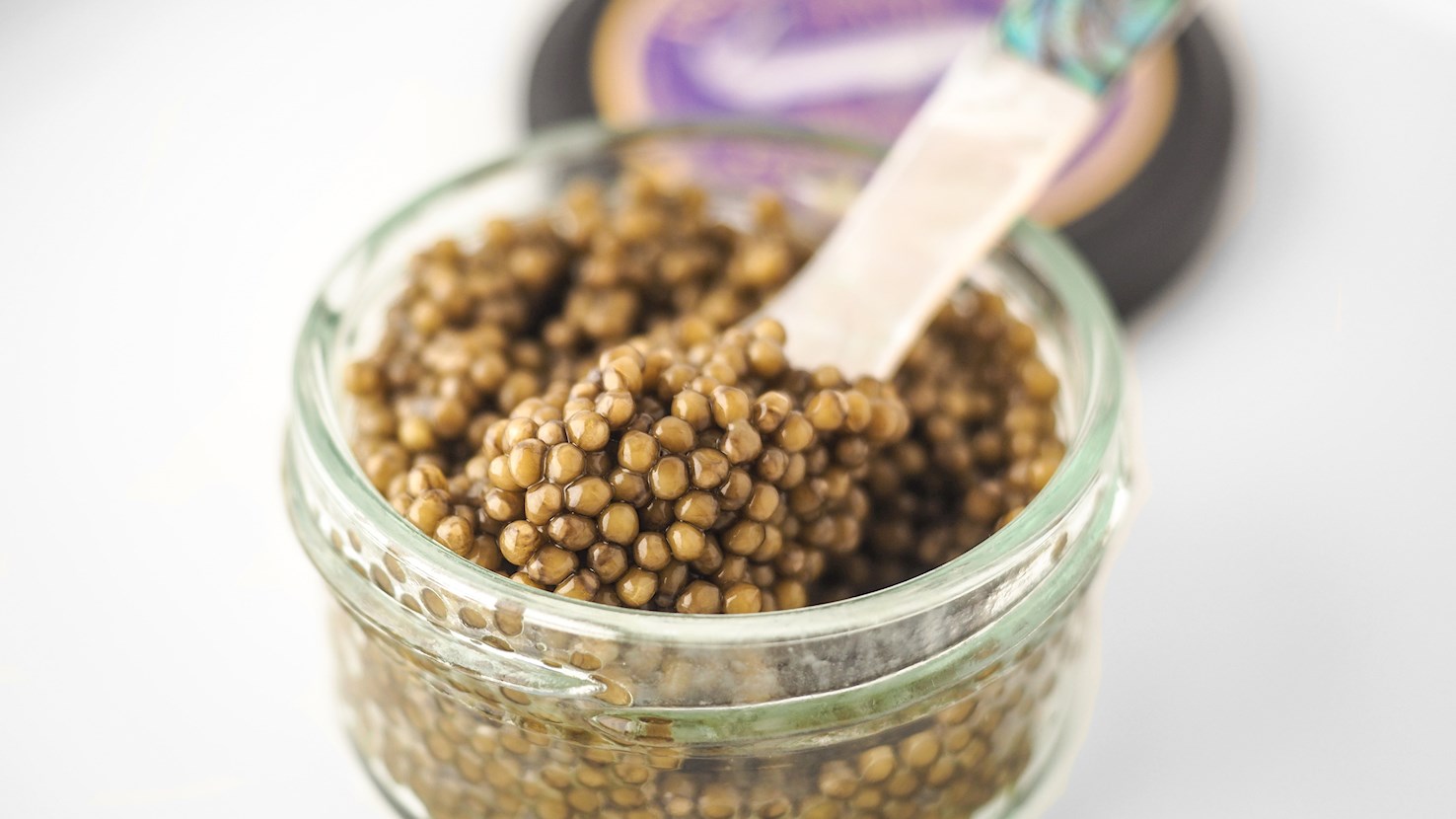
Osetra is a prized caviar variety that is harvested from the Russian osetra sturgeon (Acipenser gueldenstaedtii). Osetra is native to the Caspian Sea, the Black Sea, and the Sea of Azov, including their river basins. Since it is a critically endangered species, it is rarely found or caught wild, and caviar is mostly harvested from farmed varieties. Osetra has medium-sized eggs that often vary in color, flavor, and texture. They typically range from olive green to dark brown, sometimes with an appealing golden hue. Their texture is firm, while the flavor is usually briny, buttery, and distinctively nutty. Caviar is graded by color, and larger and lighter eggs are considered of better quality. Osetra caviar can be enjoyed on its own, but it also works well when served with creamy sauces, seafood, or poultry. It should be noted that the term osetra caviar is not regulated and is often loosely used. Producers tend to use it regardless of the type of sturgeon roe. By the 1990s, the number of sturgeons significantly declined, mostly due to overfishing and pollution. Several countries now ban the sales of wild caviar for various environmental and political reasons. At the same time, aqua farms became the future of caviar trade. Sustainable and ethical farms are now the most reliable places to buy caviar. Their caviar is more consistent since the sturgeons are fed a controlled diet. This has also influenced the price, and caviar has become more accessible. Caviar trade now does not depend on the location, and the focus has been shifted to the type of sturgeon—which should always be clearly labeled—and ethical and sustainable harvesting methods.

Best producers

Best European Seafood

01

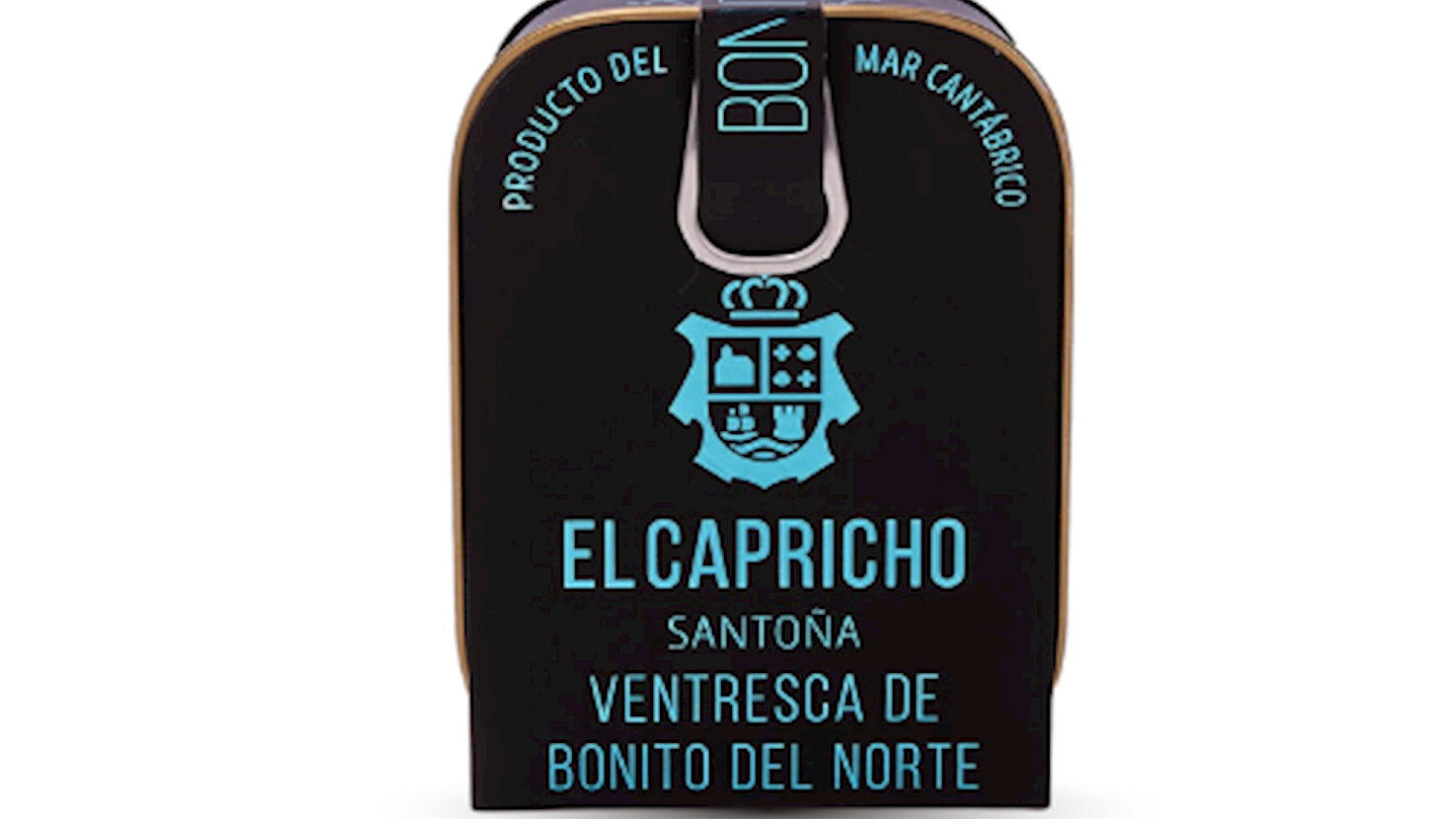
Conservas El Capricho

5.0 ·

Conservas El Capricho, based in Cantabria, Spain, is renowned for producing some of the world's finest canned anchovies, noted for their premium quality and artisanal processing. This family-owned company is highly selective about its raw ingredients, using only fresh anchovies from the Cantabrian Sea, which are processed by hand to ensure optimal taste and texture.

They emphasize traditional methods, aging the anchovies in sea salt for over a year, which enhances flavor depth. El Capricho’s products are praised for their delicate, melt-in-your-mouth texture and balanced saltiness, making them a gourmet favorite.

Awards
World's 101 Best Canned Products from the Sea - Top 10 Anchovies (2024)
World's 101 Best Canned Products from the Sea - Top 10 Tuna (2024)
02

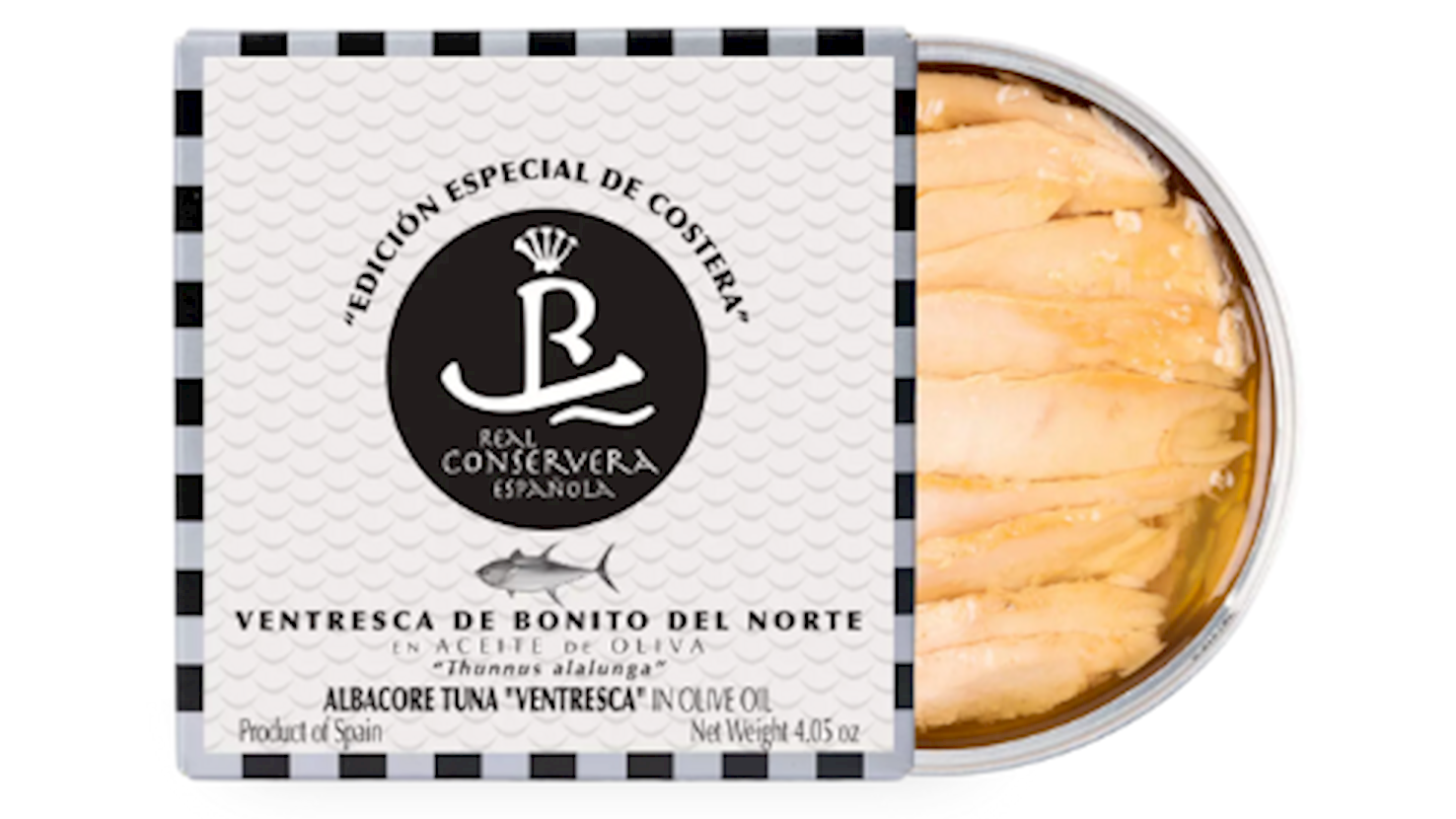
Real Conservera Española

5.0 ·

Real Conservera Española is celebrated for its high-quality, artisanal canned seafood, including delicacies like razor clams, mussels, and sardines. Founded in 1920, this family-run company continues to use traditional hand-packing methods, ensuring superior flavor and presentation.

Each product is harvested from the pristine waters of Galicia, renowned for its rich marine life, and is preserved in top-grade olive oil or brine. The brand's commitment to quality has earned it numerous accolades, positioning it as a premium choice in gourmet seafood.

Additionally, Real Conservera Española is a favorite among chefs and food critics globally.

Awards
World's 101 Best Canned Products from the Sea - Top 10 Sardines (2024)
World's 101 Best Canned Products from the Sea - Top 10 Tuna (2024)
03

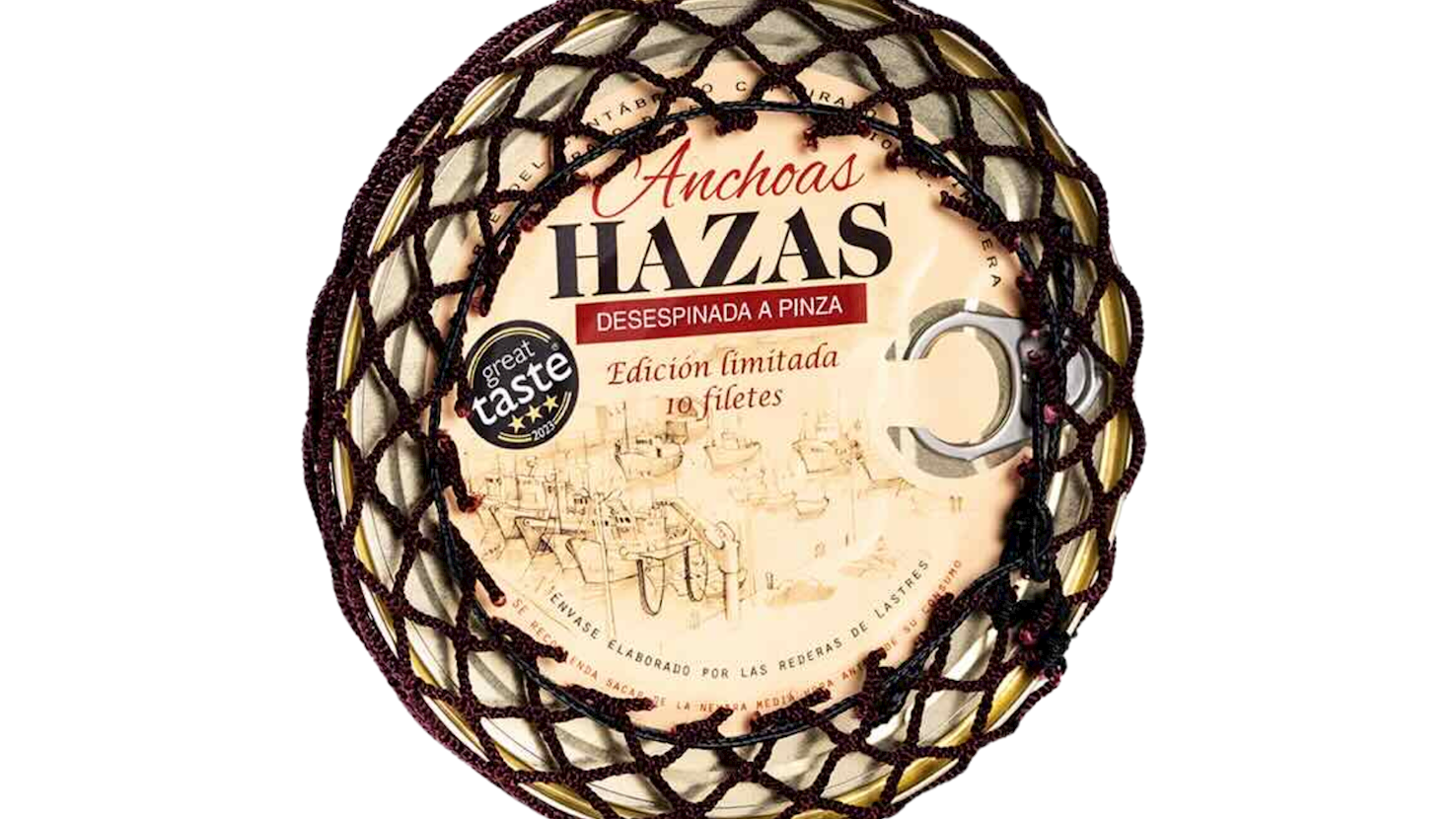
Anchoas Hazas

5.0 ·

Anchoas Hazas is a small artisanal producer of canned anchovies from the coastal village of Lastres in Asturias, northern Spain, relying on the tradition of local fishermen and meticulous hand-processing of each fish. The anchovies are caught exclusively during the spring season in the Cantabrian Sea, when the fish have the lowest fat content and naturally firm flesh.

Every filet goes through a fully manual process of cleaning, deboning, and delicate hand-drying, ensuring the fillets remain intact and smooth. After cleaning, the fillets mature in sea salt for several months, allowing their aroma to concentrate and their natural umami to develop.

Hazas avoids industrial machinery or accelerated curing methods, prioritizing quality over volume. The company uses only one single catch source, rather than mixing fish from different lots, which guarantees consistency in texture and flavor.

The brand is positioned within the “conservas gourmet” category, where preserved fish is treated as a refined delicacy, often served as tapas in upscale bars and restaurants. Their products appear in tasting menus, typically served on brioche with butter and a few drops of olive oil.

As a producer, Hazas combines authenticity, strong regional identity, and technical precision, earning recognition among connoisseurs of premium canned seafood.

Awards
Great Taste Awards - 3 Stars (2023, 2020)
Great Taste Awards - 2 Stars (2024, 2022)
04

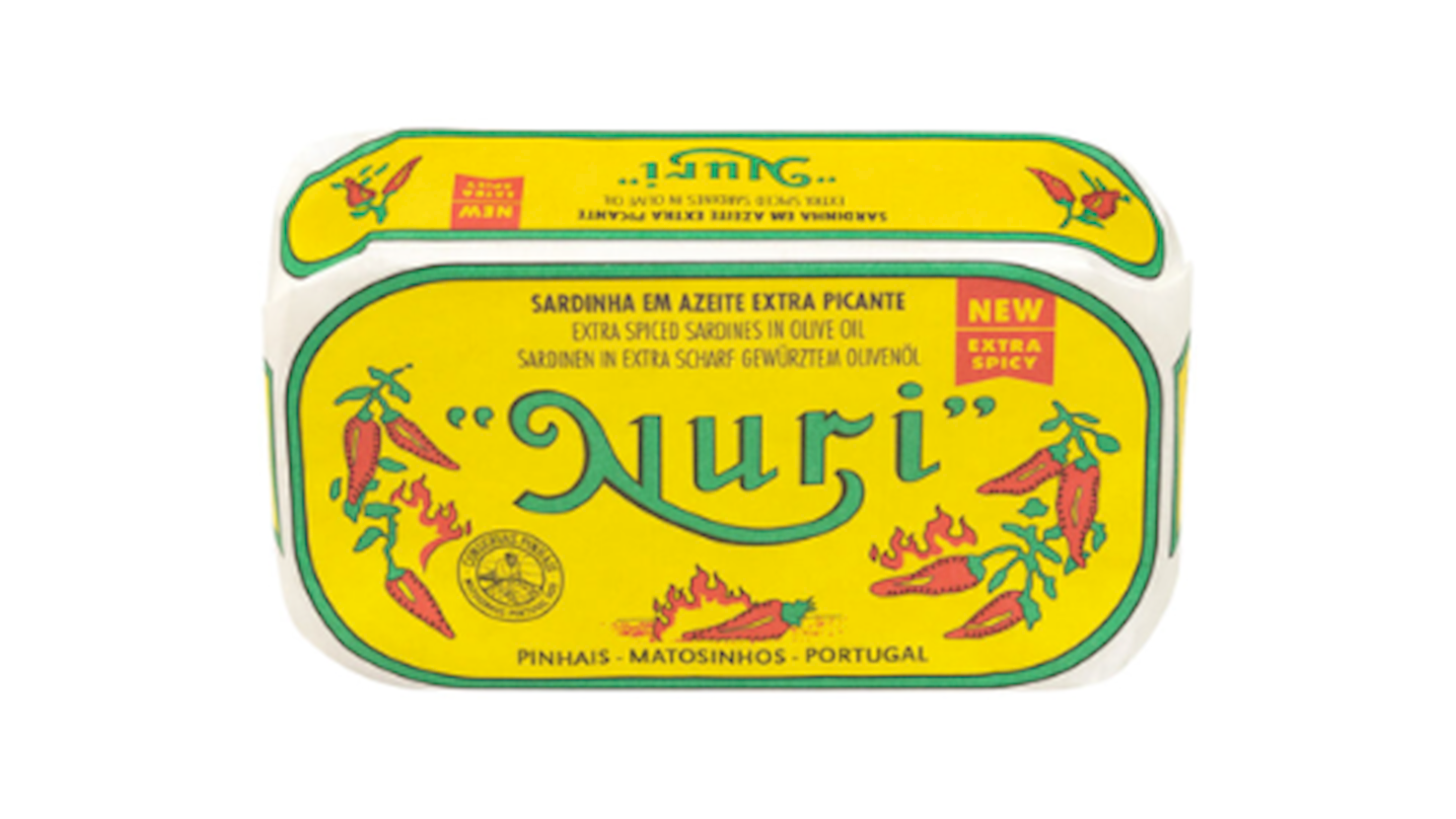
Nuri - Pinhais

5.0 ·

Nuri - Pinhais is a renowned Portuguese company specializing in the production of premium canned seafood, most famously known for its Nuri brand. With a long-standing tradition, the company has been offering high-quality products for decades, particularly sardines sourced from the pristine waters of the Atlantic Ocean. Founded with the mission to preserve the authenticity and tradition of Portuguese fishing, Conservas Nuri - Pinhais uses techniques passed down through generations.

Their products are carefully prepared by hand, with fish selected and processed to retain their freshness and natural flavor. Nuri - Pinhais uses only the highest quality fish, often packed in extra virgin olive oil, further enhancing the richness of the flavor.

Awards
World's 101 Best Canned Products from the Sea - Top 10 Sardines (2024)
World's 101 Best Canned Products from the Sea - Top 10 Mackerels (2024)
05

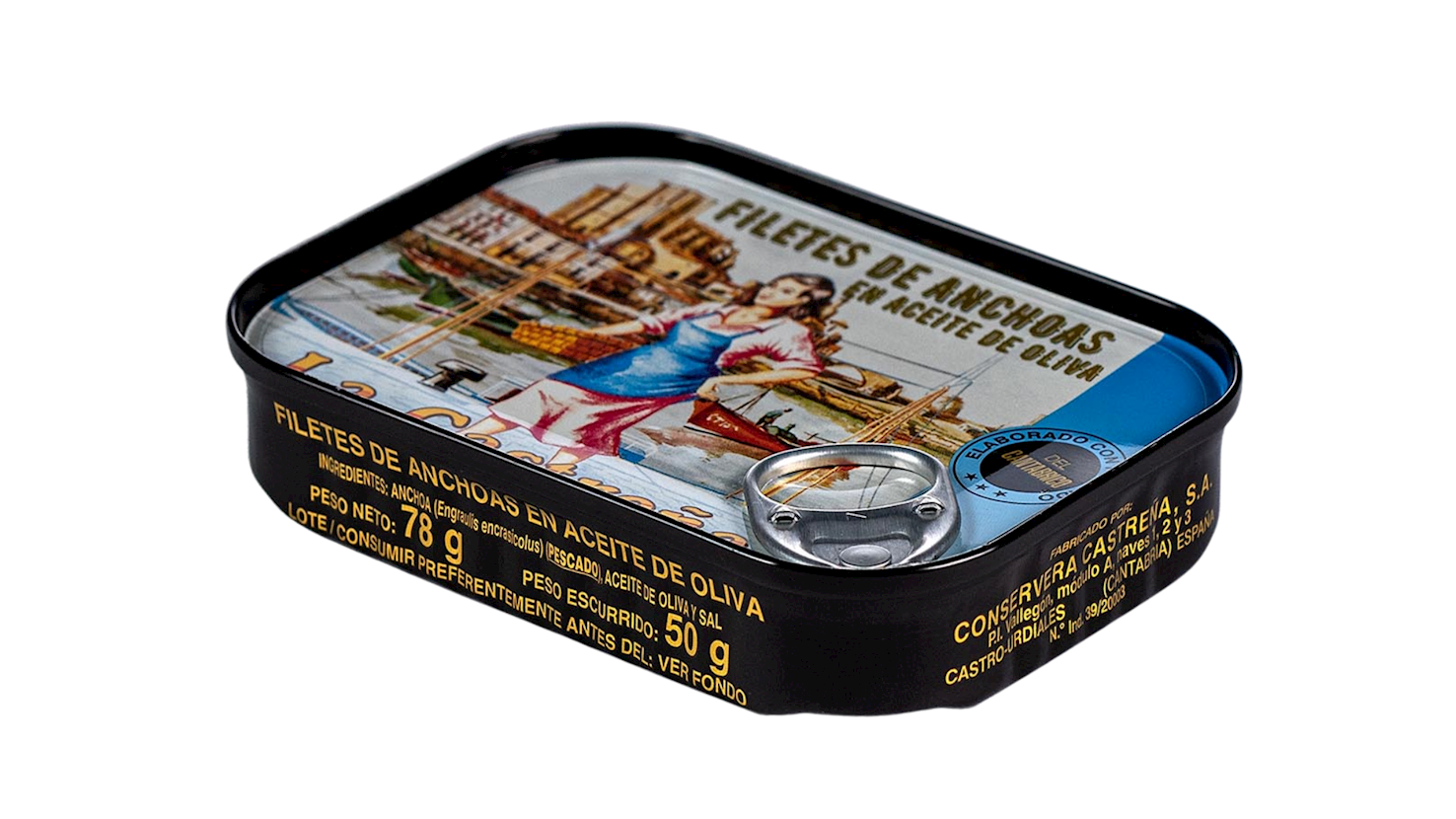
La Castreña

5.0 ·

La Castreña is a Spanish family-owned brand specializing in premium canned seafood and traditional salted fish products from the Cantabrian Sea. The brand operates under Conservera Castreña, a company founded in 1986 in the autonomous region of Cantabria in northern Spain. Since its establishment, the company has remained committed to traditional fish processing methods, with all production carried out in its own facilities under strict quality control. Particular emphasis is placed on using fresh seafood sourced from sustainable fisheries, without artificial additives and with only natural ingredients. Its best-known products include Cantabrian anchovy fillets in olive oil, as well as Bonito del Norte, sardines, and other canned seafood specialties typical of Spain's northern coast. The anchovies undergo a traditional salting and maturation process lasting at least six months before being hand-filleted and packed in olive oil, resulting in their distinctive intense flavor and firm texture. The company's philosophy is based on preserving artisanal production, using high-quality local ingredients, and showcasing the authentic flavors of the Cantabrian Sea.

Awards
Great Taste Awards - 3 Stars (2025)
06

Petrossian

5.0 ·

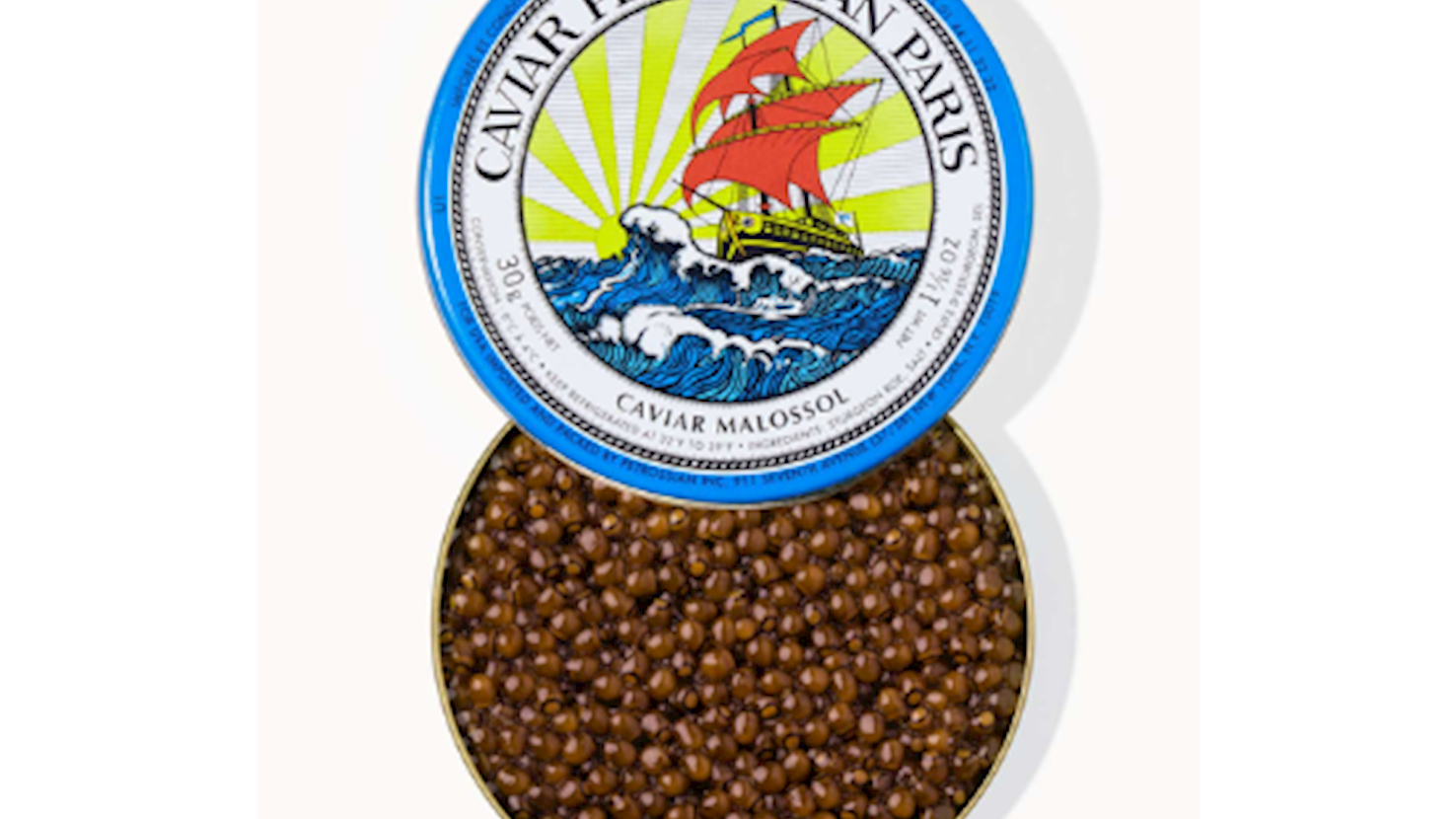
Petrossian is one of the most iconic names in French luxury gastronomy, internationally recognized for its long-standing expertise in caviar and fine delicacies. Founded in Paris in 1920 by Armenian brothers Melkoum and Mouchegh Petrossian, the company played a defining role in introducing caviar to French haute cuisine and transforming it into a global symbol of refinement and luxury.

Over more than a century, Petrossian has evolved from a specialist caviar house into a broader gourmet brand offering smoked salmon, seafood delicacies, foie gras, truffle products, pastries, chocolates, and curated gastronomic gift collections. The company’s core identity remains rooted in its expertise in sourcing, selecting, salting, and maturing caviar rather than farming sturgeon directly, with craftsmanship and sensory precision central to its positioning.

Petrossian is also known for pioneering its own concept of “caviarology”, emphasizing deep product knowledge and tasting expertise. While firmly anchored in French savoir-faire, the brand maintains strong ties to its Armenian heritage and the historic caviar traditions of the Caspian region.

Its original Paris boutique remains a landmark of the brand’s identity, while Petrossian has expanded internationally through boutiques, restaurants, and premium retail distribution. Today, Petrossian is widely regarded as one of the global benchmark brands in the world of high-end gourmet food and luxury caviar.

07

Campisi Conserve

5.0 ·

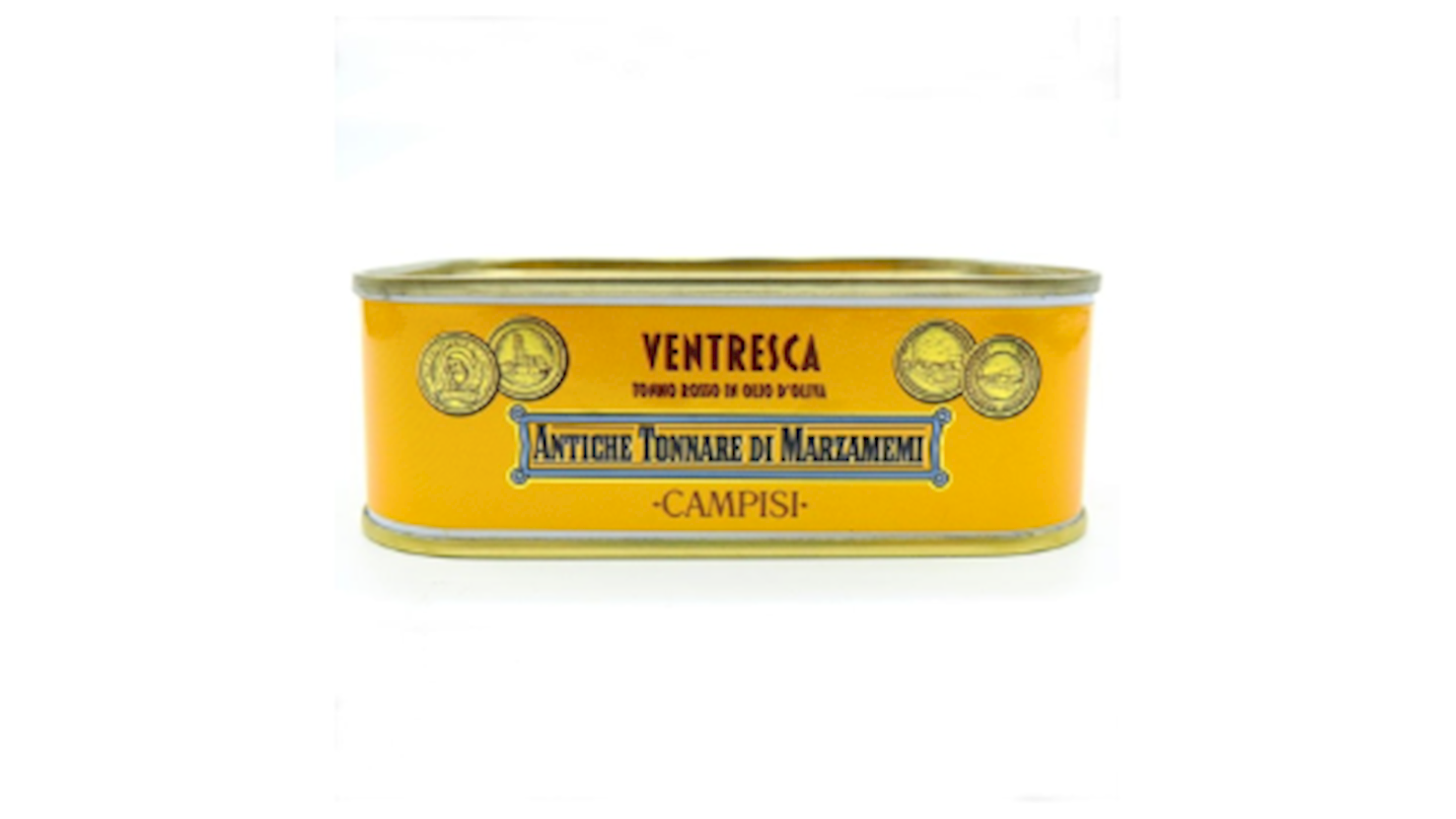
Campisi Conserve is a Sicilian producer of premium canned fish and gourmet products, based in Marzamemi, a small coastal village in the province of Syracuse. The company dates back to 1854, making it one of the oldest tuna producers in Italy.

The family tradition of fish processing developed near the historic tonnara, an old tuna processing site that shaped the identity of the area. Campisi works with fish species typical for Sicilian waters, such as bluefin tuna, amberjack, swordfish and mackerel, relying on local fishermen.

The brand’s philosophy is rooted in respect for the territory and seasonality of the catch, using sustainable methods such as hook-and-line fishing. The fish is processed by hand, and the cans contain only a minimal number of ingredients to preserve the natural taste and texture of the meat.

Because of its authenticity and artisanal production, the brand appeals to consumers who value quality and traceability. Campisi Conserve demonstrates how canned fish can carry a strong sense of place, tradition and terroir.

The brand is a clear example of how a “delicacy” can come from a can - when the raw material is respected and the natural rhythm of the sea is honored.

08

Azienda Agricola Fratelli Pinna

5.0 ·

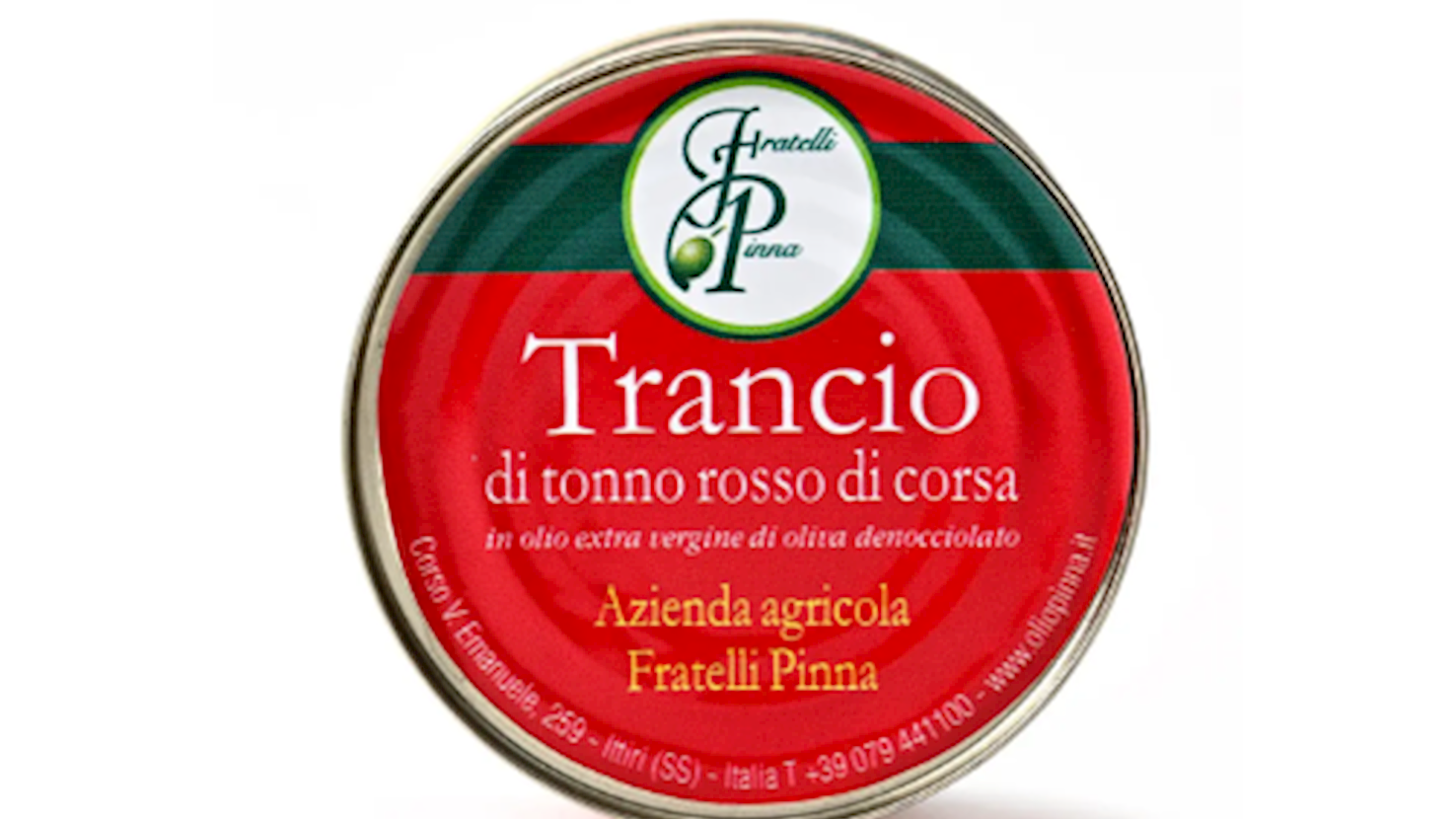
Azienda Agricola Fratelli Pinna is a family-run agricultural producer based in Sardinia with a history that spans more than a century, rooted primarily in the cultivation of olives and the production of extra virgin olive oil from the Bosana variety. The company manages its own groves and oversees the full production cycle, maintaining a consistent focus on raw material quality and traceability.

While olive oil remains the core of its identity, Fratelli Pinna has gradually expanded into a range of preserved foods, using its own oil as a key medium for conservation. This includes vegetables such as artichokes, asparagus, and tomatoes, processed shortly after harvest to retain their natural characteristics.

Within this broader portfolio, the company also produces a limited selection of canned seafood, representing a smaller and more specialized segment of its offer. These products typically include tuna cuts that are handled manually and preserved in extra virgin olive oil, with raw material sourced from traditional fishing practices around Carloforte.

The approach to canned seafood follows the same principles applied across their production: minimal processing, careful selection of ingredients, and reliance on oil as both a preservative and a flavor component. Rather than focusing on industrial scale, the emphasis is on maintaining product integrity and regional identity.

This integration of agriculture and seafood preserves reflects a broader Sardinian context, where local resources are combined within a coherent production philosophy. Fratelli Pinna thus operates at the intersection of olive oil production and gourmet preserves, with canned seafood positioned as a niche but consistent extension of its core activity.

09

Carloforte Tonnare

5.0 ·

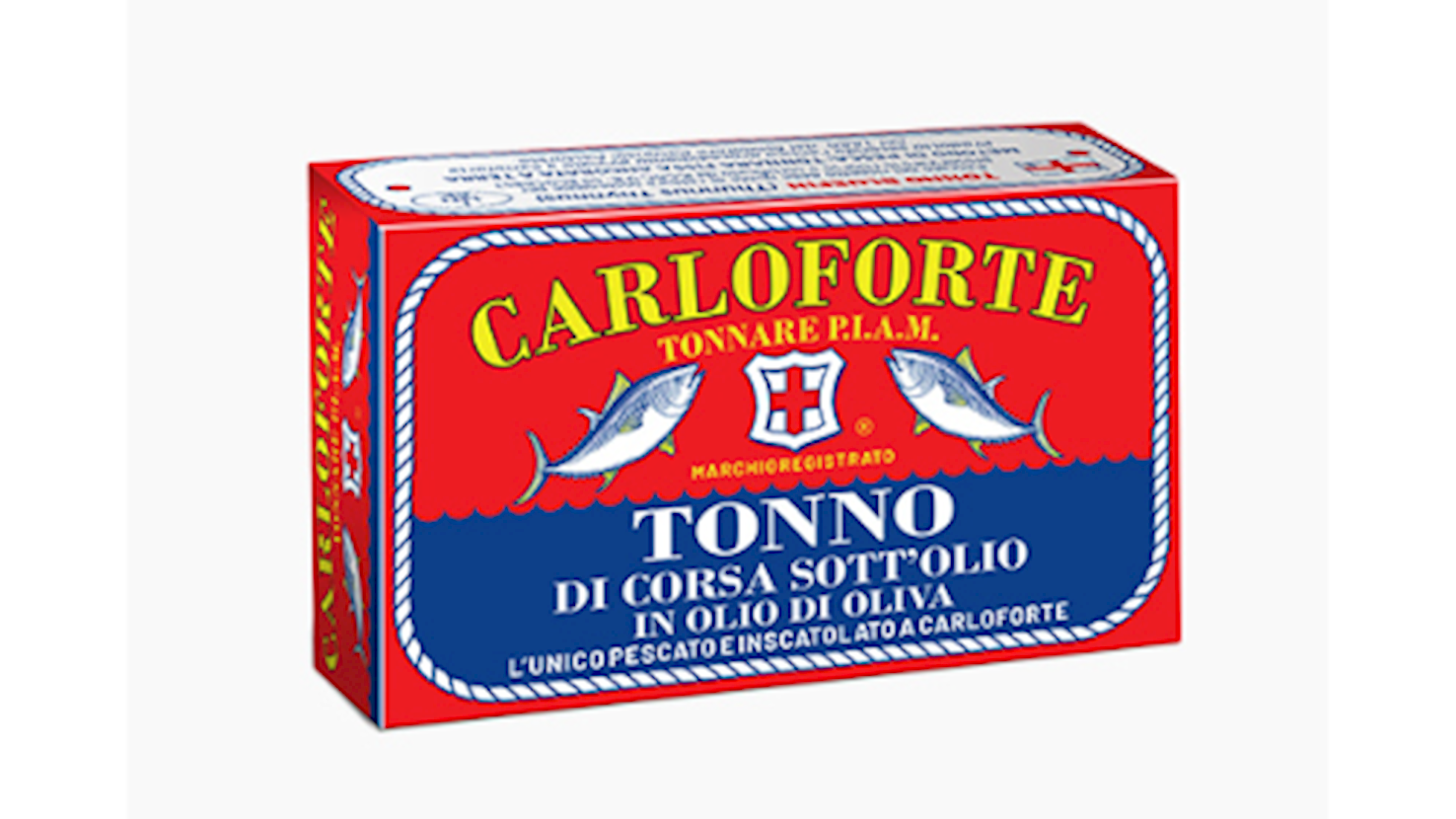
Carloforte Tonnare represents one of the last remaining traditional tuna fishing systems in the Mediterranean, located on the island of San Pietro off the southwest coast of Sardinia. Its activity is based on the historical tonnara method, a complex structure of fixed nets anchored at sea that guide migrating tuna through a sequence of chambers until the final capture stage.

This practice dates back to the 17th century, reflecting a long-standing connection between the local community and tuna fishing. The operation is organized within a defined maritime area, allowing the fish to be brought to shore and processed within a short time frame, which helps preserve quality.

The process relies on coordinated manual work, with clearly defined roles passed down through generations. Fishing is seasonal, typically taking place between late spring and early summer, when bluefin tuna migrate through these waters.

Compared to industrial methods, this system is more selective and controlled, targeting specific fish and reducing unnecessary catch. Today, Carloforte Tonnare combines this historical fishing technique with modern processing and distribution of tuna products.

Its identity is not limited to production alone, but also includes the preservation of a structured body of knowledge, skills, and practices that define this long-established maritime tradition.

10

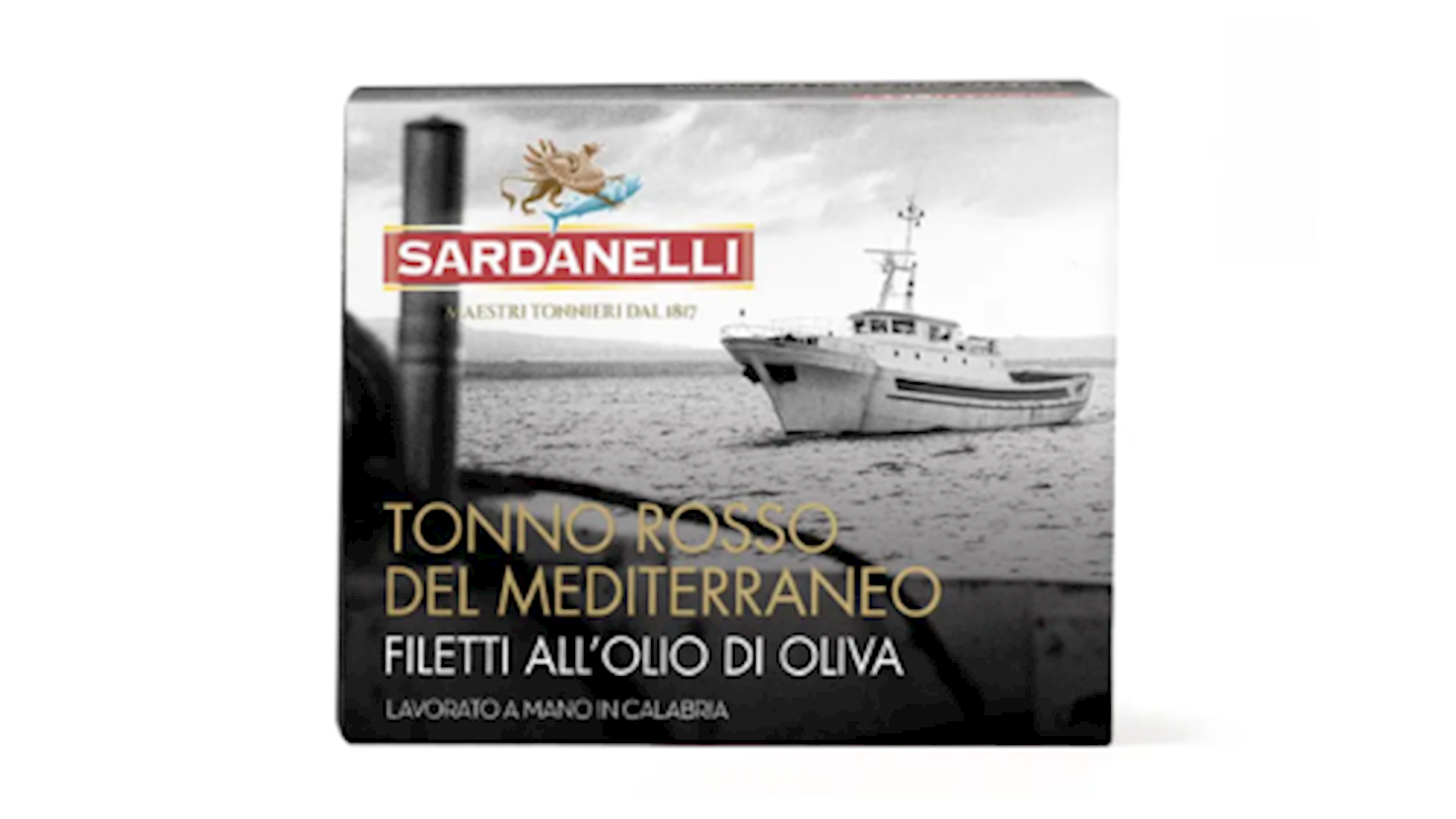
Tonno Sardanelli

5.0 ·

Tonno Sardanelli is a Calabrian producer of canned seafood rooted in a long-standing tradition of tuna fishing and processing. The origins of the family’s involvement in the sector date back to 1817, when members of the Sardanelli family were engaged in tuna fisheries and tonnara operations along the Tyrrhenian coast.

Today, the company operates with modern facilities while maintaining the identity of traditional tuna processors, with a continued emphasis on manual handling and quality control. Production takes place in Calabria, where the fish is processed shortly after arrival to preserve its structural integrity and freshness.

The workflow includes careful cleaning and selection of the meat after cooking, ensuring that the texture and natural appearance of the fillets are retained. The range includes various tuna products such as fillets in olive oil, ventresca, and other cuts, all positioned within the canned seafood category.

The ingredient approach is deliberately simple, typically based on tuna, olive oil, and salt, without the use of additives. The company also highlights sustainability through certifications such as Dolphin Safe and Friend of the Sea, indicating controlled sourcing and responsible fishing practices.

Tonno Sardanelli combines inherited know-how with contemporary production standards, resulting in products that reflect both regional tradition and current market expectations.

About this Ranking

TasteAtlas food rankings are based on the ratings of the TasteAtlas audience, with a series of mechanisms that recognize real users and that ignore bot, nationalist or local patriotic ratings, and give additional value to the ratings of users that the system recognizes as knowledgeable. For the “Top 100 European Seafood” list until August 12, 2026, 2,729 ratings were recorded, of which 1,938 were recognized by the system as legitimate.

TasteAtlas Rankings should not be seen as the final global conclusion about food. Their purpose is to promote excellent local foods, instill pride in traditional dishes, and arouse curiosity about dishes you haven’t tried.

The initial list of top producers was compiled based on available reviews, awards, local recommendations, media and blog coverage, and consumer reviews. The list will be updated with ratings from TasteAtlas local ambassadors and TasteAtlas users.

What People Say

Similar Lists