shutterstock

Top 8 Apulian Soft Cheeses

Last updated on June 05, 2026

Best Apulian Soft Cheeses
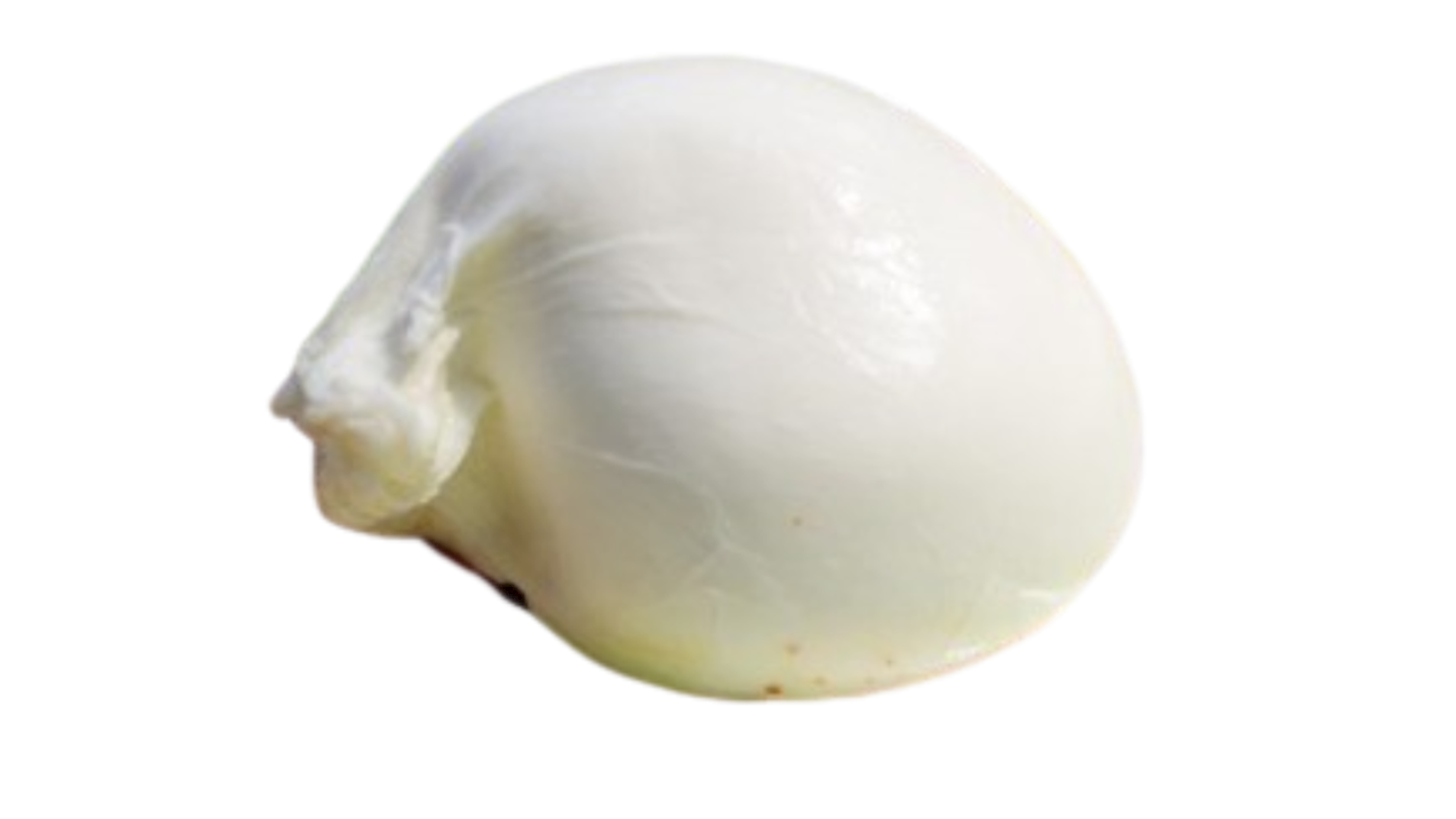
01

Caseificio Dicecca

4.8 ·
Caseificio Dicecca is a family-owned dairy located in Altamura, in the heart of Italy’s Apulia region, renowned for producing both authentic and innovative cheeses. Founded in 1930, the dairy has been run by the Dicecca family for four generations, blending traditional techniques with modern approaches to create truly unique products. Their range includes classic cheeses such as burrata, mozzarella, and caciocavallo, as well as more creative and experimental varieties. The dairy also offers unique experiences for visitors, including guided tours of the production facilities and tastings at their Cheese Bar "Baby Dicecca". This blend of tradition, innovation, and hospitality makes Caseificio Dicecca a must-visit destination for cheese lovers and those seeking genuine gastronomic experiences.
02

Caseificio Viscanti

4.3 ·
Caseificio Viscanti is a family-run dairy located in Apulia, Bari province, renowned for its traditional hand-crafted Italian cheeses made from fresh milk sourced from local farms. Their production philosophy combines artisanal expertise, respect for tradition, and careful selection of raw ingredients. Their product range includes southern Italian classics such as burrata, mozzarella, stracciatella, scamorza, and ricotta, alongside seasonal and specialty items like smoked mozzarella and stuffed cheese varieties. The dairy exclusively uses high-quality milk from the local territory, and each cheese is handcrafted with attention to texture and freshness. Their commitment to freshness and authenticity reflects the rich dairy heritage of Apulia.

Best Apulian Soft Cheese Types
01

Burrata

4.4 ·

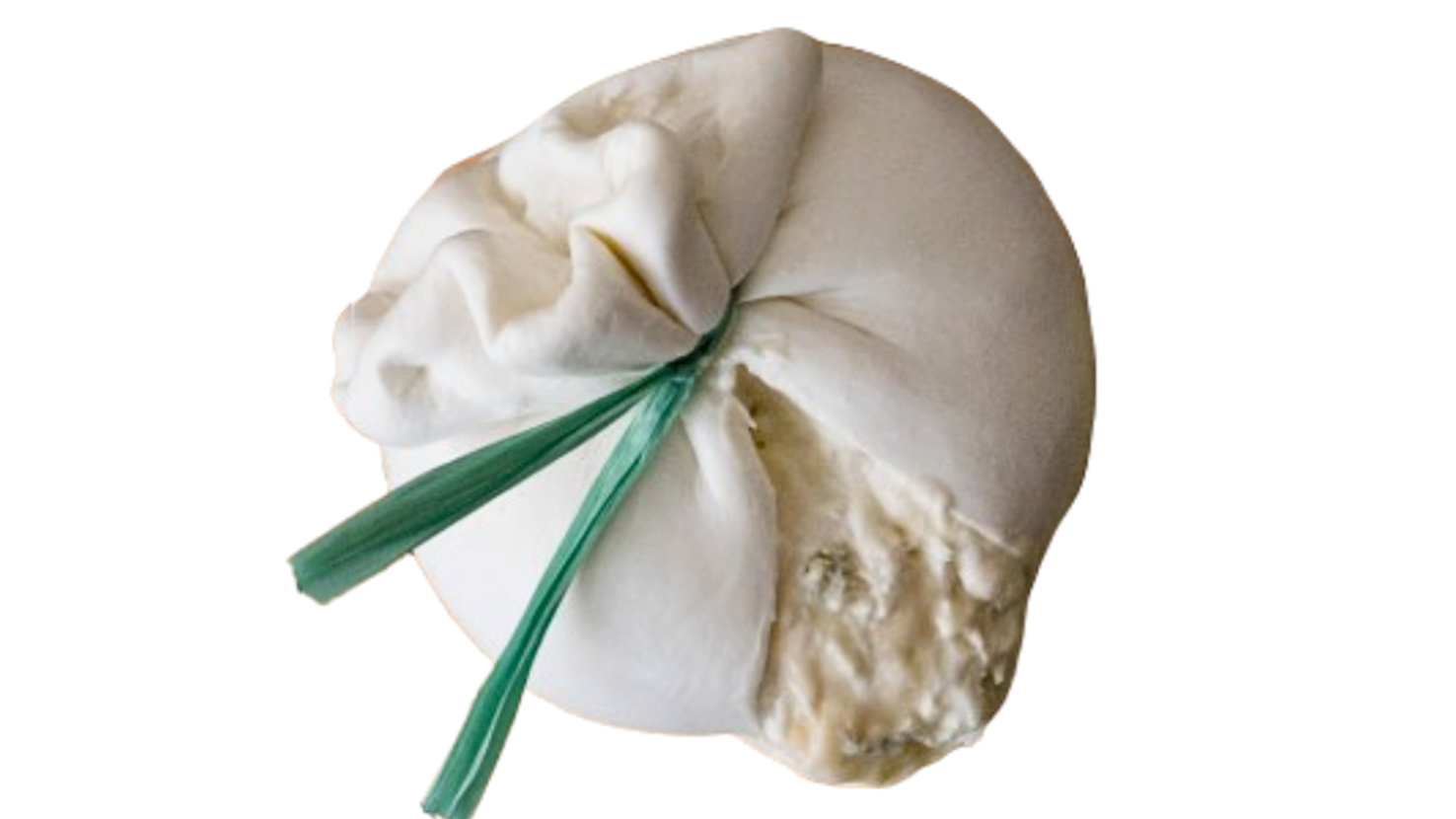
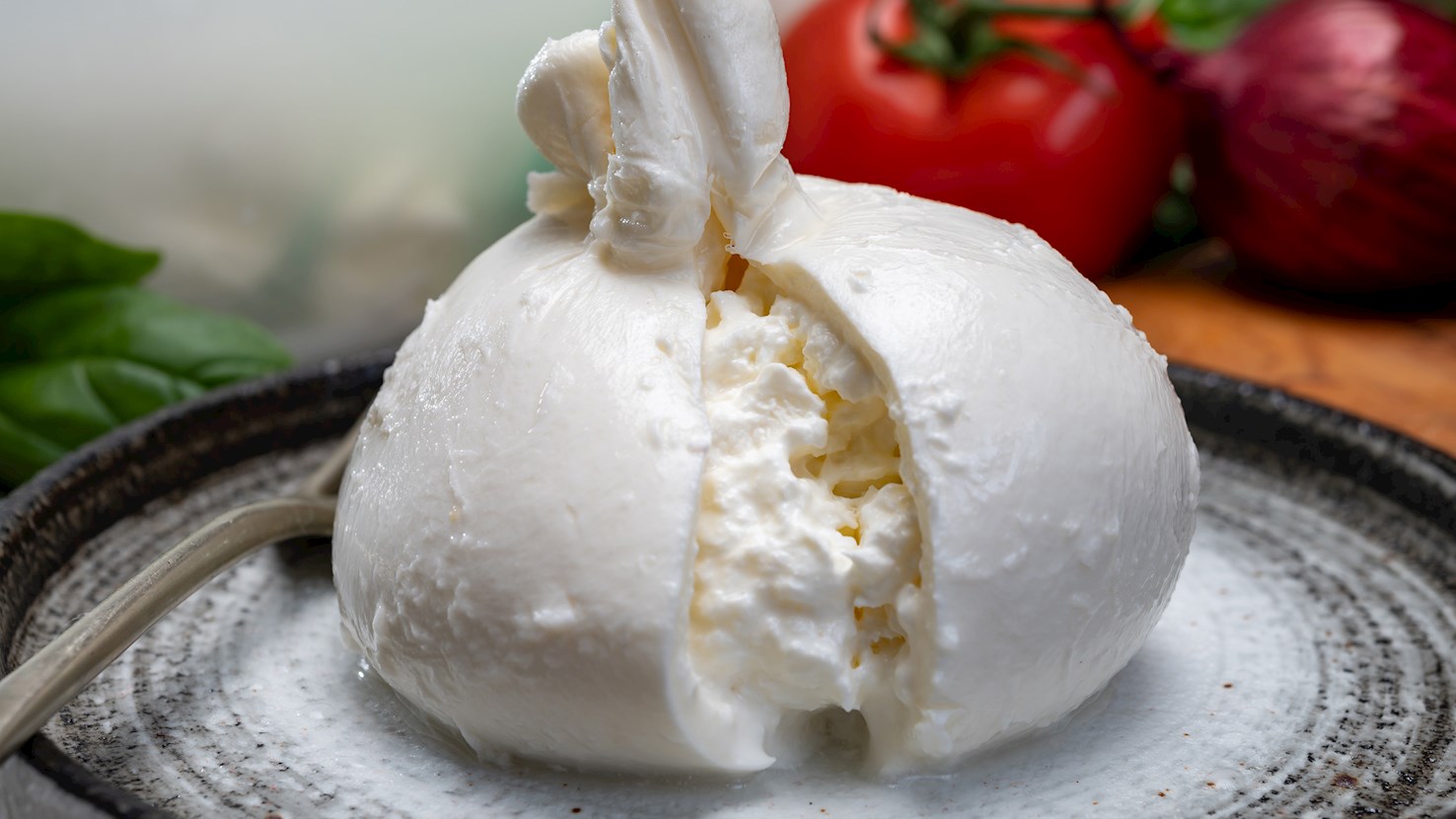
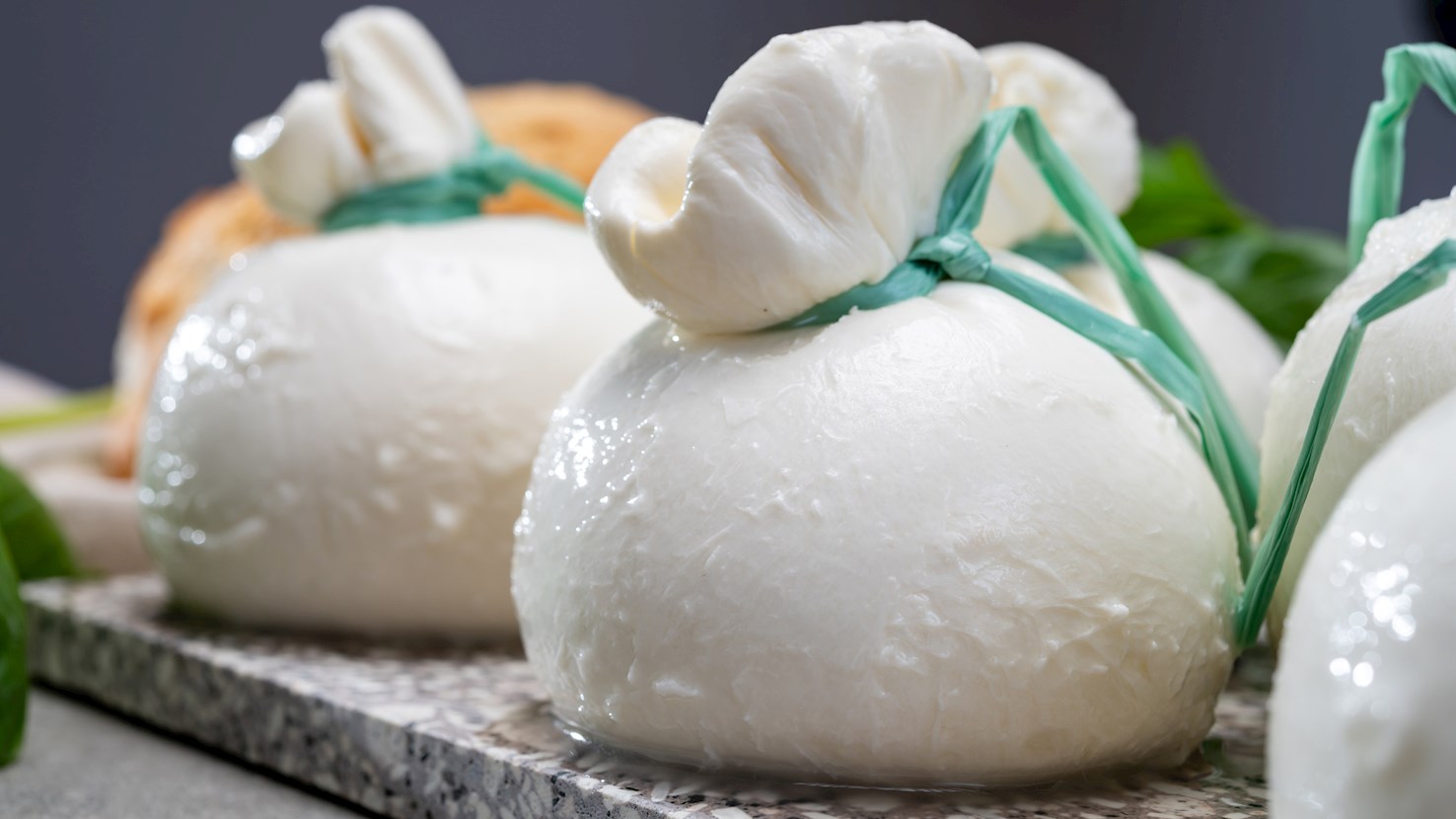
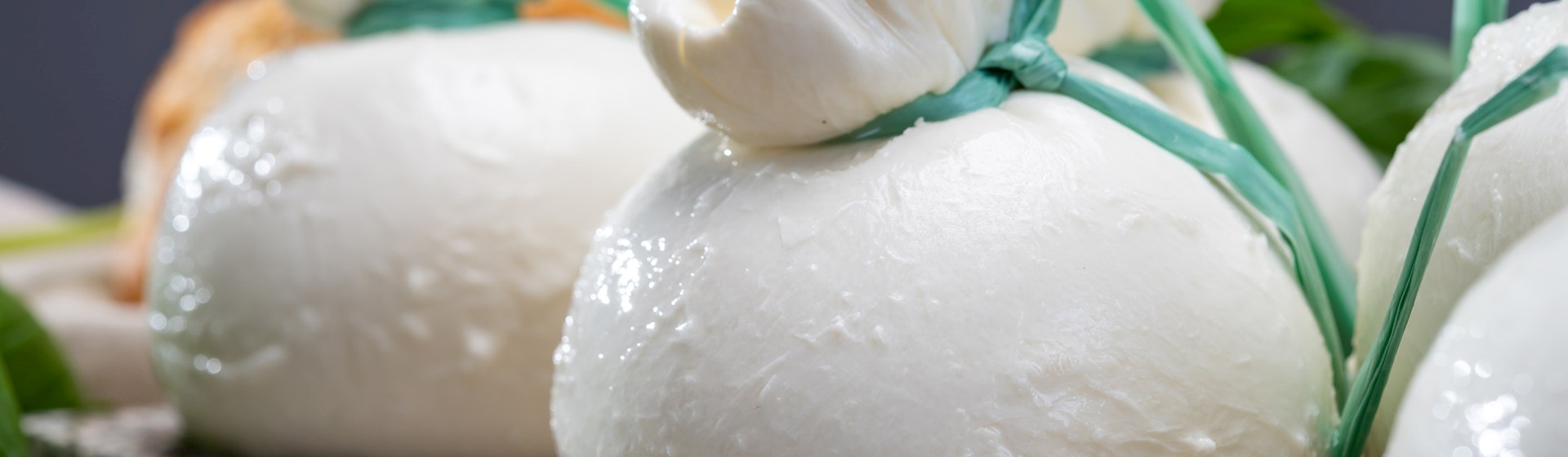
Burrata, literary meaning buttered, is an artisan cheese from the Puglia region of Southern Italy, especially the provinces of Bari and Barletta-Andria-Trani. The cheese is made by hand with cow's milk, rennet, and cream. It is believed that the cheese was created by Lorenzo Bianchino Chieppa, a cheesemaker who had an idea to form a shell of stretched mozzarella strings and fill it with luscious, rich cream and smaller, leftover pieces of mozzarella. The result was a true delicacy with the creamiest interior and a rich flavor of fresh milk, which very quickly became extremely popular. Burrata should be eaten as fresh as possible - ideally within 24 hours of being made. It can be served alone, seasoned only with some salt, pepper, and a drizzle of extra virgin olive oil, but it is also delicious when accompanied by fresh tomatoes and prosciutto crudo, or when used as a topping for pizzas or bruschettas.

02

Burrata di Andria

4.4 ·

Made from cow's milk, in particular, mozzarella and cream, Burrata di Andria is popularly known as 'the queen of cheeses'. It originates from Apulia, namely the town of Andria, and although Burrata has been produced only since 1950s, it has already become an Italian classic, despite its relatively short history. The outer shell of this fresh cheese is solid mozzarella, while the inside contains both mozzarella and cream, giving this masterfully created delicacy an unusual, soft texture. Burrata has a delicate yet rich flavor of fresh milk and it is most often served seasoned with just salt, pepper and drizzled with extra virgin olive oil but it also pairs beautifully with bruschettas topped with prosciutto, figs, tomatoes and various fresh vegetables.

03

Stracciatella

4.3 ·

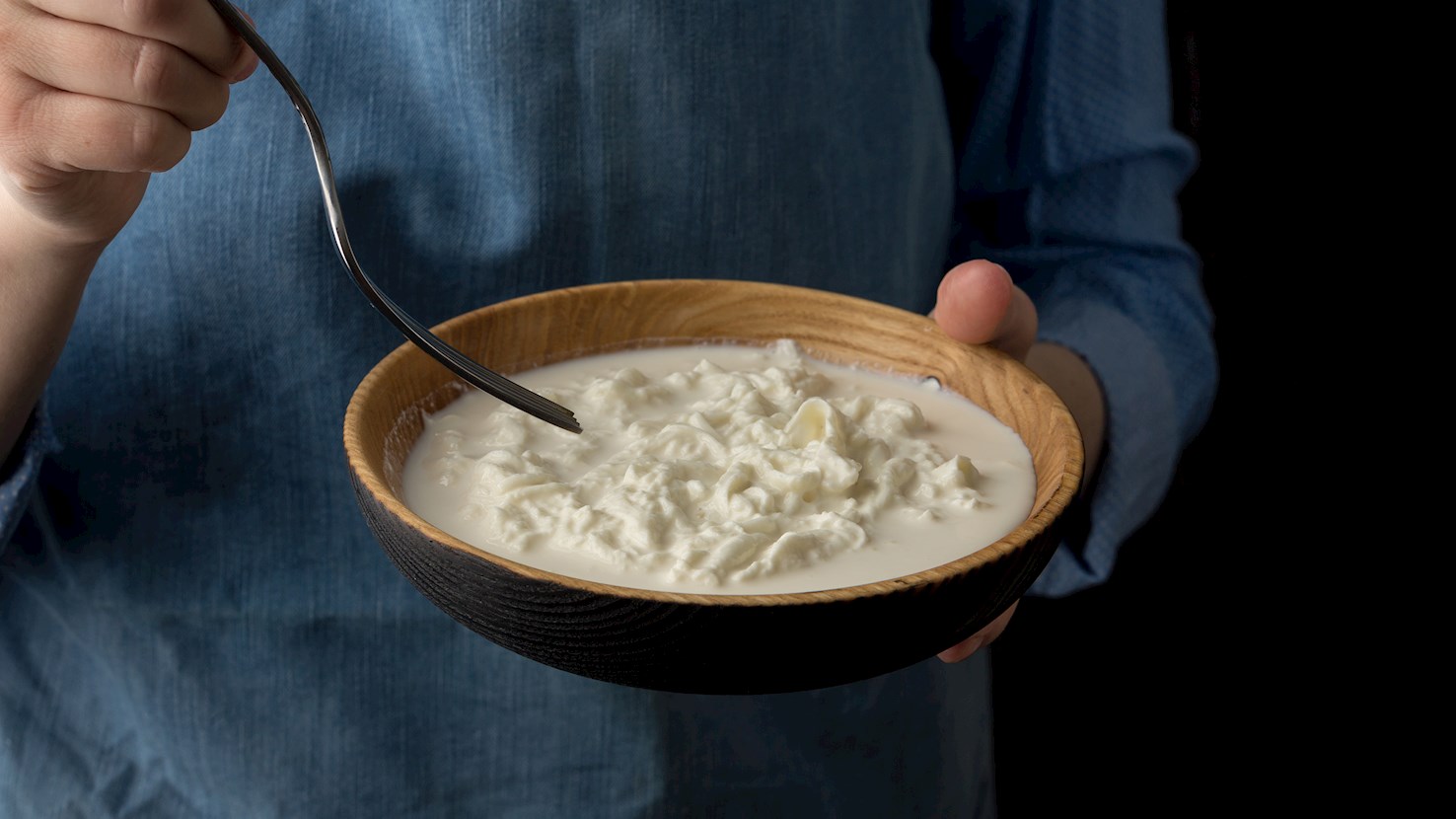
Stracciatella is a traditional cheese hailing from Puglia. This cheese is actually the inside of the burrata, made from shredded threads of mozzarella di bufala (sfilacci, made from water buffalo's milk) that are mixed with fresh cream. The texture is silky, buttery, almost runny, and creamy, while the flavors are fresh, milky, and slightly acidic. Stracciatella is very versatile, and due to its mild flavors it can be served with almost anything – from pastas and risottos to pizzas and bruschettas.

04

Ricotta

3.8 ·

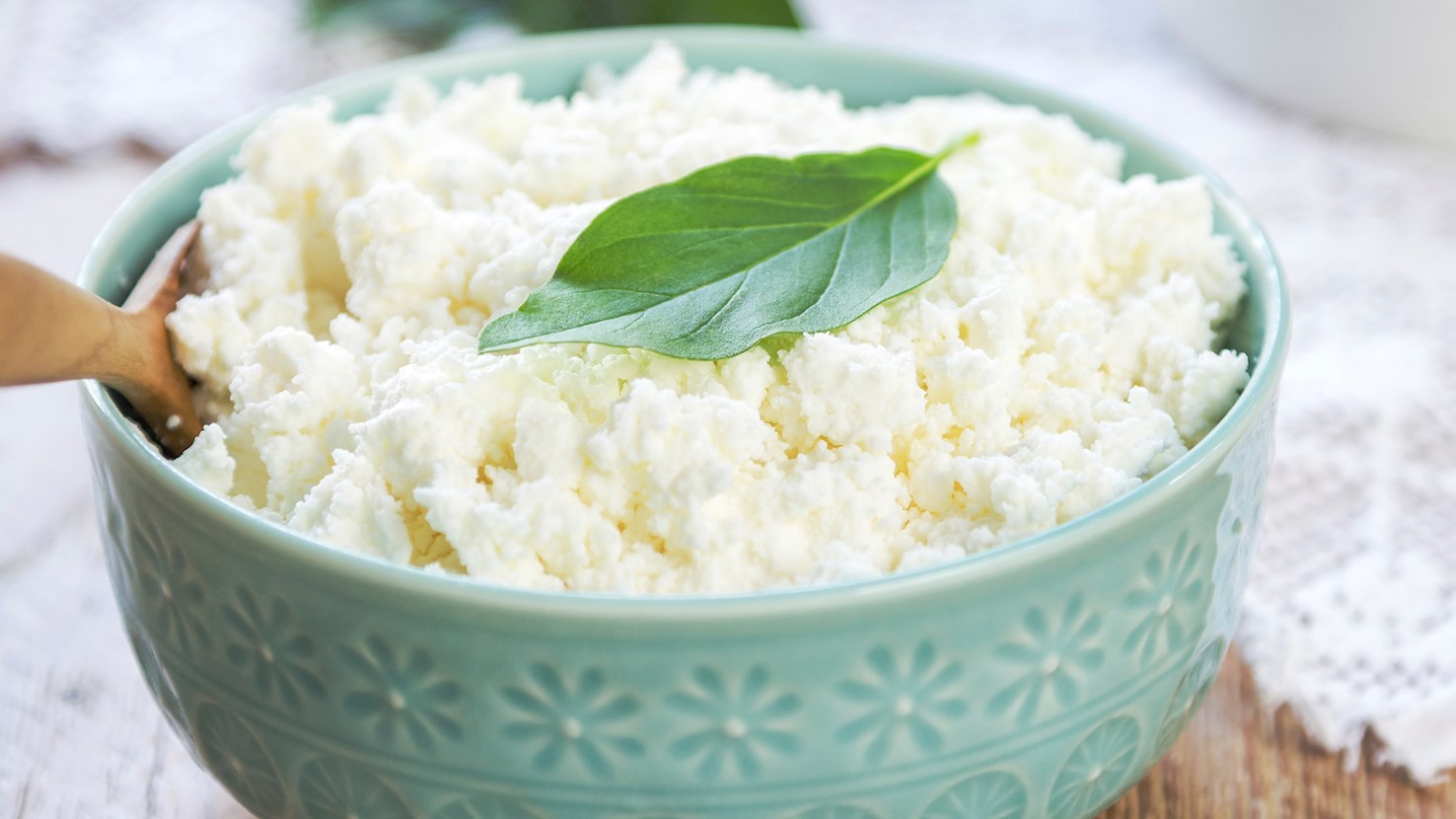
Ricotta is a fresh, soft cheese made from sheep's, cow's, goat's or Italian water buffalo's milk. Technically, it is not a cheese but a creamy curd made by reheating the whey, a byproduct of cheesemaking – hence the name ricotta, which literary means re-cooked. Ricotta curds are white and creamy, very fresh, and slightly sweet in taste. The shape and weight might vary, depending on the milk used in the process, but it usually has a conical shape achieved by the usage of fuscella - a traditional container in which the cheese is placed after skimming in order to drain. It can be consumed alone or accompanied by other cheeses or cold cuts, but its subtle aroma also makes it an excellent ingredient in many recipes.

05

Cacioricotta Pugliese

3.7 ·

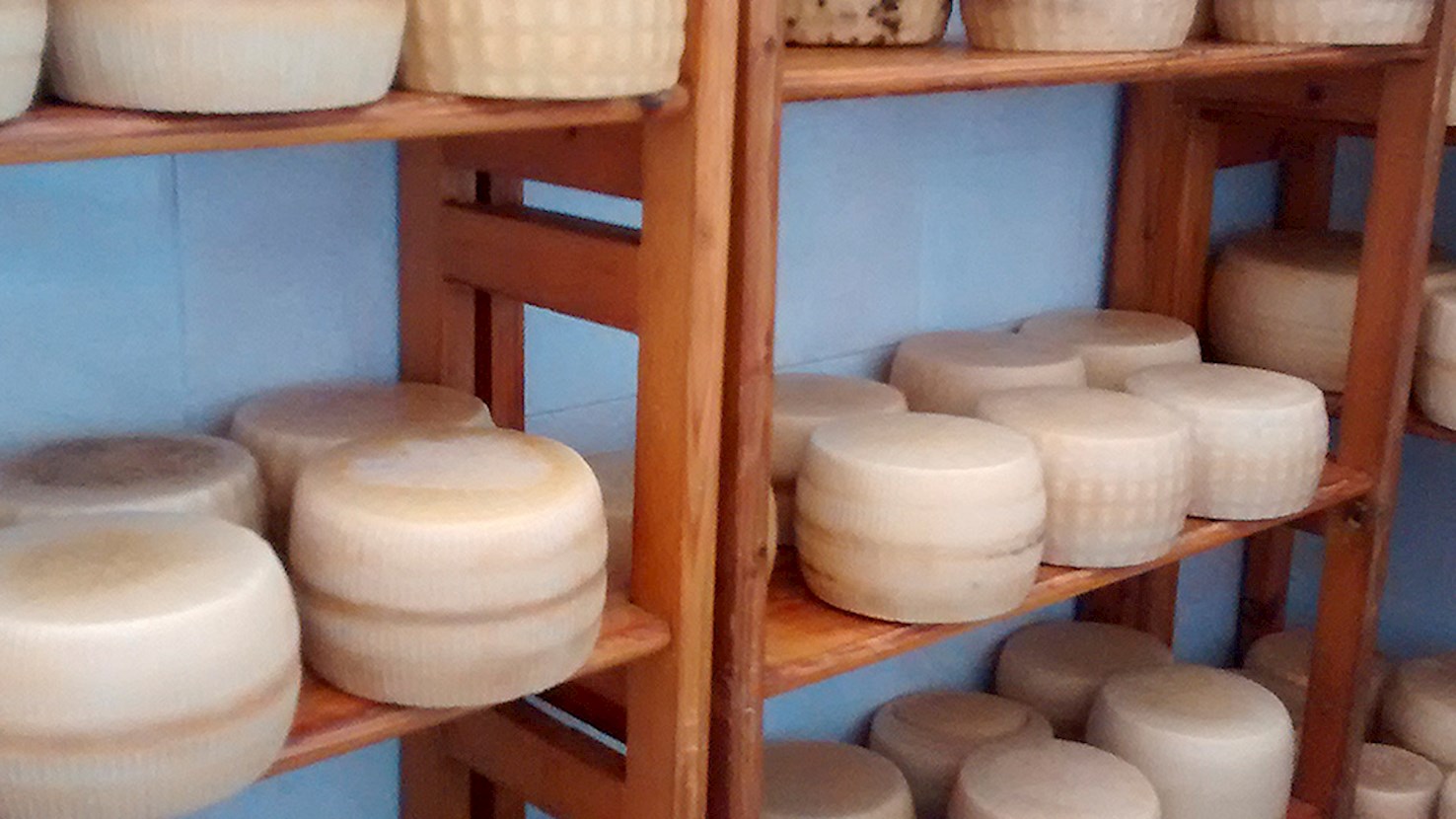
This traditional Apulian delicacy is a cross between a cheese and fresh ricotta. Made with the mixture of milk from pasture-fed goats or sheeps, it is produced by combining ricotta and traditional cheese-making methods. The fresh milk is first heated to 85-90 degrees, then left to cool down to 37 degrees before adding the rennet, which causes both the milk and the whey to coagulate. The end result is a soft, ricotta-like cheese, which becomes semi-hard and straw-yellow when aged for two or three months. Eaten fresh, it is fragrant, salty, and slightly acidic. When aged, it becomes tangier and is perfect both on its own or grated over local pasta dishes, such as orecchiette with basil-flavored tomato sauce.

06

Ricotta forte

3.5 ·

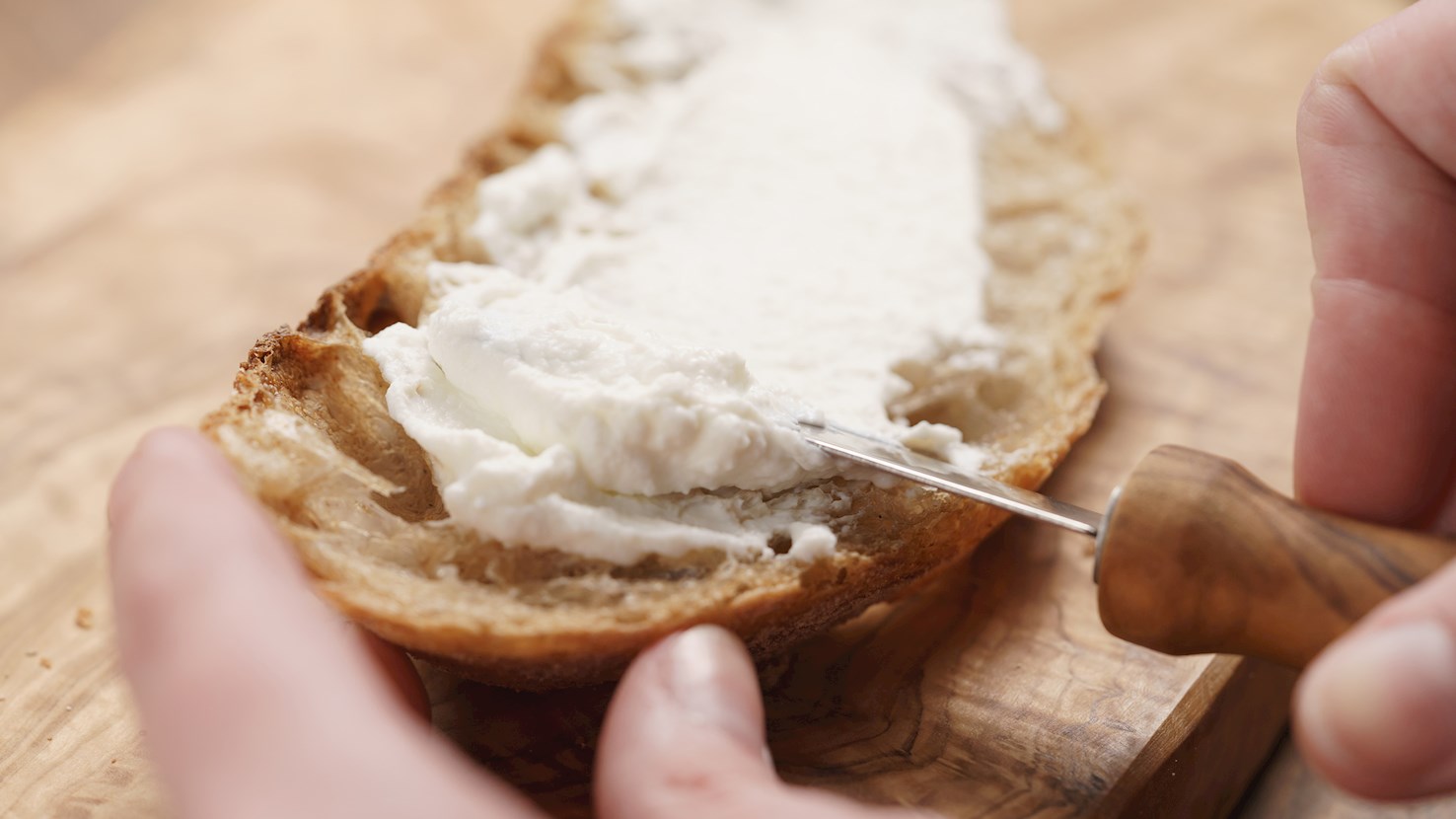
Ricotta forte is a traditional Apulian cheese. This white cheese is made from sheep's or goat's milk. The texture is creamy and spreadable, the aromas pungent, and the flavors spicy and intense. Originally, it was produced by the shepherds who made it as a way to use the surplus of ricotta production. They placed it to wooden or clay containers with some salt, and the cheese was then mixed a couple times per week for at least 3 months. Finally, the cheese was covered with fig leaves and then left to mature and drain. Ricotta forte is traditionally spread on warm bread, and in the past it was offered to guests as a sign of welcome, always with some red tomatoes on the side. It can also be fried in stuffed zucchini blossoms or combined with a traditional Italian long pasta type known as sagne 'ncannulate. Pair it with full-bodied red wines.

07

Giuncata

n/a ·

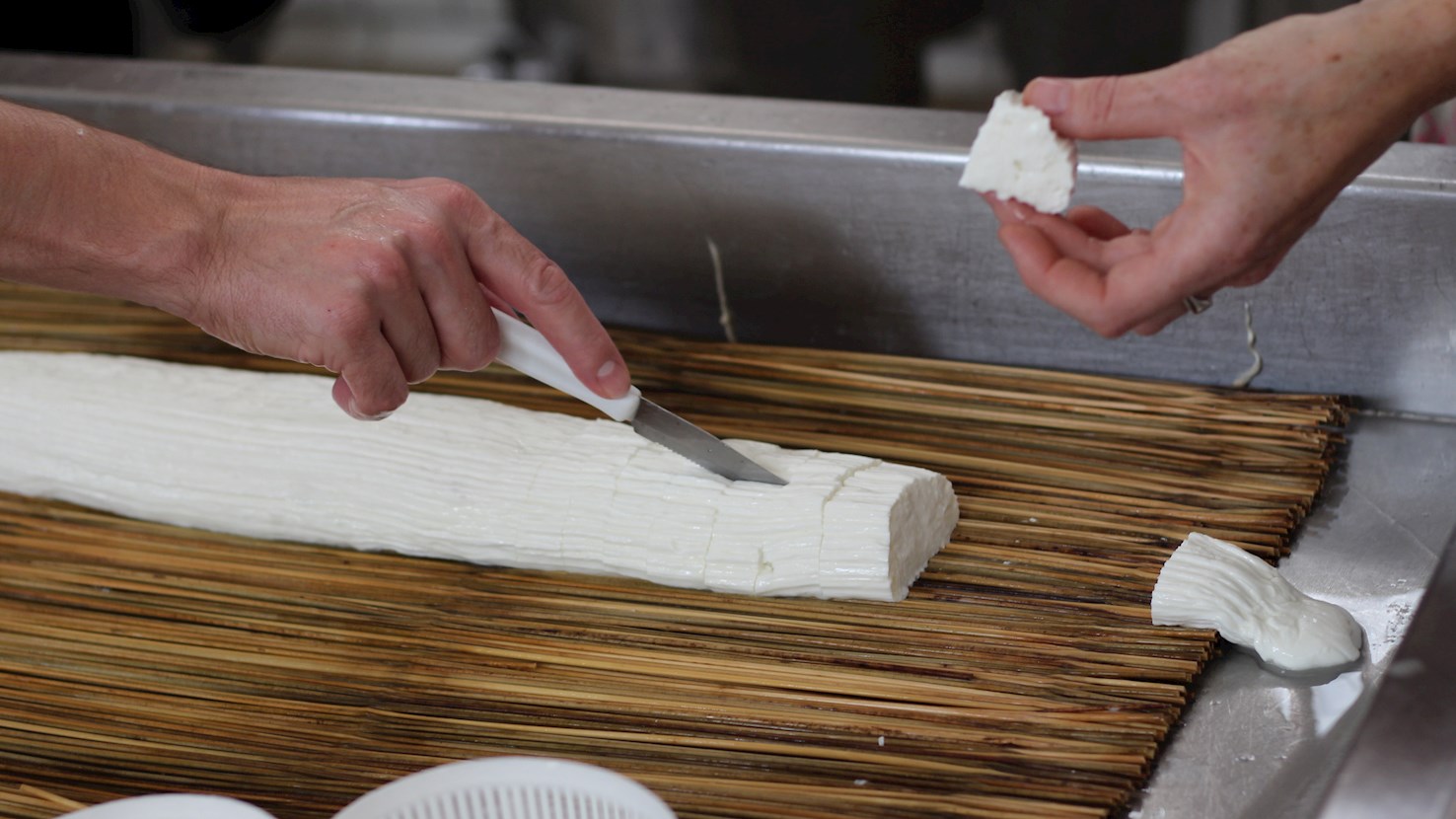
Giuncata is a traditional cheese originating from Puglia, and it’s one of the oldest Apulian cheeses. The cheese is named after the reed (giunco) basket in which it was placed after it’s been made in order to get its cylindrical shape. This cheese is made from different types of milk – goat’s, sheep’s, and cow’s, along with lamb or calf rennet. Giuncata is fresh, unsalted, and rindless. The texture is soft and supple, the aroma is fresh and milky, while the flavor is slightly sweet and delicate. It’s recommended to eat the cheese immediately after it’s been made and enjoy it as a table cheese with a drizzle of olive oil, fresh bread, or raw vegetables such as tomatoes and celery.

08

Fallone di Gravina

n/a ·

Fallone di Gravina is a traditional cheese originating from Gravina. The cheese is made from a mixture of sheep's milk and goat's milk, which gives the cheese some spicy notes. This cheese is rindless and fresh, and because it's made from raw milk, it must be consumed within a day. It has a white color, and the texture is soft, delicate, and compact. The aromas and flavors are distinctive and slightly spicy. It's recommended to pair this fresh table cheese with Ostuni Bianco DOP.

Read more
View all
View map
About this ranking

TasteAtlas food rankings are based on the ratings of the TasteAtlas audience, with a series of mechanisms that recognize real users and that ignore bot, nationalist or local patriotic ratings, and give additional value to the ratings of users that the system recognizes as knowledgeable. For the “Top 8 Apulian Soft Cheeses” list until June 05, 2026, 1,944 ratings were recorded, of which 1,564 were recognized by the system as legitimate. TasteAtlas Rankings should not be seen as the final global conclusion about food. Their purpose is to promote excellent local foods, instill pride in traditional dishes, and arouse curiosity about dishes you haven’t tried.

The initial list of top producers was compiled based on available reviews, awards, local recommendations, media and blog coverage, and consumer reviews. The list will be updated with ratings from TasteAtlas local ambassadors and TasteAtlas users.

Similar lists