
shutterstock

Top 35 Central European Soft Cheeses

Last updated on June 05, 2026

Best Central European Soft Cheese Types

01

Gołka

4.4 ·

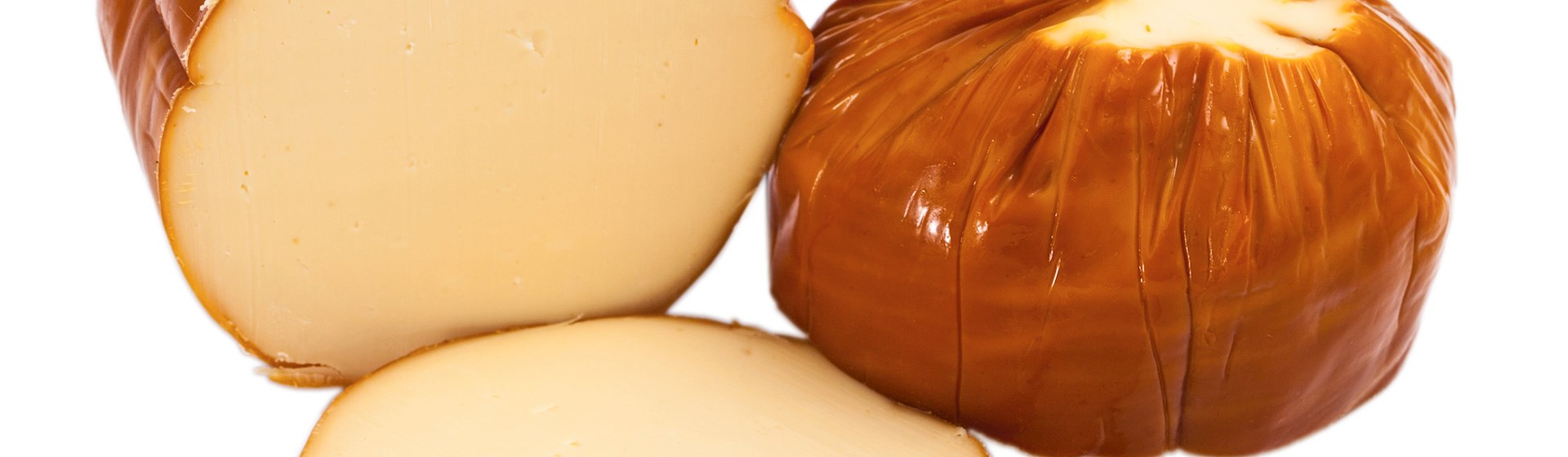
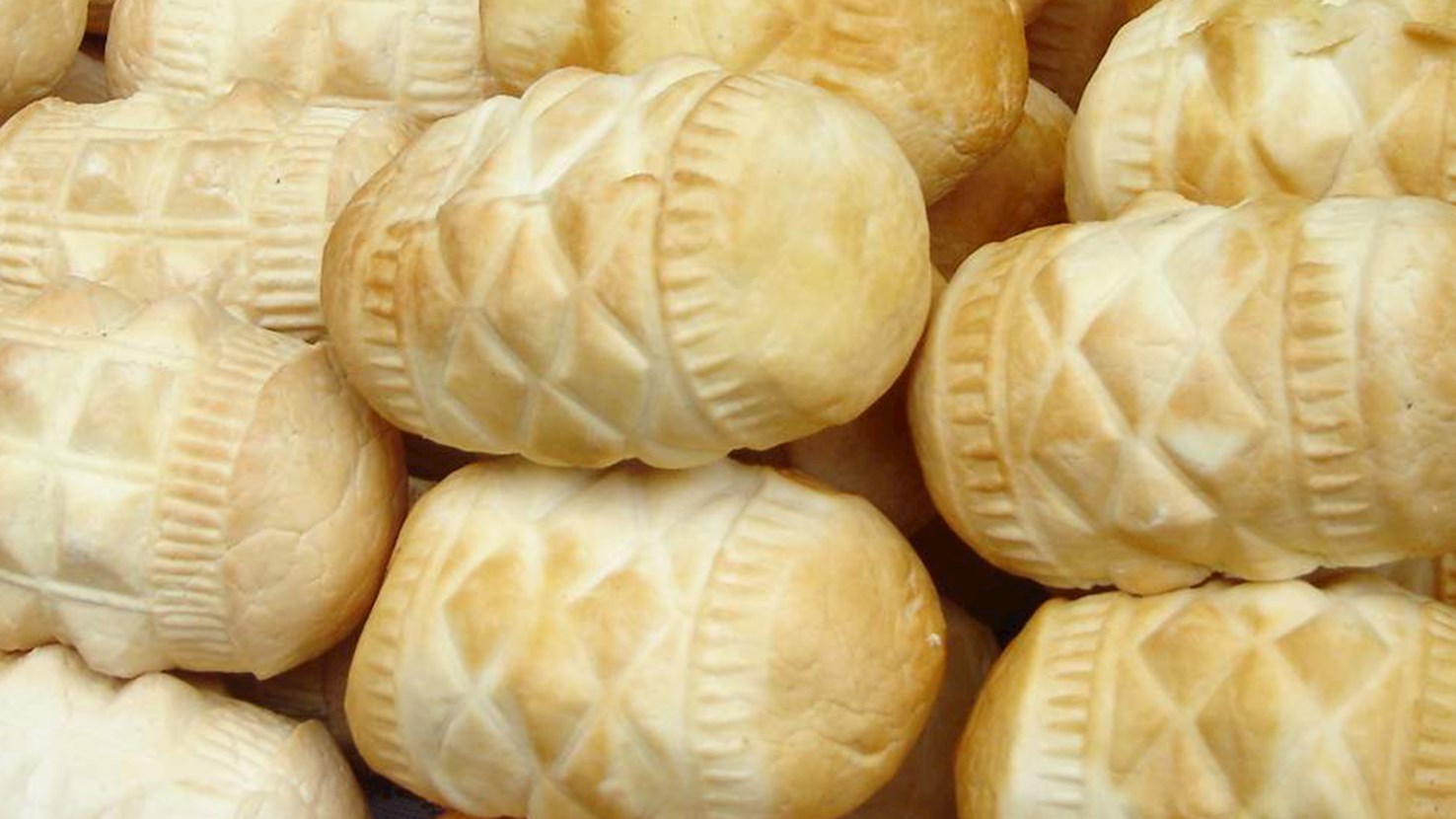
Traditionally associated with the region of Silesia, gołka is a smoked Polish cheese that is exclusively made with cow’s milk. It is characterized by its light yellow color, and before it is smoked, it is placed in carved wooden molds that form its typical cylindrical shape and provide a decorative pattern on the rind. With its delicate taste, smoky flavor, and soft texture, gołka is best paired with fruit preserves and bread.

02

Ovčí Salašnícky Údený Syr

4.4 ·

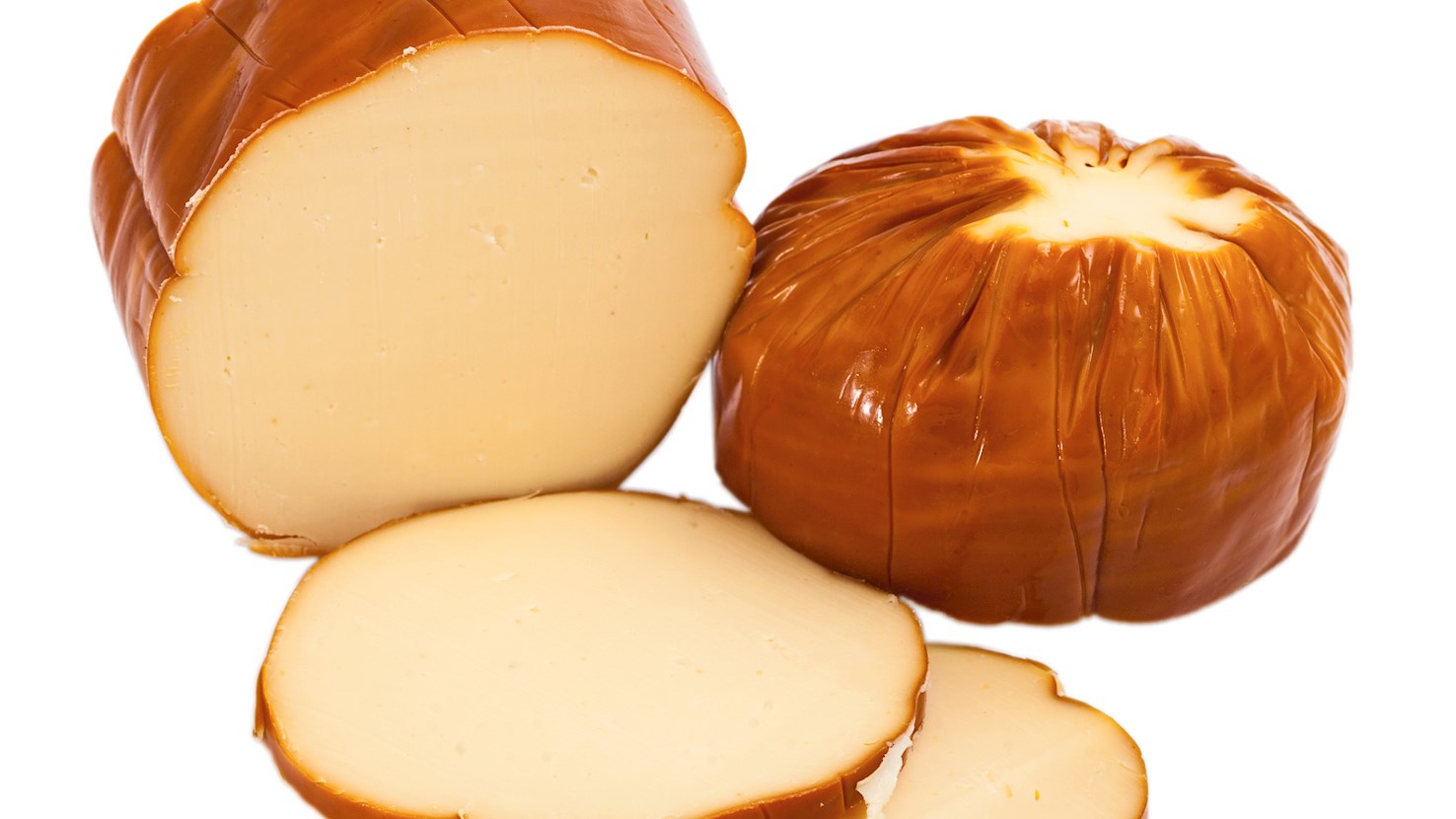
Ovčí salašnícky údený syr is a uniquely shaped, soft cheese, handmade from unpasteurized sheep's milk in a traditional way in mountainous areas and shepherd's huts in the Slovak Republic. The word salašnícky refers to the word salaš - a shepherd's hut where it is produced. The cheese is smoked over hardwood and comes in various shapes - most often as a lump, but it may come shaped like a heart, cockerel or other animals. On the exterior it is firm and dry with a crust and little stains that appear from the smoking process. Its interior is yellow in color with a firm texture that develops small holes when sliced. The flavor is smoky, mild, delicate and slightly acidic. Originally, it was smoked to prolong its shelf life and to be eaten in winter, when cheese was not produced. Pair it with potato dumplings and strong, yeasty beer.

03

Bryndza Podhalańska

4.3 ·

Bryndza Podhalańska is a unique soft cheese made from the milk of the Polska Owca Górska (Polish Mountain Sheep) breed of sheep, produced in the Nowotarski, Tatrzański and some parts of the Žywiecki districts in Poland. The cheese can also be made with a mixture of sheep's and cow's milk, where cows must be of the Polska Krowa Czerwona (Polish Red) breed, and the maximum amount of cow's milk used in the process must not exceed 40%. The cheese gets its name from the traditional name for the region - Podhale, where many skillful cheesemakers produce this white, creamy-white or greenish delicacy with an intense, salty and slightly sour flavor. Since Bryndza Podhalańska is a seasonal product, it is only made from May until September. The unique flora of one of Europe's cleanest regions has a great impact on the quality of this fresh and creamy product, often paired with dry white wines.

04

Slovenská Parenica

4.3 ·

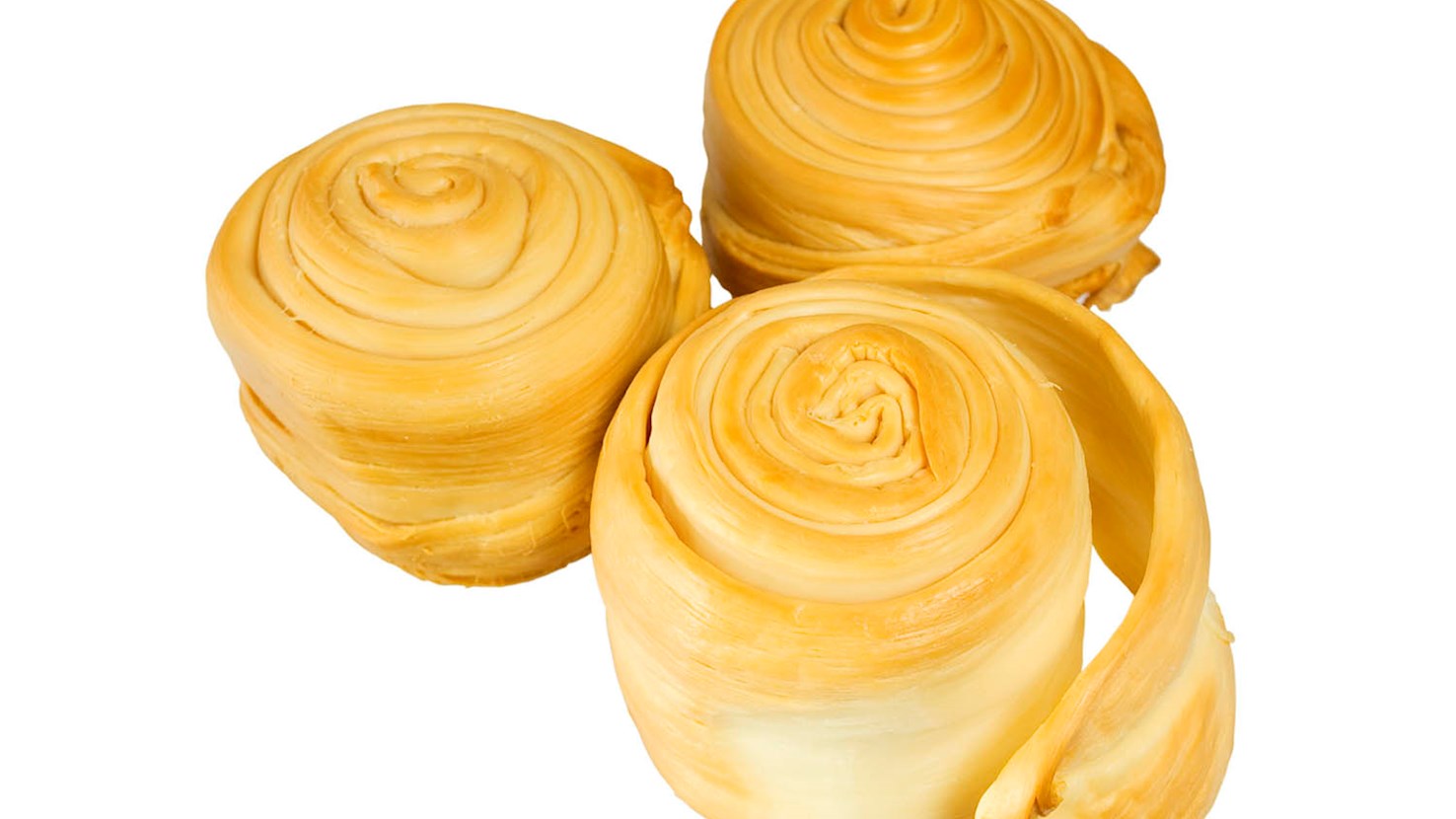
Slovenská parenica is a soft, steamed cheese made from unpasteurized sheep's milk of the Wallachian, Cigaya, East Friesian and improved Wallachian breeds. The cheese can also be made using a mixture of raw sheep's and cow's milk, where the content of sheep's milk must be at least 50%. The parenica is wound in two rolls that are connected in an S-shape or a spiral, steamed and lightly smoked. The rolls are bound with cheese string or chains. Its aroma is smoky with a characteristic smell of sheep's milk, and the taste is delicate, mild and slightly salty. The texture is elastic and supple, with fibers and threads on the interior, and the color is yellow to brown on the exterior, due to being smoked and steamed. It was originally produced around Zvolen and Brezno in the early 19th century, but today it has spread to virtually every part of Slovakia.

05

Slovenská Bryndza

4.1 ·

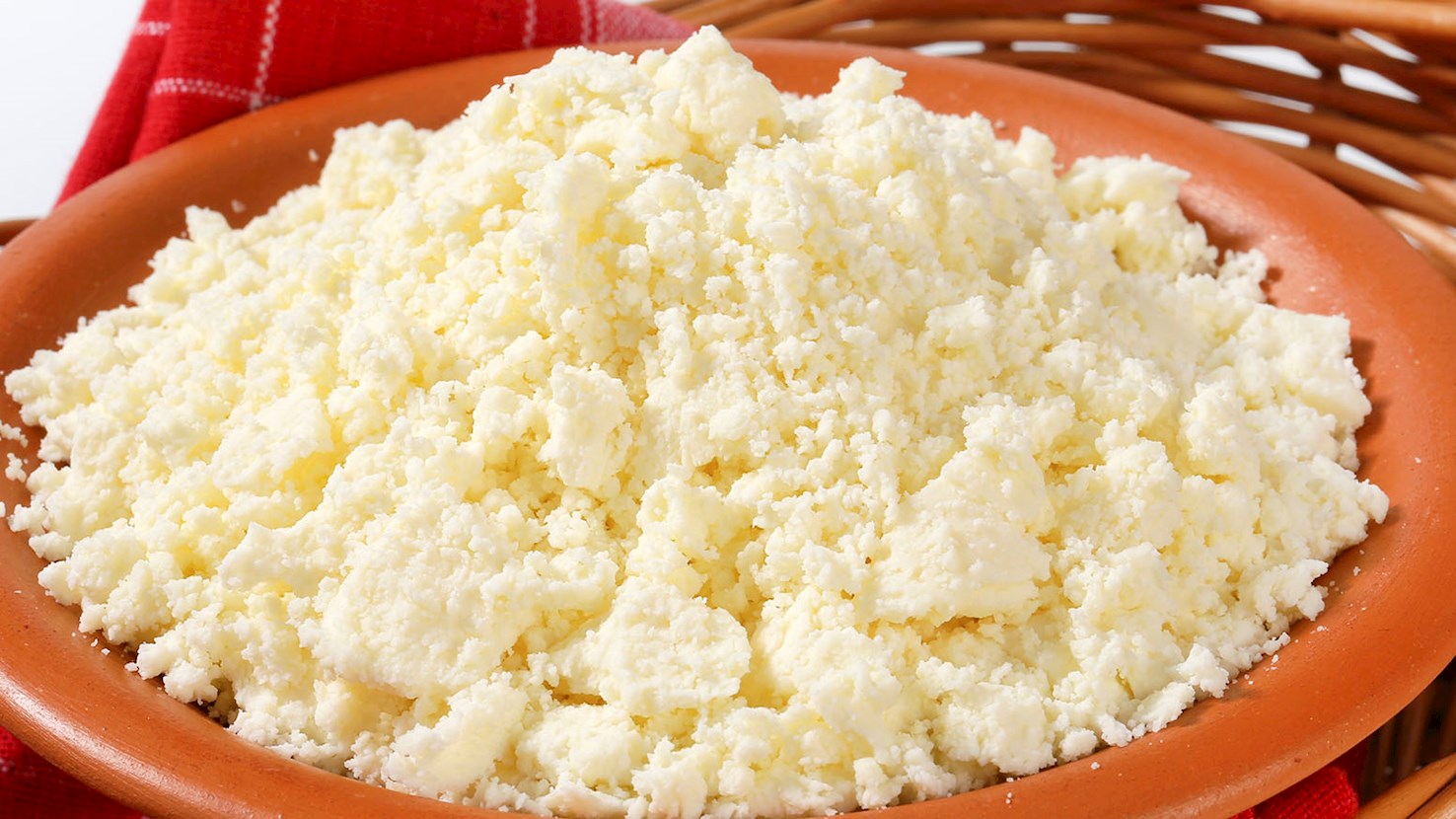
Slovenská bryndza is a soft cheese made from sheep's milk produced in the mountainous regions of the Slovak Republic. The sheep usually graze at lower altitudes, but during the summer, they move to higher altitudes to lengthen the grazing period. Its name, bryndza, comes from the Romanian word for cheese - Wallachian. The cheese is white, slightly moist, made from matured milk, and is easily spreadable in granular form. It has a delicate aroma of sheep's milk and a uniquely sour taste that is slightly salty and spicy. Bryndza is also the main ingredient in Slovak national dishes bryndzové halušky and bryndzové pirohy, giving them a unique aroma and flavor.

06

Škripavac

4.1 ·

Škripavac is a Croatian cheese made from raw cows' milk, characterized by its fresh aroma and a soft, gummy-like texture. The flavors are mild, milky, and slightly sweet. The cheese is named after the Croatian word for squeaky, because škripavac makes a distinctive sound when bitten into it. Škripavac is almost always made from the milk of Buša breed of cows - they are well adapted to the Lika region, where the cheese is produced. It's recommended to eat it on its own, with a few slices of homemade bread, although the cheese can also be grilled for a true gourmet experience.

Best producers
07

Fromage de Maredsous

4 ·

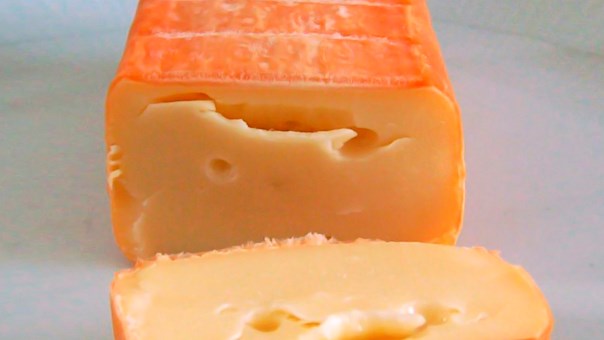
Maredsous is a Belgian soft cheese made from cow’s milk. It is made by monks of the Maredsous Abbey, hence the name of the cheese. It is first lightly pressed, shaped into loaves, then washed in brine so that a firm, orange-colored crust can be developed, as well as its signature pungent aroma. It is recommended to consume Maredsous cheese on its own as a table cheese, or use it for grilling.

08

Zázrivský korbáčik

4 ·

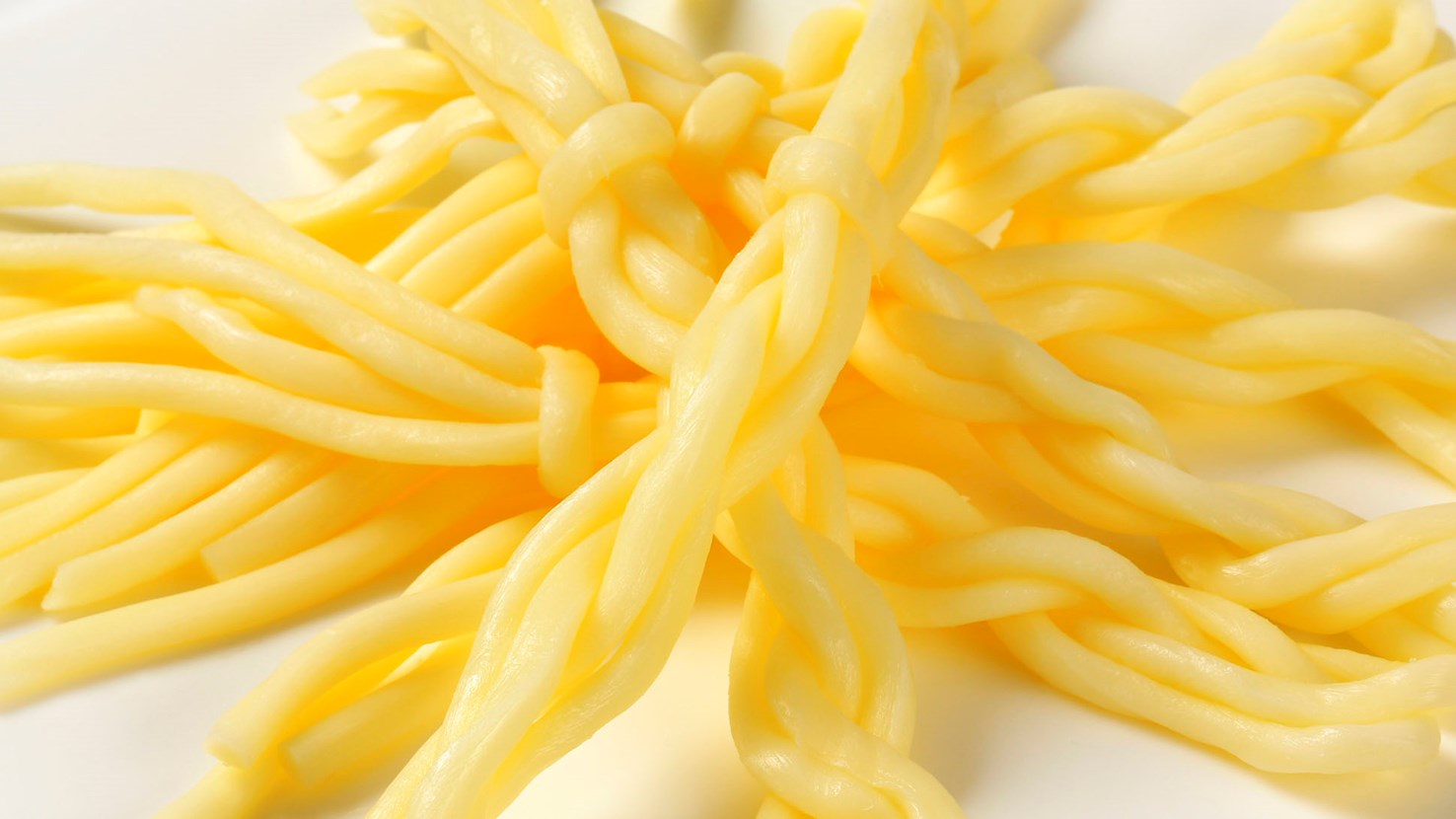
Zázrivský korbáčik is a steamed string cheese made from cow's milk. It can be either smoked or unsmoked and it is presented in the unique shape of a little whip (korbáčik in Slovak). The cheese has been made in the Zázrivá area in the Slovak Republic since the second half of the 19th century when it was the only source of income for the local farmers. It is produced almost entirely by hand, steaming the lumped cheese in hot water and pulling it into strings plaited into little whips, a process that requires a skill specific to the women of the region. The texture of the cheese is stringy and the smoked variations have a smoky aroma, yellow color and are saltier than the unsmoked variety of korbáčik that is white. In both varieties, the taste is milky, savoury and slightly acidic. Korbáčik is extremely popular at fairs, weddings, Christmas and Easter.

09

Vacherin Mont d'Or

3.9 ·

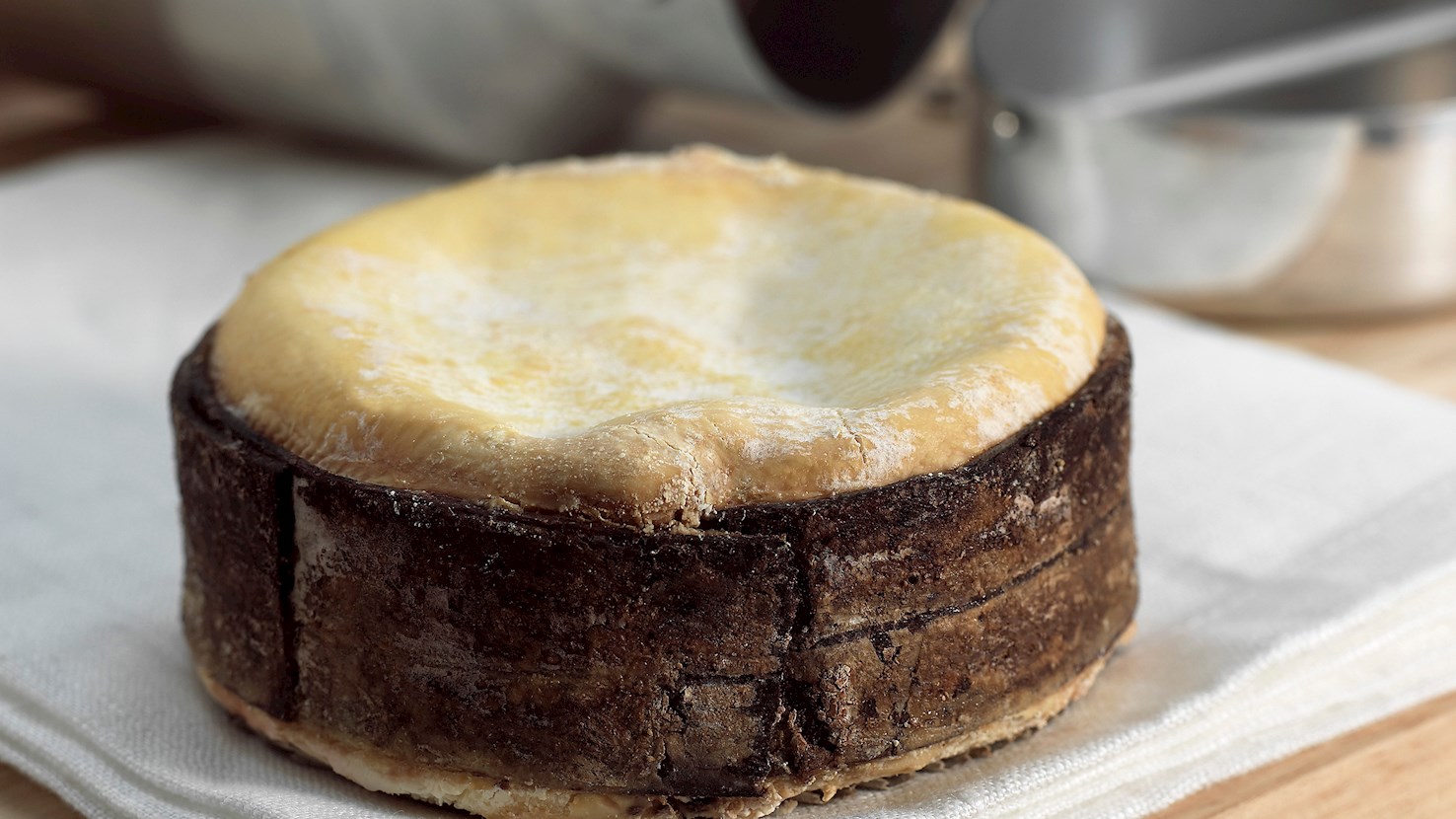
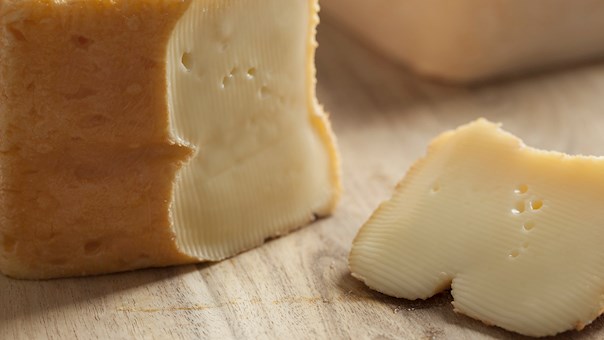
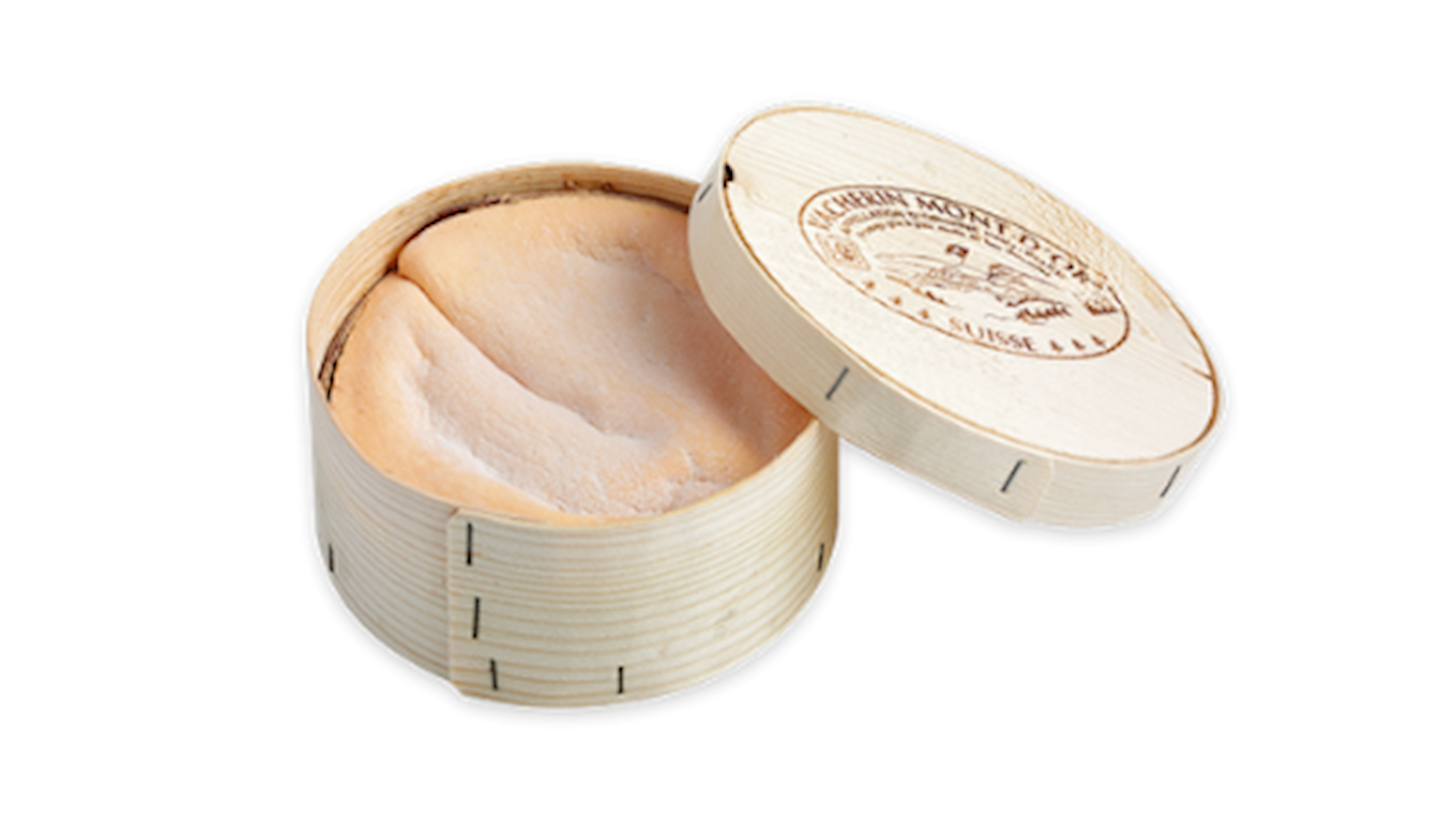
Vacherin Mont d'Or is a traditional cheese hailing from the area on the border of France near the mountain d'Or. The cheese is made from thermalized cow's milk, and it's available only from October until April, making it highly seasonal and somewhat rare. It shouldn't be confused with Vacherin du Haut-Doubs or just Mont d'Or cheese – that one is made exclusively with raw cow's milk in France. Vacherin Mont d'Or is wrapped in spruce in order to contain the slightly liquid and melting interior. Due to its mild flavor and melting and creamy texture, it's recommended to eat the cheese with a spoon when it's at room temperature. Some people like to heat it in the oven and serve it with crusty bread or new potatoes.

10

Rögös túró

3.7 ·

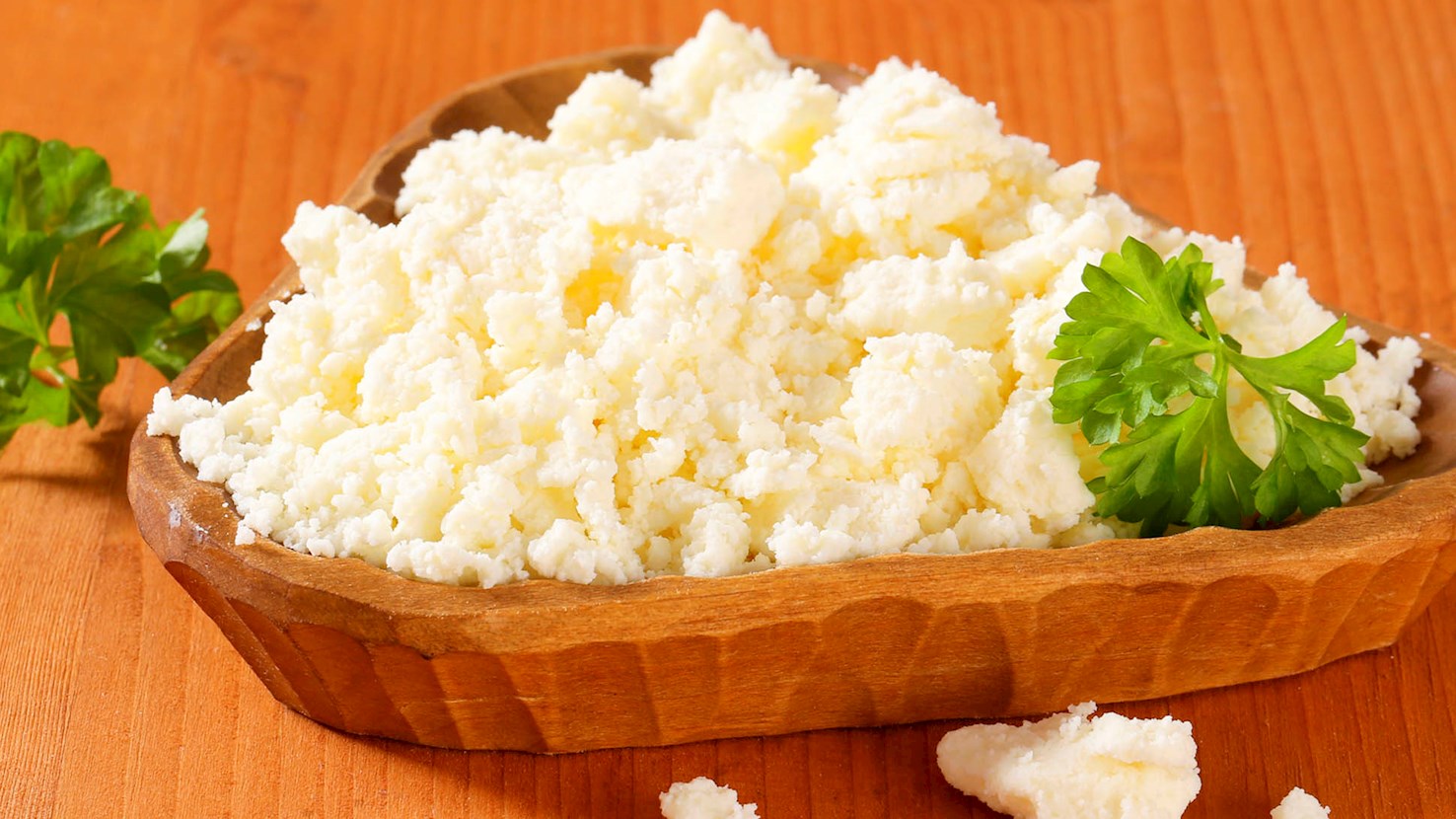
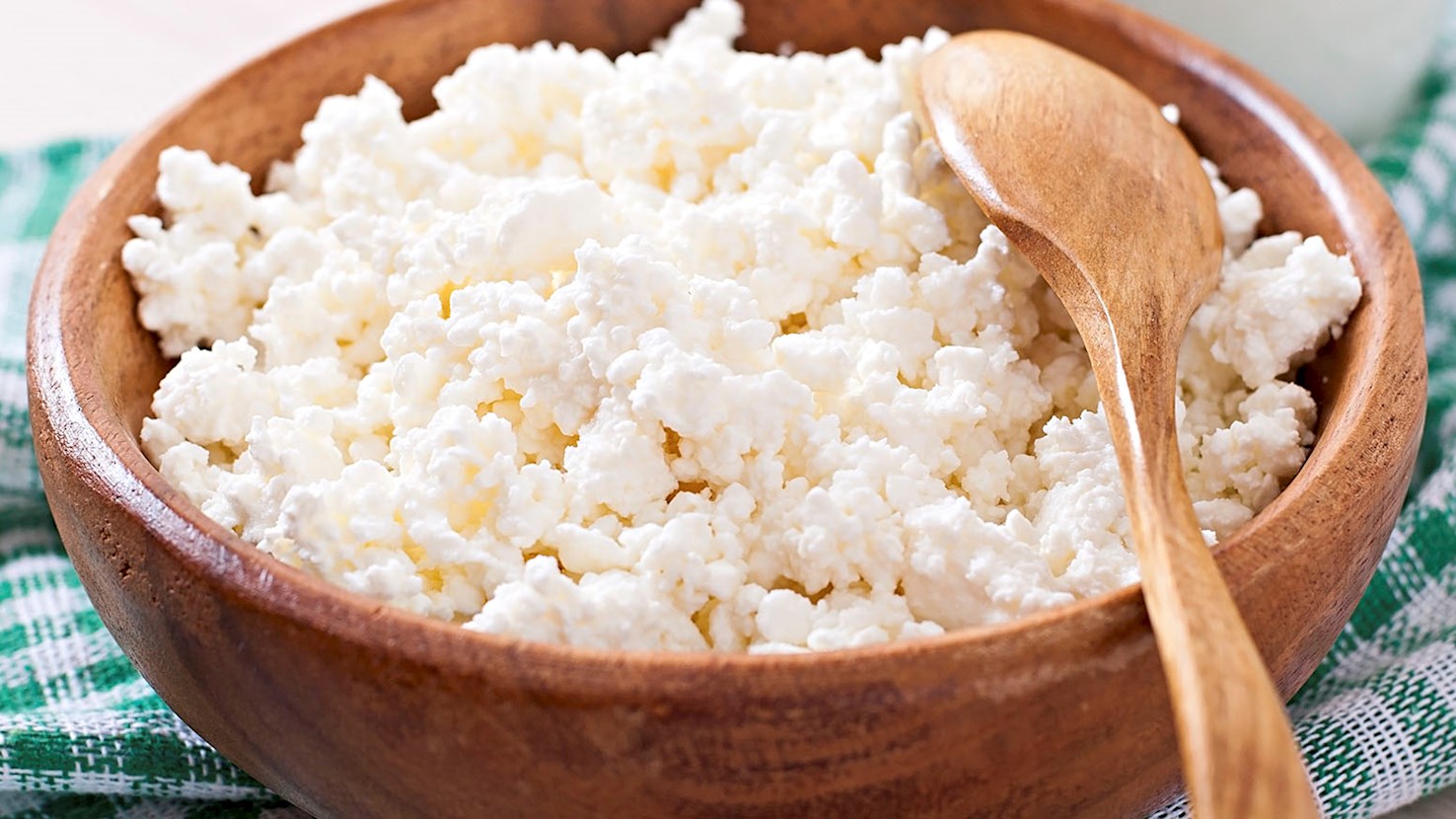
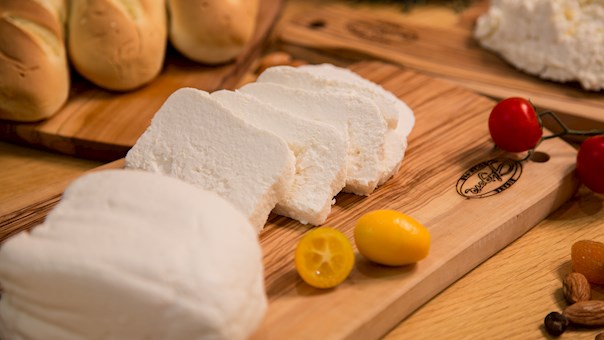
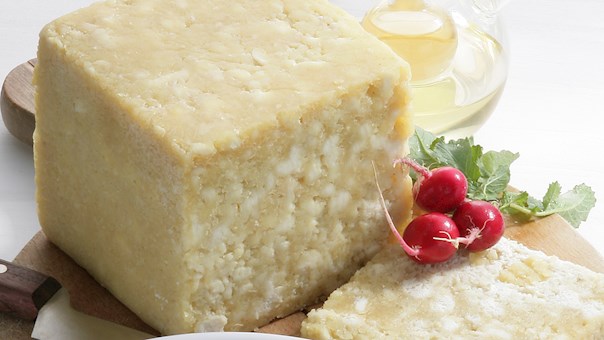
Rögös túró is a traditional cottage cheese made in Hungary from cow's milk, cream, and lactic acid bacteria cultures. The cheese is ivory white to yellowish-white in color. Its flavor is delicately and pleasantly sour, fresh, fruity and aromatic, reminiscent of fresh milk. After World War I, Hungary started to export raw and processed cow's cheese. The cheese mainly went to Germany, where the Hungarian cheese was more valued and more expensive than other cheeses. Cottage cheese started to be made around that time. It is made by chopping the cow's cheese into fine pieces the size of a hazelnut. Pair this fresh cheese with sliced fruit, honey and cinnamon for a tasty snack.

Best Central European Soft Cheeses
01

Fromagerie André

5 ·
Fromagerie André is a family-owned Swiss cheese dairy with a long tradition dating back to 1919, based in Romanel-sur-Morges in the canton of Vaud. Across several generations, the André family has developed a distinctive artisanal approach to cheesemaking, relying on locally sourced milk and a strong connection to the region’s terroir. The dairy is particularly known for producing protected-designation cheeses such as Vacherin Mont-d’Or AOP, as well as various tomme-style cheeses and specialty varieties with added flavors. Production combines traditional methods with modern quality standards, with careful attention to natural ingredients and controlled aging. Today, it is regarded as a respected representative of Swiss artisanal cheesemaking, valued for its consistency, family heritage, and commitment to regional quality.
Awards
Swiss Cheese Awards - Swiss Champion (2024)
02

Le Herve du Vieux Moulin

5 ·
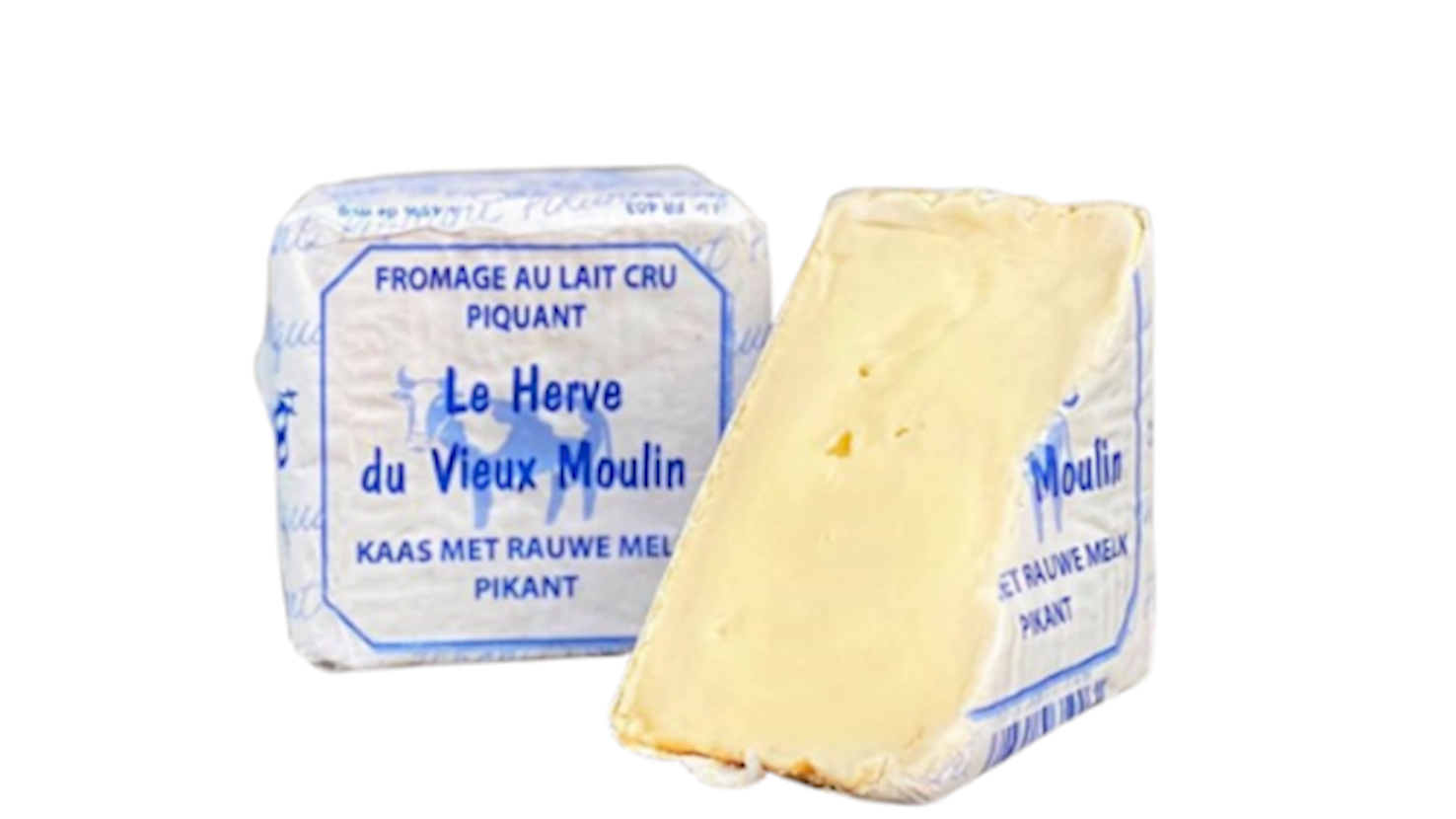
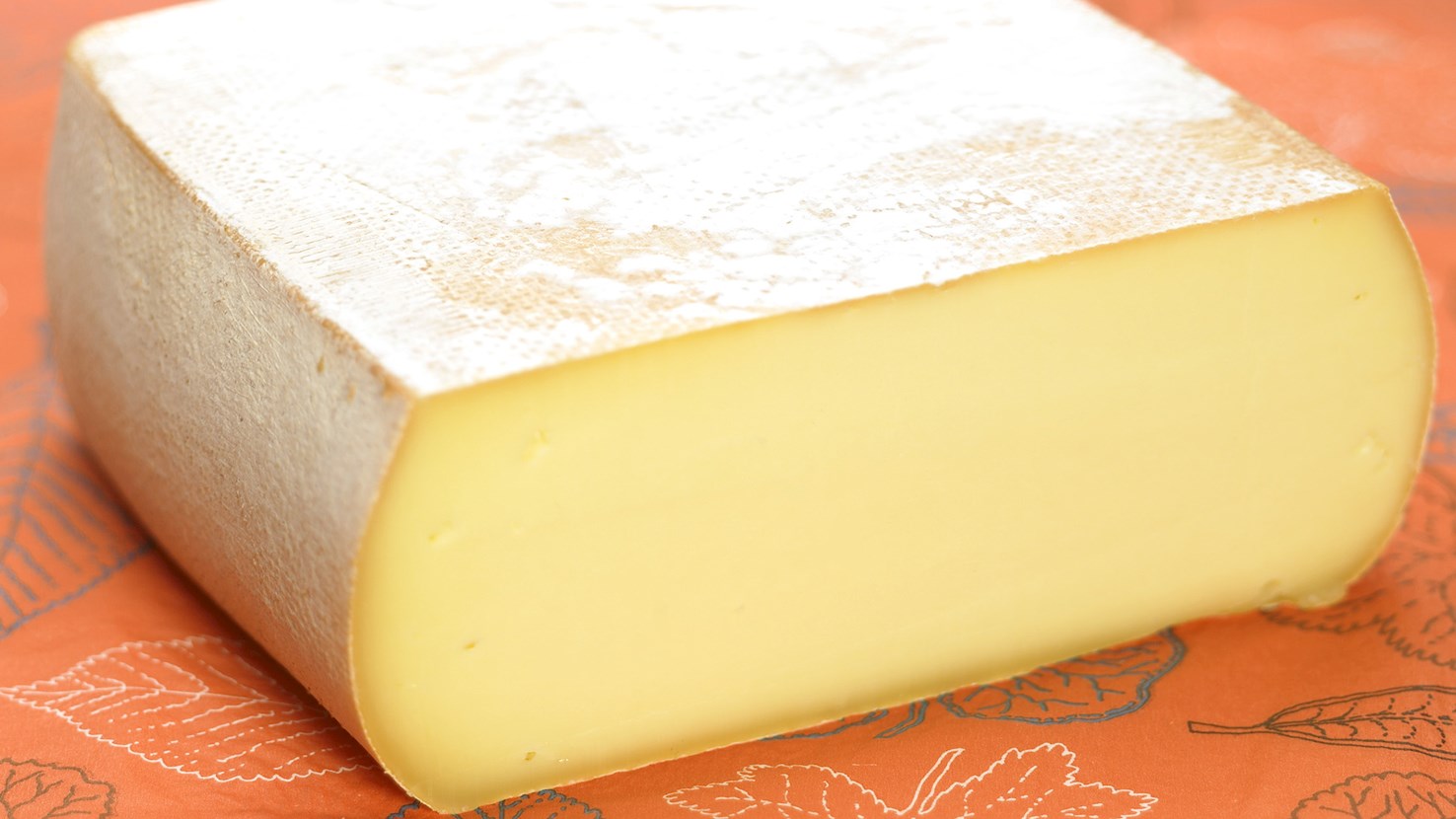
Le Herve du Vieux Moulin is an artisanal cheese producer based in the village of Battice, in Belgium’s Pays de Herve region, specializing in the production of authentic Herve cheese, the only Belgian cheese protected by an AOP designation. The dairy relies on a long local tradition and uses cow’s milk sourced from nearby farms, processed according to traditional methods characteristic of this area. Their Herve is a soft, washed-rind cheese, recognizable by its cube shape, orange-reddish rind, and pronounced aroma that develops throughout maturation. The range includes both milder and more intense versions, from Herve doux to Herve piquant, differing in aromatic strength, pungency, and depth of flavor. The texture is soft and creamy, with a full, milky and slightly salty profile that becomes more expressive as the cheese ages. Production is firmly rooted in respect for the terroir of the Pays de Herve and the preservation of artisanal know-how passed down through generations. Today, Le Herve du Vieux Moulin is considered one of the reference producers of this traditional Belgian cheese, valued for its authenticity, strong identity, and close connection between product, place, and local gastronomic heritage.
03

Kaltbach

4.9 ·
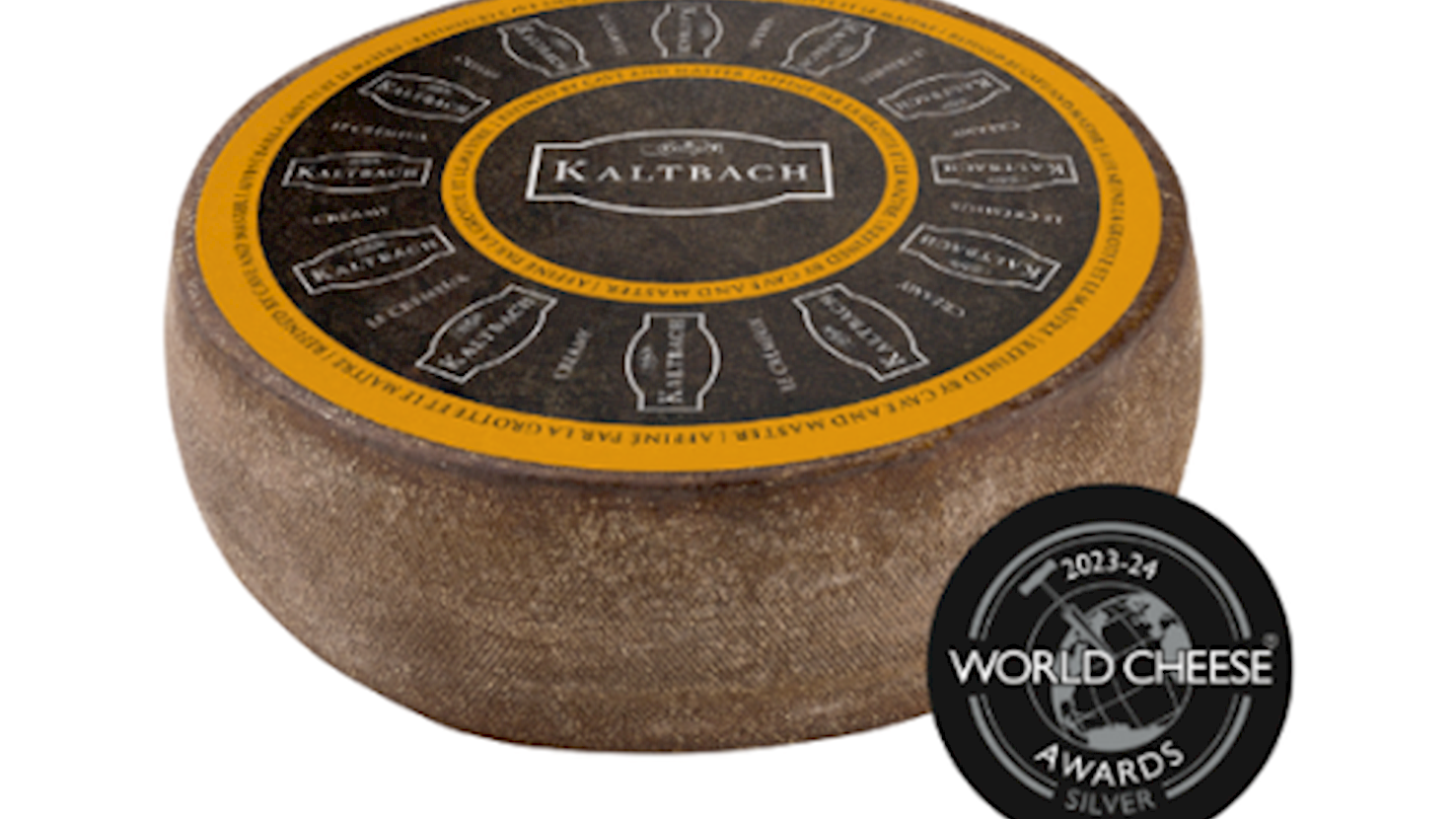
Our refinement process is a unique interaction between man and nature. The KALTBACH Cavemasters take care, feel, turn and check the Cheese with great attention to detail, until they reach the perfect ripening time - this is how they get their exceptional taste.
Awards
World Cheese Awards - Super Gold (2023)
World Cheese Awards - Gold (2024, 2023, 2021)
04

Käserei Champignon Hofmeister

4.9 ·
Käserei Champignon Hofmeister is a German cheese producer located in Bavaria. The company was established in 1908, and it specializes in producing soft cheeses, including the famous Cambozola, a blue-veined cheese that blends characteristics of Gorgonzola and Camembert. Käserei Champignon Hofmeister uses traditional handcrafting techniques alongside modern technology to ensure the quality of their products. Their cheeses are made using milk from local farms, ensuring high freshness and quality standards.
Awards
Global Cheese Awards - Best (2019)
Global Cheese Awards - Gold (2023, 2021, 2019, 2018)
05

Premiumkäserei Pranz

4.6 ·
Awards
World Cheese Awards - Gold (2024)
Read more
View all
View map
About this ranking

TasteAtlas food rankings are based on the ratings of the TasteAtlas audience, with a series of mechanisms that recognize real users and that ignore bot, nationalist or local patriotic ratings, and give additional value to the ratings of users that the system recognizes as knowledgeable. For the “Top 35 Central European Soft Cheeses” list until June 05, 2026, 935 ratings were recorded, of which 615 were recognized by the system as legitimate. TasteAtlas Rankings should not be seen as the final global conclusion about food. Their purpose is to promote excellent local foods, instill pride in traditional dishes, and arouse curiosity about dishes you haven’t tried.

The initial list of top producers was compiled based on available reviews, awards, local recommendations, media and blog coverage, and consumer reviews. The list will be updated with ratings from TasteAtlas local ambassadors and TasteAtlas users.

Similar lists