Top 81 South American Spirits and Liqueurs

Last updated on July 15, 2026

Best South American Spirits and Liqueurs
01

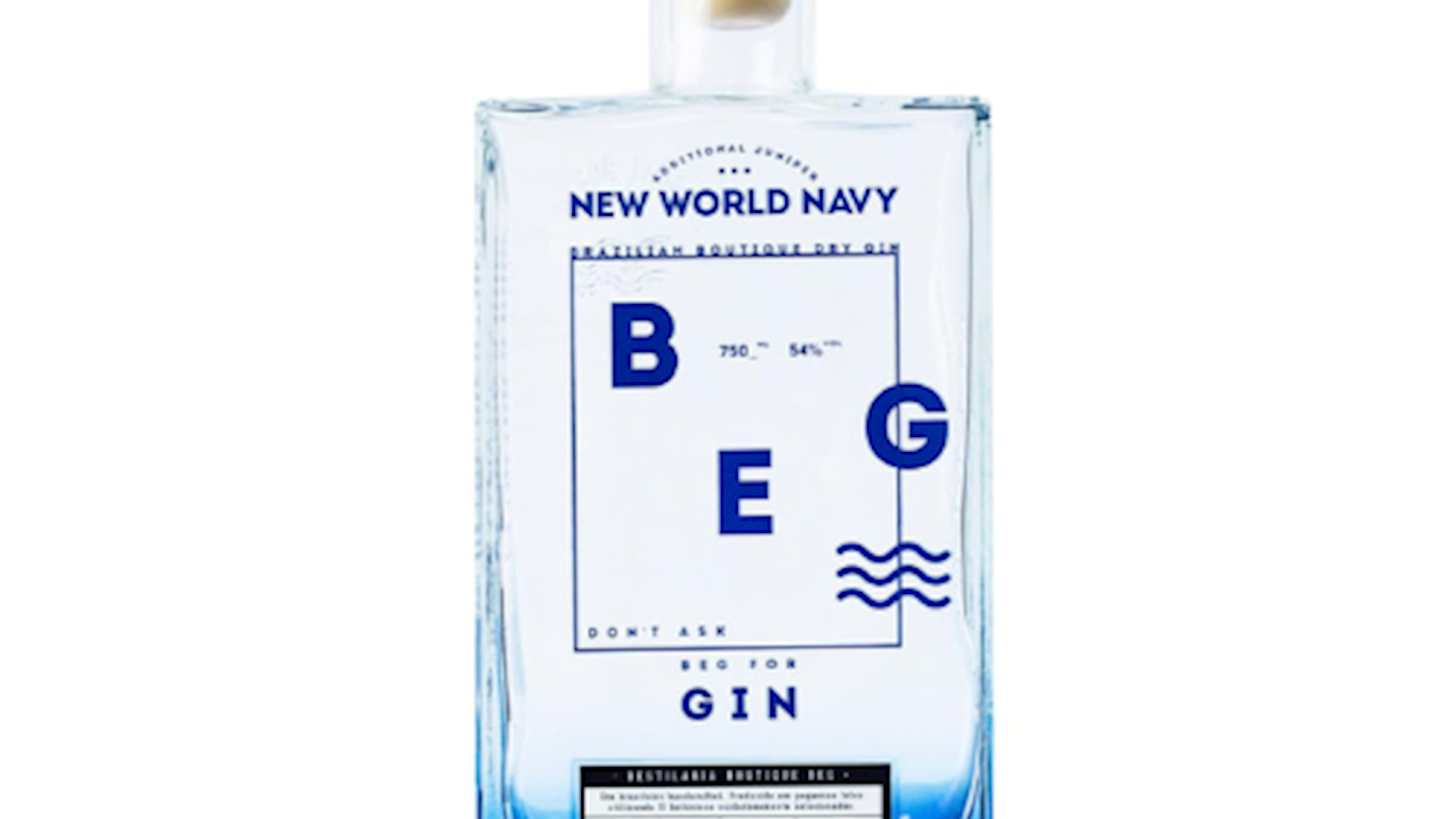
Beg Gin Boutique Distillery

5.0 ·

Beg Gin Boutique Distillery is a craft gin producer located in Brazil, known for its artisanal approach to distilling premium gins. The distillery emphasizes unique botanical blends that highlight local ingredients and flavors, creating distinctive spirits with a strong connection to Brazilian terroir.

Beg Gin's offerings appeal to connoisseurs seeking high-quality, small-batch gin with innovative and refined profiles.

Awards
SFWSC - San Francisco World Spirits Competition - Double Gold (2024, 2023)
Bartender Spirits Awards - Double Gold (2023)
02

Pampero

5.0 ·

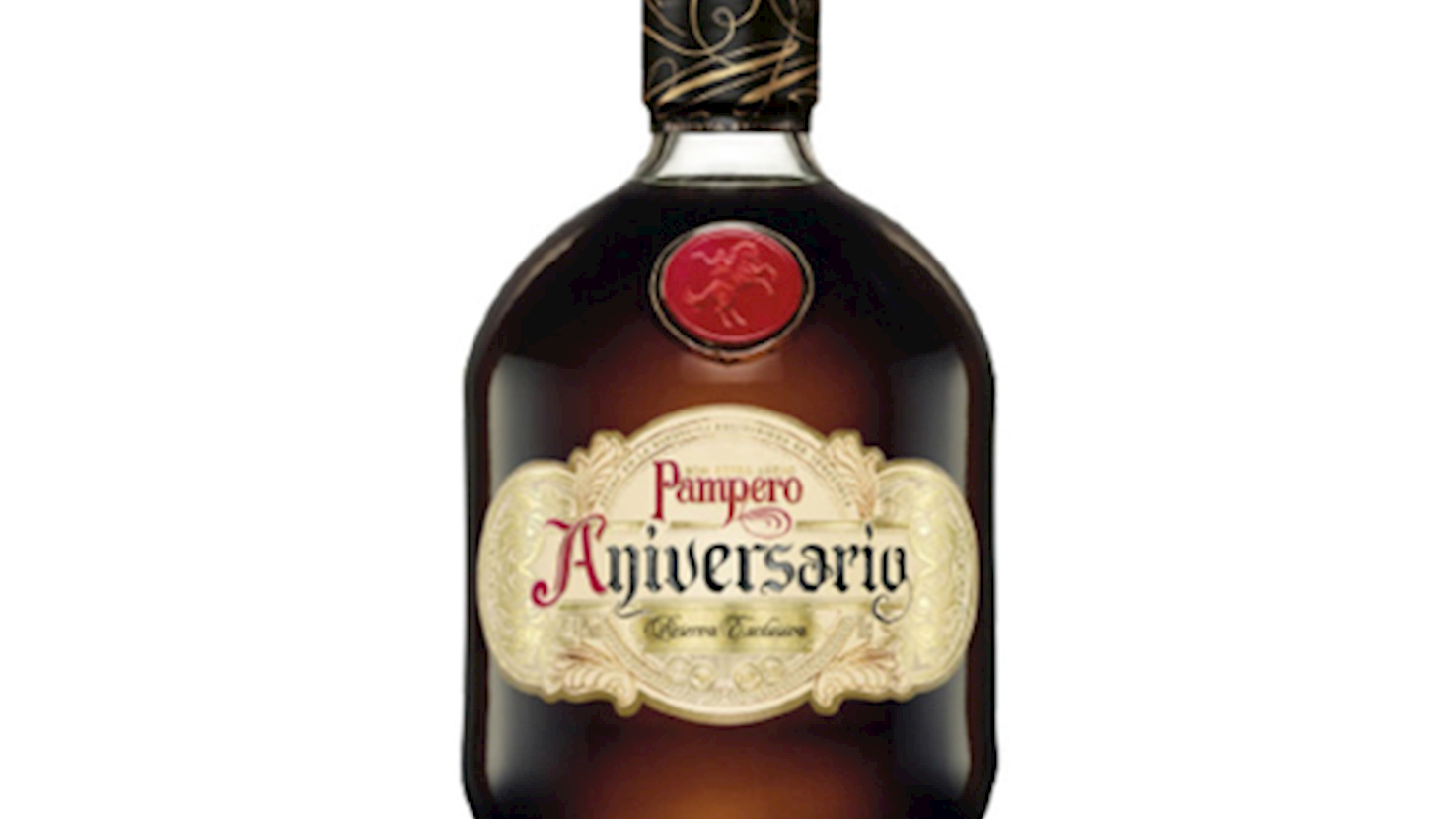
Pampero is a premium rum brand from Venezuela, known for its craftsmanship and rich heritage. It is produced using the sweetest sugarcane from Venezuela, and its rums are triple distilled, aged in different casks to develop unique flavors.

Pampero revolutionized Venezuelan rum-making with its distinctive process and has become a symbol of the country's spirited, independent culture. This rum is part of Diageo's portfolio, enhancing the company's diverse range of alcoholic beverages.

Awards
SFWSC - San Francisco World Spirits Competition - Double Gold (2024, 2023)
NYWSC - New York World Spirits Competition - Double Gold (2023)
03

Kalvelage

5.0 ·

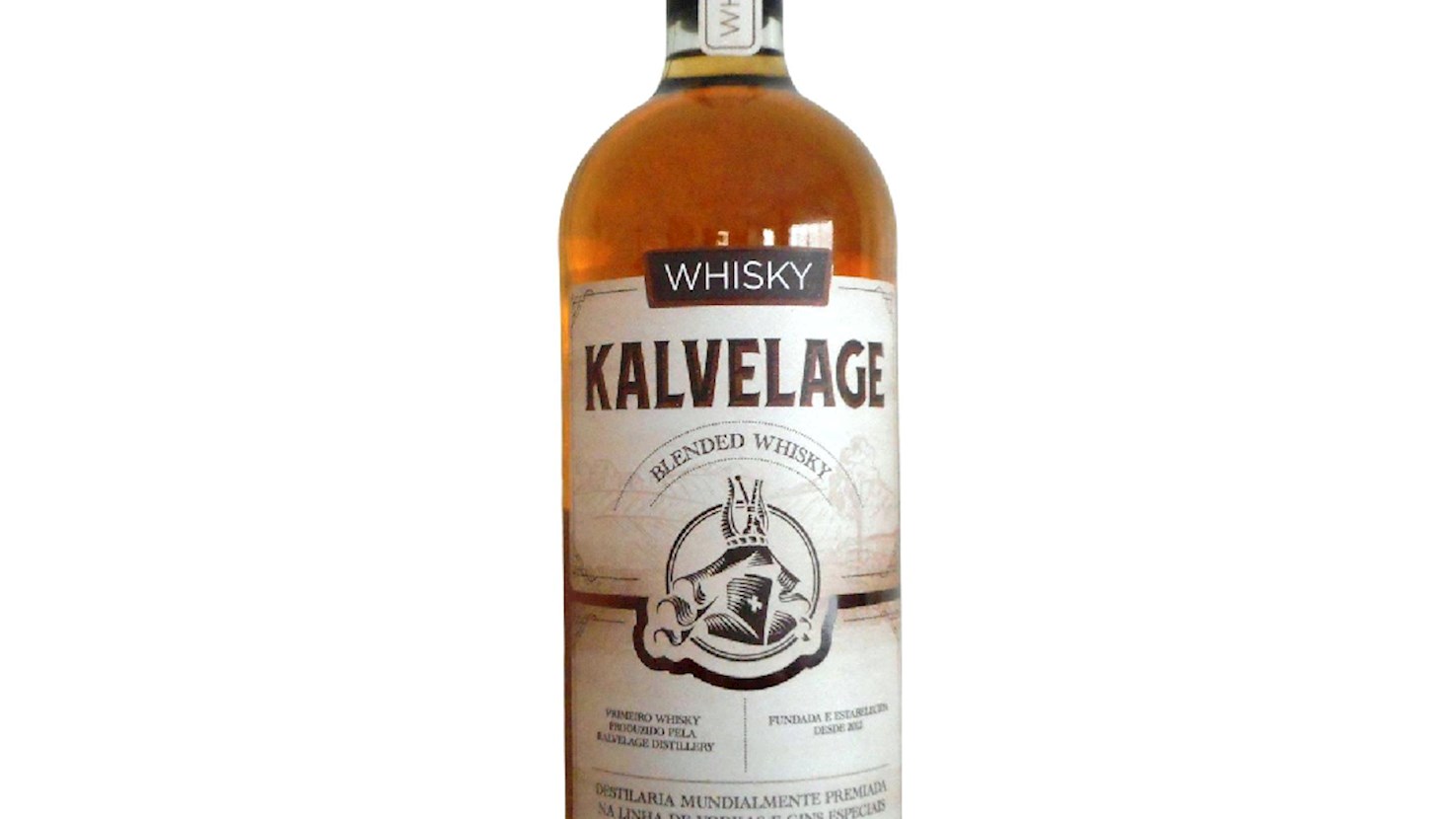
Kalvelage Distillery, founded in 2012 by brothers Marcos and Maurício Kalvelage in Blumenau, Santa Catarina, Brazil, is renowned for producing high-quality spirits. Their product line includes premium vodkas, such as Kalvelage Vodka, Kalvelage Oak Vodka, and Kalvelage Vibe, along with a London Dry Gin.

The distillery uses 100% grains in their production, implementing custom distillation and advanced filtration techniques to ensure top quality. Kalvelage was also the first in Brazil to produce vodka with American oak extract and to introduce a 5-liter Bag-in-Box packaging option.

Awards
NYWSC - New York World Spirits Competition - Double Gold (2023)
SFWSC - San Francisco World Spirits Competition - Double Gold (2023)
04

Tacama

5.0 ·

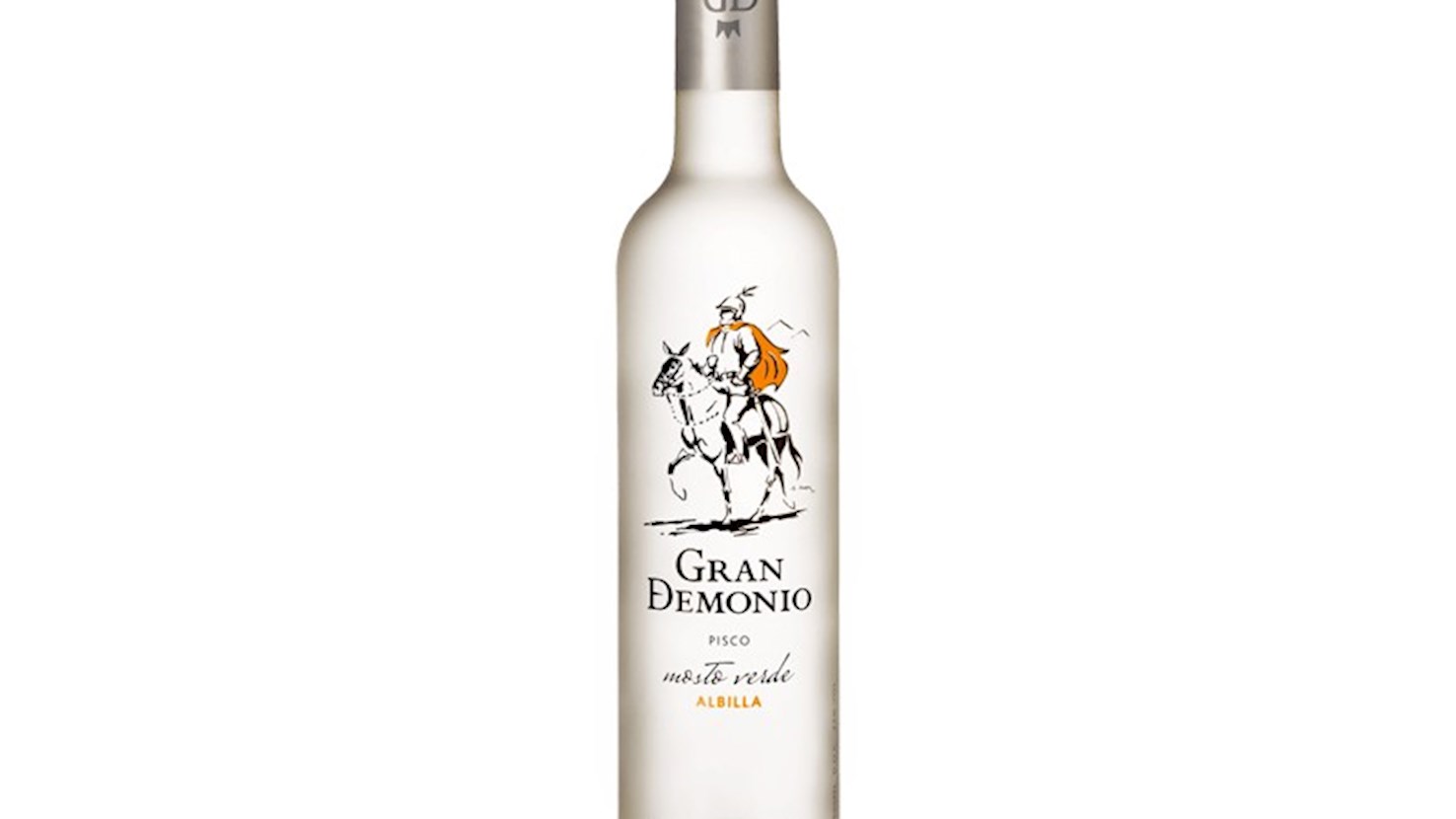
Tacama is one of the oldest and most prestigious wineries and distilleries in Peru, with a history dating back to the 16th century. Located in the Ica Valley, Tacama is renowned for its production of premium wines and piscos, using traditional methods combined with modern technology.

The winery is known for cultivating a variety of grapes that thrive in the region’s unique climate, producing exceptional spirits like their iconic Pisco Gran Demonio. Tacama’s long-standing commitment to quality and innovation has made it a key player in the Peruvian wine and pisco industry.

Awards
Expo Vino Wong - Medalla de Oro (2024)
USC- Ultimate Spirits Challenge - Chairman's Trophy (2021, 2020)
05

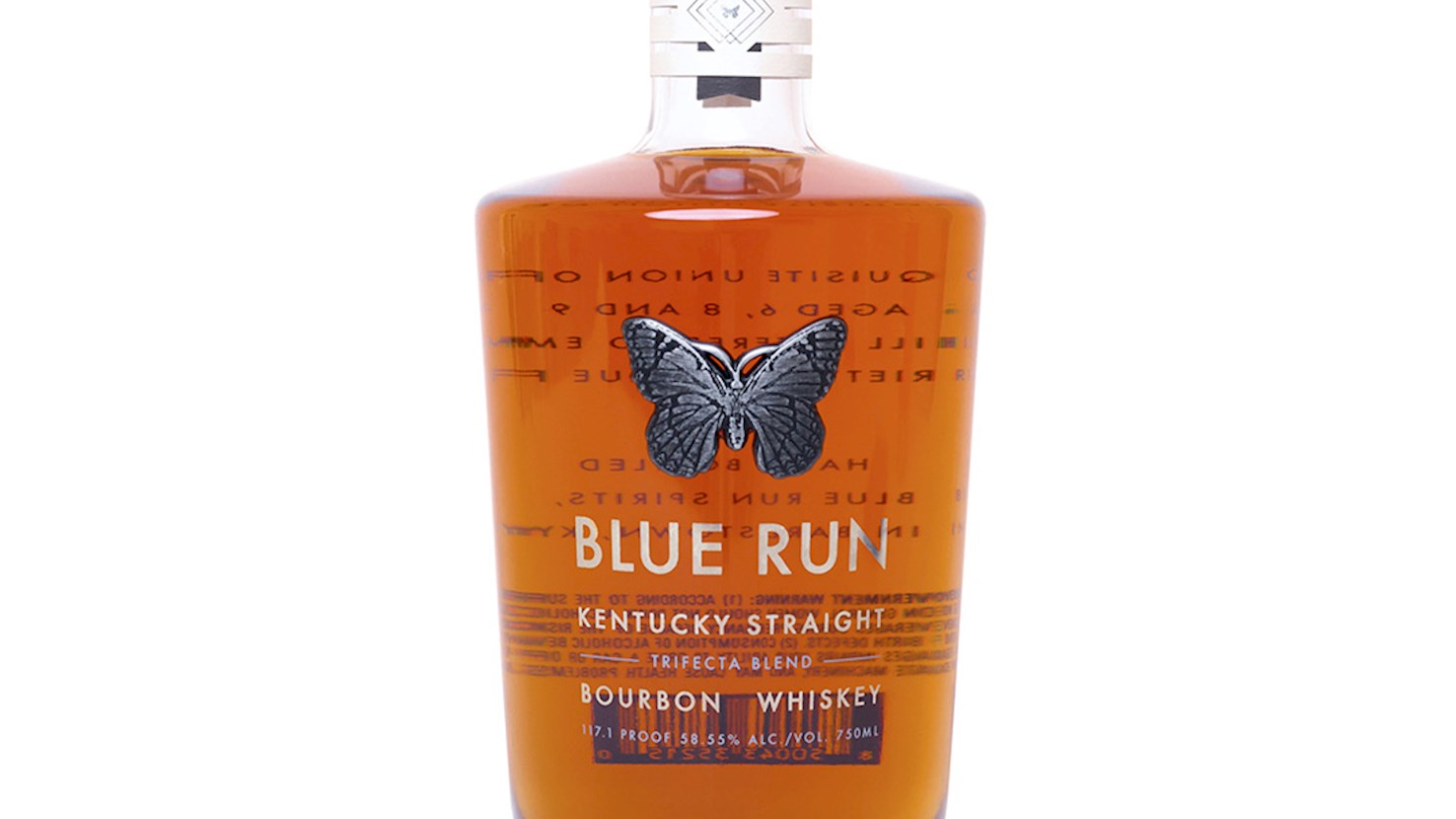
Blue Run Spirits Inc.

5.0 ·
Awards
SFWSC - San Francisco World Spirits Competition - Double Gold (2024)
NYWSC - New York World Spirits Competition - Double Gold (2023)
06

Pisco Huamaní

5.0 ·

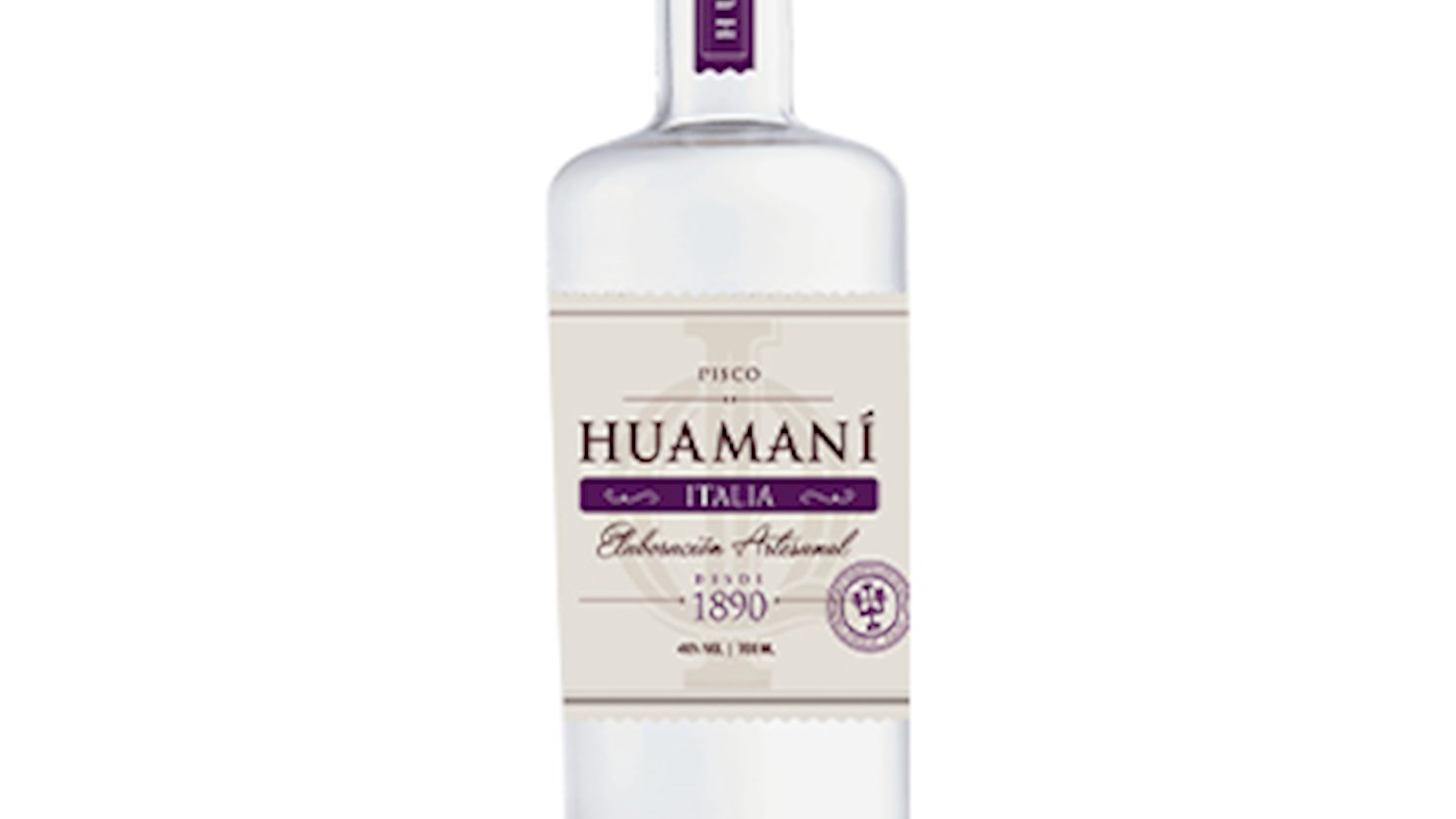
Pisco Huamaní is a heritage-driven brand rooted in the Ica Valley, where pisco has been produced since 1890 following a family tradition based on handcraft, precision, and deep respect for the terroir. Its name comes from the Quechua word huaman, meaning “eagle” symbolizing protection, vigilance, and the intimate bond between the land and those who cultivate it.

The brand specializes in high-purity pisco distilled in small batches without the addition of water after distillation, ensuring that the natural character of the grapes remains fully expressed. Huamaní focuses on aromatic and varietal clarity, working with grapes such as Torontel, Italia, Quebranta, and Acholado, which contribute floral, citrus, or ripe fruit notes along with a clean, elegant structure.

Production adheres to traditional methods - slow fermentation, careful grape selection, and precise distillation - resulting in a distinct identity shaped by the balance of history, craftsmanship, and modern quality standards. As a brand, Huamaní preserves the essence of Peruvian pisco culture while presenting it in a refined and contemporary expression.

Awards
SFWSC - San Francisco World Spirits Competition - Double Gold (2024)
07

VCT

5.0 ·
Awards
ISC-International Spirits Challenge - Double Gold (2023)
08

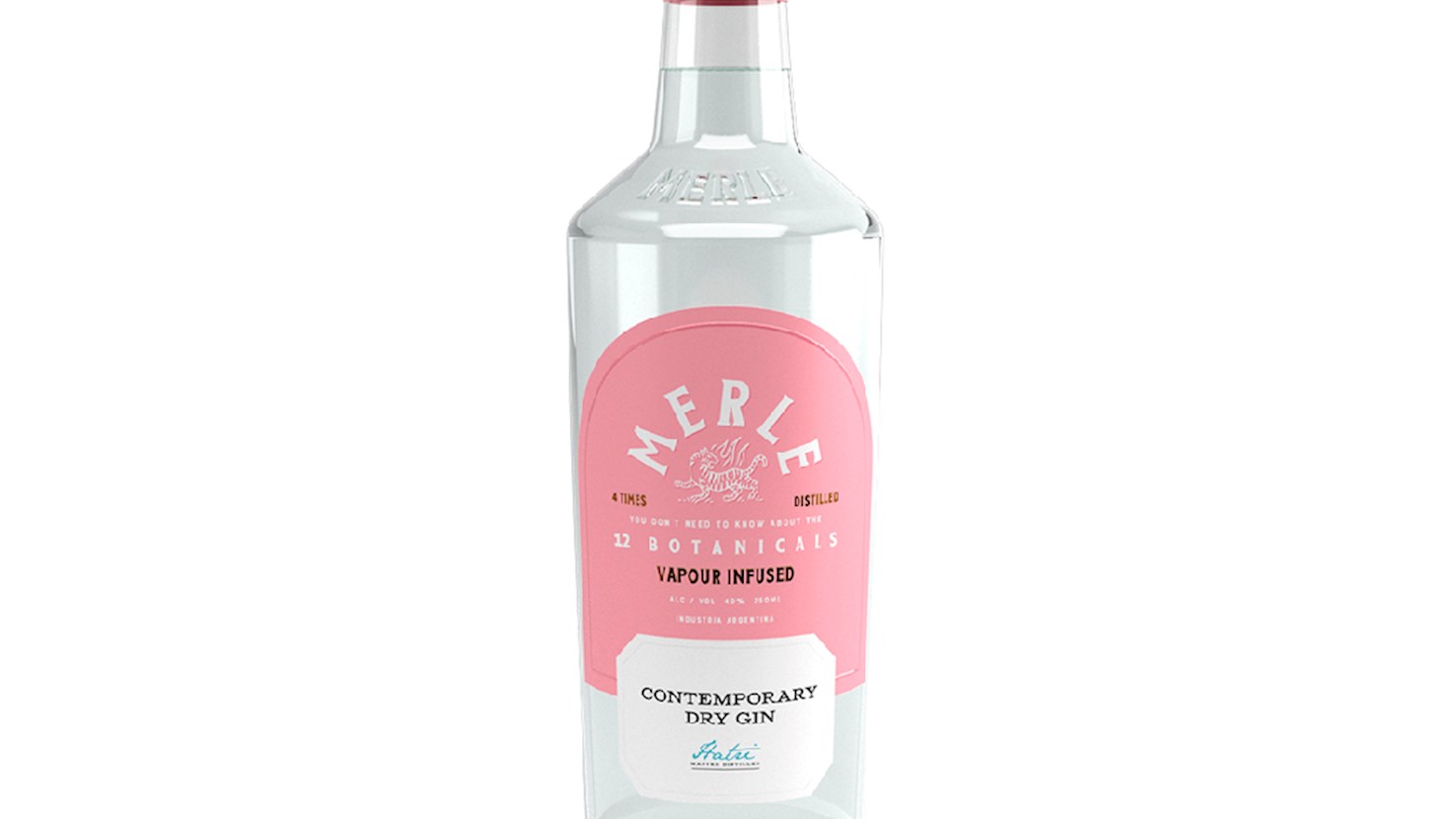
Merle

5.0 ·

Merle Gin is an Argentine distillery founded in 2020 by four friends: Rafael Ferrari Ostry, Martin Ferro, Ricardo Saracca, and Luciano Carmona. Their goal was to create a gin that reflects a youthful spirit and innovation, using 12 carefully selected botanicals.

The distillery is located in the PITEC Industrial Park in Florencio Varela, Buenos Aires, with a production capacity of over 200,000 liters of gin per month. Merle Gin is recognized for its quality and unique flavor, as evidenced by winning a silver medal at the 2022 London Spirits Competition.

In addition to their classic gin, the company has expanded its lineup to include Merle Pink Gin, Spectre Vodka, and Annika Mixers, with plans for further international expansion into markets like Spain, Brazil, Panama, Chile, and Uruguay.

Awards
NYWSC - New York World Spirits Competition - Double Gold (2024)
09

Barsol Pisco

5.0 ·

Barsol Pisco is a Peruvian pisco produced in the Ica Valley, at the historic Bodega San Isidro distillery, where production relies on grape varieties typical of the southern part of the region, such as Quebranta, Italia, and Torontel. Fermentation occurs naturally, without additives, and distillation is carried out in traditional copper pot stills, preserving a clean aromatic profile and the authentic character of pisco.

The brand was revitalized in the early 2000s with the aim of restoring classic pisco traditions through small-batch production, manual craftsmanship, and consistent ingredient quality. Barsol Pisco includes single-varietal expressions, more aromatic styles like Italia and Torontel, as well as Mosto Verde, distilled from partially fermented must and known for its richer and rounder profile.

Acholado, a blend of several varieties, highlights complexity and a balanced interplay of structure and aromatics. The alcohol level is never adjusted with water, meaning the final spirit directly reflects what leaves the still.

Barsol is recognized for its clean, floral, and fruity aroma, smooth texture, and long finish, making it a frequent choice for cocktails such as the pisco sour, but also suitable for sipping on its own. The brand emphasizes a sustainable approach through recycling and mindful resource use, aligning with modern craft-distillery standards.

Awards
SFWSC - San Francisco World Spirits Competition - Double Gold (2011)
TAG Global Spirits Awards - Gold (2025)
10

Ivaí Gin

5.0 ·

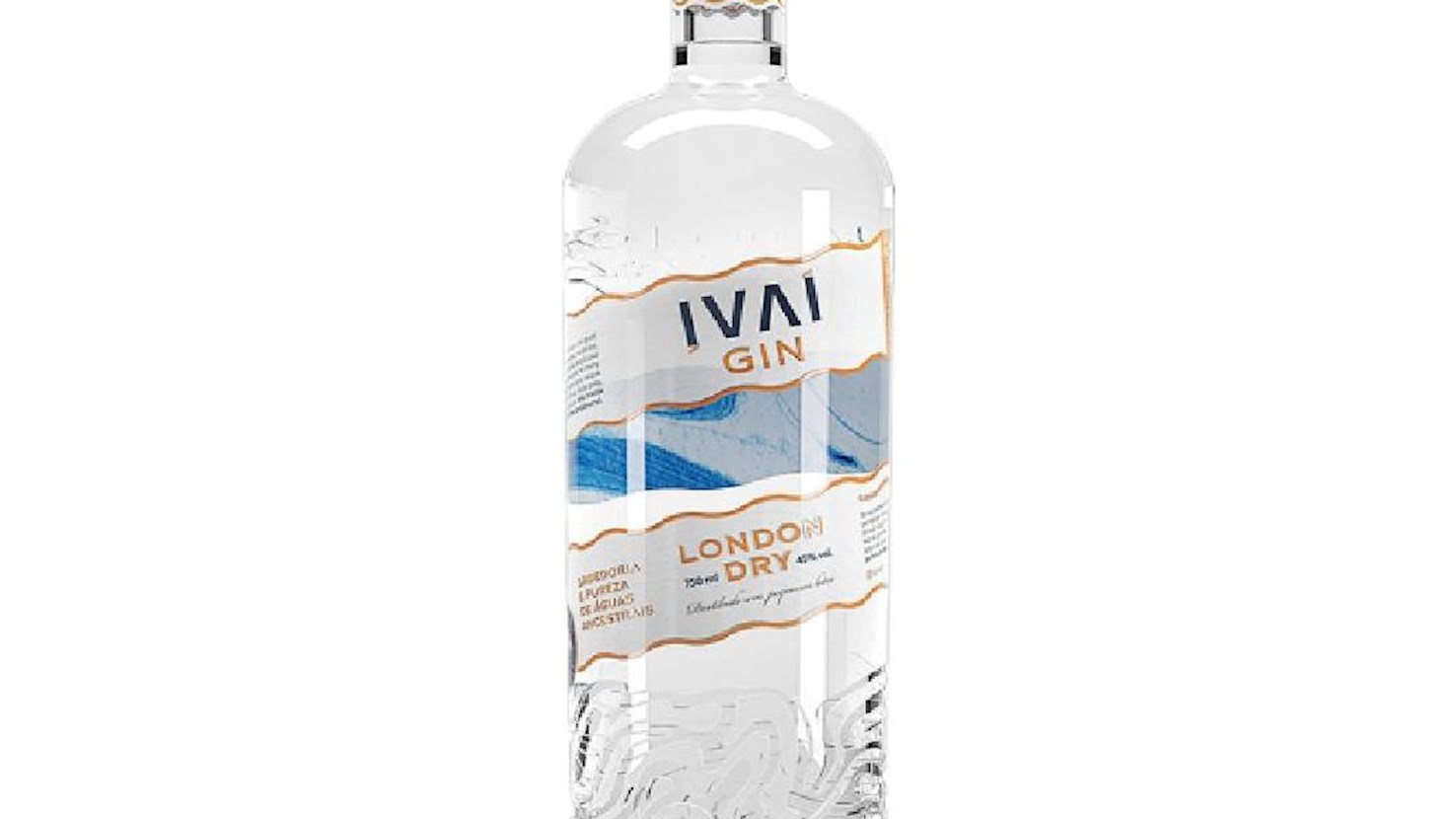
Ivaí Gin is an artisanal Brazilian gin that harmoniously blends traditional London Dry Gin characteristics with native Brazilian botanicals, capturing the essence of the Ivaí River's ancestral waters. Produced by Destilaria Água da Glória, located in São João do Ivaí, Paraná, this gin is crafted using a state-of-the-art distillery designed to maximize efficiency and sustainability, while preserving the best aspects of traditional distillation methods.

The distillery is notable for being Brazil's first carbon-negative gin producer, utilizing 100% renewable energy and employing fully recyclable materials for bottling and packaging.

Awards
SFWSC - San Francisco World Spirits Competition - Double Gold (2023)
European Spirits Challenge - Gold (2023)

Best South American Spirit/Liqueur Types
01

Pisco

4.0 ·

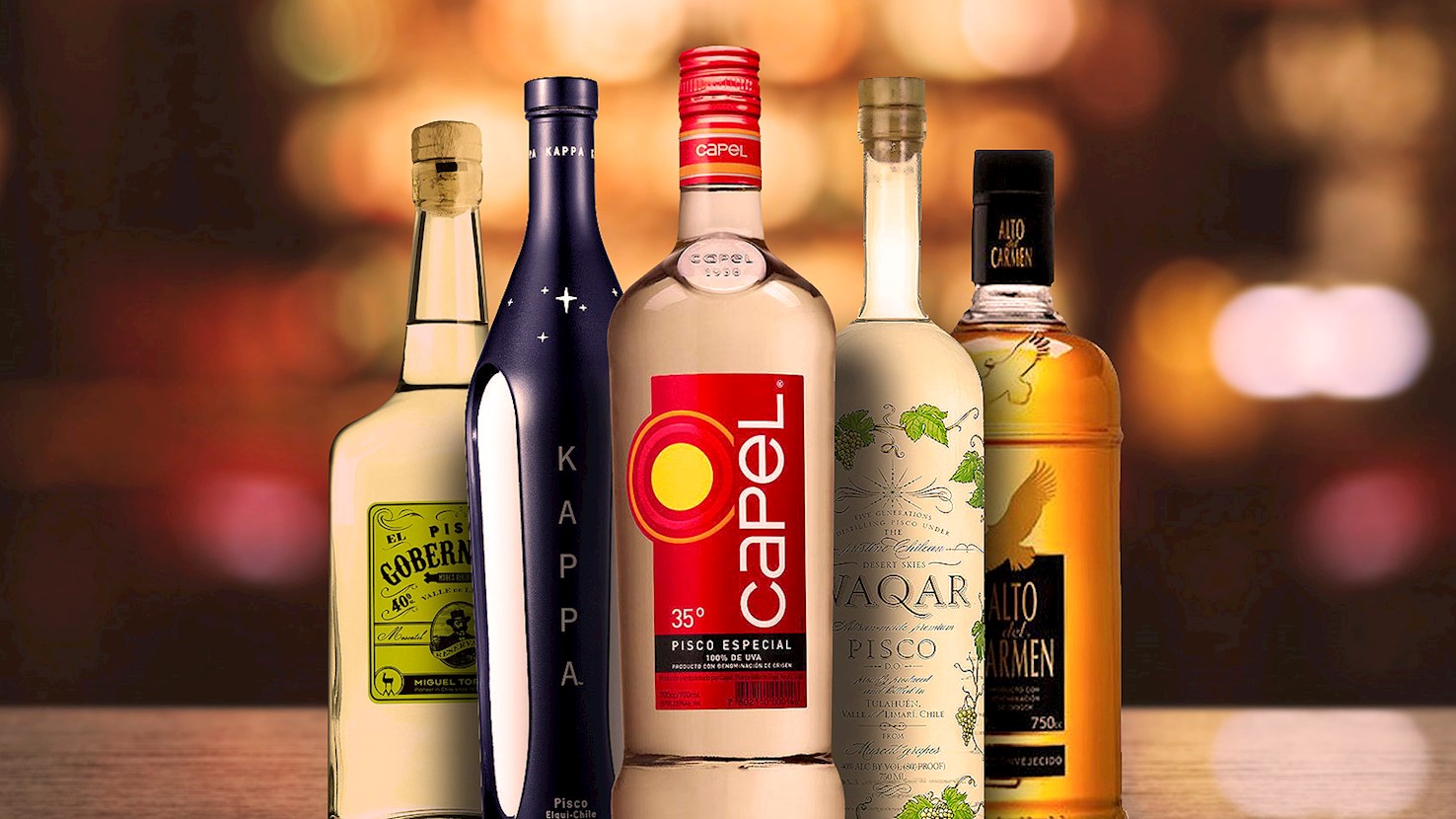
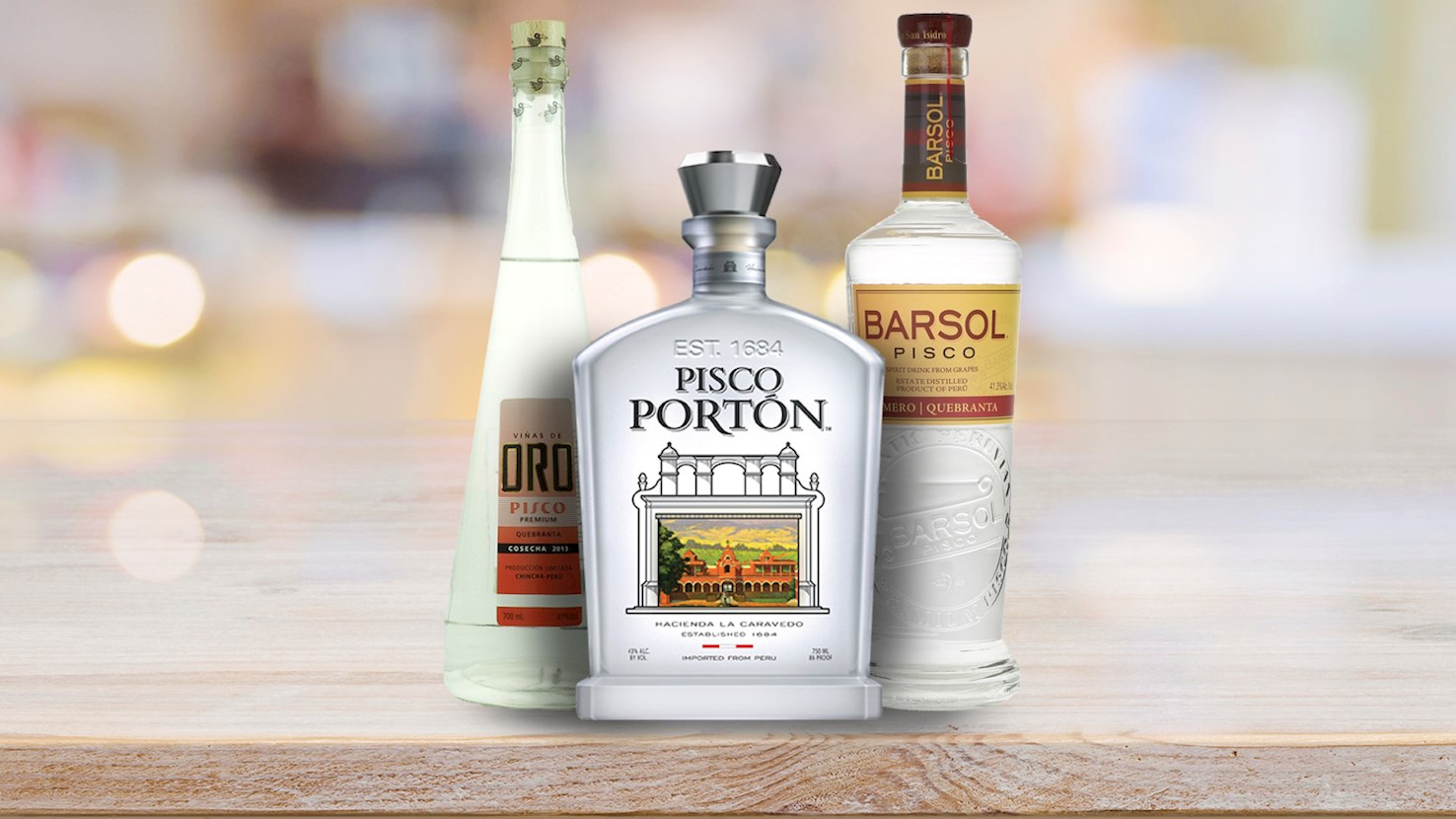
Pisco is a brandy that is distilled from the fermented grape juice. It was invented in the 16th century as a replacement for orujo—an ancient Spanish pomace brandy. Although it is also produced in Chile, Peruvian pisco results in a slightly different drink due to different terroir, grapes, and techniques used in its production. In Peru, pisco can be made with eight, mostly native grape varieties. It is distilled only once to preserve its dominant flavors while diluting and oak-aging is strictly forbidden. The drink is typically strong with dominant earthy and herbal flavors, but the character can slightly differ depending on the choice of grapes. Pisco can be enjoyed neat, but it is often used in cocktails and mixed drinks, out of which the best known is the classic Pisco Sour. For centuries, both Chile and Peru have claimed to be the birthplace of pisco. Peruvians argue that the name and the drink hail from a port town named Pisco—a claim which was also officially supported by the European Commission when Peruvian pisco was given geographical indication in 2013. Etymological evidence also suggests Peruvian root—it is believed that the name pisco stems from Quechuan pisqu, which translates as little bird. Despite the protection trademark, the Commission does not prohibit Chile to market and sell their drink under the same name. Interestingly, Chile is the leading producer of pisco in the world, and the biggest importer of Peruvian pisco.

02

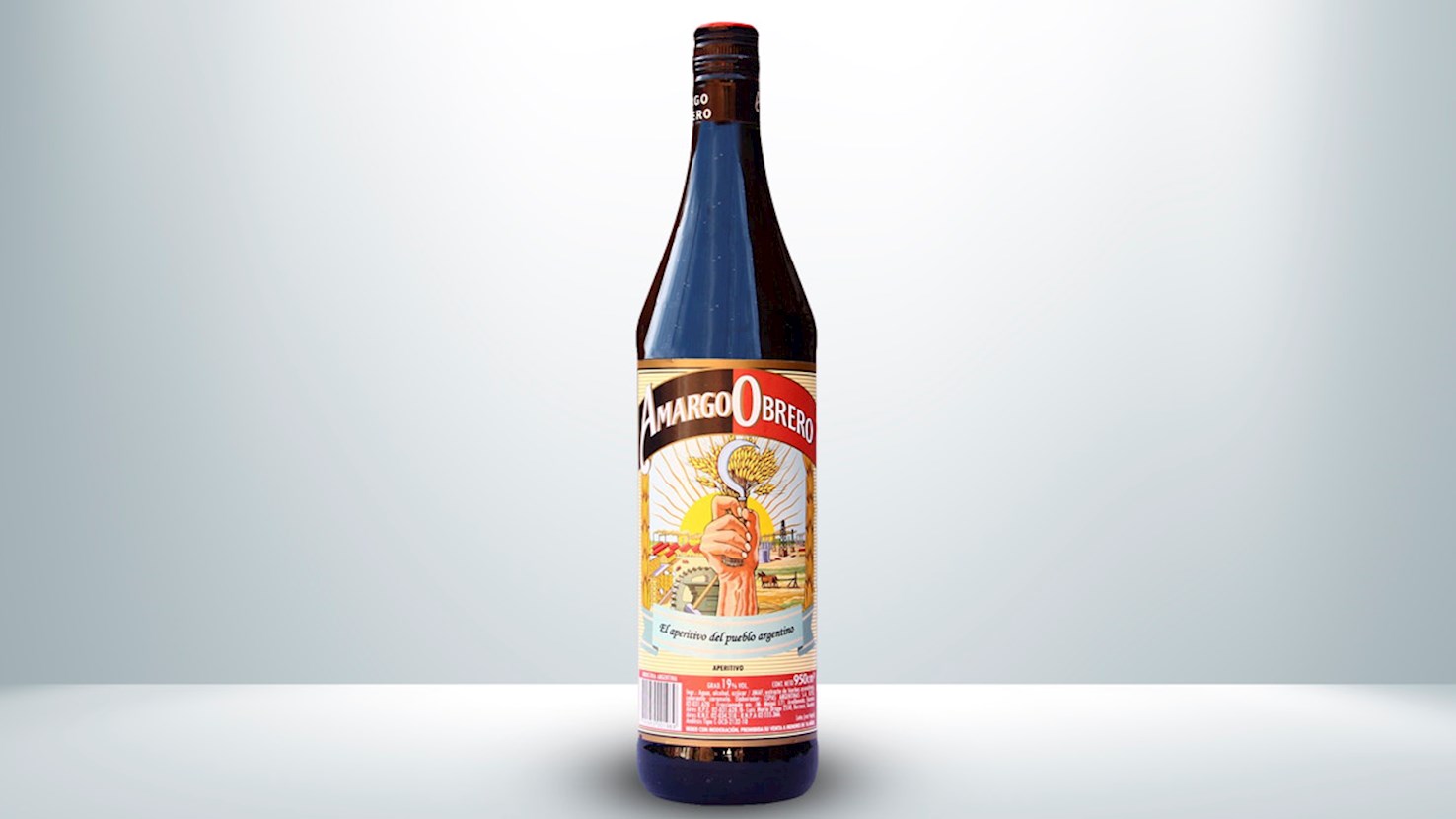
Amargo Obrero

3.8 ·

Amargo Obrero is a dark brown bitter characterized by its herbal, almost licorice flavor. It was initially created in 1887 as a response to the sweet drinks of the upper classes, and since then it has been known as the aperitif of the Argentine people and a working-class drink. Although it can be enjoyed on its own, Amargo is typically used in mixed drinks, and while the standard is to couple it with tonic, other suggestions include grapefruit juice, coke, or sparkling water. The drink is bottled at 19.9% ABV.

03

Angostura Bitters

3.7 ·

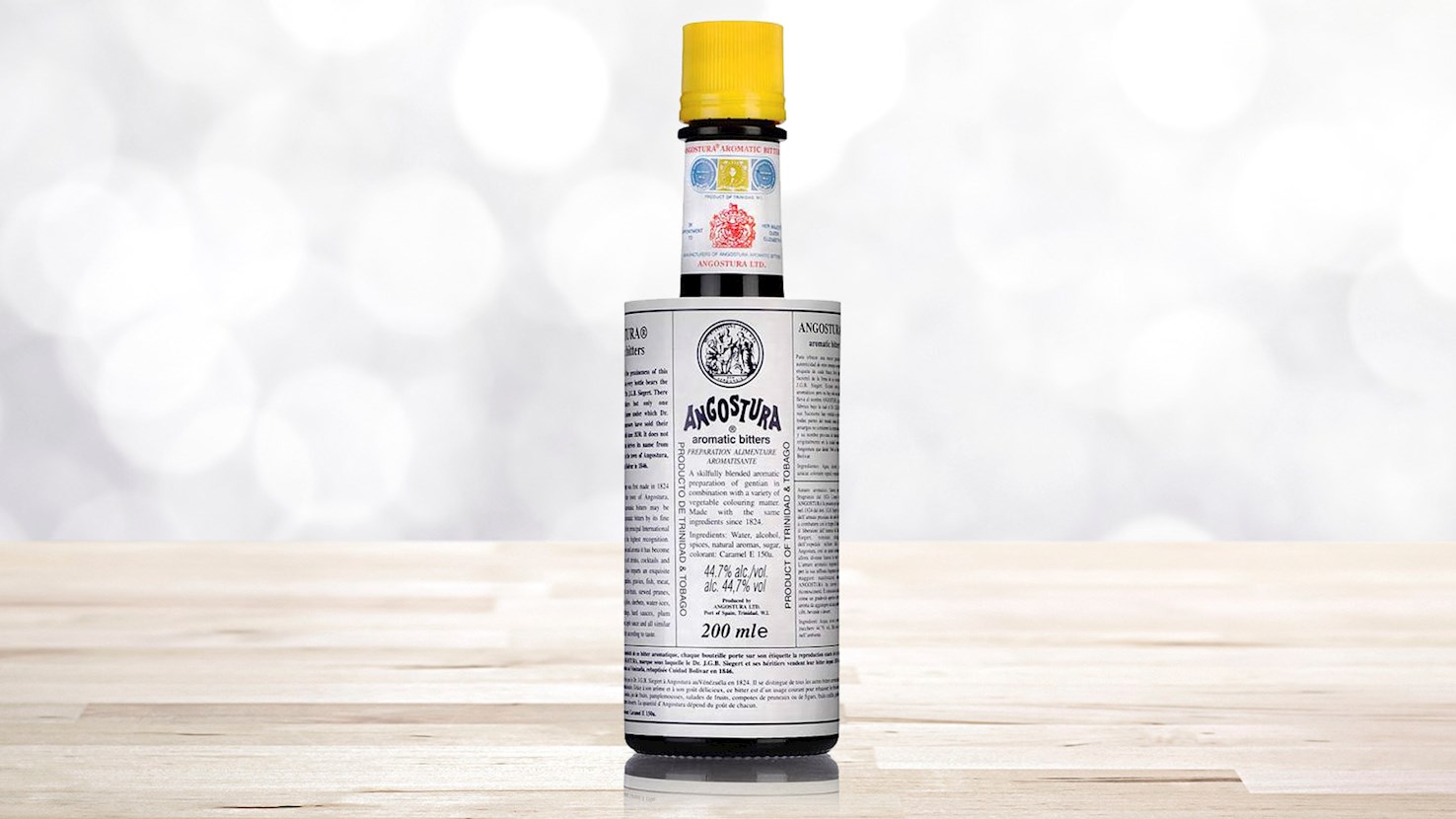
Angostura is a concentrated bitters made with herbs and spices. It was developed in 1824 in the Venezuelan town of Angostura (now called Ciudad Bolívar), when a German doctor Johann Gottlieb Benjamin Siegert, who was a surgeon general for Simón Bolívar, used a secret blend of botanicals, including angelica, cinchona, ginger, cinnamon, cardamom, and orange peel, to create an antifebrile tonic. The drink was an instant success and was later mainly used as a flavor enhancement because of the fairly high alcohol content of 44.7%. Due to political turmoil, Siegert relocated his company from Angostura to Trinidad and Tobago, where it still operates. From a health remedy and an ingredient in sauces and desserts, Angostura bitters have become a quintessential element in cocktails and mixed drinks. They add complexity and enhance flavors in classics such as Old-Fashioned, Manhattan, Pink Gin, or Mai Tai.

04

Pisco (Chile)

3.7 ·

Pisco is a drink that is distilled from fermented grape must and juices. It is considered a national drink in both Peru and Chile, but the style and the character of pisco can differ based on the location where it was created. Chilean pisco is predominantly made from Muscat, and it can be distilled more than once, while oak-aging is also permitted. Depending on the production method and the choice of grapes, its color and flavor profile can significantly vary. Pisco can be enjoyed neat, preferably as a digestif, but it is usually used in cocktails and mixed drinks, such as the classic Pisco Sour, Pisco Punch, or Piscola.

05

Cachaça

3.5 ·

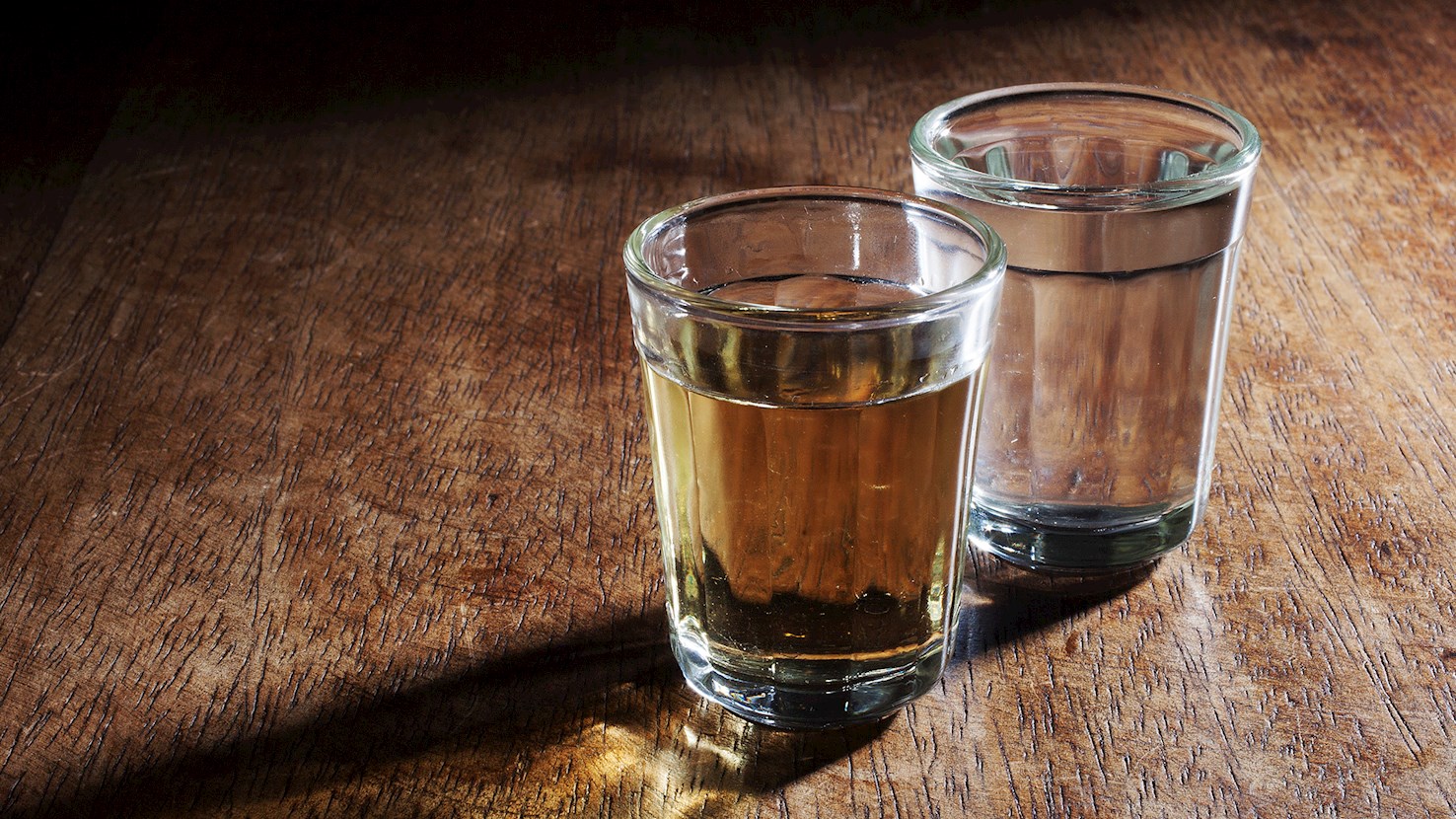
Cachaça is a popular Brazilian drink that is distilled from freshly pressed and fermented sugar cane juice. It is believed that the first varieties of cachaça were produced sometime at the beginning of the 17th century, and were initially known as aguardente de cana. The drink was initially associated with Brazilian slaves, but soon it became a popular option among all social classes, and eventually, during Portuguese colonization, a symbol of national pride. Cachaça became internationally acclaimed with the help of Caipirinha, a classic cocktail that blends the drink with lime and sugar. Though European-style Caipirinha traditionally employs brown sugar, in Brazil, a more popular option is white, fine cane sugar. Cachaça nowadays comes in two styles, as a clear variety that is best used in mixed drinks, or as a golden, barrel-aged drink that is best served on the rocks and slowly sipped.

06

Ponche Crema

3.4 ·

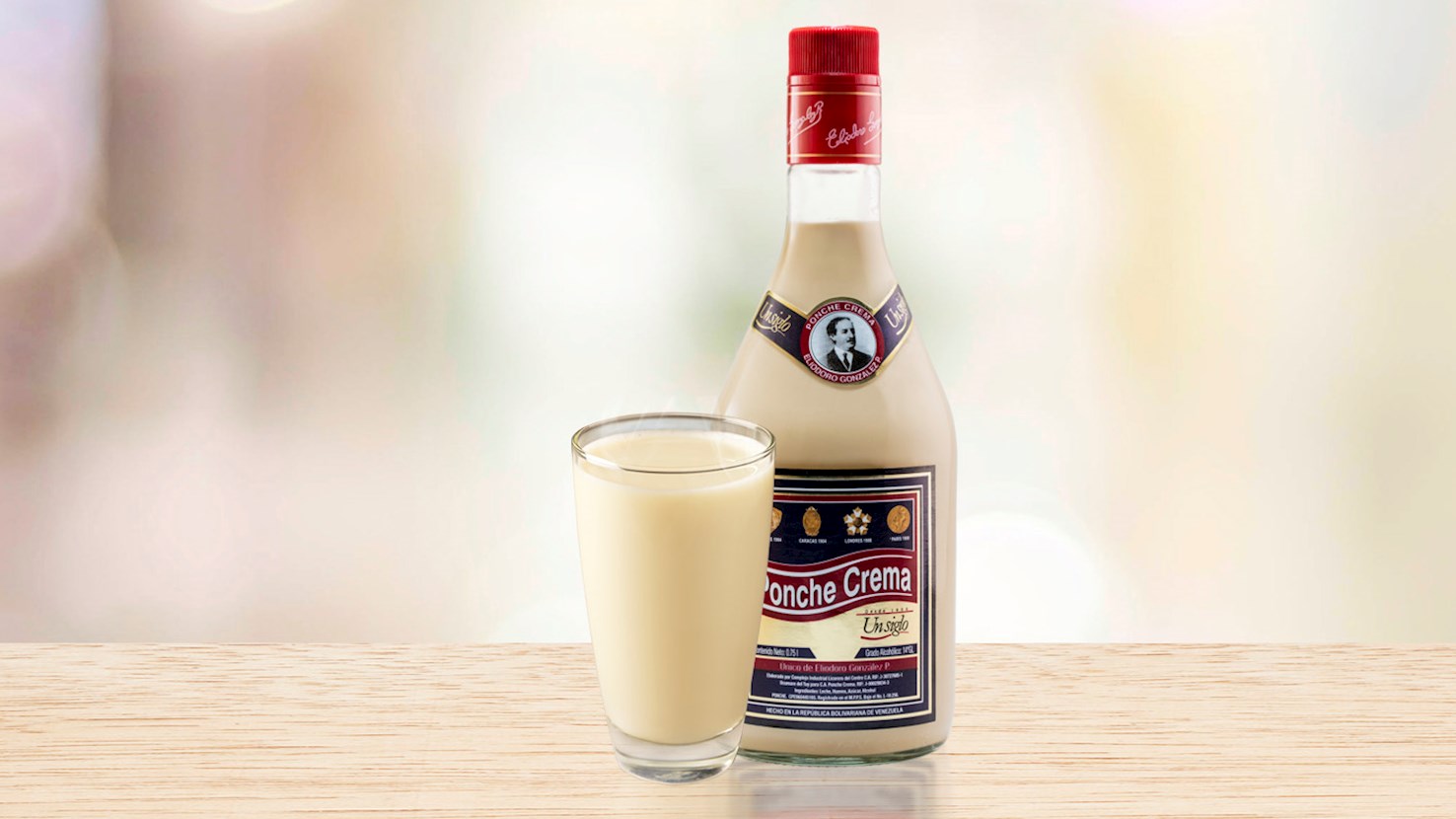
Ponche crema is a Venezuelan liqueur that also gave its name to a similar homemade beverage. The liqueur is often called Venezuelan eggnogs as it is milk- and egg-based. This creamy liqueur was invented by Eliodoro González P. in the early 20th century. It is still made according to Eliodoro's recipe that remains a closely guarded secret. However, it is known that it consists of milk, eggs, spices, and liquor. The combination has influenced the creation of numerous homemade versions that usually combine milk or condensed milk, eggs, vanilla, and nutmeg, along with rum, brandy, or cane spirit (aguardiente). Ponche crema is traditionally associated with Christmastime. It is usually served as an aperitif, and it is best enjoyed chilled.

07

Singani

3.2 ·

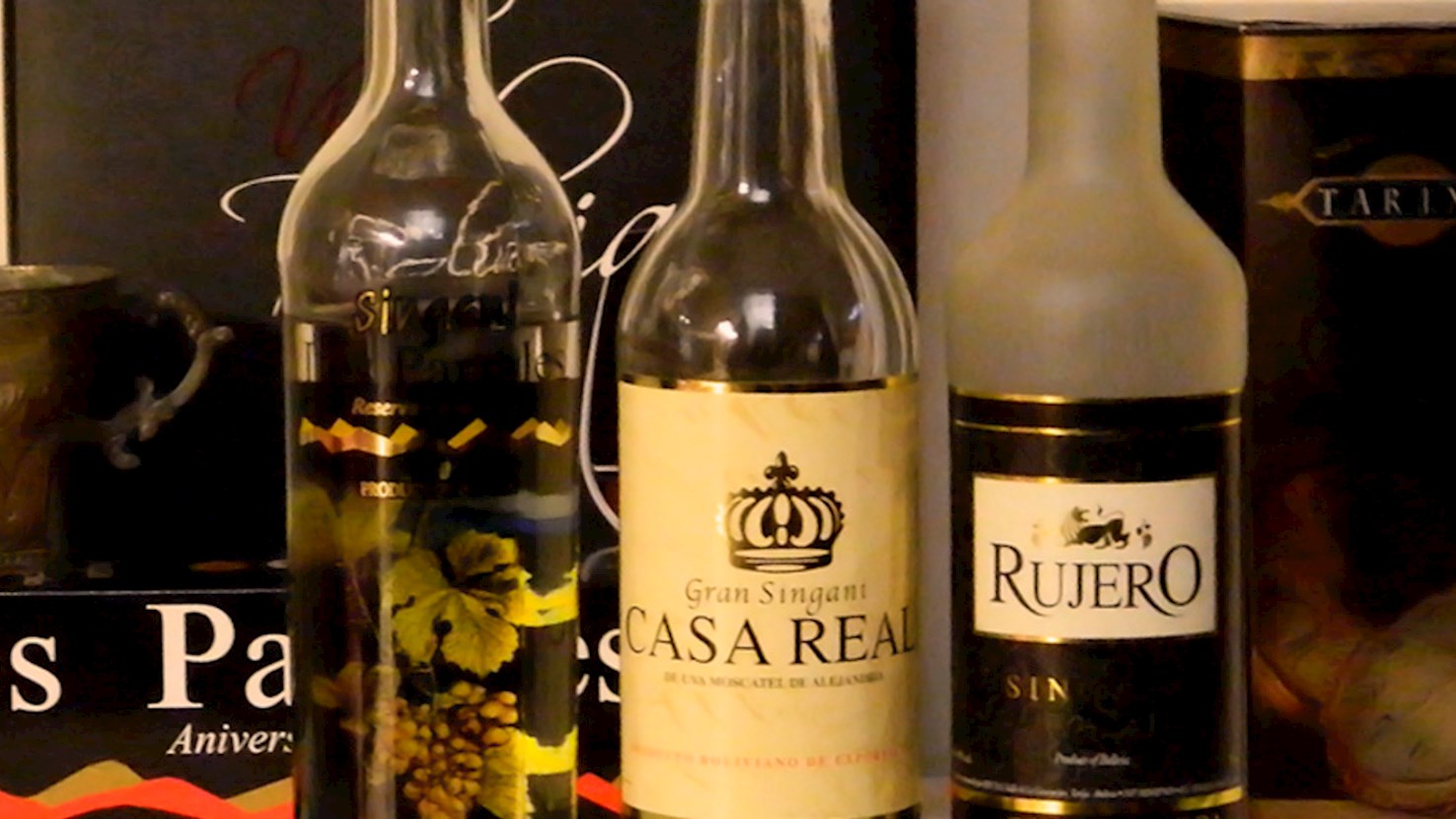
Singani is a brandy variety that is exclusively distilled from Muscat of Alexandria grapes. Due to the specific terroir and the strict rules regarding the production method, the base wine is complex, aromatic, and flavorful. Signani has been produced since the 16th century, and it was invented as an alternative to Spanish orujo brandy. Its origin is closely associated with Potosí—once an affluent city and the center of the silver mining industry—but now it is produced in Tarija, Cinti, Potosí and La Paz. In Bolivia, singani is usually enjoyed neat, preferably over ice and accompanied by a slice of lime, but it also incorporates well in cocktails and long drinks, out of which the most notable are Chufly and Sucumbé—a milk-based drink that is enriched with spices.

Best producers
08

Hesperidina

3.0 ·

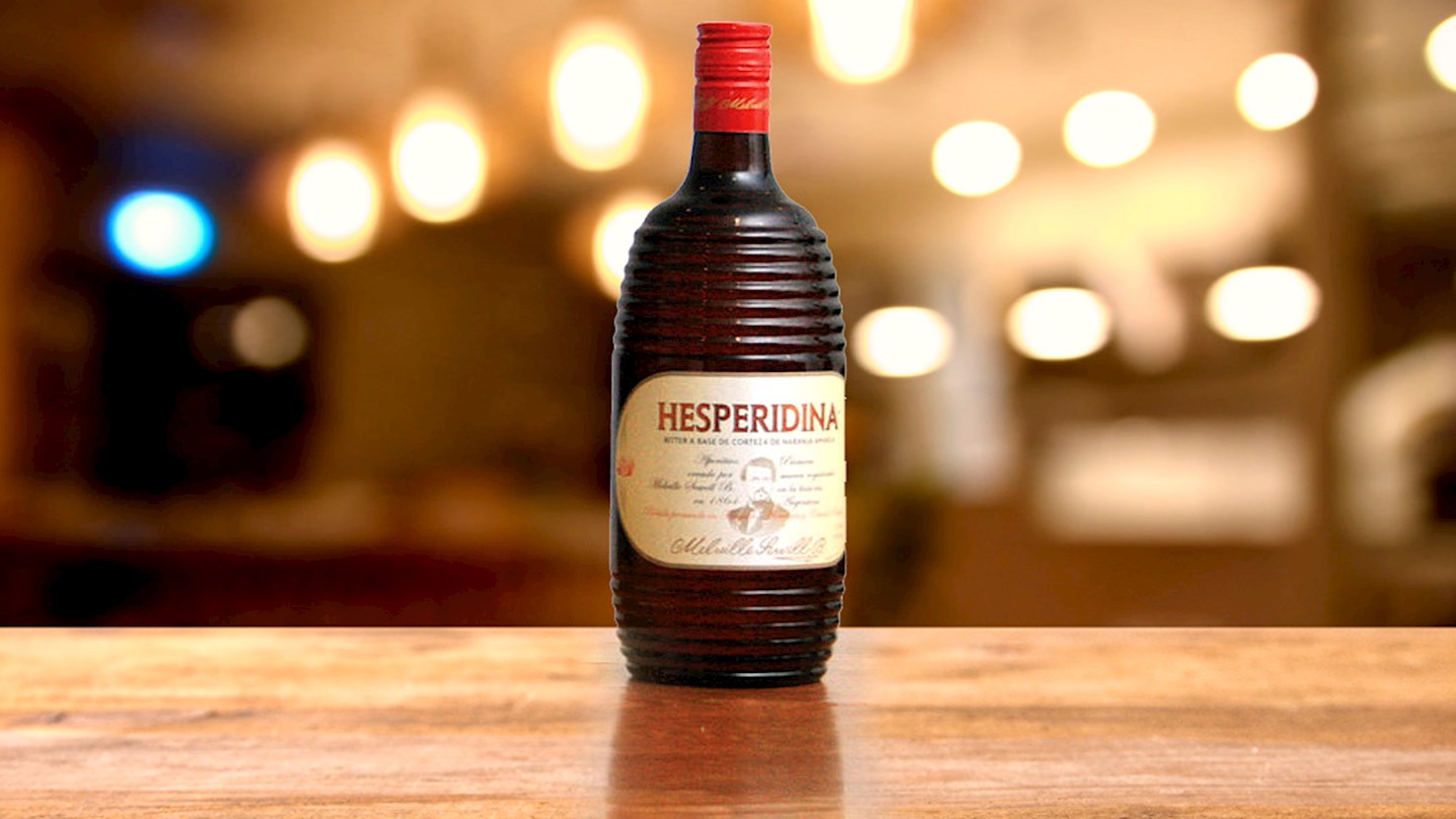
Invented by an American Melville Sewell Bagley, this orange-based aperitif was created in Buenos Aires, and it was initially launched in 1864. Hesperidina is characterized by its aromas of fresh oranges and herbs, while its flavor is reminiscent of bitter oranges. Although it can be enjoyed on its own, the drink is often mixed with tonic water and can also be used as a cocktail ingredient. Interestingly, Hesperidina was the first protected trademark in Argentina.

09

Aguardiente Colombiano

2.9 ·

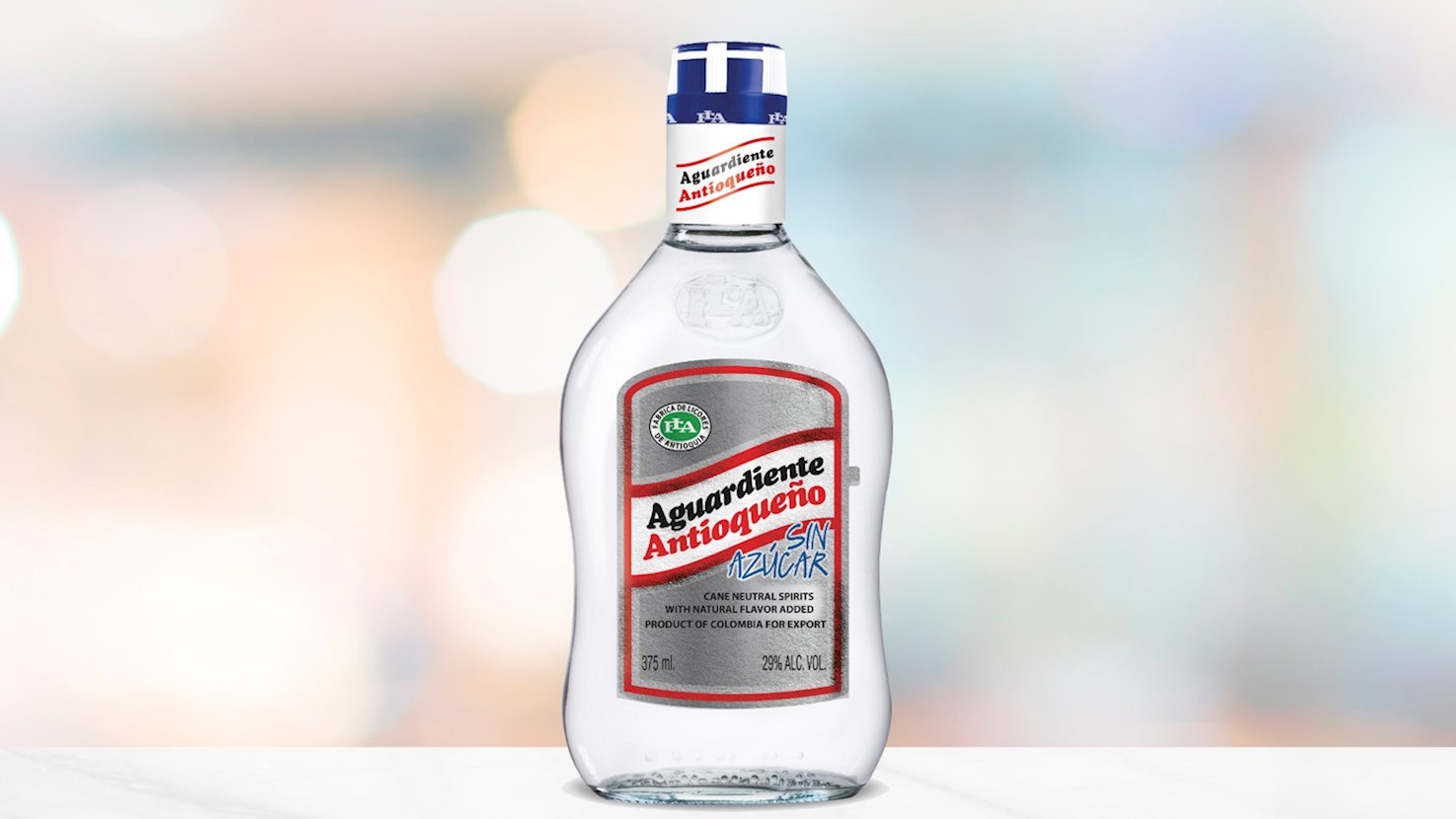
Aguardiente is a generic term used for various distilled spirits from the Iberian peninsula and Central and South America. In Colombia, aguardiente is a sugarcane spirit that is flavored with anise. The drink is enjoyed in the entire country, but it is mainly associated with the Andean region. The resulting drink is potent (typically around 30% ABV), smooth, and crisp. It has a herbal character and licorice licorice-like notes. It is usually served neat, traditionally in shot glasses. It is also sometimes incorporated into cocktails and long drinks.

10

Catuaba

2.5 ·

Catuaba is a Brazilian alcoholic drink made with red wine. It is infused with guaraná, the caffeine-rich Brazilian plant, and catuaba—another native Brazilian plant that is often lauded as an aphrodisiac, and which gave the drink its name. As a plant, catuaba has been used for centuries, primarily by the Tupi people who were the first to use it due to its alleged health benefits. Catuaba drink is a dark-colored, sweet beverage that is cheap and hence quite popular in Brazil. It can be enjoyed over ice, or it can be used in mixed drinks.

11

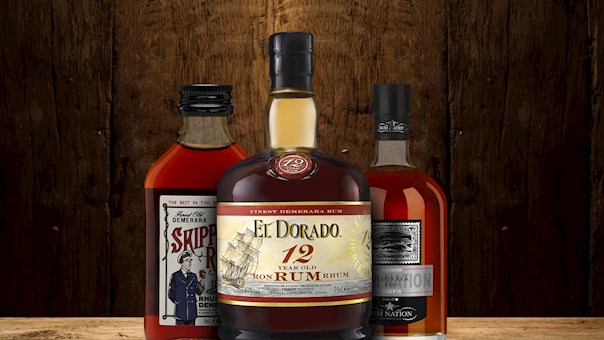
Demerara rum

n/a ·
12

Murtado

n/a ·
13

Amargo Chuncho

n/a ·
14

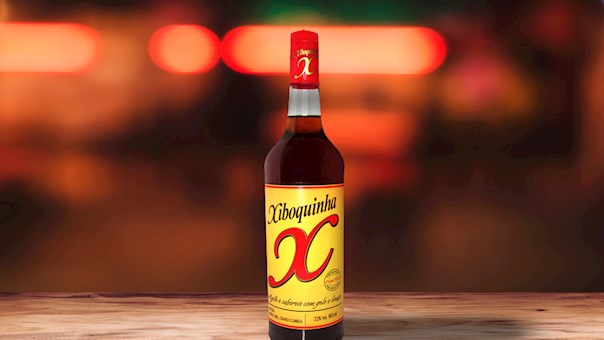
Xiboquinha

n/a ·
15

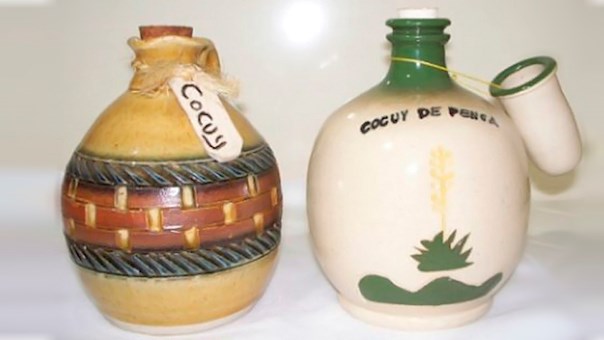
Cocuy

n/a ·
17

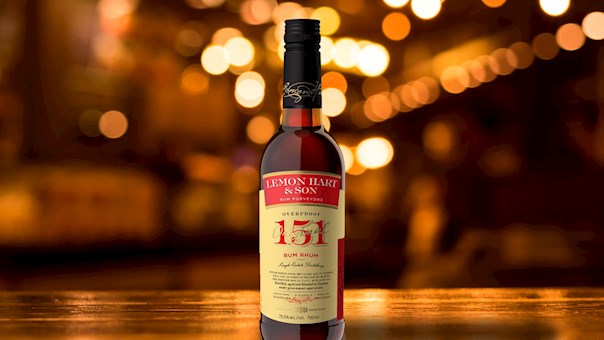
Lemon Hart 151

n/a ·
18

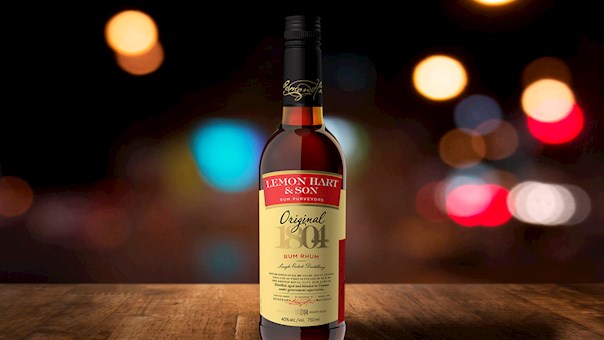
Lemon Hart

n/a ·
Read more
View all
View map
About this ranking

TasteAtlas food rankings are based on the ratings of the TasteAtlas audience, with a series of mechanisms that recognize real users and that ignore bot, nationalist or local patriotic ratings, and give additional value to the ratings of users that the system recognizes as knowledgeable. For the “Top 81 South American Spirits and Liqueurs” list until July 15, 2026, 1,358 ratings were recorded, of which 494 were recognized by the system as legitimate. TasteAtlas Rankings should not be seen as the final global conclusion about food. Their purpose is to promote excellent local foods, instill pride in traditional dishes, and arouse curiosity about dishes you haven’t tried.

The initial list of top producers was compiled based on available reviews, awards, local recommendations, media and blog coverage, and consumer reviews. The list will be updated with ratings from TasteAtlas local ambassadors and TasteAtlas users.

Similar lists