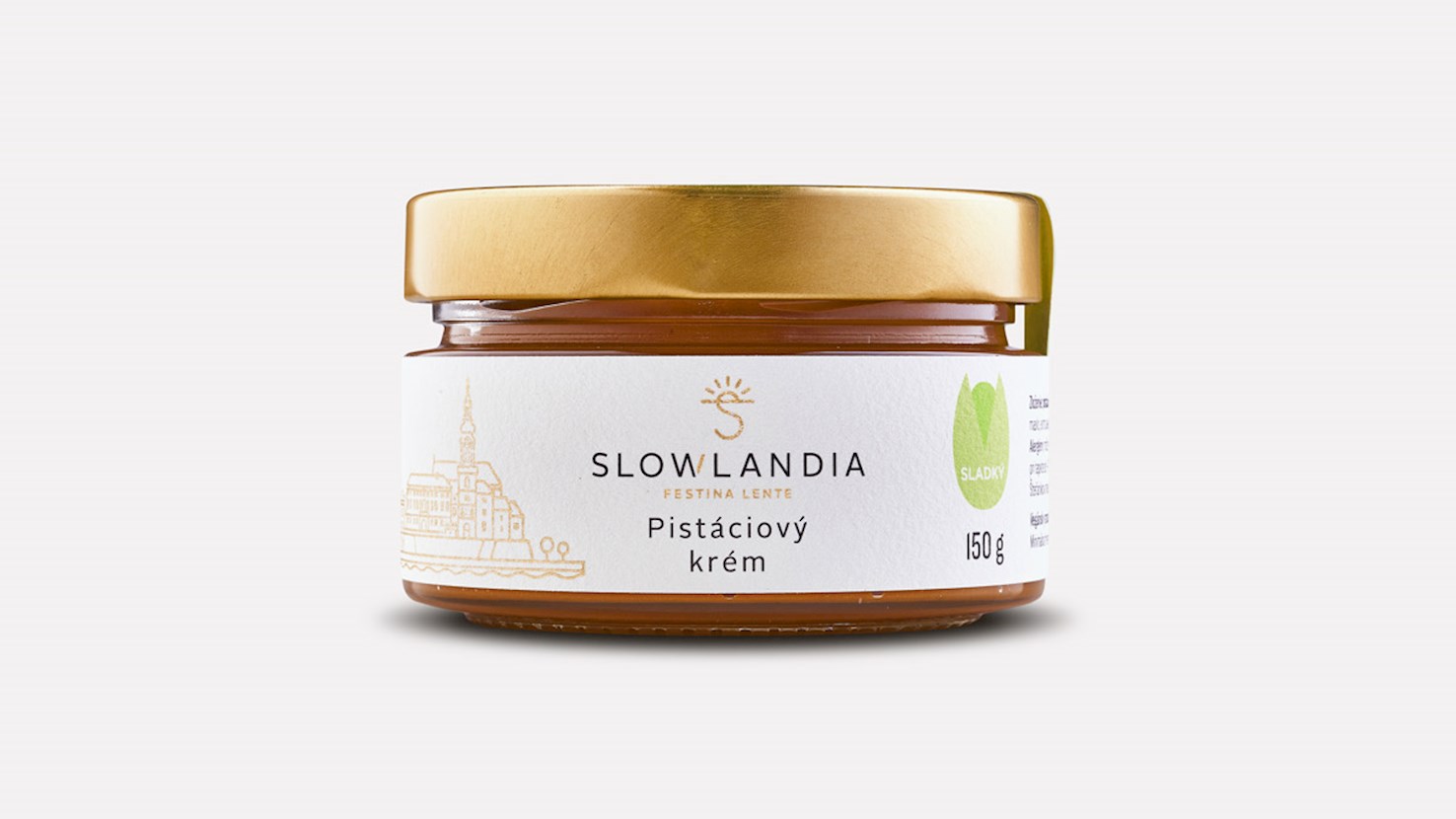
Slowlandia is a producer specializing in high-quality nut spreads and other gourmet food products. The company focuses on using natural ingredients and traditional methods to create their products.
Slowlandia s.r.o. places a strong emphasis on sustainability and eco-friendly practices both in sourcing and production. The company offers a range of products including nut butters, fruit preserves, and granolas.
Awards
Great Taste Awards - 3 Stars
(2024, 2021)
Great Taste Awards - 2 Stars
(2024, 2023, 2022, 2021)
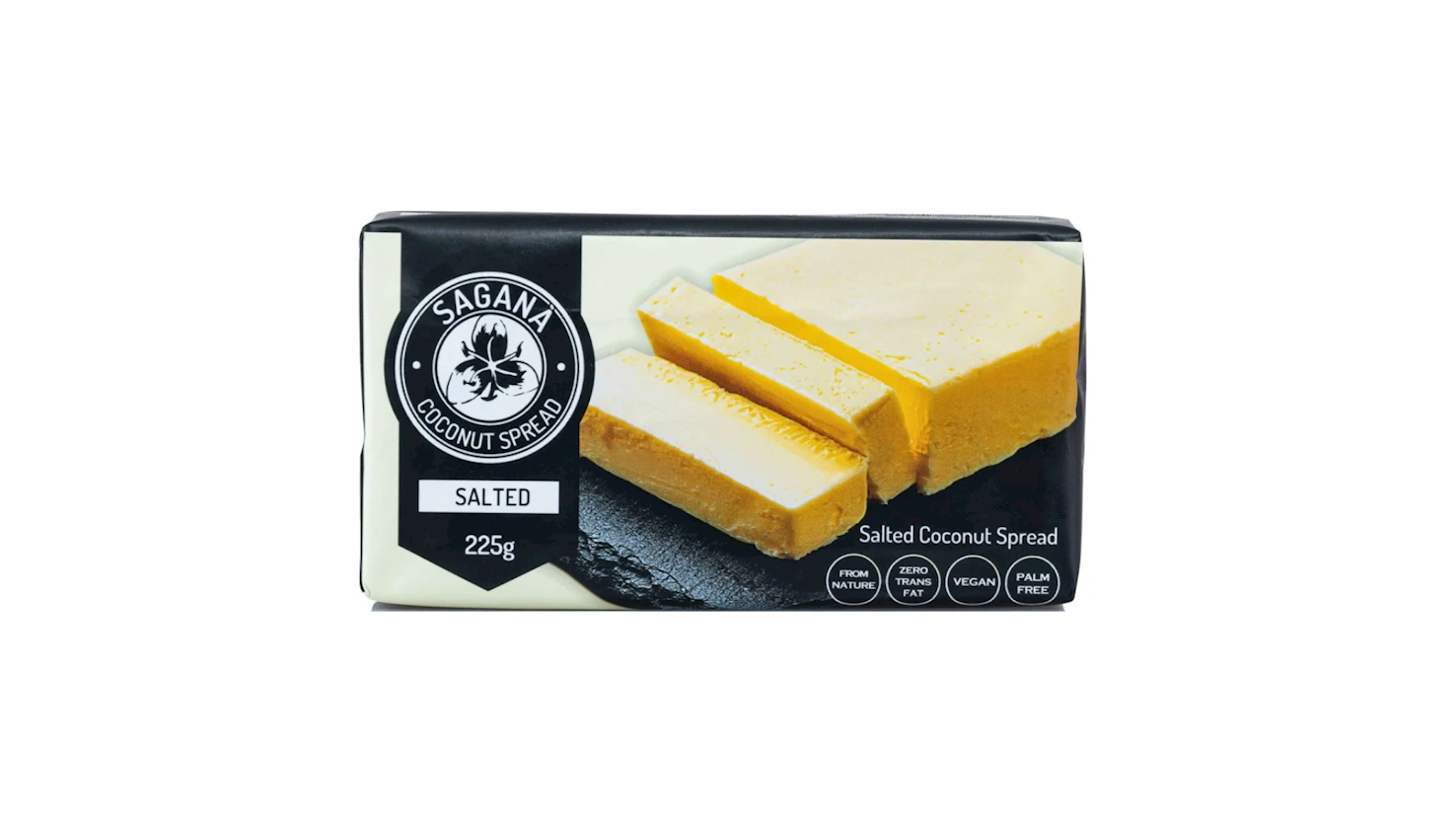
SAGANÀ is a Swiss-Filipino brand specializing in premium plant-based products and ingredients sourced from the Philippines. Founded by Cattleya Romero-Faude, the brand began its development in 2015 through product design and testing in Zurich and Geneva. Its name, saganà, means “abundance” in Tagalog, reflecting the company’s social and environmental mission.
The brand works directly with Filipino farmers, cooperatives, manufacturers, and fair-trade organizations. Its range includes coconut blossom sweeteners, coconut purées and spreads, plant-based butter alternatives, and traditional wholegrain rice varieties. Coconut products are a particular focus, made from natural ingredients and suitable for spreading, cooking, frying, baking, and preparing desserts.
SAGANÀ operates between Switzerland and the Philippines: the association is headquartered in Geneva, while Manila-based Cattleya & Rose Gourmet Foods Trading handles ethical sourcing, exports, and distribution in the Philippines. Its products are marketed through its online store, specialty retailers, supermarkets, and the hospitality and food-service sectors. The brand aims to become a global supplier of sustainably and ethically sourced Philippine ingredients and innovative plant-based foods.
Buddy Buddy is a Belgian producer of organic nut butters and a specialty coffee concept founded in Brussels. The brand is known for crafting its nut butters by hand in its own workshop, where nuts are carefully roasted, stone-ground, and blended with high-quality organic ingredients.
Its range includes peanut, almond, hazelnut, and other nut butters, alongside creative flavors such as Cinnamon Roll Almond Nut Butter, Hazelnut Cacao Nut Butter, and Pecan Pie Nut Butter. Combining artisanal production, a plant-based philosophy, and contemporary design, Buddy Buddy has become a distinctive presence in Brussels’ modern food scene.
In addition to its retail products, the company operates cafés in Brussels and Paris, where its nut butters are incorporated into specialty coffee drinks, pastries, and desserts. Its first Brussels location was introduced as Europe’s first nut butter café, offering a menu centered around house-made nut butters, specialty coffee, and carefully sourced ingredients.
Through its commitment to organic sourcing, small-batch production, and in-house craftsmanship, Buddy Buddy has established itself as a premium and innovative brand in the nut butter category.
CsoKiss Manufaktura Kft is a Hungarian producer specializing in high-quality spreads and confectionery products. The company focuses on creating natural, additive-free spreads using traditional recipes and local ingredients.
They offer a range of products, including nut butters, chocolate spreads, and fruit jams. Their products are aimed at both local and international markets, with a strong emphasis on maintaining high standards of quality and taste.
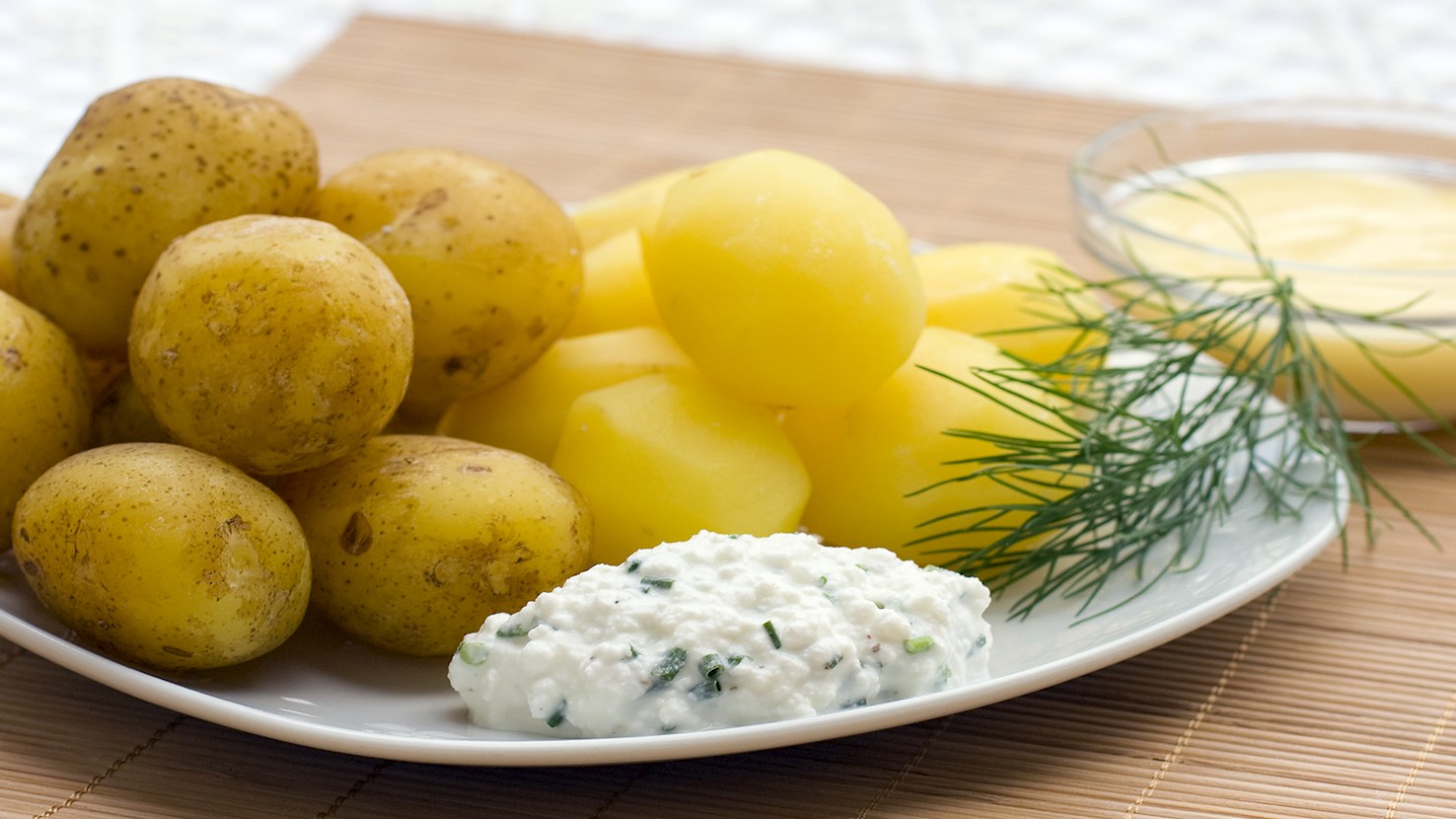
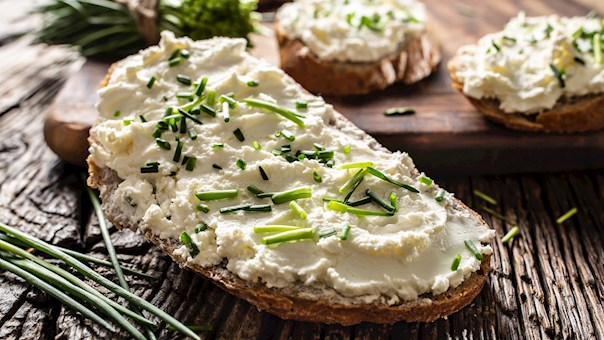
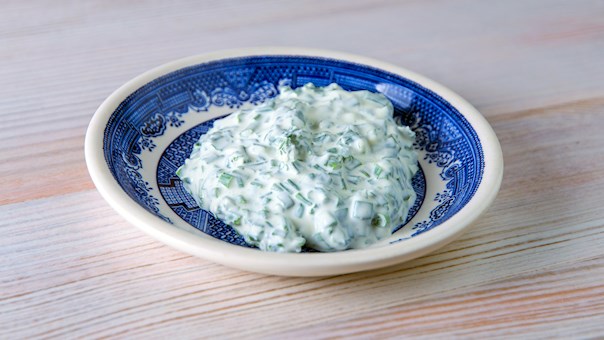
The basic version of this traditional Polish spread consists of fresh cottage cheese, yogurt, milk, and chives, while some varieties occasionally incorporate radish, onions, or hard-boiled eggs. The seasonings and the texture of gzik are easily adjusted to taste and preference, and even though it can be used as a dip or a sandwich spread, it is traditionally served alongside boiled potatoes.
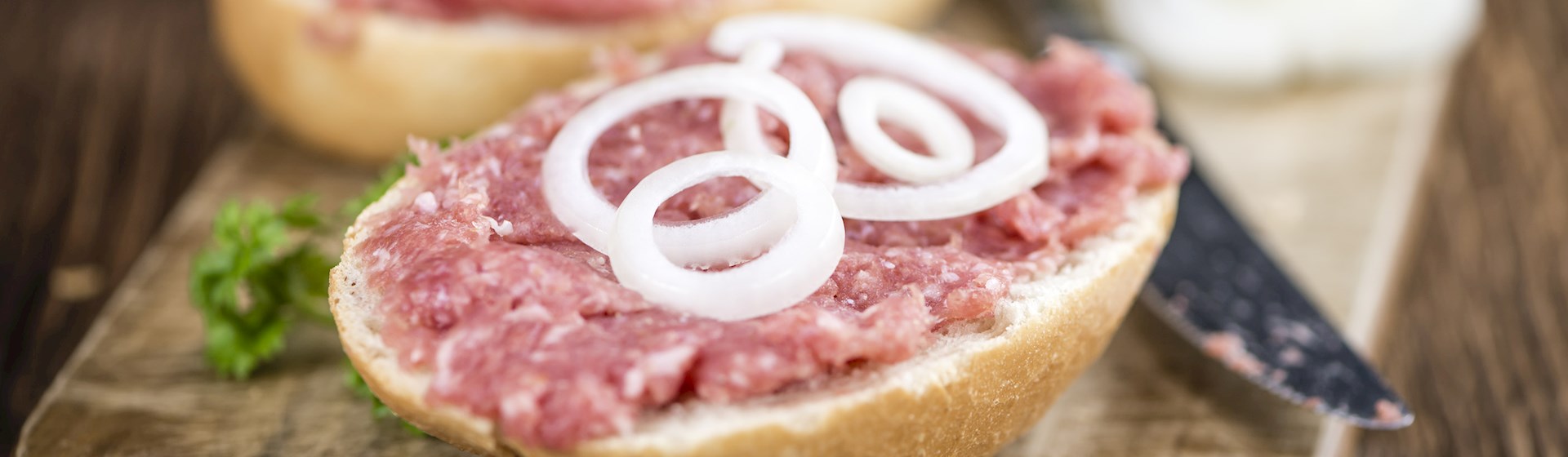
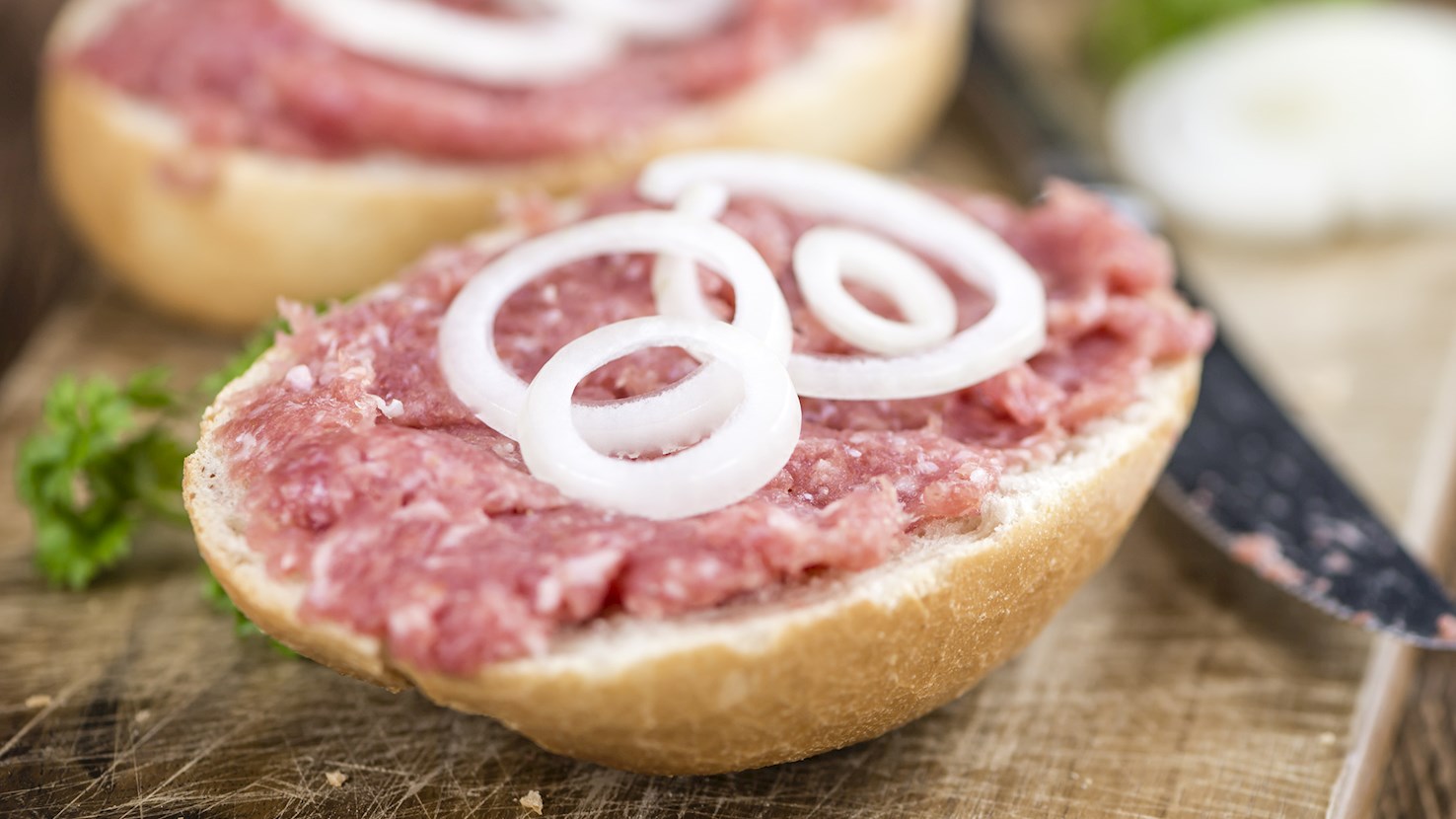
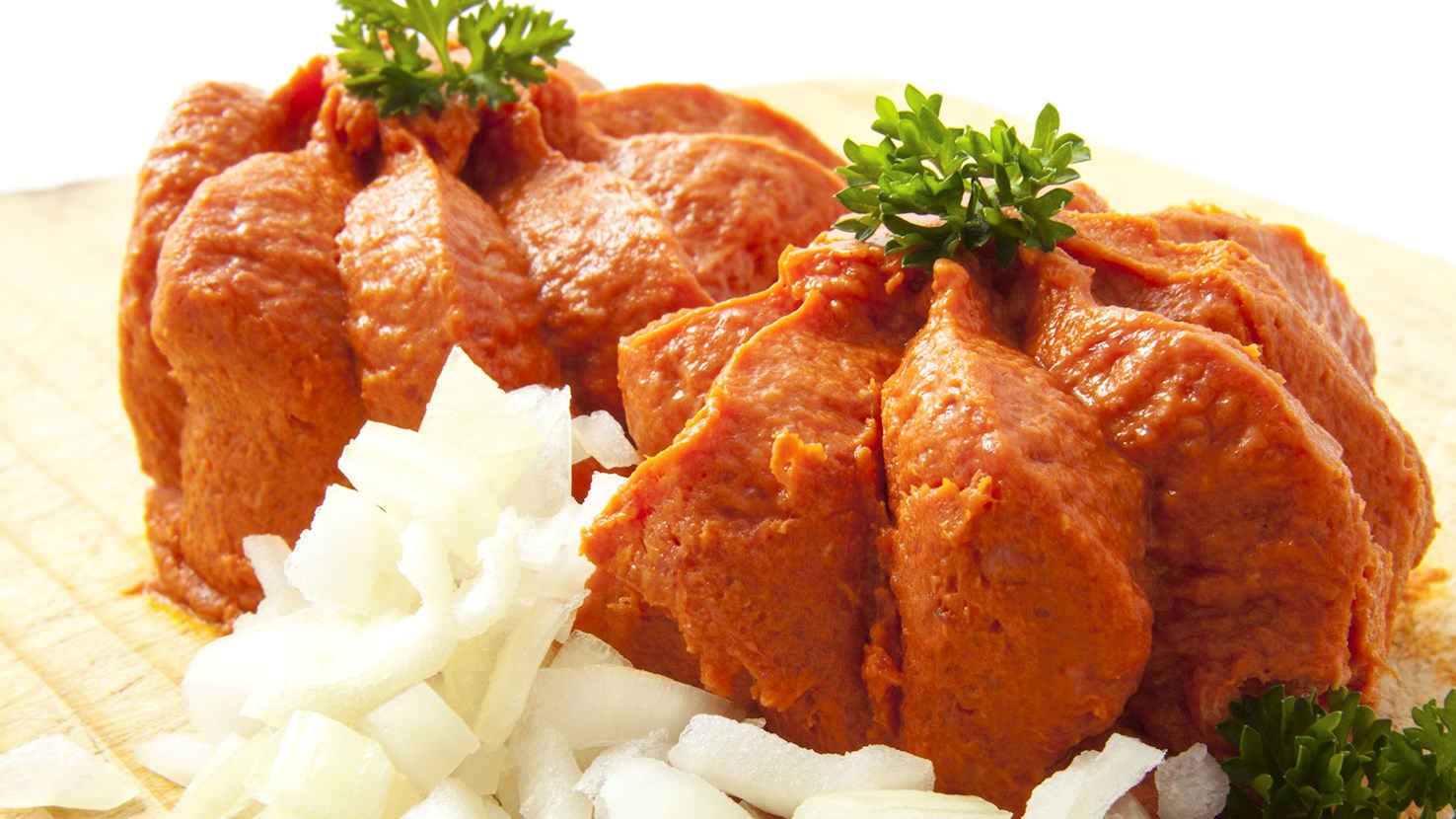
Called hackepeter or mett, this unusual German specialty consists of raw pork mince which is meant to be eaten as it is - fresh and raw. The raw meat is typically seasoned with salt and pepper, though it is usually enhanced with crushed caraway, marjoram, nutmeg, and garlic for added flavor. When raw onions are added to the basic mett, the resulting concoction is called zwiebelmett, while the addition of onions and marjoram makes what is known as a thüringermett. In Germany, seasoned raw pork mince is typically enjoyed slathered over bread rolls (mettbrötchen) or slices of bread, usually sprinkled with raw onion rings on top. Another common way of serving this delicacy is in the form of a mettigel (also known as hackepeterigel or hackepeterschwein), referring to the hedgehog-shaped presentation of mett which was popularized in the 1970s.
Although it is sometimes confused with a steak due to its unusual name, filet Américain is a spread made with raw beef. This popular dish is a close cousin to the more famous steak tartare, but the difference is that filet Américain uses meat which has been minced in a meat grinder. Only lean and premium beef cuts are used in this Belgian classic, and because the meat is served raw, it should be as fresh as possible. When the meat is ground, it is usually generously seasoned and enriched with onions, capers, mustard, mayonnaise, raw eggs, tabasco, and Worcestershire sauce, which also help in holding the spread together. There are two ways of serving filet Américain in restaurants: fully prepared, or left for the consumers to add the condiments according to individual preferences. It is believed that Joseph Niels invented the dish in 1924 and was the first to serve it in his restaurant in Brussels. Filet Américain is often spread on crackers and served as an appetizer, although it is sometimes served as a main dish with fries and a fresh salad on the side. However, most locals prefer to spread the mixture on a piece of crusty bread and consume it as a sandwich.
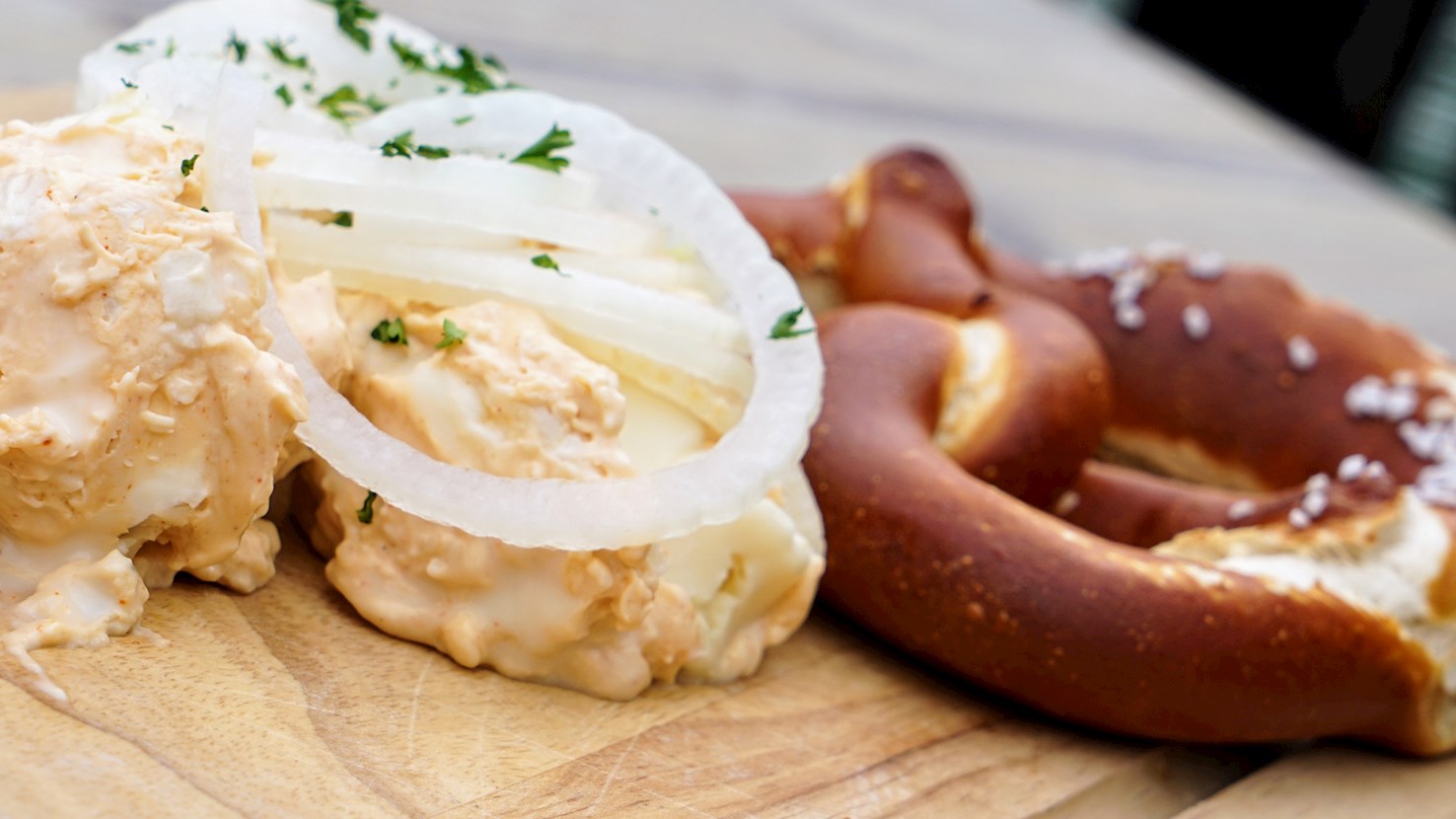
This Bavarian cheese spread was originally invented to make use of ripened soft cheese. It consists of a creamy combination of butter, paprika, and typically Camembert and Brie, or optionally Romadur, Limburger, and sometimes even cottage cheese. The spread is usually enriched with onions or shallots, caraway, or various herbs, while some versions may include beer, wine, or milk-based products. It is believed that obazda was popularized in the 1920s by Katharina Eisenreich, who served it at her Braustuberl pub in Freising. Nowadays, the spread is a Bavarian staple that is served in numerous restaurants and pubs, usually alongside pretzels and various snacks.
Originally from Mainz, meenzer spundekäs is a type of traditional cream cheese dip or spread. It typically consists of a mixture of cream cheese, quark, sour cream, finely chopped onions, and garlic, seasoned with sweet paprika, salt, and freshly ground pepper. The dip is usually topped with sliced onions and served with salty pretzels. It is typically paired with a glass of wine or a cold beer. Boiled potatoes and radishes can also accompany the dip, or they can be smeared on bread. Rich and creamy, this cheese dip is a staple at restaurants and wine taverns throughout the region. Besides Mainz, the dip is also commonly consumed throughout Rheinhessen and Rheingau regions. Its name is derived from the German words Spund, referring to the conical cork of a wooden wine barrel, and Käse, meaning cheese. Every year, a Spundekäs competition is held in honor of this Mainz specialty, known as Rheingau sucht den Super-Spundekäs, meaning Rhine District seeks the Super-Spundekäs.
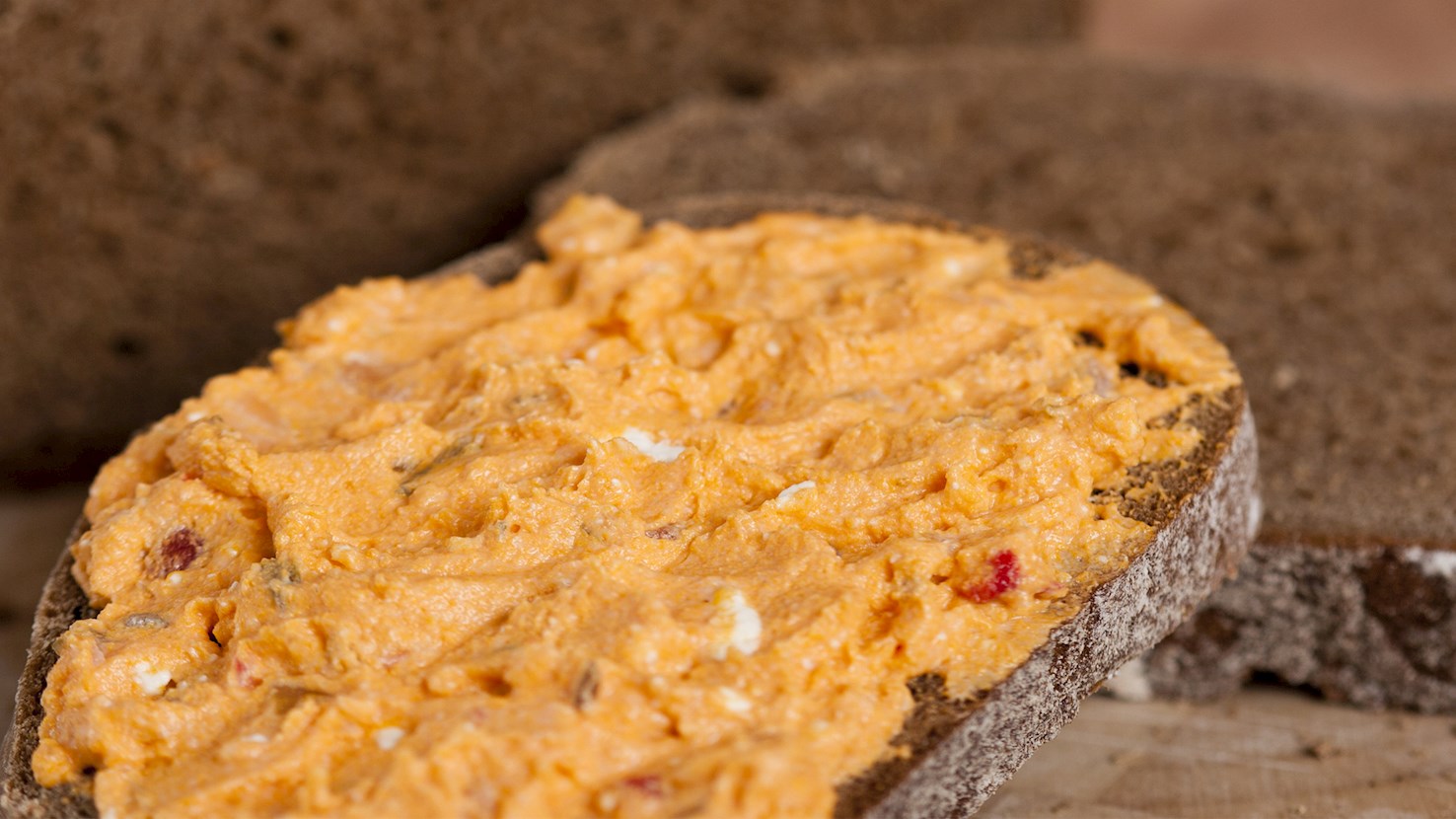
Described as a simple, paprika-spiced cheese spread, liptauer is one of the classic dishes that usually consists of different type of fresh or cream cheeses, blended with ground paprika and a variety of fresh herbs and spices. Even though there has been a long dispute over the true origin of this classic Central European spread, its name certainly derives from the German term used for the Slovak Liptov region. Due to its presence in traditional Hungarian and Austrian cuisine, it is believed to have been created during the period of Austro-Hungarian Monarchy. Today, it appears in numerous variations throughout many European countries, and it is usually enjoyed as a dip, a spread, or a creamy, spicy accompaniment to grilled meat.
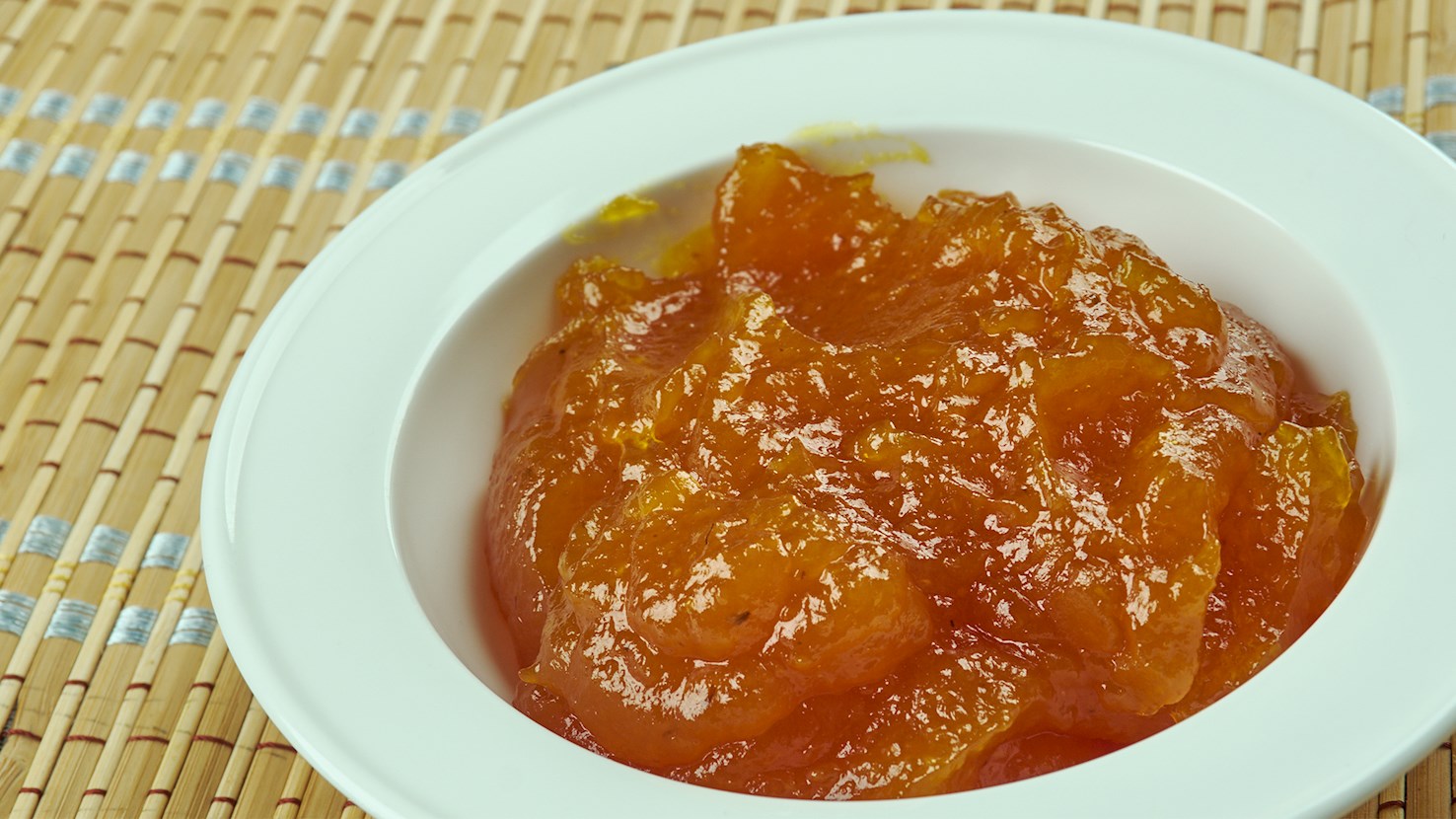
Birnenhonig is a Swiss syrup made from pears. It is often compared with the famous Belgian spread known as sirop de Liège. In order to prepare birnenhonig, the pears are first boiled, then pressed to extract the juices. The liquid juices are cooked for a long time, resulting in a sweet and creamy product that can be used either as an ingredient in desserts or a delicious spread when paired with bread.
Smalec is a traditional spread originating from Poland. The spread is based on rendered pork fat, onions, and spices. For centuries, it was a hearty and inexpensive meal for the working class, and over time it became a symbol of Polish hospitality. Although there are many versions of the spread, it's usually made with a combination of pork fat, onions, diced apples, prunes, garlic, marjoram, salt, and pepper. The onions, apples, and prunes are fried in pork fat over low heat. The mixture is then enriched with minced garlic, marjoram, and seasonings. The prepared spread is poured into a bowl and left to cool and solidify. Smalec is typically spread on rye bread and served with pickles and black olives. In traditional Polish restaurants, this spread is often served as an appetizer before the main meal.
Kartoffelkäse is a creamy potato-based spread that originates from the southern regions of Germany, particularly Bavaria and Upper Austria (where it's called Erdäpfelkäse), where it is often served in beer gardens and at countryside gatherings. Despite its name, which translates to "potato cheese," the dish contains no actual cheese; instead, it refers to the smooth, spreadable texture that resembles soft cheese. Made primarily from boiled and mashed potatoes mixed with sour cream or quark, finely chopped onions, chives, and mild seasonings, kartoffelkäse is a savory, tangy, and lightly fluffy accompaniment commonly enjoyed with rye bread, pretzels, or as a cold side to meats and sausages. Its origins lie in agrarian communities where potatoes were a dietary staple and dairy products like quark were readily available from local farms. The preparation is uncomplicated, requiring only the gentle blending of starchy potatoes with the creamy base, then chilled slightly to allow the flavors to meld. Each household might have its own version, varying the proportions of cream, the type of onion used, or the presence of additions like caraway seeds or fresh herbs. Served cold or at room temperature, kartoffelkäse is a common sight at buffets, seasonal festivals, and wine tastings across southern Germany and Austria. It pairs especially well with sourdough or Bauernbrot and often accompanies a glass of local beer or white wine.
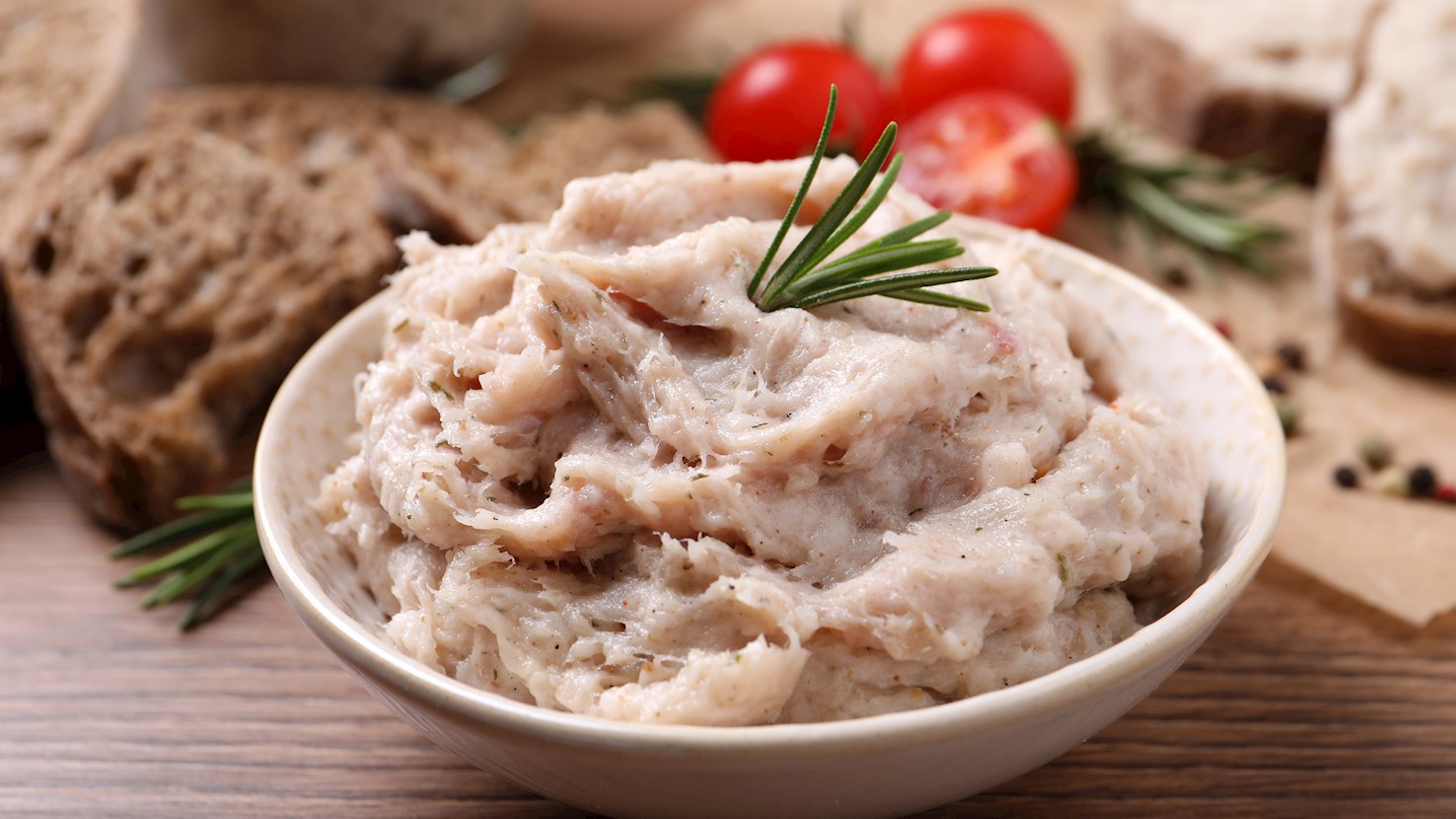
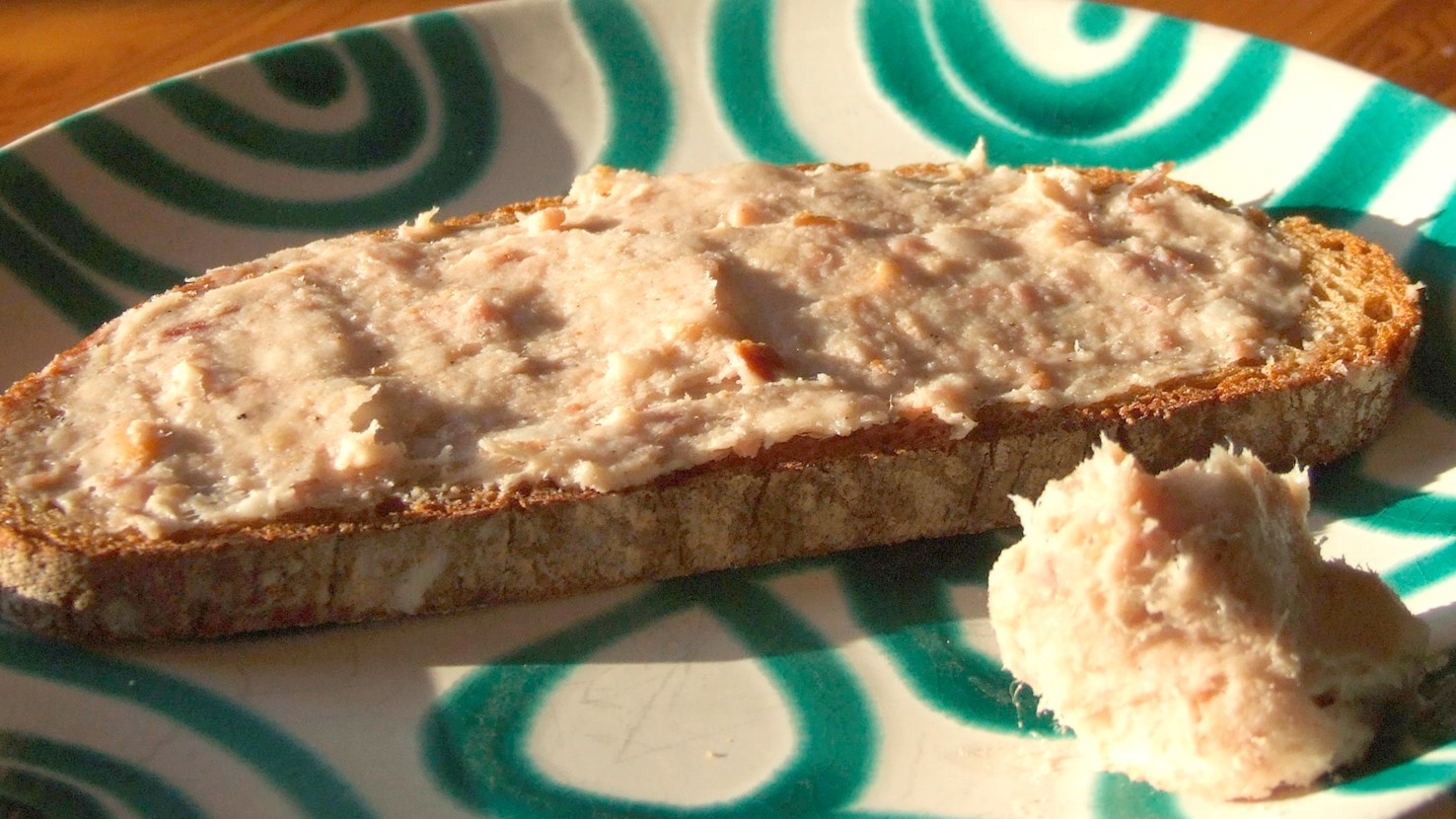
Verhackert is a coarse spread made from smoked pork fatback or bacon, finely chopped or minced and seasoned with garlic, onion, salt, pepper, and occasionally marjoram or caraway. It is especially associated with Styria and Carinthia, where it is commonly spread thickly over dark farmhouse bread and served as part of a brettljause, the cold platter of bread, cured meats, cheese, pickles, and spreads found throughout rural Austria. In parts of Carinthia, a closely related preparation is known as sasaka. Verhackert has been documented as part of Austrian snack culture since at least the beginning of the 20th century. However, the method itself comes from an older household practice of preserving and making full use of fatty pork. Its name derives from the German verb hacken, meaning to chop, which directly describes the original preparation: cured or smoked pork fat was chopped repeatedly with a heavy knife until it reached a coarse, spreadable consistency. Before meat grinders became common, this was done on a dedicated chopping block with a special chopping knife, equipment that was part of the kitchen inventory on many farms. The pork fat used for verhackert was first salted and then smoked for several weeks, which both preserved it and gave the finished spread its characteristic smoky flavor. The rind was removed, and the fat was chopped into pieces roughly the size of peas rather than processed into a completely smooth paste. The mixture was then packed firmly into a stoneware or earthenware container whose interior had been coated with pork lard. A layer of melted lard could also be poured over the surface, limiting air contact and helping preserve the contents. Modern versions are more often made by passing smoked bacon or fatback through a meat grinder, sometimes with garlic and onion, producing a finer, more uniform texture while retaining the same basic character. Some Styrian recipes use almost nothing beyond smoked pork, salt, pepper, and lard, while others include generous amounts of garlic, onion, marjoram, or caraway. Pumpkin seed oil occasionally appears in contemporary Styrian versions, adding a nutty flavor and linking the spread with another strongly regional ingredient, but it is not essential to verhackert. The fat content is central to the dish rather than incidental: verhackert should be soft enough to spread at serving temperature, with small pieces of smoked pork still providing texture. It is normally eaten cold or cool rather than cooked, most characteristically spread over thick slices of dark rye or mixed-grain bauernbrot. Raw onion rings, pickled cucumbers, radishes, and peppers provide a sharp, fresh contrast to the salty, fatty spread, and verhackert is commonly served with smoked meats, sausages, cheeses, hard-boiled eggs, and horseradish. It is also used as a cooking ingredient. In Styria, small amounts can enrich heidensterz, potato dishes, cabbage salads, or a roux, and melted verhackert can be poured over potato salad. In Carinthia, related sasaka is used in vegetable dishes and as a filling for noodles or sausages, and spread over crisp flatbreads. These uses take advantage of the same qualities that make it effective on bread: rendered pork fat carries flavor and the smoked meat and seasonings contribute salt and depth without requiring many additional ingredients. Verhackert is particularly common in Styrian buschenschänken and other places serving cold regional snacks, where it is eaten in relatively small quantities because of its richness. Dark bread remains its most important accompaniment, while sour pickles and fresh onions cut through the fat and keep the combination balanced. In Styria, a dry white wine such as Sauvignon Blanc, welschriesling, or a crisp Schilcher rosé works especially well, while beer is an equally natural pairing with the smoke and salt.
TasteAtlas food rankings are based on the ratings of the TasteAtlas audience, with a series of mechanisms that recognize real users and that ignore bot,
nationalist or local patriotic ratings, and give additional value to the ratings of users that the system recognizes as knowledgeable.
For the “Top 19 Central European Spreads” list until October 15, 2026, 847 ratings were recorded, of which 719 were recognized by the system as legitimate.
TasteAtlas Rankings should not be seen as the final global conclusion about food. Their purpose is to promote excellent local foods,
instill pride in traditional dishes, and arouse curiosity about dishes you haven’t tried.
The initial list of top producers was compiled based on available reviews, awards, local recommendations, media and blog coverage, and consumer reviews.
The list will be updated with ratings from TasteAtlas local ambassadors and TasteAtlas users.


















What People Say