Top 5 Serbian Wine Varieties

Last updated on June 04, 2026

Best Serbian Wine Varieties
01

Vinarija Aleksandrović

4.9 ·
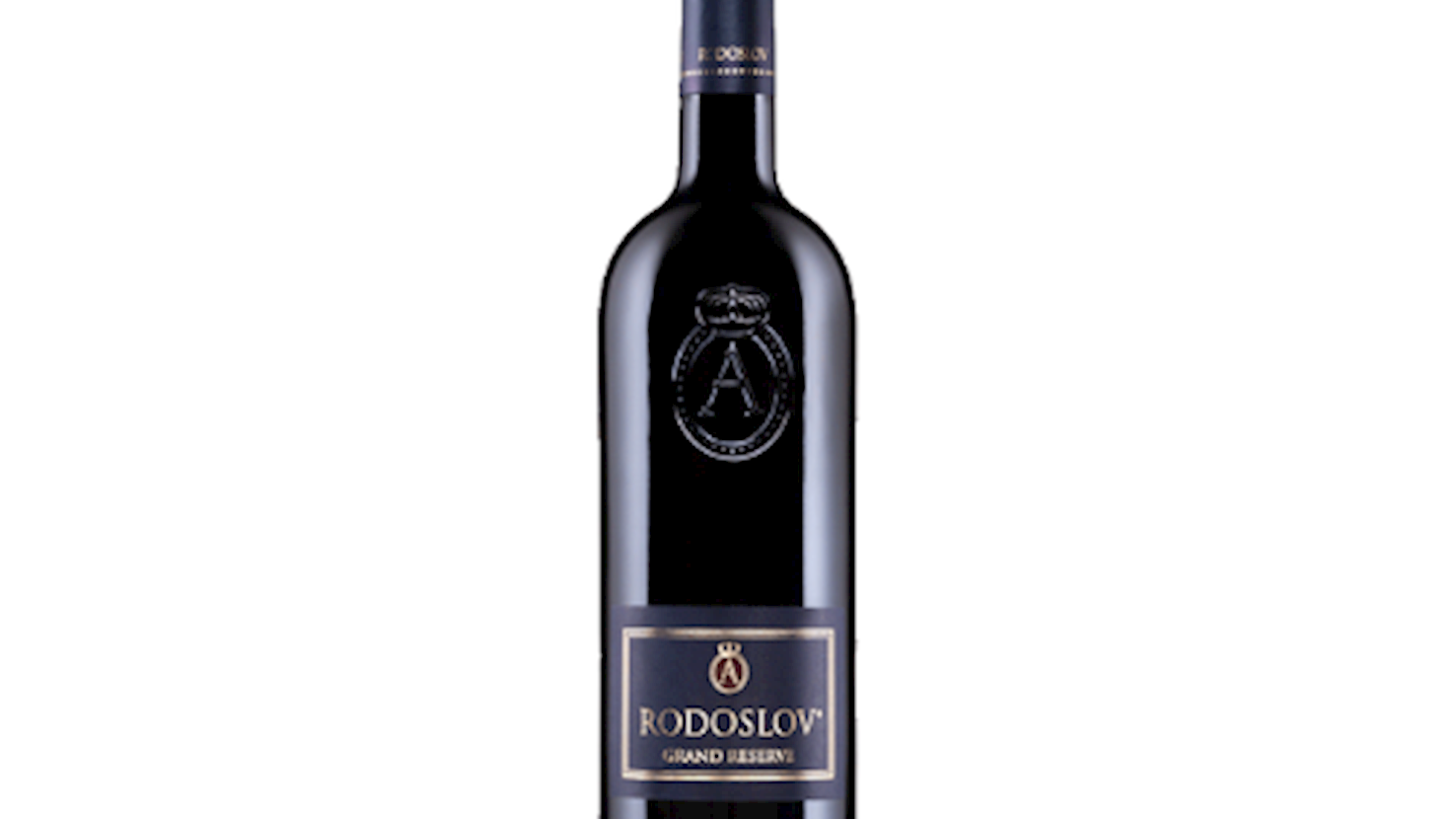
Vinarija Aleksandrović is one of the most prominent names in modern Serbian winemaking, located in the village of Vinča near Topola, on the slopes of Oplenac in the heart of Šumadija. It is founded on the legacy of the royal cellars of the Karađorđević dynasty, whose chief oenologist had a close connection with the Aleksandrović family, enabling the transfer of historical knowledge and original winemaking formulas. The vineyards stretch across dozens of hectares in some of the finest sites of the Šumadija wine region, where the combination of altitude, abundant sunshine, and mineral-rich soils gives the grapes notable aromatic complexity. The winery applies contemporary oenological techniques and maintains strict yield control to ensure high quality in every vintage. In the cellar, the wines are matured using methods that blend tradition with a modern approach - aging in stainless steel, a mix of new and used barriques, and careful monitoring of each label’s development. A strong emphasis is placed on terroir expression, with the wines reflecting the Šumadija character through freshness, structure, and minerality. The winery also offers guided tastings, cellar tours, and wine experiences, making it one of the most visited wine destinations in Serbia.
Awards
Vivino - 4.5
Vivino - 4.2
02

Matalj Vinarija

4.8 ·
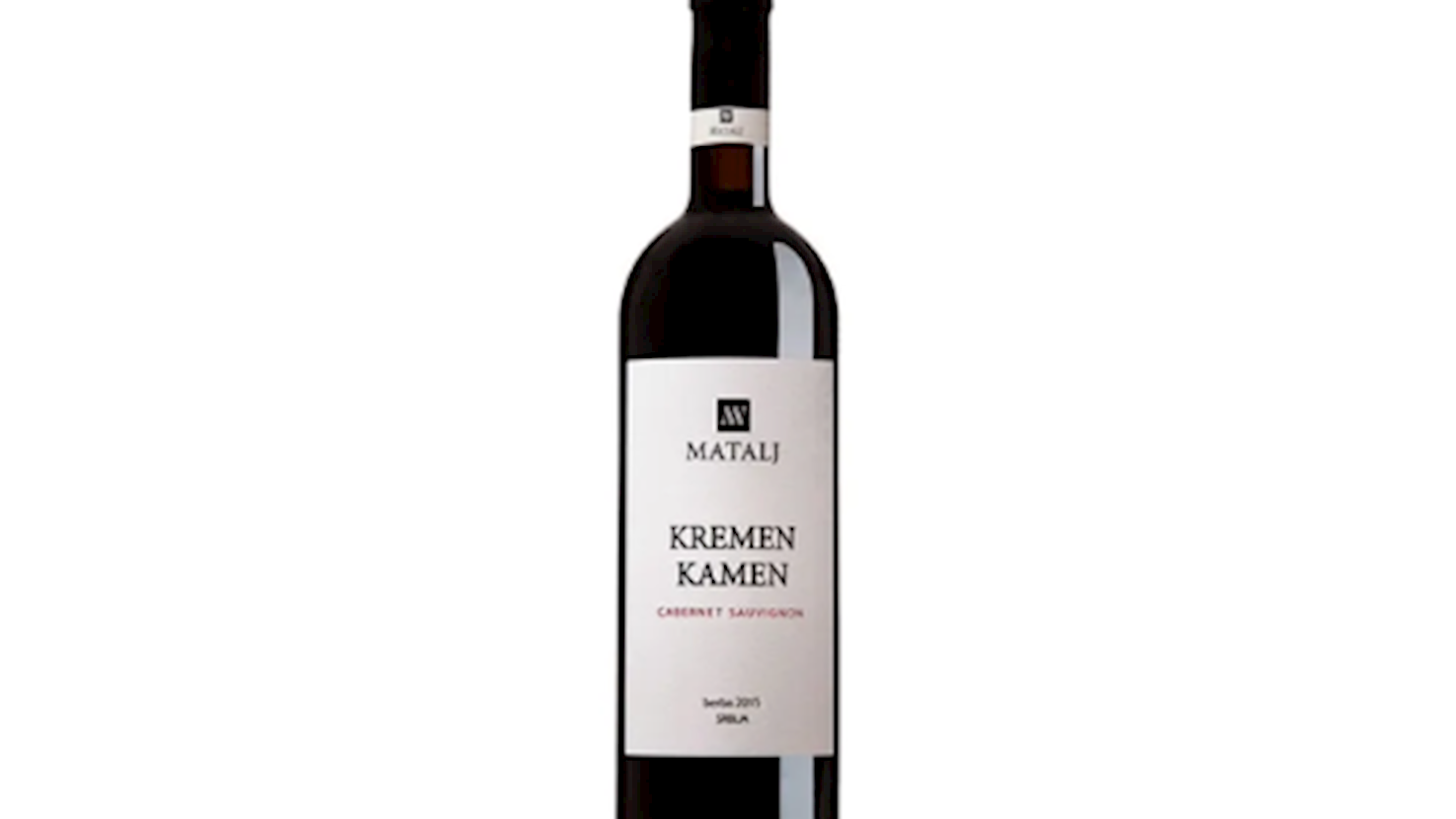
Matalj Winery is a family-owned estate from the Negotin region that combines the long winemaking tradition of this area with a modern approach and a clear focus on terroir expression. Its vineyards lie on several exceptional sites, most notably Kremenjača near the village of Tamnič, Terasa on the Danube terrace near Mihajlovac, and Bukovo, each defined by distinct soil types and microclimates. Kremenjača, with its stony soils and sunny southern exposures, yields concentrated, powerful red wines, while Terasa, characterized by sandy and gravelly deposits, allows varieties such as Cabernet Sauvignon and Cabernet Franc to develop full ripeness and aromatic precision. The winery’s philosophy is based on minimal intervention in the cellar, respect for each grape variety, and an emphasis on the authentic character of Negotin’s landscape. The portfolio includes white, rosé, and red wines, with standout labels such as Kremen, Zemna, and Terasa. Although the winery has modernised its production, it remains committed to traditional craftsmanship, resulting in wines that combine structure, elegance, and a distinctive regional identity.
Awards
Vivino - 4.5
Vivino - 4.0
03

Vinarija Vinčić

4.8 ·
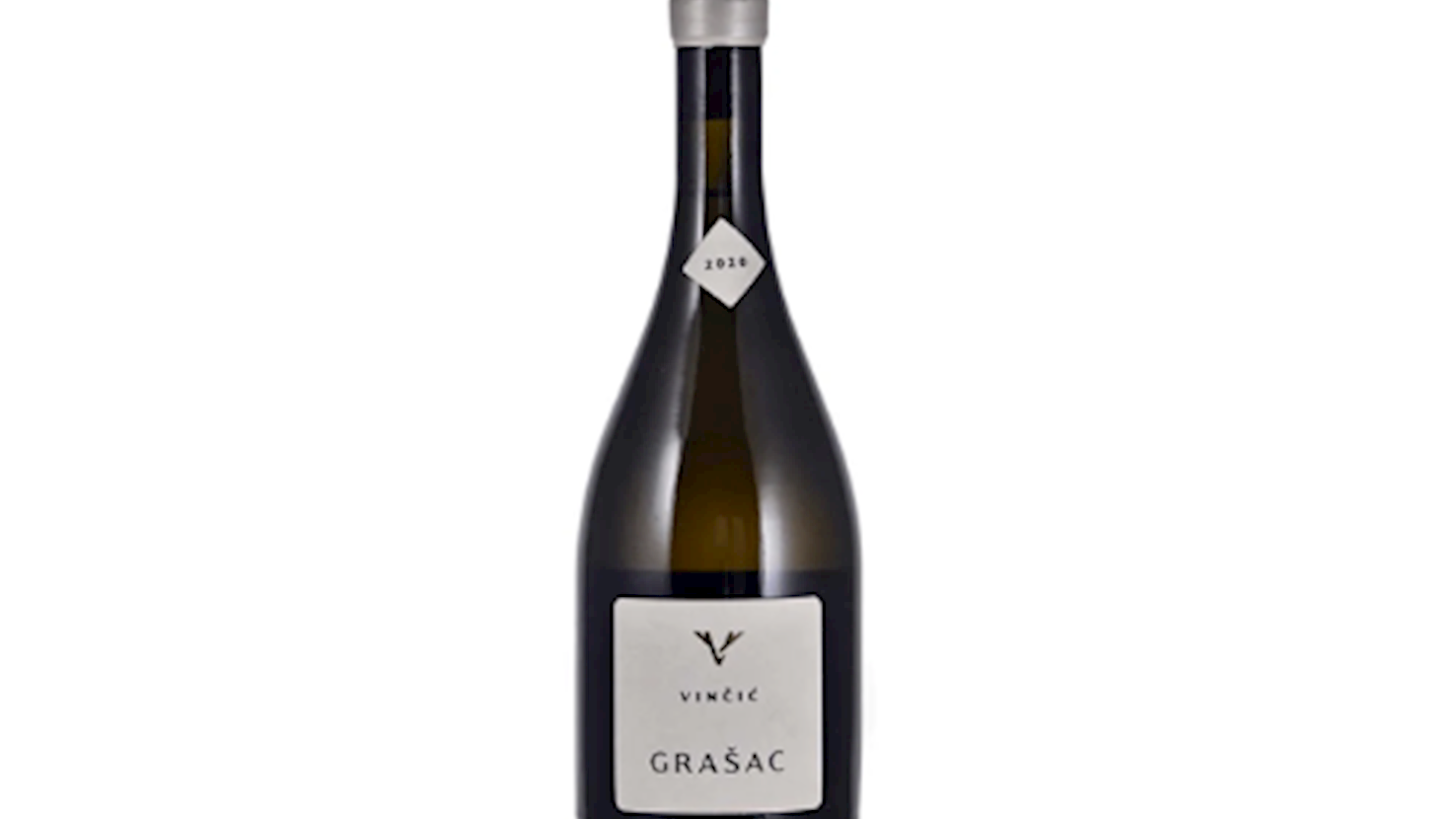
Vinarija Vinčić is a small family-owned winery from Šid, with vineyards situated on the slopes of Fruška Gora, a region known for its excellent conditions for growing grapevines. The family’s viticultural tradition dates back to 1953, while the modern winery was established in 2020 with a clear vision to produce wines exclusively from the highest-quality vintages. The winery’s philosophy is based on limited production, hand harvesting, and minimal cellar intervention to preserve varietal purity and the distinct terroir of Fruška Gora. Their work with the local grape variety Grašac stands out, but the winery also produces a range of other white, red, and sparkling wines, including limited editions and barrique-aged labels. The combination of family heritage, carefully maintained vineyards, and a modern yet unobtrusive winemaking approach positions Vinarija Vinčić as one of the most compelling emerging names in the Serbian wine scene.
Awards
Decanter World Wine Awards - Best in Show (2023)
Vivino - 4.3
04

Vinarija Zvonko Bogdan

4.8 ·
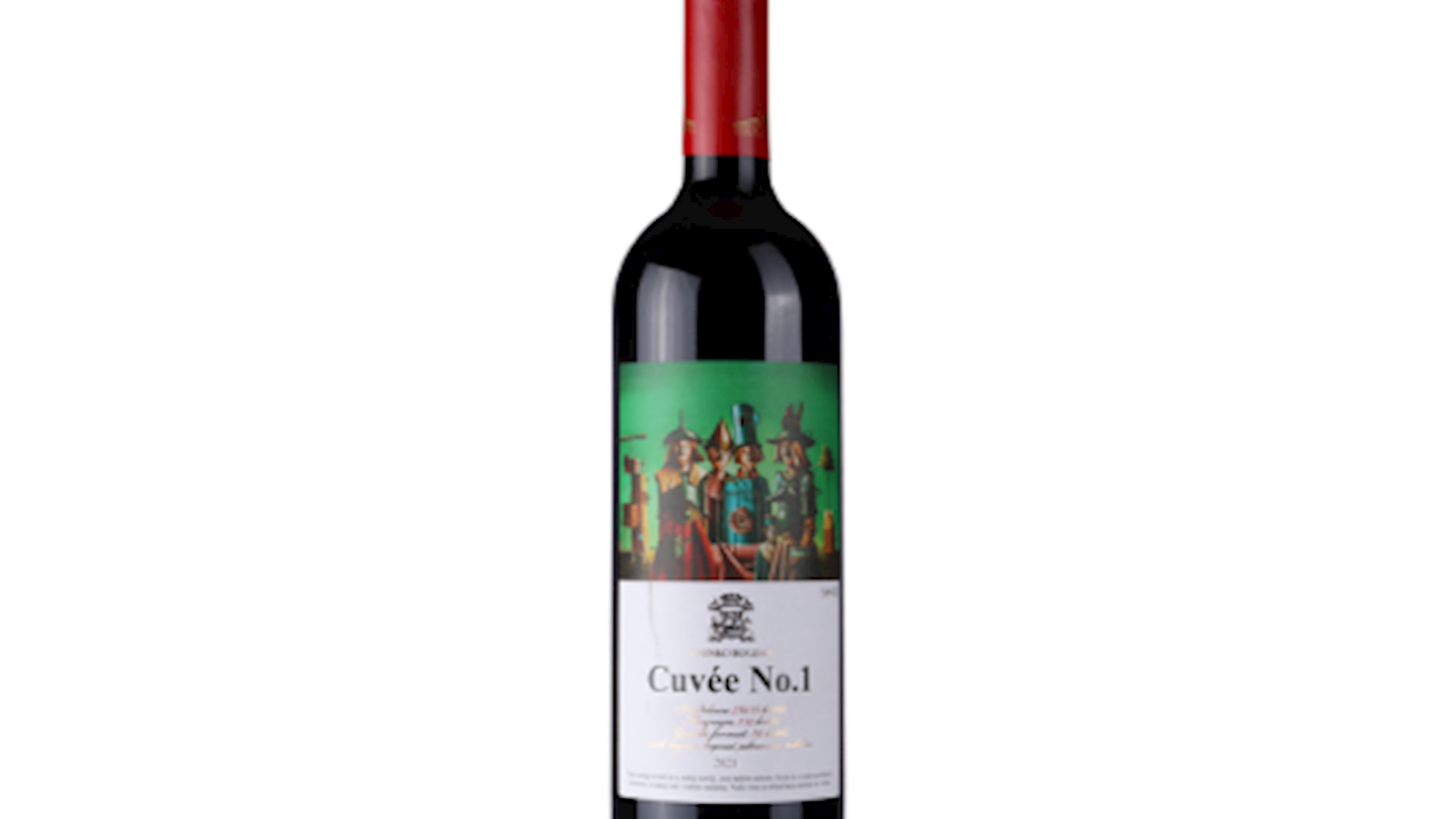
Vinarija Zvonko Bogdan is a modern winery located on Palić, near Subotica, where more than 200 hectares of vineyards showcase the synergy between the Pannonian terroir and a contemporary winemaking approach. The winery’s architecture blends traditional regional elements with state-of-the-art technology, enabling precise quality control from vineyard to bottle. The vineyards lie on sandy, well-drained soils and benefit from the moderately continental climate of northern Bačka, giving the grapes an excellent balance of freshness and ripeness. The portfolio includes Sauvignon Blanc, Pinot Blanc, Chardonnay, Merlot, Blaufränkisch, Cabernet Sauvignon, as well as premium and icon lines that reflect the winery’s ambition. Production relies on hand selection of grapes, controlled fermentations, and careful ageing, preserving the purity and varietal identity of each wine. The estate is also a well-known eno-tourism destination, offering guided tastings, cellar tours, and food pairings with local delicacies. With its blend of regional tradition, modern style, and a strong commitment to quality, Vinarija Zvonko Bogdan stands as one of Serbia’s leading wine producers.
Awards
Vivino - 4.1
Decanter World Wine Awards - Gold (2021, 2019, 2018)
05

Erdevik

4.8 ·
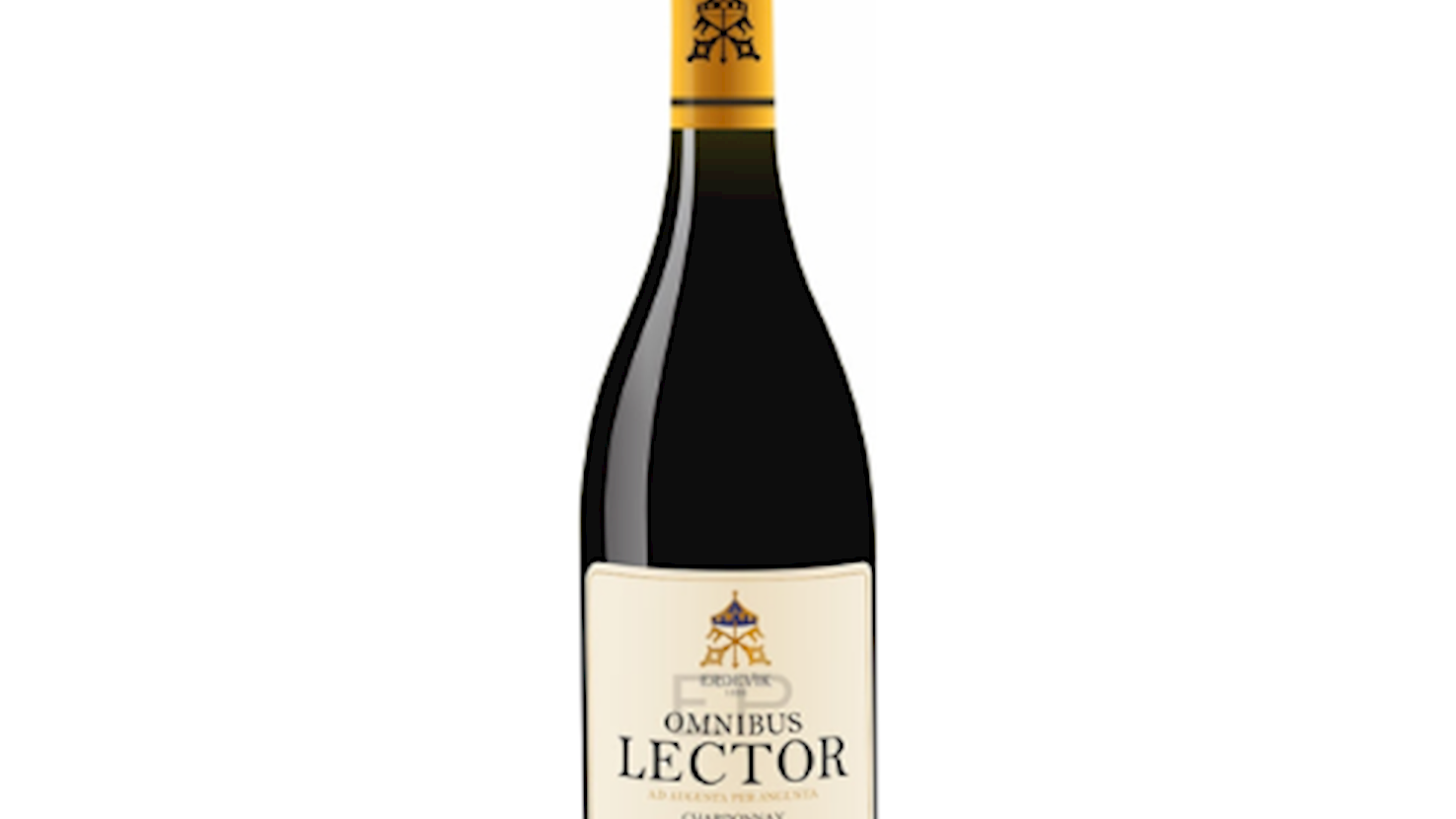
Erdevik is a Serbian winery from the Srem region, with roots dating back to 1826 when its historic cellar was built in the village of Erdevik, though viticulture in this area traces back to Roman times. The vineyards are located on the Breskvik site above Krčedin, on soils formed from layers of alluvium, clay, limestone, and fossil remains of the ancient Pannonian Sea, giving the wines notable minerality and structure. The microclimate of Fruška Gora - sun-exposed slopes combined with evening cooling from the surrounding forests - supports slower ripening and preserves natural freshness in the grapes. The estate cultivates around 40 hectares and produces exclusively from its own fruit, maintaining full control over quality. Its portfolio includes white, rosé, and red wines across various styles, from aromatic Sauvignon Blanc and full, barrel-aged Chardonnay to robust red blends and varietal Shiraz. The 1826 cellar and contemporary winemaking approach position Erdevik as a producer that unites Fruška Gora’s heritage with modern enology in a clear, terroir-driven expression.
Awards
Decanter World Wine Awards - Platinum (2020)
Vivino - 4.4

Best Serbian Wine Variety Types

01

Tamjanika

3.8 ·

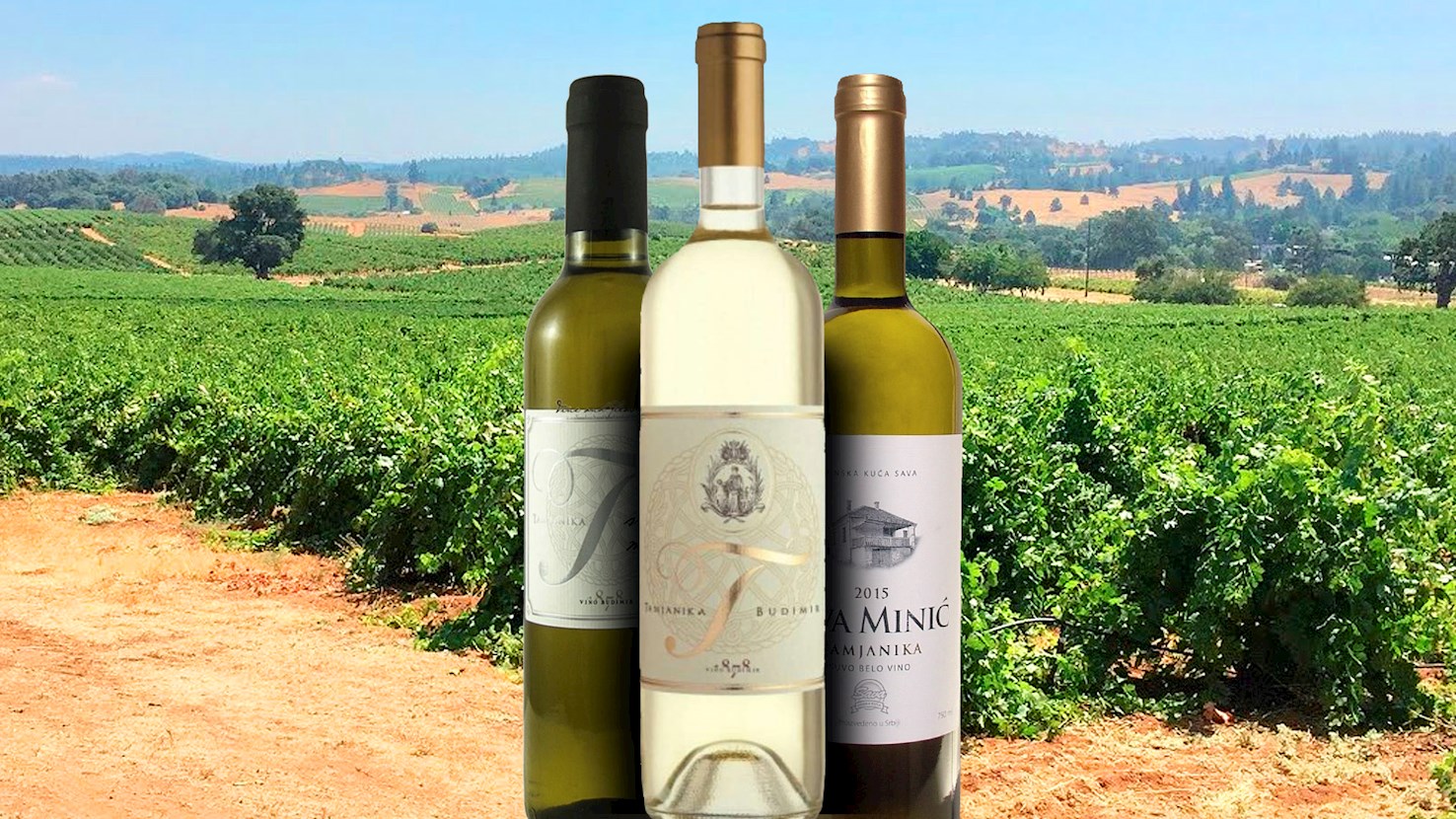
Although it is sometimes dubbed as a native Serbian grape, Tamjanika is often said to be a local clone of Muscat Blanc à Petits Grains, but its origins remain relatively unknown and unconfirmed. It is grown in Serbia and North Macedonia, and it is mostly used in the production of dry varietal wines. These white wines are typically light, floral, and refreshing. They usually display aromas and flavors of white or citrus fruit that are complemented by bright acidity. Tamjanika should always be served well chilled, and it pairs best with white meat or fish, but it can also be an excellent match to desserts, especially those made with hazelnuts, walnuts, or almonds. The name of the grape stems from the local term for frankincense (tamjan), presumably because of the strong spicy scent of grapes. Although red-skinned Tamjanika also exists, it is quite rare, but often said to be of exceptional quality.

02

Prokupac

3.6 ·

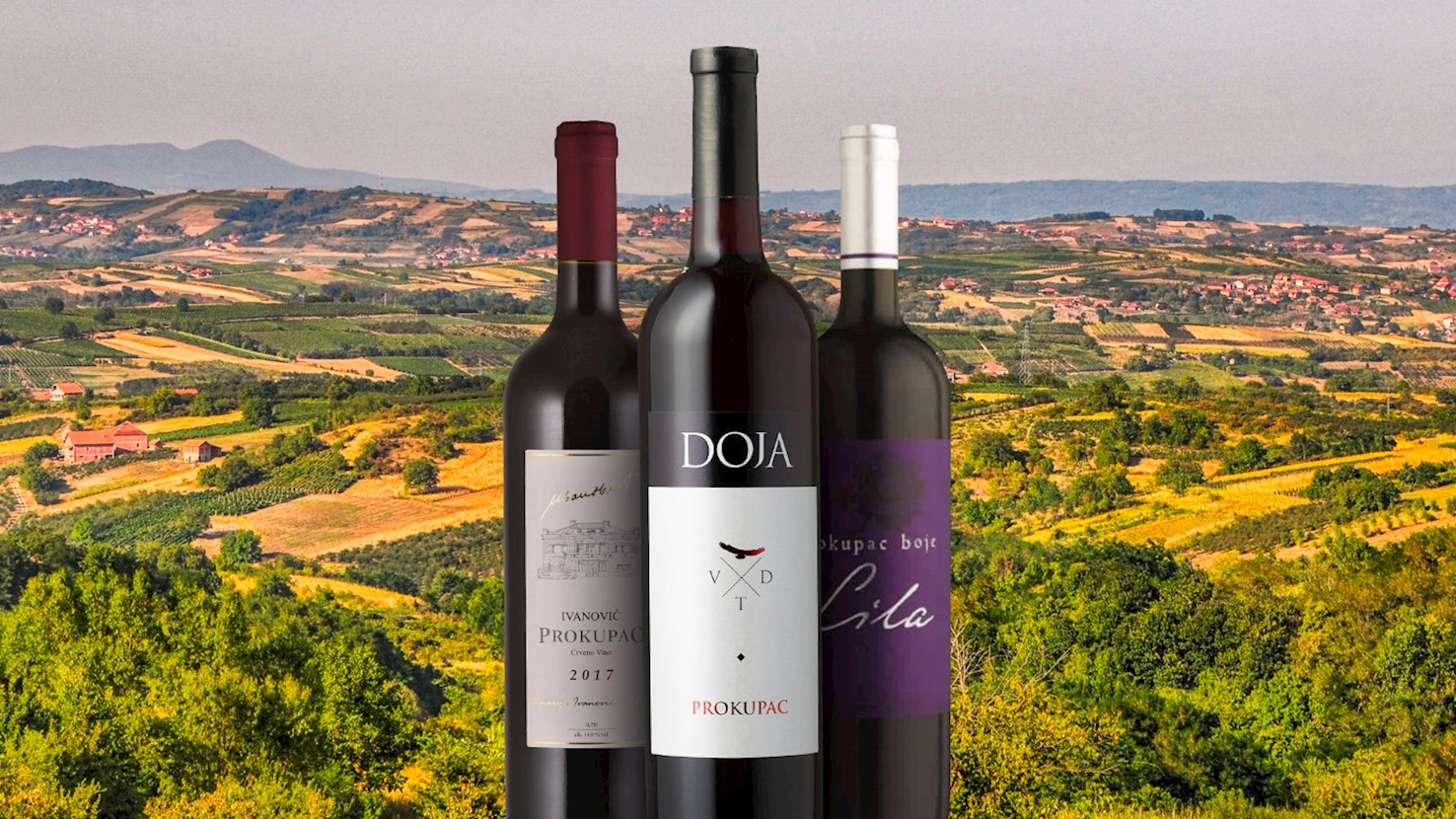
Prokupac is a native Serbian grape cultivated in several Serbian wine regions, while the best examples come from Župa. It was once a prominent variety in Serbian vineyards, mostly used for unimpressive mass-produced wines. In the last few decades, local winemakers proved that with the right approach, Prokupac creates well-structured wines with good aromatic complexity. Prokupac can vary in style, from fruity red wines to heavier oak-aged examples, but it mainly produces light-colored wines with medium body and medium alcohol. The wines have fruity aromas reminiscent of raspberries, strawberries, blackcurrants, and cherries. They will often have some spice-like nuances, and they generally improve with age. The grape is now increasingly used in the production of rosés. Prokupac is a great accompaniment to traditional Serbian dishes. Red wines are best paired with meat dishes, especially roasted red meat, lamb, or game. Rosés could go well with appetizers, grilled fish, pasta dishes, and risottos.

03

Crna Tamjanika

3 ·

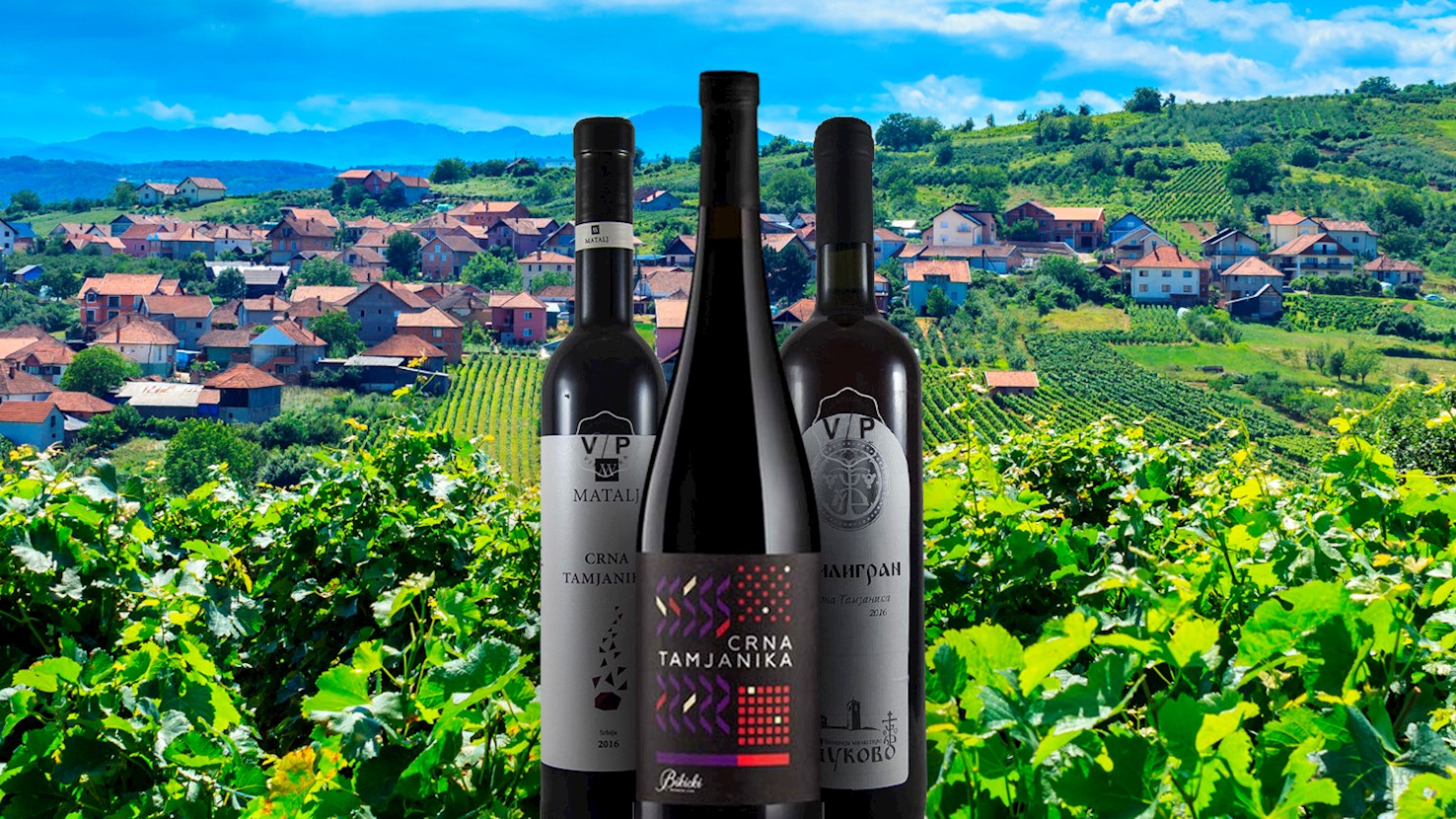
Crna Tamjanika is a red grape cultivated in Serbia that is mainly associated with Negotin and Fruška gora. The origin of the grape has not yet been identified, but it is either closely related or identical to Rosenmuskateller, an aromatic grape native to Austria that is also cultivated in Italy (Moscato Rosa) and Croatia (Muškat Ruža). Crna Tamjanika is a finicky, low-yielding grape with functional female flowers. Because of its characteristics, it was scarcely cultivated in Serbia after phylloxera. Several winemakers recently reintroduced it as a red variety that has excellent potential to produce dry and dessert wines. Crna Tamjanika is an aromatic grape. The resulting wines have distinctive rose-like aromas, often accompanied by red fruit and hints of spices. On the palate, the wines are fruity, and they manage to stay fresh and retain juicy acidity. Dessert wines are best paired with chocolate or fruit desserts, and dry styles can be a great pairing with grilled meat or grilled fish.

Read more
View all
View map
About this ranking

TasteAtlas food rankings are based on the ratings of the TasteAtlas audience, with a series of mechanisms that recognize real users and that ignore bot, nationalist or local patriotic ratings, and give additional value to the ratings of users that the system recognizes as knowledgeable. For the “Top 5 Serbian Wine Varieties” list until June 04, 2026, 75 ratings were recorded, of which 37 were recognized by the system as legitimate. TasteAtlas Rankings should not be seen as the final global conclusion about food. Their purpose is to promote excellent local foods, instill pride in traditional dishes, and arouse curiosity about dishes you haven’t tried.

The initial list of top producers was compiled based on available reviews, awards, local recommendations, media and blog coverage, and consumer reviews. The list will be updated with ratings from TasteAtlas local ambassadors and TasteAtlas users.

Similar lists