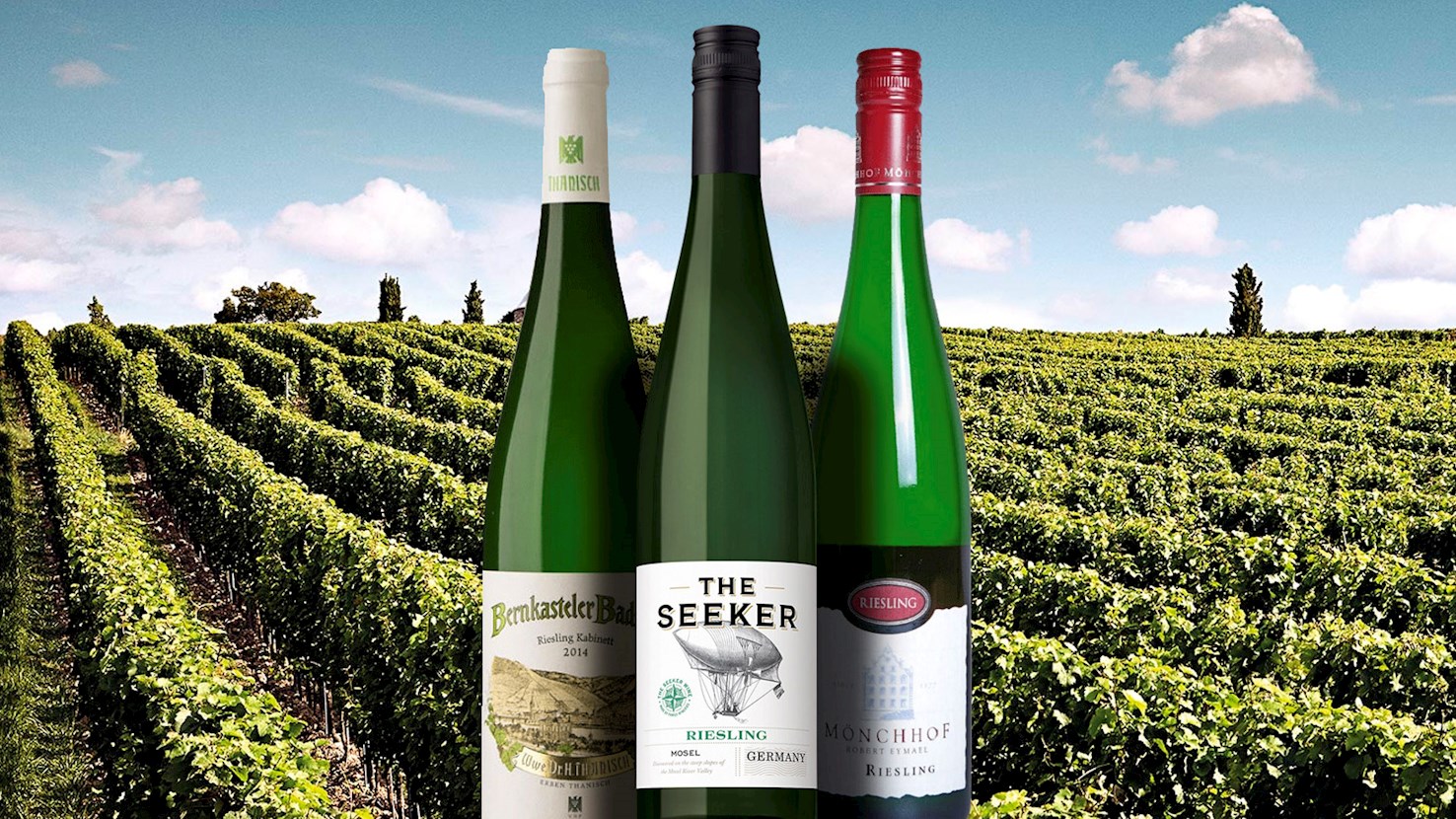
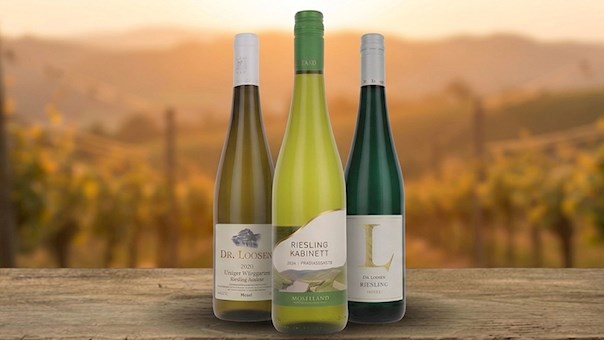
Riesling most likely hails from the Rhine region of Germany, but it has shown great success in other European wine regions, primary Austria and Alsace, as well as the United States and Australia. However, the best expressions of the grape are thought to be in Germany where Riesling remains the most planted grape variety. Always high in natural acidity, Riesling wines are incredibly versatile and may range from dry, medium dry or medium sweet to sweet styles. Their primary aromas include a complex combination of ripe peaches, nectarines, pears, apples, and citrus that are often accompanied by herbal, floral, mineral, and earthy nuances, while a distinctive element found in aged Riesling wines is the smoky aroma of petrol. Because of their versatile styles, German Riesling wines tend to be incredibly food-friendly. While dry styles perfectly match poultry, fish, pork, cream sauces, and especially fried and spicy food, sweeter styles can pair well with blue cheese, foie gras, and fruit-based desserts.
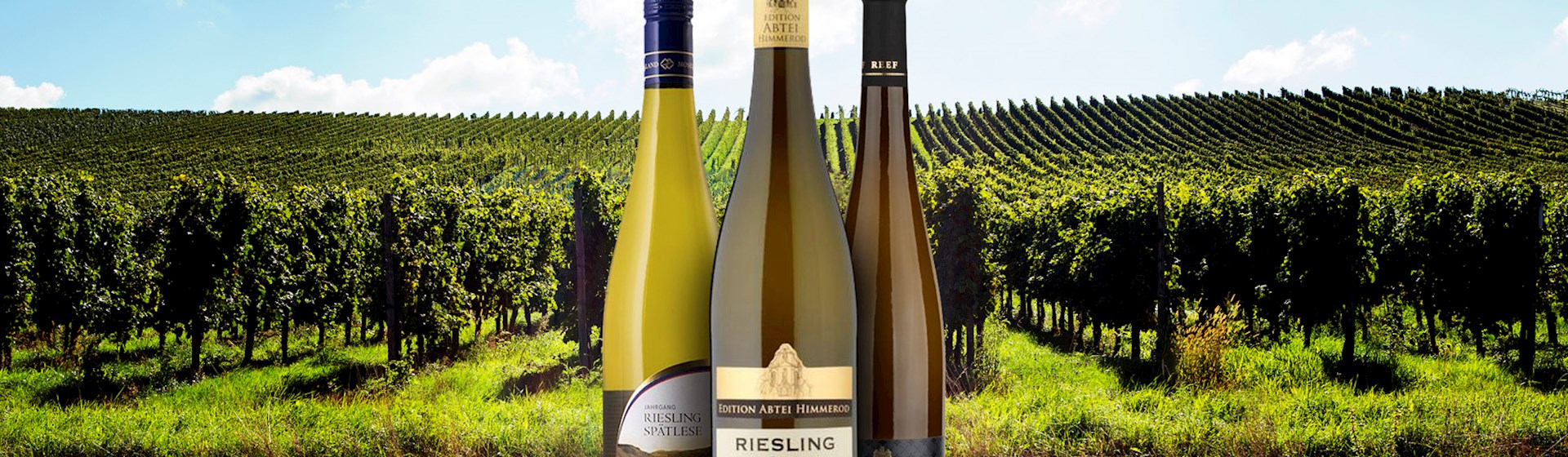
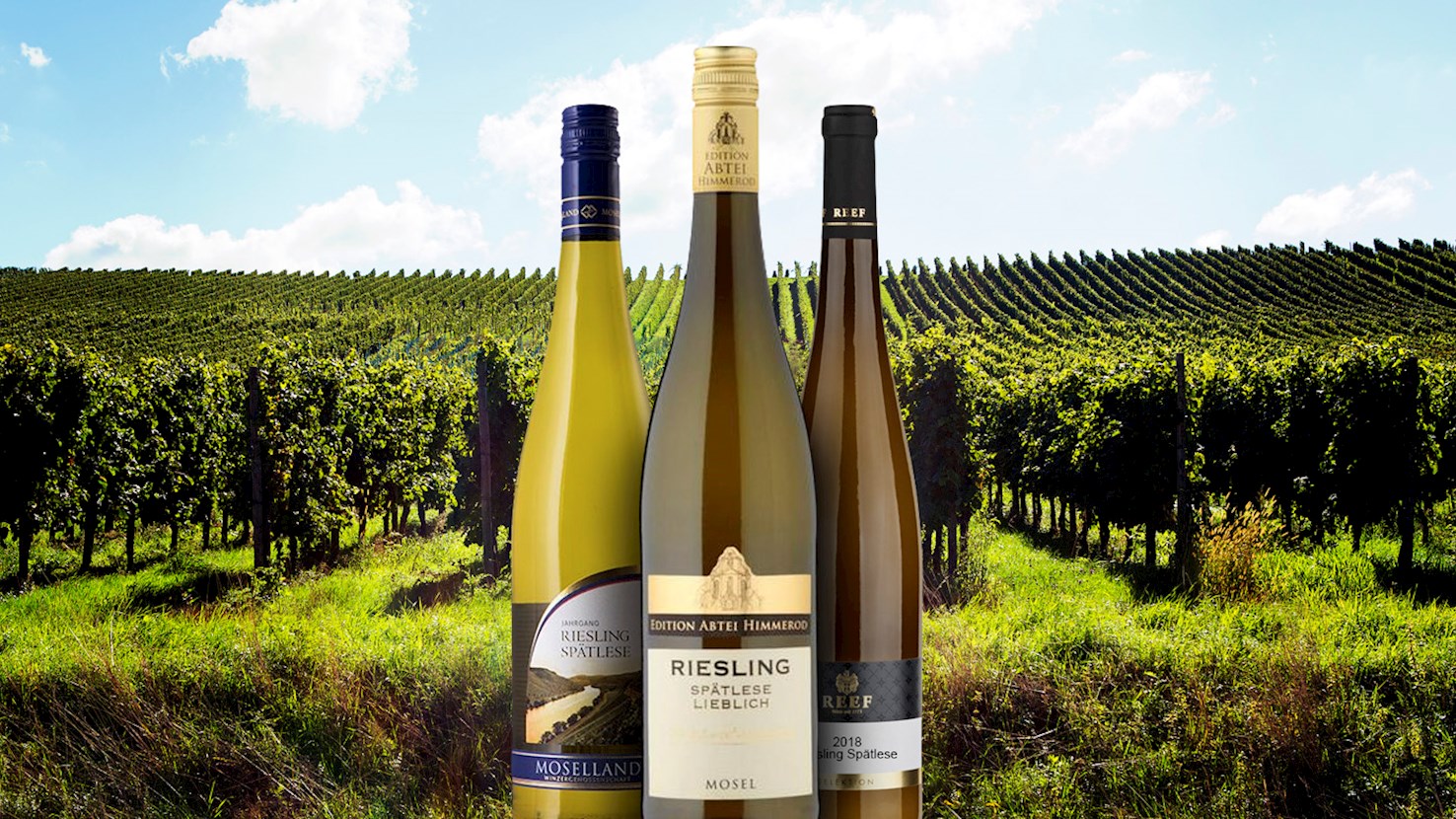
Spätlese Riesling is one of the categories for late-harvest German Riesling wines. It falls under a broader category of Prädikatswein—which is a classification based on the ripeness level at which the grapes are harvested. Apart from Spätlese, this category also includes Kabinett (the least amount of sugar), Auslese, Beerenauslese, Trockenbeerenauslese, and Eiswein. Spätlese is made from fully ripe grapes, and it is the lightest variety of late harvest wines. The grapes are typically picked one week after regular harvest. However, as the term only refers to the degree of ripeness, these wines can vary in character—from dry to medium-sweet. Their final profile will largely depend on the producer and the winemaking technique. If the fermentation is stopped early, the wines will have a sweeter profile and more amounts of residual sugar, while longer fermentation results in drier wines. Some will also have the additional labeling—spätlese trocken for bone dry wines and spätlese halbtrocken for off-dry, slightly sweet wine. Alcohol level can also suggest the character of these wines. If the ABV falls around or under 11%, these wines will typically be medium-dry. As Riesling is generally packed with bright acidity, Spätlese wines are lively, fresh, and well-balanced. The aroma is usually reminiscent of lime, lemon, apple, and peach, often with a honey-like backbone. Because Spätlese wines are incredibly versatile, they can pair with various dishes. Dry varieties pair well with fish, pork, and poultry, while sweeter styles best pair with spicy dishes, especially with Asian and Mexican fare.
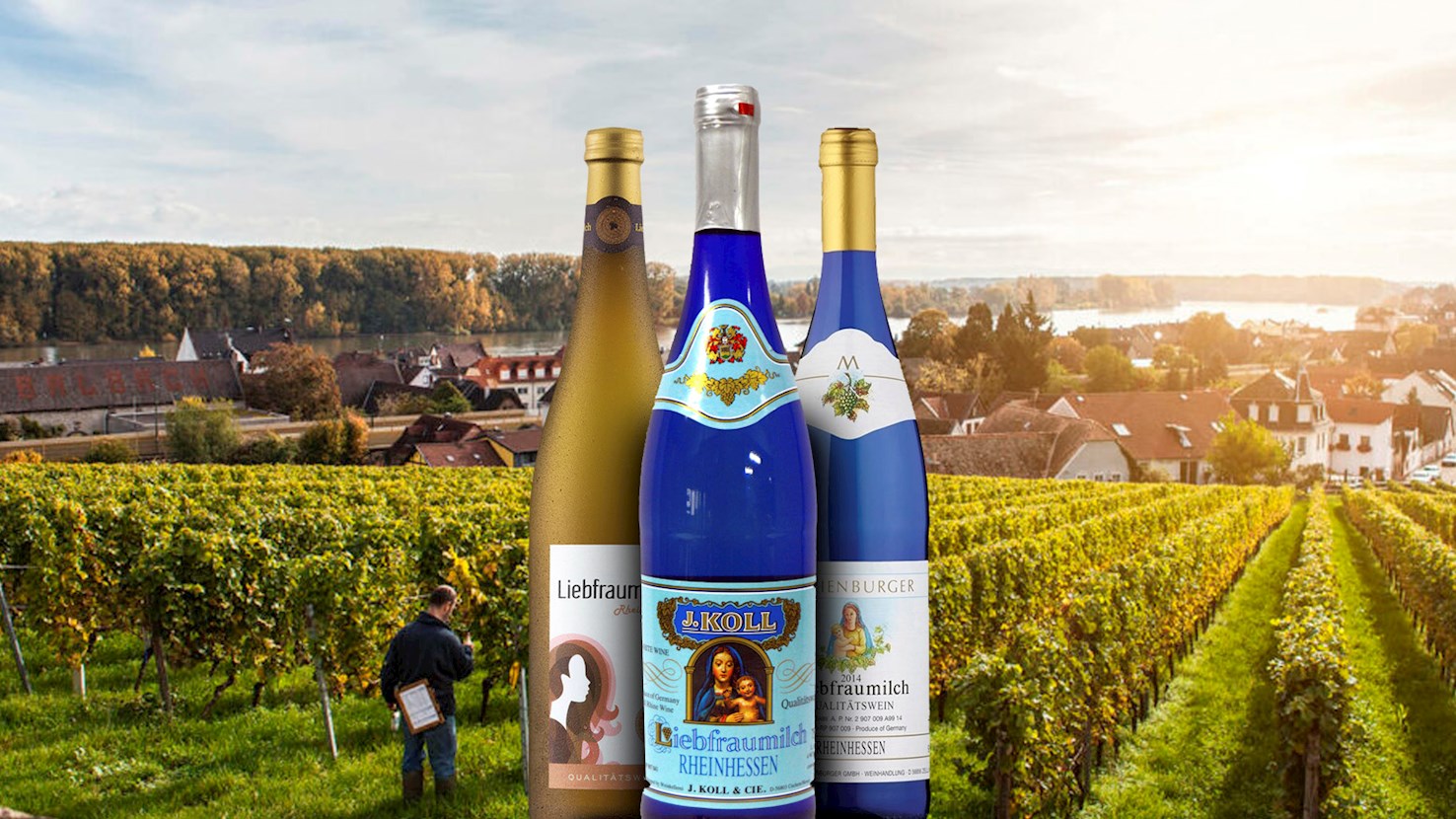
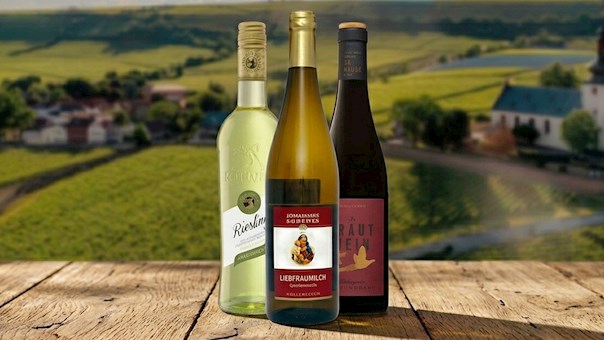
Liebfraumilch is a semi-sweet German wine style produced in Rheinhessen, Pfalz, Rheingau, and Nahe wine regions. Although official regulations stipulate that at least 70% of the blend has to include Müller-Thurgau, Bacchus, Silvaner, or Riesling, most producers opt for Müller-Thurgau. Liebfraumilch is mostly made for export. It enjoys a poor reputation, and it is often dubbed as a sweet and cheap supermarket wine. It was especially popular during the 1970s when it was usually regarded as a bulk wine intended for mass consumption. These wines first appeared in the 18th century. Original styles were mainly made with Riesling and were one of the best European wines at the time. The quality of the wines produced under the designation started to dwindle in the 20th century, but some producers have recently made an effort to bring the label its former fame by improving their quality and relying on Riesling grapes. Although their character can significantly vary, these wines are usually light-bodied and sweet, while the flavors are fruity and reminiscent of apples and citrus fruit.
Sekt is the German term for sparkling wine, widely produced in Germany, Austria, and other German-speaking regions. It encompasses a variety of styles, ranging from dry to sweet, and is made using different methods and grape varieties. Deutscher Sekt is made exclusively from German-grown grapes, while Sekt b.A. comes from specific regions like Mosel or Rheingau, and Winzersekt represents premium, small-batch sparkling wines from a single vintage or grape variety. Production methods include the Charmat method, where secondary fermentation occurs in tanks, and the Traditional method, akin to Champagne production, with fermentation in the bottle. Common grape varieties include Riesling, Pinot Blanc (Weißburgunder), Pinot Gris (Grauburgunder), and Pinot Noir (Spätburgunder). Sekt is categorized by sweetness levels—Brut, Extra Dry, Dry, Semi-Dry, and Sweet—and is typically served chilled as an aperitif, during celebrations, or paired with light dishes and desserts. Offering a wide range of quality levels, Sekt is an affordable and versatile alternative to Champagne.
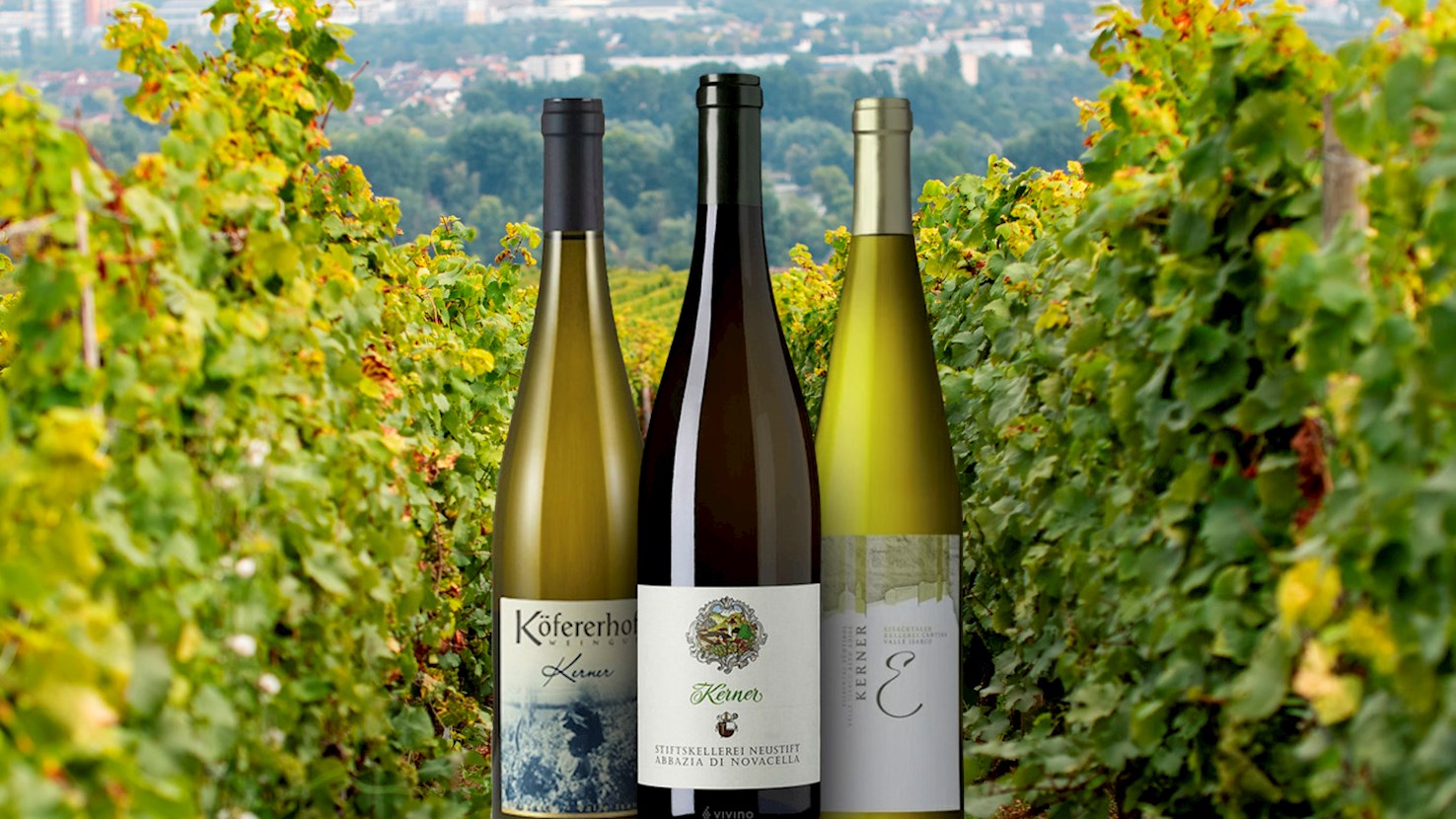
Kerner is a German grape that was developed in 1929 as a cross between Riesling and Trollinger (also known as Schiava Grossa and Vernatsch). It was introduced in the 1960s, first in Germany and then Italy, where it is mainly used in several regional appellations in Alto Adige/Südtirol. It is also cultivated in Switzerland, Canada, England, and Japan. The grape has a fresh and fruity Riesling-like character. If treated properly, the wines are well-structured and rich in flavor, while the aromas are reminiscent of pear, citrus, and stone fruit. The acidity is bright but less prominent than in Riesling. Kerner wines can be enjoyed young, though some wines have good aging potential. These wines are best-paired with seafood, snacks, or poultry. The name Kerner is a reference to the eponymous German doctor and a poet. Many regard Kerner as the most successful German cross.
Eiswein is a highly concentrated sweet dessert wine produced primarily in Germany and Austria from grapes that freeze naturally on the vine and are harvested and pressed while still frozen. Known internationally as ice wine, it is valued for its intense sweetness, pronounced acidity, concentrated fruit flavors, and considerable aging potential. Unlike sweet wines made from grapes affected by noble rot or dried after harvesting, Eiswein develops its concentration through freezing, which separates much of the water from the sugary juice during pressing. The finished wine is generally golden yellow to amber, with aromas of apricot, peach, honey, citrus, ripe apple, and tropical fruit, sometimes developing notes of caramel and nuts with age.
Riesling is particularly important in German production because its naturally high acidity balances the sweetness, while Austrian producers also use Grüner Veltliner, Welschriesling, and other varieties. Important production areas include the Mosel, Rheingau, Rheinhessen, Nahe, and Pfalz in Germany, along with Burgenland and Lower Austria.
Eiswein is a legally defined Prädikatswein category in both countries, distinguished by its harvesting method and minimum grape ripeness rather than a single geographical appellation. The practice of making wine from frozen grapes has ancient precedents, but modern Eiswein is particularly connected with nineteenth-century Germany. One of the earliest documented examples dates to February 11, 1830, when winegrowers in Dromersheim, near Bingen in Rheinhessen, pressed grapes left on the vines through an exceptionally cold winter. The grapes had initially been intended for animal feed, but pressing produced a concentrated juice that could be fermented into sweet wine. Accounts of earlier production in Franconia in 1794 also exist. Eiswein remained uncommon during the nineteenth and early twentieth centuries because freezing conditions were unpredictable and harvesting frozen grapes required considerable labor. More systematic production developed during the second half of the twentieth century as vineyard management, pressing equipment, and fermentation techniques improved. Germany formally established Eiswein as an independent Prädikat category in 1982, while commercial production expanded in Austria during the 1970s, particularly around Lake Neusiedl and in Lower Austria.
Production begins during the growing season, when grapes ripen but are deliberately left on the vines after the main harvest. Growers must protect them from birds, rot, and unfavorable weather while waiting for temperatures low enough to freeze the water inside the berries. In Germany, the grapes must freeze naturally at temperatures of −7°C (19°F) or colder, while Austria requires a minimum must weight of 25 degrees Klosterneuburger Mostwaage (KMW). German minimum ripeness requirements vary by region and grape variety, generally between 110 and 128 degrees Oechsle. These measurements describe the concentration of dissolved substances in the juice before fermentation. Harvesting commonly takes place during December or January, sometimes extending into February, when sufficiently cold weather arrives. The grapes are picked while frozen, frequently at night or before dawn, and transported quickly to the winery for pressing. Much of their water remains trapped as ice crystals, allowing only a small quantity of concentrated juice to be extracted. This results in extremely low yields, sometimes only a fraction of those obtained from unfrozen grapes.
Authentic German and Austrian Eiswein must rely on natural freezing rather than artificially freezing harvested fruit. The juice contains exceptionally high concentrations of sugar and acids, making fermentation difficult because concentrated sugar inhibits yeast activity. Fermentation is therefore slow and carefully controlled, often leaving substantial residual sugar and relatively modest alcohol, commonly around 6–10 percent by volume. Stainless steel tanks and other neutral vessels are frequently used to preserve fruit aromas and freshness, although some producers use wooden barrels. The finished wine combines intense sweetness with strong acidity, preventing it from becoming excessively heavy. Riesling Eiswein often emphasizes citrus, green apple, peach, apricot, and honey, while other varieties may produce more floral or tropical-fruit characteristics.
Unlike Trockenbeerenauslese, which relies on severely shriveled grapes predominantly affected by noble rot, Eiswein is defined by natural freezing and is generally made from healthy, ripe fruit, although some berries may also be affected by Botrytis. With bottle aging, Eiswein can develop deeper amber tones and more pronounced aromas of dried apricot, marmalade, caramel, honey, and nuts. Well-made examples can mature for decades, depending on the variety, vintage, producer, and storage conditions. Production remains risky because growers may wait for frost that never arrives while the grapes remain exposed to disease, wildlife, and deterioration. Warmer winters have made reliable production increasingly difficult in some European regions, while extremely low yields and labor-intensive harvesting contribute to the wine's high price.
Eiswein is commonly sold in smaller bottles, particularly 375 ml formats, and served chilled at approximately 8–12°C (46–54°F) in dessert wine or small white wine glasses. It is often enjoyed on its own after a meal, although its sweetness and acidity also suit rich savory foods. Foie gras, duck liver pâté, blue cheeses such as Roquefort and Gorgonzola, and rich terrines provide a contrast to its sweetness, while apple tarts, apricot pastries, poached pears, and peach desserts complement its fruit character. It also pairs with lightly sweetened cheesecakes, cream-based desserts, almonds, and walnuts, particularly when the food is not sweeter than the wine. In Germany and Austria, Eiswein is served at wineries, wine tastings, fine-dining restaurants, festive meals, and special occasions, generally in modest pours because of its concentration.
Trockenbeerenauslese is a highly concentrated sweet wine produced in Germany and Austria from individually selected, severely shriveled grapes, predominantly affected by noble rot, a beneficial form of the fungus Botrytis cinerea. It represents the highest grape-ripeness category within the German and Austrian Prädikatswein classification systems and is valued for its intense sweetness, pronounced acidity, complex aromas, and exceptional aging potential. Despite the word trocken, meaning dry, the wine is intensely sweet, as its name refers to the dried, raisin-like condition of the grapes rather than the finished wine.
Commonly abbreviated as TBA, it is generally golden yellow to deep amber, with aromas of dried apricots, honey, raisins, candied citrus, marmalade, figs, and spices. Mature examples can develop notes of caramel, nuts, and beeswax. Riesling is particularly important in Germany because its naturally high acidity balances the concentrated sugar, while Austrian examples are often made from Welschriesling, Chardonnay, and Traminer. Important German production areas include the Mosel, Rheingau, Nahe, Rheinhessen, and Pfalz, while Austria's Burgenland, particularly the vineyards surrounding Lake Neusiedl, is closely associated with the style.
Trockenbeerenauslese developed from centuries of sweet-wine production in German-speaking Europe, where growers recognized that grapes left on the vine under suitable conditions could develop exceptional concentrations of sugar and flavor. Noble rot became especially important because it allowed grapes to lose moisture while retaining much of their sugar and acidity. German vineyards were producing wines from selected overripe and botrytized grapes by the eighteenth century, while more precise ripeness classifications developed during the nineteenth and twentieth centuries. Trockenbeerenauslese was an established designation by the early twentieth century, with notable examples from the exceptional 1921 vintage in the Mosel and Rheingau. Germany's 1971 Wine Law formally incorporated Trockenbeerenauslese among the highest Prädikat designations, while Austria maintains a comparable classification with different minimum ripeness requirements.
Production depends heavily on weather conditions, making it one of the least predictable wine styles to produce. Noble rot develops when humidity or morning mist encourages Botrytis cinerea, followed by drier weather that allows moisture to evaporate from the grapes. The berries gradually shrivel, concentrating sugars, acids, and flavor compounds. Under unfavorable conditions, the fungus can instead cause destructive gray rot, making careful selection essential. Growers often make several passes through their vineyards, harvesting individual berries by hand once they reach the desired condition. Because the grapes have lost much of their water, yields are extremely low.
In Germany, the minimum must weight generally begins at 150 degrees Oechsle, depending on the region and grape variety, while Austria requires at least 30 degrees Klosterneuburger Mostwaage (KMW), approximately equivalent to 156 degrees Oechsle. These measurements indicate the concentration of dissolved substances in the grape juice before fermentation, not the sweetness of the finished wine. The harvested berries are gently pressed to extract their thick, concentrated juice, which is fermented under controlled conditions. Fermentation is often exceptionally slow because the high sugar concentration places considerable stress on yeast, preventing much of the sugar from being converted into alcohol. As a result, Trockenbeerenauslese usually retains substantial residual sugar and has relatively low alcohol content.
Fermentation and maturation may take place in stainless steel tanks, large wooden casks, or oak barrels, depending on the producer. The finished wine combines intense sweetness with concentrated acidity, giving it both balance and remarkable longevity. Riesling-based examples often retain fresh citrus notes, while other grape varieties may emphasize tropical fruit, dried apricot, honey, and spice. Noble rot contributes additional complexity, particularly flavors associated with marmalade and dried fruit. With bottle aging, the color deepens toward amber, while fresh fruit aromas develop into caramel, nuts, dried citrus, and beeswax. Well-made examples can mature for several decades, with exceptional bottles lasting considerably longer under proper storage conditions.
Trockenbeerenauslese differs from Beerenauslese through its more extreme grape concentration and higher minimum must weight, while Eiswein is made from grapes naturally frozen on the vine rather than relying on noble rot. Its labor-intensive harvesting, extremely low yields, and limited production contribute to its high price, and it is frequently sold in smaller bottles of 375 or 500 ml.
Trockenbeerenauslese is generally served chilled at around 8–12°C (46–54°F), in small white wine or dessert wine glasses. It is commonly enjoyed on its own after a meal, but its sweetness and acidity also make it suitable for rich savory foods. Foie gras, duck liver pâté, and blue cheeses such as Roquefort, Gorgonzola, and Stilton are particularly good pairings because their saltiness contrasts with the wine's sweetness. It also complements apricot tarts, peach pastries, poached pears, and desserts containing dried fruit, almonds, or walnuts. In Germany and Austria, Trockenbeerenauslese is served at wine tastings, fine-dining restaurants, festive meals, and special occasions, usually in modest pours because of its concentration and value.
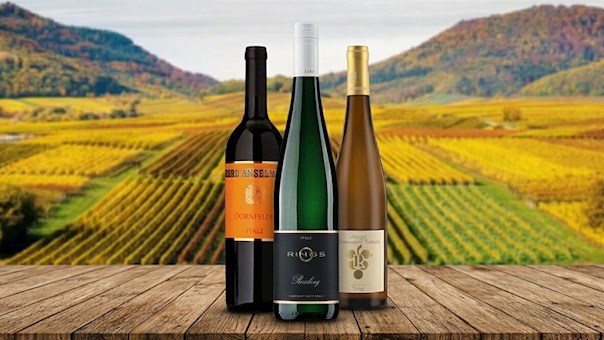
Domina is a German red wine made from a dark-skinned grape variety of the same name, grown primarily in Franconia (Franken), in northern Bavaria, where it produces deeply colored, often full-bodied wines with pronounced tannins, moderate acidity, and flavors of sour cherries, plums, blackberries, and blueberries. Although Germany is better known internationally for its white wines, Domina has established a place among the red varieties cultivated in Franconia, where it is valued for its strong color, substantial structure, and ability to produce wines suitable for aging.
The grape was created in 1927 by German grape breeder Peter Morio at the Geilweilerhof research institute in the Palatinate through a crossing of Blauer Portugieser and Spätburgunder, the German name for Pinot Noir. The breeding work was continued during the 1950s, particularly through the selection and development of promising vines, and Domina was officially entered into Germany's national grape variety register in 1974. Its creation was part of a broader effort to develop grape varieties suited to German growing conditions while combining desirable characteristics from established European vines. From Blauer Portugieser, Domina inherited some of its vigorous growth characteristics, while its relationship with Spätburgunder contributed to a variety capable of producing structured red wines. The name Domina comes from Latin and means mistress or lady, although the grape's identity is closely tied to German viticulture rather than to any Mediterranean wine region.
Domina is a relatively vigorous vine with medium-to-large clusters of dark blue-black grapes, good wood maturation, and comparatively strong resistance to winter frost. It ripens in the middle-to-late part of the growing season and performs particularly well in favorable red-wine vineyard sites. Its ability to develop intense pigmentation is one of its most recognizable characteristics. The resulting wines can be considerably darker than many Spätburgunder wines, and Domina has sometimes been used in blends to strengthen the color of lighter red wines. Despite this practical blending role, it is also produced as a single-varietal wine, particularly in Franconia, where producers have developed styles ranging from straightforward, fruit-focused reds to more concentrated wines matured in oak.
The winemaking process generally begins with harvesting the ripe grapes, destemming and crushing them, and allowing the juice to ferment in contact with the skins so that color, tannins, and aromatic compounds are extracted. Fermentation methods and the duration of skin contact vary according to the intended style, but careful management of tannin extraction is particularly important because Domina can naturally produce rather firm, structured wines. After fermentation, the wine may undergo malolactic fermentation, which softens its acidity, before being matured in stainless steel tanks, large wooden casks, or smaller oak barrels.
Oak maturation is particularly suitable for more concentrated examples, as it can soften the tannins and add subtle notes of spice, smoke, or vanilla without necessarily overwhelming the grape's fruit character. Younger Domina wines often emphasize sour cherry, blackberry, plum, and other dark-fruit aromas, sometimes accompanied by earthy or smoky notes, while more developed examples can become rounder and show greater integration between fruit, acidity, tannins, and oak. The grape is generally capable of producing wines with good aging potential, especially when grown in favorable sites and vinified with sufficient concentration, although simpler versions are intended for earlier drinking. Because Domina is naturally rich in color and tannins, the relationship between ripeness, acidity, and extraction is important to its overall balance. Grapes harvested with insufficient ripeness may produce wines with relatively sharp acidity or assertive tannins, while carefully ripened fruit can result in a fuller, smoother, and more harmonious style.
Domina remains a relatively small part of German wine production, with approximately 333 hectares planted nationally in 2023, and the overwhelming majority of its cultivation is concentrated in Franconia. Small plantings also exist in other German wine regions and in Switzerland, but the variety has not achieved significant international distribution. This geographic concentration has helped maintain its close association with Franconian wine culture, where it offers a darker, more tannic alternative to the region's lighter red varieties.
Domina is generally served at around 16–18°C (61–64°F), with younger, lighter examples benefiting from slightly cooler temperatures and more concentrated, oak-aged wines showing their aromas and texture better with a little air before serving. Its substantial body and tannic structure make it particularly suitable for food, especially dishes containing roasted or braised meat, rich sauces, and earthy ingredients. In Franconia and elsewhere in Germany, it is often paired with roast beef, venison, wild boar, pork roasts, dumplings, and hearty regional meals, while its dark-fruit flavors can complement sauces made with red wine, mushrooms, or reduced meat juices. It also works well with lamb, grilled meat, cured sausages, and mature cheeses. Domina is most commonly encountered in Franconian wineries, wine taverns, restaurants, and regional wine shops, where it is served both as an everyday red wine and, in more carefully produced versions, as a structured wine intended for richer meals and further bottle aging.
Ahr wine refers to the range of predominantly red wines produced within the Ahr wine region, one of the smallest of Germany’s thirteen officially designated quality wine regions (Anbaugebiete), located along the steep slopes of the Ahr River valley, a tributary of the Rhine in the northern part of the Rhineland-Palatinate state. The establishment of viticulture in this valley was initiated during the Roman period in the third century, expanding later under the influence of the Prüm Abbey in the eighth century, which acquired extensive landholdings in the region and systematically developed vineyard terraces, eventually shifting towards the intensive cultivation of red grape varieties such as Spätburgunder (Pinot Noir) and Frühburgunder (Pinot Précocé) during the seventeenth century when cooler climatic shifts prompted growers to plant cold-resistant, early-ripening vines. Preparation of these wines centers on hand-harvesting the low-yielding vines due to the sheer verticality of the terraced vineyards, which prevents mechanical intervention, followed by destemming and standard maceration in temperature-controlled stainless steel or neutral oak casks to manage the extraction of color and tannins, with the premium Spätburgunder wines maturing in small barrique barrels for twelve to eighteen months to develop structural complexity. The geological composition of the Ahr valley is characterized by dark slate, greywacke, and volcanic basalt soils that absorb solar radiation during the day and radiate heat back to the low-clinging vines at night, creating a microclimate that allows red grapes to ripen successfully at a high latitude where white grapes typically dominate. The wines are served at a temperature of fourteen to sixteen degrees Celsius for Pinot Noir expressions, using wide-bowled red wine glasses to highlight the aromas of red cherries, forest fruits, and earthy minerality, while the rare white Pinot Noir expressions (Blanc de Noirs) are served chilled at eight to ten degrees Celsius. Ahr wine is consumed locally in the taverns, estate-owned wine taverns (Straußwirtschaften), and restaurants of the Ahr valley, as well as in specialist wine shops across Germany. In terms of food pairings, the bright acidity and soft, integrated tannins of Ahr Spätburgunder complement roasted duck breast, pork tenderloin with mushroom sauce, wild boar stew, pan-seared salmon, and matured medium-hard cheeses.
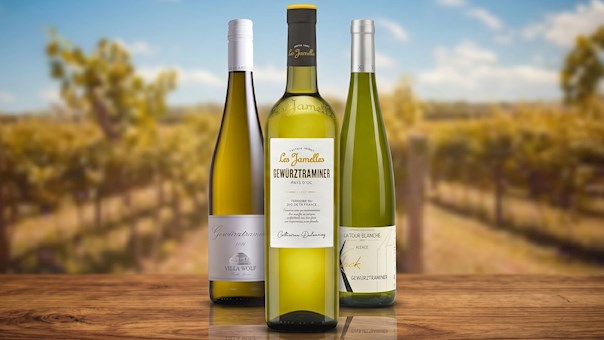
Savagnin Rose is a pink-skinned wine grape variety primarily cultivated in the Alsace region of France and the Baden region of Germany. It is defined by its small, round, reddish-brown berries and a non-aromatic chemical profile that distinguishes it from its genetically identical but more fragrant mutation, Gewürztraminer. The variety is a color mutation of Savagnin Blanc, a grape with documented presence in the Jura region and the Alps since at least the 10th century. While it shares a common ancestor with the Traminer family of South Tyrol, the specific Savagnin Rose strain achieved localized recognition in the 18th century, particularly around the Alsatian village of Heiligenstein. In 1742, the mayor of Heiligenstein received permission to expand the cultivation of this specific vine on the clay-limestone slopes of the Au and Meisengunst hills, where it demonstrated superior resilience to the region's continental climate compared to more neutral white varieties. Preparation of Savagnin Rose wine focuses on preserving its structural weight and high natural extract. Unlike its aromatic relatives, this variety does not rely on volatile terpenes for character; instead, winemakers often employ extended aging on fine lees in stainless steel or large neutral oak vats to enhance its viscous texture. The fermentation process is strictly controlled to produce a dry or slightly off-dry finish with moderate to high alcohol content, typically reaching 13.5% or 14%. Serving standards for the wine, particularly those labeled under the specific Klevener de Heiligenstein designation, require a temperature of 10°C to 12°C. A unique botanical attribute of Savagnin Rose is its translucent skin appearance just prior to veraison, which serves as one of the few visual methods to distinguish the vines from Gewürztraminer before the fruit develops its full color and flavor profile. The wine is consumed as a specialized gastronomic item, found primarily in the five authorized Alsatian communes of Heiligenstein, Bourgheim, Gertwiller, Goxwiller, and Obernai. It is frequently paired with terrines, foie gras, and smoked fish such as salmon or trout, where the wine's oily texture and subtle spice notes complement the richness of the fats. In regional settings, it is served with Munster cheese tarts or creamy poultry dishes like coq au riesling, providing a balanced acidity that cleanses the palate. For dessert, it is paired with apricot or quince tarts, as the wine's own stone-fruit characteristics and honeyed finish align with the flavors of cooked pome fruits.
Weingut Dr. Loosen is a family-owned winery located in the Mosel wine region.
The estate has been in the Loosen family for over 200 years, specializing in Riesling wines. Under the leadership of Ernst "Erni" Loosen since 1988, the winery has gained international acclaim for producing high-quality Rieslings that reflect the unique characteristics of their vineyards. The estate's vineyards are situated on the steep slopes of the Middle Mosel, featuring various soil types, including red slate, blue slate, and red volcanic conglomerate.
Some of the vines are up to 140 years old and ungrafted, contributing to the distinctiveness of their wines. Dr.
Loosen produces a full range of Riesling styles, following family traditions: dry wines inspired by the paternal Loosen side and Prädikat wines influenced by the maternal Prüm family branch.
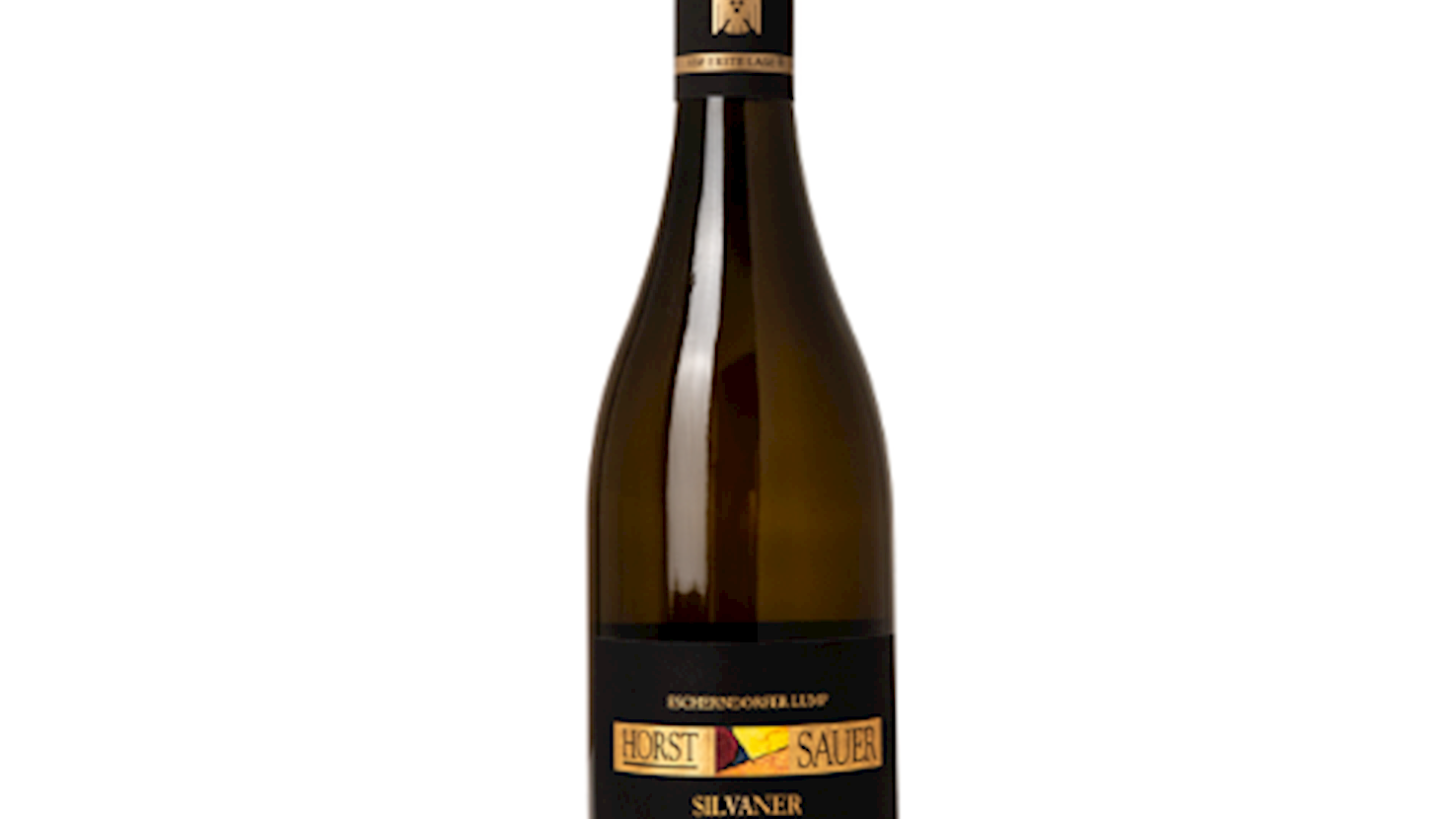
Weingut Horst Sauer is famous in Franken and around the world for its exceptional dry, minerally wines, crafted by Horst Sauer alongside his daughter, Sandra. Horst is particularly devoted to his noble sweet wines, like his sublime, creamy Beerenauslese and Trockenbeerenauslese.
Sandra Sauer joined the family business in 2004, bringing energy and momentum to the wine making process, as well as expertise in marketing. In 2006, their winemaking facilities were completely modernized in order to streamline their production. Today, they continue to produce internationally honored wines that are vastly enjoyable to drink.
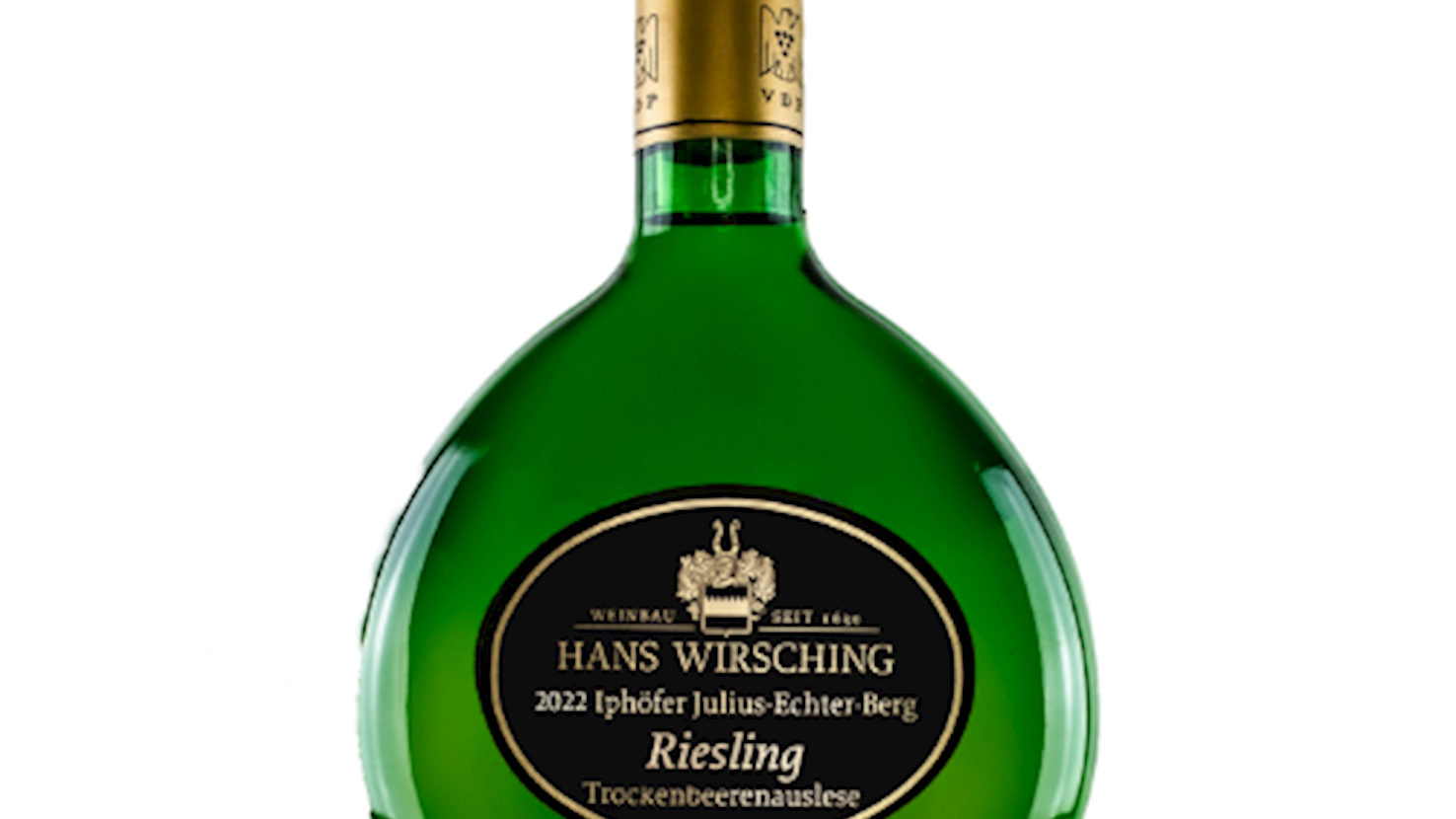
The Hans Wirsching wine estate is one of the most traditional and renowned estates in Franconia. Our family has been growing grapes for several centuries.
Currently, Andrea Wirsching manages the estate. On 90 hectares in and around Iphofen, we produce mainly dry white wines – that is our specialty.
The most important grape varieties are Silvaner, Riesling, Scheurebe, and white Pinot varieties (Pinot Blanc, Chardonnay, and Pinot Gris).
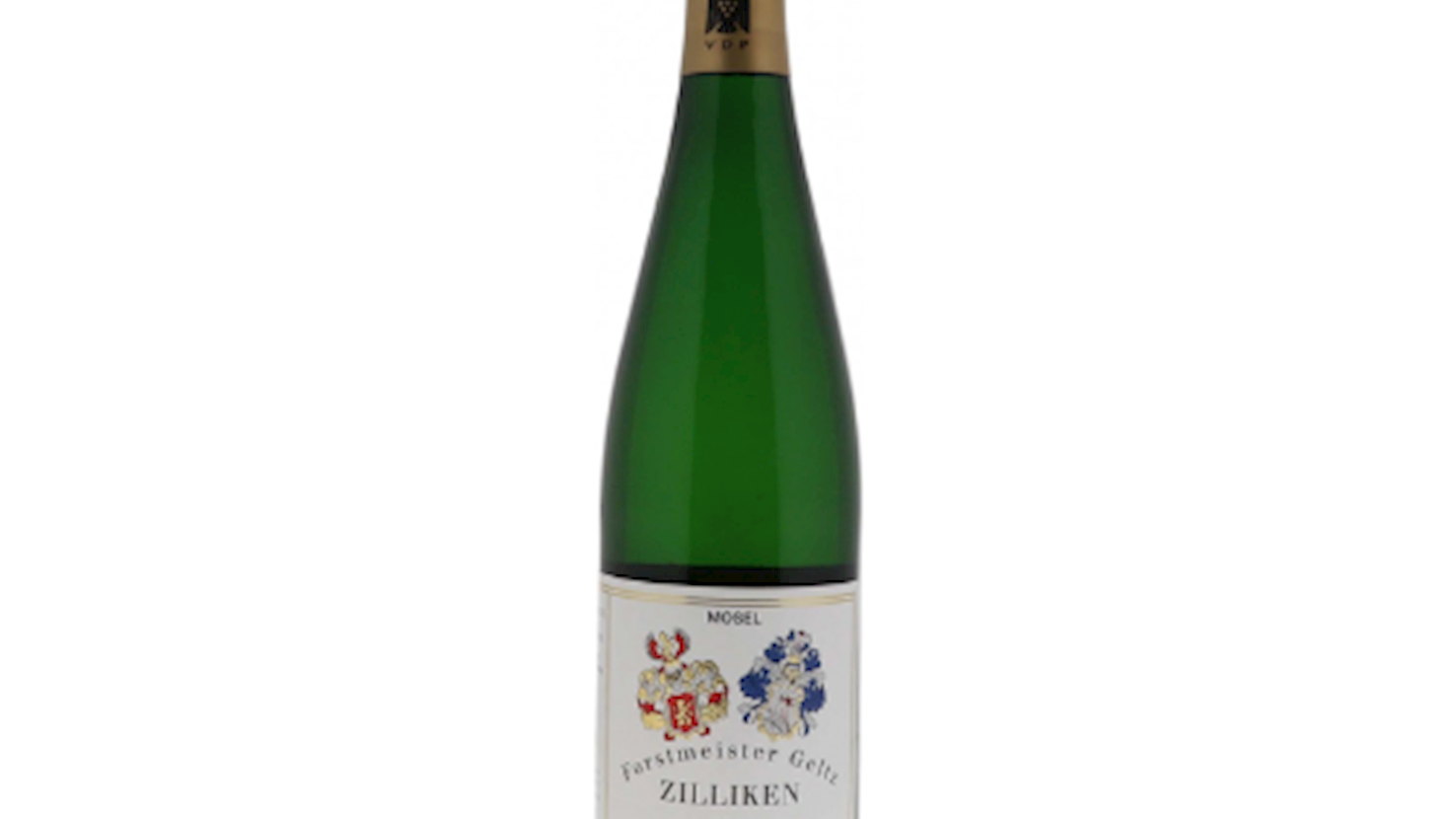
Weingut Forstmeister Geltz-Zilliken is a historic family-owned German winery with origins dating back to 1742, located in Saarburg in the Saar subregion of the Mosel. The estate is widely recognized for its Riesling wines, which are considered among the most precise and age-worthy expressions of the variety in Germany.
A key vineyard is the renowned Saarburger Rausch, a steep, slate-rich site that produces wines with pronounced minerality, freshness, and finesse. The Zilliken family has maintained a traditional approach to viticulture and winemaking over generations, including spontaneous fermentation and a careful balance between natural sugar and acidity.
Their style ranges from dry to Prädikat wines with residual sweetness, always marked by clarity and site expression. Aromatically, the wines show citrus, green apple, white flowers, and distinct mineral and saline notes.
They are known for their longevity, developing complex tertiary characteristics over time. Today, Weingut Forstmeister Geltz-Zilliken stands as one of the benchmark producers in the Saar, with a strong international reputation for purity and terroir-driven wines.
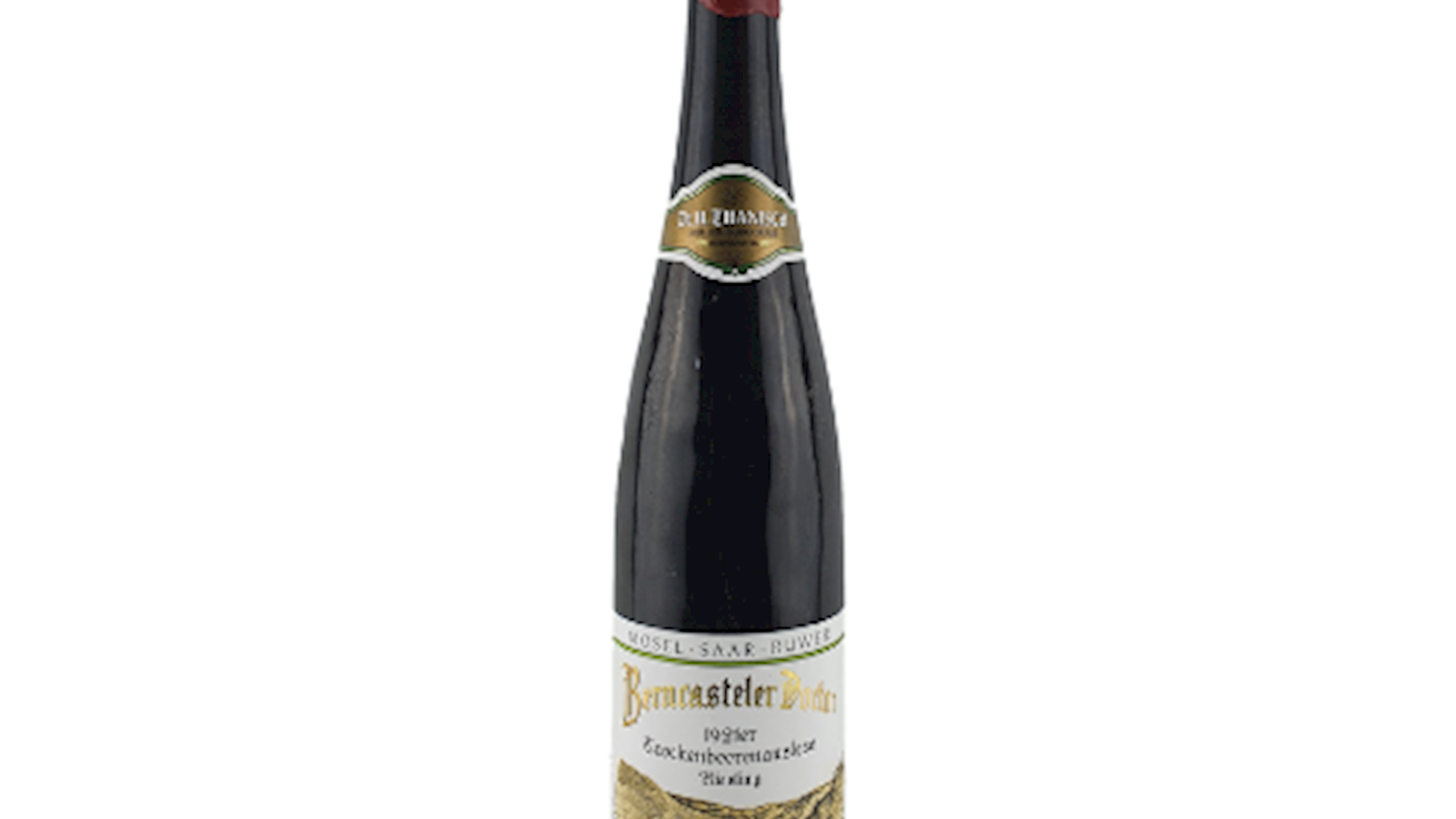
H. Thanisch - Erben Thanisch is a historic family-owned winery based in Bernkastel-Kues in the Mosel, with a winemaking tradition spanning more than 385 years and 12 generations.
The estate is notable for its long-standing continuity of female leadership, dating back to the late 19th century when Katharina Thanisch took over the winery and shaped its identity. Today, it is run by Sofia Thanisch, who continues this legacy with a clear focus on quality and origin.
The winery is almost entirely dedicated to Riesling, sourced from steep, slate-rich vineyards that define the Mosel’s signature style. Its most famous site is the renowned Bernkasteler Doctor, one of Germany’s most prestigious vineyards, known for producing highly complex and age-worthy wines.
The style is defined by precision, elegance, and a fine balance between fruit, acidity, and minerality. As a member of the Verband Deutscher Prädikatsweingüter (VDP), the estate adheres to strict standards of origin and quality.
Weingut Wwe. Dr.
H. Thanisch - Erben Thanisch represents a classic expression of Mosel Riesling, combining tradition, terroir, and long-term consistency.
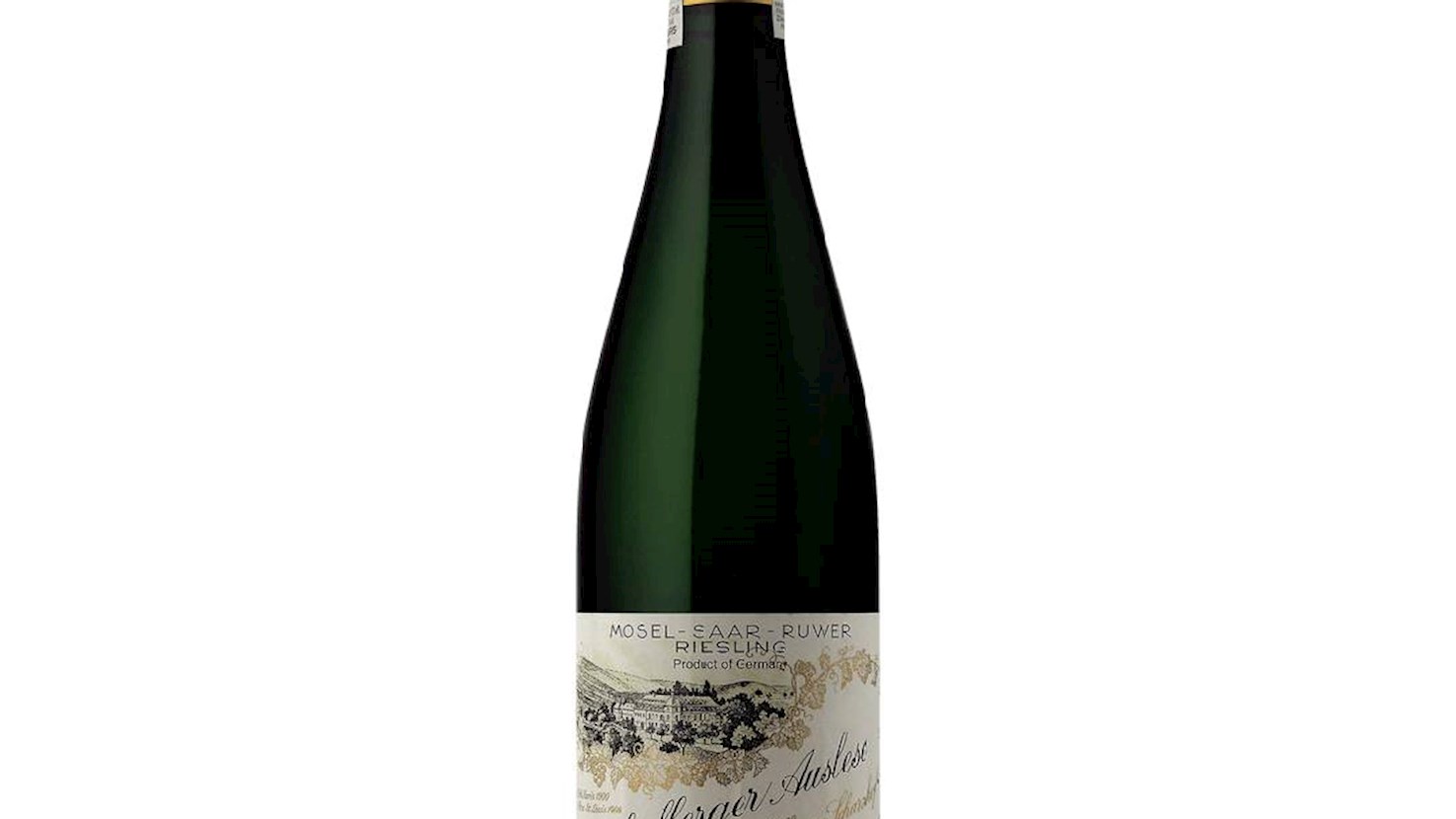
Egon Müller – Scharzhof is one of the most revered names in German winemaking and a true benchmark for world-class Riesling. With a family tradition dating back to the 18th century, the estate is today led by Egon Müller IV, a dedicated guardian of heritage, precision, and timeless quality.
Nestled on the steep slopes above the Saar River, the winery cultivates vines in the legendary Scharzhofberg vineyard — a site renowned for its slate soils and exceptional microclimate.
Harvesting is done entirely by hand, with low yields and minimal intervention to preserve the purity and expression of the terroir.
The estate is devoted exclusively to Riesling, crafting wines that range from elegant Kabinett and Spätlese styles to rare and opulent Trockenbeerenauslese. These wines are known for their clarity, freshness, depth, and remarkable aging potential.
Respected worldwide for its unwavering commitment to excellence, Egon Müller – Scharzhof holds a prestigious position among the world’s greatest producers.
Its membership in the renowned Primum Familiae Vini reflects a legacy built on tradition, authenticity, and exceptional craftsmanship.
Prüm (J.J. Prüm) is one of the most esteemed family-owned estates in Germany’s Mosel region, synonymous with exceptional Riesling.
Founded in 1911 by Johann Josef Prüm, the estate builds on centuries of family winemaking tradition, with roots tracing back to the 12th century.
Today, it is led by Dr. Manfred Prüm and his daughter, Dr.
Katharina Prüm, who uphold a philosophy of crafting wines of outstanding elegance, longevity, and precise expression. With around 22 hectares planted exclusively to Riesling, the estate encompasses some of the Mosel’s most prestigious sites, including Wehlener Sonnenuhr, Graacher Himmelreich, Bernkasteler Lay, Badstube, and Zeltinger Sonnenuhr.
Many of the vines remain ungrafted, allowing for a pure and authentic expression of the terroir.
J.J. Prüm wines are celebrated for their finesse, harmonious balance, and remarkable aging potential—whether it’s a fresh Kabinett or an opulent Beerenauslese.
Each bottle is a meeting of tradition, craftsmanship, and purity, evolving beautifully over the years to reveal ever-greater complexity and depth.
At its core, J.J. Prüm embodies the very soul of the Mosel—wines that are delicate yet full of character, crafted to captivate lovers of fine Riesling around the world.
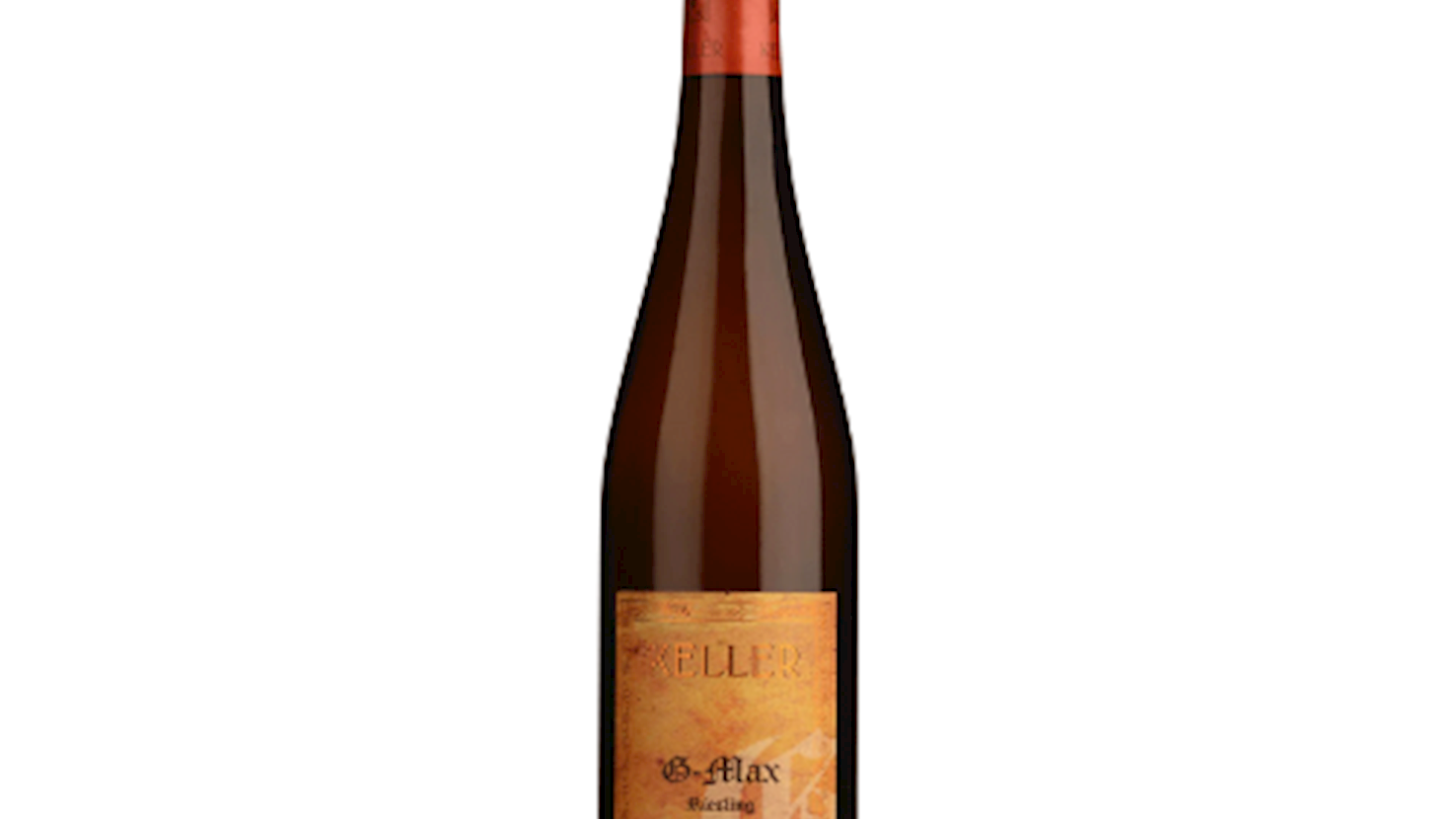
Weingut Keller is a family-run winery from Flörsheim-Dalsheim in Rheinhessen and is regarded as one of Europe’s most influential producers of dry Riesling. Its history dates back to the late 18th century, while today’s quality is shaped by Klaus-Peter and Julia Keller, whose work is defined by deep respect for the vineyard and minimal intervention.
Their most important sites, such as Hubacker, Kirchspiel, and Morstein, lie on limestone- and clay-rich soils that give the wines pronounced minerality and a clearly defined sense of terroir. Yields are intentionally kept low, and harvesting is done entirely by hand, often in several passes to select only perfectly ripe grapes.
Fermentation occurs spontaneously with native yeasts, contributing to complexity and a refined textural depth. As one of Germany’s most respected producers, Weingut Keller holds a prominent place in the contemporary wine scene and remains a benchmark for top-quality, terroir-driven Riesling.
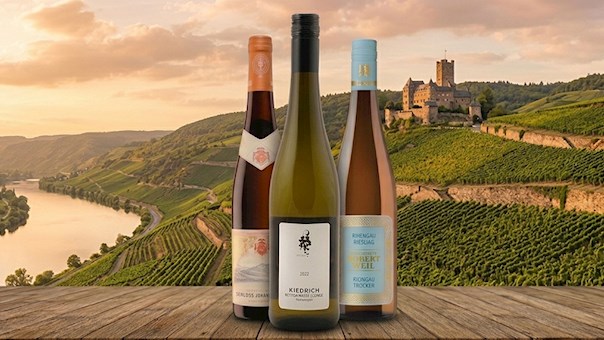
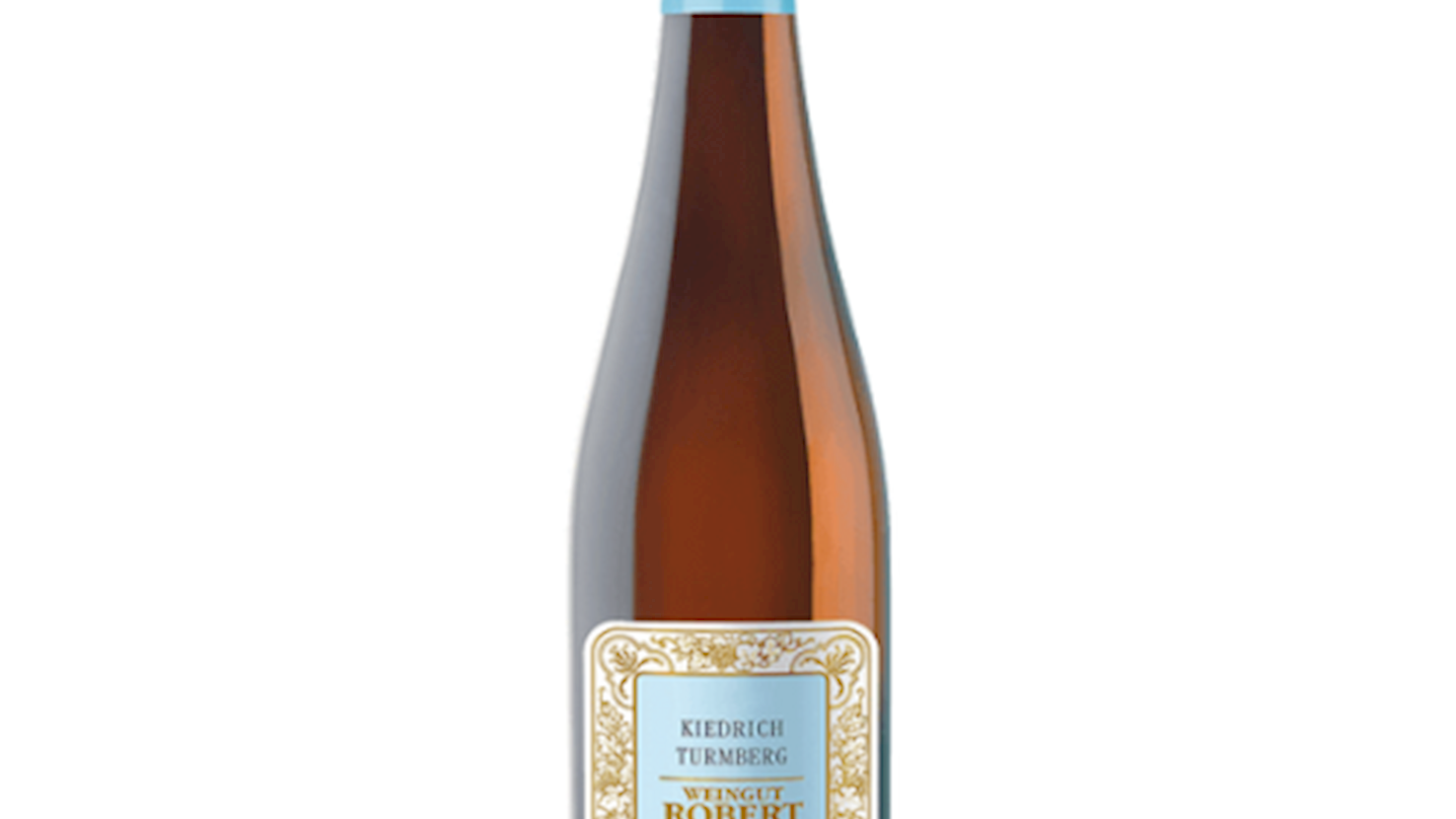
Weingut Robert Weil, located in Kiedrich, Germany, is one of the most renowned wineries in the Rheingau region, celebrated for its exceptional Riesling wines. Founded in 1875, the estate has built a reputation for quality and tradition, producing wines that express the unique terroir of the region.
The vineyards, primarily planted with Riesling, benefit from the mineral-rich soils and a mild climate, ideal for cultivating grapes with vibrant acidity and complex flavors.
TasteAtlas food rankings are based on the ratings of the TasteAtlas audience, with a series of mechanisms that recognize real users and that ignore bot,
nationalist or local patriotic ratings, and give additional value to the ratings of users that the system recognizes as knowledgeable.
TasteAtlas Rankings should not be seen as the final global conclusion about food. Their purpose is to promote excellent local foods,
instill pride in traditional dishes, and arouse curiosity about dishes you haven’t tried.
The initial list of top producers was compiled based on available reviews, awards, local recommendations, media and blog coverage, and consumer reviews.
The list will be updated with ratings from TasteAtlas local ambassadors and TasteAtlas users.








What People Say