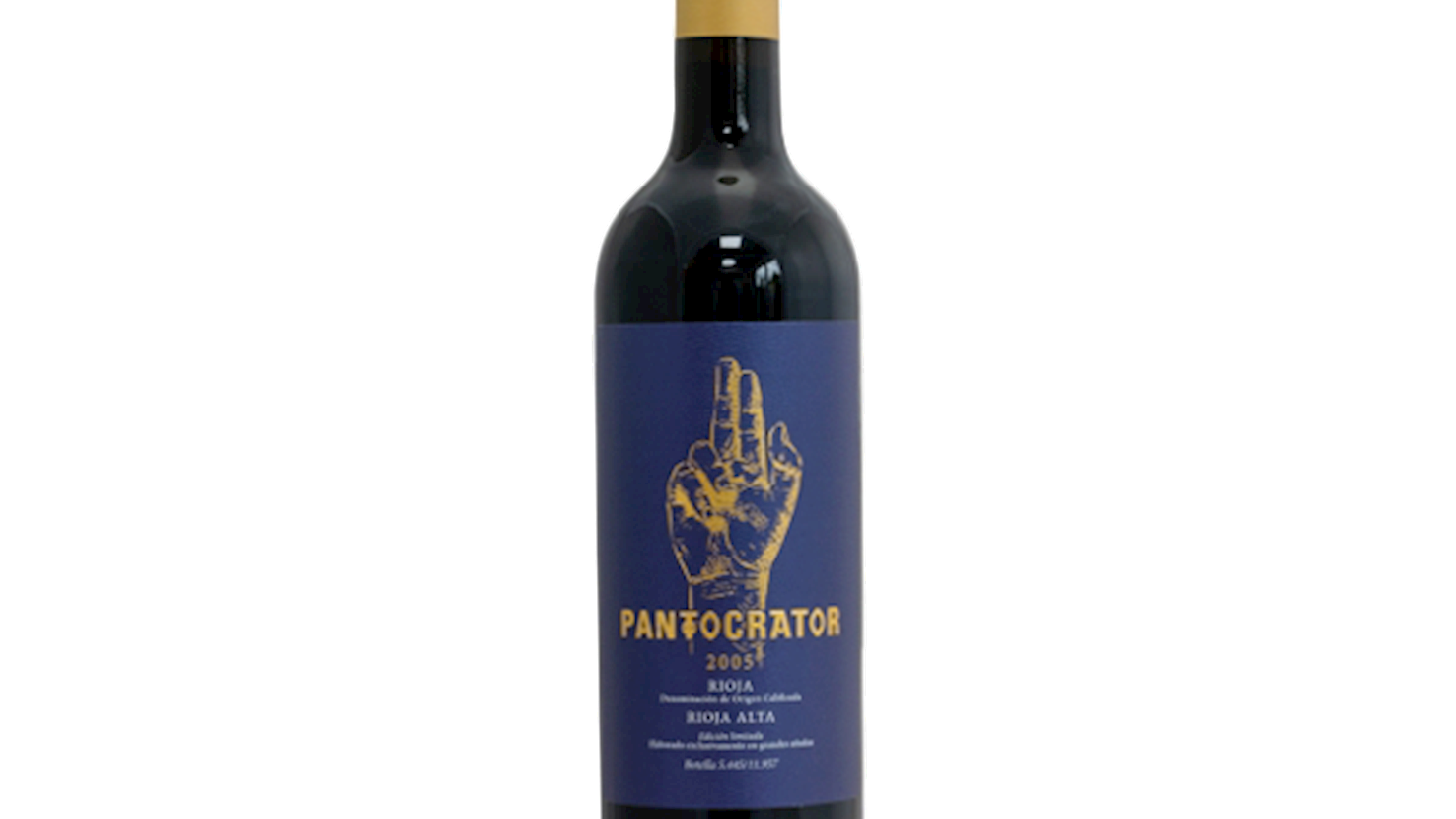
Marqués de Murrieta is one of Spain’s most iconic wineries, with a legacy that dates back to 1852. As a pioneer of modern winemaking in Rioja, the estate introduced Bordeaux-inspired techniques while preserving the unique character of the local terroir, laying the groundwork for what would become a benchmark in Spanish viticulture.
Located on the historic Ygay Estate near Logroño, the winery combines over 300 hectares of vineyards with a state-of-the-art winemaking facility and the magnificent Castillo de Ygay, a 19th-century château that serves as the heart of the estate. The castle also houses a wine museum, offering visitors a glimpse into the rich cultural and historical heritage of Marqués de Murrieta and Spanish wine.
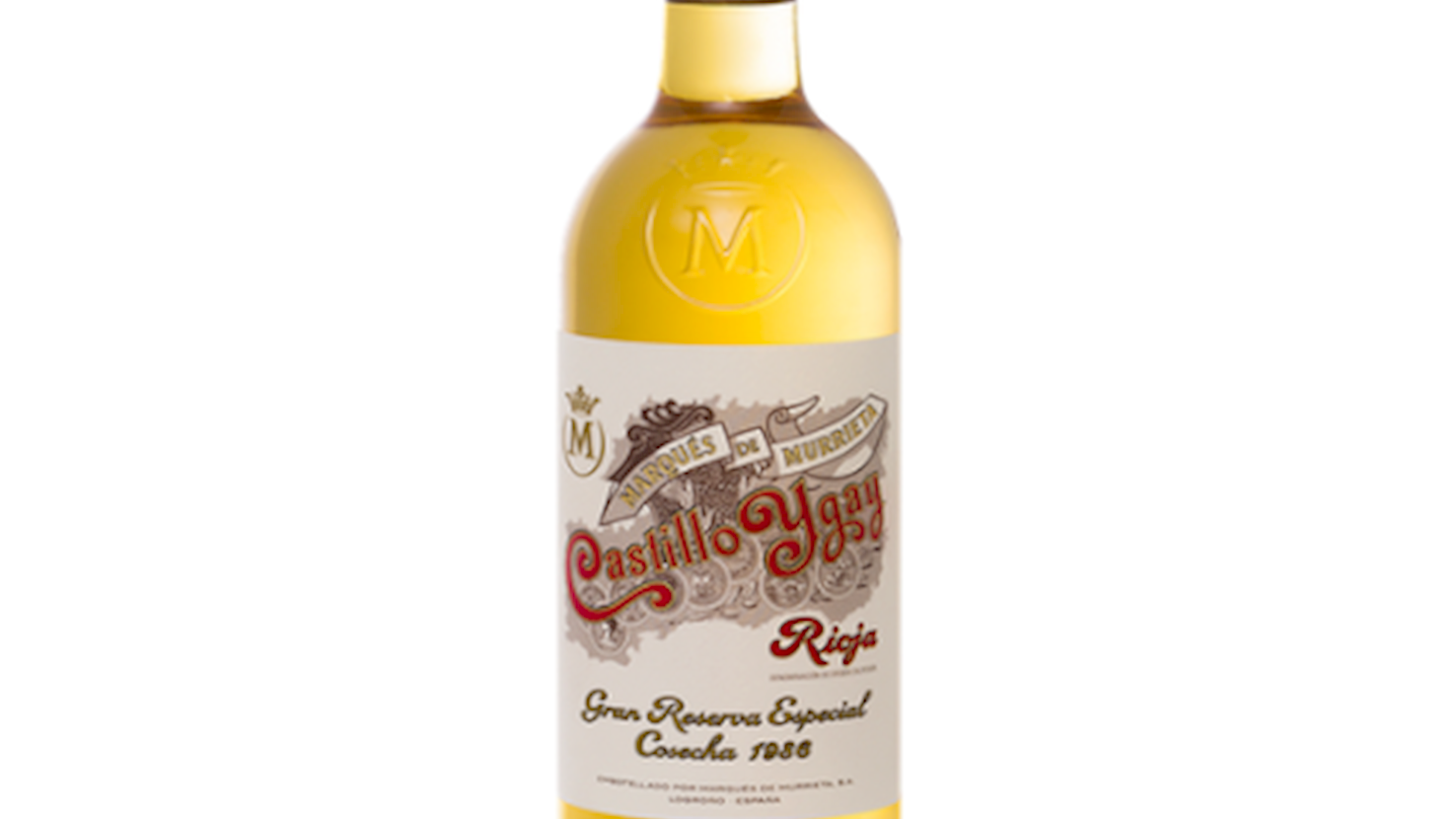
Led by the Cebrián-Sagarriga family and renowned winemaker María Vargas, the estate produces wines of great elegance, structure, and longevity. Among them, the celebrated Castillo Ygay Gran Reserva Especial stands out as a true expression of Rioja’s aging potential and depth.
Marqués de Murrieta is more than a winery - it is a symbol of tradition, excellence, and innovation, where history and modernity coexist to create wines of timeless character and international acclaim.
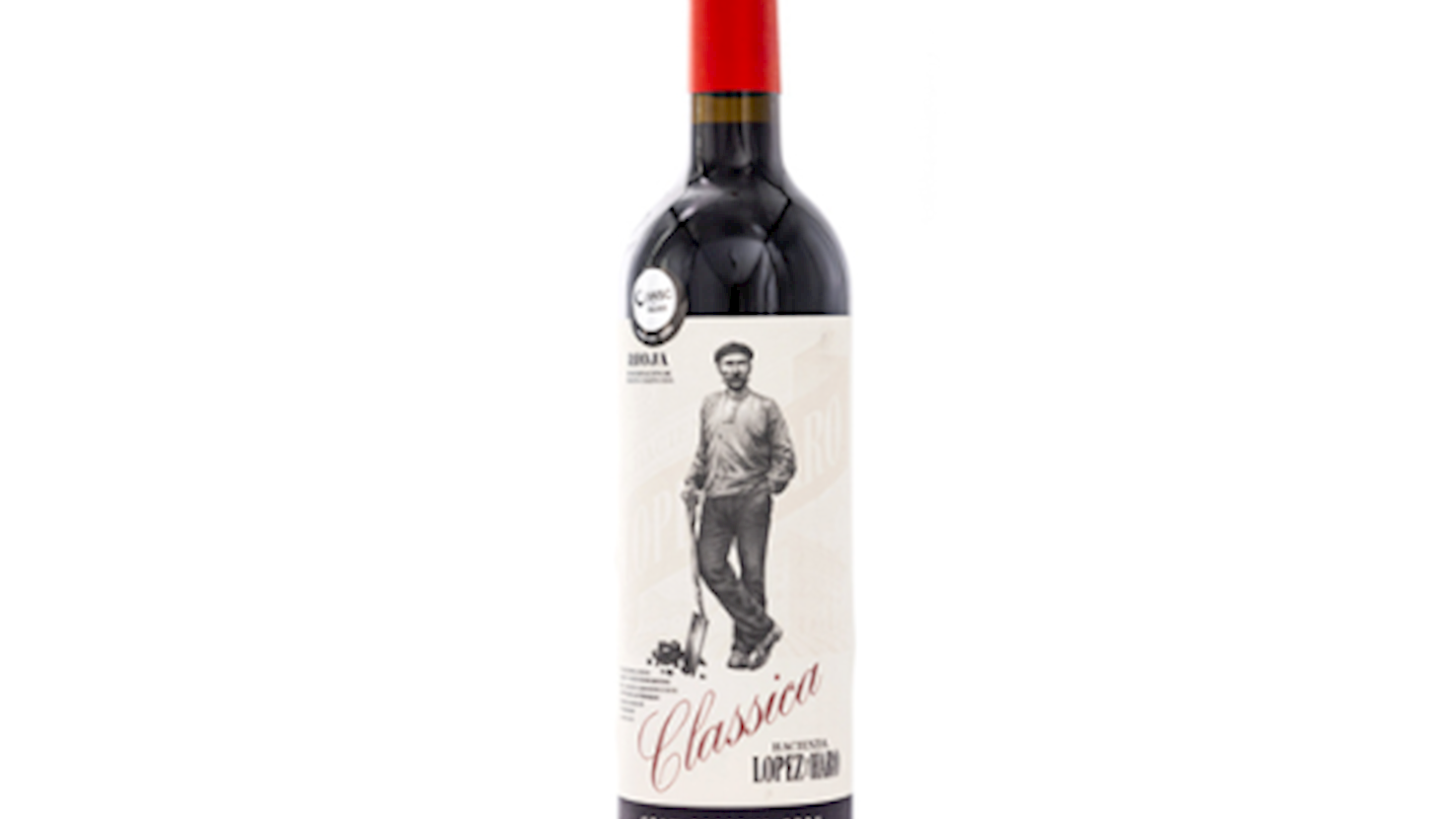
Hacienda López de Haro is a winery located in San Vicente de la Sonsierra, in the heart of the Rioja, known for offering a modern interpretation of classic Rioja wines. It is part of the Vintae portfolio, a company focused on creating accessible wines that reflect regional identity. The vineyards are primarily situated in Rioja Alta, where a combination of altitude, soil diversity, and climate contributes to balanced ripening and complexity. Tempranillo is the dominant grape variety, often complemented by Garnacha and Graciano to enhance structure and aromatic depth. The winemaking approach emphasizes a balance between fruit expression and oak aging, resulting in wines that show notes of red and dark berries, spice, vanilla, and light toast. The style is approachable yet structured, with good freshness and smooth tannins, making the wines suitable for both early drinking and moderate aging. Overall, Hacienda López de Haro represents a contemporary take on Rioja, blending tradition with a more accessible and fruit-driven profile.
Awards
Decanter World Wine Awards - Platinum
(2024)
Decanter World Wine Awards - Best in Show
(2022, 2021)
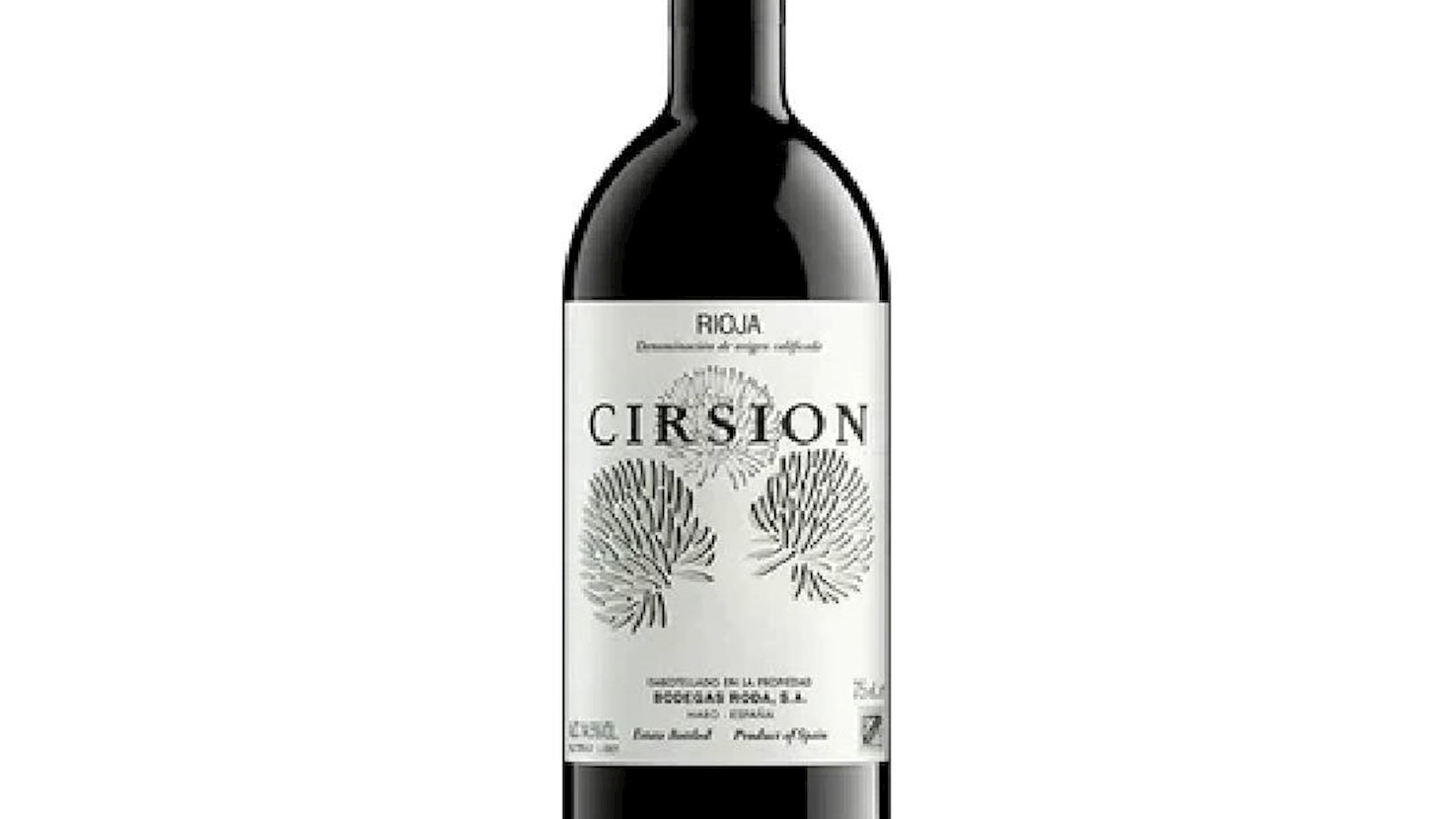
Bodegas Roda, established in 1987 by Carmen Daurella and Mario Rotllant, is a distinguished winery located in Haro, La Rioja, Spain. Situated on the banks of the Ebro River in the historic Barrio de la Estación, the winery is built atop a 19th-century cellar, reflecting a blend of tradition and innovation. The winery is also known for its commitment to sustainability and innovation. It has received the "Sustainability in Rioja" award for its vineyard project in Cellorigo, addressing challenges such as genetic erosion, soil erosion, and climate change. Additionally, Bodegas Roda holds the Sustainable Wineries for Climate Protection certification, emphasizing its dedication to environmental responsibility. Through a combination of respect for tradition, innovative practices, and a deep connection to the land, Bodegas Rodacontinues to be a leading name in Spanish winemaking, producing wines that reflect the rich heritage and dynamic future of the Rioja region.
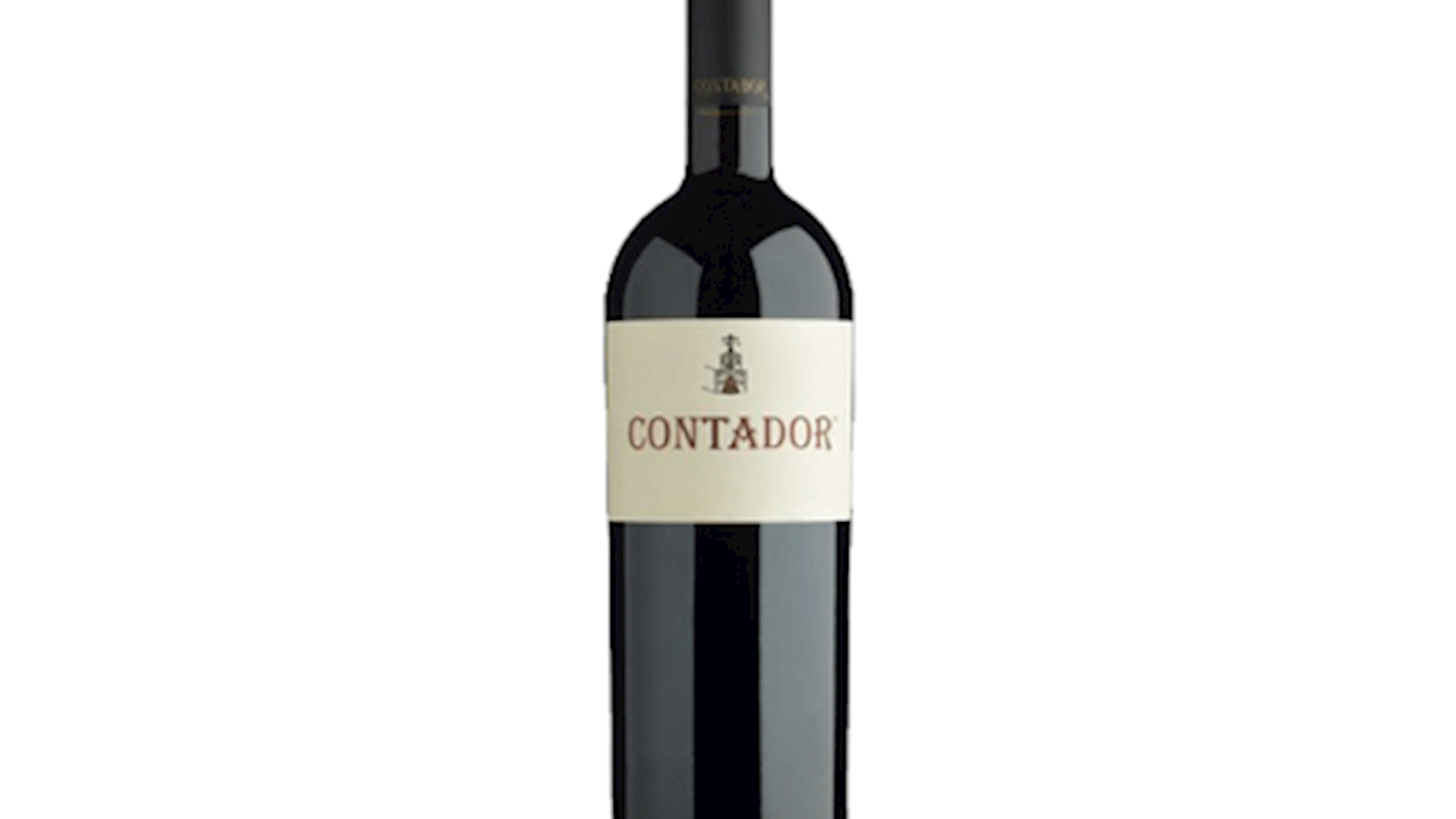
Bodega Contador is a renowned family-owned winery from the Rioja region, founded by Benjamín Romeo, one of the most influential contemporary winemakers in Spain. The project began in the mid-1990s in a small cave beneath the castle in the village of San Vicente de la Sonsierra, where the first wines were produced under the name La Cueva del Contador. The current Bodega Contador winery was opened in 2008 and designed to allow a gravity-flow system for grapes and wine, avoiding aggressive mechanical handling. The vineyards are spread across dozens of small parcels in Rioja Alavesa and Rioja Alta, with a strong focus on old Tempranillo vines and naturally low yields. Vineyard work is highly demanding and includes hand harvesting, strict grape selection, and minimal intervention. Fermentation takes place in large wooden vats, while aging is carried out exclusively in new French oak barrels personally selected by Romeo. The style of the wines combines power and concentration with precision and elegance, without losing a clear sense of terroir identity. Today, Bodega Contador is considered one of the most important modern producers in Spain, with wines that consistently reinforce Rioja’s reputation as a region of outstanding quality.
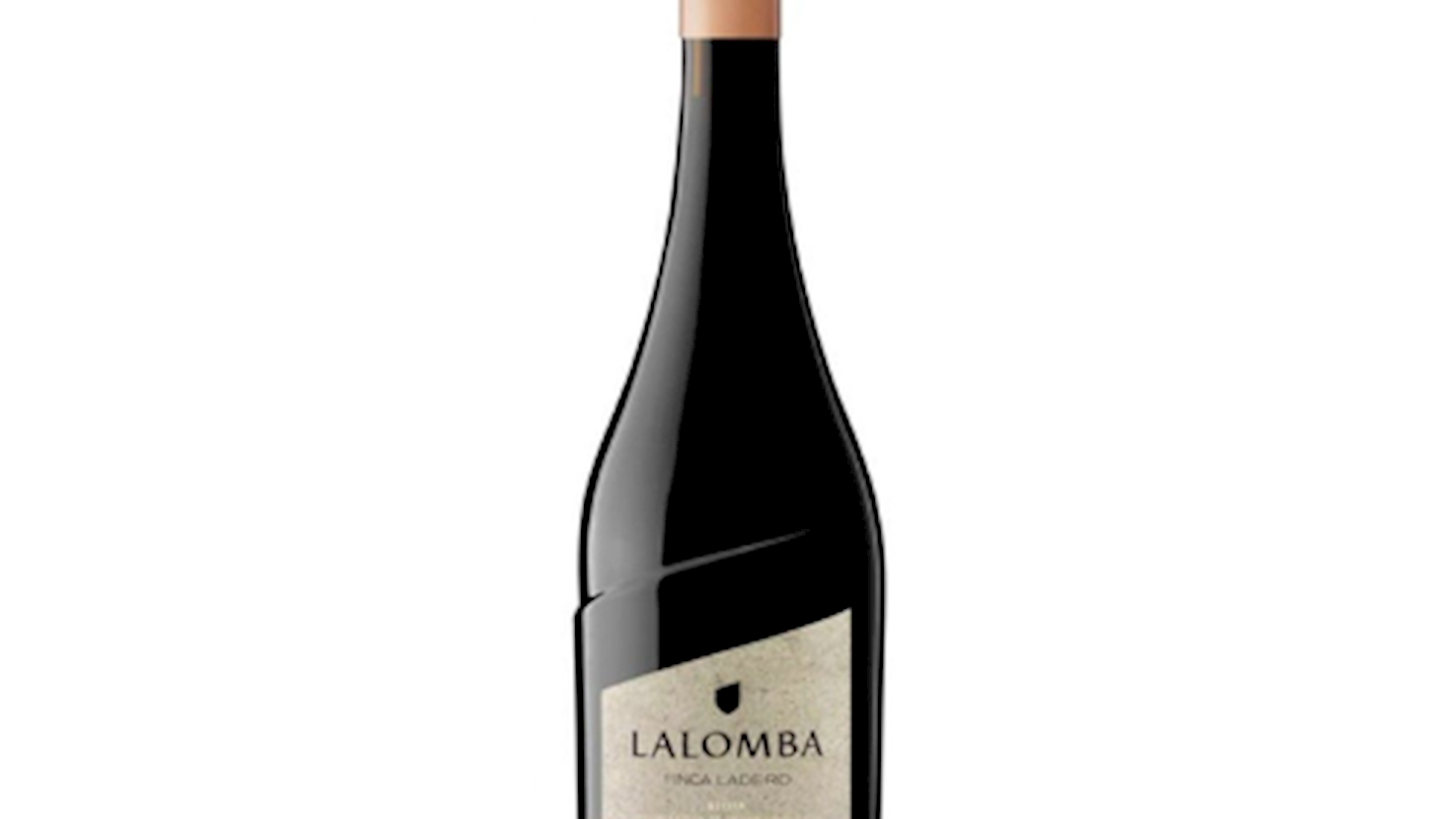
Ramón Bilbao is a Spanish winery founded in 1924 in Haro, in the heart of Rioja Alta, and is today regarded as one of the most influential modern producers within the Rioja DOCa. From its beginnings, the winery has focused on Tempranillo as the backbone of its identity, while maintaining an open, experimental approach that reinterprets classic Rioja through a contemporary lens. Its wines are known for a clear expression of fruit, carefully measured oak influence and an accessible, balanced style, distinguishing them from heavier, more traditional Rioja profiles. The portfolio includes the classic Crianza, Reserva and Gran Reserva categories, alongside more innovative projects centered on single vineyards, altitude and site expression. A key example is the Lalomba range, which explores the potential of Garnacha and specific micro-terroirs, emphasizing elegance, freshness and precision. Beyond Rioja, Ramón Bilbao is also active in the Rueda appellation, producing Verdejo-based white wines recognized for their aromatic clarity and vibrant acidity. The winery places strong emphasis on sustainable viticulture and modern cellar practices, while remaining deeply connected to regional identity.
Bodegas Franco-Españolas, located on the banks of the Ebro River in Logroño, Spain, is a historic winery founded in 1890 as a collaboration between French and Spanish winemakers during the phylloxera crisis in France. Its iconic wines, such as Diamante and Bordón (originally Estilo Burgundy), have been key representatives of the Rioja wine tradition. Over the years, the winery has hosted notable figures like King Alfonso XIII and Ernest Hemingway.
Awards
Decanter World Wine Awards - Platinum
(2016)
Concours Mondial de Bruxelles - Grande Médaille d'or
(2023, 2020)
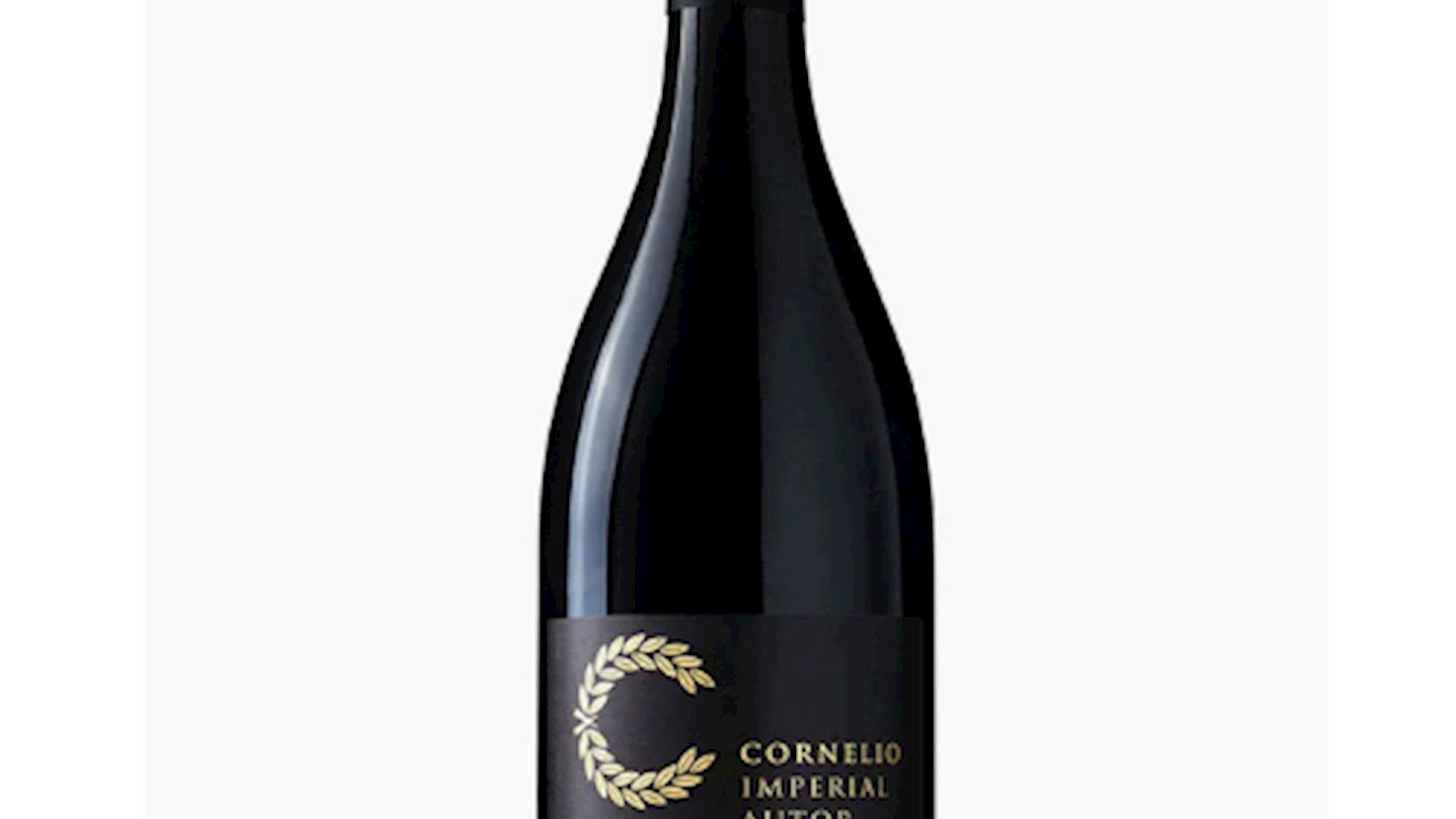
100% of our wines are obtained from organic farming.
Everyone knows that organic farming is the future of food. At Bodegas Cornelio Dinastía we think it is the present .
For this reason, Vega Vella wines are 100% made as organic wine with the guarantee of the Rioja Qualified Designation of Origin.
In addition, our Cornelio Dinastía wines are also made using organic farming methods, although they are not certified due to the drift that sometimes occurs from neighbouring vineyards.
Rioja was the first Spanish appellation that received protected status. This renowned Spanish region is located in the north of the country, on both sides of the river Ebro. It is best known for its red varietals and blends, and while Tempranillo is the dominant grape, blending varieties include Garnacha, Graciano, Mazuelo, and Maturana varieties. Some amount of rosés and whites are also produced. The region is vast, and it is divided into three subregions: Rioja Alta, Rioja Alavesa, and Rioja Oriental. Aging guidelines categorize it under the generic label with no aging requirements (also known as Joven), Crianza (aged for two years), Reserva (at least three years of age), and Gran Reserva (five years of age and a minimum of two years in a barrel). The entire area is impacted by two different climates—Atlantic and Mediterranean—but specific microclimates and different types of soil, together with different winemaking techniques and maturation, generate various styles and greatly influence the final character of Rioja wines. They can range from light, fruity, and approachable styles to more complex expressions that often showcase rich notes of dark fruit and spices. Most styles will have firm tannins that are balanced with bright acidity. Pairing suggestions mostly depend on the style and the age, but most examples work well with pork, lamb, and spicy dishes. Aged varieties may also be a good match with game. The new classification system that allows the use of village and municipality on the label tends to encourage producers not to rely exclusively on oak-aging as the sign of quality.
Tempranillo is a red grape variety whose origin is associated with the Iberian Peninsula. Although it is planted in other countries, Tempranillo is best known as the primary grape used in the classic Rioja blend. The wines produced from Tempranillo are typically full-bodied and rich in tannins with the flavors that range from ripe red and dark berries, leather, and tobacco, while aging in French or American oak helps them attain typical vanilla and spice notes. In the Rioja wine, Tempranillo is the principal grape, but it is often blended with Garnacha, Graciano, and Mazuelo. The grape is especially popular in Portugal where it is known as Tinta Roriz, and it has also shown success in the United States, South America, and Australia. Tempranillo-based wines are incredibly food friendly and can match charcuterie, sausages, lamb, pork, and aged cheese.
Rioja Alta is a Spanish designation located in the west of the renowned Rioja wine region, with a center of production in the city of Haro. Tempranillo and Mazuelo (Carignan) are the two most prominent grapes that are used in Rioja Alta. The region is praised for their age-worthy red wines (and very small percengate of white wines) that are the best examples of traditional Rioja. They are typically fruit-forward and lighter on the palate, though age can significantly influence the final structure as well as the taste profile. Officially, Rioja is classified under Crianza (aged for two years), Reserva (at least three years of age), Gran Reserva (five years of age and a minimum of two years in a barrel). Just like other Rioja designations, Alta wines are incredibly food-friendly and can match lamb, pork, charcuterie, tajines and paella, spicy pepper-based dishes, and aged cheese.
Originally called Rioja Baja, this is the warmest and the easternmost part of Rioja. It is also the largest and the most productive of all sub-zones. In the past, the region was often unfairly overshadowed by Alta and Alavesa appellations, due to its low elevation and warm climate. Garnacha is the most planted variety, but in the 1980s, there was a tendency to replace it with the more popular Tempranillo. Traditionally, the wines coming from this region had a higher alcohol content, flavors of juicy fruit, and less acidity than Alta and Alavesa wines. Recent trends show the tendency to position vineyards at higher altitudes, which results in well-balanced wines of excellent quality and character. Rioja Oriental gained its current name in 2018 after it was agreed that the former label Baja, meaning lower, had a somewhat negative undertone.
Graciano is a red grape variety native to Spain. It is mainly cultivated in Navarra and Rioja wine regions, and it produces aromatic wine with good acidity and tannins. Graciano is known under various synonyms, and it is found in other Mediterranean countries, suggesting that it is an old European variety. For a long time, the grape was mistakenly thought to be identical to Parraleta. Graciano-based wines are usually intensely colored, aromatic, and high in acidity. They are fresh and sometimes have a spicy character with a fruity aroma reminiscent of mulberry and blackberry, often with hints of violet, vanilla, and mint.
Maturana Tinta is a red wine grape variety grown almost exclusively in the Rioja Qualified Designation of Origin (DOCa) in North-Central Spain. It is distinguished by its small, compact clusters and thick-skinned berries that produce wines of high color intensity and notable acidity. In the early 21st century, the variety was found to be genetically identical to the Castets grape, a variety once common in the Bordeaux region of France that has since largely disappeared from its country of origin. Viticulture in the region was significantly altered by the arrival of phylloxera in the late 19th century. During the replanting efforts of the early 20th century, growers prioritized high-yield varieties and clones that were easier to cultivate, leading to the near-total disappearance of Maturana Tinta from the Spanish landscape. The variety was recovered from a small number of surviving vines in old vineyards near Navarrete in the 1990s. Following successful experimental trials and DNA verification, the Rioja Regulatory Council officially authorized its use for commercial winemaking in 2007, making it a key component in the region's efforts to diversify its viticultural heritage. Preparation of the wine involves harvesting the grapes late in the season, as the variety has a late bud-break but a short ripening cycle. Due to its high concentration of anthocyanins and polyphenols, the must requires careful management during maceration and fermentation to balance the extraction of color and tannins. Many producers use French oak barrels or clay amphoras for aging to soften the naturally firm tannic structure without overwhelming the varietal characteristics. The wine is typically served at a temperature between 16°C and 18°C. Unlike many red varieties from the region, Maturana Tinta frequently displays a distinct chemical compound known as pyrazine, which manifests as an aroma of green bell pepper or paprika, similar to its distant genetic relatives in the Cabernet family. The wine is primarily consumed in a gastronomic context where its high acidity and structured profile can be utilized. In the local cuisine of La Rioja, it is paired with fatty red meats such as chuletillas de cordero (lamb chops grilled over vine shoots) or barbecued beef ribs, as the tannins help to cleanse the palate of animal fats. It also complements highly seasoned or spicy dishes that mirror its peppery aromatic profile, such as chorizo-based stews or grilled vegetables seasoned with smoked paprika. The wine's balsamic and herbal undertones allow it to be served alongside hard, aged cheeses or game meats like venison and wild boar.
Cariñena is a black-skinned wine grape variety and a corresponding protected designation of origin in the Aragon region of northeastern Spain. The grape is characterized by its late budding and late ripening cycle, requiring high heat units and arid conditions to reach full maturity. Globally, it is one of the most widely planted red wine grapes, although it is frequently utilized as a blending component rather than a single-varietal wine. The vine is physically robust, featuring an upright growth habit that allows it to be grown without trellis systems in windy environments. The variety emerged in the Ebro River Valley, specifically around the town of Cariñena in the province of Zaragoza. From this central Spanish location, the vine was exported across the Mediterranean basin by various maritime powers, eventually becoming a staple in the Languedoc-Roussillon region of France, the island of Sardinia in Italy, and later in the New World regions of Chile and California. Its prevalence increased significantly following the phylloxera epidemic of the 19th century because the vine was highly productive and offered a reliable yield for large-scale wine production. In Spain, the grape is also referred to as Mazuelo in the Rioja region, while internationally it is most commonly known as Carignan. Preparation of the wine involves managing the naturally high concentrations of tannins, acidity, and color pigments. In younger vineyards, the grape can be astringent, leading many winemakers to employ carbonic maceration, where whole bunches are fermented in an anaerobic environment to emphasize fruit aromatics like cranberry and plum while minimizing harsh extraction. Conversely, wines produced from vines older than fifty years are typically fermented with standard skin contact and aged in oak barrels to stabilize the color and soften the phenolic structure. The wine should be served at 16°C to 18°C in a glass with a large bowl to allow for aeration. A specific attribute of Cariñena is its sensitivity to powdery mildew and grape moths, which necessitates dry, well-ventilated vineyard sites. When the vines reach a significant age, their yield naturally drops, which shifts the balance of the wine from simple acidity to a complex profile of dried herbs, leather, and dark fruit. Cariñena is typically consumed in conjunction with heavy, savory meals that can offset its tannic grip. It is served with roasted red meats, such as beef or lamb, and is a frequent accompaniment to Mediterranean stews and game birds. Food pairings also include roasted root vegetables, mushrooms, and aged hard cheeses, which complement the earthy and spicy notes inherent to the variety.
TasteAtlas food rankings are based on the ratings of the TasteAtlas audience, with a series of mechanisms that recognize real users and that ignore bot,
nationalist or local patriotic ratings, and give additional value to the ratings of users that the system recognizes as knowledgeable.
For the “Top 34 Riojan Wines” list until June 02, 2026, 288 ratings were recorded, of which 240 were recognized by the system as legitimate.
TasteAtlas Rankings should not be seen as the final global conclusion about food. Their purpose is to promote excellent local foods,
instill pride in traditional dishes, and arouse curiosity about dishes you haven’t tried.
The initial list of top producers was compiled based on available reviews, awards, local recommendations, media and blog coverage, and consumer reviews.
The list will be updated with ratings from TasteAtlas local ambassadors and TasteAtlas users.