Top 100 Beer Styles
in the World

Last updated on June 10, 2026

Best Beer Style Types in the World

01

Tripel

4.2 ·

Belgian-style tripel is an approachable and easy-drinking beer style with high carbonation and complex flavors. They traditionally have high alcohol content, falling between a 7 to 10% ABV range, and are often classified as very strong ales. These yellow-golden beers typically have a distinctive spicy, fruity, and subtly sweet malt character. Their yeast character varies, but it often includes banana or clove-like aromas. First tripels were produced as abbey beers, while the Westmalle Tripel is widely considered as the prototype. It was first brewed in 1934, and in 1956 it gained its current form, which has not changed since. Though strong, tripels are light, approachable, and pair well with various dishes. They work well with rich seafood dishes, including shellfish and lobsters, but they can also match creamy sauces, desserts, and washed-rind cheese.

02

Lambic

4.1 ·

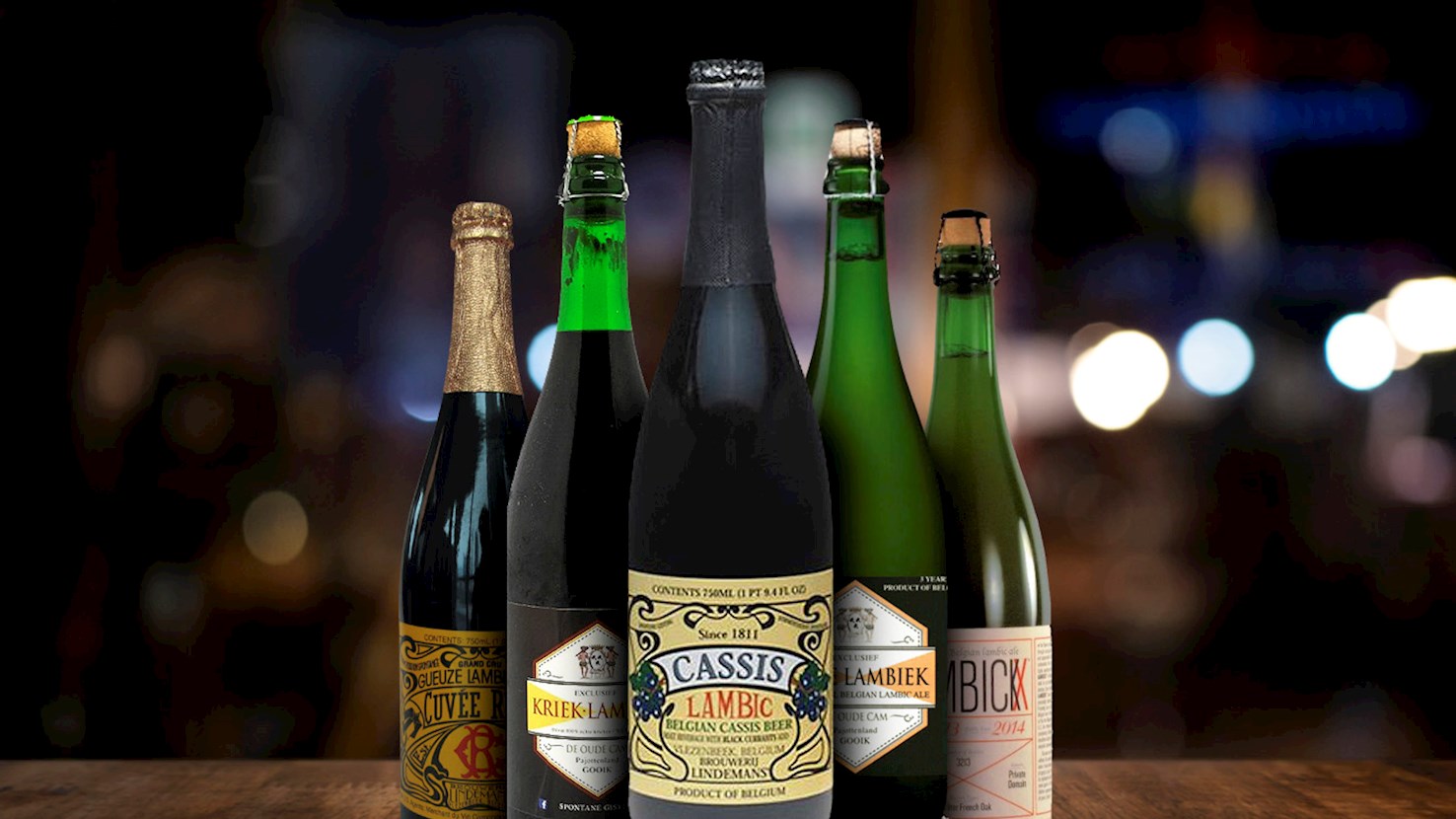
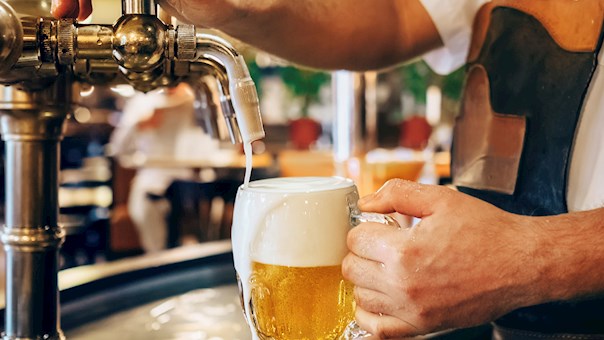
Lambic is a traditional beer style that has its roots in Brussels and the region of Pajottenland. This style must be made with a minimum of 30% wheat, and the wort is always spontaneously fermented with local and naturally occurring wild yeasts. Because of different local microorganisms, these beers always have a unique and frequently unpredictable character. Due to its wild nature, many batches of lambic are sometimes blended, a style known as gueuze or geuze, to produce a more palatable version. Although it is difficult to pinpoint the exact characteristics of lambic beers, the unblended young varieties are usually pale with a characteristic red sheen, while more mature versions will usually have red to light purple color. These beers are always complex, and they often have a distinctive sour backbone, which will mellow as the beer ages. Most styles will display fruity aromas and flavors, with subtle malt character, dry finish, and little hop bitterness. Lambic beers are mostly enjoyed young and uncarbonated, and they will usually be served on tap. They pair well with seafood, especially mussels or oysters, and poultry.

03

Dubbel

4.1 ·

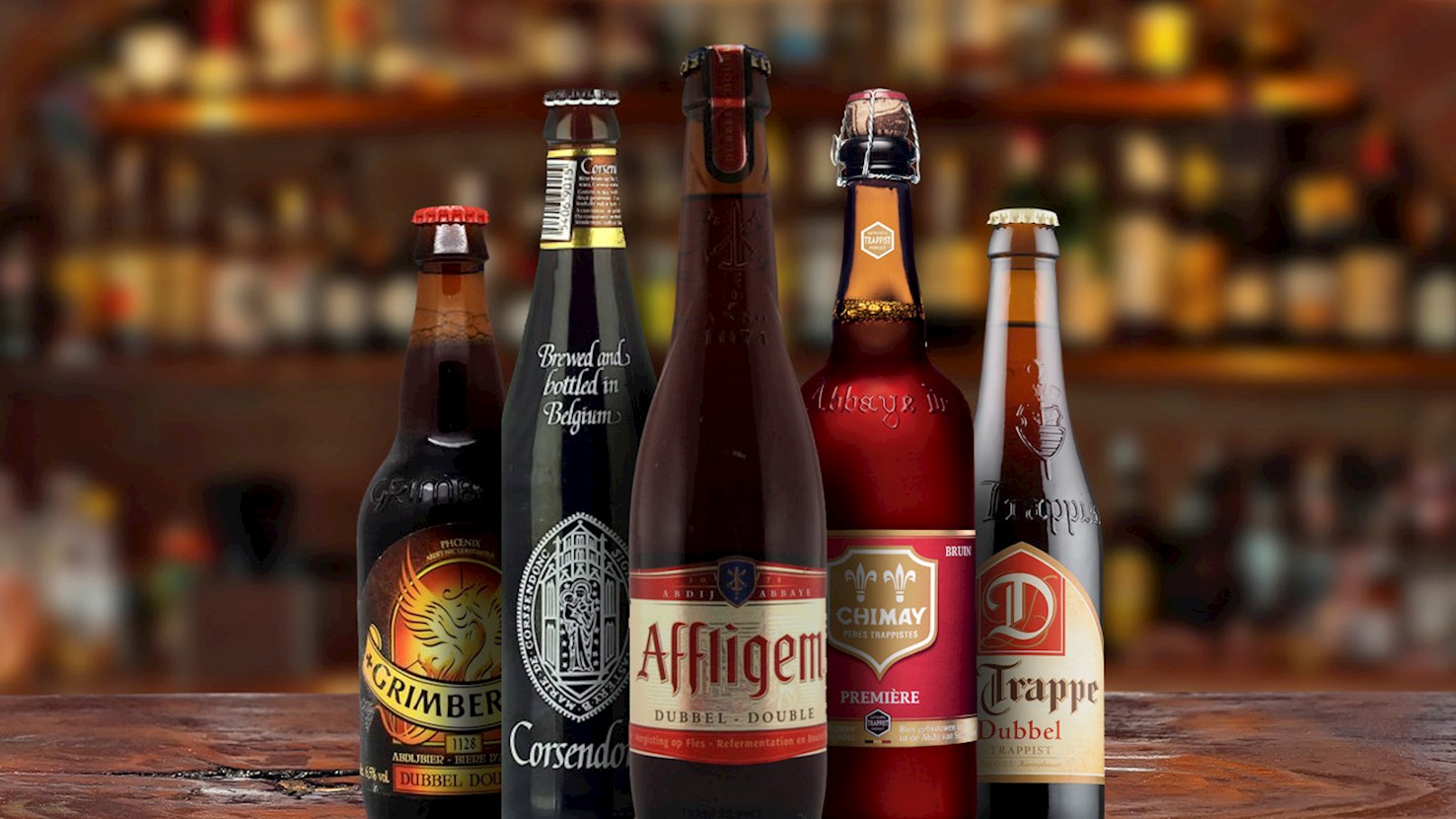
Dubbel is a rich and well-balanced Trappist beer that originated in Belgium and whose modern version is often associated with Henrik Verlinden who created the prototype at Westmalle brewery in 1926. This version was named Dubbel Bruin, and soon after its invention, the style was copied in many Belgian breweries. Unlike other brown beers, typical Belgian dubbel will get its flavor from candi sugar—a thick and dark caramelized syrup that is added to the wort. These beers typically range from amber to copper, and they will usually have complex aromas and flavors reminiscent of toffee, raisins, malt, and dark fruit. Their finish is typically dry, while some may display subtle sweetness. Most are bottle conditioned—fermented in the bottle—and are usually not crystal clear. Although they are typically quite potent, with at least 6.5% alcohol by volume, the alcohol is not evident or discernible on the palate. Dubbel beers are an excellent accompaniment to wash-rind or Alpine cheese varieties, but they are also a good match to dark chocolate, barbecued or roasted meat, rich meat stews, and sausages.

04

Weissbier

4.1 ·

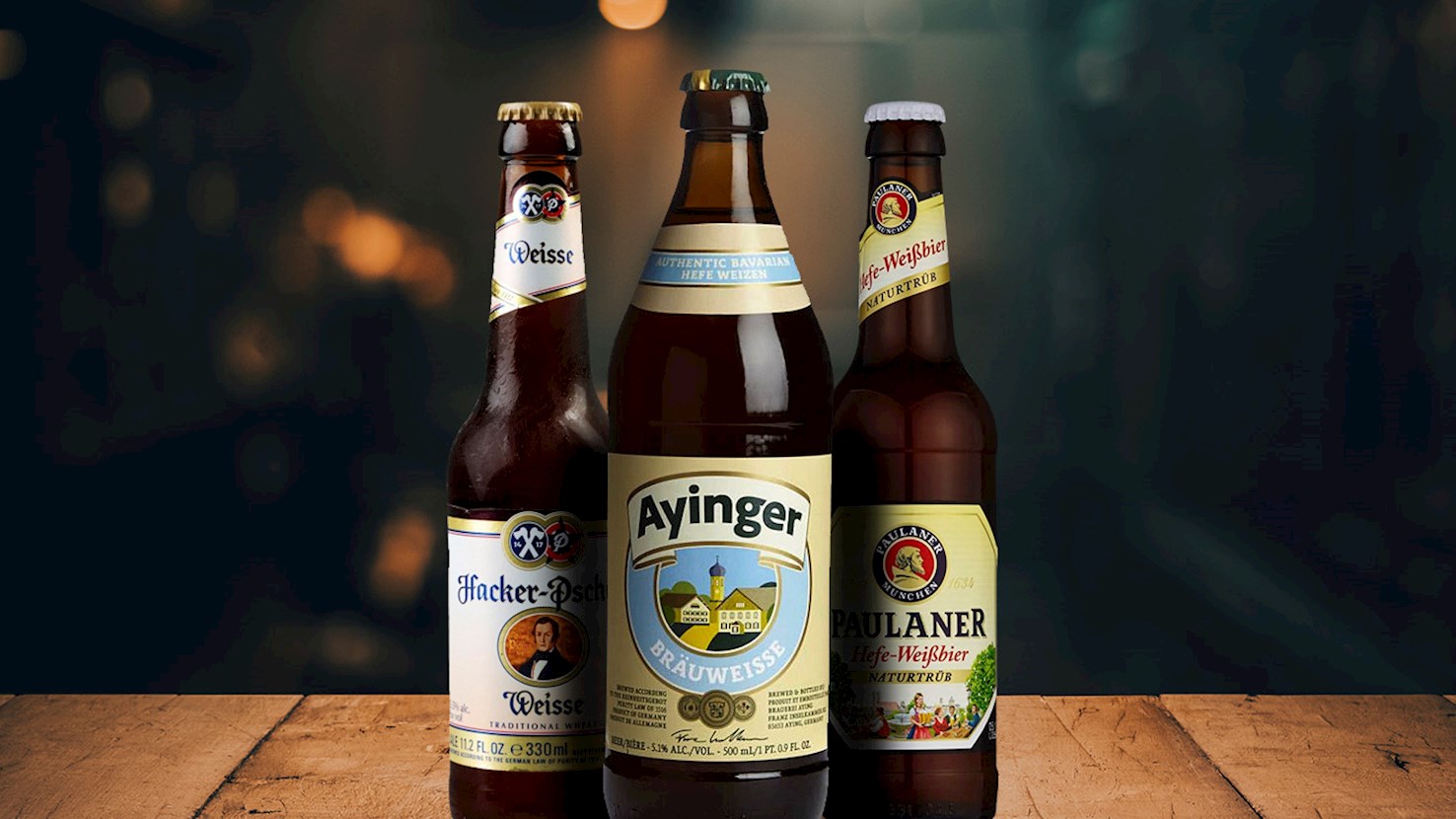
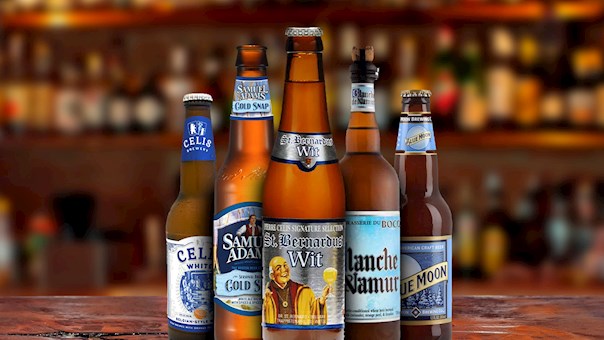
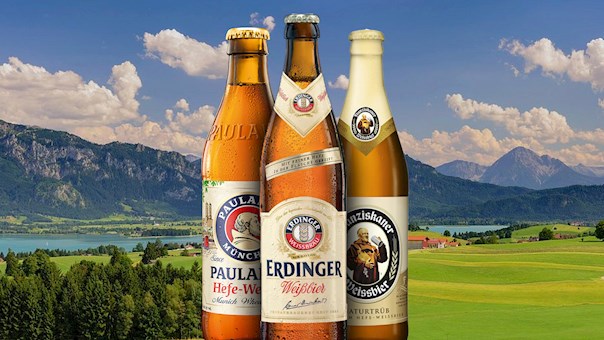
Weissbier is a classic Bavarian wheat ale that is top-fermented and characterized by its mousse-like foam and cloudy appearance—which is a result of a large proportion of wheat and a small amount of barley malt used in its production. German weissbier has to be made with at least 50% malted wheat, but most producers use more than the minimum. These beers are fermented with yeast strains that provide typical clove, banana, smoke, and occasionally even bubble gum aroma. Weissbiers are typically malty and subtly bitter, and though they are traditionally fermented in the bottle, this practice has become rare. Nevertheless, they retain their lightness, creamy texture, and effervescence. Although this beer style is nowadays mostly associated with Bavaria, wheat beers have been produced since antiquity. The European origin is believed to be in the Czech Bohemia, from where it spread to Bavaria. Throughout the centuries, it declined in popularity, but following the 1960s it gained back its former glory and became one of the most sought-after styles in Germany and in the world. These food-friendly beers pair with poultry, sausages, seafood, light dishes, and salads as well as fresh and creamy cheese varieties.

05

Märzen

4.1 ·

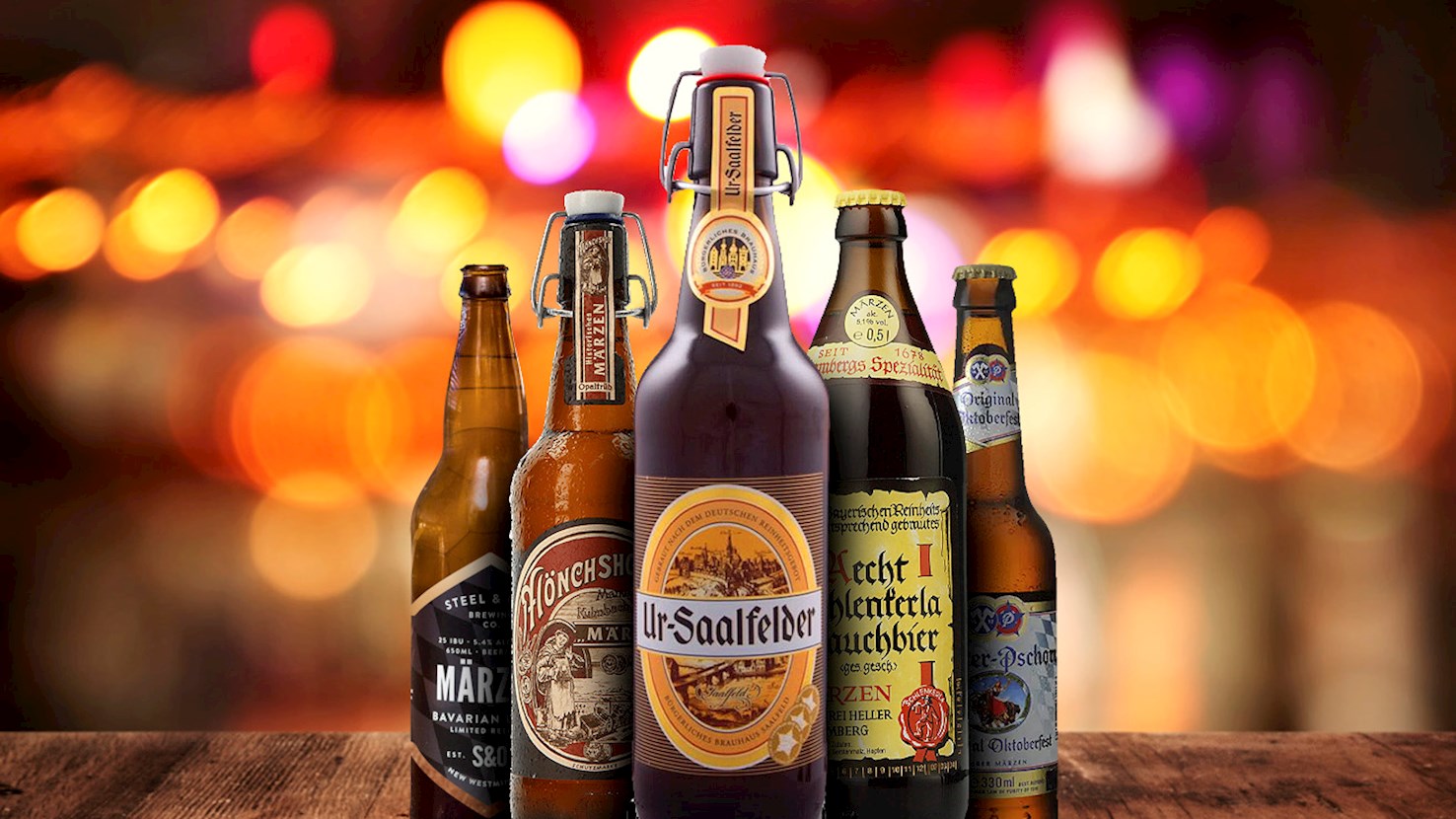
Märzen is a German beer style from Bavaria that is closely connected with Oktoberfestbier and shares some similarities with Vienna lager. This style officially appeared in 1841 when it was brewed by Spaten brewery, but a similar style existed well before that. Märzen is an amber-colored lager that has toasty malt aromas and flavors, dry finish, crisp hop bitterness, and a medium body. Original versions of these beers were somewhat darker, and as the name suggests—Märzen translates as March—they were brewed in March and then left to lager until early fall. These versions were stronger and had more body than modern styles. Since it was available in autumn, it was first served during Oktoberfest. Although Märzen and Oktoberfestbier share many similarities, nowadays only six breweries in Germany—Augustiner, Hacker-Pschorr, Hofbräuhaus, Löwenbräu, Paulaner, and Spaten—are allowed to use the designation Oktoberfestbier and serve their brews at Oktoberfest. Märzen is a food-friendly beer that works especially well with grilled, roasted, or smoked meat.

06

Baltic porter

4.1 ·

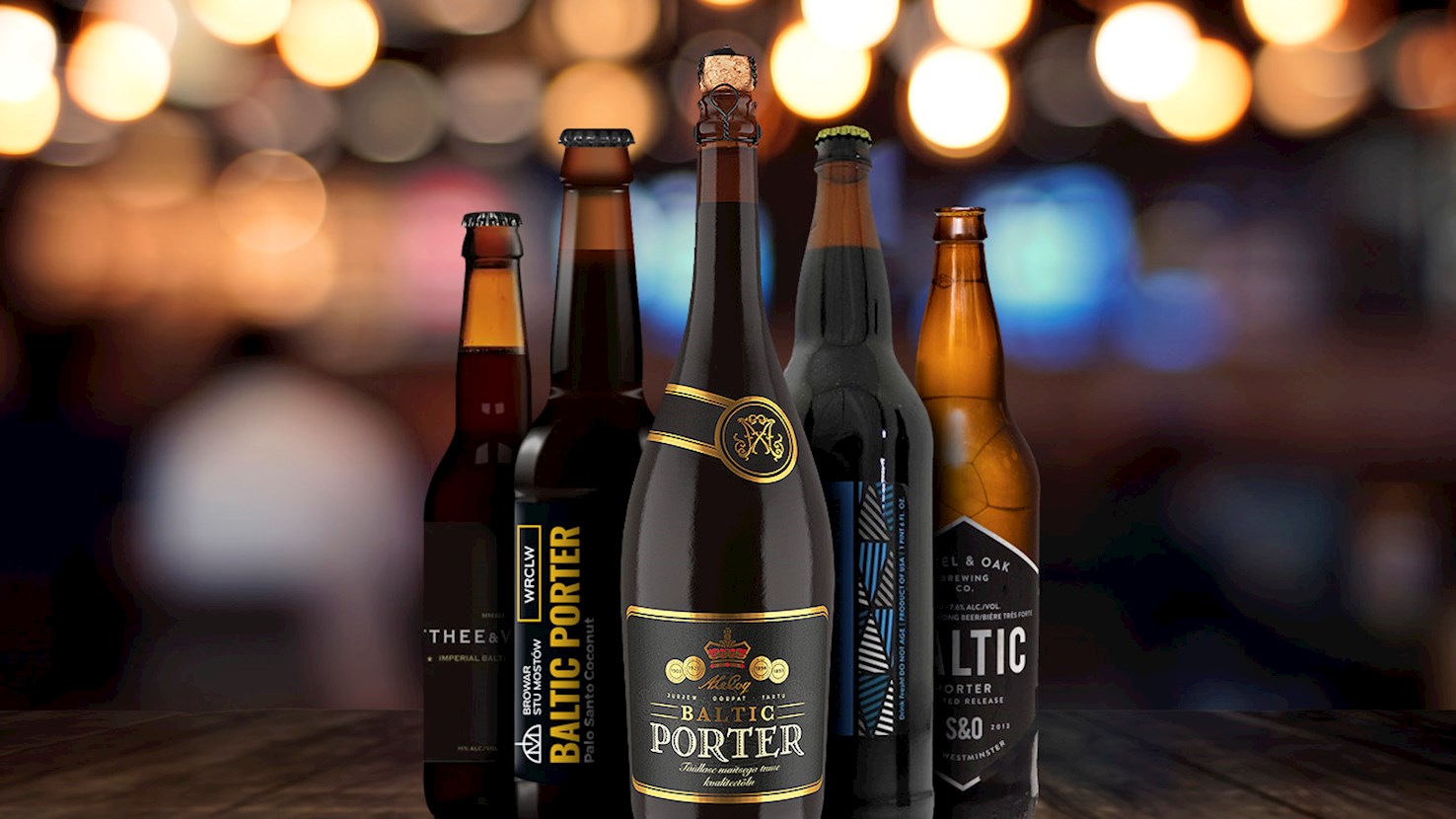
This beer style evolved from the British porter, and it was partially influenced by imperial stouts. The beers that fall under this category will typically have high alcohol content, usually between 5.5 and 9.5% ABV, while their color ranges from mahogany red to dark brown. They are full-bodied and smooth brews with typical malt flavors that are usually complemented by aromas of toast, caramel, licorice, dried fruit, chocolate, and coffee. Baltic porter first appeared when stronger and hoppier versions of British porter were sent to Russia. The shipments first reached Baltic, Scandinavian, and Northern European ports, including those in Finland, Poland, Sweden, Denmark, Lithuania, Estonia, and Latvia. Home breweries soon started to produce their versions using lager yeasts and regional ingredients, eventually creating a style that comes in many local expressions. Baltic porters are an excellent match to hearty dishes, especially roasted or grilled meat, and stews. They can also go well with chocolate or nut desserts and cheese.

07

Belgian blond ale

4 ·

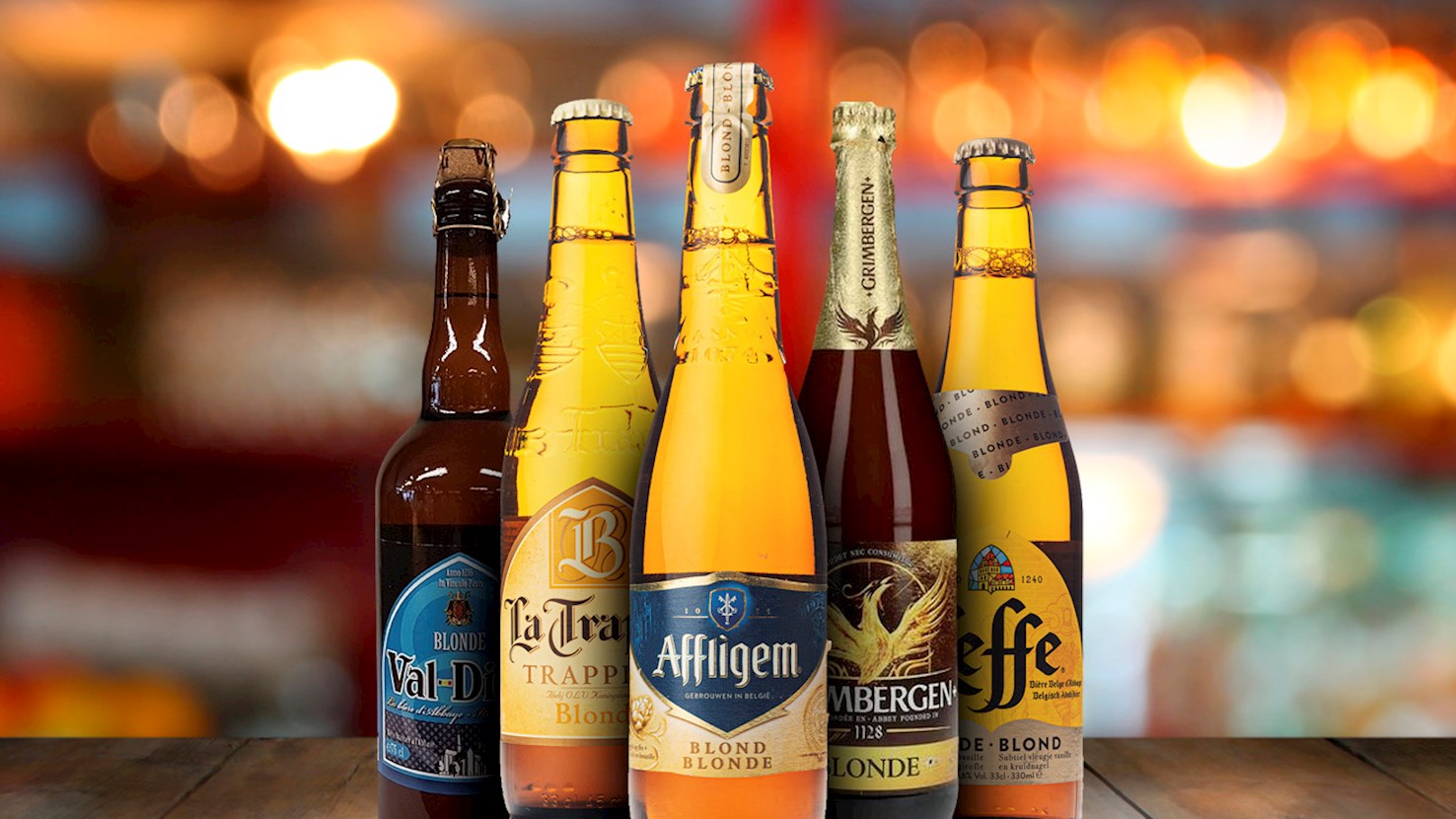
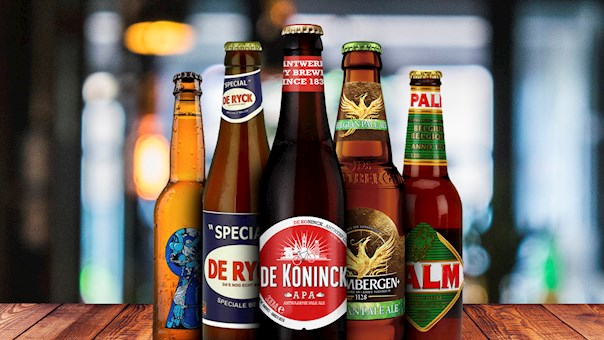
Belgian blond ale is a beer style with vague boundaries that probably emerged as a response to popular European pilsners. The examples of the style are typically golden-colored and medium-bodied with moderate strength that varies between 6 to 7.5% ABV. They usually have a subtly sweet malt character accompanied by hop aromas and flavors that are generally light, earthy, and spicy. Their yeast character is soft, often having fruity-ester qualities. With a dry finish and tendency for higher carbonation, they attain a somewhat creamy mouthfeel. These beers match bold and spicy dishes, including Mexican, Indian, and Thai cuisine. They can also work well with seafood, chicken, pasta dishes, and bloomy rind cheese. The most popular representative of the style is Leffe Blond. Blond ales share similar characteristics to golden strong ales and tripel styles.

08

Helles

4 ·

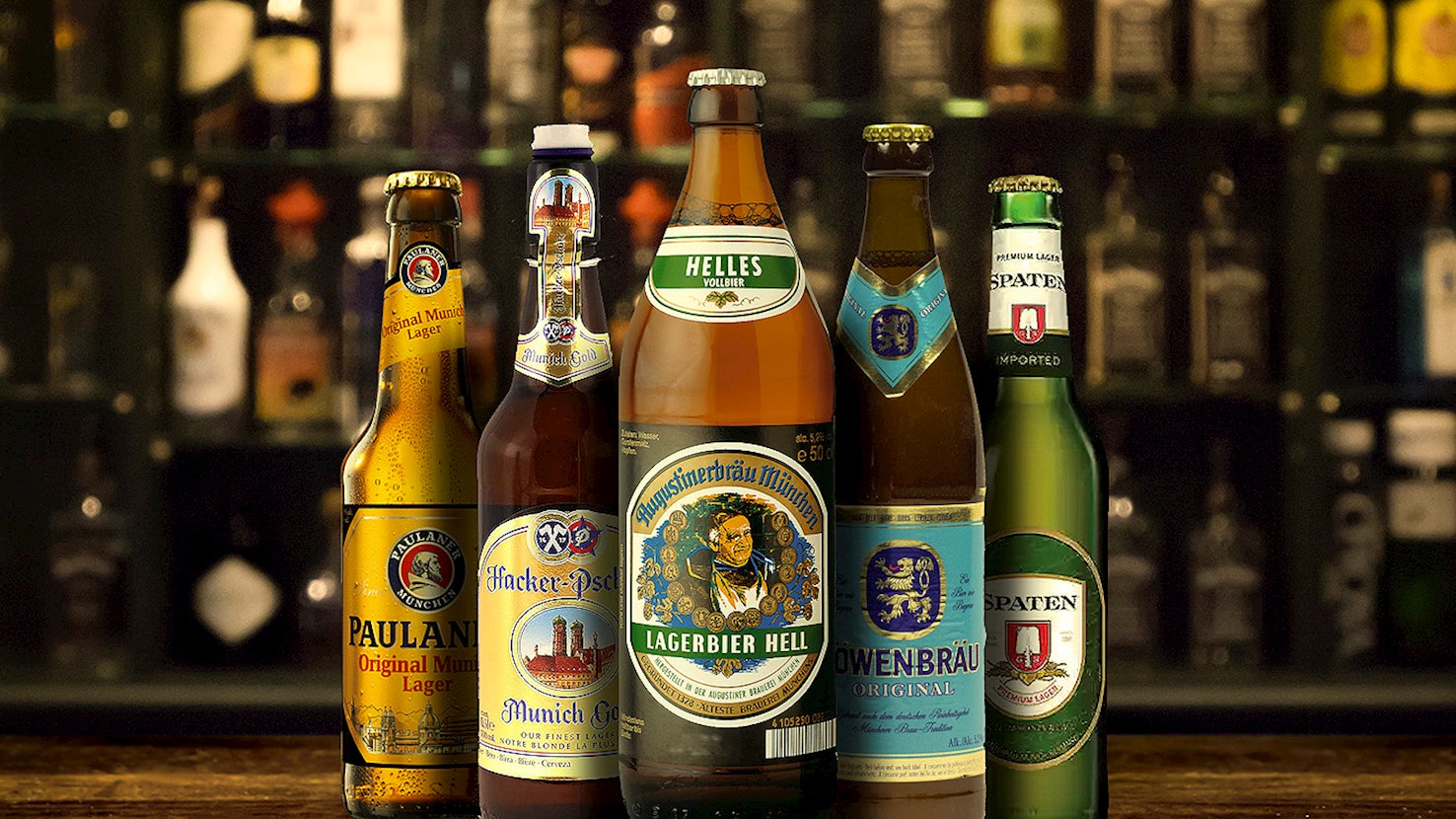
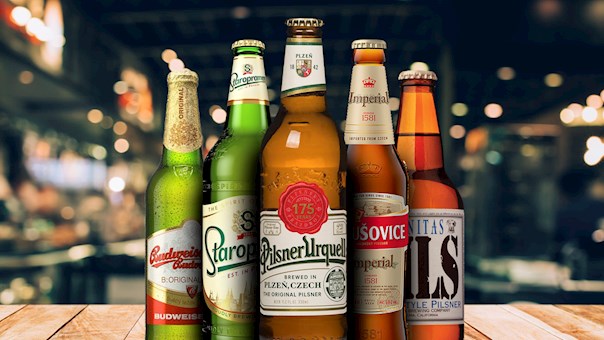
Helles is a German-style lager that first appeared in Munich in 1894. It was a Bavarian answer to light Czech pilsner. Although Bavaria heavily relied on strong and dark lagers, the popularity of crisp and golden pilsner beers influenced Bavarian brewers to start producing a similar style. Traditional Helles is typically more malt-forward and has a firmer body than pilsner and other lager styles, but still remains soft and medium-bodied. It is clean, easy-drinking, refined, fresh, and dry, with light hop bitterness and subtle malt sweetness. Helles-style beers are typically quite refreshing and usually range from 4.8 to 5.2% ABV, but those above 5% are often classified as Bavarian Export. Helles lagers would pair well with light dishes, including salads and seafood, but they can also match spicy and flavor-packed dishes, as well as traditional German fare and mild cheese varieties.

09

Fruit lambic

4 ·

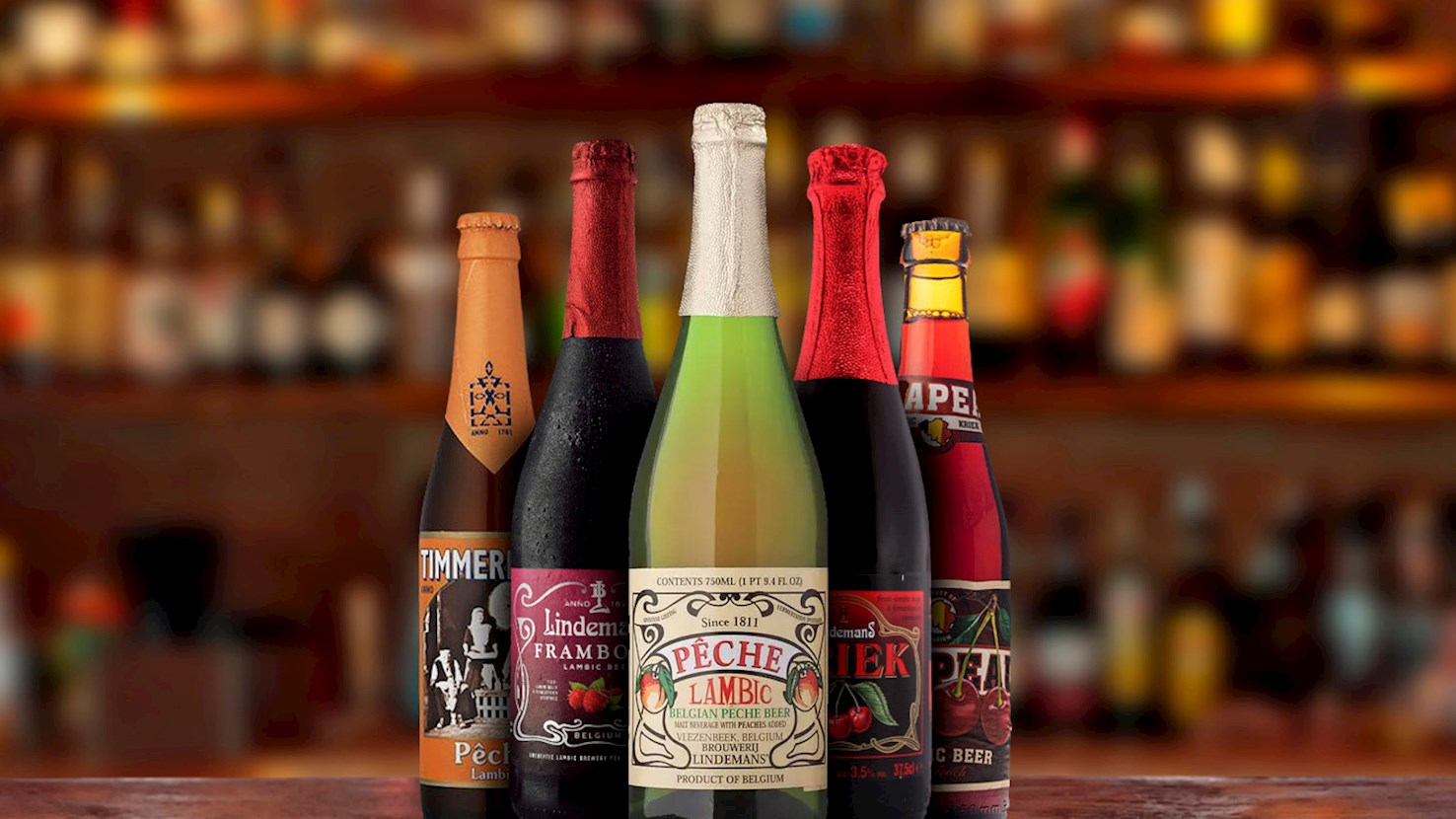
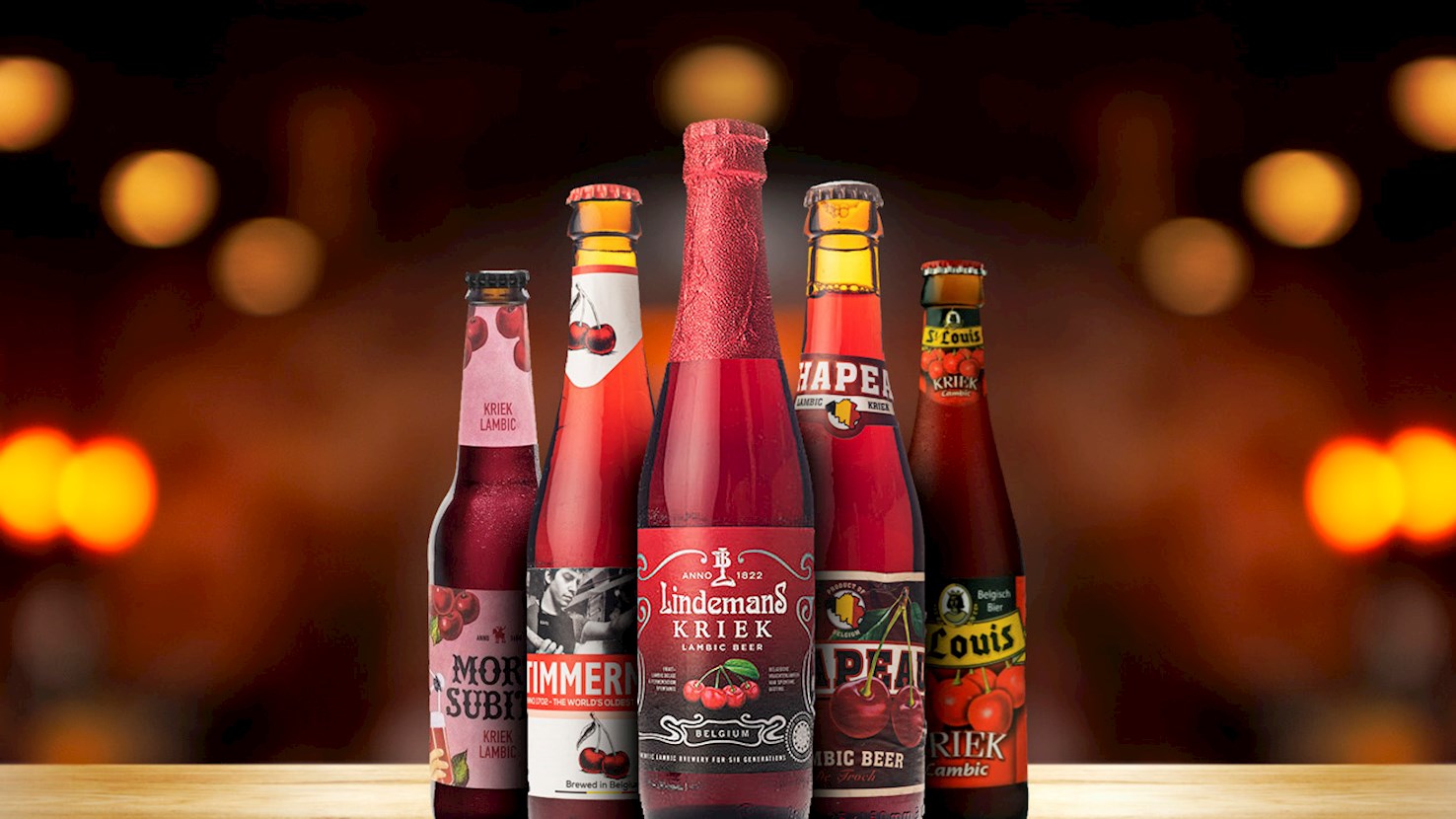
This Belgian beer style falls in the category of lambics—traditional beers made with spontaneous fermentation. As evident from the name, fruit lambics are made with the addition of fruit. Traditional and the most popular version is the cherry-flavored kriek. However, several other varieties are also produced, including peach-flavored pêche, raspberry framboise, black currant cassis, and several other variations. Fruit lambics are made with aged lambics in which the whole fruit is then added and macerated before the base is filtered and bottled. During maturation, lambics will usually become drier and sourer. These beers can significantly vary in appearance, flavor, and aromas—depending on the type of fruit that is used. However, they are usually crisp and refreshing, and they mostly have a distinctive sour character that is balanced with subtle sweetness from the fruits.

10

Kriek lambic

4 ·

Traditionally produced in Brussels and Pajottenland, these fruit beers are made with the addition of cherries. Initially, they were made with Schaarbeekse cherries, but nowadays, other Morello cherries may be used as well. Whole, macerated, or crushed cherries (including the pits) are added to aged lambics, and the beer then continues maturation. It typically undergoes the second fermentation in the bottle. Like other types of lambic beers, kriek is also spontaneously fermented. Kriek Llambics may differ in character, but they are usually refreshing and crisp, with a typical dry and tart finish. They will generally have a sour profile that is balanced with the sweetness from the cherries. It should be noted that several less authentic varieties exist which add cherry juice, cherry essence, or cherry syrup to filtered lambics. Apart from lambics, kriek beers can also be made with oud bruin and Flemish red ales.

Best Beer Styles in the World
01

Tree House Brewing

5 ·
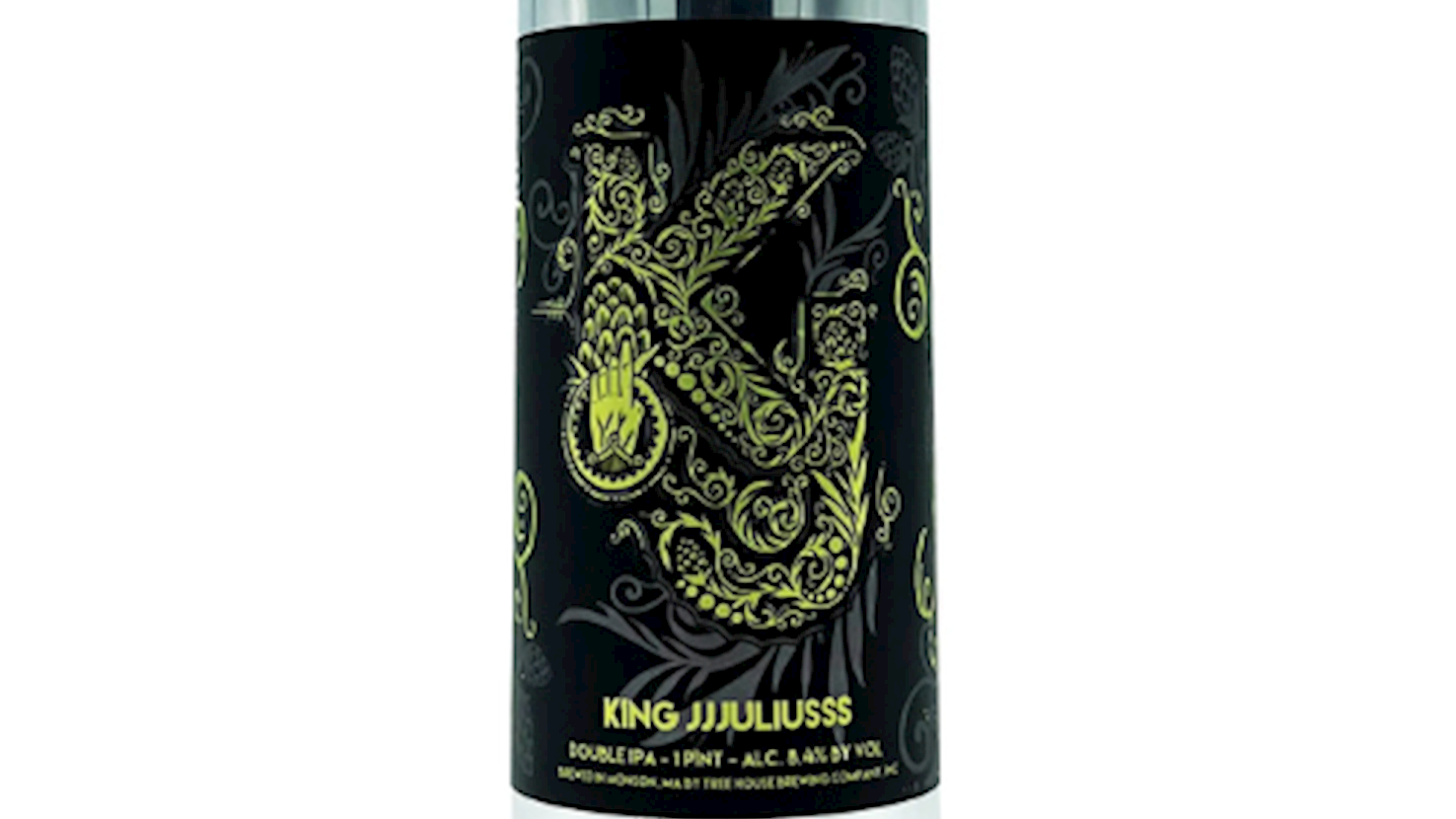
Tree House Brewing Company is one of the most highly regarded American craft breweries, known for its top-quality unfiltered IPAs and strong local presence. It was founded in 2011 in the state of Massachusetts by four friends as a small homebrewing project in Brimfield. They are best known for their hazy and juicy IPA beers, especially Julius, which stands out with tropical aromas of mango, peach, and passionfruit, paired with gentle bitterness and a smooth, full-bodied taste. Their beers are not distributed - they are sold exclusively on-site at brewery locations, giving them an exclusive status and creating buzz and long lines with each new release. Tree House combines innovation and high quality with a local, community-driven approach and a commitment to sustainable growth. Each location offers a warm, family-friendly atmosphere, often with pizza, music, and outdoor gathering spaces.
Awards
Beer Advocate - 100 World-Class
Untappd - 4.56 (0)
02

Hill Farmstead Brewery

5 ·
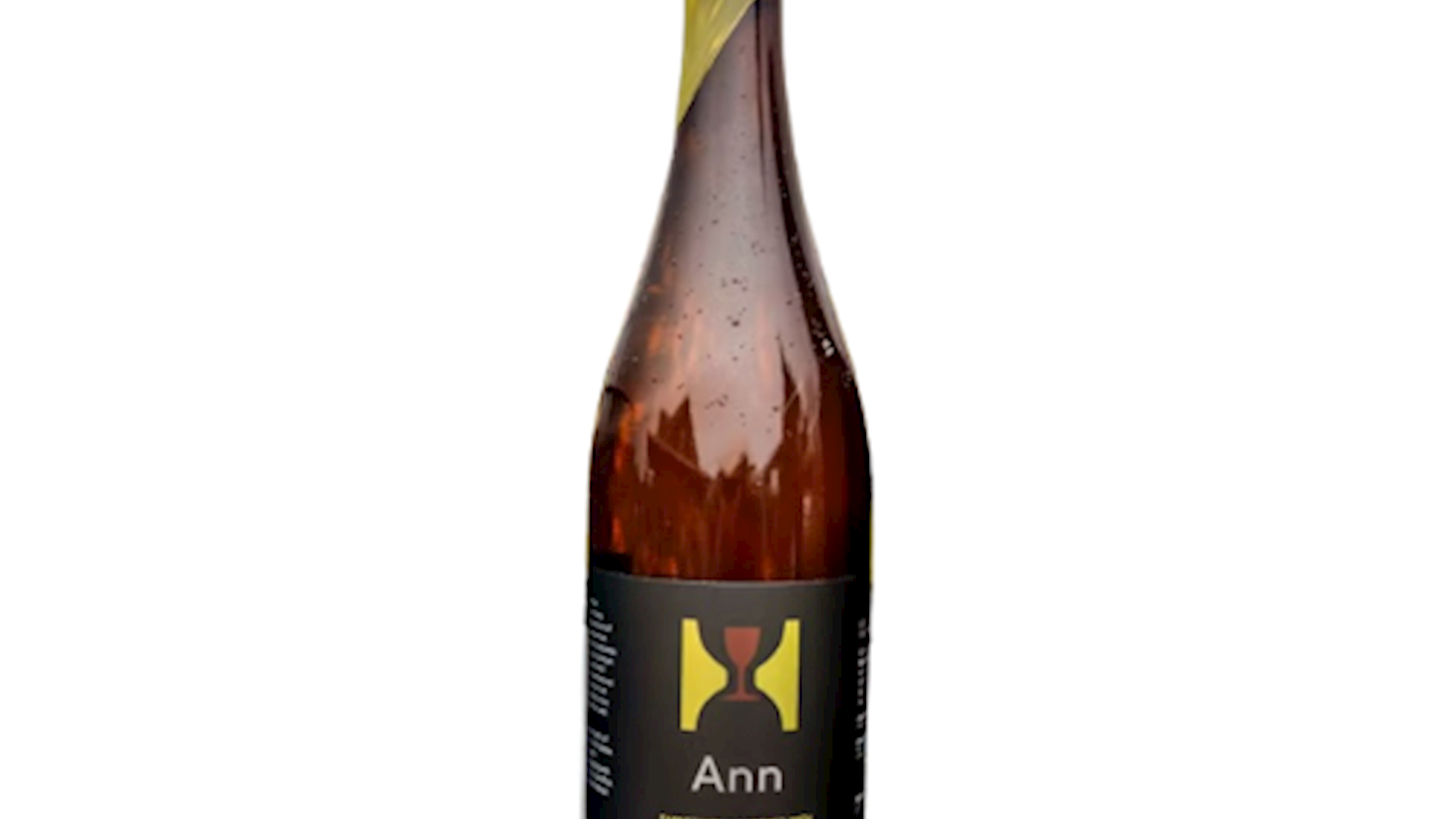
Hill Farmstead Brewery is a premier craft brewery located in Greensboro Bend, Vermont, founded around 2010 by Shaun Hill on his family’s ancestral farm, which has been in the Hill family for over two centuries. The brewery focuses on subtle complexity and elegance, producing small batches of exceptionally high-quality beers - including IPAs, saisons, porters, and others. Sales take place exclusively on-site, often drawing long lines of visitors who travel from distant states to purchase beer directly from the source. The brewery features a beautifully designed taproom and a retail shop lined with growlers and bottles, while the setting of the family farm adds an authentic, serene backdrop to the full brewery experience.
Awards
Untappd - 4.7
Untappd - 4.8
03

Side Project Brewing

5 ·
Side Project Brewing is an American craft brewery based in Saint Louis (Maplewood, Missouri), run by Cory and Karen King. The brewery is renowned for its premium, complex beers fermented in oak barrels, using wild yeasts and spontaneous processes that give each release a rustic and unpredictable character. Their philosophy relies heavily on local ingredients - such as fruit and native microorganisms - to create unique saison and wild ale styles with a strong sense of terroir. In addition, Side Project experiments with aging in bourbon and other spirit barrels, crafting intensely powerful stouts and barleywines that combine strength and depth with exceptional balance and elegance. Their work is defined by technical precision, innovation, and dedication to artisanal principles, making them one of the most respected and influential breweries in the world of spontaneous and barrel-aged beers.
Awards
Untappd - 4.7
Untappd - 4.8
04

Russian River Brewing

5 ·
Russian River Brewing was founded in 1997, when Vinnie Cilurzo was hired as the head brewer. As early as 1999, Vinnie created one of the first commercially available Double IPAs - the renowned Pliny the Elder, which remains the brewery’s most famous and acclaimed beer to this day. Their reputation is built primarily on outstanding IPA styles, with Pliny the Elder - Double IPA, and Pliny the Younger - Triple IPA standing out. The latter is brewed only once a year, during a two-week release in February or March, and is available exclusively at their locations -an event that attracts beer enthusiasts from around the world. With the opening of their modern brewery in Windsor, they significantly expanded production capacity while also enhancing the visitor experience. Today, Russian River Brewing is considered one of the most influential and innovative American craft breweries, with its success rooted in a strong commitment to quality, continuous innovation, and deep connection with the community.
Awards
Beer Advocate - 100 World-Class
Untappd - 4.5
05

Brasserie Cantillon

5 ·
Brasserie Cantillon is a small, family-owned brewery founded in 1900 in Brussels, and today it stands as the only active brewery in the region that still produces lambic using traditional methods. This unique beer undergoes spontaneous fermentation, relying on wild yeasts and bacteria naturally present in the air. The brewing base consists of two-thirds malted barley and one-third unmalted wheat, and after boiling, the wort is cooled in large, open vessels known as “coolships”. It then matures in oak or chestnut barrels of varying ages before being blended and refermented in the bottle. Within the brewery is the Brussels Gueuze Museum, opened in 1978, offering visitors insight into the history and fermentation processes of this distinctive style. Cantillon is regarded as one of the most respected and authentic producers of Belgian sour beers, earning recognition among connoisseurs and as a cultural icon of brewing heritage. Production continues using traditional equipment: centuries-old barrels, wooden kettles, and open fermenters - all preserved in their original, functional form. The brewery’s atmosphere, marked by age and history, evokes a near-museum-like setting that reflects continuity and deep respect for a craft passed down through generations.
Awards
Untappd - 4.7
Beer Advocate - 100 World-Class
06

Brouwerij 3 Fonteinen
5 ·
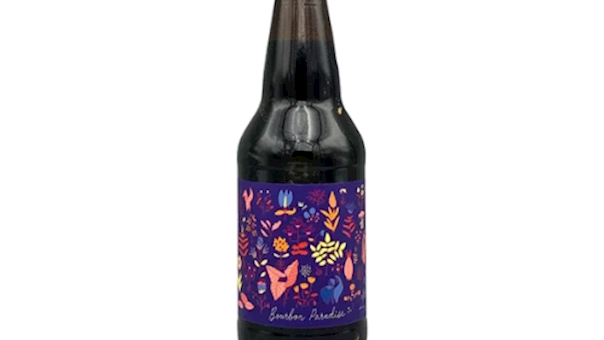
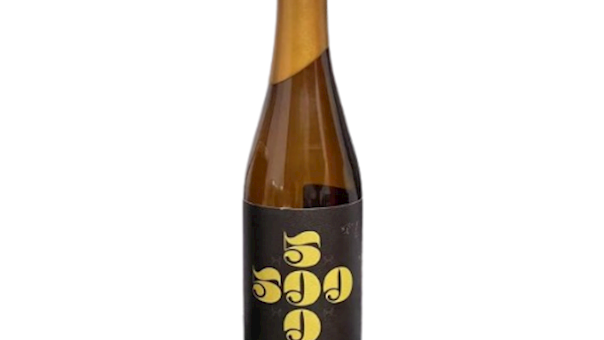
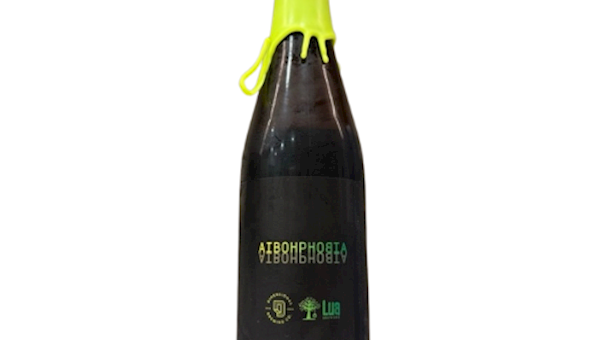
Brouwerij 3 Fonteinen is one of the most respected and authentic Belgian breweries specializing in the production of lambic and geuze beers, located in Beersel, just outside Brussels. It was founded in 1883, originally as a tavern named after the “three fountains”, which later became the name of the brewery itself. Over the decades, it evolved from a simple pub into a guardian of traditional Belgian brewing craftsmanship rooted in spontaneous fermentation. The production process remains faithful to centuries-old methods: after boiling, the wort is cooled in a large open vessel called a "coolship", where it is exposed to the natural microflora of the environment, allowing for spontaneous fermentation without the use of cultured yeast. The beer then matures in large oak barrels and is carefully blended - often from different vintages - based not on strict recipes but on the experience, knowledge, and intuition of the master blenders. Brouwerij 3 Fonteinen does not filter or pasteurize its beers, keeping them alive and allowing them to evolve in the bottle. Today, Brouwerij 3 Fonteinen stands as one of the world’s most esteemed producers of geuze and lambic, preserving tradition while continuously exploring new frontiers of flavor through innovation in fermentation, blending, and aging.
Awards
Beer Advocate - 100 World-Class
Beer Advocate - 95 World-Class
07

Angry Chair Brewing

5 ·
Angry Chair Brewing is a craft brewery located in the Seminole Heights neighborhood of Tampa, Florida, recognized for its unique blend of technical precision and an experimental approach to brewing. While best known for their rich, layered, and often decadent stouts, their lineup also includes IPAs, light and refreshing lagers, classic pilsners, porters, and thoughtfully crafted sour styles. Their focus is on creating beers with distinct character and balanced flavor profiles, which has earned them a loyal following and recognition within the craft beer community. The taproom offers a relaxed, welcoming atmosphere where locals and visitors come together, while the constantly rotating draft list ensures that each visit brings a new experience.
Awards
Untappd - 4.7
Beer Advocate - 100 World-Class
08

Monkish Brewing

5 ·
Monkish Brewing Co. is an independent brewery based in Torrance, California, with an additional taproom in Anaheim, known for its exceptional hazy IPAs and sour ales. Founded in 2012, the brewery began with Belgian-style ales but quickly gained a reputation as one of the most innovative producers of New England IPAs on the West Coast. Their shift toward modern, hop-forward styles is marked by a meticulous focus on aroma and dry-hopping techniques, using varietals such as Citra, Nelson, Galaxy, and Mosaic. Monkish also continues to explore fermentation-driven expressions - developing complex wild and mixed-fermentation ales in parallel with their IPA lineup, relying on both spontaneous and controlled processes in oak foeders. Each recipe carries the signature of head brewer Henry Nguyen, who blends technical precision with a creative approach inspired by philosophy and aesthetics.
Awards
Untappd - 4.5
Beer Advocate - 99 World-Class
09

Other Half Brewing

5 ·
Other Half Brewing is a highly influential craft brewery founded in 2014 in Brooklyn by Sam Richardson, Matt Monahan, and Andrew Burman. From the very beginning, they established themselves as masters of hop-forward styles, with a focus on juicy, fruity, and dank IPAs inspired by the West Coast. Their dedication to using top-tier hops, employing techniques like double dry hopping, and pioneering innovations such as HDHC (high-density hop charge) have helped redefine the modern IPA and become hallmarks of the brewery. Other Half has built a strong reputation through collaborations with breweries around the world, while their culinary approach to recipe development adds depth and complexity to their beers. By combining a passion for aromatic hops, technical innovation, and close engagement with the beer community, Other Half has earned cult status among craft beer enthusiasts. Today, they operate in several major U.S. cities and are considered one of the leading forces on the American craft beer scene, particularly known for their outstanding and boundary-pushing IPA releases.
Awards
Beer Advocate - 100 World-Class
Untappd - 4.5
10

Fidens Brewing

5 ·
Fidens Brewing, based in Albany, New York, was founded in late 2019 as the result of a shared passion for hoppy beer styles between three friends - Steve, Tim, and Raquel. The brewery’s name comes from the Latin word fidens, meaning courage and confidence, which perfectly reflects their authentic and independent approach to brewing. The brewery is almost entirely focused on styles such as New England India Pale Ale, Double India Pale Ale, and Triple India Pale Ale, with a strong emphasis on double dry hopping and expressive aromatics - frequently using hop varieties like Citra, Galaxy, and Simcoe. Thanks to their consistency, quality, and recognizable style, Fidens has quickly become one of the fastest-growing and most respected microbreweries in the Northeastern U.S. Their taproom in Albany has become a must-visit destination for hazy IPA enthusiasts and a true showcase of modern American craft brewing.
Awards
Untappd - 4.7
Untappd - 4.5
About this ranking

TasteAtlas food rankings are based on the ratings of the TasteAtlas audience, with a series of mechanisms that recognize real users and that ignore bot, nationalist or local patriotic ratings, and give additional value to the ratings of users that the system recognizes as knowledgeable. For the “Top 100 Beer Styles in the World” list until June 10, 2026, 6,011 ratings were recorded, of which 5,493 were recognized by the system as legitimate. TasteAtlas Rankings should not be seen as the final global conclusion about food. Their purpose is to promote excellent local foods, instill pride in traditional dishes, and arouse curiosity about dishes you haven’t tried.

The initial list of top producers was compiled based on available reviews, awards, local recommendations, media and blog coverage, and consumer reviews. The list will be updated with ratings from TasteAtlas local ambassadors and TasteAtlas users.

Similar lists