Matija Babić

Top 12 Franc-Comtois Cheeses

Last updated on June 02, 2026

Best Franc-Comtois Cheeses
01

Crémerie Juraflore

5 ·
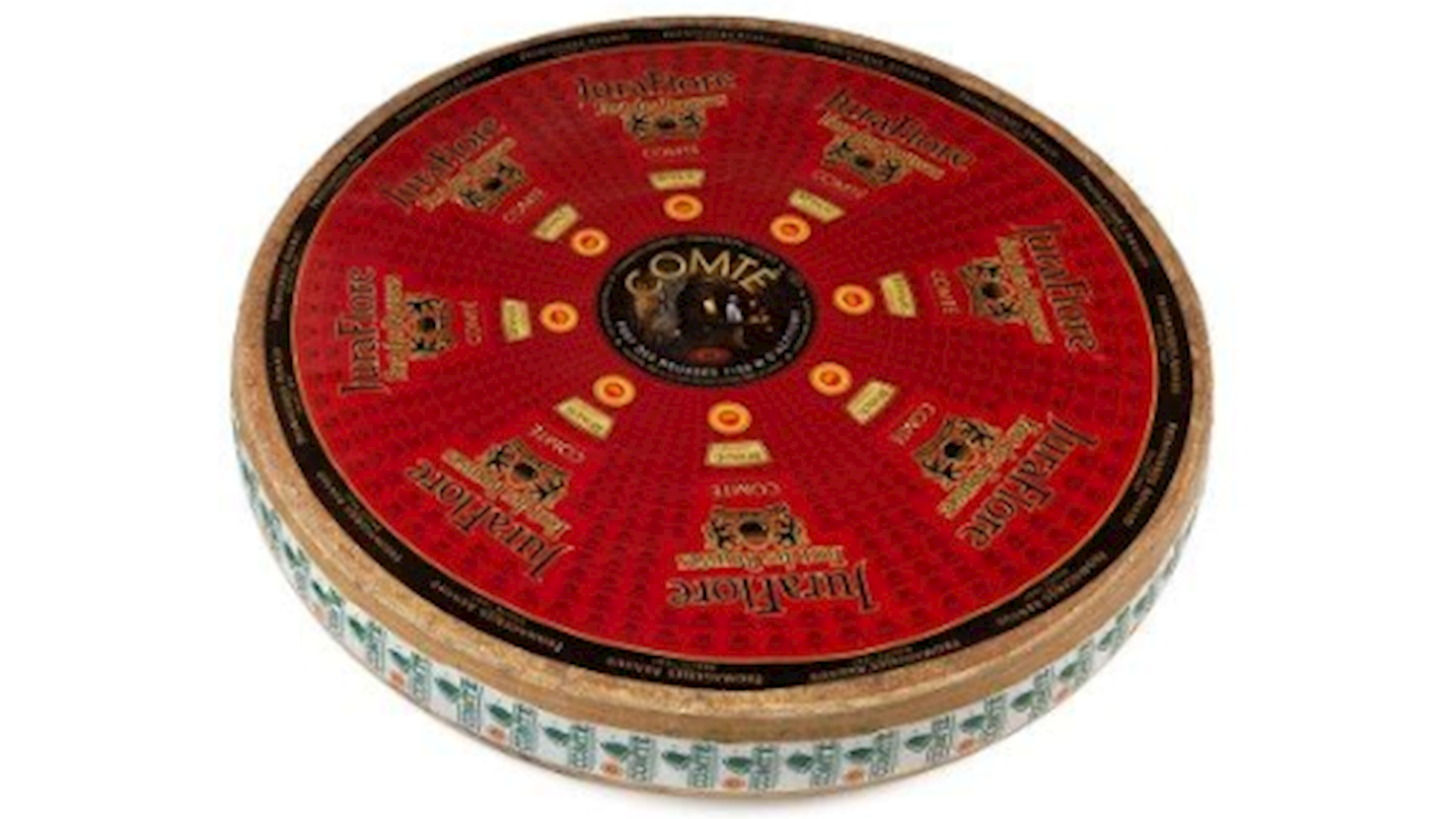
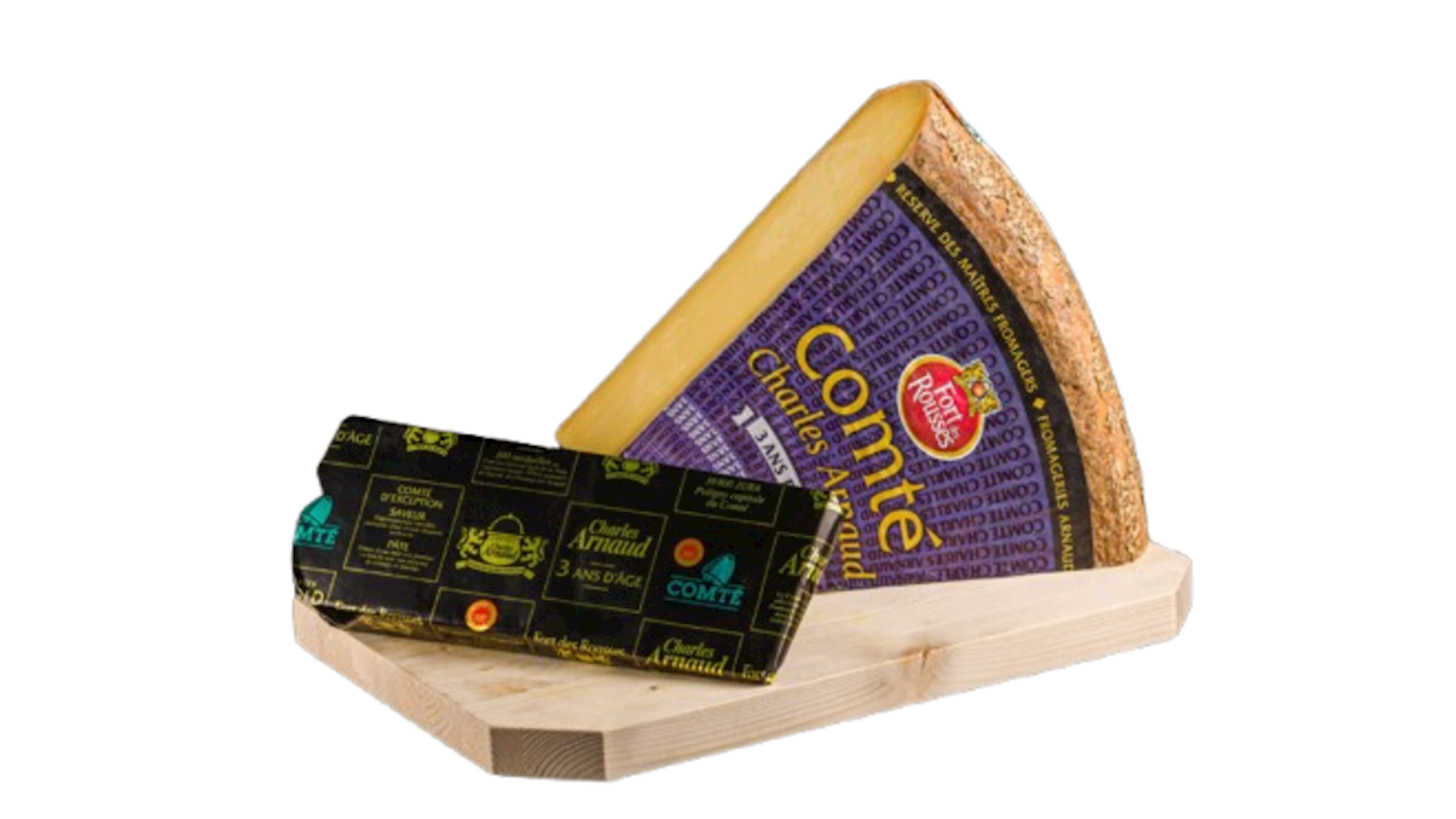
Crémerie Juraflore is a renowned cheesemaking establishment located in Poligny, at the heart of the Jura region in France. Founded in 1907, it is part of Fromageries Arnaud, a family-owned company that has upheld the tradition of producing and aging authentic French cheeses for over a century. The company is especially known for its Comté cheese, crafted from raw milk sourced from cows grazing on the lush pastures of the Jura. This cheese is then matured in the unique environment of Fort des Rousses, a former military fortress now transformed into an impressive network of cheese-aging cellars. At their shop in Poligny, visitors can explore a wide selection of cheeses aged anywhere from 5 to 36 months, along with other regional specialties such as cured meats, honey, and local beverages. Crémerie Juraflore is widely respected for its dedication to quality and its commitment to preserving traditional cheesemaking methods.
02

Fromagerie du Mont d'Or

5 ·
Fromagerie du Mont d'Or, located in the picturesque village of Métabief in the Doubs region of France, represents a family cheesemaking tradition nurtured by the Sancey-Richard family for over 50 years. This artisanal fromagerie is renowned for producing authentic French cheeses with protected designation of origin. All cheeses are made exclusively from raw milk of Montbéliarde cows, collected daily from local producers in the Métabief area. The production and aging processes take place in traditional cellars, where more than a thousand cheeses mature under carefully controlled conditions. Visitors can enjoy self-guided tours of the production facility and shop, which offers a wide range of regional products, including cured meats, honey, jams, and wines from the Jura region. Fromagerie du Mont d'Or stands as a symbol of dedication to quality, tradition, and the preservation of local gastronomic heritage, making it an essential destination for lovers of authentic French cheeses.
03

JuraFlore - Fort des Rousses

4.9 ·
Awards
World Cheese Awards - Gold (2024)
04

Fromagerie Poitrey

4.9 ·
Fromagerie Poitrey is a cheese producer based in the Jura region of France. It specializes in producing traditional French cheeses, particularly Comté, Morbier, and Mont d'Or. The company has been in operation since 1948 and adheres to traditional methods of cheese-making.
Awards
Concours International de Lyon - Gold (2025)
World Cheese Awards - Gold (2021)
05

Fromageries Marcel Petite

4.9 ·
Fromageries Marcel Petite is a renowned family-run affineur dedicated to the traditional aging of Comté and Morbier cheeses. For five generations, the Petite family has carefully matured each wheel using artisanal methods, most famously in the historic Fort Saint-Antoine. In this unique setting, cheeses are patiently aged, regularly turned, brushed, and tasted to develop their full character and depth of flavor. Working closely with around 35 small fruitières, they source only raw milk from Montbéliarde cows grazing on the rich pastures of the Jura region, ensuring a true expression of terroir in every cheese. Their range includes exceptional Comté varieties such as Fruité, Réserve, Symphonie, Plénitude, and Élégance, aged from 10 to 30 months. Marcel Petite remains committed to preserving centuries-old techniques while infusing each cheese with care, expertise, and a deep respect for tradition and place.
06

Fruitiere Du Pays Grandvallier

4.8 ·
Fruitière du Pays Grandvallier is an agricultural cooperative located in Saint-Laurent-en-Grandvaux, at the heart of the Haut-Jura Regional Nature Park. This cooperative unites 14 members (26 farmers) who collectively gather and process milk into traditional Jura cheeses such as Comté AOP, Morbier AOP, Raclette, and Tomme du Grandvaux. Annually, they process about 6 million liters of milk, of which 91% is dedicated to producing Comté cheese, while the remainder is used for other cheeses. A significant portion of the products is sold to affineurs during the first month after production, while the rest is aged in their own cellars and sold directly through the cooperative's shop. In addition to their own products, the store offers a variety of high-quality local and artisanal items, including honey, beverages, and cured meats. Customers can shop directly at the store or place orders through the online shop.
Awards
Concours International de Lyon - Gold (2025)
07

Fromagerie la Ferté

4.7 ·
Fromagerie de La Ferté is a renowned dairy cooperative located in the village of La Ferté, in the Jura department of eastern France. Established in 1923, the cooperative brings together eleven local milk producers who collectively supply around 4 million liters of milk annually. Since 2015, the cooperative has undergone modernization with a state-of-the-art production facility and spacious aging cellars, enabling full control over production within a short supply chain. It specializes in the production of traditional cheeses with Protected Designation of Origin (AOP) status, including Comté, Morbier, Raclette, and Tomme du Jura. Their cheeses are made exclusively from raw milk and aged in their own cellars, ensuring authenticity and high quality. In addition to these, they offer local specialties such as La Fertoise cheese, as well as dairy products like cream, raw butter, yogurt, and spreadable cheese. Fromagerie de La Ferté also organizes guided tours of its production facilities and aging cellars, offering visitors a unique insight into the traditional cheese-making process.
08

Monts et Terroirs

4.5 ·
Awards
Concours International de Lyon - Gold (2025)
09

Napiot Fromagerie

4.5 ·
Awards
Concours International de Lyon - Gold (2025)
10

Fromagerie de Gilley

4.5 ·
Awards
Concours International de Lyon - Gold (2025)

Best Franc-Comtois Cheese Types
01

Mont d'Or

4.4 ·

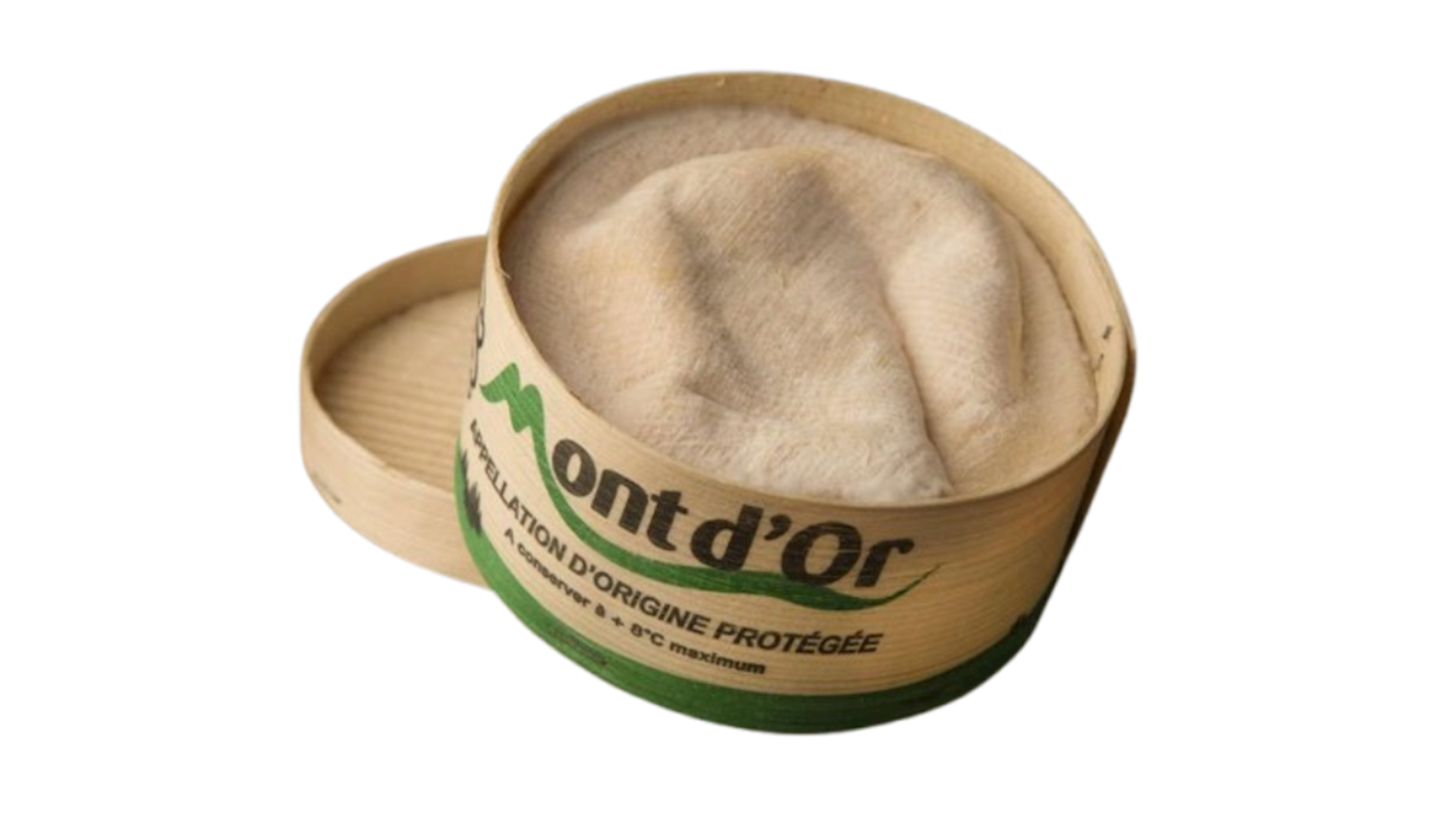
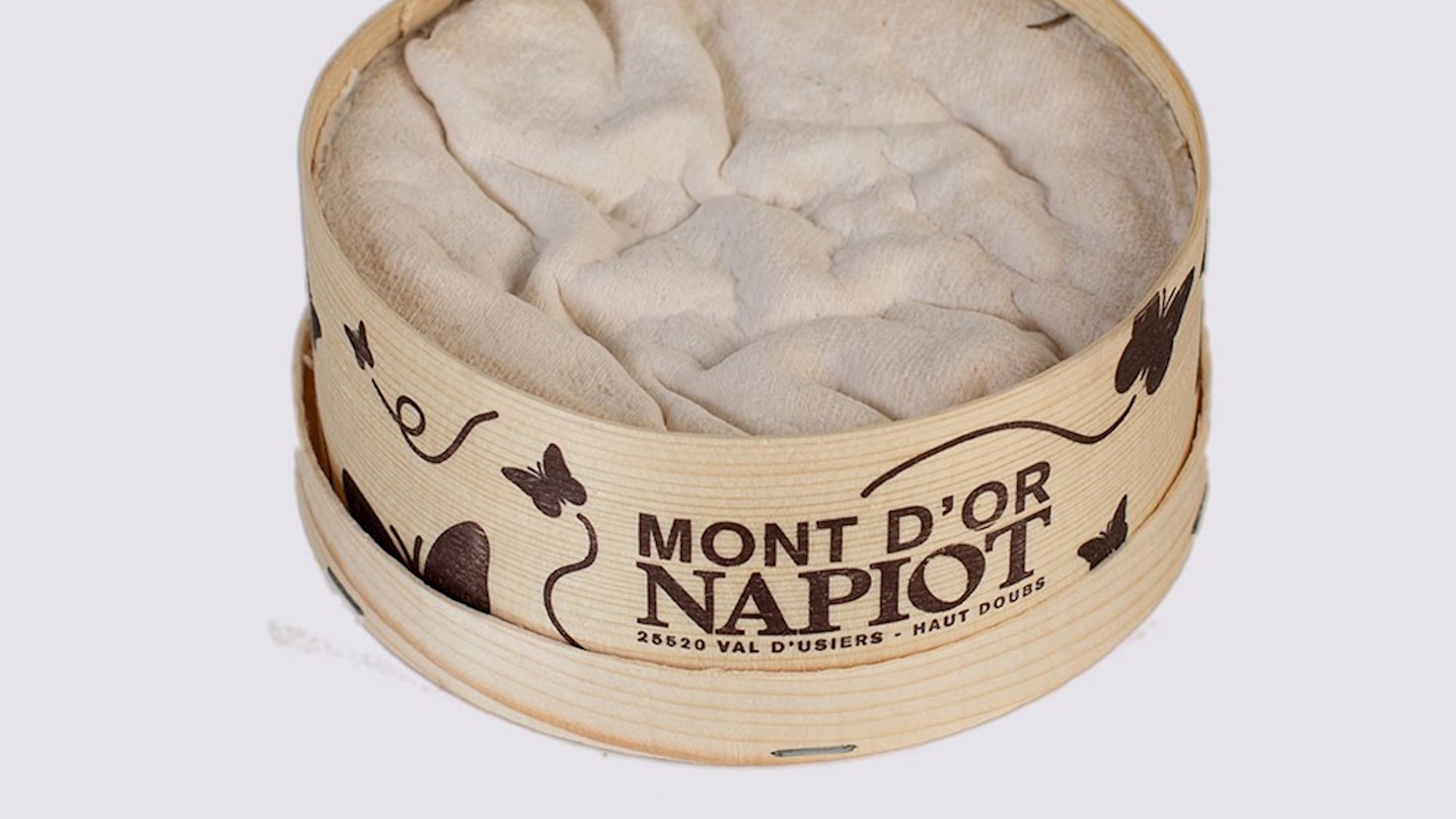
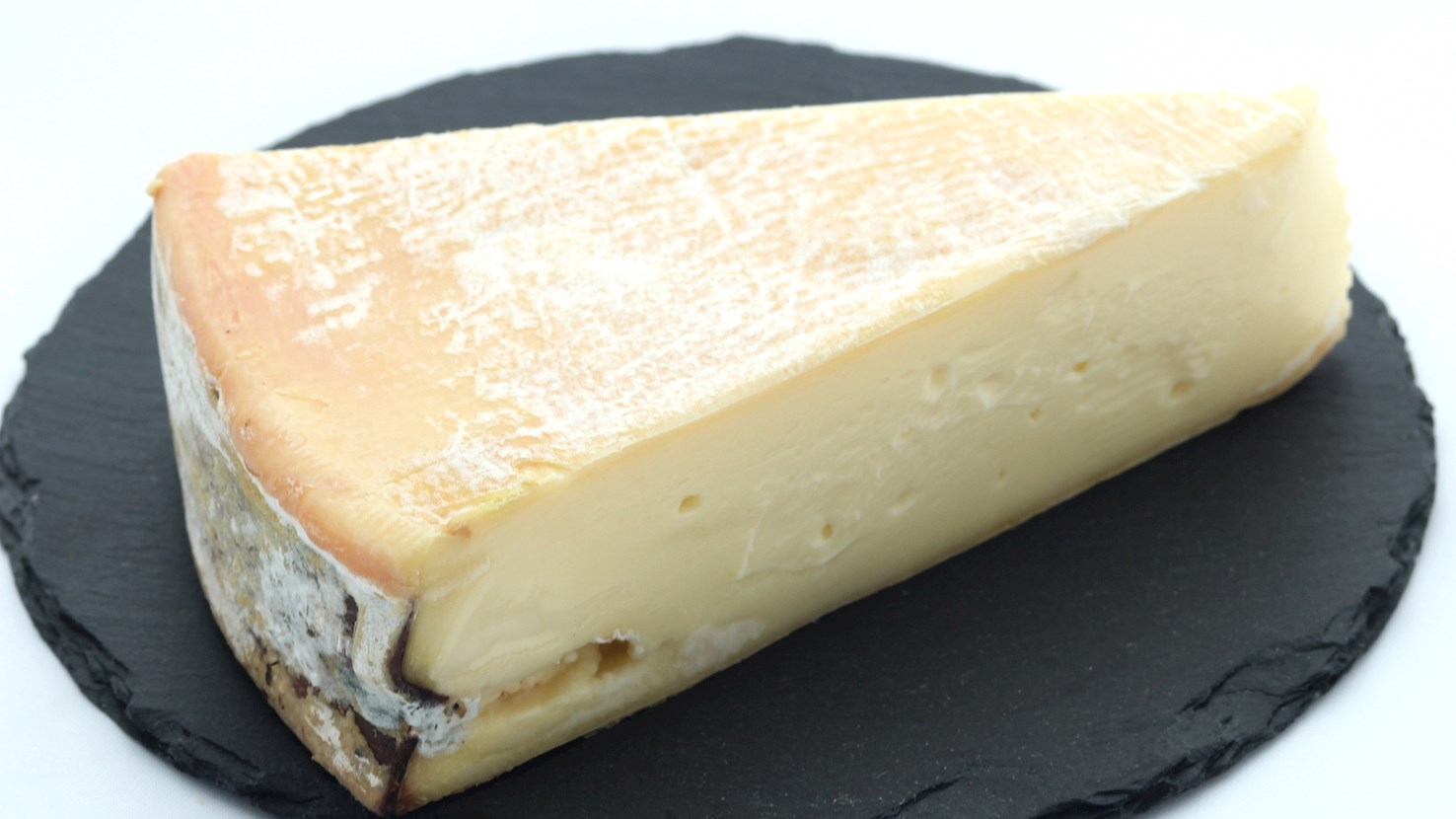
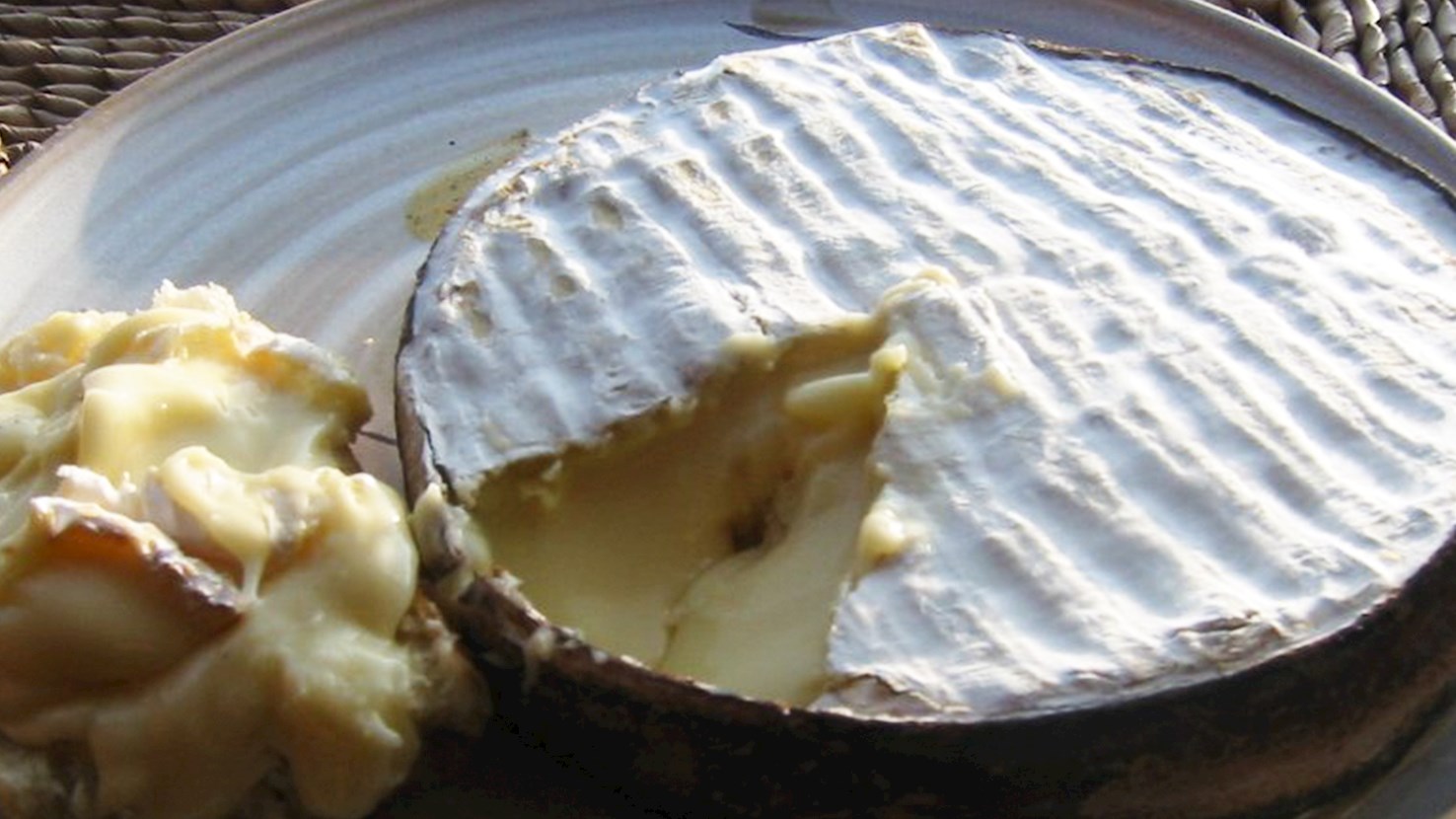
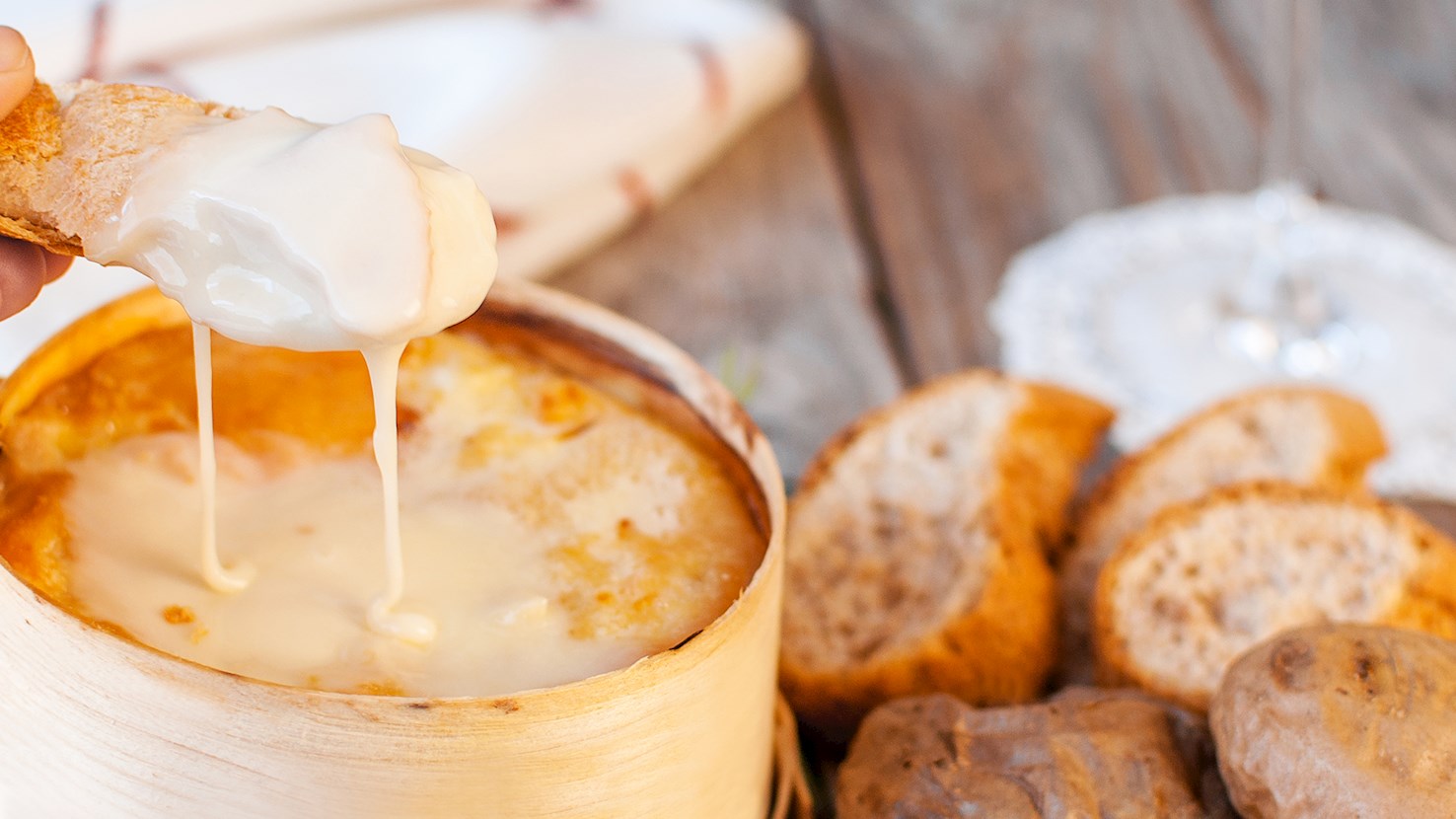
Also known as Vacherin du Haut-Doubs, Mont d'Or is a soft cheese made from raw cow's milk in the Haut-Doubs region in France. What's unique about Mont d'Or's visual appearance is that it is encircled by spruce bark strips and packaged in a spruce wooden box that keeps the cheese in place. It has a full, rich, sweet and grassy flavor and a slightly acidic taste. Its rind is not edible like in most other French cheeses, so it has to be removed to get to the creamy, runny, almost liquid inside, when fully ripe. As the cheese is already almost melting, it can be eaten like a fondue and enjoyed with sparkling wines.

02

Comté

4.4 ·

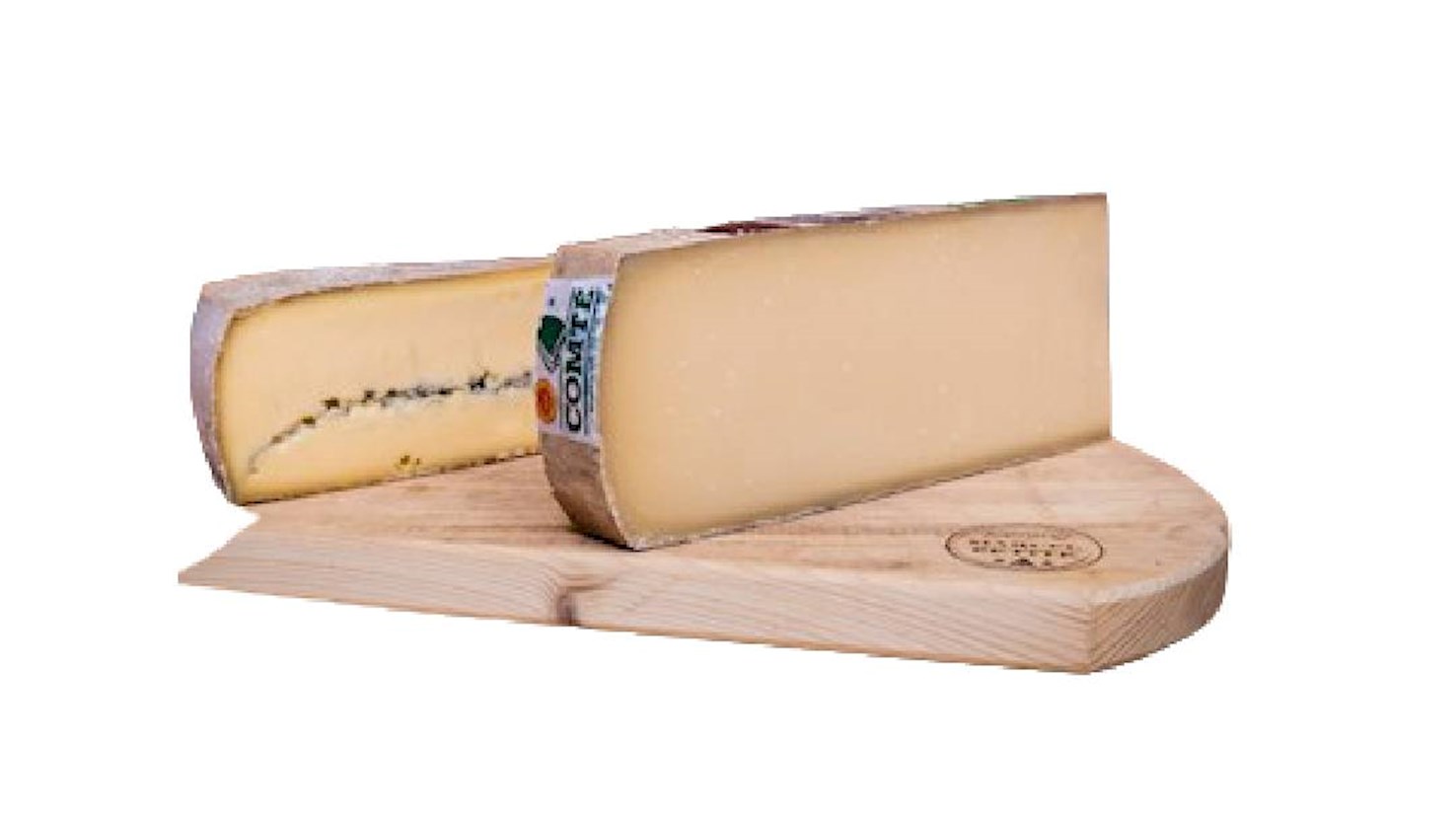
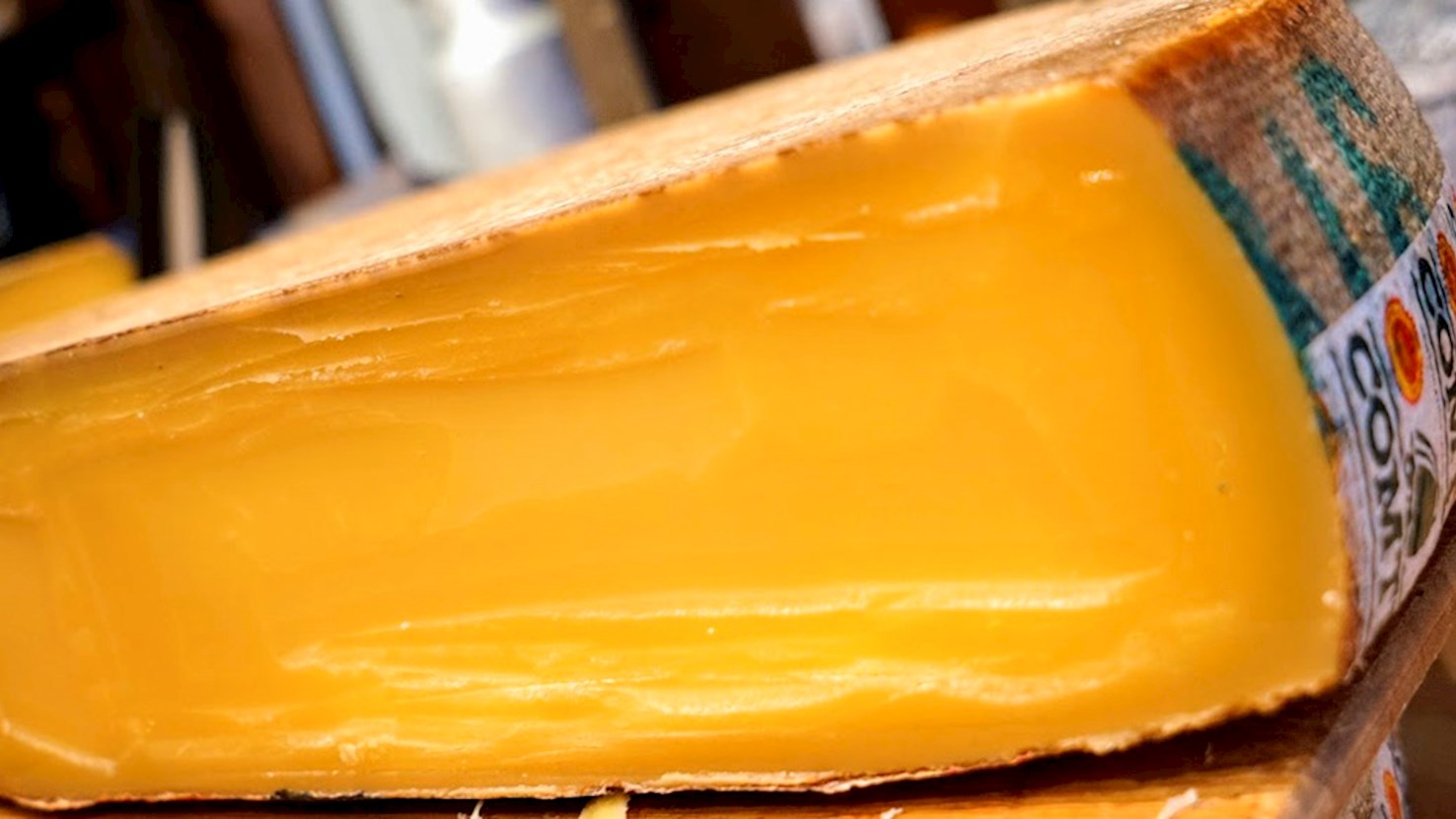
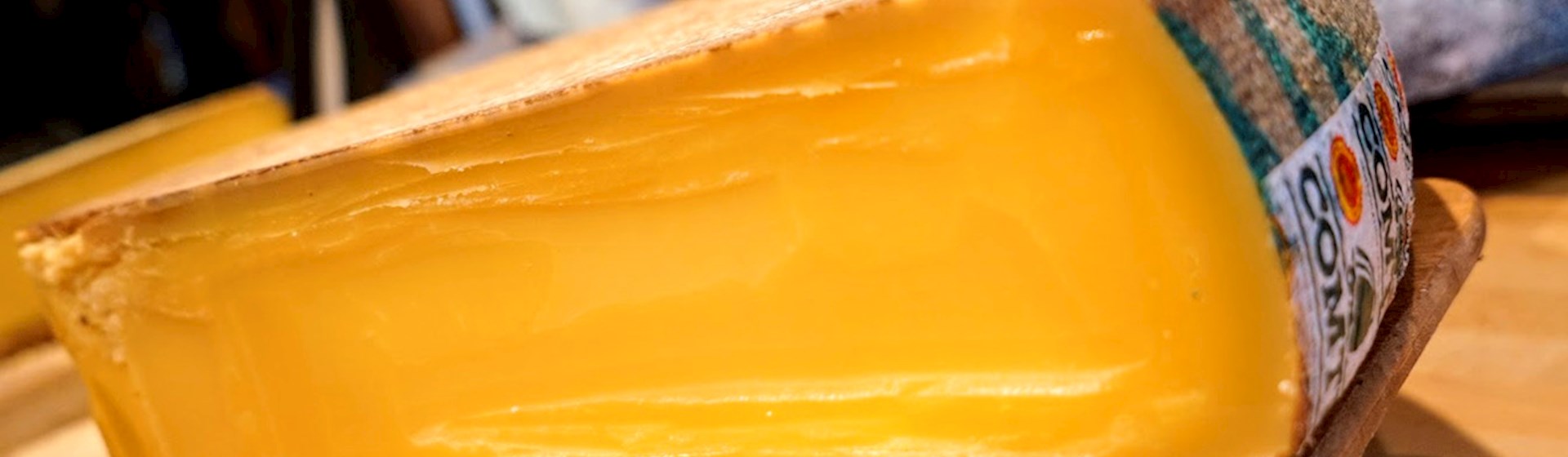
Comté is a big, hard cheese made from unpasteurized cow's milk, with at least 45% fat and a pressed, cooked paste. Each cheese wheel is unique with numerous taste varieties that can range from milky, spicy, roasted to fruity, buttery or plant-like due to the fact the milk it is made from must be used immediately. It is made in the Jura massif in the caves of Doubs, Jura and Haute-Saône departments in France. The maturation period lasts at least 120 days and it is turned and scrubbed regularly during the process. Comté also has a seasonal stamp, like winter, summer, mountain Comté or plains Comté. The texture of the cheese is creamy and it can be sliced, grated or cubed. It also melts easily, and is best paired with sherry and red wines or it can be melted in fondues.

03

Morbier

4.3 ·

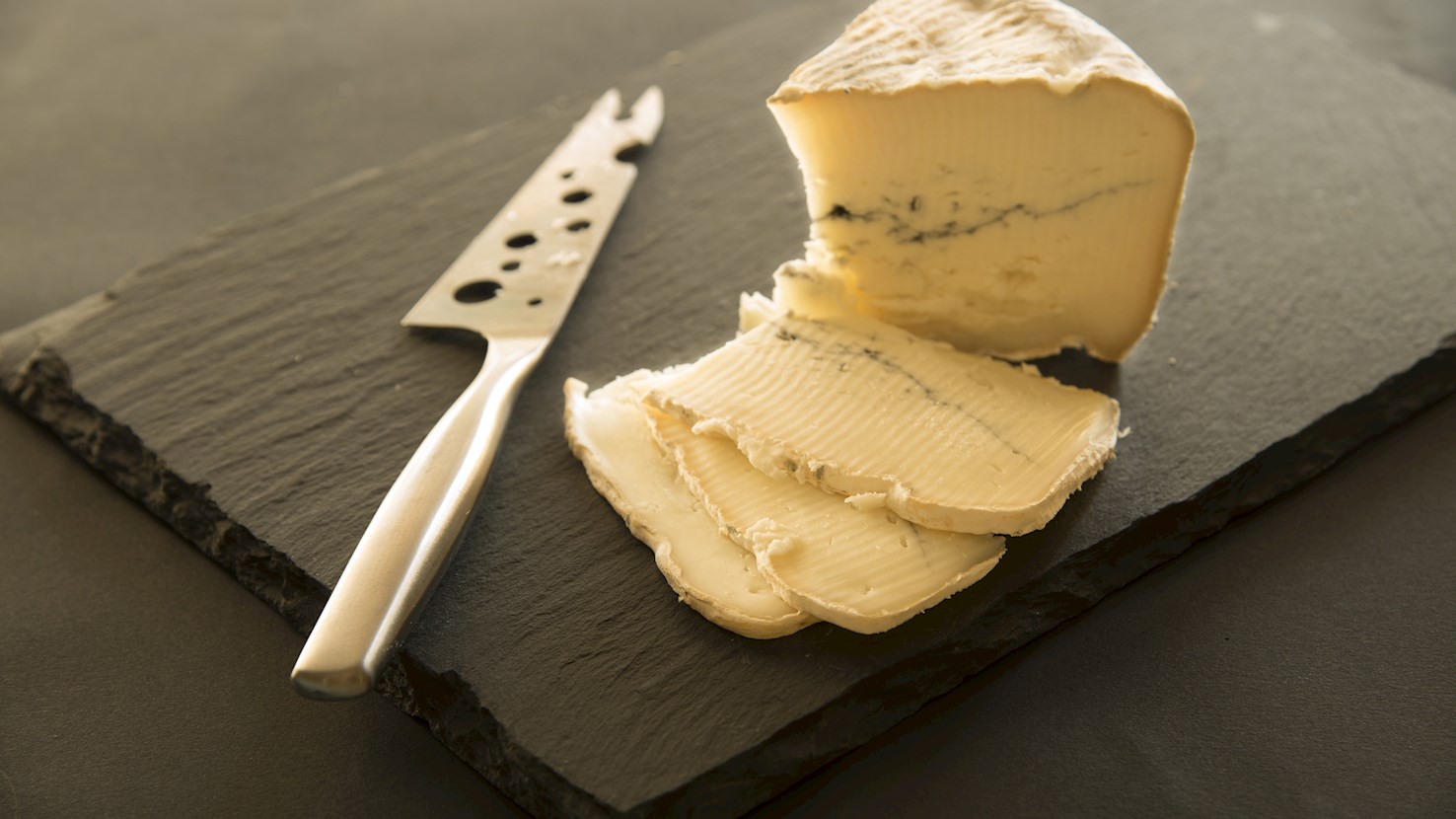
Morbier is a soft cheese made from unpasteurized cow's milk, produced in the French regions of Doubs, Jura, Ain, and Saône-et-Loire. The cheese is more than two centuries old. It is easily identifiable for its thin black layer of ash which goes through the center of the cheese. For full maturation, it takes from 45 days to 3 months, and in that time the rind becomes yellow and moist. The flavor is rich and creamy, reminiscent of fresh hay, nuts and fruits, with a slightly bitter aftertaste. Morbier also has numerous small holes dispersed throughout its body. It is great on sandwiches, with crackers, nuts, and grapes, and it also melts quite easily. Pair it with light red wines.

04

Cancoillotte

4 ·

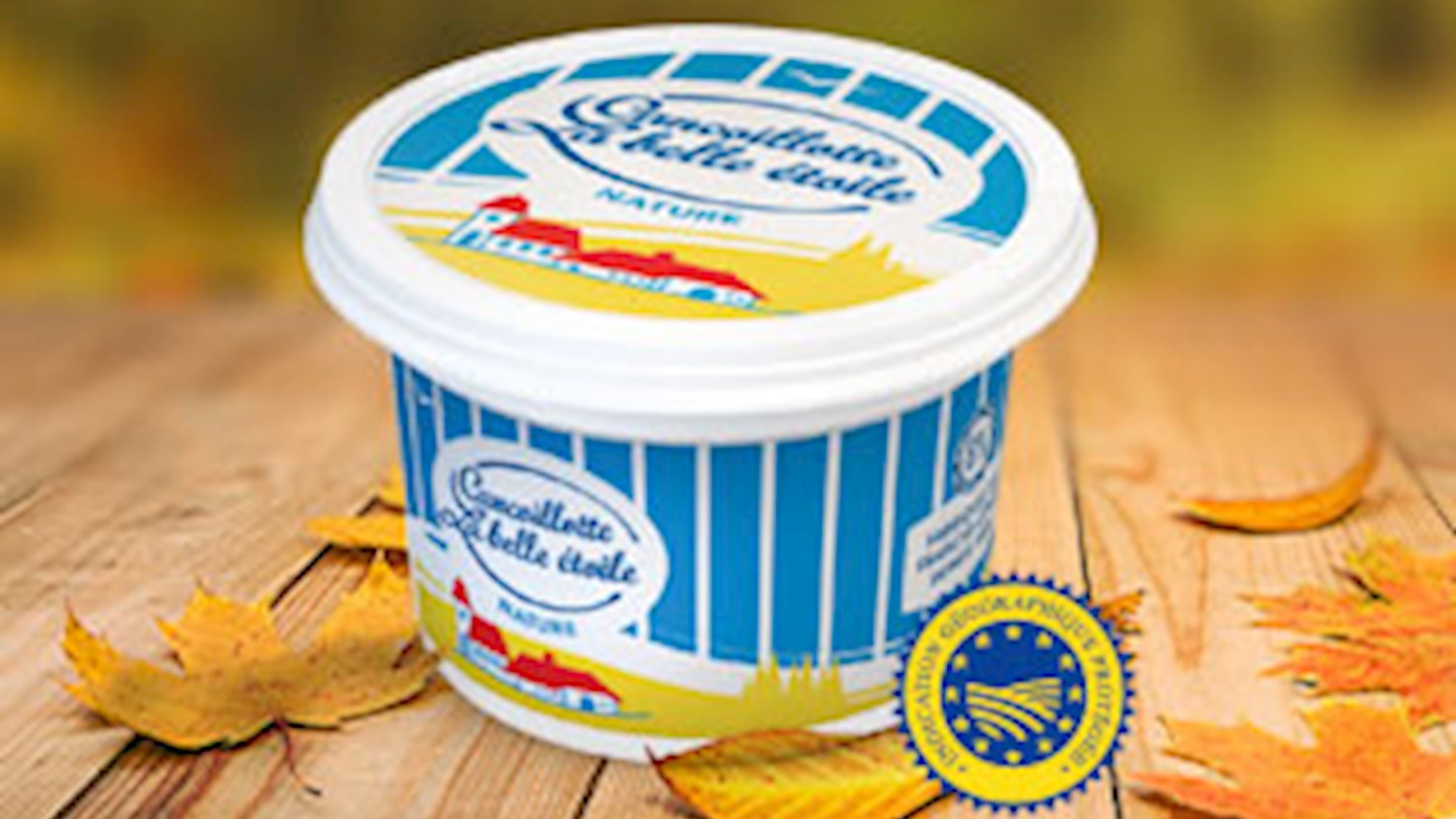
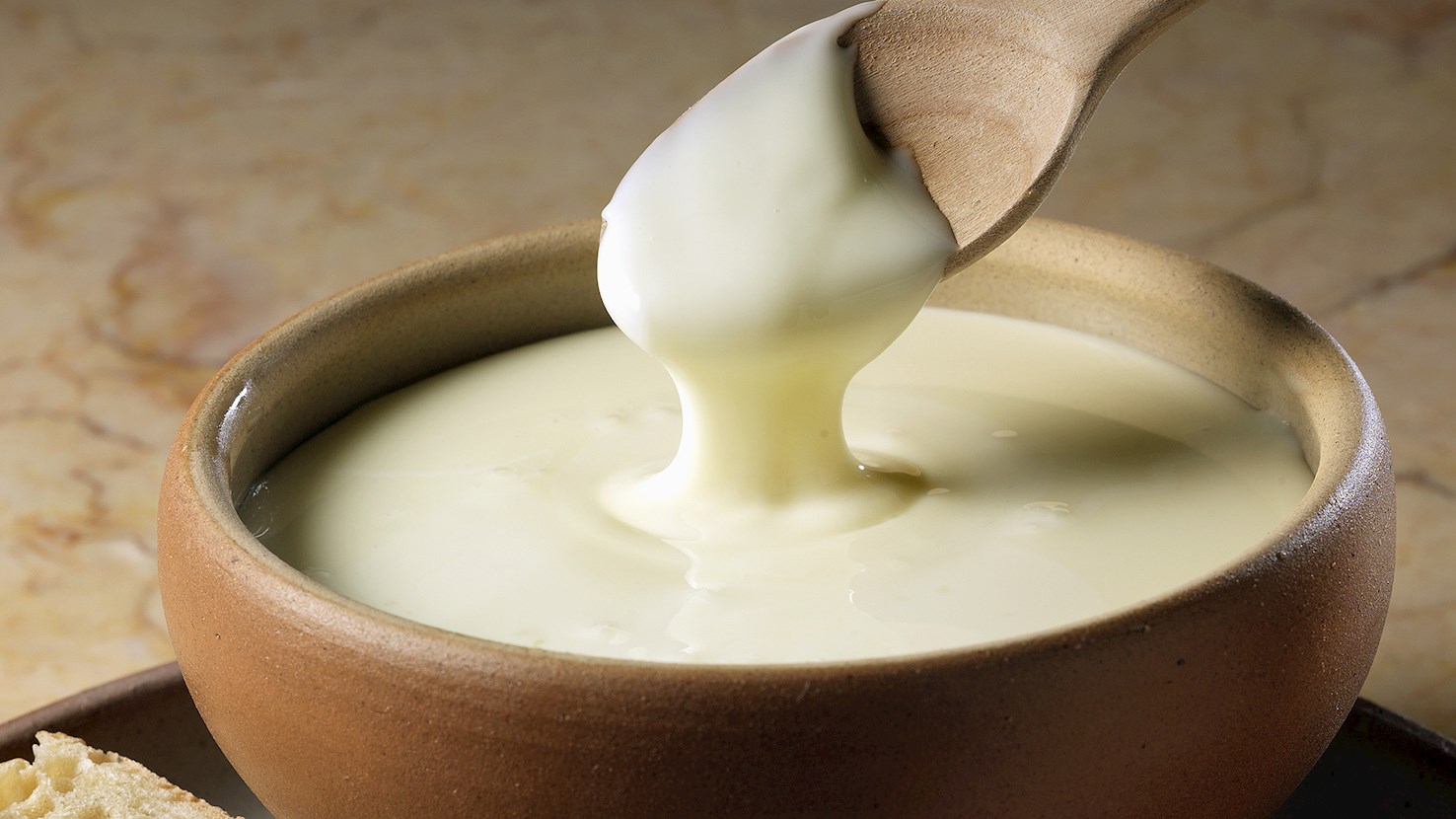
Cancoillotte is a French cheese originating from the region of Franche-Comté. It is believed that this cow’s milk cheese with a thick and creamy texture first appeared more than 2,000 years ago in a region that was then called Séquanie – known nowadays as Haute-Saône. Originally, the cheese was called fromage fondu (melted cheese) and fromage de femme (housewife’s cheese). The flavor of cancoillotte can best be described as acidic and buttery, with a strong fermented odor. It is recommended to heat it up with butter, wine, and garlic, then pour the combination over vegetables, cold cuts, or potatoes.

05

Vacherin

3.8 ·

Vacherin is a group of cheeses made from cow's milk. There are two main types of Vacherin – one is Swiss, the other one French. The French one is called Mont d'Or or Vacherin du Haut-Doubs, while the Swiss one is called Vacherin Mont d'Or, and although the nomenclature is a bit tricky, the French one is made with raw milk while the Swiss one is made with thermized milk. The cheeses come wrapped in spruce in order to contain the slightly melting, almost liquid interior. There's also a firmer Swiss cheese called Vacherin Fribourgeois, as well as the rich Vacherin d'alpage, made from the milk of cows that roam the alpine meadows. Other types of Vacherin include Vacherin d'Abondance and Vacherin des Bauges (from Savoy). The Canadian version from Quebec is called Vacherin Chaput.

06

Bleu de Gex Haut-Jura

3.3 ·

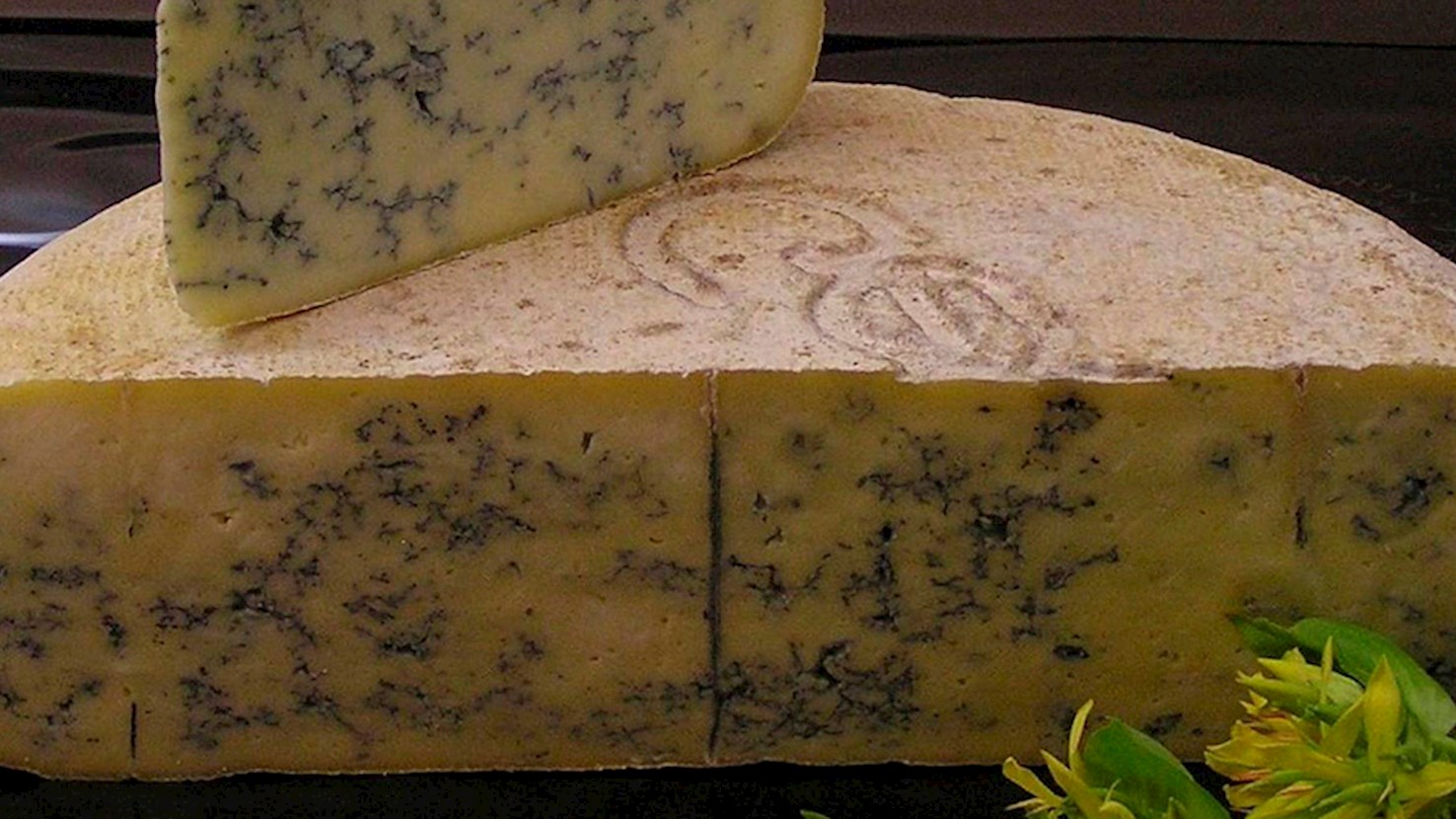
Bleu du Haut-Jura or Bleu de Septmoncel is a blue, uncooked and unpressed cheese made from the unpasteurized milk of two cow breeds. It has pale blue/green moldy veins dispersed throughout its soft, white/ivory colored body with a creamy, crumbly texture. The rind must have the word Gex embossed on it. Its smell is intense and earthy, and it has a characteristically mild, acidic, nutty and buttery taste because it is, after all, one of the mildest French cheeses. Slightly spicy, peppery notes come from the blue veins. It goes well with strong red wines or used in fondues and gratin dishes.

07

Mamirolle

n/a ·

Mamirolle is a semi-soft cheese made from pasteurized cow's milk that was first made in 1935 by students of the Ecole Nationale d'Industrie Laitiere in Mamirolle, France, hence the name. In 1996, the Éco-Délices dairy in Plessisville, Quebec also got the exclusive license to produce the cheese outside France. Underneath Mamirolle's washed rind, the texture is supple, elastic, and chewy. The aromas are earthy and pungent, while the flavors are mild, fruity, salty, and sweet, with a rich buttery finish. The cheese is left to age from 3 to 4 weeks on wooden planks, and during the process it's washed with annatto. Pair it with a glass of Beaujolais.

08

Édel de Cléron

n/a ·

Édel de Cléron is a soft French cheese originating from the city of Cléron. It is made from pasteurized cow’s milk. The cheese matured for about three weeks, and it is then wrapped in cloth and bound with spruce bark strips, helping it to retain its shape and giving it a rustic, woody aroma. On the exterior, it has a bloomy white rind, while the interior is creamy and runny in texture, so the cheese is often eaten with a spoon. Its flavor can best be described as earthy and mushroomy.

09

Raclette de Franche-Comté

n/a ·

Raclette de Franche-Comté is a semi-hard cow’s milk cheese produced in the region of Franche-Comté in eastern France, made in wheel or block form and intended primarily for melting and table service. Its development is connected to the broader dairy culture of Franche-Comté, an area long known for mountain and plateau farming where milk preservation and seasonal cheese production were essential, and as raclette-style consumption spread from neighboring Alpine areas into France during the twentieth century, local cheesemakers adapted their milk and techniques to produce cheeses suited to this method of heating and serving while using regional milk and facilities. The cheese is produced from pasteurized cow’s milk, coagulated with rennet, pressed to expel whey, and aged for a relatively short period compared to long-keeping mountain cheeses, resulting in a supple paste with moderate moisture that melts evenly when exposed to heat. Preparation centers on slicing or portioning the cheese and heating it in raclette appliances, ovens, or under grills until the surface softens, after which it is served immediately to maintain fluidity and cohesion. Its defining feature lies in its balance between meltability and mild flavor, allowing it to integrate smoothly with accompaniments without dominating them, and while it does not carry a specific protected designation tied to a single valley or canton, it reflects regional milk characteristics and cheesemaking standards of Franche-Comté. Raclette de Franche-Comté is eaten mainly in domestic settings and casual restaurants across France, particularly during colder months, served with boiled potatoes, cured meats, and pickled vegetables, and it pairs well with dry white wines from eastern France such as those made from Savagnin or Chardonnay, as well as with light red wines or non-alcoholic options like mineral water that complement its richness without masking its flavor.

Read more
View all
View map
About this ranking

TasteAtlas food rankings are based on the ratings of the TasteAtlas audience, with a series of mechanisms that recognize real users and that ignore bot, nationalist or local patriotic ratings, and give additional value to the ratings of users that the system recognizes as knowledgeable. For the “Top 12 Franc-Comtois Cheeses” list until June 02, 2026, 872 ratings were recorded, of which 666 were recognized by the system as legitimate. TasteAtlas Rankings should not be seen as the final global conclusion about food. Their purpose is to promote excellent local foods, instill pride in traditional dishes, and arouse curiosity about dishes you haven’t tried.

The initial list of top producers was compiled based on available reviews, awards, local recommendations, media and blog coverage, and consumer reviews. The list will be updated with ratings from TasteAtlas local ambassadors and TasteAtlas users.

Similar lists