shutterstock

Top 100 European Chocolate Confectioneries

Last updated on June 15, 2026

Best European Chocolate Confectioneries
01

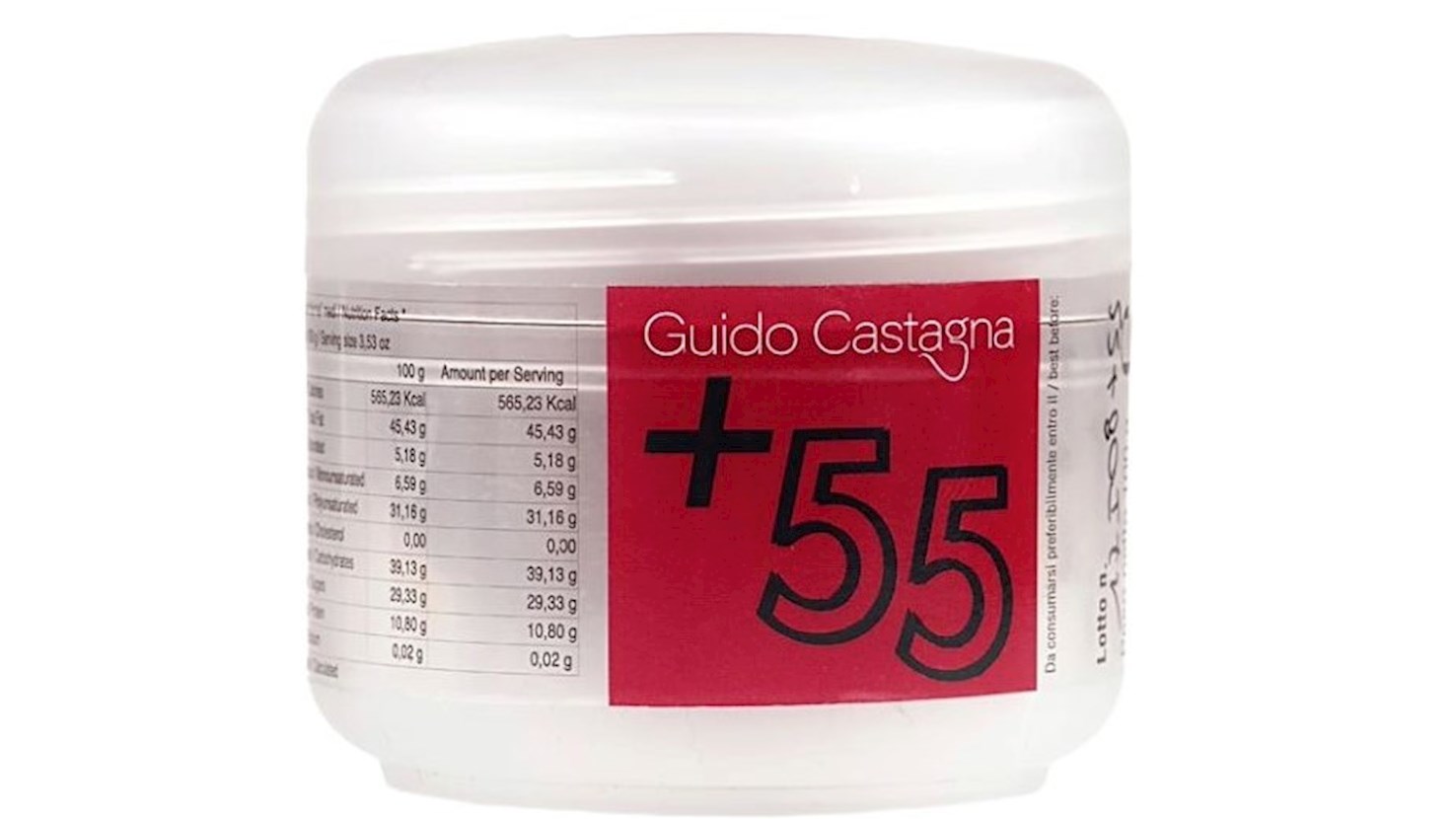
Guido Castagna

5 ·
Guido Castagna is a distinguished Italian chocolatier celebrated for his commitment to craftsmanship, authenticity, and sustainability. At the heart of his philosophy lies the "Metodo Naturale" (Natural Method), a production approach that honours the natural rhythms of ingredients and emphasises respect for raw materials, artisans, and the environment.​ This meticulous process begins with the careful selection of premium cocoa beans, which are allowed to rest for three months upon arrival to stabilise their aromatic profiles. Subsequently, the beans are roasted at low temperatures to preserve their inherent flavours. The tempered chocolate is then moulded into blocks and aged for six months under controlled conditions, allowing the flavours to mature fully. ​ guidocastagna.it Among Castagna's acclaimed creations is the Giuinott®, a modern reinterpretation of the traditional gianduiotto. This confection combines Venezuelan Chuao cocoa with IGP Piedmont hazelnuts, resulting in a harmonious blend that has garnered multiple gold awards at the International Chocolate Awards.
Awards
International Chocolate Awards - ‘Best in competition' overall winners (2024)
International Chocolate Awards - ‘Best in competition' overall winners (2023)
02

Amedei

5 ·
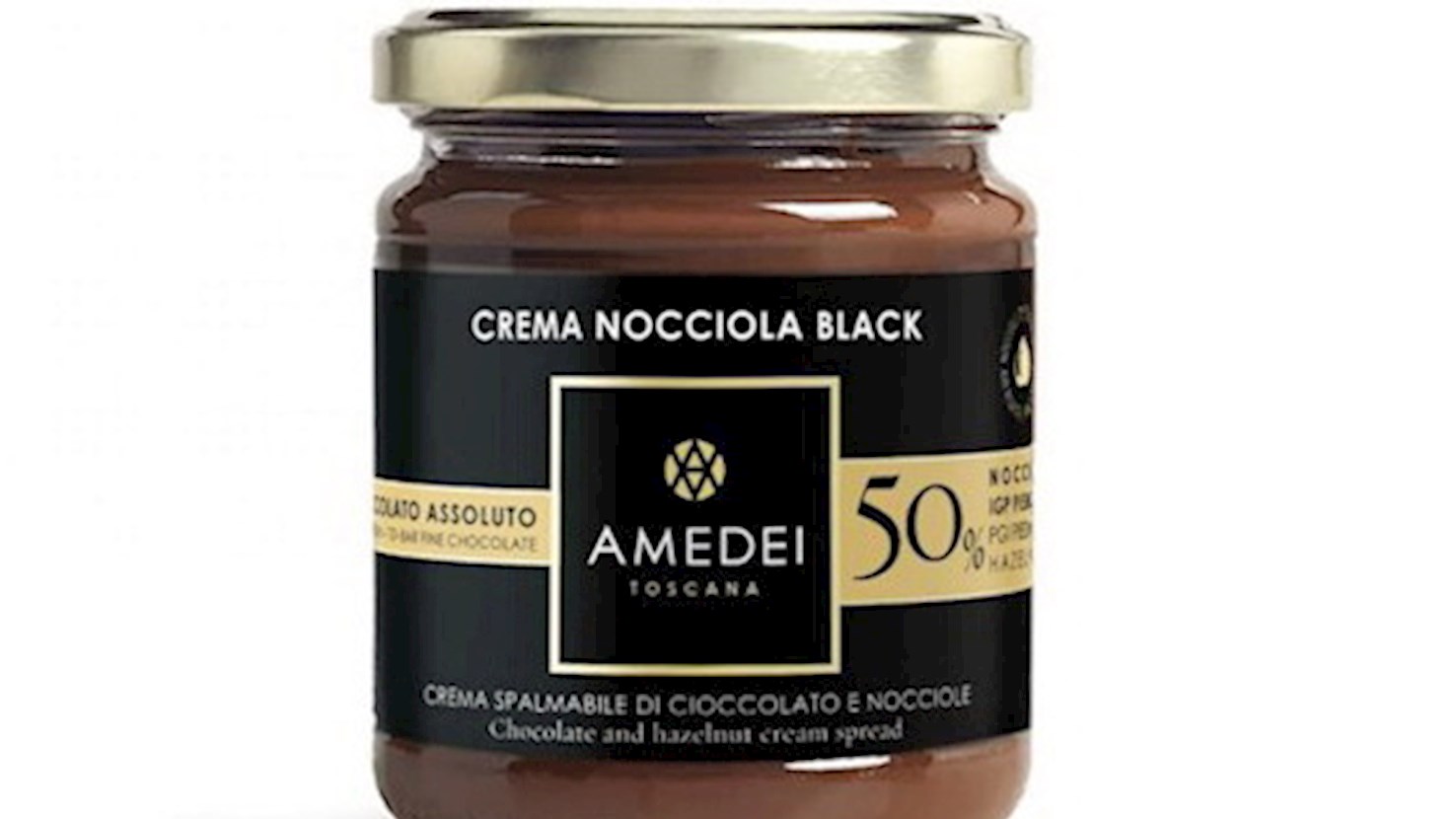
Amedei is a name synonymous with fine Italian chocolate, a celebration of craftsmanship, excellence, and passion. Founded in Tuscany, this prestigious chocolate house has earned global recognition for its unwavering commitment to quality, its meticulous bean-to-bar approach, and its dedication to sourcing the world’s rarest and most refined cacao varieties. Every step of production is carefully controlled—from selecting the cacao beans to crafting the final bar—ensuring full traceability and preserving the unique character of each origin. Amedei chocolates are renowned for their complex aromatic profiles, rich flavors, and perfectly balanced textures, offering a truly luxurious tasting experience. The brand has received numerous international awards and accolades, a testament to its artisanal philosophy and deep respect for tradition, nature, and innovation. Whether it’s their classic dark and milk chocolates or elegantly filled pralines, Amedei consistently delivers exceptional quality and refined elegance in every creation. More than just chocolate, Amedei represents a story of passion, expertise, and timeless sophistication captured in every bite.
Awards
Tavoletta D'Oro - The best in category (2024, 2023, 2021, 2020, 2019, 2018, 2017, 2016, 2015, 2014, 2013, 2012, 2011, 2010, 2009, 2007)
Tavoletta D'Oro - Premio del ventennale Award (2024, 2023)
03

Gardini Cioccolato

5 ·
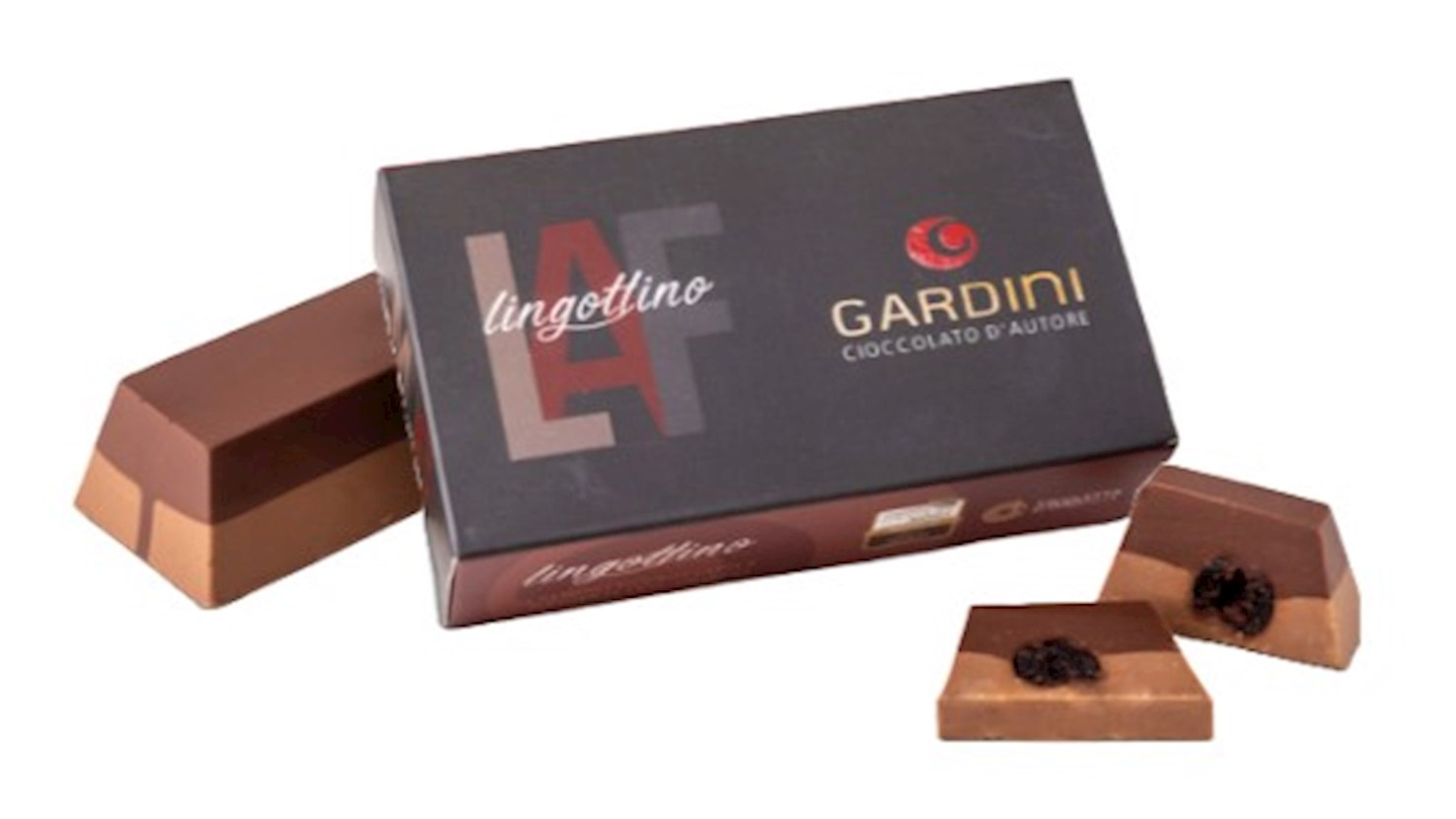
Gardini Cioccolato is a renowned Italian chocolate company based in the city of Forlì, in the Emilia-Romagna region, founded in 1987 by brothers Fabio and Manuele Gardini. The brand was born from a family pastry tradition dating back to the 1950s, and with the shift into the world of chocolate, Gardini has become a symbol of top-quality artisanal production in Italy. Their chocolates are crafted entirely by hand, without automated processes, with great respect for raw ingredients and traditional methods. Their product range includes dark and milk chocolate bars, layered cremino bars, pralines, filled chocolates, as well as spreads and chocolate creams made with pistachios, cherries, hazelnuts, and other authentic ingredients. In addition to production, Gardini also offers guided tours, tastings, and workshops at their workshop, where visitors can discover the craft and philosophy behind the brand firsthand. The blend of tradition, local identity, and creativity makes Gardini Cioccolato one of the most respected names in the world of Italian chocolate.
Awards
Tavoletta D'Oro - The best in category (2024, 2023, 2021, 2020, 2019, 2017, 2016, 2015)
Tavoletta D'Oro - Premio del ventennale Award (2024, 2023)
04

Domori

5 ·

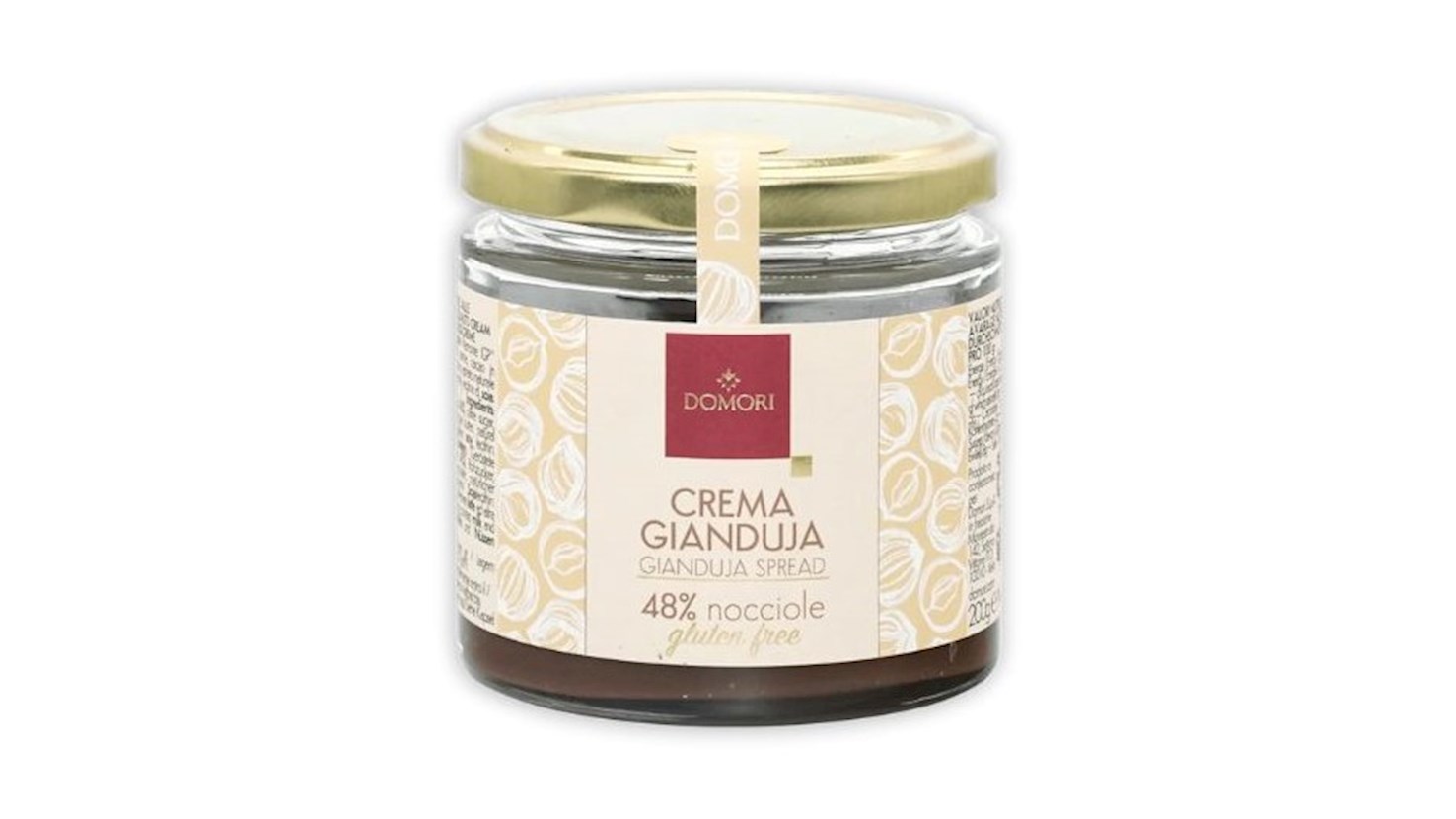
Domori is a visionary Italian chocolate maker that has forever changed the world of fine chocolate. Founded in 1997 by Gianluca Franzoni, Domori became a pioneer in the use of exceptionally rare and precious cocoa varieties, particularly the Criollo type, widely regarded as the finest in the world. It was the first company to establish its own plantation of noble cacao, ensuring full control over the quality and origin of its raw materials. Its unique processing approach, which involves minimal intervention and no conching, preserves the authentic notes of the cacao. Domori’s chocolates are often made with just cocoa mass and sugar, without vanilla, lecithin, or additives - pure essence of flavor. A multi-award-winning brand, Domori is celebrated for its unparalleled aromatic complexity and elegance. Today, as part of the Illy group, Domori continues to lead the revolution in fine chocolate, inviting true connoisseurs to experience chocolate at its highest expression.

Awards
Tavoletta D'Oro - The best in category (2024, 2023, 2022, 2021, 2020, 2019, 2018, 2017, 2016, 2015, 2014, 2013, 2012, 2011, 2010, 2009, 2007, 2006, 2005, 2004, 2003)
Tavoletta D'Oro - Premio del ventennale Award (2024, 2023)
05

Slitti Chocolate

5 ·
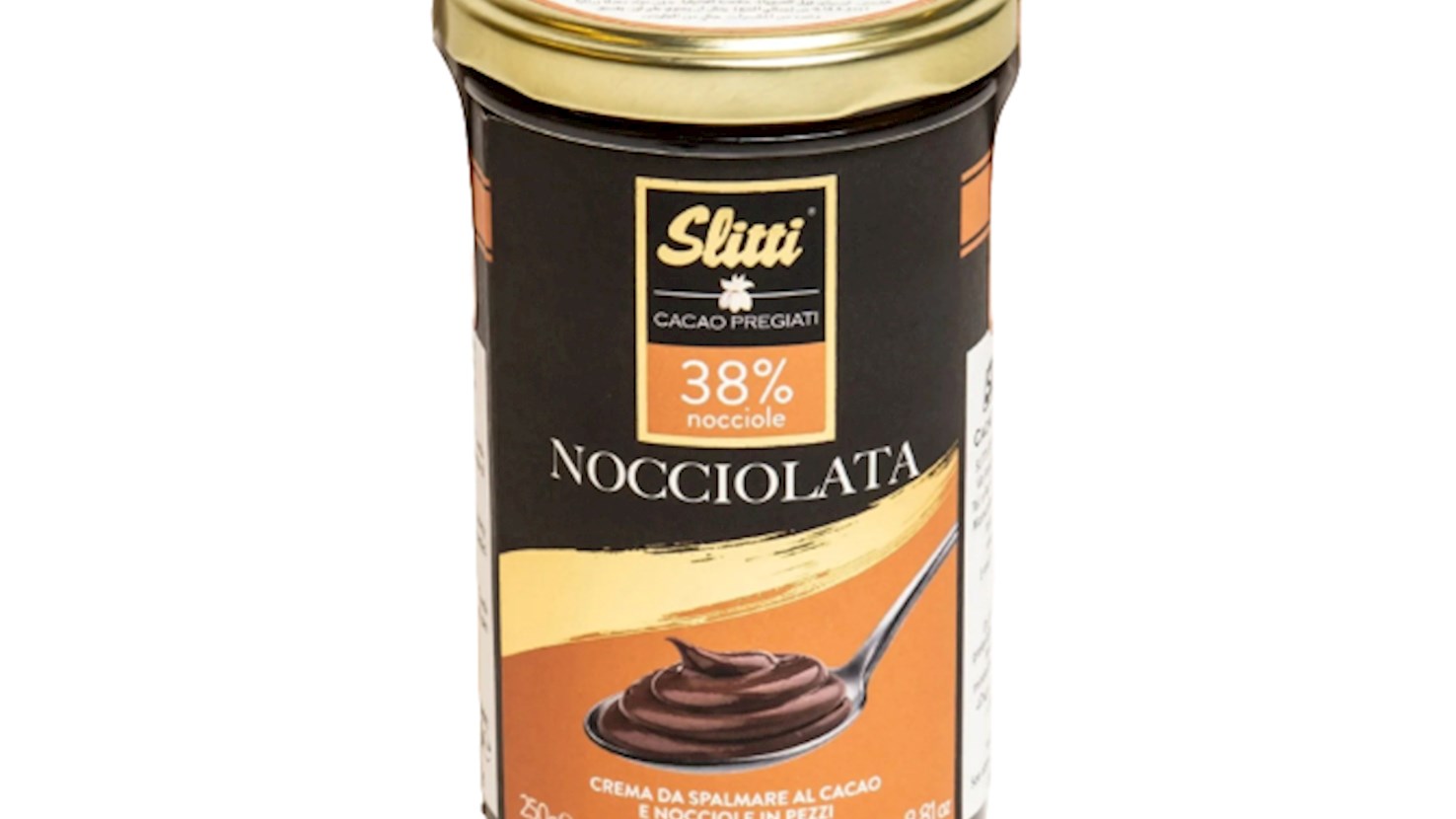
Slitti Chocolate, based in Cintolese, Italy, has been a renowned name in artisanal chocolate making since its inception in 1969. Initially starting as a coffee roastery, the company expanded into chocolate production under the leadership of Andrea Slitti, who is known for his deep expertise and passion for both chocolate and coffee. Slitti Chocolate is celebrated globally for its high-quality products, having garnered over 180 international awards. The company prides itself on using fine cocoa beans sourced from the best growing regions around the world, which are then transformed into a wide range of chocolates including luxurious bars, creamy spreads, and artisan truffles.
Awards
Tavoletta D'Oro - The best in category (2024, 2023, 2022, 2021, 2020, 2019, 2018, 2017, 2016, 2015, 2014, 2013, 2012, 2011, 2010, 2009, 2006, 2005, 2004, 2002)
Tavoletta D'Oro - Premio del ventennale Award (2024, 2023)
06

Guido Gobino

5 ·
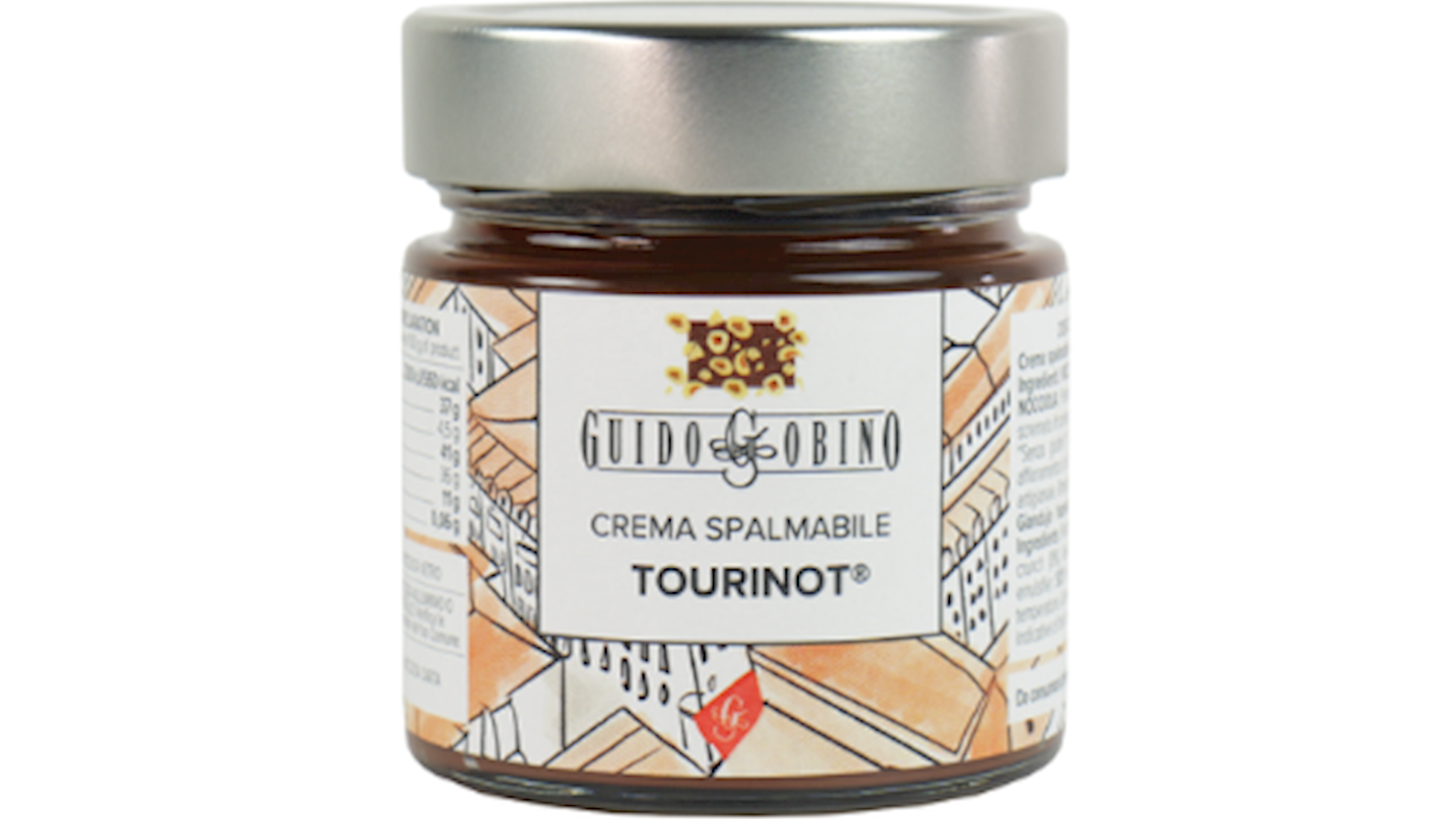
Guido Gobino is a prestigious Turin-based chocolatier and master of gianduja, whose name today stands as a symbol of exceptional Italian artisanal chocolate. His story begins in 1964, when his father Giuseppe founded the “Laboratorio Artigianale del Giandujotto” dedicated to preserving and elevating the traditional craft of gianduja – a chocolate specialty made with hazelnuts and cocoa. Guido took over the family business and transformed it into an internationally acclaimed brand by blending time-honored techniques with modern innovations and a continuous pursuit of excellence. At the heart of his creations are premium ingredients: Tonda Gentile delle Langhe hazelnuts, milk from Piedmont, and carefully selected cocoa beans sourced from Latin America, all within a strict “bean-to-bar” philosophy. His collection includes original giandujotti, Tourinot pralines, cremino with olive oil and sea salt, refined filled chocolates, and single-origin chocolate bars. Today, his creations can be found in fine boutiques and gourmet shops across Europe, the United States, and Asia. Thanks to his unwavering commitment to quality, sustainability, and authenticity, Guido Gobino has become a global ambassador of Turin’s chocolate-making tradition and one of Italy’s most respected chocolatiers.
Awards
Tavoletta D'Oro - The best in category (2024, 2023, 2022, 2021, 2020, 2019, 2018, 2017, 2016, 2015, 2014, 2013, 2012, 2011, 2010, 2005, 2004, 2002)
Tavoletta D'Oro - Premio del ventennale Award (2024, 2023)
07

Bellantoni

5 ·
Bellantoni Cioccolato is a luxury brand founded by award-winning chocolatier Giacomo Bellantoni, specializing in artisanal products crafted from the finest raw materials. Each creation offers a unique sensory experience, featuring an exquisite range of chocolates, pralines, spreads, and gourmet jams. The brand’s elegant packaging, made from wood and leather, highlights its attention to detail and sets Bellantoni Cioccolato apart in the global market.
Awards
International Chocolate Awards - Gold (2024, 2023, 2022, 2020)
International Chocolate Awards - Silver (2024, 2023, 2020)
08

Solkiki

5 ·
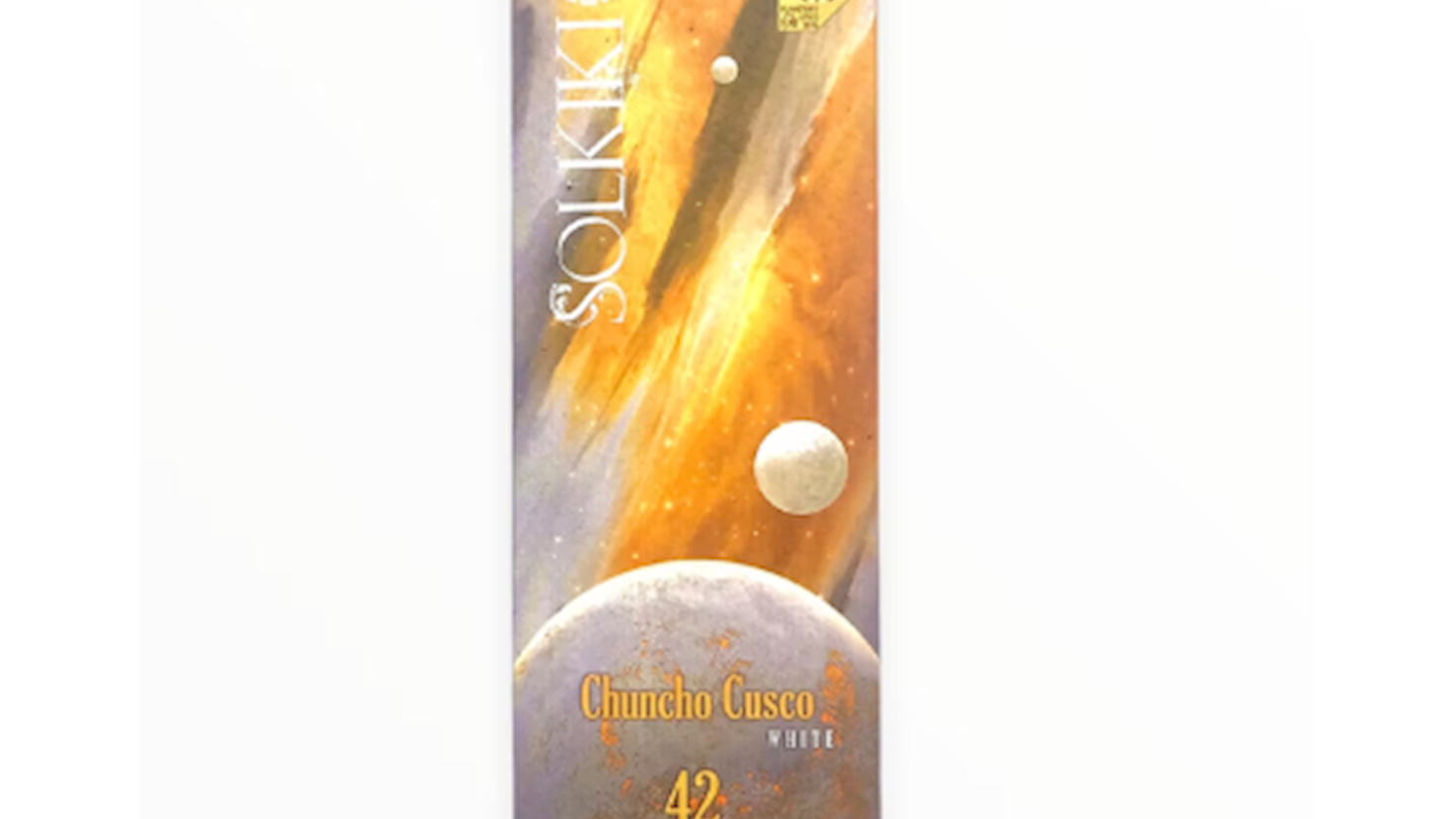
Solkiki is a British bean-to-bar chocolate maker, run by Bob and Iris - a couple dedicated to vegan, organic, and sustainable small-batch production. Their work is grounded in direct trade with cacao growers, sourcing beans from distinctive terroirs such as Chuao - Venezuela), Marañón - Peru, and the Philippines, with a special focus on rare and aromatically rich cacao varieties. Every stage of production - from roasting and grinding to packaging - is done by hand, ensuring quality control and allowing room for creative flavor experimentation. Their range includes both classic dark and white chocolates infused with unique ingredients like banana, peanut, coconut, Madagascan vanilla, and even spices such as anise. Solkiki blends passion, knowledge, and sustainability to craft chocolate that honors the origin of its raw materials while delivering an exceptional sensory experience.
Awards
International Chocolate Awards - Silver (2024, 2023, 2022, 2018)
Great Taste Awards - 2 Stars (2023, 2021, 2018)
09

Iain Burnett Highland Chocolatier

5 ·
Iain Burnett Highland Chocolatier is based in Grandtully, Scotland. The company specializes in artisanal chocolates made with natural ingredients. Iain Burnett is particularly noted for his Velvet Truffles, which have won several awards. The chocolatier uses a blend of gourmet cocoa from São Tomé. Their product line includes a variety of truffles, bars, and interactive tasting boxes. The Highland Chocolatier also offers bespoke chocolates for special occasions and corporate gifts.
Awards
International Chocolate Awards - Gold (2023, 2016, 2015)
Academy of Chocolate - Gold (2011)
10

Läderach

5 ·
Läderach is a Swiss premium chocolate manufacturer founded in 1962 in Glarus, renowned for combining artisanal tradition, innovation, and exceptional freshness. Its business philosophy is based on complete control of the entire process - from the selection of cocoa beans to the final production in its own facilities in Switzerland. The brand’s signature line, FrischSchoggi, features handcrafted chocolate with a delicate, breakable texture and rich flavor, sold in large slabs and cut to the customer’s preference. Läderach uses only Swiss milk from the Thurgau region, natural ingredients, and carefully selected cocoa varieties, free from artificial additives and palm oil. The brand is also famous for its handcrafted pralines and truffles, where each piece reflects meticulous craftsmanship and attention to detail. The combination of Swiss precision, creativity, and deep respect for raw materials has made Läderach a synonym for authentic, fresh chocolate.

Best European Chocolate Confectionery Types
01

Belgian Chocolate

4.6 ·

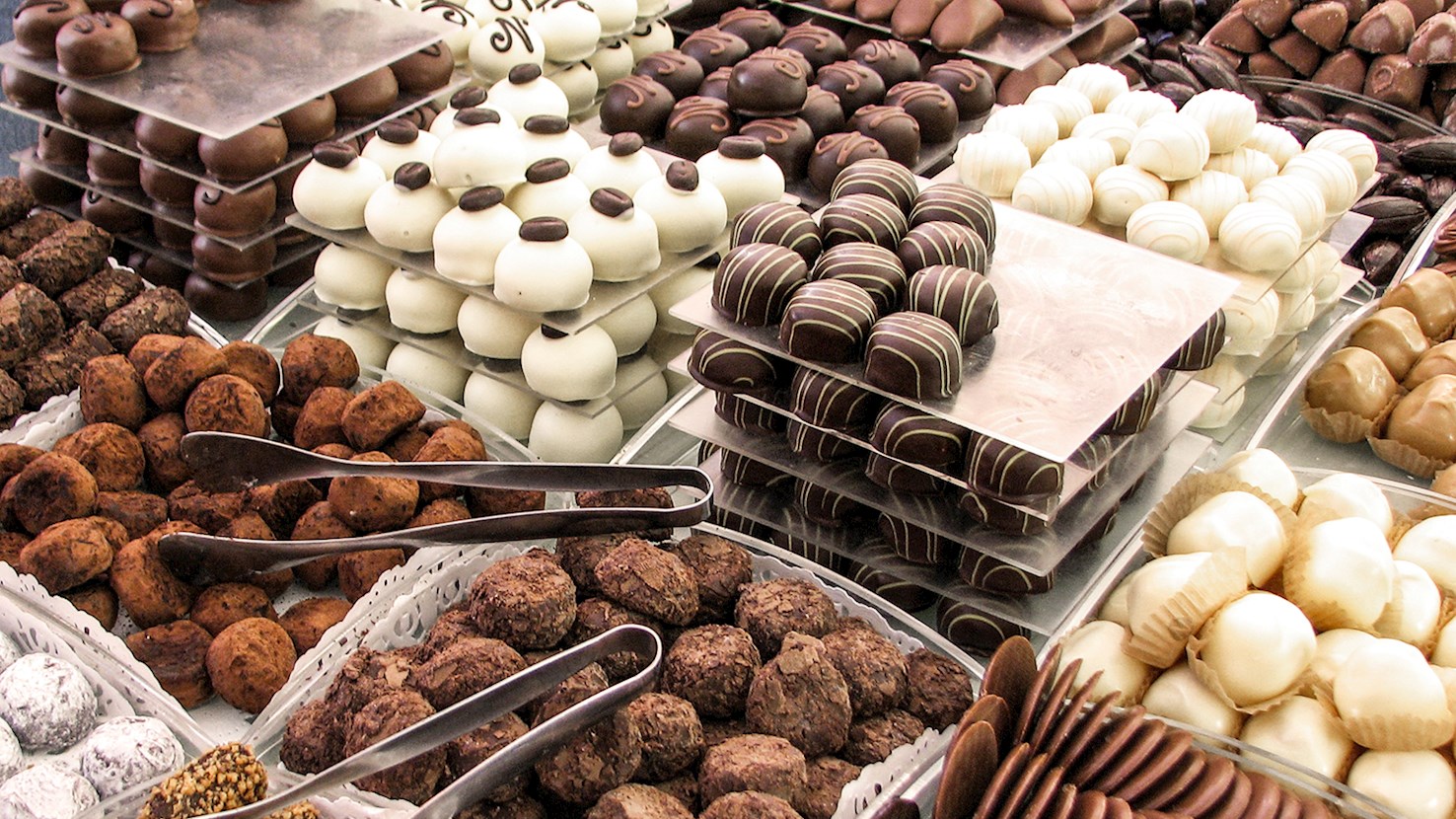
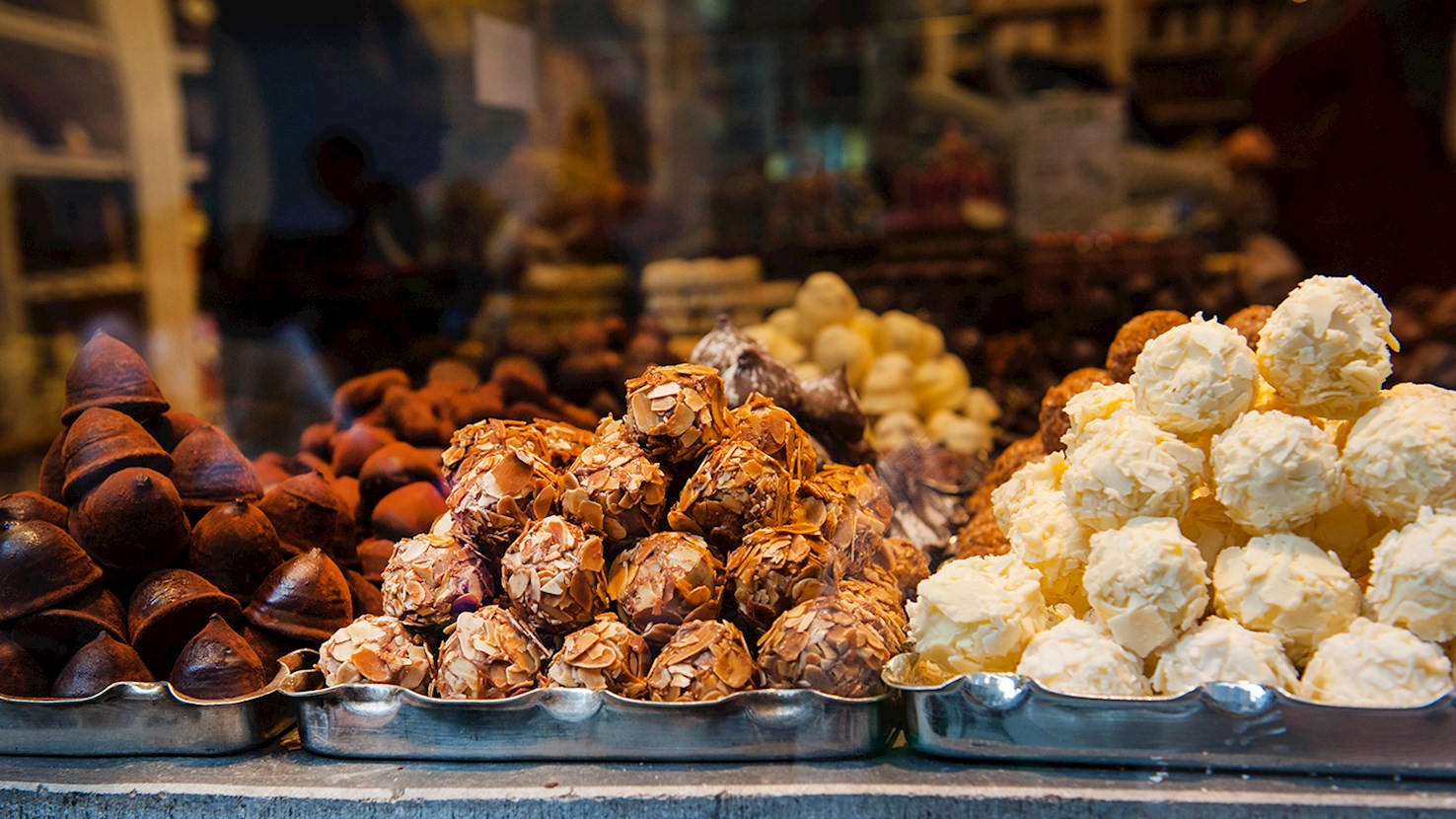
There are many varieties of Belgian chocolates such as pralines, truffles, and chocolates shaped into eggs, animals, or different figures, which are especially popular during the festive seasons. Famous throughout the world, Belgian chocolate industry started by borrowing some of the techniques from Swiss chocolatiers to make new blends of chocolate by combining rich, high-quality chocolate with nuts, liqueurs, and fruits. It all started during the 19th century, when Belgium was under the rule of Leopold II, who had access to a variety of cocoa plants and products due to colonization, providing Belgium with numerous imports of raw cocoa and consequently giving birth to the Belgian chocolate industry.

Best producers
02

Gianduja

4.5 ·

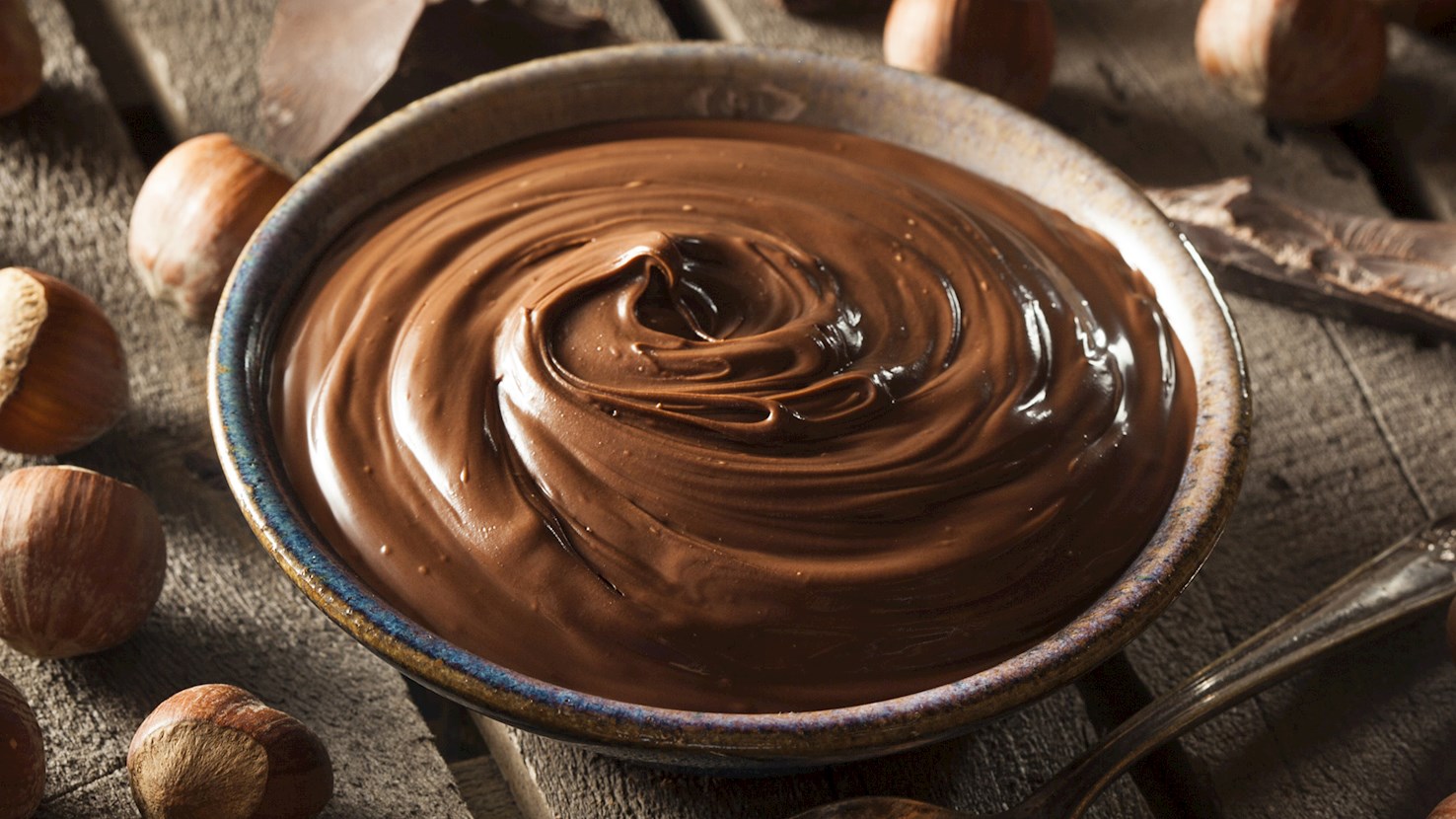
Gianduja is a sweet creamy spread made of chocolate and ground hazelnuts. It was invented in Turin in the 19th century as a means of stretching the limited amount of chocolate available due to an imposed shortage of cocoa supplies in Italy. Since the area of Piedmont has always been rich in high-quality hazelnuts due to the region's indigenous hazelnut trees, a chocolatier named Michele Prochet created the first gianduja by extending the insufficient amount of chocolate with the region's exceptional hazelnuts. The recipe calls for about 30% of hazelnut paste; however, the most famous gianduja-inspired spread, Nutella (originally called Pasta Gianduja), contains less than half of the amount.

03

Belgian pralines

4.4 ·

Belgian pralines are world-famous chocolates with a soft or liquid filling. These sweet treats date back to 1857, when a pharmacist from Bruxelles named Jean Neuhaus used chocolate to mask the bad taste of medical concoctions. Later, in 1912, his son used a flavorful sweet filling instead of the medicine and called his invention a praline. His wife designed a box for the pralines, so they could be individually wrapped and stored uniformly, a practice that is present up to this day. Today, Belgian pralines are renowned for their unique flavor and texture, and they are also often used as a token of love or gratitude.

04

Swiss Chocolate Truffles

4.4 ·

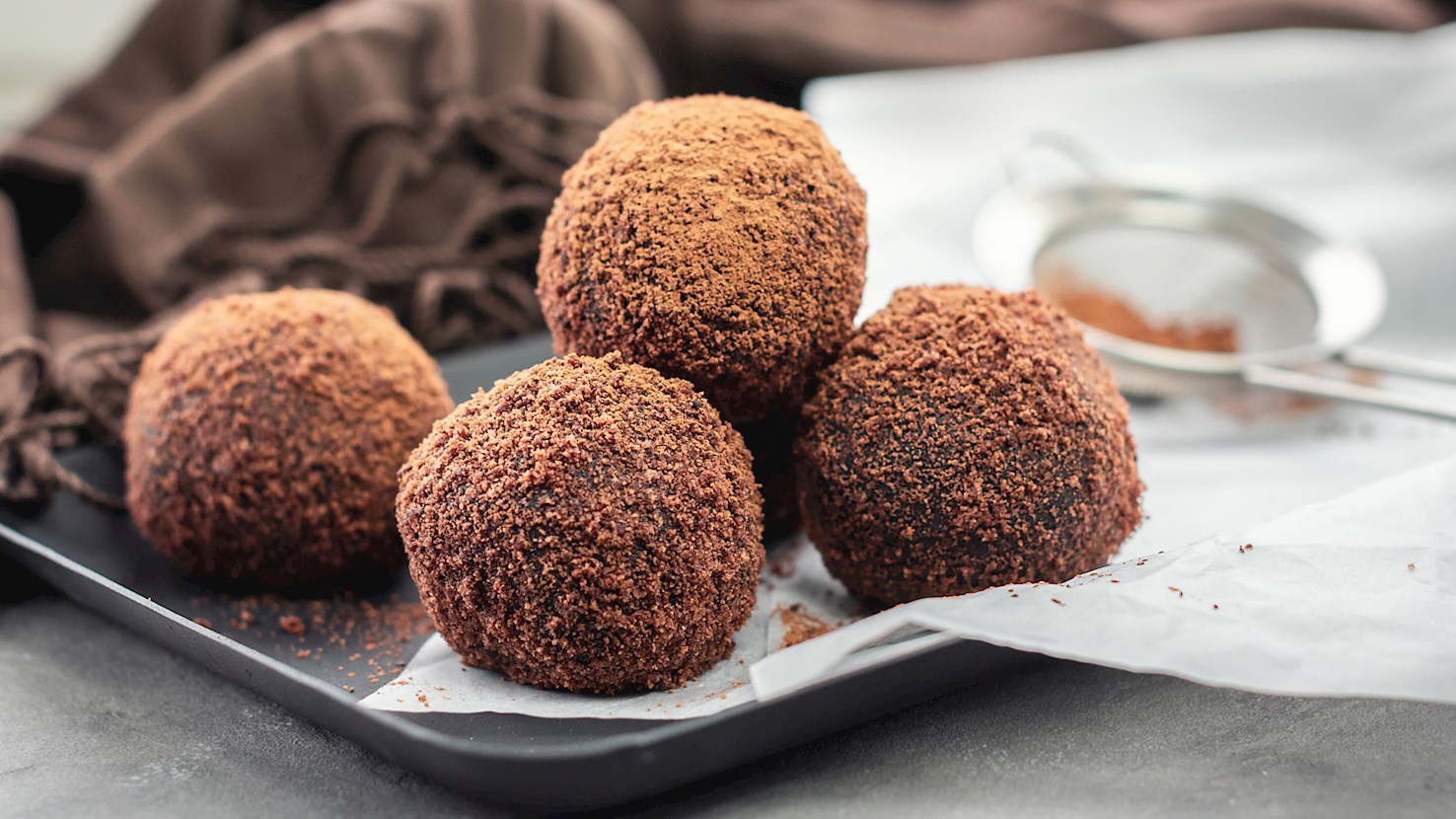
A variation on the classic chocolate truffle, the Swiss chocolate truffle requires heating a mixture of dairy cream and butter to its boiling point, then stirring in melted chocolate, and finally transferring the resulting mixture into desired molds (traditionally round ones). Once the chocolate truffles have hardened, they are rolled into cocoa powder just like the French truffles. Owing to the freshness of the ingredients used in the chocolate truffles' preparation, these sweet confections spoil much more easily and faster than other truffle varieties. Apart from the traditional chocolate flavors which include either milk chocolate or dark chocolate, these truffles can nowadays be found in a great variety of flavors such as coffee, champagne, hazelnut, citrus fruit, or toffee.

05

Gianduiotto

4.3 ·

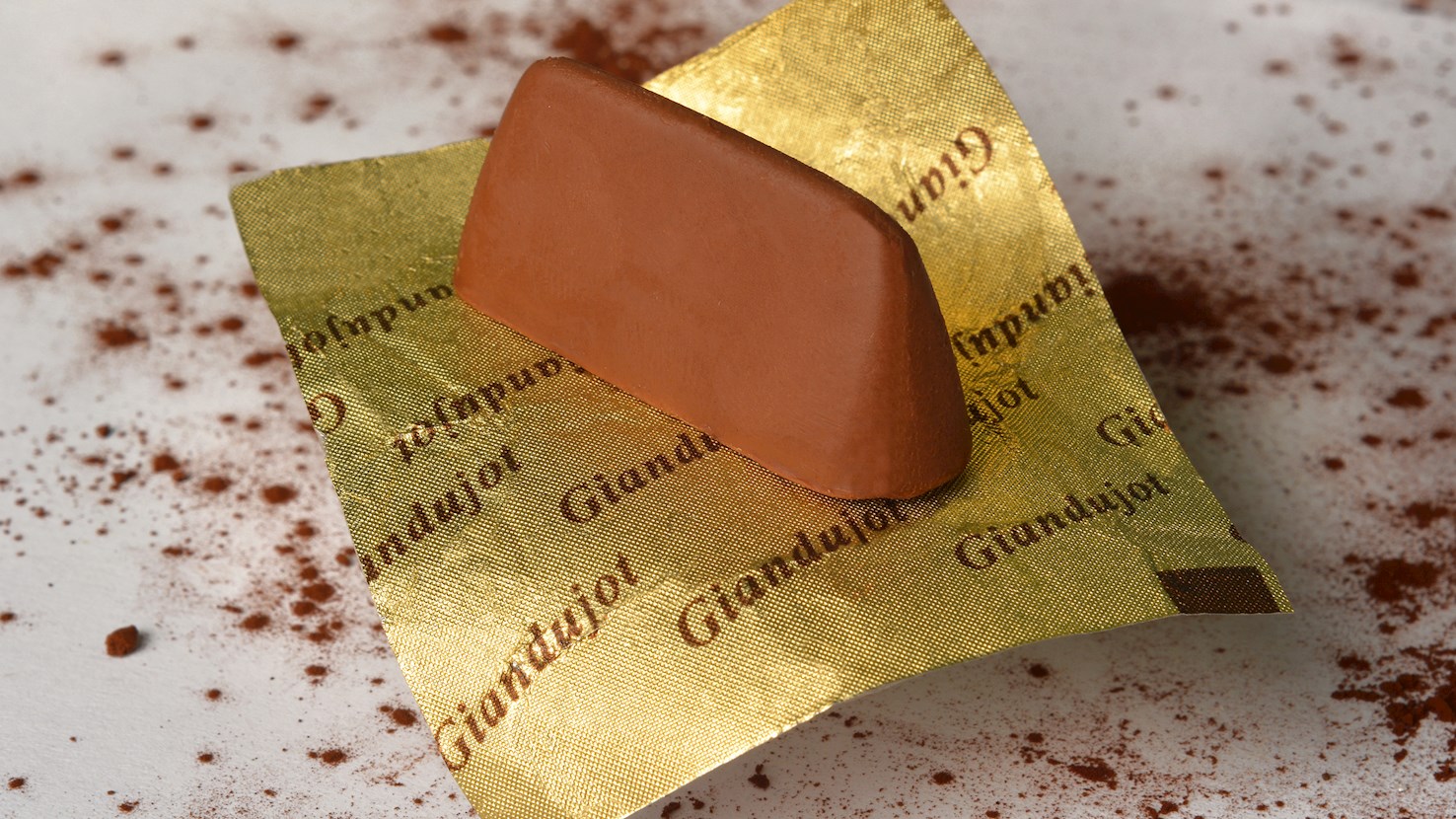
Piedmont's signature pralines are made with gianduia — a silky smooth cocoa, sugar, and hazelnut paste that owes its unmistakable flavor to roasted Piedmontese hazelnuts of the Tonda gentile variety. Even though some sources claim the blend was invented in the early 1800s, it wasn't until half a century later that gianduia was perfected by a Turinese chocolatier named Caffarel. According to one legend, the first gianduia pralines were introduced in 1865 during the Turin carnival. They were originally called givù, which means tidbits in local dialect, and supposedly gained the name gianduiotto after being handed out to the people in the streets by Caffarel himself, who was dressed as Giandujot, one of the most popular characters of the Italian commedia dell'arte.

06

Truffe au chocolat (Chocolate truffles)

4.3 ·

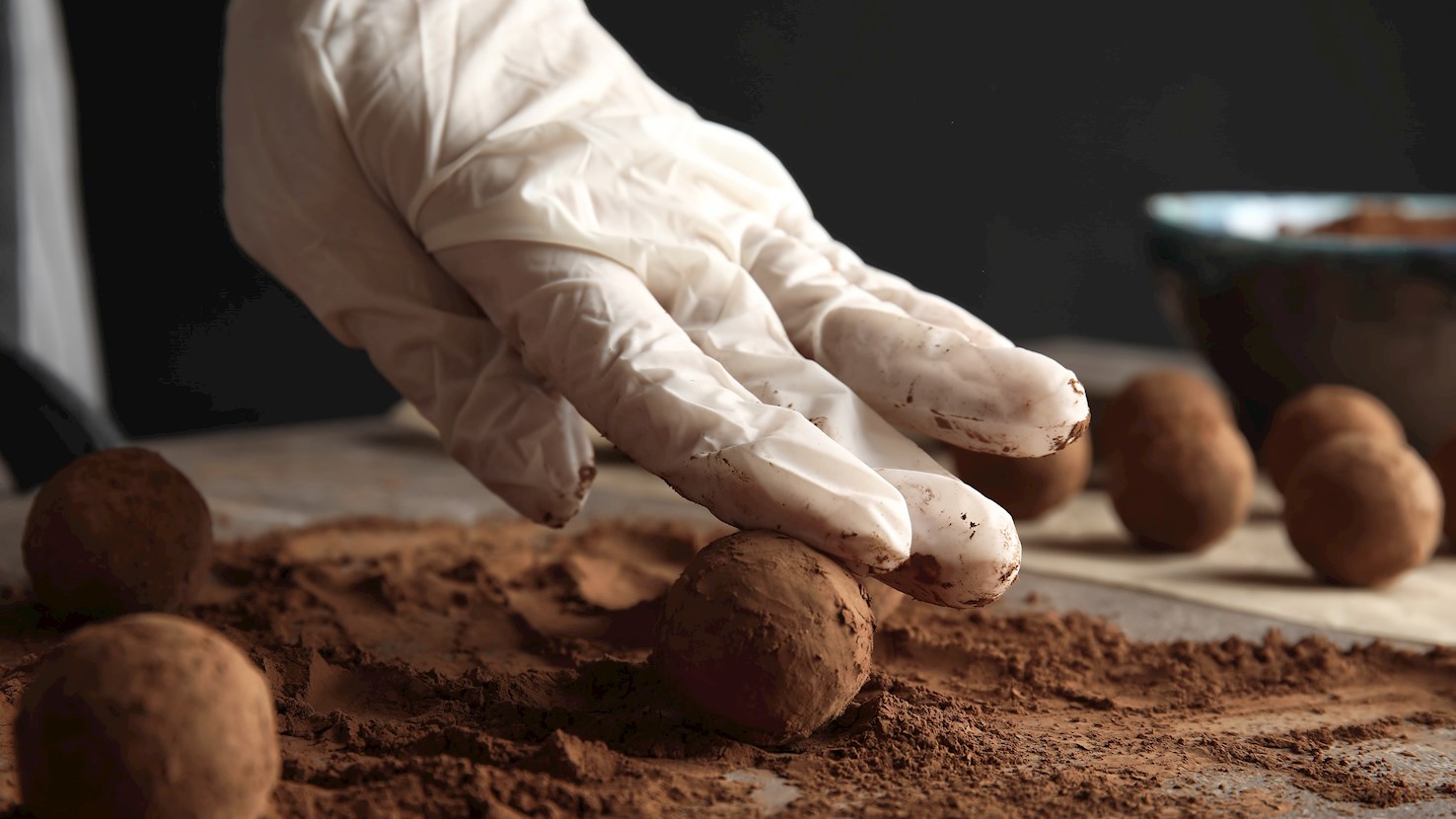
Chocolate truffles are made with ganache that's shaped into a ball, dipped in chocolate, and rolled in cocoa powder. The story of chocolate truffles began with the invention of cocoa press in 1828, which allowed chocolatiers to extract cocoa butter from cocoa beans. After extracting the cocoa butter, they were left with chocolate solids which, combined with cream, became ganache, the key ingredient used as an inner layer of true chocolate truffles. In order to make different and distinctive flavors, additions such as peanut butter, cognac, champagne, caramel, fruits, or nuts are added to the ganache. The first chocolate truffles were made in the French city of Chambéry in 1895 by Louis Dufour. Having run out of ideas for Christmas treats, he decided to shape the ganache into a ball, dip it in melted chocolate, and roll it in cocoa powder. The sweet treat got its name because it looked similar to another kind of truffle – the luxurious, rare, prized mushroom. Due to the high cost of cocoa beans, chocolate truffles were initially a treat consumed only by the wealthy, but as times changed, they spread all over Europe and the rest of the world. Today, they are traditionally consumed during the holiday season or given as a symbol of love and appreciation that is best paired with a bouquet of flowers.

07

Cioccolato di Modica

4.1 ·

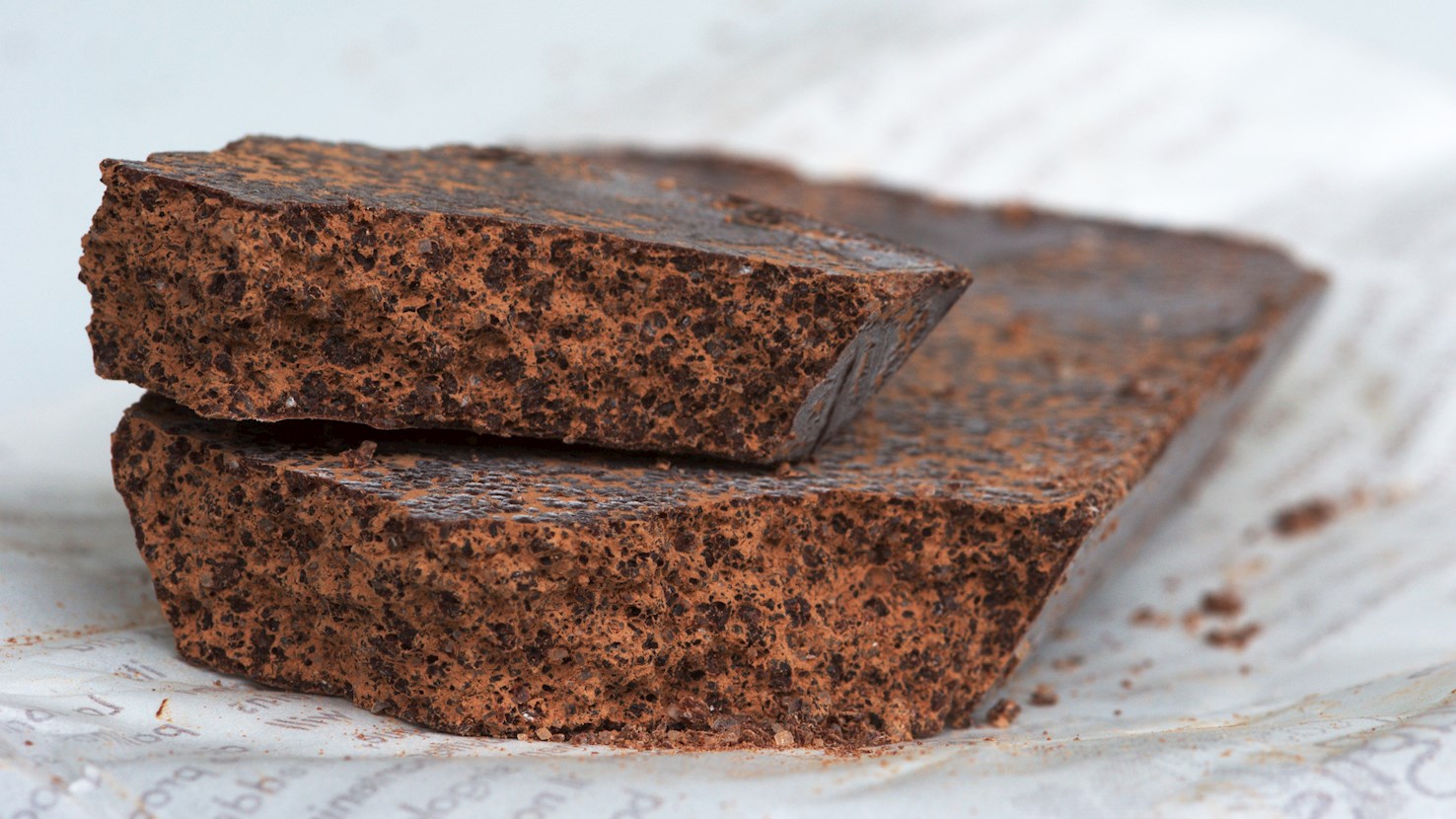
Cioccolato di Modica is a traditional chocolate, that is manually ground and cold-processed, which gives it a unique grainy, sandy, crunchy texture and a peculiar aroma. The bitter cocoa paste is worked with sugar, and the flavor of the chocolate is sweet with some bitter notes. When eaten, the chocolate melts well in the mouth, but one can still taste the sugar crystals on the tongue. Additional ingredients can also be added to the chocolate – a bit of salt; dried or dehydrated fruit such as pistachios, citrus, almonds, and hazelnuts; spices such as cinnamon, vanilla, chili pepper, or nutmeg; and natural flavorings such as citrus, wild fennel, jasmine, or ginger. The addition of milk, vanillin, emulsifiers, vegetable fats, preservatives, and colorings is prohibited.

08

Cuberdon

3.9 ·

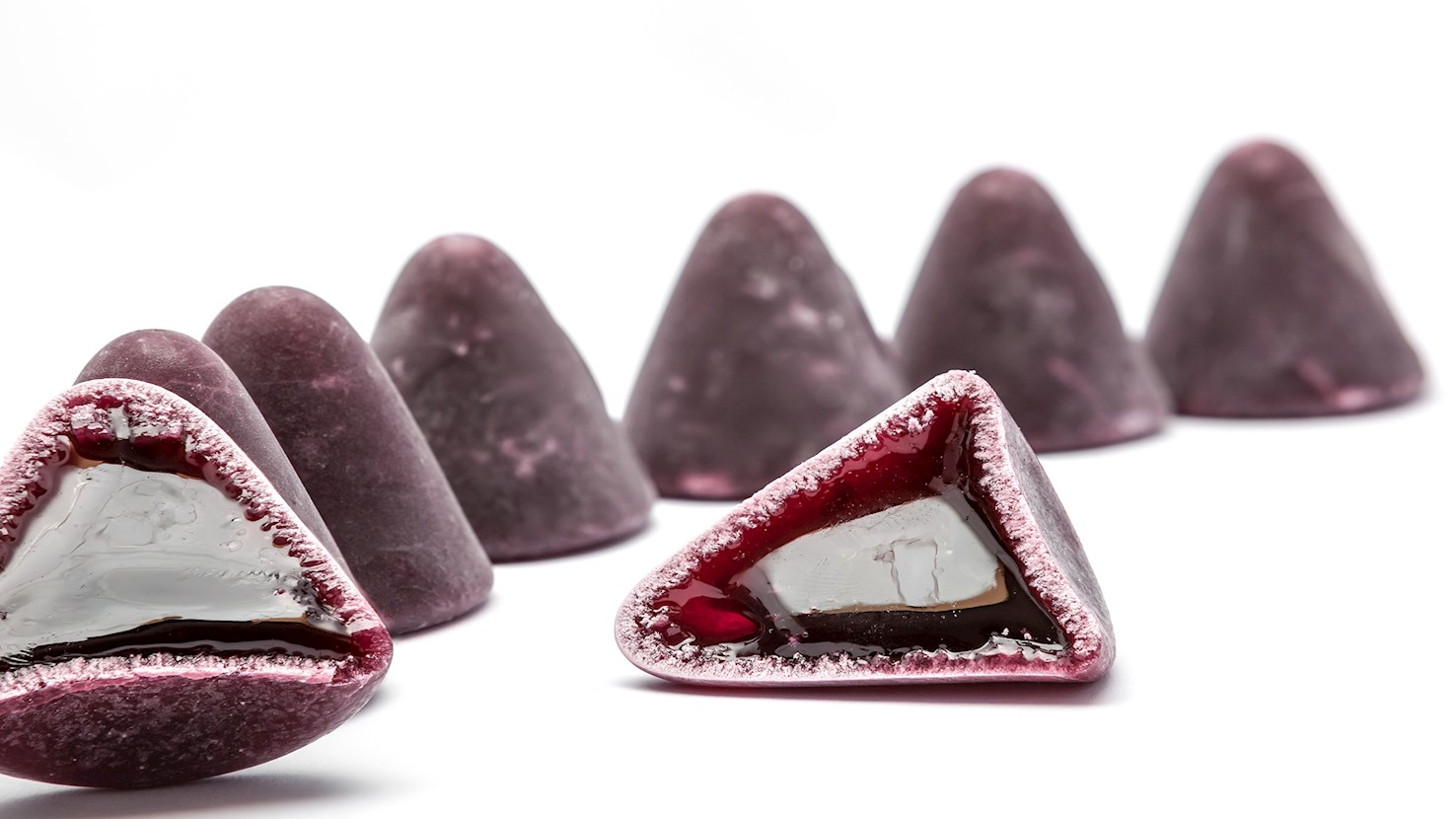
Cuberdon is a traditional specialty candy in the shape of a cone. It is made from gum arabic, sugar, starch, and glucose. The candy has an intense raspberry flavor and its exterior is quite hard, while the interior is chewy and gooey. It is believed that cuberdon was invented in the late 19th century by a pharmacist from Ghent. Today, the candies come in various flavors such as lavender, anise, and lemon.

09

Cremino

3.9 ·

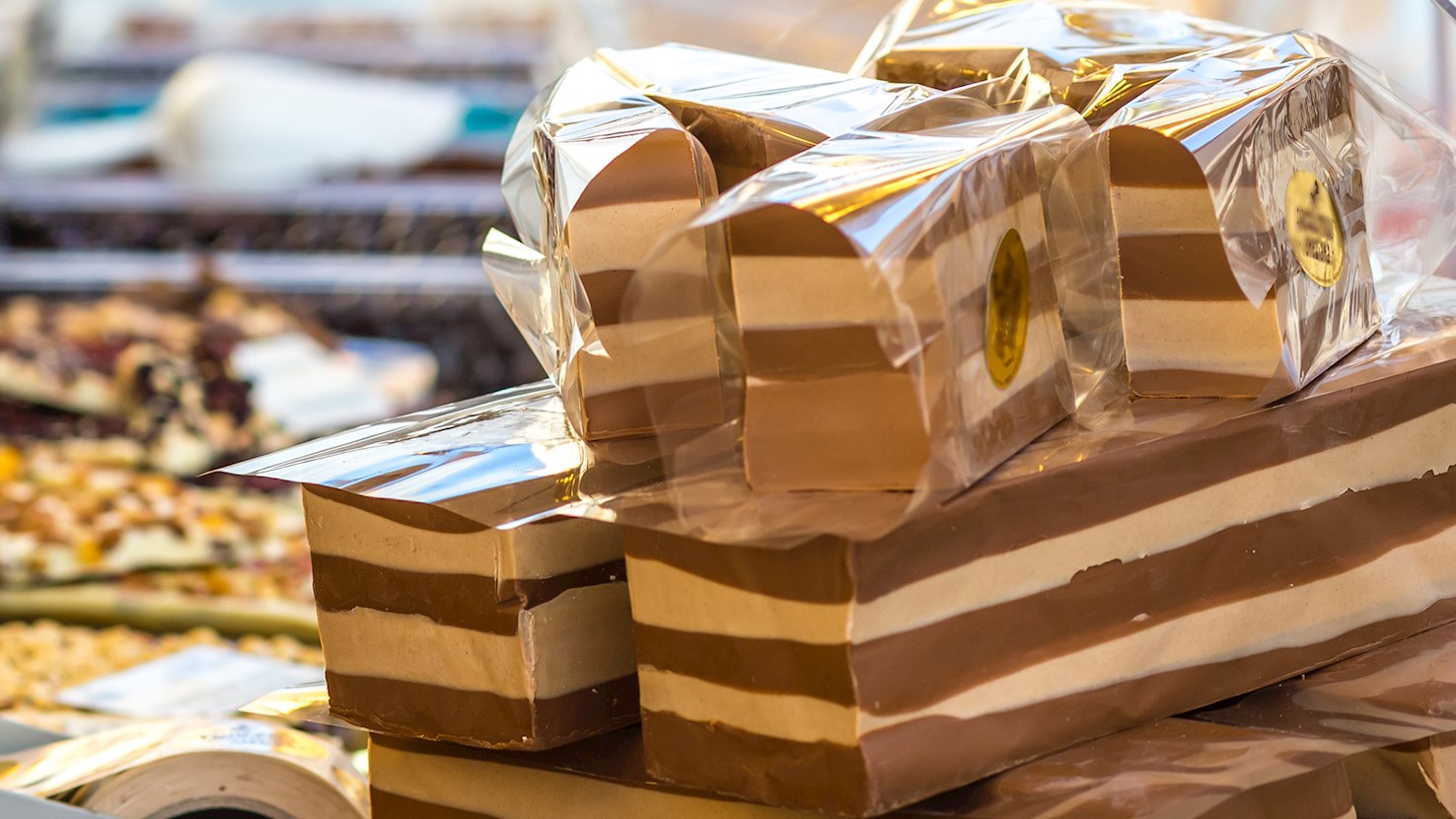
Cremino is an Italian confection made of layered chocolate, known for its soft texture, square shape, and delicate balance of sweetness and nut flavor. It originates from Turin in the Piedmont region of northern Italy, an area long associated with fine chocolate and hazelnut production. The sweet is composed of three smooth layers: two outer layers of gianduja (a blend of milk chocolate and hazelnut paste) and a central layer that varies in flavor, often made with almond, coffee, or lemon cream. The result is a creamy, velvety cube that melts evenly, uniting cocoa and nuts in perfect proportion. The creation of cremino is credited to Ferdinando Baratti, a chocolatier who, together with Edoardo Milano, founded Baratti & Milano in Turin in 1858. During the late nineteenth century, Turin was a center of Italian chocolate-making, known for its refinement and precision. Building upon the earlier invention of gianduja, which had been developed as a way to extend scarce cocoa with local hazelnuts, Baratti created a new type of chocolate that emphasized smoothness and layering rather than filling. The confection’s reputation soon spread beyond Turin, admired for its craftsmanship and restrained elegance. In the early twentieth century, the chocolate gained further recognition when Majani, a confectionery from Bologna, produced a special version called Cremino Fiat in 1911 to celebrate the launch of the Fiat Tipo 4 automobile. Though Majani popularized it nationally, the structure and concept remained rooted in Baratti’s original creation. The Piedmontese cremino retained its identity as a luxurious but understated chocolate, representing the refinement and technical skill of Turin’s confectioners. To prepare cremino, milk chocolate is blended with finely ground hazelnut paste to make the gianduja base. This forms the top and bottom layers. The filling (almond cream, coffee-flavored chocolate, or another variant) is poured or spread between them. The block is cooled until firm, then cut into precise cubes. The texture must be perfectly balanced: firm enough to hold its layers but soft enough to yield immediately when eaten. The flavor depends on the proportion of cocoa and nuts, resulting in a chocolate that is rich but never heavy. Some modern interpretations use pistachio or dark chocolate centers, but the essential structure, a triple-layer composition of smooth creams, remains the same. In Italy, cremino is eaten throughout the year, often enjoyed with espresso or as a small sweet after meals. It is sold in cafés and pastry shops across Turin, wrapped individually or arranged in neat rows that highlight its layered colors. Outside Italy, it remains a symbol of refined chocolate craft, valued by those who appreciate careful blending and smooth texture over showiness. It pairs naturally with coffee, dessert wines such as Moscato d’Asti, or aged grappa, each complementing its nutty warmth.

10

Pålægschokolade

3.9 ·

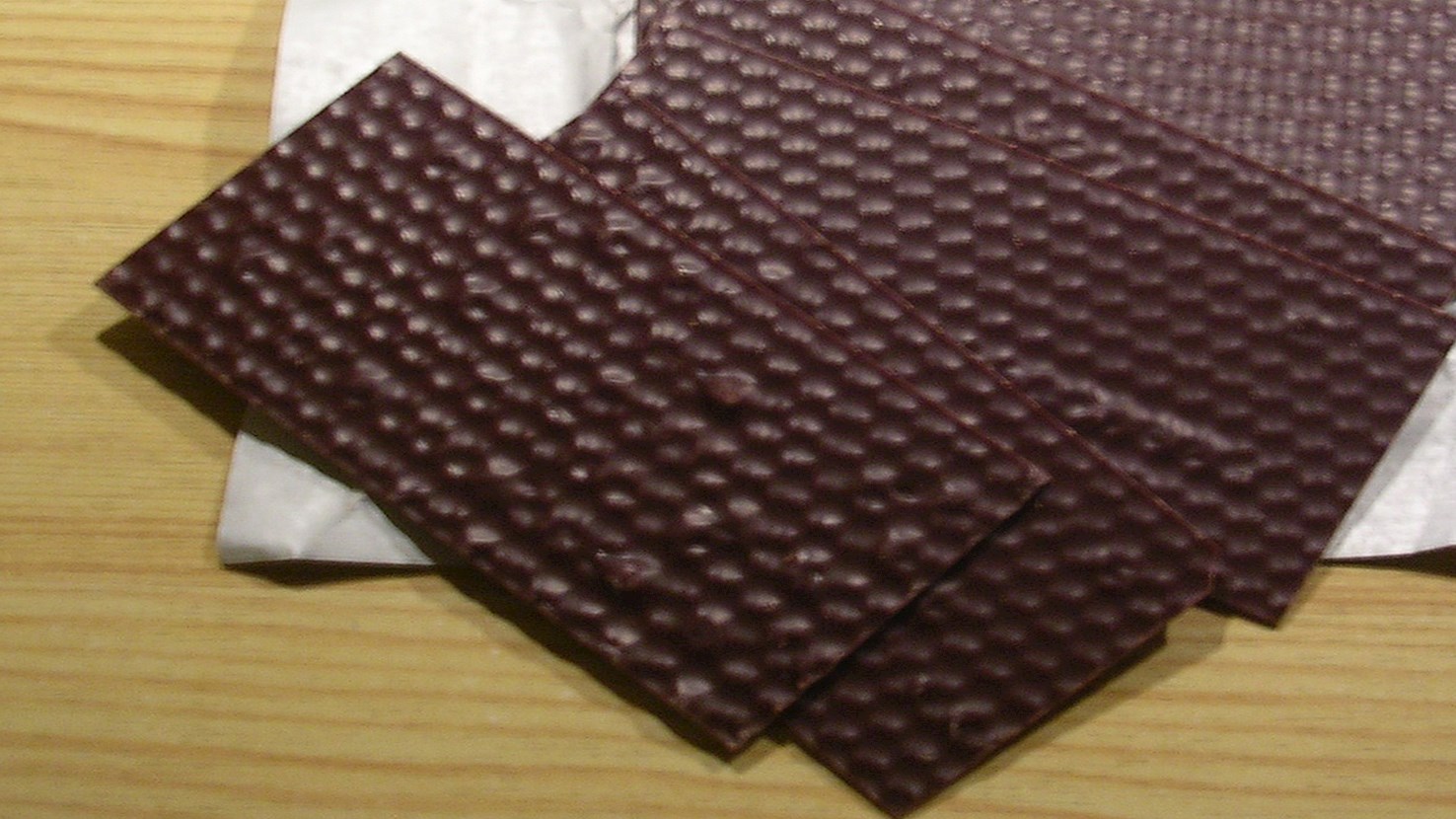
Pålægschokolade is a Danish product that consists of thin, crispy slices of milk or dark chocolate. These slices are traditionally coupled with buttered bread or crackers and make a popular breakfast and lunch staple. The product was first launched in 1963 and has since become an important part of traditional Danish cuisine.

Read more
View all
View map
About this ranking

TasteAtlas food rankings are based on the ratings of the TasteAtlas audience, with a series of mechanisms that recognize real users and that ignore bot, nationalist or local patriotic ratings, and give additional value to the ratings of users that the system recognizes as knowledgeable. For the “Top 100 European Chocolate Confectioneries” list until June 15, 2026, 1,578 ratings were recorded, of which 1,406 were recognized by the system as legitimate. TasteAtlas Rankings should not be seen as the final global conclusion about food. Their purpose is to promote excellent local foods, instill pride in traditional dishes, and arouse curiosity about dishes you haven’t tried.

The initial list of top producers was compiled based on available reviews, awards, local recommendations, media and blog coverage, and consumer reviews. The list will be updated with ratings from TasteAtlas local ambassadors and TasteAtlas users.

Similar lists