Shutterstock

Top 100 French Desserts

Last updated on June 15, 2026

Best French Desserts
01

Crêpes sucrées (Sweet crêpes)

4.4 ·

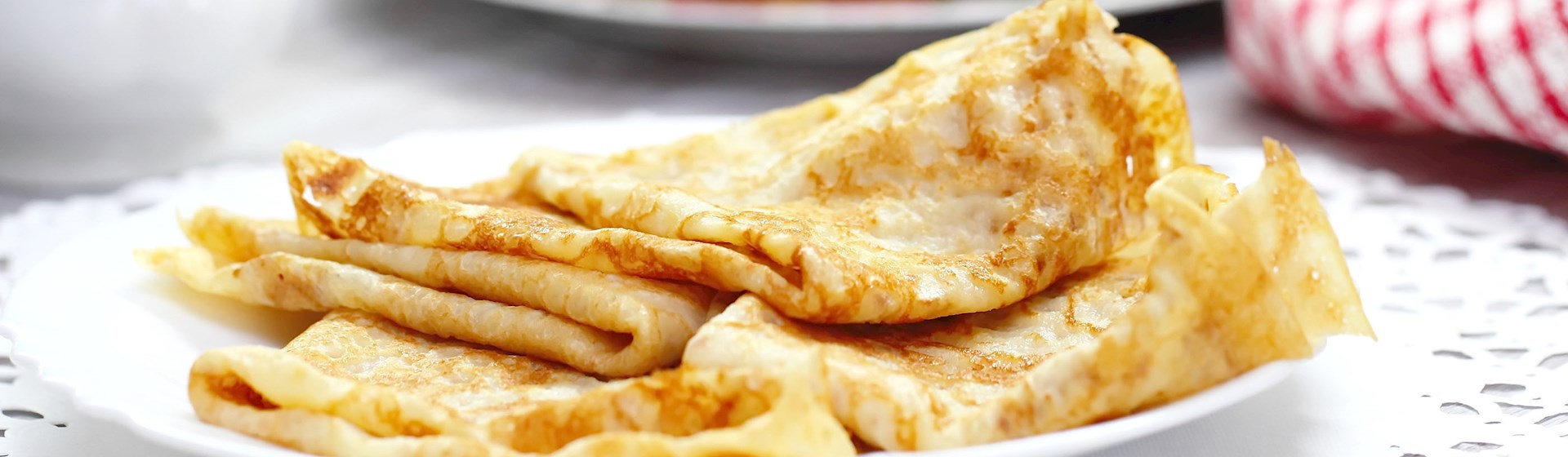
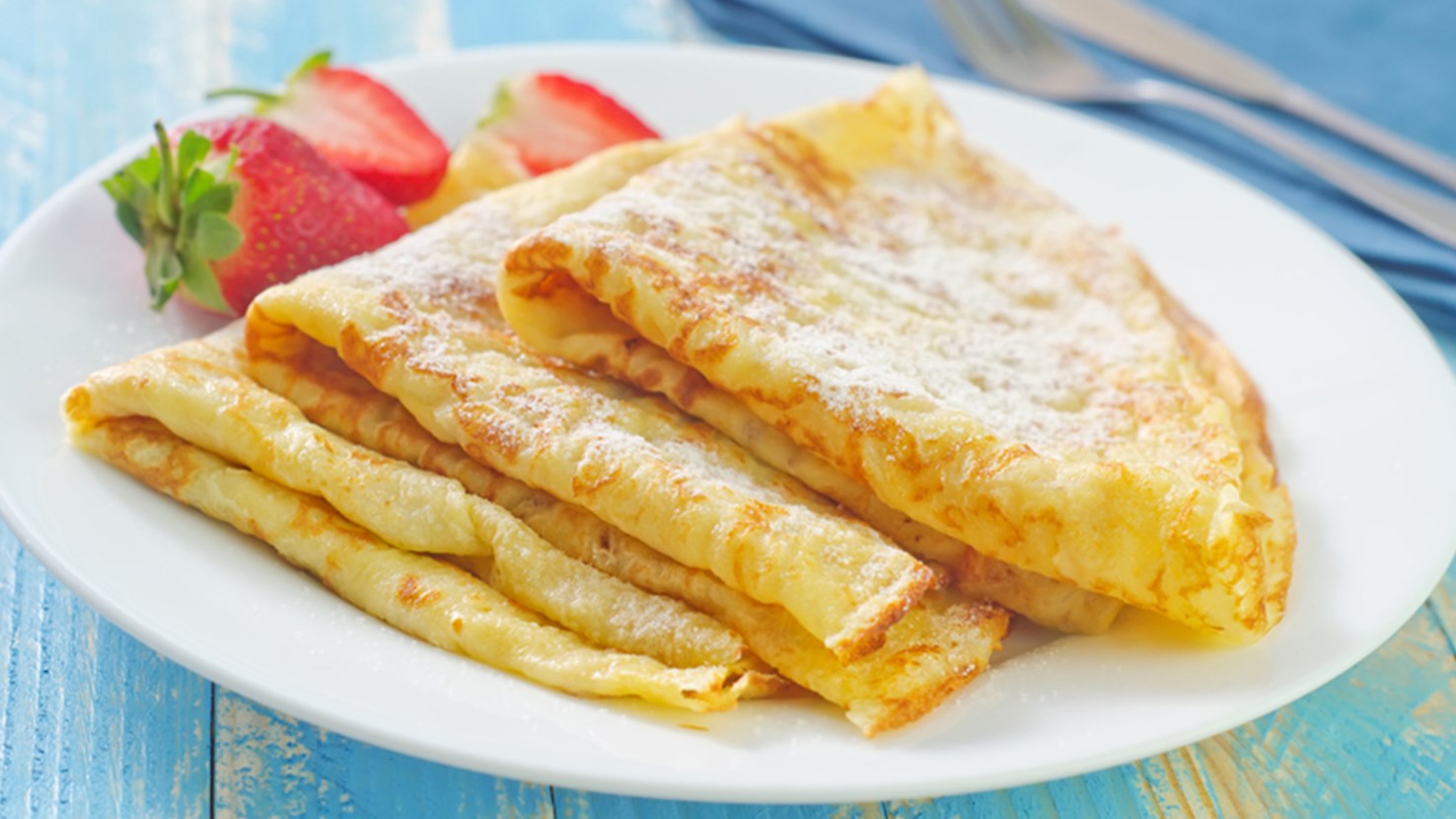
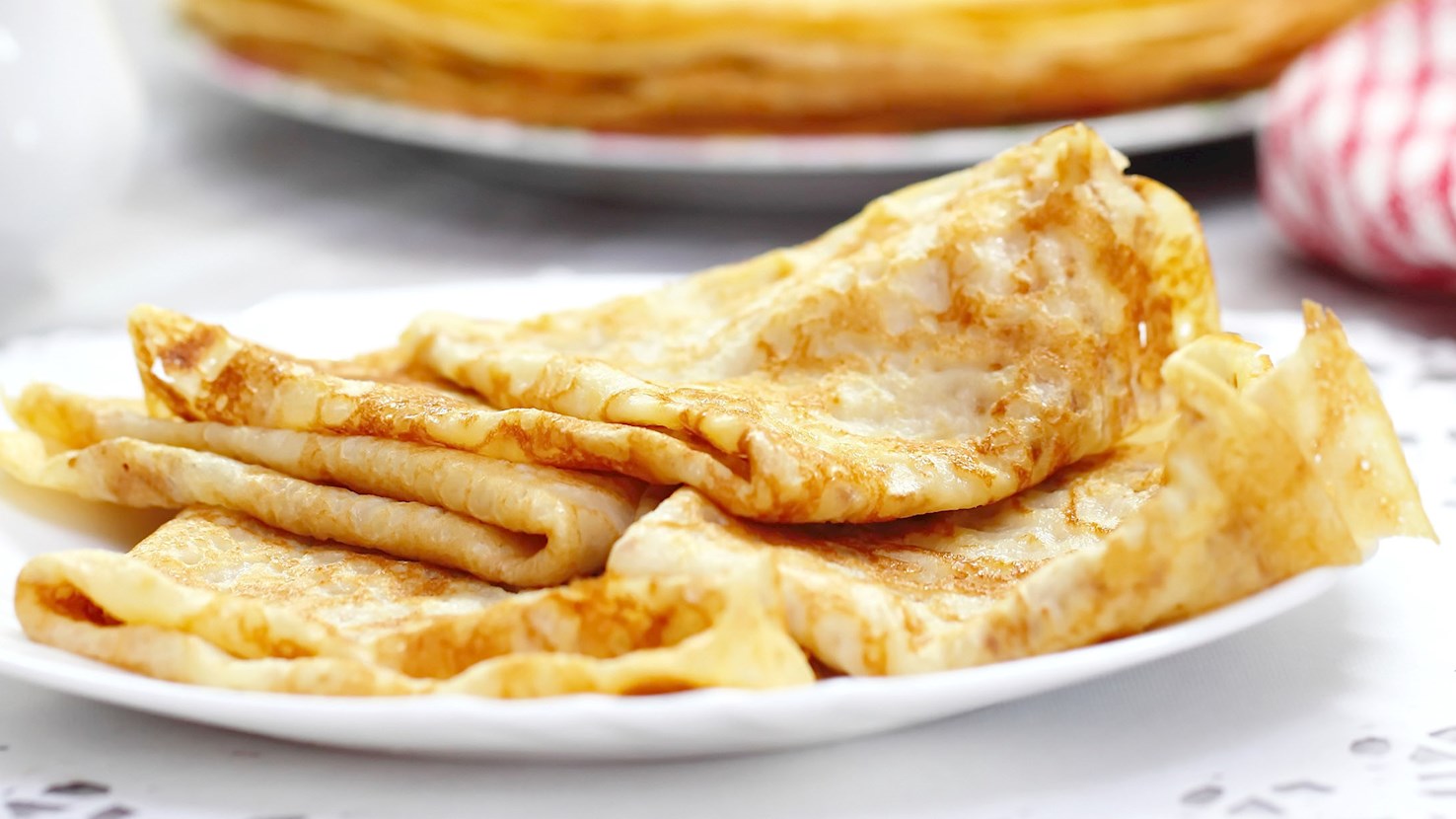
Crêpes sucrées are sweet crepes, a type of very thin pancake originating from France. The term "sucrées" means "sugared" in French, indicating that these crepes are meant to be served with sweet fillings or toppings. They are made from a simple batter consisting of flour, milk, eggs, a pinch of salt, and sometimes a bit of sugar and butter. Unlike their savory counterpart, known as "crêpes salées" (or "galettes" in some regions of France), sweet crêpes are usually made with white wheat flour and often have a bit of sugar added to the batter. Sweet crepes can be filled or topped with a variety of ingredients such as powdered sugar, whipped cream, fruit preserves, fresh fruits, nutella, honey, and maple syrup. Crêpes sucrées are enjoyed as a dessert, a sweet snack, or even as a breakfast dish in France and around the world.

Best restaurants
02

Crêpes

4.3 ·

These thin pancakes are made with wheat flour, and have origins in the French region of Brittany. Although they are a French staple and a national dish, crêpes are so popular that they have spread worldwide since the turn of the 20th century, when white wheat flour became affordable. These delectable treats are made with flour, eggs, milk, and butter whipped into a thin batter, which is then poured in a crêpe pan and fried. The tradition is to flip them in the air as they cook, and they say that if you catch it in the pan, your family will be well-off for the rest of the year. The word crêpe is derived from the Latin root crispa, meaning curdled. Crêpes are one of the best-known French desserts, and they are commonly filled with various sweet fillings such as jam, chocolate, berries, or whipped cream. They can also be stuffed with savory ingredients such as ham, sausages, cheese, spinach, eggs, or mushrooms. Eaten hot or cold and found in crêperies throughout France and beyond, these delicious pancakes are a true worldwide hit.

03

Soufflé au chocolat (Chocolate soufflé)

4.3 ·

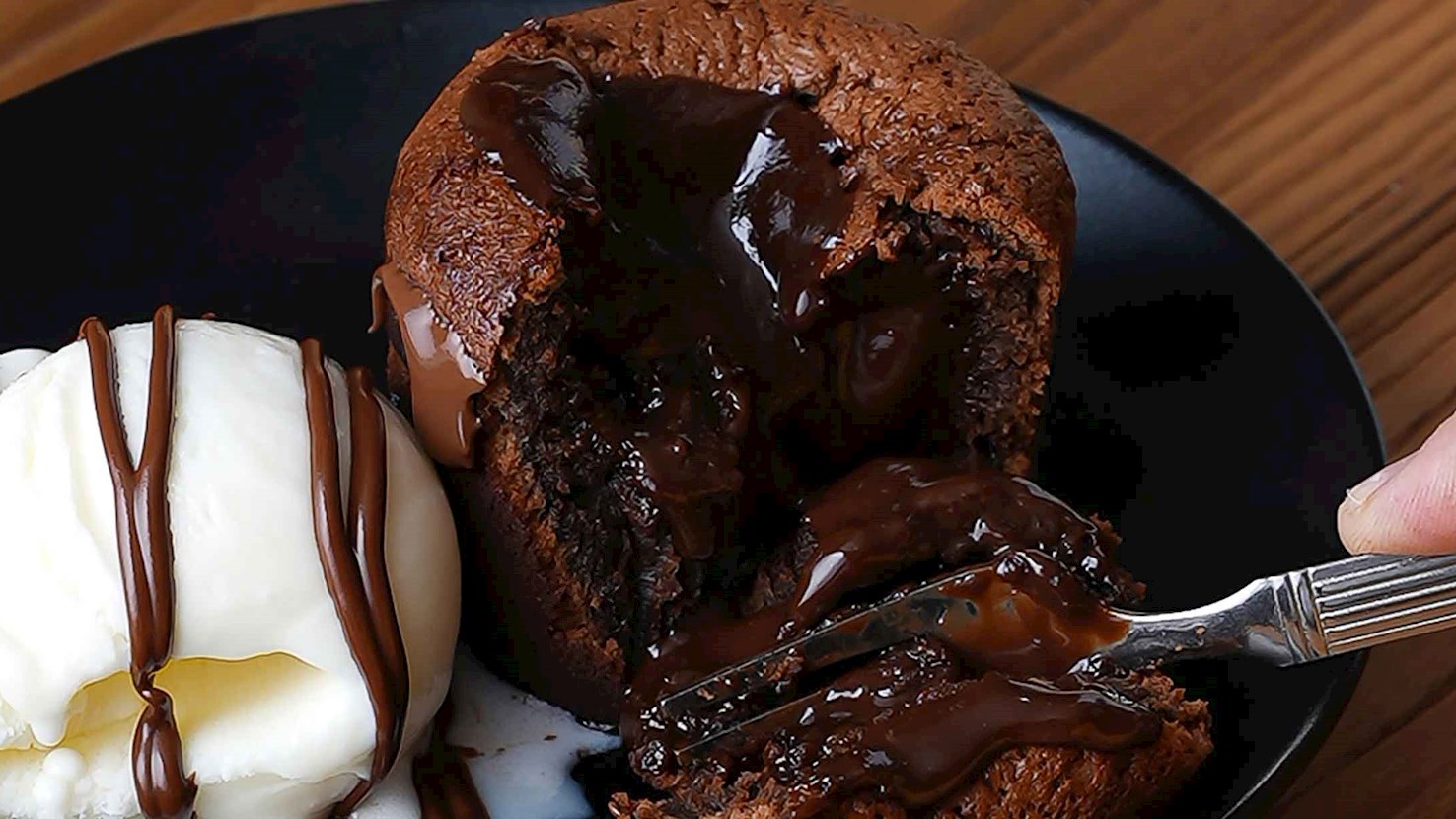
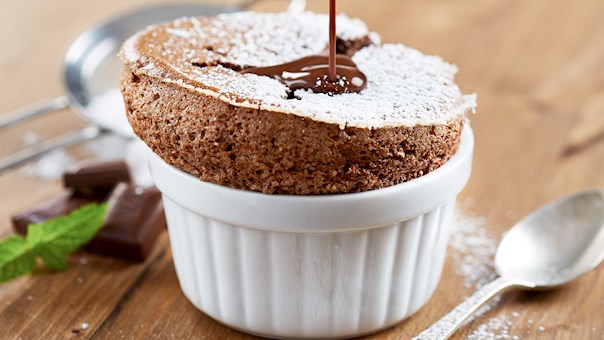
Chocolate soufflé is an exquisite French dessert that combines dark chocolate with a creamy egg yolk base and fluffy egg whites. Typically prepared in small ramekins, it should always be lightly baked in order to stay soft and velvety in the middle, with a delectable, crunchy top. Just like other soufflé varieties, the chocolate version is also considered to be technically challenging, but if done properly, it results in a wonderfully delicate sweet treat. Even though it is not considered to be one of the first soufflé versions, which were originally prepared as savory dishes, today it is one of the most popular interpretations of this internationally acclaimed dessert.

04

Nutella crêpes

4.3 ·

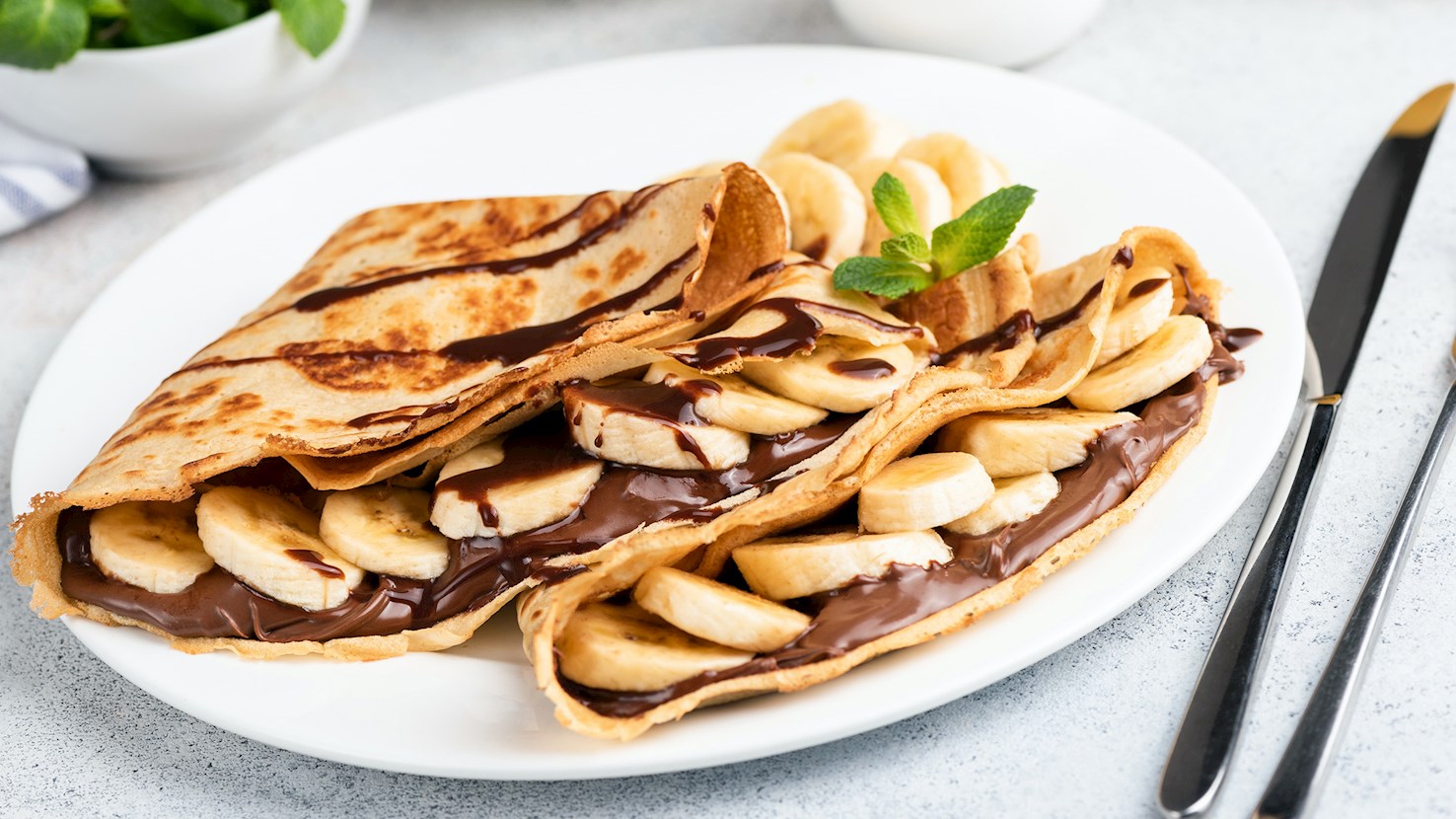
Nutella crêpes is a popular variation of a sweet crêpe that is generously spread with Nutella, a hazelnut cocoa spread. This indulgent treat combines the soft, warm texture of a freshly made crêpe with the rich, creamy flavor of Nutella, making it a favorite among both children and adults. A basic crêpe batter made with flour, eggs, milk, a pinch of salt, and sometimes a little sugar and vanilla for added sweetness is cooked on a flat griddle or in a crêpe pan to create a thin pancake. Once the crêpe is cooked to a light golden brown and is still hot, a generous amount of Nutella is spread over one-half or the entire surface of the crêpe. The crêpe is then folded in half and often folded again to create a triangular or a fan shape, making it easier to eat. Additional toppings might be added on top of the Nutella, such as sliced strawberries, bananas, chopped nuts, whipped cream, or a sprinkle of powdered sugar for extra flavor and texture. Nutella crêpes can be found at street vendors, crêperies, and cafes worldwide, and it is especially common as a treat to be enjoyed at festivals, fairs, or as street food.

05

Crème brûlée

4.3 ·

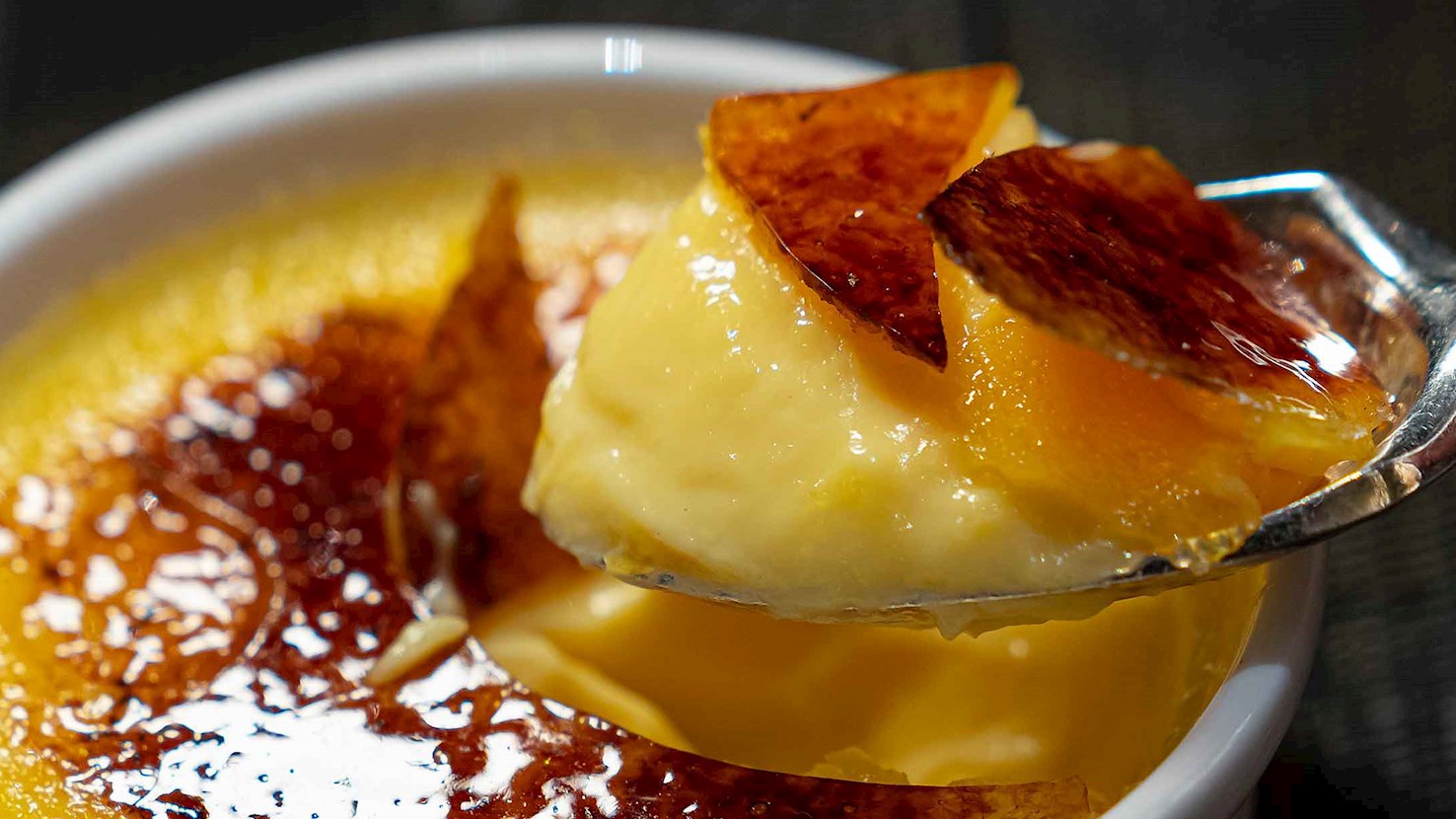
This traditional egg custard dessert consists of egg yolks, cream, sugar, and vanilla, with a hard, burnt, toffee crust. The combination is cooked, transferred into ramekins, poached in a bain-marie, then well chilled. The chilled custard is typically set in wide, flat dishes, and is then topped with brown sugar which is either caramelized under a broiler or with a blowtorch. The origins of the dish are quite unclear, and England, Spain, and France all claim to have invented it. However, most food historians agree that custards were popular as far back as the Middle Ages, and recipes for custards circulated throughout Europe for centuries. The Spanish claim to have invented it in the 18th century under the name crema Catalana, while the English claim it was their invention from the 17th century, when it was known as burnt cream. At the end of the 19th century, the French term crème brûlée became popular, putting the dessert on the map from Paris to New York City. Regardless of its origins, this timeless classic remains a great example of simple, classical cooking – memorable, delicate, and flavorful, yet easy to make.

06

Kouign-amann

4.2 ·

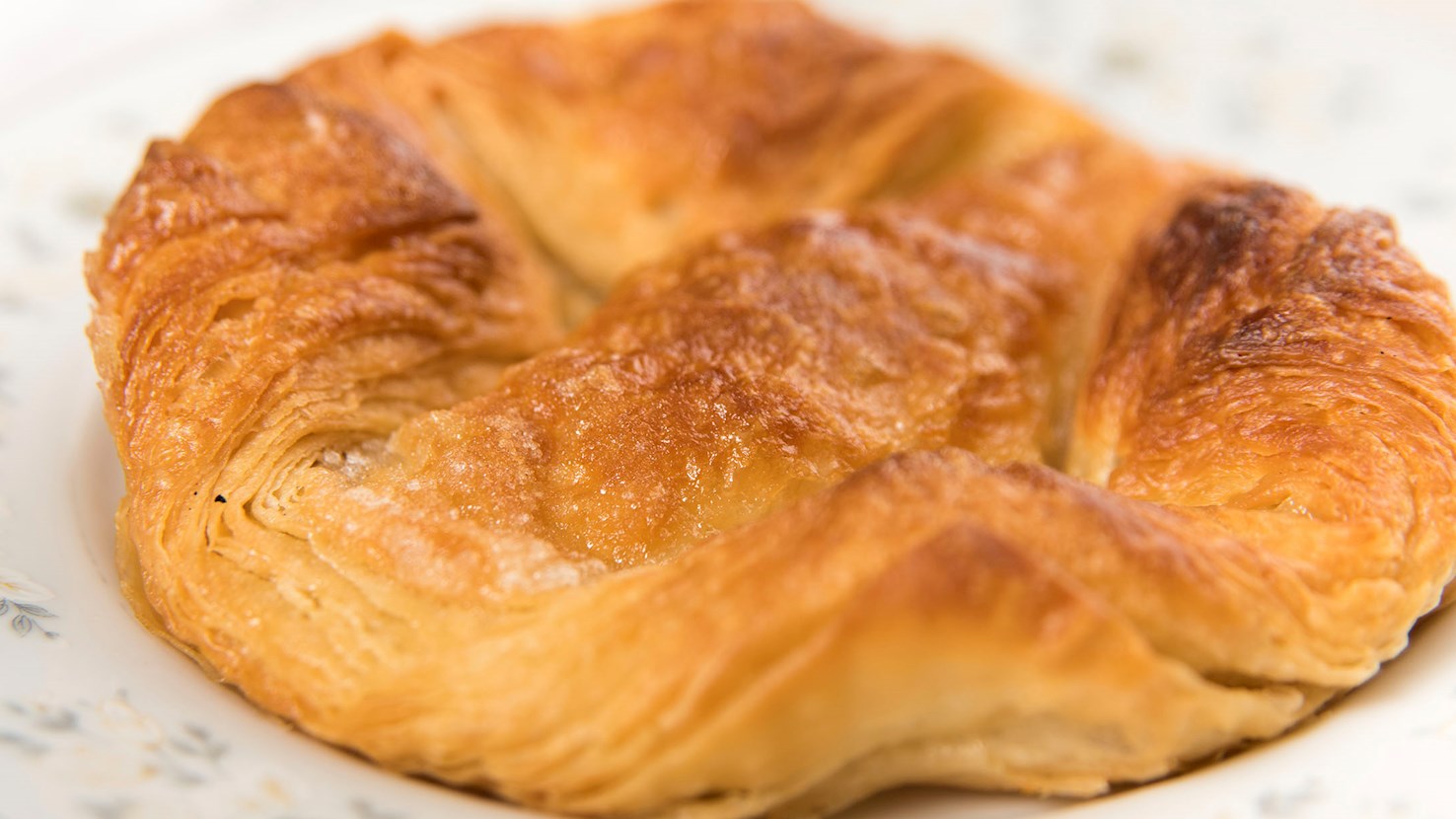
Kouign-amann is a cake that originated in the 1800s in the French region of Bretagne. Its name is derived from the Breton words for cake (kouign) and butter (amann). The cake consists of layers of butter and sugar that are folded into a dough. Bretons claim that the cake is "the fattiest pastry in the world", due to its flaky yellow dough that is mixed with large amounts of sugar and butter. Although there are many theories about the origin of the cake, the most popular one says that it was invented by accident, when a 19th-century baker from Douarnenez wanted to save a failed batch of dough, so he added butter and sugar to the mix, creating the delicacy that we know today.

07

Crêpes Suzette

4.2 ·

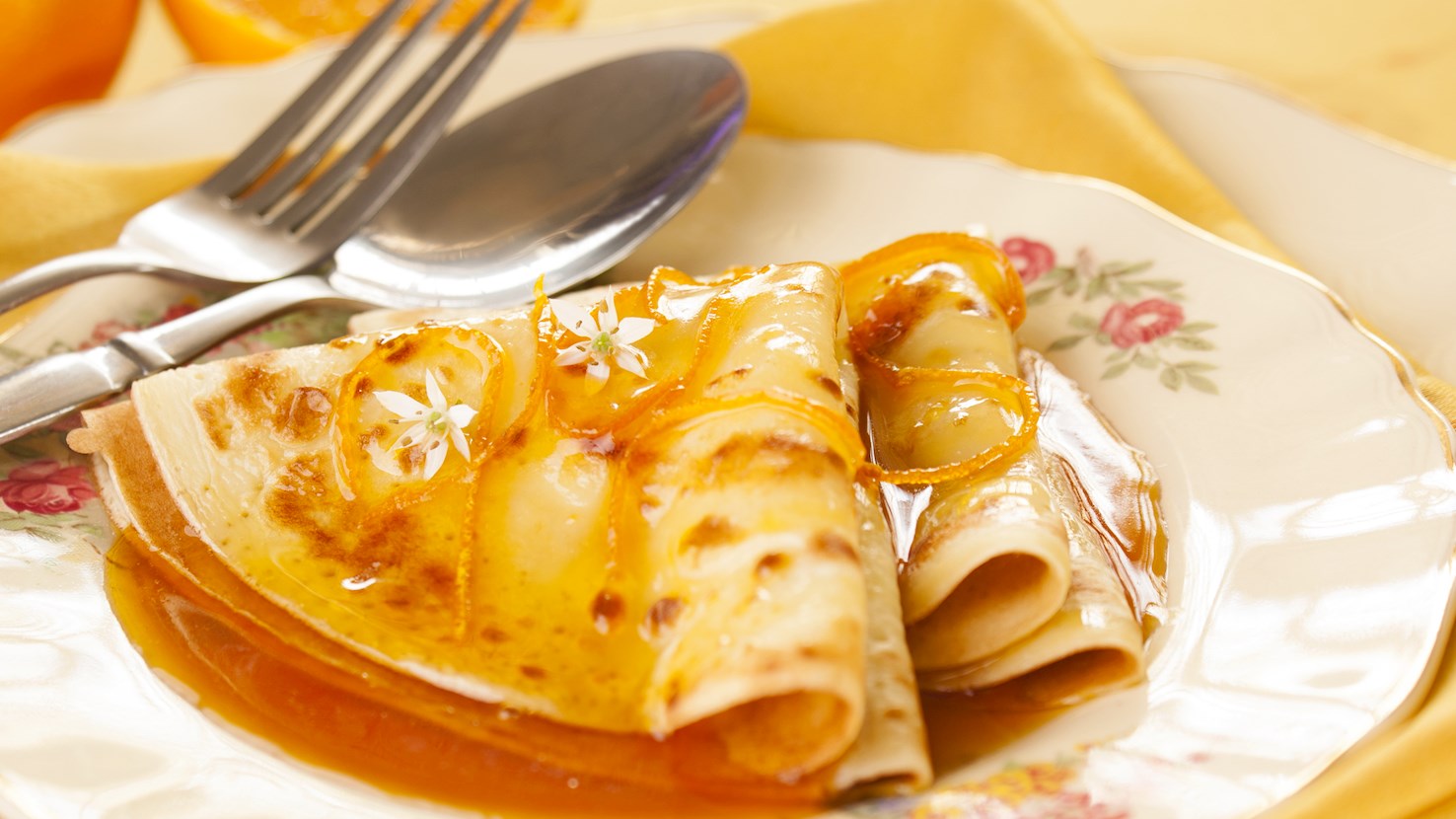
These delectable crêpes prepared à la flambé are doused in beurre Suzette, a sauce made with butter, caramelized sugar, tangerine or orange juice, zest, and orange flavored liqueurs such as Grand Marnier or Curaçao. Crêpes Suzette were supposedly invented by Henri Charpentier in 1895 in Monaco. According to his own story, Charpentier—then a 15-year-old assistant waiter working at Monte Carlo's Café de Paris—accidentally set fire to a pan of crêpes he was preparing for the Prince of Wales, the future King Edward VII. After burning the sauce, Henri discovered that the crêpes tasted even better and decided to serve the dessert, naming it after the prince's companion, a beautiful French girl named Suzette. Larousse Gastronomique disputes this story, claiming that Charpentier could not have been old enough at the time to be serving royalty, but it was definitely him who popularized these flambéed French-style pancakes.

Best restaurants
08

Crêpes Normande

4.2 ·

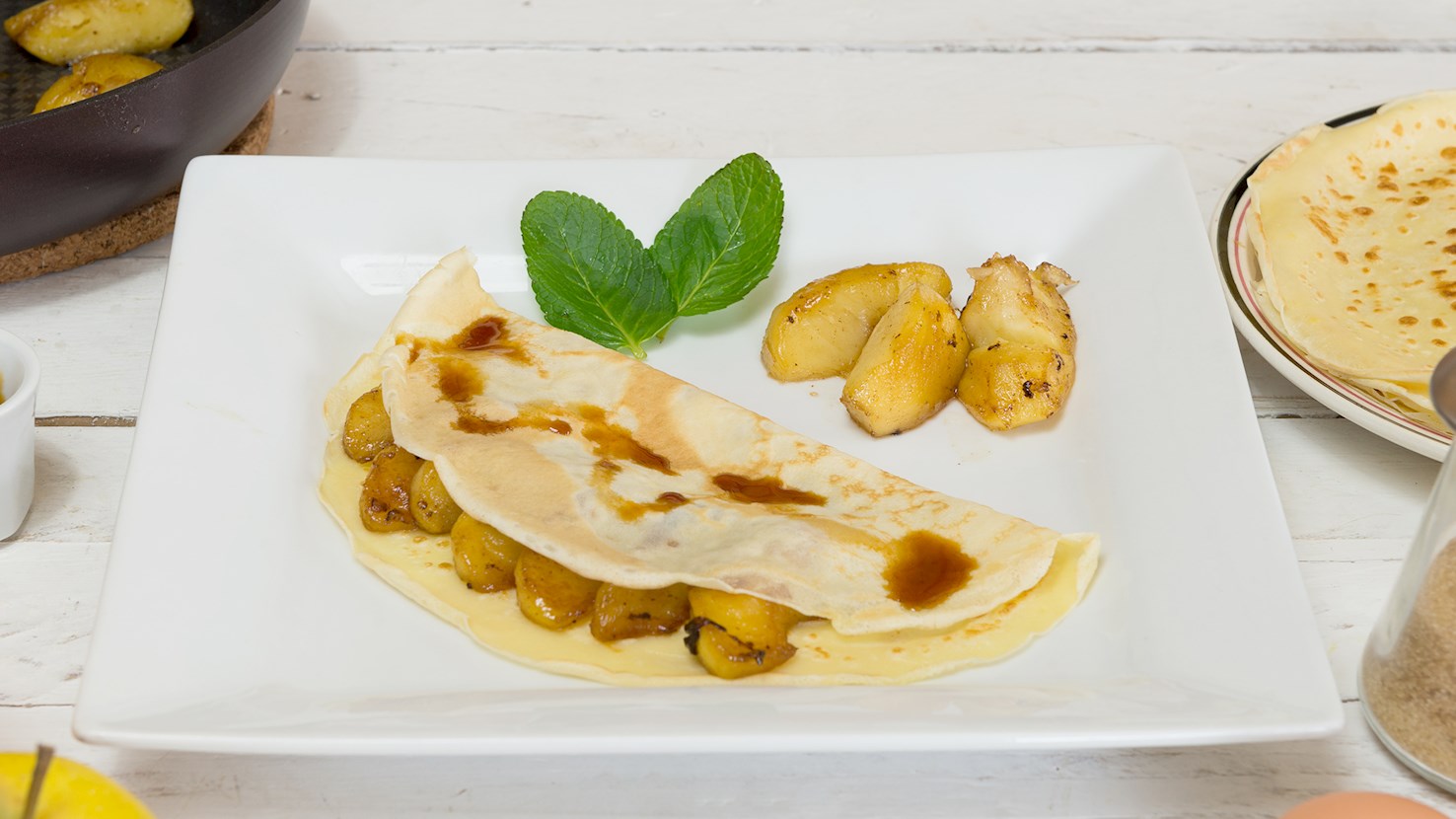
Crêpes Normande can best be described as apple pie inside a crêpe. For the filling, fresh, tart apples are browned in butter, sugar, and cinnamon, while the crêpes are made with a combination of flour, milk, eggs, sugar, and a pinch of salt. It is recommended to serve the crêpes topped with whipped cream, accompanied by a scoop of ice cream on the side, and it couldn't hurt to drizzle them with sweet caramel syrup to finish the whole thing.

09

Gaufre

4.2 ·

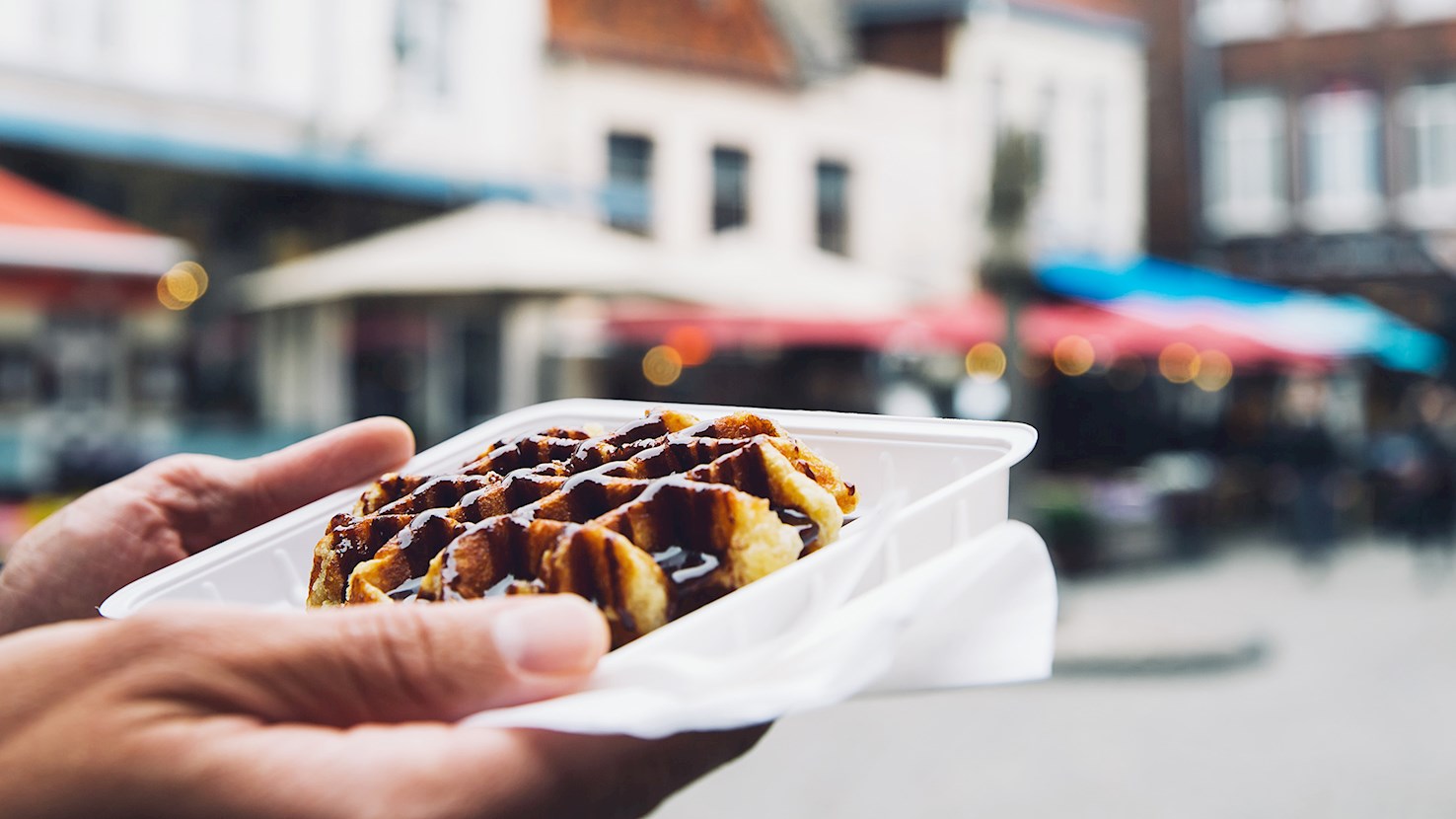
Delicious and fragrant waffles are the most famous Belgian culinary trademark. Made with thick dough or thin batter, the cakes are baked in a specially designed waffle iron which creates an unusual checkered pattern on the top and bottom of each cake. In Belgium, there are two distinct varieties of this national dessert: the light Brussels waffle, and the denser Liege waffle. The key distinction is in the batter: while the Brussels waffle batter is thin and runny, the Liege variety is made with a thick, brioche-like dough which produces a cake with uneven edges and dense texture. However, this distinction is only recognized in Belgium, while everywhere else in the world, this popular dessert is known simply as the Belgian waffle. Even though waffles have been present in Belgian cuisine since the Middle Ages, and were initially made with a mixture of barley and oats, they were made famous at World’s Fair, held in New York in 1964. Maurice Vermersch, the innovator of the modern waffle version, decided to offer the waffles to American citizens, which proved to be a big hit. Since then, waffles have become a common breakfast staple in traditional American diners. However, in Belgium, waffles are regarded as street food - they are almost always eaten by hand, on-the-go. They are usually served plain or dusted with powdered sugar, but modern versions may be topped with anything from whipped cream and chocolate to caramel or sliced fruits.

10

Gâteau mille crêpes

4.2 ·

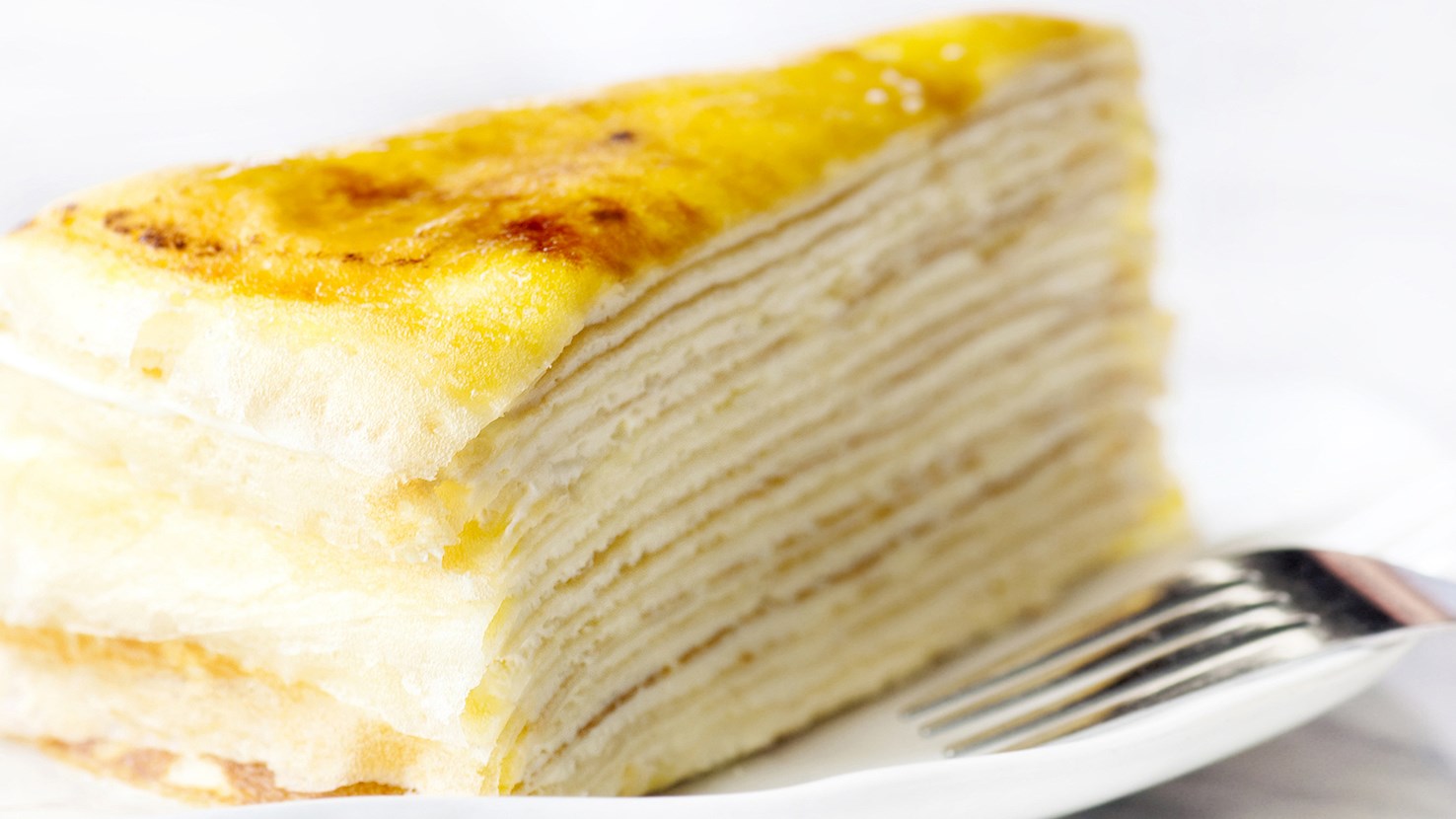
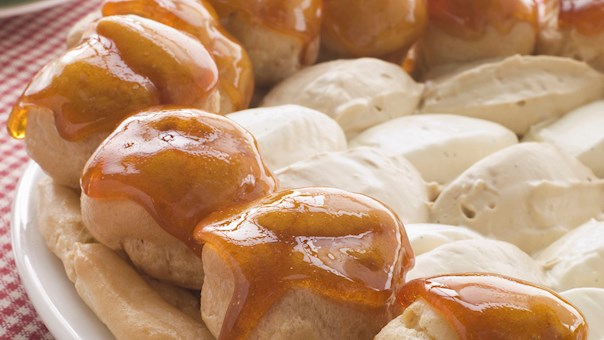
A thousand crêpes cake—as translated in English—is a classic French dessert consisting of crêpes stacked on top of each other and layered with, most typically, a thin coating of either icing sugar or pastry cream, while the top of the cake is covered in a thin layer of caramelized sugar. This dense and creamy cake can be prepared with all kinds of different fillings and enjoyed with various fruits, whipped cream, or even ice cream.

Best French Desserts
01

Pierre Hermé

4.7 ·
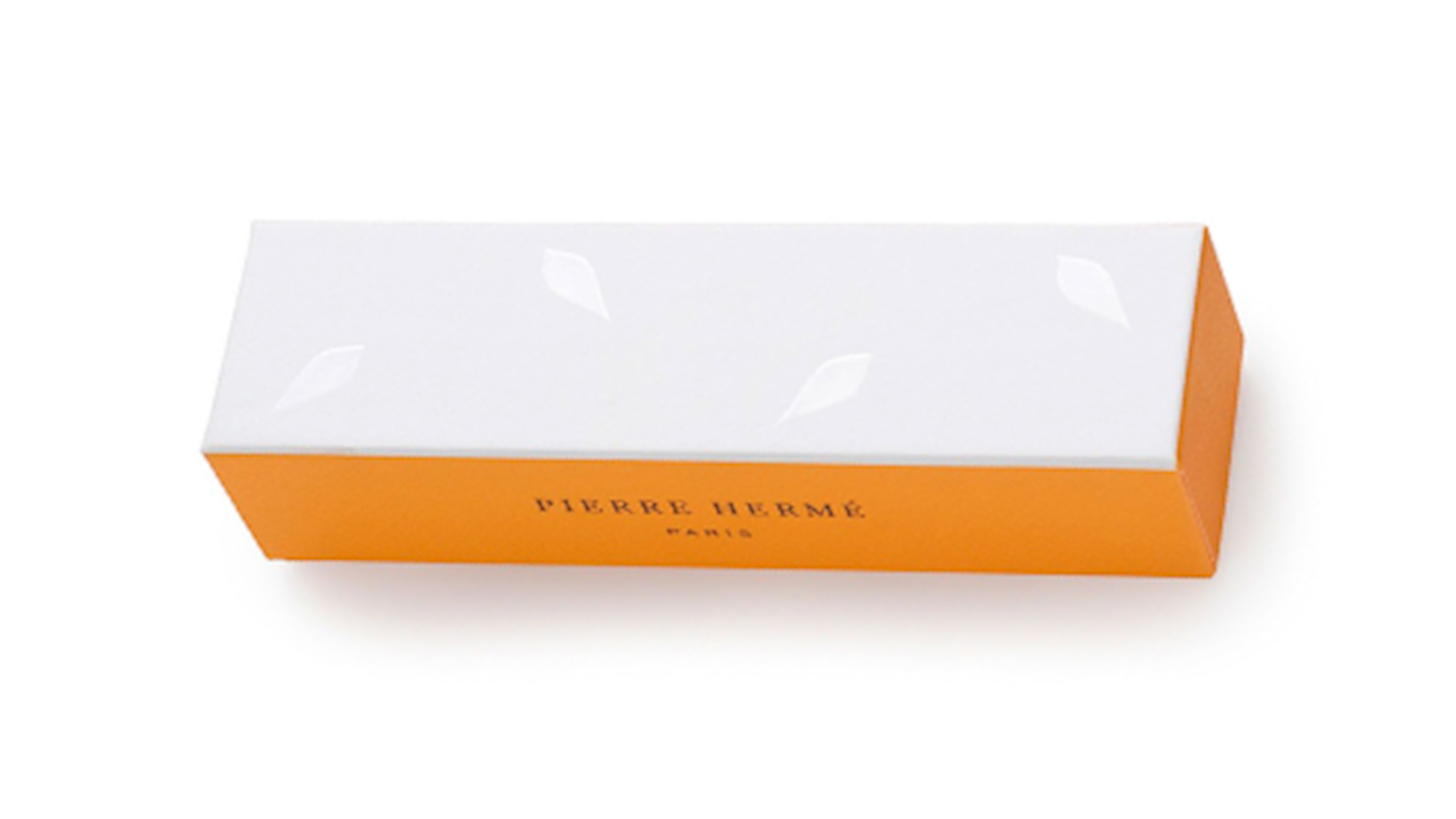
Pierre Hermé is a contemporary French luxury pâtisserie brand founded by Pierre Hermé, widely regarded as one of the most influential pastry chefs of modern times. Built on a philosophy of precision, balance, and creative freedom, the house is known for redefining classic French pastry through bold yet disciplined flavor pairings. Pierre Hermé’s work emphasizes clarity of taste, where each ingredient is clearly expressed without excess sweetness or decorative distraction. The brand is especially renowned for its macarons, which range from rigorously executed classics to highly original combinations that have reshaped expectations of the category. Beyond macarons, the portfolio includes entremets, chocolates, viennoiserie, and seasonal creations, all produced with meticulous attention to ingredients, texture, and structure. With boutiques and salons in Paris and major cities worldwide, Pierre Hermé positions pastry as a form of contemporary culinary expression, merging technical mastery with a distinctly modern aesthetic.
02

La Sablésienne

4.7 ·
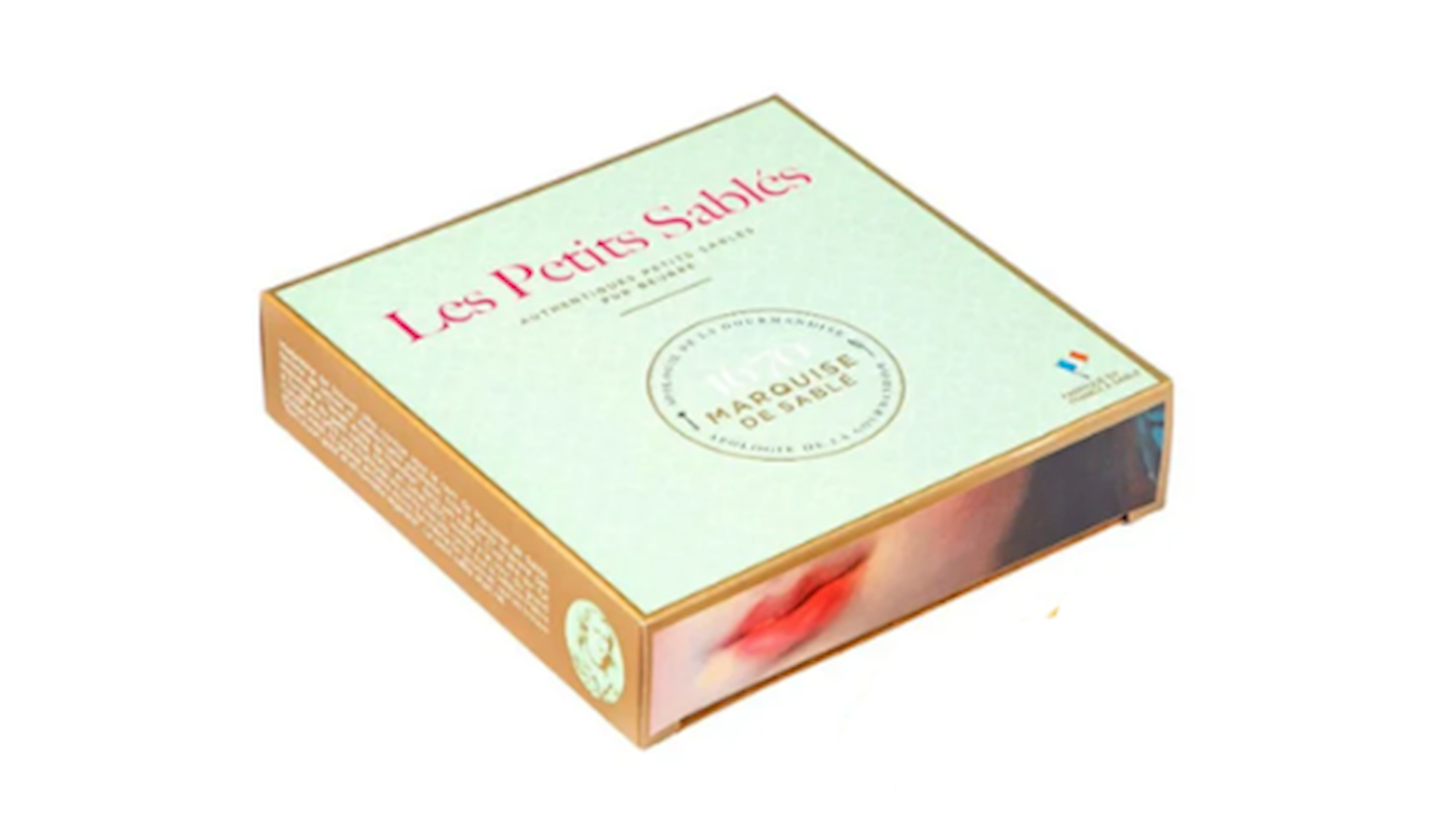
La Sablésienne is a French biscuit brand based in Sablé-sur-Sarthe, closely linked to the tradition of petit sablé butter biscuits whose origins date back to the 17th century. The modern company was established in 1962 with a focus on preserving this heritage through artisanal production methods such as baking on metal trays and hand-finishing each biscuit. Its range centers on classic butter biscuits, alongside variations with chocolate, fruit, and caramel, all made with an emphasis on natural ingredients and without artificial additives. The flavor profile is defined by a rich buttery base with a balanced sweetness and a delicate crumbly texture. A key element of the brand is its attention to presentation, with products often packaged in decorative tins that reinforce their role as gift items. Over time, La Sablésienne has expanded internationally while maintaining a strong connection to its place of origin. It is positioned as a representative example of French biscuit craftsmanship where tradition, ingredient quality, and visual identity are closely integrated.
03

Maison Pariès

4.7 ·

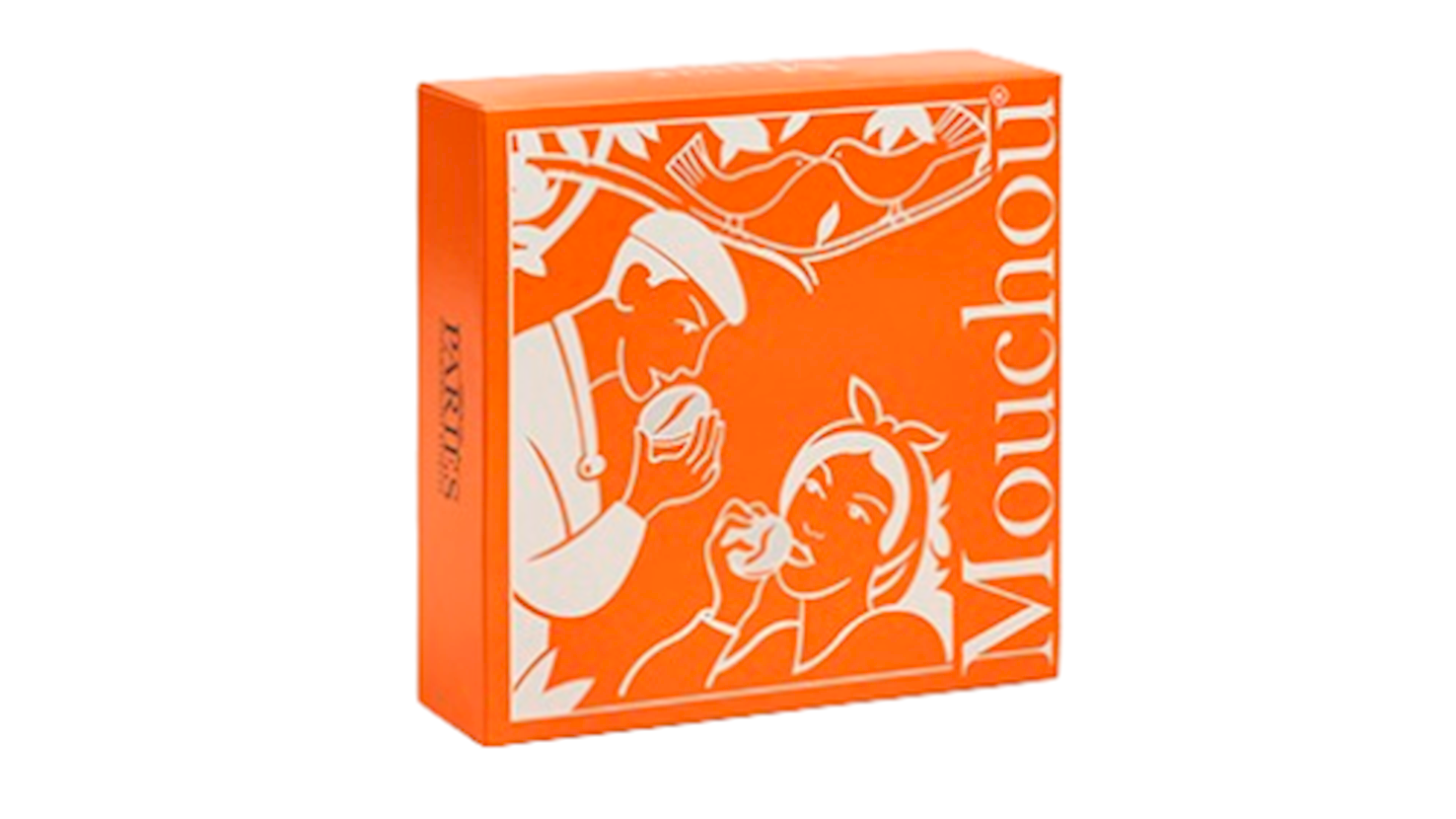
Maison Pariès is a historic French gourmet house founded in 1895 in Bayonne by Jacques Damestoy, making it one of the enduring names in Basque confectionery and chocolate craftsmanship. Originally established as a chocolatier, the company gradually expanded its expertise into pastries, confectionery, ice cream, and regional specialties, becoming deeply associated with the culinary identity of the French Basque Country. Still family-run across five generations, Maison Pariès has built its reputation on artisanal savoir-faire, carefully selected ingredients, and a strong connection to local gastronomic traditions. Production remains rooted in the Basque region, with a continued emphasis on craftsmanship, short supply chains, and premium sourcing, including direct cocoa partnerships. Maison Pariès has earned recognition as both an Entreprise du Patrimoine Vivant and a historic French family business, reflecting its cultural and artisanal significance. Today, the brand operates boutiques beyond the Basque Country, including Paris and Bordeaux, while preserving its identity as a house dedicated to authentic French gourmet heritage.

04

Maison Brémond 1830

4.7 ·

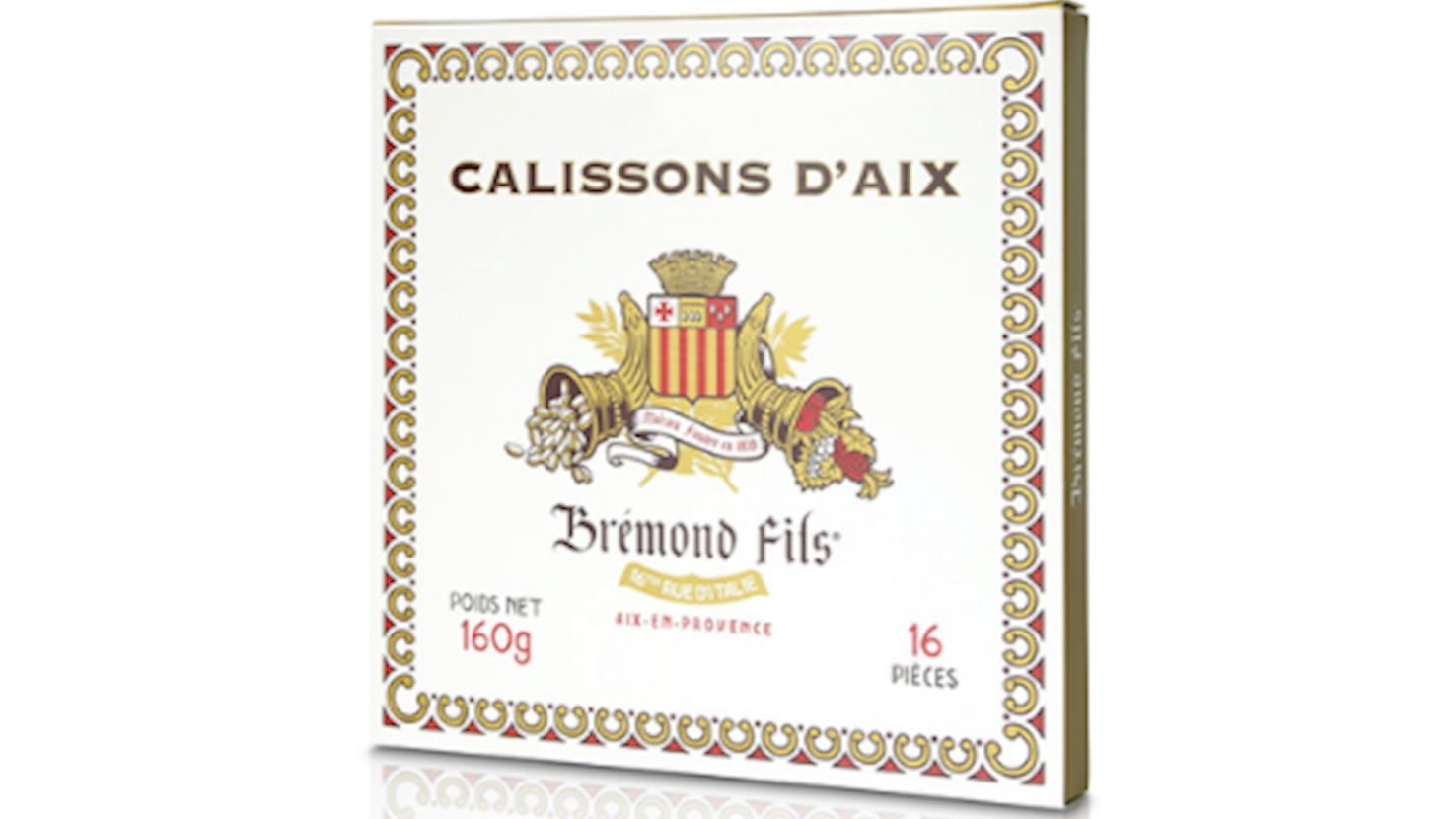
Maison Brémond 1830 is a historic Provençal delicatessen house founded in 1830 in Aix-en-Provence, where the Brémond family originally established a confectionery and gourmet grocery on the iconic Cours Mirabeau. Over time, the brand evolved from a traditional confectioner into a refined gourmet food house specializing in high-quality Mediterranean and Provençal products, including extra virgin olive oils, balsamic vinegars, truffle specialties, spreads, preserves, seasonings, confectionery, and regional delicacies. The company places strong emphasis on artisanal craftsmanship, product origin, and collaboration with carefully selected producers who reflect the culinary heritage of southern France. In 2015, Maison Brémond 1830 entered a new chapter under the leadership of Olivier Baussan, founder of L’Occitane en Provence, who reinforced the brand’s focus on sustainability, biodiversity, and preservation of local agricultural traditions. Its philosophy combines gastronomy with environmental responsibility, supporting agroforestry initiatives, biodiversity conservation, and regional farming communities. Maison Brémond 1830 presents itself not simply as a gourmet retailer, but as a curator of Provençal lifestyle and Mediterranean culinary culture. Today, the brand operates boutiques in France and selected international markets, bringing authentic southern French flavors to a global audience while maintaining its heritage-driven identity.

05

Ladurée

4.5 ·
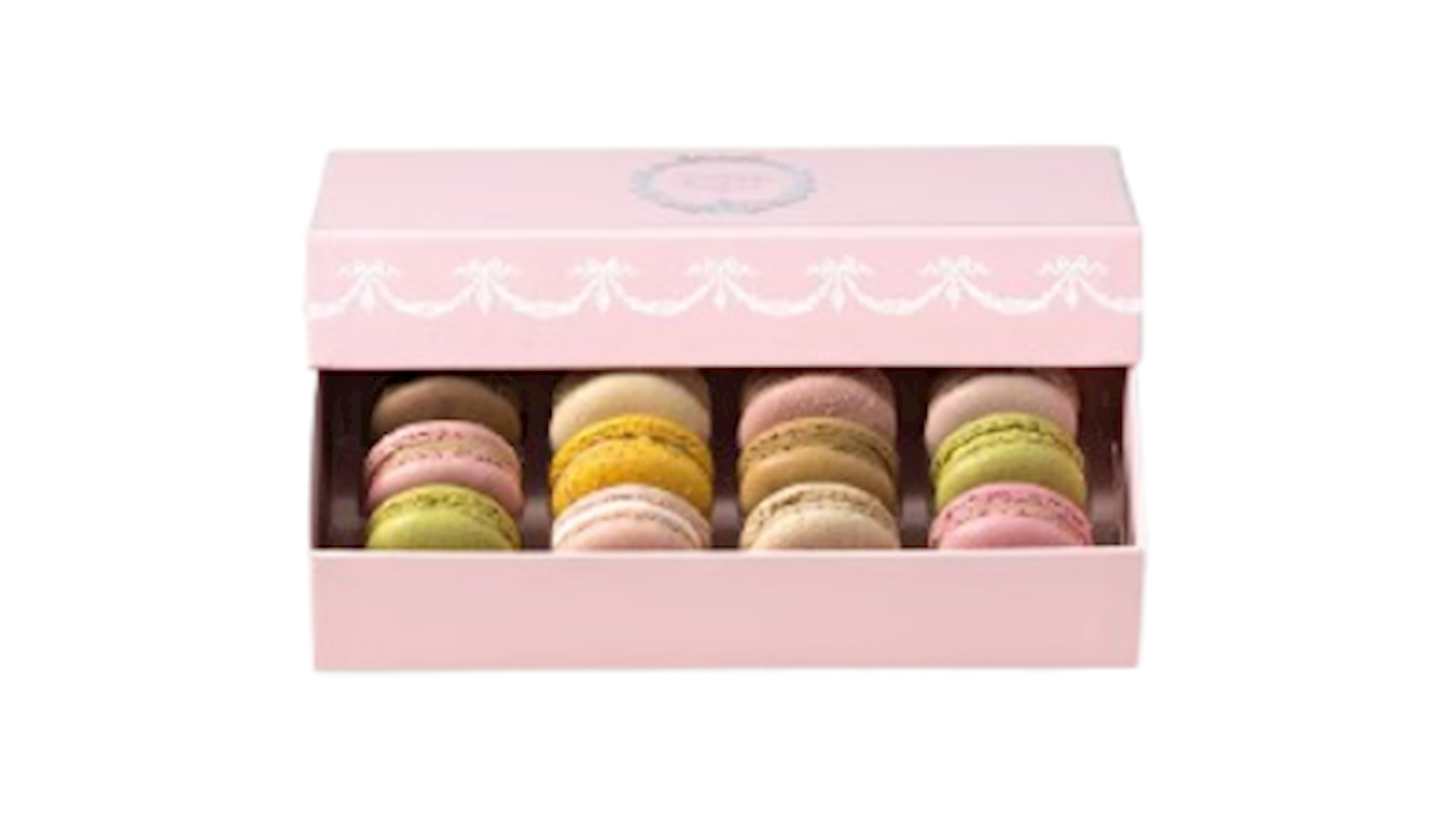
Ladurée is a historic French pâtisserie and luxury confectionery brand founded in 1862 in Paris by Louis-Ernest Ladurée. Originally established as a bakery on Rue Royale, Ladurée gradually evolved into one of the most recognizable names in French pastry, closely associated with the refinement of Parisian art de vivre. The brand is internationally celebrated for its macarons, which have become its defining signature and a global symbol of French elegance. Ladurée’s identity rests on a balance of tradition and aesthetics, combining classic pastry techniques with a highly curated visual universe inspired by 18th-century salons. In the late 19th century, it was among the first to introduce the concept of a tea salon, creating a social space where pastries, tea, and refined hospitality converged. Today, Ladurée operates an extensive international network of boutiques and salons, offering macarons, pastries, chocolates, teas, and luxury gift collections. The brand’s continued relevance lies in its ability to preserve heritage while presenting French pastry as a cultural and experiential product rather than simple confectionery.
06

Confiserie Lilamand

4.5 ·

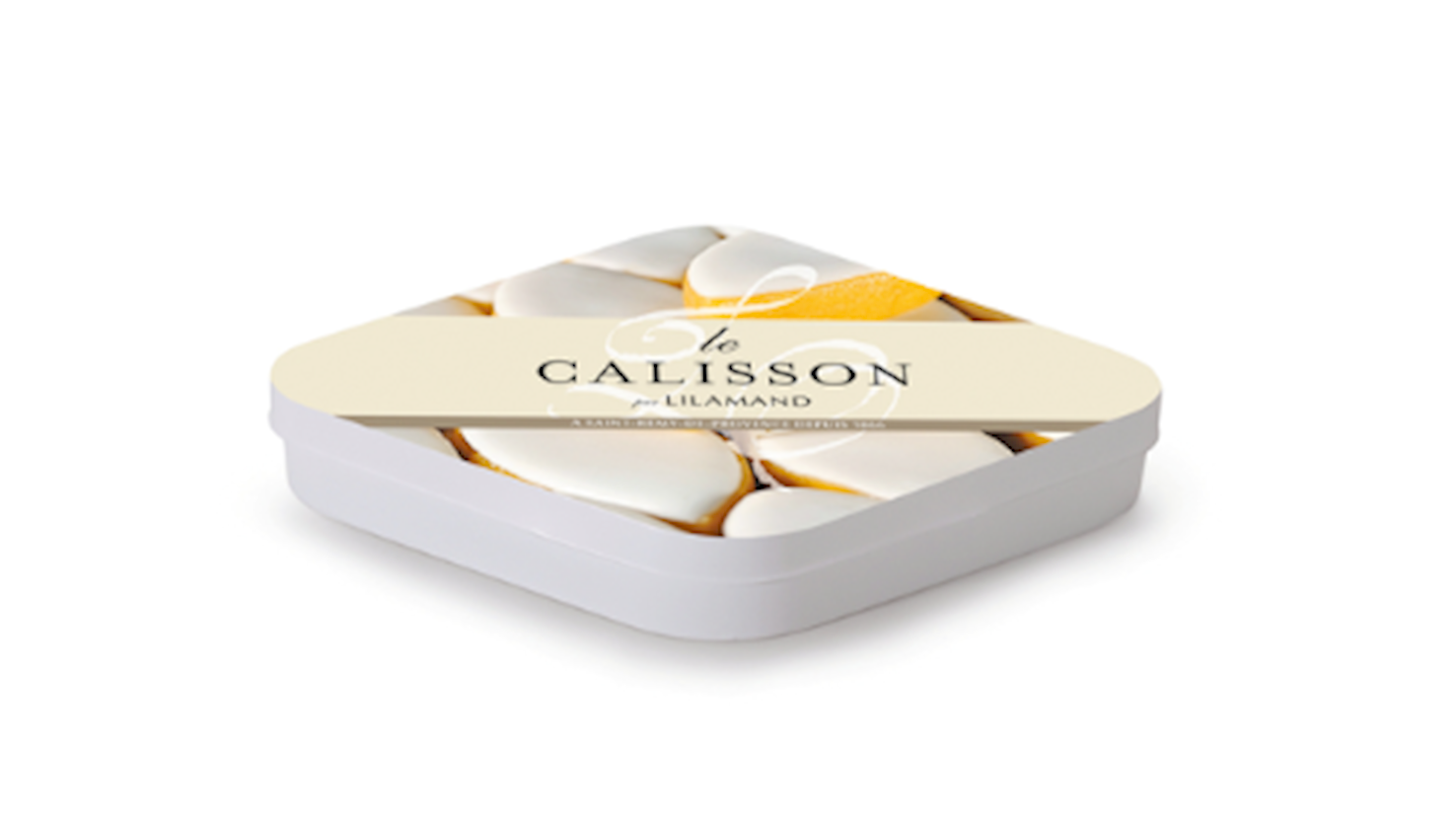
Confiserie Lilamand is a French family-owned confectionery company based in Saint-Rémy-de-Provence, founded in 1866. The brand is best known for its candied fruits, calissons, and other traditional Provençal sweets. Established by Marius Lilamand, the company has passed its expertise down through five generations of the same family. Production is rooted in artisanal methods and the meticulous candying process that requires time, precision, and extensive experience. Lilamand is particularly dedicated to preserving the Provençal tradition of candied fruit, a craft with deep historical roots in southern France. Its portfolio includes candied fruits, calissons, fruit preserves, syrups, fruit pastes, honey, and a variety of gourmet confectionery products. In 2009, the company expanded its production facilities, and since 2016 it has also been developing its own almond cultivation to support the production of calissons. Today, Confiserie Lilamand is recognized as one of Provence’s distinguished confectionery houses, combining family heritage, high-quality ingredients, and traditional French craftsmanship.

07

Fortwenger

4.5 ·
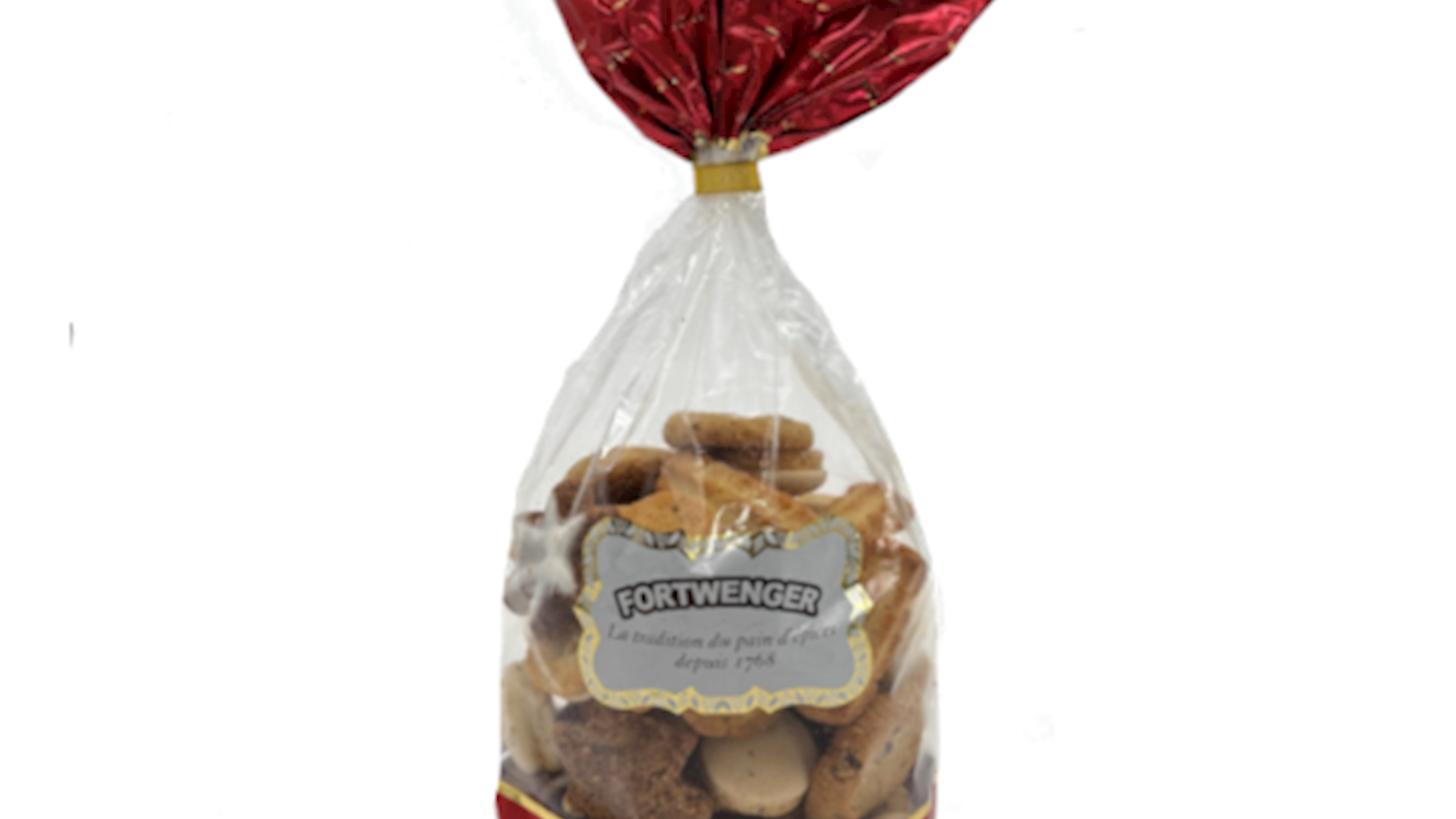
Fortwenger is one of the oldest and most established gingerbread producers in France, founded in 1768 in the village of Gertwiller in the Alsace region, historically known as the heart of pain d’épices production. Built on a long-standing artisanal tradition, the company has preserved its core identity through the use of honey, warm spices such as cinnamon, anise, and ginger, and techniques rooted in regional baking practices. While production has expanded over time, the brand continues to emphasize craftsmanship, including shaped and often decorated gingerbread that reflects Alsatian cultural motifs. Its portfolio extends beyond classic gingerbread to include biscuits, chocolate products, and seasonal specialties, frequently presented in decorative forms that position them as both confectionery items and regional souvenirs. Fortwenger has also developed an experiential dimension through its Palais du Pain d’Épices in Gertwiller, combining a museum, workshop, and retail space that showcases the history and production process. Today, with multiple boutiques across Alsace, including Strasbourg and Colmar, the brand maintains a strong connection between local heritage, tourism, and traditional confectionery.
08

La Cure Gourmande

4.3 ·

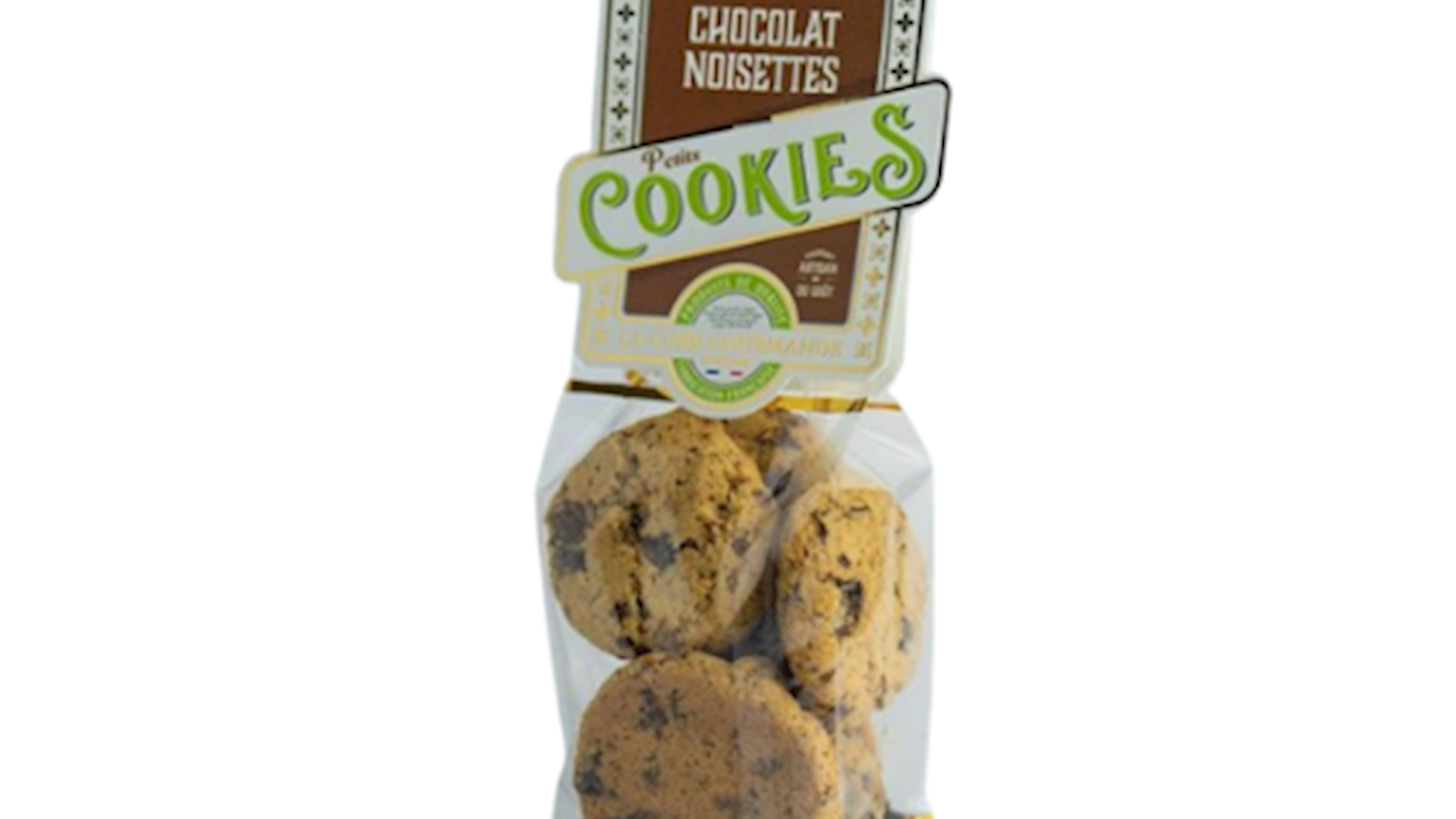
La Cure Gourmande is a French confectionery house founded in 1989 by Christian Berlan and Edouard Hennebert in the south of France, inspired by traditional sweets and nostalgic confectionery culture. The brand specializes in biscuits, chocolates, candies, caramels, nougat, lollipops, and assorted gourmet gift boxes, combining artisanal presentation with a playful retro aesthetic. La Cure Gourmande produces its sweets in its own workshops in southern France, with a strong emphasis on traditional recipes, carefully selected ingredients, and French manufacturing. Its identity is built around recreating the atmosphere of old-fashioned confectionery boutiques, with decorative tins and vintage-inspired packaging becoming a recognizable part of the brand. The company is particularly known for butter biscuits, chocolate-coated treats, praline specialties, fruit candies, and confectionery assortments designed for gifting. While rooted in French confectionery heritage, the brand has developed an international retail presence through boutiques in major tourist destinations. La Cure Gourmande positions itself as an accessible premium confectionery brand that blends traditional French sweet-making with colorful presentation and broad consumer appeal.

09

Four des Navettes

4.2 ·
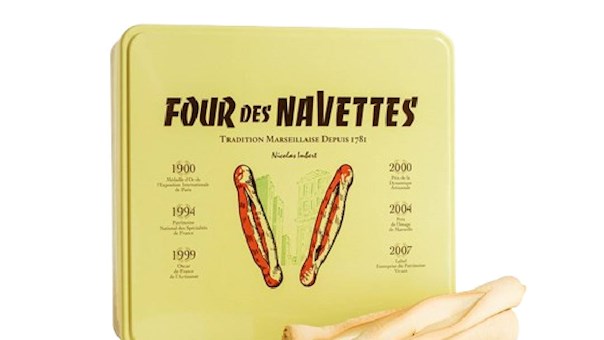
Le Four des Navettes is the oldest bakery in Marseille and a shining example of preserved French artisanal tradition. Founded in 1781 near the historic Saint-Victor Abbey, this legendary workshop has been baking its signature creation—the navette—for over two centuries. These firm, boat-shaped biscuits delicately flavored with orange blossom water have become a culinary symbol of the city and a cherished part of its spiritual and gastronomic identity. Passed down through generations, the craft remains in the hands of the Imbert family, who continue to use the original 18th-century vaulted oven to bake each navette by hand. Free from additives and made with patience and care, every biscuit is shaped and baked as it was centuries ago, honoring a tradition that refuses to fade. More than just a sweet, the navette carries a legend—its shape is said to commemorate the wooden boat that brought the Three Marys to Provence. Each year, on February 2nd, navettes are blessed during the Candlemas celebrations at the nearby abbey, preserving a ritual that connects faith, community, and heritage. Le Four des Navettes is far more than a bakery—it is a living piece of Marseille’s history. With every bite of their iconic biscuit, you taste not only the warmth of orange blossom but also the soul of a city that has treasured its traditions for generations.
10

Poilâne

4.2 ·
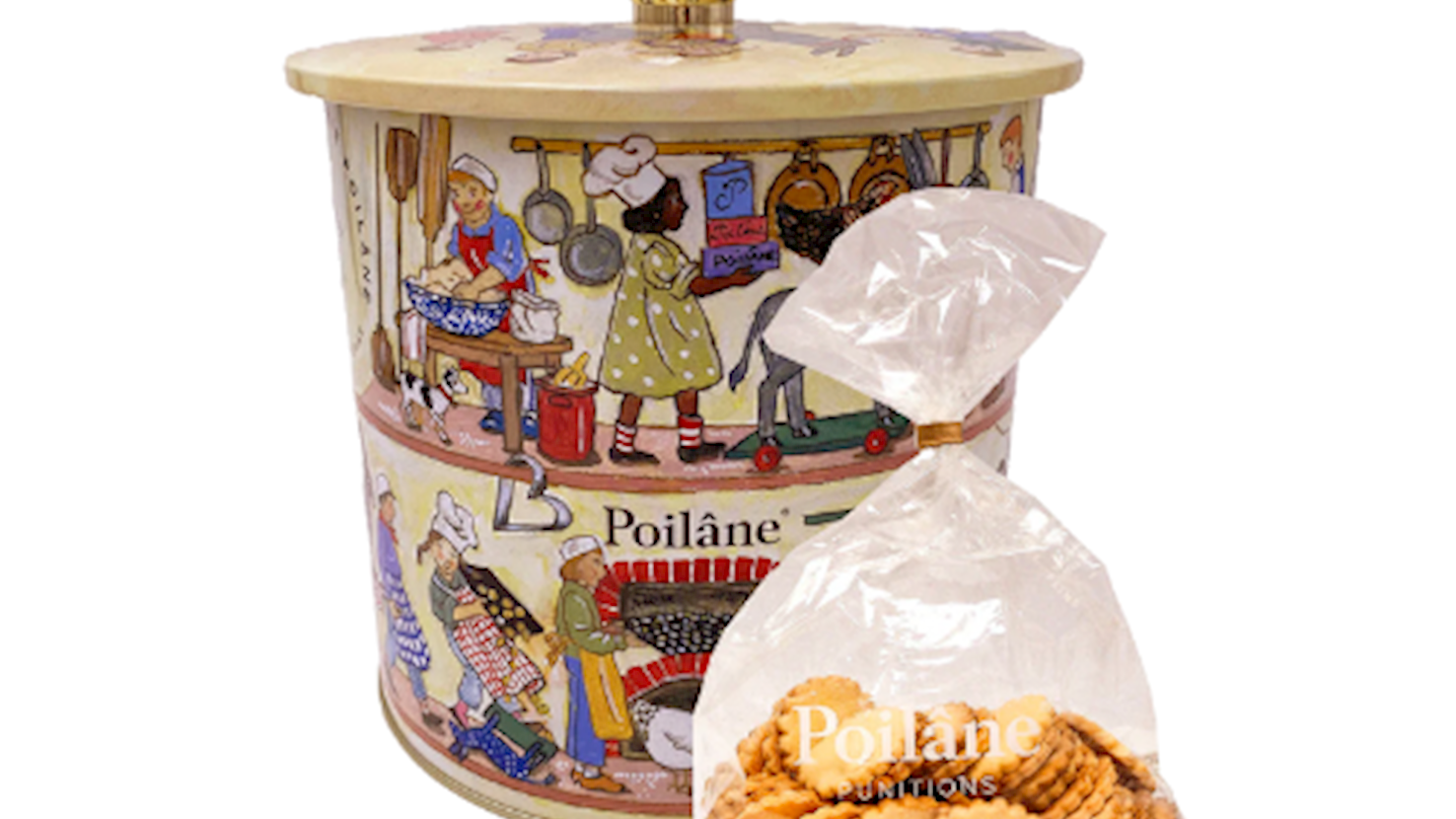
Poilâne is an iconic Parisian bakery founded in 1932, internationally recognised for its commitment to traditional bread-making and its signature sourdough loaf, pain Poilâne. The bakery built its reputation on the use of natural levain, simple ingredients and long fermentation, resulting in bread with a dense crumb, pronounced grain character and a thick, aromatic crust. Baking in wood-fired ovens has long been central to Poilâne’s identity, contributing to the loaf’s distinctive texture and depth of flavour. While the house offers a wider range of products, including biscuits and pastries, the large round sourdough loaf remains its defining expression. Poilâne is often cited as a reference point for artisanal baking, influencing generations of bakers seeking to revive slow, craft-driven methods. Today, the brand balances international recognition with a strong attachment to its original philosophy, treating bread not as a commodity, but as a cultural and culinary object shaped by time, technique and raw materials.
Read more
View all
View map
About this ranking

TasteAtlas food rankings are based on the ratings of the TasteAtlas audience, with a series of mechanisms that recognize real users and that ignore bot, nationalist or local patriotic ratings, and give additional value to the ratings of users that the system recognizes as knowledgeable. For the “Top 100 French Desserts” list until June 15, 2026, 15,711 ratings were recorded, of which 13,865 were recognized by the system as legitimate. TasteAtlas Rankings should not be seen as the final global conclusion about food. Their purpose is to promote excellent local foods, instill pride in traditional dishes, and arouse curiosity about dishes you haven’t tried.

The initial list of top producers was compiled based on available reviews, awards, local recommendations, media and blog coverage, and consumer reviews. The list will be updated with ratings from TasteAtlas local ambassadors and TasteAtlas users.

Similar lists