Top 70 Burgundian Foods

Last updated on June 10, 2026

Best Burgundian foods

01
Cheese

Époisses

4.2 ·

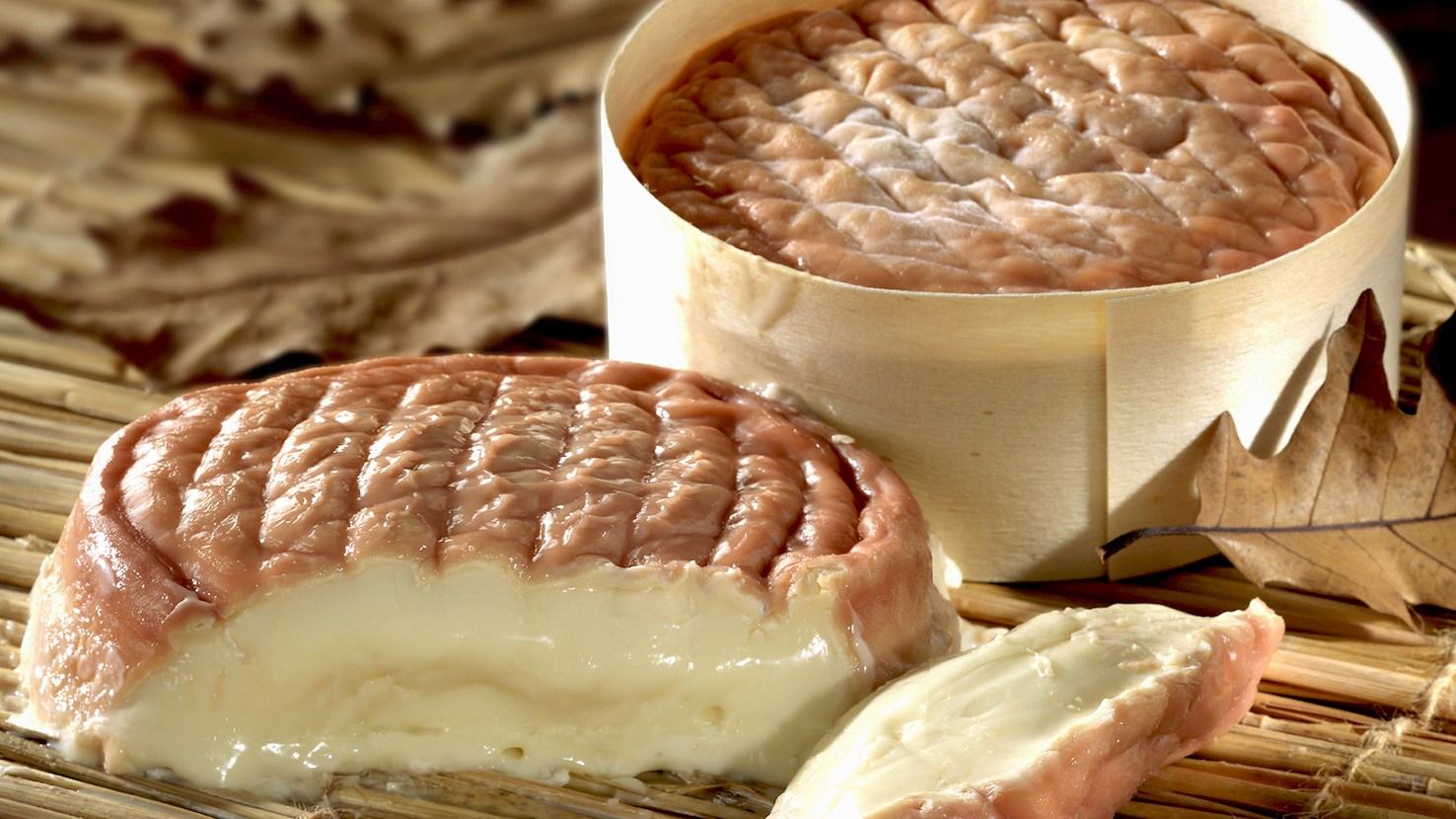
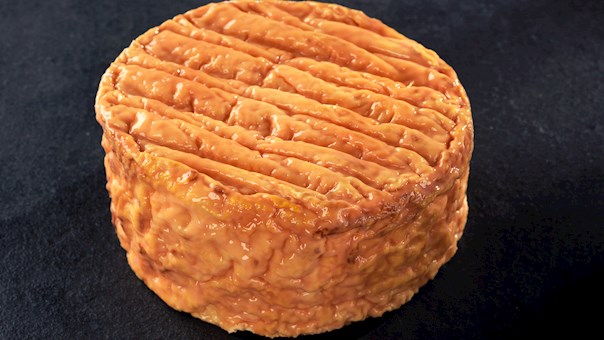
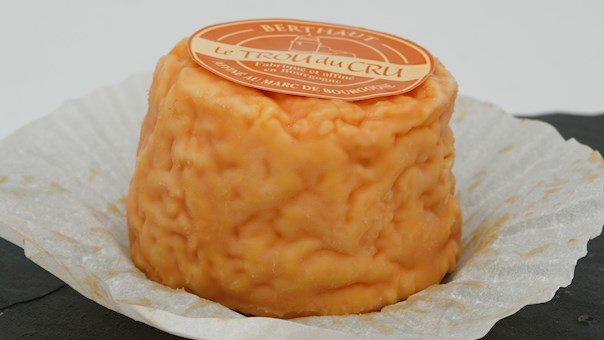
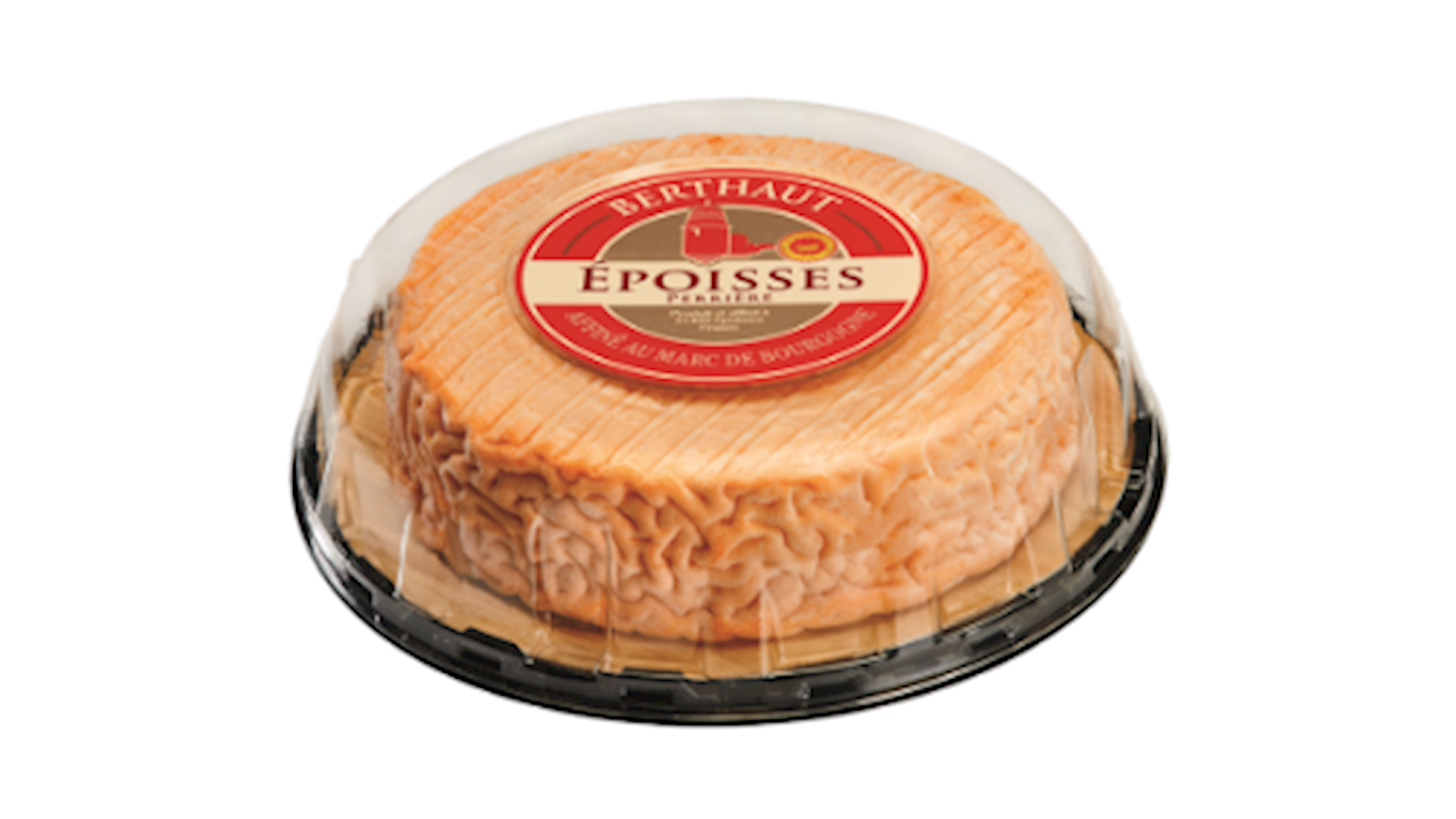
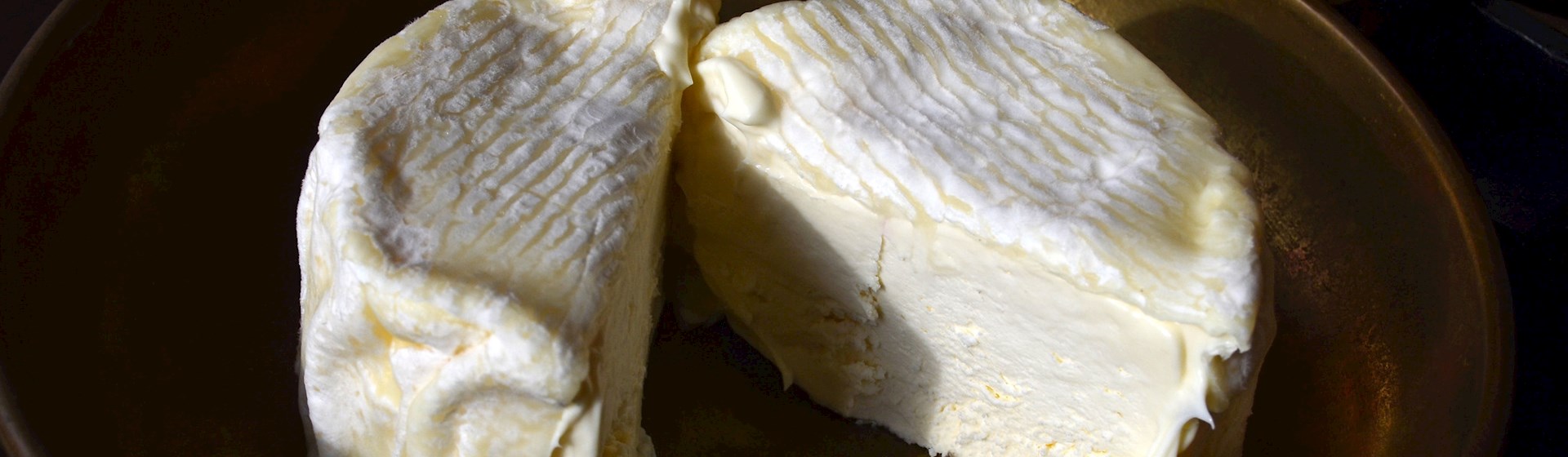
Époisses is a soft cheese made from cow's milk with a glossy rind, and a pale beige, creamy, slightly salty body. It must mature for at least 4 weeks before it is ready for consumption when its salty, spicy, and sweet flavors, and an intense, pungent aroma fully develop. The cheese is so smelly that it's been banned on public transport in France, according to the BBC. Its natural, brick red glossy rind develops during the maturation process as it gets washed with water containing Marc de Bourgogne (an aged brandy from Burgundy). Époisses is sold in a wooden box in order to ease the transport and prevent the cheese from spilling out. It's recommended to serve it with a slice of crusty bread and pair it with a glass of white wine or beer.

02
Cheese

Délice de Bourgogne

4.2 ·

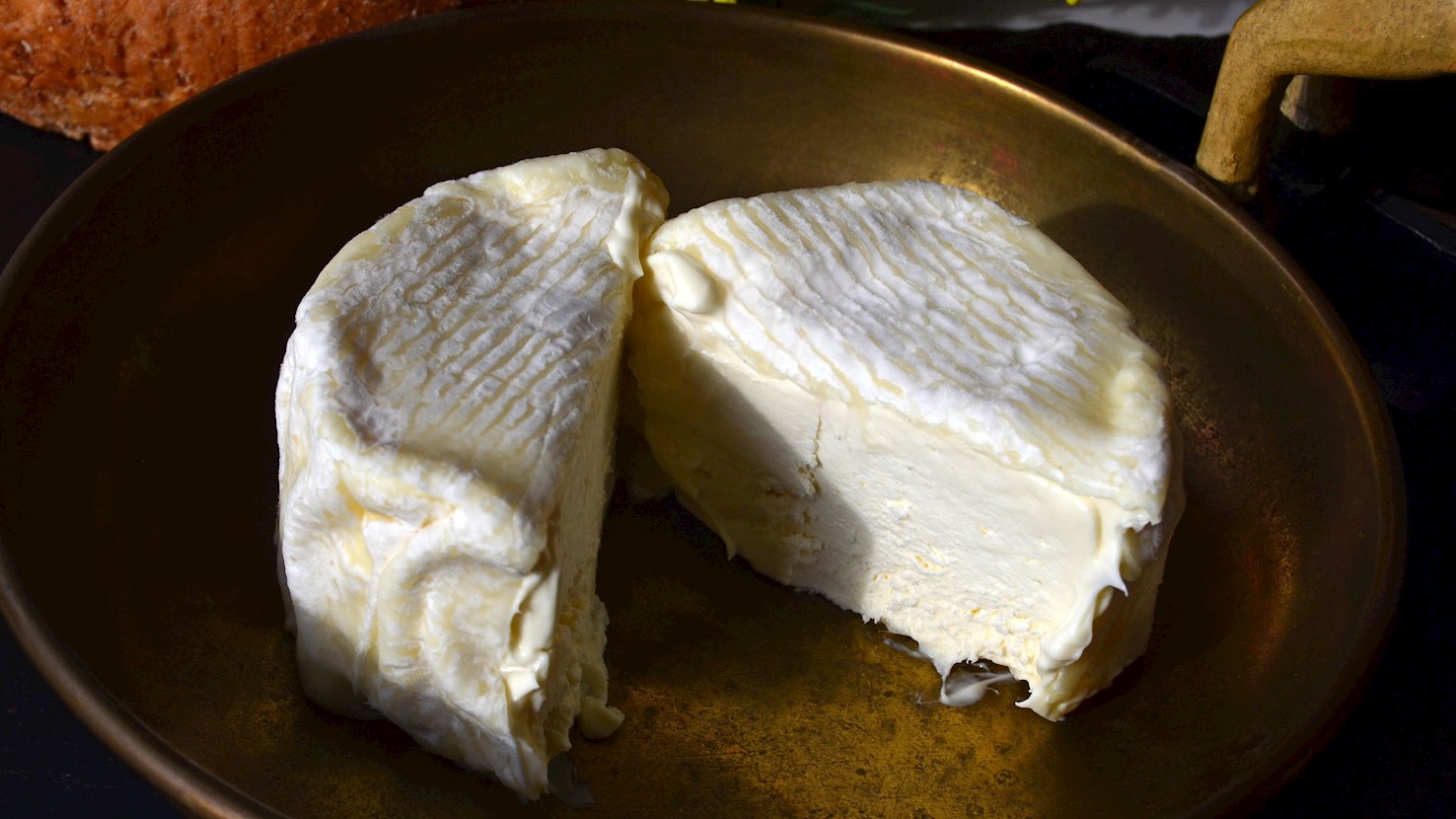
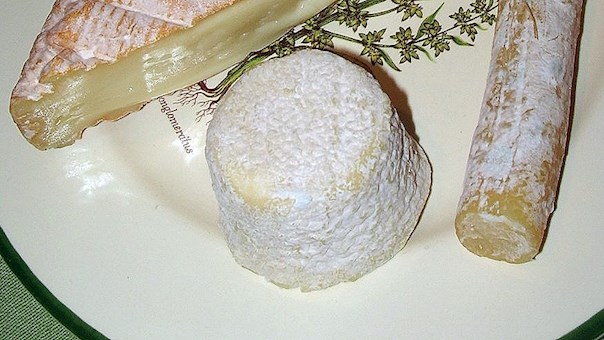
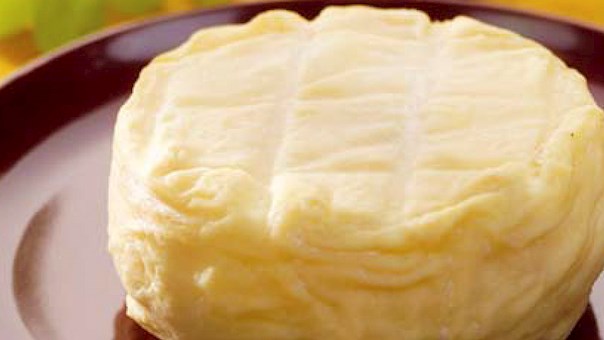
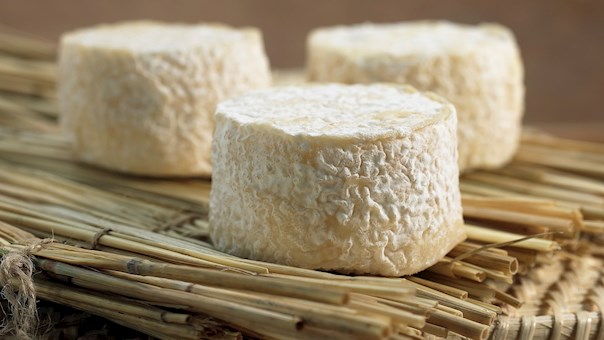
Délice de Bourgogne is a French triple crème cheese originating from the region of Burgundy, hence the name. The cheese is made from cow’s milk and butterfat, and it has a fat content of 75%. Its texture is smooth and creamy, while the flavors are tangy, tart, salty, buttery, and mushroomy. The rind is white, bloomy, and quite pungent. It is recommended to serve the cheese on its own or pair it with ciders and white wines.

03
Stew

Beef bourguignon

4.2 ·

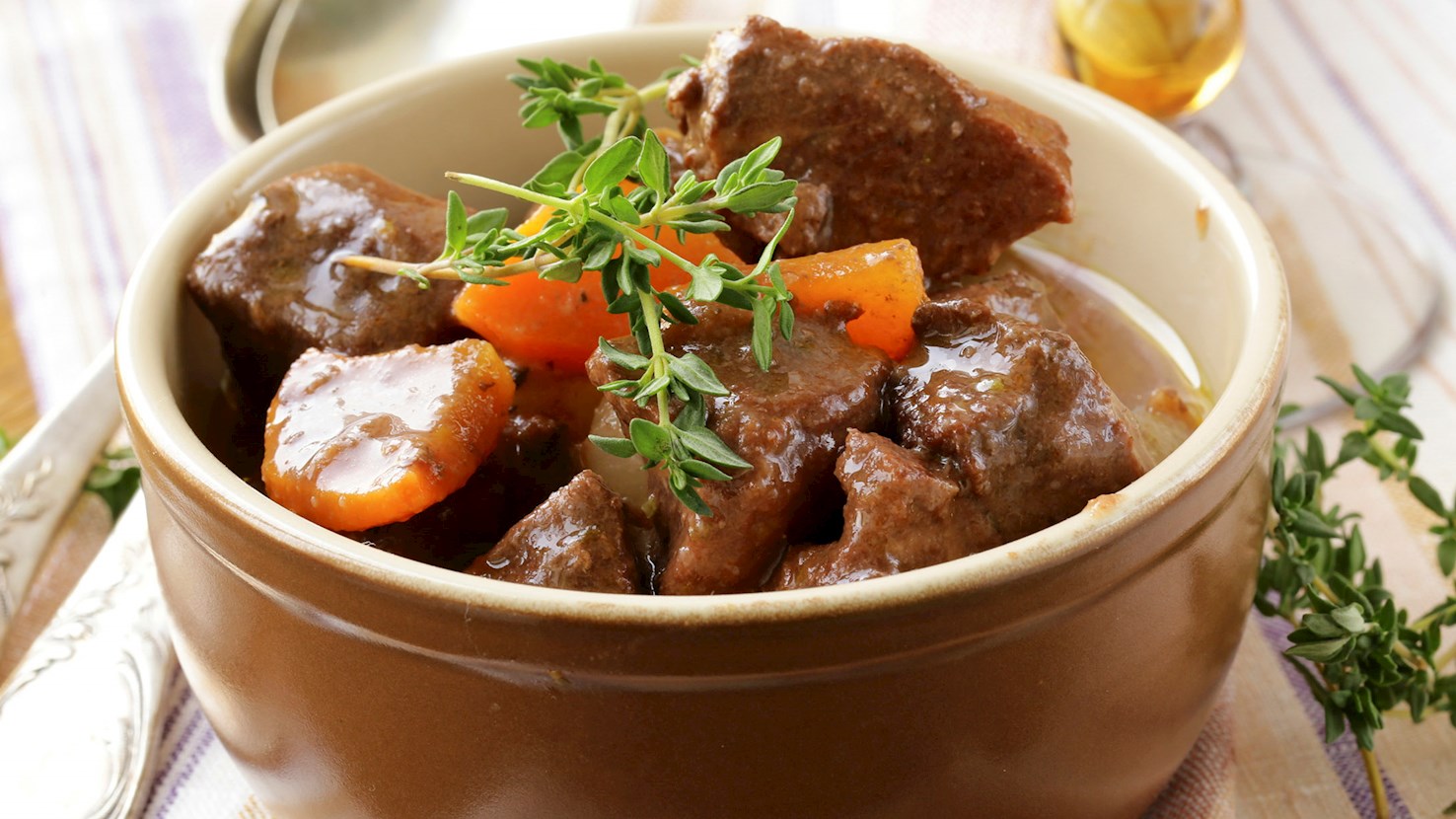
Beef bourguignon is a rich and complex stew originating from the region of Burgundy in France. The star of the dish is a robust red Burgundy wine, which is used to soften and tenderize tough cuts of Charolais beef, along with savory additions such as carrots, onions, garlic, thyme, and mushrooms. The ingredients are simmered for a long time until the meat is completely soft and succulent, and all the juices have blended into a hearty, dark sauce. Some say that the dish tastes even better after it has been refrigerated for 24 hours and then reheated. Beef bourguignon dates back to the Middle Ages, when the slow-cooking process was used to soften tougher cuts of meat using only the ingredients that were readily available. Pairing a serving of beef bourguignon with a full-bodied red Burgundy makes for a true gourmet delight.

04
Savory Pastry

Gougères

4.1 ·

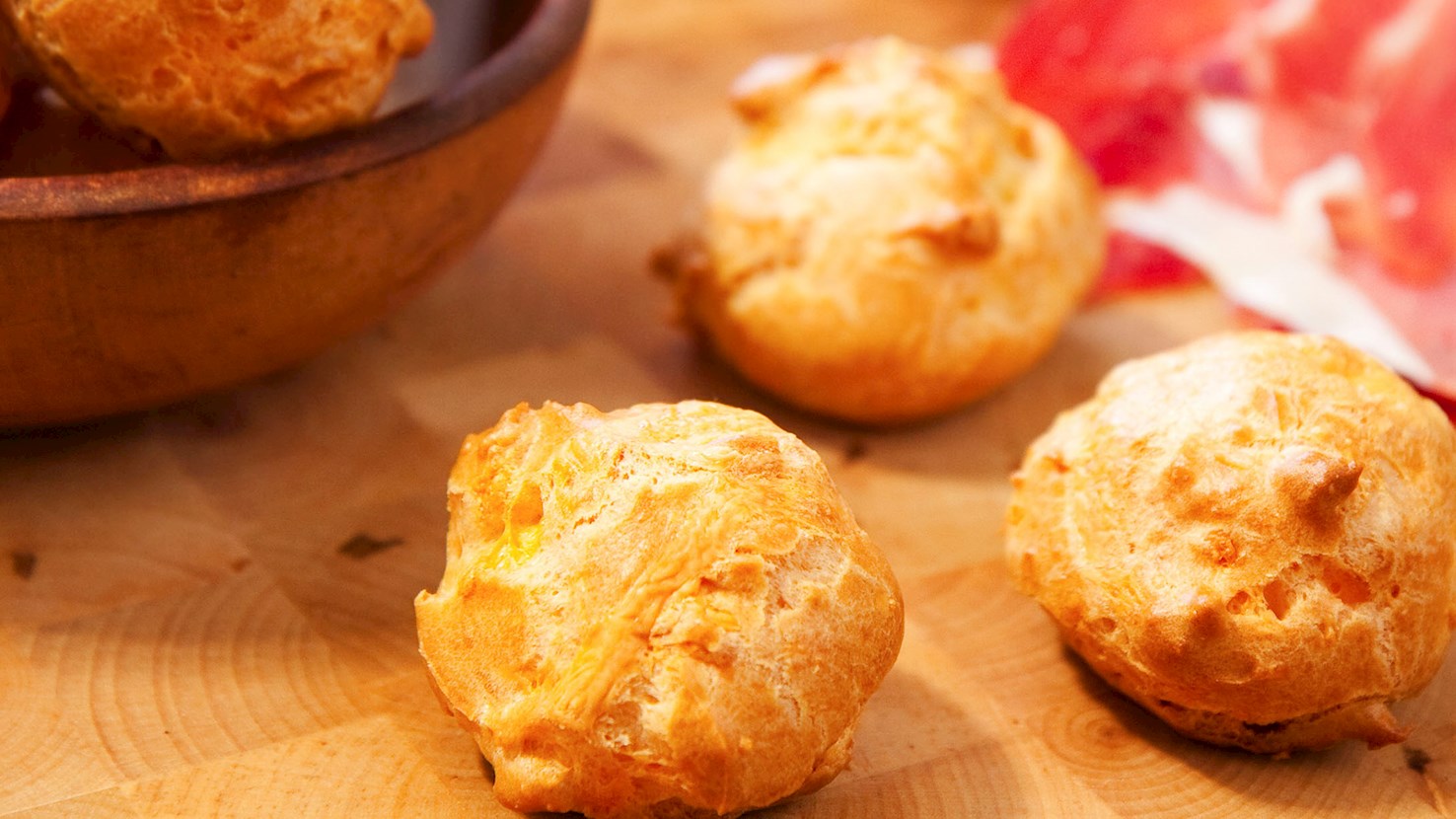
Gougères are tiny, hollow pastry puffs made from choux dough and cheese, most commonly grated Comté, Emmentaler, or Gruyère. These cheese puffs are often served cold or at room temperature as an accompaniment to beverages such as champagne or wine, but they can also be served warm as an appetizer. The snacks were invented in the 17th century, in a store called Le ramequin de Bourgogne, located in the Burgundy area. Gougères can also be served in a sweet version, accompanied by various fruit jams on the side.

05
Snail Dish

Escargots à la Bourguignonne

4 ·

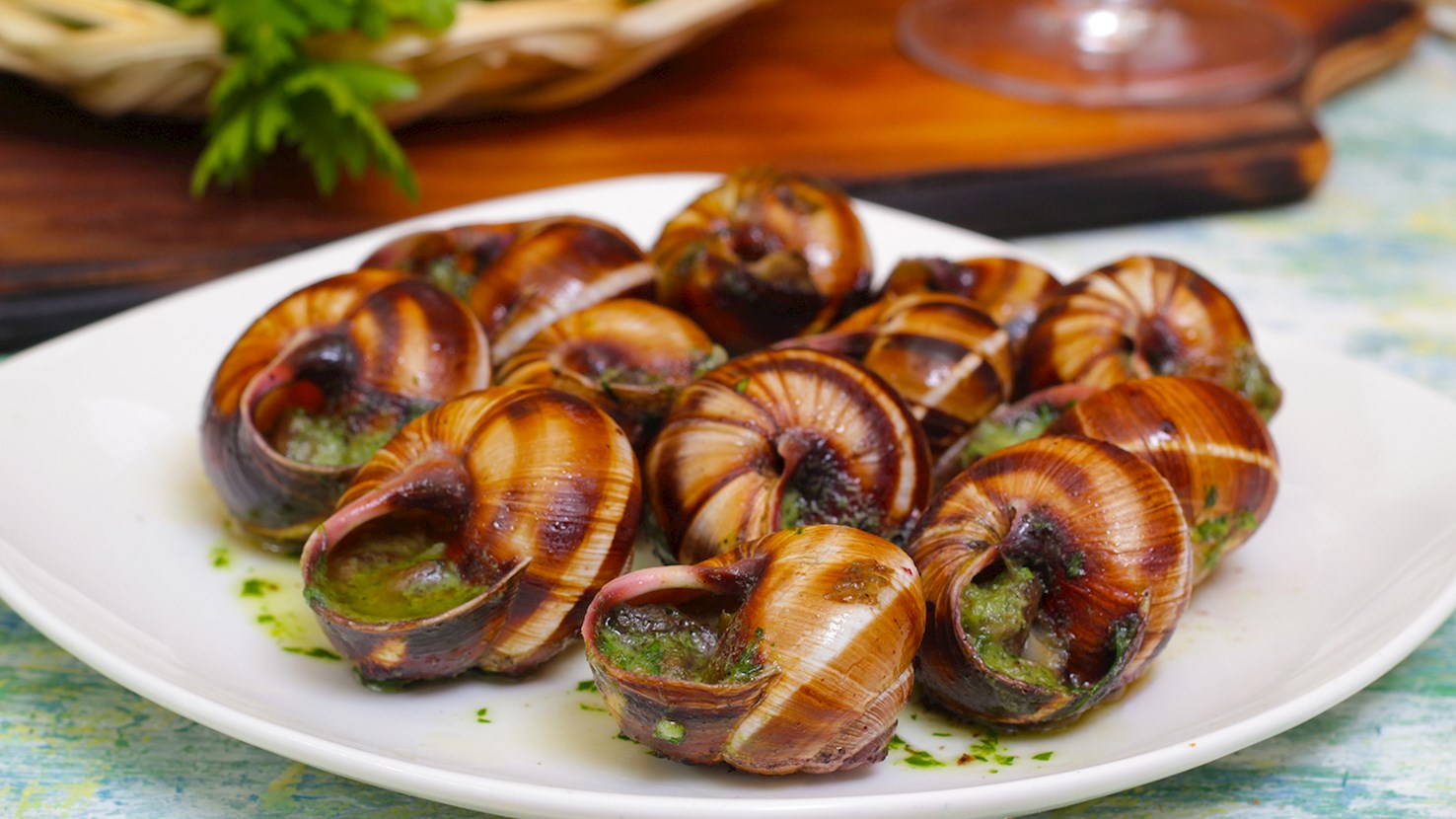
Escargots à la Bourguignonne is a traditional dish originating from Burgundy. The dish consists of snails that are baked with garlic and butter. If using fresh snails, they should be blanched in boiling water and rinsed in clear water. The snails are then cleaned with a small brush in a mixture of water and vinegar, and rinsed again. Many people buy canned cooked snails and then place them in empty snail shells, which can be found in most French supermarkets. They are covered with plenty of garlic butter enriched with shallots, parsley, salt, and pepper, then baked in the oven. Once done, the snails are served immediately. It's recommended to serve the dish with a crusty baguette for mopping up the juices.

06
Stew

Coq au vin

4 ·

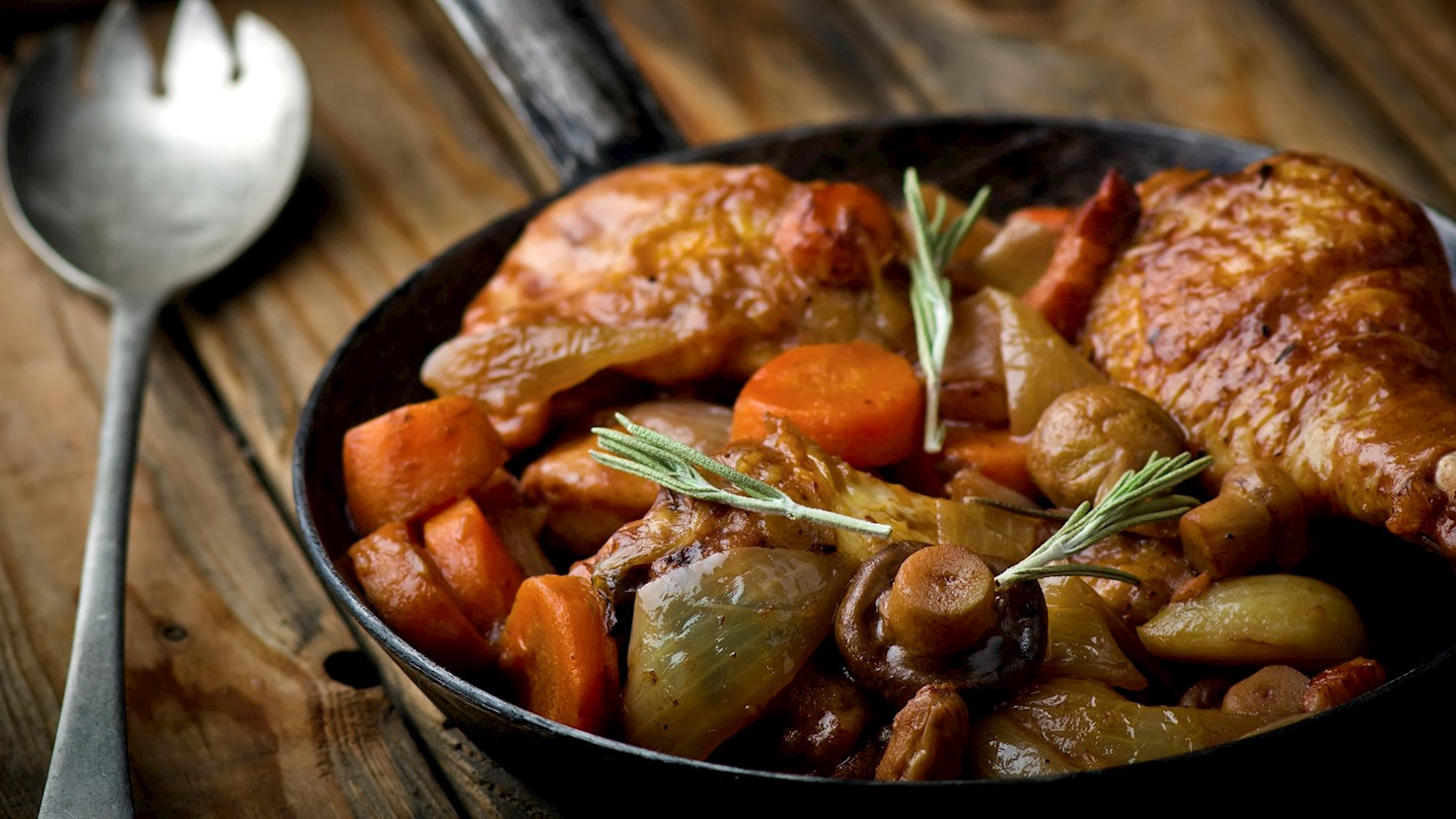
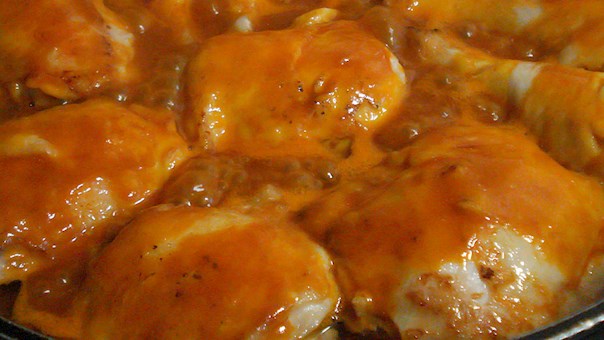
This classic peasant stew hails from the French region of Burgundy. This dish is the perfect showcase for the harmonious coexistence of its two main ingredients – coq, or rooster, and vin, or wine, in this case a bold, rustic red wine. The rooster is cut into sections and combined with rooster's blood, onions, carrots, garlic, thyme, bay leaves, parsley, mushrooms, salt, pepper, and a hefty dose of red wine. The ingredients are then slowly cooked over low heat until the meat becomes tender. One of the first documented recipes for coq au vin dates back to 1913, when the French natural philosopher and zoologist Mathurin Jacques Brisson stumbled upon the dish in the Chaîne des Puys region. Julia Child later popularized the recipe among English-speaking audiences on her TV program The French Chef. This simple "drunk chicken" dish is often accompanied by steamed or boiled parsley potatoes or buttered noodles.

07
Egg Dish

Oeufs en meurette

3.8 ·

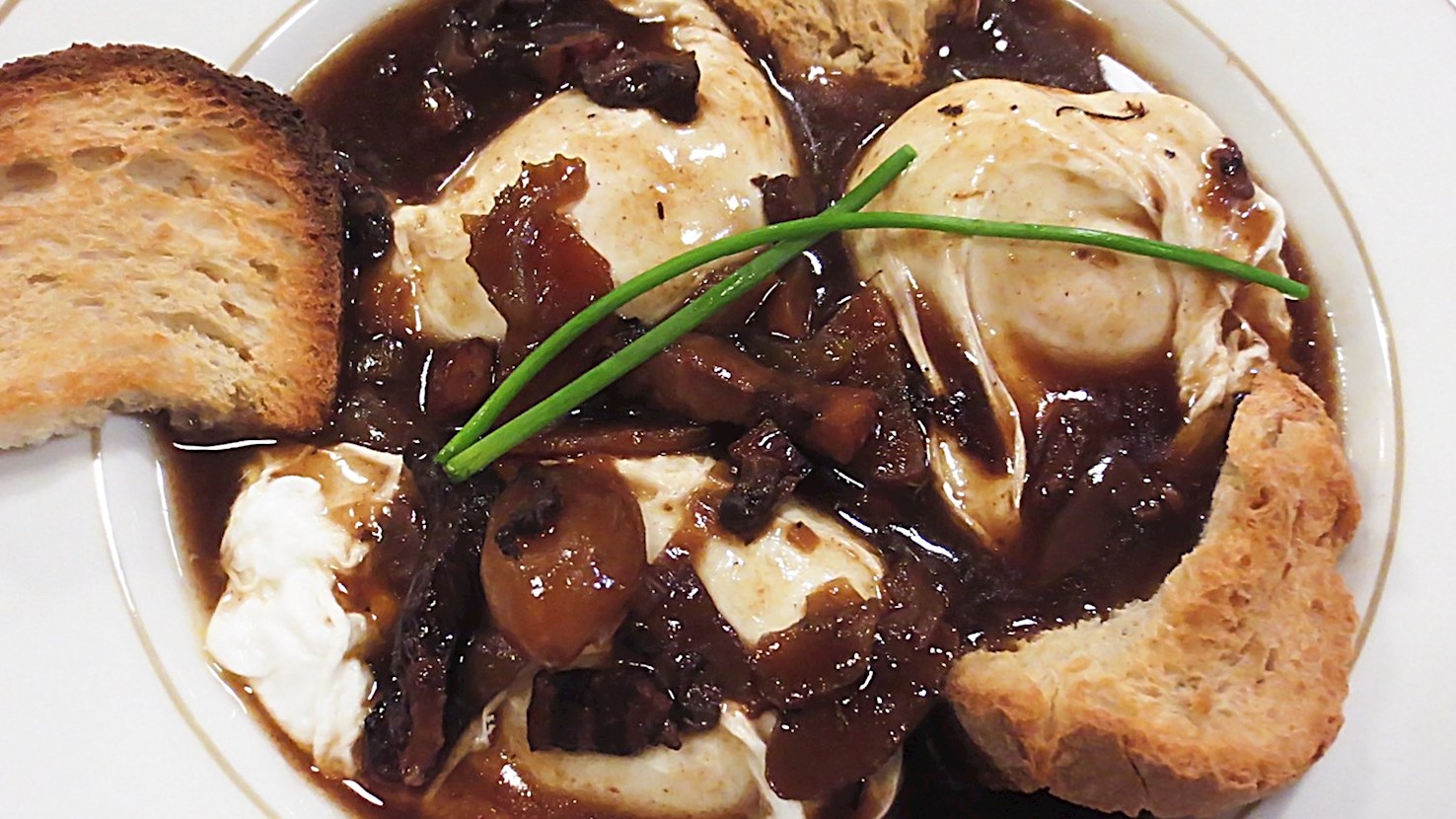
Oeufs en meurette is a traditional dish originating from the French region of Burgundy. The dish consists of eggs that are poached in red wine, as the wine's acid keeps the eggs nice and tidy and prevents the spillage that can happen during poaching. The eggs are accompanied by either a meurette or bourguignon sauce, consisting of red wine, onions, bacon, and shallots. This elegant dish is traditionally served with toasted garlic bread on the side.

08
Dessert

Poires au vin

3.8 ·

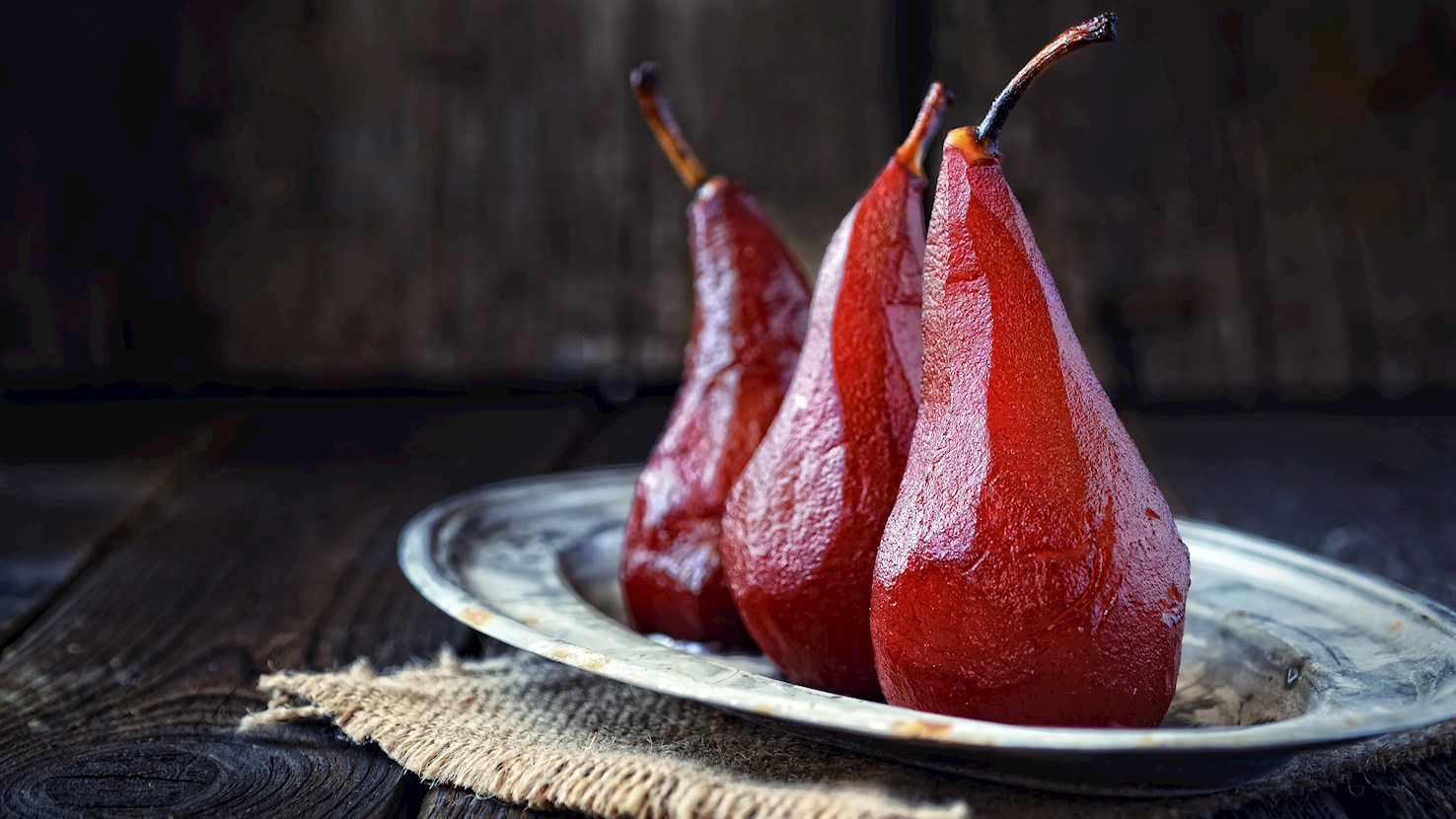
Poires au vin is a traditional, world-known French dessert originating from the Beaujolais wine-growing region. It consists of pears, fruity red wine (usually Beaujolais), and flavorings such as honey or sugar, cinnamon, vanilla, orange zest, peppercorns, and cloves. The pears are poached in wine and other ingredients, and the combination is then brought to a boil. The pears, still slightly firm, are drained, while the remaining ingredients are thickened into a sauce which is then poured over the pears when served. Pears in wine are traditionally served either cold or lukewarm.

09
Cheese

Bresse Bleu

3.7 ·

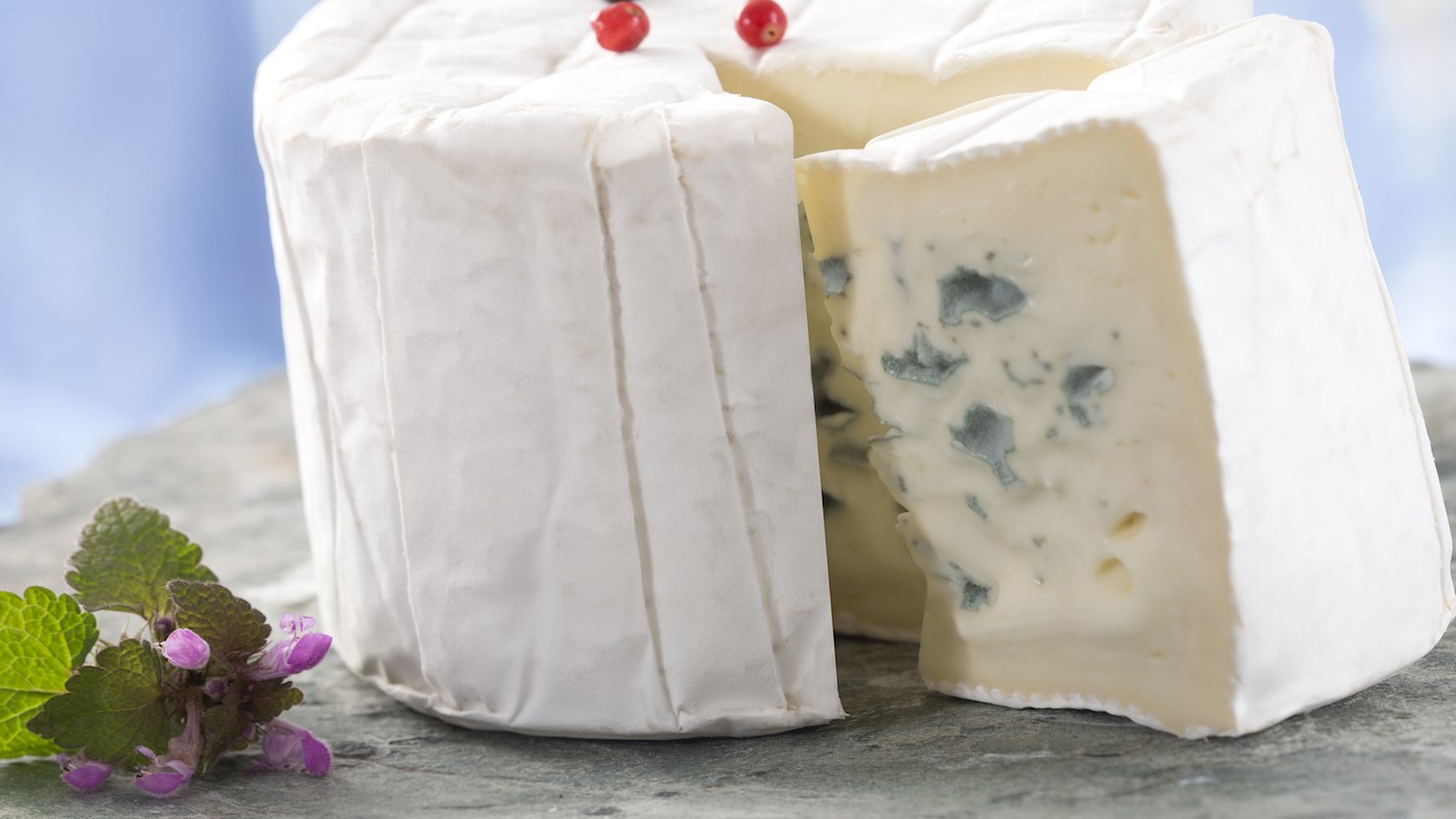
Bresse Bleu is a French cheese made with pasteurized cow's milk. This blue cheese hides a soft and creamy texture underneath its bloomy white rind. The aroma is fresh and mushroomy, while the flavor is buttery and very rich. During the production of Bresse Bleu, Penicillium roqueforti is added to the curds, and after molding, the rounds of cheese are rubbed with Penicillium camemberti. The cheese is then left to mature for 2-4 weeks before consumption. Interestingly, Bresse Bleu is less pungent and less salty than most blue cheeses. Serve it with walnut bread and white grapes.

10
Cake

Nonnette

3 ·

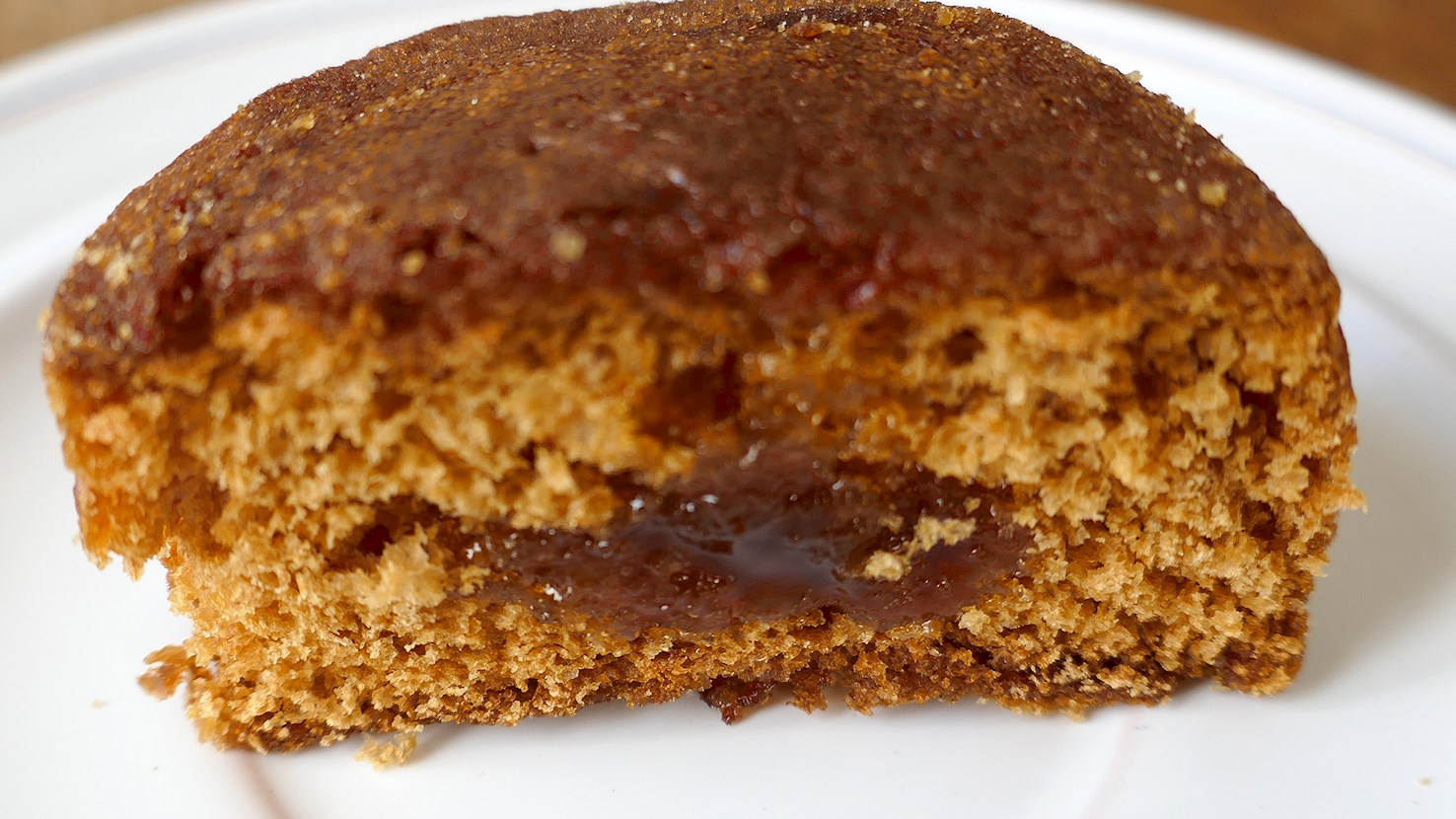
The delicate nonnettes, or jam-filled individual cakes, are one of the classic French desserts. Although there are several different variations of the cake, essentially all of them are gingerbread cakes that are filled with aromatic orange jams and sweetened with honey. The sponge of the little nonnette is soft, usually made with the addition of rye flour and honey, and generously spiced with the gingerbread spice mixture, which includes cinnamon, nutmeg, anise, cardamom, and ginger. At the heart of each cake, there is a pungent orange marmalade. Occasionally, these tiny delicacies are glazed with a mixture of egg whites, sugar, and lemon juice. They are usually connected to the winter season, and are commonly offered during the St. Nicholas festivities in December, although they can be enjoyed all year round. Translated from French, the name nonnettes means little nuns, referring to the origin story of these French classics. In the Middle Ages, the nuns used to prepare these fragrant cakes at the local monasteries, and in the 19th century, they were commonly offered as a sweet refreshment to travelers who would pass in the vicinity of the monasteries. It is believed that they originate from Dijon, but today they can be found in other parts of France as well. Nonnettes can be found at local bakeries, or bought in stores, which offer pre-packaged versions of these sweet delicacies.

Best Burgundian food products

01
Wine

Château de Meursault

5 ·
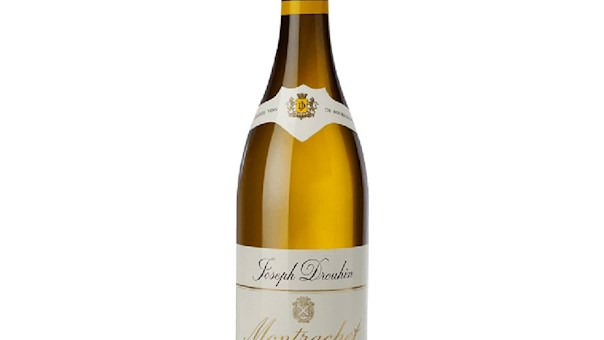
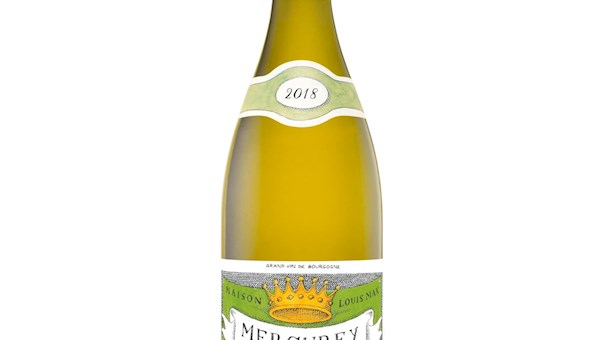
With over 1000 years of history, Château de Meursault follows an approach of excellence in respect of nature, the environment and the climates. With the 2022 vintage, the entire vineyard of Château de Meursault is conducted in organic farming.
Awards
Decanter World Wine Awards - Best in Show (2023, 2021, 2019)
Decanter World Wine Awards - Platinum (2020, 2019)
02
Cheese

Fromagerie Berthaut

5 ·
Fromagerie Berthaut is a renowned and respected French dairy company specializing in the production of high-quality cheeses, with a particular emphasis on tradition. The company is located in the heart of Burgundy, a region famous for its rich culinary traditions and delicacies, particularly its cheese production. Founded in 1956 by Robert and Simone Berthaut, the company dedicated itself to reviving and producing traditional cheeses from Burgundy, including the legendary Époisses. Today, Fromagerie Berthaut has earned a reputation as one of the most important cheese producers in France, known for preserving tradition and maintaining high-quality standards. The company continues to use milk from local farms, supporting regional agriculture and contributing to sustainability. Given the increasing demand for authentic, artisanal products, Fromagerie Berthaut has significantly expanded its market in recent decades, both in France and internationally. The company has become a key player in the cheese industry, with a strong focus on preserving French dairy traditions.
Awards
World Cheese Awards - Super Gold (2021)
Concours International de Lyon - Gold (2025)
03
Wine

Maison Albert Bichot

5 ·
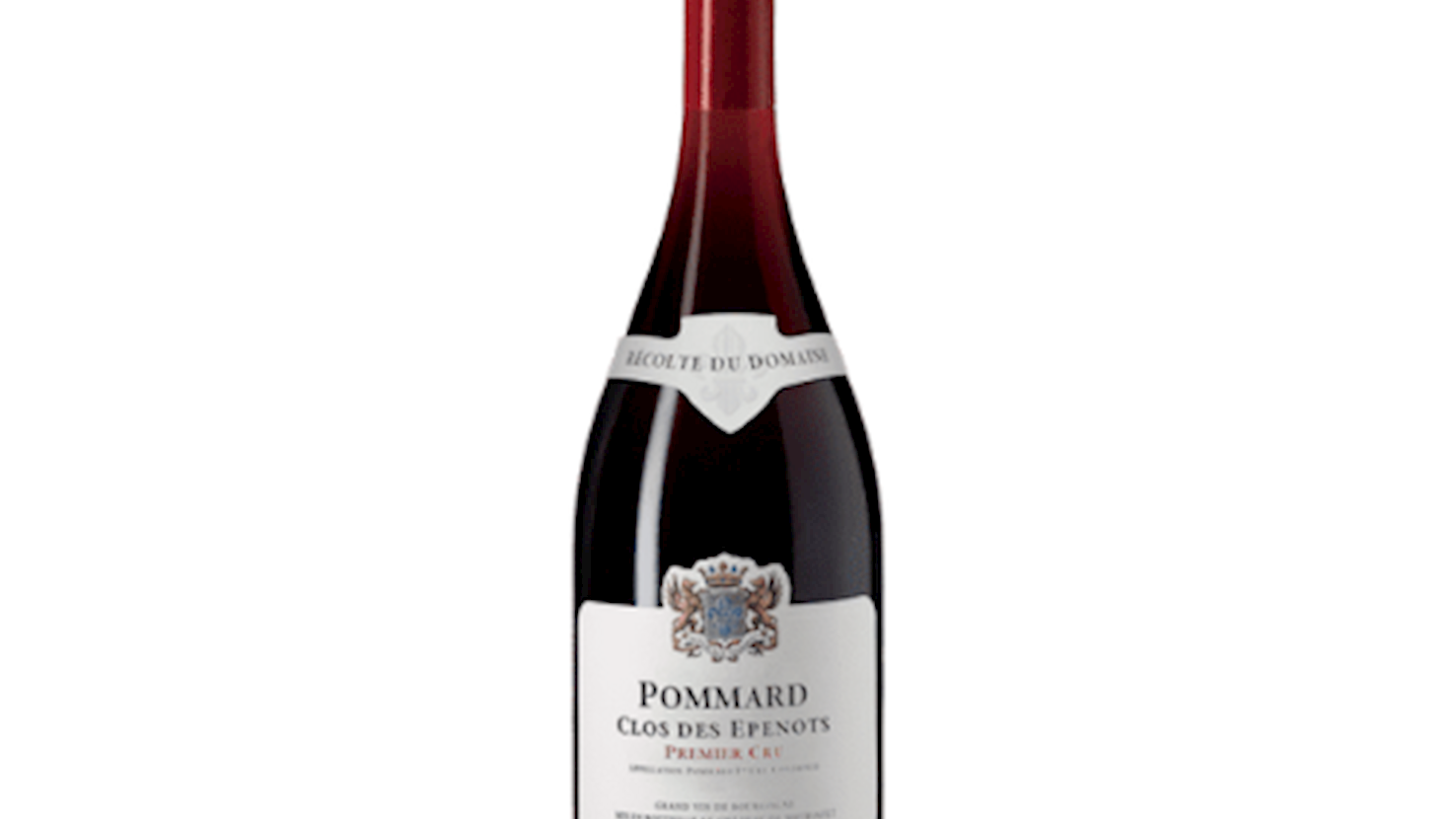
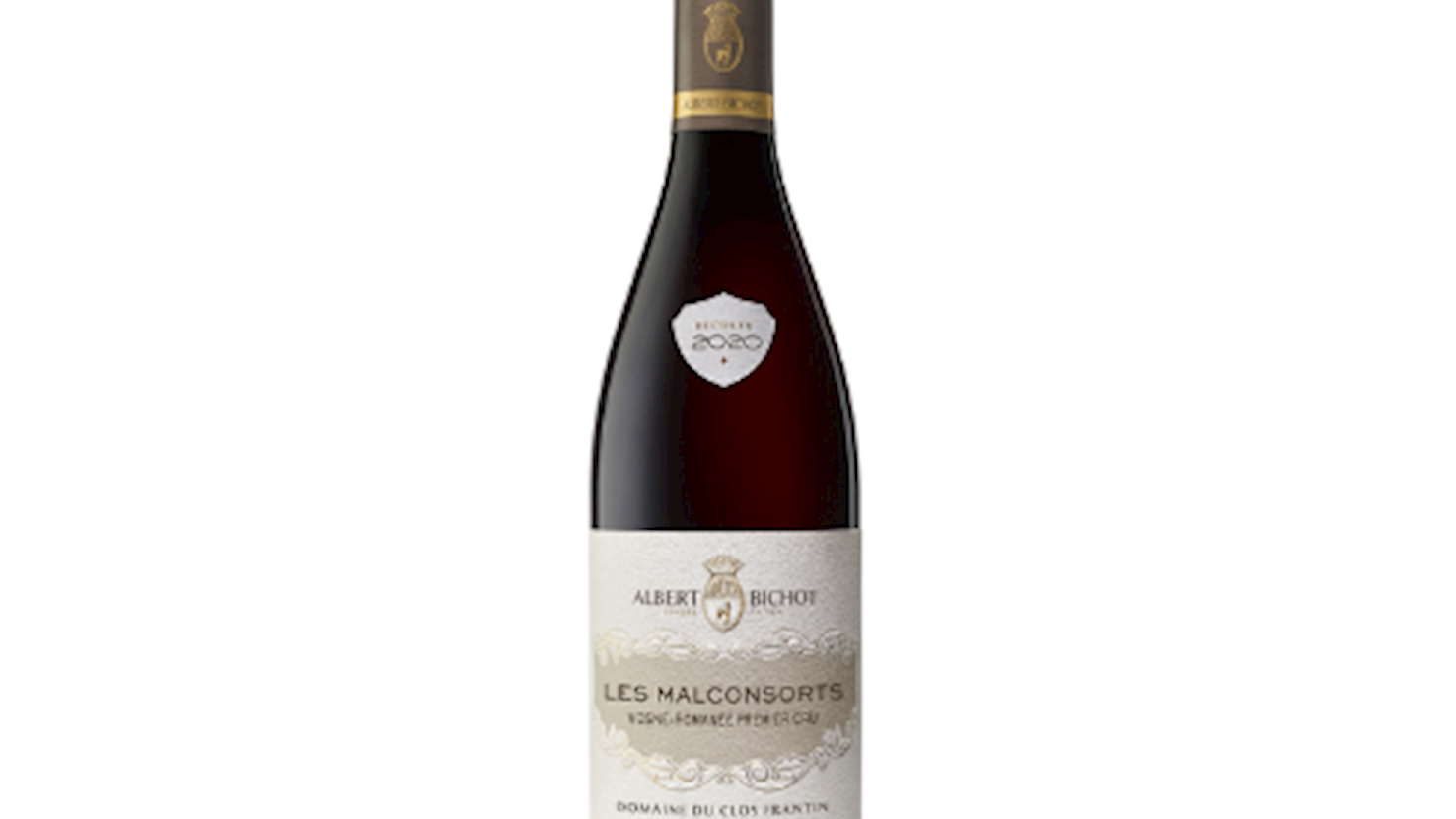
Maison Albert Bichot is a historic Burgundy wine house founded in 1831 and based in Beaune, at the heart of the region. Still family-owned, it has evolved from a traditional négociant into a major vineyard owner, managing over 100 hectares across six estates in key areas such as Chablis, Côte de Nuits, Côte de Beaune, and Beaujolais. The house combines estate-grown fruit with grapes sourced from long-term partner growers, all vinified under strict quality control to ensure consistency and authenticity. Its philosophy centers on expressing Burgundy’s “climats,” emphasizing the unique identity of each vineyard through minimal intervention and precise winemaking. The portfolio focuses mainly on Pinot Noir and Chardonnay, ranging from regional appellations to Premier Cru and Grand Cru wines. Sustainability is a core principle, with most estates farmed organically and a strong commitment to environmentally responsible practices. The wines are known for their balance, purity, and clear sense of origin. Over time, Maison Albert Bichot has built a strong international reputation, supported by numerous awards and consistent critical recognition.
Awards
Decanter World Wine Awards - Platinum (2024, 2023, 2022, 2021, 2020)
Decanter World Wine Awards - Best in Show (2021, 2020)
04
Wine

Domaine de la Romanée-Conti

5 ·
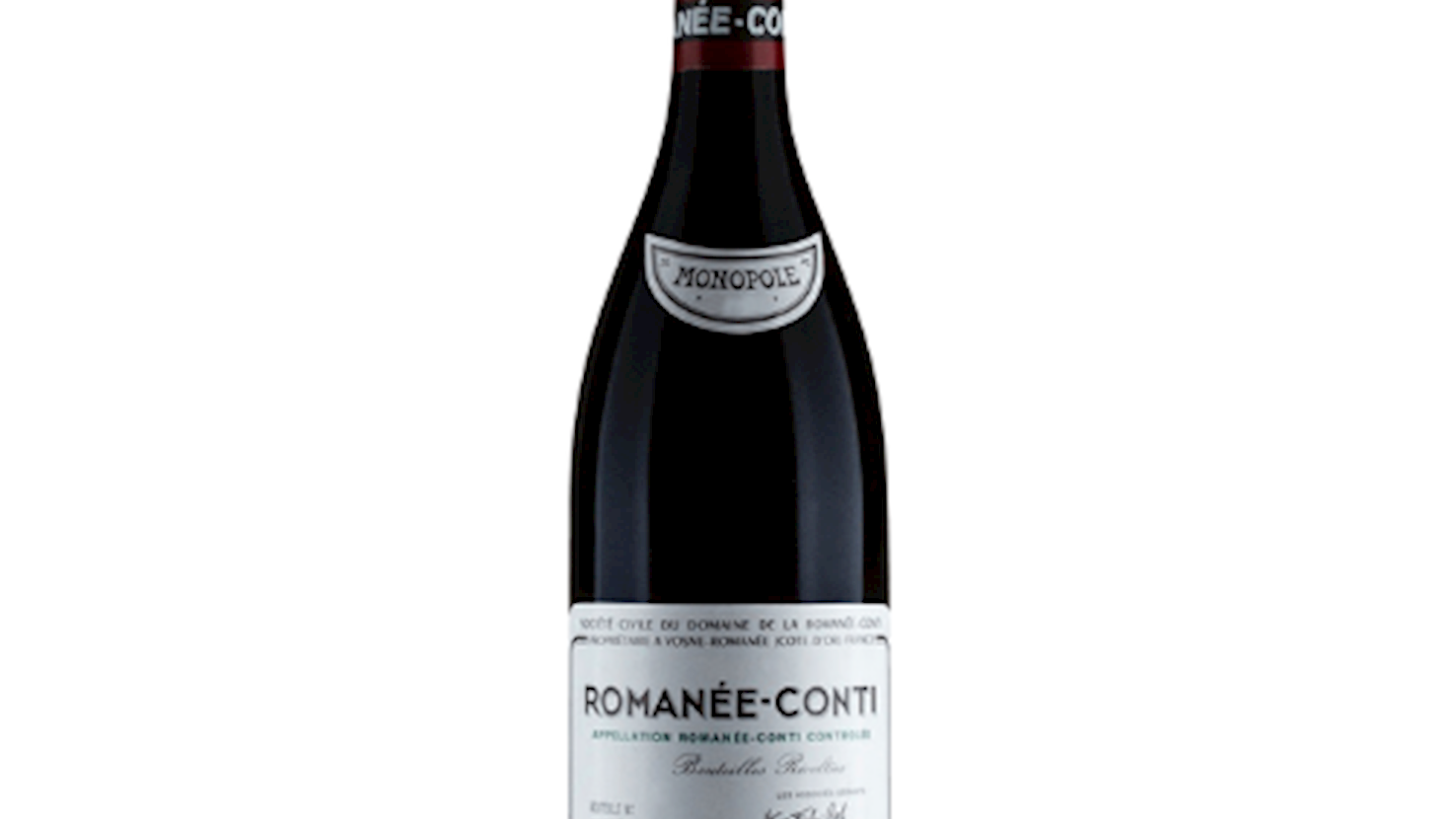
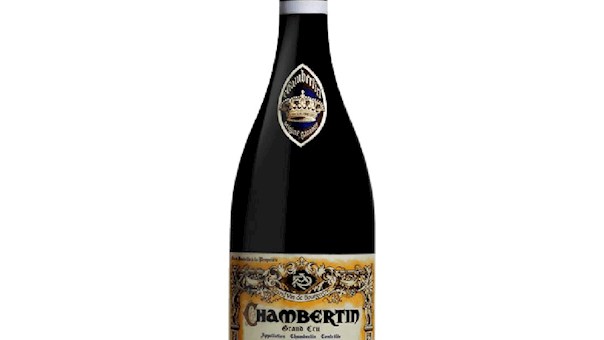
Domaine de la Romanée-Conti is more than a wine estate – it is a symbol of purity, heritage, and quiet perfection. Revered around the world, DRC is known for crafting some of the most extraordinary and sought-after wines in existence. Each bottle reflects a philosophy rooted in deep respect for nature, time, and tradition. The vineyards are cultivated entirely through organic and biodynamic practices, with minimal intervention and extreme attention to detail. Every vine is tended by hand, yields are deliberately low, and fermentation follows the natural rhythms of the land. The estate believes that great wine must speak of where it comes from – of soil, climate, and vintage – without artifice. The result is a collection of wines that are not only technically perfect, but also emotionally moving: elegant, profound, and timeless. Domaine de la Romanée-Conti doesn’t follow trends. It follows its own truth – and in doing so, creates wines that transcend expectation and define greatness.
Awards
Falstaff - 100
Falstaff - 99
05
Wine

Domaine Leroy

5 ·
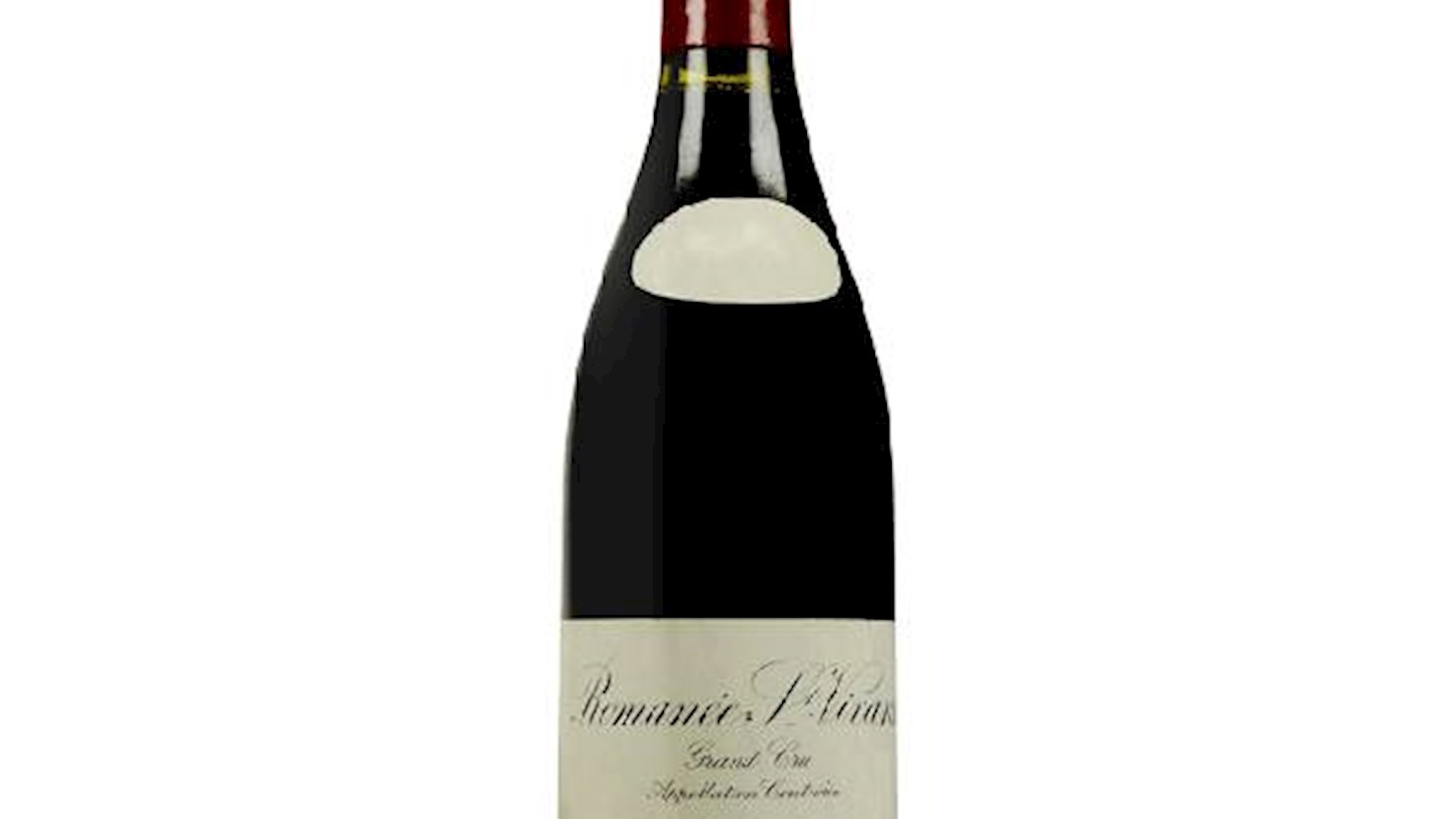
Domaine Leroy stands as one of the most revered and iconic wine producers in the world - a name synonymous with purity, precision, and quiet excellence. Guided by the visionary Lalou Bize-Leroy, the domaine has become a benchmark for uncompromising quality and philosophical winemaking, where nature leads and intervention is kept to a thoughtful minimum. At the heart of Domaine Leroy’s philosophy is the belief that great wine is not created, but revealed. Every decision - from harvest to bottling - is made with patience and reverence, allowing each wine to express its full identity with grace and authenticity. The winery’s methods embrace a biodynamic approach, not as a trend, but as a conviction rooted in respect for life, balance, and energy.
Awards
Vivino - 4.6
Vivino - 4.7
06
Wine

Domaine Leflaive

5 ·
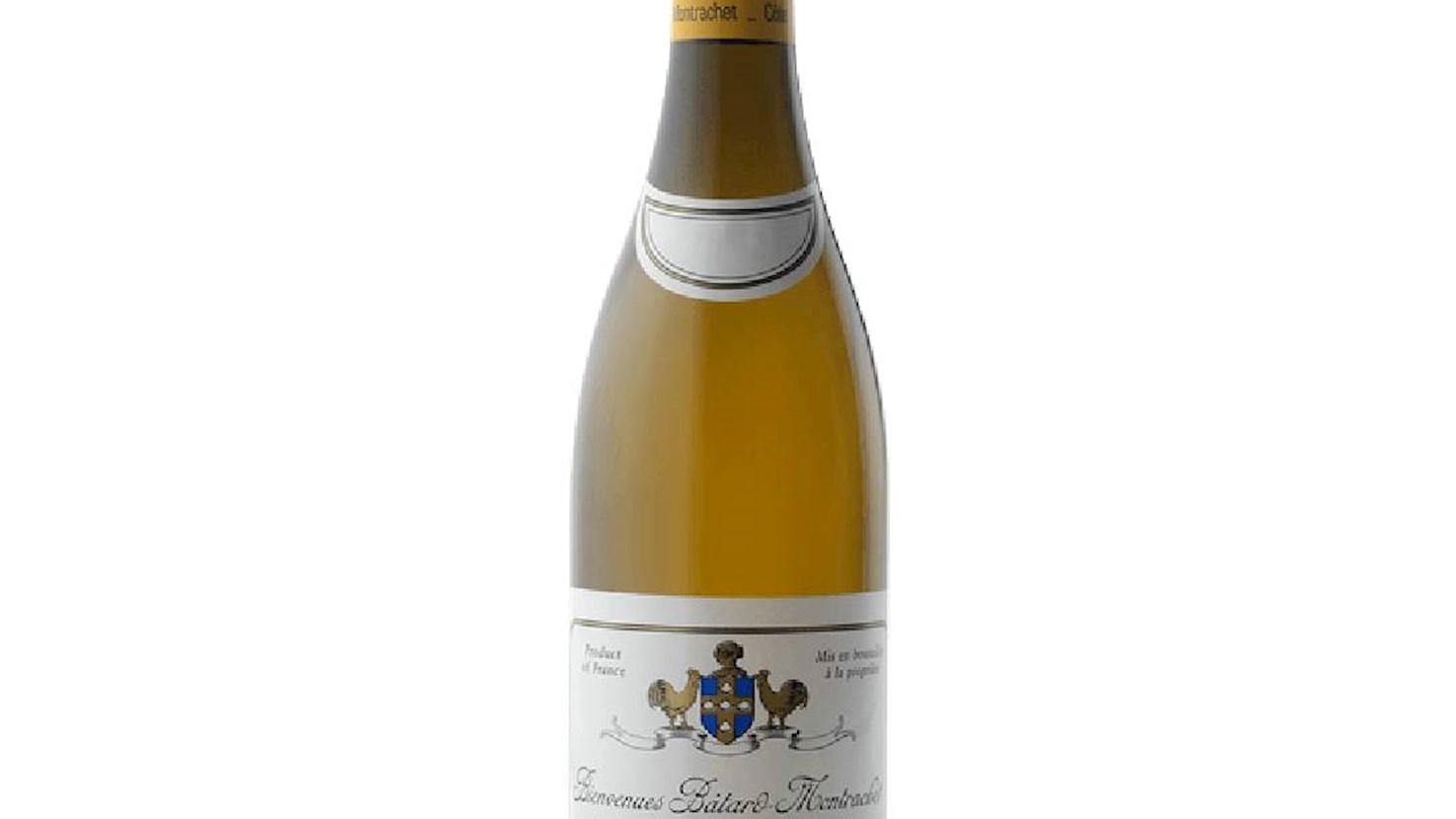
Domaine Leflaive stands as a symbol of elegance and deep respect for the Burgundian terroir. Located in the heart of Puligny-Montrachet, this historic estate has cultivated its legacy for over three centuries, shaped by generations committed to refining a distinctive style and philosophy. Chardonnay is at the core of the domaine’s identity, and from it, Domaine Leflaive produces some of the most graceful and age-worthy white wines in the world. The vineyards include prestigious Grand Cru and Premier Cru parcels, all farmed using biodynamic principles. Since the 1990s, the estate has been a pioneer of biodynamics in Burgundy, guided by the belief that a healthy vineyard yields truly expressive wines. Vinification follows a minimalist approach, with a focus on balance and purity, allowing the unique character of each site to emerge. The resulting wines are defined by their precision, minerality, and refined texture, evolving beautifully with time in the bottle. Domaine Leflaive never compromises—each wine reflects a commitment to excellence, a profound connection to nature, and a continual pursuit of harmony between man, earth, and wine. It is a place where tradition and modern vision coexist in perfect balance.
Awards
Vivino - 4.6
Vivino - 4.7
07
Wine

Domaine Georges Roumier

5 ·
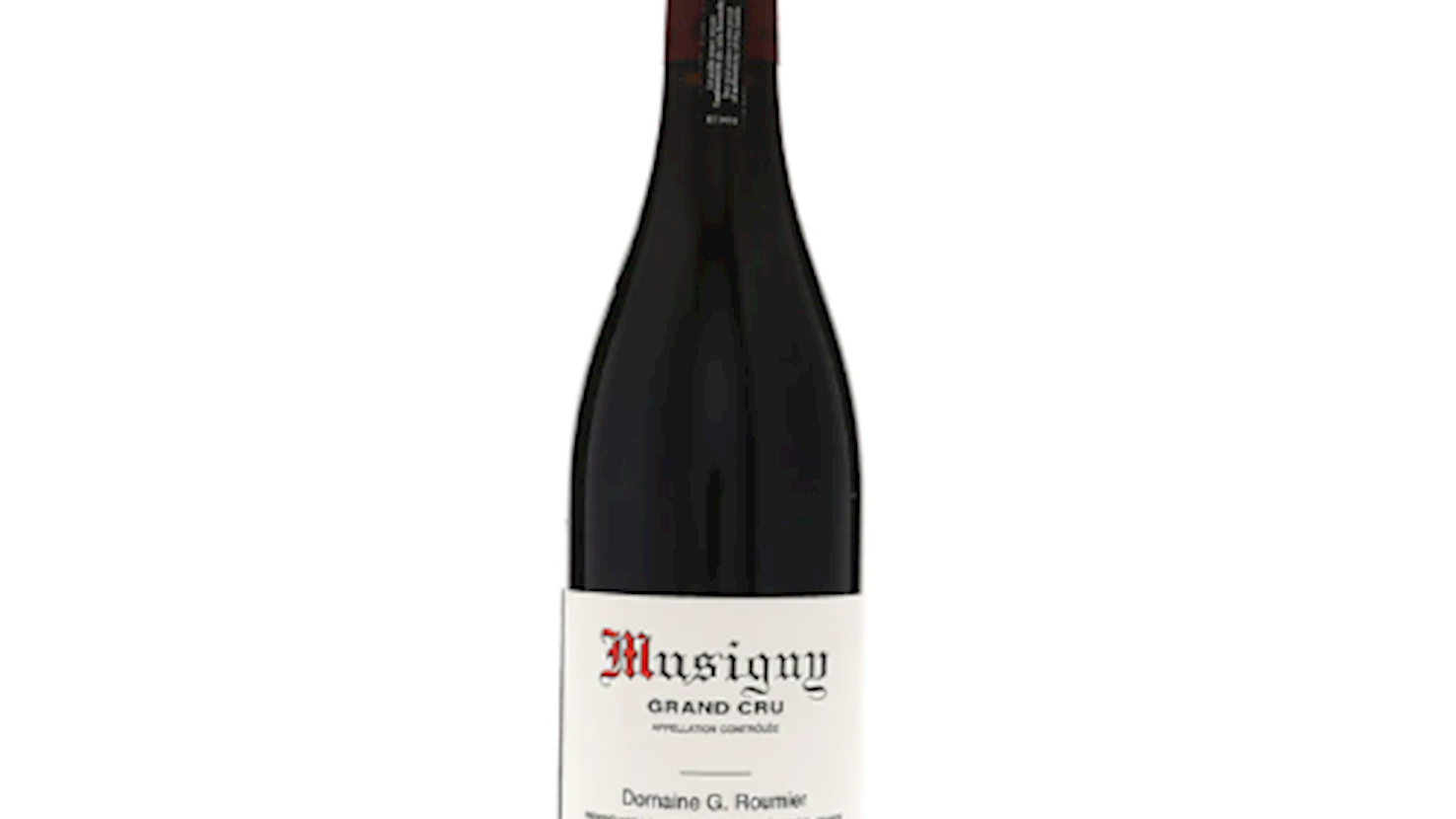
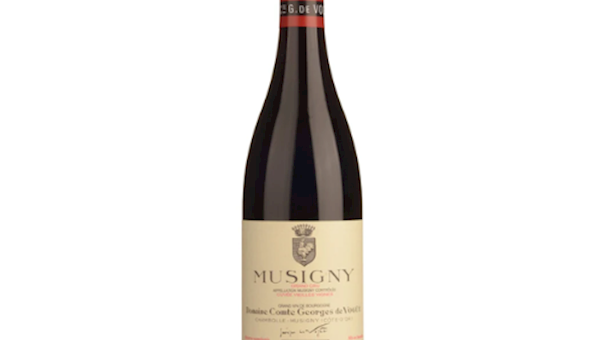
Domaine Georges Roumier is one of the most esteemed estates in Burgundy, located in the village of Chambolle-Musigny, where the Roumier family has been producing wine since 1924. The domaine’s style is built on meticulous vineyard work, minimal intervention, and a strong dedication to expressing the purity of the terroir. Fermentation often includes a moderate proportion of whole clusters and carefully measured use of new oak, resulting in wines that balance depth and structure with exceptional elegance and finesse. In their youth, the wines display vibrant aromas of red fruit, floral notes, and subtle mineral nuances, while aging brings layers of earth, spice, forest floor, and refined textural complexity. Roumier is particularly admired for its ability to combine the delicacy characteristic of Chambolle-Musigny with remarkable concentration. Annual production is very limited, making the wines extremely rare and highly sought after by collectors. Today, the domaine is run by Christophe Roumier, who continues the family tradition and crafts wines regarded as some of the purest and most authentic expressions of Burgundian Pinot Noir.
Awards
Vivino - 4.6
Vivino - 4.7
08
Wine

Château de Fuissé

5 ·
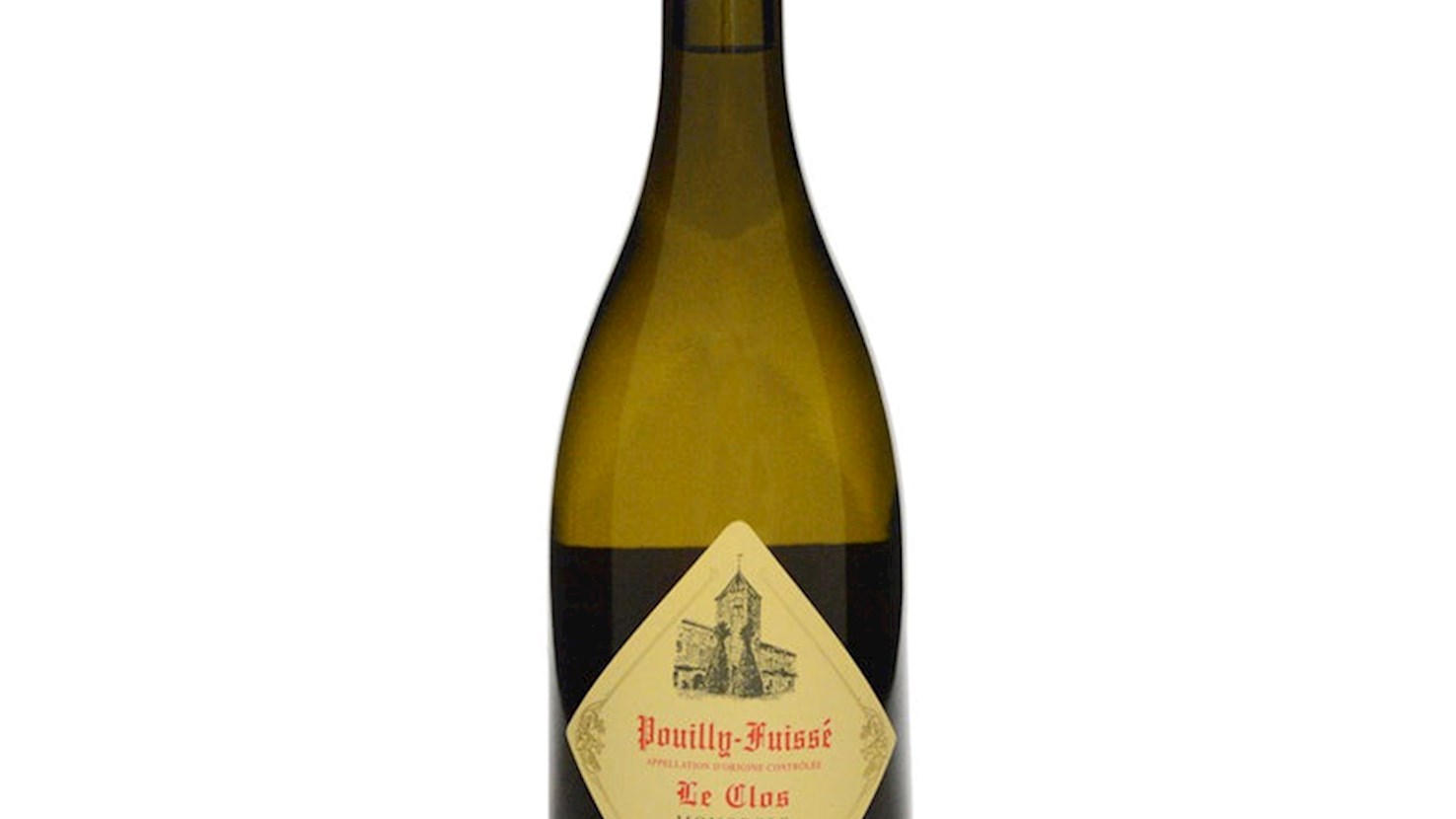
Château de Fuissé is a historic family-owned estate located in the village of Fuissé in southern Burgundy, within the Mâconnais, and is widely regarded as one of the benchmark producers of Pouilly-Fuissé. Owned by the Vincent family since 1862 and now run by the fifth generation, the estate combines long-standing tradition with a precise, terroir-focused approach. Its vineyards span around 40 hectares across multiple parcels, allowing for detailed site expression and careful selection in winemaking, with Chardonnay as the dominant grape variety. The soils - primarily limestone and clay with some granitic influence - contribute to wines that balance richness with freshness and a distinct mineral character. The style is defined by clarity and structure, with aromas of citrus, apple, and stone fruit layered with subtle notes of hazelnut and light toast from measured oak aging. On the palate, the wines are rounded yet focused, supported by vibrant acidity and a persistent mineral backbone. Château de Fuissé’s approach results in wines that are both approachable and age-worthy, offering a refined interpretation of modern Pouilly-Fuissé while remaining deeply rooted in Burgundian tradition.
Awards
Decanter World Wine Awards - Best in Show (2024)
Decanter World Wine Awards - Platinum (2020, 2019)
09
Wine

Domaine d’Auvenay

5 ·
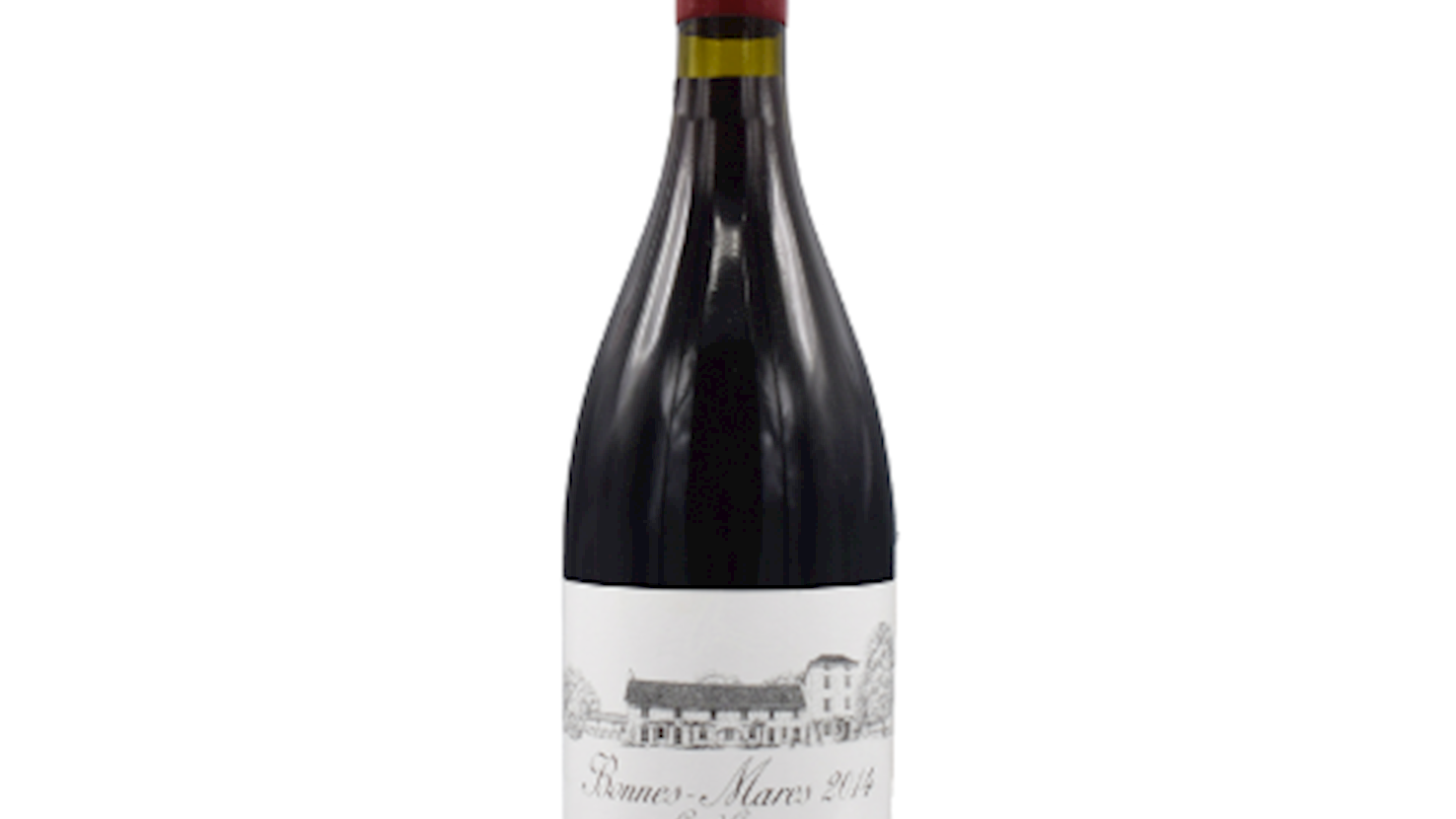
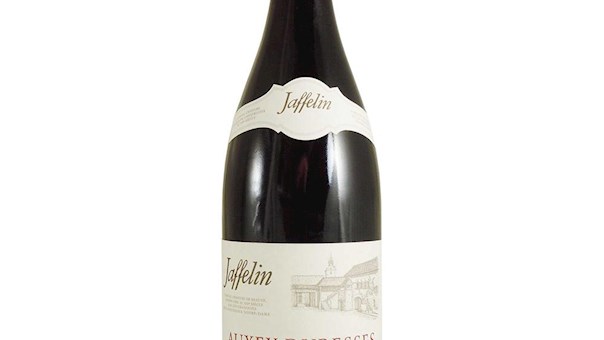
Domaine d’Auvenay is an exceptionally small and highly regarded Burgundy estate owned by Lalou Bize-Leroy, located near Saint-Romain in the Côte de Beaune. With just a few hectares of biodynamically farmed vineyards, the domaine produces extremely limited quantities of both Chardonnay and Pinot Noir from some of the region’s most prestigious sites, including Chevalier-Montrachet, Meursault, and Bonnes-Mares. The winemaking approach is meticulous and low-intervention, focused on expressing the full depth and individuality of each parcel. The wines are known for their intensity, precision, and remarkable balance, often combining concentration with vibrant freshness and a strong sense of terroir. Due to their rarity and consistent quality, Domaine d’Auvenay wines have achieved near-mythical status among collectors, with bottles rarely available and highly sought after upon release, while also demonstrating exceptional aging potential over time.
Awards
Vivino - 4.6
Vivino - 4.8
10
Spirit

Distillerie l'Herbier

5 ·
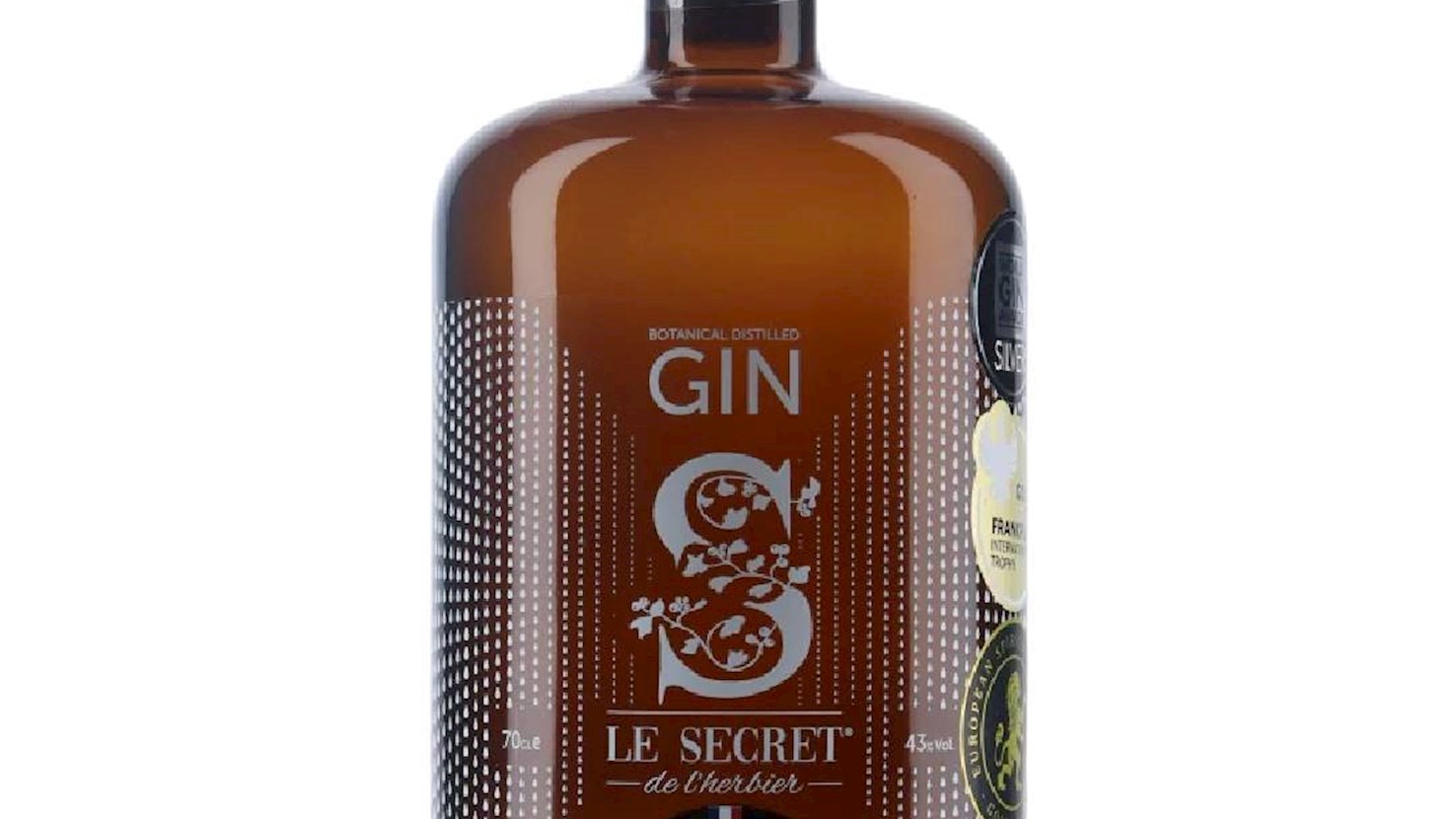
Distillerie l'Herbier is an artisanal French distillery located in Vaux-Saules, near Saint-Seine-l'Abbaye, in the Burgundy region. Founded by distiller Cyril Guyon, the distillery specializes in producing premium spirits, including gin, vodka, pastis, and aquavit. The flagship product, "Le Secret de l'Herbier," is a gin crafted from over fifteen organic botanicals, primarily sourced from regional and French origins. Notable ingredients include juniper berries, cardamom, coriander, pink peppercorns, iris root, myrtle berries, and citrus peels, all enhanced by the freshness of Burgundy blackcurrant buds. The distillery is committed to eco-responsibility, emphasizing sustainable practices and local sourcing. Production processes include cold macerations and distillation in a 150-liter Holstein still, allowing for the creation of a diverse range of spirits.
Awards
European Spirits Challenge - Gold (2024)
Read more
View all
View map
About this ranking

TasteAtlas food rankings are based on the ratings of the TasteAtlas audience, with a series of mechanisms that recognize real users and that ignore bot, nationalist or local patriotic ratings, and give additional value to the ratings of users that the system recognizes as knowledgeable. For the “Top 70 Burgundian Foods” list until June 10, 2026, 1,036 ratings were recorded, of which 887 were recognized by the system as legitimate. TasteAtlas Rankings should not be seen as the final global conclusion about food. Their purpose is to promote excellent local foods, instill pride in traditional dishes, and arouse curiosity about dishes you haven’t tried.

The initial list of top producers was compiled based on available reviews, awards, local recommendations, media and blog coverage, and consumer reviews. The list will be updated with ratings from TasteAtlas local ambassadors and TasteAtlas users.

Similar lists