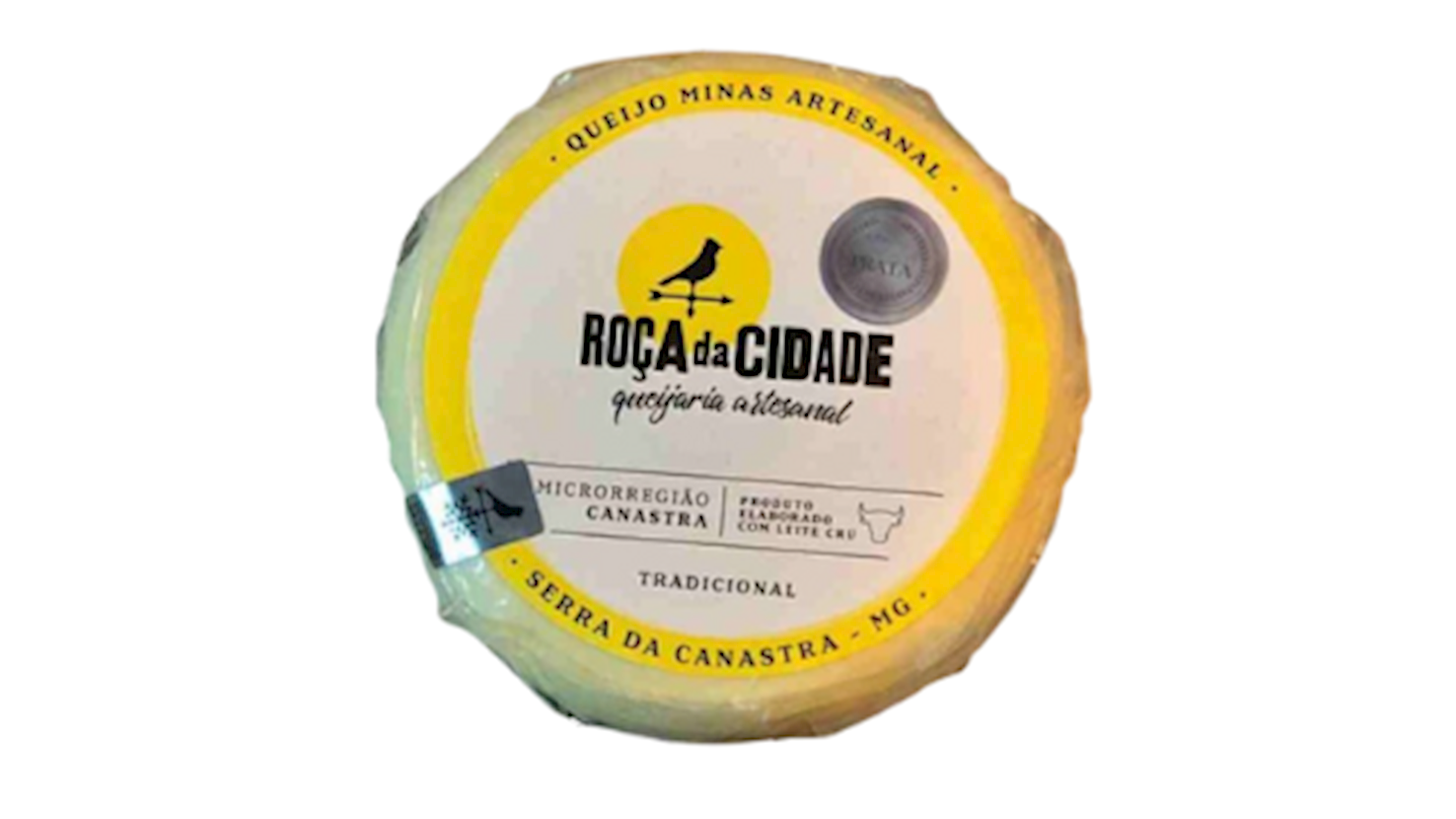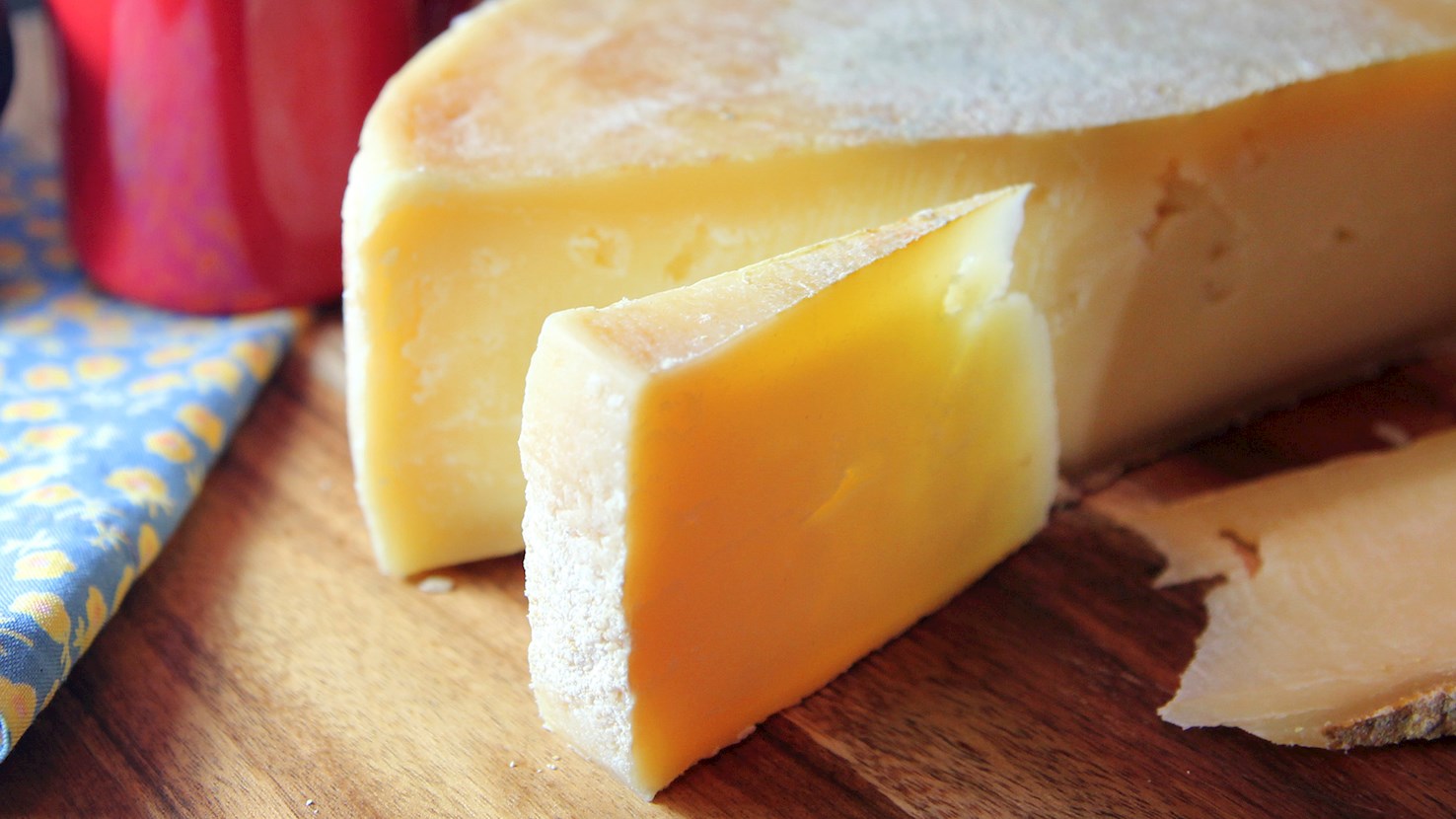
Roça da Cidade is a family-run producer of traditional Queijo Minas Artesanal – Canastra, located in São Roque de Minas, in the heart of the Serra da Canastra region of Minas Gerais, Brazil. Production is based on generations of cheesemaking tradition and uses raw cow’s milk from the farm’s own herd, processed on the same day following the classic method that relies on milk, natural rennet, salt, and pingo, the native starter culture specific to this terroir. The cheeses are hand-shaped and naturally aged, allowing the development of a natural rind and flavor profile shaped by the local microclimate and native microflora. Roça da Cidade combines respect for traditional methods with compliance to modern quality and safety standards, holding Brazil’s Selo Arte certification and recognition linked to the geographical indication of Canastra cheese. Their cheeses are known for a full, milky and slightly tangy character that evolves with aging into more complex, nutty, and earthy notes. Today, Roça da Cidade stands as a representative producer of authentic Canastra cheese, deeply connected to the landscape, culture, and artisanal heritage of the region.
Café Fazenda Sertãozinho Ltda is a producer based in Minas Gerais, Brazil. The company is primarily known for its high-quality coffee production and has also ventured into olive oil production. The olive groves are cultivated in the Brazilian highlands, benefiting from the unique climate and altitude of the region. The company focuses on sustainable farming practices and maintaining the natural ecosystems around their plantations.
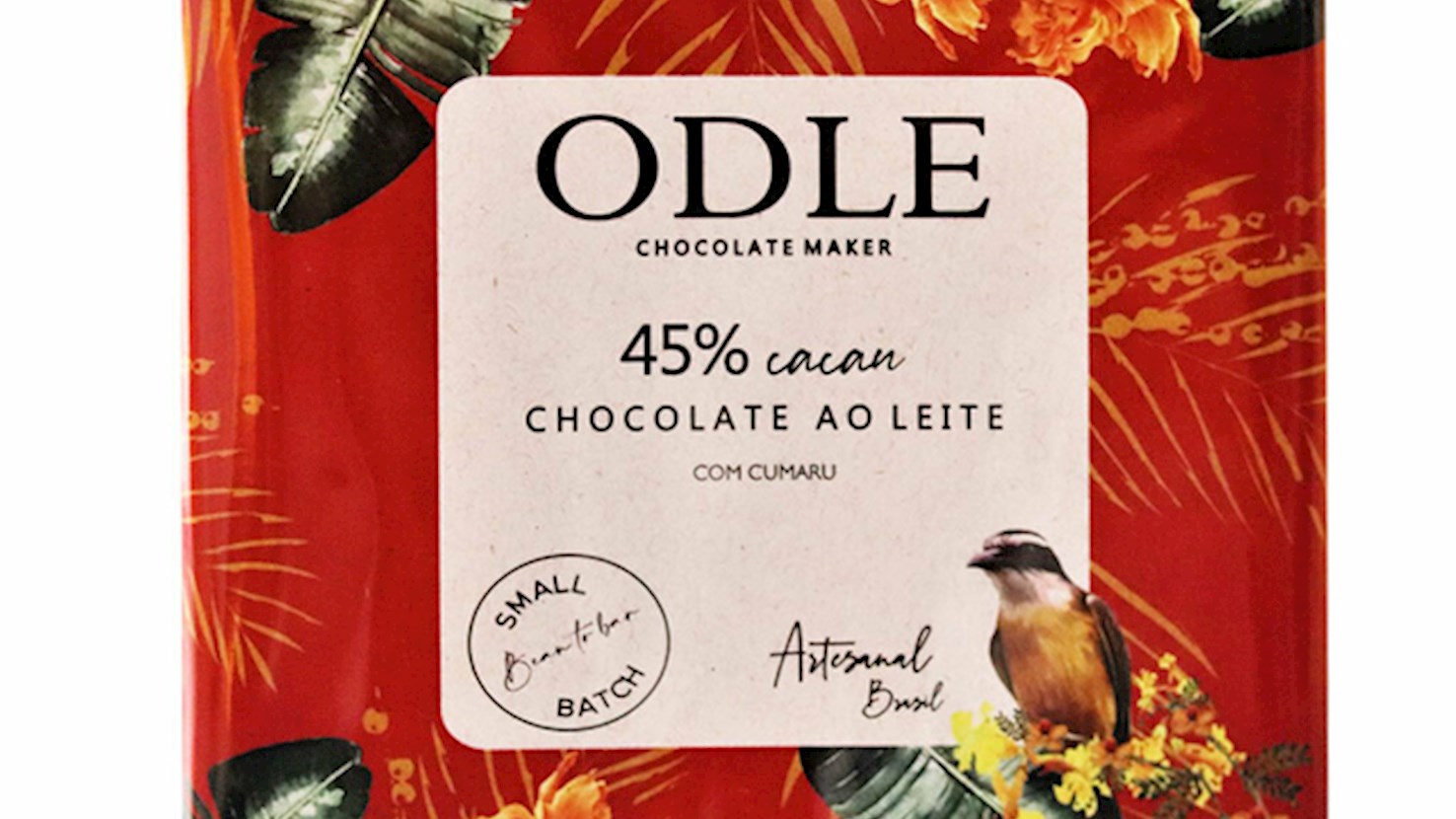
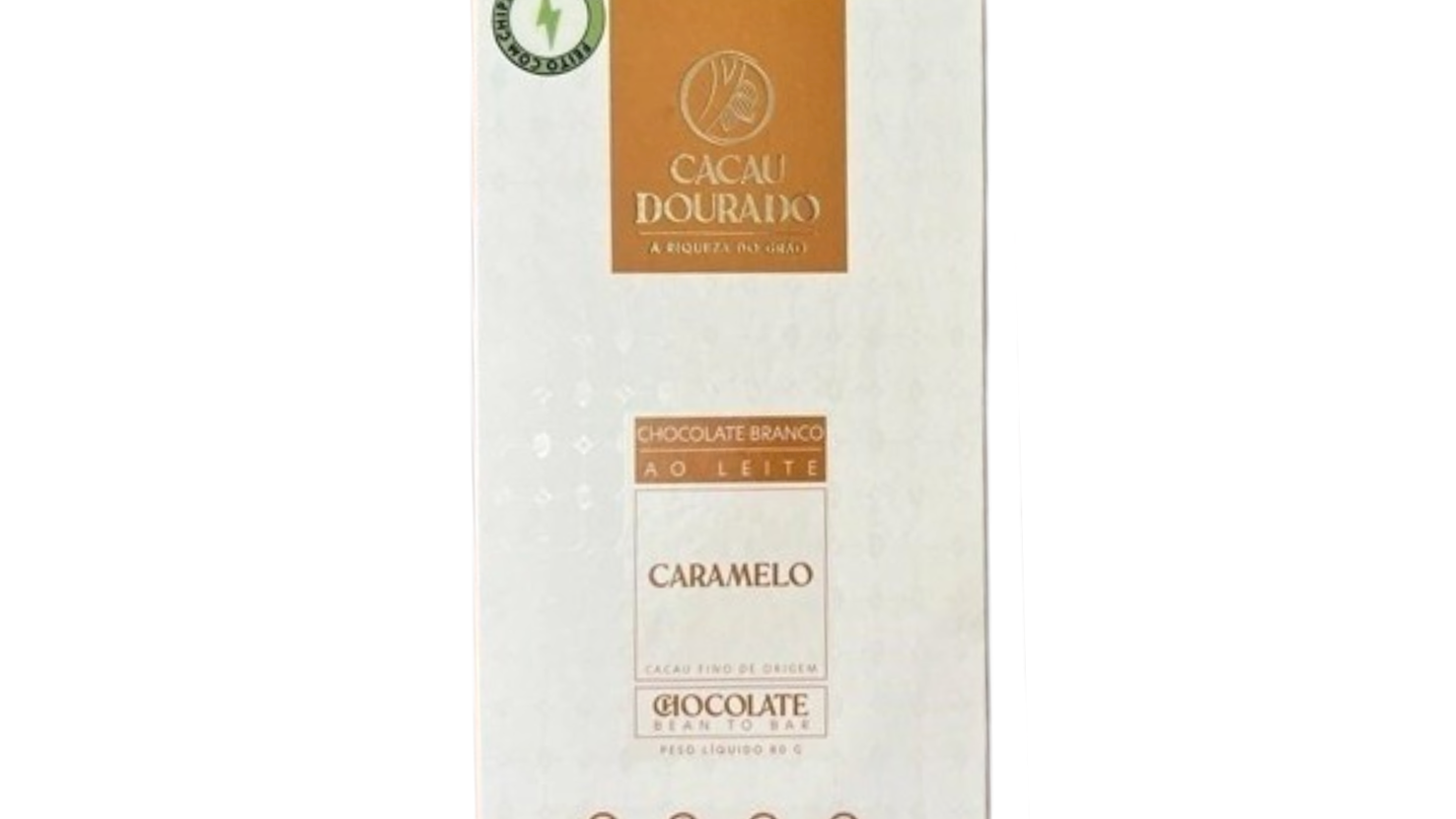
Odle Chocolates is a premium chocolate brand known for its commitment to high-quality ingredients and artisanal craftsmanship. Based in Brazil, the company focuses on bean-to-bar chocolate production, ensuring ethical sourcing and a rich, authentic flavor in every product. Odle Chocolates offers a variety of creations, from single-origin dark chocolates to unique flavor combinations that highlight Brazil’s rich cacao heritage. Their chocolates are crafted with passion, innovation, and respect for traditional chocolate-making techniques.
Serra das Antas is a cheese producer located in Brazil, known for its traditional techniques in cheese-making. The company specializes in producing a variety of cheeses, including artisanal and colonial styles. They are situated in the region of Minas Gerais, which is famous for its cheese production. Serra das Antas places an emphasis on quality and the use of local ingredients.
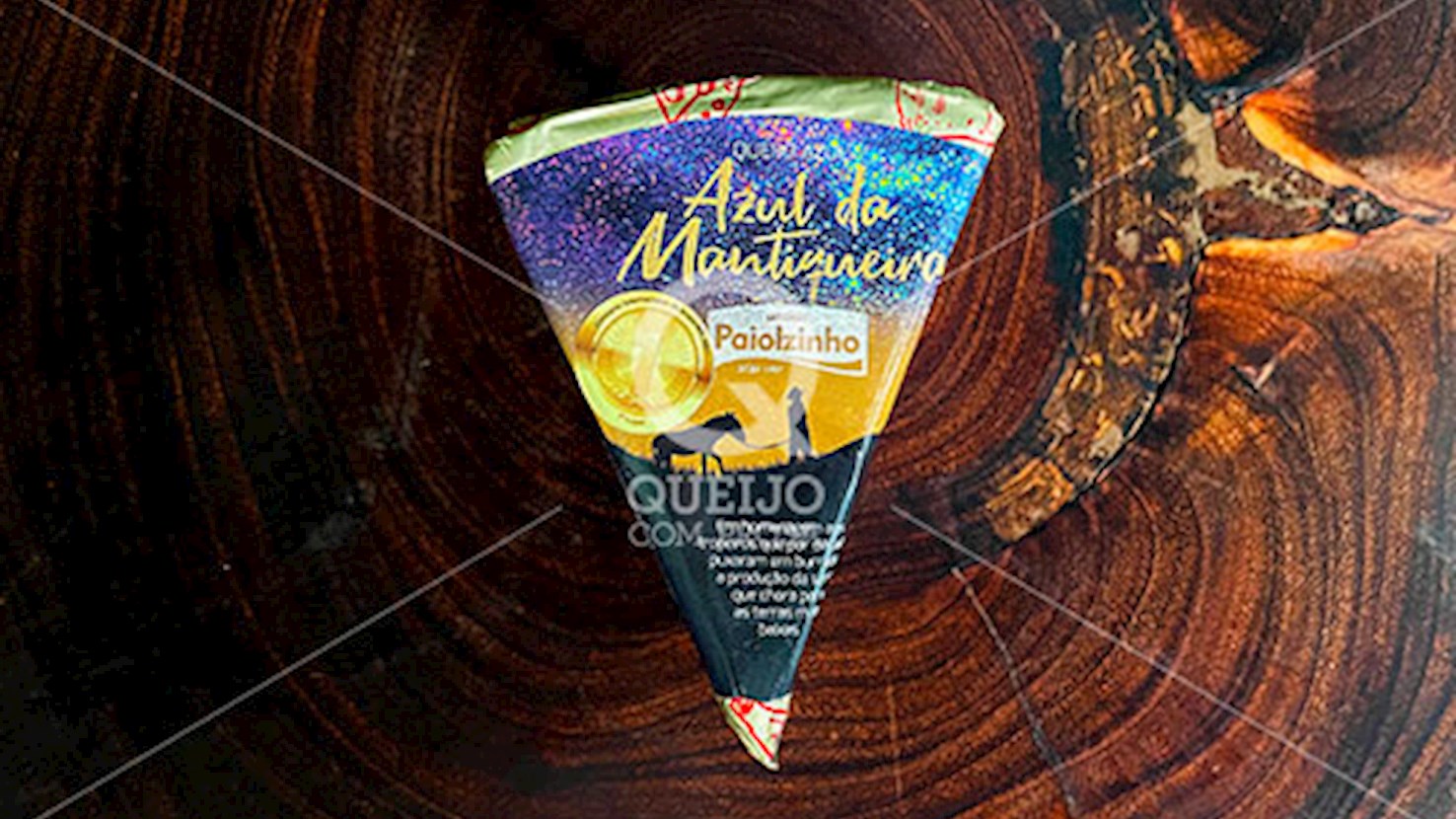
Laticinios Paiolzinho is a cheese producer based in Brazil. They are located in the region of Minas Gerais, an area known for its rich dairy tradition. The company specializes in the production of artisanal cheeses, particularly those in the Canastra style. Their products are made using traditional methods, often with milk sourced from local cattle. The company has gained attention for the high quality and authentic taste of their cheeses.
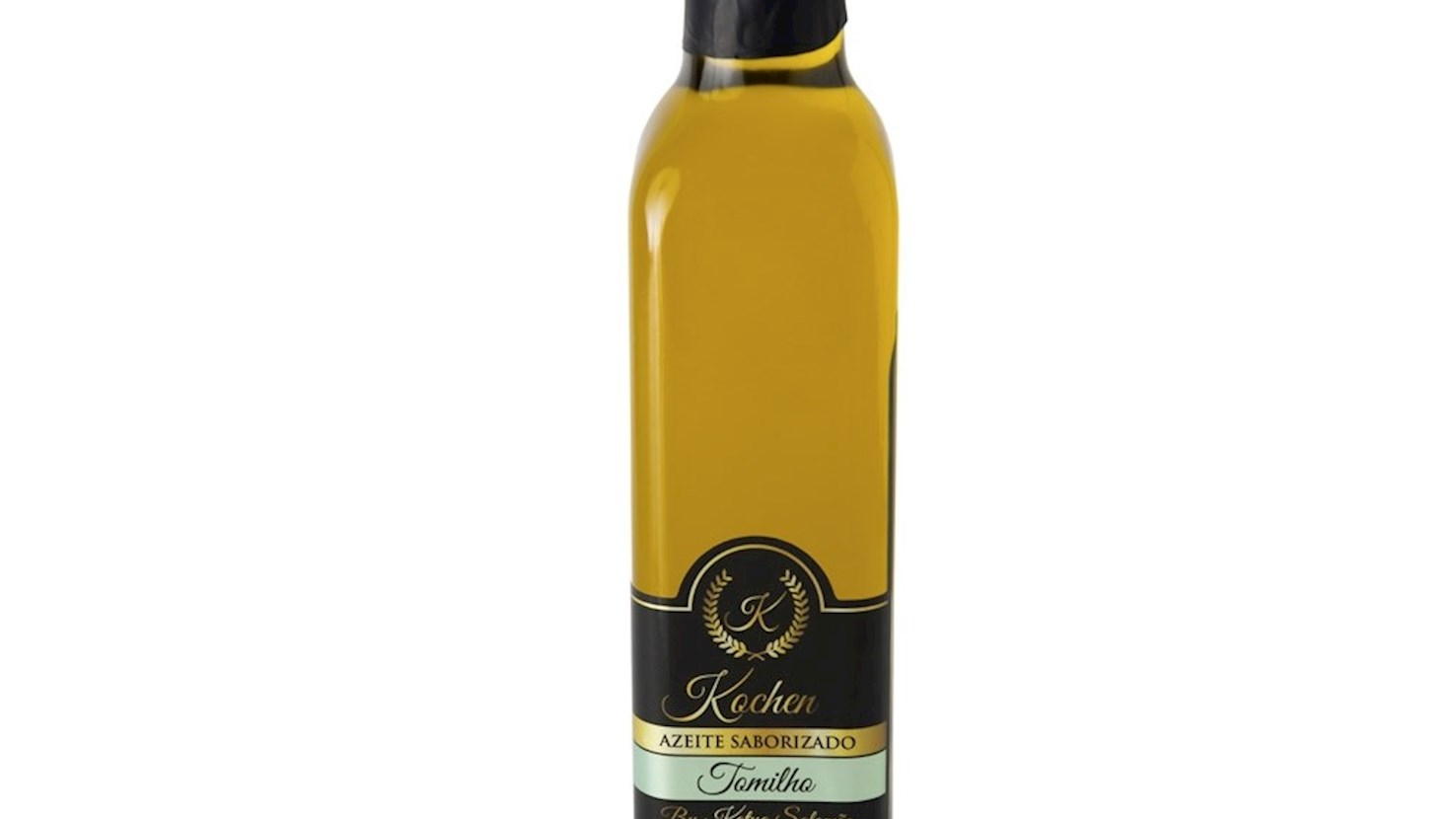
KOCHEN Azeites Saborizados is an olive oil producer based in Minas Gerais, Brazil. The company specializes in the production of flavored olive oils, incorporating a variety of herbs and spices to create unique blends. Their product line is aimed at enhancing culinary experiences with high-quality, artisanal oils. KOCHEN places emphasis on using local ingredients and sustainable farming practices.
Shakal is a craft mead producer from Matias Barbosa in Minas Gerais, Brazil, known for its experimental and creative approach to this ancient beverage. Their philosophy is based on the idea that mead should not be “obvious” but rather combine local ingredients and innovative techniques to deliver a completely new tasting experience. In production, they use different types of honey, berries, tropical fruits, spices, and even coffee, while some releases are aged in wooden barrels to achieve greater complexity. Their portfolio covers a wide range of styles, from dry and refreshing to rich, liqueur-like variations. Standout creations include Black Magic - a coffee mead aged in bourbon barrels - and fruity melomels such as Raspberry Beret. Their labels are often imaginative and eye-catching, further emphasizing the brand’s unconventional spirit. Their products are available in specialty shops and bars, as well as through their own online store. The brand nurtures a close connection with the local community while also building a reputation on the global mead scene.
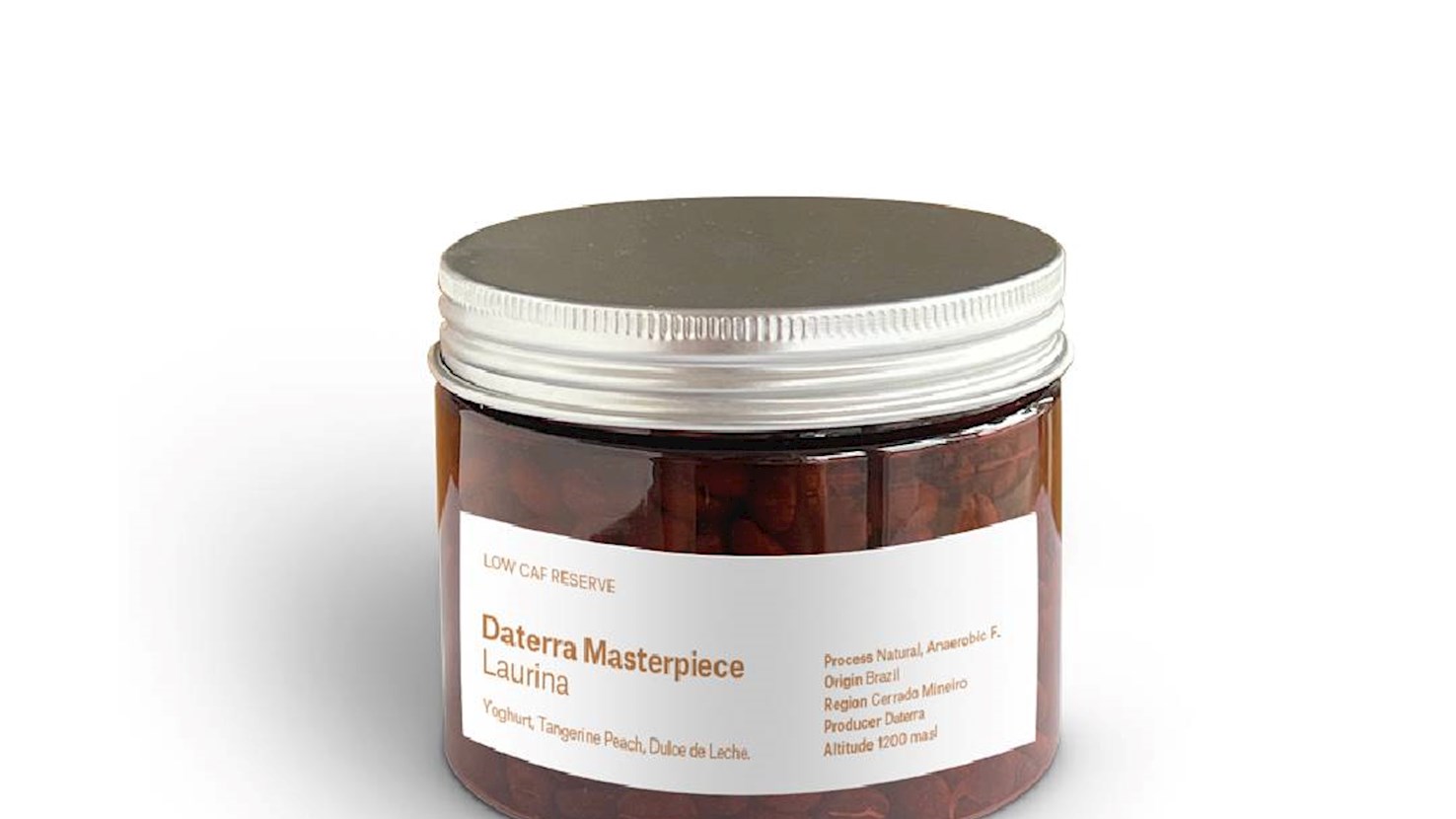
Daterra Coffee – Innovation and Sustainability in Specialty Coffee Daterra Coffee is a leading Brazilian coffee plantation renowned for its innovative and sustainable practices in specialty coffee cultivation. Located in the Cerrado region, Daterra was founded in the 1980s with the mission of redefining coffee production through environmentally responsible methods. Their farms, situated in Patrocínio, are among the oldest coffee plantations in Brazil’s Cerrado, positioned at an average altitude of over 900 meters, with some areas reaching 1,200 meters. Daterra was the first coffee farm in the world to package its green coffee in sealed vacuum packs, preserving the delicate flavor nuances throughout long overseas journeys. Their commitment to sustainability is evident through certifications such as Rainforest Alliance and accolades like the Prêmio Fazenda Sustentável 2015, awarded by Globo Rural, Brazil’s leading agricultural magazine, recognizing Daterra as the most sustainable farm in the country. The farm is also known for its innovative projects, including a collaboration with Zingerman’s Coffee Company to cultivate the Pacamara variety, traditionally not grown in Brazil, demonstrating their dedication to experimentation and quality enhancement. Their philosophy, “Coffee That Is Truly Green,” emphasizes harmony with nature, ensuring that the land is borrowed and returned through sustainable practices, producing coffee that contributes to a better world.
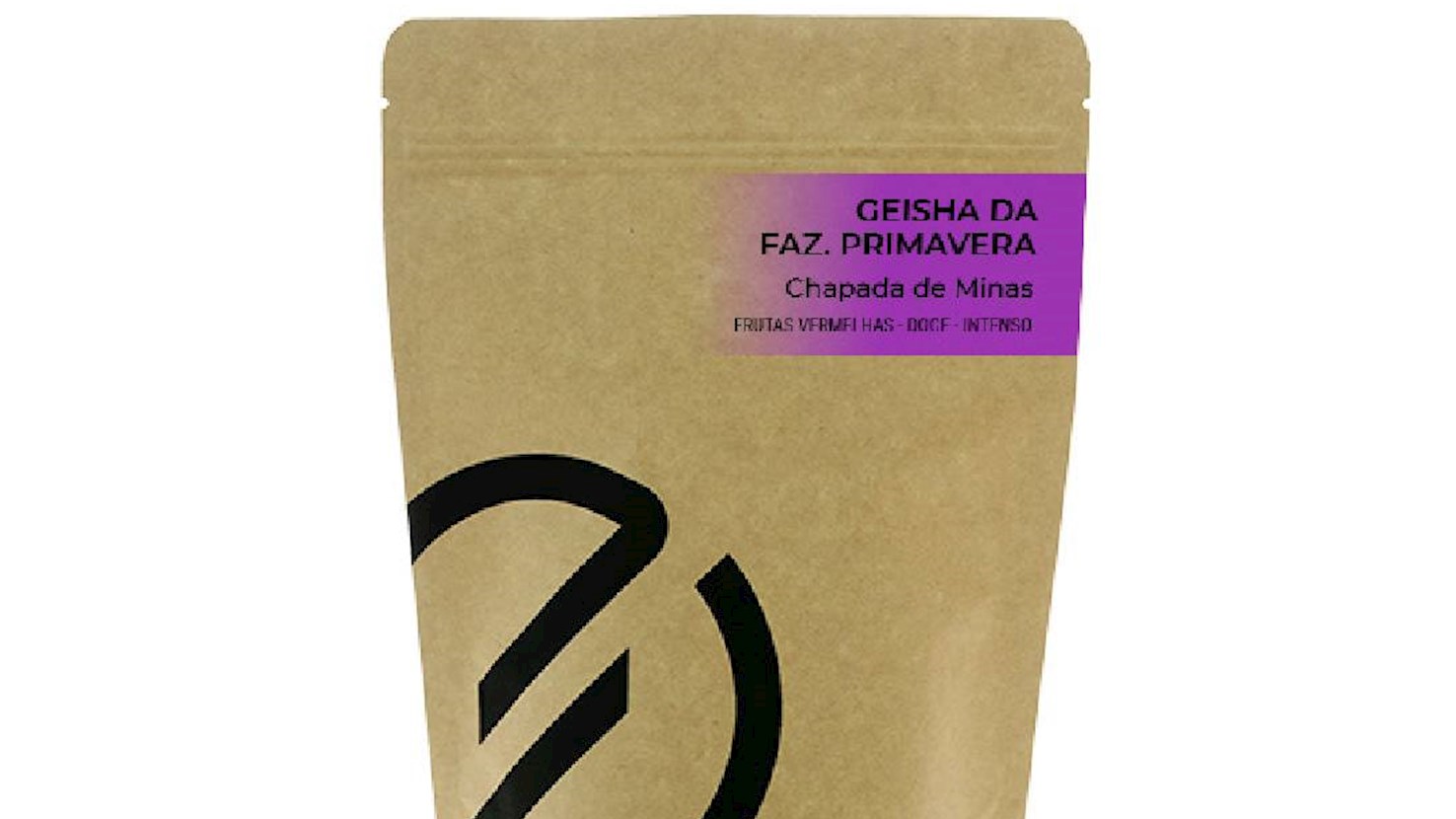
Located in the heart of Chapada de Minas, Fazenda Primavera is synonymous with the production of premium Arabica coffee. Thanks to this specific geographical location, the farm cultivates Arabica varieties in a dry region, with plantations spread across flat plateaus with gentle slopes, typical of this area. The microclimate, characterized by periods of humidity and drought, creates ideal conditions for growing high-quality coffee.
At Fazenda Primavera, special attention is given to sustainable coffee cultivation. The farm has implemented techniques that minimize the environmental impact of production, and as part of long-term projects, coffee is grown alongside African mahogany, creating a unique product – Mahogany Coffee.
With a passion for quality and a commitment to preserving the natural environment, Fazenda Primavera continues to produce top-quality coffee, recognized by coffee lovers around the world.
Mesopotamia Cervejaria is a small craft brewery based in Juiz de Fora, in the Brazilian state of Minas Gerais, known for its diverse portfolio and experimental approach to brewing. Their range includes around 17 styles, featuring fruit-forward sour ales, hazy New England IPAs, complex barleywines, and rich Belgian-style quadrupels. The brewery’s name, as well as the names of some of its beers, reflect inspiration drawn from ancient civilizations and cultural heritage, contributing to a distinctive visual and thematic brand identity. By combining passion, creative experimentation, and high-quality standards, Mesopotamia has established itself as a recognizable name on Brazil’s craft beer scene, attracting the attention of both domestic and international beer enthusiasts.
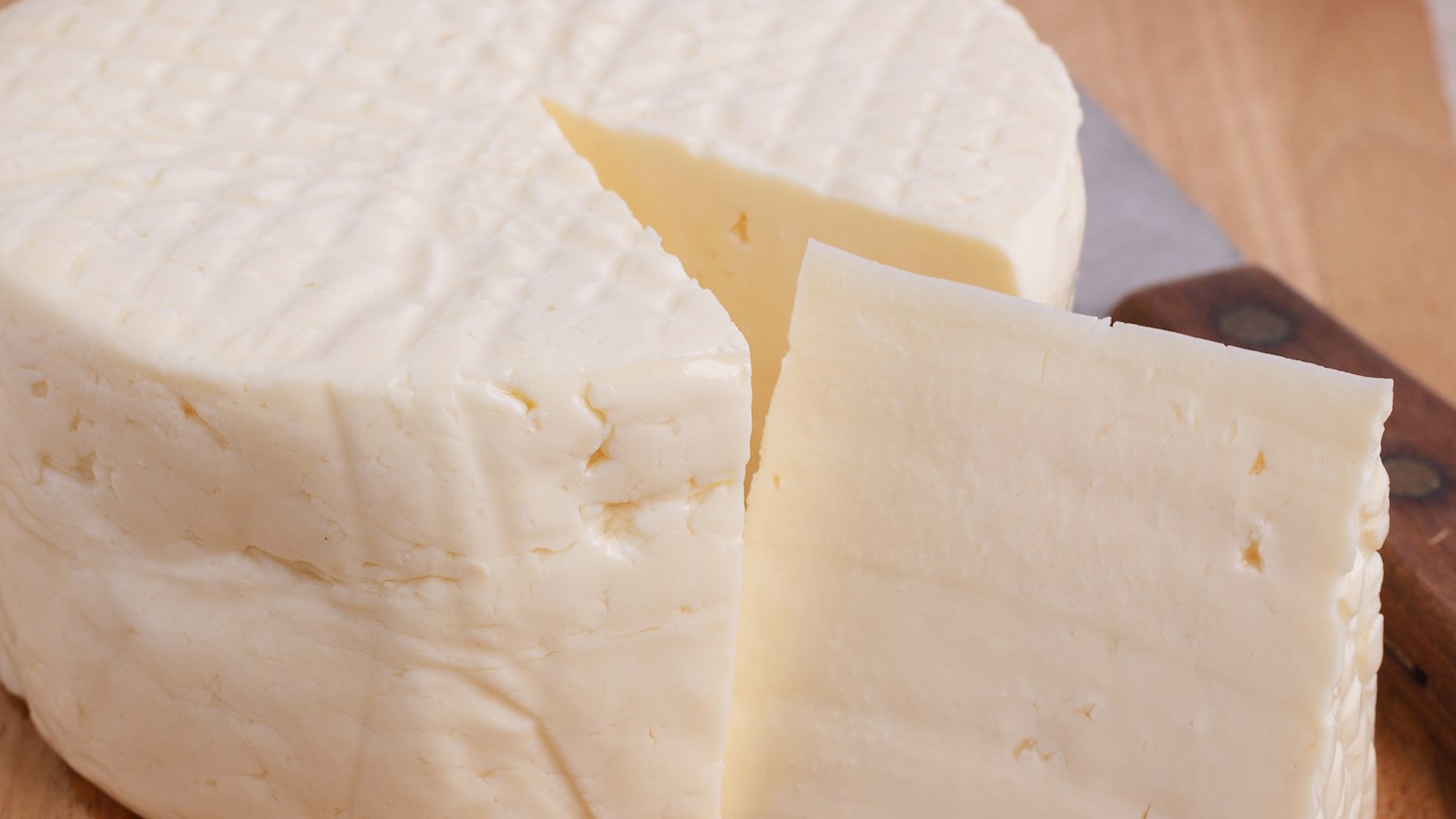
Canastra is a Brazilian cheese made from raw cow’s milk. It originates from the area of Serra da Canastra in the state of Minas Gerais, hence the name. The cylindrical cheese is either semi-hard or slightly softer, and its flavor is mildly acidic and slightly spicy. Traditionally, Canastra matures for 21 days, but some producers leave it to mature even longer, up to 40 days, when its flavor resembles that of Grana Padano. In the past, the cheese was made for special occasions such as visits from royalty and captains. It is recommended to pair it with red wine, dark beer, and guava paste. In 2008, this cheese was proclaimed an intangible cultural heritage of Brazil.
Literally translated to cheese bread, pão de queijo has its origins in the culinary inventions of African slaves, when they started to use the residue of the cassava plant. A fine white powder, or starch, was rolled into balls and baked. At the time, no cheese was added, so it was just baked starch, but at the end of the 19th century, when slavery ended, other foods started to become available to the Afro-Brazilians for the first time. In the state of Minas Gerais, the dairy center of Brazil, cheese and milk started to be added to the starchy balls, and pão de queijo was created. Today, it is a popular Brazilian snack or breakfast food that is also widely consumed in northern Argentina, sold at numerous coffee shops, snack bars, and bakeries.
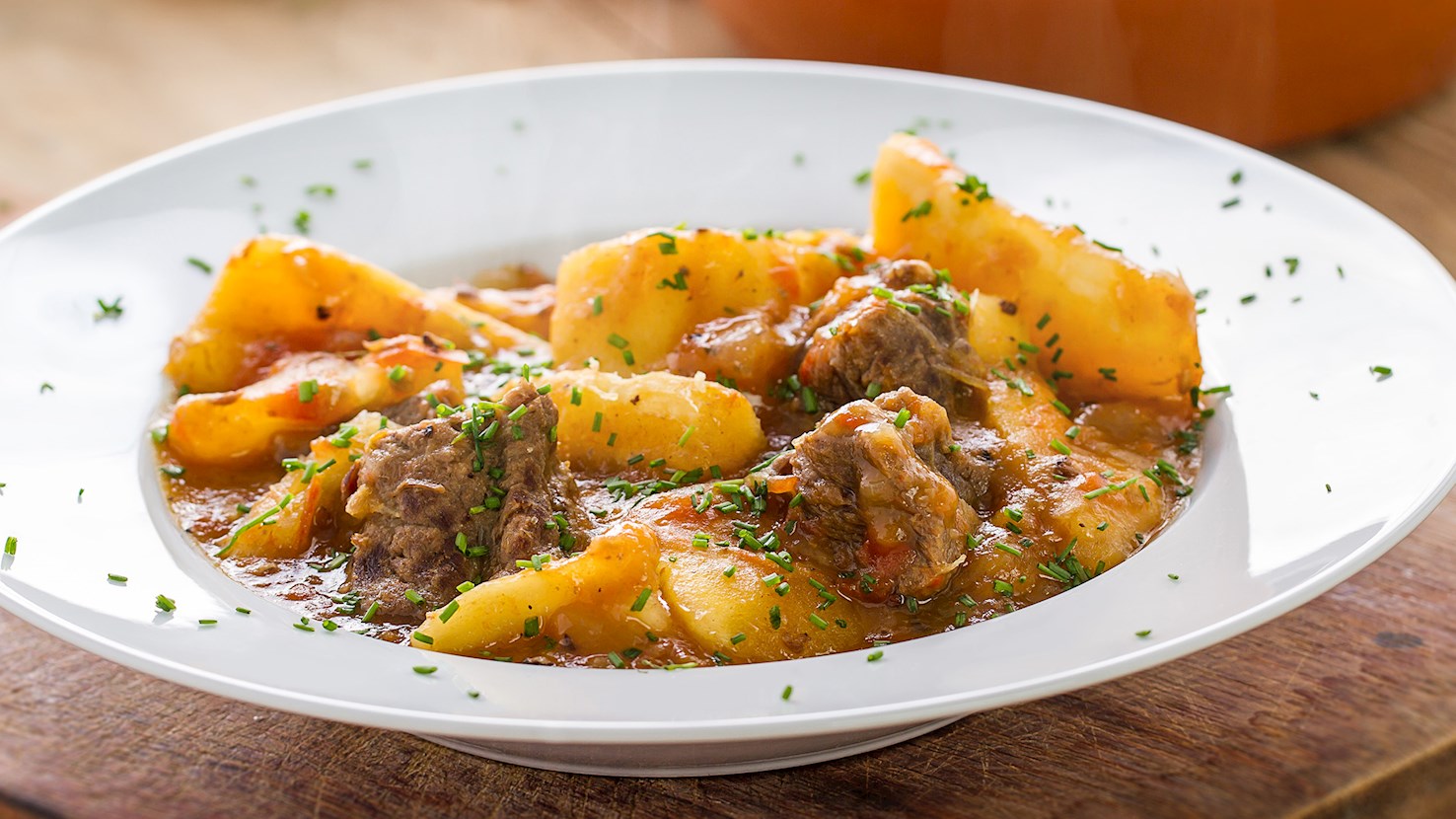
Vaca atolada is a Brazilian meat dish prepared with beef ribs, garlic, onions, tomatoes, parsley, cassava, chili peppers, and (if available) ground colorau (urucum seed). The marinated meat is cooked and drenched in a thick sauce, hence the alternative name for the dish – cow stuck in the mud. This spicy meat dish is traditionally served with white rice, while fresh green salads are often served on the side. Vaca atolada is especially popular in the inner regions of Brazil, particularly the state of Minas Gerais.
Queijo Minas is a handmade cheese made from raw cow's milk, characterized by its tender, spongy texture and moistness. The flavor of Minas cheese is mild and slightly salty, depending on its ripeness and the region of production. The cheese is often used in the preparation of sandwiches, pancakes, and pastries. It is recommended to pair it with cold cuts, salads, and various vegetables that develop intense flavors after cooking.
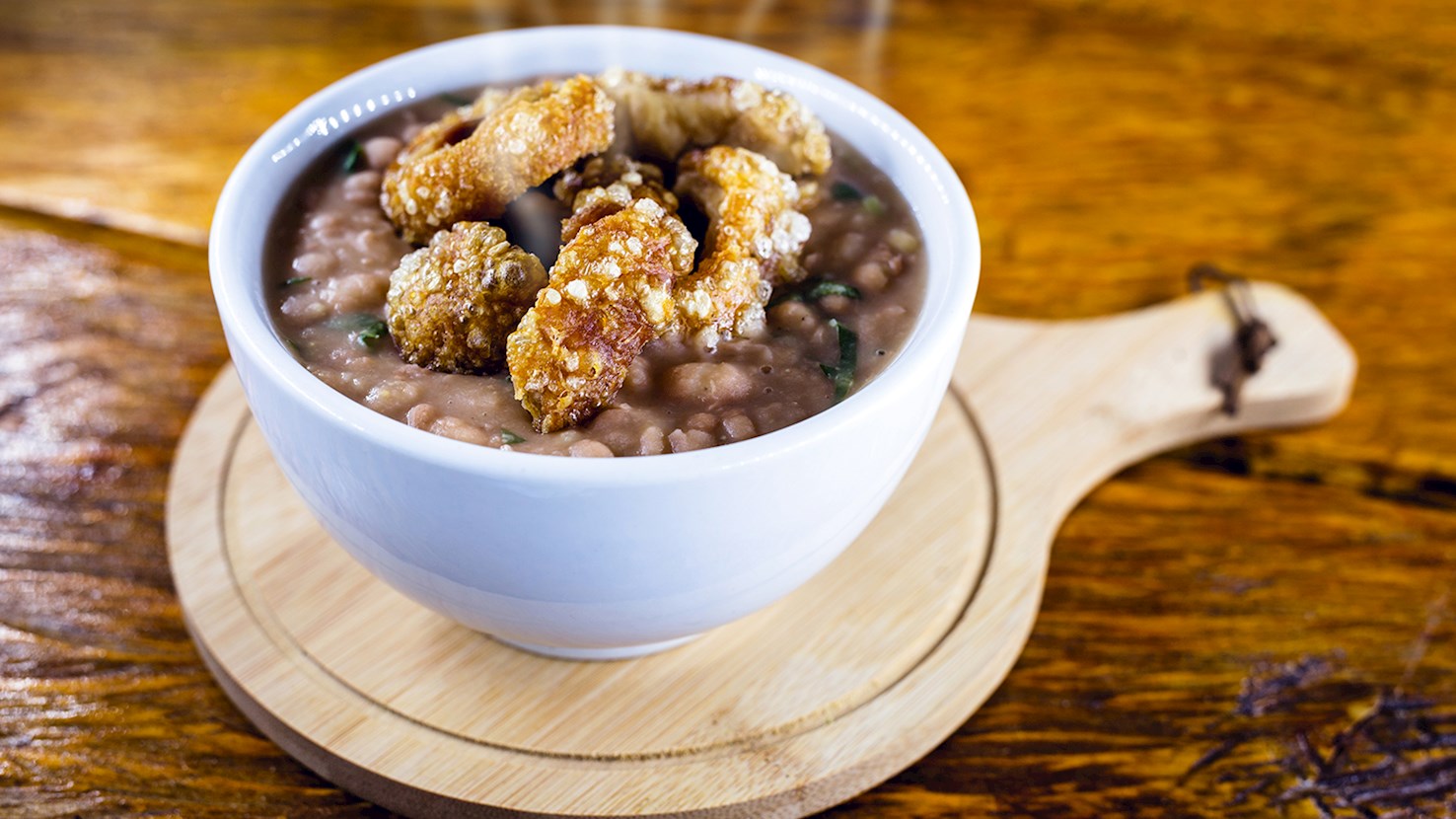
Tutu de feijão is a traditional dish originating from the region of Minas Gerais. The dish is made with a combination of puréed beans (traditionally black beans) and cassava flour that's used as a thickening agent. Other ingredients used in the dish include onions, garlic, olive oil, parsley, and bay leaves. Although there are many variations on the dish, it's usually served accompanied by pork sausages, rice, eggs, or sometimes kale.
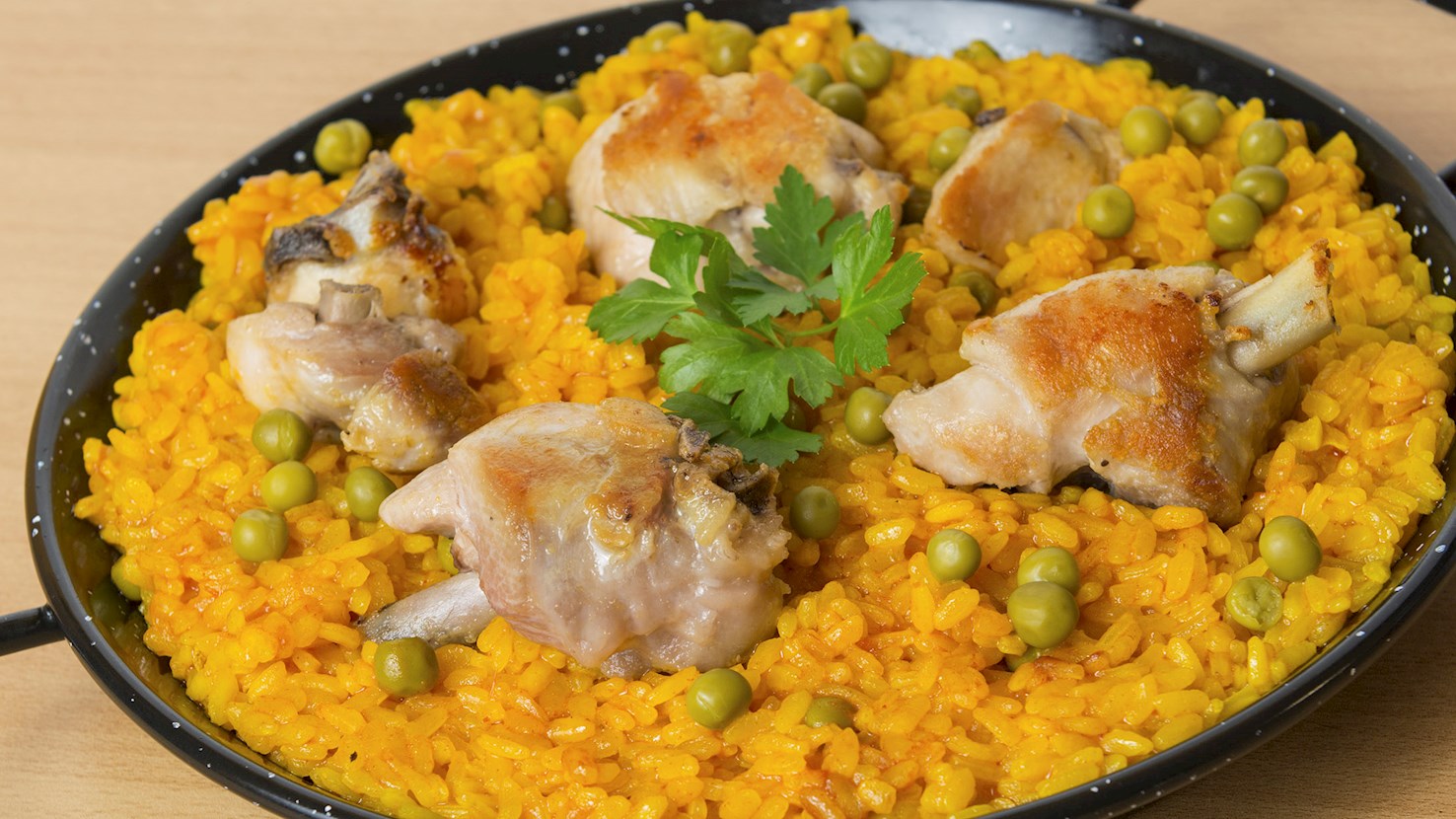
Galinhada is a one-pot dish consisting of bone-in chicken pieces and rice stewed together with a vibrant array of aromatics, vegetables, and spices. To execute the classic recipe, cooks begin by intensely marinating cuts of poultry—most commonly thighs, drumsticks, and occasionally breasts—in a sharp blend of lime juice or vinegar, crushed garlic, salt, and black pepper. Then, the meat is aggressively seared in a large, heavy-bottomed pan or iron skillet until the fat renders and the skin develops a deep, golden-brown crust. Once the chicken reaches proper caramelization, chopped onions, bell peppers, and tomatoes are folded directly into the rendered fat to build a highly flavorful, aromatic base, effectively dissolving the savory browned bits from the bottom of the cookware. Long-grain white rice is then stirred into this rich mixture, briefly toasting the grains to coat them before the simmering liquid—usually homemade chicken broth or water—is introduced. The entire pot is tightly covered and left to cook slowly over low heat, allowing the rice to swell and absorb the deeply savory liquid while the chicken becomes meltingly tender. While this fundamental cooking method remains constant across Brazil, significant regional variations fundamentally alter the dish's final flavor profile and visual presentation. In the state of Minas Gerais, cooks impart a vibrant golden-yellow hue to the meal using ground annatto seeds or turmeric, frequently folding whole kernels of corn, sweet peas, and fresh green beans into the simmering pot. Conversely, the iteration originating from the central-western state of Goiás relies heavily on pequi, a highly aromatic native savanna fruit that imbues the rice with a distinctly floral, earthy flavor and a bright yellow tint, often accompanied by guariroba, a uniquely bitter native heart-of-palm. The widespread culinary footprint of this hearty meal stems directly from its 17th-century roots, driven by the bandeirantes—colonial explorers and fortune hunters who traversed the rugged Brazilian interior. These lengthy expeditions necessitated sustaining single-vessel meals that used readily foraged ingredients alongside easily transportable staples like rice, eventually transitioning to locally raised poultry as permanent farming settlements developed along the established trade routes. Today, this deeply historic dish is almost exclusively served family-style, brought directly to the center of the dining table in the pot in which it was cooked, for communal sharing. It is traditionally presented alongside simple, highly acidic accompaniments designed specifically to cut through the heavy richness of the rendered chicken fat, such as a sharp tomato and onion vinaigrette (vinagrete), fiery local malagueta chili sauce, crispy toasted cassava flour (farofa) for added texture, and a generous scattering of freshly chopped parsley and scallions applied immediately before eating.
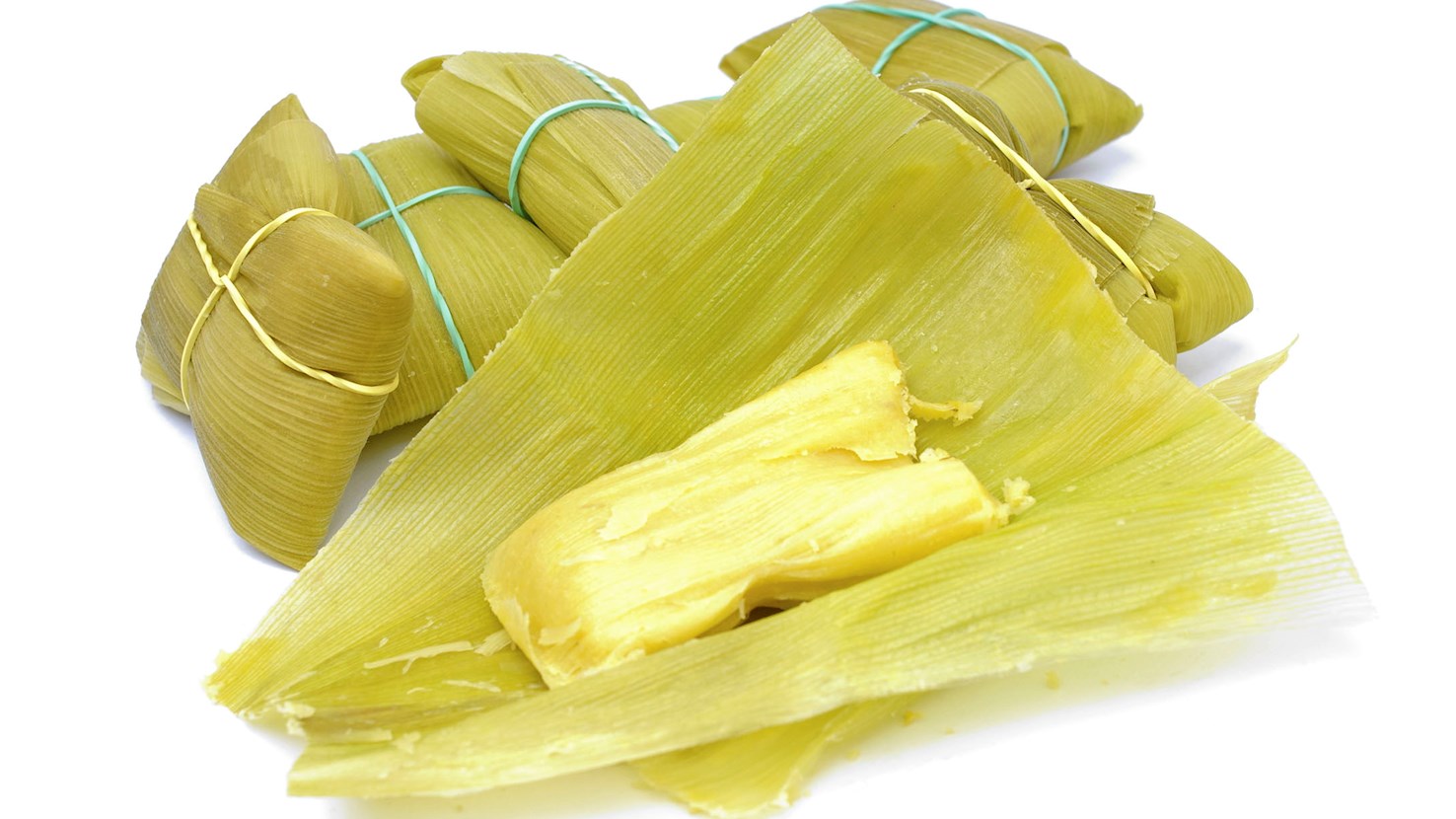
Similar to Mexican tamales, pamonha is a traditional dish made with fresh corn. The dough, or more precisely the paste, is made out of grated and juiced corn. It is tightly wrapped in fresh corn husks and cooked in boiling water. Depending on the ingredients, pamonhas can be either sweet or savory. The savory varieties are usually prepared plain or made with chopped meat, sausages, or cheese. The sweet version of pamonhas is often made by incorporating coconut milk or coconut pulp in the dough. Pamonhas are traditionally eaten all year round in Brazil, but they are usually associated with Festa Junina, the annual Brazilian festivity celebrated throughout June, marking the end of the harvest season and the beginning of Brazilian winter. The snack was primarily sold as a street food item, but nowadays the tradition has disappeared, and pamonhas are usually prepared at home or served in traditional Brazilian restaurants.
Queijo prato is a traditional cheese hailing from Minas Gerais. This gouda-stye cheese is made from pasteurized cow's milk. It's semi-cooked and pressed, and the texture is soft and open, with many small eyes in the body. The flavors are mild and the salt and lactose content is low. The name queijo prato means plate-shaped, referring to the original shape made by Danish immigrants. This cheese is often compared with Danbo and Pategras.
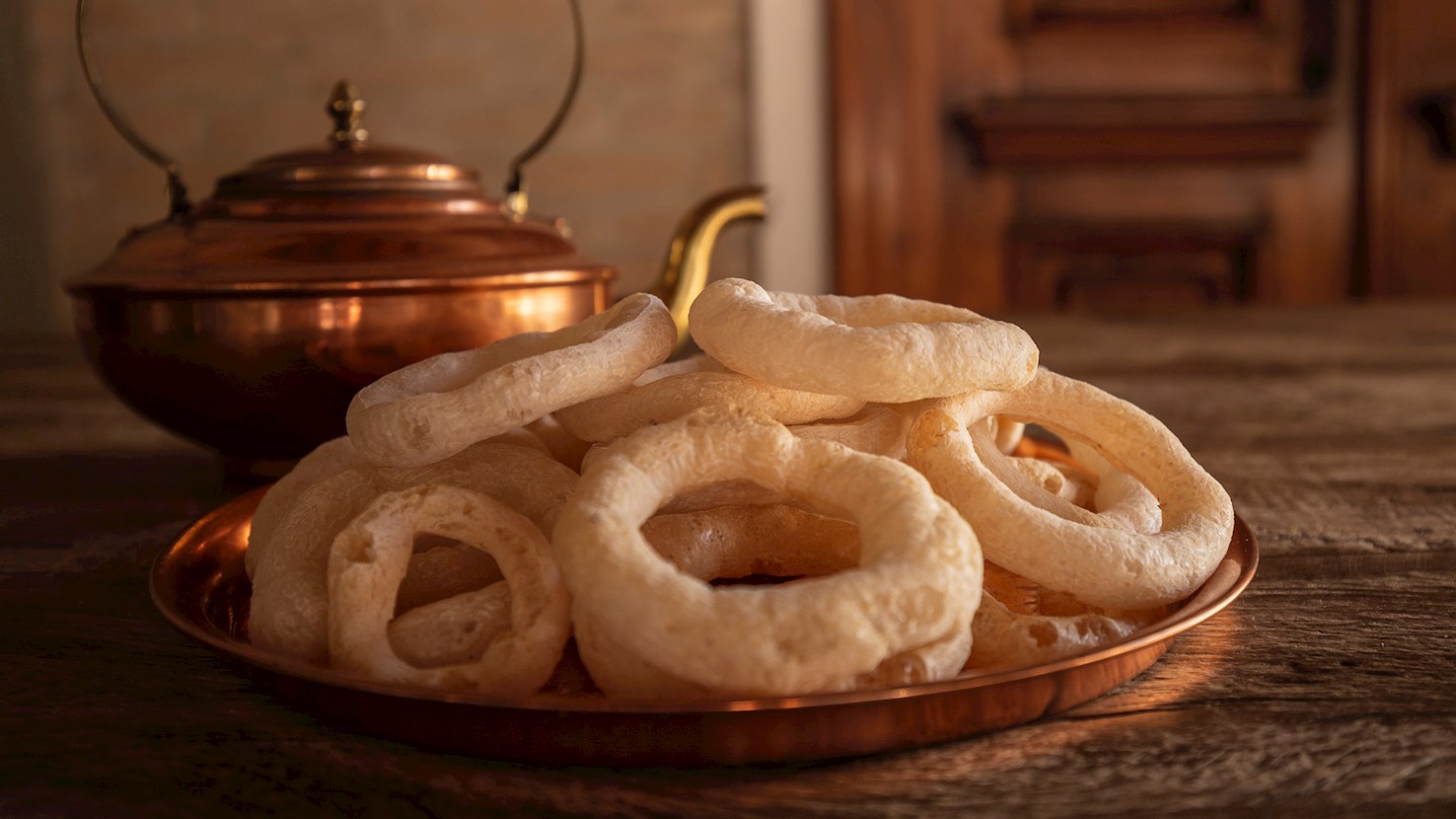
Biscoito de polvilho is a traditional, starchy, salted cookie from Brazil. The cookies are characterized by their round, puffy shape and a crispy exterior. The word from its name, polvilho, is derived from the Latin word pulvis and the Spanish polvillo, meaning fine powder, referring to the sour cassava starch, a key ingredient used in the preparation of these snacks. Biscoito de polvilho can be traced back to the 18th century, when it was prepared on farms in the state of Minas Gerais and served to the plantation owners along with cheese and coffee as an afternoon snack. Due to their unique flavor and airy texture, the cookies are so popular in Brazil that they can even be found at most supermarkets, or bought from numerous beach food vendors.
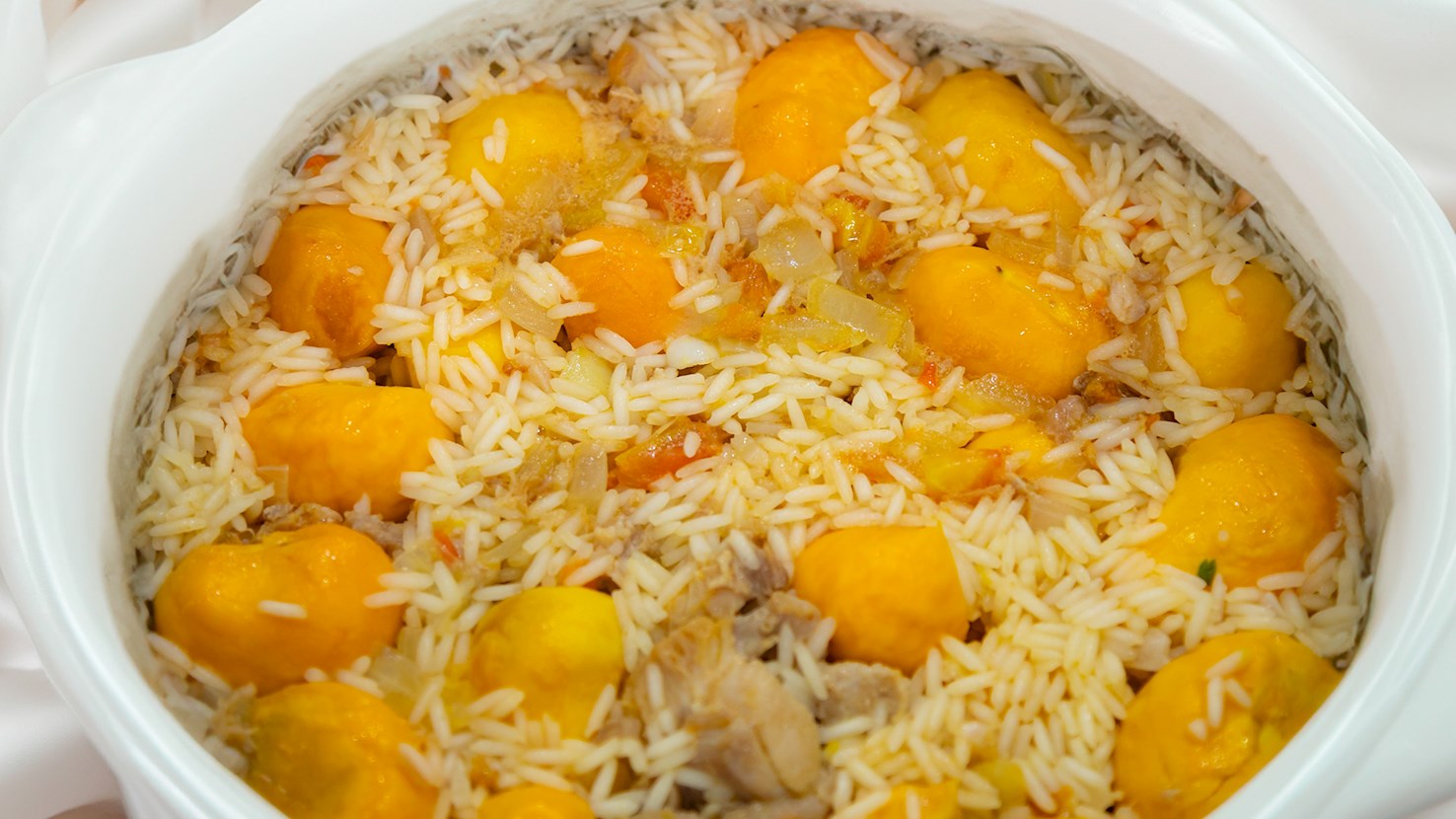
Arroz com pequi is a traditional rice dish originating from the central regions, and it's especially popular in Minas Gerais and Goiás. The key ingredient in the dish is pequi, a small seasonal fruit with a strong cheese-like, barnyardy flavor (although it's a fruit, pequi is usually treated like a vegetable). Other ingredients used in the dish include rice, oil, garlic, onions, chicken broth, chopped green onions, salt, and pepper. The ingredients are simmered until the liquid is absorbed and the rice becomes tender. Before serving, it's recommended to stir in some green onions into the dish. Although the dish is served with the pequi still in the rice, some people like to eat the rice without eating the fruit because it has lots of little spikes coming out of the kernel, and one should be careful when trying to eat the pulp.
TasteAtlas food rankings are based on the ratings of the TasteAtlas audience, with a series of mechanisms that recognize real users and that ignore bot,
nationalist or local patriotic ratings, and give additional value to the ratings of users that the system recognizes as knowledgeable.
For the “Top 23 Mineiran Foods” list until June 24, 2026, 1,440 ratings were recorded, of which 1,019 were recognized by the system as legitimate.
TasteAtlas Rankings should not be seen as the final global conclusion about food. Their purpose is to promote excellent local foods,
instill pride in traditional dishes, and arouse curiosity about dishes you haven’t tried.
The initial list of top producers was compiled based on available reviews, awards, local recommendations, media and blog coverage, and consumer reviews.
The list will be updated with ratings from TasteAtlas local ambassadors and TasteAtlas users.