shutterstock

Top 30 Macedonian Foods

Last updated on June 10, 2026

Best Macedonian foods

01
Savory Pastry

Zelnik (Banitsa with cabbage)

4.3 ·

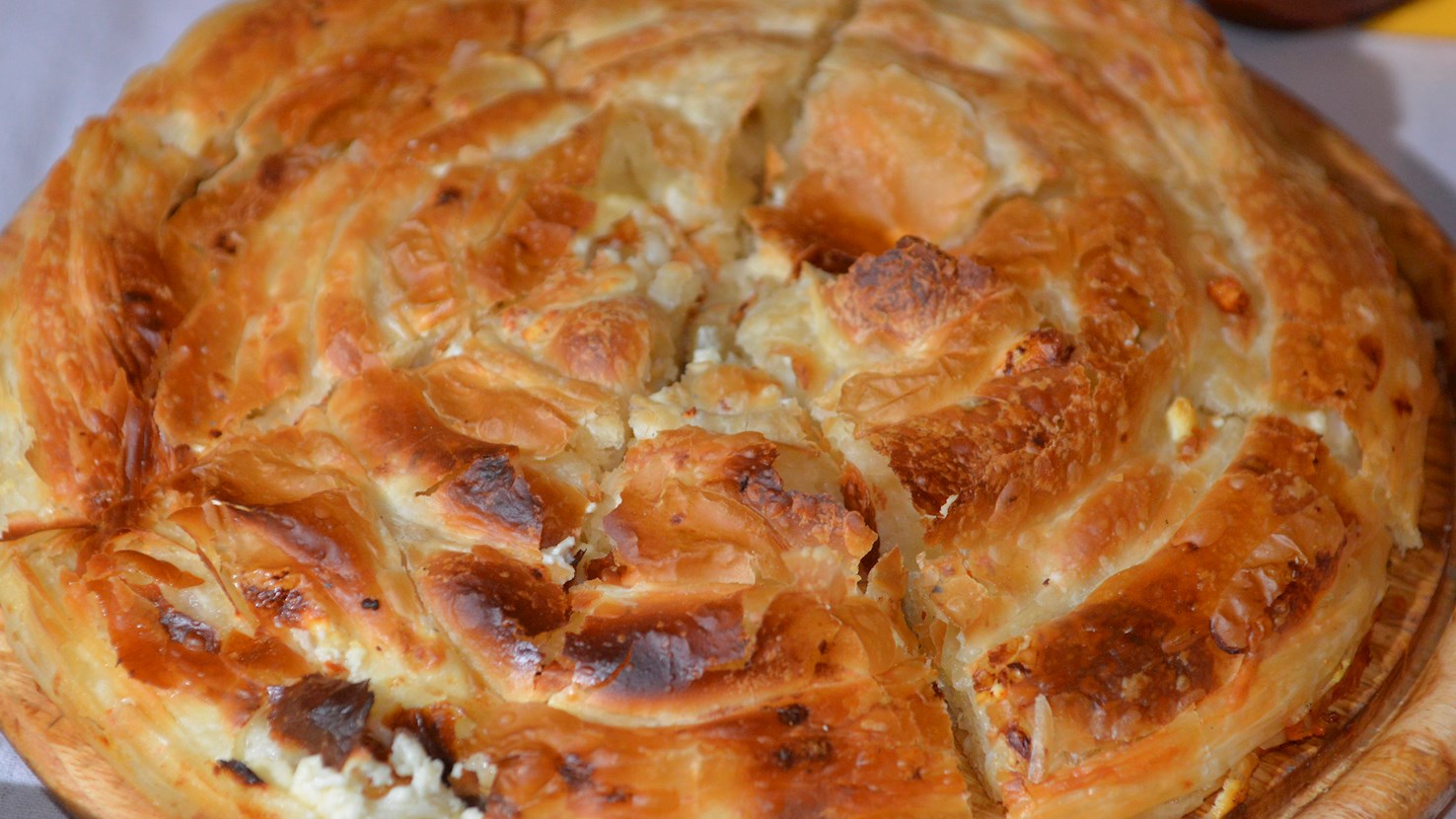
Zelnik is a traditional North Macedonian pie that can be filled with a variety of different ingredients such as cheese, spinach, eggs, meat, leeks, or cabbage. For the best result, zelnik should be brushed with butter and oil before baking, so that the pie develops a golden-brown color. Zelnik is best when served warm, and it is recommended to pair it with a glass of yogurt.

02
Ground Meat Dish

Sarma

4.2 ·

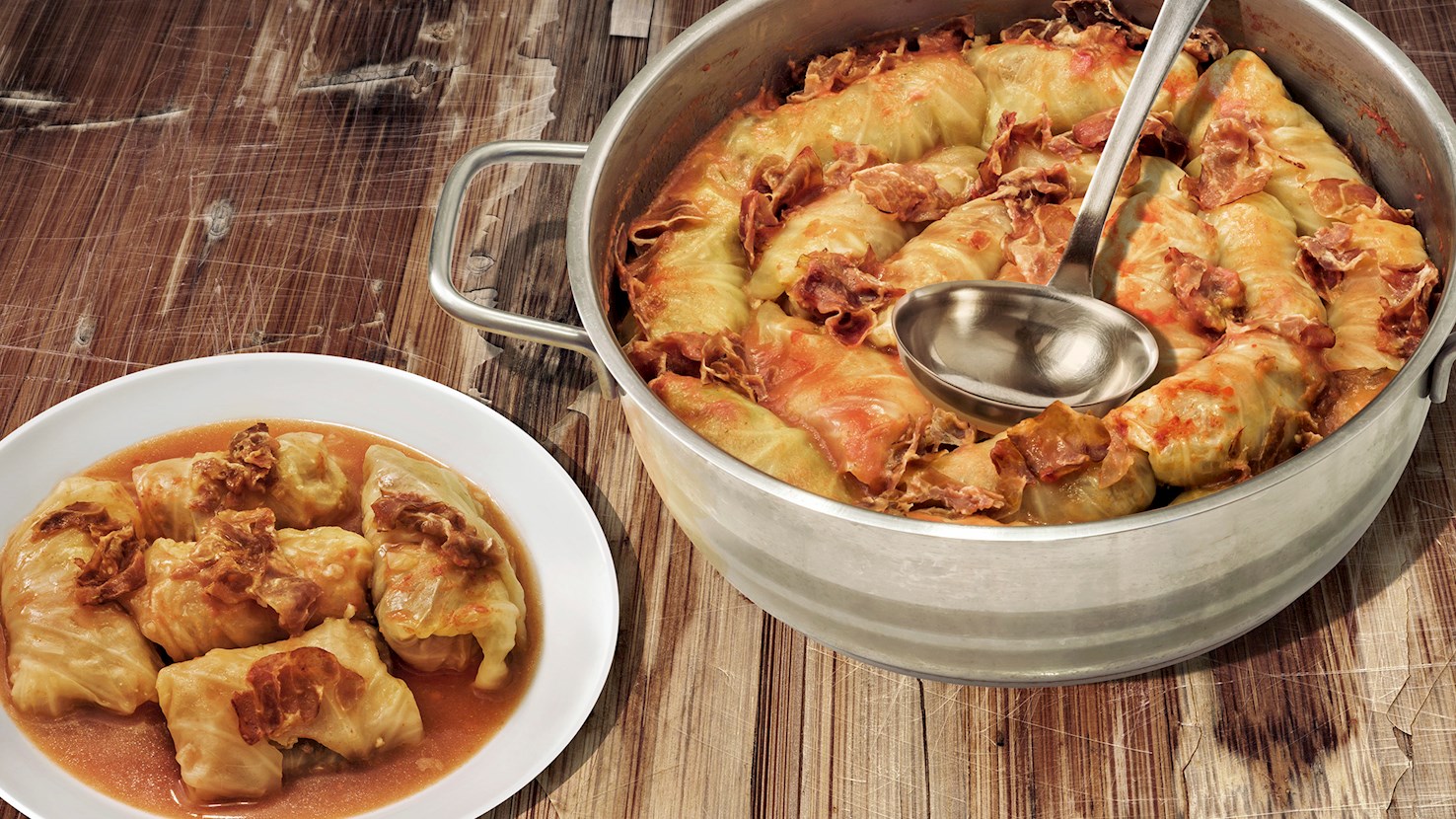
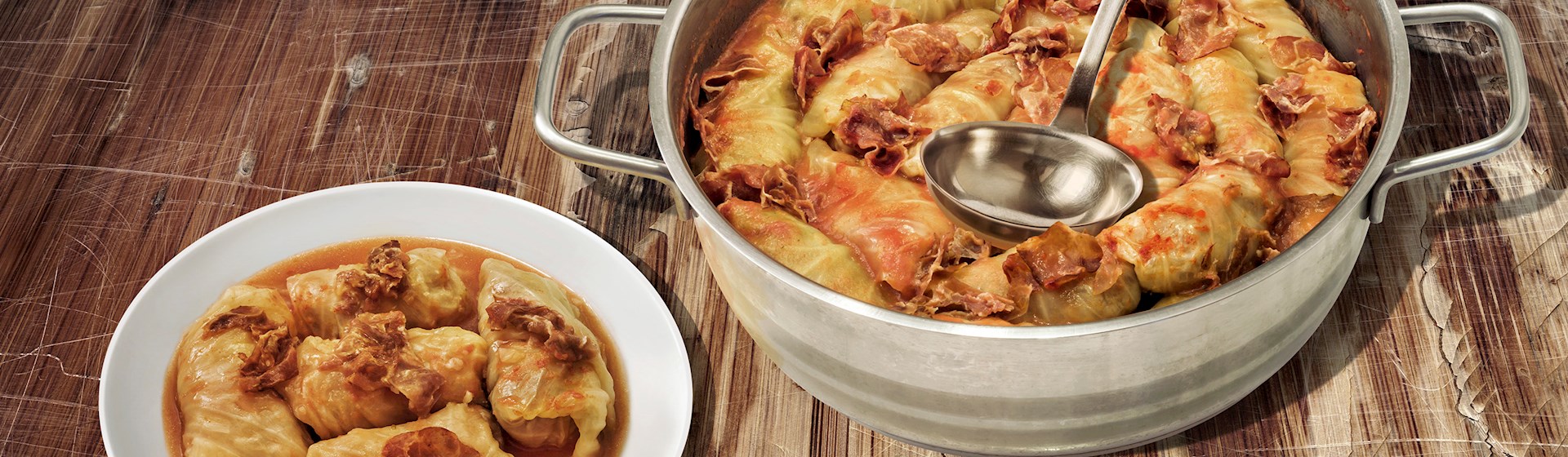
One of the staples of traditional Turkish cuisine, sarma consists of a filling that is snugly surrounded by leaves or leafy vegetables. There are numerous versions of this dish but the mixture typically combines ingredients such as minced meat, rice or bulgur, various herbs, seasonings, red pepper, paprika, ground sumac, or tomato sauce, while the typical wrapping usually includes vine, cabbage, or sauerkraut leaves, or a variety of leafy vegetables such as collard greens and swiss chard. Having its roots in the Ottoman Empire, sarma is also traditionally consumed in the Balkans, the countries of Central Europe, the South Caucasus, and the Middle East. Although it is commonly enjoyed as a filling lunch or dinner (typically during the winter season), sarma is often prepared on special occasions and holidays. The dish is usually accompanied by plain yogurt, mashed potatoes, and crusty bread on the side.

03
Ground Meat Dish

Polneti piperki

4.1 ·

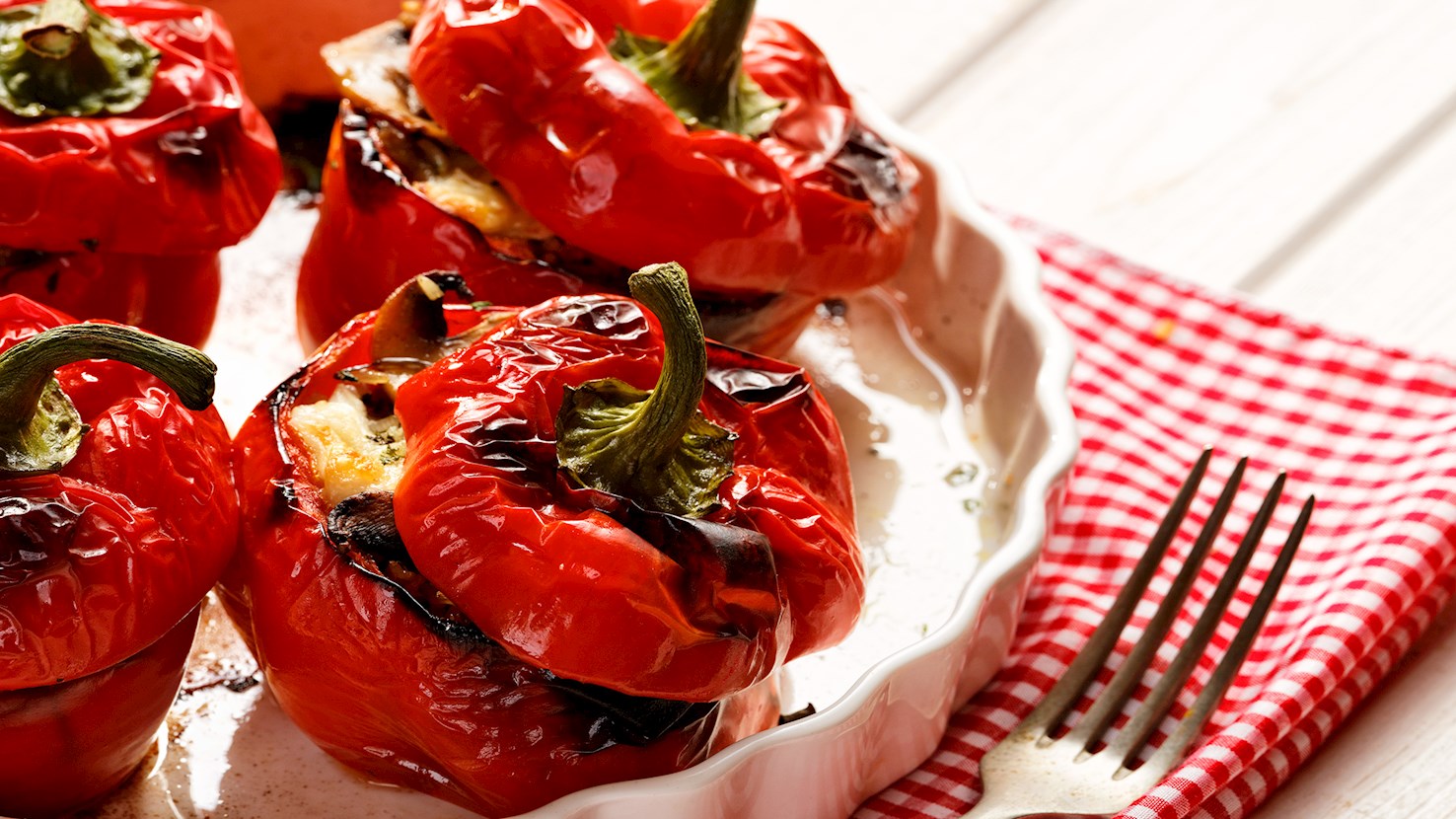
Polneti piperki is a hearty North Macedonian dish consisting of peppers stuffed with ground meat, rice, and selected seasonings. Sometimes, chopped vegetables are added to the stuffing. The dish is usually roasted in the oven until the peppers are slightly charred. It is recommended to serve the stuffed peppers with mashed potatoes on the side.

04
Side Dish

Tavče gravče

4 ·

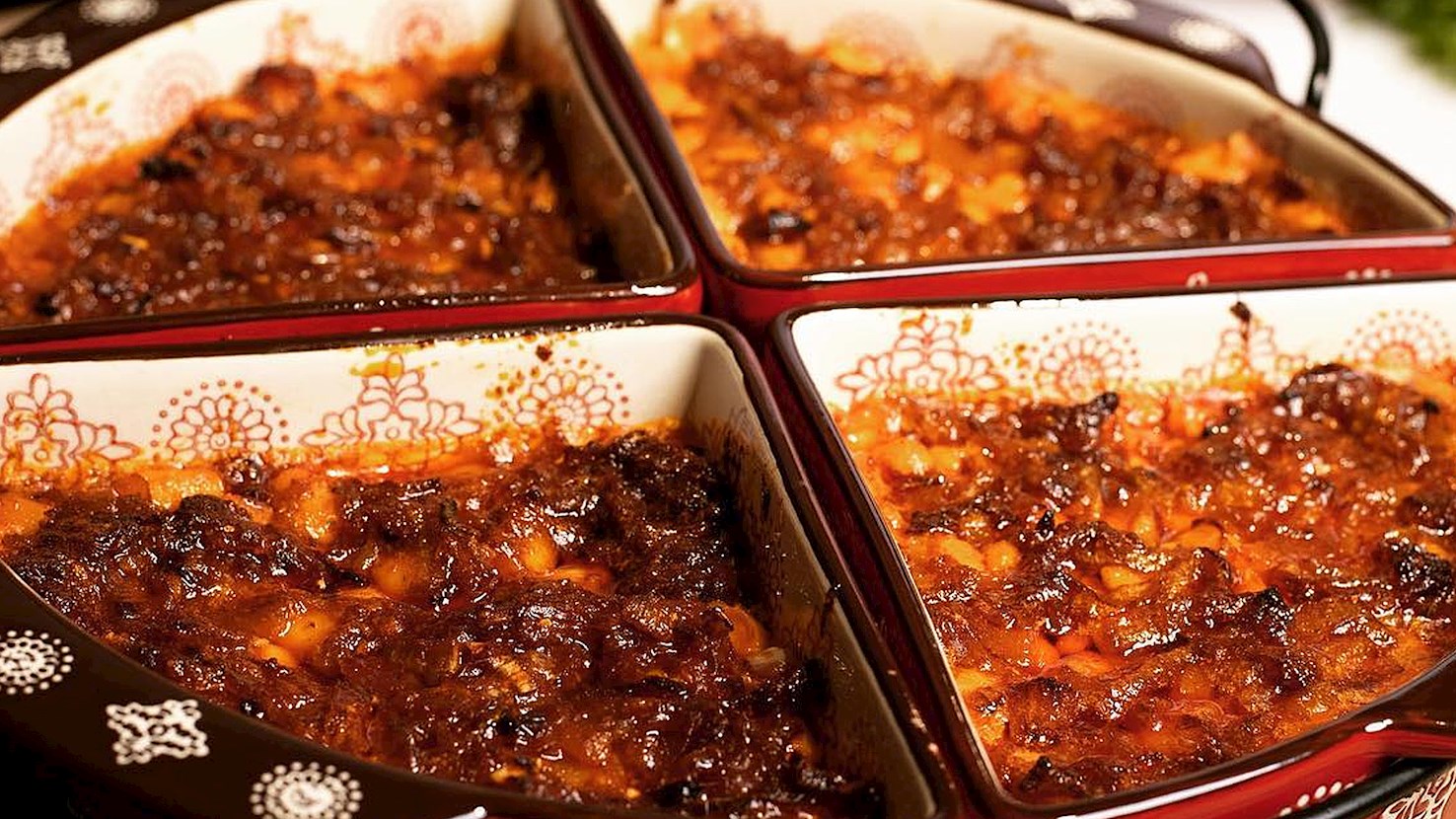
Tavče gravče is the national dish of North Macedonia consisting of beans stewed with onions, oil, dried pepper flakes, and seasonings such as salt, parsley, and black pepper. Although it is primarily a vegetarian dish, some recipes call for the addition of smoked pork, bacon, sausages, or suho meso. The dish is baked in an earthenware bowl and usually served in it, keeping the beans warm. Tavče gravče is traditionally enjoyed on Fridays or during fasting (the original vegetarian recipe), but in restaurants, it is often served as a side dish to grilled meats.

05
Stew

Selsko meso

4 ·

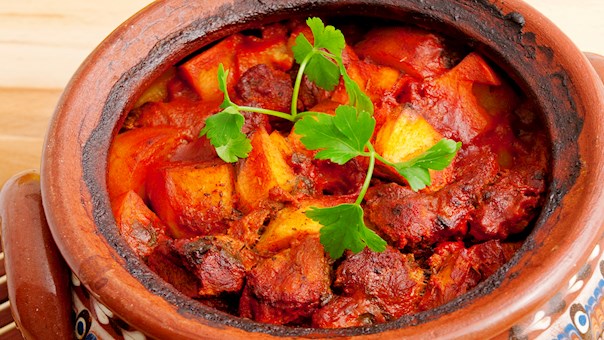
This North Macedonian specialty consists of meat chunks stewed with whatever vegetables are available in the kitchen, such as onions, tomatoes, carrots, and potatoes. The combined ingredients are doused with white wine and simmered for a long time. The dish is served in a traditional clay pot in which the stew was cooked. Due to the variable ingredients used in the preparation of selsko meso (village meat), it is believed that one cannot find the same dish at any two restaurants.

06
Cold Soup

Tarator

3.9 ·

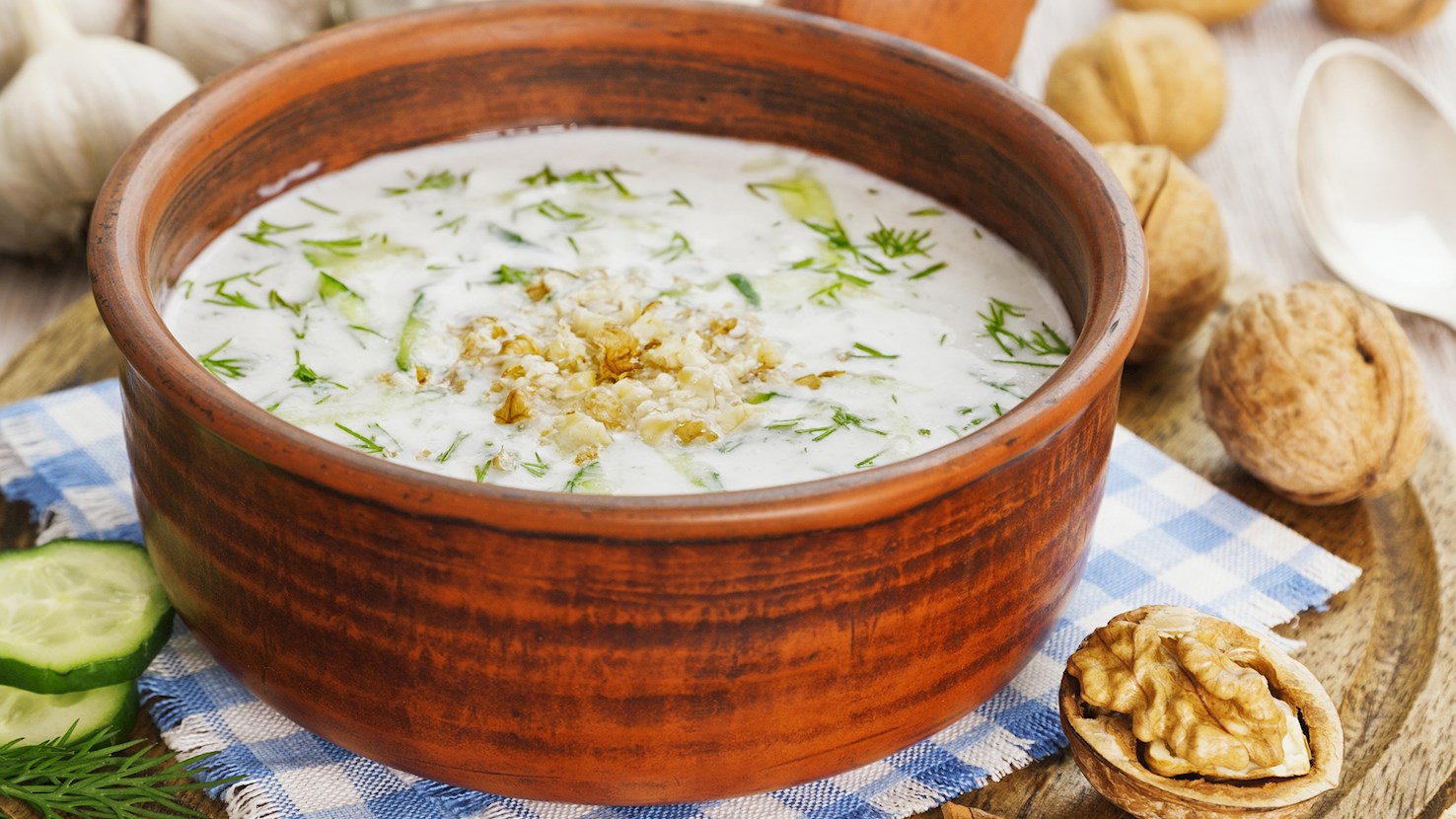
Tarator is a Bulgarian cold soup made with Bulgarian yogurt, cucumbers, garlic, chopped dill, sunflower oil, walnuts, and a bit of water or ice. However, there are numerous varieties of this refreshing soup (especially in North Macedonia), so some ingredients might be omitted, while others might be added – nuts are sometimes replaced with bread and cucumbers are sometimes replaced with carrots or lettuce. A variety known as simple tarator is made with vinegar and water instead of yogurt. The soup is always served well-chilled, and it is especially popular on hot summer days.

07
Sweet Pastry

Maznik

3.9 ·

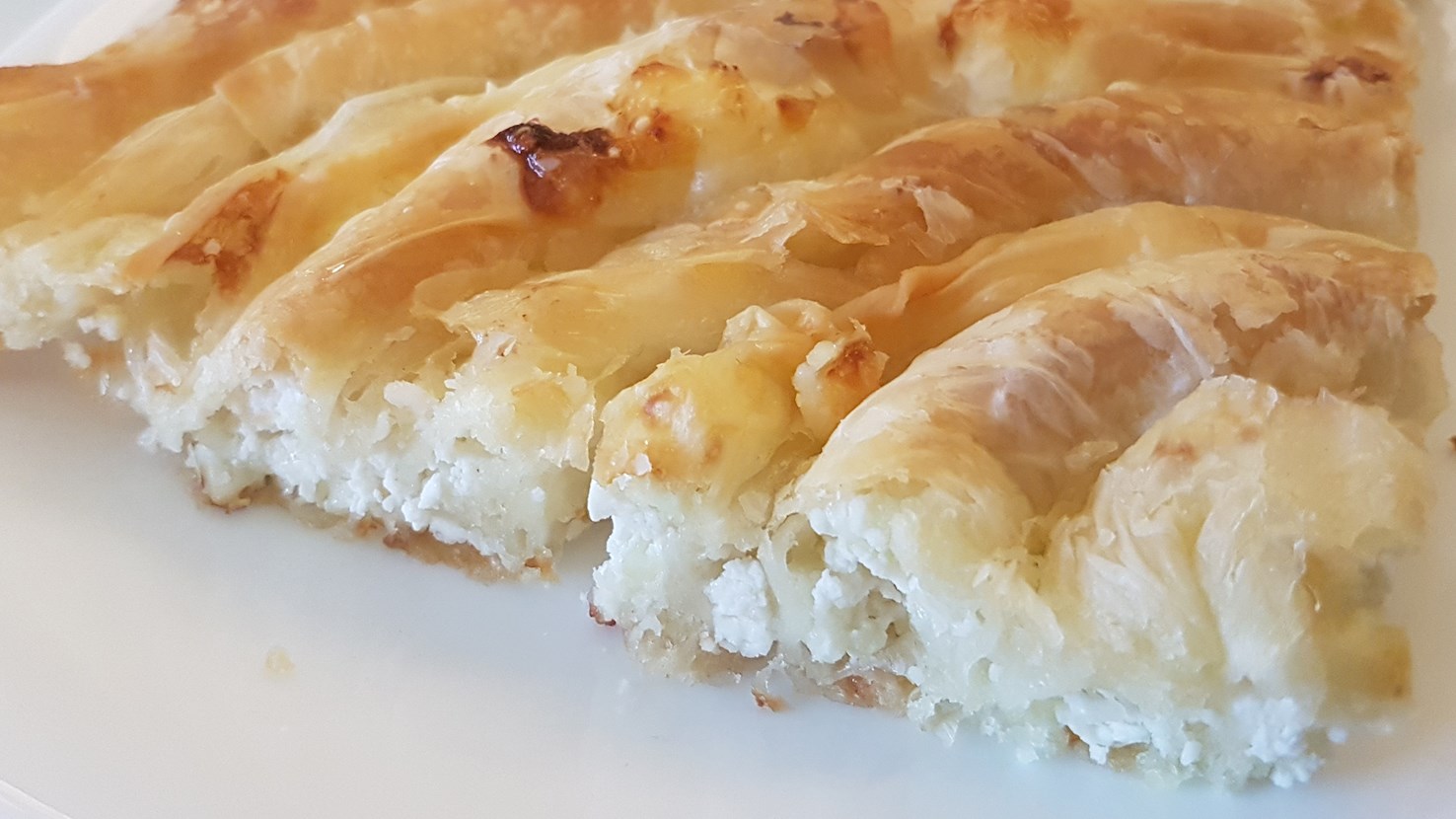
Distinguished by its appealing coiled shape, this traditional North Macedonian pastry consists of a dough (flour, salt, lukewarm water, and oil) that is stretched and pulled into paper-thin sheets. Each sheet is then sprinkled with oil and topped with a filling of choice before being rolled into a long and coiled sausage-like roll. Typical savory fillings include crumbled white cheese, curd cheese, eggs, leeks, spinach leaves, or minced meat, while grated apples or pumpkin are the usual choices for a sweet filling. The pastry’s top is typically brushed with oil and sprinkled with water before baking, while once it is done, it is sprinkled with water and covered with a towel to remain soft. Although maznik is similar to burek, it is much lighter, flakier, and softer than burek is, and it also doesn’t have the crustiness typical of burek’s top and bottom layers. Maznik’s unique texture is believed to result from the method of pulling the dough into extremely thin sheets, and from not rolling the sheets too tightly around the filling, thus allowing air to remain inside the layers. Traditionally, maznik is prepared for special occasions such as home feasts, name days, and holidays, while in some parts of the country, including Bitola, Prilep, and Ohrid, a special vasilicharski maznik with a hidden coin is made for the traditional North Macedonian holiday Vasilica (St. Basil the Great). Maznik is usually enjoyed with a glass of yogurt, a fresh vegetable salad, a homemade tomato sauce, or sour milk.

08
Pork Rinds

Djimirinki

3.7 ·

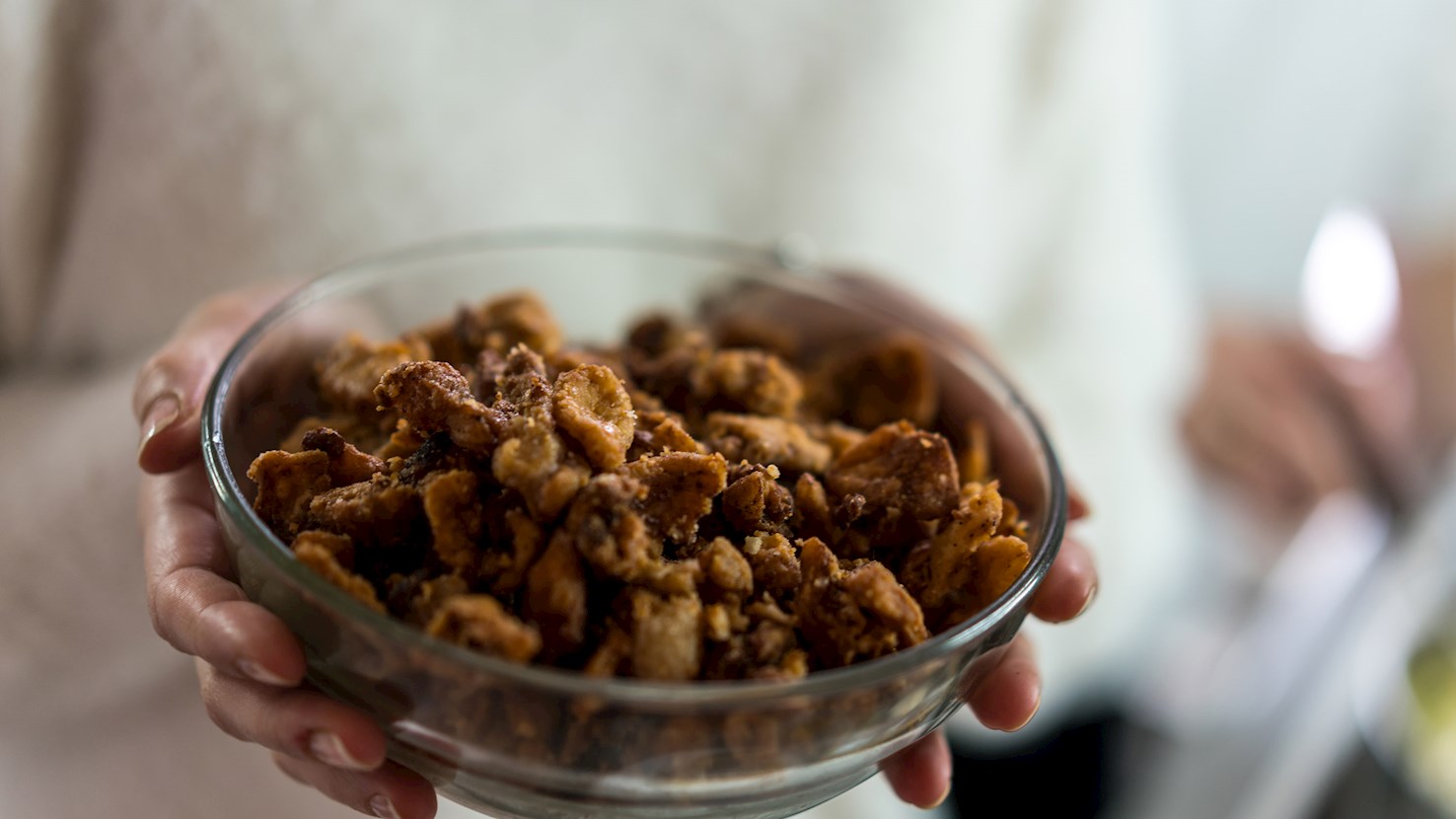
Čvarci or ocvirki is a traditional specialty that's popular in Southeastern Europe and the Balkans. This variety of pork rinds or cracklings is usually homemade, and it's made by thermally extracting fat from the lard. The lard is usually cut into blocks and fried in its own fat until it melts away and tough and crispy pork rind remain in the pot. During the process, čvarci are constantly stirred with big spoons, and milk is often added in order for them to obtain the color of caramel. Salt is typically added to the mixture, while some cooks like to add garlic or onions to the mixture. Čvarci are typically made in late autumn or winter, often during the pig slaughter, and they're usually enjoyed as a snack, served with bread and raw onions and paired with beer or rakija on the side. Small pieces of čvarci are often used in savory snacks such as pogačica s čvarcima.

09
Porridge

Kačamak

3.6 ·

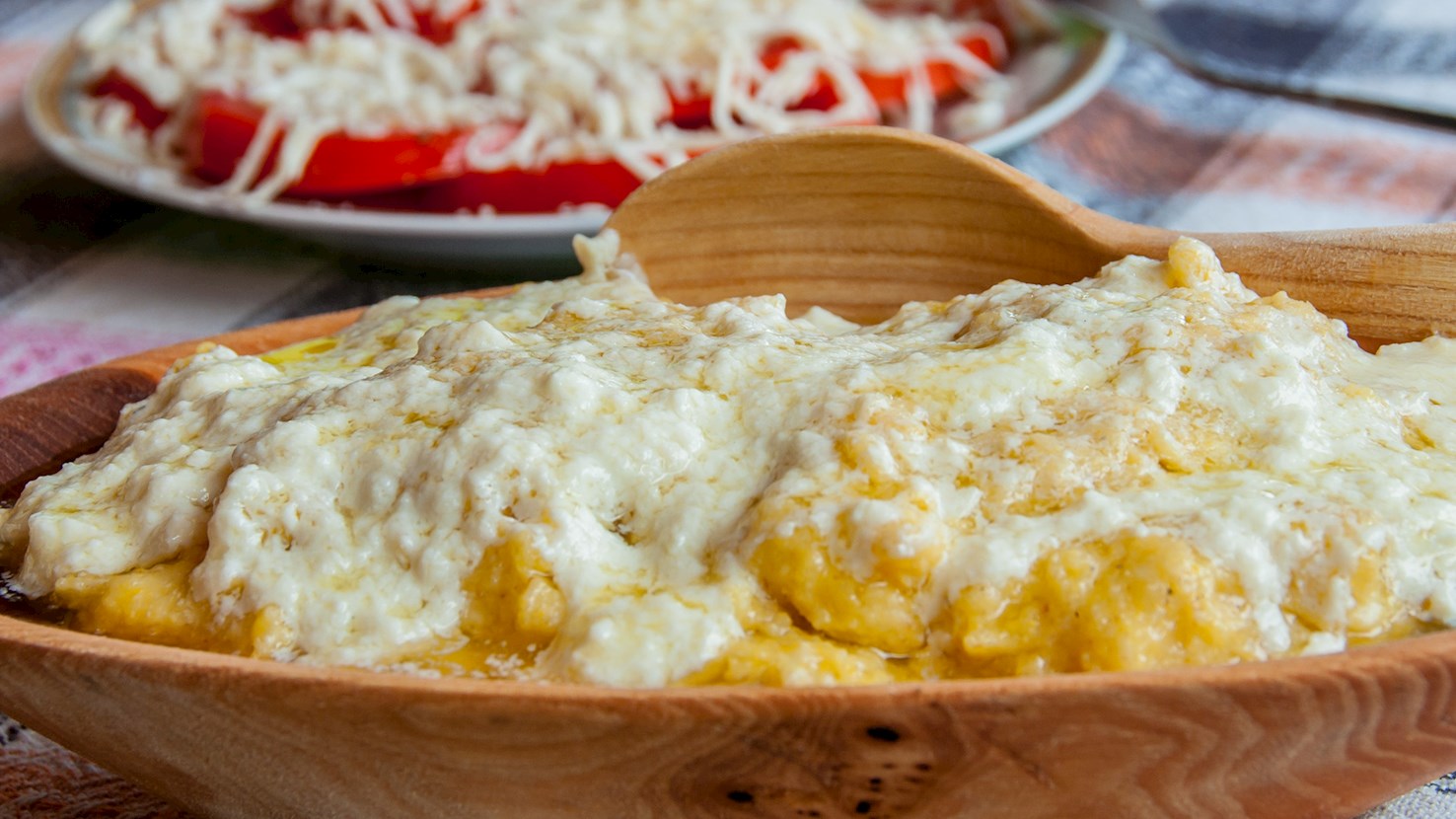
Kačamak or bakrdan is a simple dish made by cooking cornflour in salted water, similarly to Italian polenta and Romanian mămăligă. After the corn mixture has thickened, it is usually mixed with melted butter or pork fat and oil, and it can then be alternatively baked in the oven. This corn flour specialty is consumed throughout the Balkan countries, and it is commonly eaten for breakfast with dairy products such as sirene (a type of white cheese), plain yogurt, sour milk or cream, and kaymak (a thick cream). The dish can also be eaten as a light meal for lunch or dinner, and some people like to combine it with pieces of fried pork, cracklings, or fried bacon for a more substantial meal.

10
Stew

Kompir mandza

3.4 ·

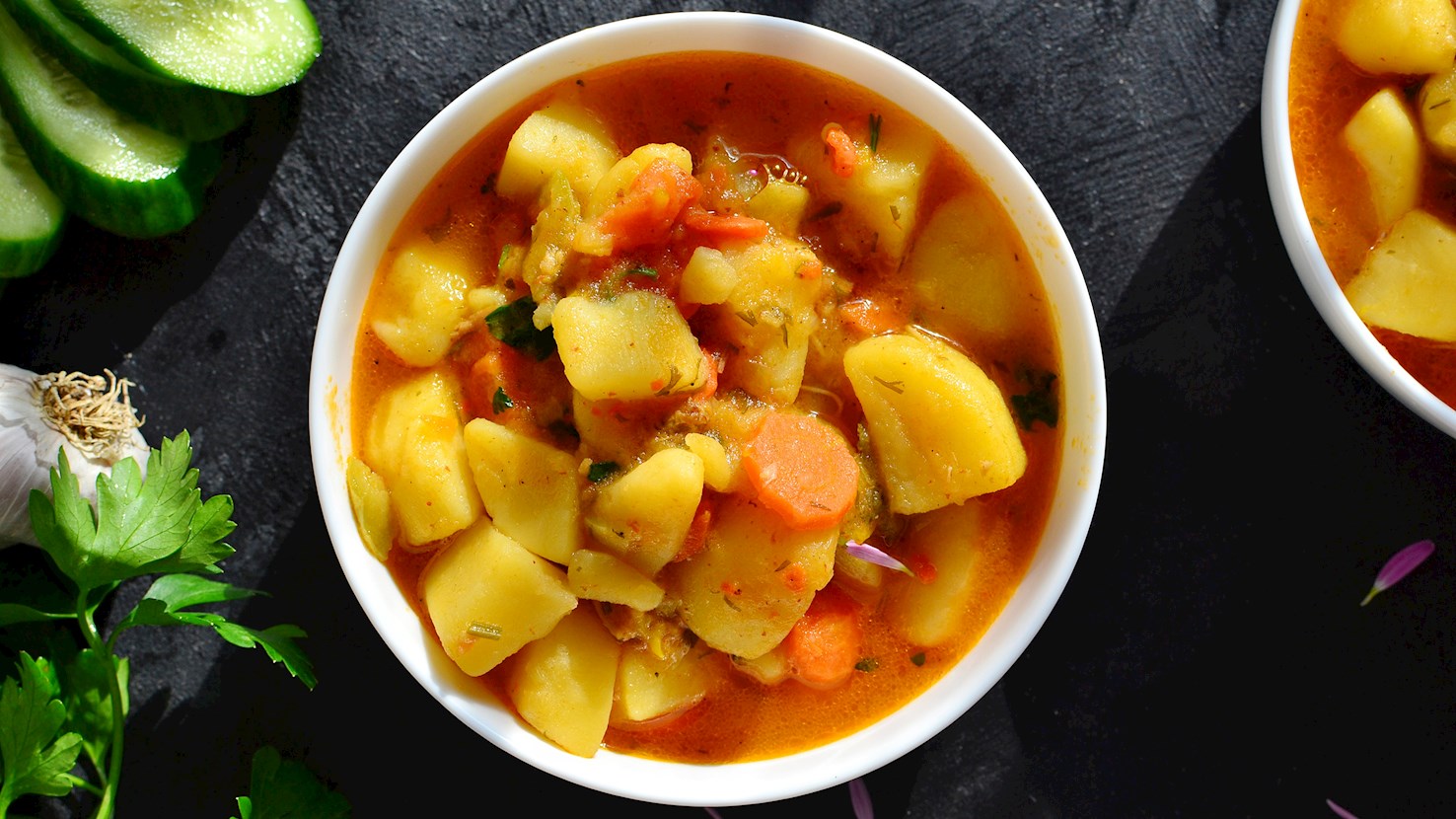
Kompir mandza is a simple North Macedonian potato stew that is considered a poor man's meal in some parts of the country. Apart from potatoes, the stew consists of onions, carrots, garlic, oil, powdered paprika, seasonings, and optional flour for additional thickening. The stew is served warm, garnished with fresh parsley, and it is recommended to pair it with a salad on the side.

Best Macedonian food products

01
Spirit

Chateau Kamnik

5 ·
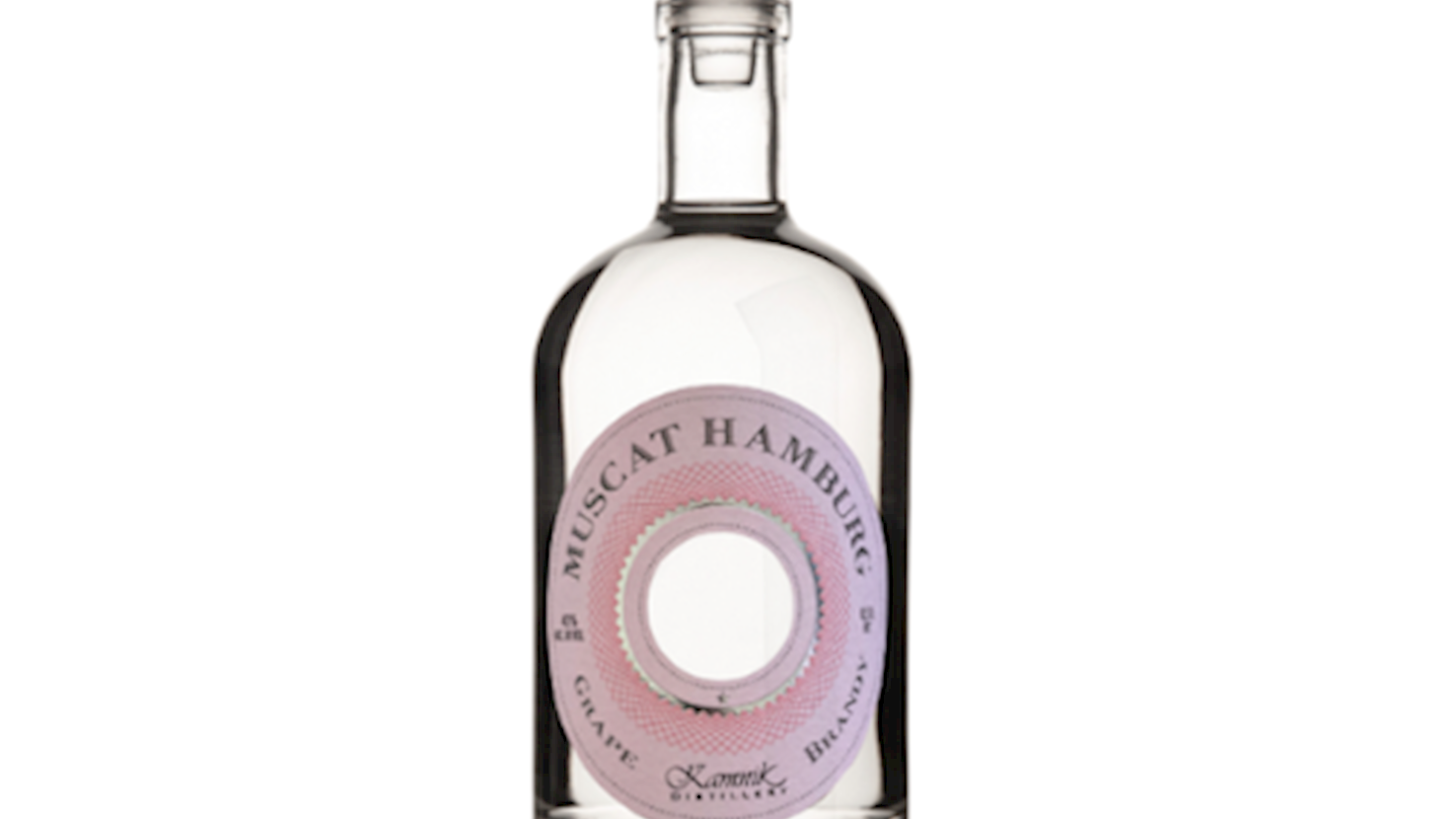
Chateau Kamnik is a modern Macedonian winery located on the hills above Skopje, where the combination of southern exposure, dry summers, and cool nights shapes the character of its wines. The estate covers roughly fourteen hectares planted with both local and international varieties, including Vranec, Merlot, Carménère, Chardonnay, and Temjanika. Production is built on a balance between traditional winemaking principles and contemporary enological techniques, allowing for a precise expression of terroir and consistent quality across vintages. The winery is well known for its barrel-aged red wines with depth and structure, as well as for its aromatic white wines with a fresh, mineral profile. Their Temjanika stands out with pronounced tropical and floral notes, while the premium line offers complex, layered wines suitable for aging. The property also includes the Hunter’s Lodge Kamnik, a space dedicated to tastings, gastronomy, and wine tourism, reinforcing the estate’s reputation as a destination offering a complete and refined wine experience.
Awards
Vivino - 4.5
Vivino - 4.3
02
Wine

Domaine Lepovo

4.9 ·
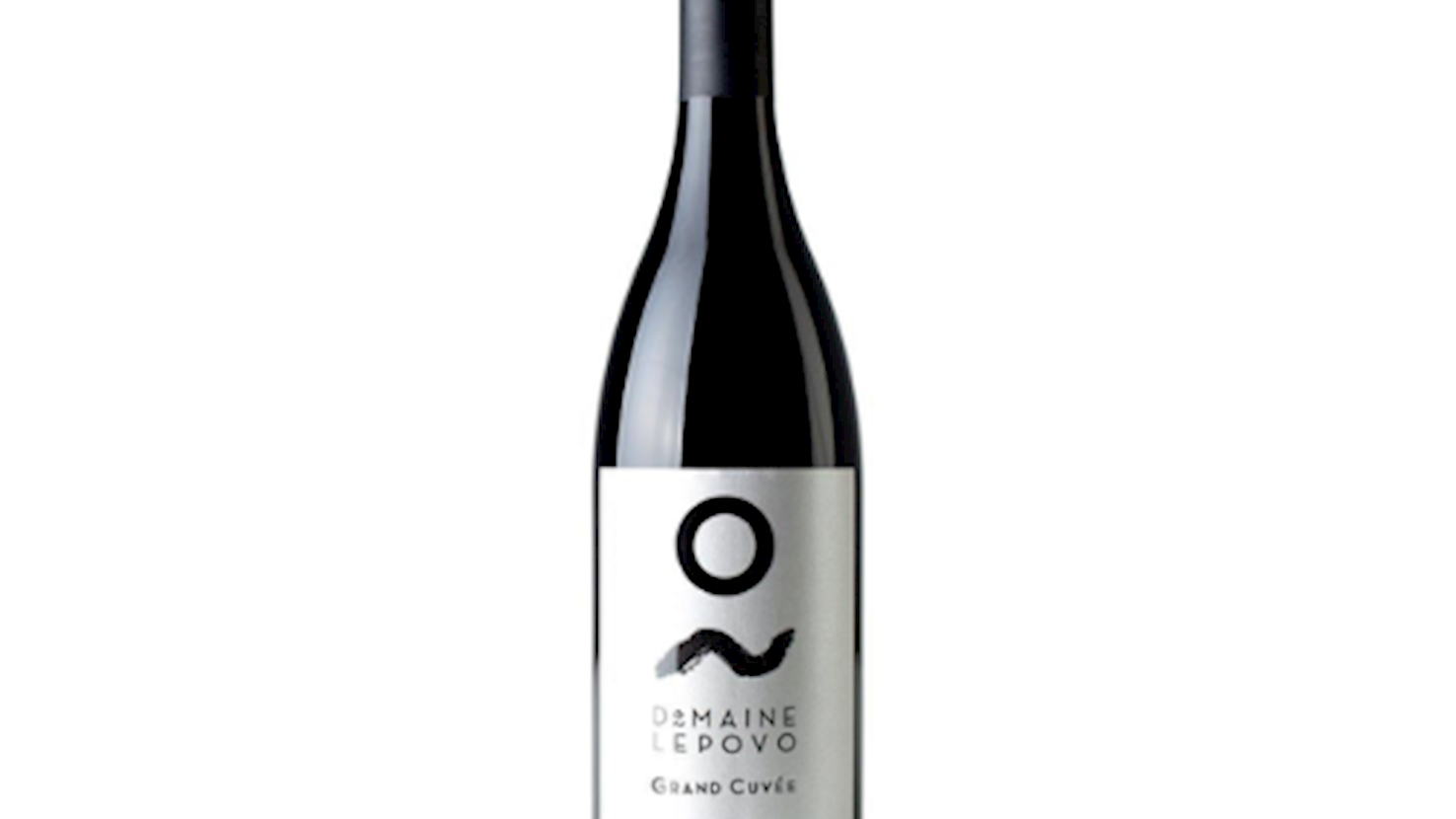
Domaine Lepovo is a boutique winery within Tikveš Winery, located on the hills near Negotino in the Vardar River Valley, where Mediterranean warmth meets cooling night winds that allow slow ripening and high aromatic concentration. The estate covers around 15 hectares planted on sandy-loamy and carbonate soils, giving the wines a defined structure and notable minerality. Production is intentionally small, with full control from vineyard to bottle, ensuring precision, consistency, and a clear stylistic identity. The winery focuses on Chardonnay, Pinot Noir, and the Grand Cuvée red blend, each marked by purity of fruit, layered aromas, and balanced texture. The Chardonnay shows strength and minerality with subtle buttery and stone-fruit notes; the Pinot Noir leans toward elegance with fine earthy nuances; while the Grand Cuvée combines depth and spice into a rich, well-structured whole. Since 2021 the estate has been transitioning to organic production, with an increasing share of grapes coming from certified organic parcels. Limited volumes and a strong terroir-driven approach position Domaine Lepovo among the leading premium wineries in the region, producing wines with a distinctly authentic sense of place.
Awards
Vivino - 4.5
Vivino - 4.4
03
Wine

Tikveš

4.8 ·
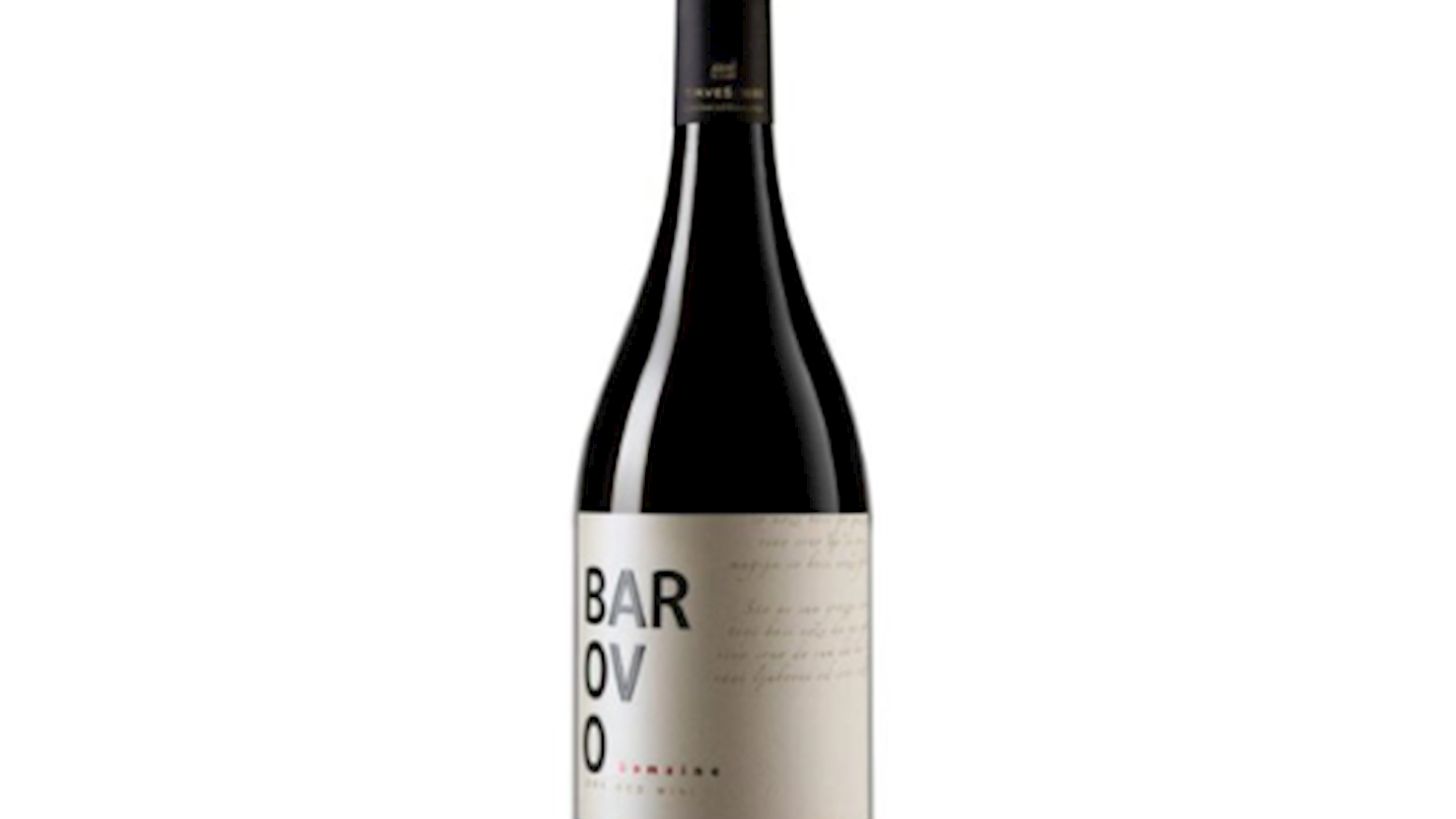
Tikveš is one of the oldest and most influential wineries in the Balkans, founded in 1885 in the heart of the namesake wine-growing region that stretches along the Vardar River valley. The terroir of this area combines continental and Mediterranean influences, allowing the grapes to reach full ripeness while preserving freshness and minerality - characteristics that are evident in nearly all of the winery’s wines. Today, Tikveš manages an extensive vineyard area and stands among the most significant producers in Southeast Europe, with a strong focus on authentic local varieties such as Vranec, Smederevka, and Temjanika. In addition to traditional lines, they develop premium collections, including Barovo, Bela Voda, and Heritage, which represent a contemporary interpretation of the Macedonian terroir. Modern vinification techniques are applied with respect for tradition: selective harvesting, precise fermentation, and careful aging in oak barrels shape wines with notable structure and aromatic depth. Their portfolio covers a wide range of styles - from fresh, easy-drinking white and aromatic wines to full-bodied, robust red labels. The wines often reveal notes of ripe fruit, subtle spice, and a specific minerality that reflects the character of Macedonian soil. Tikveš has also built a strong wine-tourism segment, offering tastings, a restaurant, and cellar tours that showcase both its historical roots and technological evolution. Despite its size, the winery has retained a distinct identity based on the authenticity of local varieties and a modern approach to production.
Awards
Decanter World Wine Awards - Platinum (2022, 2018)
Vivino - 4.3
04
Relish

MAMA's

4.8 ·
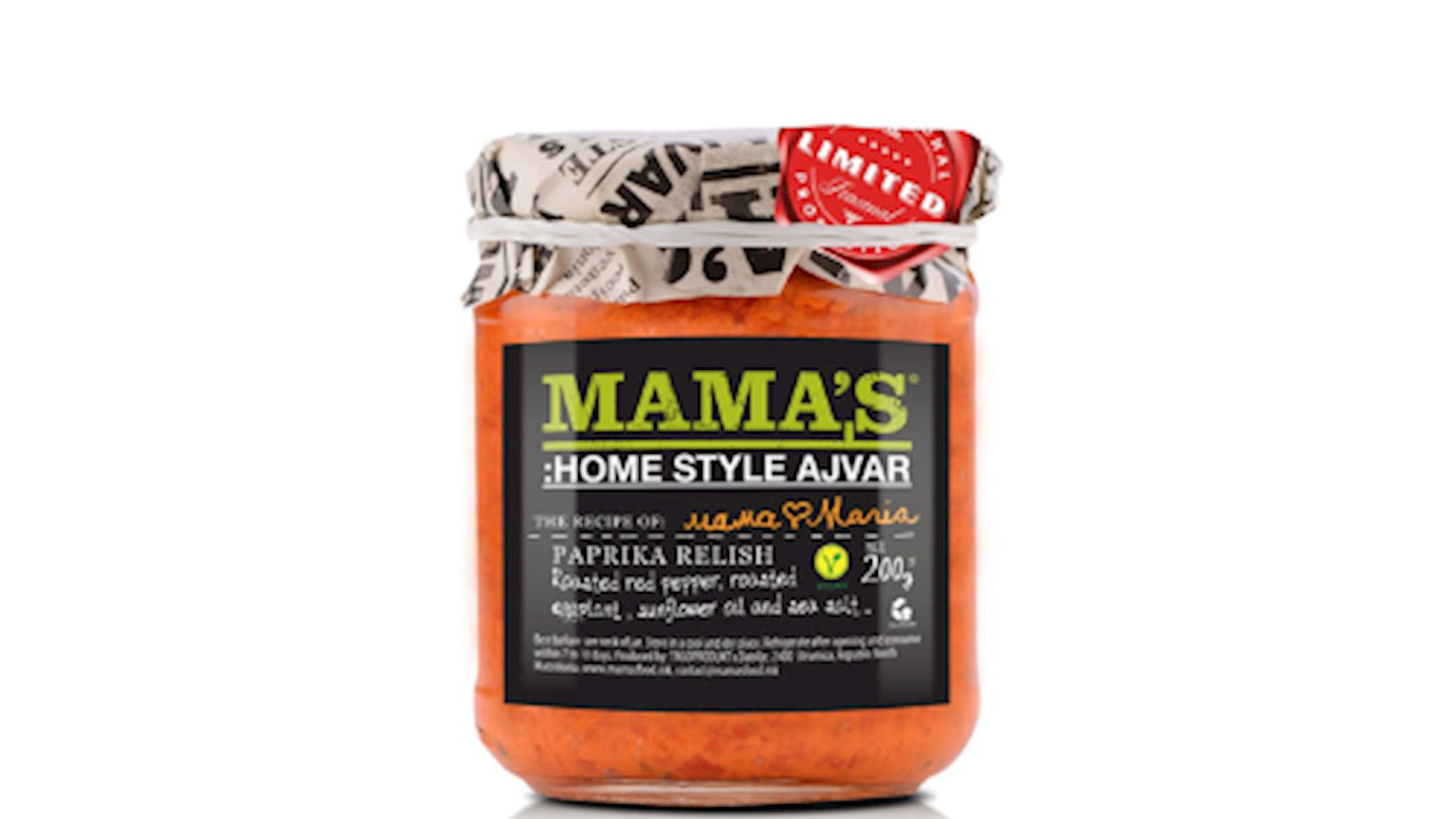
MAMA’S is a Macedonian producer specializing in ajvar, pickled vegetables, and spreads made according to traditional recipes, with a strong focus on using freshly harvested, locally grown produce to preserve natural flavor and freshness. The brand is built on the idea of “homemade in a jar”, relying on regional varieties of peppers, eggplant, and cucumbers, without additives, artificial colors, or preservatives. Their range includes several types of ajvar - mild, hot, roasted, and green - as well as roasted peppers in salsa, baby pickles, vegetable spreads, and a small line of sweet pumpkin- and cocoa-based creams. Production combines hand-cut vegetables, open-fire roasting, and modern filling techniques, resulting in authentic yet consistent quality. MAMA’S is also recognized for its packaging, which blends traditional Balkan identity with a clean, contemporary design, making the products appealing on international markets. The emphasis on natural ingredients, transparency, and a clear “homemade” character positions the brand as a strong example of how traditional Balkan food can be modernized without losing its essence.
05
Wine

Bovin

4.8 ·
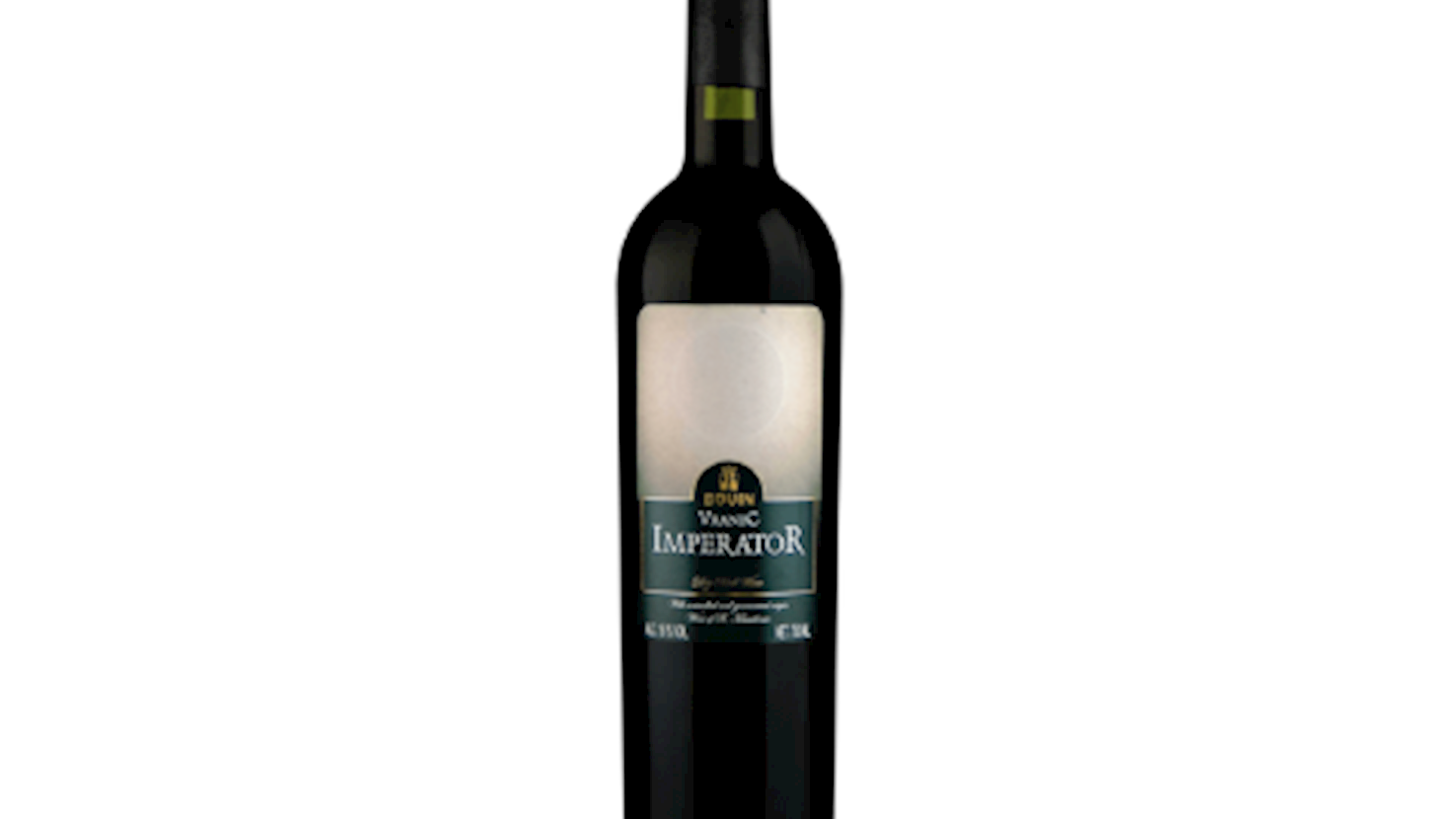
Bovin Winery is the first private winery in North Macedonia, founded in 1998 in the Tikveš wine region, where the dry climate and long, warm summers support the development of high-quality grapes. With around sixty hectares of vineyards and a diverse portfolio of varieties - including Vranec, Cabernet Sauvignon, Merlot, Shiraz, and Tempranillo - the winery produces a wide range of red, white, and rosé wines, with a strong emphasis on concentrated, well-structured reds suited for aging. What began as a production of 120,000 bottles has grown to approximately 1.5 million bottles per year, positioning Bovin among the country’s leading producers. Their approach combines modern technology with sustainable viticultural practices and strict quality control from vineyard to bottle. The assortment spans classic, premium, and special lines, including dessert wines, allowing the brand to cater to different markets and tastes while exporting to dozens of countries worldwide. Bovin Winery represents a successful modern expression of Macedonian winemaking—rooted in authentic local varieties, defined by consistent quality, and shaped by the distinctive Tikveš terroir.
Awards
Vivino - 4.4
Vivino - 4.2
06
Spirit

Grozd

4.8 ·
Grozd is one of the oldest and most recognizable Macedonian wineries and beverage producers, founded in 1953 and known for its long-standing tradition that spans the production of wine, rakija, juices, and non-alcoholic drinks. Their vineyards cover approximately 700 hectares in the Strumica–Radoviš wine region, an area whose Mediterranean-continental climate allows grapes to ripen slowly and develop pronounced color and aromatic complexity. Their portfolio includes well-known varieties such as Chardonnay, Merlot, Vranec, and Muscat, all characterized by an approachable, clean, and balanced flavor profile. In addition to wine, Grozd is renowned for Strumica Mastika, a traditional anise-based spirit with a strong local identity. Modern technology, consistent quality, and an extensive distribution network have contributed to Grozd’s status as a regionally significant producer whose products blend tradition, authenticity, and a contemporary approach to production.
07
Spirit

Traikovsky Wines & Spirits

4.7 ·
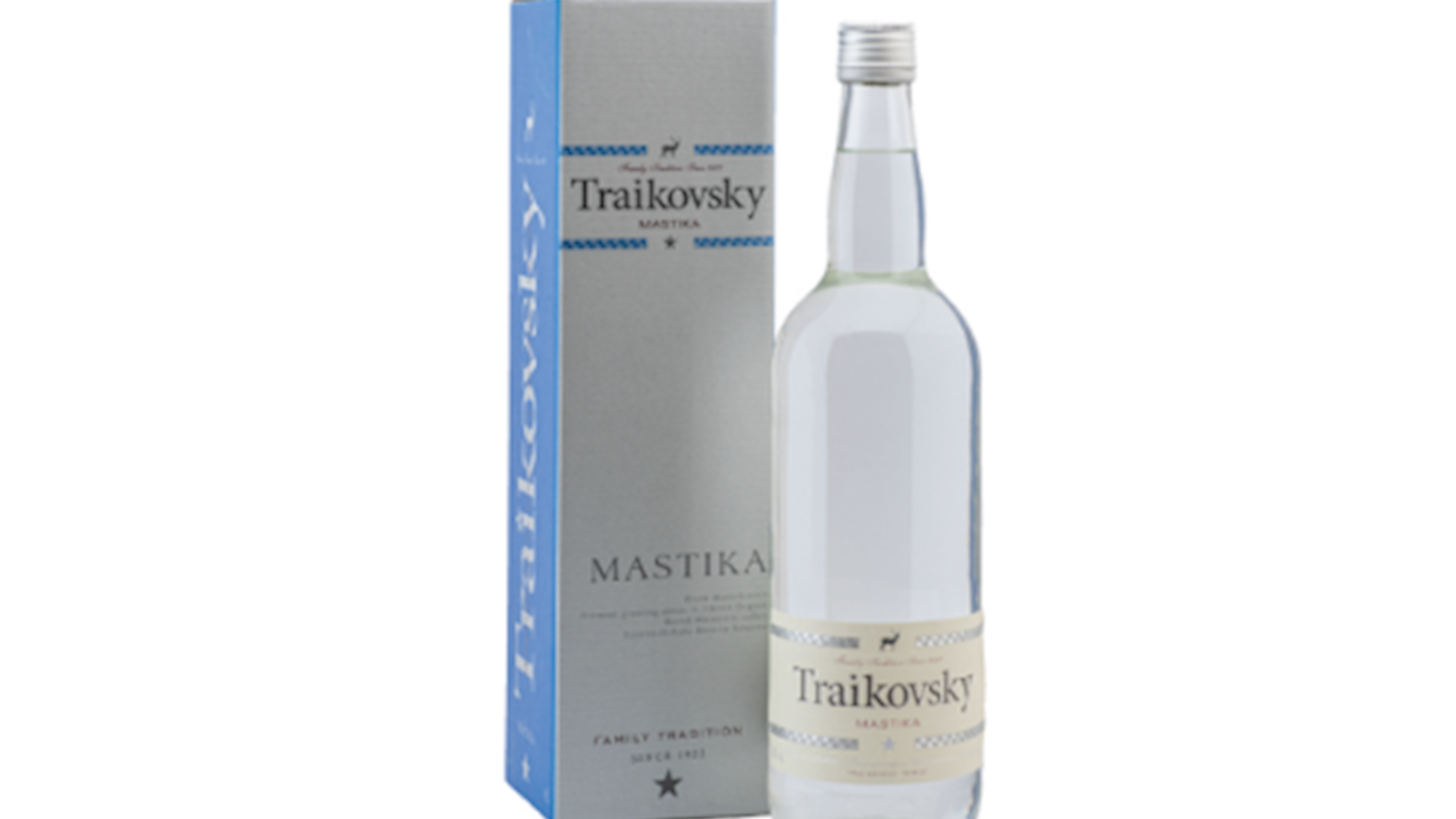
Traikovsky Wines & Spirits is a family-run winery and artisanal distillery located in the village of Krnjevo, in the mountainous Kozuf region of North Macedonia, where heritage and recipes have been passed down since 1922. Their production is based on hand-harvested grapes, double distillation in traditional copper stills, and ageing the distillates for a minimum of three years in oak barrels, resulting in exceptional purity and a layered aromatic profile. Beyond production, Traikovsky embraces rural eno-gastronomic tourism, offering tastings, traditional cuisine, and an authentic mountain setting as part of the visitor experience. The blend of long-standing tradition, craftsmanship, and distinct local terroir positions Traikovsky as a notable and respected producer within the Macedonian wine and spirits scene.
08
Relish

Gurmano

4.5 ·
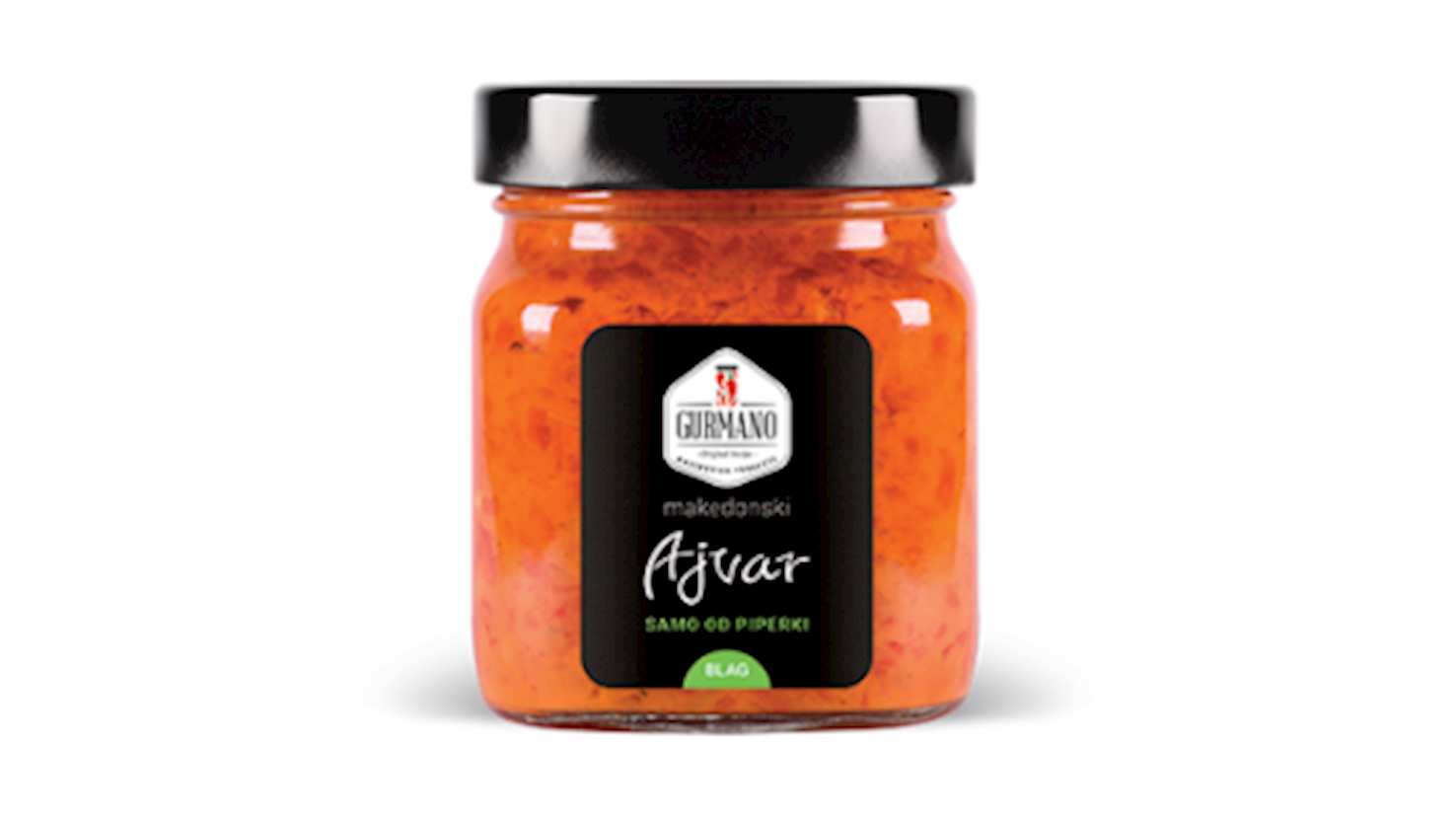
Gurmano is a Macedonian brand focused on producing traditional food delicacies, primarily ajvar, roasted peppers, pindjur, and various types of pickled and preserved vegetables made from locally sourced produce. The company built its portfolio on years of collecting and processing fresh ingredients, combining standardized modern techniques with recipes characteristic of the Pelagonia region and broader Macedonian culinary tradition. Their products are recognized for their rustic texture, natural sweetness from fully ripened peppers, and the absence of artificial additives, making them suitable for consumers seeking authentic, straightforward flavors. Gurmano offers a wide range of items - from mild and hot ajvar and roasted pepper spreads to fermented vegetables and seasonal specialties - intended for everyday meals, meze platters, or grilled dishes. The brand positions itself as a reliable producer that blends tradition, consistent quality, and stable flavor, preserving the essence of Macedonian cuisine in a modern, easy-to-use format.
09
Wine

Stobi

4.5 ·
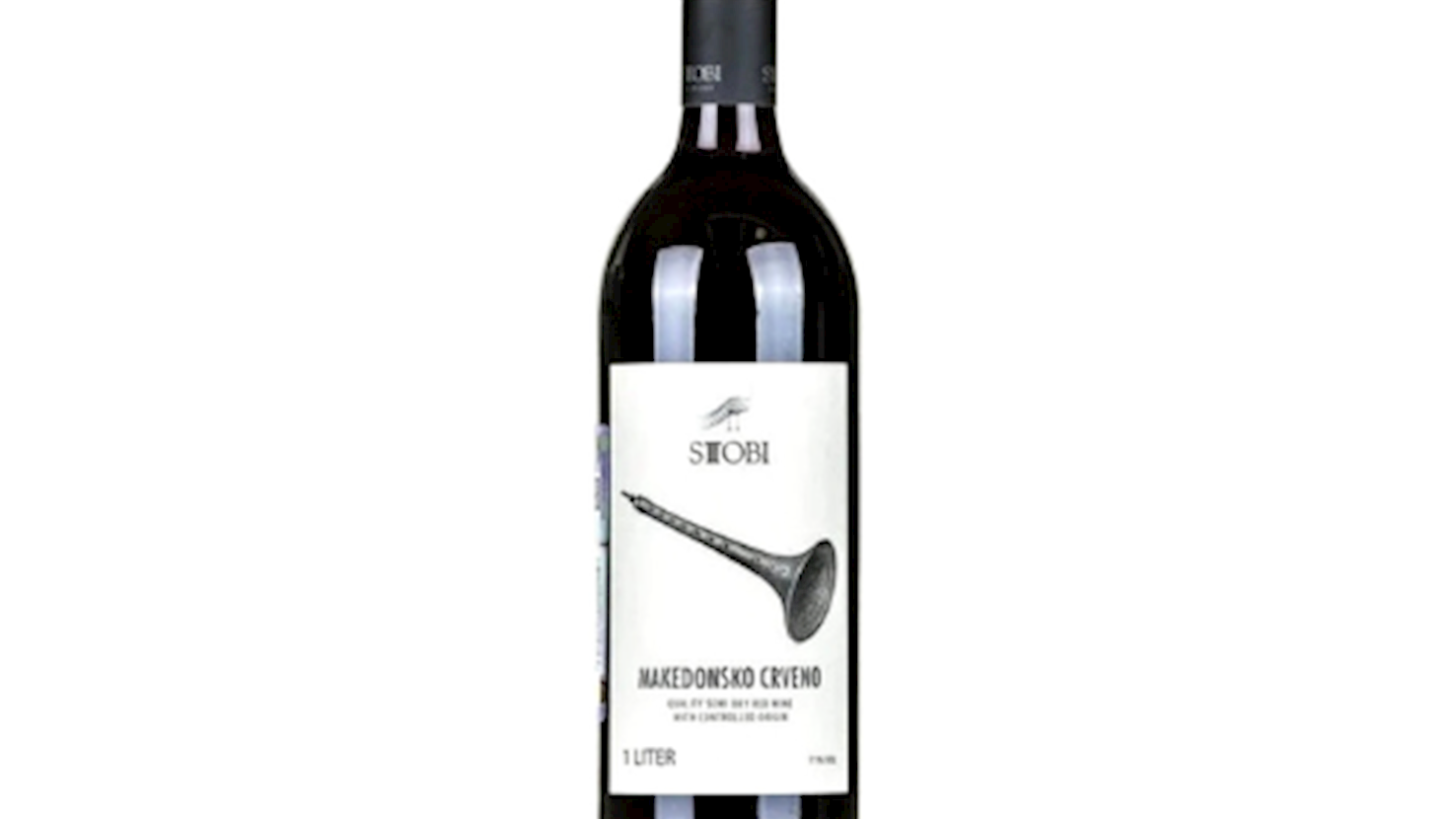
Stobi Winery is a modern winery located in the Tikveš wine region, near the archaeological site of Stobi, which gives the estate a distinct cultural and geographical identity. Founded in 2009, it is now one of North Macedonia’s largest and most technologically advanced producers, with an annual capacity of about 4.5 million liters and approximately 600 hectares of vineyards. The portfolio includes a wide range of local and international varieties - such as Vranec, Cabernet Sauvignon, Merlot, Syrah, Temjanika, Zilavka, and Chardonnay - organized into several lines, from classic to premium and elite. Stobi combines contemporary winemaking technology with controlled production from its own vineyards, ensuring consistent quality and a clear expression of the Tikveš terroir. Beyond winemaking, the estate has developed a strong wine-tourism offering through guided tastings, cellar tours, and a restaurant focused on local cuisine. With this approach, Stobi stands as one of the leading ambassadors of Macedonian wine on the international scene.
Awards
Vivino - 4.1
Read more
View all
View map
About this ranking

TasteAtlas food rankings are based on the ratings of the TasteAtlas audience, with a series of mechanisms that recognize real users and that ignore bot, nationalist or local patriotic ratings, and give additional value to the ratings of users that the system recognizes as knowledgeable. For the “Top 30 Macedonian Foods” list until June 10, 2026, 2,333 ratings were recorded, of which 981 were recognized by the system as legitimate. TasteAtlas Rankings should not be seen as the final global conclusion about food. Their purpose is to promote excellent local foods, instill pride in traditional dishes, and arouse curiosity about dishes you haven’t tried.

The initial list of top producers was compiled based on available reviews, awards, local recommendations, media and blog coverage, and consumer reviews. The list will be updated with ratings from TasteAtlas local ambassadors and TasteAtlas users.

Similar lists