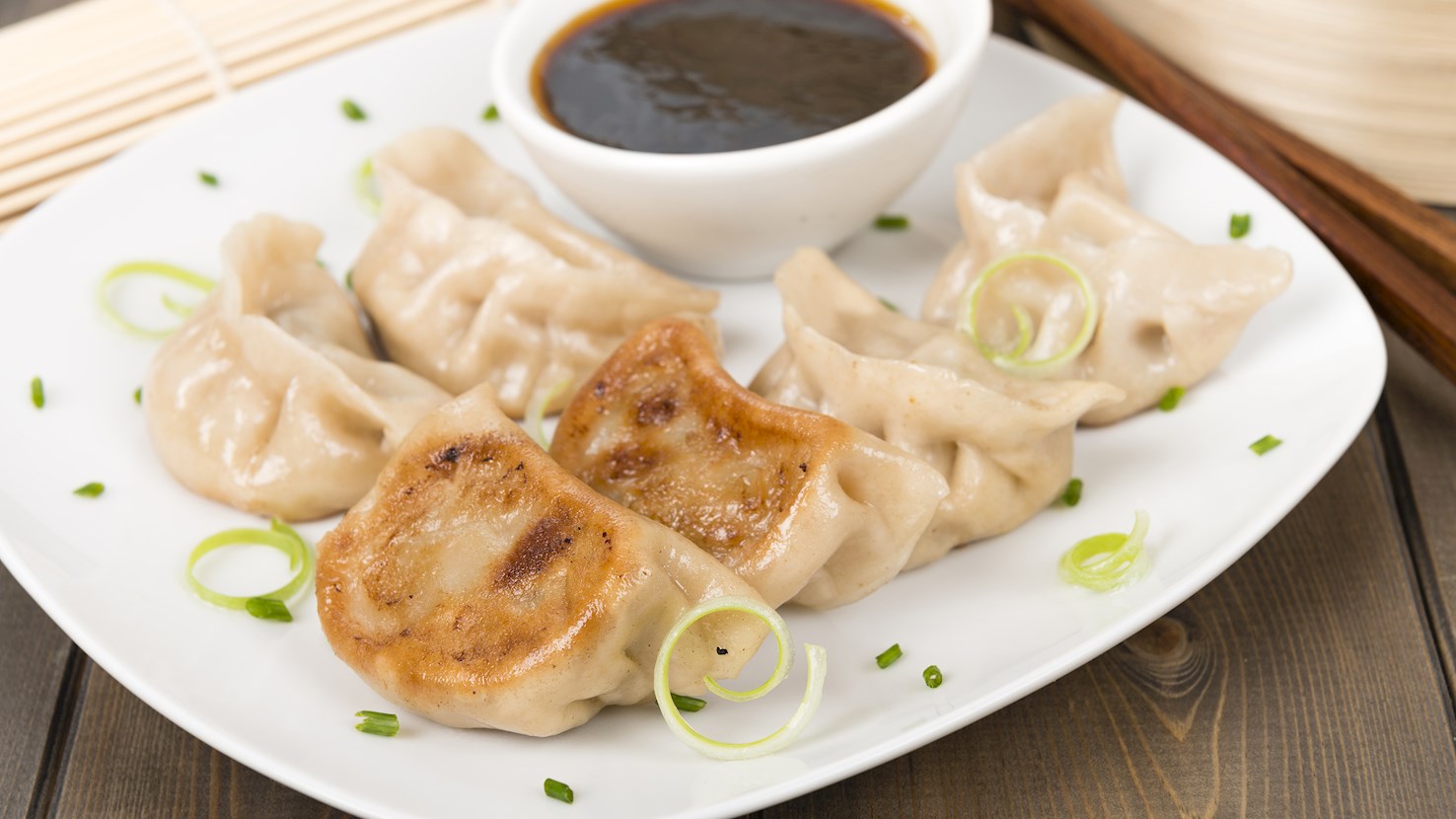
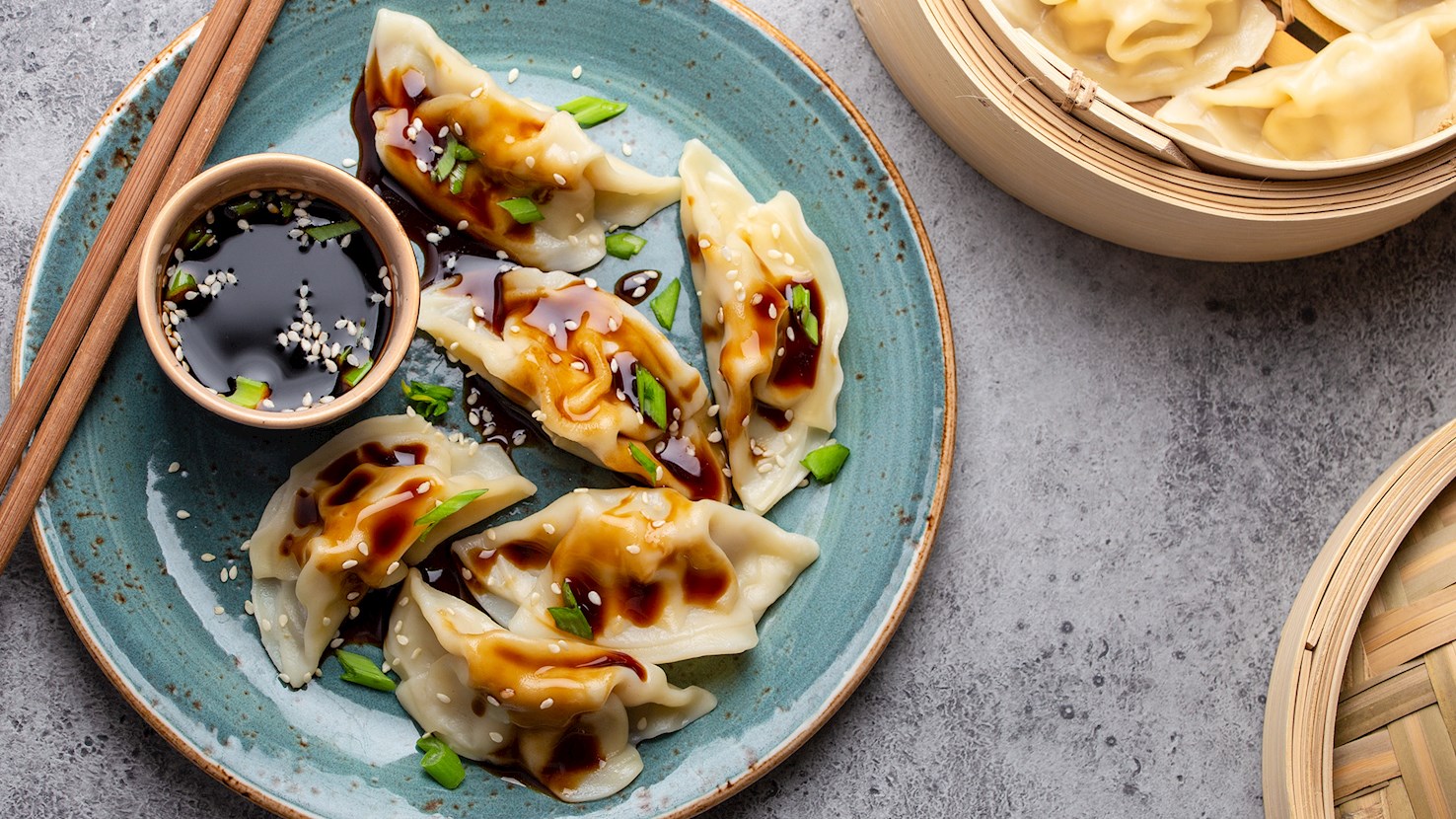
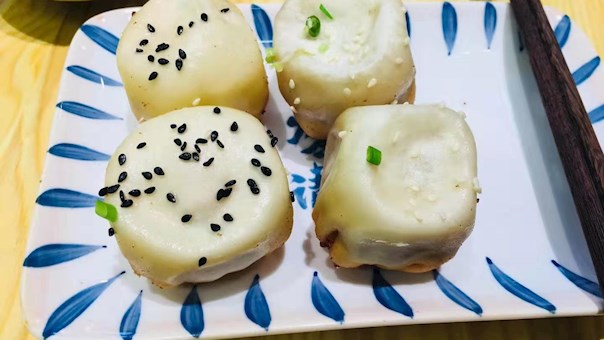
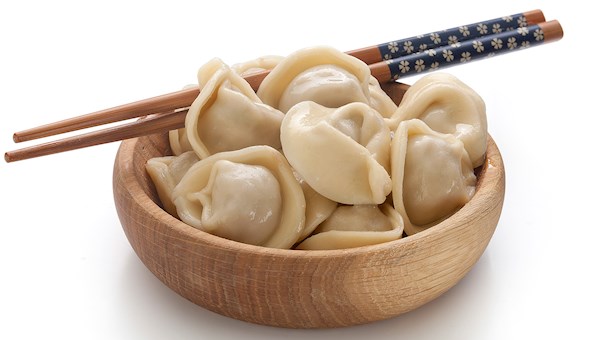
Zhēngjiao is a traditional dish consisting of steamed dumplings. The texture is somewhere between the crinkly and tender skins of boiled dumplings (shui jiao) and the crisp-bottom, chewy top style of pan-fried dumplings (guo tie or jian jiao or potstickers). Once steamed, these dumplings will have a translucent wrapper covering the filling, which usually consists of pork and chives, cabbage, shrimp, or a combination of different vegetables. When served, zhēngjiao dumplings are often served with soy dipping sauce on the side.
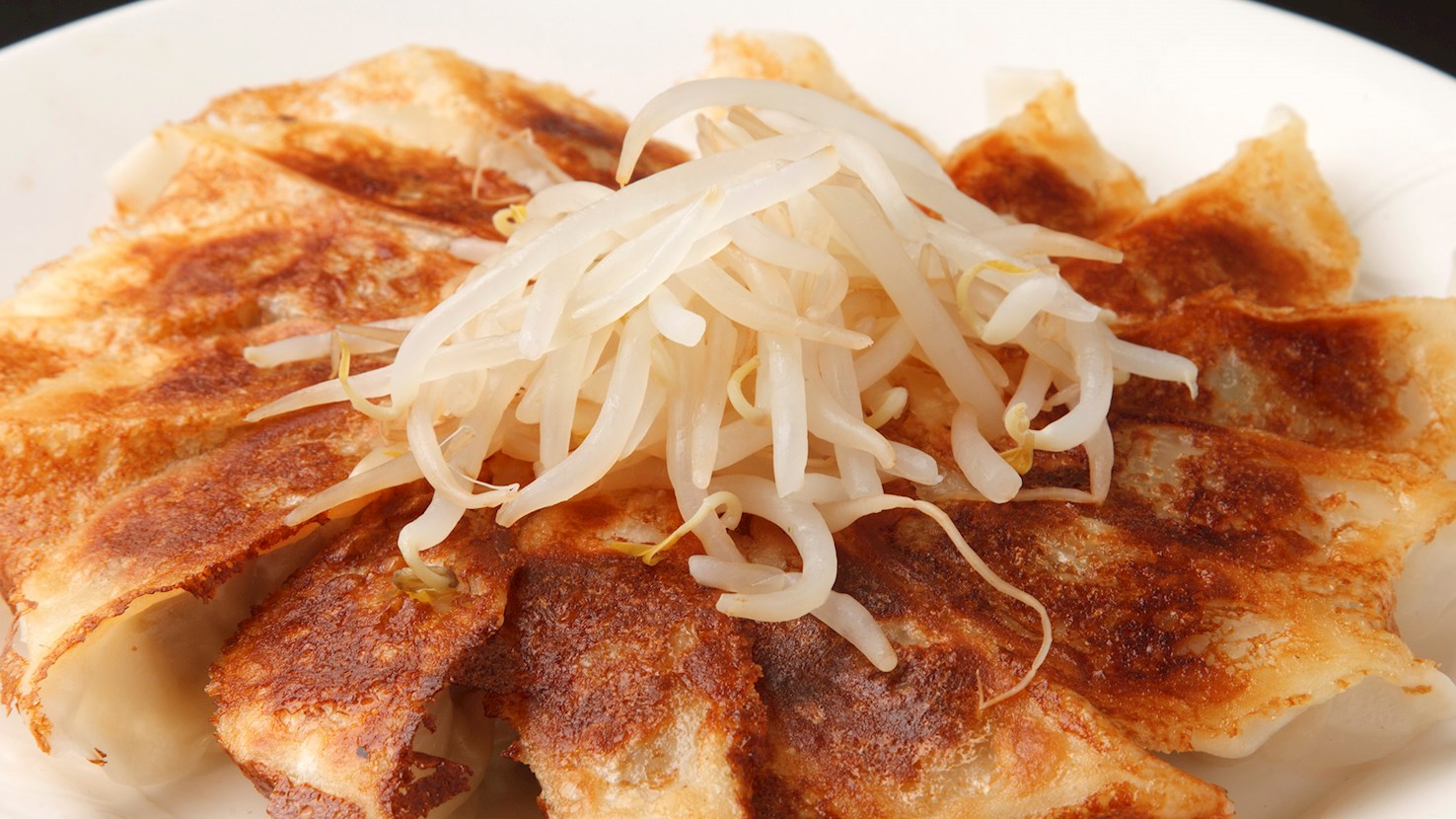
Hamamatsu is a popular variety of Japanese gyoza filled with cabbage, onions, pork, and selected seasonings. It is characterized by a unique frying style in which cooks arrange gyoza in a circular pattern (hanetsuke, a technique in which a crispy bottom connects all the gyozas) so that they can fry as many snacks as possible at the same time. It is very popular to pair Hamamatsu gyoza with a topping of bean sprouts.
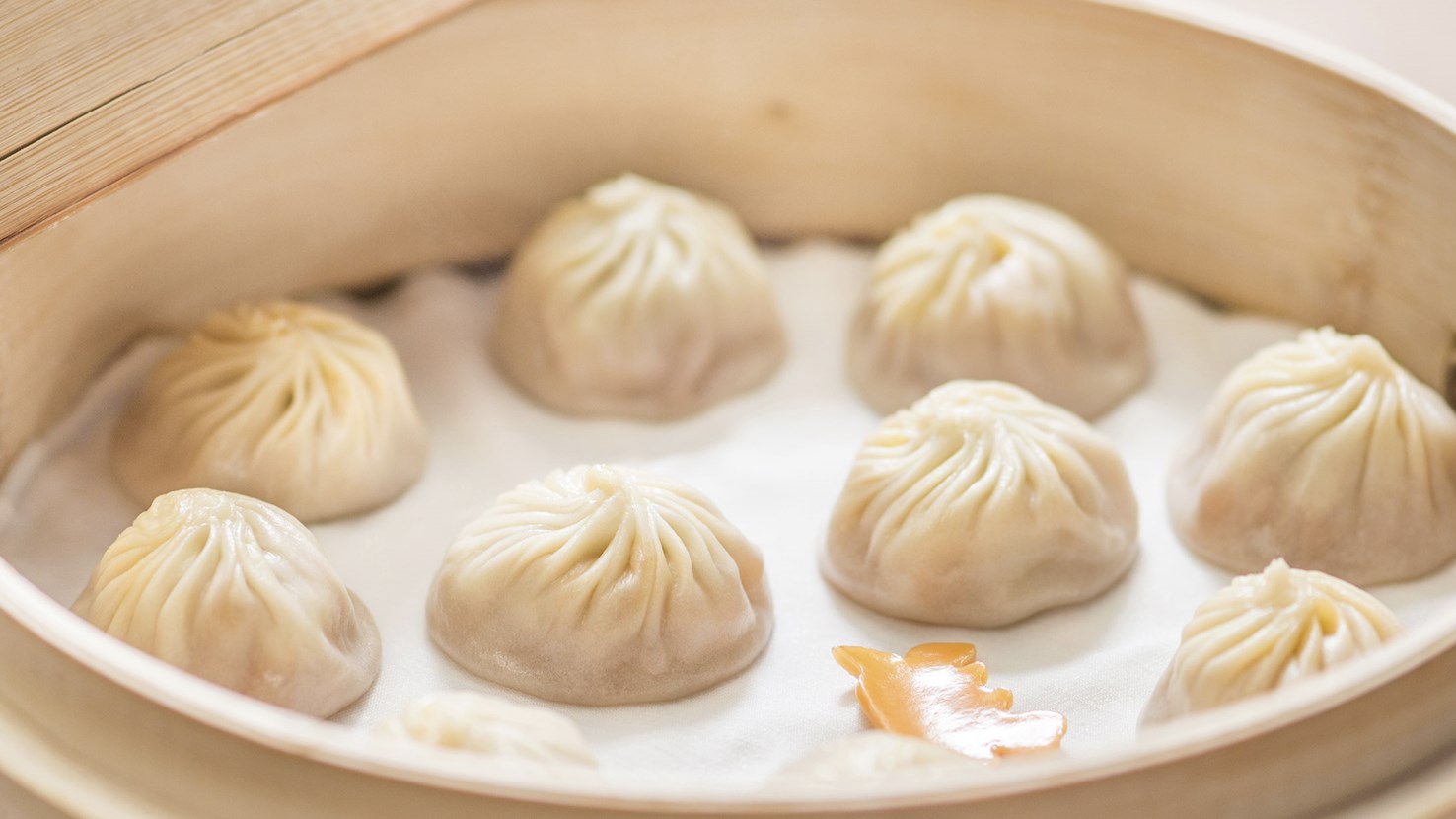
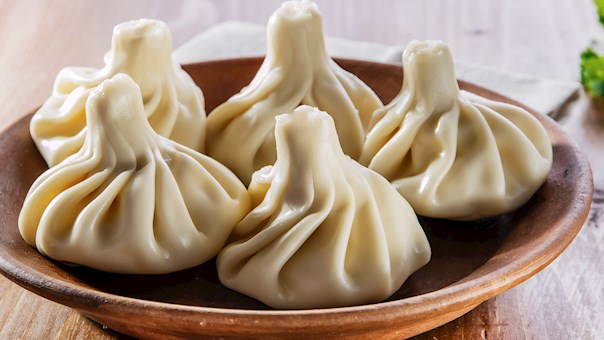
The name tangbao or tangbaozi refers to a broad group of steamed Chinese soup-filled dumplings. Depending on the origin, dumplings can be made with leavened or plain dumpling dough which is usually wrapped around a gelatinous filling, twisted and sealed at the top, and then steamed. While they steam, the firm filling (usually made with minced pork or crab meat) transforms into a flavorful soup, which stays safely secured inside the bun. Due to the nature of this Chinese delicacy, they are always served immediately after steaming, so the soup stays liquid and hot. Because of the sizzling filling, tangbao buns should be consumed with precaution and usually employ a unique eating technique. Chopsticks are used to hold the bun at the top, and a small bit is taken from the side, allowing the soup to pour into the wide spoon held underneath. The soup and the dumpling are usually eaten alternatively, but can also be enjoyed one at the time. One of the most common varieties of the dish includes the tangbao dumplings originating from the Jiangsu province, which are usually large in form and often come with a straw tucked inside the bun, which is used to slurp the delicious soup. Xiaolongbao, the authentic Shanghai version, is famous for its small size and slightly thinner dough. All the varieties found in China and in Chinese restaurants around the world are typically served as a snack, as a part of dim sum meals, or as a satisfying appetizer.
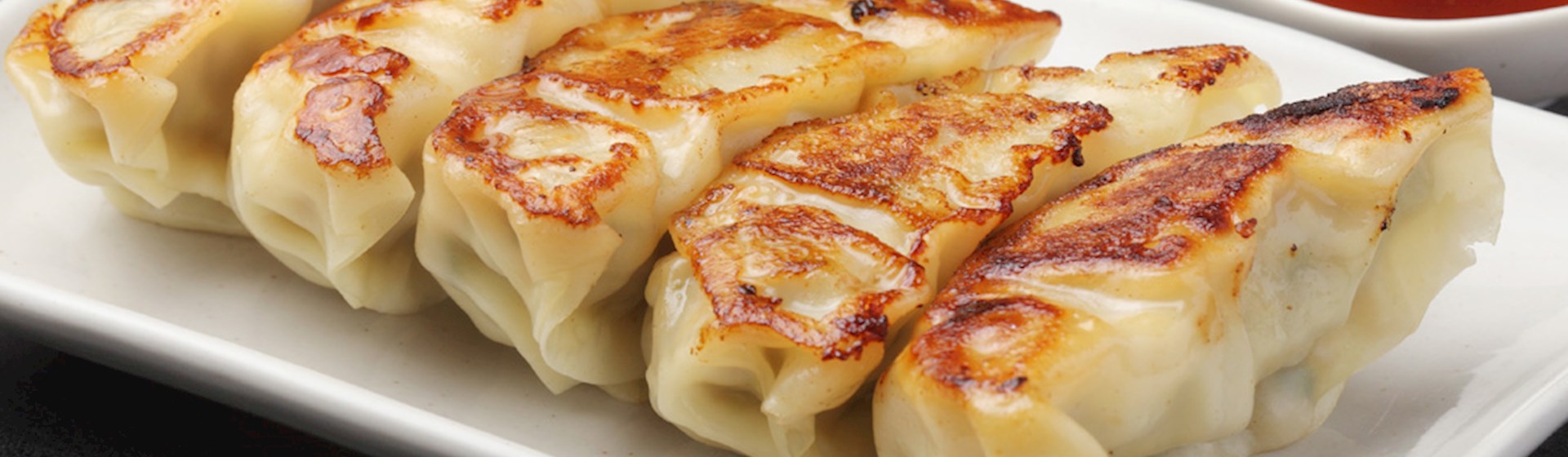
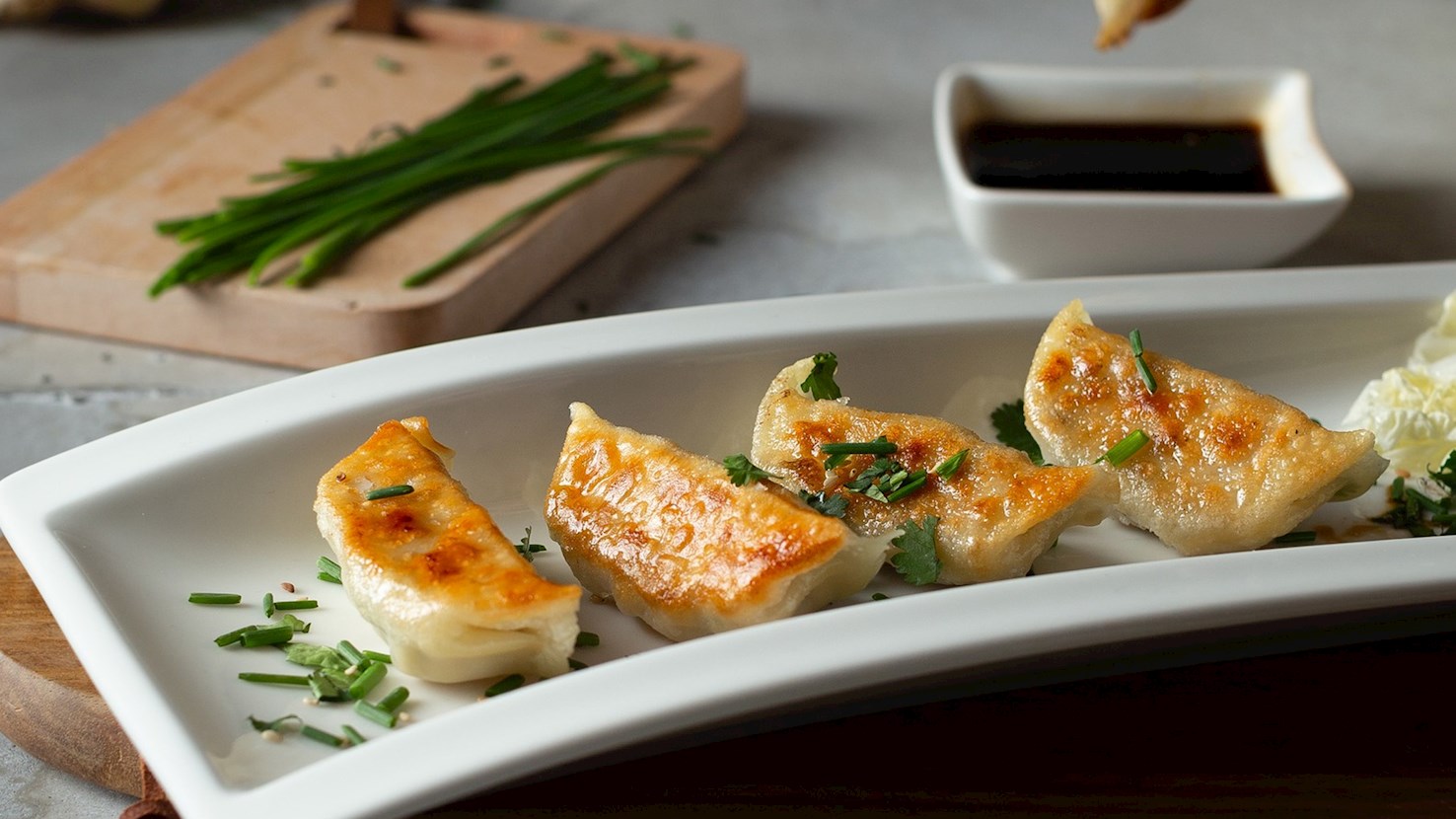
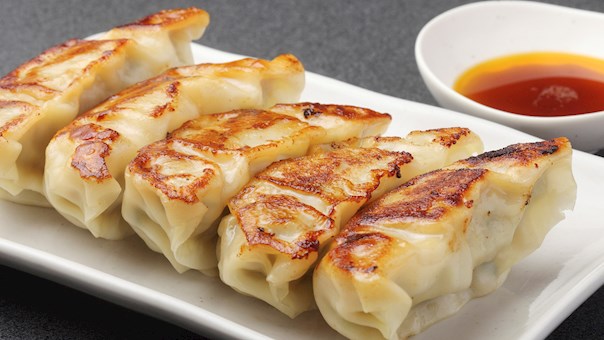
The pan-fried variety of the Chinese jiaozi dumpling, known as guotie, is a Northern Chinese dumpling typically filled with minced pork, Chinese cabbage, scallions, ginger, rice wine, and sesame seed oil. Crunchy and soft textures are achieved by a special method of preparing; while the bottom of the dumpling is frying, a small amount of liquid is added to the pan which is then covered, thus allowing the rest of the dumpling and the filling to steam. When it comes to the shape, guotie should always be long and straight as it can stand more easily and it does not fall over during cooking. Goutie can be literally translated as pot sticks, so these dumplings are often nicknamed potstickers, especially in North America. Although the first-known mention of goutie dates back to the Song Dynasty, today they are a popular street food, often eaten as a snack or an appetizer, typically accompanied by a dipping sauce.
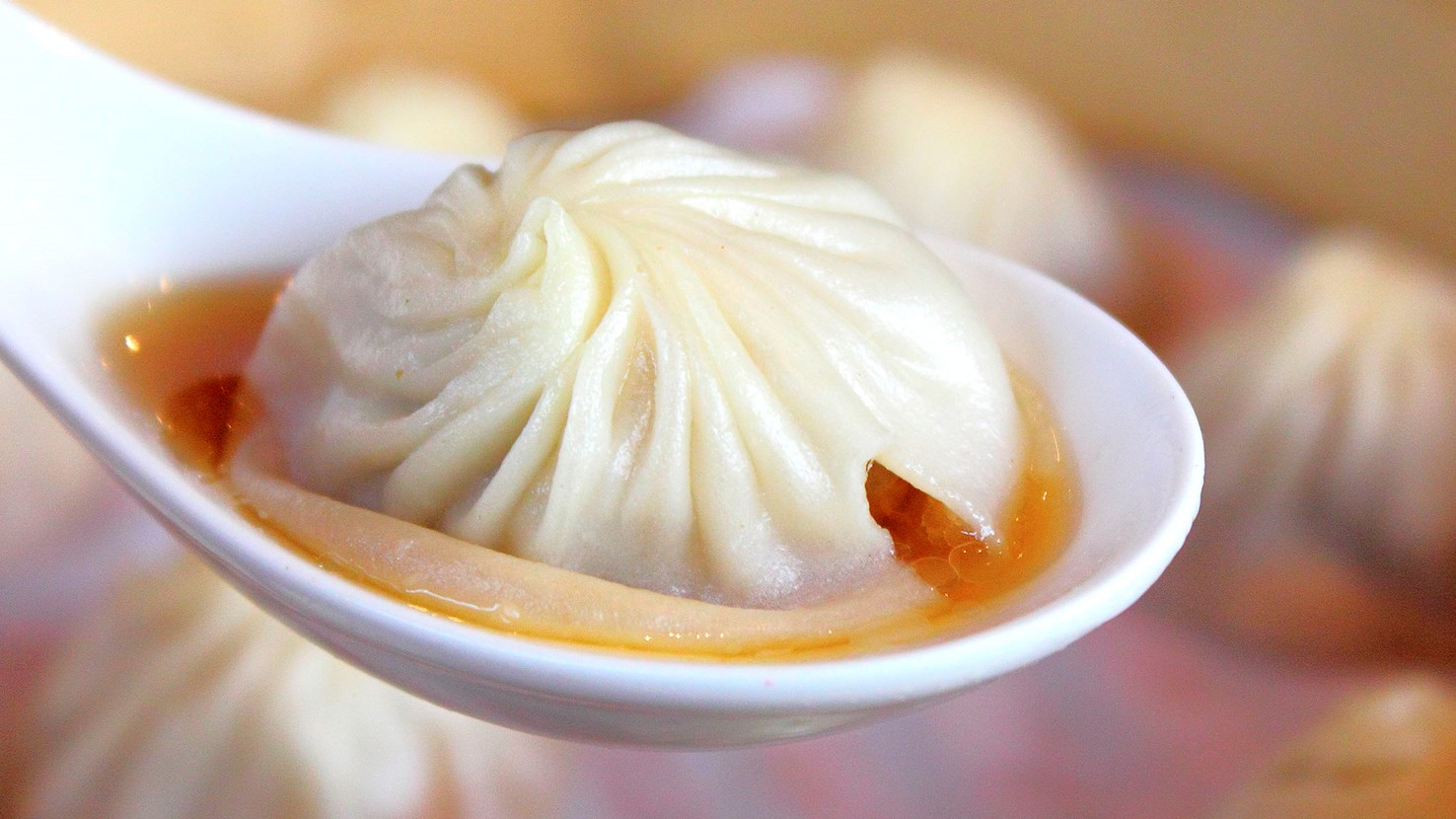
Xiaolongbao are soup-filled dumplings originating from the 19th-century Nan Xiang, what is today Shanghai's Jiading district. It is believed that the first form of xiaolongbao was sold by Huang Mingxian, a shop owner who wanted to evolve the classic dumpling due to the increased competition of neighboring vendors. The dumplings are usually filled with a large volume of soup and minced pork, then steamed in a specially-designed bamboo steamer. Sometimes, xiaolongbao can also be filled with crab or shrimp meat. The dough is quite thin, and it is believed that it should be thicker than tang bao, but not as thick as shen jian bao. It is recommended to serve xiaolongbao dumplings while they are still hot, preferably with a vinegar and ginger dip on the side.
These Chinese dumplings known as jiaozi, consisting of a thinly rolled piece of dough which contains either meat or a vegetable filling, are one of the most popular and most commonly eaten dishes in China and East Asia. They can be served either as an appetizer or as the main course, always with a side of soy sauce-based dipping sauce. Traditionally, jiaozi are always eaten for Chinese New Year. Depending on how they are cooked, jiaozi dumplings can be classified into three categories: boiled, steamed, and pan-fried, but when it comes to folding techniques, there are many, and the most popular one is known as pinched-edge fold, which results in crescent-shaped jiaozi, the most popular shape in China. Well-known variations of jiaozi dumplings include the smaller variety gaau ji that has a thin, translucent wrapping, the pan-fried guotie, and the Japanese-style dumpling, gyoza.
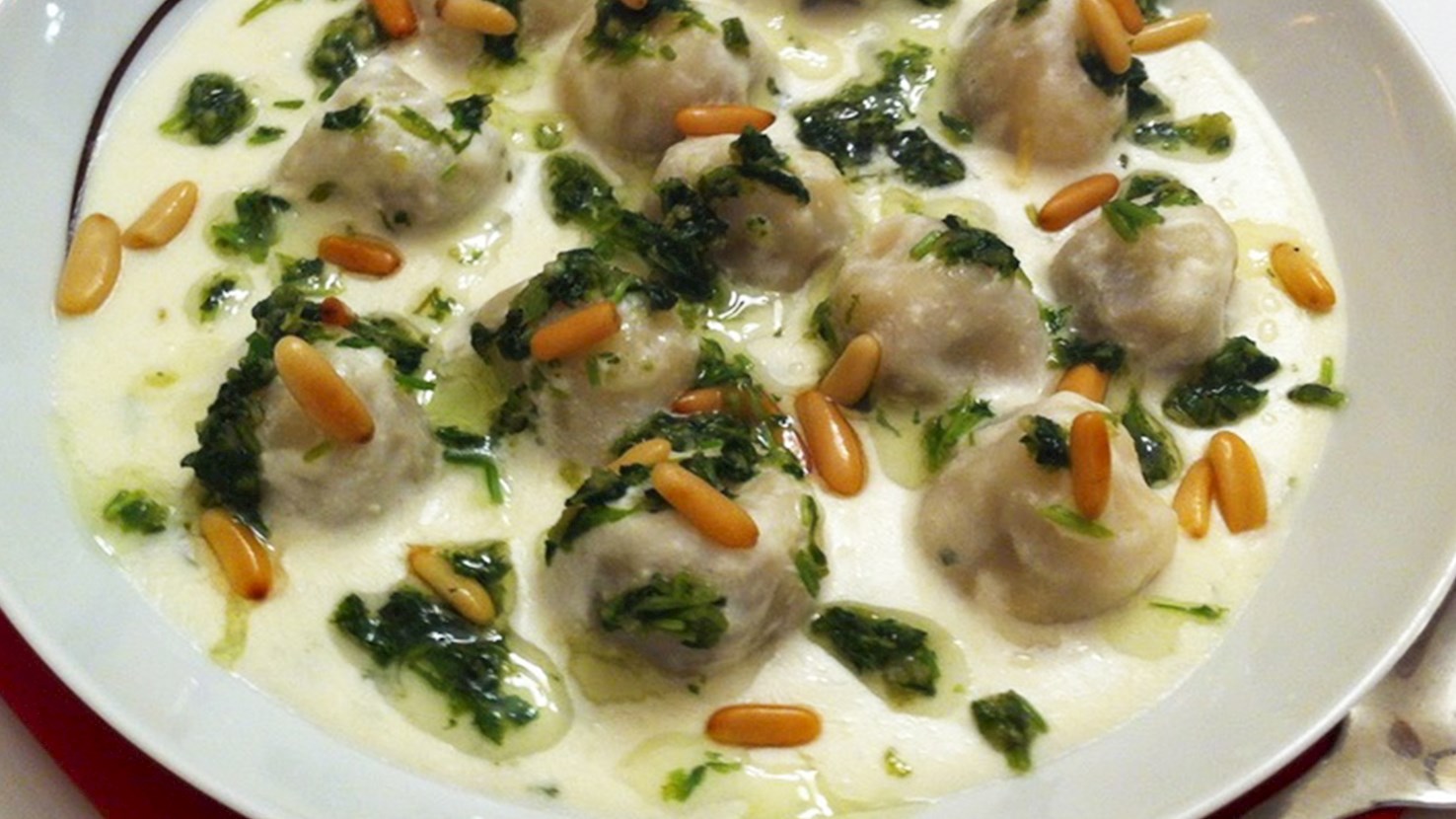
This combination of meat-stuffed dumplings and yogurt is common in Levantine cuisine. The dish consists of tiny dumplings—believed to have originated in Iran under the name joshpara—that are filled with a combination of meat and onions. The dumplings are cooked in yogurt that is seasoned with mint, garlic, or other spices, and the dish is then typically served warm. Because of its international status, there are many varieties of the dish that may employ labneh-based sauces, different types of meat, nuts, and various spices.
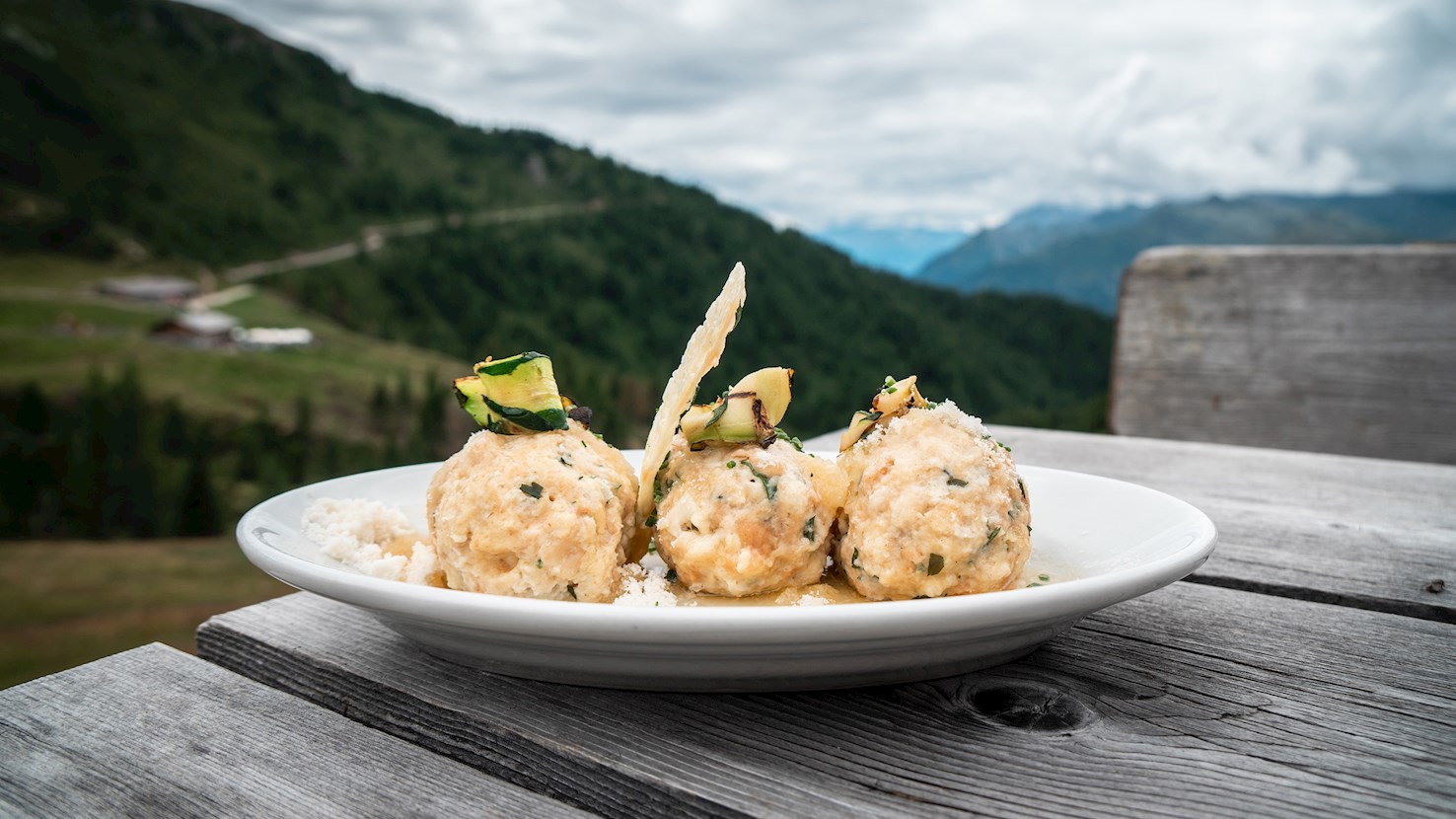
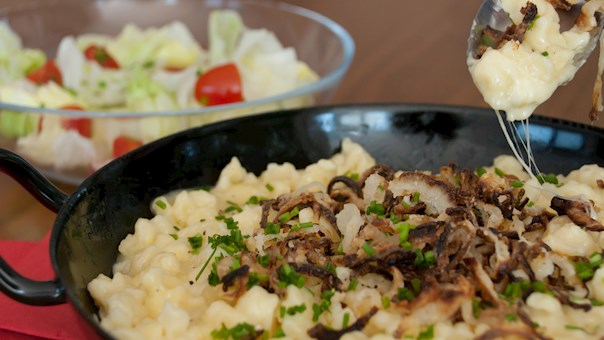
Käseknödel is a traditional dumpling enriched with cheese originating from Tyrol and South Tyrol. These cheese dumplings are typically served as a side dish that shows an inventive way of using leftover stale bread. The stale bread is mixed with cheese, eggs, butter, milk, onions, parsley, salt, and pepper. Käseknödeln are usually boiled in water or fried in butter on both sides until golden brown and then served in a broth or with various salads and stews.
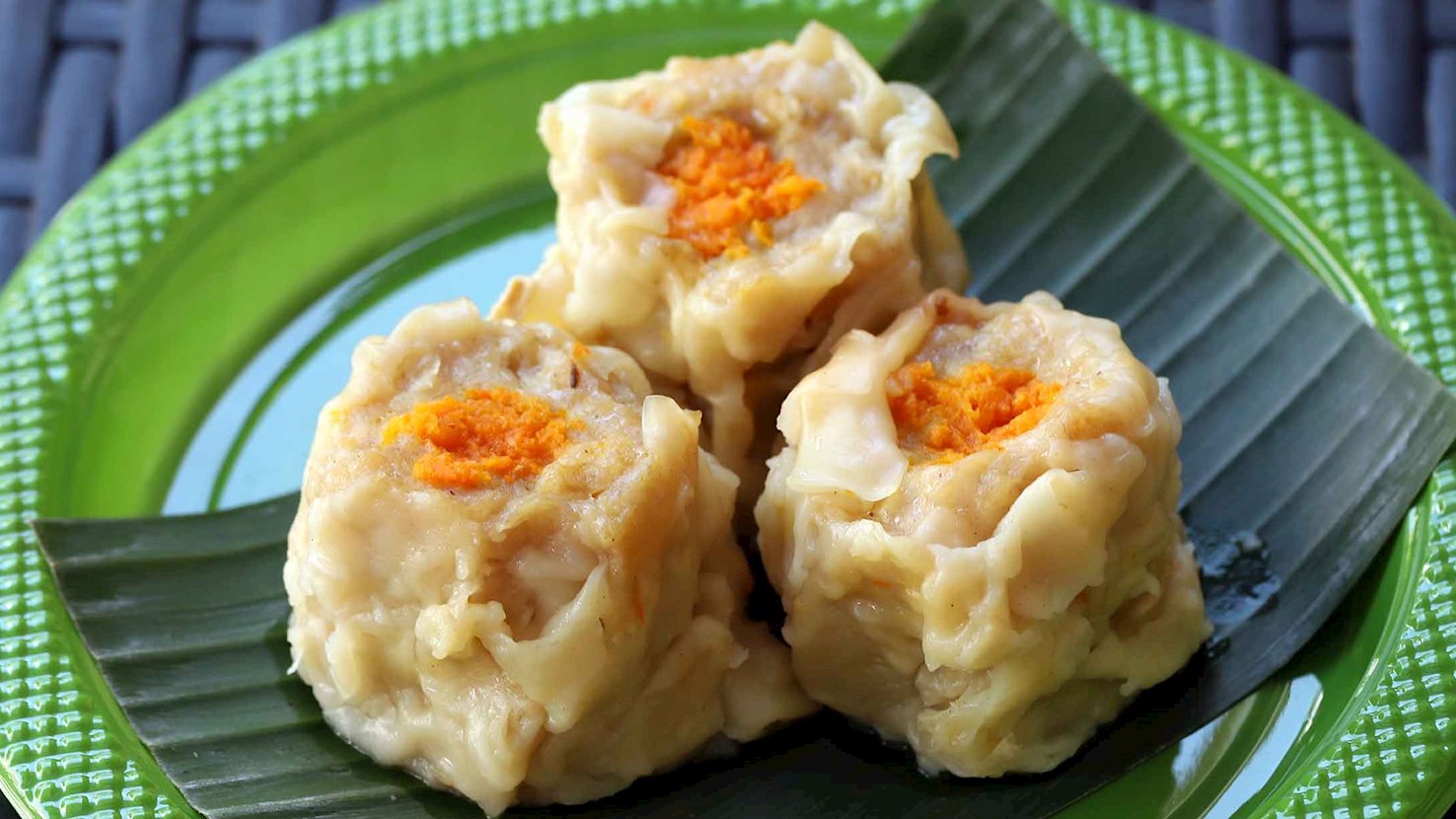
Siomay is a steamed dumpling filled with a dense fish and tapioca paste, permanently paired on a plate with steamed cabbage rolls, boiled potatoes, soft white tofu, hollowed-out bitter gourd, and a hard-boiled egg, all covered in a sweet and spicy peanut sauce. The history of this street food traces back to Chinese immigrants who introduced the pork-filled dim sum known as shumai to the archipelago. Local populations adapted the original ingredients to meet Islamic halal dietary requirements by replacing the pork filling with locally caught fish. Spanish mackerel, known regionally as ikan tenggiri, serves as the standard protein base for the filling, though some variations use ground tuna, prawns, or threadfin. Blending the raw, minced seafood with tapioca flour, shallots, garlic, salt, and white pepper creates a highly sticky and resilient paste. Sellers pack this savory paste into round wonton wrappers, stuff it directly into slices of tofu, and press it into the centers of sliced green pare, a sharply bitter gourd. A large, multi-tiered metal steamer gently cooks the dumplings and the accompanying whole potatoes, cabbage leaves, and eggs until they are fully tender. Mobile vendors strap these hot steamers onto the backs of bicycles or mount them on wooden pushcarts to travel through residential neighborhoods and busy commercial streets. A customer selects their preferred combination of fish dumplings and vegetables from the hot steam bath. The seller immediately snips the chosen items into bite-sized pieces using a pair of sharp metal scissors directly over a shallow plate or a folded paper cone. A thick, warm peanut sauce goes directly over the chopped pieces. Creating this sauce requires frying raw peanuts until golden before grinding them into a paste with red chili peppers, garlic, shallots, palm sugar, tamarind juice, and salt. A finishing squirt of fresh kalamansi lime juice cuts through the nuts' heavy fat. A heavy drizzle of kecap manis, a molasses-like sweet soy sauce, creates a dark webbing over the top of the plate. The final combination balances the chewy, savory seafood paste with the sharp snap of bitter gourd, the neutral starch of potato, and the rich heat of peanut gravy. The city of Bandung in West Java claims the most famous iteration of this meal, frequently marketed as Siomay Bandung by street vendors far outside the city limits. People consume this warm meal at any hour of the day as a filling snack or a casual dinner, eating the sauce-drenched pieces with a fork and a spoon.
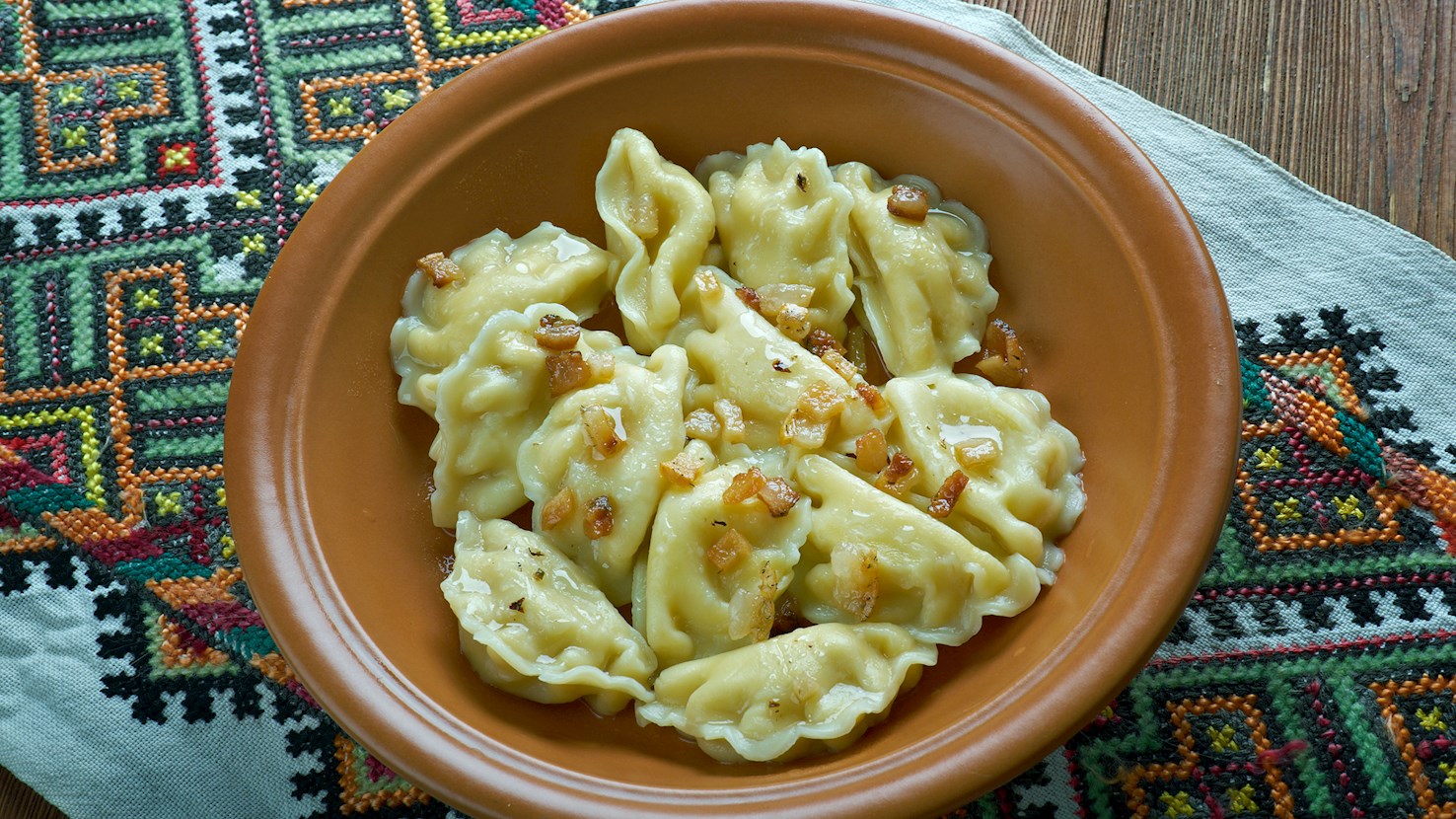
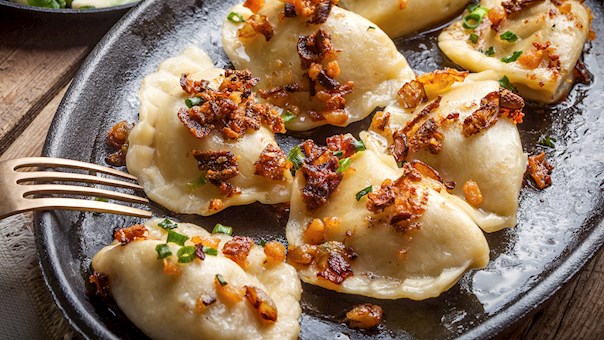
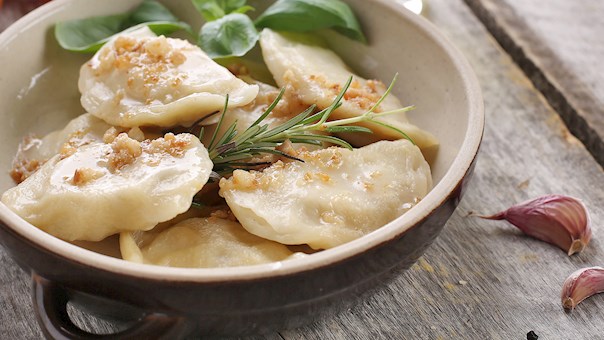
Originating from the historical region of Red Ruthenia, these soft, crescent-shaped dumplings are filled with a combination of potatoes and cheese, which is occasionally modified with various seasonings or fried onions. Pierogi ruskie are usually boiled and shortly fried until they develop a crispy texture. The dumplings are often served sprinkled with cracklings, crispy fried onions, or bacon, and can be enjoyed as a hearty appetizer or as a main course. In Ukraine, the pierogis are called varenyky, and they are so popular that there is even a monument celebrating varenyky in the city of Cherkasy. The sweet, fruit-filled version of varenyky is typically served with sugar and sour cream.
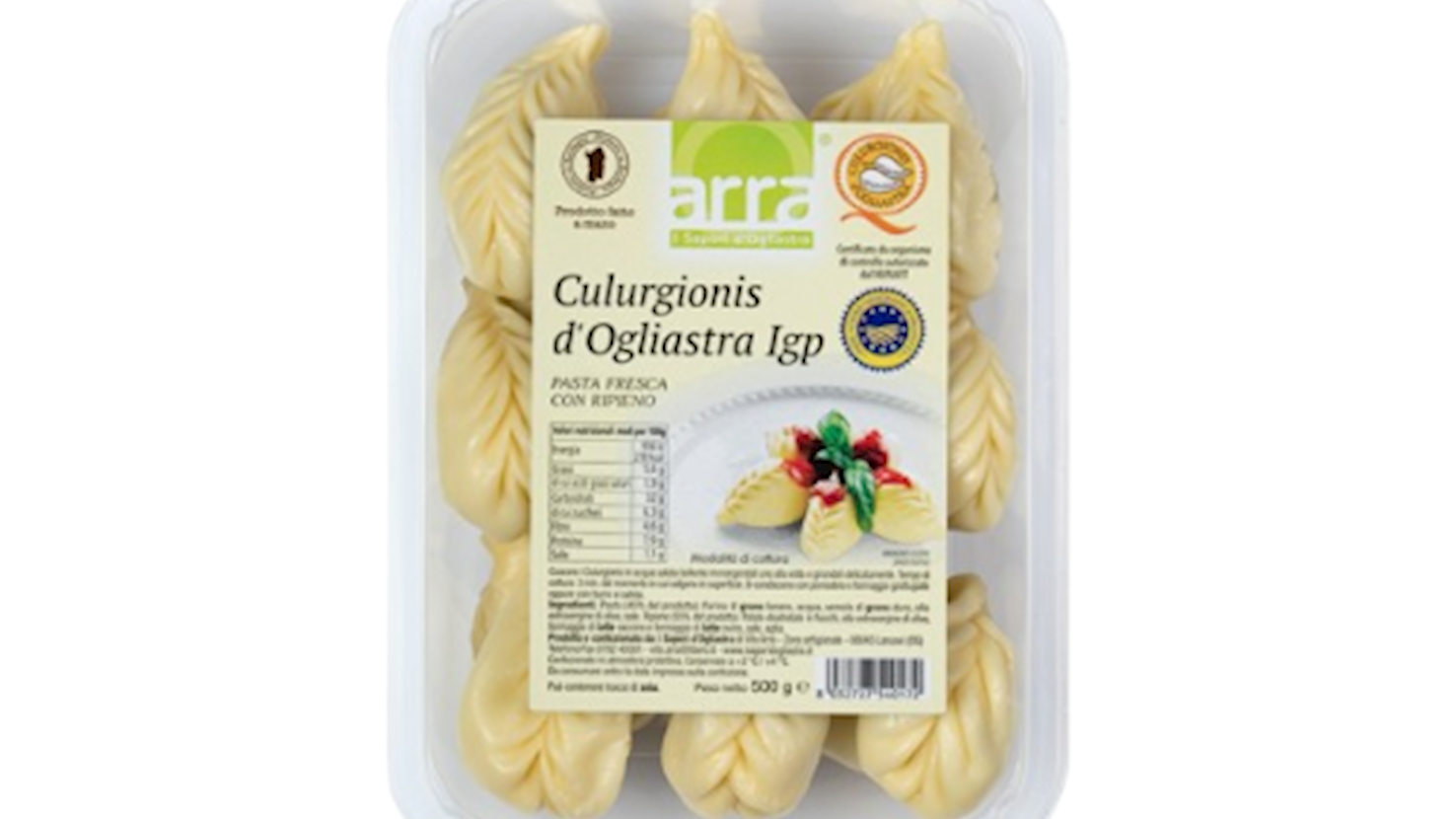
I Sapori d’Ogliastra di Vito Arra is a family-run pasta producer based in Lanusei, Sardinia, founded in 2004 by Vito Arra with a clear mission: to preserve and promote the authentic flavors of the Ogliastra region. The company skillfully combines traditional Sardinian techniques with modern production capabilities, while maintaining handcrafted methods for key specialties such as culurgiones and sebadas. Their most renowned product is Culurgiones d’Ogliastra IGP – ravioli shaped like an ear of wheat, filled with a blend of potatoes, pecorino cheese, garlic, and mint. These are a tribute to local heritage and bear the Protected Geographical Indication mark, certifying their origin and quality. In addition to culurgiones, the pastificio produces other typical Sardinian pastas such as malloreddus, gnocchi, and ravioli, as well as traditional desserts. Pastificio Arra is recognized for its consistent commitment to authenticity, transparency, and the use of local ingredients, with quality standards supported by IGP certification. Their products embody a true expression of Sardinian cuisine - a fusion of artisanal skill, cultural heritage, and social responsibility.
TasteAtlas food rankings are based on the ratings of the TasteAtlas audience, with a series of mechanisms that recognize real users and that ignore bot,
nationalist or local patriotic ratings, and give additional value to the ratings of users that the system recognizes as knowledgeable.
For the “Top 100 Dumplings in the World” list until June 15, 2026, 21,110 ratings were recorded, of which 15,528 were recognized by the system as legitimate.
TasteAtlas Rankings should not be seen as the final global conclusion about food. Their purpose is to promote excellent local foods,
instill pride in traditional dishes, and arouse curiosity about dishes you haven’t tried.
The initial list of top producers was compiled based on available reviews, awards, local recommendations, media and blog coverage, and consumer reviews.
The list will be updated with ratings from TasteAtlas local ambassadors and TasteAtlas users.