
shutterstock

Top 100 Filipino Foods

Last updated on June 24, 2026

Best Filipino foods

01
Meat Soup

Sinigang na baboy

4.4 ·

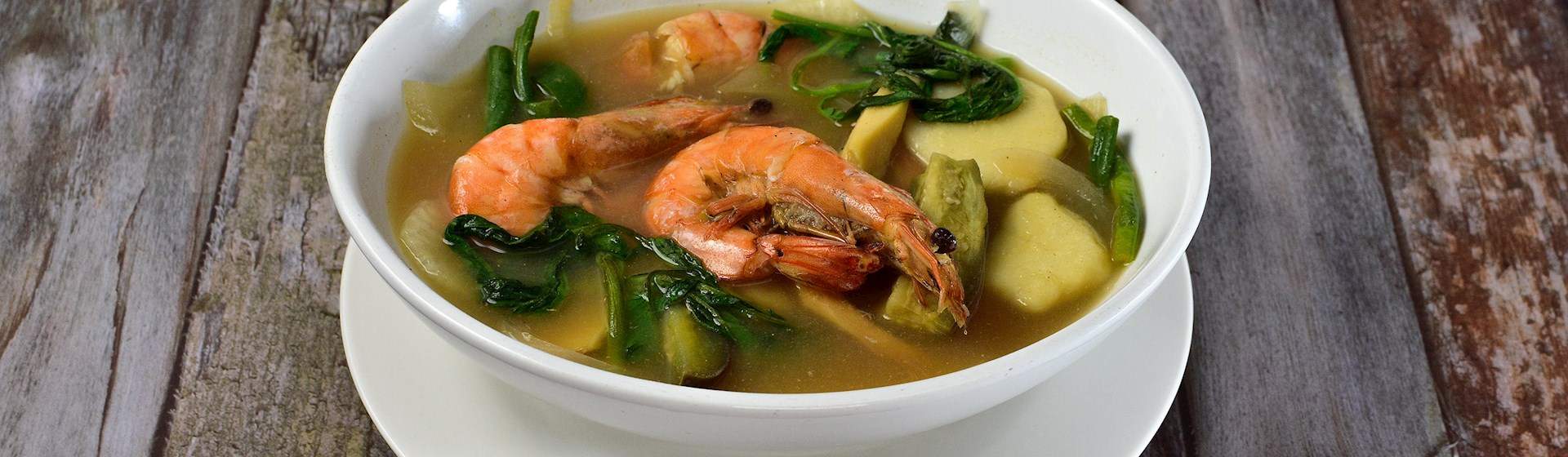
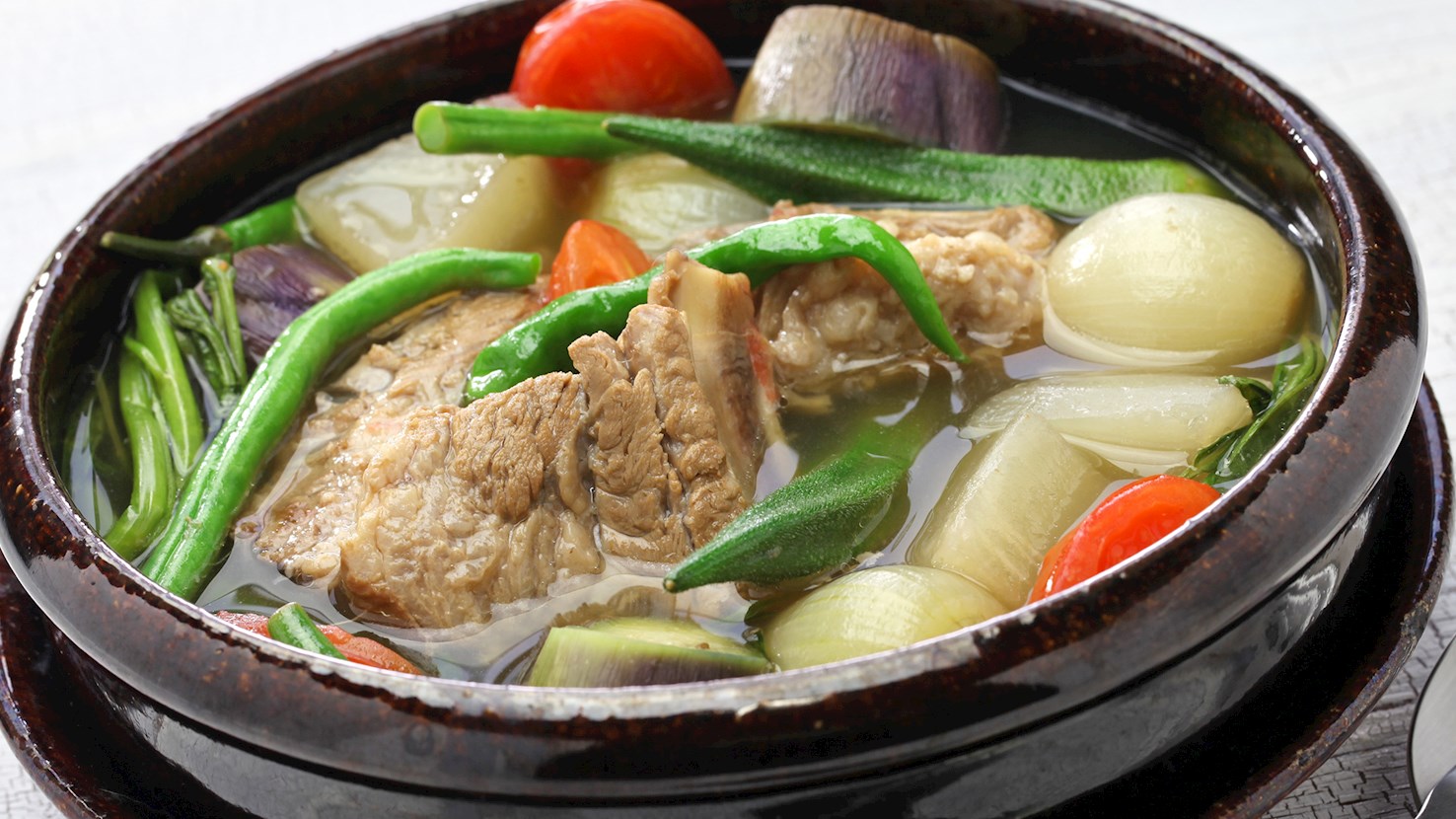
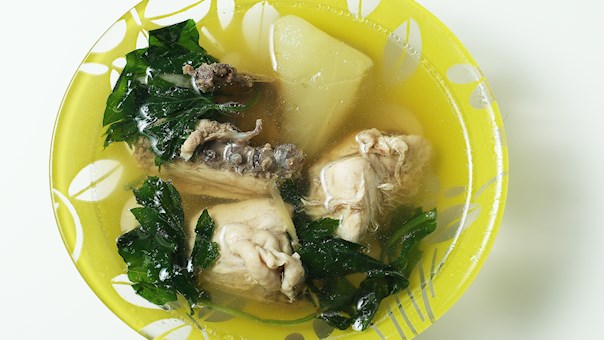
This variety of sinigang - Filipino savory and sour soup - consists of various pork cuts that are simmered along tamarind fruit. Tomatoes, onions, garlic, okra, white radish, water spinach and green long peppers are also commonly used for this soup. There is also a similar dish in Malaysian cuisine called siniggang. A version of the pork sinigang is sinigang na miso, which uses the Japanese seasoning made from fermented rice and barley or soybeans. Nowadays, sinigang mix is available in supermarkets, but enjoying the dish made from scratch represents the full experience.

02
Chicken Dish

Inasal na manok

4.4 ·

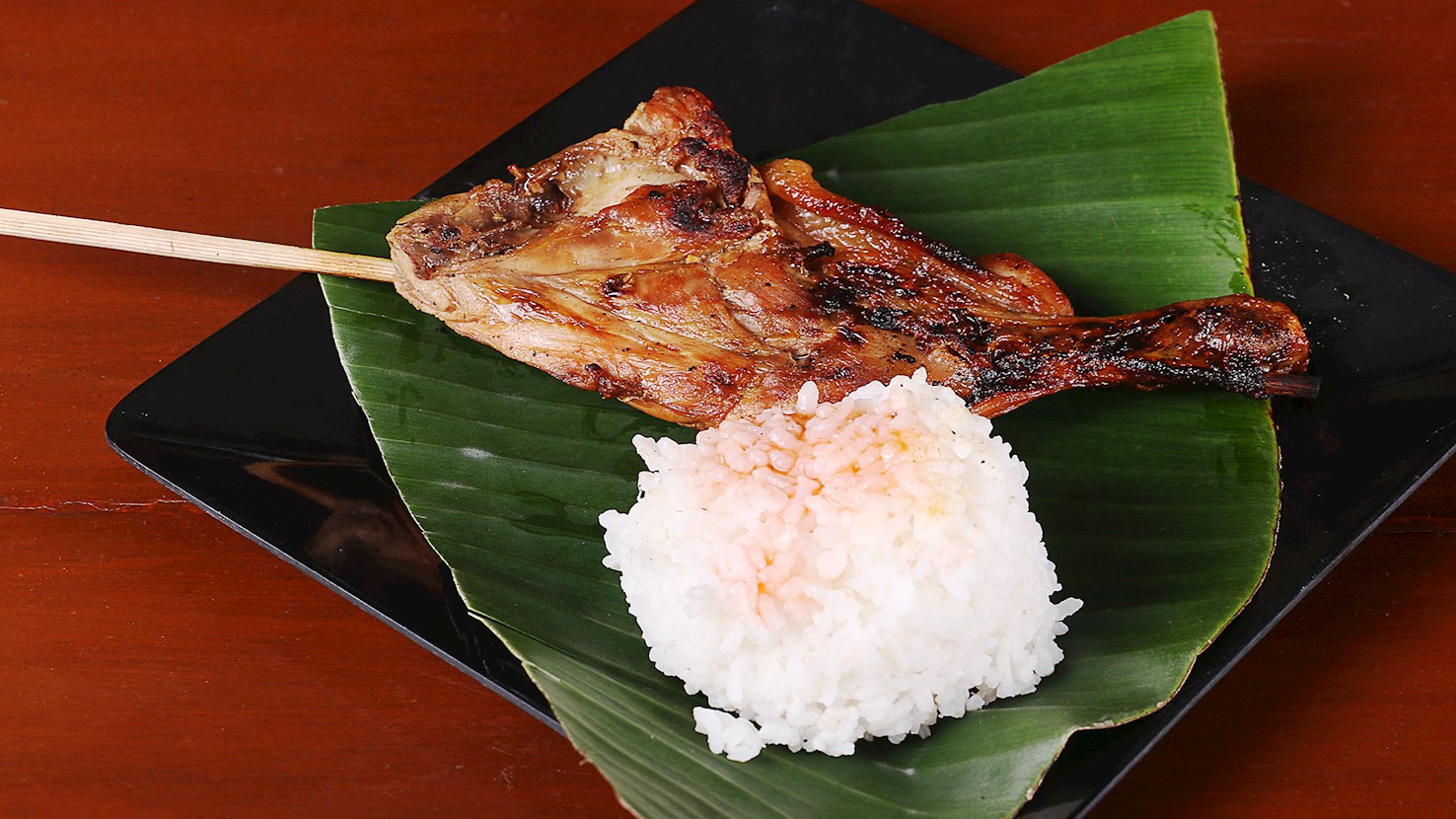
Inasal na manok is a unique Filipino grilled chicken dish which originated in Western Visayas and became the signature dish of the entire region. It employs various chicken cuts marinated in a mixture of vinegar and numerous spices such as lemongrass, garlic, and ginger. During grilling, the meat is brushed with the annatto-infused oil which provides the chicken with an appetizing golden color and a unique peppery flavor. The dish is usually served alongside annatto-flavored garlic rice and spiced vinegar. In 2022, the city of Bacolod declared the dish an important cultural property.

03
Snack

Lumpiang Shanghai

4.3 ·

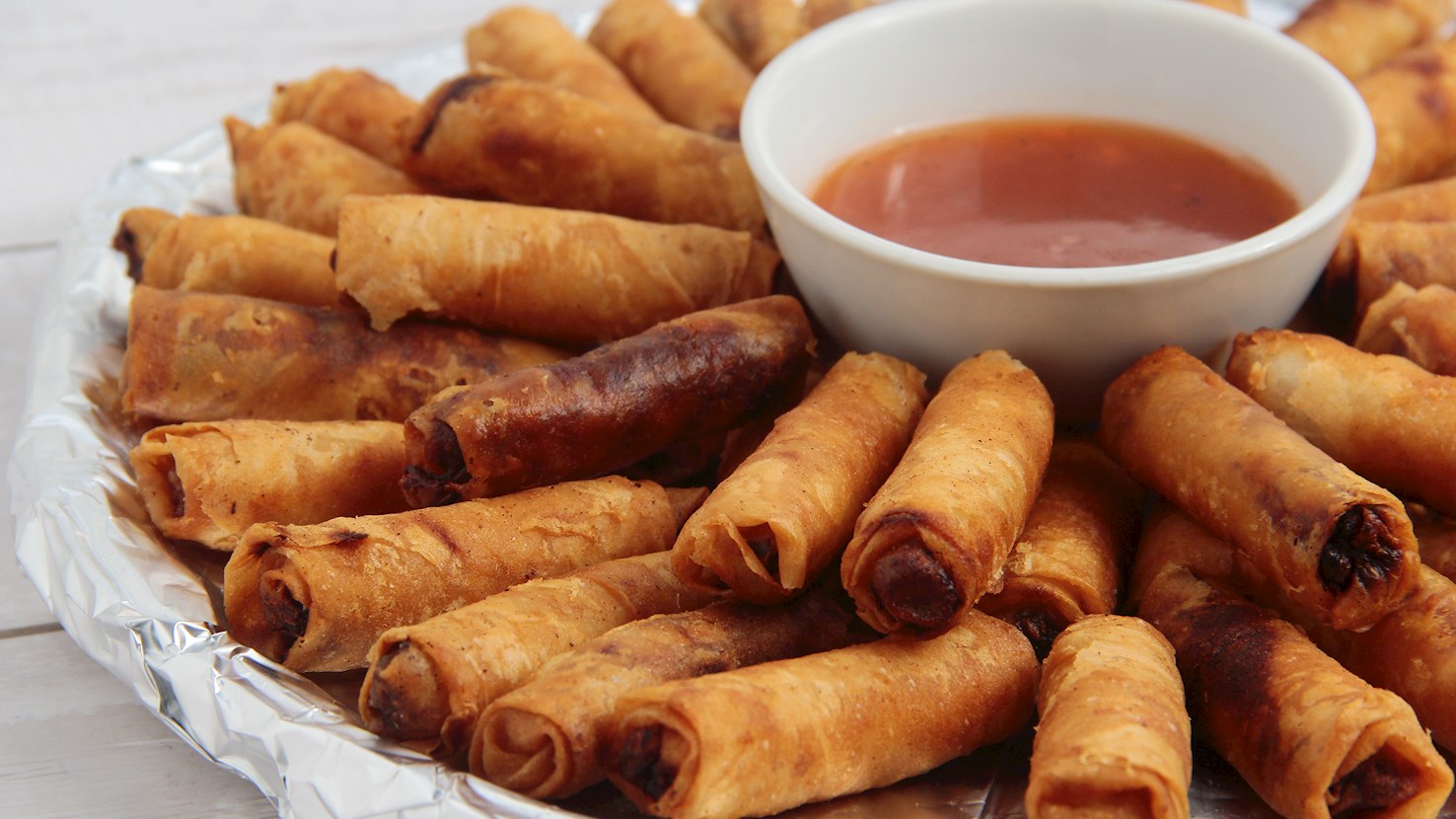
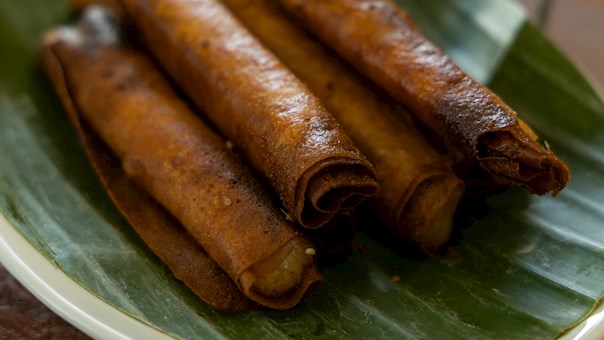
Lumpiang Shanghai is the most popular variety of lumpia, the crispy deep-fried Filipino snack that evolved from Chinese spring rolls. Even though lumpia appears in numerous variations, the Shanghai version is characterized by a savory filling which combines ground pork or beef with carrots, onions, various seasonings, and (occasionally) shrimps. Lumpiang Shanghai is usually sold at numerous street stalls throughout the country, but it is also a staple dish served on special and festive occasions. This delicious and crispy snack is usually served accompanied by sweet and sour dipping sauce.

04
Meat Soup

Bulalô

4.3 ·

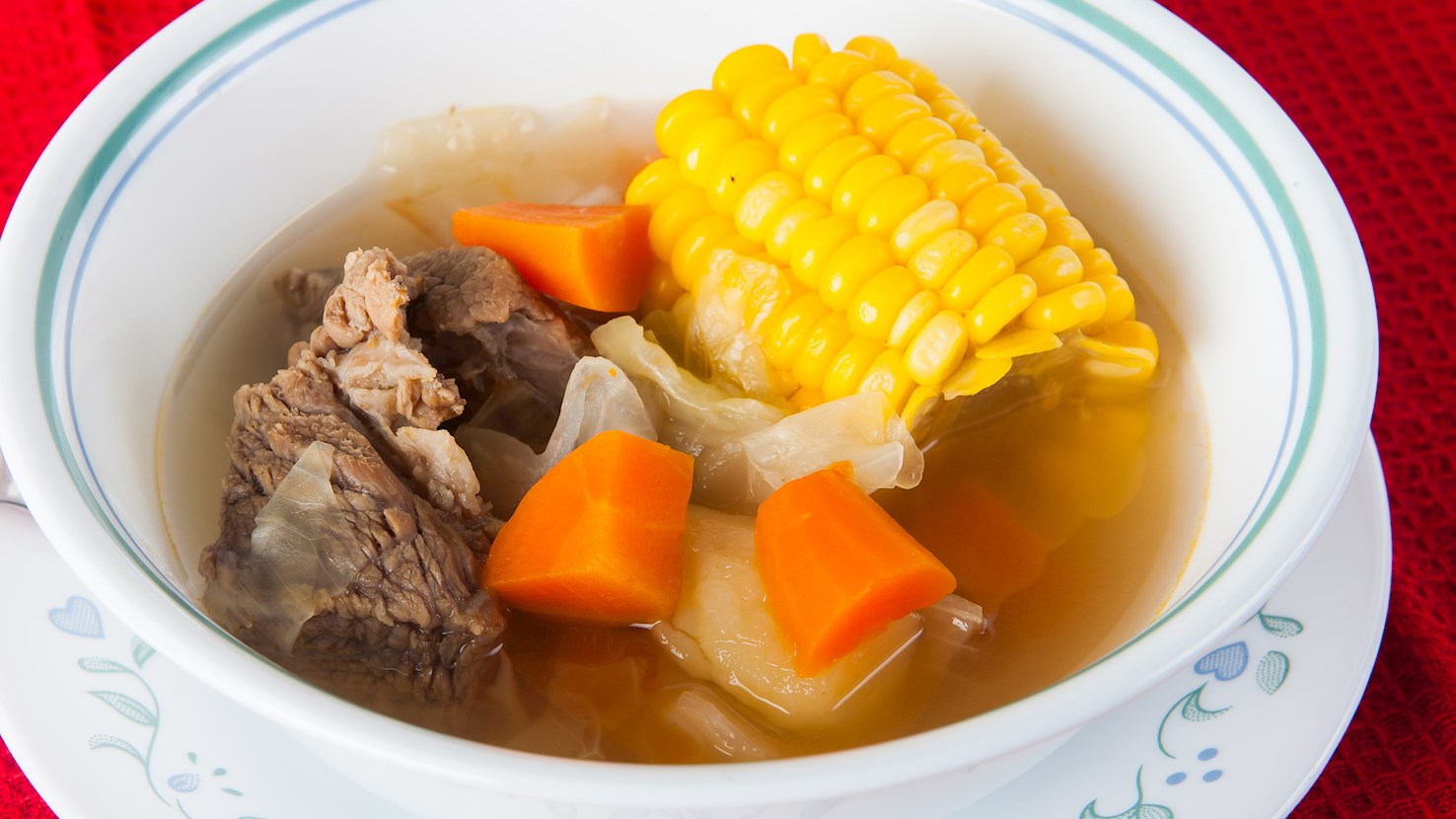
Bulalô is a traditional Filipino soup that is prepared by cooking beef shanks and marrow bones until the fat and collagen dissolve into the broth, resulting in a robust flavor of the dish. The soup is a specialty of the Luzon region, where it is traditionally consumed during cold weather, when it is usually served for dinner. Most versions of the soup include vegetables such as cabbage, string beans, onions, and corn. It can be found in most upscale restaurants in the Philippines, due to the fact that beef shank and bone marrow are not among the cheapest cuts of meat in the country. It is believed that this simple, comforting, and flavorful soup is the best when the meat is so tender that it falls off the bone.

05
Egg Dish

Tortang talong

4.3 ·

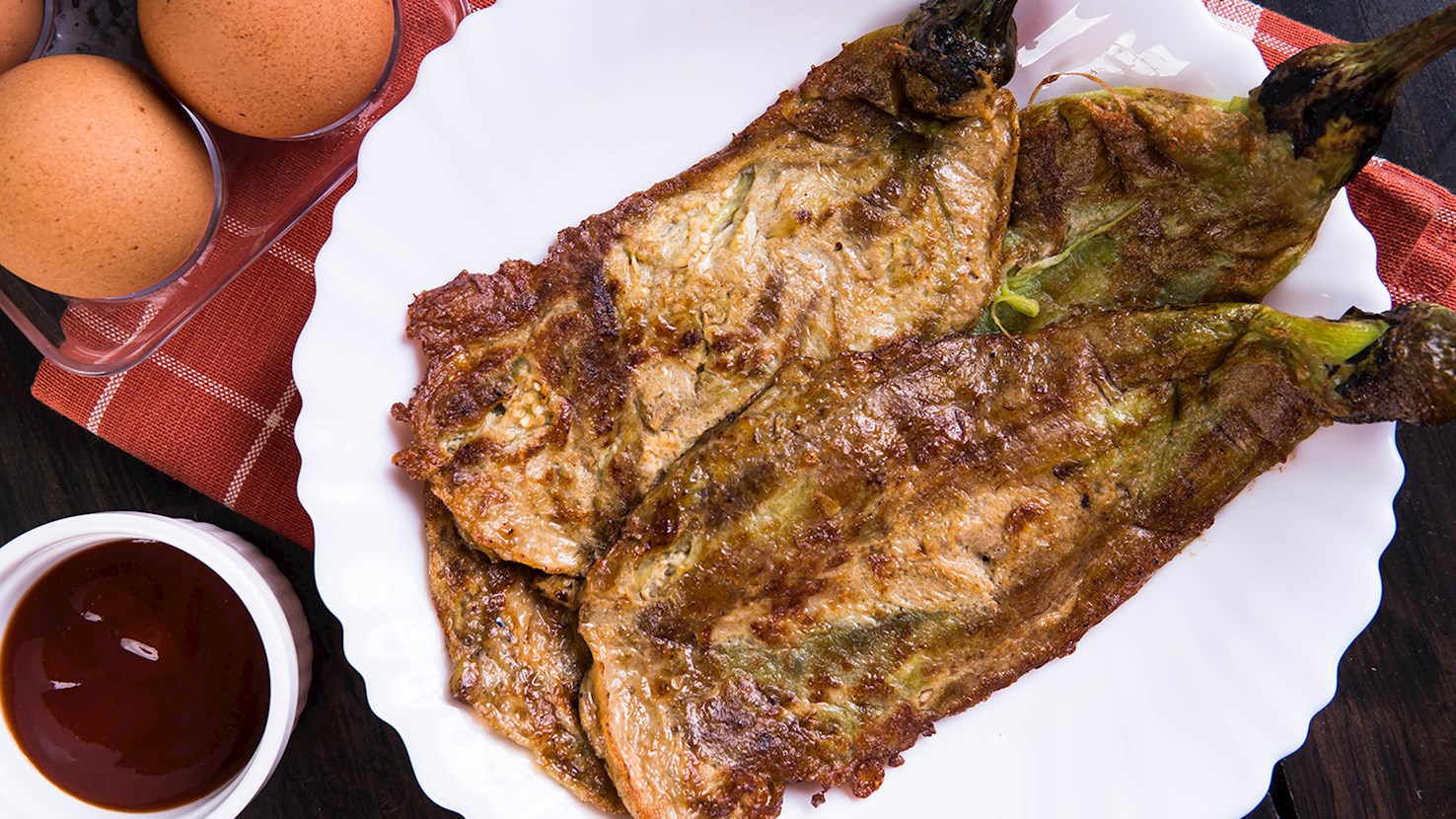
Tortang talong is a simple Filipino dish made with a combination of roasted eggplants and lightly beaten eggs. Whole eggplants are dipped into the egg mixture and are then shortly pan-fried until the entire dish starts to resemble a crispy omelet. This versatile delicacy is easily adapted with additional ingredients such as ground meat and vegetables, and it is traditionally served accompanied by steamed rice and tomato or banana ketchup. Inexpensive and quickly prepared, tortang talong can be enjoyed at any time of day as a hearty breakfast, lunch, or dinner.

06
Custard

Leche Flan

4.2 ·

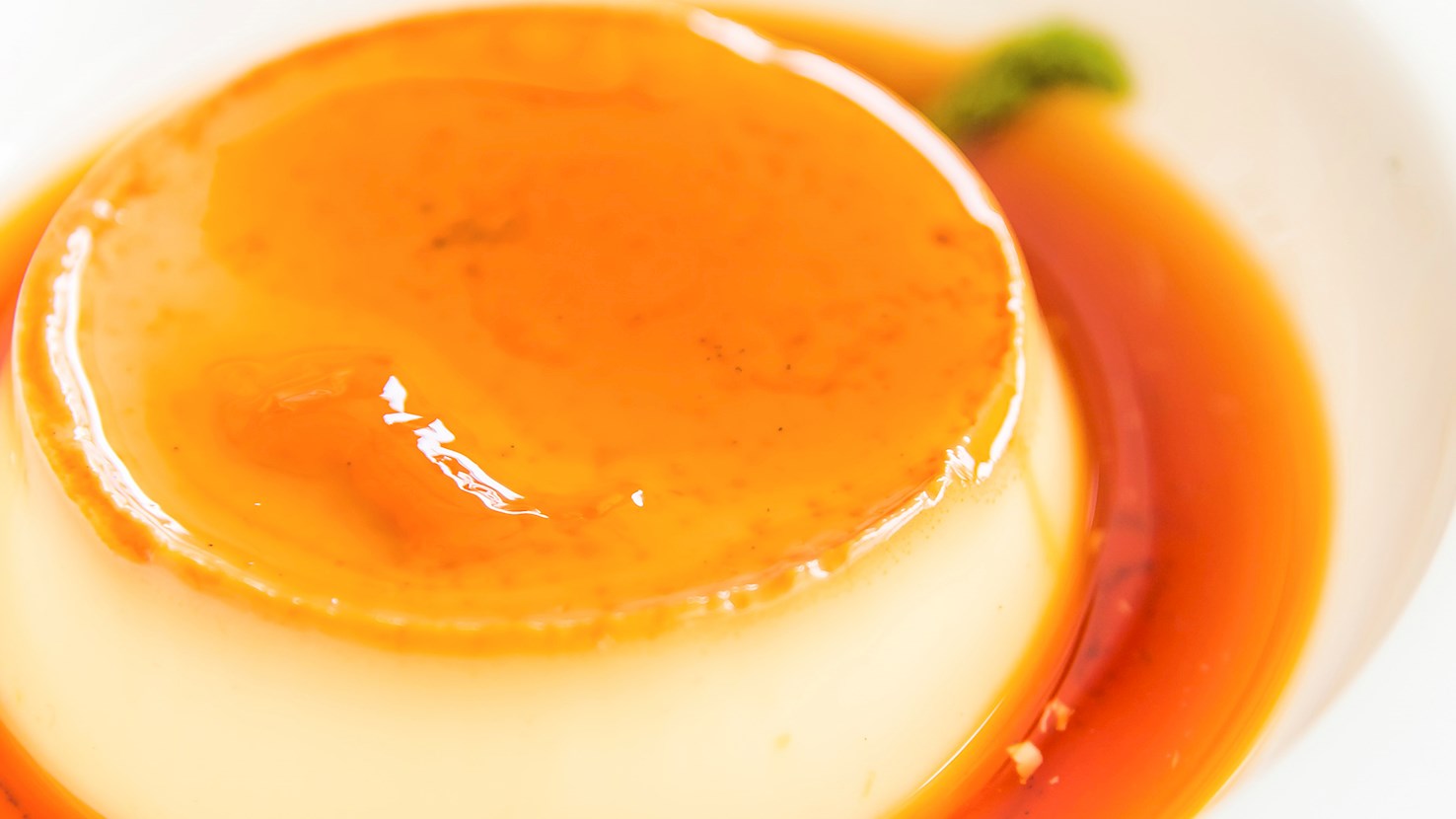
Leche flan is a dessert that is essentially a caramel custard consisting of milk, sugar, and eggs, with the addition of vanilla flavoring. Traditionally, it's oval-shaped due to the use of tin molds called llaneras. It is recommended to serve it chilled and coated with leftover caramel syrup. Leche flan is very popular at numerous Filipino celebrations and social gatherings. Originally, it was brought over to the Philippines during the Spanish colonization, so it is believed that it has origins in the regions on the border of Spain and France. Today, apart from being consumed on its own as a sweet treat, pieces of leche flan can also be added to halo-halo, another popular Filipino dessert.

07
Pork Dish

Lechon kawali

4.2 ·

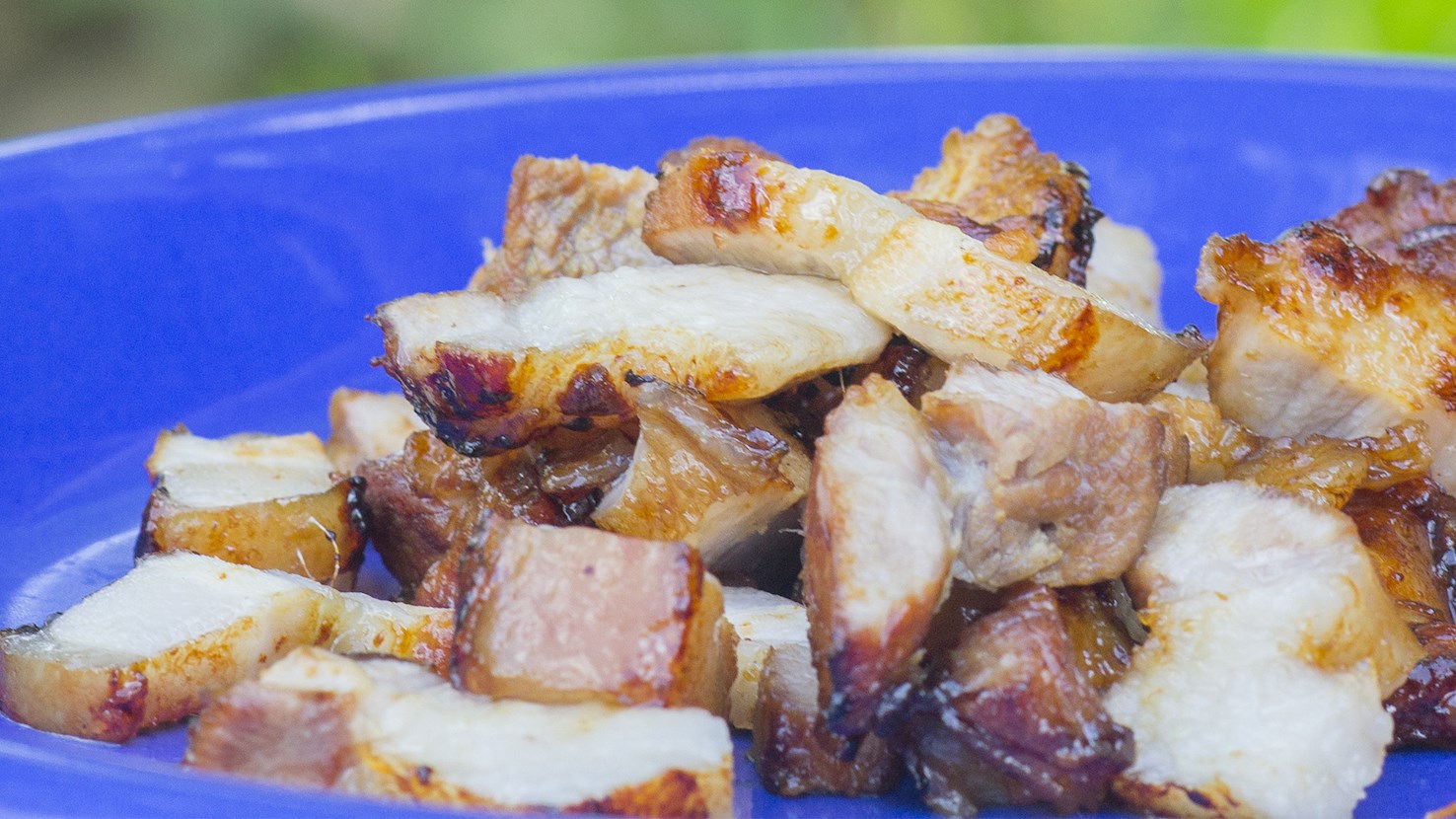
Lechon kawali is the Filipino version of deep-fried pork belly. Primarily boiled in plain or seasoned water, the meat is rubbed with salt, cut into chunks, then deep-fried until it develops a golden-brown, crispy skin, but remains juicy and tender on the inside. It is one of the most famous Filipino dishes eaten throughout the country. Always served hot, lechon kawali is usually accompanied by spicy vinegar sauce or a traditional lechon liver sauce on the side.

08
Pork Dish

Bicol Express

4.2 ·

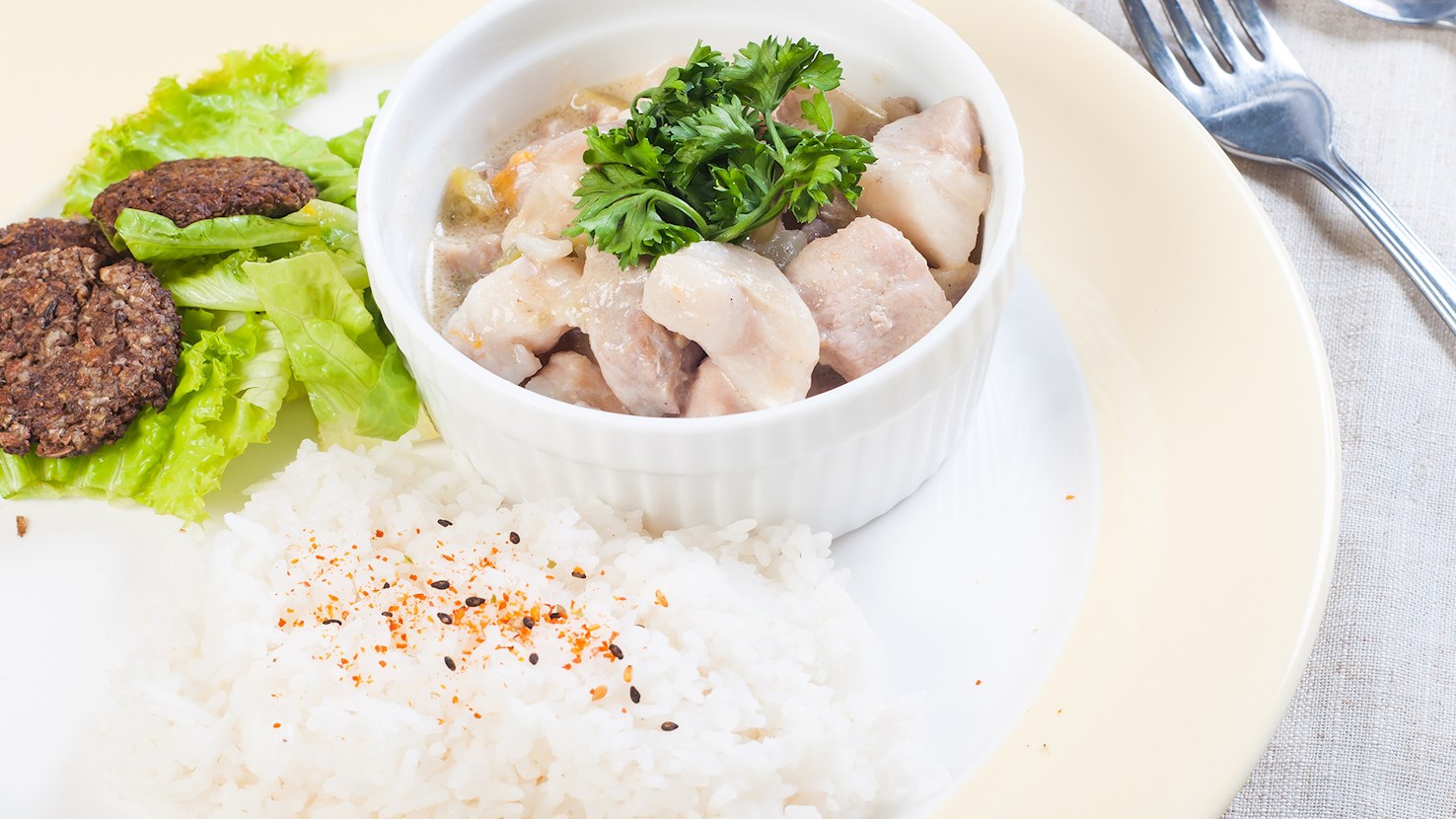
Bicol express is a popular Filipino dish consisting of sliced pork that is doused in a creamy coconut-based sauce and seasoned with shrimp paste and spicy chili peppers. According to popular belief, Cely Kalaw invented the dish in her Manila restaurant. She was inspired by the traditional Bicolano coconut-infused dishes and named the new invention after a Filipino train service operating from Manila to the Bicol region. Creamy and spicy Bicol express is usually served with plain steamed rice on the side.

09
Stew

Adobong baboy

4.2 ·

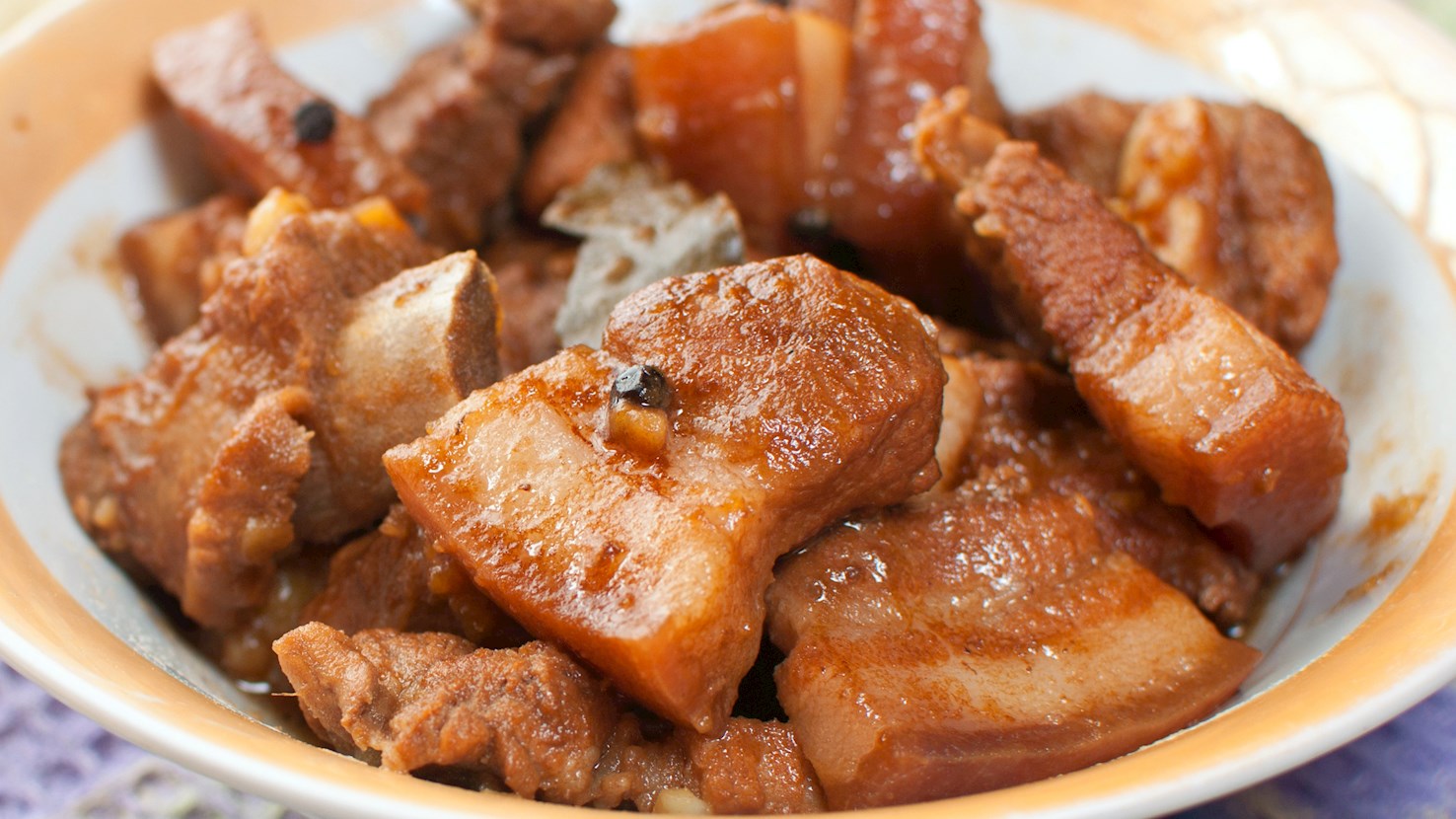
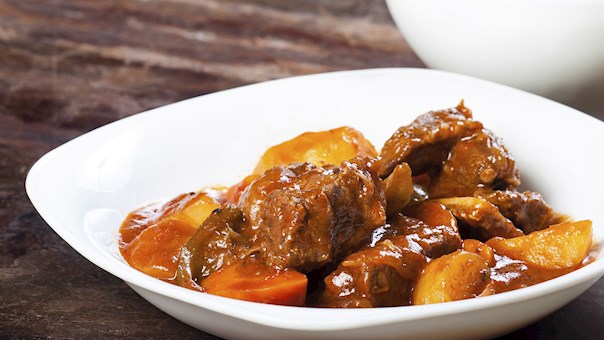
Adobong baboy is a traditional stew originating from the Philippines. This type of Filipino adobo is made with a combination of pork belly, garlic, soy sauce, vinegar, sugar, bay leaves, peppercorns, and salt. The pork is marinated in a combination of garlic and soy sauce, and it's then browned in a pan over high heat. The rest of the ingredients are added to the pan (except the vinegar), and the dish is simmered for a few minutes before the vinegar, salt, and water or soy sauce are added to the pan. Once fully cooked, this pork stew is served hot with the thick sauce and white rice on the side.

10
Pork Dish

Lechon

4.2 ·

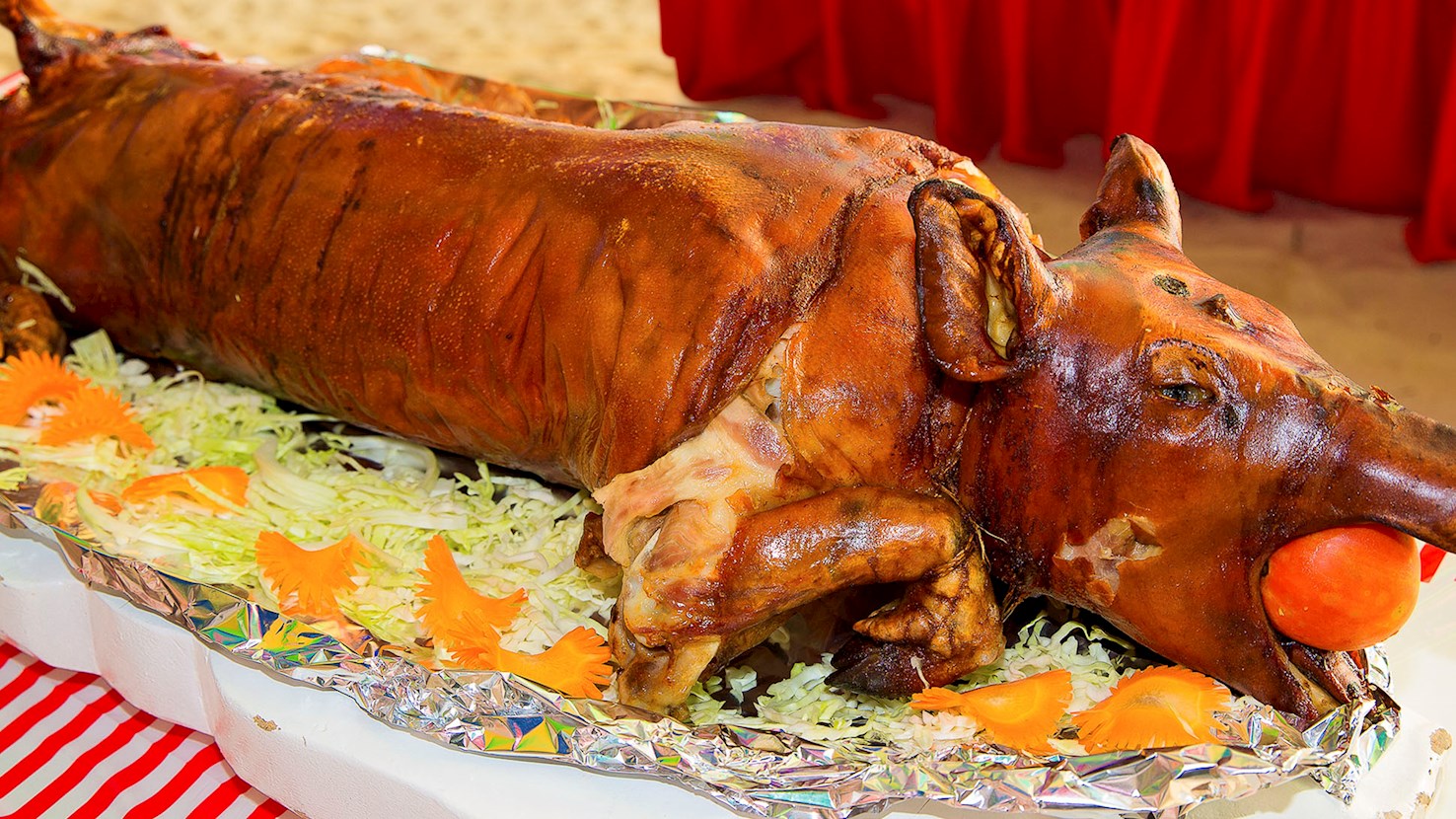
Lechon, derived from a Spanish word for roasted suckling pig is one of the most popular dishes in the Philippines. The slowly-roasted suckling pig is usually stuffed with lemongrass, tamarind, garlic, onions, and chives, and is then roasted on a large bamboo spit over an open fire. It is traditionally served whole on a platter, at celebrations and festive events such as weddings and Christmas. Once the meat is properly roasted and falls off the bone, people tend to eat every part of the pig, and the crispy, reddish-brown, crackling skin is especially beloved. Lechon is often served with a thick and rich liver sauce that is cooked with sugar, fresh herbs, and vinegar. If anything is left after the feast, the leftovers are often made into lechon slaw, slowly cooked with vinegar, garlic, and liver sauce for that extra bit of flavor. Apart from the Philippines, the dish is especially popular in countries such as Cuba, Puerto Rico, the Dominican Republic, and Spain. Some famous chefs even named lechon the best pig in the world, so it is definitely worth a try.

Best Filipino food products

01
Chocolate

Malagos Chocolate

5 ·
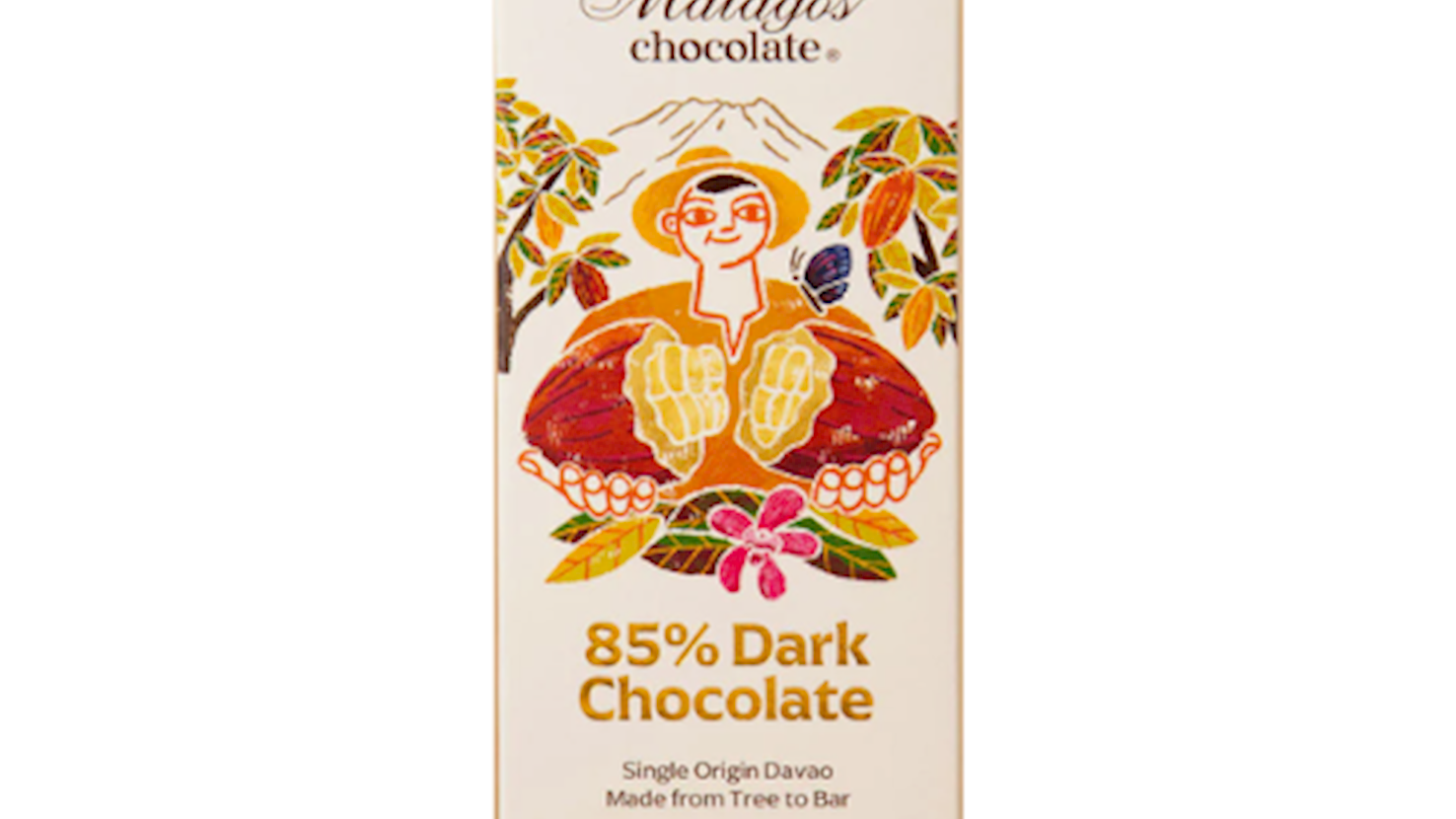
Malagos Chocolate is a Filipino bean-to-bar brand from Davao City and one of the most prominent examples of sustainable and authentic chocolate production in Southeast Asia. Founded in 2012 by the Puentespina family, the brand’s mission is to showcase the full potential of Filipino cacao through a carefully controlled process - from cultivation to finished bar. All the cacao they use comes from their own farm in Malagos and partner estates across the Mindanao region, where the beans are fermented, dried, and roasted under strict standards that preserve their aromatic complexity and natural acidity. Their dark chocolates are distinguished by deep notes of tropical fruit, roasted nuts, and a warm, earthy finish. The brand’s packaging and visual identity reflect the beauty of Philippine nature and culture, while the product itself embodies artisanal precision and social responsibility. Today, Malagos Chocolate stands as a symbol of the modern chocolate movement in the Philippines - a harmony of flavor, origin, and sustainable development.
Awards
Academy of Chocolate - Silver (2020, 2018, 2017, 2016)
International Chocolate Awards - Silver (2018)
02
Chocolate Confectionery

Dalareich Chocolate House

5 ·
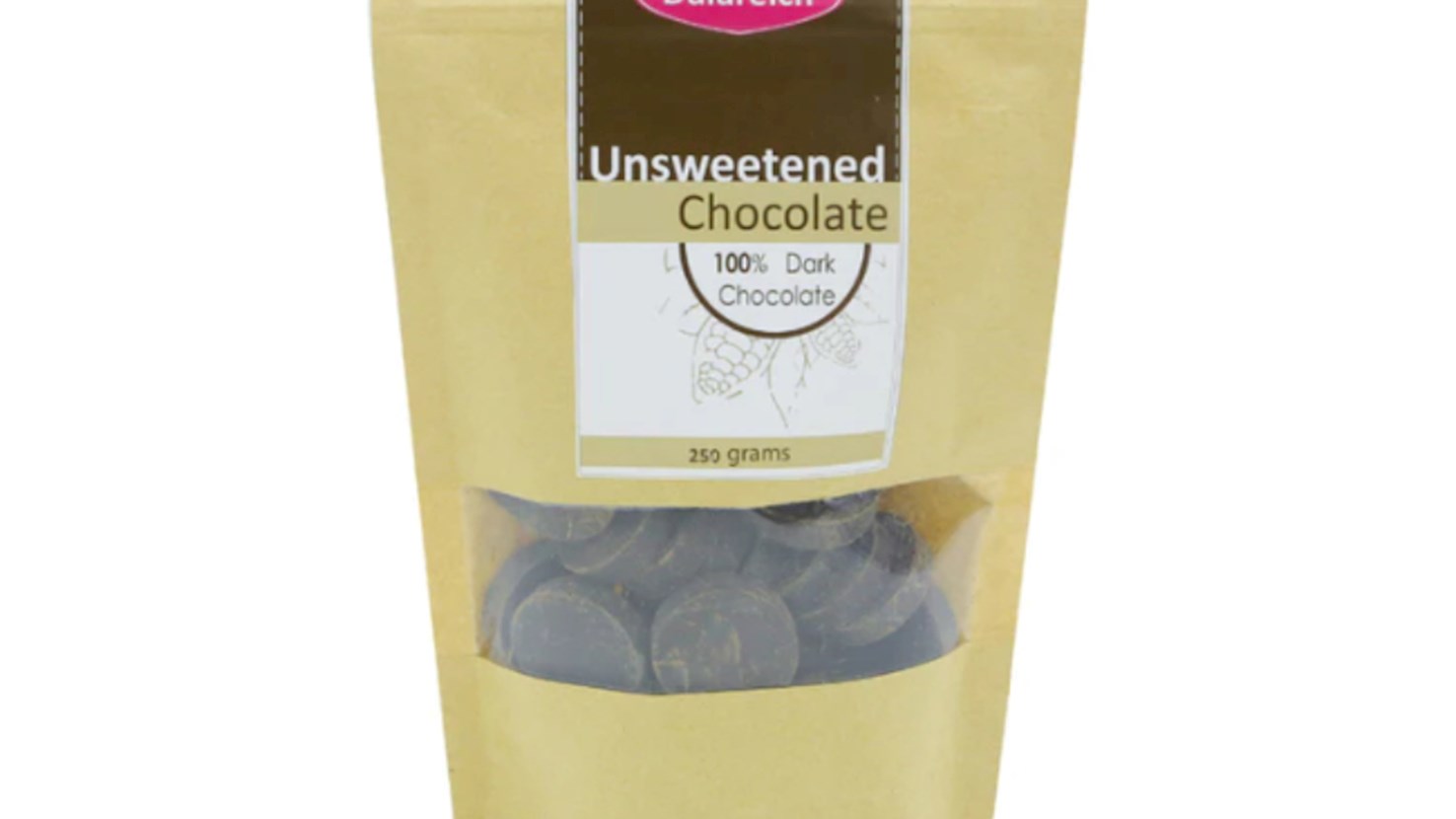
Dalareich Chocolate House is a chocolate producer based in the Philippines, specifically in Bohol. The company is involved in producing chocolate products using locally sourced cacao. They focus on bean-to-bar production, a method where the entire chocolate-making process—from roasting the cocoa beans to forming the chocolate bars—is controlled in-house to ensure quality. Dalareich Chocolate House also engages in initiatives to support local cacao farmers by promoting sustainable agricultural practices.
Awards
Academy of Chocolate - Gold (2019)
03
Spirit

Bleeding Heart Rum Company

5 ·
Awards
The Rum & Cachaça Masters - Master (2023)
04
Chocolate

Auro Chocolate

5 ·
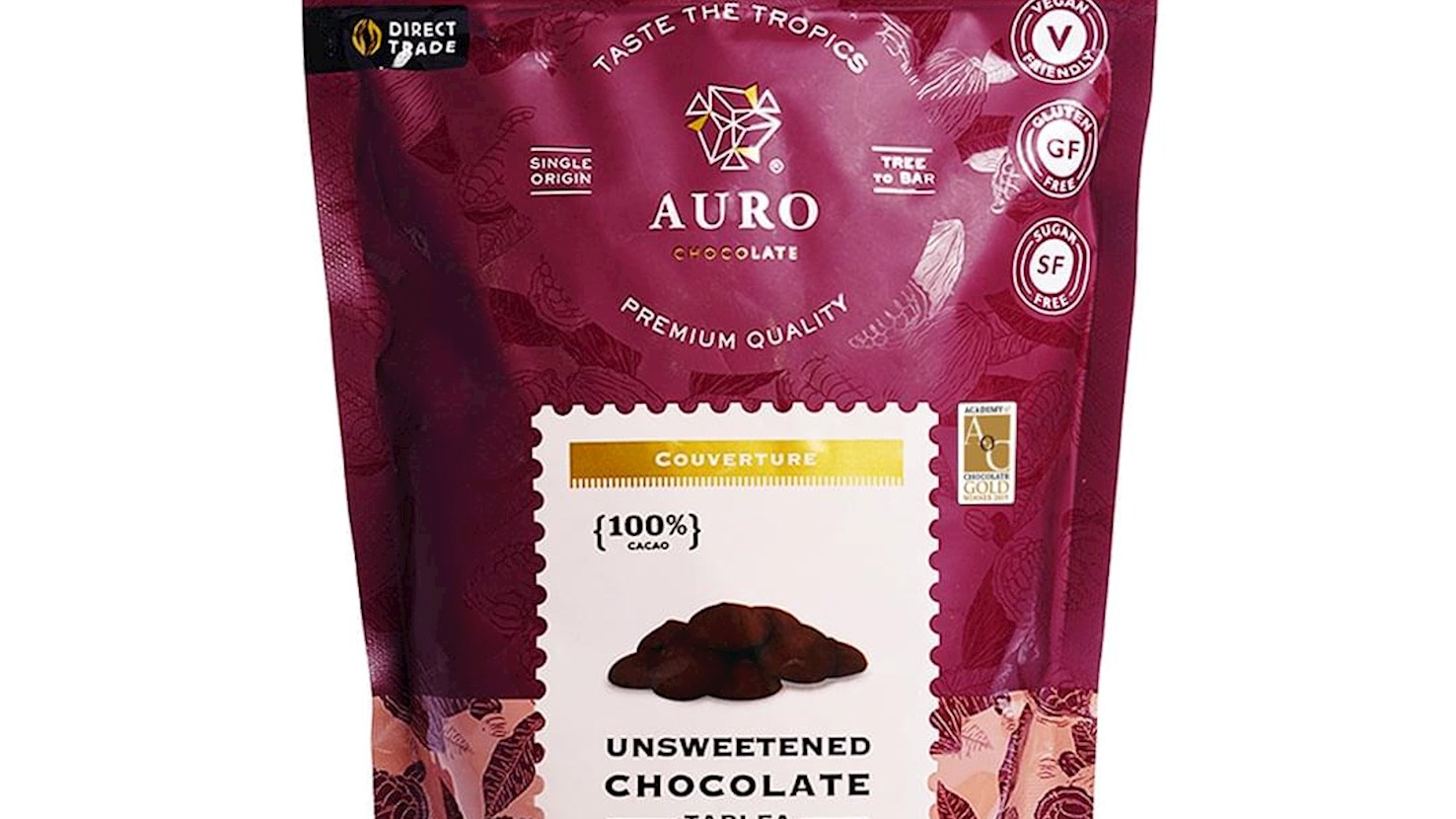
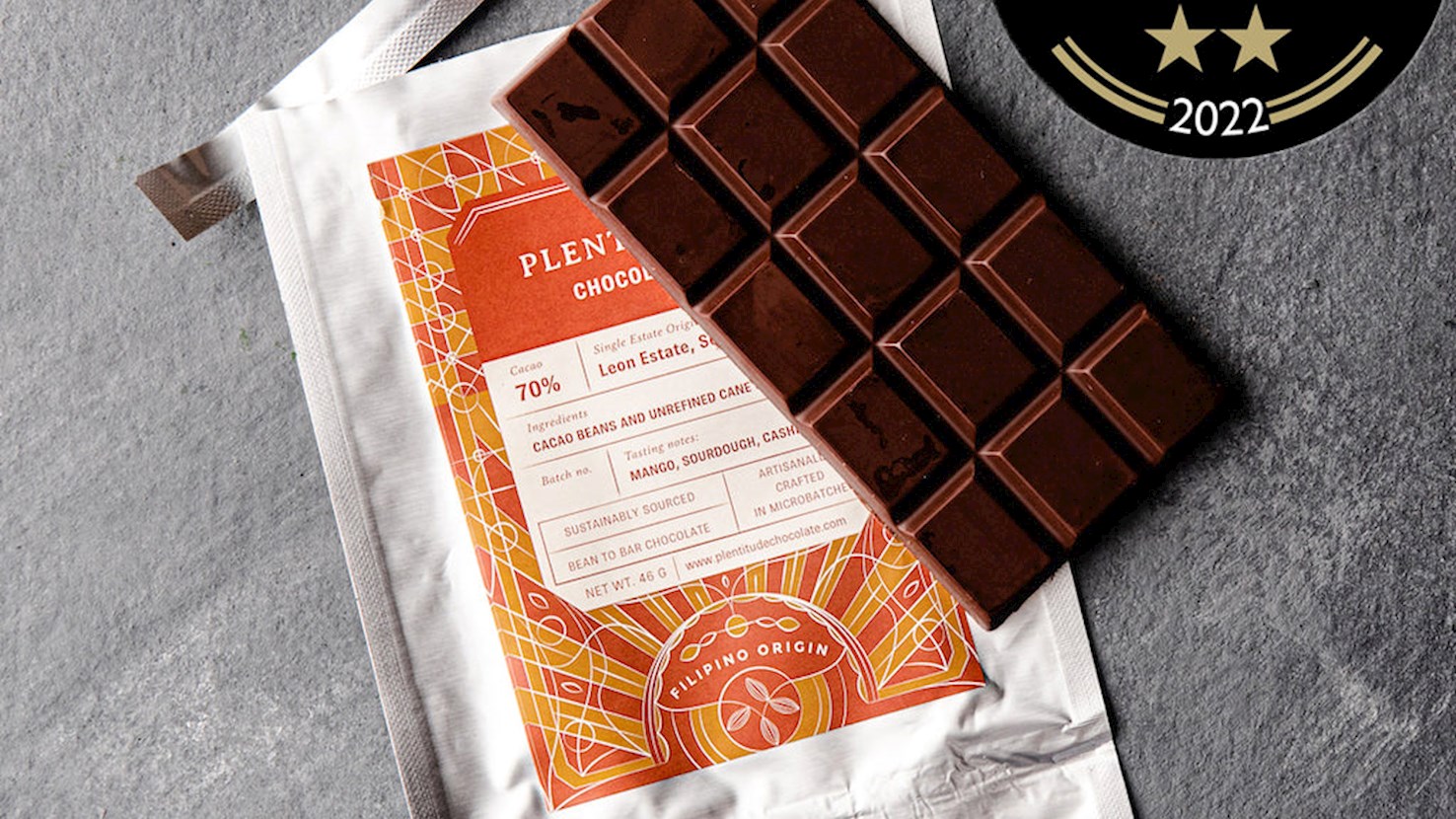
Auro Chocolate is a Filipino company that has set high standards in chocolate production in the Philippines, specializing in premium chocolate made using the "bean-to-bar" process. Founded in 2015 by Mark Ocampo and Keli Go, Auro Chocolate quickly established itself as a leader in the artisanal chocolate industry in the Philippines. This location allows them to work directly with local cacao producers, particularly from the Saloy region, which is known for its organic and sustainable farming practices. Auro Chocolate offers a wide range of products, including dark chocolates with varying cacao percentages, milk chocolates, white chocolates, and specialties made with local Filipino ingredients. The chocolates they produce often contain minimally processed ingredients, preserving the rich natural flavors of the cacao. Auro is known for using dark cacao from the Saloy region in their products, which imparts a rich, full, and complex flavor to their chocolate. The company also prides itself on producing its chocolate in small batches, allowing them to maintain high-quality standards.
Awards
International Chocolate Awards - Gold (2023)
Academy of Chocolate - Gold (2020, 2019)
05
Spirit

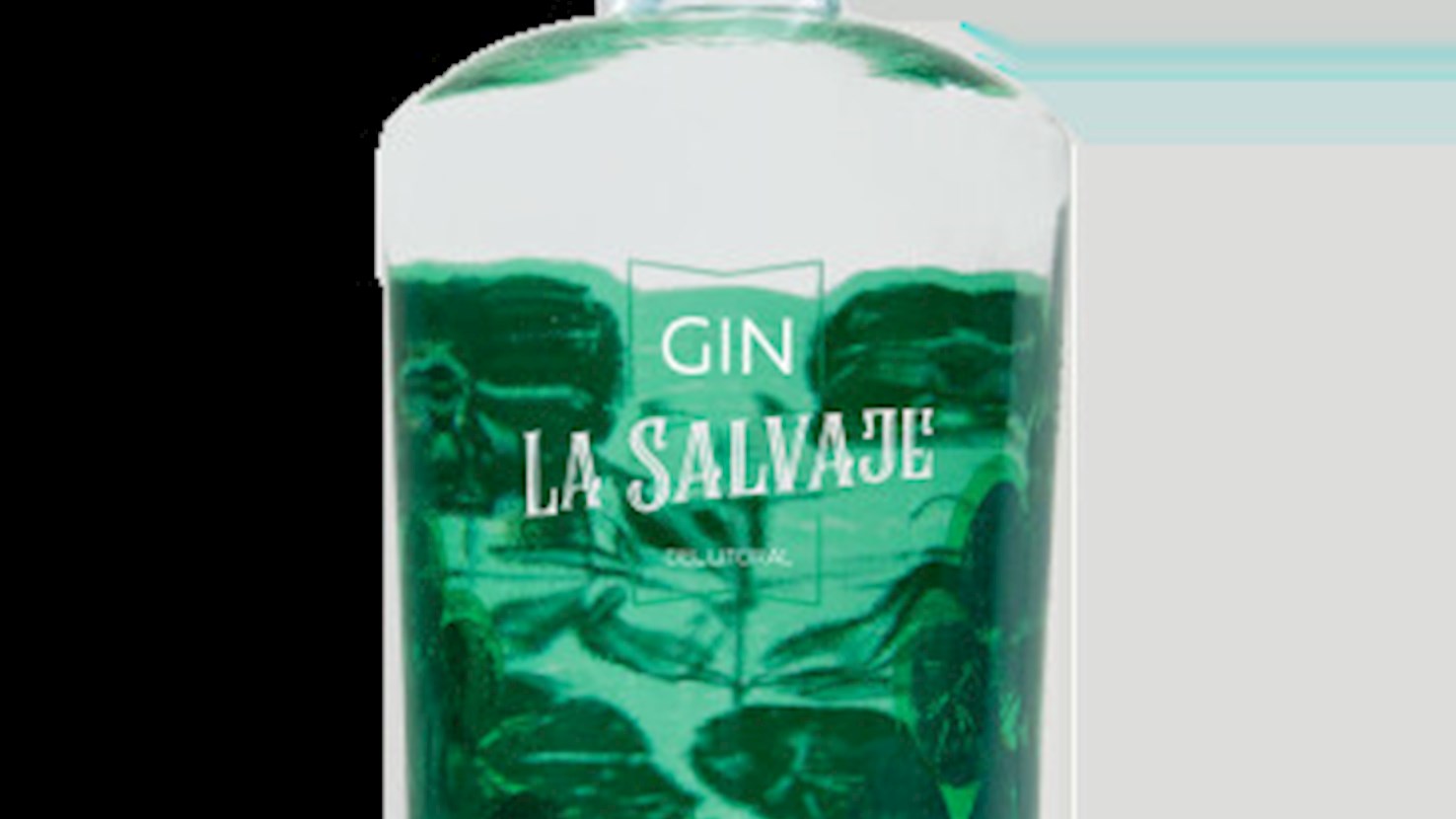
La Salvaje del Litoral

Gin

4.8 ·
Awards
IWSC- International wine & spirit competition - Spirit Gold (2022)
06
Spirit

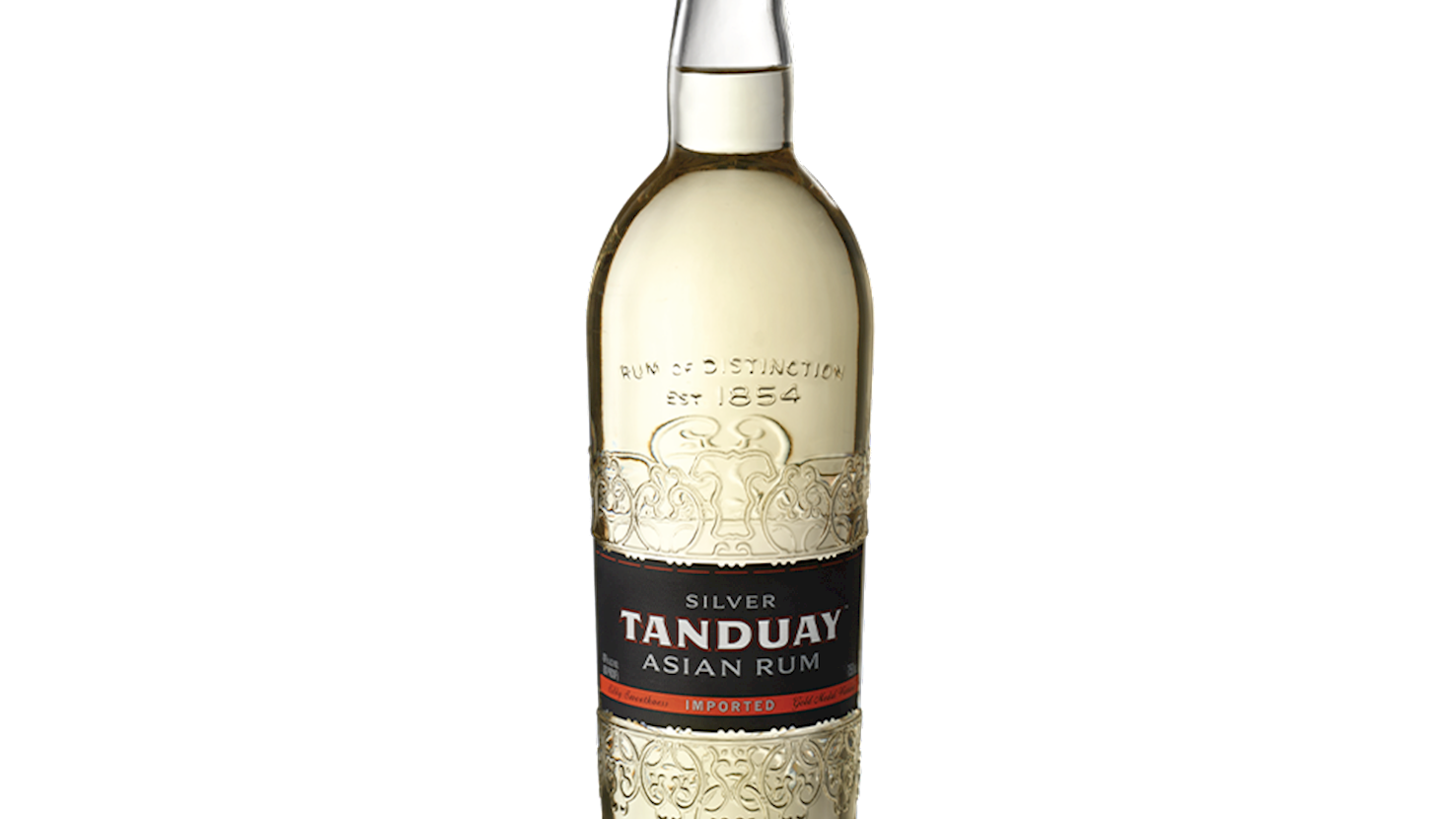
Tanduay Distillers

4.8 ·
Awards
IWSC- International wine & spirit competition - Spirit Gold (2024)
The Asian Spirits Masters - Gold (2022)
07
Chocolate

Theo & Philo

4.7 ·
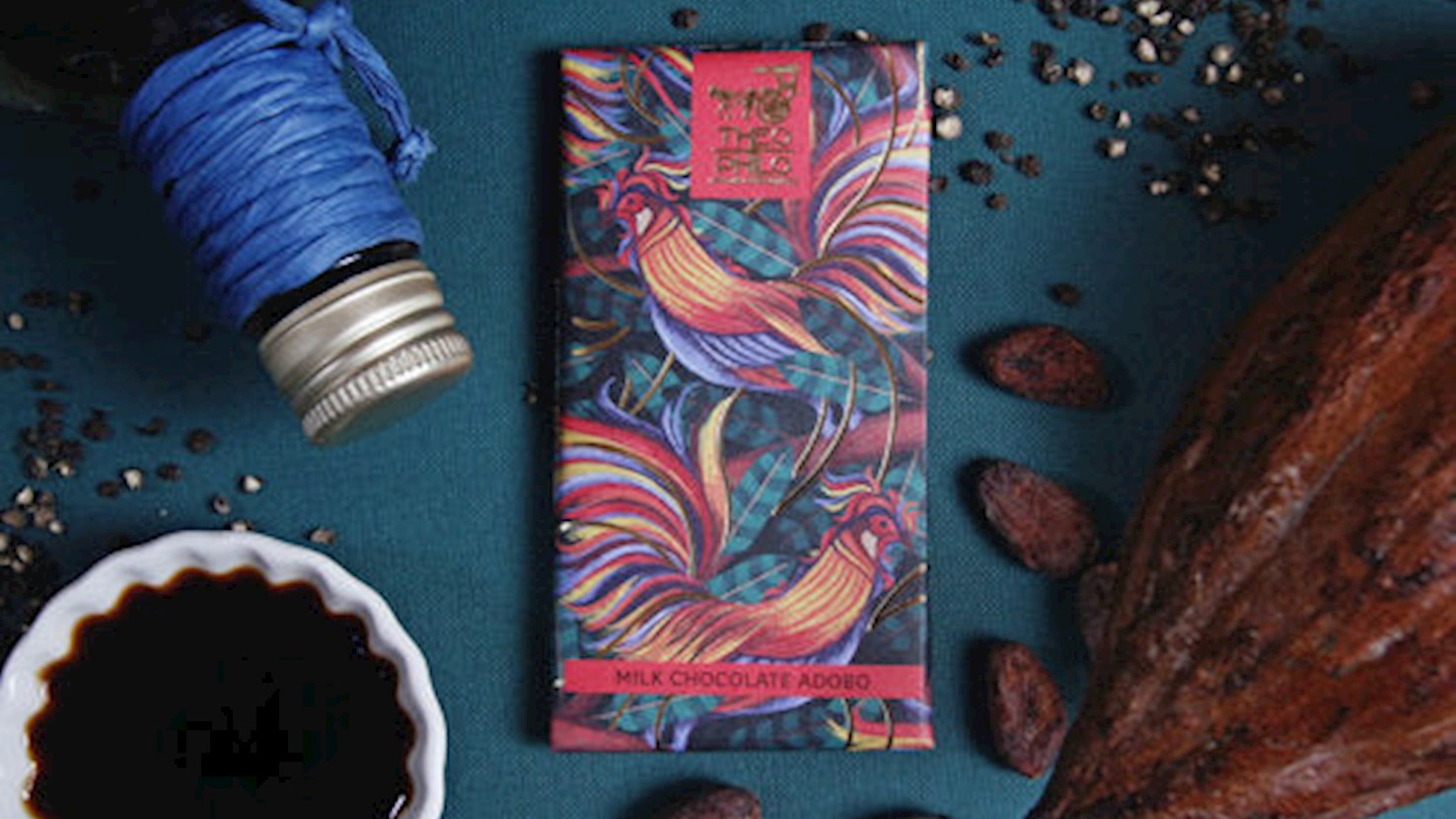
Theo & Philo is a chocolate producer based in the Philippines that crafts bean-to-bar chocolates using locally sourced cacao. They emphasize Filipino flavors in their products, incorporating ingredients such as calamansi, siling labuyo, and barako coffee into their bars. Theo & Philo is also known for supporting local cacao farmers by sourcing their beans from various regions across the Philippines.
Awards
International Chocolate Awards - Silver (2019, 2018)
Academy of Chocolate - Silver (2019, 2018)
08
Chocolate

1919 Chocolate

4.7 ·
1919 Chocolate, based in Quezon City, specializes in producing single-origin Philippine chocolate. They are known for their bean-to-bar process, emphasizing the unique flavors of locally sourced cacao. The company offers a variety of chocolate products, including bars and cocoa powder, highlighting the rich biodiversity of the Philippine archipelago.
Awards
Academy of Chocolate - Silver (2021, 2020)
Academy of Chocolate - Bronze (2021)
09
Chocolate

Ms3 Agri-ventures

4.6 ·
MS3 Agri-Ventures, based in Davao City, Philippines, is involved in the production of high-quality chocolate. The company utilizes locally sourced cacao, supporting local agriculture and sustainability. Besides producing chocolate, MS3 Agri-Ventures also engages in other agricultural ventures, contributing to the regional economy.
Awards
Academy of Chocolate - Silver (2019)
Academy of Chocolate - Bronze (2019, 2018)
10
Beer

Bent Barley Brewing Co.

4.6 ·
Awards
World Beer Cup - Gold (2024)
Read more
View all
View map
About this ranking

TasteAtlas food rankings are based on the ratings of the TasteAtlas audience, with a series of mechanisms that recognize real users and that ignore bot, nationalist or local patriotic ratings, and give additional value to the ratings of users that the system recognizes as knowledgeable. For the “Top 100 Filipino Foods” list until June 24, 2026, 7,716 ratings were recorded, of which 4,991 were recognized by the system as legitimate. TasteAtlas Rankings should not be seen as the final global conclusion about food. Their purpose is to promote excellent local foods, instill pride in traditional dishes, and arouse curiosity about dishes you haven’t tried.

The initial list of top producers was compiled based on available reviews, awards, local recommendations, media and blog coverage, and consumer reviews. The list will be updated with ratings from TasteAtlas local ambassadors and TasteAtlas users.

Similar lists