Tasteatlas

Top 18 Traditional Foods
in Lika-Senj County

Last updated on June 02, 2026

Best Lika-Senj County food products
01
Cheese

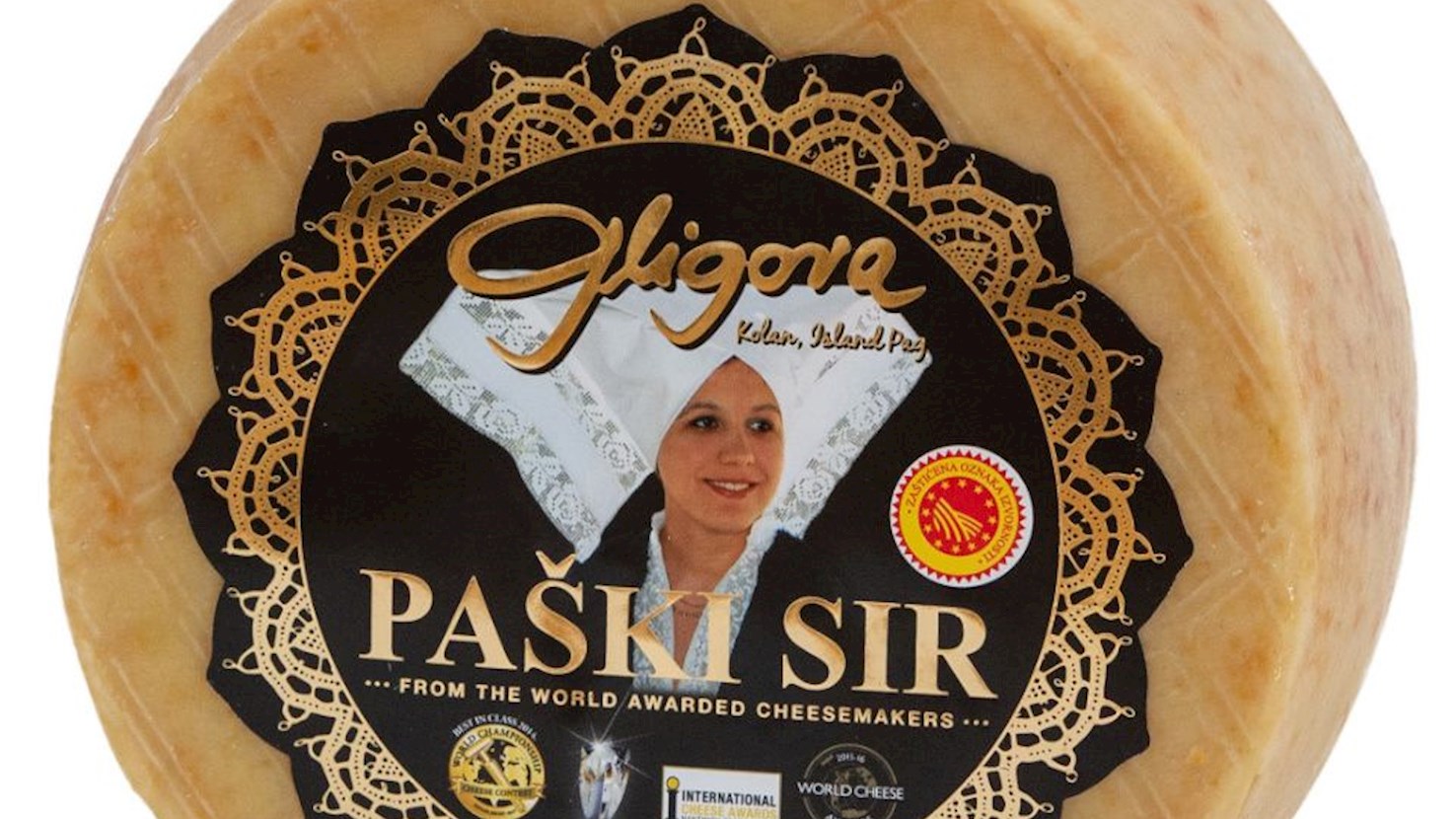
Sirana Gligora

4.9 ·
Sirana Gligora, located in Croatia, specializes in producing artisan cheeses primarily from sheep's milk. The company was founded by Ivan Gligora in 1995 on the island of Pag. They are notably recognized for their flagship cheese, Paški sir, a hard sheep's milk cheese awarded internationally for its quality. Sirana Gligora uses traditional cheese-making techniques integrated with modern technology.
Awards
World Cheese Awards - Super Gold (2022)
Global Cheese Awards - Best (2021)
02
Wine

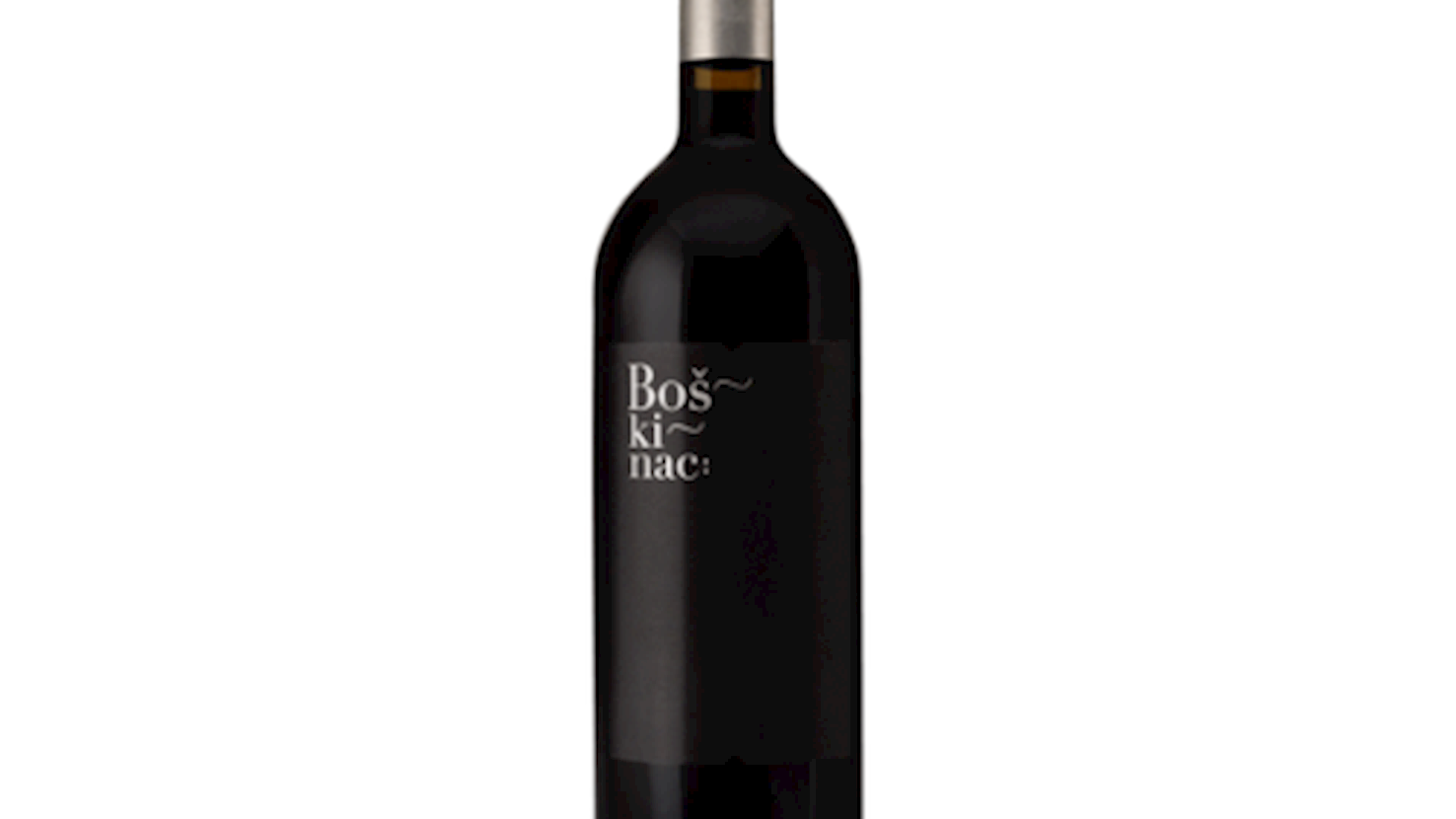
Boškinac

4.8 ·
Boškinac is a boutique winery, restaurant, and hotel located in Novalja on the island of Pag, representing one of the most distinctive wine and гастрономic concepts in Croatia. Founded by the Boškinac family, the estate brings together local terroir, refined cuisine, and small-batch wine production into a unified experience. The winery focuses on limited-production wines, with particular attention to indigenous varieties such as Gegić, alongside international grapes adapted to the island’s conditions. The vineyards are set on rocky, wind-exposed terrain, where the influence of the sea, salt, and strong bora winds shapes the character of the grapes, contributing to freshness and mineral expression. Boškinac is equally renowned for its restaurant, which has been awarded a Michelin star and emphasizes a contemporary interpretation of local cuisine, based on seasonal and regional ingredients. The culinary philosophy aligns closely with the winery’s approach, focusing on precision, balance, and authenticity. The wines are typically elegant and terroir-driven, with white wines showing freshness and restraint, and reds offering structure and complexity without heaviness. Boškinac is widely regarded as an iconic producer in Croatia, successfully integrating winemaking, gastronomy, and destination hospitality into a cohesive and highly recognizable identity.
Awards
Vivino - 4.4
Vivino - 4.3
03
Cheese

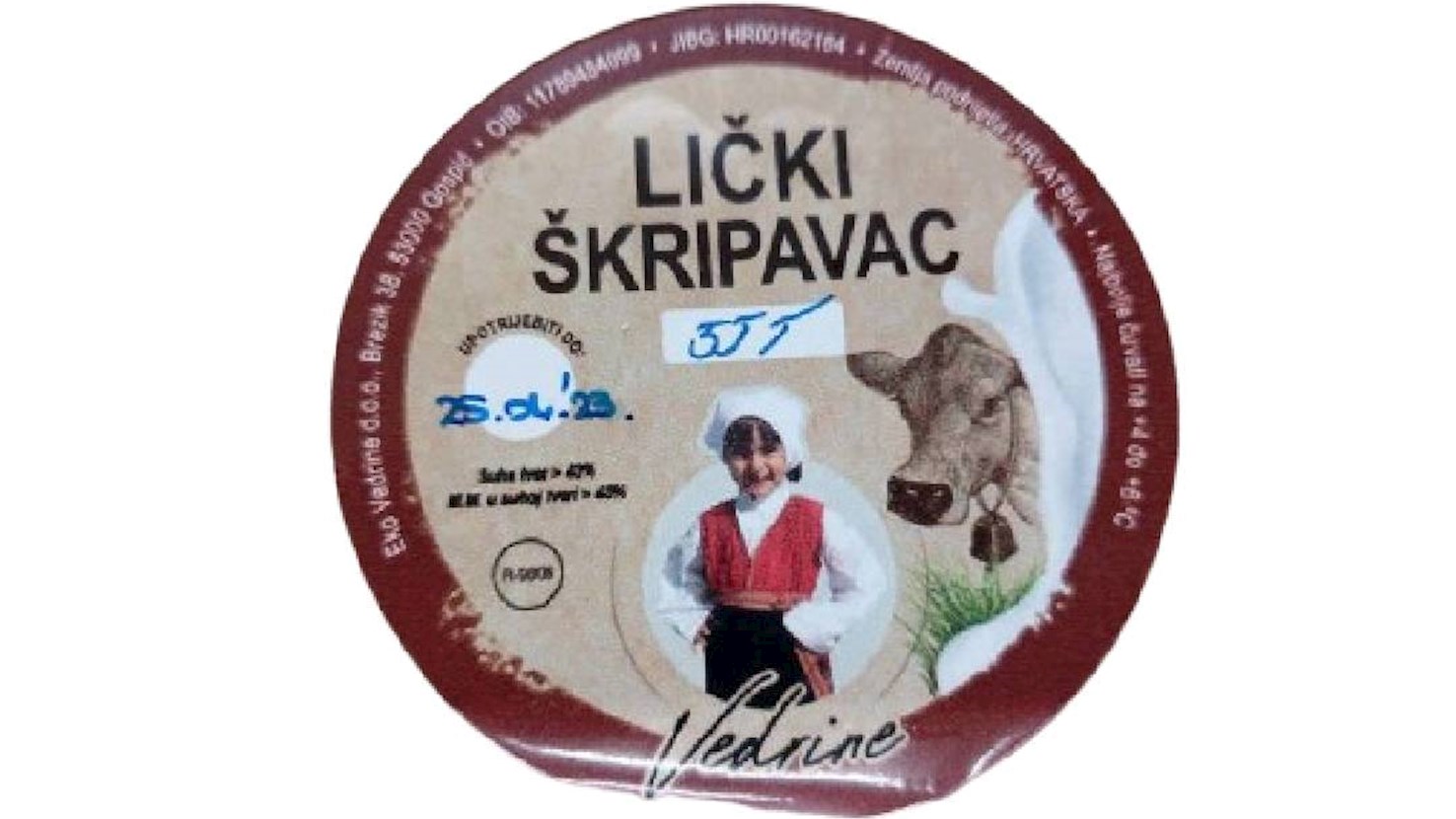
Sirana Vedrine

4.6 ·
Sirana Vedrine is a small, family-run dairy nestled in the village of Brezik, Medak, beneath the towering Vaganski Peak, in the heart of Croatia’s Lika region. Situated between Gospić and Sveti Rok, this traditional farm is home to a herd of gentle and curious Jersey cows, a breed celebrated for producing exceptionally rich milk with high butterfat and protein content—reaching up to 6.3% in winter. All milk is processed on-site using natural rennet and cultures, following time-honored techniques and without any additives. The result is a range of authentic Lika specialties, including Škripavac, Kiselna, Lička Basa, and Seljački (cooked) cheese, as well as fresh milk ("Varenika"), thick and drinkable yogurts, fresh cheese, and cream. With a deep respect for nature and tradition, Sirana Vedrine is growing gradually, expanding its selection while remaining devoted to pure, artisanal production and the distinctive character of the Lika countryside.
04
Cheese

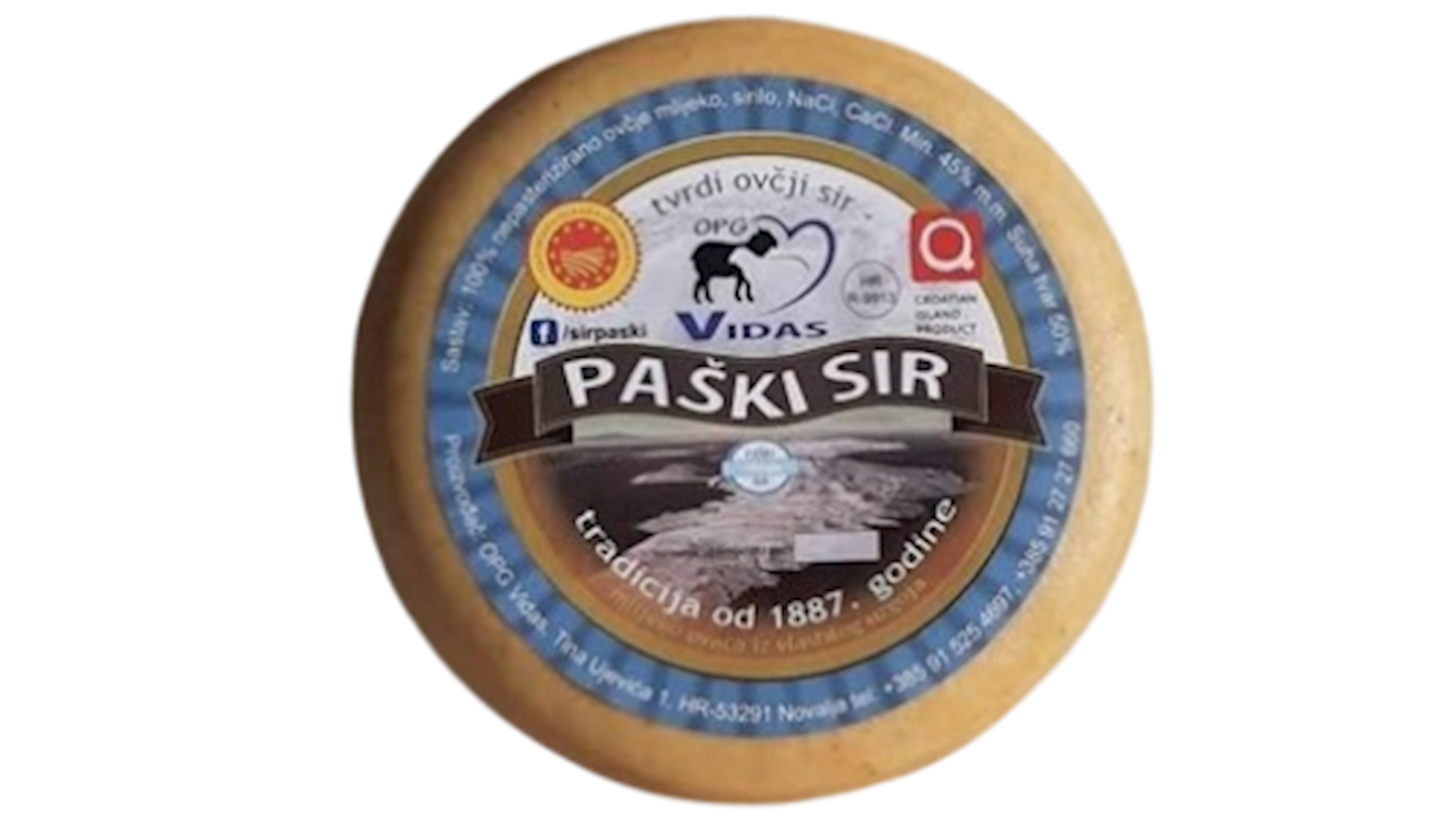
OPG Vidas

4.5 ·
OPG Vidas is a family-run agricultural estate on the island of Pag in Croatia, with a tradition dating back to 1887, when the production of Pag cheese began using a recipe that has been preserved to this day. Based in Novalja, the estate focuses on sheep farming and the production of traditional Pag cheese, made from the milk of indigenous sheep that graze on sparse, aromatic herbs shaped by the island’s harsh conditions. The combination of strong bora winds, sea salt in the air, and rocky terrain gives the cheese its distinctive intensity and subtle mineral character. Production relies on traditional methods, including the use of raw sheep’s milk and a maturation period of several months, during which the cheese develops complexity and structure. The relatively small scale of the farm allows for close control over every stage of production, from animal care to final aging. In addition to cheese, OPG Vidas also produces olive oil and specialty products such as cheese preserved in olive oil, expanding its range within local gastronomy. A notable detail is the historic stamp pressed into each wheel of cheese, a tradition dating back to the Austro-Hungarian period, reflecting the estate’s long-standing heritage. Today, OPG Vidas represents an authentic, small-scale producer of Pag cheese, focused on preserving tradition and expressing the unique terroir of the island.
05
Cheese

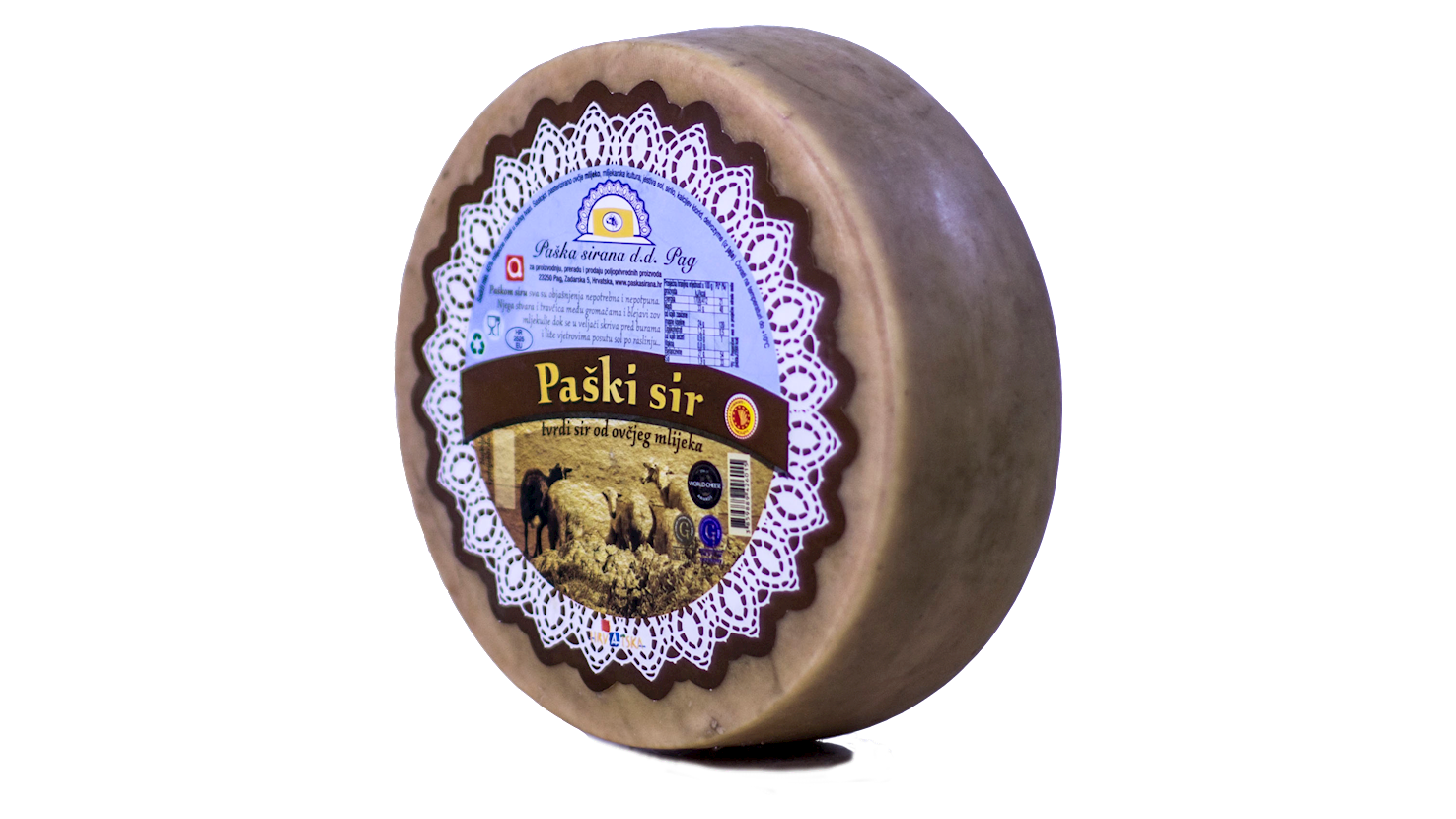
Paška Sirana

4.4 ·
Paška Sirana is a cheese producer located on the island of Pag in Croatia. They specialize in producing sheep's milk cheese, particularly the traditional Pag cheese, known locally as Paški sir. This cheese is noted for its distinct flavor, which derives from the unique diet of the sheep on the island's aromatic herbs.
Awards
Global Cheese Awards - Best (2023)
Global Cheese Awards - Gold (2023, 2019)

Best Lika-Senj County foods

01
Cheese

Paški sir (Pag cheese)

4.3 ·

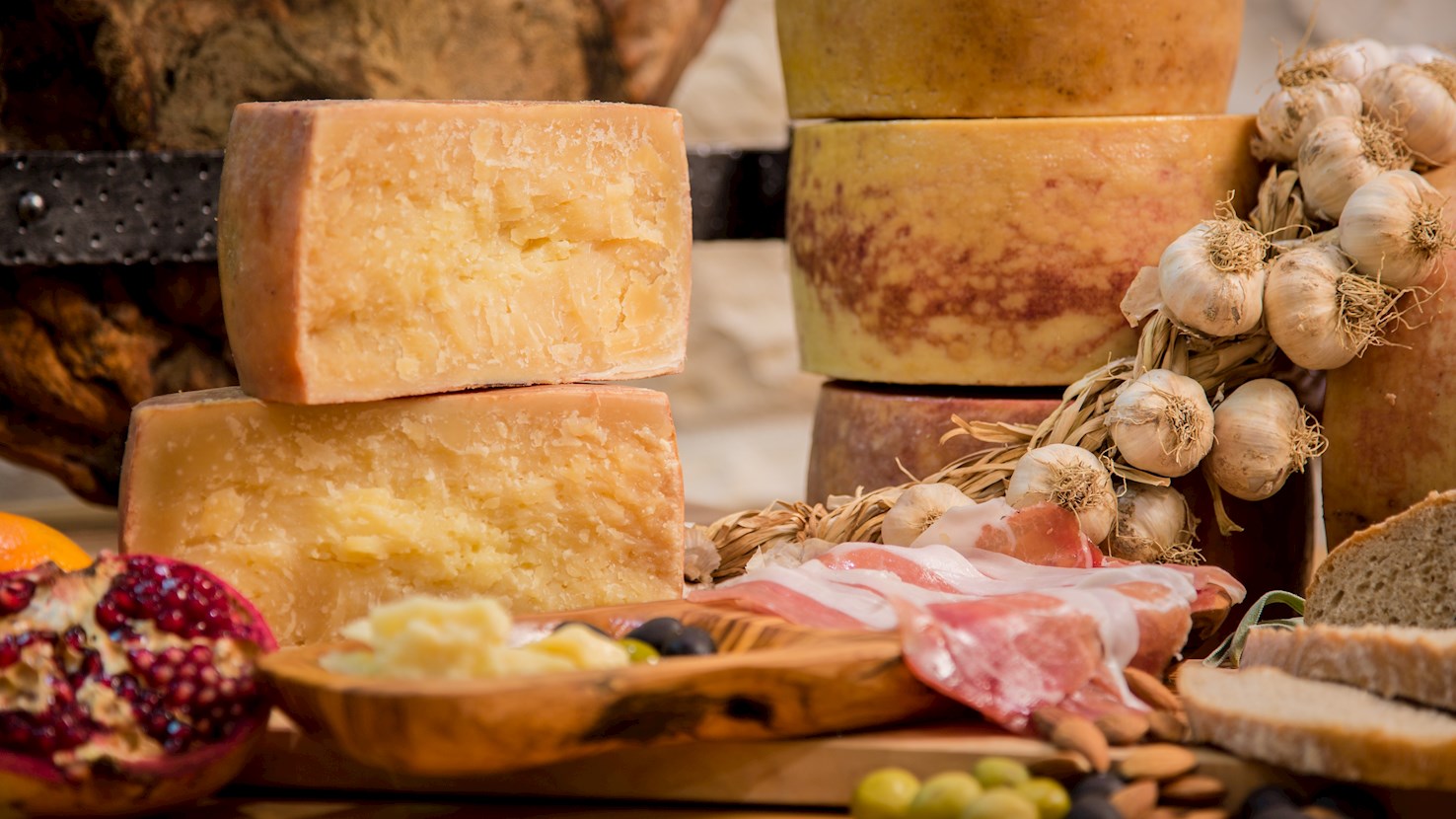
Paški sir is a hard Croatian cheese originating from the island of Pag. The cheese is made from milk of the Pag sheep. The harsh bura wind dusts the island with sea salt, flavoring various herbs (such as immortelle, sage, and sea fennel) on which the sheep graze, and as a result their milk has a unique flavor. This award-winning cheese is characterized by a dry, flaky, grainy, and crumbly texture, and a tangy, salty flavor. The cheese is typically rubbed with ash and olive oil, and it's then left to mature for at least four months. As it matures, the tangy and savory flavors become even stronger. When young, it’s herby and salty, reminiscent of Manchego in texture and flavor, while the aged version somewhat resembles Pecorino Romano. It is recommended to serve the cheese at room temperature, sliced into triangles. Pair the aged one with fruit jams, olive oil, wildflower honey, anchovies, prosciutto slices, grapes, or paške bubice (small local bread rolls), but “don’t use it in sandwiches,” as the locals say. The young version is suitable for shaving on top of risottos and pasta dishes, or it can be melted and used as a pasta sauce. If you want to store Paški sir, it is recommended to place it on a wooden board and turn it every now and then while rubbing it with olive oil in order to prevent the cheese from drying out and developing mold.

02
Potato Dish

Ličke police

3.8 ·

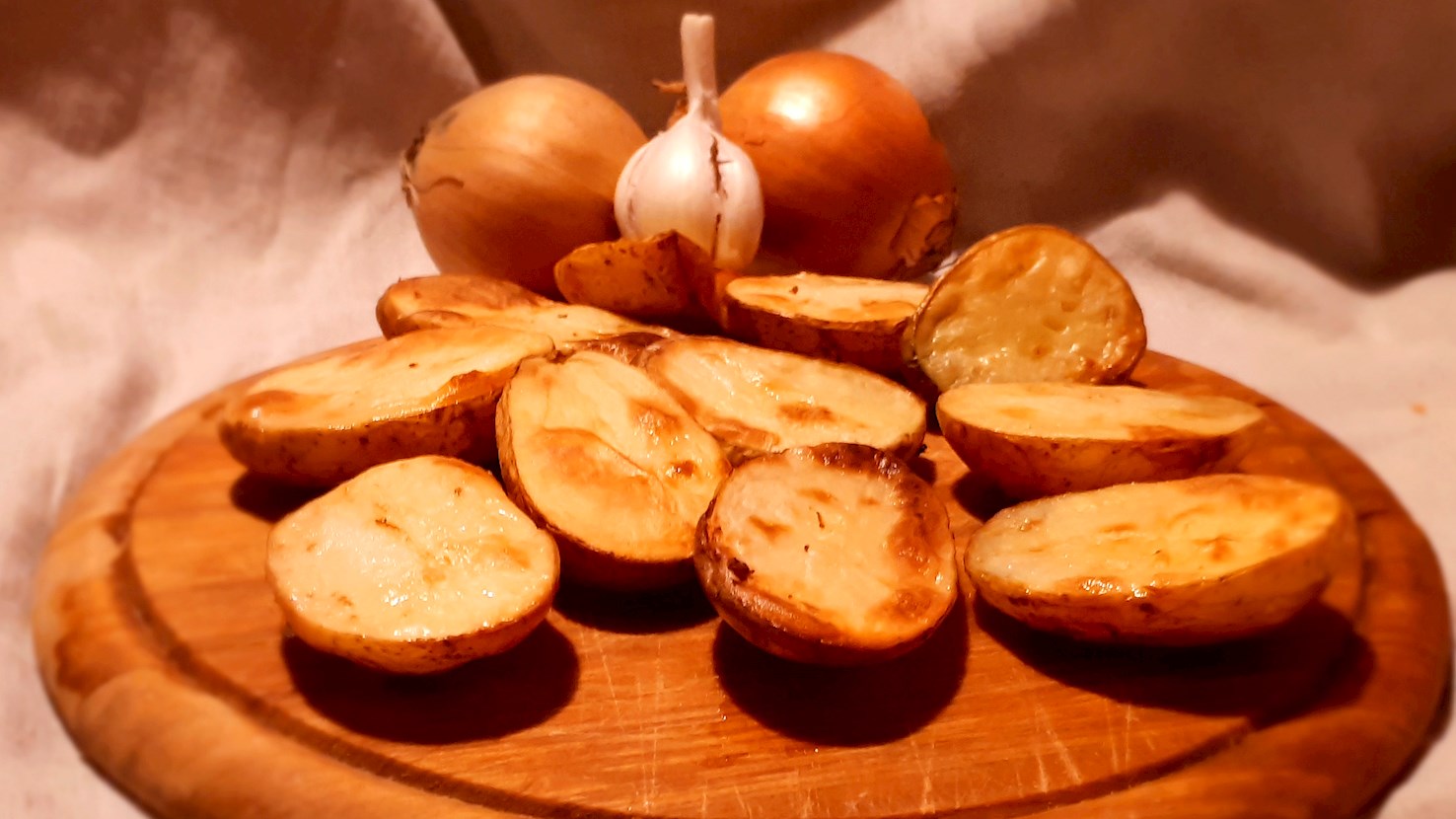
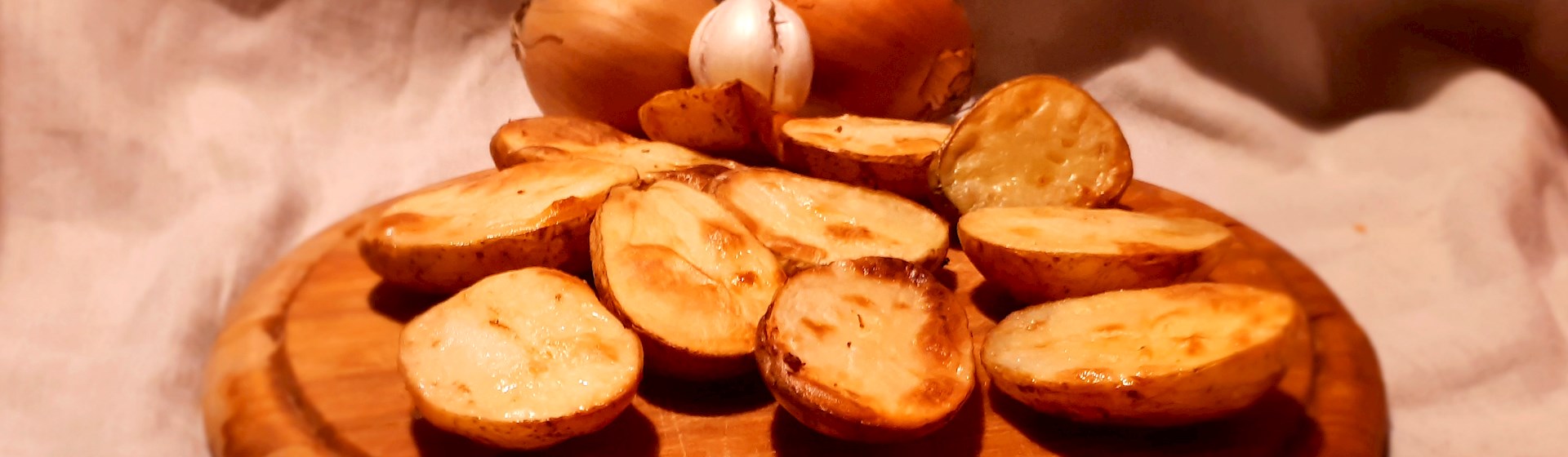
Often described as a poor man’s meal, Ličke police is a simple dish made with potatoes from Lika as the main ingredient. In order to prepare the dish, the potatoes should first be washed and dried, then cut into halves with their skin intact, seasoned with salt, and baked in the oven. When the top of the potatoes develops a nice golden-brown color, and the potatoes develop a tender texture, the dish is ready to be consumed, either on its own or as an accompaniment to meat or dairy products. Police are especially popular during winter, and the most popular variety of the dish utilizes thin pieces of bacon which are placed on top of the potatoes near the end of baking.

03
Cheese

Paška skuta

3.6 ·

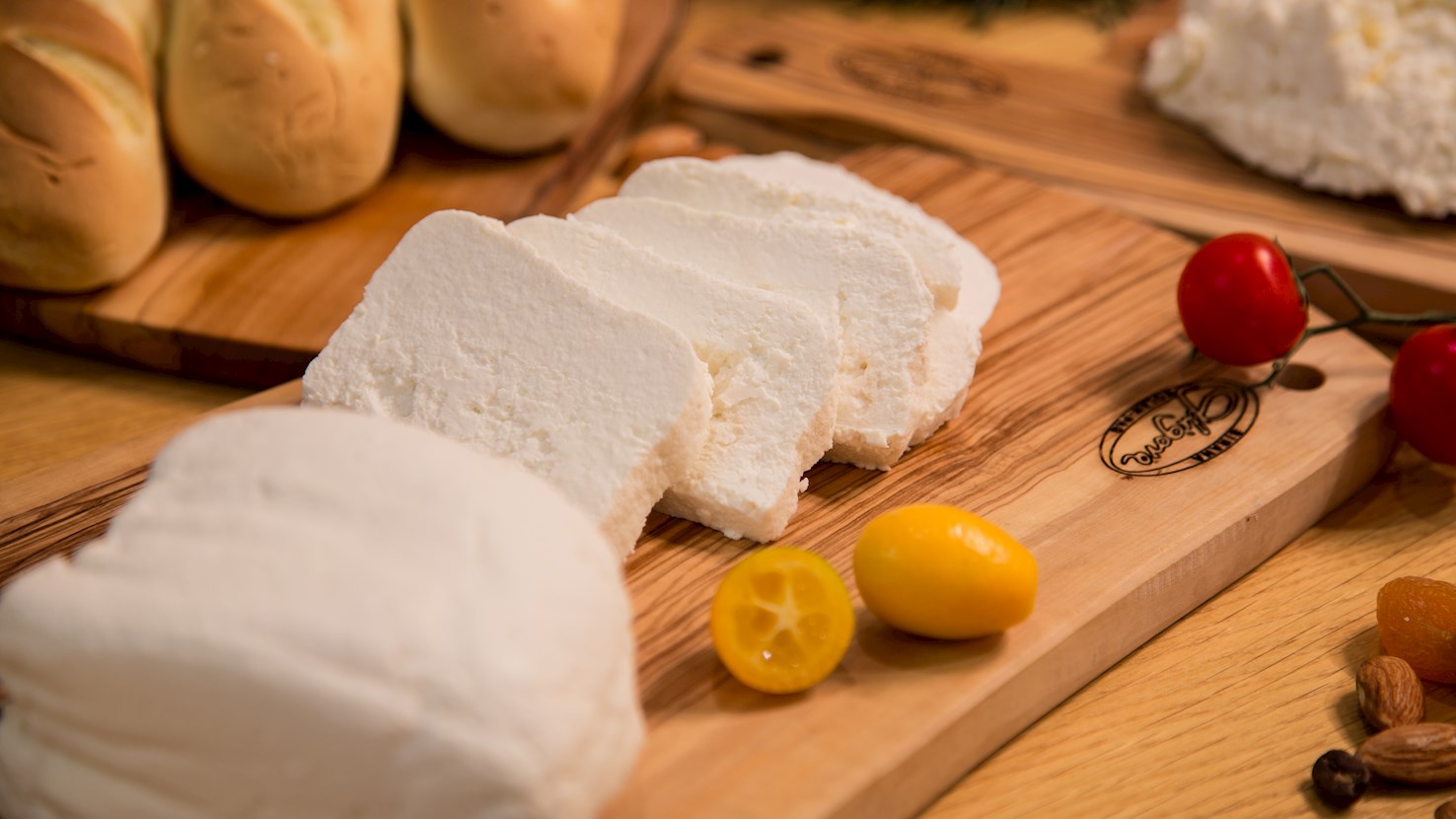
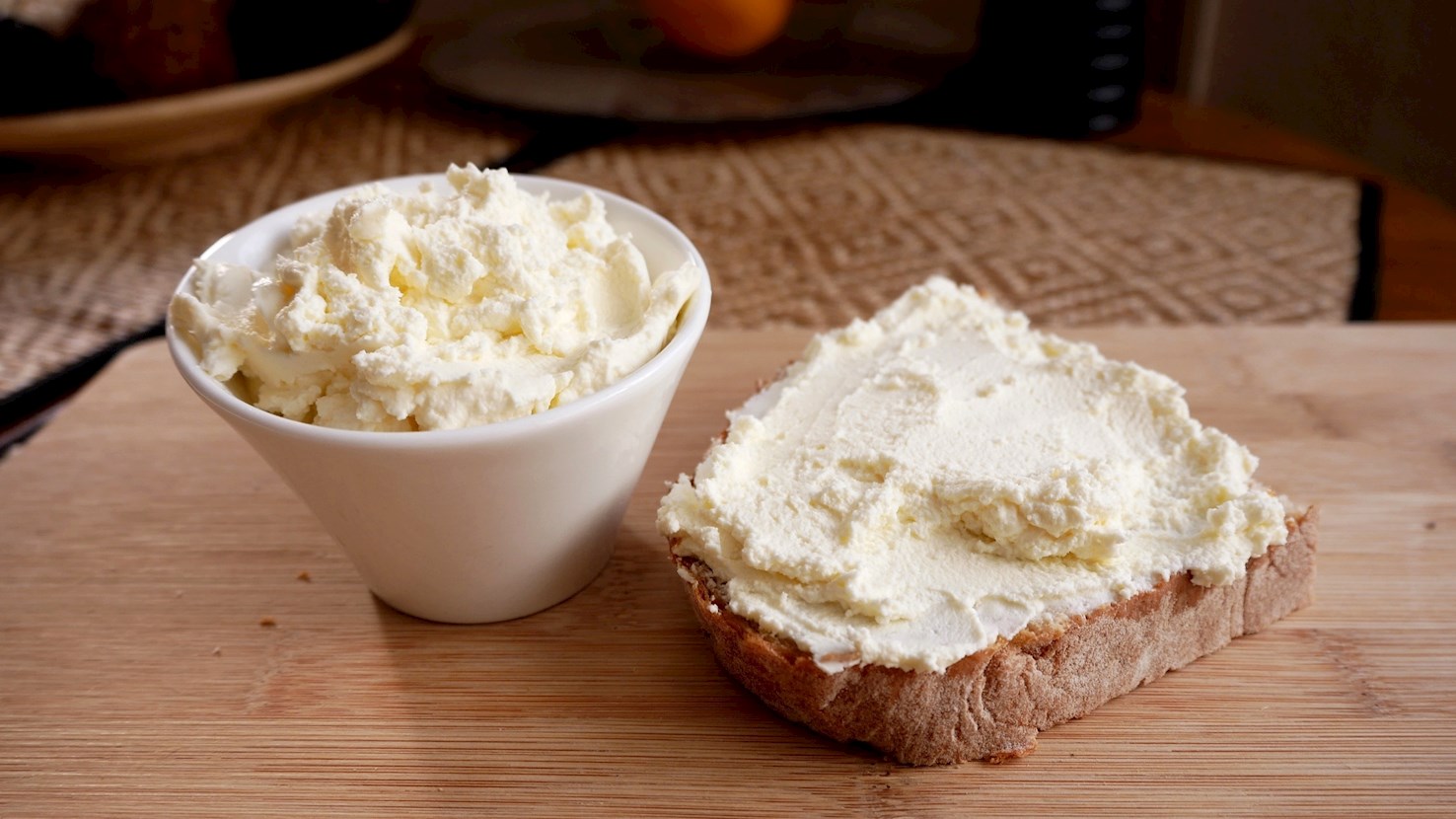
Paška skuta is a traditional ricotta-type cheese produced on the island of Pag. The skuta is made from leftover whey after the production of the famous and award-winning Paški sir. The curd is separated and drained, usually overnight, and the result is a soft and fresh cheese with a unique mild and gentle flavor coming from the milk of the indigenous Pag sheep (Paška ovca). This fresh skuta is low in fat and it's full of healthy Omega-3, protein, calcium, and zinc. The cheese is very versatile and it's recommended to use it in cheese cakes or flavor it with orange liqueur and serve it with fresh fruit. Paška skuta is especially good for liver regeneration, and on the island of Pag, while the strong bura wind blew over the landscape, people would often begin their day with a cup of black coffee with pieces of skuta placed inside of it.

04
Stew

Kupus s mesom (Sour cabbage with meat)

3.3 ·

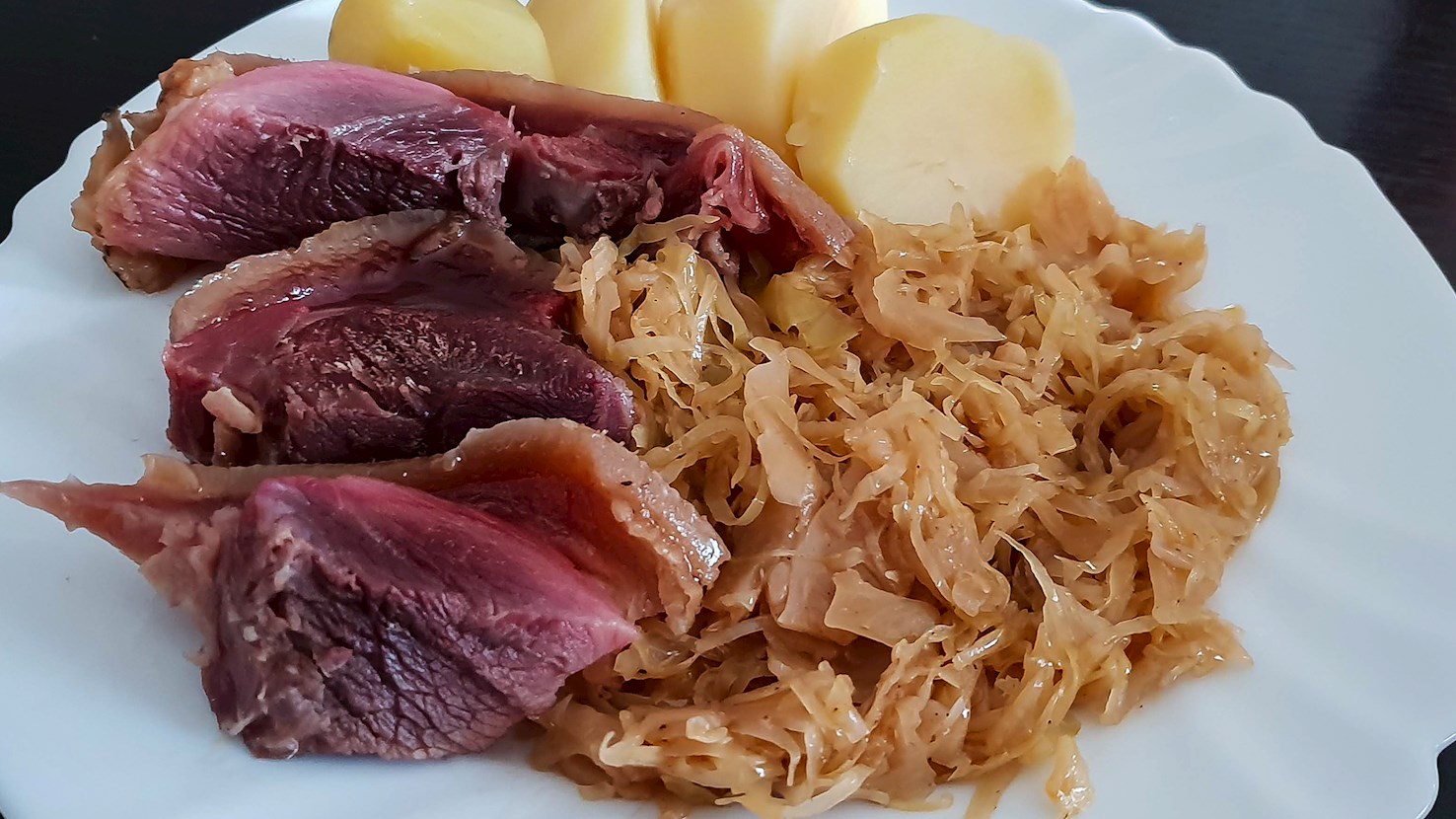
Kupus s mesom is a typical winter dish prepared in the Croatian region of Lika. It consists of only two ingredients – sour cabbage and dried pork meat such as ribs, ham, and bacon. The meat should be washed and boiled first in order for it not to be too salty and overpowering. A big pot is typically filled with sour cabbage, a layer of meat, and another layer of sour cabbage on top. The dish is cooked for about 2 hours over low heat. When served, it is often accompanied by baked potato halves on the side.

05
Octopus Dish

Hobotnica na novaljski

n/a ·

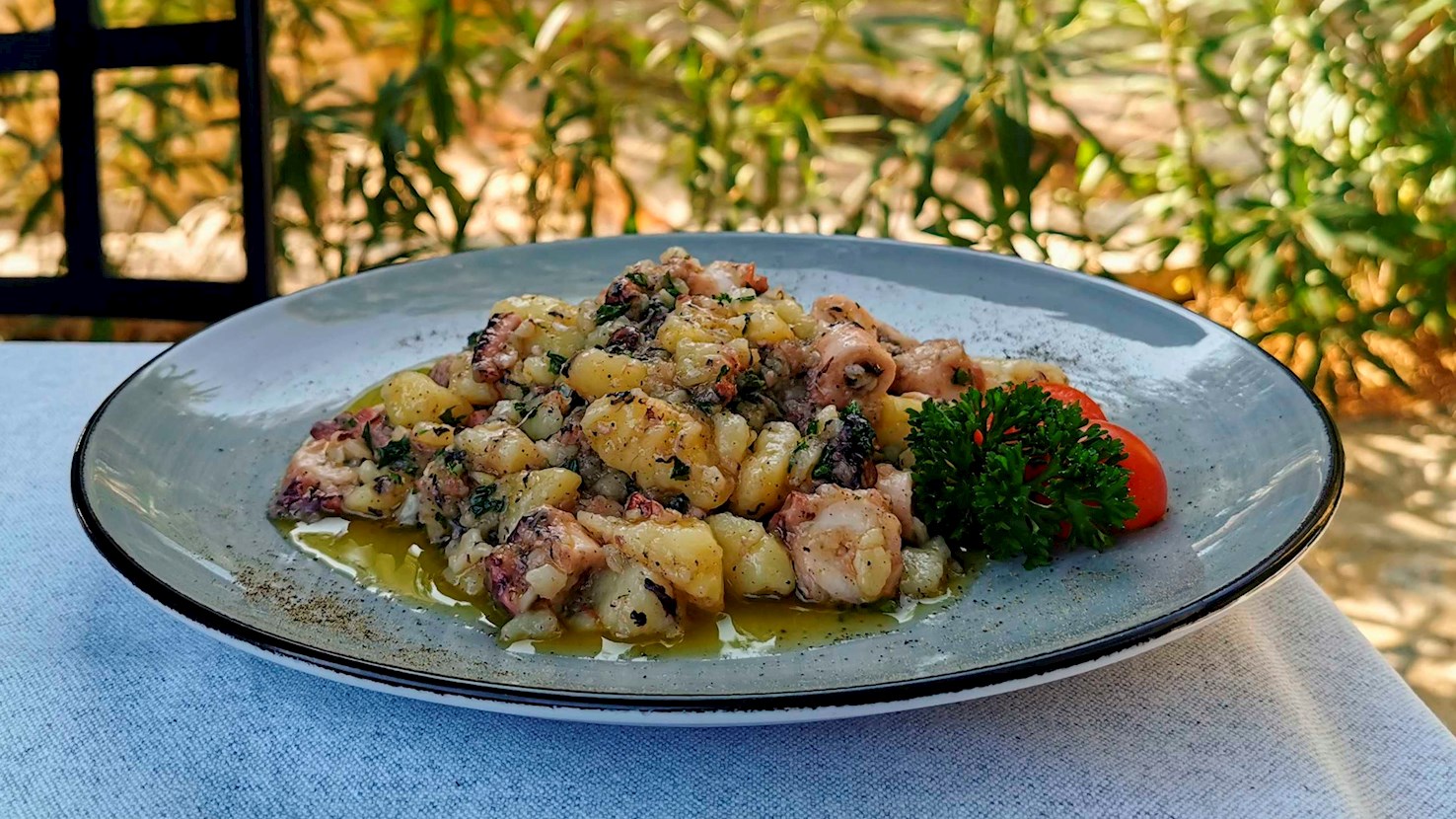
Hobotnica na novaljski is a traditional dish originating from Novalja on the island of Pag. The dish is made with a combination of octopus, potatoes, olive oil, garlic, parsley, and seasonings. The octopus is cooked in boiling water (the water shouldn't be salted because the octopus will become tough), and once tender, the potatoes are added and cooked with the octopus for a bit longer. Once cooked, the octopus is cut into pieces and combined with olive oil, the cooking liquid, and partly-mashed potatoes. Garlic and parsley are added to the mix, and the whole dish is seasoned with salt and pepper. Hobotnica na novaljski is traditionally served warm as an appetizer or the main dish.

Best restaurants
06
Lamb Dish

Janjetina na gradele

n/a ·

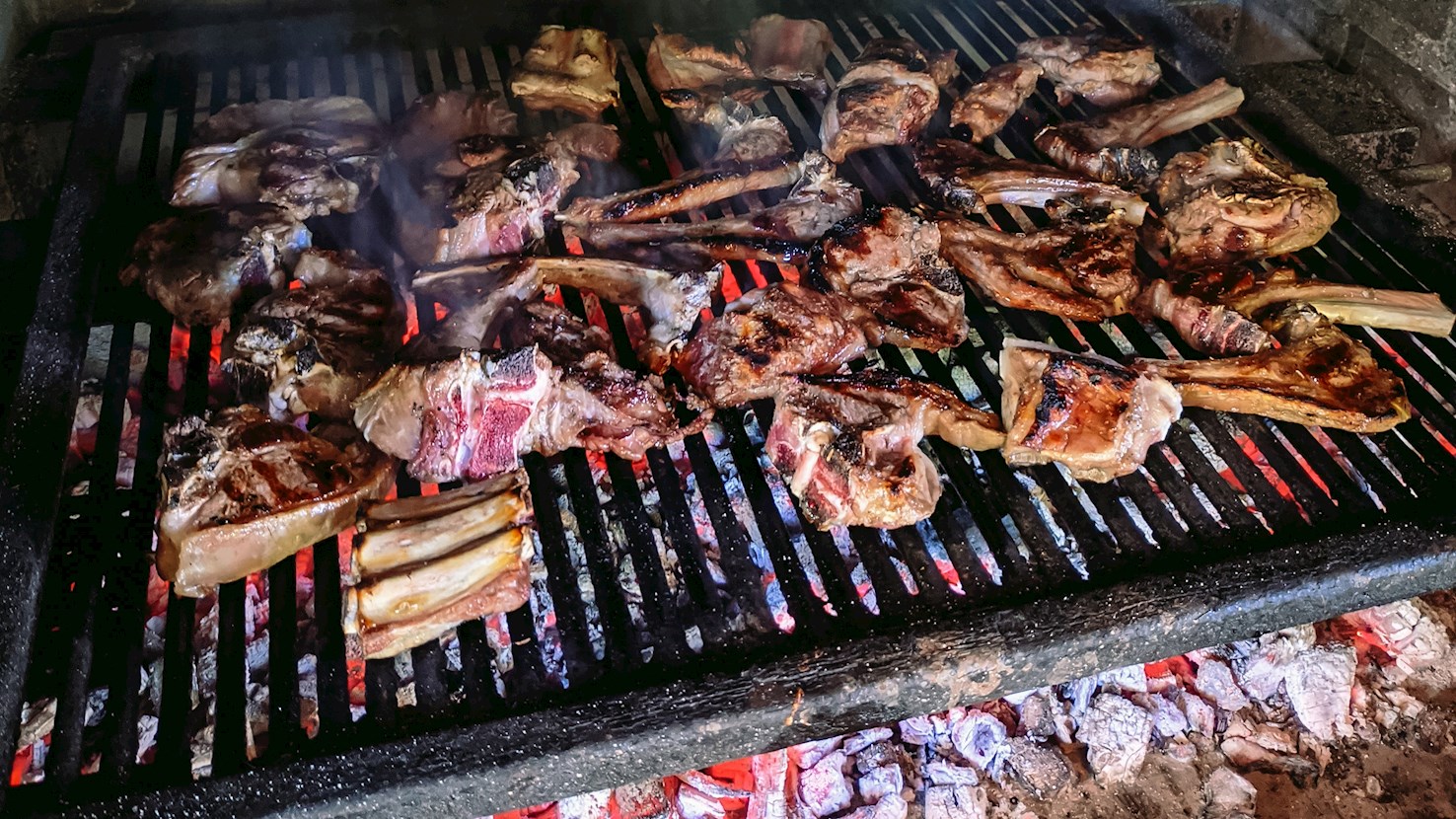
Janjetina na gradele is a traditional specialty hailing from Pag. It involves cooking small pieces of lamb on a simple grill grate (called gradele) over an open fire. The lamb is typically seasoned with nothing else but sea salt (usually flower of salt from the island), and the gradele grill needs to be brushed with oil and lamb fat before the meat is placed on it. The pieces of meat are carefully flipped over throughout the grilling process to prevent them from drying out. This lamb delicacy is usually prepared with slightly older Pag lambs, and it’s traditionally made for Easter. It is recommended to enjoy the perfectly grilled pieces of lamb piping hot, accompanied by sweet red onions, paška sol (Pag salt), Lun olive oil, and a glass of wine on the side. Other common accompaniments include potatoes, grilled vegetables, chicory leaves, and pieces of palenta s paškim sirom (polenta with Pag cheese).

07
Cheese

Basa

3.4 ·

Basa is a unique Croatian cheese that is typically produced from the buša cow breed in the region of Lika, although it can contain sheep's milk as well. This soft cheese has a delicately creamy texture and can also be used as a spread or as an accompaniment to charcuterie products or baked potatoes. Basa is most commonly made by combining varenika (boiled and chilled milk), sour milk, and salt. When the mixture becomes stiff, the whey is drained, and basa is wrapped in a cloth to drain completely. All that is left is to enjoy the delicious flavors and textures of this exceptional Croatian product.

Best producers
08
Soup

Lička juha

n/a ·

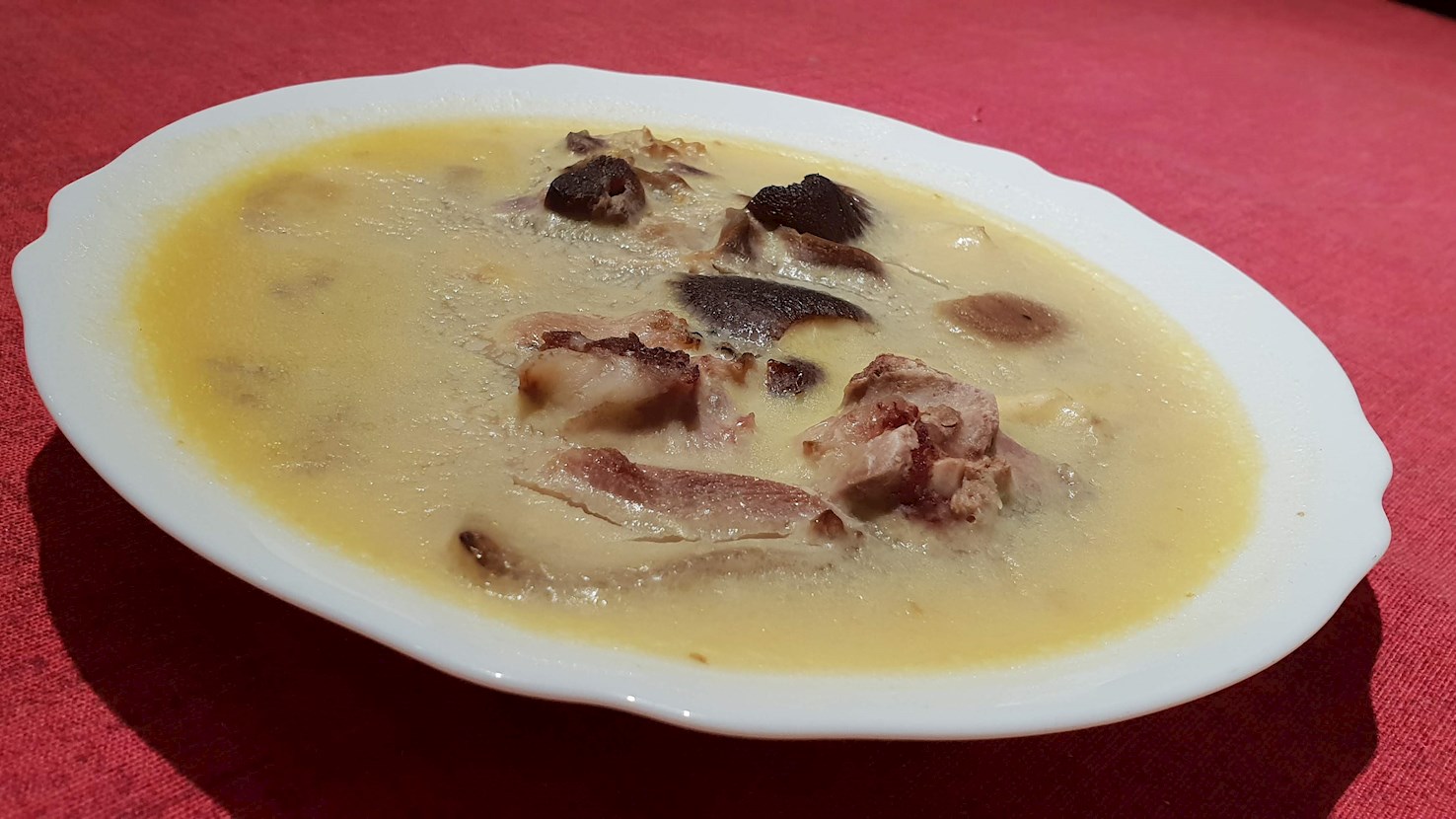
Lička juha is a hearty soup originating from the Croatian region of Lika. It is made with lamb or veal, potatoes, mushrooms, onions, and various root vegetables. The soup is usually flavored with salt, pepper, garlic, and parsley. In Lika, a restaurant called Lička Kuća is known for their version of this soup, where they add a combination of egg yolks and sour cream into it a few minutes before serving. Lička juha is especially popular in autumn and winter.

Best restaurants
09
Rusk

Paški baškotin

n/a ·

Paški baškotin is a Croatian sweet rusk produced by Benedictine nuns in the St. Margarita monastery on the island of Pag. They have been producing it for more than 300 years. The nuns got their first oven in 1540, and they have used it since then to bake various cakes, pastries, and baškotin. The recipe for baškotin is kept a secret. Nowadays, the nuns bake about 30 kilograms of baškotin daily, and they can’t make any more because the whole process is done by hand. Traditionally, baškotin was offered to guests with chicory coffee on the side because regular coffee was expensive and hard to come by. Baškotin was also often served with prošek, as it was believed that dunking it in prošek before consumption was beneficial for pregnant women.

10
Meat Jelly Dish

Dželadija

n/a ·

Dželadija or hladetina is a typical meat dish originating from the Croatian region of Lika. Pork parts such as legs, ears, tail, skin, and head are covered with cold water, then placed over a low fire. When the water starts to boil, the surface foam is removed, while seasonings such as salt and pepper are added to the pot. The pot is covered and the meat is left to cook slowly, from 3 to 4 hours. When the meat begins to separate from the bones, the soup is transferred to another pot while the bones are removed from the meat, skins, and cartilage. A bit later, the soup is once again combined with meat, skins, and cartilage, and the concoction is left to cool and develop a jelly-like consistency. Dželadija is always served cold, preferably with thick slices of bread or baked Lika potatoes on the side. In the past, this was a popular poor man’s meal, but nowadays it is rarely consumed.

About this ranking

TasteAtlas food rankings are based on the ratings of the TasteAtlas audience, with a series of mechanisms that recognize real users and that ignore bot, nationalist or local patriotic ratings, and give additional value to the ratings of users that the system recognizes as knowledgeable. For the “Top 18 Traditional Foods in Lika-Senj County” list until June 02, 2026, 100 ratings were recorded, of which 51 were recognized by the system as legitimate. TasteAtlas Rankings should not be seen as the final global conclusion about food. Their purpose is to promote excellent local foods, instill pride in traditional dishes, and arouse curiosity about dishes you haven’t tried.

The initial list of top producers was compiled based on available reviews, awards, local recommendations, media and blog coverage, and consumer reviews. The list will be updated with ratings from TasteAtlas local ambassadors and TasteAtlas users.

Similar lists