
shutterstock

Top 72 Serbian Foods

Last updated on June 02, 2026

Best Serbian foods

01
Breakfast

Komplet lepinja

4.5 ·

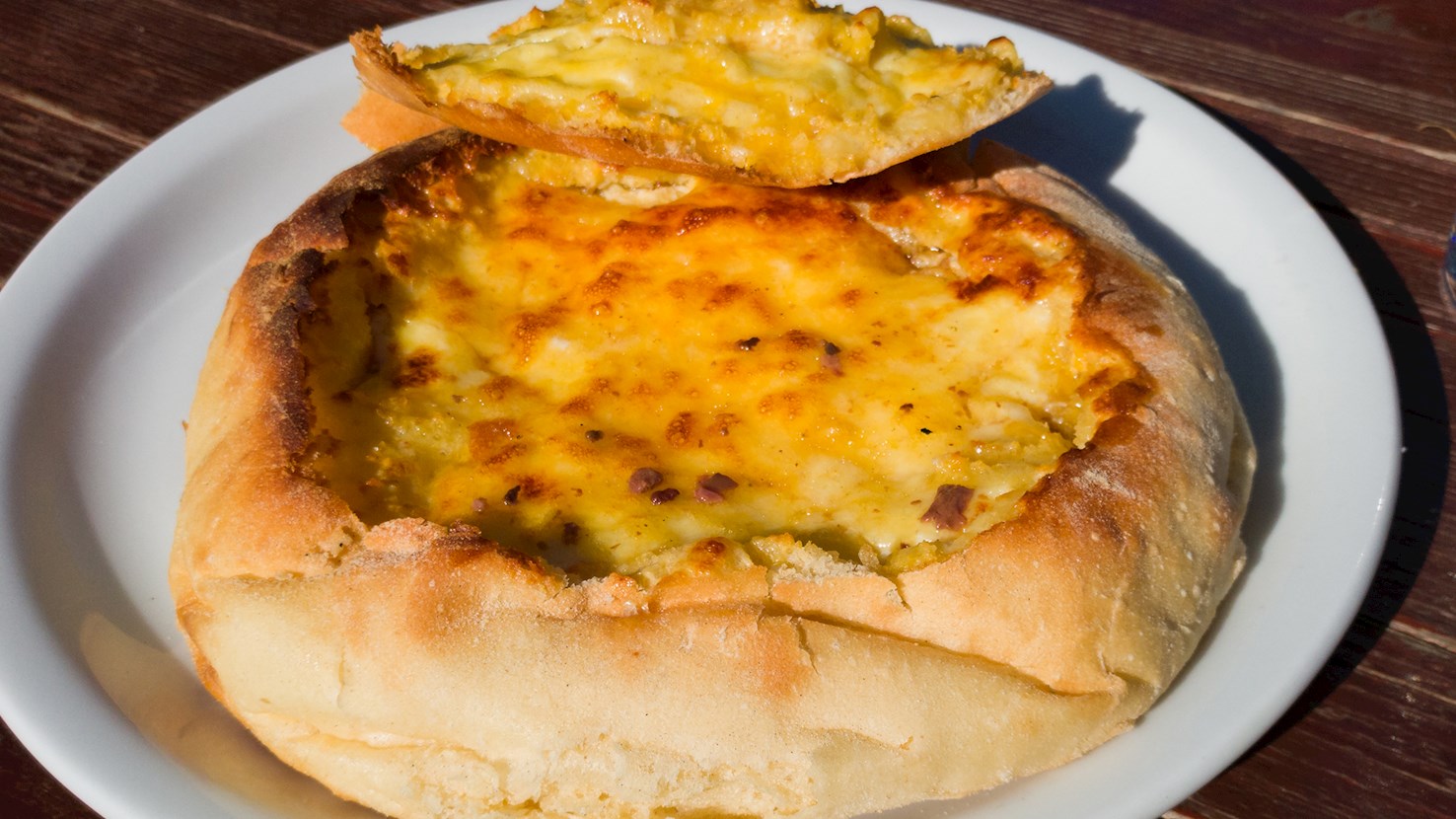
This delicacy consists of a traditional flatbread (lepinja) that is cut in half, coated in thick cream (kajmak), and topped with an egg. The combination is shortly baked and should be doused with a mixture of warm meat drippings, which is locally known as pretop. Komplet can be loosely translated as with everything in it, and is traditionally associated with Užice and Zlatibor. It is believed to have originated sometime before WWII, and the name was officially registered by Dragan Lazić, a current owner of the bakery Kod Šuljage in Užice. Although it is nutritious and highly caloric, the dish is commonly enjoyed for breakfast and is best paired with a glass of yogurt or sour milk on the side. For the most authentic experience, it is recommended to eat it with your hands.

02
Savory Pastry

Pazarske mantije

4.4 ·

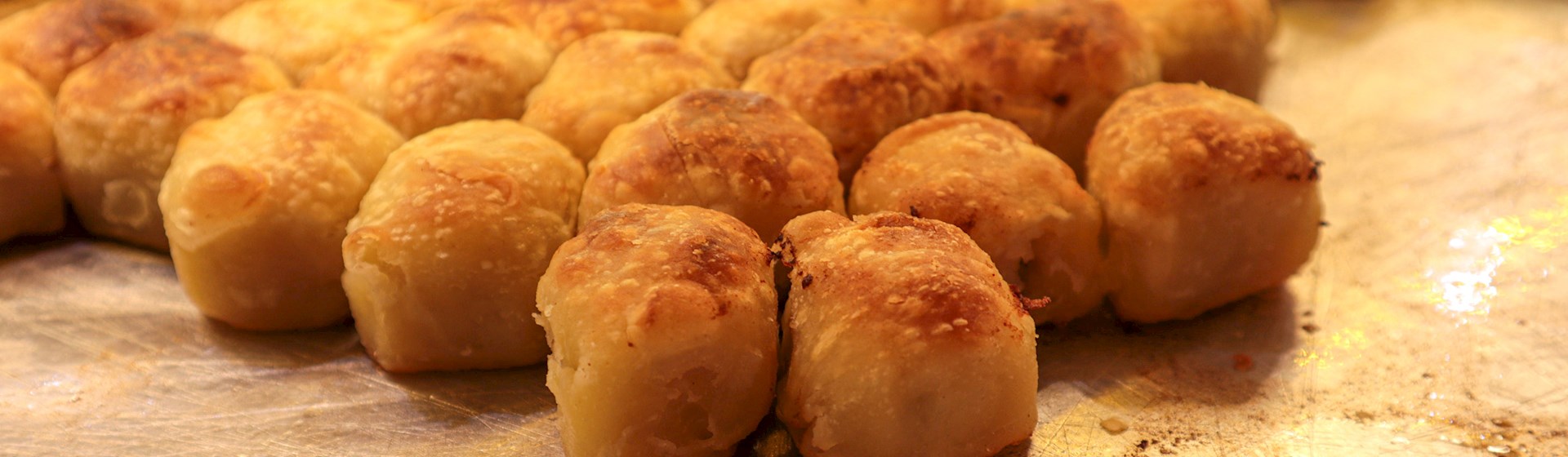
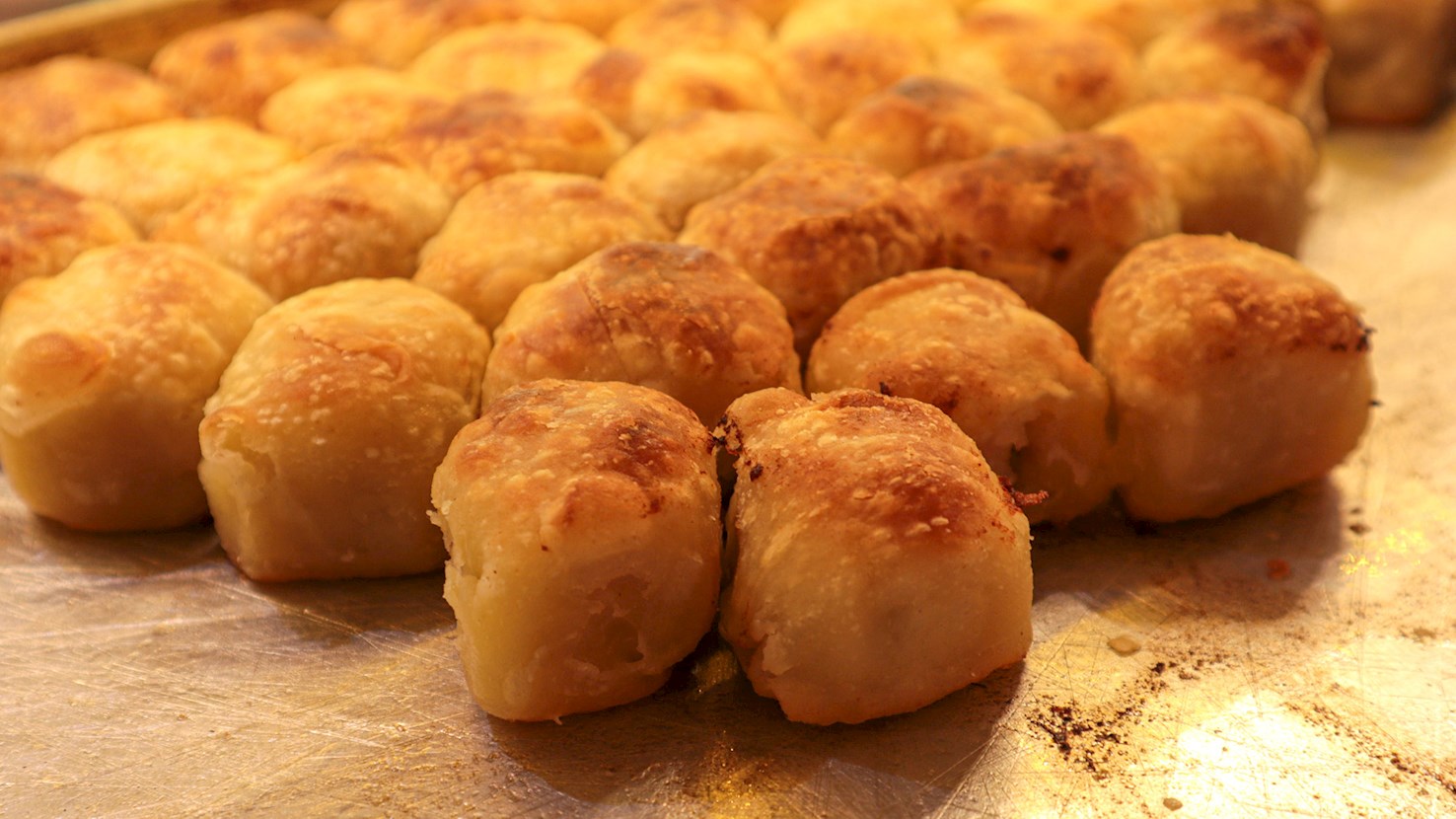
Pazarske mantije is a Serbian dish originating from Novi Pazar. This dish resembles the Bosnian burek in flavor, but the shape is quite different – it's shaped into small spheres that are arranged in a baking pan and baked together. The dough is first stretched, brushed with butter, then stuffed with ground beef, salt, pepper, onions, and a bit of oil. Once stuffed, the dough is shaped into small balls, arranged in a pan, then baked, traditionally in old furnaces which give them their unique flavor and aroma. Mantije are usually accompanied by yogurt that's poured over them and eaten while still hot.

03
Barbecue

Leskovački roštilj

4.3 ·

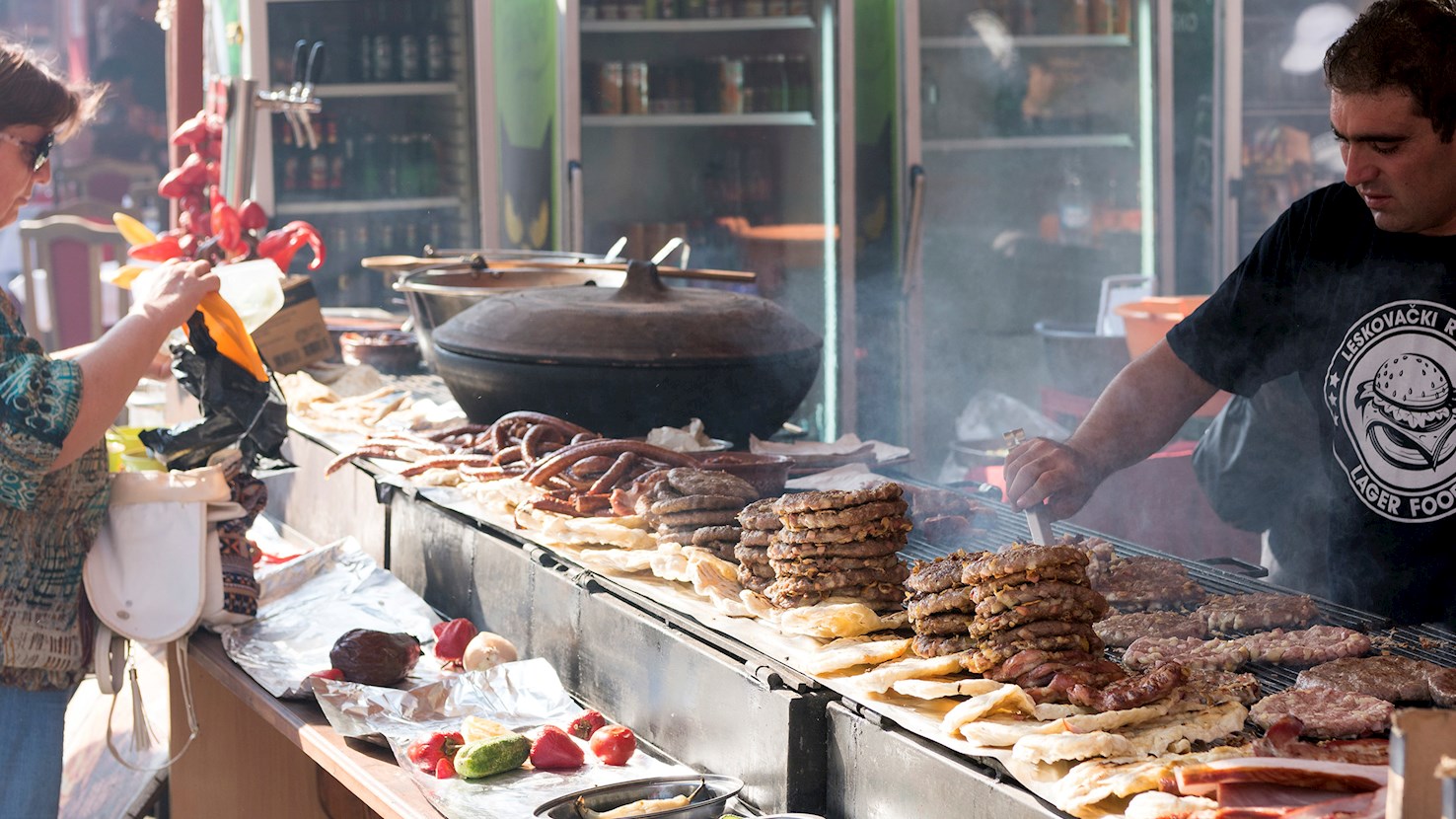
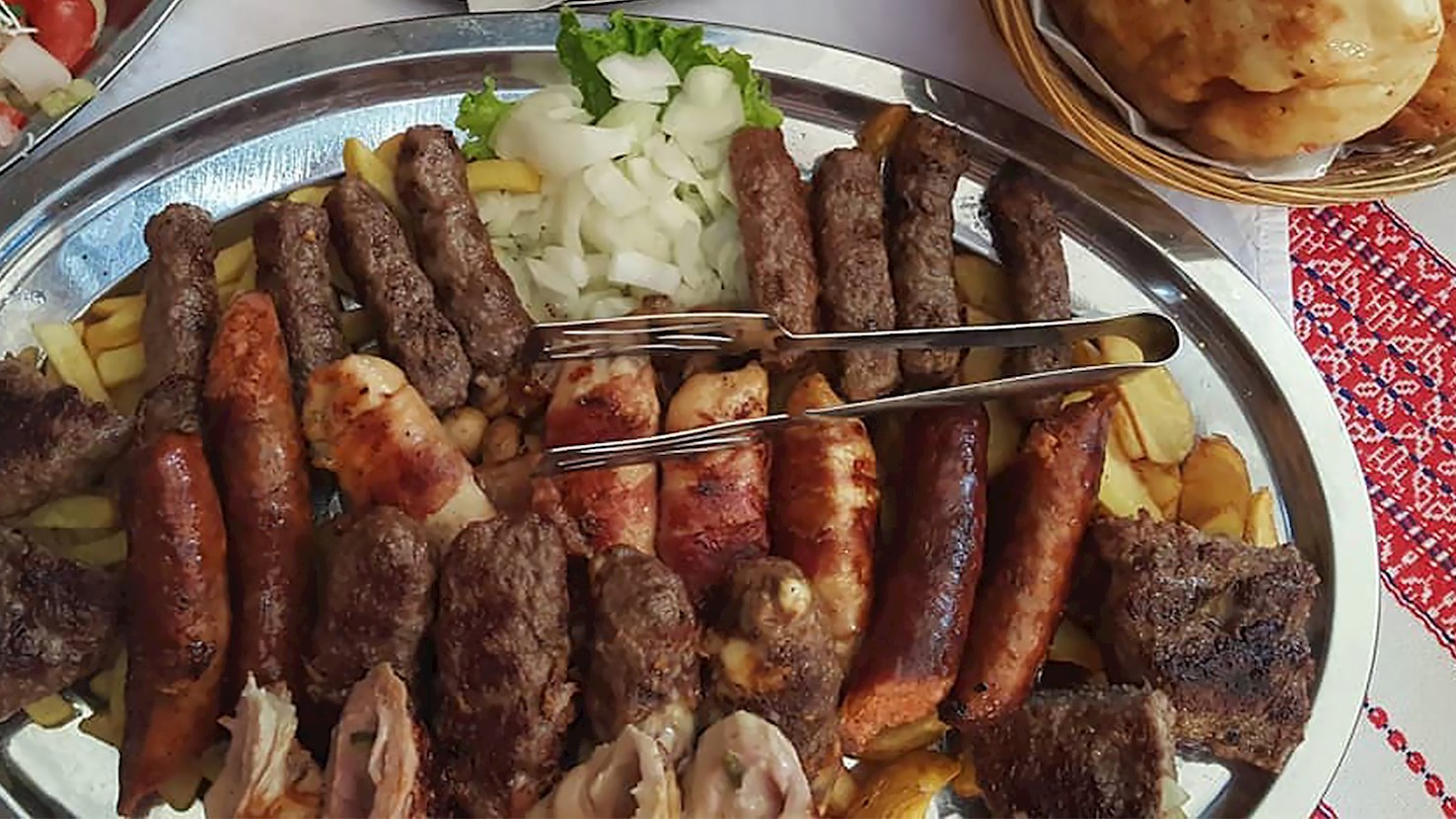
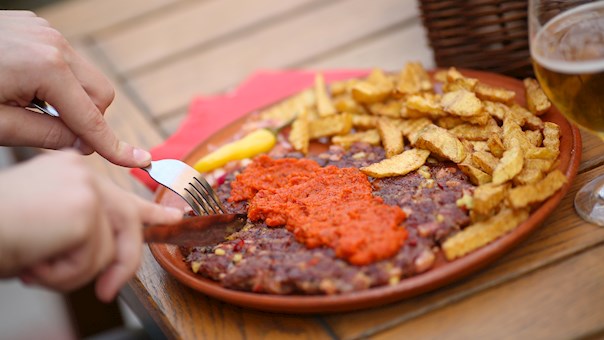
Leskovački roštilj refers to a traditional method of grilling meat which is considered the highest form of barbecue art in Serbia and beyond. Hailing from Leskovac, the technique, according to local belief, is thought to have been brought over from the Caucasus via Turkey, Greece, and Macedonia hundreds of years ago. Although the exact preparation of the meat remains a secret known only to Leskovac barbecue masters, what is generally known is that the ground mixture traditionally consists of beef that is chopped, ground (first coarsely and then finely), seasoned, and allowed to sit for at least 48 hours before cooking. Apart from the meat, the ground mixture also typically contains chopped onions and ground pepper. Leskovac grilling method calls for cooking the meat on a grill over glowing coals, a process that produces juicy flesh with a pleasant, smoky fragrance. Although beef is the most traditional choice, pork and chicken specialties are also featured on a Leskovac grill. The traditional meat specialties that go on the Leskovac grill include pljeskavica (a Serbian-style burger or meat patty), ćevapi (small skinless sausages, similar to kebabs), mućkalica (mixed meat dish), smoked sausages, uštipci (meatballs), vešalica (pork steak in lambrequin), and skewered meat, among others. Leskovac barbecue is not just a cooking technique but an essential part of local and national cuisine, tradition, and culture. This barbecue style has become internationally known over the years, and nowadays, restaurants serving Leskovac-style barbecue specialties can be found in numerous countries in Europe, USA, and Australia. To honor Leskovac barbecue, a barbecue festival called Roštiljijada is held annually in Leskovac in September. As of November 1, 2018, Leskovac barbecue has officially become a protected regional brand in Serbia.

04
Flatbread

Lepinja

4.3 ·

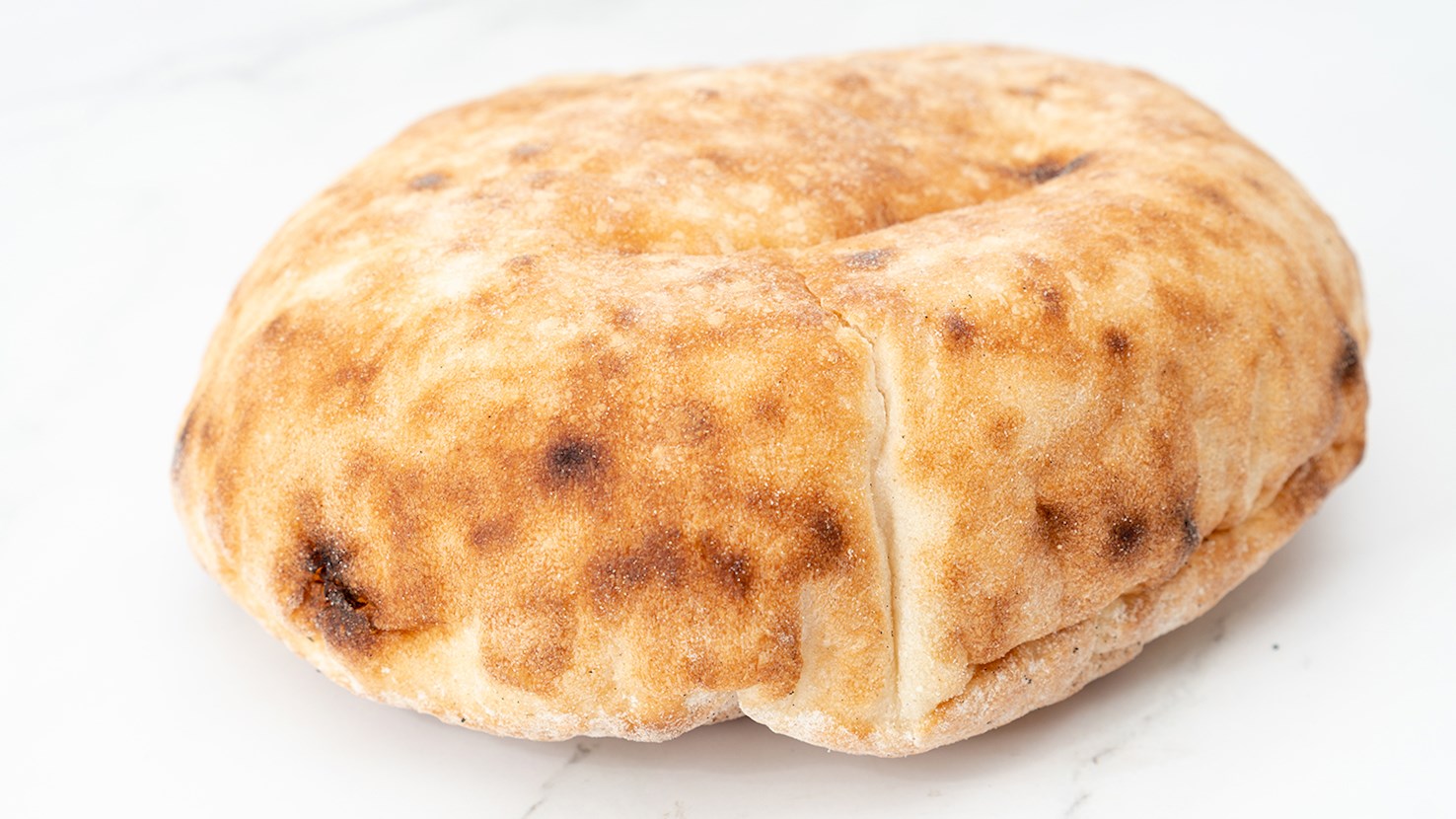
Lepinja is a yeast-raised, spongy flatbread that's popular all over the Balkans and similar to pide or pitta. It's usually made with a combination of flour, water, salt, and yeast. Once the dough has been prepared, it's baked in the oven at high temperatures. The flatbread is mostly used as a vessel for ćevapi – small minced meat sausages that have a cult following in the Balkans. When compared to its cousin, somun, lepinja is slightly tougher and not as aromatic as somun. The somun also has greater melt-in-the-mouth properties than a regular lepinja.

05
Ground Meat Dish

Sarma

4.2 ·

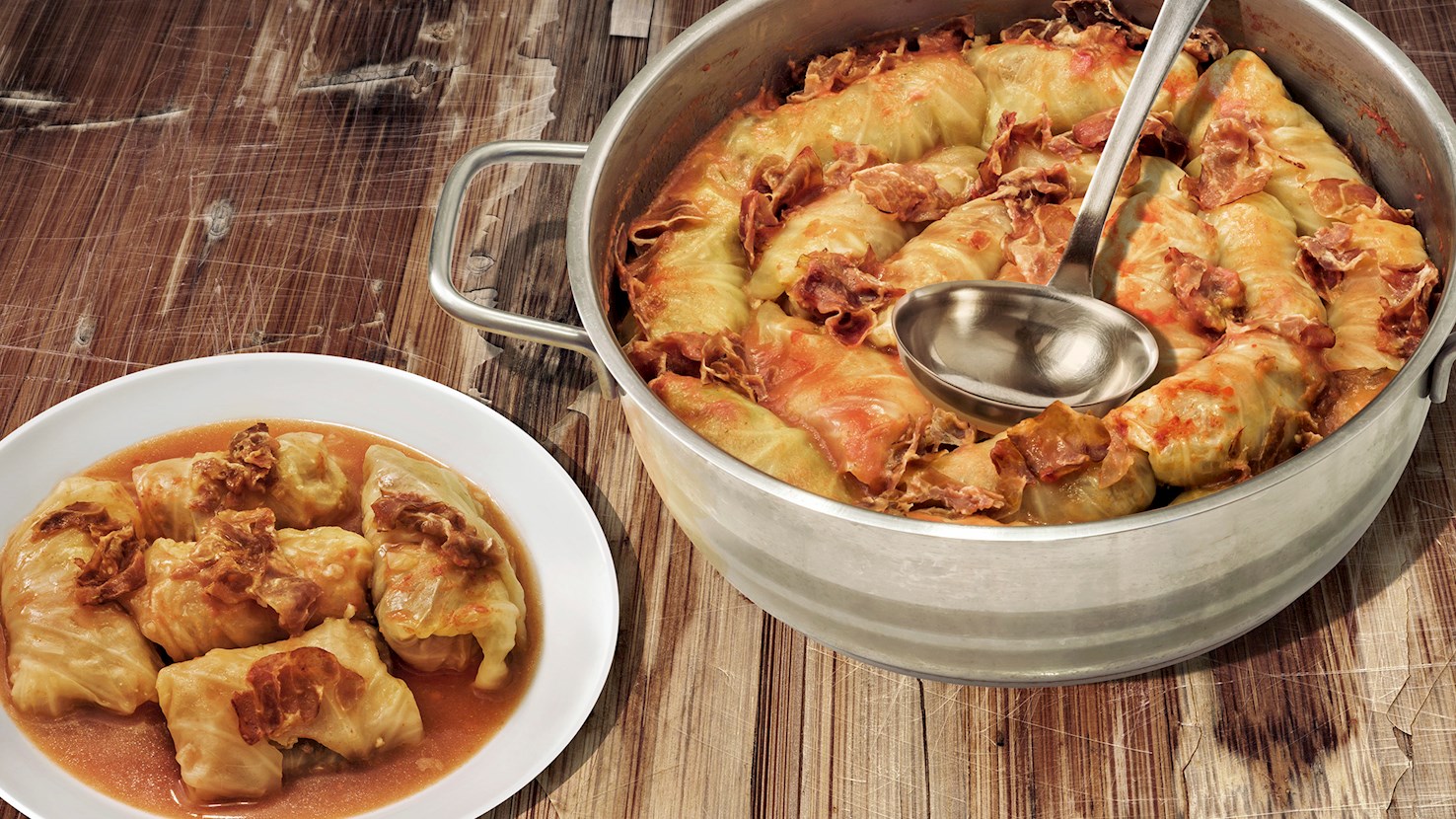
One of the staples of traditional Turkish cuisine, sarma consists of a filling that is snugly surrounded by leaves or leafy vegetables. There are numerous versions of this dish but the mixture typically combines ingredients such as minced meat, rice or bulgur, various herbs, seasonings, red pepper, paprika, ground sumac, or tomato sauce, while the typical wrapping usually includes vine, cabbage, or sauerkraut leaves, or a variety of leafy vegetables such as collard greens and swiss chard. Having its roots in the Ottoman Empire, sarma is also traditionally consumed in the Balkans, the countries of Central Europe, the South Caucasus, and the Middle East. Although it is commonly enjoyed as a filling lunch or dinner (typically during the winter season), sarma is often prepared on special occasions and holidays. The dish is usually accompanied by plain yogurt, mashed potatoes, and crusty bread on the side.

06
Feast

Leskovački voz

4.2 ·

Originating from Leskovac, Serbia, leskovački voz is a popular barbecued meat dish that can also be considered a feast. Here's why – it consists of a variety of meat dishes and sides, and each meat dish is followed by another one. Typical dishes of leskovački voz include čevapčići, pljeskavica, stuffed pork loin, leskovački uštipci, mućkalica, and sausages. The name of the dish means Leskovac train, which only stops once you tell the staff that you can't eat any more. On the side, there is usually lepinja flatbread, gravče na tavče, and various fresh salads.

07
Stew

Perkelt

4.2 ·

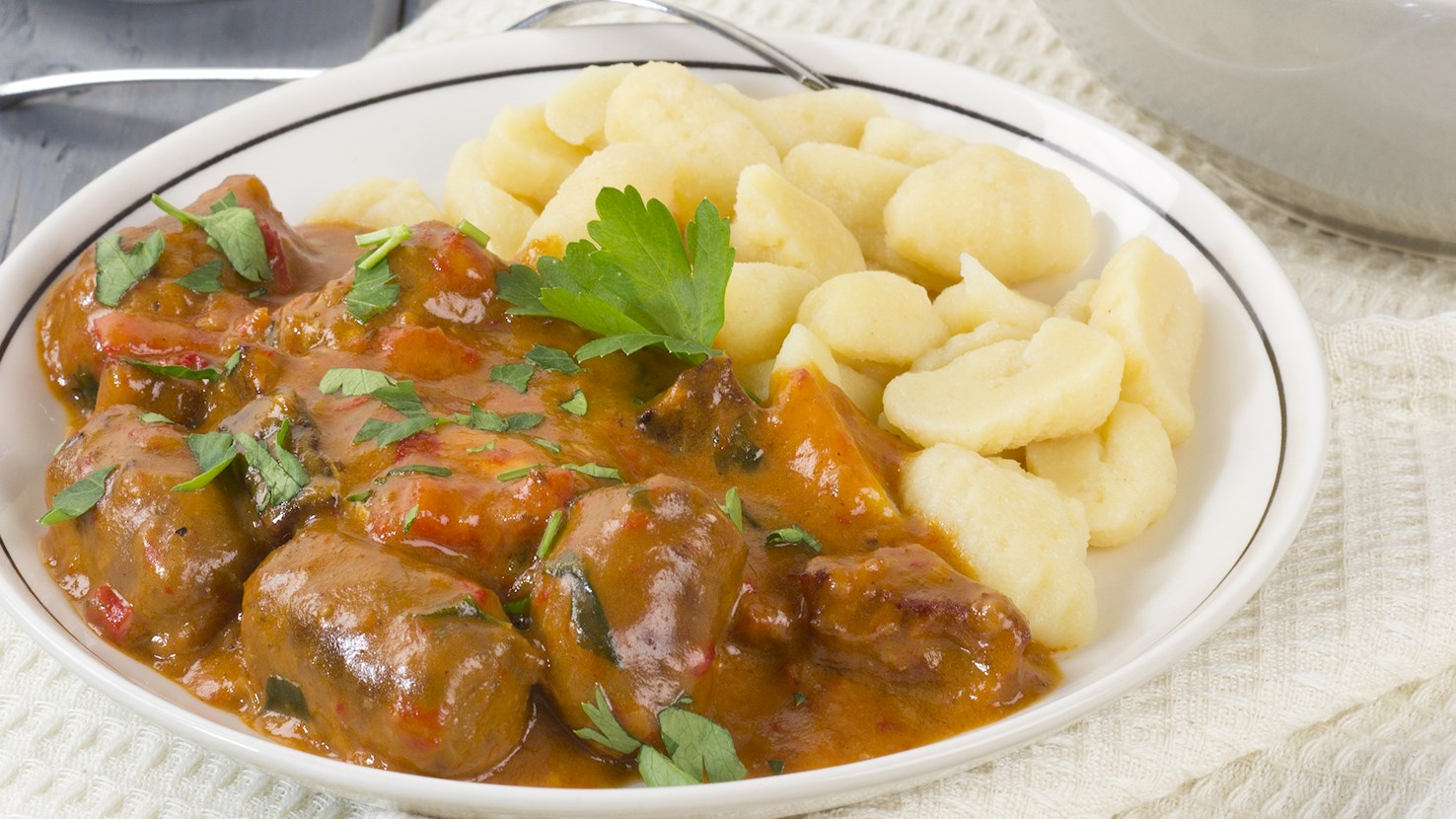
Pörkölt is Hungary's national stew, its name derived from the word pörkölni, meaning to roast or singe. The stew is made from meat such as beef, lamb, pork, or chicken, simmered in a red sauce with lots of onions, garlic, and paprika powder. It is traditionally served with dumplings, boiled potatoes, or pasta, and it is recommended to pair it with a Hungarian fruit brandy. Pörkölt's history is closely linked to the traditional Hungarian goulash, as both dishes were originally prepared as peasant meals that made hefty use of powdered paprika. Today, there are many varieties of pörkölt, with the names accordingly matching the key ingredient used in the dish, such as pacalpörkölt (tripe), marhapölkört (beef), and borjupörkölt (veal). In the Czech Republic, pörkölt is traditionally made with pork, dark bread, caraway seeds, and dark beer.

08
Savory Pastry

Burek sa sirom

4.2 ·

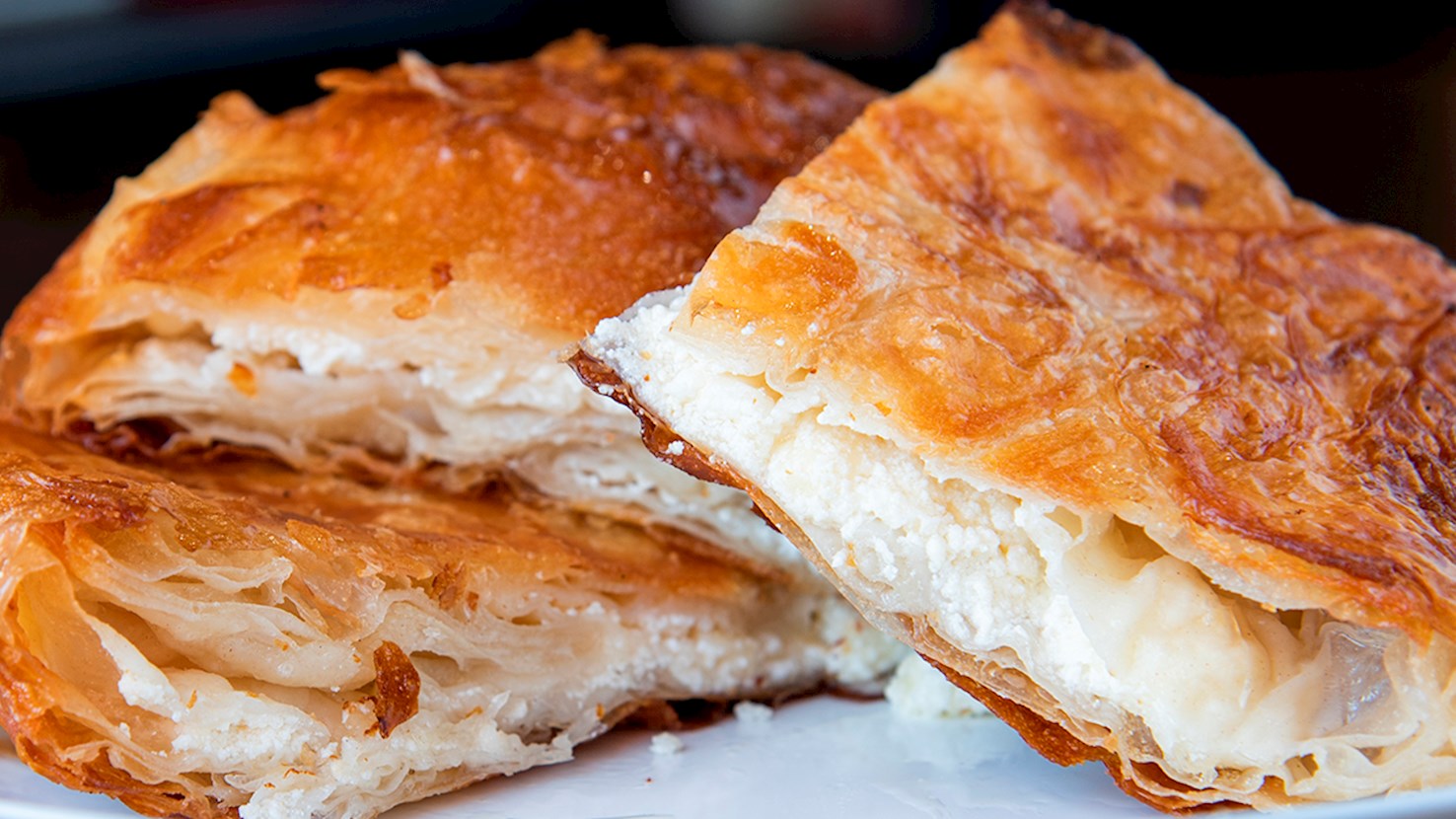
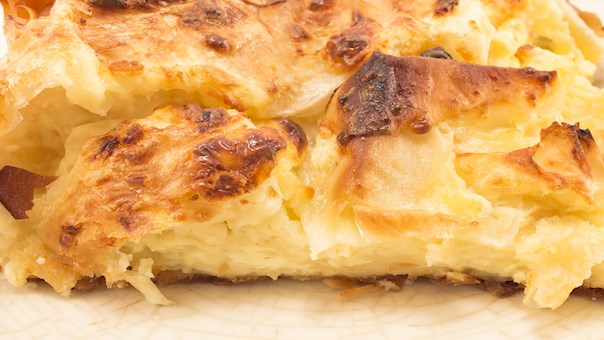
Burek sa sirom is a phyllo pastry that is round or coil-shaped and filled with a mixture of cheese and eggs. The dough is made with flour, salt, and water (and perhaps a bit of oil) and stretched into translucent sheets. The sheets of phyllo dough are stacked in a large tray, and each sheet is sprinkled with oil or oil and mineral water and spread with the cheese and egg filling. Still, you might have heard that burek can only be called burek if it's filled with meat. That is, if you live in Bosnia and Herzegovina, but not everyone does, nor is burek really Bosnian – in fact, it has Turkish origins. In Bosnia, burek (with meat) and other types of similar pies such as sirnica (cheese) and krumpiruša (potatoes) are usually rolled into a coil, while Croatians and Serbs have a more relaxed approach – burek can be round and cut into quarters, or rolled into a coil – both shapes are good, and both can be called burek sa sirom (when filled with cheese, of course). Initially, burek was brought over to Niš in the 15th century, and it was prepared as a round pie. After World War II, burek came to Croatia and Slovenia. The term burek sa sirom, denoting a round or coil-shaped pie filled with cheese has been so engrained into Croatian culture (for more than 50 years) that it can be considered a Croatian classic regardless of its name. The most important thing is that it's delicious, filling, and a great breakfast staple for many Serbs and Croatians, especially when paired with a refreshing cup of yogurt on the side.

09
Dumplings

Gomboce

4.2 ·

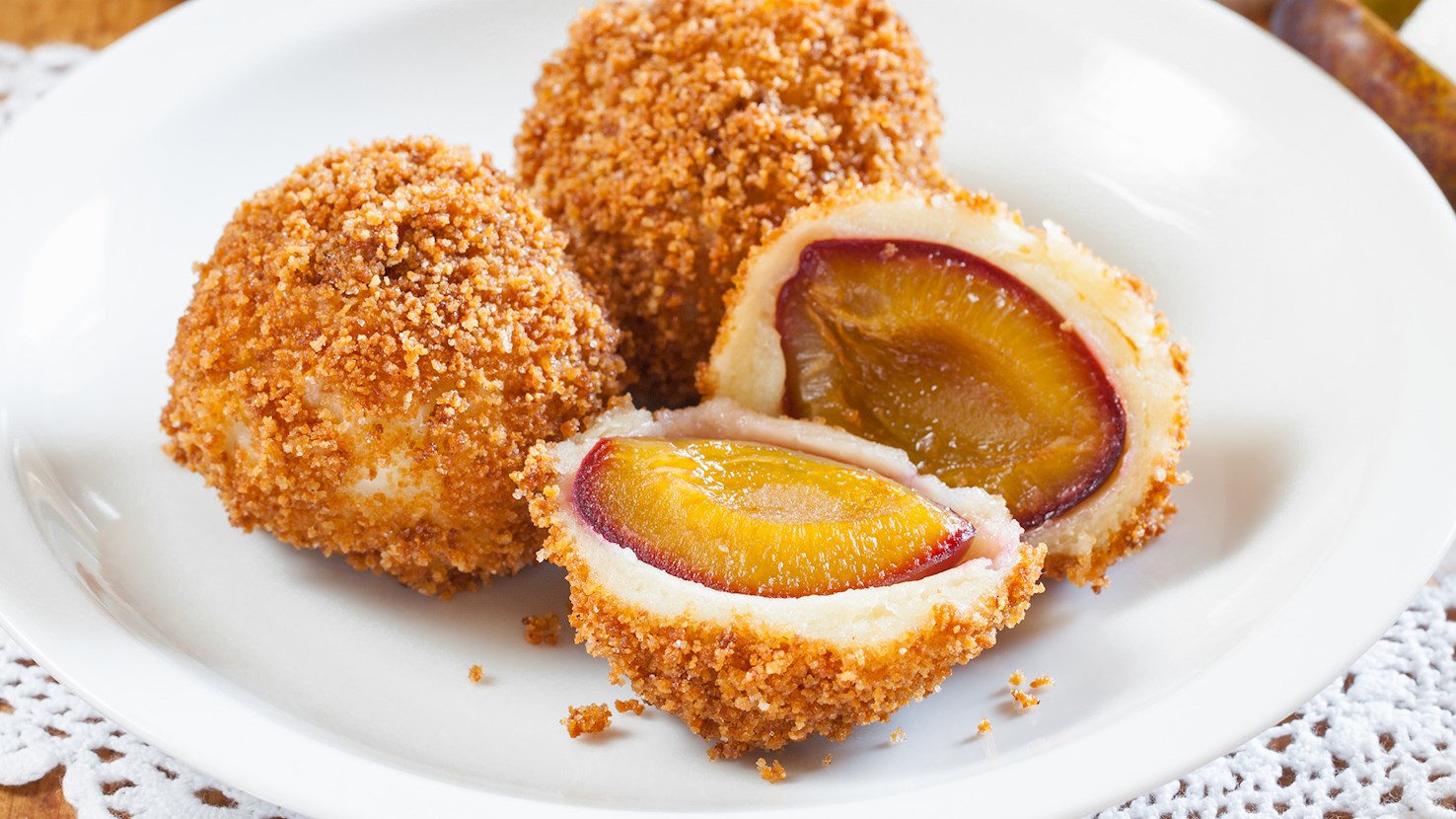
Gomboce or knedle sa šljivama are plum-filled dumplings consumed throughout the Balkans, especially in Serbia and Croatia. The dough is made with potatoes, eggs, and flour. The potatoes should be cooked in their own skin, peeled, then mashed before they are combined with other ingredients. Once prepared, the dough is rolled and plums are placed in the middle of each square, which is then assembled into a dumpling. These dumplings are boiled, then rolled in a combination of breadcrumbs, sugar, and (optionally) butter for the best experience.

Best restaurants
10
Sausage

Petrovački kulen

4.2 ·

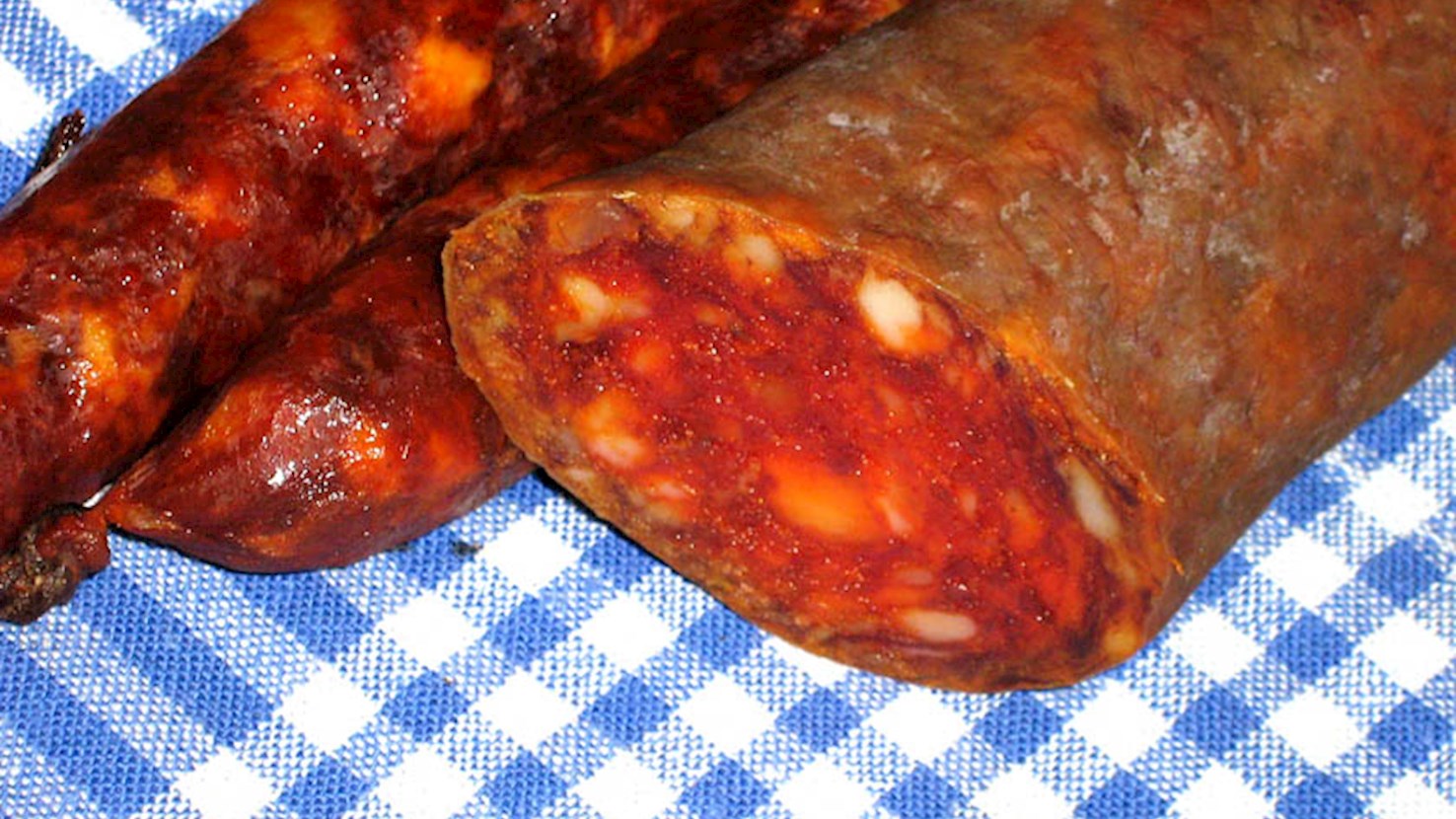
Petrovački kulen is a traditional sausage originating from Bački Petrovac, hence the name. The sausage is made from pork, and the only additions include hot paprika and salt. However, some producers still use garlic and cumin in the production process. A whole pig is commonly used to produce Petrovački kulen, usually with a ratio of 80% meat to 20% back fat. This meat product has a strong Slovakian culinary influence because they moved to Petrovac in the late 18th century. It's recommended to serve this spicy sausage sliced and paired with homemade bread and local cheese.

Best Serbian food products

01
Spirit

Rakija iz Rakije

5 ·
Tucked away in the hamlet fittingly named Rakija, at the foot of the Gledić Mountains, this small family-run distillery embodies authenticity and deep respect for tradition. For generations, the Đusić family has passed down the art of making true plum rakija, relying on native Serbian varieties like Crvena ranka and Požegača, grown on their own land with patience, purity, and a strong bond with nature. "Rakija iz Rakije" is more than just a name—it’s a way of life, where each drop carries the essence of the land, time, and hands that shaped it. This rakija has earned recognition far beyond Serbia’s borders: it is part of the international Slow Food movement, and their Crvena ranka has been listed among the 500 most authentic products in the world. In every sip, you can taste the silence of the countryside, the ripeness of the fruit, and the warmth of true hospitality. Rakija iz Rakije is not mass-produced, not rushed—it is honest, timeless, and crafted for those who recognize true value in simplicity.
Awards
ZGrappa festival - The World’s 15 Best Rakijas - Marin Levaj (2025)
02
Spirit

Podrum Palić

5 ·
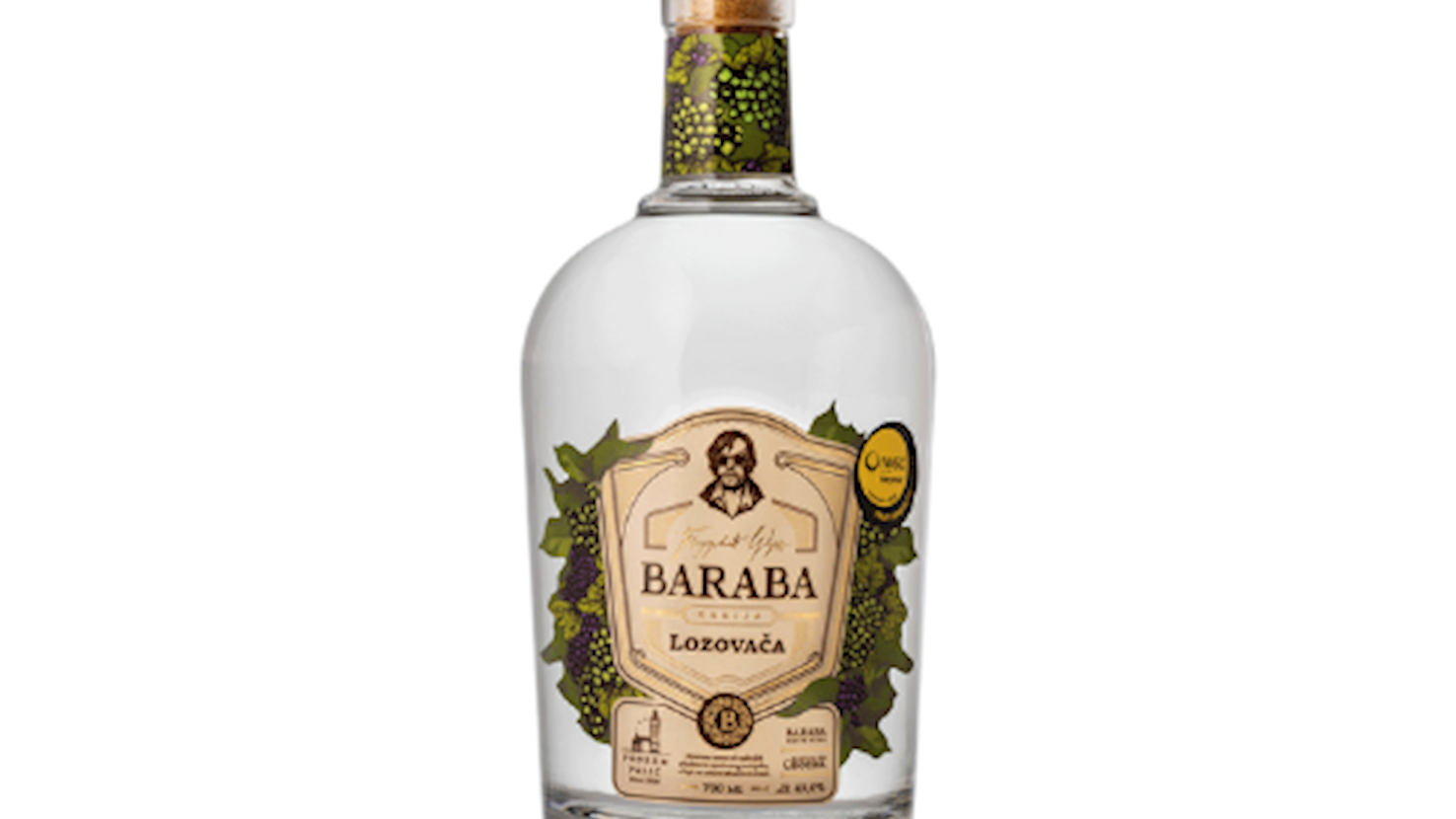
Podrum Palić is a modern distillery that blends more than a century of tradition with contemporary production standards, located in the fruit-growing region of Palić on mineral-rich soil once covered by the Pannonian Sea. Following a complete reconstruction, the distillery now operates within an 11,000 m² facility equipped with controlled fermentation areas, cold storage, and oak-barrel cellars for aging. Their products rely on fruit sourced from their own orchards, ensuring full traceability and consistent quality. The flagship line is Baraba, a range of premium fruit brandies that has earned multiple international awards, complemented by a grape-based vinjak aged in French oak, the Sinner gin, and herbal liqueurs such as Amaro Botanic Garden and Gorshtak. The house style emphasizes clean fruit expression, technical precision, and maturation that adds depth and complexity. Podrum Palić is today regarded as one of the leading distillate producers in the region, a reputation strengthened by significant global accolades.
Awards
IWSC- International wine & spirit competition - Spirit Gold (2024, 2023)
IWSC- International wine & spirit competition - Spirit Gold Outstanding (2023)
03
Spirit

Emperus Distillery

4.9 ·
Emperus is more than a distillery—it is a family story of dedication, expertise, and passion for exceptional rakija. For generations, they have preserved the tradition of transforming the finest fruit into a spirit that captures the soul of Serbia. Every bottle of Emperus rakija reflects carefully selected ingredients, precise distillation, and long aging that enriches each sip. Whether it’s the bold Privilège plum rakija, the delicate Victory quince rakija, the exclusive Emperus 12 line, or the rich Reserva Antica, every label bears the unmistakable mark of elegance and authenticity. Their rakijas have won top awards at international competitions, but what truly sets them apart is the spirit of family heritage and an unwavering pursuit of perfection.
Awards
IWSC- International wine & spirit competition - Spirit Gold (2024)
NYISC - Best Fruit Brandy (2024)
04
Wine

Vinarija Aleksandrović

4.9 ·
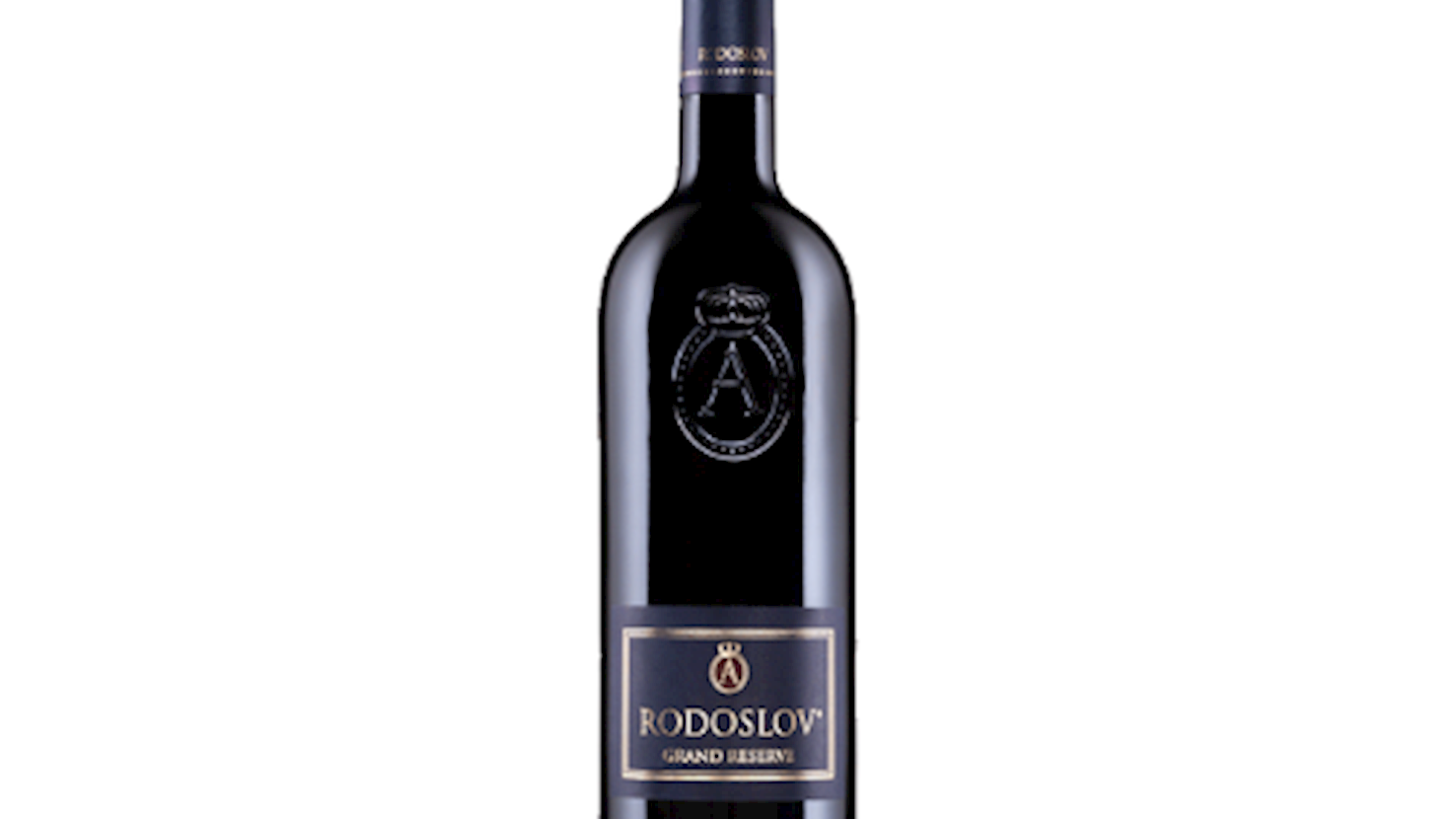
Vinarija Aleksandrović is one of the most prominent names in modern Serbian winemaking, located in the village of Vinča near Topola, on the slopes of Oplenac in the heart of Šumadija. It is founded on the legacy of the royal cellars of the Karađorđević dynasty, whose chief oenologist had a close connection with the Aleksandrović family, enabling the transfer of historical knowledge and original winemaking formulas. The vineyards stretch across dozens of hectares in some of the finest sites of the Šumadija wine region, where the combination of altitude, abundant sunshine, and mineral-rich soils gives the grapes notable aromatic complexity. The winery applies contemporary oenological techniques and maintains strict yield control to ensure high quality in every vintage. In the cellar, the wines are matured using methods that blend tradition with a modern approach - aging in stainless steel, a mix of new and used barriques, and careful monitoring of each label’s development. A strong emphasis is placed on terroir expression, with the wines reflecting the Šumadija character through freshness, structure, and minerality. The winery also offers guided tastings, cellar tours, and wine experiences, making it one of the most visited wine destinations in Serbia.
Awards
Vivino - 4.5
Vivino - 4.2
05
Spirit

Pruna

4.9 ·
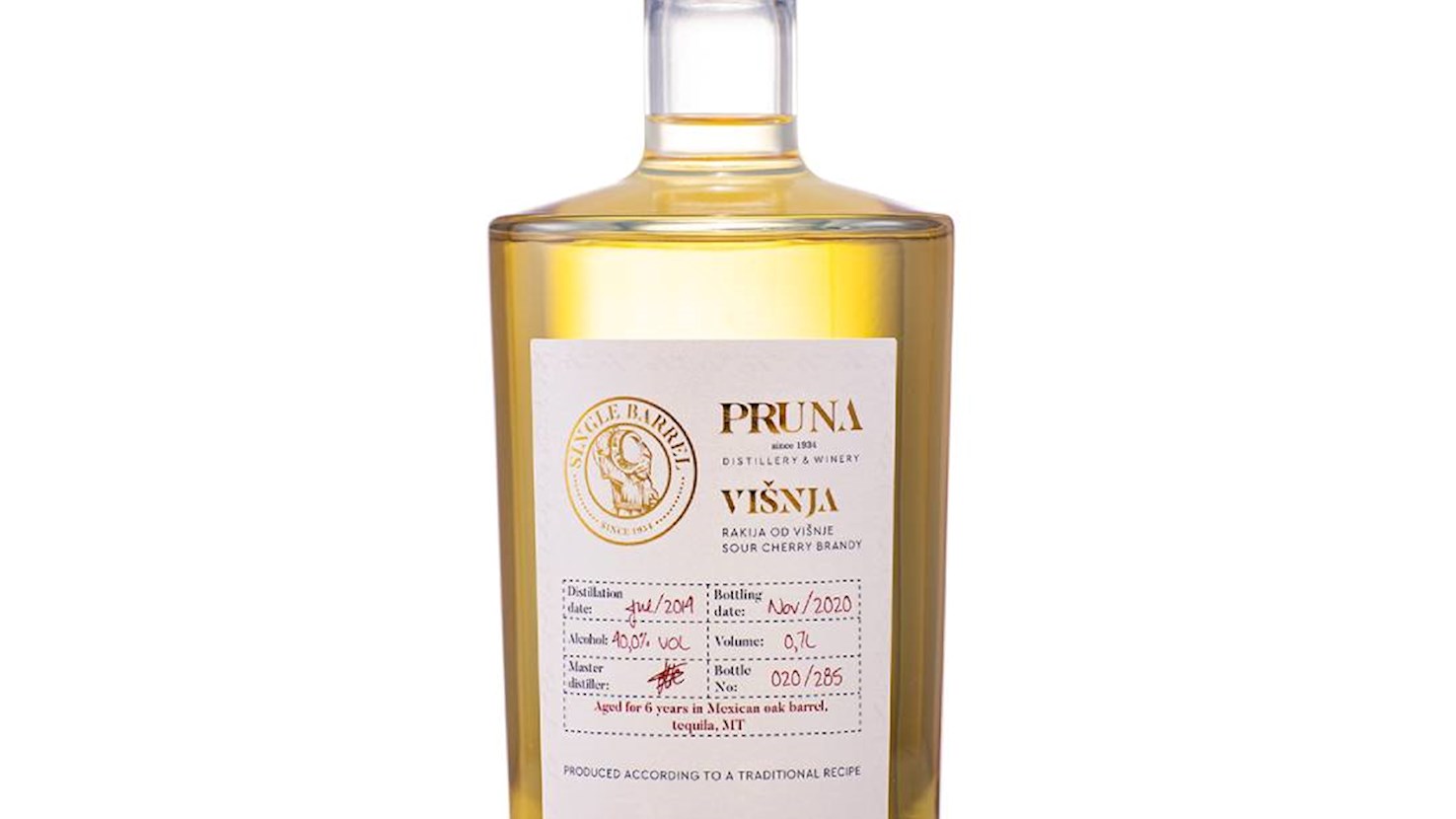
Pruna is a family-run distillery and winery built on a desire to revive a legacy and craft spirits with character, quality, and soul. Rooted in heritage and guided by a modern vision, Pruna brings together carefully cultivated fruit and thoughtful craftsmanship to create rakija, wine, and gin of exceptional authenticity. From orchard to bottle, every stage—from harvest and fermentation to distillation and barrel aging—is carried out with precision and care, preserving the full essence and richness of each ingredient. Their rakijas are produced in limited batches, with a strong focus on quality and a deep respect for tradition. Whether it’s the depth of a well-aged plum rakija, the freshness of a refined gin, or the boldness of their wines, Pruna offers more than just drinks—they offer stories, memories, and moments captured in every glass.
Awards
ZGrappa festival - The World’s 15 Best Rakijas - Marin Levaj (2025)
06
Wine

Matalj Vinarija

4.8 ·
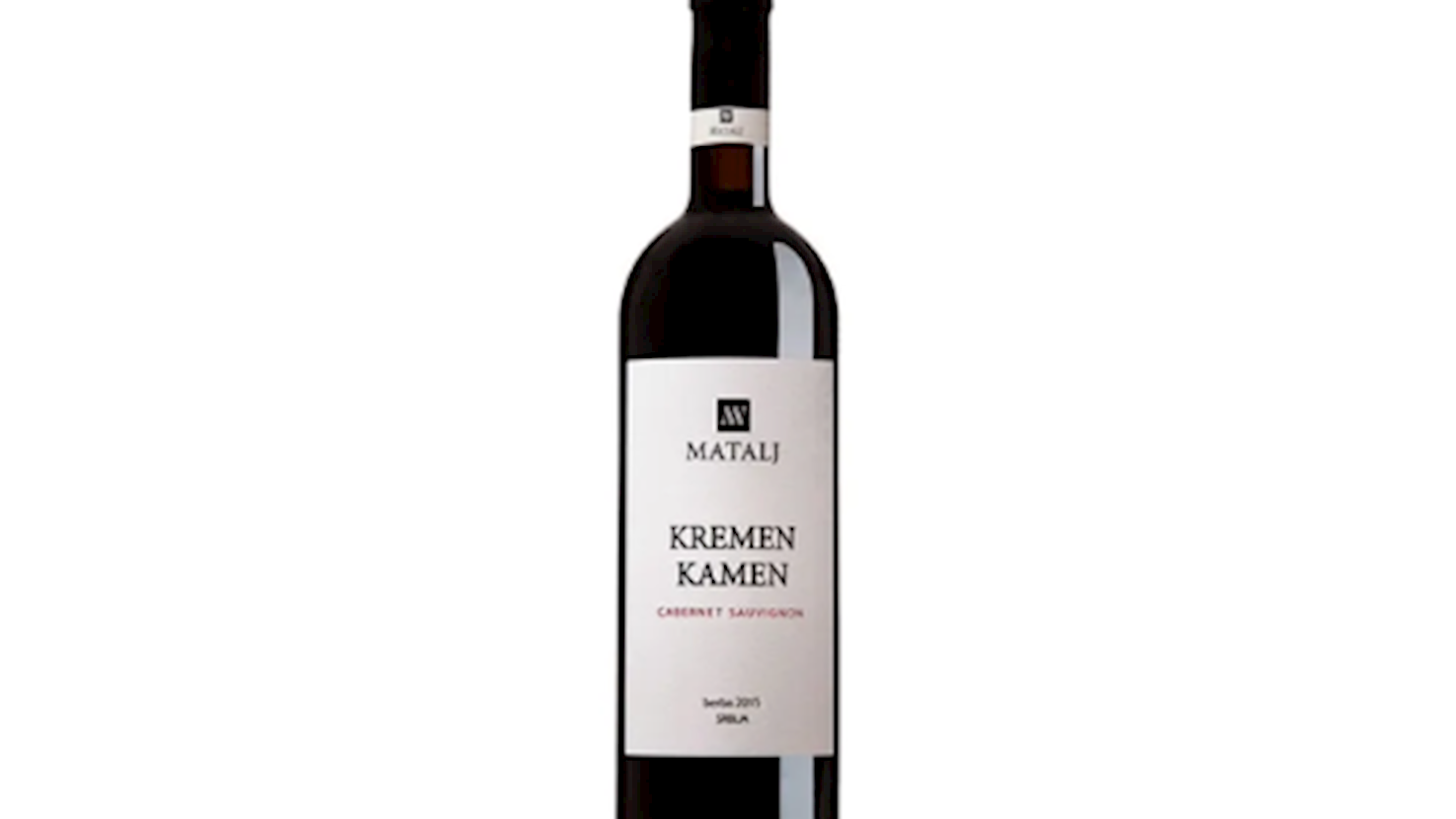
Matalj Winery is a family-owned estate from the Negotin region that combines the long winemaking tradition of this area with a modern approach and a clear focus on terroir expression. Its vineyards lie on several exceptional sites, most notably Kremenjača near the village of Tamnič, Terasa on the Danube terrace near Mihajlovac, and Bukovo, each defined by distinct soil types and microclimates. Kremenjača, with its stony soils and sunny southern exposures, yields concentrated, powerful red wines, while Terasa, characterized by sandy and gravelly deposits, allows varieties such as Cabernet Sauvignon and Cabernet Franc to develop full ripeness and aromatic precision. The winery’s philosophy is based on minimal intervention in the cellar, respect for each grape variety, and an emphasis on the authentic character of Negotin’s landscape. The portfolio includes white, rosé, and red wines, with standout labels such as Kremen, Zemna, and Terasa. Although the winery has modernised its production, it remains committed to traditional craftsmanship, resulting in wines that combine structure, elegance, and a distinctive regional identity.
Awards
Vivino - 4.5
Vivino - 4.0
07
Spirit

Podrum Stari Hrast

4.8 ·
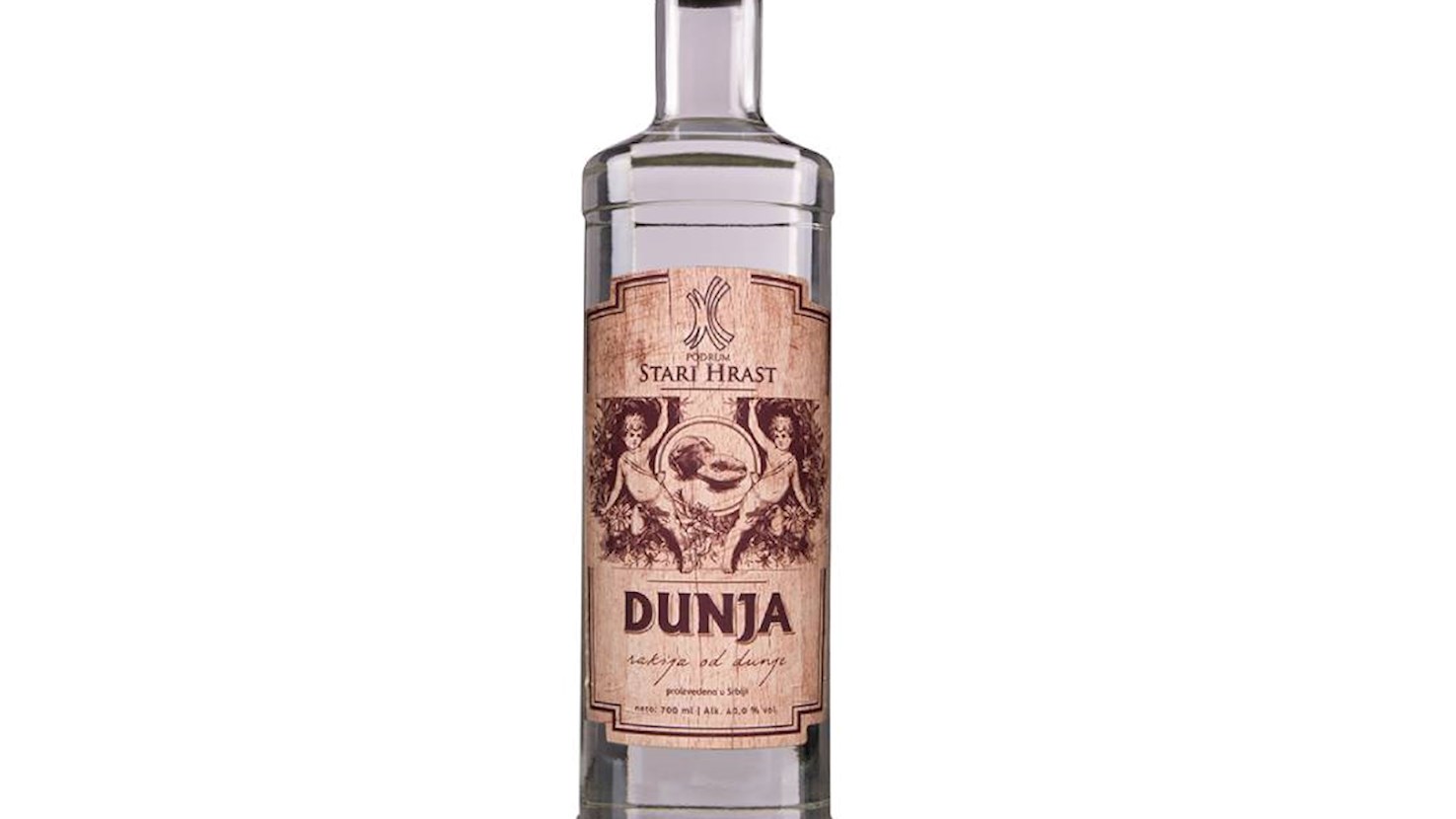
Stari Hrast Winery & Distillery is a family-run estate dedicated to crafting high-quality wines and traditional rakija that embody the spirit of Serbian land and heritage. Surrounded by fertile vineyards and orchards, the estate operates with deep respect for nature and a passion for time-honored practices passed down through generations. Every bottle begins in the field — with carefully tended grapes and fruit — and is brought to life through skilled, small-batch production. Their wines, made from both native and international grape varieties, are expressive, balanced, and crafted to reflect a sense of place and authenticity. The rakija, distilled using traditional copper stills, captures the pure essence of the fruit and offers a smooth, aromatic character. By blending traditional craftsmanship with modern techniques, Stari Hrast creates products that are both rooted in history and attuned to contemporary tastes. Whether poured into a wine glass or sipped from a rakija snifter, each drop tells a story of dedication, nature, and family. With growing recognition both locally and abroad, Stari Hrast continues to share the true flavors of Serbia with the world.
Awards
ZGrappa festival - The World’s 15 Best Rakijas - Marin Levaj (2025)
08
Spirit

Akov Rakija

4.8 ·
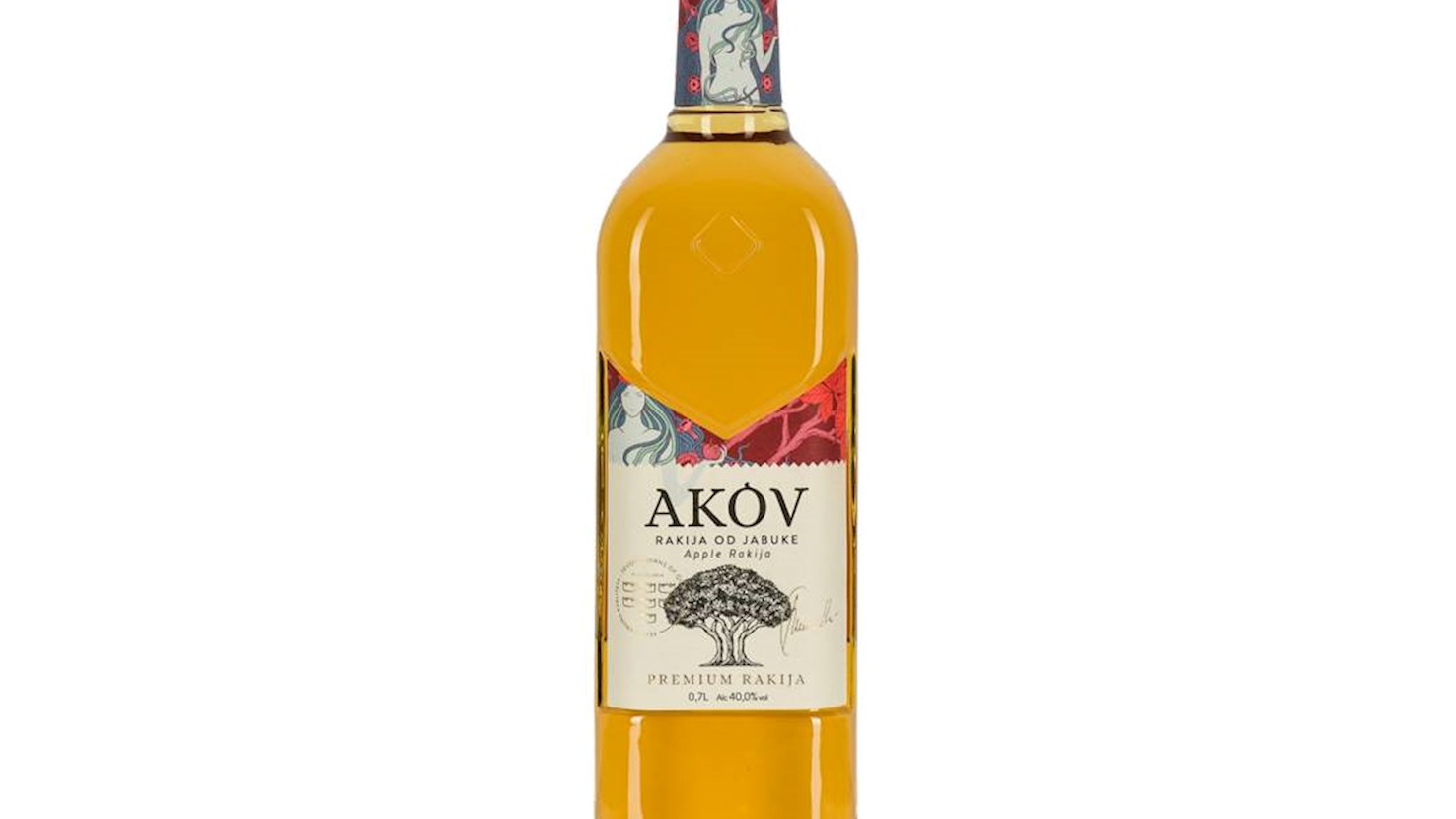
Akov is a distillery devoted to crafting premium fruit brandies through small-batch production, using only carefully selected, high-quality fruit. Its name comes from the traditional unit of measure "akó," symbolizing both heritage and a deep commitment to authenticity. Each rakija is double-distilled in copper stills and aged in fine oak barrels, developing complexity, depth, and a refined character. The production process blends modern standards with time-honored artisanal techniques, resulting in exceptional purity and layered flavor profiles. Akov brandies are known for their rich fruit aromas, smooth body, and long, elegant finish. The portfolio includes distinctive rakijas made from plum, quince, apricot, pear, grape, and even carrot—each with its own unique personality. What sets Akov apart is its philosophy: rakija is not just a product, but a story of craftsmanship, intuition, and emotion. These spirits are made for moments that matter, created with care and passion. Every bottle reflects a balance of tradition and innovation, offering a true taste of refined Serbian distilling.
Awards
ZGrappa festival - The World’s 15 Best Rakijas - Marin Levaj (2025)
09
Spirit

Gorda

4.8 ·
Awards
IWSC- International wine & spirit competition - Spirit Gold (2024)
10
Spirit

Mali Podrum Vukojicic

4.8 ·
Awards
IWSC- International wine & spirit competition - Spirit Gold (2024)
Read more
View all
View map
About this ranking

TasteAtlas food rankings are based on the ratings of the TasteAtlas audience, with a series of mechanisms that recognize real users and that ignore bot, nationalist or local patriotic ratings, and give additional value to the ratings of users that the system recognizes as knowledgeable. For the “Top 72 Serbian Foods” list until June 02, 2026, 7,136 ratings were recorded, of which 4,113 were recognized by the system as legitimate. TasteAtlas Rankings should not be seen as the final global conclusion about food. Their purpose is to promote excellent local foods, instill pride in traditional dishes, and arouse curiosity about dishes you haven’t tried.

The initial list of top producers was compiled based on available reviews, awards, local recommendations, media and blog coverage, and consumer reviews. The list will be updated with ratings from TasteAtlas local ambassadors and TasteAtlas users.

Similar lists