shutterstock

Top 100 Asian Non-alcoholic Beverages

Last updated on June 01, 2026

Best Asian Non-alcoholic Beverage Types
01

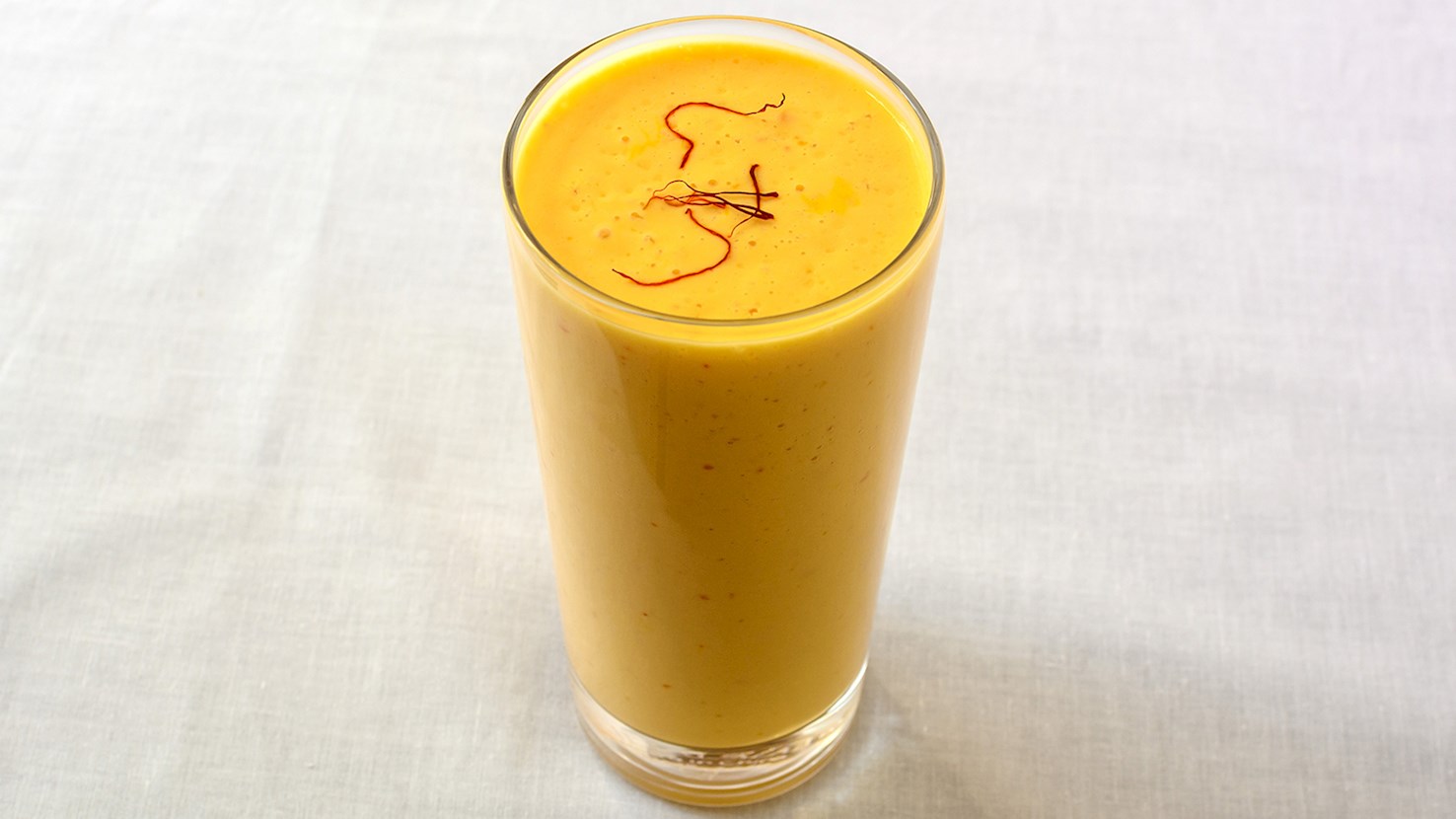
Mango lassi

4.4 ·

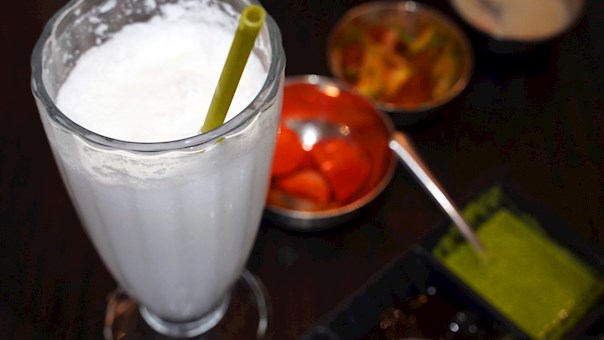
Mango lassi is one of the most popular lassi varieties, consisting of yogurt (dahi) and fresh mango. It commonly includes cardamom, water, and sugar. The ingredients are combined until the drink is creamy and frothy. Mango lassi should always be served well-chilled. Among numerous types of lassis, this sweet mango version is the most common variety on the menus of Indian restaurants outside the country.

02

Chai masala

4.4 ·

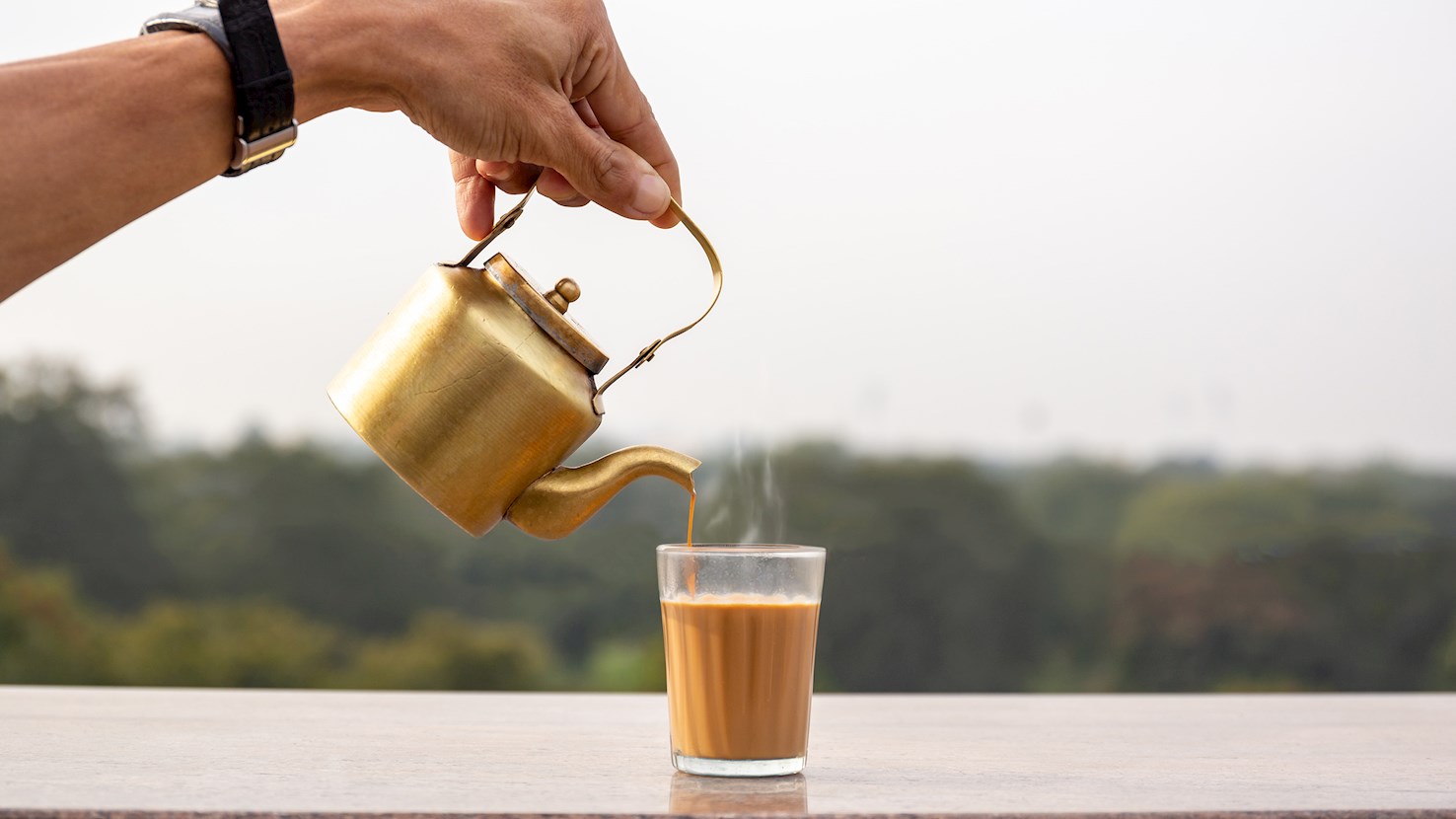
Chai masala is an aromatic beverage originating from India. It is made with a combination of sweetened black tea and milk that is spiced with a masala mix—which typically includes cardamom, ground ginger, cloves, cinnamon, and black peppercorns. However, the choice and the exact proportion of spices often vary. Although there are several theories that claim otherwise, the origin of chai masala is mostly associated with the British tea trade. In the 19th century, the Chinese had a monopoly on the tea trade, and the British looked for other markets that would fulfill the high demand for black tea—which was a firm European favorite. Their quest brought them to India, where they started to set up tea plantations. It is believed that chai masala first appeared during that period, but it only became a popular option in the 20th century when the Indian Tea Association promoted tea breaks as a much-needed refreshment for workers and when tea became more affordable. In India, the drink is mainly prepared and sold at challah stalls, but modern interpretations of chai masala are enjoyed around the world.

03

Meethi lassi (Sweet lassi)

4.4 ·

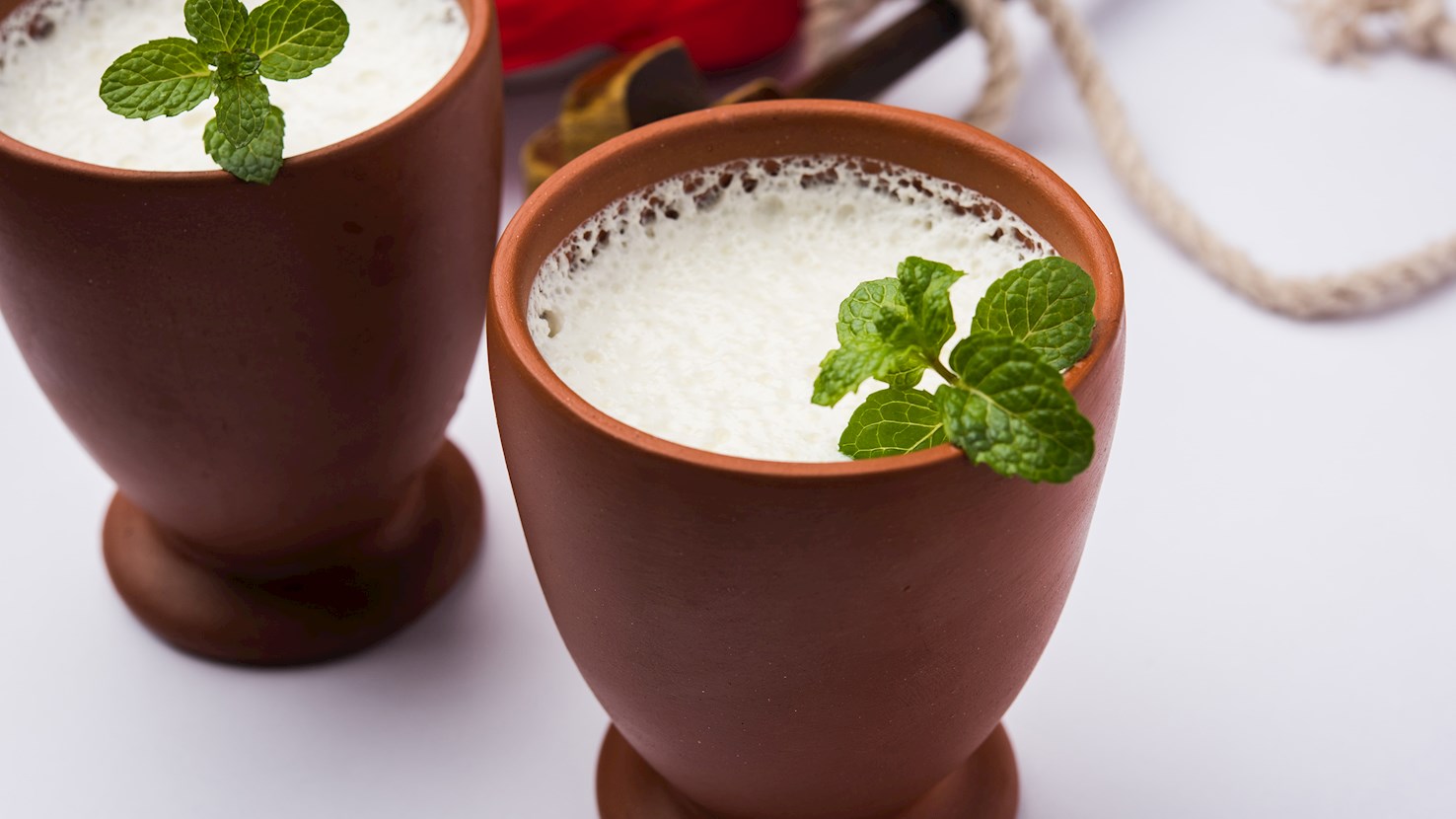
As the name suggests, this lassi variety is sweetened. Along with sugar, it incorporates yogurt (curd) and usually some fruit or flavorings such as saffron or cardamom. Sweet lassi is often enjoyed after a meal or simply as a refreshing drink that is especially popular during warm summer days. Lassi is traditionally prepared in clay pots. It is often topped with a dollop of thick cream (malai), and sweet varieties are commonly garnished with slivered nuts. There are many sweet lassi variations, and apart from traditional versions, mango lassi recently grew into one of the favorites.

04

Thai Iced Tea

4.3 ·

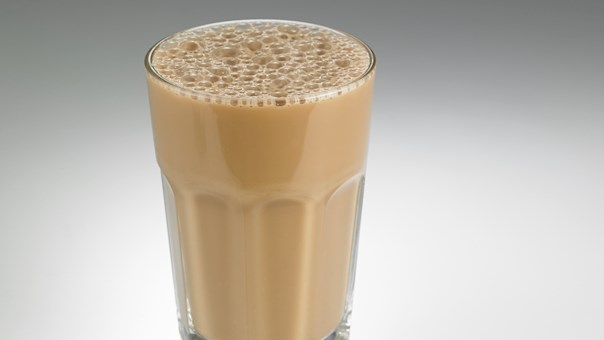
An authentic Thai iced tea is a combination of strong black tea, condensed or evaporated milk, sugar, and spices that is served over crushed ice. Traditionally, the drink is made with loose-leaf black tea such as Assam, Ceylon, or Keemun tea varieties, while the additions usually include crushed tamarind, anise, or cardamom. However, both street and restaurant versions nowadays often incorporate with pre-packed tea mix that contains food coloring, which gives the tea a distinctive and unnatural orange tint, while the traditional version should have a deep amber hue. The tea is usually chilled before it is combined with ice. Thai iced tea is sold by street vendors, but it is also available at various restaurants, both in Thailand and abroad.

05

Hōjicha

4.3 ·

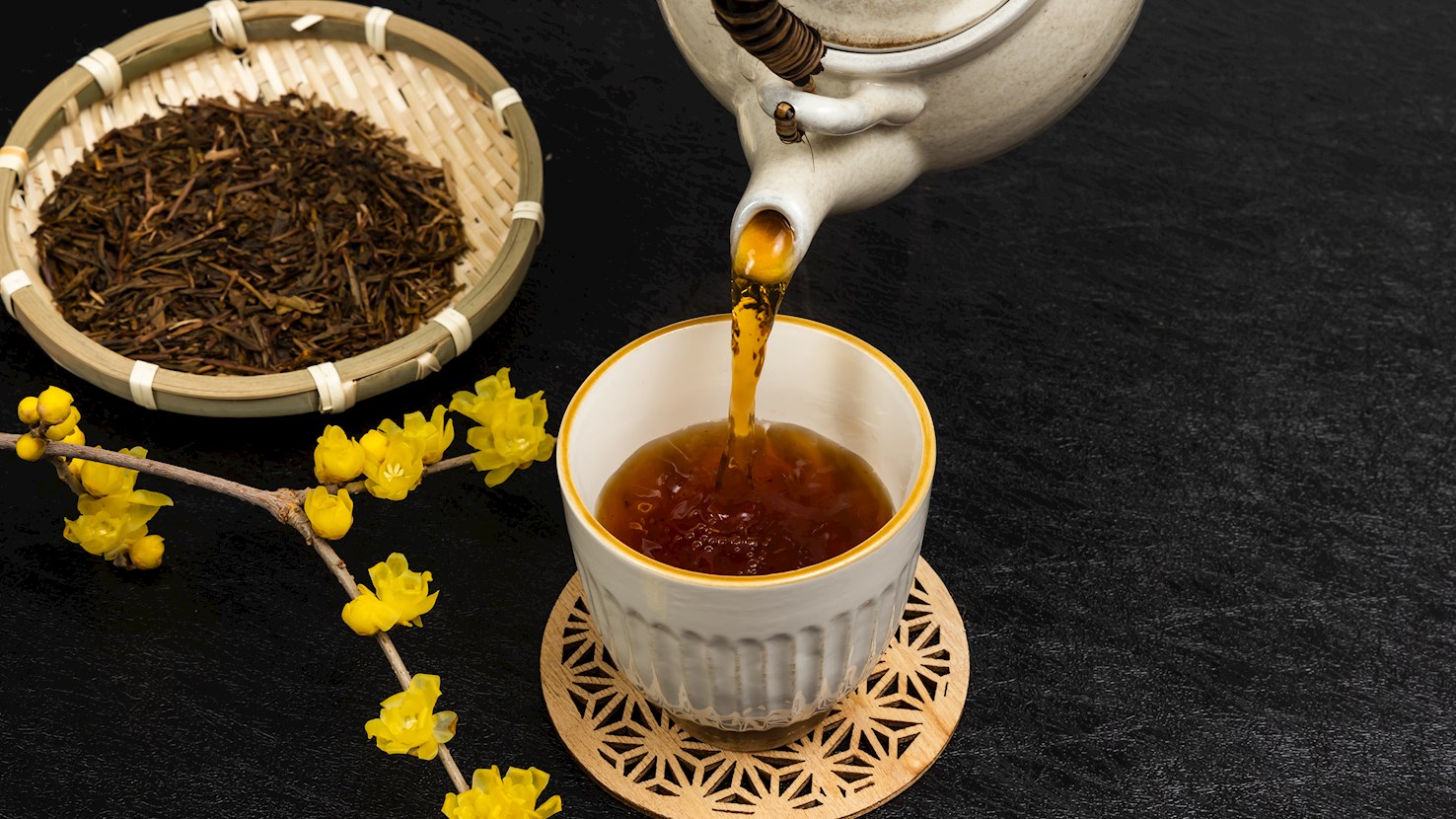
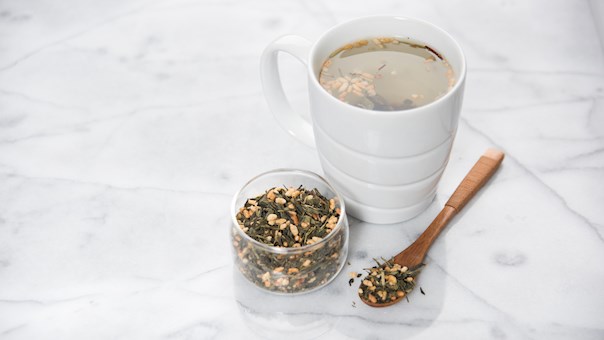
Hōjicha is a Japanese roasted green tea. It is made with bancha or sencha green tea that is roasted over high heat. During roasting, the tea attains a distinctive reddish-brown color. Brewed hōjicha will result in a light brown tea with a slightly warmer character than traditional green tea. Instead of typical green and vegetal aroma, hōjicha usually has roast-like notes reminiscent of coffee, cocoa, and caramel. The flavor is earthy and subtly sweet, with roasted notes that are typically not overpowering. Hōjicha has less caffeine and tannins than other green teas. It makes an excellent afternoon or evening tea, and it is also a perfect choice for those who should stay clear of caffeine. Hōjicha first appeared in Kyoto, sometime in the 1920s.

06

Salep

4.2 ·

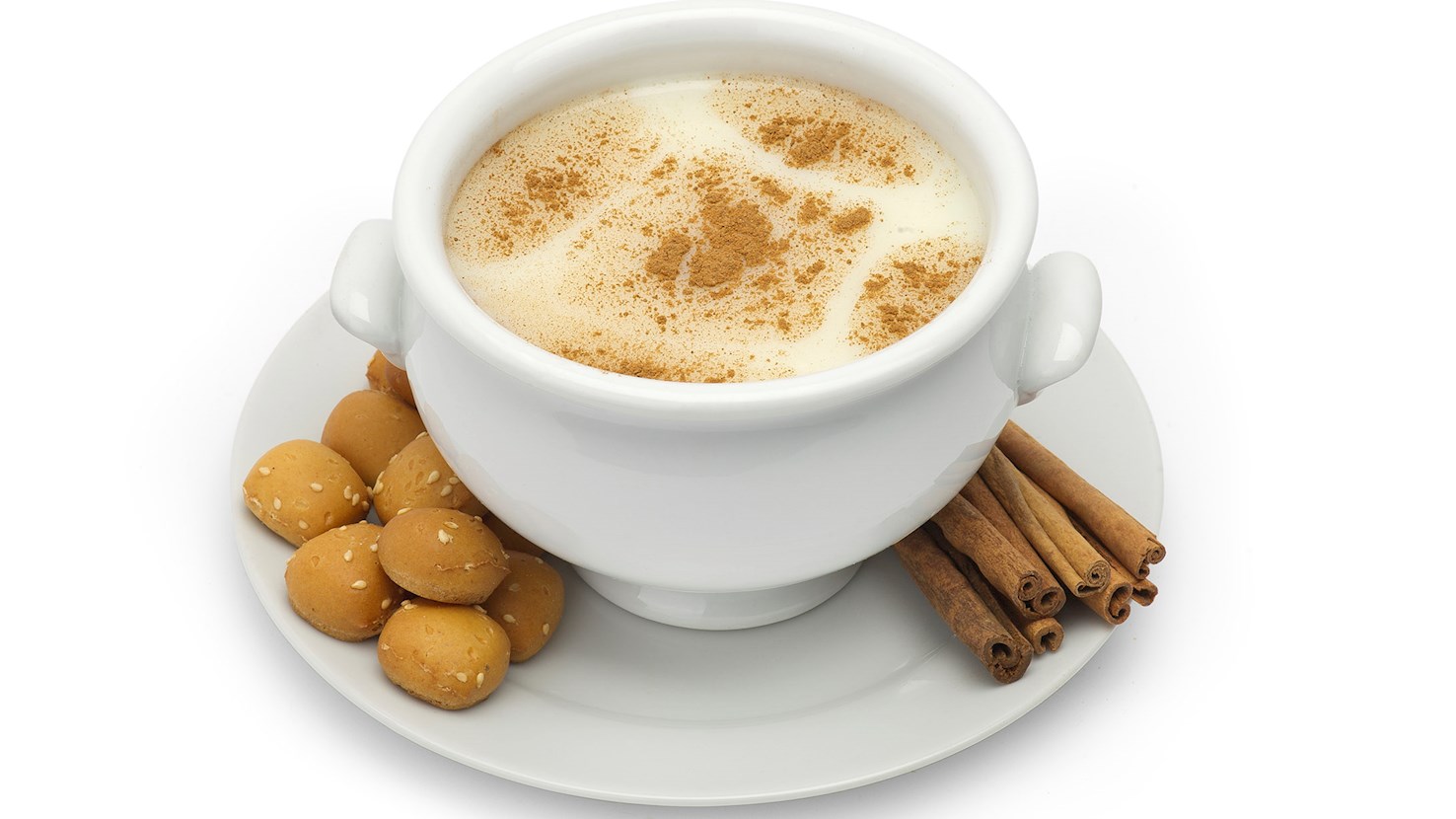
Turkish salep is a beverage that is usually consumed during the winter season. The basis of salep is the stem or a tuber of the wild orchid, which is boiled, dried, and ground to produce a starchy powder. It is then mixed with hot milk, and occasionally ginger and cinnamon, to create a soothing drink with an earthy flavor. Salep is believed to be a medically beneficial beverage, since one of its components, glucomannan, eases the symptoms of bronchitis, colds, and coughs. It was invented out of the need to substitute alcoholic beverages with a comforting and healthy drink. The Sultans enjoyed it since the 12th century, and the Ottoman Empire sailors would take the powder with them on long and tiresome journeys. The drink is traditionally served in glasses or cups with a generous amount of ground cinnamon and a dusting of chopped pistachios.

07

Silon te (Ceylon black tea)

4.2 ·

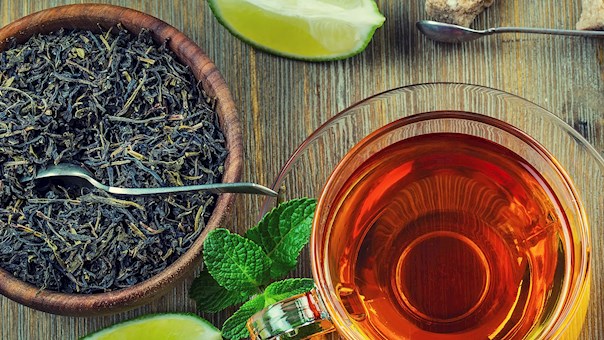
Ceylon tea is a name given to tea produced in Sri Lanka. Ceylon is the former name for Sri Lanka that is still used in the tea trade. The tea gardens are spread throughout the island, and the favorable climate allows an all-year harvest. Most production is oriented towards black tea, and the best examples of Ceylon black tea come from higher elevation tea gardens located in the center of the island. Altitude has the most significant effect on the final character of Ceylon teas. Low-grown teas are mostly used in blends and provide a firm body and good strength. Mid-grown teas—typically cultivated between 2,000 and 3,500 feet—are full-bodied and have a rich and complex flavor. High-grown teas, grown above 3,500 or 4,000 feet, are top-quality Ceylon black teas praised for their smooth and delicate flavor. Although there are significant differences in character and quality, most black teas from Sri Lanka can pair well with meat dishes and cured meat. They are also a popular breakfast option because they can be paired with eggs, pastries, fresh fruit, and cream cheese. The cultivation of tea in Sri Lanka was introduced by the British in the mid-19th century. Before that, the country mostly relied on coffee production, but tea became a leading option after a disease wiped out the entire coffee industry in 1869. Most tea in Sri Lanka is still plucked by hand, and the country remains the fourth largest tea producer in the world. Apart from the most popular black tea, Ceylon tea also includes green, white, and oolong types. The entire country is divided into seven tea-growing regions: Nuwara Eliya, Uva, Dimbula, Uda Pussellawa, Kandy, Ruhuna, and Sabaragamuwa. Authentic Ceylon tea always has to have the Lion logo on the packaging.

08

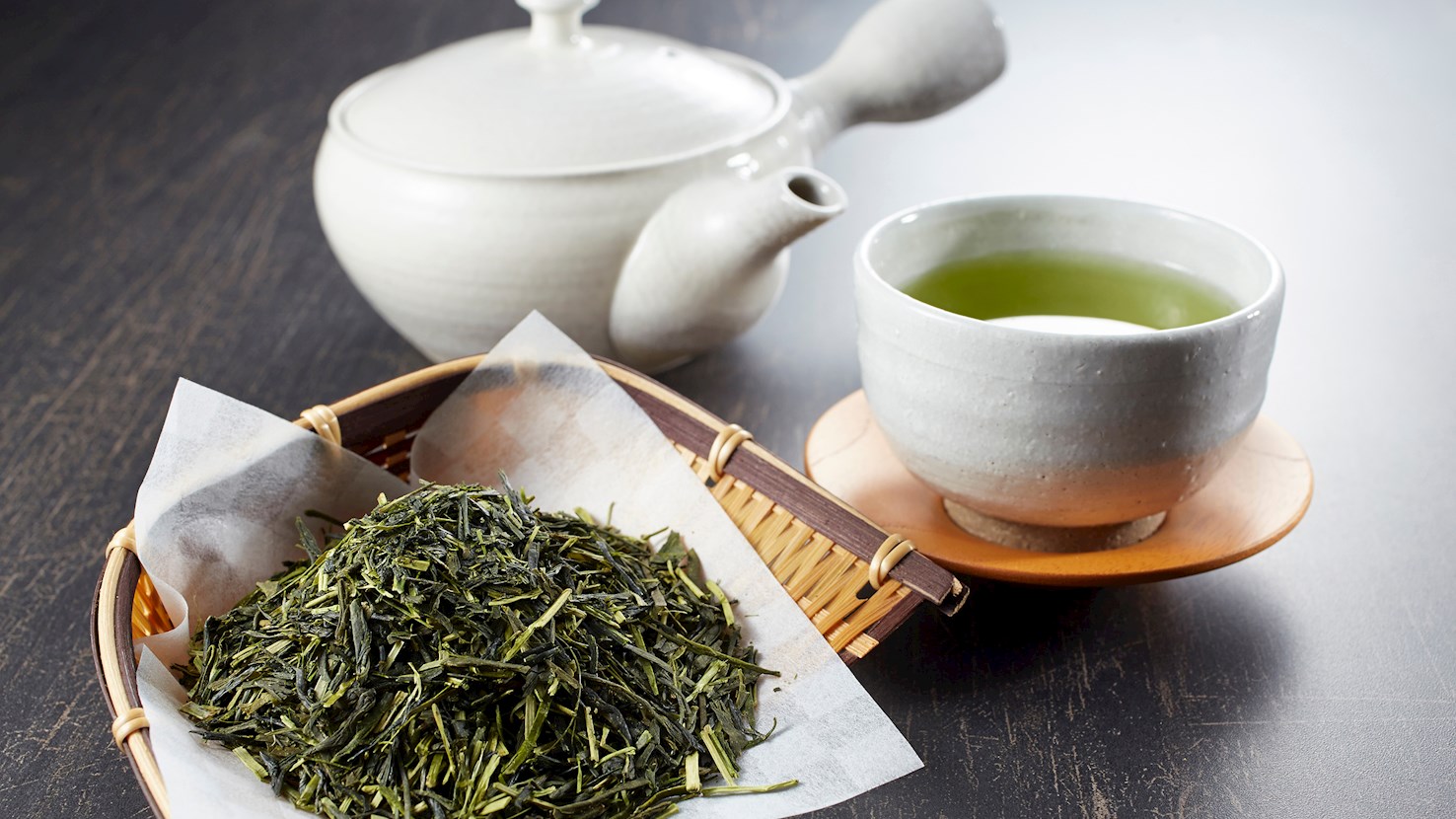
Sencha

4.2 ·

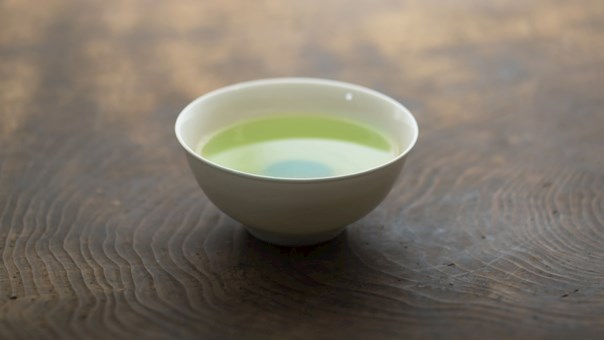
Sencha is the most popular green tea in Japan. It is harvested from the leaves that are exposed to direct sunlight. After they are plucked, the leaves are shortly steamed and are then rolled and dried. There are several different types of sencha, but shincha, also known as ichiban-cha, is often cited as the highest-quality version. It is produced from the first seasonal harvests and typically has a sweeter and more delicate flavor. Japanese sencha has green, needle-like leaves. It has a vegetal and grassy character, mild sweetness, and subtle astringency. Sencha tea pairs well with seafood and rice.

09

Vietnamese Iced Coffee

4.2 ·

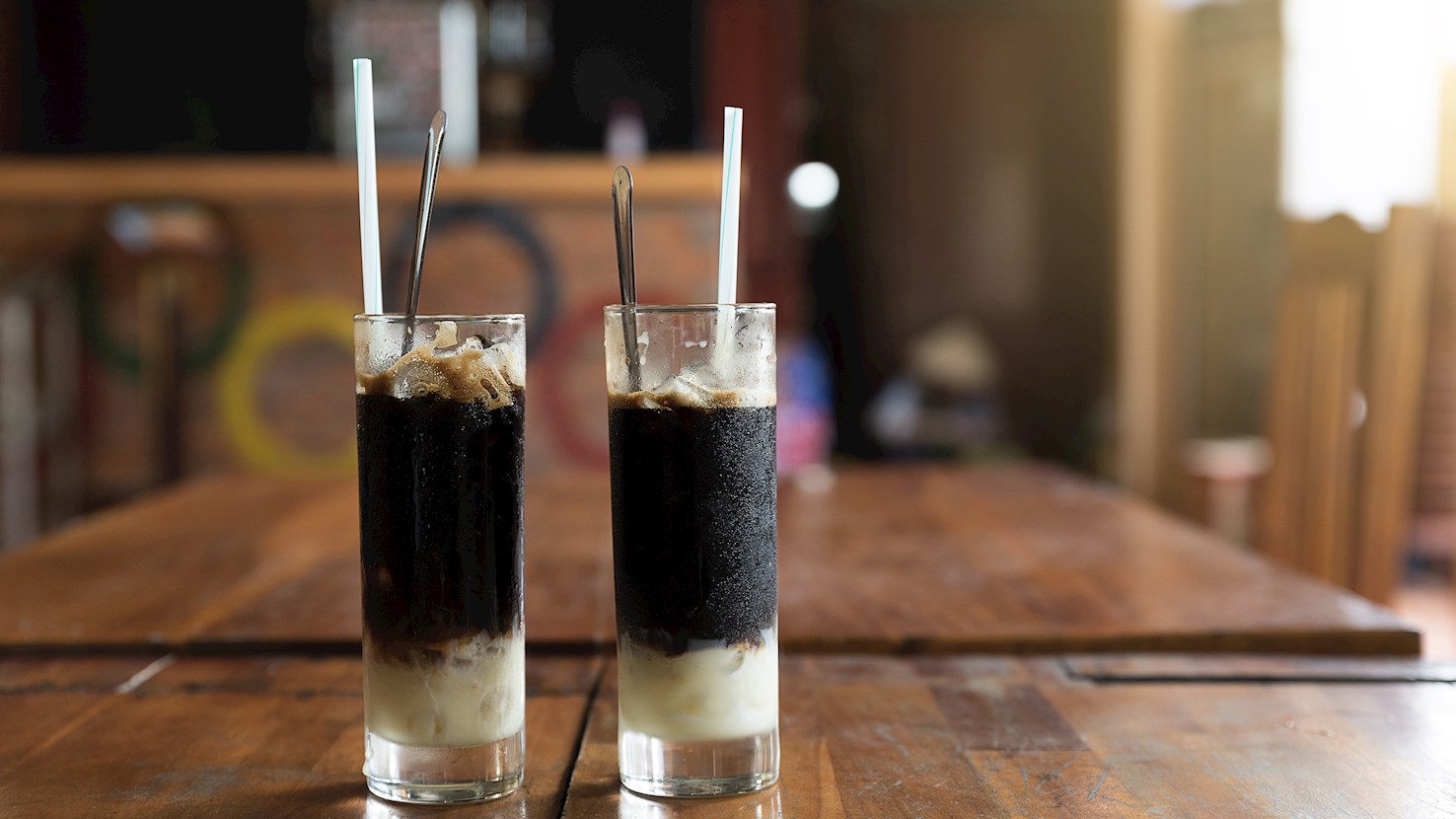
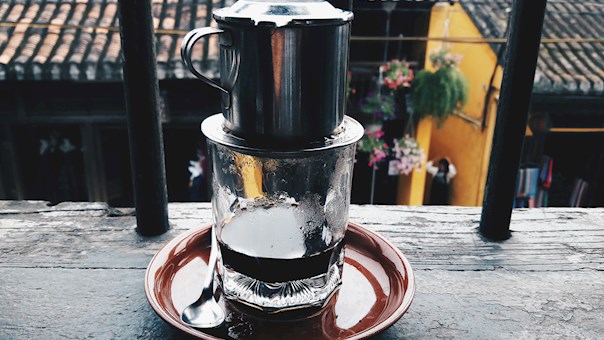
Vietnamese iced coffee is a drink that combines strong coffee, condensed milk, and ice. It is traditionally made with medium or coarse ground Vietnamese-grown coffee, typically the Robusta variety, which is brewed using a drip phin filter—in which the coffee is brewed and then slowly dripped in the cup. The coffee is then poured over ice and mixed with condensed milk. It is usually served in a tall glass. Although it is most commonly made with condensed milk (cà phê sữa đá), there is also a version that combines only coffee and ice (cà phê đá).

10

Pǔ'ěr

4.2 ·

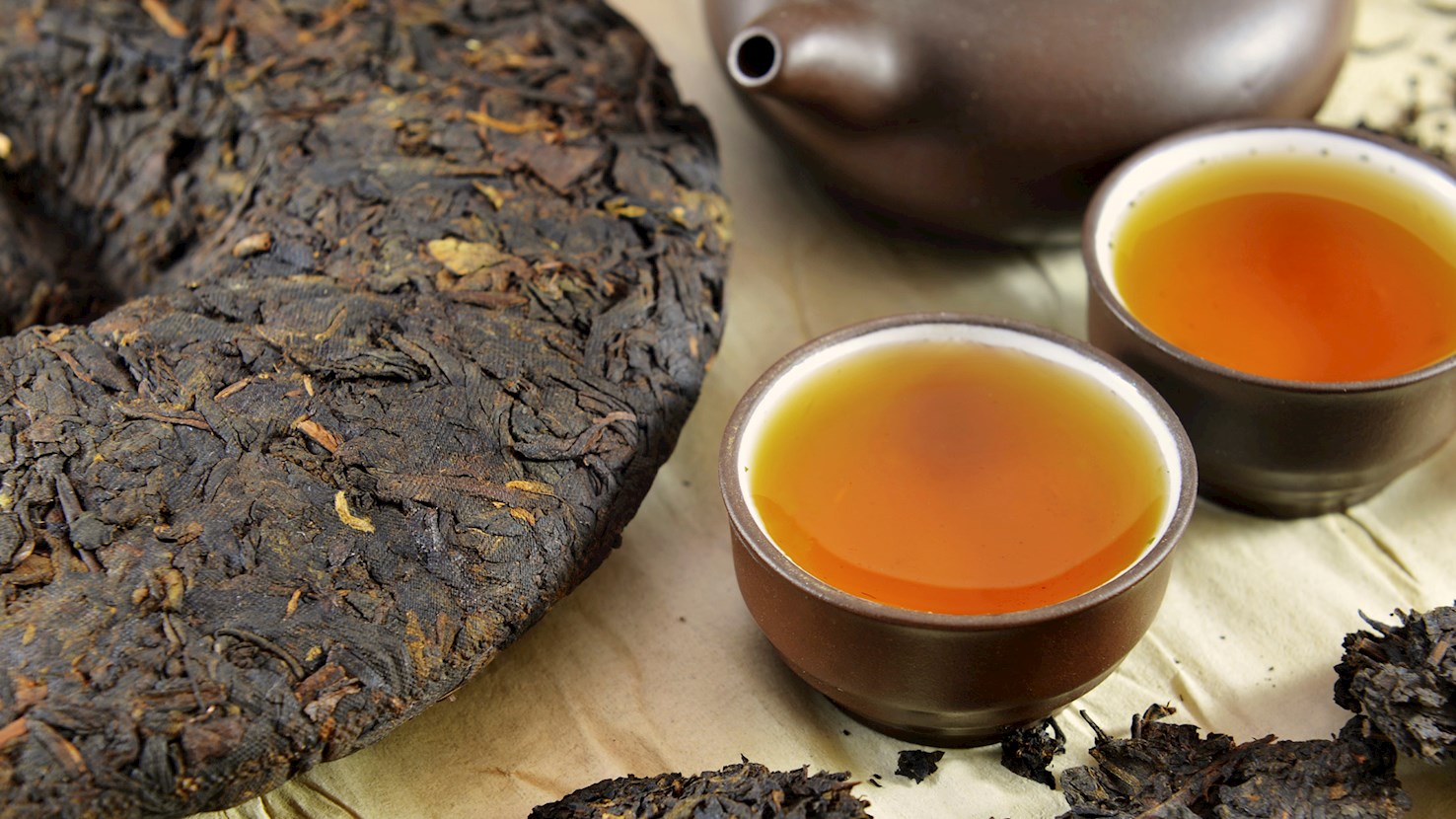
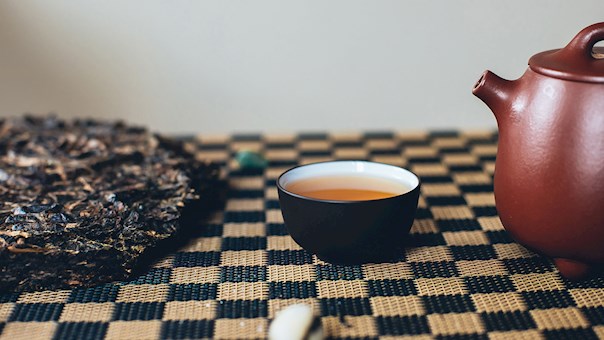
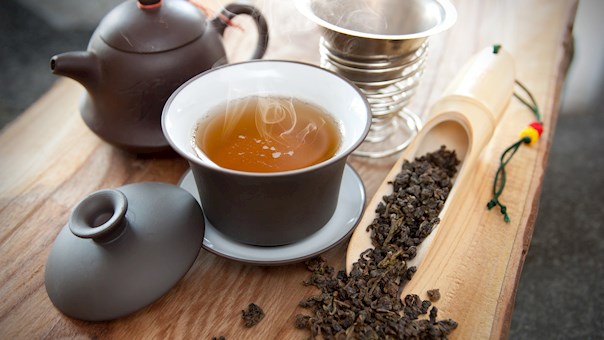
Pu erh, also known as aged or vintage tea is a renowned tea produced exclusively in the Yunnan province. There are two main varieties: raw, non-fermented pu erh, called pu erh sheng, and ripe, fermented pu erh, known as pu erh shu. The raw version has a very fresh, vegetal flavor with hints of bitterness and a sweet aftertaste, while the ripe one has a mild, yet distinctive and earthy flavor achieved by the fermentation process. For both varieties, the leaves can be left loose or compressed into brick tea (Juan Cha), cake tea (Beeng Cha), bell-shaped tea (Toa Cha), or mushroom-shaped tea (Maw Gu Toaw). Pu erh can be stored for a very long period of time - in fact, with time the tea gets better, because both the scent and the flavors change, becoming more mellow and smooth. There are many health benefits attributed to drinking pu erh tea, ranging from feelings of well-being and weight loss to claims of cancer-prevention.

Best Asian Non-alcoholic Beverages
01

Atelier Sueyoshi Seicha

5 ·
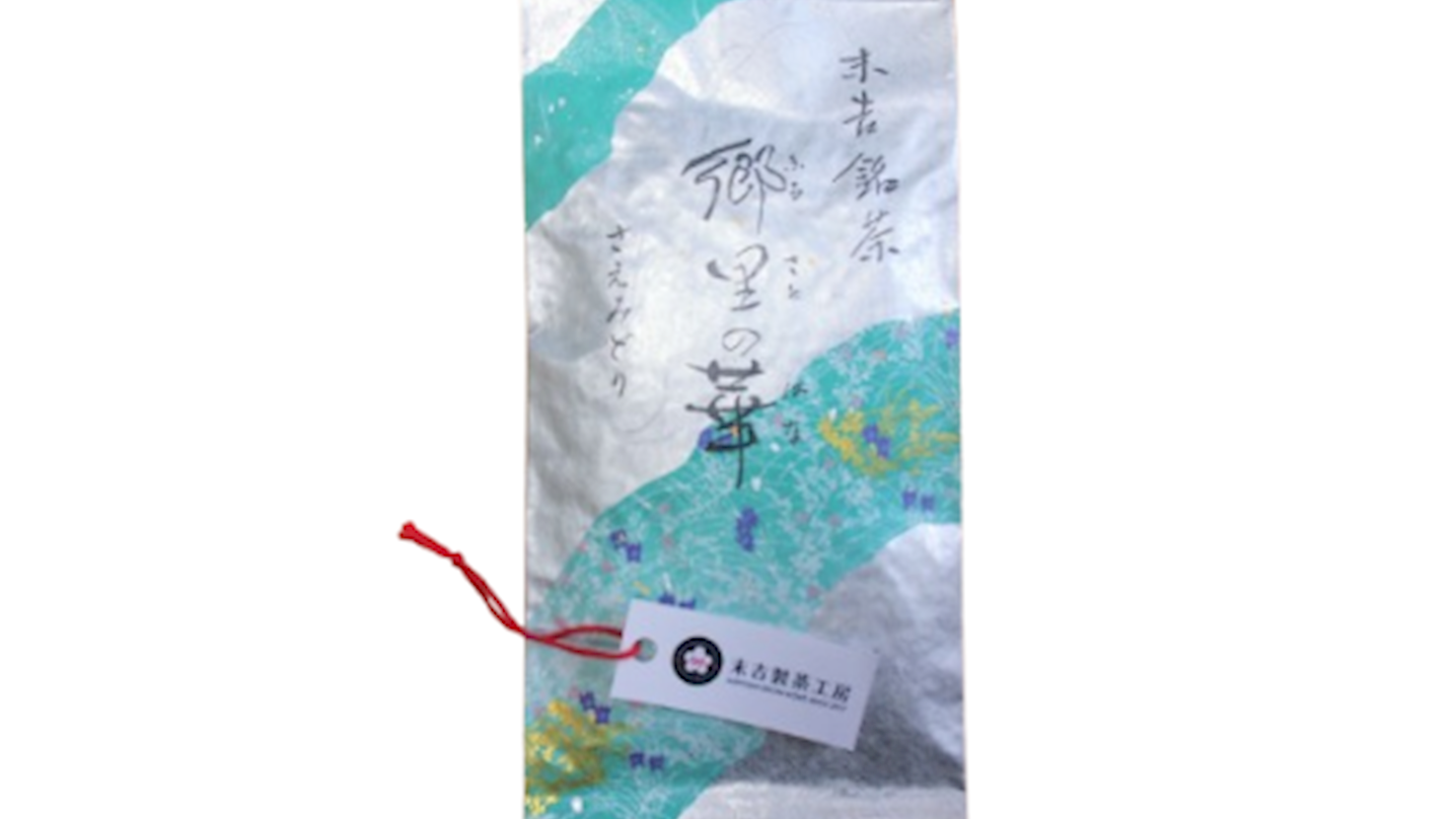
Atelier Sueyoshi Seicha is a green tea producer based in Kagoshima Prefecture, Japan. The company specializes in the cultivation and production of high-quality Japanese green tea. Sueyoshi Seicha emphasizes the use of traditional farming methods and sustainable practices to ensure the purity and flavor of their teas. Their product range includes a variety of green tea types such as sencha, gyokuro, and matcha. Sueyoshi Seicha Kobo also engages with the community through events and direct interactions with customers, showcasing their passion for tea and promoting a lifestyle centered around the enjoyment of fine teas.
Awards
Great Taste Awards - 3 Stars (2022, 2021)
The Leafies Awards - Gold (2022)
02

Yame Tea Kumaen

5 ·
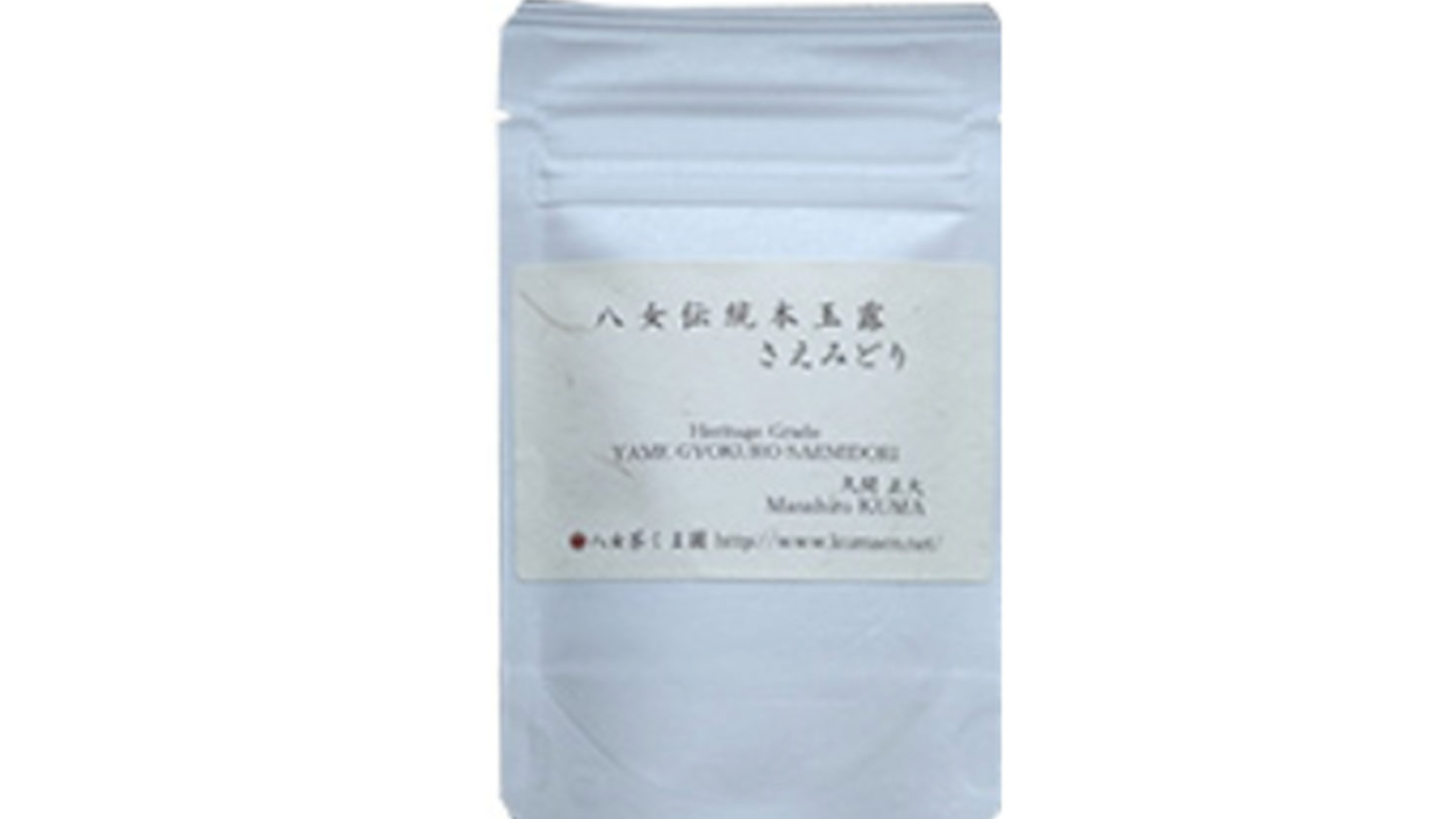
Yame Tea Kumaen is a Japanese company located in the Yame region of Fukuoka Prefecture, known for producing high-quality green tea. The company specializes in varieties such as Gyokuro, Sencha, Matcha, and Bancha, using traditional cultivation and processing methods that date back centuries. Yame, as a region, offers ideal conditions for tea production due to its unique climatic environment. Kumaen prides itself on maintaining high standards of quality and a careful approach at every stage of production, from leaf picking to packaging. The teas they produce are recognized for their rich flavors and delicate aromas. The company strives to preserve sustainability and nature in all aspects of its business. Through their website, Kumaen offers tea enthusiasts the opportunity to purchase products directly from the producer, along with details about the history and philosophy of the tea craft.
Awards
The Leafies Awards - Best in Show (2023)
The Leafies Awards - Gold (2024, 2023, 2021)
03

Teaholics

5 ·
Teaholics is a Japanese company specializing in the sale and distribution of high-quality teas from around the world. Founded with the goal of providing an exceptional tea experience, Teaholics offers a diverse range of teas, including popular varieties such as black, green, white, oolong, and yellow tea, as well as herbal infusions and specialty blends. One of Teaholics' key features is its commitment to quality. The company strives to ensure that each tea it sells is carefully selected and tested to meet high standards. Quality is further ensured through collaboration with renowned producers and tea farms that use traditional processing methods and take great care in cultivating the tea plants. Teaholics not only sells tea but also works to educate its customers about tea culture. On their website, you can find extensive information about different types of tea, brewing methods, health benefits, and other topics related to tea. They also organize seminars and events that allow tea enthusiasts to deepen their knowledge of this ancient tradition.
Awards
Great Taste Awards - 3 Stars (2022, 2021)
Great Taste Awards - 2 Stars (2023, 2022, 2021)
04

Three Six Manor

5 ·
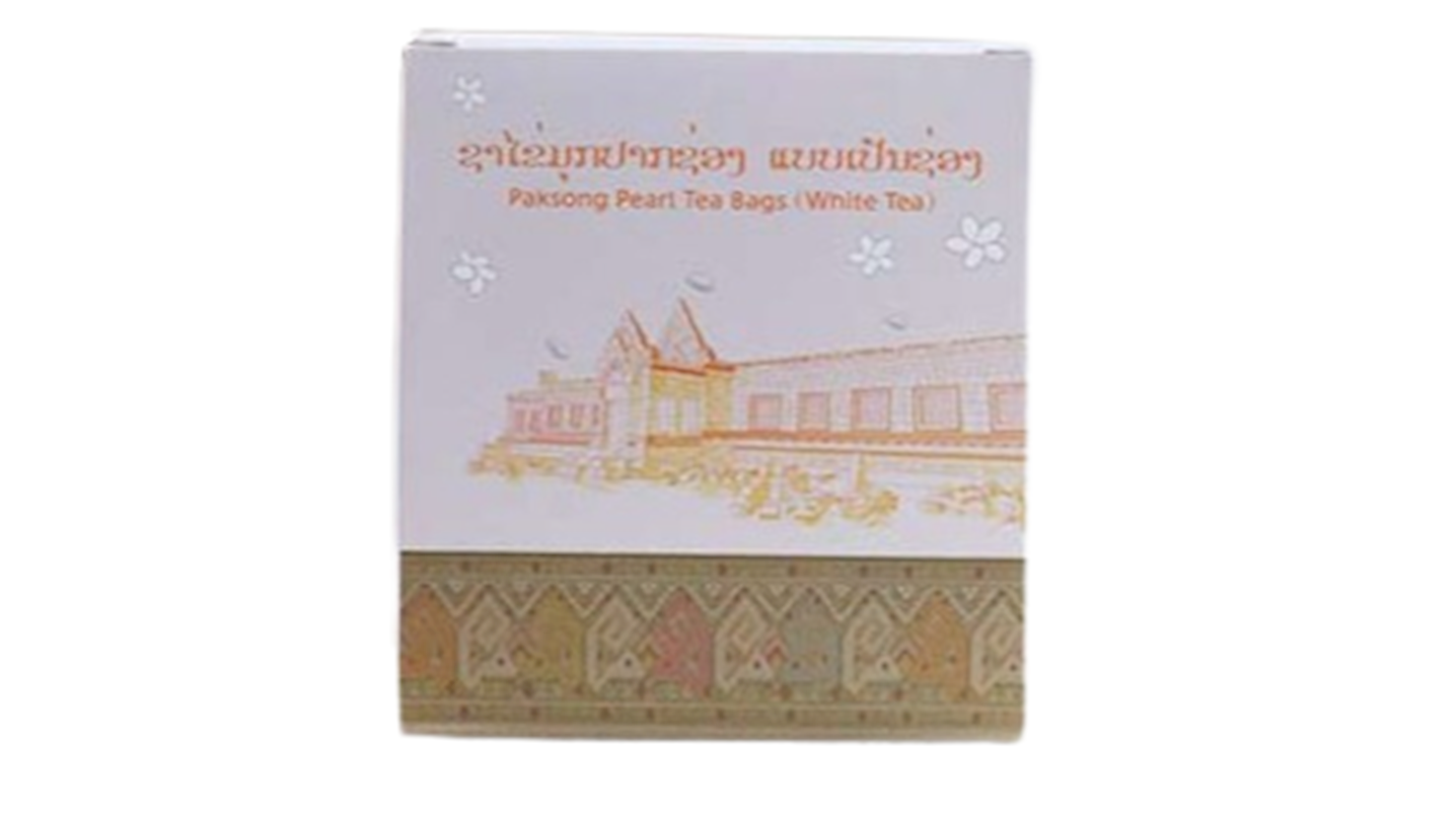
36 Manor is a premium tea brand located in Laos, specifically known for its Paksong teas grown on the Bolaven Plateau, a region famous for its volcanic soils and high-altitude climate. The company, under the Rongxing Group, has developed a unique approach to tea production, offering a variety of high-quality teas such as black tea, green tea, and white tea, often highlighted by their "Paksong" series. These teas are enriched by the pristine environment of the plateau, where aged tea trees and traditional craftsmanship are key to creating distinctive, aromatic blends.
05

Arahataen Tea Farm

5 ·
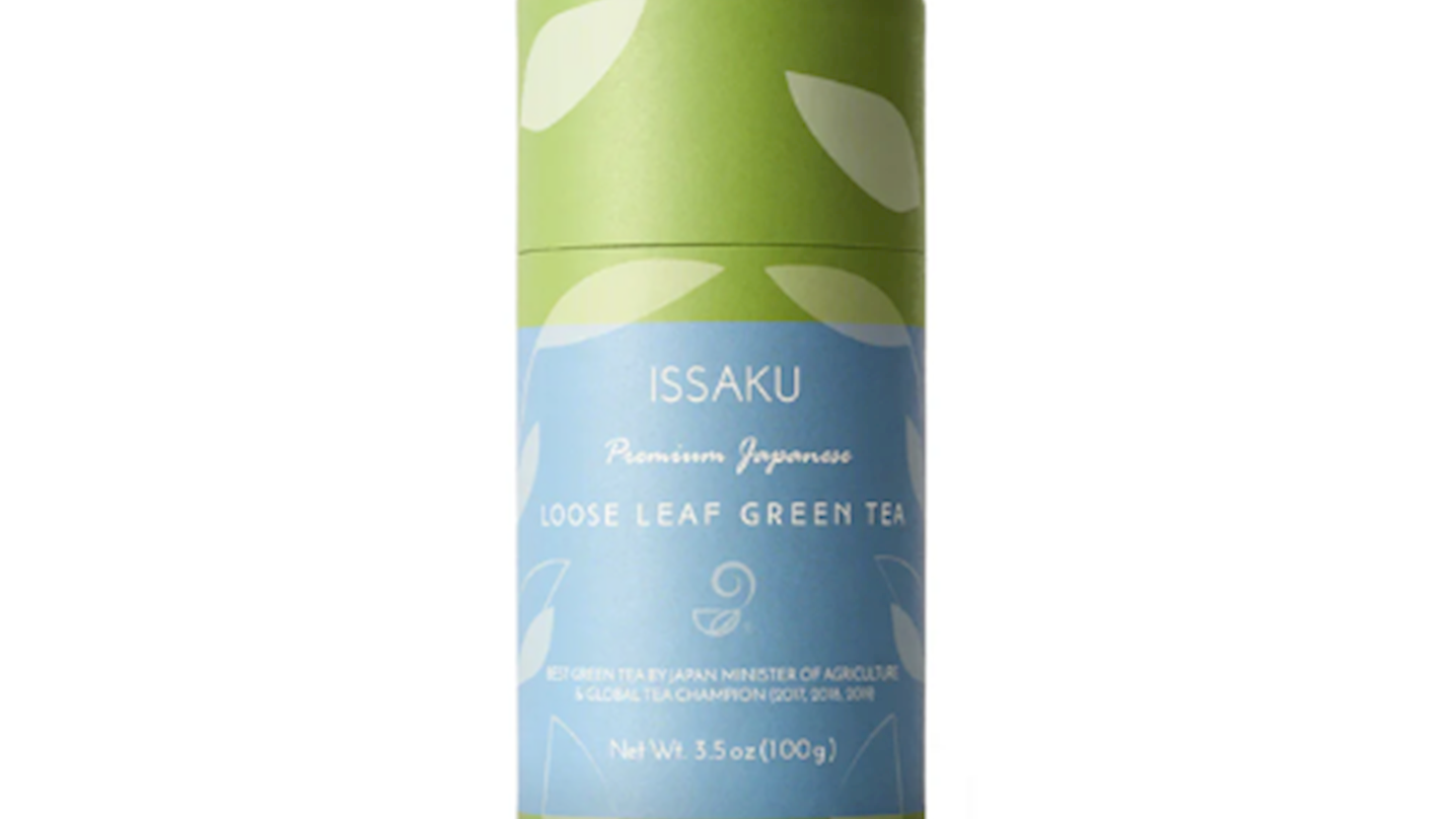
Arahataen Tea Farm is a traditional Japanese tea farm located in Shizuoka Prefecture, Japan. Established in 1874, the company is one of the most renowned producers of Japanese green tea. Arahataen takes pride in producing high-quality teas, using a tradition that has been passed down through generations. The company is also dedicated to sustainable and eco-friendly production methods. Arahataen is famous for using the Chagusaba technique, a traditional method of tea cultivation that involves planting grass along the tea fields to create a natural ecosystem. This method not only contributes to biodiversity conservation but also enhances the quality and flavor of the tea. The company offers a wide range of teas, including well-known varieties like Sencha, Gyokuro, and Matcha, all of which undergo rigorous quality standards and careful processing. In addition to tea production, Arahataen is dedicated to preserving tradition and educating people about Japanese tea culture. They offer tours and tastings at their farms and support sustainability initiatives.
Awards
Global Tea Championship - Winner (2019, 2018, 2017)
06

Yiu Shing

5 ·
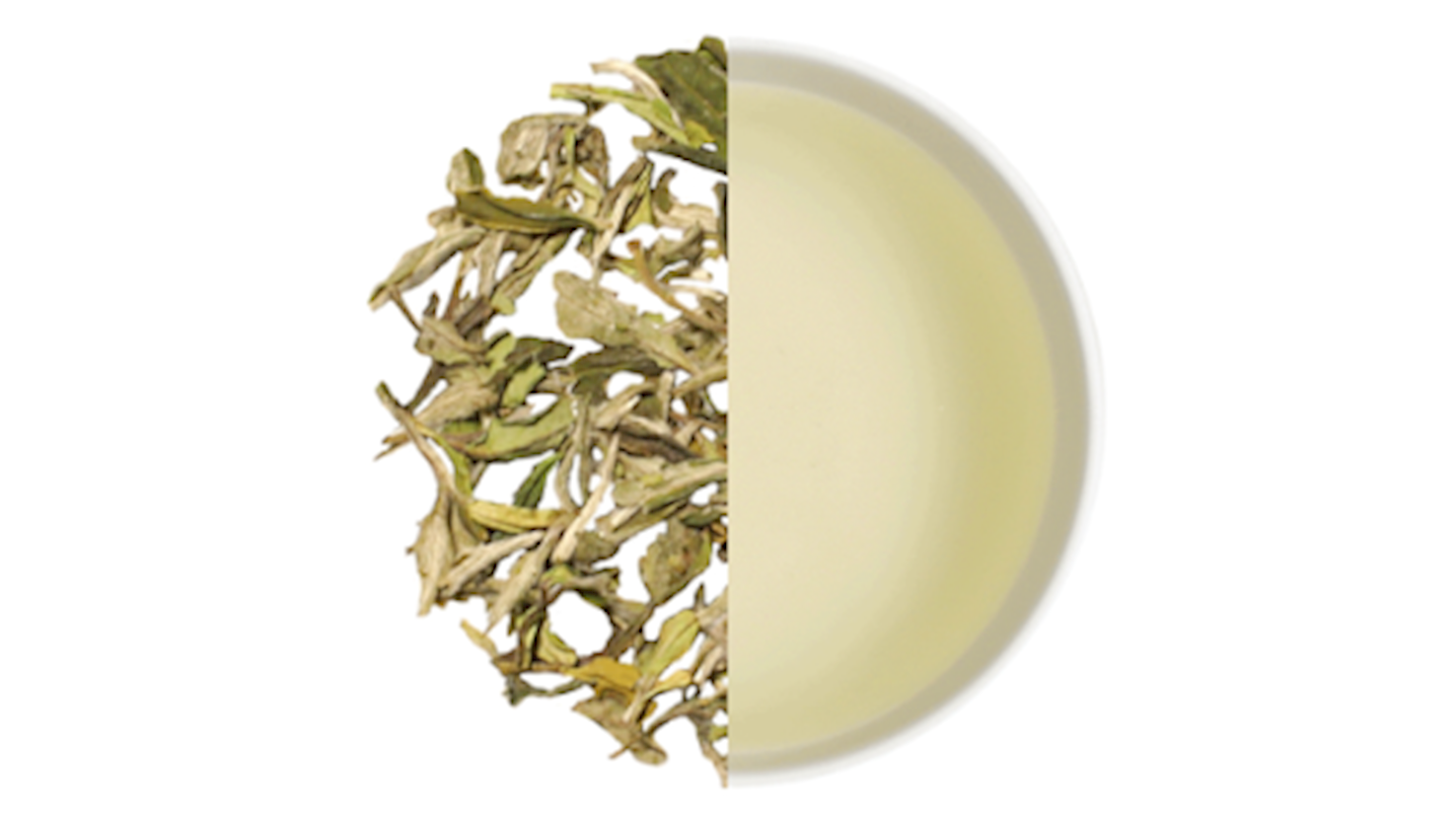
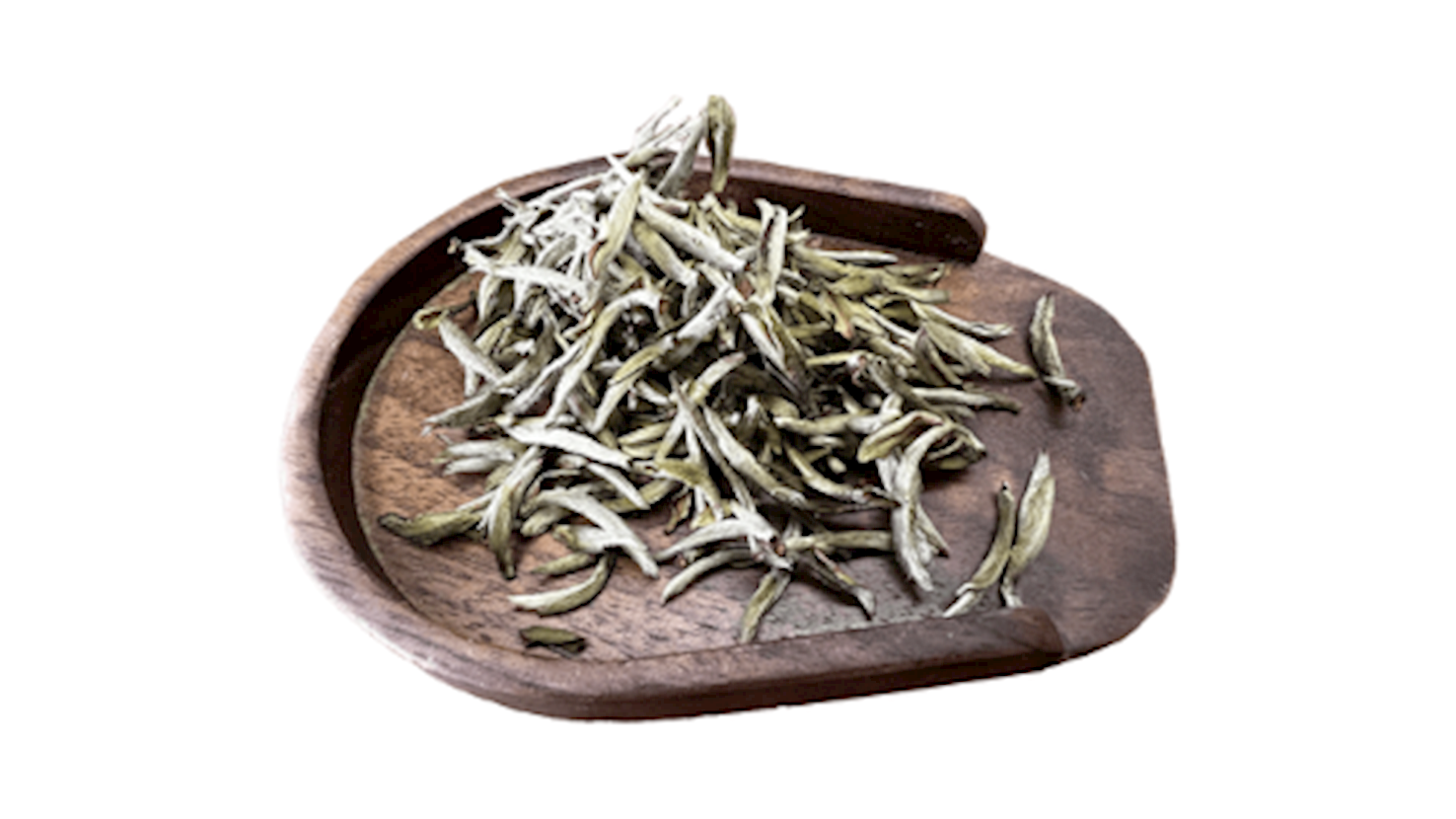
Yiu Shing is a brand specializing in premium teas, with a strong focus on white and organic varieties sourced from China’s Guizhou Province. The company emphasizes collaboration with traditional tea masters and employs carefully controlled processing methods to preserve the natural aroma, freshness, and nutritional qualities of the tea leaves. Their selection includes classics such as White Silver Needle, White Peony, and Shou Mei, each distinguished by its gentle, clean flavor profile and handpicked leaf quality. Yiu Shing builds its reputation on transparency, quality, and a modern presentation of traditional tea, tailored to an international audience. The brand positions itself as a bridge between Chinese tea heritage and contemporary consumer expectations, offering products that combine authenticity, purity, and high standards of craftsmanship.
07

Wuzhou Tea Factory

5 ·
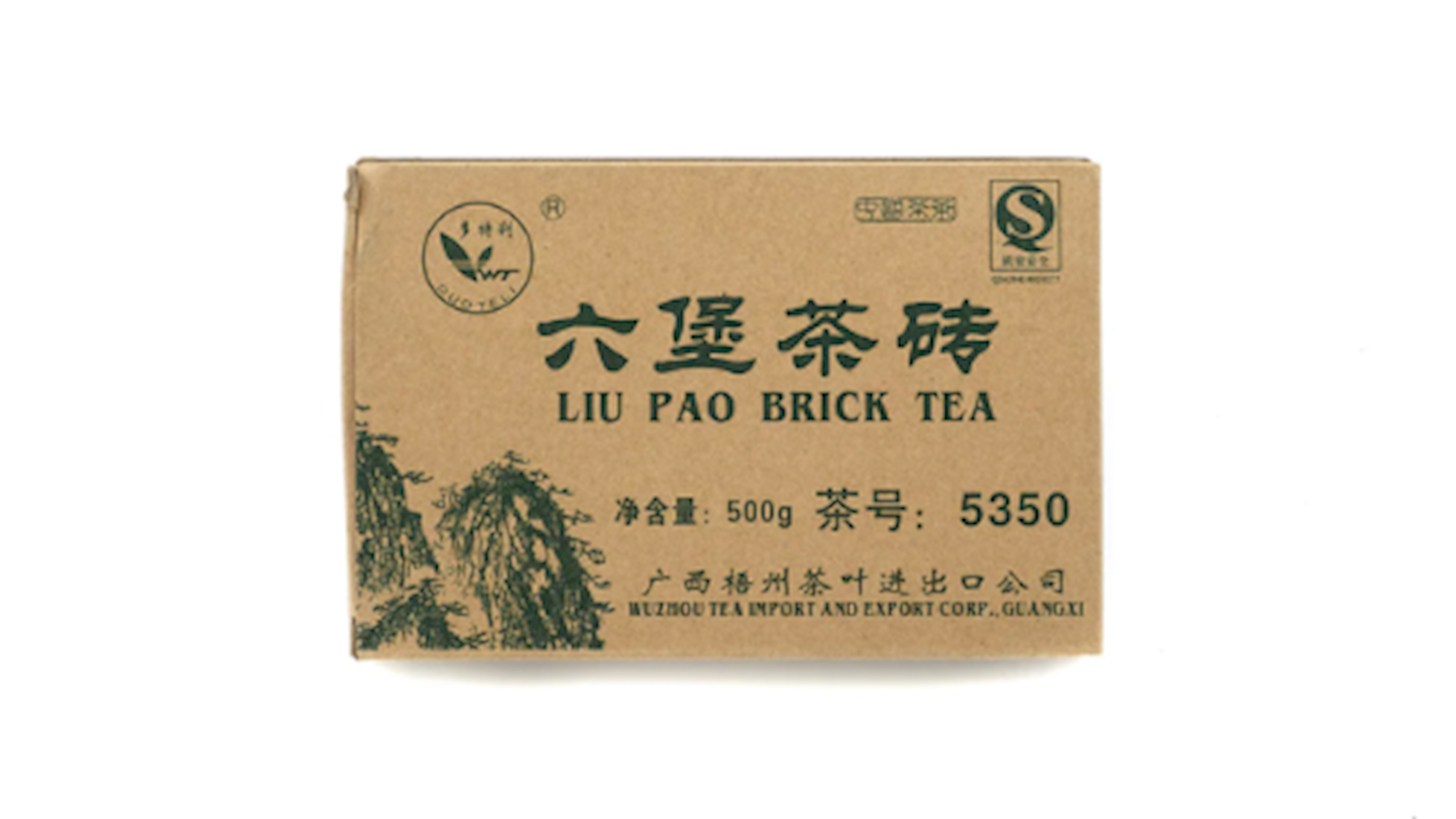
Wuzhou Tea Factory is one of China’s key producers of dark tea, best known for its long-standing expertise in Liubao tea, a post-fermented tea native to the Guangxi region and valued for its earthy, woody, and smooth flavor profile. Established in the 1950s in Wuzhou, Guangxi, the factory played a central role in standardizing and widely distributing Liubao tea, which had previously been a largely local specialty. Over the decades, Wuzhou Tea Factory developed refined methods of controlled post-fermentation, storage, and aging, helping to shape the recognizable “Wuzhou style” characterized by deep fermentation, mild sweetness, and the distinct “humid-wood” note typical of traditionally aged Liubao. The factory sources tea leaves from Guangxi and nearby mountainous areas, producing teas often compressed into baskets, bricks, or cakes to support long-term aging. Today, Wuzhou Tea Factory is particularly known for its “Three Cranes” brand, under which it offers Liubao teas of various vintages and fermentation levels, maintaining its status as a trusted and traditional producer in the world of dark teas.
08

Marukyu Koyamaen

5 ·
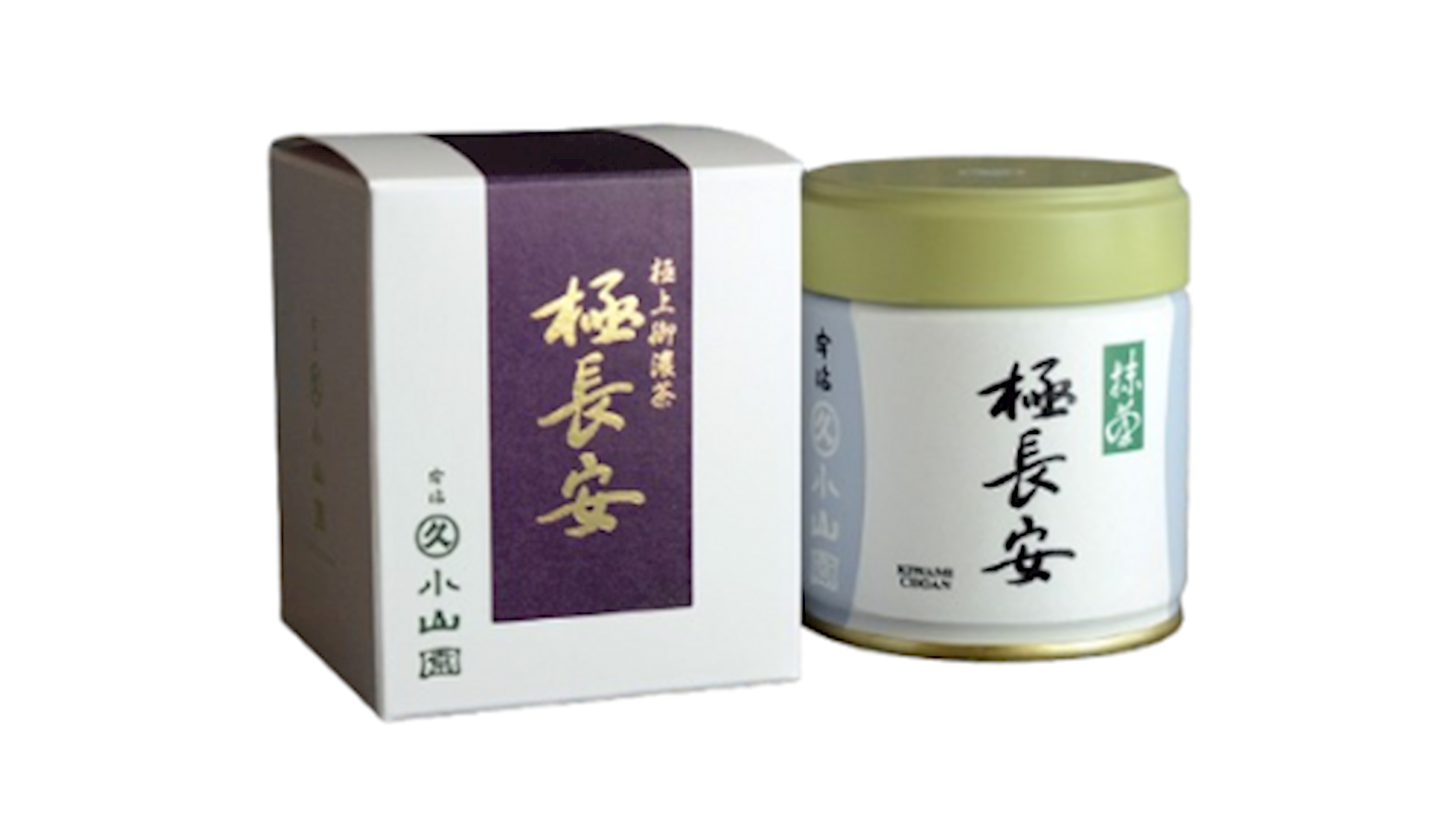
Marukyu Koyamaen is one of Japan’s most respected producers of green tea and matcha, headquartered in Uji, Kyoto Prefecture, a region internationally renowned for its premium tea heritage. The company’s origins trace back to around 1704, when Kyujiro Koyama began cultivating and processing tea in the Ogura area, laying the foundation for what would become a centuries-old tea-making tradition. Over more than 300 years, the Koyama family has refined its expertise in tea cultivation, leaf selection, and processing, establishing Marukyu Koyamaen as a benchmark name in high-quality Uji tea. The company is particularly celebrated for its matcha, produced from shade-grown tencha leaves that are carefully steamed, dried, and traditionally stone-milled into an exceptionally fine powder. Its portfolio includes ceremonial-grade matcha, everyday drinking matcha, and specialized varieties intended for culinary applications and confectionery use. Beyond matcha, Marukyu Koyamaen also produces other classic Japanese green teas, including gyokuro, sencha, hojicha, and genmaicha. The company combines deeply rooted traditional craftsmanship with modern quality control standards, maintaining consistency across its premium tea offerings. Thanks to its longstanding heritage and uncompromising focus on quality, Marukyu Koyamaen remains one of the most recognized and respected names in Japanese tea production.
Awards
The Leafies Awards - Gold (2022)
09

Bama Tea

5 ·
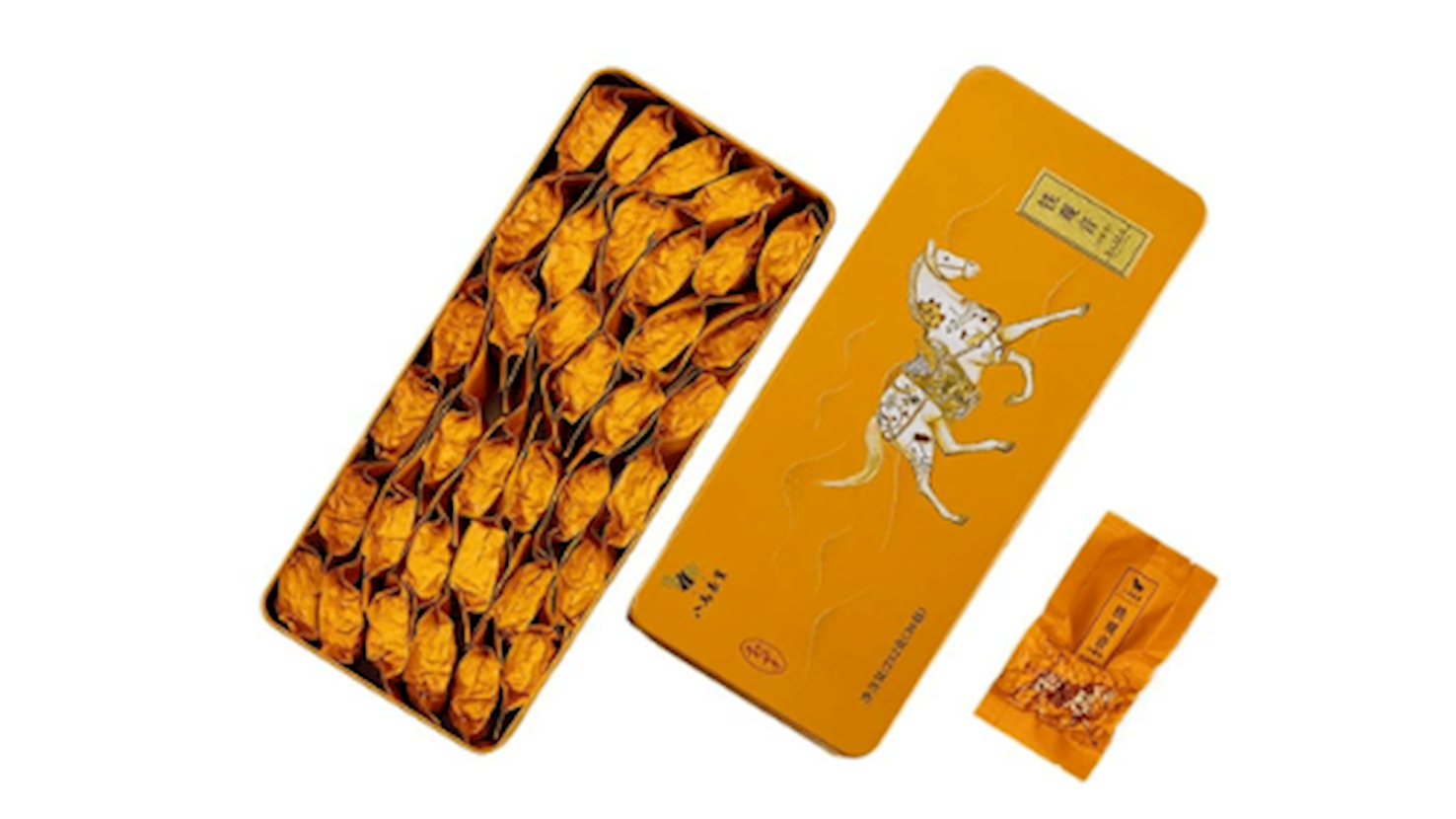
Bama Tea is one of China’s leading modern tea brands, combining the deep-rooted traditions of the Fujian region with contemporary processing, packaging, and distribution practices. Founded in 1997, the company builds on generations of family expertise in cultivating and crafting tea, particularly oolong varieties such as Tieguanyin, which is recognized as part of China’s national cultural heritage. Today, Bama Tea operates an extensive network of retail stores across the country and offers a broad selection of teas - from oolongs and rock teas to green, white, and black varieties - along with complementary tea sets and accessories. The brand is known for its balance of tradition and innovation, maintaining strict quality standards and modern production methods while preserving authentic craftsmanship. With a strong reputation and active international presence, Bama Tea is considered one of the most influential ambassadors of Chinese tea culture on the global stage.
10

Wuyi Star Tea

5 ·
Wuyi Star Tea is a modern tea producer from Fujian Province, rooted in the long-standing traditions of the Wuyi Mountains, a region renowned for its “rock tea” oolong styles and distinctive mineral-rich terroir. Founded in 2001, the company manages the entire process - from cultivation and leaf selection to processing, packaging, and export - while adhering to certified quality standards. Their portfolio includes some of the most iconic Wuyi teas, such as Da Hong Pao and other yancha oolongs known for their mineral, lightly smoky, and fruity notes, as well as black, white, and green teas tailored to a wide range of preferences. Wuyi Star emphasizes traceability, authenticity, and the preservation of local techniques, establishing itself as a brand that successfully bridges traditional Chinese tea craftsmanship with the expectations of the modern global market.
Read more
View all
View map
About this ranking

TasteAtlas food rankings are based on the ratings of the TasteAtlas audience, with a series of mechanisms that recognize real users and that ignore bot, nationalist or local patriotic ratings, and give additional value to the ratings of users that the system recognizes as knowledgeable. For the “Top 100 Asian Non-alcoholic Beverages” list until June 01, 2026, 9,057 ratings were recorded, of which 5,545 were recognized by the system as legitimate. TasteAtlas Rankings should not be seen as the final global conclusion about food. Their purpose is to promote excellent local foods, instill pride in traditional dishes, and arouse curiosity about dishes you haven’t tried.

The initial list of top producers was compiled based on available reviews, awards, local recommendations, media and blog coverage, and consumer reviews. The list will be updated with ratings from TasteAtlas local ambassadors and TasteAtlas users.

Similar lists