Top 12 Portuguese Spirits and Liqueurs

Last updated on June 10, 2026

Best Portuguese Spirits and Liqueurs
01

Elsa Sousa Unipessoal

4.8 ·
Awards
The Gin Masters - Gold (2022)
02

Vinha Alta

4.7 ·
Awards
IWSC- International wine & spirit competition - Spirit Gold (2024)
IWSC- International wine & spirit competition - Spirit Gold Outstanding (2024)
03

Pafelim

4.7 ·
Awards
IWSC- International wine & spirit competition - Spirit Gold (2024)
04

Scoundrels Distilling

4.5 ·
Awards
IWSC- International wine & spirit competition - Spirit Gold (2024)
05

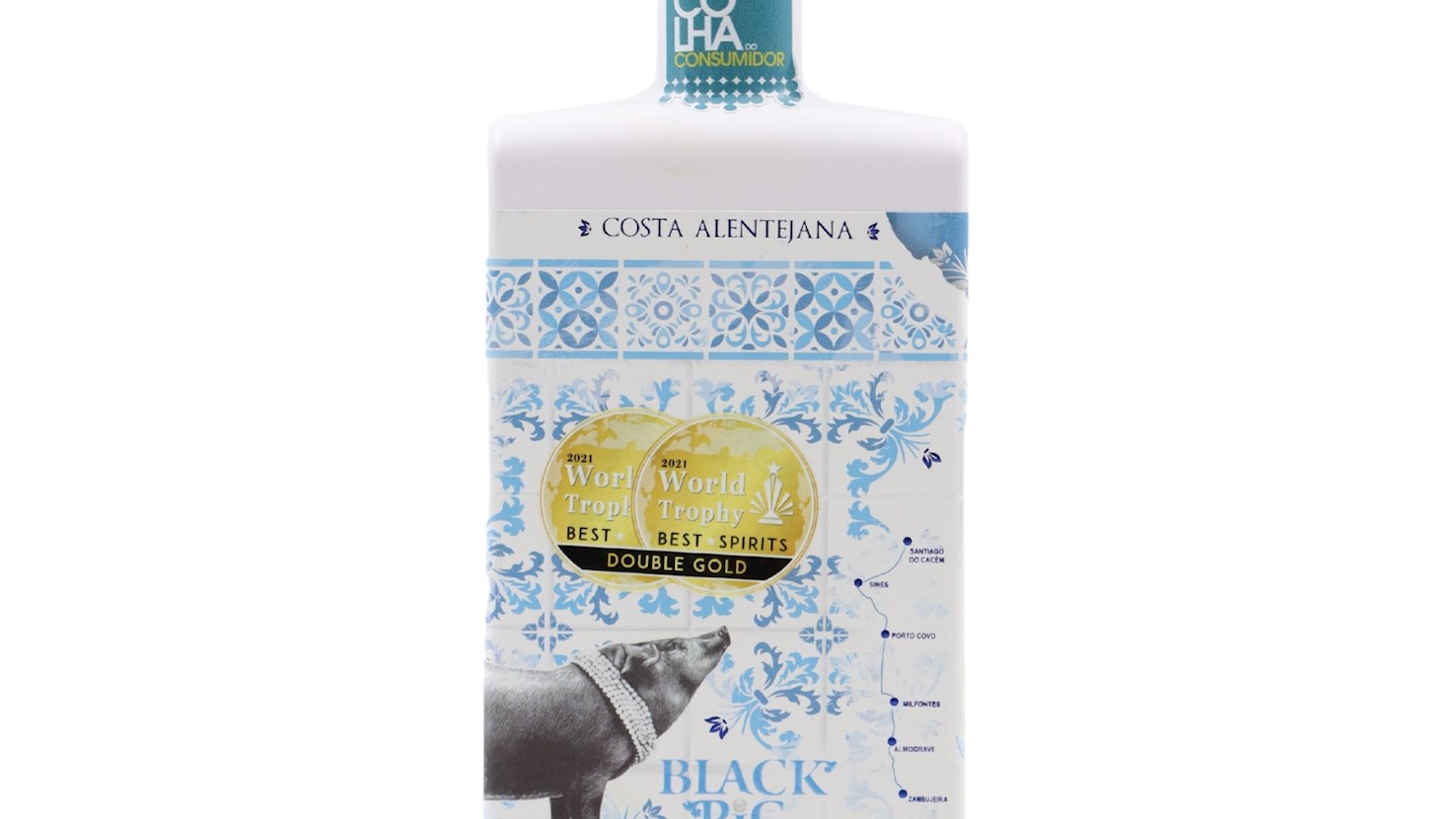
Destilaria Black Pig Alentejo

4.5 ·
Awards
World Gin Awards - Country Winner (2021)
06

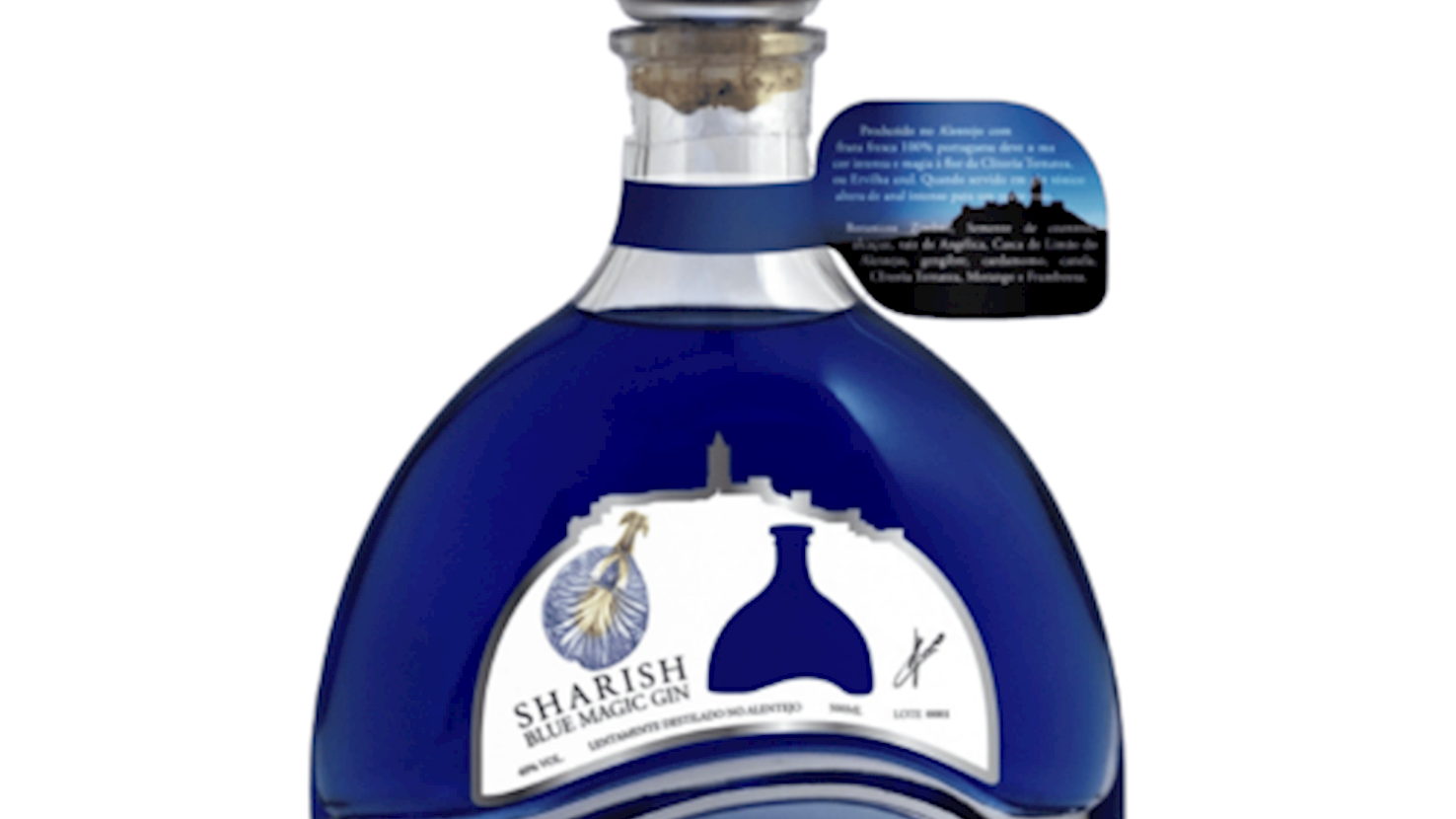
MVPGIN - Alimentos & Destilados, Lda

4.5 ·
Awards
World Gin Awards - Country Winner (2020)
07

Beirão

4.5 ·
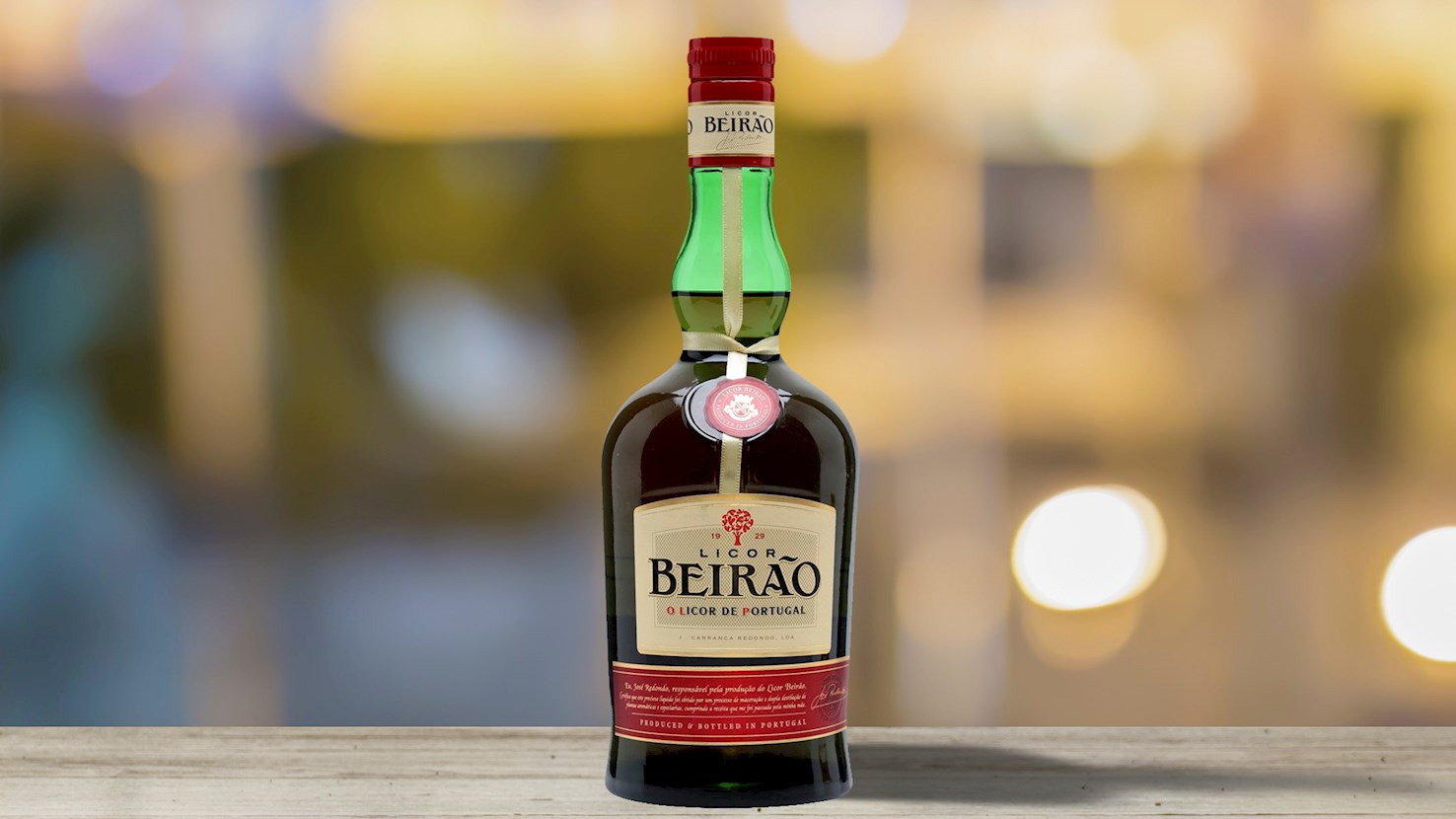
Licor Beirão is a traditional Portuguese producer best known for its flagship herbal liqueur, Licor Beirão, originating from the Beira region in central Portugal. The recipe dates back to the early 20th century and is based on a blend of aromatic herbs, seeds, and spices that are macerated and carefully balanced to achieve its distinctive profile. Production remains in Portugal under continued family ownership, preserving both the original formula and the brand’s identity. The liqueur is mildly sweet with pronounced herbal notes complemented by subtle citrus and warm spice nuances, making it suitable for drinking neat, over ice, or as a cocktail ingredient. Over time, it has become one of Portugal’s most recognizable alcoholic beverages, strongly associated with national culture and convivial drinking traditions. The brand combines heritage, consistent quality, and contemporary positioning, maintaining its relevance both domestically and in international markets.
Awards
LAISC - Gold (2015)
NYISC - Portugal Liqueur of the Year (2015)
08

A Ginjinha

4.4 ·
A Ginjinha is a famous Portuguese bar and producer of Ginjinha (sour cherry liqueur) located in Lisbon, Portugal. Established in 1840 by a Galician monk named Espinheira, it is renowned for its iconic cherry liqueur made by infusing sour cherries (ginja berries) in aguardente (Portuguese spirit). The liqueur is traditionally served in a small glass, with customers asked if they prefer it “com ou sem elas” (with or without the cherry). This sweet-tart drink has become a symbol of Lisbon's cultural experience, drawing locals and tourists alike to enjoy a taste of this authentic Portuguese tradition.
09

LicÓbidos

4.3 ·
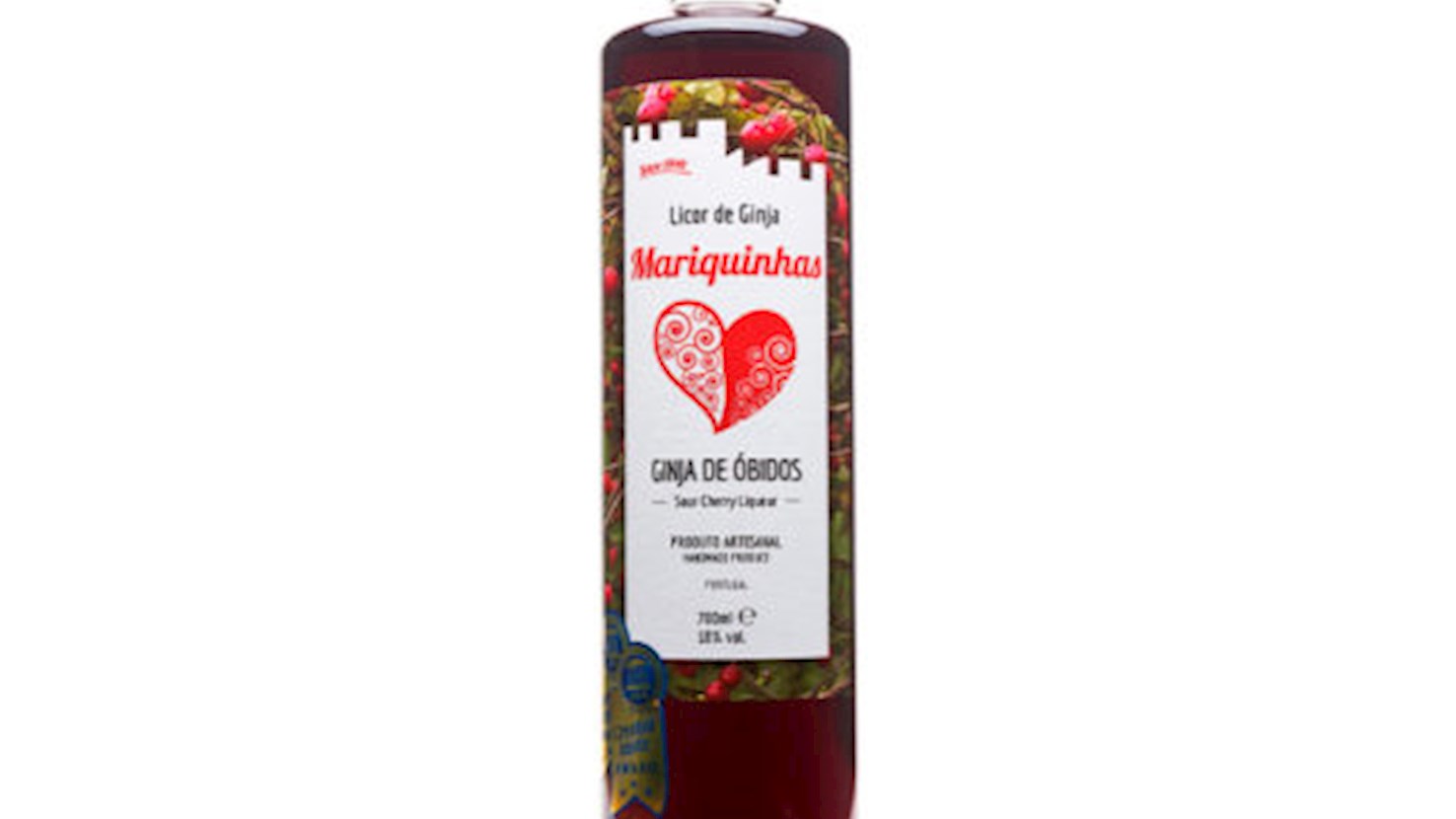
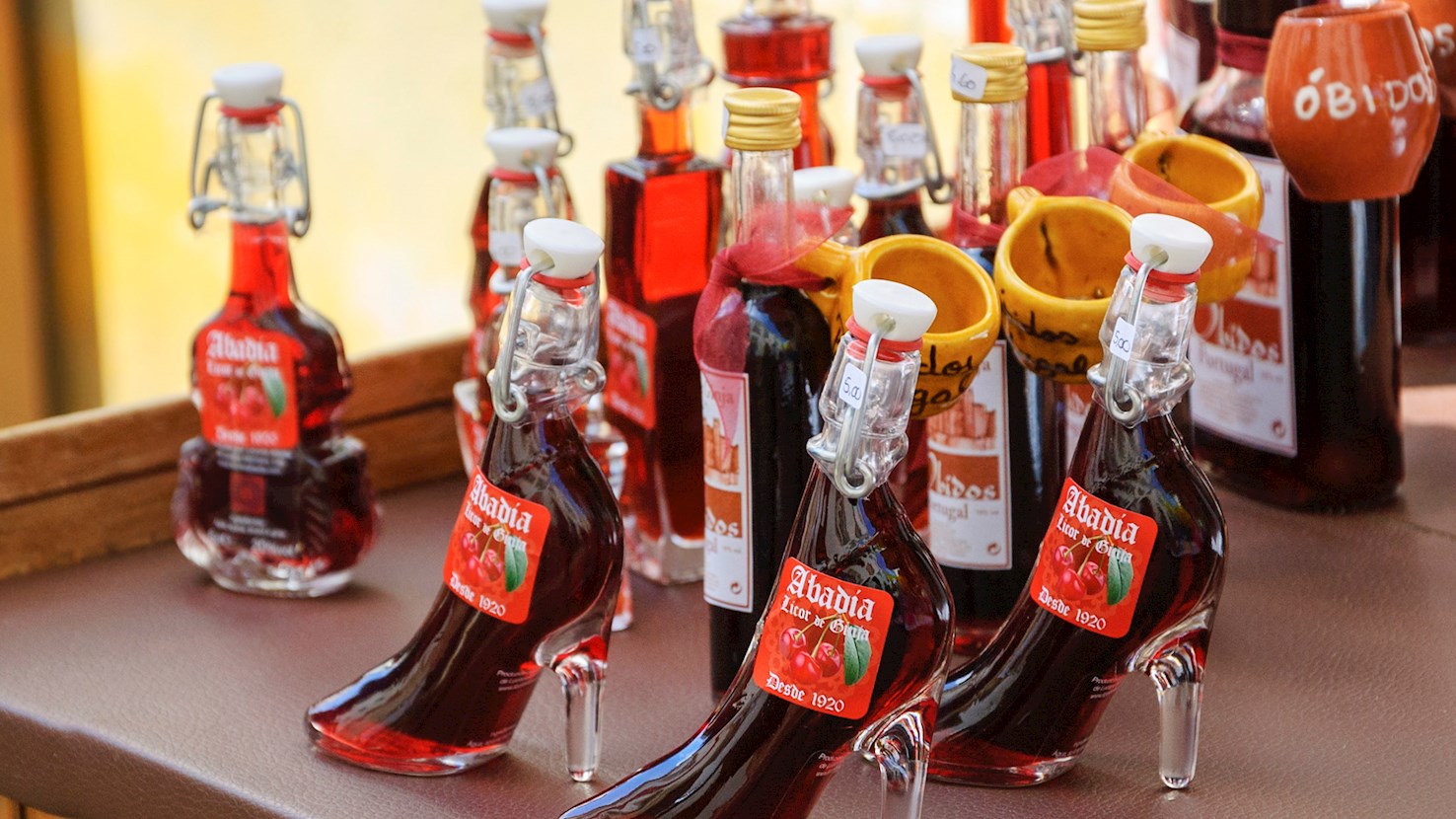
LicÓbidos, a family-owned company established in 1949, produces Ginja Mariquinhas, a traditional Portuguese sour cherry liqueur. Cultivating over 22,000 sour cherry trees, they ensure self-sufficiency and maintain high-quality standards for their liqueur. Ginja Mariquinhas is 100% natural, free from artificial colorings and preservatives, offering a clear, ruby-colored appearance with an intense sour cherry aroma. The brand draws inspiration from Portuguese cultural elements like Fado music, filigree, and embroidery, reflecting the nation's rich heritage. Internationally recognized, Ginja Mariquinhas has received accolades for its authenticity and quality.
10

Bagamel

4.3 ·
Bagamel is a Portuguese company established in 1976, headquartered in Silves, in the Algarve region. It specializes in the production and bottling of alcoholic beverages, with a particular focus on the traditional aguardente de medronho (arbutus berry brandy). The company employs original and traditional production methods to ensure the authenticity and quality of its products. In addition to arbutus berry brandy, Bagamel offers a variety of liqueurs, including lemon, orange, carob, and almond liqueurs, crafted to suit Portuguese tastes. Bagamel is dedicated to preserving traditional recipes and production techniques, delivering customers the authentic flavors of the Algarve. Their products are available both domestically and internationally, contributing to the promotion of Portugal's rich gastronomic heritage.

Best Portuguese Spirit/Liqueur Types
01

Ginjinha

4 ·

Ginjinha (Ginja) is a traditional sour cherry liqueur that is mostly associated with Óbidos and Alcobaça, but the drink is enjoyed throughout the country, and it is also especially popular in Lisbon and Algarve. The creation of the liqueur was inspired by the ancient recipes of Cistercian monks, and only fresh, natural products should be used, with no artificial preservatives. The liqueur is typically ruby red, subtly sweet with strong cherry aromas. It is best served as an aperitif or a digestif, preferably neat, in shot cups, and with or without the alcohol-soaked cherry. Ginja can also work well in cocktails and remains a true hallmark of the region. It is greatly appreciated by locals and foreigners alike.

02

Beirão

3.6 ·

Beirão is a Portuguese herbal liqueur that was first produced in the 19th century. Although the recipe is held secret, the drink is made by macerating twelve different botanicals. According to a widespread story, the history of the liqueur dates back to the 19th century when a Port salesman passing through Lousã fell in love with a daughter of a pharmacist. They stayed in Lousã and started creating and selling various health remedies, including a liqueur for stomach pain which would in 1929 become the Beirão liqueur. In 1940, the company that produced the drink was bought by José Carranca Redondo who had great success into promoting Beirão into one of the most popular Portuguese liqueurs. This herbal liqueur has a light topaz hue and herbaceous and spicy aromas. It can be enjoyed neat, but it is also used in cocktails or as an ingredient in desserts.

Best producers
03

Lourinhã

3.5 ·

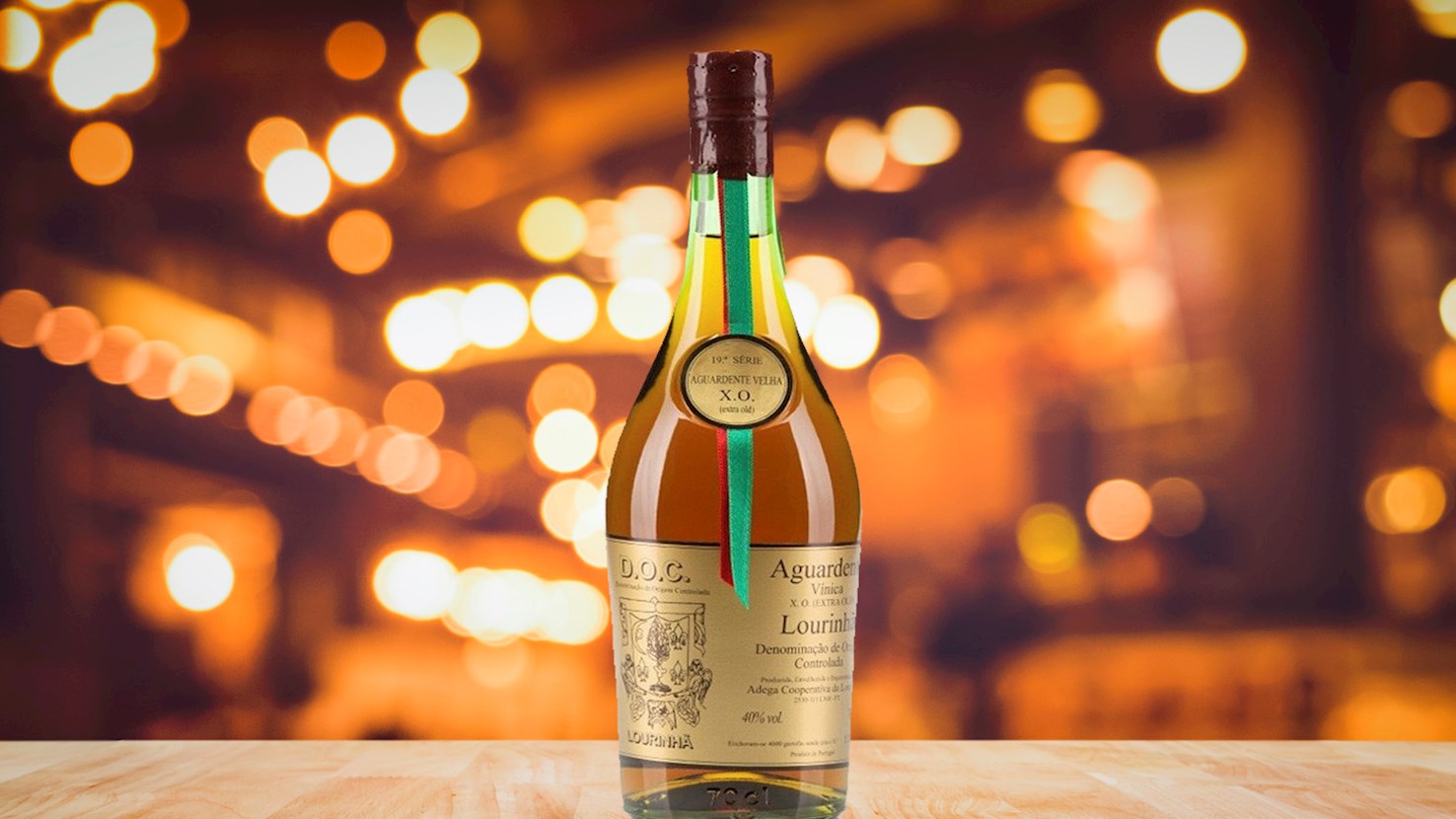
Along with Cognac and Armagnac, the Portuguese Lourinhã region is one of the three designated brandy-production regions in the world. This brandy is mostly produced with neutral white wine that has good acidity. Recommended grape varieties include Alicante, Alvadurão, Broal Espinho, Marquinhas, Malvásia Rei (Seminário), and Tália. After it is distilled, the spirit is aged in oak casks before it is cut with water to reach the desired alcohol content of 40% ABV. Aging must be carried out in the designated region, exclusively in oak and chestnut barrels. Specific climate, terroir, and the proximity of the sea all influence the final character of Lourinhã brandy. This prized spirit is usually amber-colored, with aromas of dried fruit, vanilla, and wood. Best-quality versions are complex and aromatic, with a long and persistent finish. It is recommended to serve it as a digestif or to pair it with dark chocolate.

04

Medronho

3.4 ·

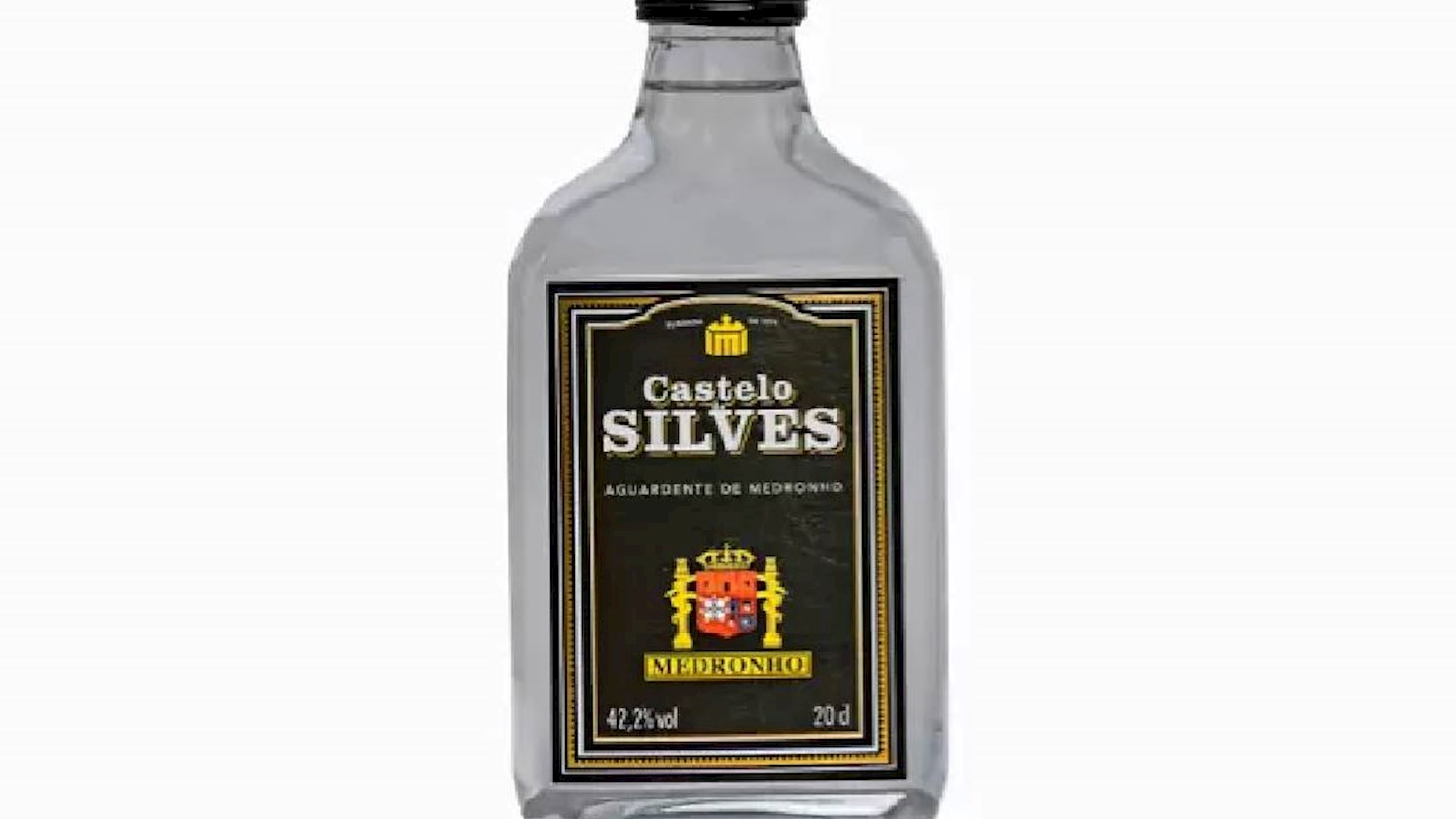
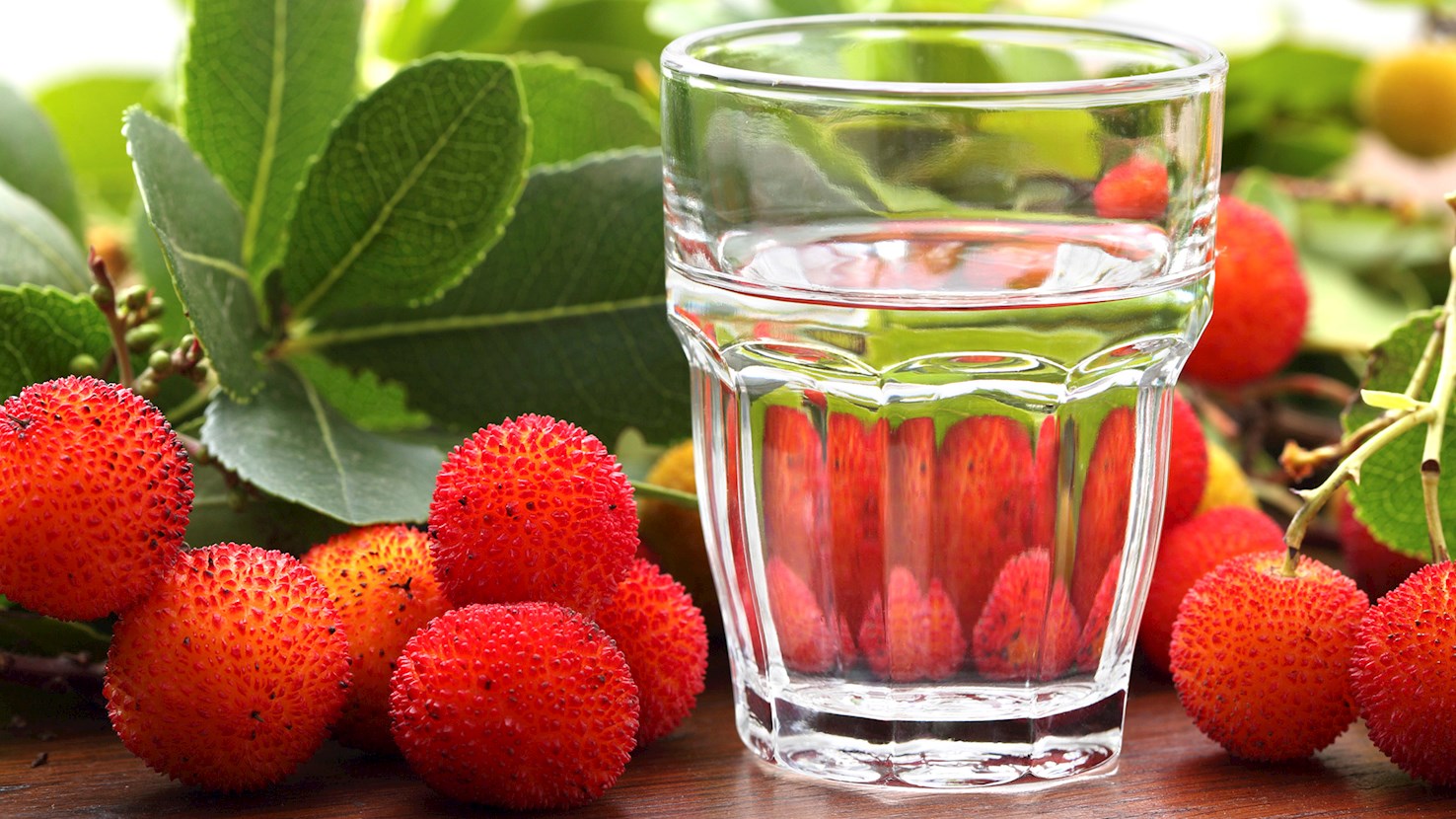
This Portuguese fruit brandy is distilled from fermented medronho berries that grow wild throughout the Algarve region. The production of medronho has not been completely regulated, and though many distilleries have been licensed, some producers still operate illegally. The drink is typically clear and strong and is mainly enjoyed neat, preferably as a digestif. Until recently, it was mainly found at the local taverns in Algarve, but the producers and the government have made an effort to turn medronho into an exquisite Portuguese product.

Best producers
05

Aguardente bagaceira

2.5 ·

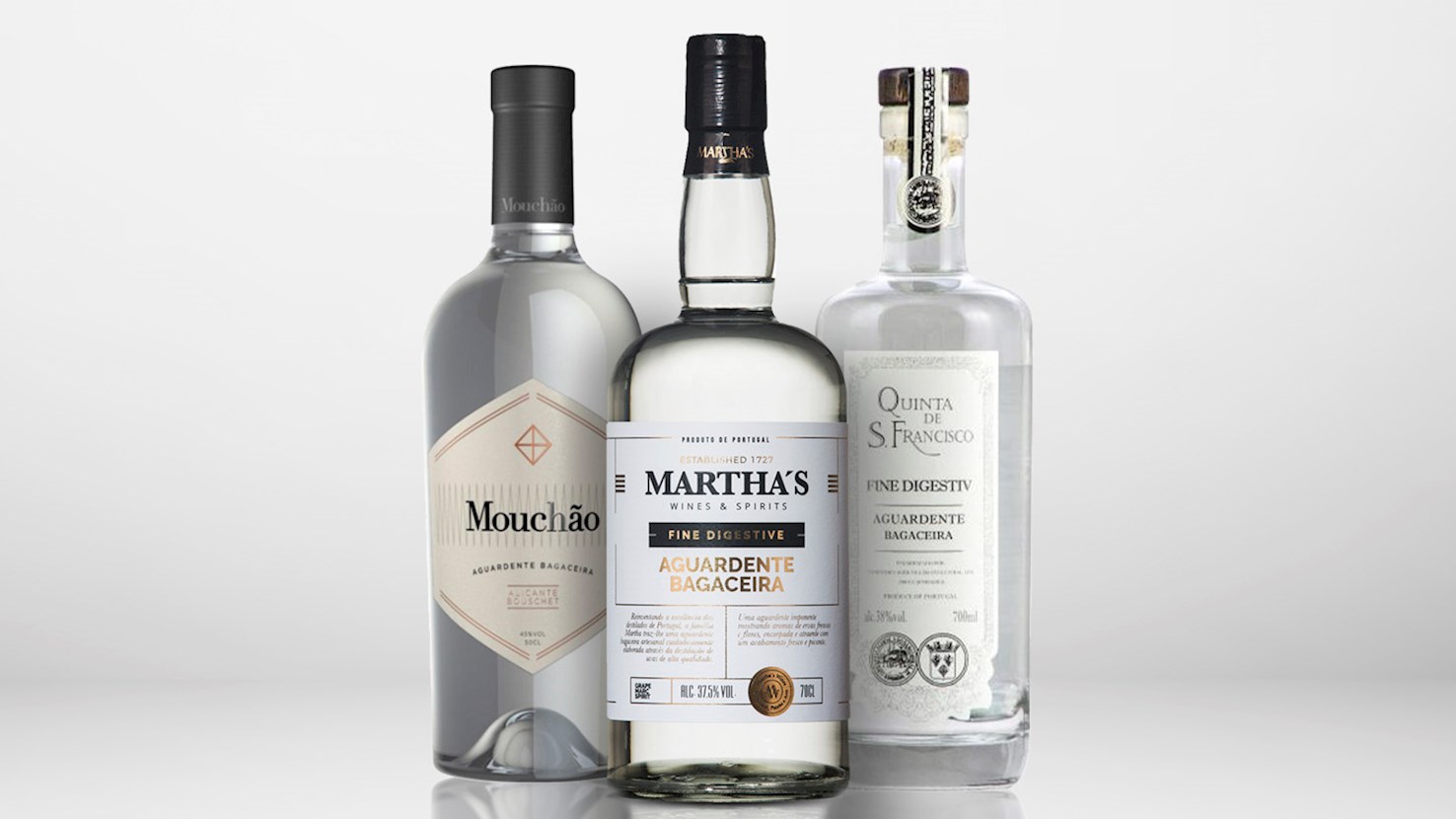
Aguardente bagaceira is a clear and colorless Portuguese spirit distilled from grape pomace—the skins and pulps left as a by-product of winemaking. It is made by winemakers, but it is mostly produced in rural areas as a type of rustic drink that is not intended for commercial production. Aguardente bagaceira can vary in quality, depending on the distillation and the base ingredient. The best examples should be powerful but with a smooth, warming finish and a fruity grape aroma. The distillate is sometimes aged to produce a softer, mellower style known as bagaceira velha. Aguardente bagaçeira is usually enjoyed neat, preferably as a digestif. The local tradition is to add a splash of aguardente to espresso, making the popular café com cheirinho. It can also be used as a cooking ingredient. The alcohol content is typically around 40% ABV.

06

Licor de Singeverga

n/a ·

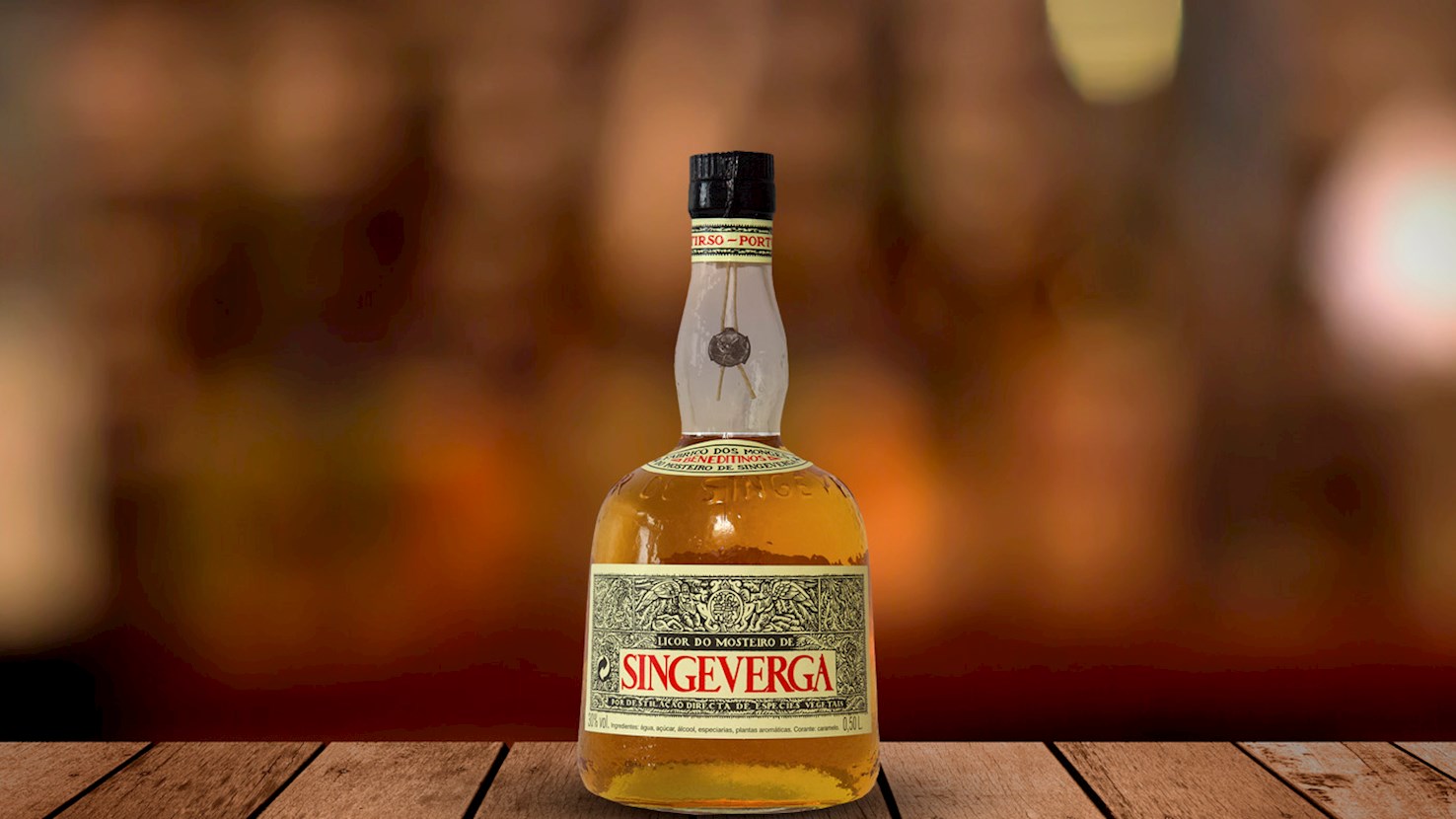
Singeverga is a Portuguese liqueur produced by the Benedictine monks at the Singeverga Monastery. The liqueur is distilled from a macerate of various botanicals, such as vanilla, coriander, cloves, angelica root, saffron, cinnamon, and nutmeg. It is a caramel-colored liqueur with intense herbaceous character and aromas that are reminiscent of warming spices. The monasteries had a long tradition of producing herbal liqueurs, but they were mainly used as health remedies. The production of this liqueur started in the mid 20th century, and it is the only Portuguese liqueur produced at a monastery. It can be enjoyed neat or on the rocks, and it is best served as an aperitif or a digestif.

Read more
View all
View map
About this ranking

TasteAtlas food rankings are based on the ratings of the TasteAtlas audience, with a series of mechanisms that recognize real users and that ignore bot, nationalist or local patriotic ratings, and give additional value to the ratings of users that the system recognizes as knowledgeable. For the “Top 12 Portuguese Spirits and Liqueurs” list until June 10, 2026, 320 ratings were recorded, of which 230 were recognized by the system as legitimate. TasteAtlas Rankings should not be seen as the final global conclusion about food. Their purpose is to promote excellent local foods, instill pride in traditional dishes, and arouse curiosity about dishes you haven’t tried.

The initial list of top producers was compiled based on available reviews, awards, local recommendations, media and blog coverage, and consumer reviews. The list will be updated with ratings from TasteAtlas local ambassadors and TasteAtlas users.

Similar lists