shutterstock

Top 27 Italian Sweet Breads

Last updated on June 15, 2026

Best Italian Sweet Breads
01

Pandoro

4 ·

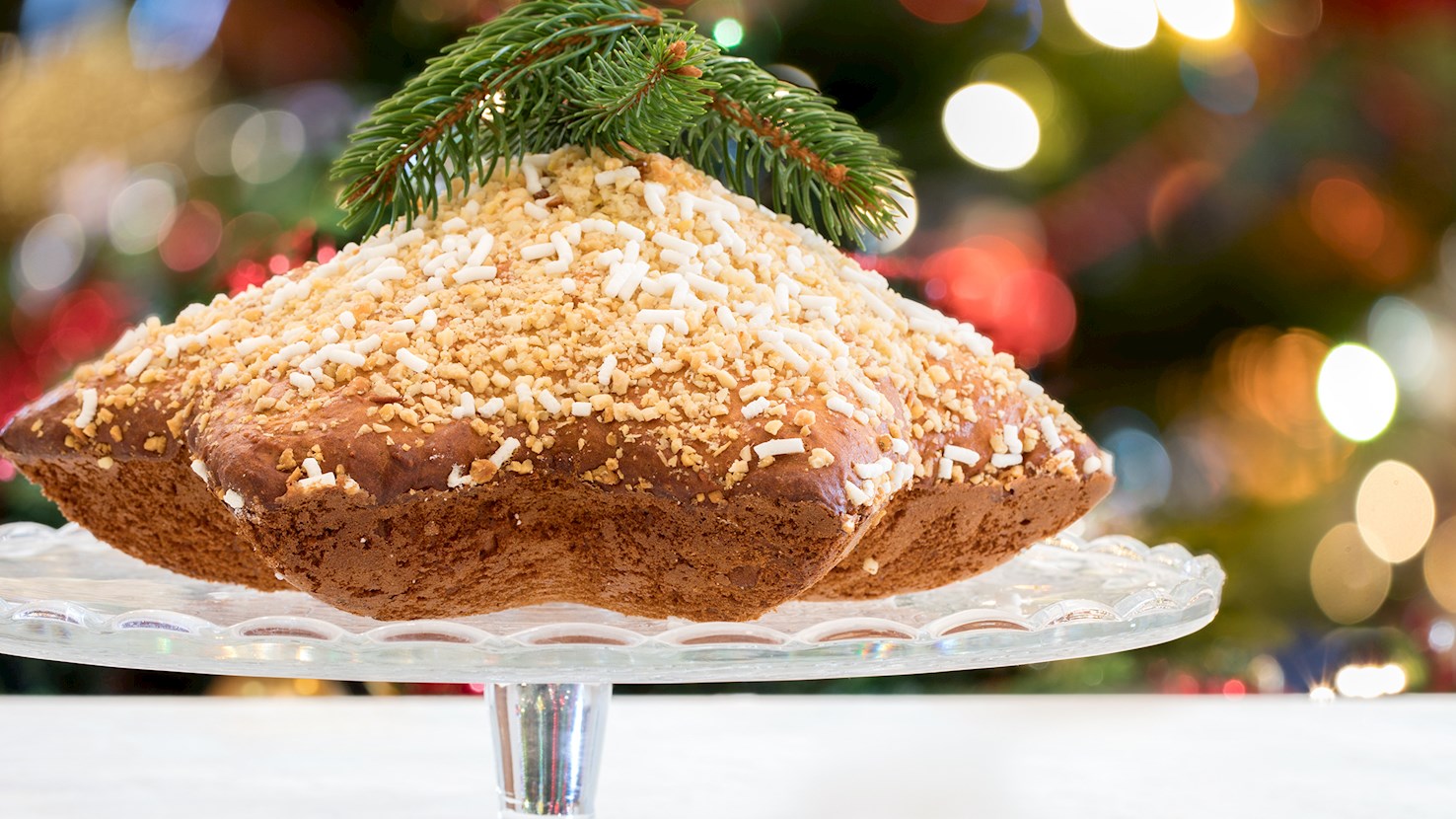
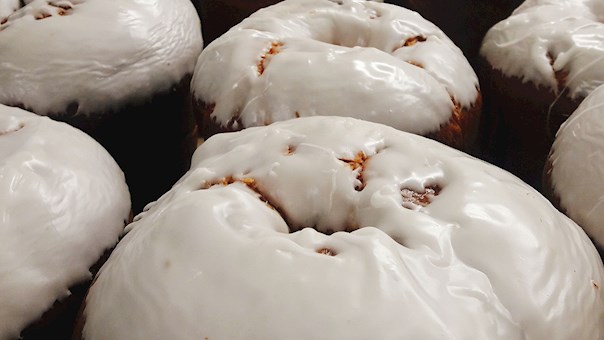
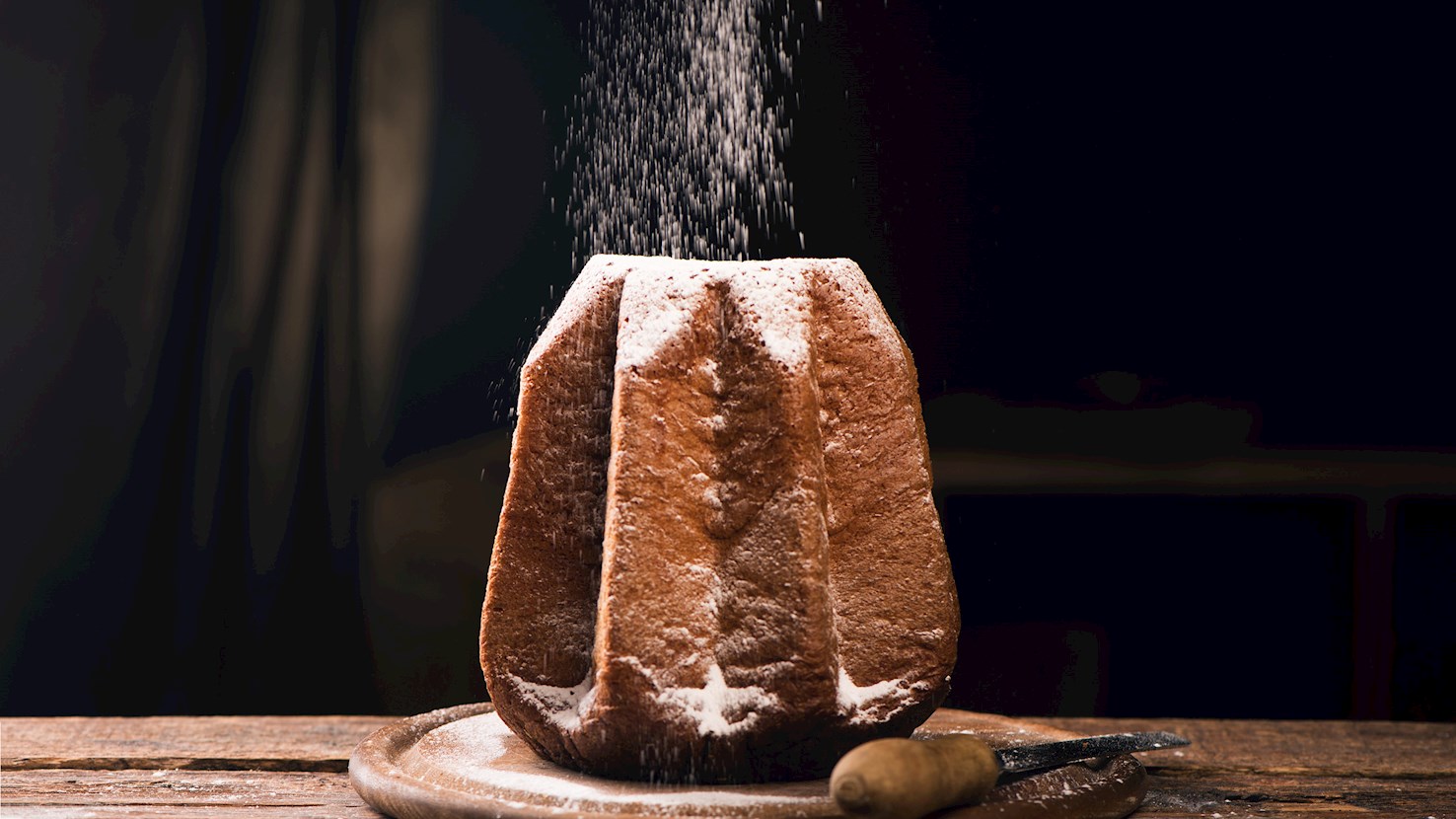
This traditional Christmas bread hails from Verona. Its name is derived from the phrase pan d’oro, meaning golden bread, a reference to its yellow color which comes from the large amount of egg yolks used in the bread. Pandoro is traditionally baked in a special star-shaped mold. Unlike it cousin panettone, it does not contain any nuts or dried fruit. The original version of this dessert was created in the 18th century, and it was a dish reserved for the aristocracy. The pandoro we know today dates back to 1894, when baker Domenico Melegatti submitted a patent for a large-scale production process for the bread. This sweet, yeasty bread is often sprinkled with powdered sugar, resembling snow on mountaintops. The bread can be served with sauces and creams such as mascarpone, whipped cream, or melted chocolate, while some cooks like to hollow it out, then fill it with custard, berries, or ice cream.

02

Brioche col tuppo

4 ·

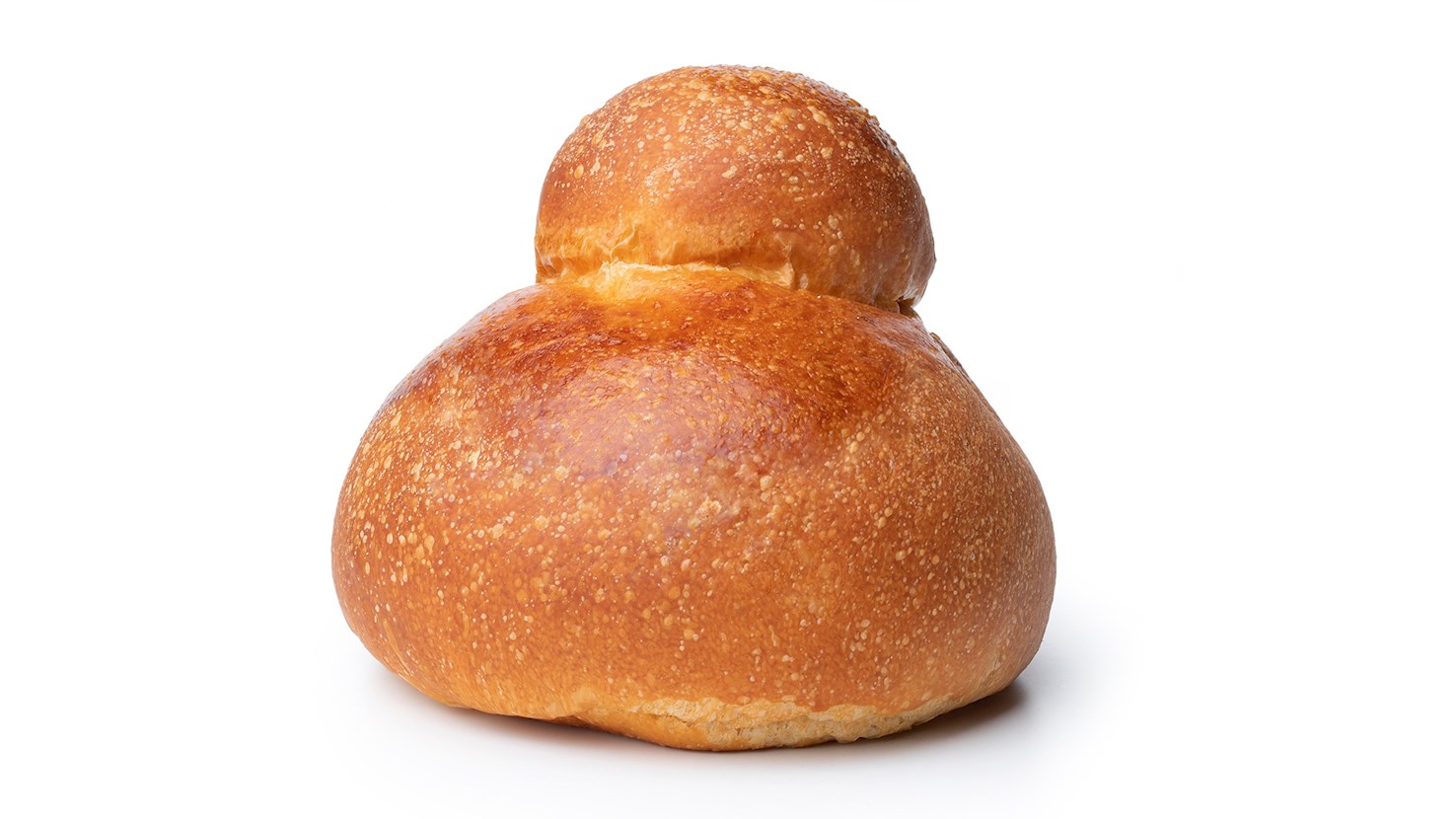
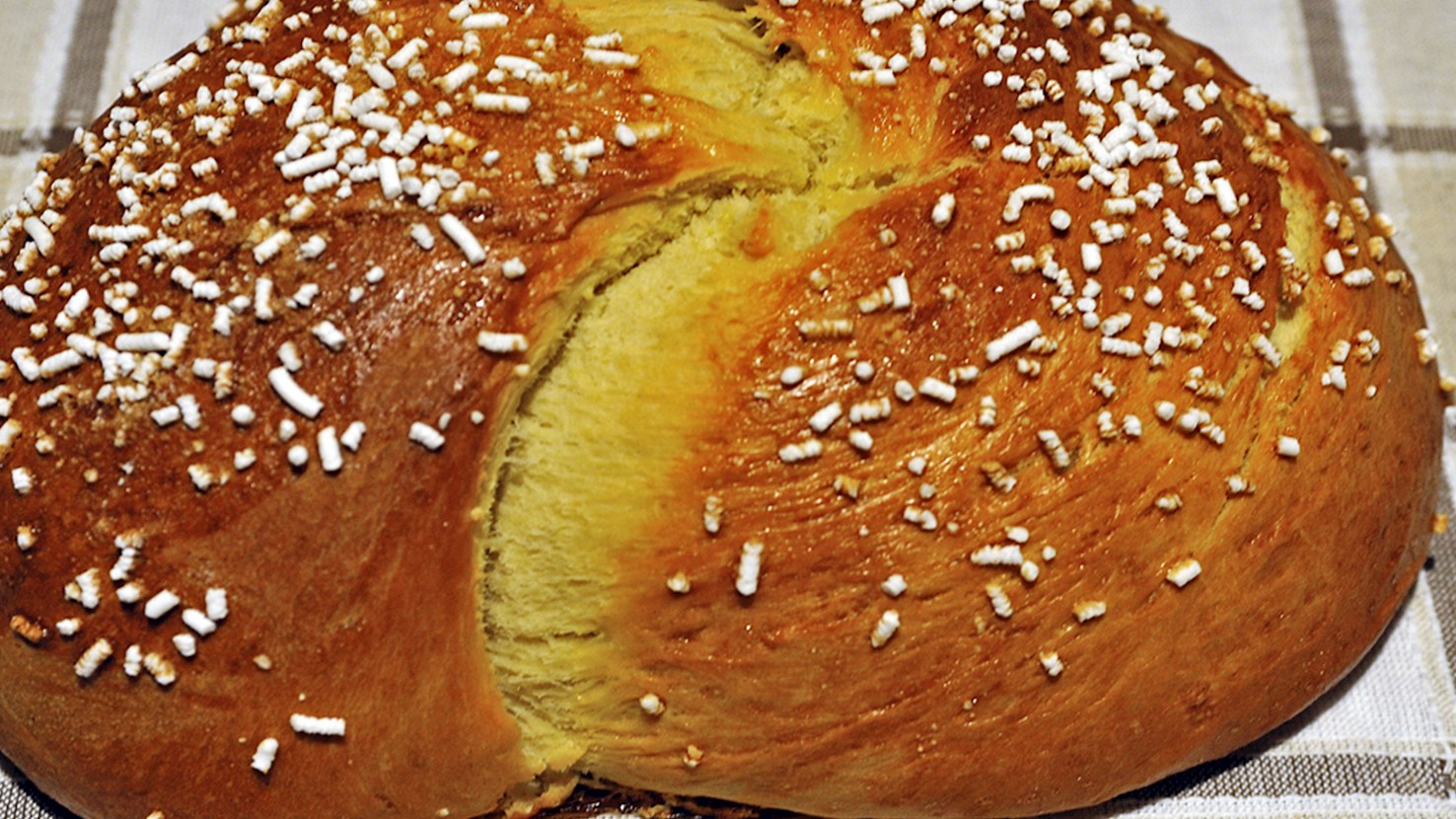
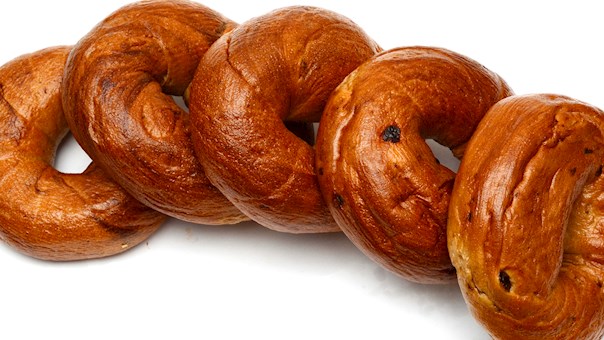
Brioche col tuppo is an Italian version of a brioche hailing from Sicily. It is characterized by its rounded top bun, called tuppo, which also gives this brioche its name. The tuppo should be removed and eaten first. The brioche is made with milk, yeast, flour, salt, sugar, eggs, butter, and honey. It can also be enriched with orange or lemon rind, saffron, or apples. This Sicilian treat is not eaten on its own – the brioche should be accompanied by granita, available in flavors such as lemon, pistachio, strawberry, etc. Another way of eating brioche col tuppo is to split it in half and fill it with gelato.

Best restaurants
03

Maritozzo

3.8 ·

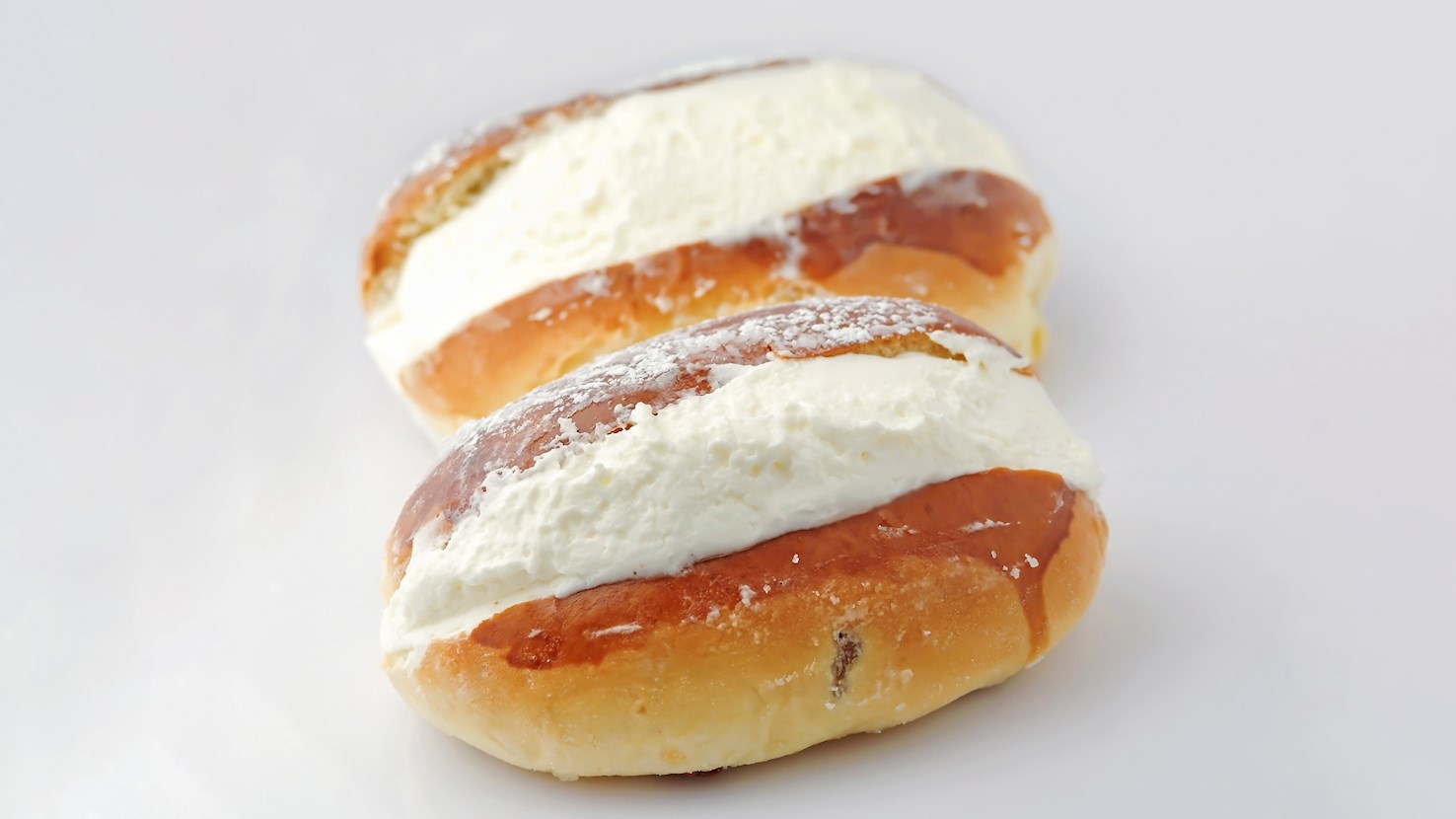
Dating back to ancient Rome, maritozzi are traditional Italian sweet buns that are sliced in half, then stuffed with whipped cream. In Rome's pastry shops, maritozzi are a staple, usually bought for breakfast and eaten with coffee on the side. They're made with yeast, flour, eggs, sugar, butter, salt, fresh cream, and optional ingredients such as lemon and orange zest, candied orange peel, raisins, and pine nuts. The name of these buns, maritozzi, meaning almost-husband, refers to the young grooms-to-be who gave these sweet buns to their fiancées. In the past, maritozzi were the only sweets that were allowed to be consumed during Lent.

04

Colomba Pasquale

3.7 ·

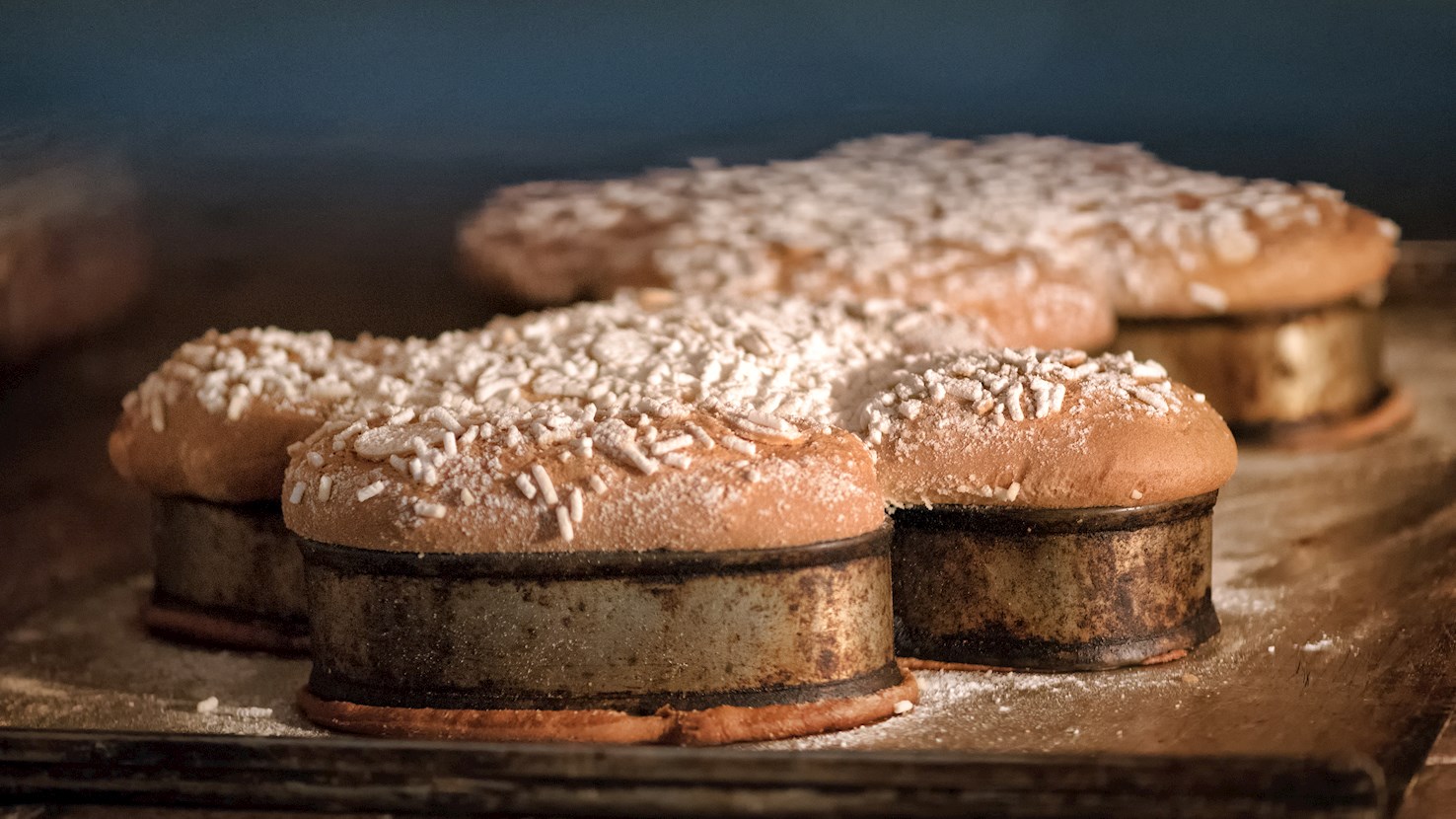
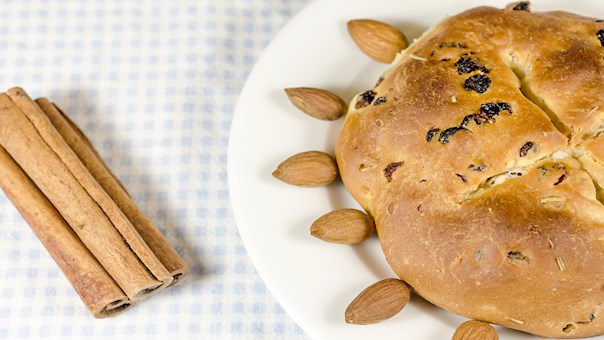
Colomba pasquale is a traditional sweet bread that is prepared for Easter. It is shaped to resemble a dove, covered in sugar, and studded with almonds. The dough is usually made with sugar, flour, eggs, yeast, and butter. The name of the dessert means Easter dove, referring to its shape. Spongy, buttery, and sweet, the bread is often stuffed with candied fruit or lemon zest on the interior.

05

Panettone

3.6 ·

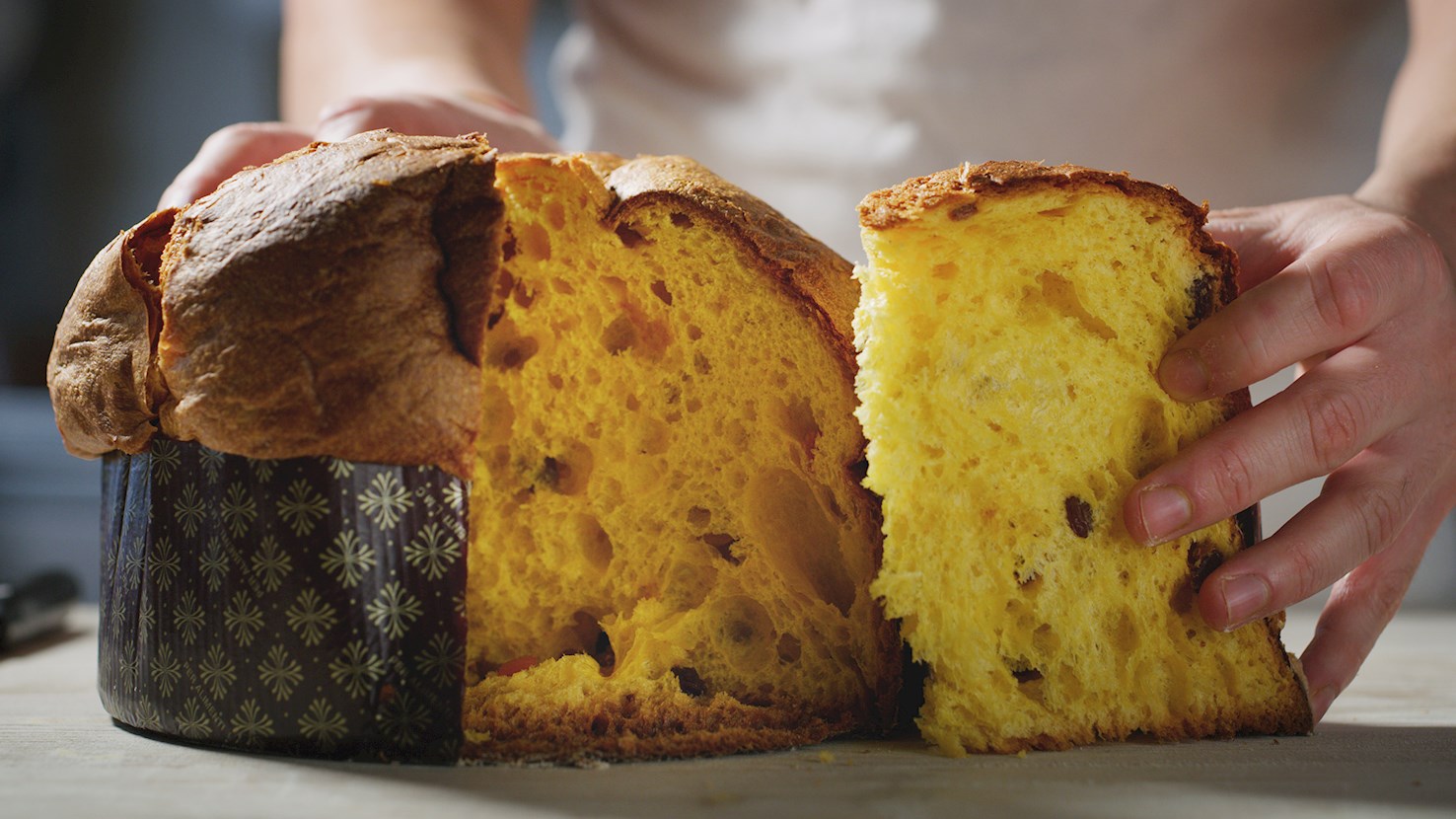
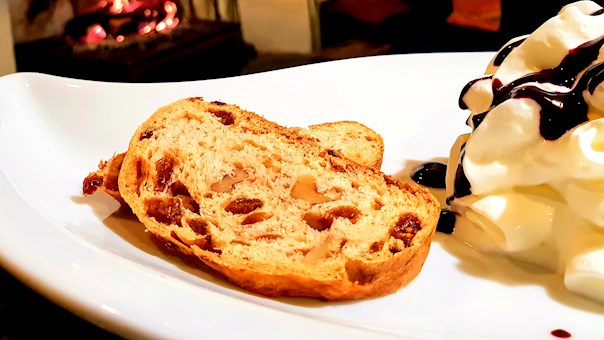
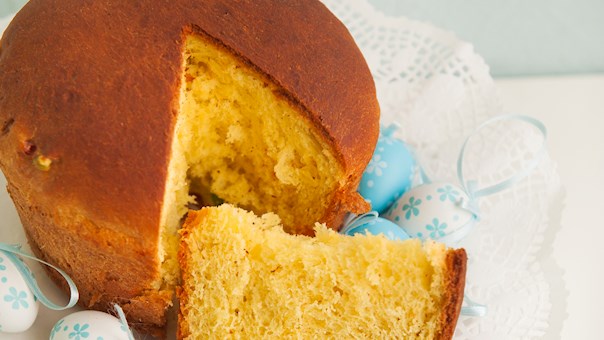
This famous Italian sweet bread studded with raisins and candied orange and lemon peels is traditionally enjoyed for Christmas. Often exchanged as a gift among friends and family, panettone represents an act of kindness and a wish for a happy holiday. This delicious treat is typically consumed with hot chocolate, ice cream, or eggnog. Legend has it that panettone was invented by a Milanese noble named Ugheto Atellani as a means of conquering the heart of Adalgisa, the local baker's daughter with whom he fell in love, and the bread was supposedly served at their wedding. At the time - being made with lots of butter, honey, and raisins - it was known as pan de ton, meaning the bread of luxury, hence the name panettone. There are many more stories about the origin of this sweet bread, but regardless of its true origin, panettone remains one of the most popular Italian delicacies as well as one of Italy's most exported products.

06

Gubana

3.6 ·

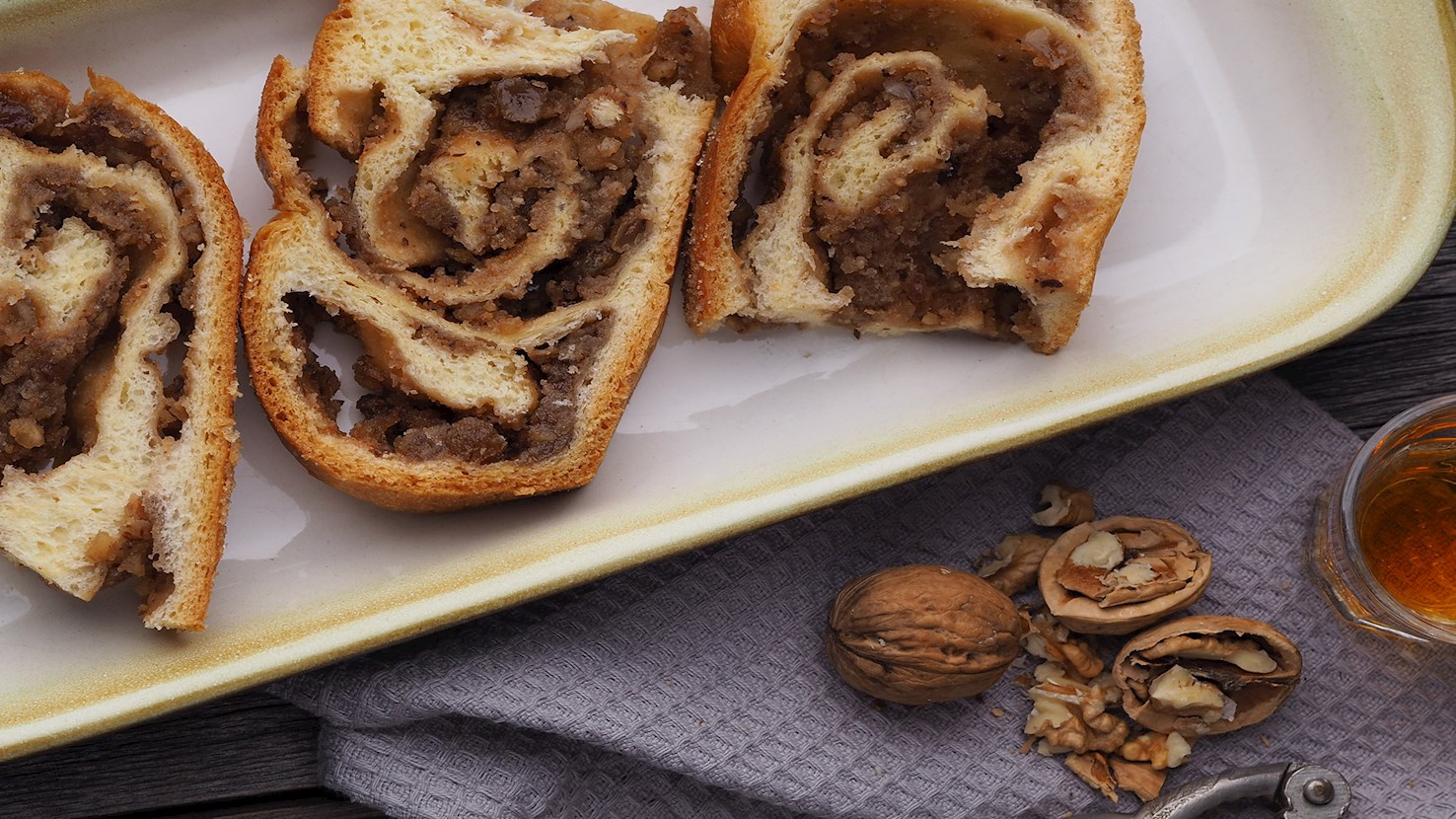
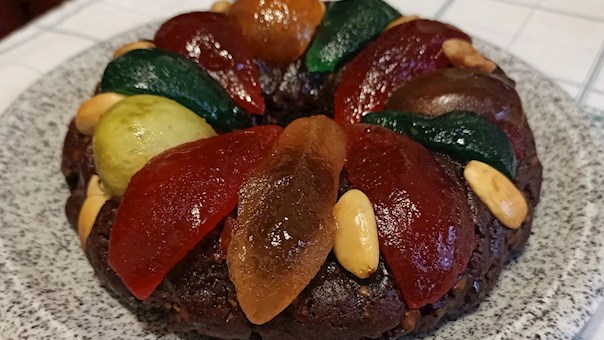
Gubana is a traditional leavened dough cake filled with dried fruits and nuts. It is believed that the cake was invented in either the Valli del Natisone or Cividale by a poor woman who had nothing to sweeten it, so she used what she had – eggs, walnuts, honey, and flour. Although it was originally prepared for Christmas and Easter festivities, gubana is nowadays enjoyed throughout the year, and locals recommend soaking the cake in grappa for the best effect.

07

Torta delle rose

3.6 ·

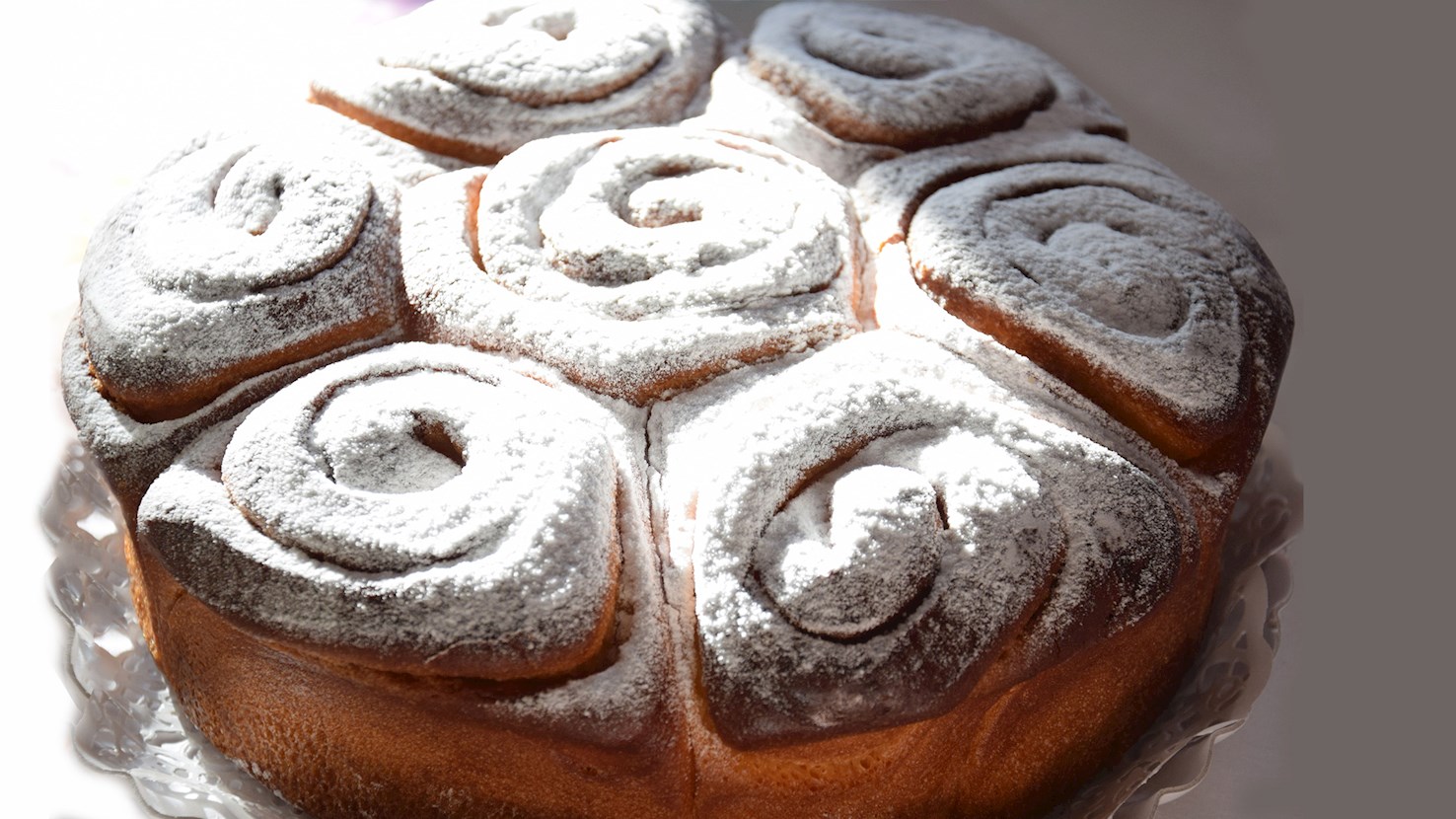
Torta delle rose is a traditional dessert from the Lombardy region, particularly associated with the city of Mantua. This cake is named for its rose-like appearance: the dough is rolled and cut into small spirals that resemble rosebuds, which “bloom” as they bake. The cake is made with a soft, enriched dough similar to brioche, featuring ingredients such as flour, butter, sugar, eggs, and milk. The dough is often flavored with lemon zest or vanilla and spread with a butter-sugar filling before being rolled up and sliced. Once baked, the spirals create a beautiful, fragrant "bouquet" effect, with a caramelized outer layer and a soft, buttery interior. Torta delle rose is said to have originated during the Renaissance as a dessert to celebrate the marriage of Francesco II Gonzaga, the Duke of Mantua, to Isabella d’Este. It has since become a beloved Italian pastry, enjoyed for its delicate sweetness and visual appeal.

08

Nadalin

2.9 ·

This classic Italian dessert was invented in the 13th century to celebrate the first Christmas in Verona under the Scala family, a dynasty that ruled the city for over a century. Nadalin is the ancestor of the more famous pandoro, but despite having similar ingredients, it is less buttery, sweeter, and has a denser texture. Though both breads are emblematic of Verona’s cuisine, many locals prefer nadalin, which received a municipal designation of origin in 2012. Just like many other Italian Christmas breads, the dough is flavored with vanilla and lemon zest. But what sets nadalin apart is its crunchy top crust made from granulated sugar, marsala wine, almonds, and pine nuts.

09

Panini di Sant'Antonio

n/a ·

Panini di Sant'Antonio is a traditional soft bread bun originating from Tuscany. It's made with a combination of flour, milk, sugar, oil, eggs, yeast, salt, and a bit of rum. The dough is rolled into balls which are then brushed with egg wash and baked until golden brown. Once baked, these buns are brushed with a syrup consisting of sugar and water. These sweet bread buns are traditionally taken to church to be blessed, and in the past these buns were blessed than distributed to the peasants as a sign of protection of Saint Anthony. You can enjoy them warm or at room temperature, plain or served with ricotta and fruit jams, but also with savory ingredients such as mortadella or prosciutto.

10

Focaccia Veneta

n/a ·

Venetian focaccia—also known as fugassa or fugassin in local dialect—is a yeasted sweet bread traditionally prepared for Easter. It is made with a simple bread dough base that is enriched with eggs, butter, and honey, whereas patience is equally important since this domed bread requires five impasti or dough rises. Though it originated as dessert for the poor, over time, fugassa became a symbol of luxury and today stands side by side to the famous Italian colomba.

Best Italian Sweet Breads

01

Iginio Massari Alta Pasticceria

4.7 ·

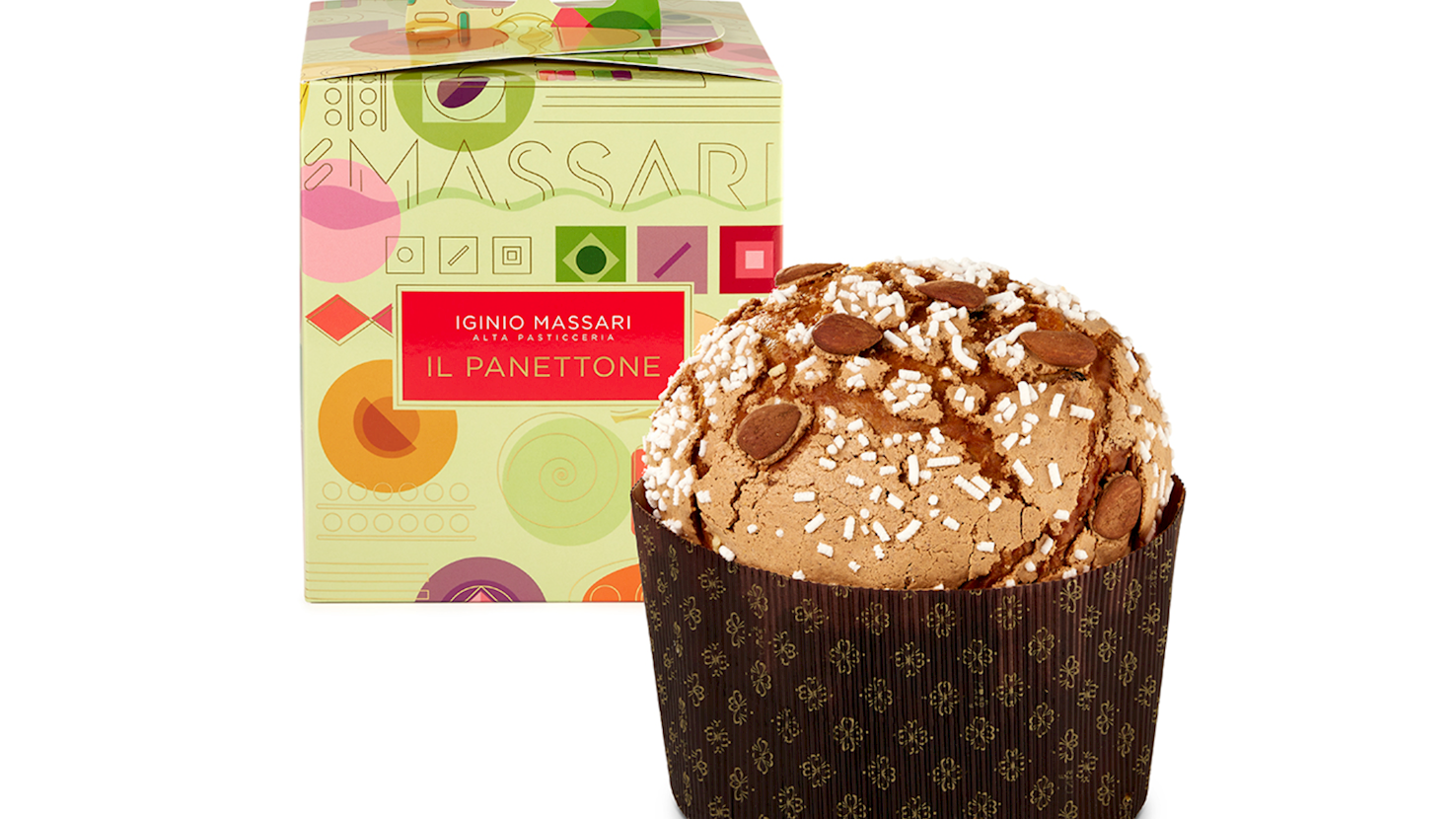
Iginio Massari Alta Pasticceria is an Italian high-end pastry brand founded by master pastry chef Iginio Massari, one of the most respected figures in Italian confectionery. Its roots are linked to Pasticceria Veneto in Brescia, opened by Massari and his wife Maria Damiani in 1971. The brand is known for refined Italian pastry, combining classic techniques, precise craftsmanship, and continuous research into ingredients, balance, texture, and presentation. Its assortment includes panettone, cakes, biscuits, chocolates, dragées, spreads, leavened pastries, and seasonal limited editions. Today, Iginio Massari Alta Pasticceria operates pastry shops in several Italian cities, including Brescia, Milan, Turin, Verona, Florence, and Rome, while also offering selected products through its online store. The company is now developed with the involvement of Massari’s children, Debora and Nicola, who contribute to research, innovation, and the expansion of the brand.

02

Pasticceria Cucchi

4.7 ·

Pasticceria Cucchi is one of Milan’s most historic pastry shops and cafés, founded in 1936 by Luigi and Vittorina Cucchi. Originally opened as a Caffè Chantant featuring live music and evening entertainment, it quickly became a popular meeting place for the city’s cultural and social circles. Although the premises were destroyed during the bombing of Milan in 1943, the business was rebuilt and continued its evolution into one of the city’s most beloved gastronomic institutions. Located on Corso Genova, Pasticceria Cucchi has remained closely associated with Milanese pastry traditions for nearly a century and has been managed by successive generations while preserving its distinctive atmosphere and heritage. The pastry shop is renowned for its artisanal cakes, pastries, panettone, chocolates, and traditional Italian desserts, all prepared with a strong emphasis on craftsmanship and high-quality ingredients. Its elegant interiors, historic character, and commitment to authentic recipes have made it a landmark of Milanese culinary culture. Today, Pasticceria Cucchi continues to blend tradition and contemporary hospitality, attracting both local residents and visitors seeking a genuine taste of Milan’s pastry-making heritage.

03

Pasticceria Marchesi 1824

4.6 ·

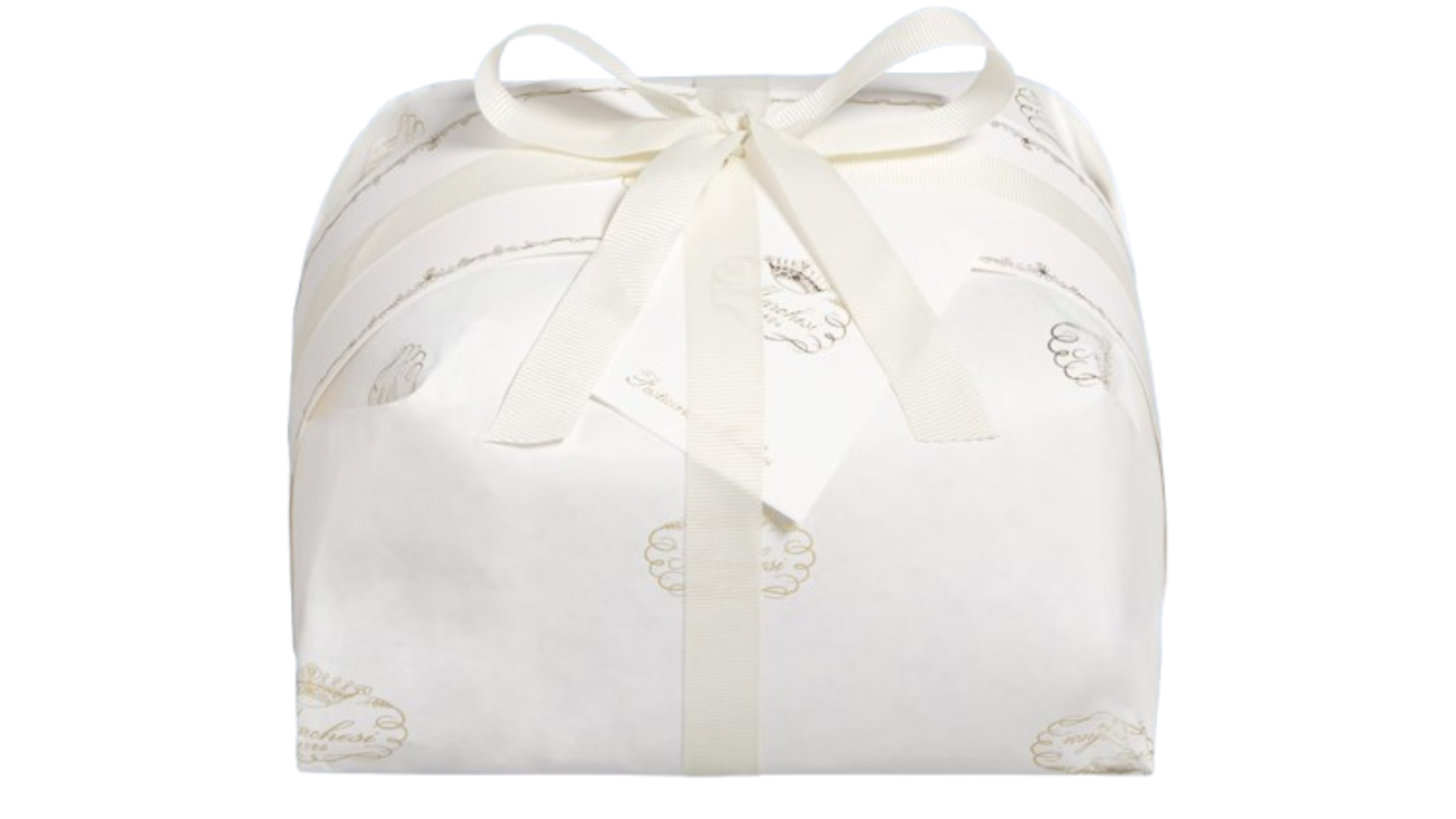
Founded in 1824 in Milan, Italy, Marchesi 1824 is one of the country's most historic and prestigious pastry houses. Established by the Marchesi family, the company has spent nearly two centuries preserving and refining the traditions of Italian confectionery craftsmanship. Renowned for its artisanal pastries, chocolates, pralines, candied fruits, confectionery specialties, and traditional baked goods, the brand is particularly celebrated for its panettone and other classic Milanese delicacies. Marchesi 1824 combines time-honored recipes with meticulous attention to ingredient quality and elegant presentation, creating products that reflect the heritage of Italian haute pâtisserie. Its refined cafés and pastry boutiques have become landmarks of Milan’s culinary culture, attracting both locals and international visitors. Today, the brand is part of the Prada Group, which has helped expand its global presence while preserving its historic identity and commitment to craftsmanship. Marchesi 1824 remains a symbol of Italian luxury confectionery, recognized for its dedication to tradition, quality, and timeless elegance.

04

Pasticceria Cova

4.6 ·

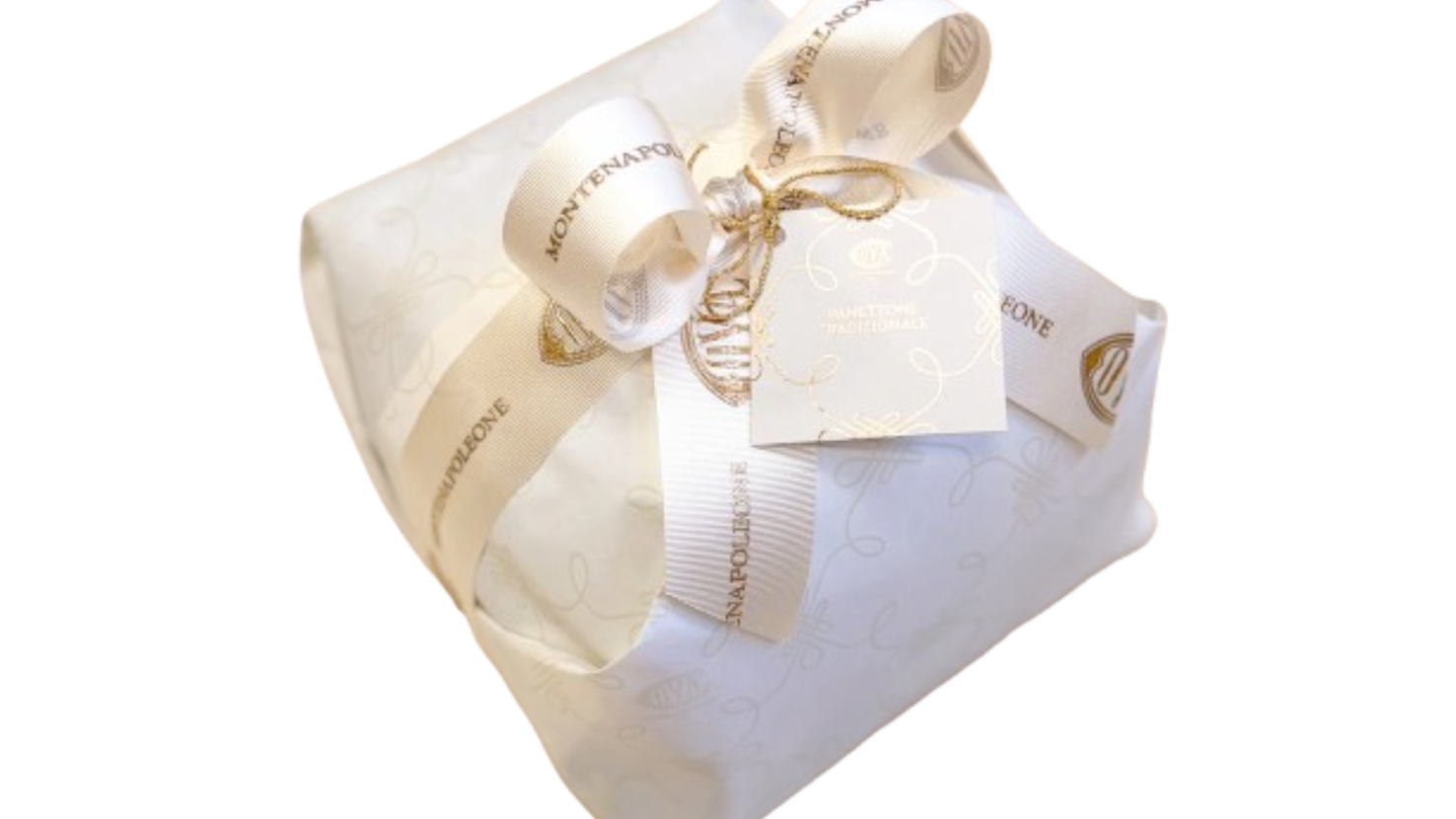
Cova is a historic Milanese pastry house, café and restaurant founded in 1817 by Antonio Cova near Teatro alla Scala in Milan. Originally known as Caffè del Giardino, it became an important literary café and social meeting place, closely connected with Milanese cultural life and the atmosphere of the Risorgimento. After its original location was destroyed during World War II, Cova moved in 1950 to Via Montenapoleone 8, where it remains one of the city’s refined pastry landmarks. The company is known for traditional Italian pastry, chocolate, coffee, tea, catering and holiday specialties, especially its panettone, which it presents as one of its best-known festive products. Its assortment includes cakes, cookies, small pastries, gianduiotti, pralines, cremini and elegant gift packaging. Cova expanded internationally from 1993 with its first store in Hong Kong, and in 2013 became part of the LVMH Group. Today, the brand combines Milanese pastry heritage with a luxury hospitality identity, while maintaining a strong focus on craftsmanship, service and carefully selected ingredients.

05

Pasticceria Martesana

4.5 ·

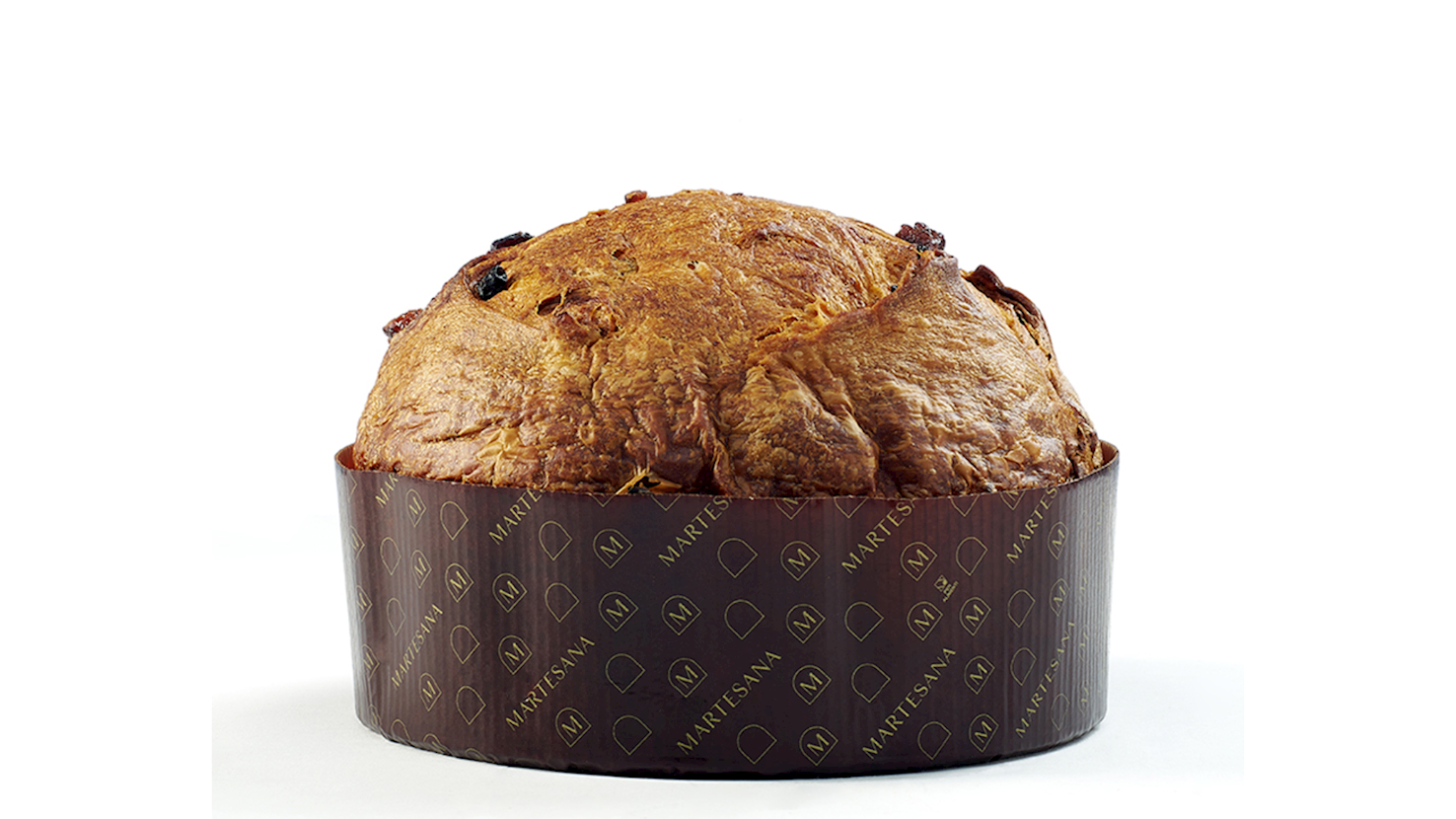
Pasticceria Martesana is a renowned Milanese pastry house founded in 1966 by master pastry chef Vincenzo Santoro. Over the decades, it has become one of the most respected names in Italian pastry, combining traditional craftsmanship with continuous innovation. Based in Milan, Martesana is known for producing more than 300 different sweet creations, ranging from classic Italian specialties to contemporary desserts, all prepared using artisanal methods and carefully selected ingredients. The company places strong emphasis on quality, creativity, and attention to detail, values that have helped it earn recognition among Italy’s leading pastry establishments. Its assortment includes cakes, pralines, biscuits, croissants, chocolates, seasonal specialties, and naturally leavened baked goods. Martesana is particularly celebrated for its Panettone and Colomba, which are considered among its most representative creations and have received acclaim in national pastry competitions. With several locations across Milan, the brand continues to preserve its heritage while contributing to the evolution of modern Italian pastry culture.

06

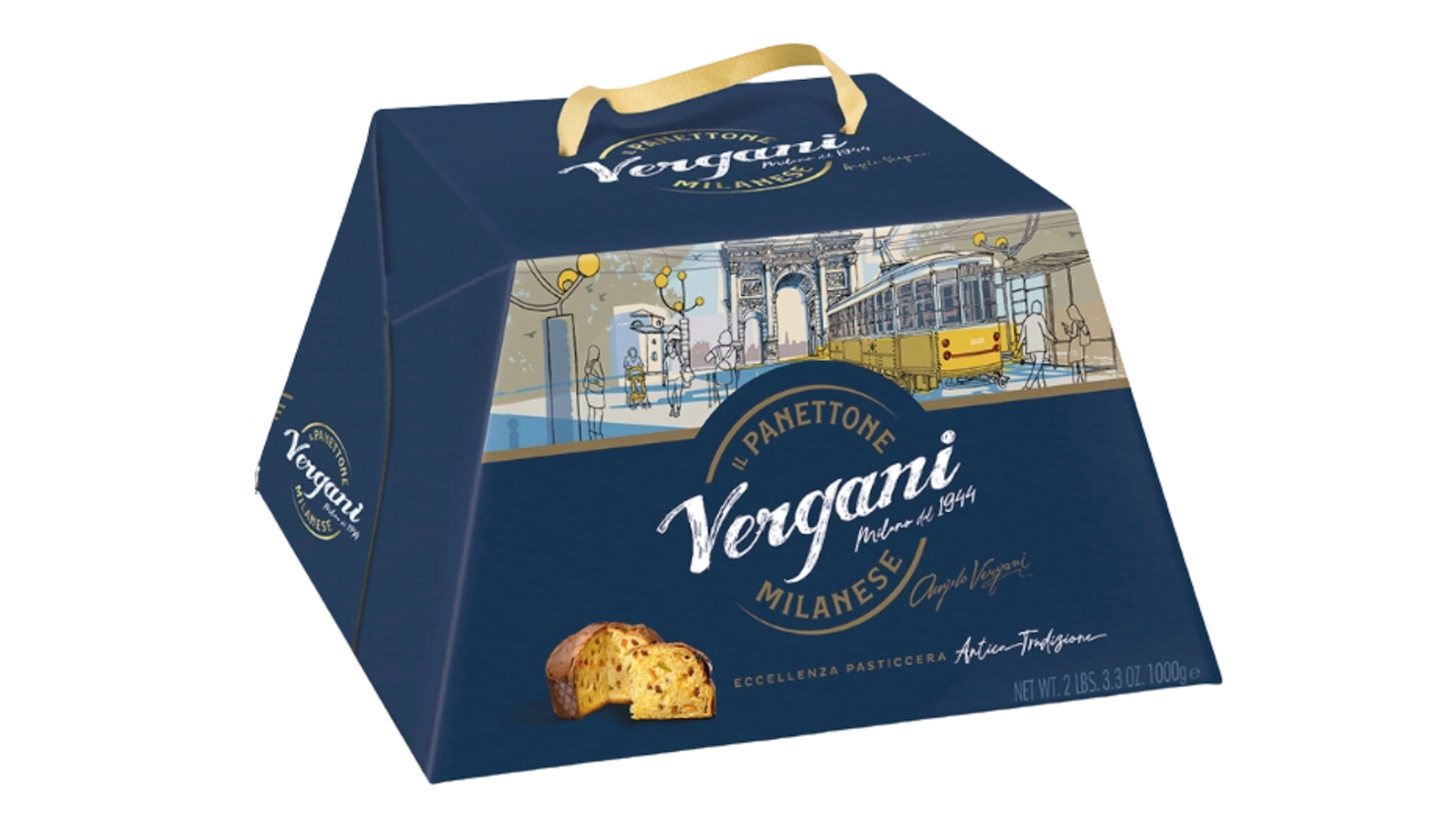
Vergani

4.4 ·

Vergani is a historic Milanese producer of panettone whose story began in 1944 when Angelo Vergani opened a small pastry shop in Milan. Built on a strong family tradition, the company has remained under the guidance of the Vergani family for four generations while preserving the values and recipes that made it one of the best-known names in Milanese confectionery. The brand is particularly recognized for its dedication to traditional panettone production, using the same natural sourdough starter created by Angelo Vergani and refreshed three times a day throughout the year. Each panettone requires approximately three days of production, allowing the dough to develop its characteristic texture, aroma, and flavor. While operating on an industrial scale, Vergani maintains an artisan approach focused on high-quality ingredients, careful craftsmanship, and respect for traditional methods. The company produces a range of seasonal specialties including panettone, pandoro, colomba, and carnival pastries, all rooted in Italian festive traditions. Vergani is also notable for being one of the last major panettone producers still manufacturing in Milan, reinforcing its connection to the city where panettone originated. Today, the brand combines heritage, consistency, and innovation, making it a respected representative of authentic Milanese pastry culture both in Italy and abroad.

07

Panificio Davide Longoni

4.3 ·

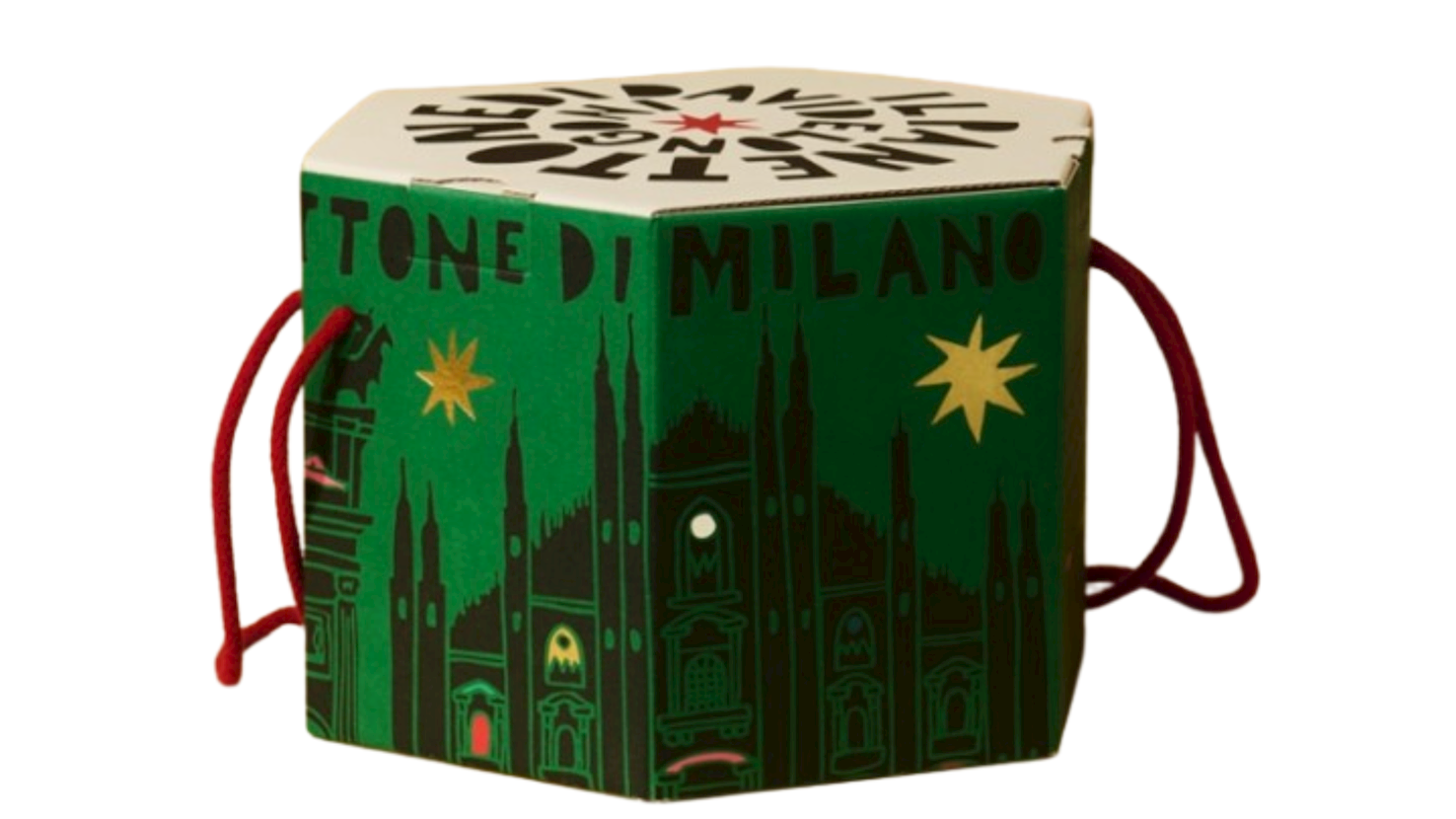
Panificio Davide Longoni is one of Italy’s most influential artisan bakeries and a leading name in the modern revival of traditional bread making. Based in Milan, the company was founded by Davide Longoni, a baker from a family with generations of baking heritage in the Brianza area of Lombardy. Longoni is widely recognized for promoting naturally leavened bread, long fermentation processes, and the use of carefully selected grains, including heritage wheat varieties grown through dedicated agricultural projects. His approach emphasizes a close connection between farming, milling, and baking, ensuring traceability and quality throughout the production chain. The bakery’s range includes artisan breads, pastries, pizzas, seasonal baked goods, and panettone, all crafted with a strong focus on natural ingredients and traditional techniques. Over the years, Panificio Davide Longoni has become a benchmark for contemporary Italian baking, earning recognition for its commitment to craftsmanship, sustainability, and the preservation of Italy’s bread-making culture. Today, it operates several locations across Milan and is regarded as one of the country’s most respected artisan bakery brands.

Read more
View all
View map
About this ranking

TasteAtlas food rankings are based on the ratings of the TasteAtlas audience, with a series of mechanisms that recognize real users and that ignore bot, nationalist or local patriotic ratings, and give additional value to the ratings of users that the system recognizes as knowledgeable. For the “Top 27 Italian Sweet Breads” list until June 15, 2026, 990 ratings were recorded, of which 787 were recognized by the system as legitimate. TasteAtlas Rankings should not be seen as the final global conclusion about food. Their purpose is to promote excellent local foods, instill pride in traditional dishes, and arouse curiosity about dishes you haven’t tried.

The initial list of top producers was compiled based on available reviews, awards, local recommendations, media and blog coverage, and consumer reviews. The list will be updated with ratings from TasteAtlas local ambassadors and TasteAtlas users.

Similar lists