Top 100 Italian White Wines

Last updated on June 03, 2026

Best Italian White Wine Types
01

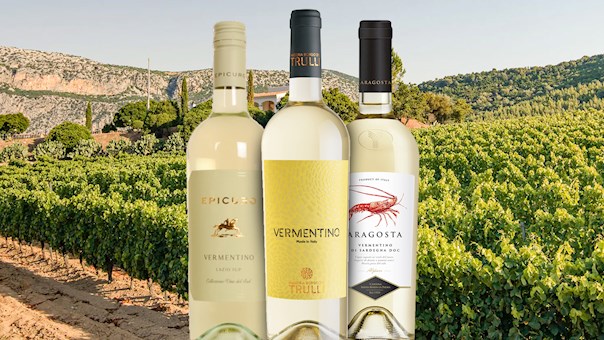
Vermentino di Gallura

3.8 ·

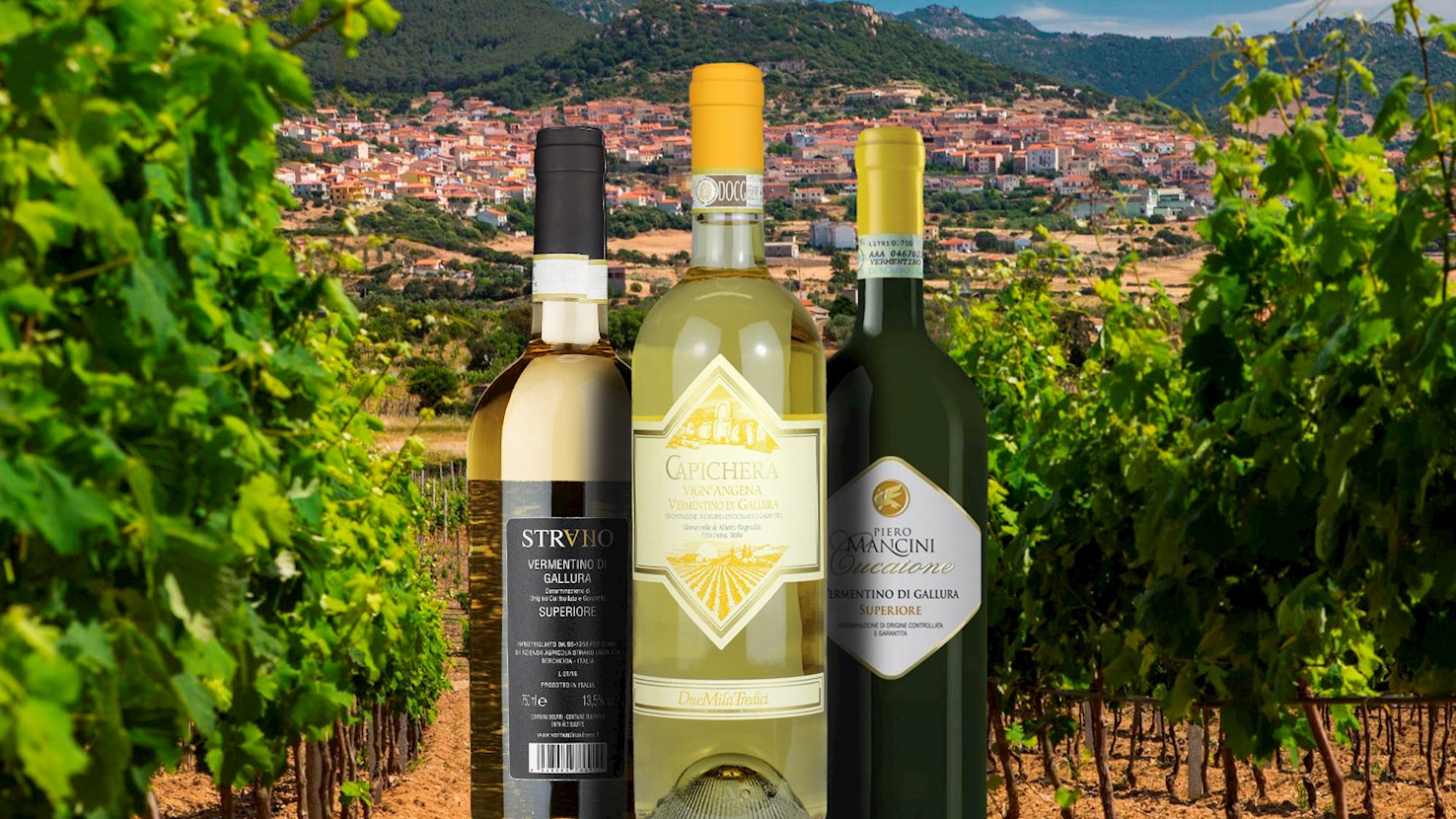
Vermentino di Gallura is an Italian appellation located in the historical Sardinian region of Gallura. The official production area includes twenty-three municipalities that were mostly located in the former region Olbia-Tempio—which is now a part of the larger province of Sassari. These Vermentino-based wines may come as the classic Bianco, sparkling spumante, the intense and pleasant late harvested Vendemmia Tardiva and as sweet dessert wines. Still Vermentino di Gallura has a rich straw color, good minerality, and displays notes of grapes, citrus blossom, and summer fruit. It pairs well with fish, shellfish, crustaceans, seafood risottos and pasta dishes, as well as with Pecorino Sardo.

02

Greco di Tufo

3.7 ·

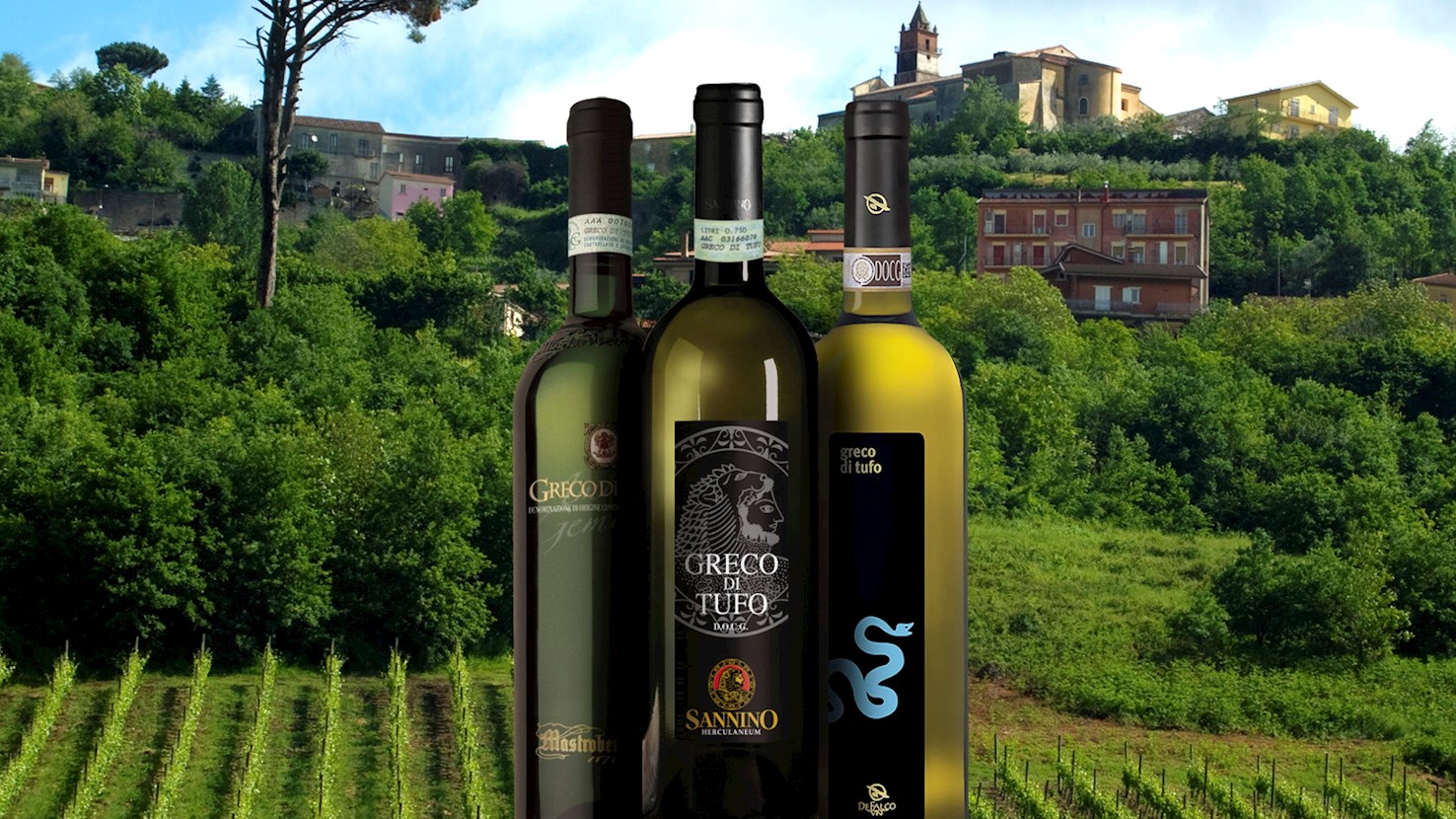
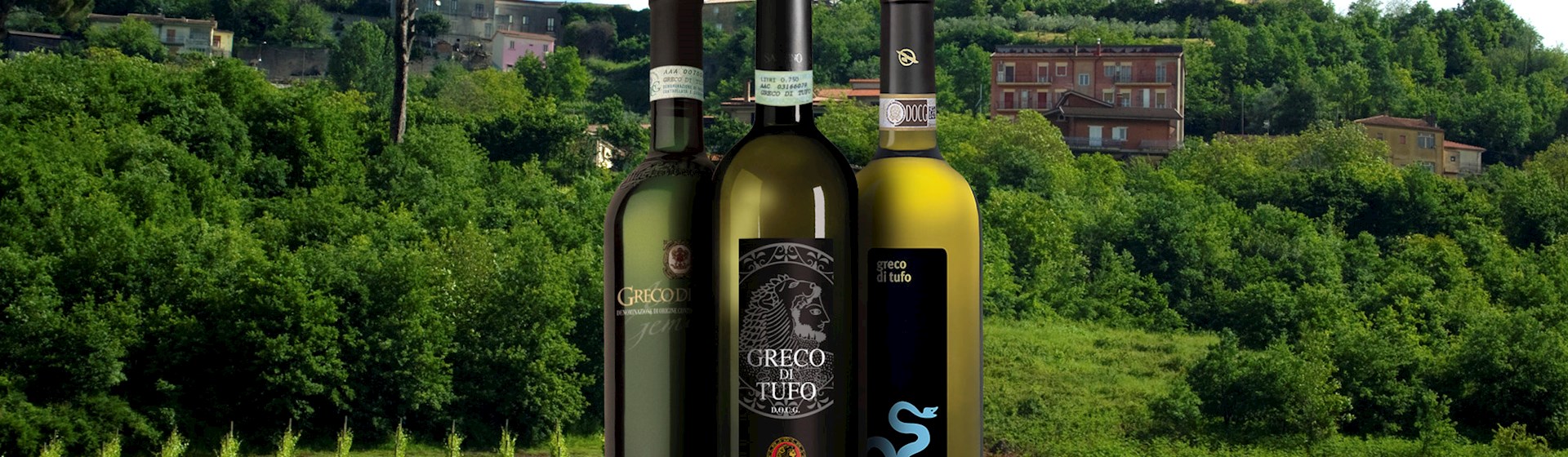
Produced from Greco grape variety, this prized Italian wine hails from Campania. Apart from the still white wine, Greco di Tufo also comes in a sparkling (spumante) style which must be aged for a minimum of three years. Still wines are usually fresh, mineral, medium to full-bodied, with well-balanced acidity. They can display various aromas of tropical fruit, lemons, pears, apples, and herbs. Although they can be enjoyed young, they also age well, and matured varieties typically show more herbaceous notes. Greco di Tufo wines pair well with poultry, risottos, fish, crustaceans, and shellfish, but they also go well with mozzarella di bufala Campana.

03

Falanghina

3.7 ·

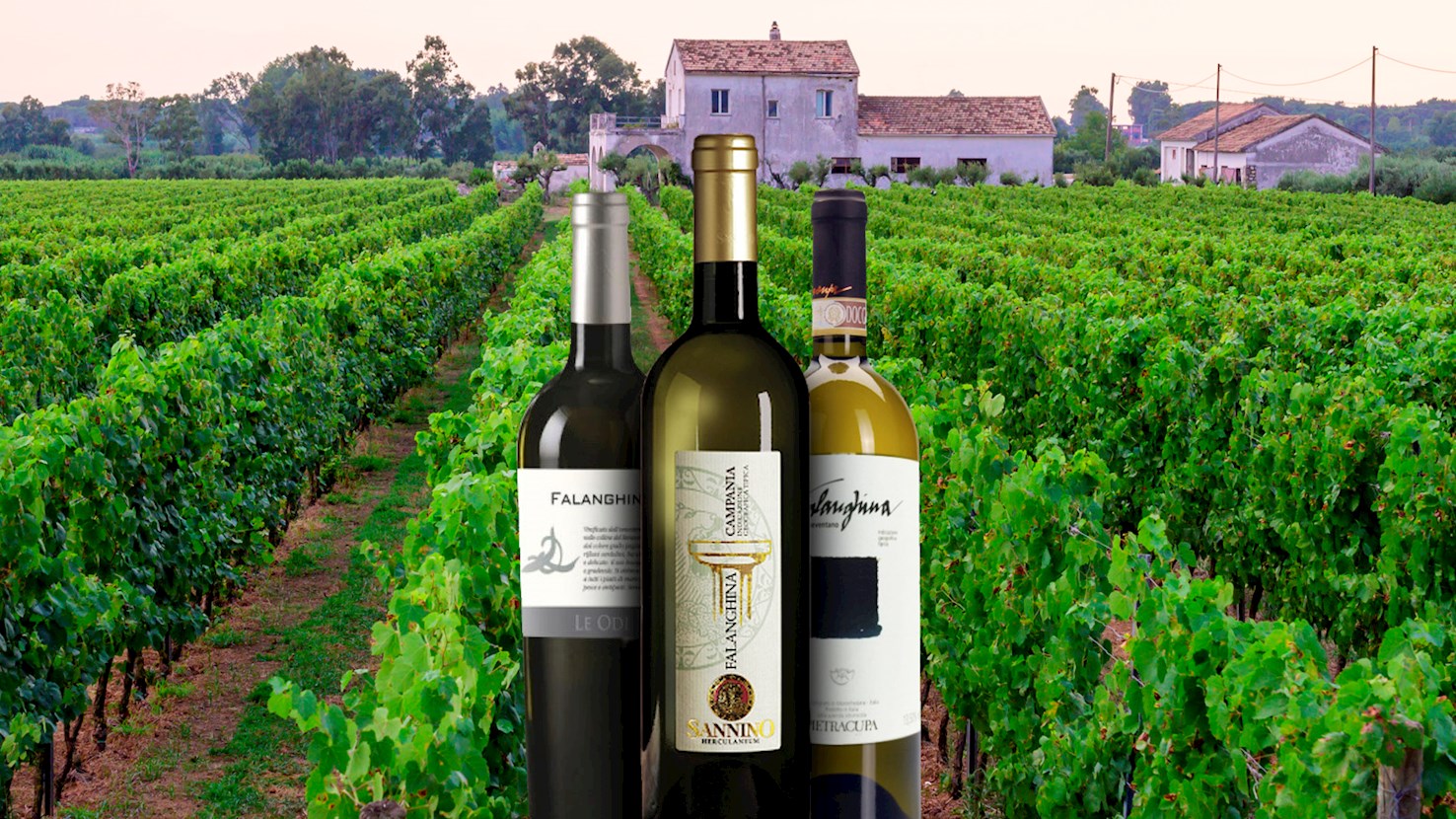
Falanghina is an old Italian white grape variety that is mostly associated and cultivated in Campania. For a very long time, it was not known that the name was used for two distinct sub-varieties: Falanghina Beneventana and the better known Falanghina Flegrea. Both grapes are used in several regional appellations, and the distinction has not yet been officially recognized. The grapes share similar characteristics and mostly produce straw-colored wines that have fruity and floral notes. They often have a mineral character and sometimes hints of tropical fruit. Flegrea tends to be more herbaceous and citrusy, while Beneventana is often more floral. Both varieties are a good match with fish-based dishes, seafood, and goat or fresh cheese.

04

Friulano

3.7 ·

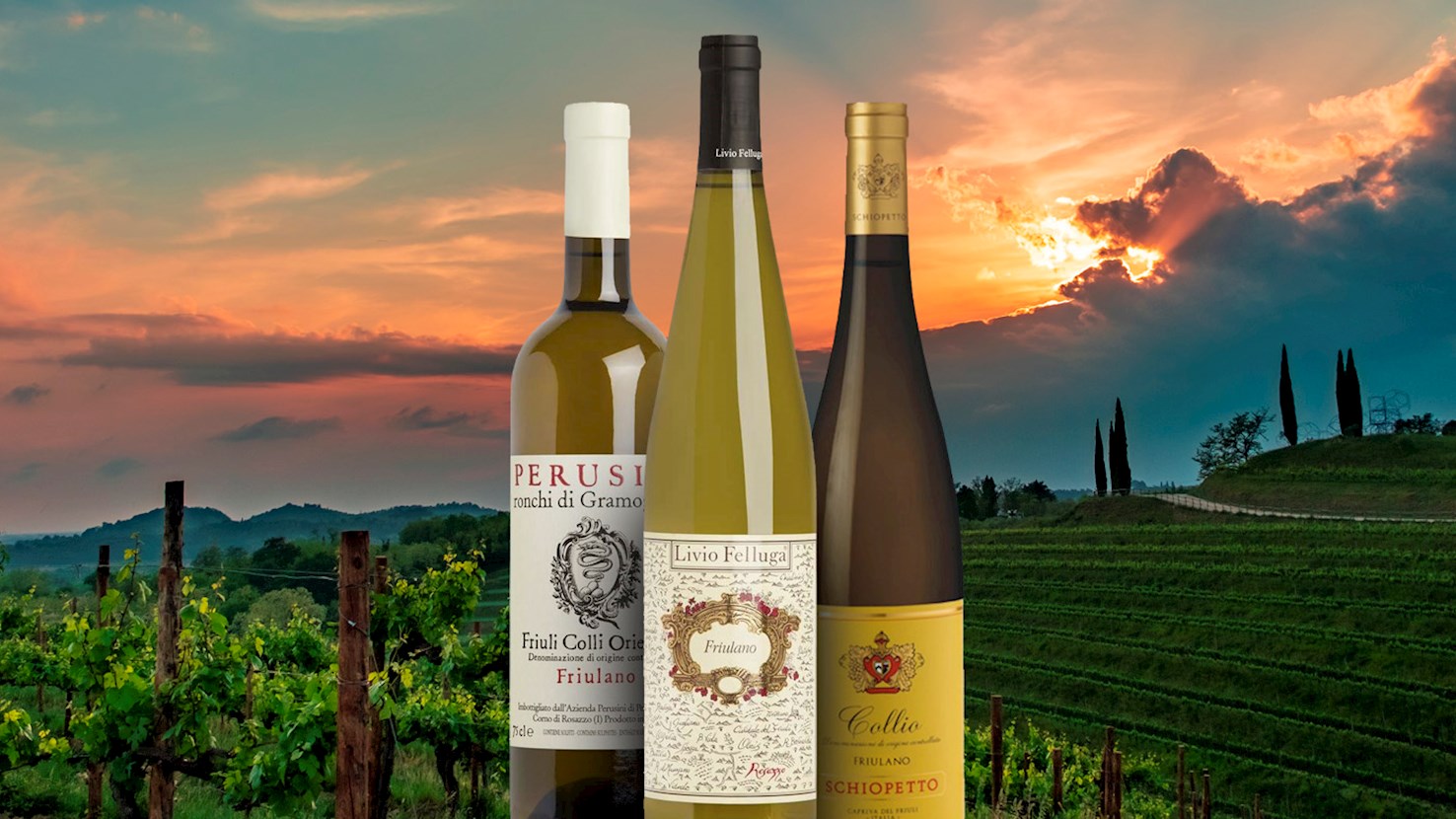
Friulano is an Italian name for Sauvignonasse variety that originated in southwest France, where it was never widely cultivated. The grape is rarely seen outside Italy and is considered as one of the signature grapes in Friuli-Venezia Giulia. Small amounts are found in Chile (Sauvignon Vert) and Slovenia (Zeleni Sauvignon). Friulano wines can be quite versatile and range from light-bodied to more complex examples. The wines usually have apple, pear, peach, and almond aromas. Young versions will typically have a mineral-like character. The variety is rarely oak-aged, but it is sometimes used for skin-contact wines. The grape was initially named Friulian Tocai, but Hungary lobbied against Tocai as it was too similar to their legendary Tokaji/Tokay wines. Eventually, the Italians had to choose Friulano as an acceptable option. Some suggest that the decision has lead to a decrease in popularity. In Italy, Friulano is used in several appellations, including Colli Orientali, Collio, Grave del Friuli, and Isonzo. Because of their light character, Friulano-based wines are often enjoyed as an aperitif. They can pair well with local specialties, vegetables, even demanding varieties like asparagus, and they also go well with cold cuts and cheese.

05

Vermentino di Sardegna

3.7 ·

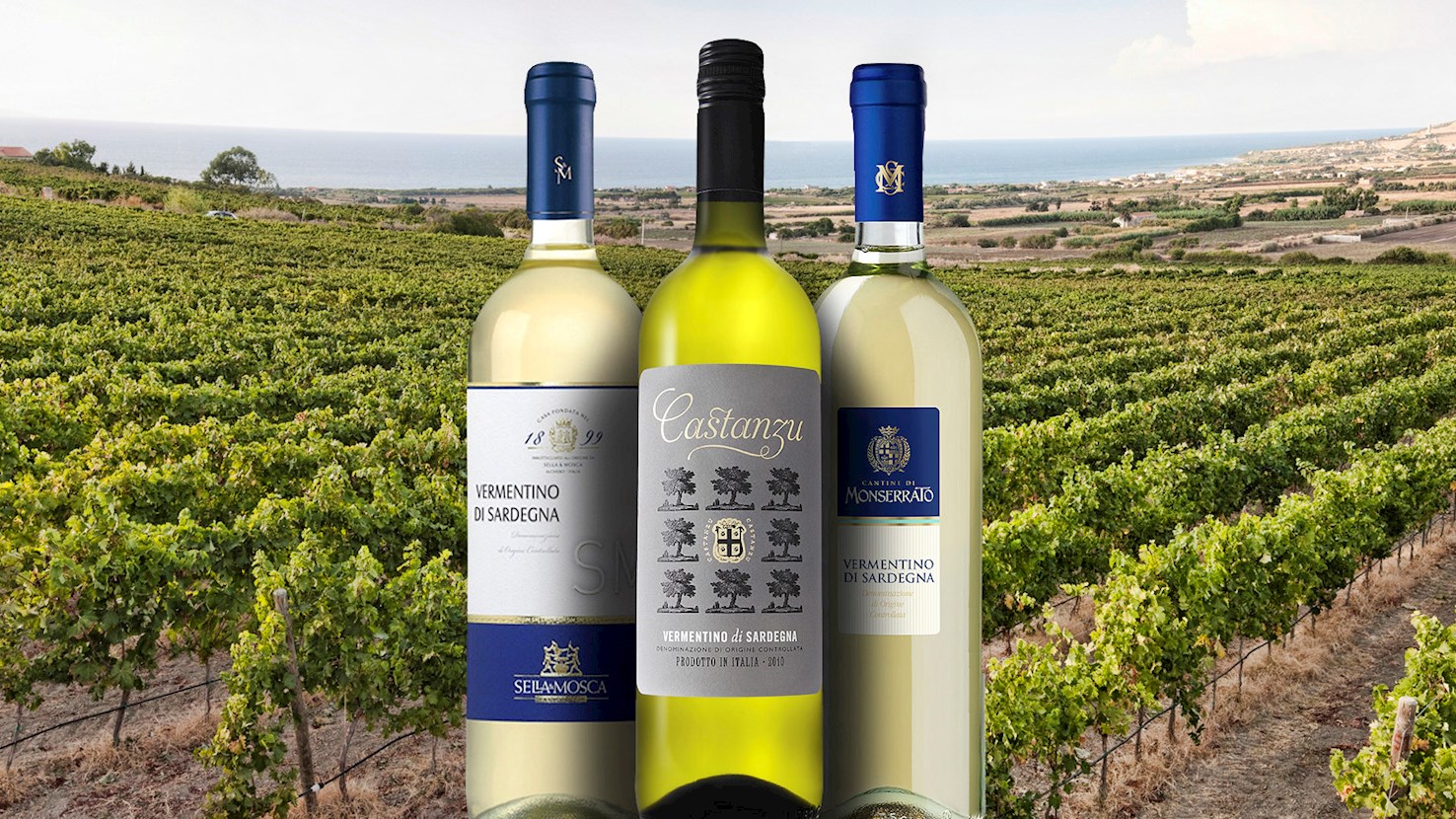
Produced from Vermentino grapes, Vermentino di Sardegna is a dry, crisp wine native to Sardinia. Characterized by their light skin and yellow color, the grapes provide the wine with a light body and typical amber color. It is a complex wine that has a herbal flavor with subtle aromas of pear, peach, lime, citrus, and basil, while it can also have a slightly bitter finish. Vermentino pairs naturally with white fish, and calamari, but it can also go well with spicy dishes, vegetables, and soft cheeses such as ricotta or mozzarella.

06

Zibibbo (Muscat of Alexandria)

3.6 ·

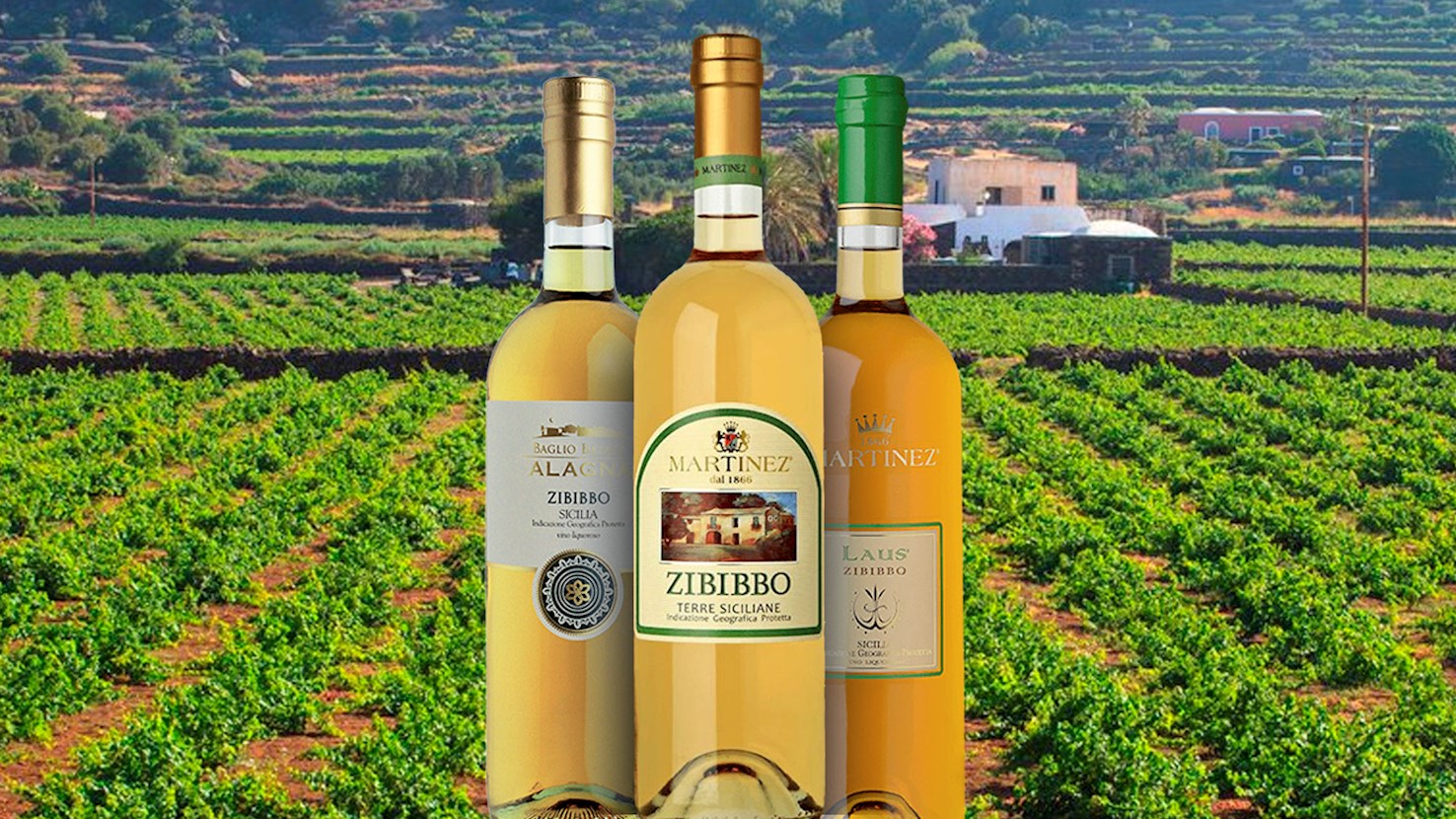
Zibibbo is the local Sicilian name for Muscat of Alexandria grapes. This grape belongs to a large family of Moscato grapes, which are famous for their perfumed aromas and sweet flavors. Muscat of Alexandria is believed to be one of the oldest genetically unmodified vines still in existence. The grape is praised for its ability to produce incredibly aromatic wines. Zibibbo is cultivated throughout Sicily, but it is best known for its use in Pantelleria, a small DOC on the eponymous island located southwest of Sicily. The grape is used in the production of dry and dessert wines. Dry wines made from Zibibo usually have floral and citrus notes, while dessert styles are dense and honeyed, with an aroma often reminiscent of candied citrus fruit, figs, dates, and nuts. It is believed that the grape was introduced by Arabs—the name z’bīb is of Arabic origin and translates as dried grape or raisin. It is a highly resilient grape that could prosper despite harsh conditions and a warm climate. Pairing Zibibbo with food will mainly depend on the wine style. Dry wines pair well with fish, seafood, or white meat, while sweeter styles naturally pair with desserts and cheese.

Best producers
07

Verdicchio

3.6 ·

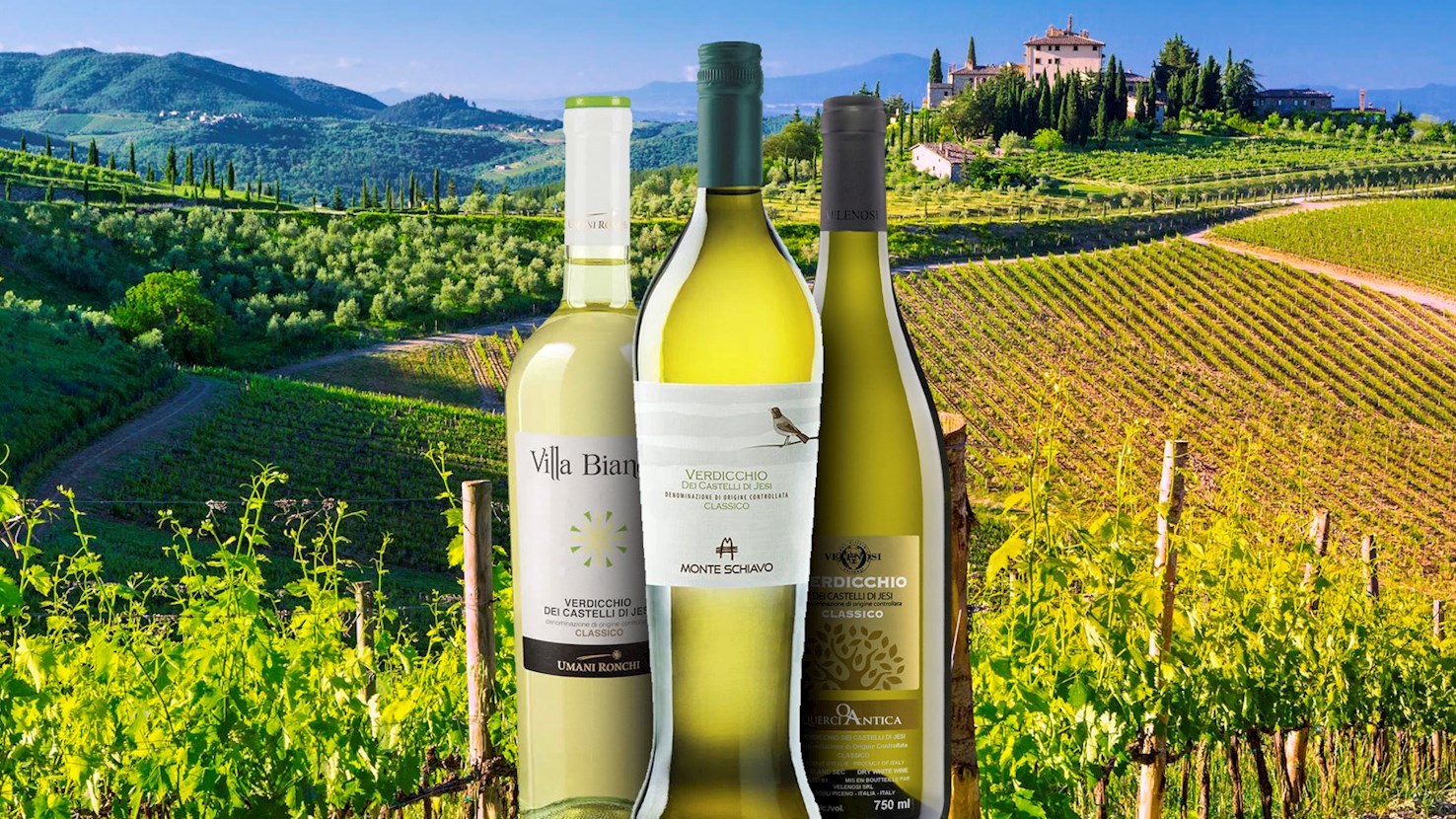
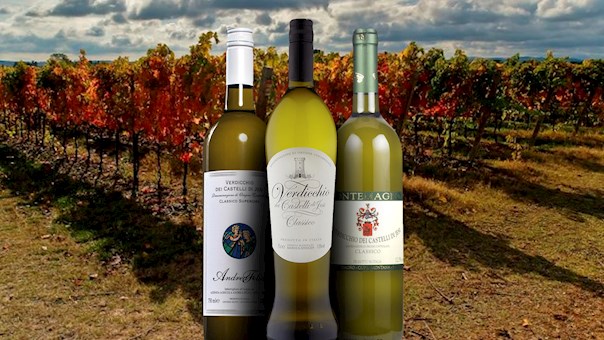
Verdicchio is an Italian grape variety that is mostly associated with Marche. It is a versatile grape used in varietals and blends, and it can produce light and refreshing wines as well as more complex examples. Verdicchio wines are usually high in acidity with distinctive citrus, apple, peach, and floral notes that are typically accompanied by pleasantly bitter almond aromas, which may develop into sweeter marzipan-like expressions as the wine ages. These wines can be enjoyed as an aperitif, but they also pair well with appetizers, fish, poultry, and pasta dishes. The two most important Italian appellations that use Verdicchio are Verdicchio dei Castelli di Jesi and Verdicchio di Matelica, both located in Marche.

Best producers
08

Soave

3.6 ·

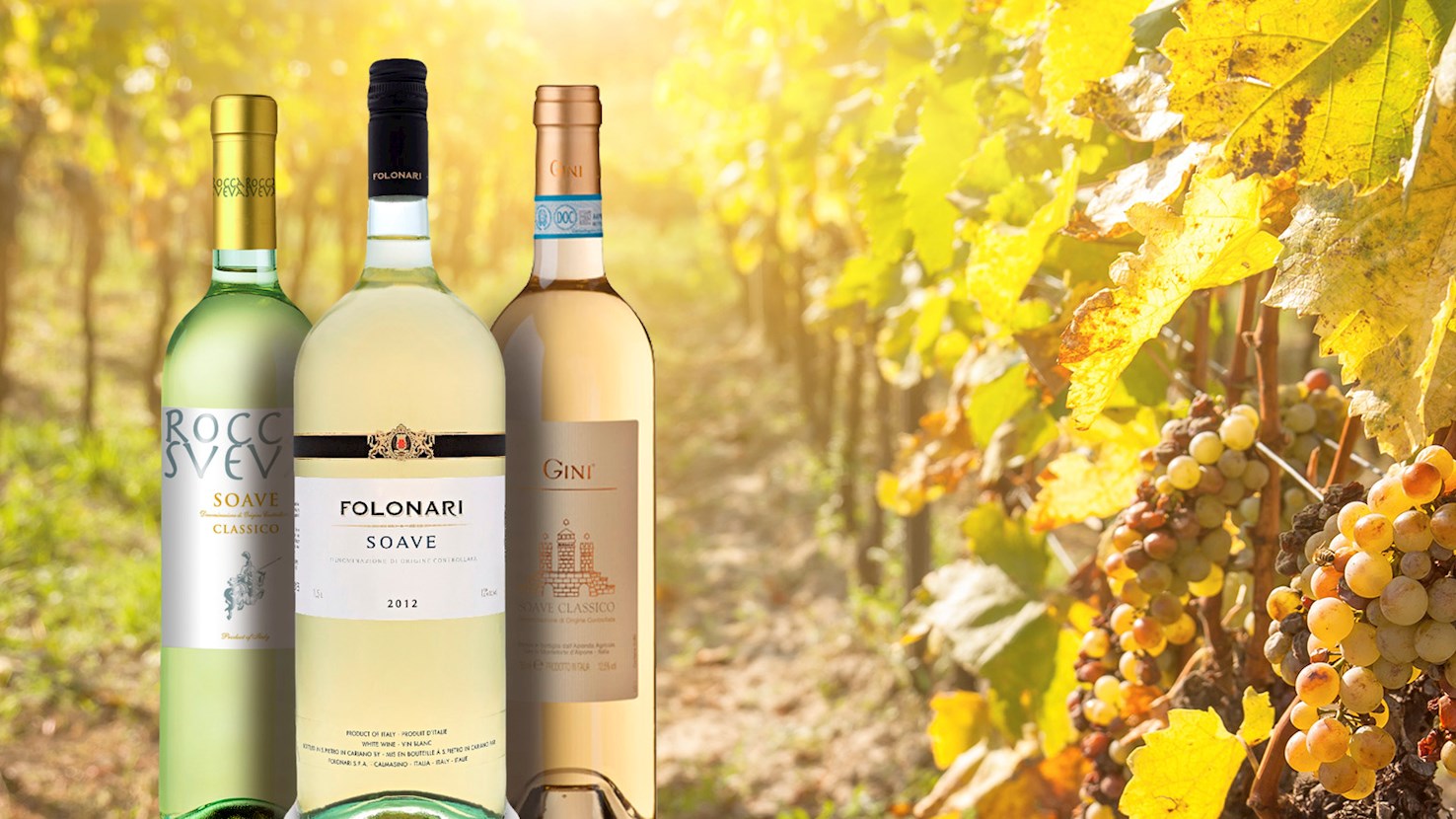
Soave is an Italian wine that comes from the namesake wine region, which is located east of Verona. It is predominately made with Garganega grapes, and occasionally small amounts of Trebbiano di Soave, Chardonnay, or other varieties. Soave comes with different quality designations, including Classico, which can only be produced in the designated Soave hillside vineyards. It can also come in three styles, the dry still Soave, sparkling spumanti, and sweet recioto. Dry Soave wines are crisp, delicate, light, and harmonious. Most varieties produced today are light-bodied, with fresh, fruity notes. Light soave wines are enjoyed as an aperitif, but they also pair well with fish, seafood, pasta, or light appetizers.

09

Ribolla Gialla

3.5 ·

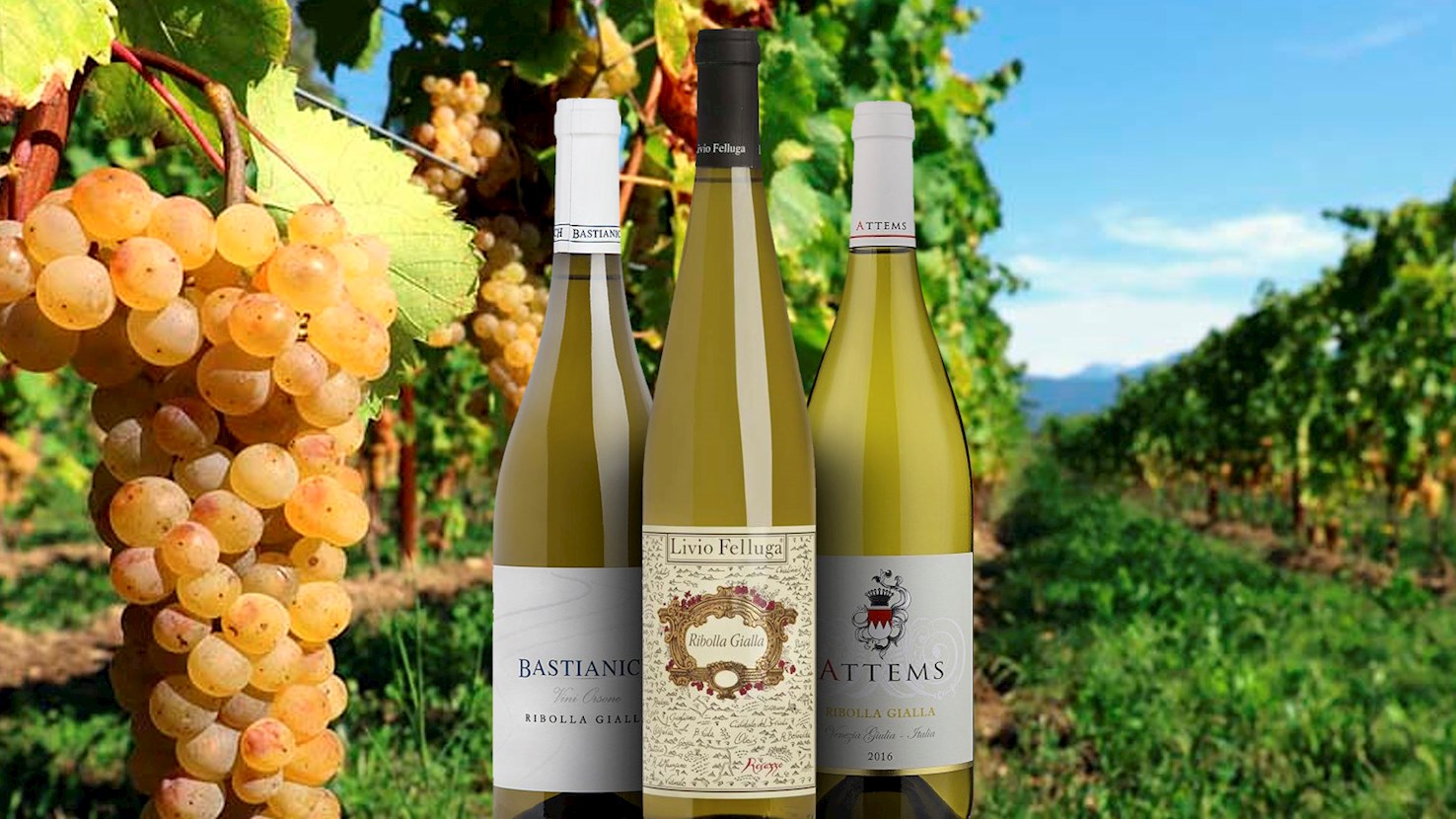
Ribolla Gialla is a white-skinned Italian grape that is also prominent and commonly planted in neighboring Slovenia, where it is known as Rebula. Ribolla has a long and rich history, with a first written reference dating to the 13th century. It is mostly planted in Friuli-Venezia Giulia and Slovenian Goriška Brda (Gorizia). The grape is predominantly used to produce bright and fresh young dry wines with citrusy and floral notes, good acidity, and often a subtly mineral character. The modern approach also shows that Ribolla can produce amazing skin-contact styles, resulting in wines that have excellent balance, denser texture, and stronger aromas. Dry white wines made with Ribolla make excellent aperitifs, and they pair well with fish, crustaceans, and shellfish. Macerated styles can match poultry or even game meat.

10

Grillo

3.5 ·

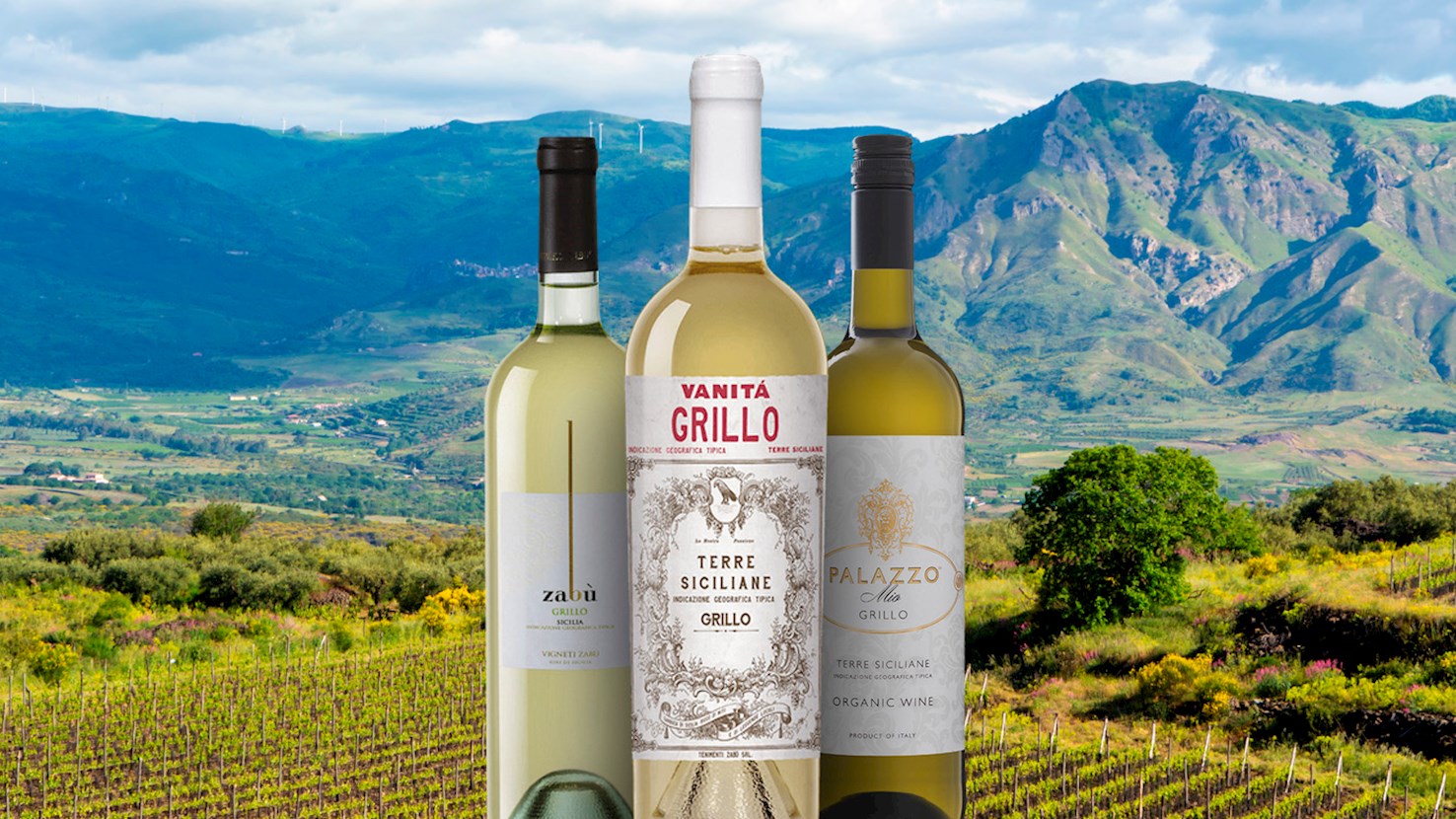
Grillo is a white grape variety from Sicily best known for its use in Marsala. It is used in several other regional appellations, both in blends and varietals. Grillo is a versatile grape that usually attains high alcohol content. If not treated properly, it will result in bland wines, but with a careful approach, Grillo can produce full-bodied wines with a floral and subtly herbal character. The aroma is reminiscent of ripe yellow fruit, melons, citruses, and orange blossom. On the palate, these wines are soft and round, with citrus and floral notes. The acidity is well-balanced, and most examples have a distinctive mineral finish. Because of their versatility, these wines can pair well with various dishes. They work well paired with appetizers, fish, crustaceans, seafood pasta dishes, risottos, or fish soups.

Best Italian White Wines
01

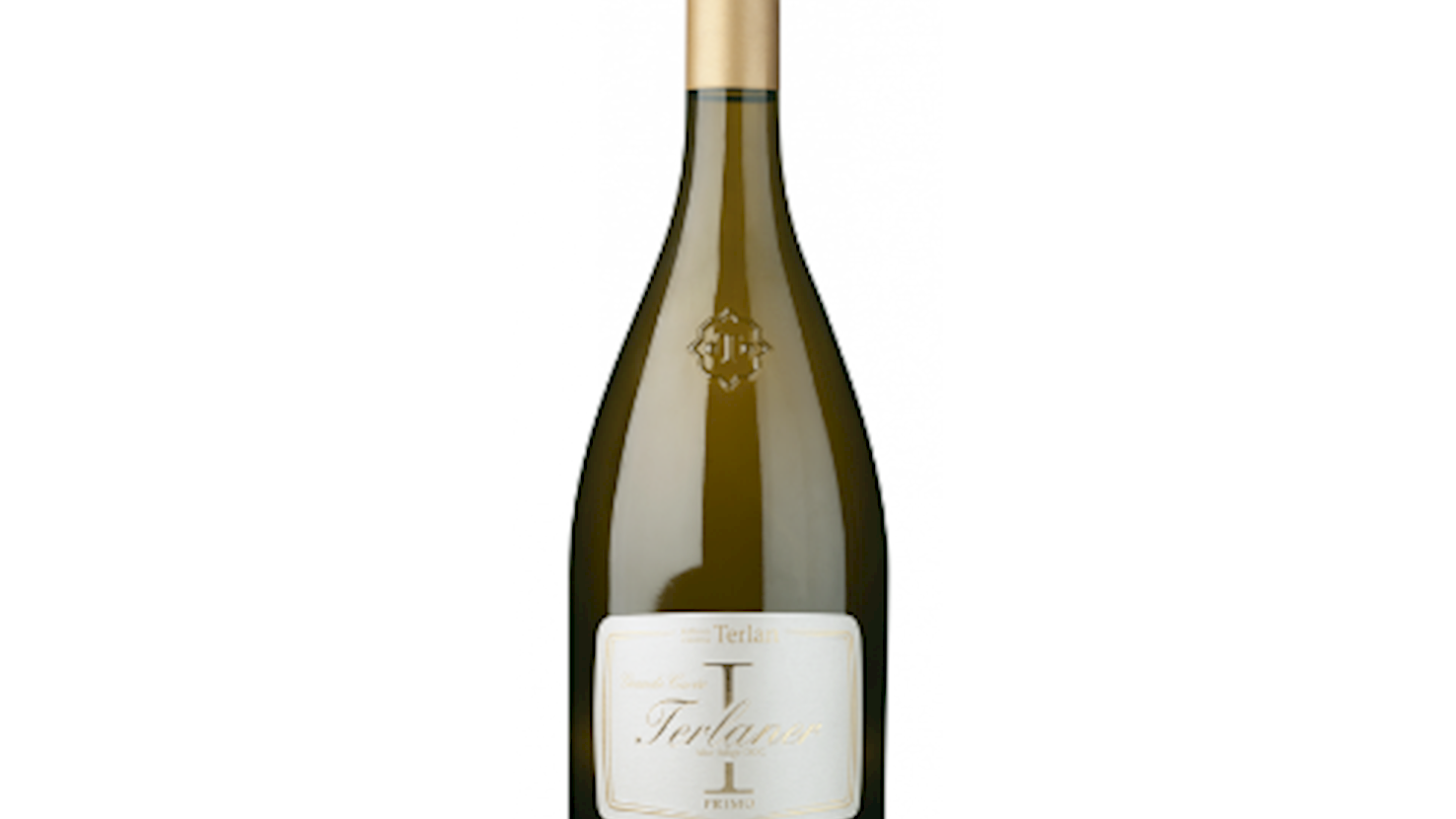
Kellerei Terlan - Cantina Terlano

5 ·
Kellerei Terlan - Cantina Terlano is one of the most respected cooperative wineries in South Tyrol, with a history dating back to 1893 and a strong reputation for producing long-lived, terroir-driven wines. Based in the village of Terlan, the winery works with high-altitude vineyards rooted in distinctive volcanic porphyry soils, which give its wines pronounced minerality, structure, and clarity. The alpine climate, marked by cool nights and strong diurnal temperature shifts, preserves freshness and aromatic precision, especially in white varieties. Terlan is particularly renowned for its white wines, including Pinot Bianco, Chardonnay, Sauvignon Blanc, and the historic Terlaner blends, all known for their depth and exceptional aging potential. Winemaking emphasizes careful selection, extended lees aging, and patient maturation, often keeping wines in the cellar longer than required before release. The resulting style favors balance, tension, and longevity over immediate richness. Kellerei Terlan stands as a benchmark for South Tyrol, combining collective tradition with a disciplined, quality-focused approach that consistently highlights the uniqueness of its terroir.
Awards
James Suckling - 99 points (2024)
Decanter World Wine Awards - Platinum (2024, 2023, 2022, 2020)
02

Gravner

5 ·
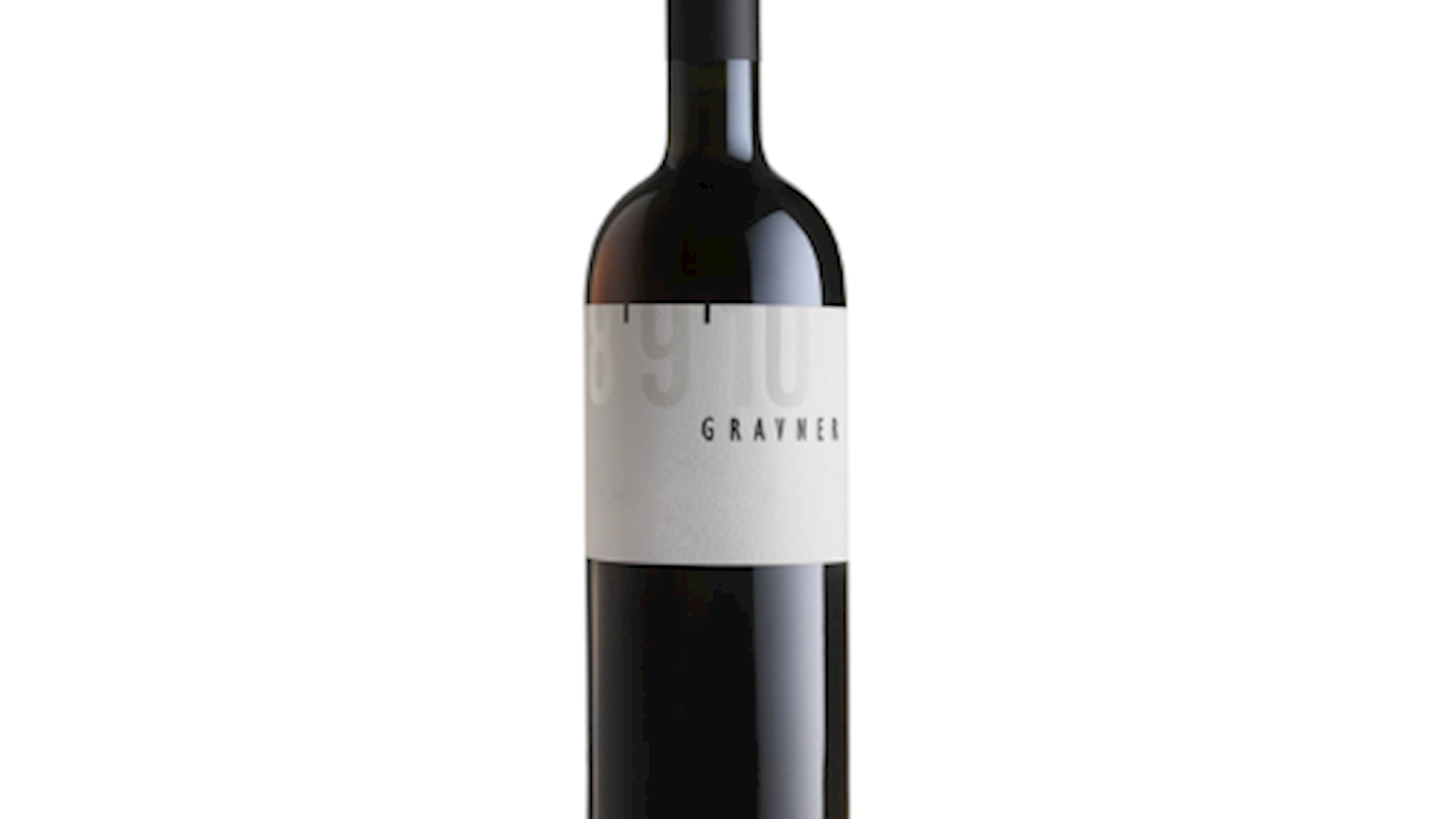
Gravner is a family-owned winery from the village of Oslavia, on the border between Italy and Slovenia, in the Friuli-Venezia Giulia region, recognized for its radical winemaking philosophy and pioneering role in the world of orange wines. Joško Gravner took over the winery in 1973, but it was in the mid-1990s that he made a decisive shift away from modern technology and returned to natural, traditional methods. His turning point came after a trip to Georgia, where he discovered qvevri - large clay amphorae buried in the ground and used for fermentation and aging. Upon returning home, Gravner completely changed his approach: white wines ferment and macerate on the skins for several months in qvevri, without temperature control, essentially using the technique of red winemaking. Afterward, the wine spends years aging in large Slavonian oak casks before being released. The varieties he focuses on are primarily Ribolla Gialla and Pignolo, while he has almost entirely eliminated international grapes to concentrate on terroir and the authentic expression of the Collio hills. Gravner’s wines are intense, layered and complex, often showing aromas of dried fruit, stone fruit, nuts and a subtle oxidative character. Due to the extended skin contact, the white wines develop tannic structure, depth and excellent aging potential. The winery’s philosophy is that wine should reflect the soil, the vintage and the hands of the winemaker - not technology. Today, Gravner is considered one of the most influential producers of orange wine in the world, frequently cited as a benchmark for authenticity and boldness in winemaking.
Awards
Vivino - 4.6
Vivino - 4.5
03

Donnafugata

5 ·
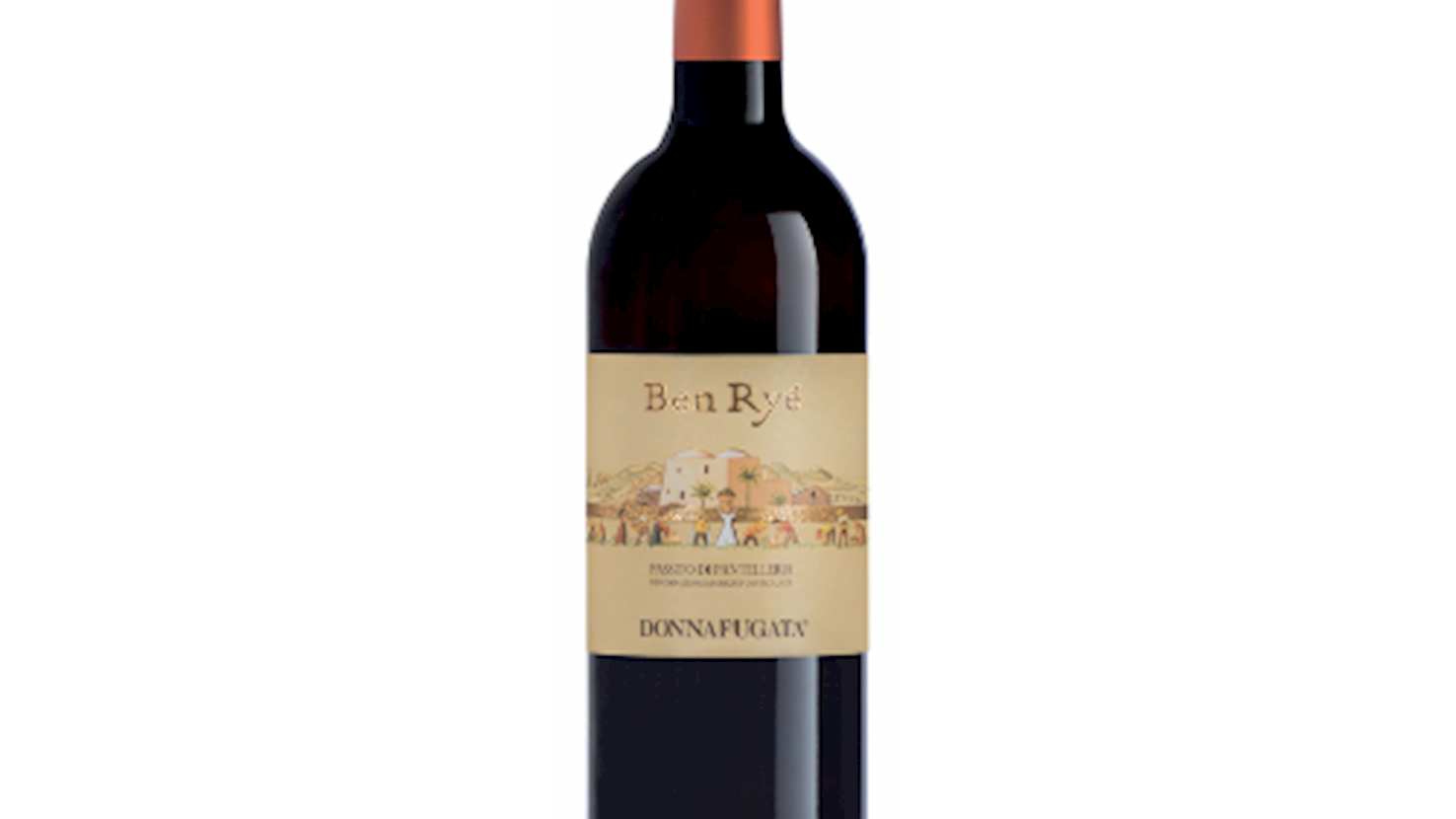
Donnafugata is one of Sicily’s most influential family-owned wineries, known for wines that interpret the island’s diversity with clarity, elegance, and a strong sense of place. Founded in the early 1980s by Giacomo and Gabriella Rallo, and rooted in a much longer family winegrowing tradition, the estate is today led by the next generation with a clear focus on quality, sustainability, and territorial identity. Donnafugata operates vineyards and wineries across several key Sicilian areas, including Contessa Entellina, Marsala, Pantelleria, Vittoria, and Mount Etna, allowing for a wide range of stylistic expressions shaped by distinct climates and soils. Particular emphasis is placed on indigenous varieties such as Nero d’Avola, Frappato, Carricante, Nerello Mascalese, and Zibibbo, each vinified to highlight varietal character rather than winemaking effect. The wines are defined by aromatic precision, balance, and freshness, avoiding excess extraction or heaviness. Donnafugata is especially renowned for Ben Ryé from Pantelleria, a benchmark passito wine, as well as for its refined dry wines that underscore Sicily’s potential as a world-class wine region. Through a combination of tradition, innovation, and a strong visual and cultural identity, Donnafugata stands as a reference point for contemporary Sicilian winemaking.
Awards
Decanter World Wine Awards - Platinum (2024, 2021, 2020, 2019, 2017)
Decanter World Wine Awards - Best in Show (2018)
04

Fattoria La Vialla

4.9 ·
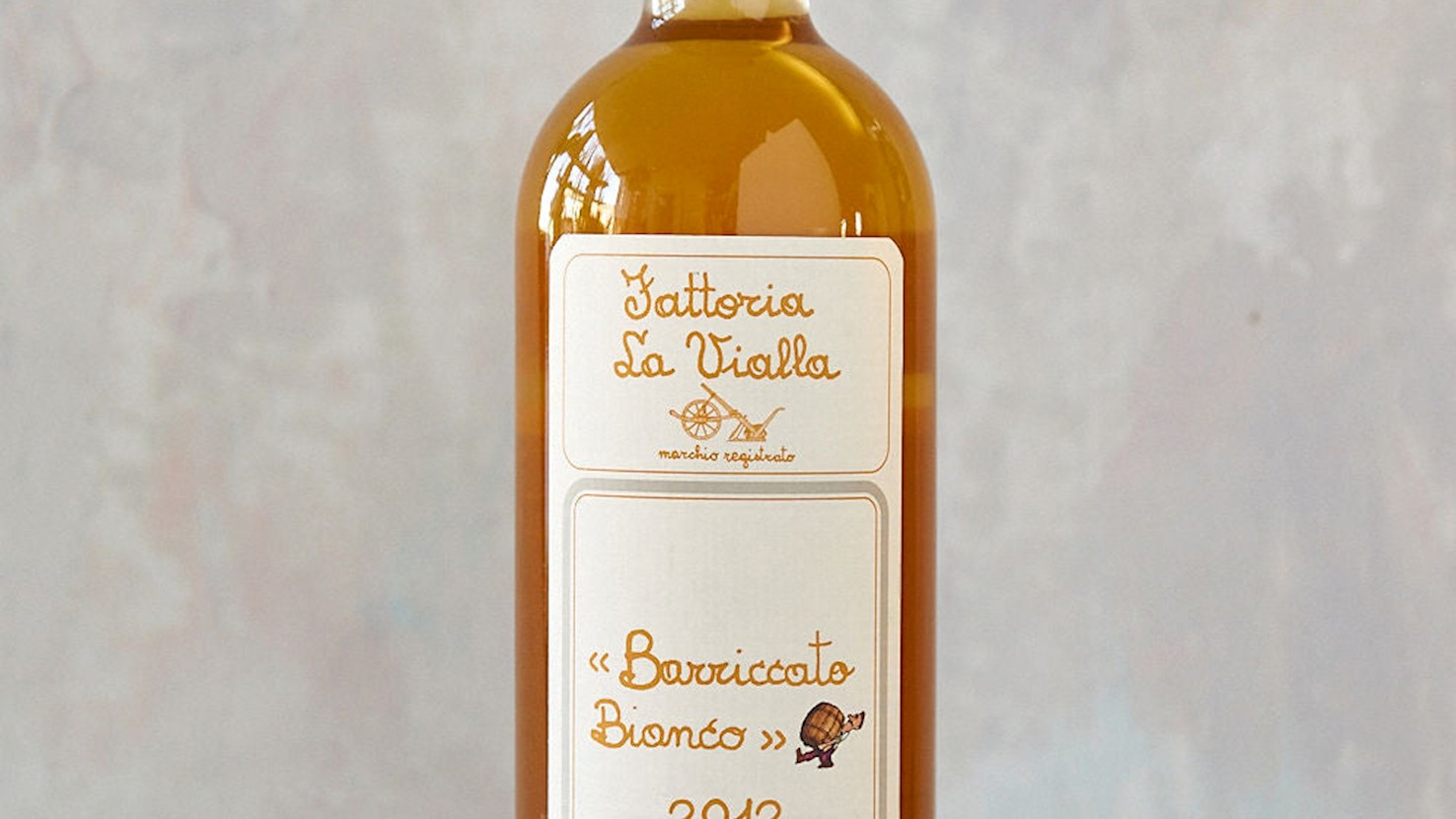
Fattoria La Vialla is a family-owned organic farm and olive oil producer located in Arezzo, Italy. The farm practices biodynamic agriculture, focusing on sustainability and environmental preservation. Their olive groves are cultivated without synthetic chemicals, adhering to organic farming principles. Fattoria La Vialla produces various other organic products, including wines, pasta, and sauces, reflecting traditional Tuscan methods. They also offer farm tours and direct sales to customers.
Awards
Decanter World Wine Awards - Platinum (2020, 2017, 2016)
Frankfurt International Trophy - Grand Gold (2024, 2023, 2022, 2021, 2017)
05

Tenuta Kornell

4.9 ·
Awards
Decanter World Wine Awards - Platinum (2023)
06

Gini Sandro E Claudio

4.9 ·
Awards
Decanter World Wine Awards - Platinum (2024)
07

Andreola

Dry

4.9 ·
Awards
Decanter World Wine Awards - Platinum (2021)
08

Cantina Federici

4.9 ·
Awards
Decanter World Wine Awards - Platinum (2021)
09

Cantina Kaltern

4.9 ·
Awards
Decanter World Wine Awards - Platinum (2021)
10

Franchetto

4.9 ·
Awards
Decanter World Wine Awards - Platinum (2017)
Read more
View all
View map
About this ranking

TasteAtlas food rankings are based on the ratings of the TasteAtlas audience, with a series of mechanisms that recognize real users and that ignore bot, nationalist or local patriotic ratings, and give additional value to the ratings of users that the system recognizes as knowledgeable. For the “Top 100 Italian White Wines” list until June 03, 2026, 394 ratings were recorded, of which 267 were recognized by the system as legitimate. TasteAtlas Rankings should not be seen as the final global conclusion about food. Their purpose is to promote excellent local foods, instill pride in traditional dishes, and arouse curiosity about dishes you haven’t tried.

The initial list of top producers was compiled based on available reviews, awards, local recommendations, media and blog coverage, and consumer reviews. The list will be updated with ratings from TasteAtlas local ambassadors and TasteAtlas users.

Similar lists