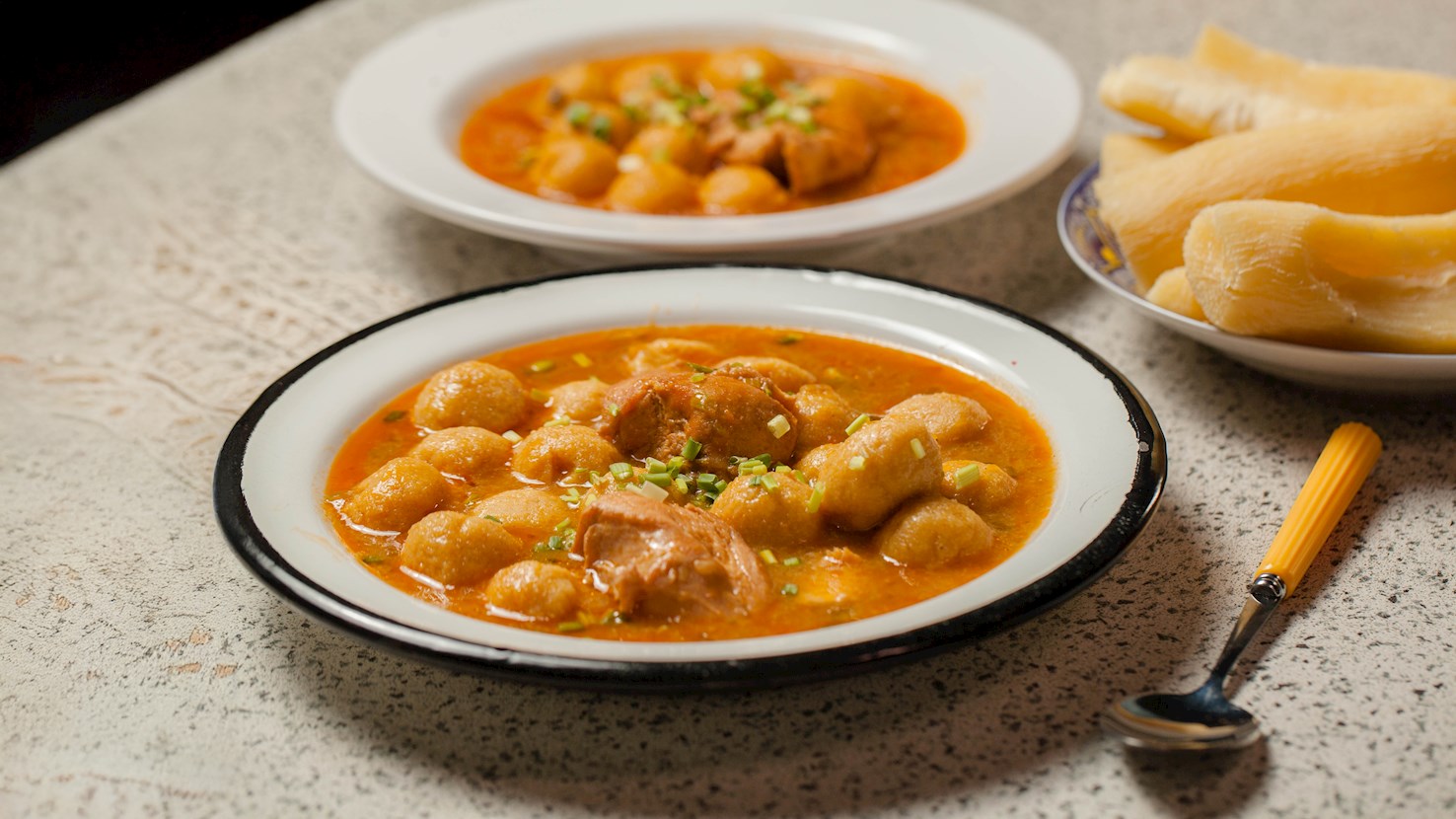
Traditionally, vori-vori consists of a rich chicken broth, chicken pieces, vegetables, seasonings, and small dumplings formed from cornmeal and queso Paraquay. The broth is prepared by simmering a whole chicken—often a free-range hen prized for its depth of flavor—with onions, tomatoes, bell peppers, and herbs until the meat is tender and the liquid becomes a fragrant, golden base. While the broth cooks, the dumplings are prepared by mixing cornmeal with crumbled Paraguayan cheese and moistening the mixture with a bit of hot broth until it forms a soft, workable dough. Small balls roughly the size of marbles are rolled by hand. Once the broth has developed its flavor, the dumplings are dropped into the pot, sinking at first and then rising to the surface once fully cooked, thickening the broth a bit while they cook. The soup is seasoned with salt, pepper, oregano, and parsley, and served steaming hot, often finished with a sprinkle of chopped green onions. Although the classic form of vori vori centers on chicken and cheese dumplings, the dish has many traditional variations. Some households prepare a beef-based version, while others favor vori vori blanco, a creamier interpretation that incorporates milk or extra fat into the broth. In rural areas, cooks often add chunks of pumpkin or squash, which lend sweetness and body to the soup. Carrots, celery, potatoes, cassava, and corn kernels are also common additions, depending on what is available. Modern variations sometimes include eggs or butter in the dumpling dough for a firmer or richer texture, and a few contemporary cooks add chili peppers for heat. However, this is not part of the original tradition.
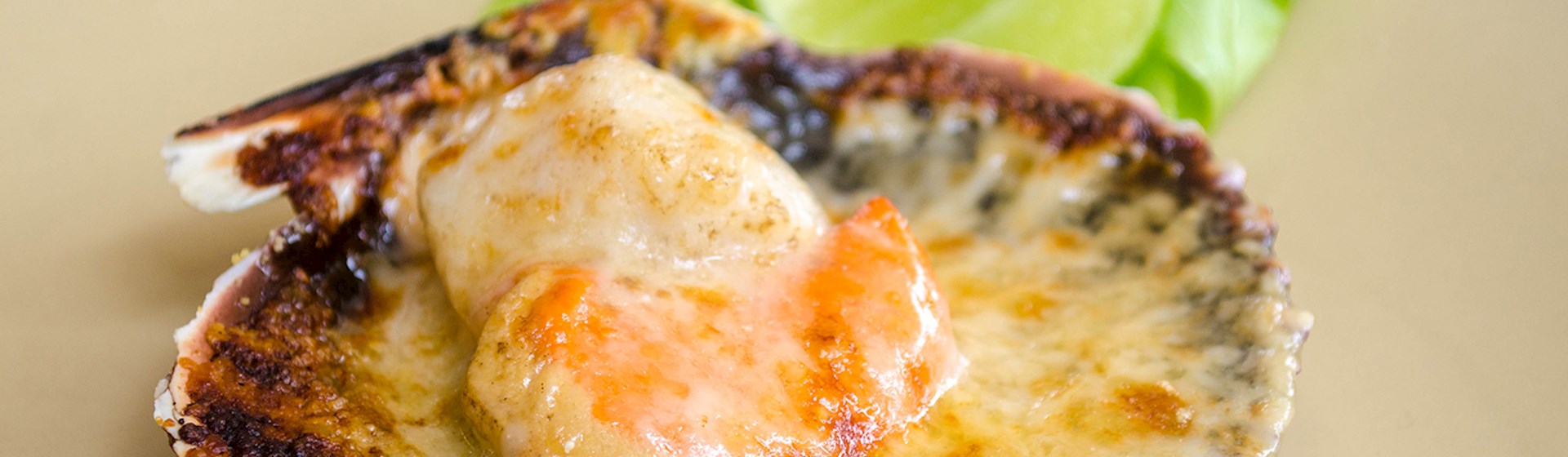
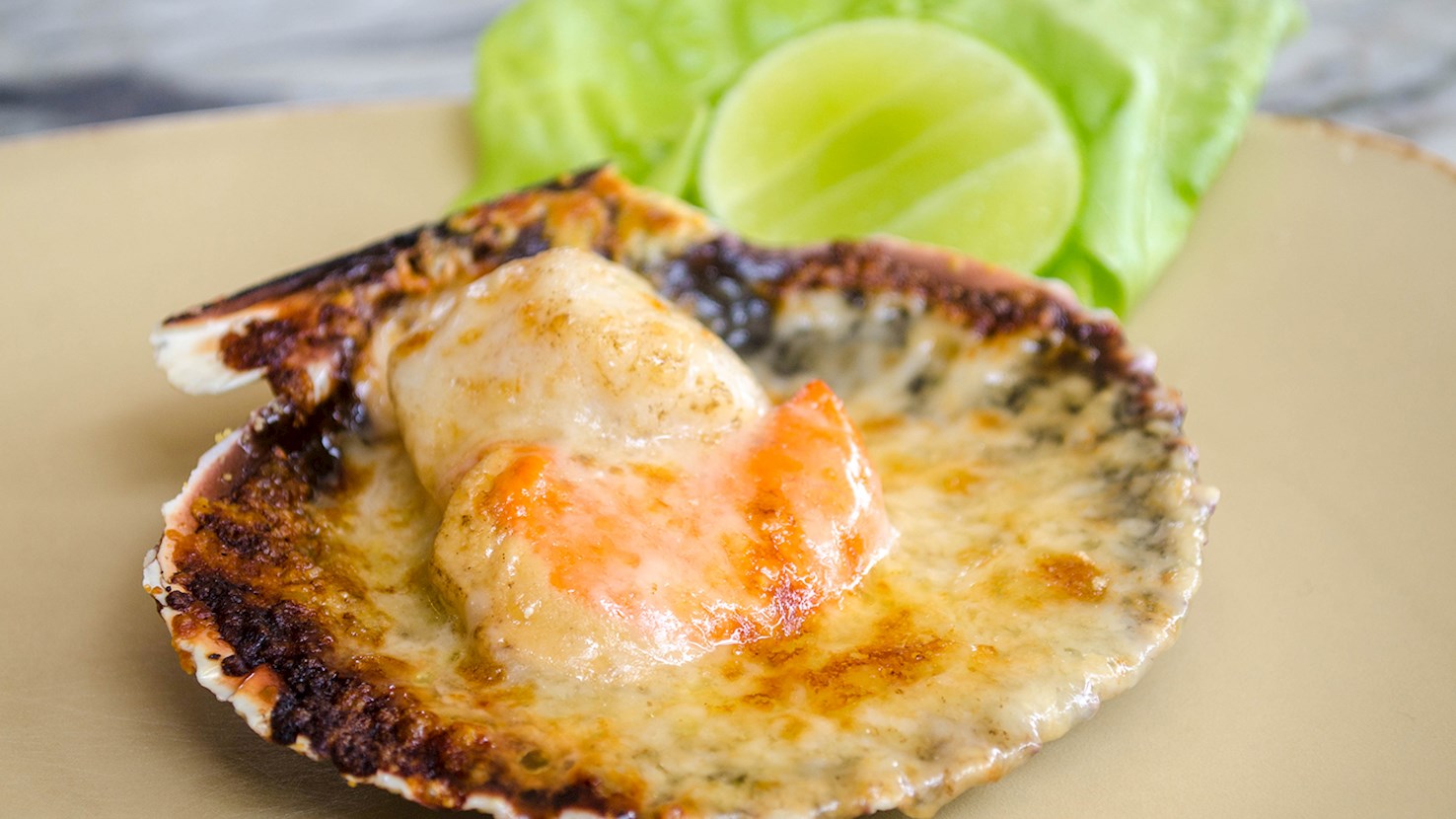
Conchitas a la parmesana is one of Peru’s most emblematic hot seafood starters, commonly found in cevicherías and coastal restaurants. Despite its Italian-sounding name, it is widely regarded as a Peruvian dish, shaped by Italian influence but firmly rooted in Peruvian seafood culture. The preparation is deliberately simple and fast, designed to highlight the natural sweetness of conchas de abanico (Peruvian calico scallops) while contrasting them with the sharp salinity of Parmesan cheese, the richness of butter, and the brightness of citrus. The foundation of conchitas a la parmesana is ingredient quality. Fresh scallops are essential; the dish is too minimal to disguise anything less. Traditionally, the scallops are cleaned and returned to their shells, one per shell, which acts both as a cooking vessel and as a presentation. Seasoning is restrained—usually just salt and pepper—followed by a few drops of lime juice to lift the natural brininess. Many Peruvian cooks also add a few drops of Worcestershire sauce directly onto the scallop. This is optional but common, used sparingly to add depth and umami rather than a noticeable sauce flavor. Butter plays a critical role and is never treated as optional. Small pieces are placed on or under the scallop to keep it moist and to enrich the juices released during cooking. The scallop is then covered generously with freshly grated Parmesan cheese. The quantity matters: the cheese is meant to form a gratinated crust, not merely melt. Often, a final small knob of butter is added on top of the cheese to encourage even browning and a glossy finish. Cooking is brief and intense. The assembled shells are placed under a broiler or in a very hot oven and cooked only until the cheese melts, bubbles, and turns golden brown. This can take as little as 4 minutes at high heat or slightly longer in a conventional oven. Overcooking is the main risk; scallops that stay in the heat too long become firm and rubbery, undermining the dish entirely. The goal is bubbling cheese and scallops that are just cooked through and still tender. While the core preparation remains consistent, variations exist within Peru. Some versions add chopped parsley for freshness or an extra squeeze of citrus at the table. Others introduce mild heat through hot sauce or chili, or combine Parmesan with another cheese for added richness. Conchitas a la parmesana is always served immediately, while the shells are still dangerously hot and the cheese is molten. Lime wedges are typically served alongside so diners can adjust acidity to taste at the last moment. It is almost always presented as an appetizer, often following cold seafood dishes like ceviche, and meant to awaken the appetite rather than replace a main course.
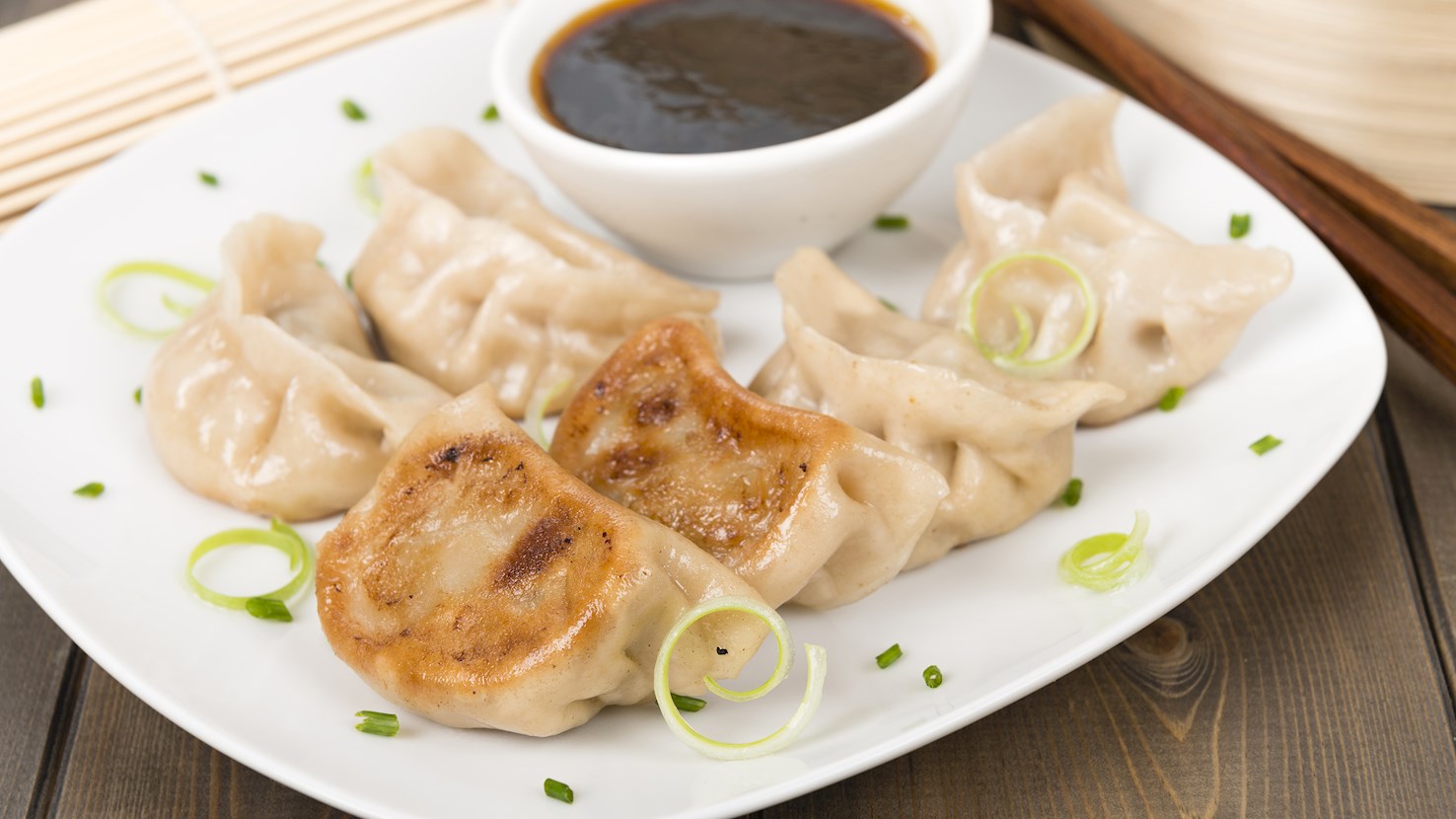
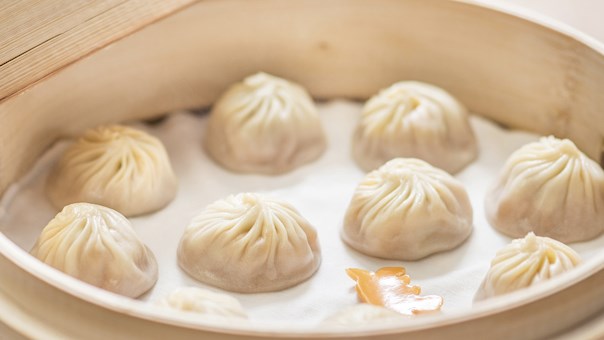
Zhēngjiǎo are traditional Chinese steamed dumplings made from wheat dough wrappers filled with savory ingredients and cooked exclusively by steam, a method that highlights softness, moisture, and the natural flavor of the filling. Rather than forming a separate dish category, zhēngjiǎo are defined by preparation method and belong to the broader family of jiaozi, alongside boiled and pan-fried dumplings. Zhēngjiǎo are traditionally prepared with hand-mixed dough that is kneaded and rested, then rolled so the center of each wrapper is slightly thicker than the edges to withstand steaming. Fillings are typically simple and balanced, most commonly minced pork combined with Chinese cabbage, chives, or leeks, seasoned lightly with ginger, soy sauce, salt, and a small amount of sesame oil; vegetables with high water content are usually salted and squeezed to control moisture. The filling is mixed until cohesive, then filled into the wrappers, folded into half-moon or pleated shapes, and arranged on cabbage leaves or parchment, then steamed in bamboo baskets. Regional variations are widespread: northern styles favor larger dumplings with thicker skins and pork-forward fillings eaten as a main dish, while southern versions are smaller and lighter, sometimes served as snacks or alongside other dishes. In addition to pork-only fillings, many traditional zhēngjiǎo are made with mixed fillings, usually a combination of pork, shrimp, and vegetables. Vegetarian zhēngjiǎo, filled with mushrooms, tofu products, glass noodles, and leafy greens, is also common. Served hot directly from the steamer, zhēngjiǎo are traditionally eaten plain or with minimal accompaniments such as black vinegar or ginger, as a well-made steamed dumpling is expected to be flavorful without heavy sauces, embodying the Chinese culinary ideal of restraint, balance, and technique over excess.
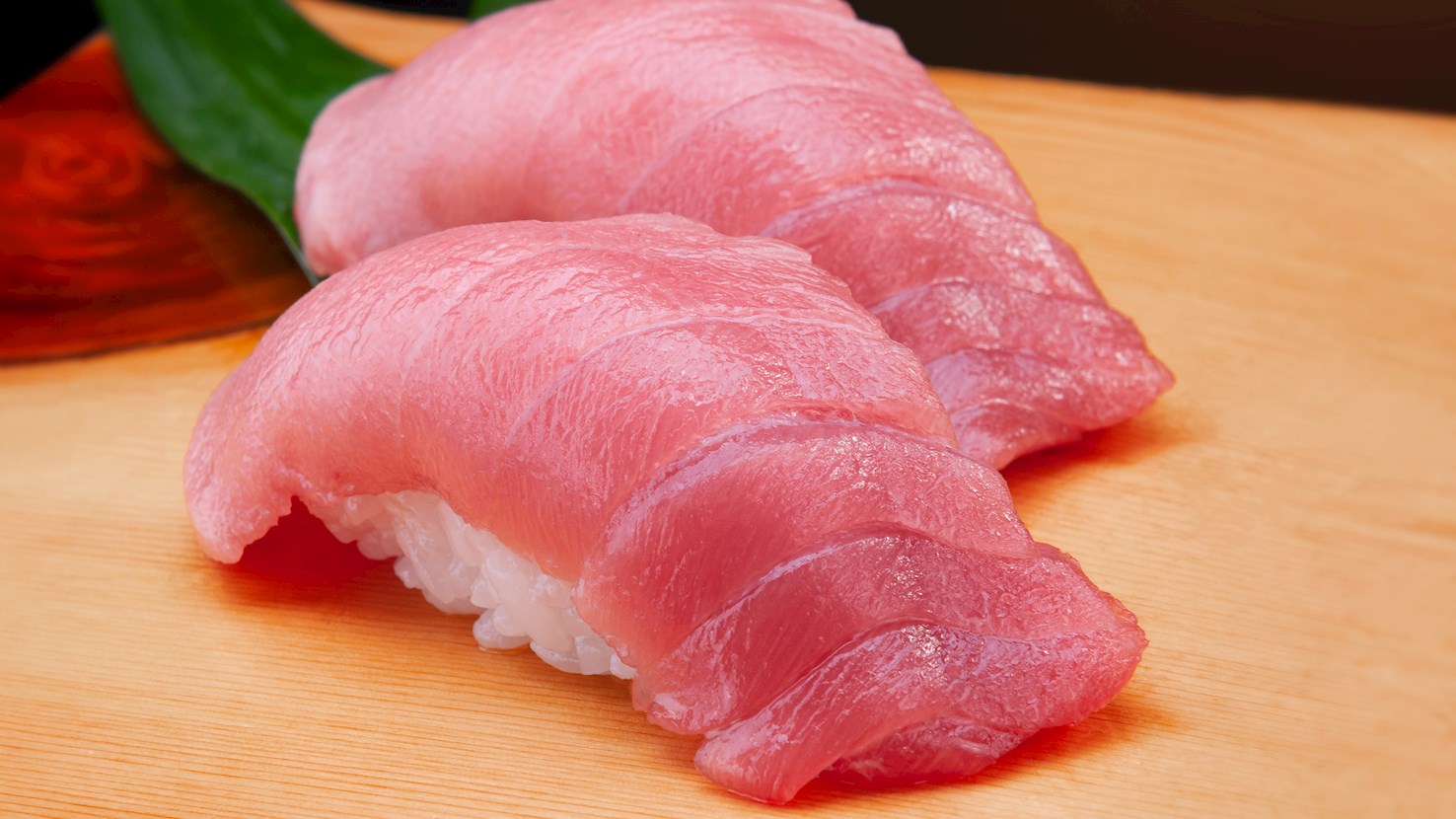
Otoro nigiri sushi is a luxurious delicacy in Japanese cuisine, revered for its rich flavor and buttery texture. Otoro, the fattiest part of the tuna, located on the fish's underside, is highly prized by sushi connoisseurs. This cut of tuna features beautiful marbling and a melt-in-the-mouth quality, making it perfect for nigiri sushi. To prepare otoro nigiri, chefs start with perfectly seasoned sushi rice shaped into small ovals. The rice serves as a bed for the thinly sliced Otoro, which is usually cut against the grain to enhance its texture. A small dab of wasabi is often placed between the rice and fish to add a subtle heat. It's typically served with soy sauce, pickled ginger, and wasabi on the side, allowing diners to adjust the flavors to their liking.
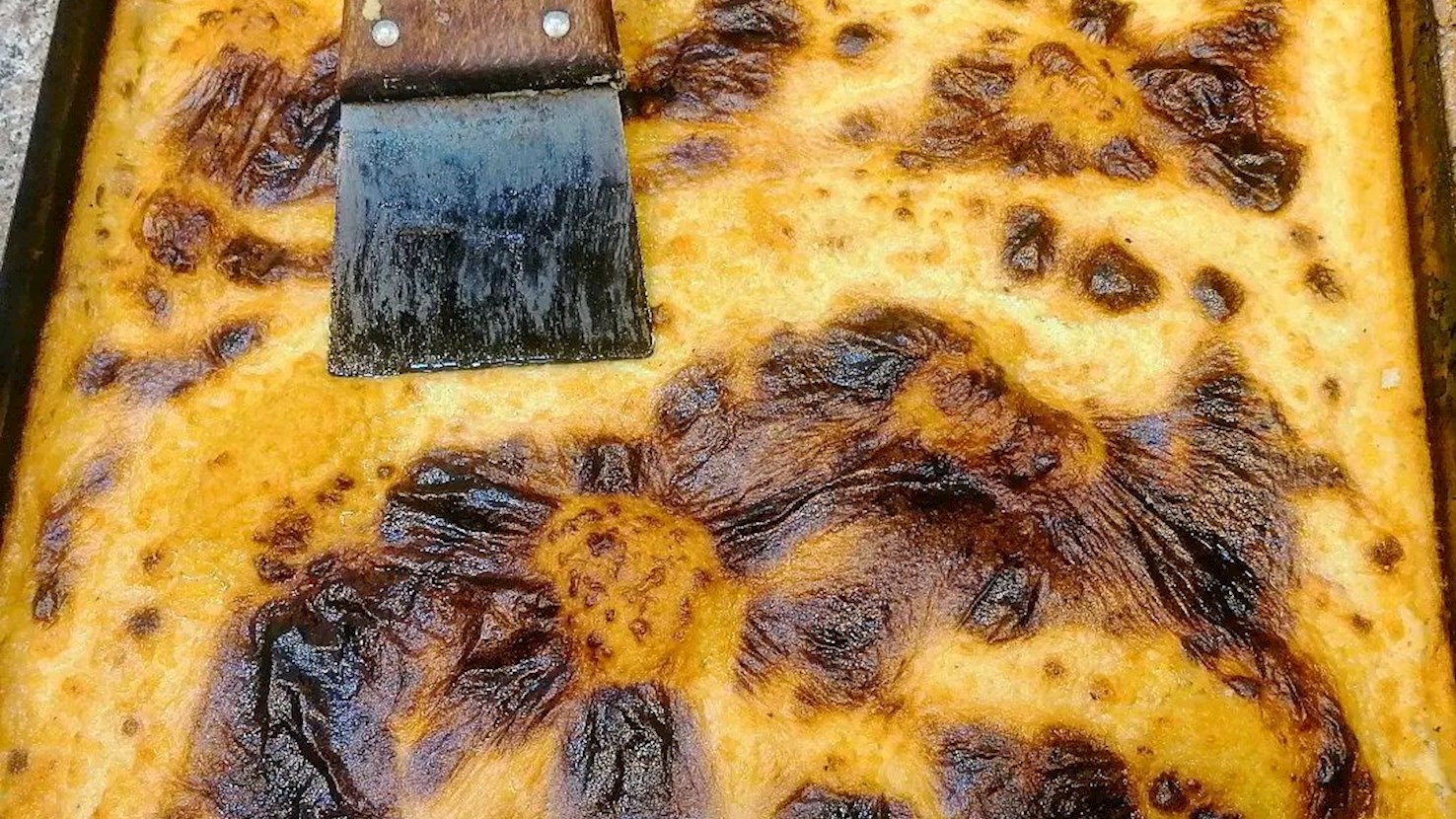
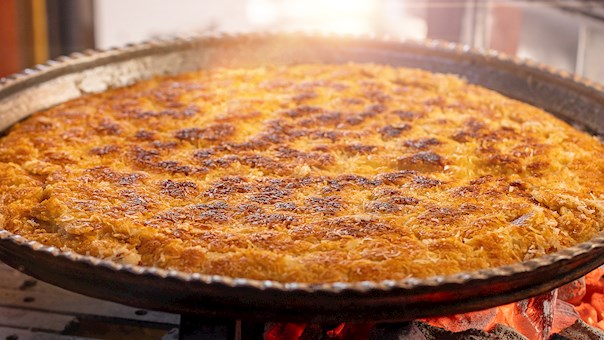
Karantika, also known as garantita, calentica, or karantita, is a deeply rooted Algerian street food most closely associated with the city of Oran. It belongs to the broader Mediterranean family of chickpea-based bakes, related to dishes like socca or farinata, but karantika is distinct in both texture and intent. Where socca is thin and crisp, karantika is poured thicker and baked until it sets into a soft, custard-like interior with a lightly browned surface, closer to a savory flan than a flatbread. At its most traditional, karantika is made from chickpea flour, water, oil, and salt, with cumin playing a defining role either mixed into the batter or added at serving. The structure comes entirely from chickpea flour, which thickens and sets when baked. Water is added gradually to the flour to prevent lumps, producing a batter similar in consistency to crêpe batter. Oil is added both for flavor and to help the surface brown. Resting the batter is an essential step: even a short rest allows the flour to fully hydrate, while an overnight rest produces a smoother, more cohesive texture once baked. Thickness is the real reference point. The batter is poured into an oiled dish to a moderate depth, thick enough to remain soft and creamy inside but not so deep that it becomes dense. To achieve the dish’s characteristic two-layer structure—a soft flan-like base with a smoother, creamier surface—it is important not to overmix once the batter has been poured into the pan. Letting it rest briefly before baking allows the layers to form naturally. The oven must be hot, and the dish is baked until the top is well colored while the center remains set yet slightly trembling. Overbaking is considered the main error, as it dries out the interior and removes the dish’s defining softness. There is a long-standing debate about eggs and milk, and this reflects genuine variation rather than contradiction. The simplest, street-food versions are often eggless, relying solely on chickpea flour for structure. Richer versions, more common in home cooking or in other regions, may include eggs and sometimes milk or butter to create a firmer, more custard-like result. These are considered legitimate adaptations rather than the original base form. Karantika is meant to be eaten hot or warm, when its texture is at its best. It is commonly cut into squares or wedges and served plain, or tucked into bread and finished with cumin and harissa. Once cold, it firms up and loses much of its appeal.
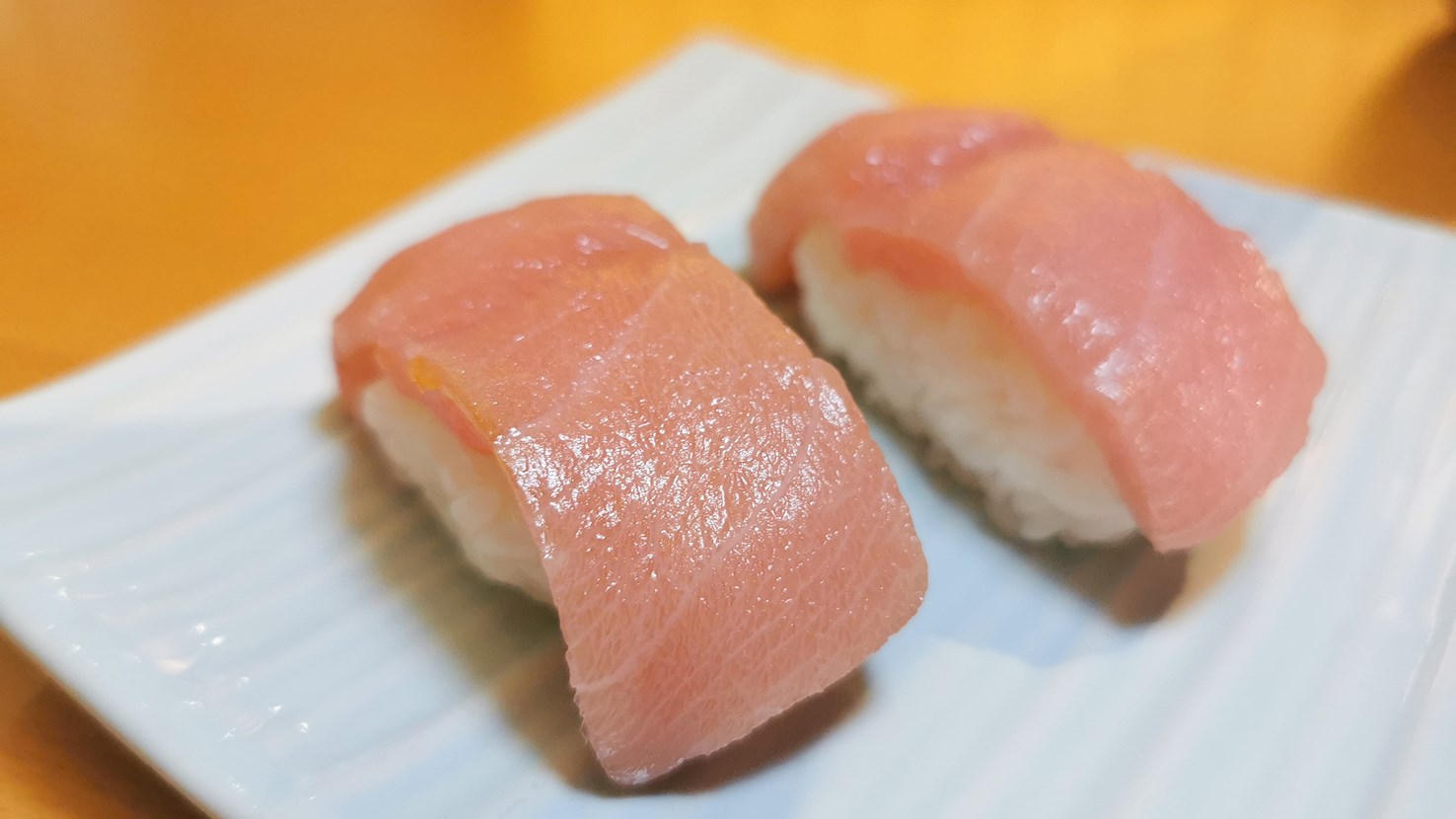
The following is the classic preparation of chutoro nigiri sushi. The recipe is easy to follow, with clear and detailed instructions to ensure your sushi ends up the best possible. We recommend going over all the tips before deciding to prepare the sushi, as there might be a few steps that need to be undertaken before jumping onto the recipe, such as checking your equipment and defrosting tuna.
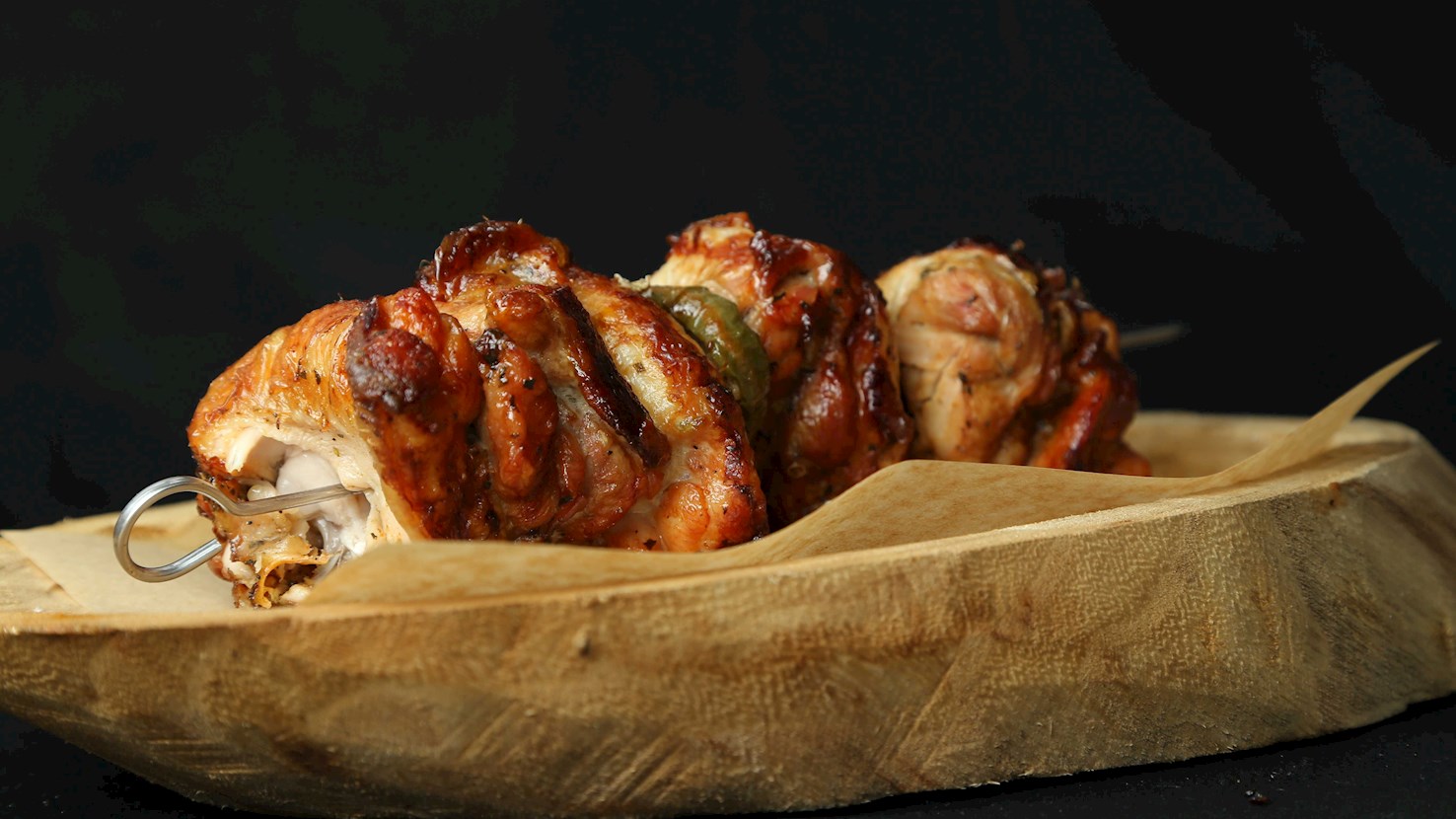
Kontosouvli is one of the most iconic forms of Greek outdoor cooking, rooted in rural gatherings, feasts, and weekend grilling traditions. It is essentially large pieces of meat, traditionally pork, but sometimes lamb, goat, or chicken, threaded onto a long metal skewer and roasted slowly over charcoal. Unlike souvlaki, where meat is cut into small cubes, kontosouvli uses substantial chunks that stay juicy during long, steady cooking. Its flavor depends less on complex seasoning and more on technique: the proper cut of meat, patient marinating, careful control of the coals, and slow rotation over an open fire. The preparation begins with choosing the appropriate cut. Pork shoulder, pork neck, or a section of the rump are the most common, as these cuts contain the right balance of fat and connective tissue. This fat renders as the meat cooks, keeping each piece moist. Lamb shoulder or rib sections can also be used, though these are more common in parts of Central Greece and the Peloponnese. Once the meat is selected, it is cut into large pieces, often 3 inches (8 cm) thick, so they hold up to prolonged exposure to heat without drying out. Seasoning is usually straightforward. Many households rely on a classic combination of salt, black pepper, oregano, garlic, olive oil, and sometimes paprika for color. Ingredients like grated onion, tomato, wine, or lemon juice are often used as well because they tenderize the meat. The marinade is mixed thoroughly, then worked well into the meat, which is left to rest in the refrigerator for several hours, ideally overnight. This long resting period allows the flavors to penetrate and helps the meat become more tender. Skewering the marinated meat is another essential step. A long, sturdy spit is used, strong enough to support the weight of the meat without bending. The pieces are arranged along the rod with enough space for heat to circulate, yet close enough so they roast as a single, coherent mass. Some people intersperse slices of onion, pepper, or tomato between the pieces, though many traditional cooks prefer only meat on the spit. Once assembled, metal clamps or hooks are tightened to secure the pieces and prevent them from rotating independently of the spit. The charcoal fire is at the heart of kontosouvli. Coals are lit well in advance to ensure they are glowing evenly by the time the meat goes on. The most traditional method is to place coals along the length of the grill, but not directly under the meat, especially during the first hour. This indirect heat prevents burning and allows the meat to cook slowly. The spit is positioned a hand’s distance above the coals and turned steadily. The meat is watched closely because too much heat too soon will char the outside while leaving the inside undercooked. As cooking continues, fresh coals are added gradually along the sides to maintain steady heat. After the first hour, many cooks remove any parchment or protective wrapping and lower the spit slightly so the meat can brown evenly. Occasional brushing with olive oil or a lemon-oil mixture helps the crust develop. Cooking time varies, but 2 to 3 hours is typical for pork kontosouvli, depending on the thickness of the pieces and the intensity of the embers. Lamb may cook slightly faster due to higher fat content. The meat is considered done when its internal temperature reaches about 165-175°F (75–80°C) and the exterior forms a well-browned crust. During the final stage, the spit is often moved closer to a hotter section of coals to crisp the outside. Once removed from the heat, the meat is tented loosely with foil for several minutes to allow the juices to redistribute. There are several traditional variations of kontosouvli across Greece. In Macedonia, it is common to add paprika or red pepper flakes to the marinade for a slight kick. In Thessaly and Central Greece, lemon and garlic dominate, and lamb versions appear more often. On the islands, some cooks marinate the meat in wine or add herbs such as thyme or savory. In Cyprus, a related preparation known as souvla uses even larger pieces of meat and a slower, more distant roasting method. Kontosouvli is typically served immediately after slicing. The meat is cut into smaller pieces, sprinkled with salt and dried oregano, and sometimes finished with a squeeze of lemon. It is commonly accompanied by flatbread or crusty bread, tzatziki, simple salads such as tomato-onion or cabbage-carrot, and roasted or fried potatoes. In many families, it appears at festive gatherings, Easter tables, or long Sunday lunches, where guests pick pieces off the platter as they are cut from the spit.
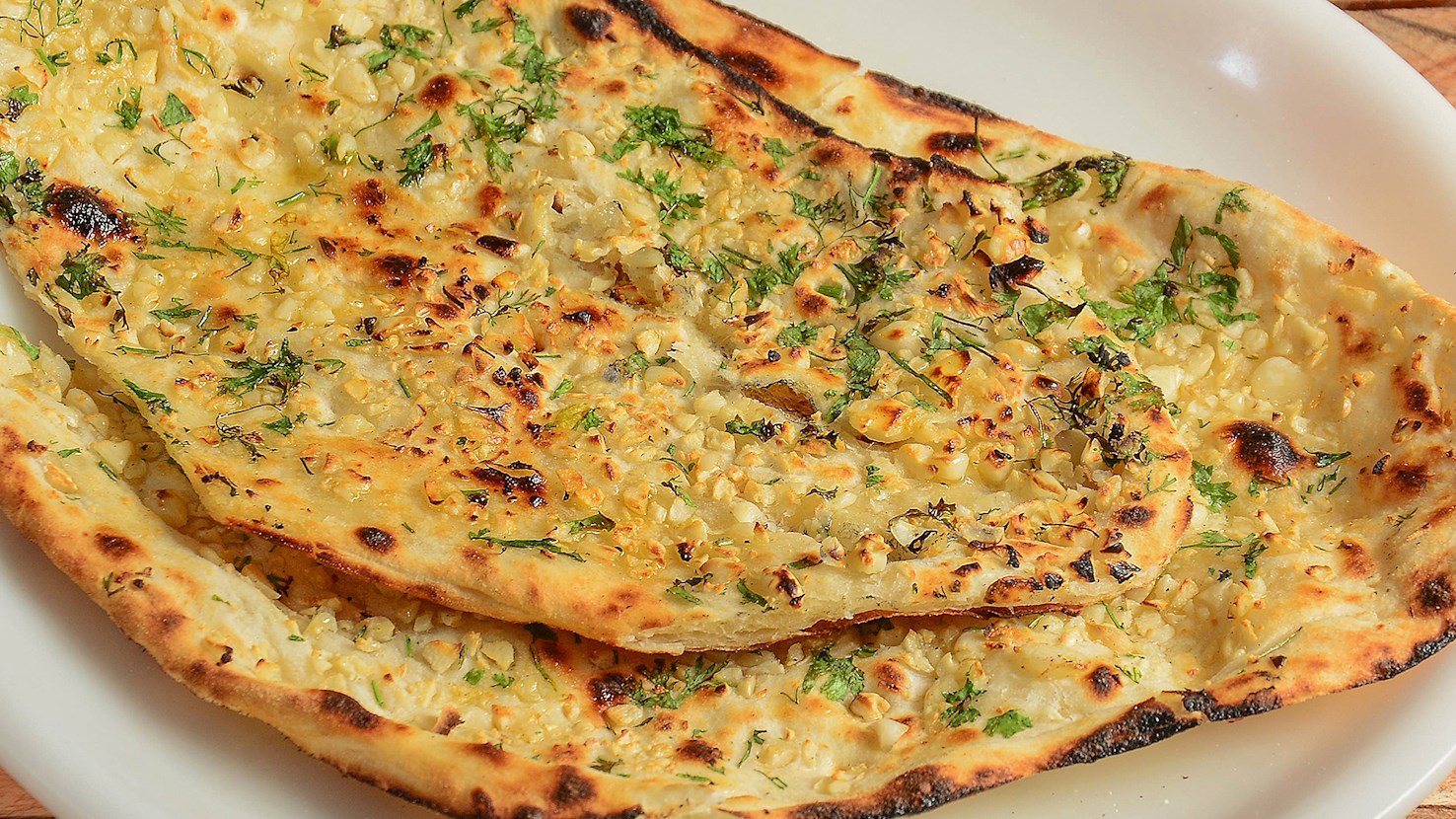
A traditional Indian flatbread and one of the best-known types of naan, butter garlic naan is prepared much the same as regular naan. Flour, water, yeast, salt, sugar, and yogurt or curd are needed to make the dough. The yogurt or curd is added because it relaxes gluten, making for a soft and supple flatbread. The dough is shaped into a teardrop or an oval and baked traditionally in the tandoor oven. When prepared at home, it is oven-baked or fried in a tawa (a wide pan). When baked, it is brushed with a mixture of melted ghee and chopped garlic, which will occasionally also include chopped cilantro.
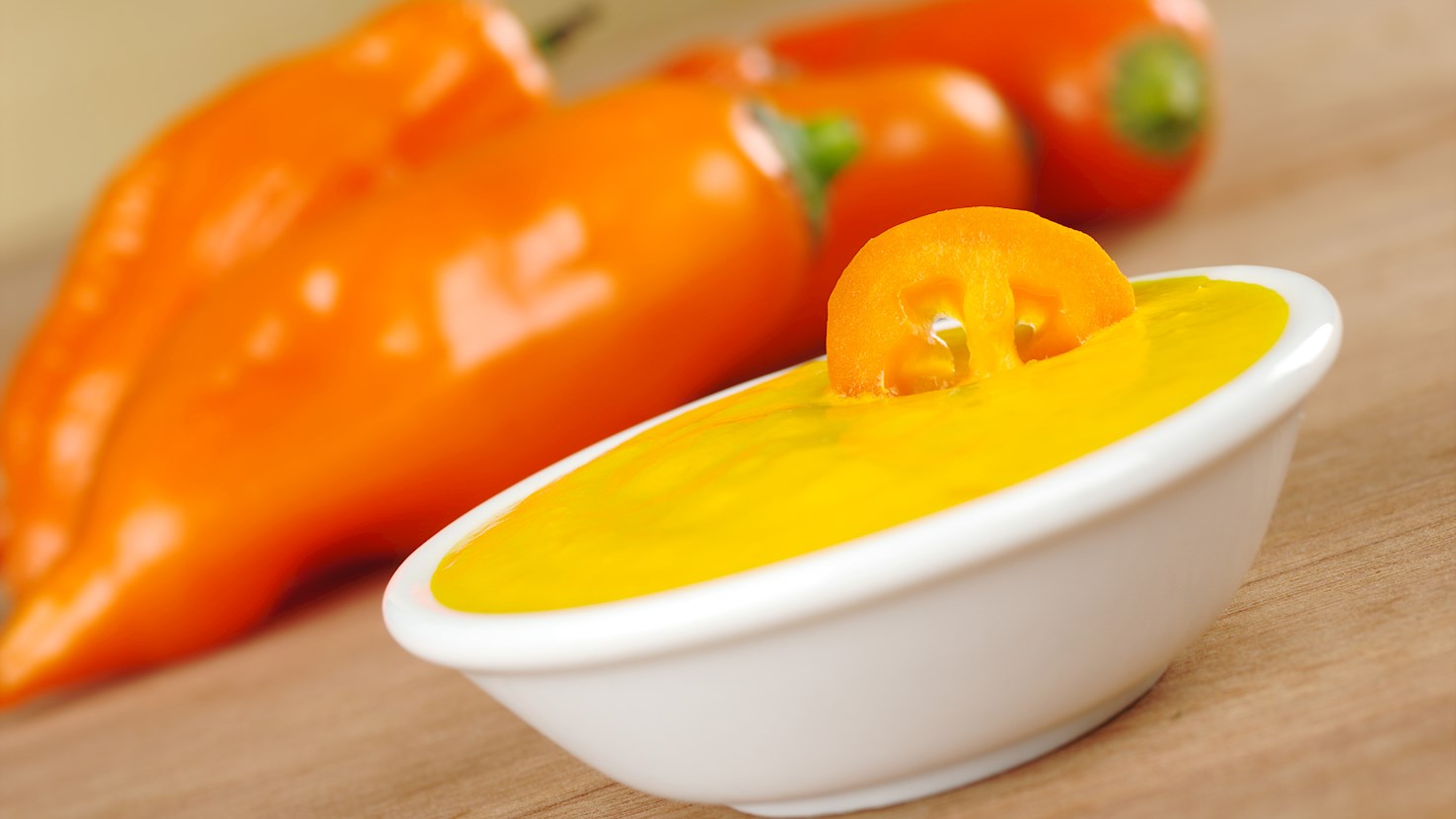
Ají criollo is a fundamental Peruvian chili paste, used as a table condiment rather than a finished sauce, and it does not have a single fixed recipe. At its core, it is built around ají amarillo peppers, seasoned with salt and often lime juice, then processed into a coarse or smooth paste that delivers heat, acidity, and aroma. This simple base reflects the original purpose of ají criollo: to season food at the moment of eating, according to personal taste. Preparation commonly begins by cleaning the ají amarillo—splitting the peppers and removing seeds and veins to control heat—then gently sautéing the ingredients in a small amount of oil. The peppers may be cooked alone or together with garlic, onion, or, in some variations, tomate de árbol, which adds mild acidity and fruitiness. Sautéing softens the ingredients, reduces bitterness, and creates a more rounded flavor before the mixture is ground or blended. Salt is added gradually, and lime juice may be incorporated, though some versions omit citrus entirely. From this flexible base, many variations are accepted. Some rely mainly on oil rather than lime juice, producing a smoother, mellower paste. Others emulsify the sautéed mixture with oil and evaporated milk, resulting in the richer style commonly served with pollo a la brasa. Herbs further define regional or household preferences: huacatay brings a distinct Andean character, while oregano or cilantro may be added more subtly for freshness. Ají criollo is always served at the table, never fully integrated into a dish beforehand. It accompanies grilled meats, anticuchos, roasted chicken, fried foods, potatoes, sandwiches, and everyday meals.
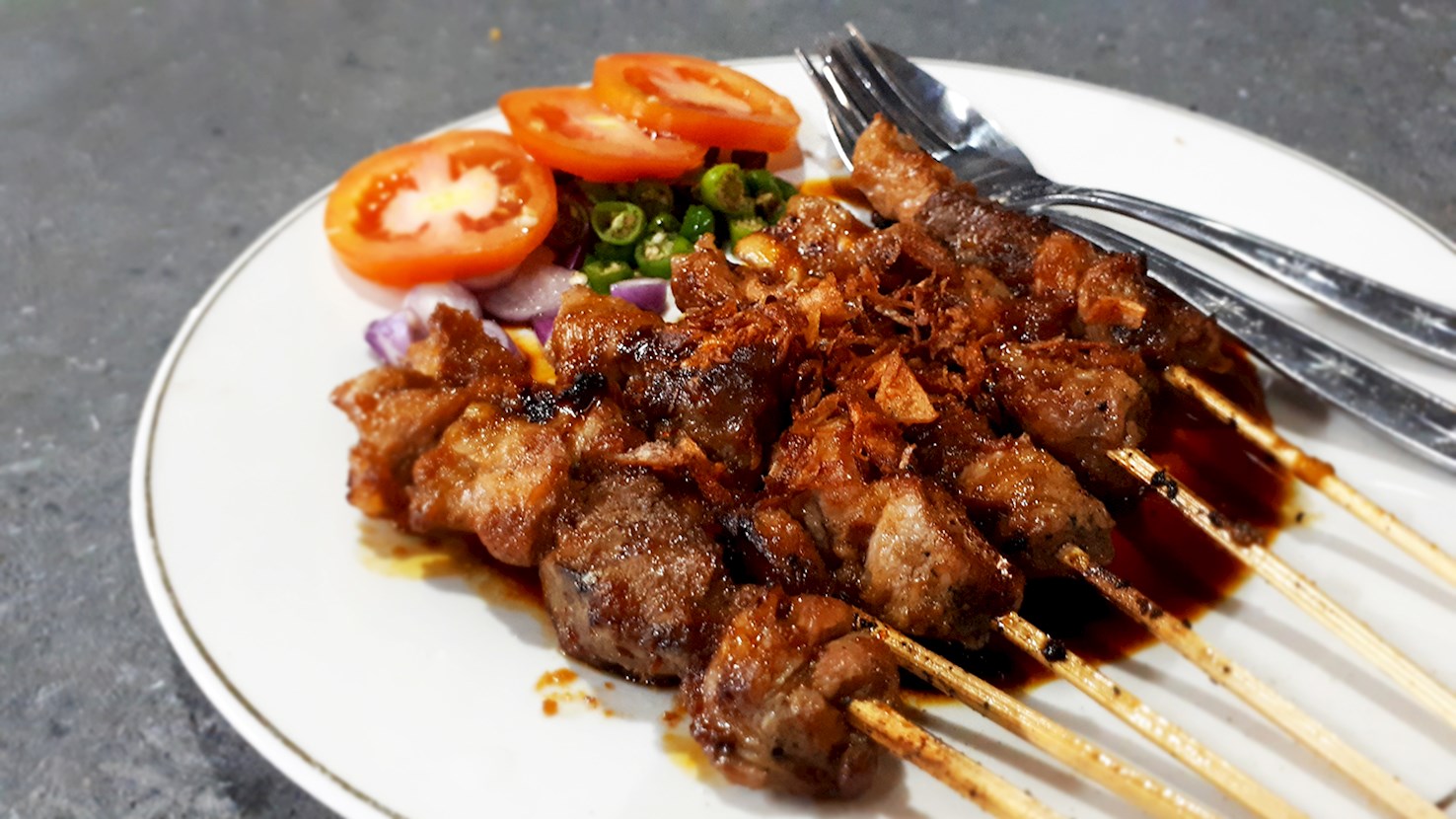
Sate kambing is one of Indonesia’s most recognizable grilled dishes, built around skewered pieces of goat or young lamb cooked over glowing charcoal. Although it appears across the archipelago, the foundations remain the same: small pieces of meat threaded onto bamboo skewers, lots of aromatic seasonings, and the unmistakable flavor of cooking directly over fire. The dish depends heavily on careful preparation and the quality of its ingredients, particularly the meat. Most traditional cooks prefer goat from younger animals because it is tender and less pungent, and the butcher is expected to provide lean pieces with minimal fat and connective tissue. Shallots, garlic, galangal, roasted coriander seeds, sweet soy sauce, and tamarind water form the backbone of typical marinades, creating a balance of sweetness, aroma, and acidity, while crushed pineapple or papaya leaf is briefly rubbed onto the meat to help soften it before applying the marinade; this step must be short so the meat retains its texture. Preparation begins with trimming the meat and applying a tenderizer, then slicing it against the grain into small cubes or thin pieces that fold easily onto skewers. Traditional sate kambing cuts are about 0.6–0.8 inches (1.5–2 cm), intentionally small so they grill quickly without drying out. A spice paste marinade is usually made by blending shallots, garlic, galangal, coriander seeds, and tamarind water, then mixing with sweet soy sauce, salt, pepper, and sometimes a bit of stock powder or chili peppers. The meat is marinated for 30 minutes to an hour. Bamboo skewers are soaked to prevent burning, and the meat is threaded loosely to allow even cooking. Grilling over charcoal is the defining step. The coals must be hot and glowing, and the skewers are turned constantly, often brushed with a mixture of sweet soy sauce and oil to promote caramelization. This fast, high-heat cooking seals the meat, minimizes any remaining gaminess, and produces the smoky edges characteristic of good sate kambing. In Yogyakarta’s Sate Klatak, iron skewers replace bamboo, and the seasoning is minimal—often just salt—with the satay served in a light broth. Madura versions use stronger seasoning and frequently include peanut sauce. Betawi (Jakarta) versions commonly incorporate kecap manis, garlic, coriander, and lime into the marinade and are served with kecap sambal, a sweet soy sauce-based condiment with chili, shallots, and tomato. Tegal is known for using extremely fresh young goat and lighter seasoning, while Solo’s style may include candlenut and palm sugar and is sometimes paired with gulai gravy. These regional differences keep the core technique intact while expressing local tastes. Sate kambing is always served hot from the grill. Two condiments are especially common: kecap sambal, a simple mixture of sweet soy sauce with sliced shallots, tomatoes, and fresh chilies, and peanut sauce, often thinned with a bit of water or lime for dipping. Many stalls offer both, allowing diners to choose or combine them. Thinly sliced cabbage or cucumber is usually provided for freshness and contrast, and the skewers are often eaten with lontong or ketupat, though plain rice is also typical. When prepared well, sate kambing delivers a combination of smoke, sweetness, spice, and acidity, with tender meat and caramelized edges. These defining qualities make it one of Indonesia’s most beloved grilled foods.
TasteAtlas food rankings are based on the ratings of the TasteAtlas audience, with a series of mechanisms that recognize real users and that ignore bot,
nationalist or local patriotic ratings, and give additional value to the ratings of users that the system recognizes as knowledgeable.
For the “Top 100 Traditional Recipes in the World” list until September 17, 2026, 1,037,815 ratings were recorded, of which 688,105 were recognized by the system as legitimate.
TasteAtlas Rankings should not be seen as the final global conclusion about food. Their purpose is to promote excellent local foods,
instill pride in traditional dishes, and arouse curiosity about dishes you haven’t tried.









What People Say