shutterstock

Top 100 Asian Beverages

Last updated on June 04, 2026

Best Asian Beverage Types
01

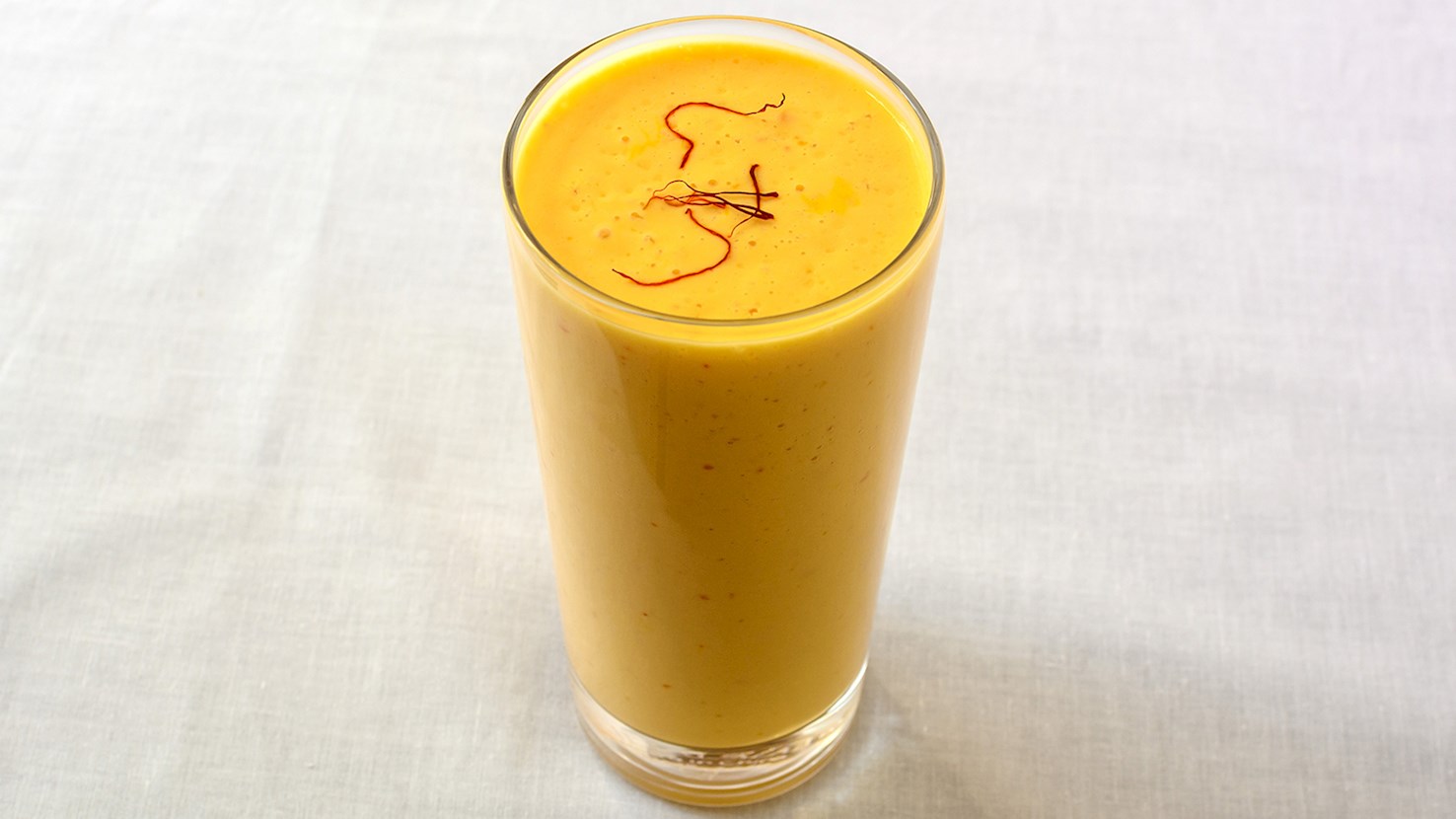
Mango lassi

4.4 ·

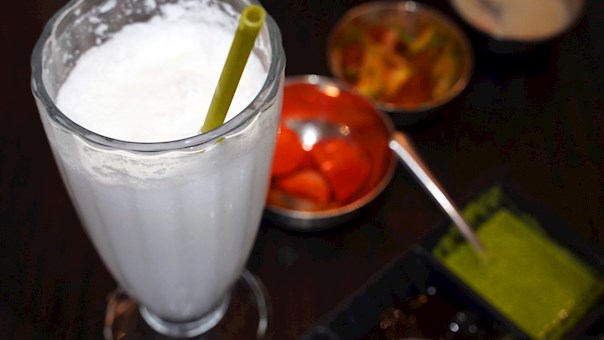
Mango lassi is one of the most popular lassi varieties, consisting of yogurt (dahi) and fresh mango. It commonly includes cardamom, water, and sugar. The ingredients are combined until the drink is creamy and frothy. Mango lassi should always be served well-chilled. Among numerous types of lassis, this sweet mango version is the most common variety on the menus of Indian restaurants outside the country.

02

Chai masala

4.4 ·

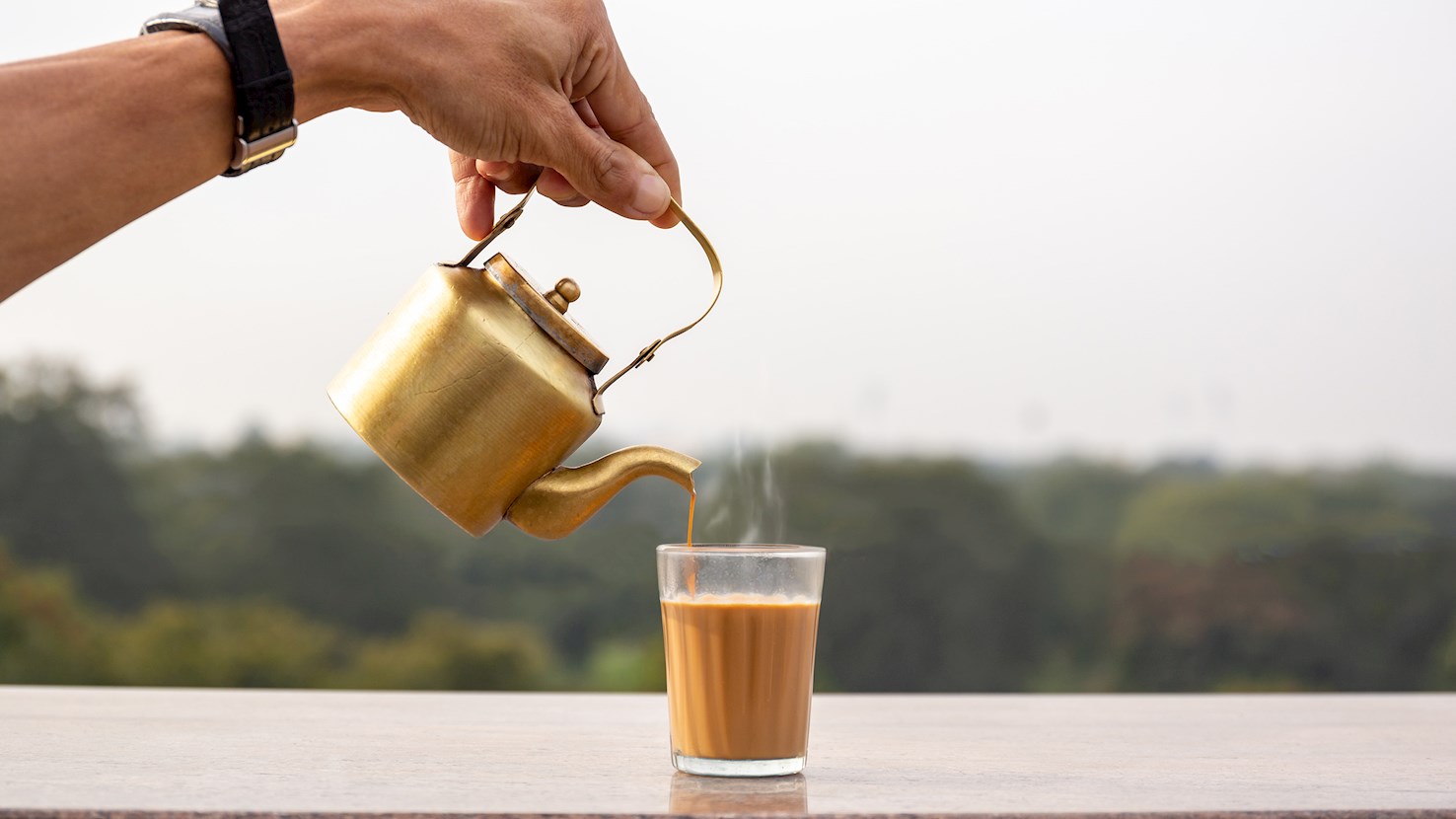
Chai masala is an aromatic beverage originating from India. It is made with a combination of sweetened black tea and milk that is spiced with a masala mix—which typically includes cardamom, ground ginger, cloves, cinnamon, and black peppercorns. However, the choice and the exact proportion of spices often vary. Although there are several theories that claim otherwise, the origin of chai masala is mostly associated with the British tea trade. In the 19th century, the Chinese had a monopoly on the tea trade, and the British looked for other markets that would fulfill the high demand for black tea—which was a firm European favorite. Their quest brought them to India, where they started to set up tea plantations. It is believed that chai masala first appeared during that period, but it only became a popular option in the 20th century when the Indian Tea Association promoted tea breaks as a much-needed refreshment for workers and when tea became more affordable. In India, the drink is mainly prepared and sold at challah stalls, but modern interpretations of chai masala are enjoyed around the world.

03

Meethi lassi (Sweet lassi)

4.4 ·

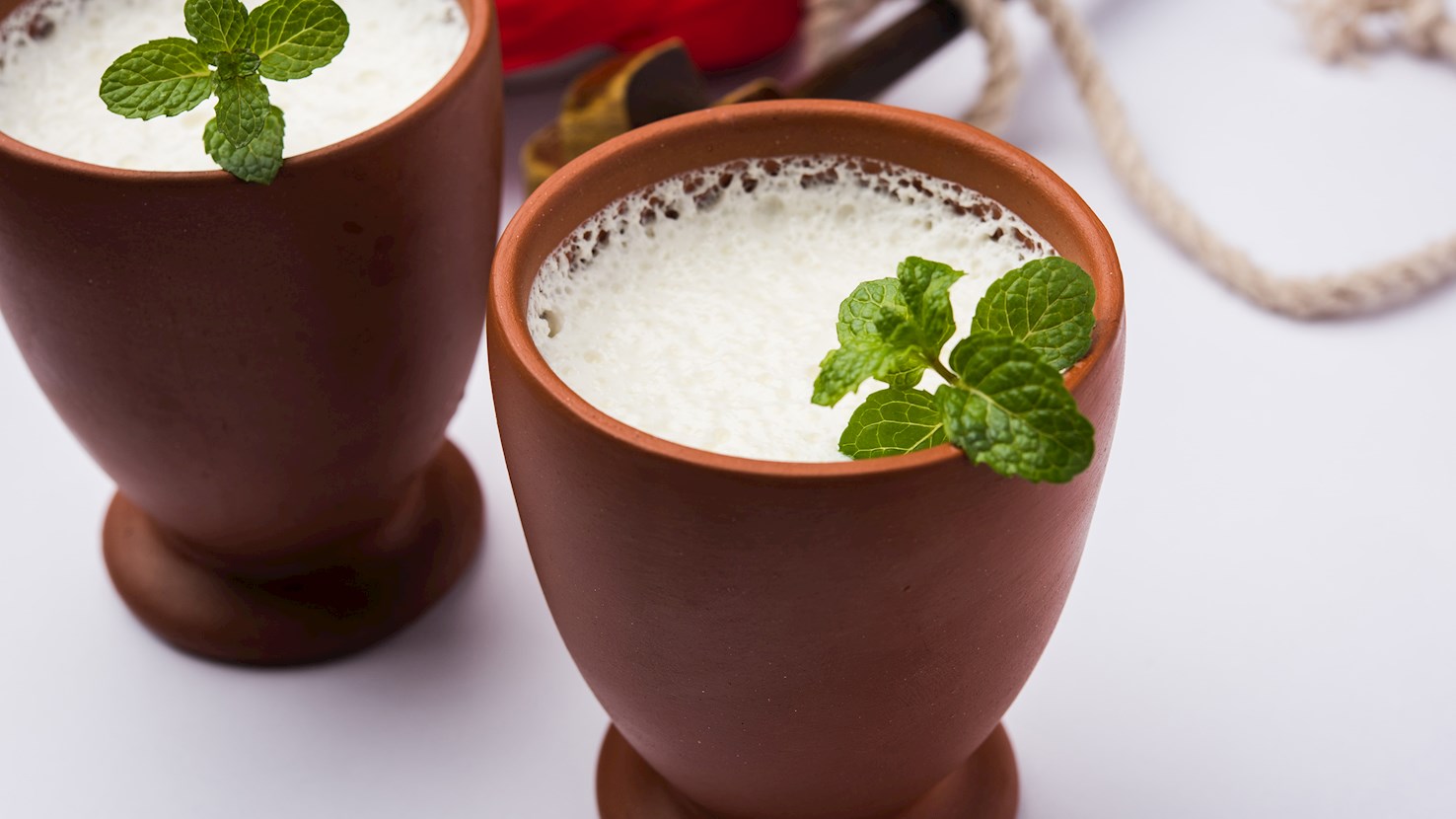
As the name suggests, this lassi variety is sweetened. Along with sugar, it incorporates yogurt (curd) and usually some fruit or flavorings such as saffron or cardamom. Sweet lassi is often enjoyed after a meal or simply as a refreshing drink that is especially popular during warm summer days. Lassi is traditionally prepared in clay pots. It is often topped with a dollop of thick cream (malai), and sweet varieties are commonly garnished with slivered nuts. There are many sweet lassi variations, and apart from traditional versions, mango lassi recently grew into one of the favorites.

04

Umeshu

4.3 ·

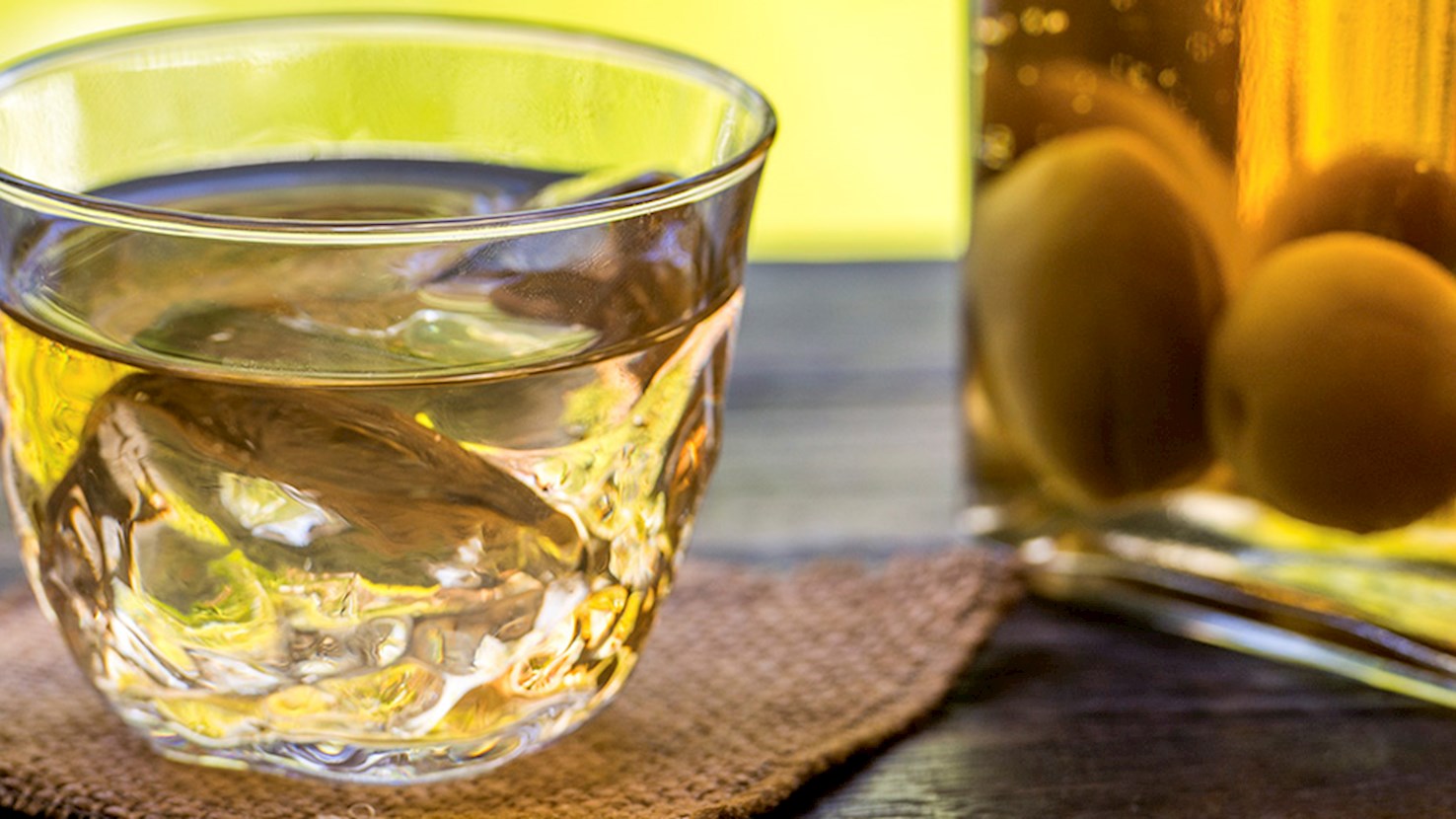
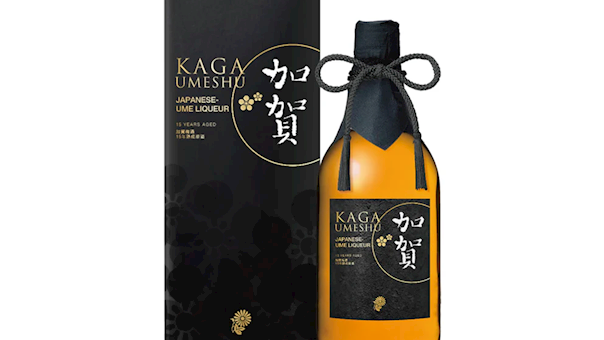
Umeshu is a Japanese liqueur made by macerating sugar and ume plums (Prunus mume) in alcohol. It is usually made with rock sugar and ripe or green ume plums, while the base is generally made with shōchū, though other neutral spirits can also be used. The result is a bittersweet liqueur with a fruity aroma. Apart from the classic version, umeshu comes in a variety of styles that may include other sweeteners such as honey or black sugar, while some add additional flavorings. Umeshu can be enjoyed straight, on the rocks, or diluted with water, tea, or soda. It also incorporates well in cocktails and typically has 10-15% ABV. Ume plums were brought to Japan from China and are botanically classified as Japanese apricot. Apart from umeshu, they are also pickled (umeboshi) and can be enjoyed as a condiment or a side dish. Umeshu is often homemade, but there are numerous commercially available labels.

05

Thai Iced Tea

4.3 ·

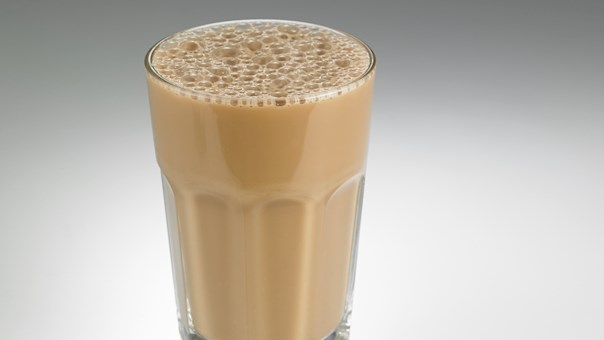
An authentic Thai iced tea is a combination of strong black tea, condensed or evaporated milk, sugar, and spices that is served over crushed ice. Traditionally, the drink is made with loose-leaf black tea such as Assam, Ceylon, or Keemun tea varieties, while the additions usually include crushed tamarind, anise, or cardamom. However, both street and restaurant versions nowadays often incorporate with pre-packed tea mix that contains food coloring, which gives the tea a distinctive and unnatural orange tint, while the traditional version should have a deep amber hue. The tea is usually chilled before it is combined with ice. Thai iced tea is sold by street vendors, but it is also available at various restaurants, both in Thailand and abroad.

06

Hōjicha

4.3 ·

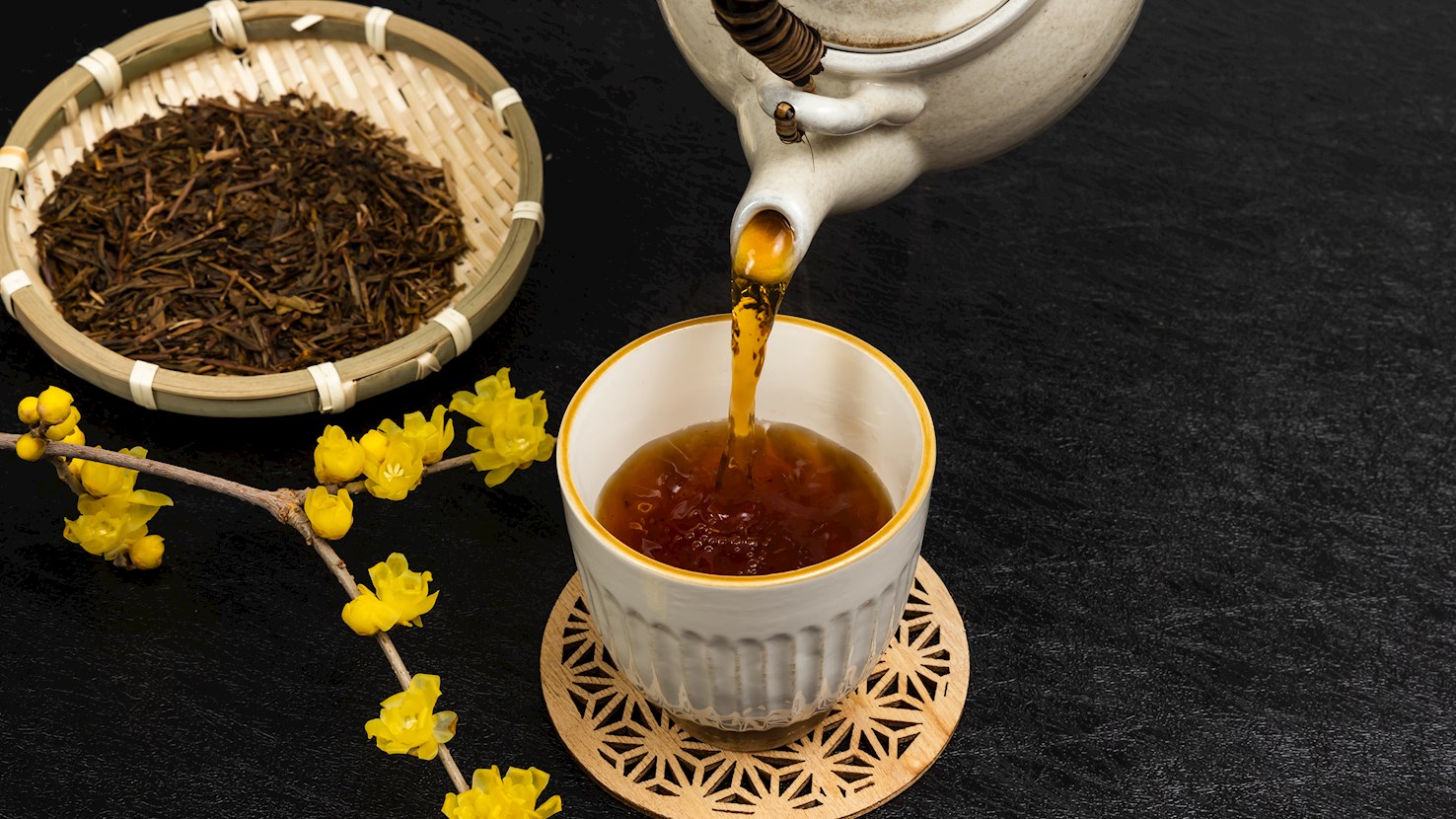
Hōjicha is a Japanese roasted green tea. It is made with bancha or sencha green tea that is roasted over high heat. During roasting, the tea attains a distinctive reddish-brown color. Brewed hōjicha will result in a light brown tea with a slightly warmer character than traditional green tea. Instead of typical green and vegetal aroma, hōjicha usually has roast-like notes reminiscent of coffee, cocoa, and caramel. The flavor is earthy and subtly sweet, with roasted notes that are typically not overpowering. Hōjicha has less caffeine and tannins than other green teas. It makes an excellent afternoon or evening tea, and it is also a perfect choice for those who should stay clear of caffeine. Hōjicha first appeared in Kyoto, sometime in the 1920s.

07

Salep

4.2 ·

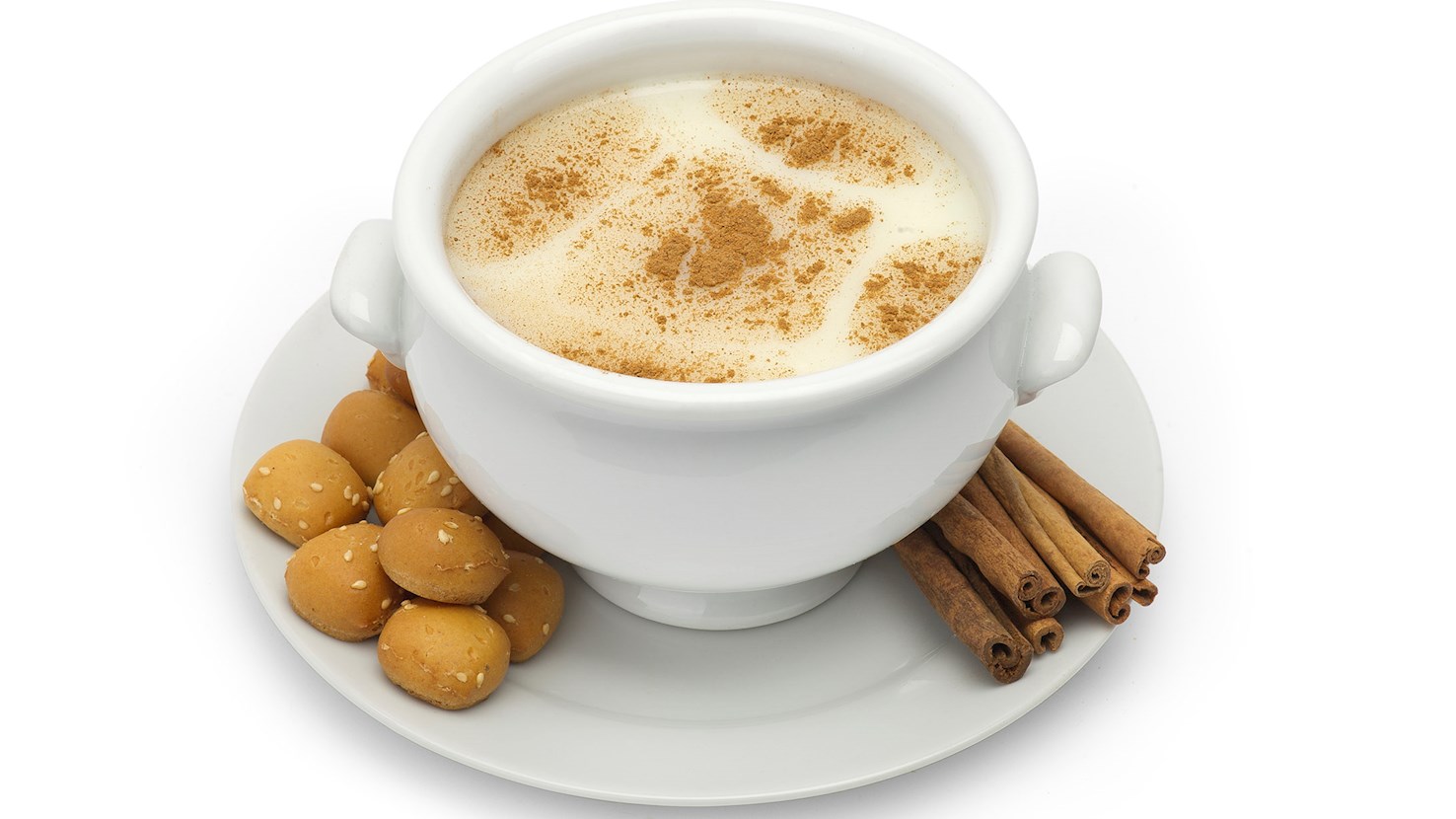
Turkish salep is a beverage that is usually consumed during the winter season. The basis of salep is the stem or a tuber of the wild orchid, which is boiled, dried, and ground to produce a starchy powder. It is then mixed with hot milk, and occasionally ginger and cinnamon, to create a soothing drink with an earthy flavor. Salep is believed to be a medically beneficial beverage, since one of its components, glucomannan, eases the symptoms of bronchitis, colds, and coughs. It was invented out of the need to substitute alcoholic beverages with a comforting and healthy drink. The Sultans enjoyed it since the 12th century, and the Ottoman Empire sailors would take the powder with them on long and tiresome journeys. The drink is traditionally served in glasses or cups with a generous amount of ground cinnamon and a dusting of chopped pistachios.

08

Silon te (Ceylon black tea)

4.2 ·

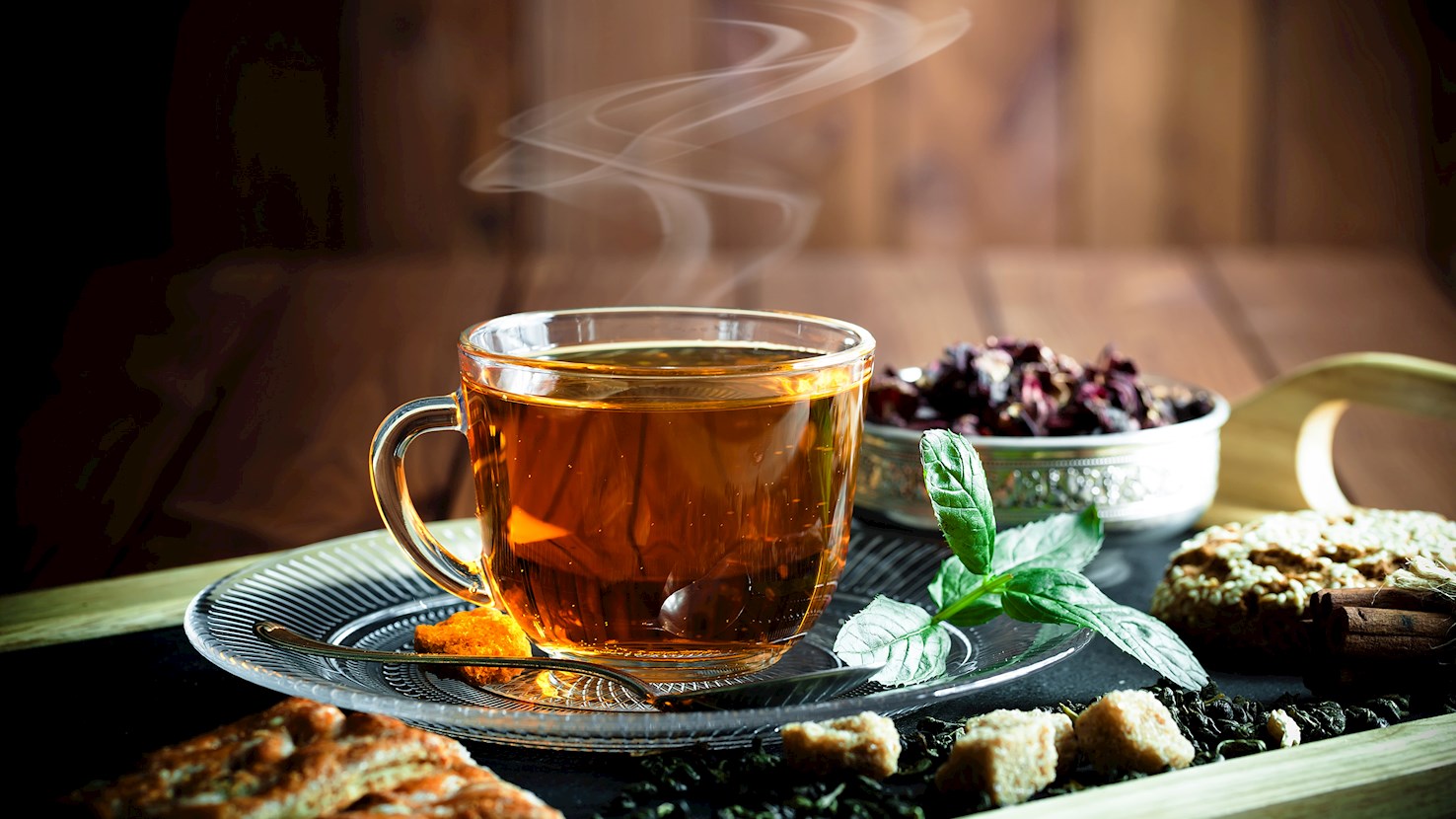
Ceylon tea is a name given to tea produced in Sri Lanka. Ceylon is the former name for Sri Lanka that is still used in the tea trade. The tea gardens are spread throughout the island, and the favorable climate allows an all-year harvest. Most production is oriented towards black tea, and the best examples of Ceylon black tea come from higher elevation tea gardens located in the center of the island. Altitude has the most significant effect on the final character of Ceylon teas. Low-grown teas are mostly used in blends and provide a firm body and good strength. Mid-grown teas—typically cultivated between 2,000 and 3,500 feet—are full-bodied and have a rich and complex flavor. High-grown teas, grown above 3,500 or 4,000 feet, are top-quality Ceylon black teas praised for their smooth and delicate flavor. Although there are significant differences in character and quality, most black teas from Sri Lanka can pair well with meat dishes and cured meat. They are also a popular breakfast option because they can be paired with eggs, pastries, fresh fruit, and cream cheese. The cultivation of tea in Sri Lanka was introduced by the British in the mid-19th century. Before that, the country mostly relied on coffee production, but tea became a leading option after a disease wiped out the entire coffee industry in 1869. Most tea in Sri Lanka is still plucked by hand, and the country remains the fourth largest tea producer in the world. Apart from the most popular black tea, Ceylon tea also includes green, white, and oolong types. The entire country is divided into seven tea-growing regions: Nuwara Eliya, Uva, Dimbula, Uda Pussellawa, Kandy, Ruhuna, and Sabaragamuwa. Authentic Ceylon tea always has to have the Lion logo on the packaging.

09

Sencha

4.2 ·

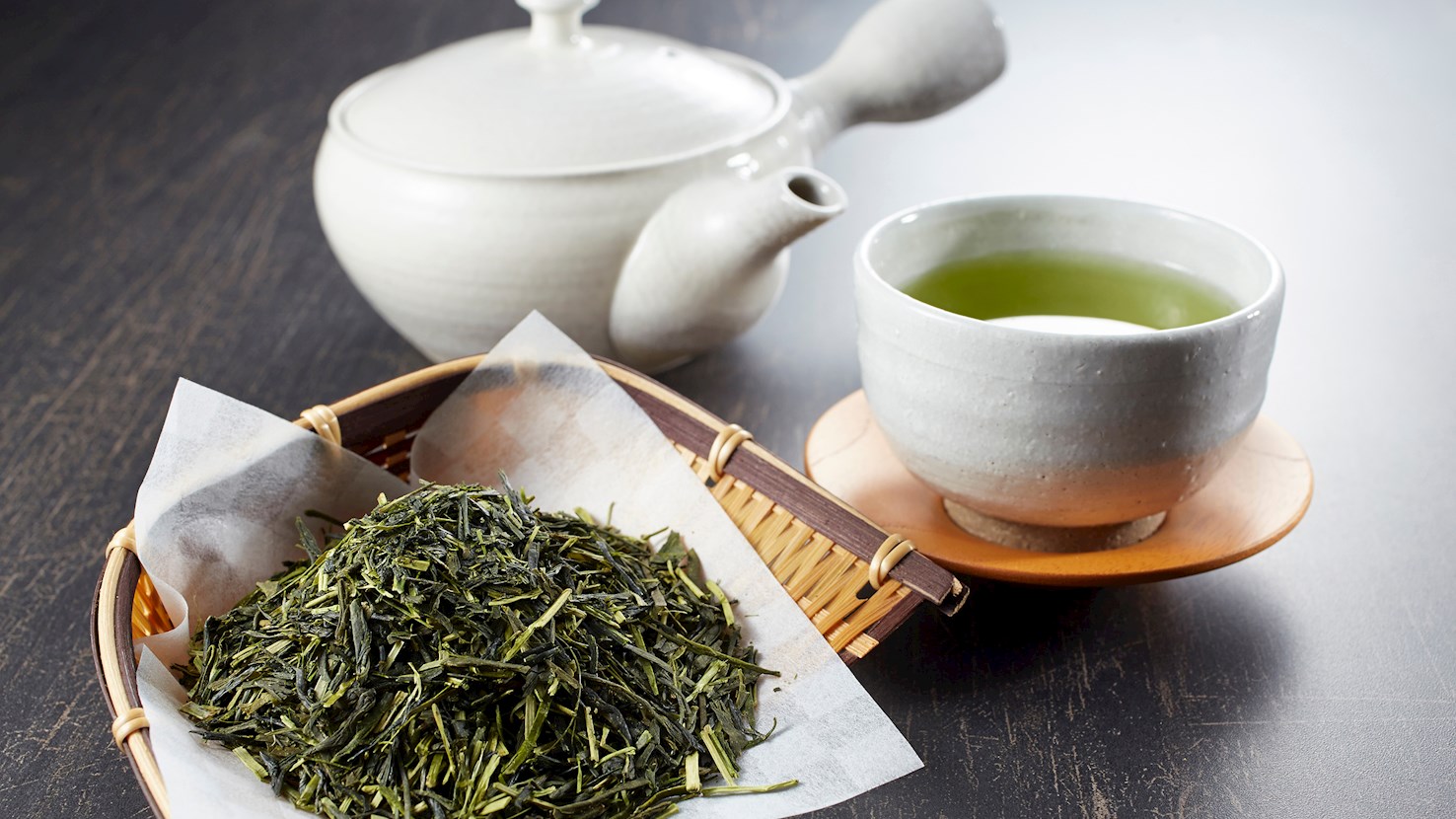
Sencha is the most popular green tea in Japan. It is harvested from the leaves that are exposed to direct sunlight. After they are plucked, the leaves are shortly steamed and are then rolled and dried. There are several different types of sencha, but shincha, also known as ichiban-cha, is often cited as the highest-quality version. It is produced from the first seasonal harvests and typically has a sweeter and more delicate flavor. Japanese sencha has green, needle-like leaves. It has a vegetal and grassy character, mild sweetness, and subtle astringency. Sencha tea pairs well with seafood and rice.

10

Vietnamese Iced Coffee

4.2 ·

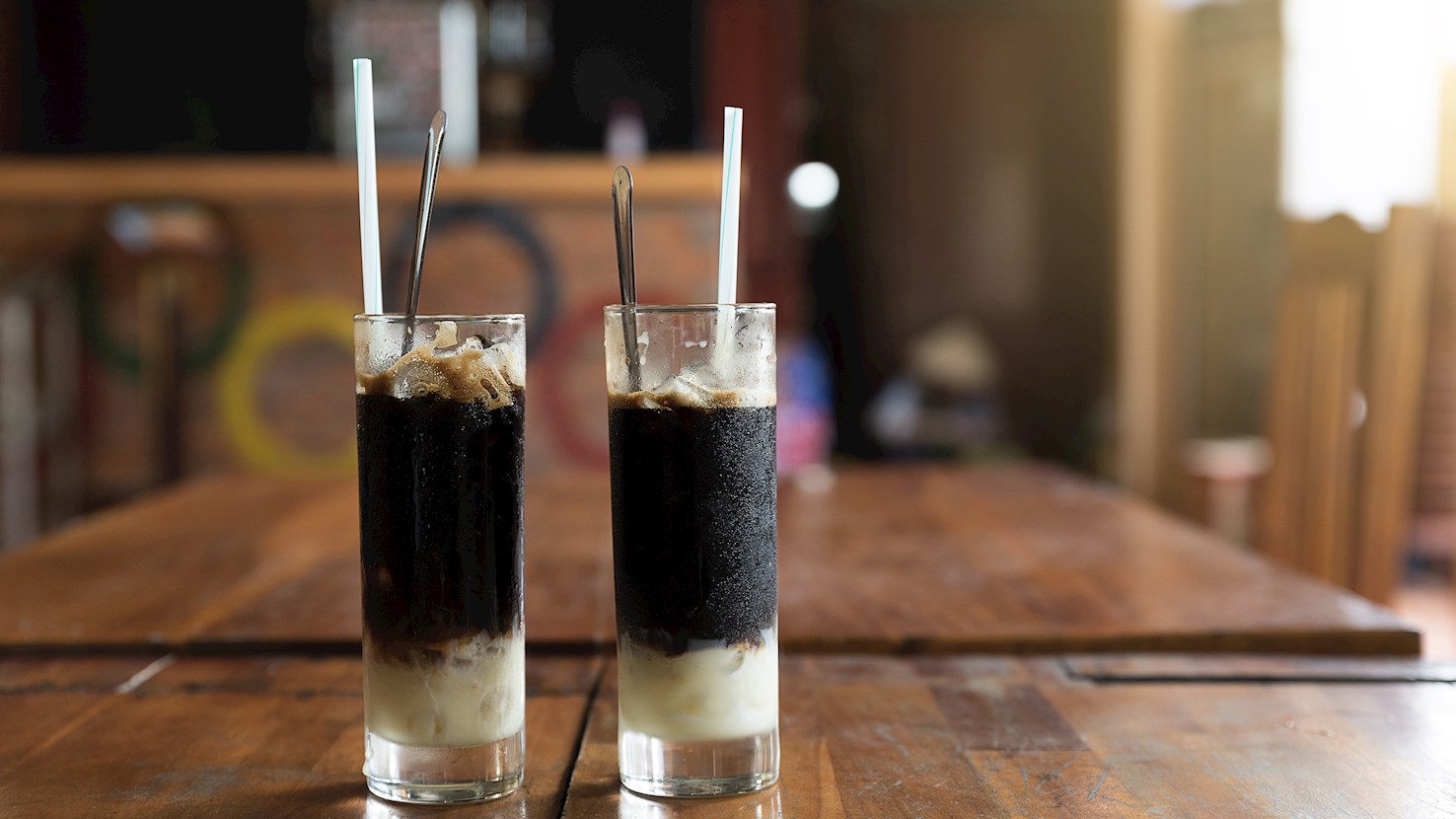
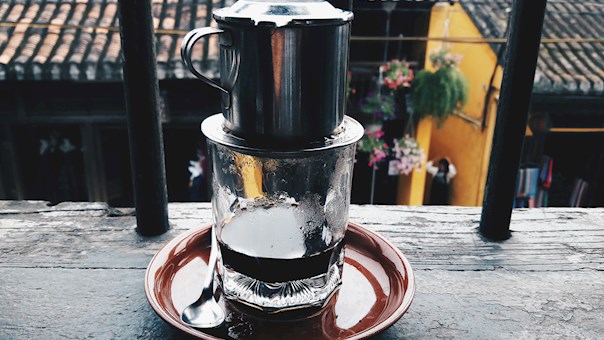
Vietnamese iced coffee is a drink that combines strong coffee, condensed milk, and ice. It is traditionally made with medium or coarse ground Vietnamese-grown coffee, typically the Robusta variety, which is brewed using a drip phin filter—in which the coffee is brewed and then slowly dripped in the cup. The coffee is then poured over ice and mixed with condensed milk. It is usually served in a tall glass. Although it is most commonly made with condensed milk (cà phê sữa đá), there is also a version that combines only coffee and ice (cà phê đá).

11

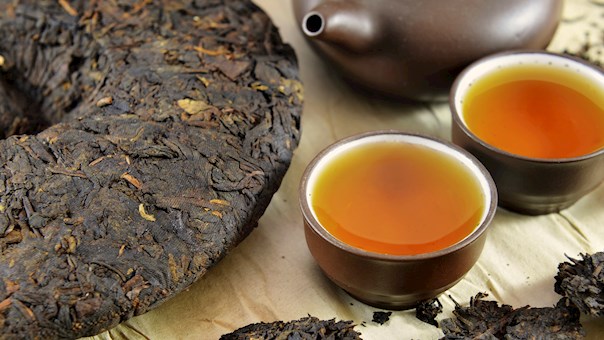
Pǔ'ěr

4.2 ·
14

Teh Tarik

4.2 ·
16

Lassi

4.1 ·
17

Genmaicha

4.1 ·
18

Vietnamese Coffee

4.1 ·
19

Oolong

4.1 ·
20

Gyokuro

4.1 ·

Best Asian Beverages
01

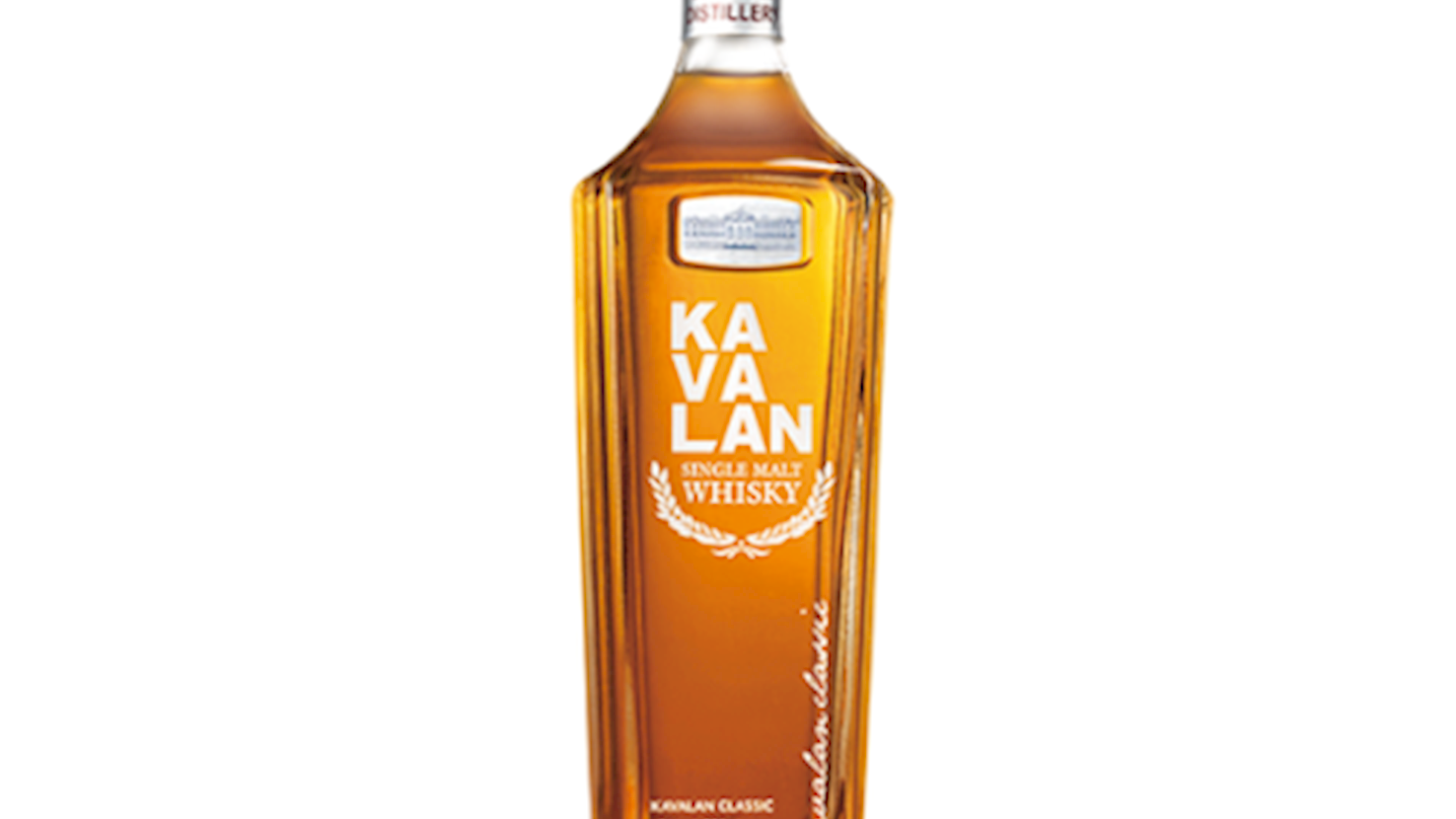
Kavalan

5 ·
Kavalan is a renowned Taiwanese whisky brand, celebrated for its single malts produced in Yilan County. Established by King Car Group, Kavalan leverages Taiwan’s subtropical climate to mature its whisky faster, creating rich and complex flavors. The brand has earned global acclaim, winning numerous awards for its innovation and craftsmanship, especially for expressions aged in various casks like sherry, port, and wine. Kavalan’s unique process and commitment to quality make it a standout in the world of whisky.
Awards
SFWSC - San Francisco World Spirits Competition - Double Gold (2024, 2023)
ISC-International Spirits Challenge - Double Gold (2024)
02

Xiaohutuxian Group

5 ·
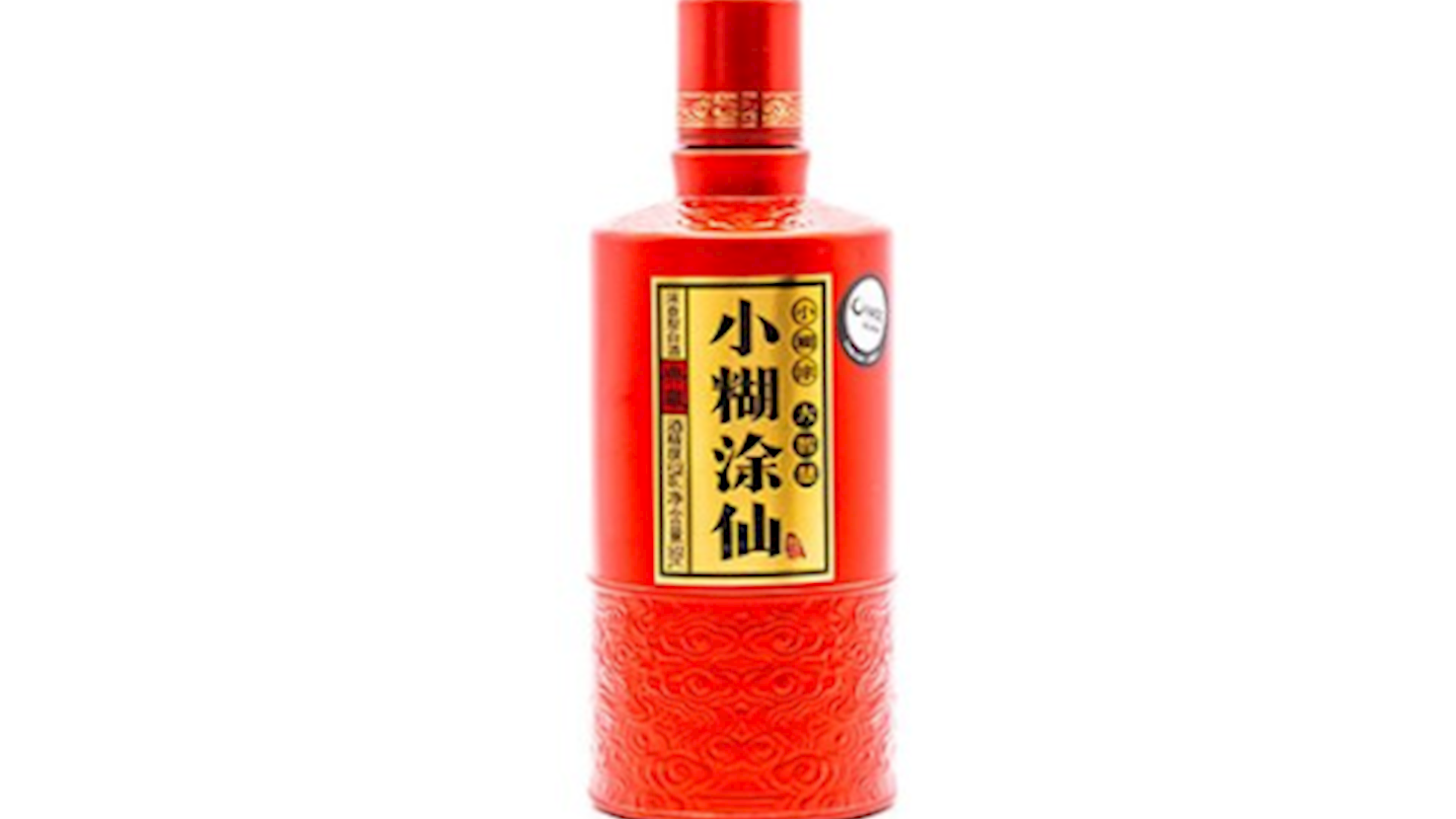
Xiaohutuxian Group is a modern Chinese distillery based in Chengdu, Sichuan Province, specializing in the production of high-quality baijiu spirits that seamlessly blend tradition and innovation. The company has built a reputation as one of the leading producers in the premium segment of the Chinese market, combining authentic fermentation and distillation methods with a modern approach to design, marketing, and brand identity. A particular focus is placed on preserving the microbial culture and grain base traditionally used in Chinese baijiu production, ensuring consistency in quality and richness of flavor. Their spirits are distinguished by complex aromatic profiles that unite floral, fruity, nutty, and umami tones, creating a unique tasting experience. The company’s vision is to connect the past and future of Chinese distillation - honoring tradition while introducing technological innovation and contemporary aesthetics. Today, Xiaohutuxian Group stands as a symbol of the new wave of Chinese producers redefining the global identity of baijiu, combining artisanal precision, cultural authenticity, and distinctive design into a single, harmonious whole.
Awards
SFWSC - San Francisco World Spirits Competition - Double Gold (2024, 2023)
IWSC- International wine & spirit competition - Spirit Gold (2024, 2023, 2022, 2021, 2020)
03

Iichiko

5 ·
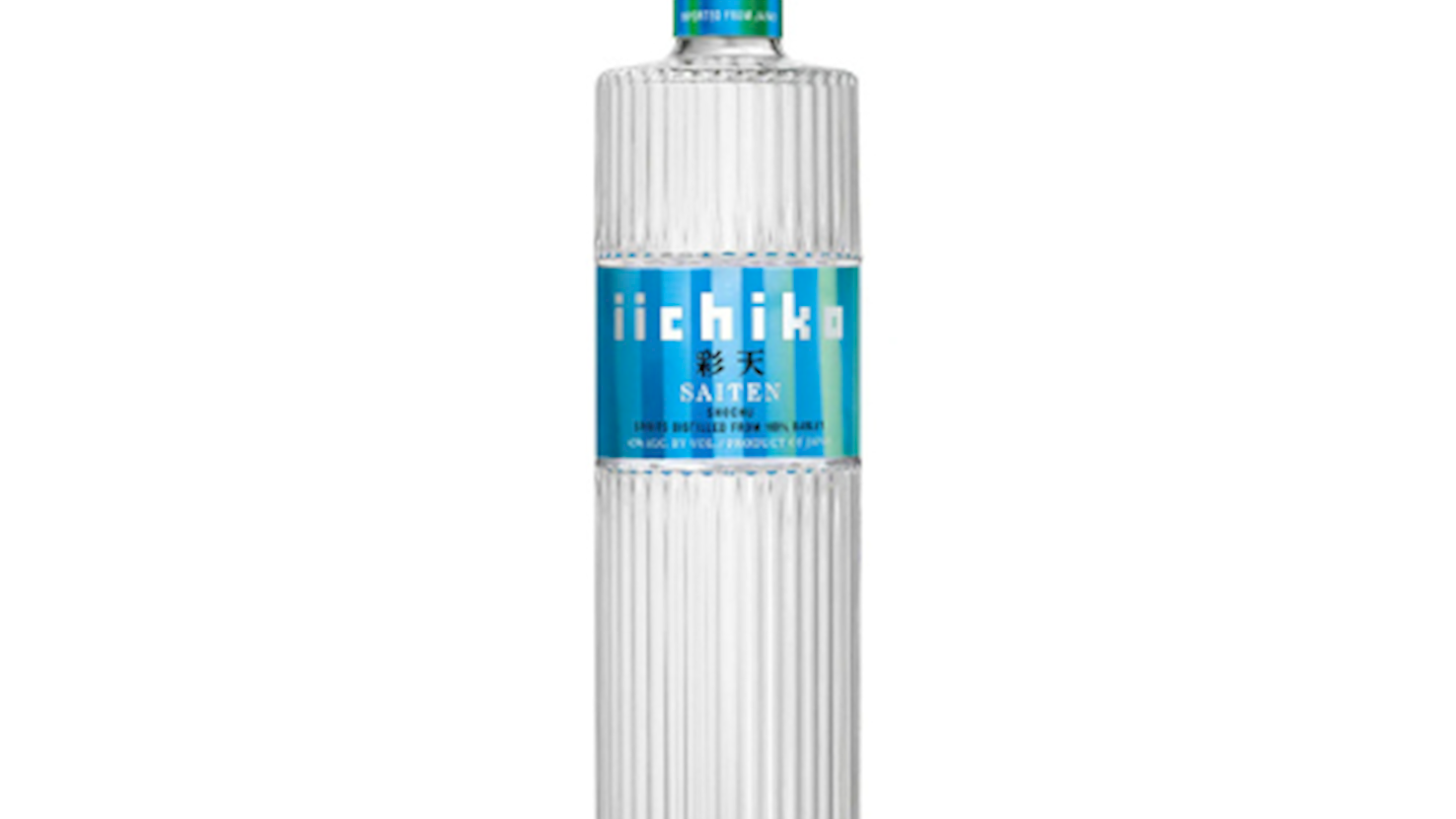
Iichiko is a renowned Japanese producer of shochu, a traditional Japanese spirit made from various ingredients like barley, sweet potatoes, and rice. Founded by Sanwa Shurui, Iichiko is famous for its commitment to high-quality production and innovation. Headquartered in the Oita Prefecture of Kyushu, Japan, an area known for its clean water and natural beauty, Iichiko has become a global leader in the shochu industry. Iichiko's most notable products include its flagship barley-based shochu, iichiko Saiten, which is crafted using unique methods such as the "all Koji" fermentation technique. This involves using barley Koji, a special mold that helps break down the starches in barley into sugars, enhancing the flavor profile of the spirit. The production also focuses on the single distillation process, preserving the delicate aromas and flavors of the barley.
Awards
SFWSC - San Francisco World Spirits Competition - Double Gold (2024, 2023)
ISC-International Spirits Challenge - Double Gold (2022)
04

Amrut Distilleries

5 ·
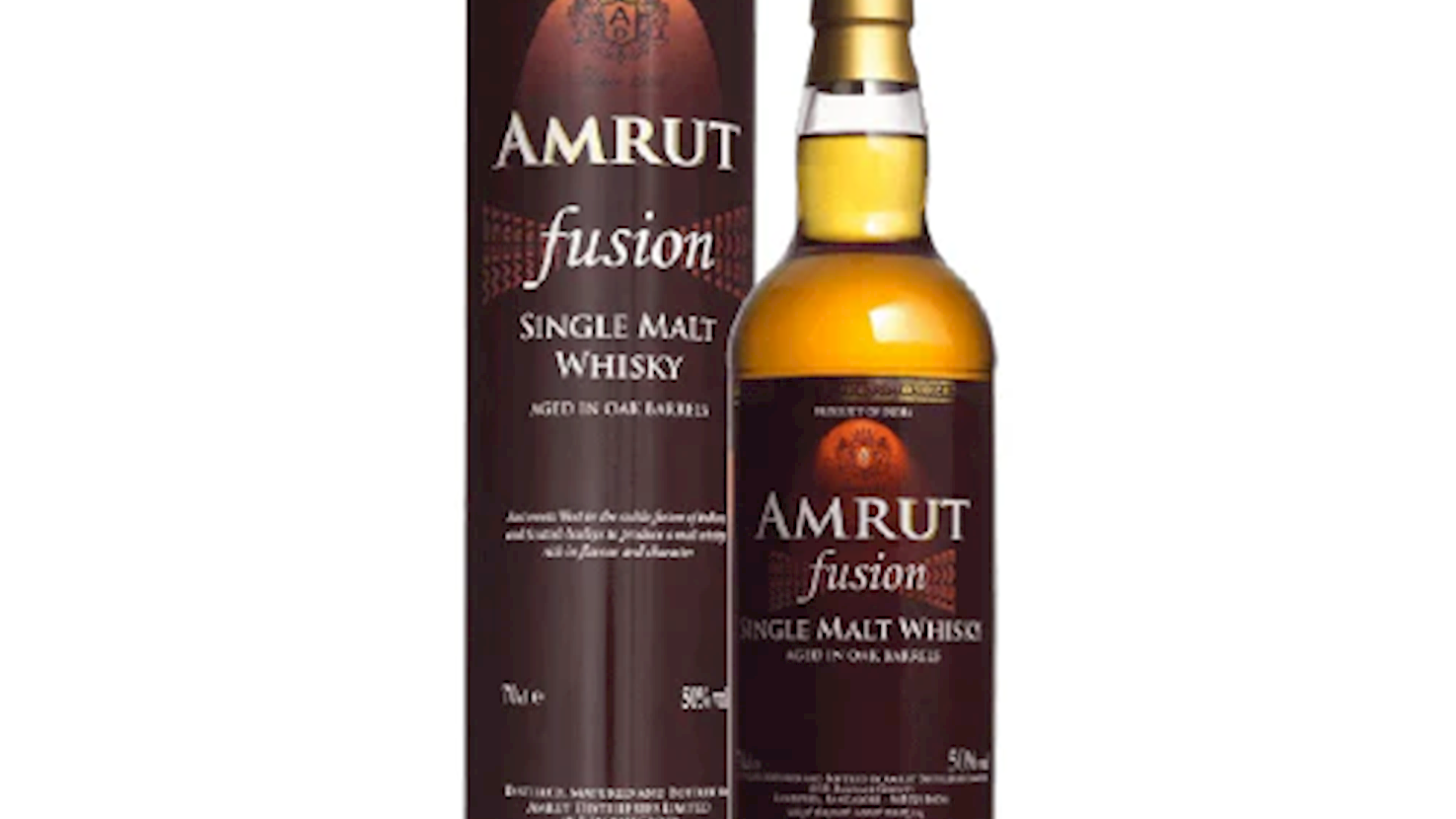
Amrut Distilleries, founded in 1948 and based in Bengaluru, Karnataka, is a pioneering Indian spirits producer. Renowned for introducing India's first single malt whisky, Amrut Indian Single Malt, in 2004, the company has gained international acclaim for its innovation and quality. Amrut sources indigenous six-row barley and employs traditional distilling methods to craft a diverse range of products, including single malts, rum, brandy, and blended whiskies, earning global recognition as a leader in the Indian spirits industry.
Awards
Bartender Spirits Awards - Double Gold (2023, 2022)
IWSC- International wine & spirit competition - Spirit Gold (2024, 2020)
05

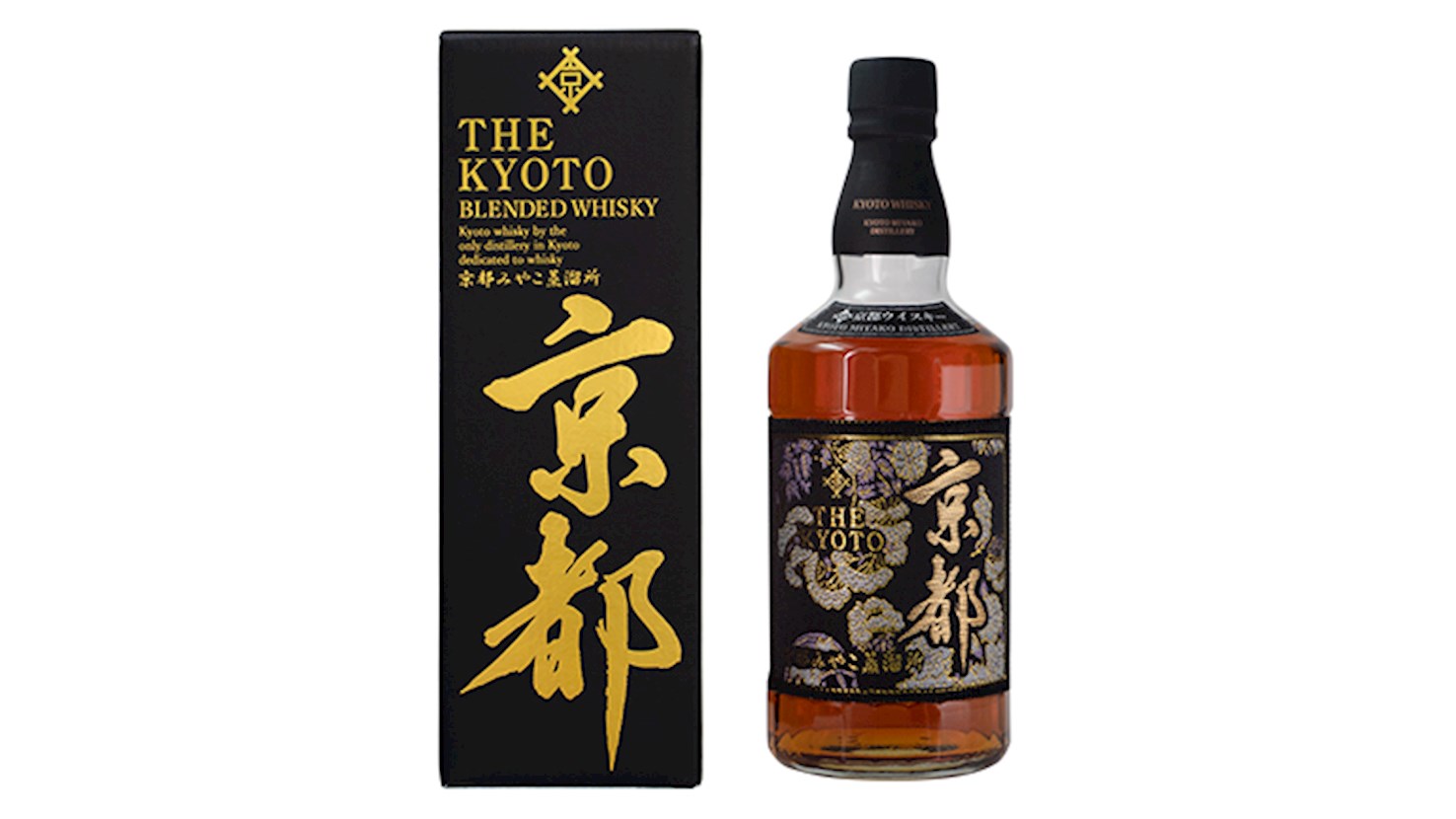
The Kyoto Distillery

5 ·
Awards
NYWSC - New York World Spirits Competition - Double Gold (2023)
SFWSC - San Francisco World Spirits Competition - Double Gold (2023)
06

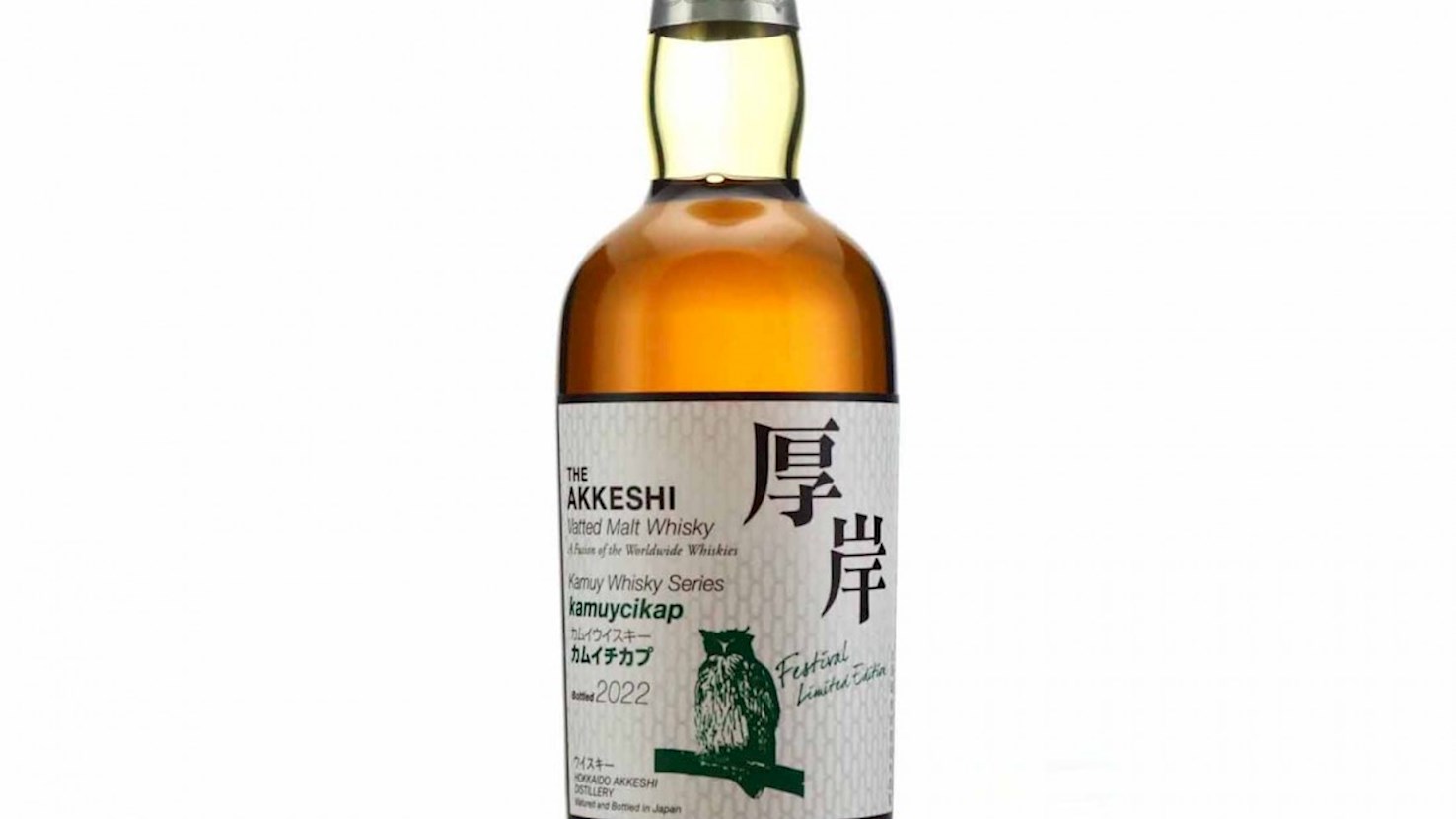
Akkeshi

5 ·
Located in Japan’s northern most island of Hokkaido and further east than any other distillery in the country, production at Akkeshi Distillery started in 2016. The goal of Akkeshi Distillery is to blend traditional Scottish methods with the unique flavors of Akkeshi, Japan. With extremely unique aromas and flavors unlike anything else these whiskies will be a delight to aficionados worldwide. Akkeshi Distillery is the true embodiment of craftsmanship and is on track to be a leader in the highest quality Japanese whisky world. ​
Awards
ISC-International Spirits Challenge - Gold (2024)
ISC-International Spirits Challenge - Gold (2023, 2022, 2021)
07

Kirin Brewery Company

5 ·
Awards
ISC-International Spirits Challenge - Double Gold (2020, 2019)
ISC-International Spirits Challenge - Gold (2024)
08

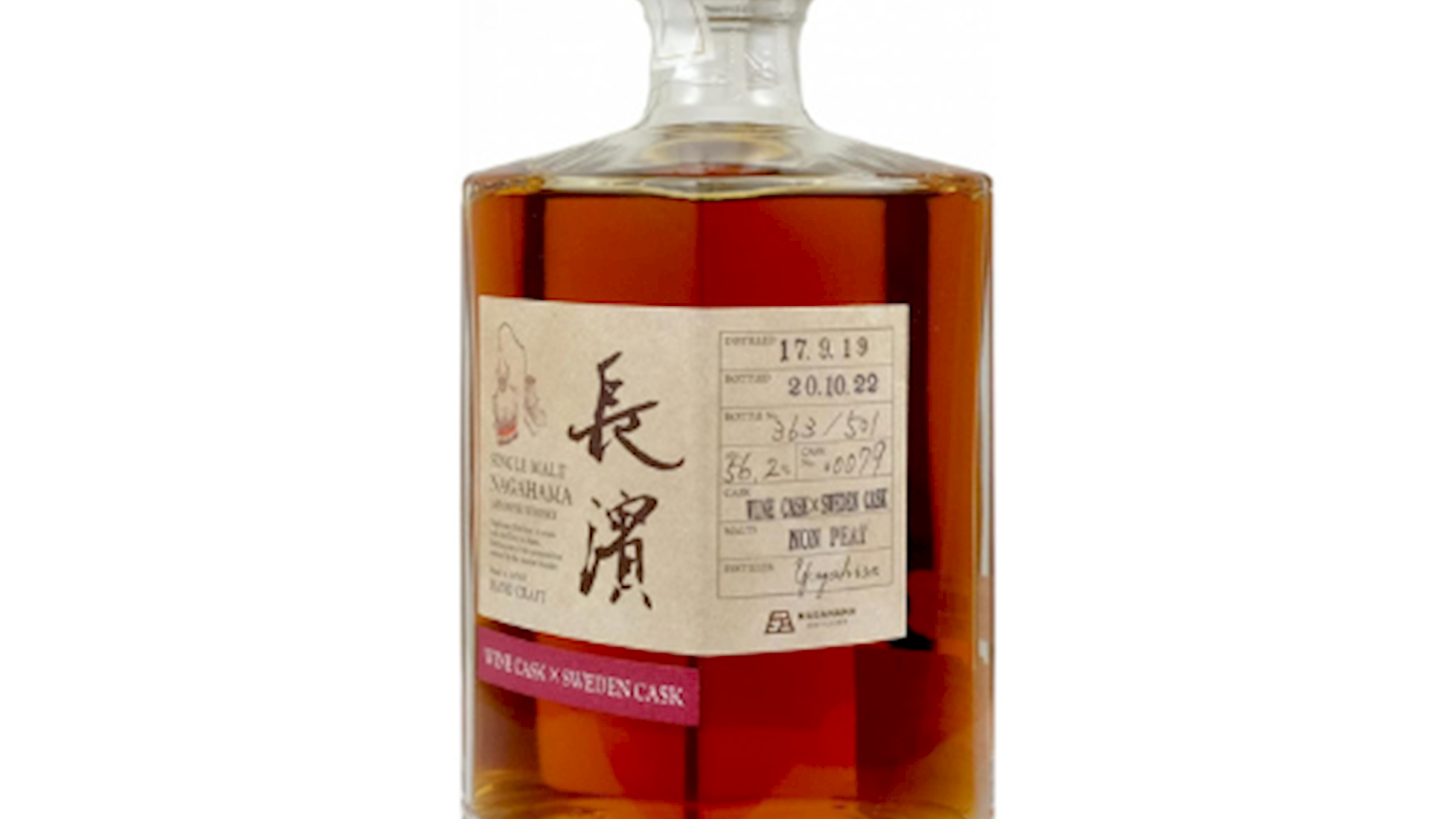
Nagahama Distillery

5 ·
Nagahama Distillery is a Japanese distillery located in Nagahama, Shiga Prefecture. It is renowned for being Japan's smallest distillery, offering artisanal whiskies with unique and bold flavors. Nagahama Distillery uses traditional production methods, focusing on small-batch processes to ensure the highest quality and character in its whiskies. The distillery offers tours where visitors can learn about the whisky-making process, taste their products, and explore the charming surroundings of Nagahama.
Awards
ISC-International Spirits Challenge - Gold (2024)
IWSC- International wine & spirit competition - Spirit Gold (2023)
09

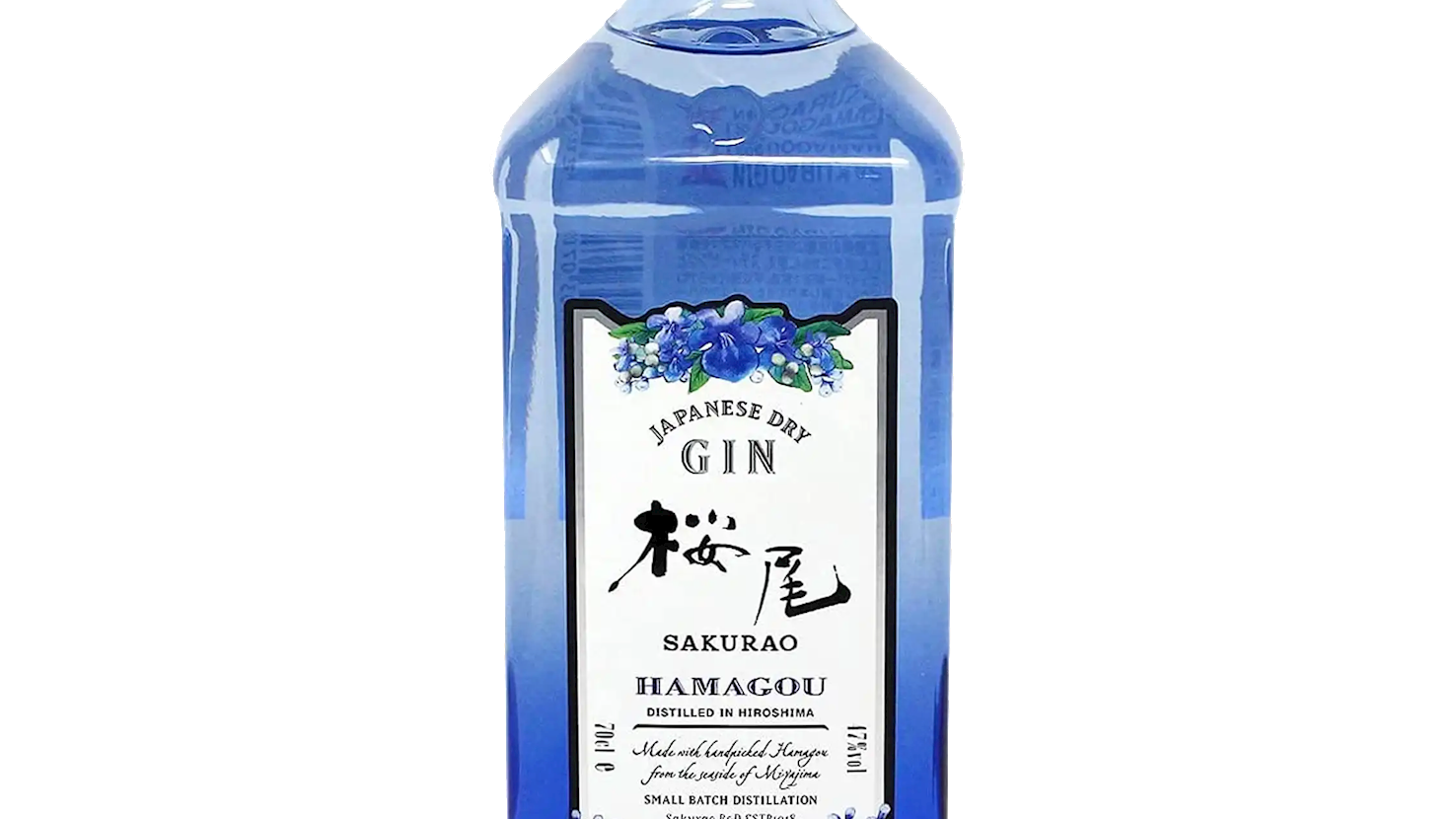
Sakurao Brewery and Distillery Co

5 ·
Awards
ISC-International Spirits Challenge - Gold (2024)
The Gin Masters – Second Tasting - Gold (2022)
10

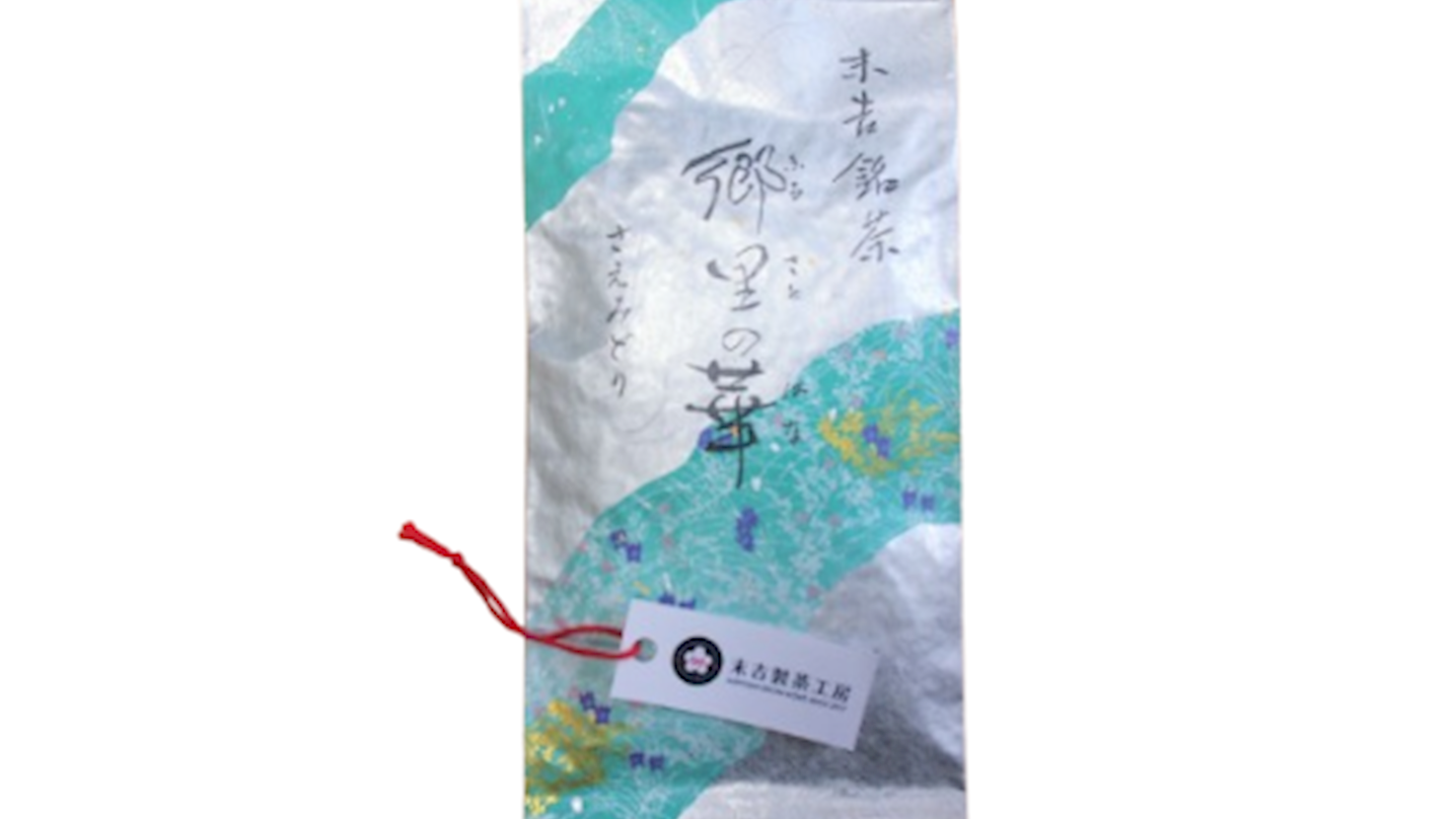
Atelier Sueyoshi Seicha

5 ·
Atelier Sueyoshi Seicha is a green tea producer based in Kagoshima Prefecture, Japan. The company specializes in the cultivation and production of high-quality Japanese green tea. Sueyoshi Seicha emphasizes the use of traditional farming methods and sustainable practices to ensure the purity and flavor of their teas. Their product range includes a variety of green tea types such as sencha, gyokuro, and matcha. Sueyoshi Seicha Kobo also engages with the community through events and direct interactions with customers, showcasing their passion for tea and promoting a lifestyle centered around the enjoyment of fine teas.
Awards
Great Taste Awards - 3 Stars (2022, 2021)
The Leafies Awards - Gold (2022)
Read more
View all
View map
About this ranking

TasteAtlas food rankings are based on the ratings of the TasteAtlas audience, with a series of mechanisms that recognize real users and that ignore bot, nationalist or local patriotic ratings, and give additional value to the ratings of users that the system recognizes as knowledgeable. For the “Top 100 Asian Beverages” list until June 04, 2026, 11,616 ratings were recorded, of which 7,312 were recognized by the system as legitimate. TasteAtlas Rankings should not be seen as the final global conclusion about food. Their purpose is to promote excellent local foods, instill pride in traditional dishes, and arouse curiosity about dishes you haven’t tried.

The initial list of top producers was compiled based on available reviews, awards, local recommendations, media and blog coverage, and consumer reviews. The list will be updated with ratings from TasteAtlas local ambassadors and TasteAtlas users.

Similar lists