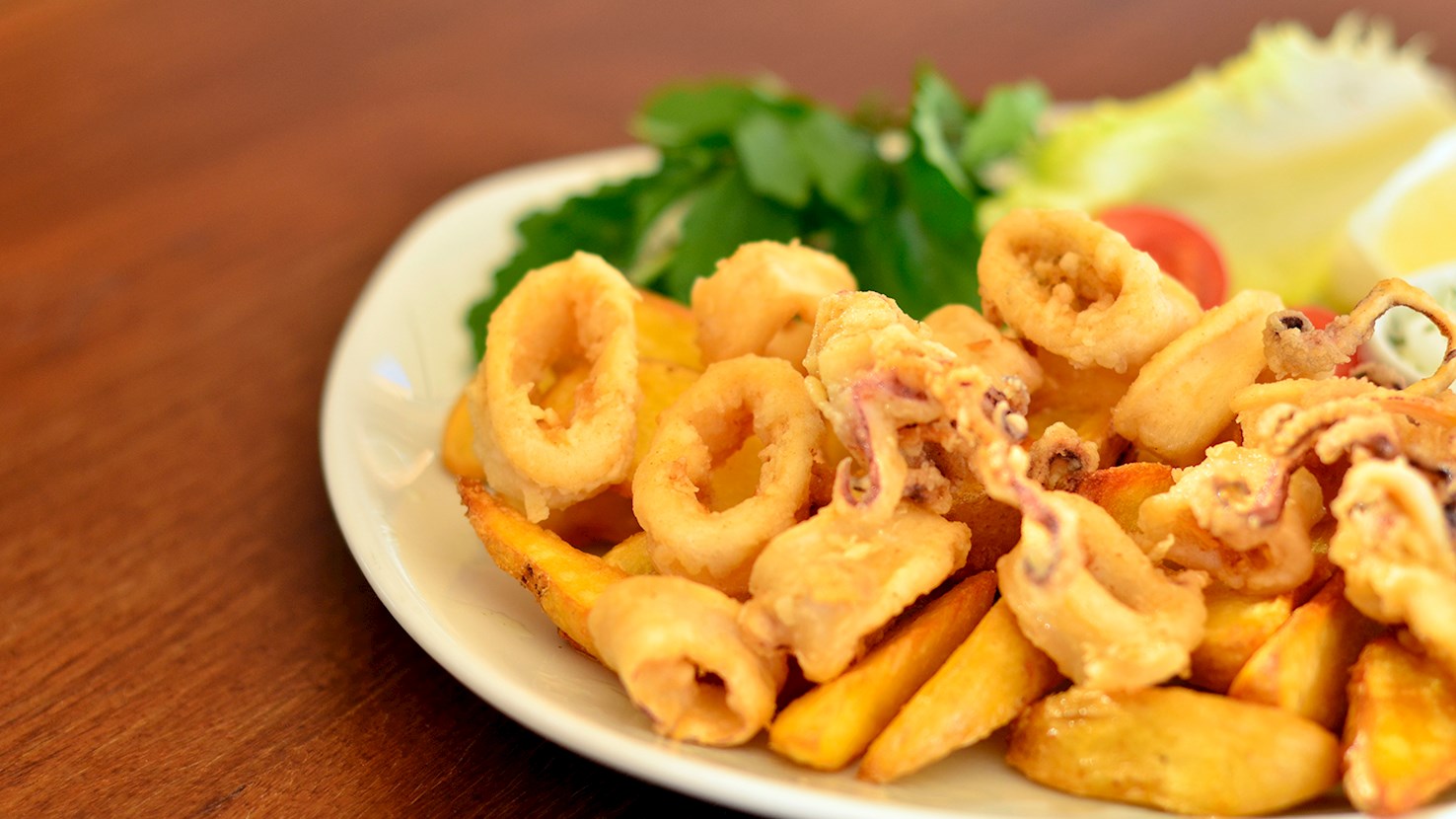
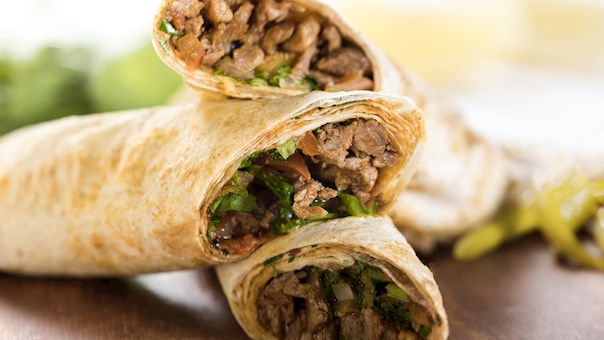
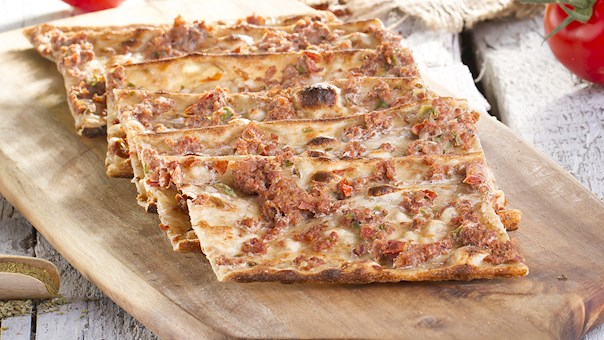
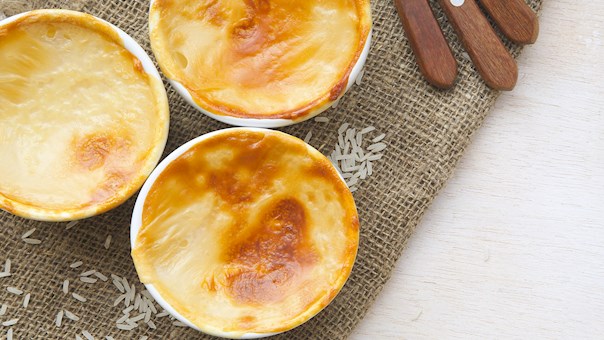
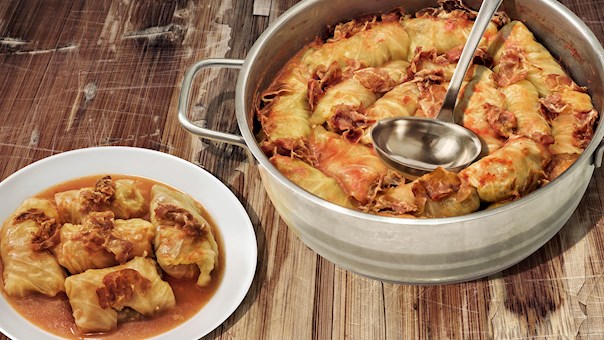
Kalamar tava is a traditional dish that's usually served as a meze. The dish consists of cleaned squid that's cut into thick rings, soaked in milk, then dipped in a batter of flour, baking soda, and salt before it's fried in hot oil. The squid rings can be flavored with herbs or pepper flakes, if desired. Once fried, the rings are typically served with a Turkish tartar-like sauce on the side for dipping, along with a few lemon wedges.
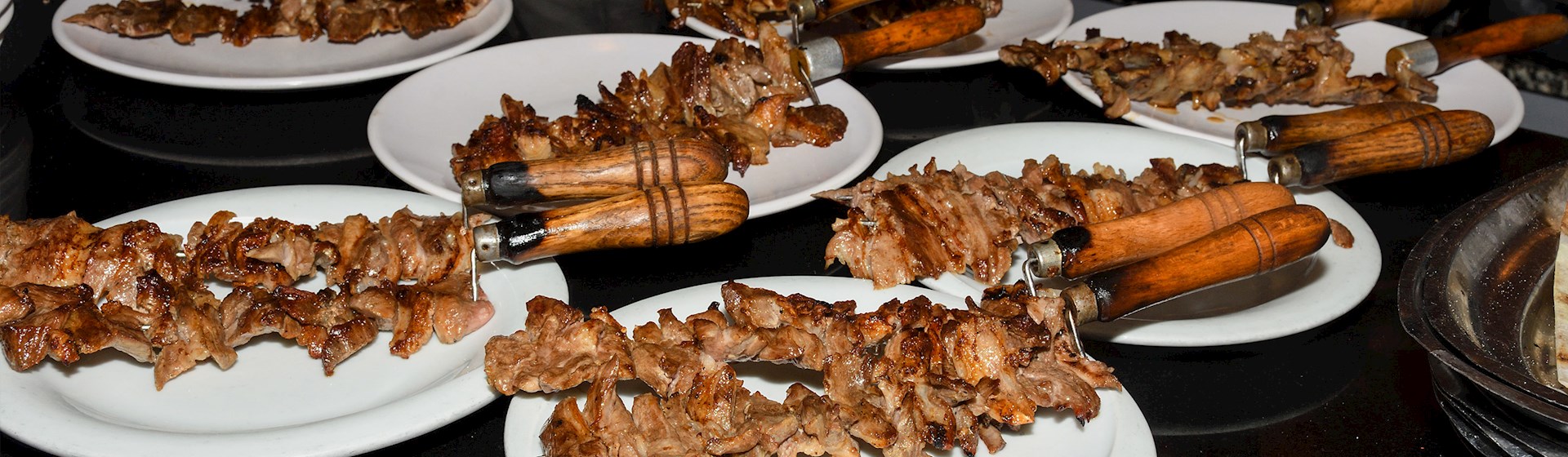
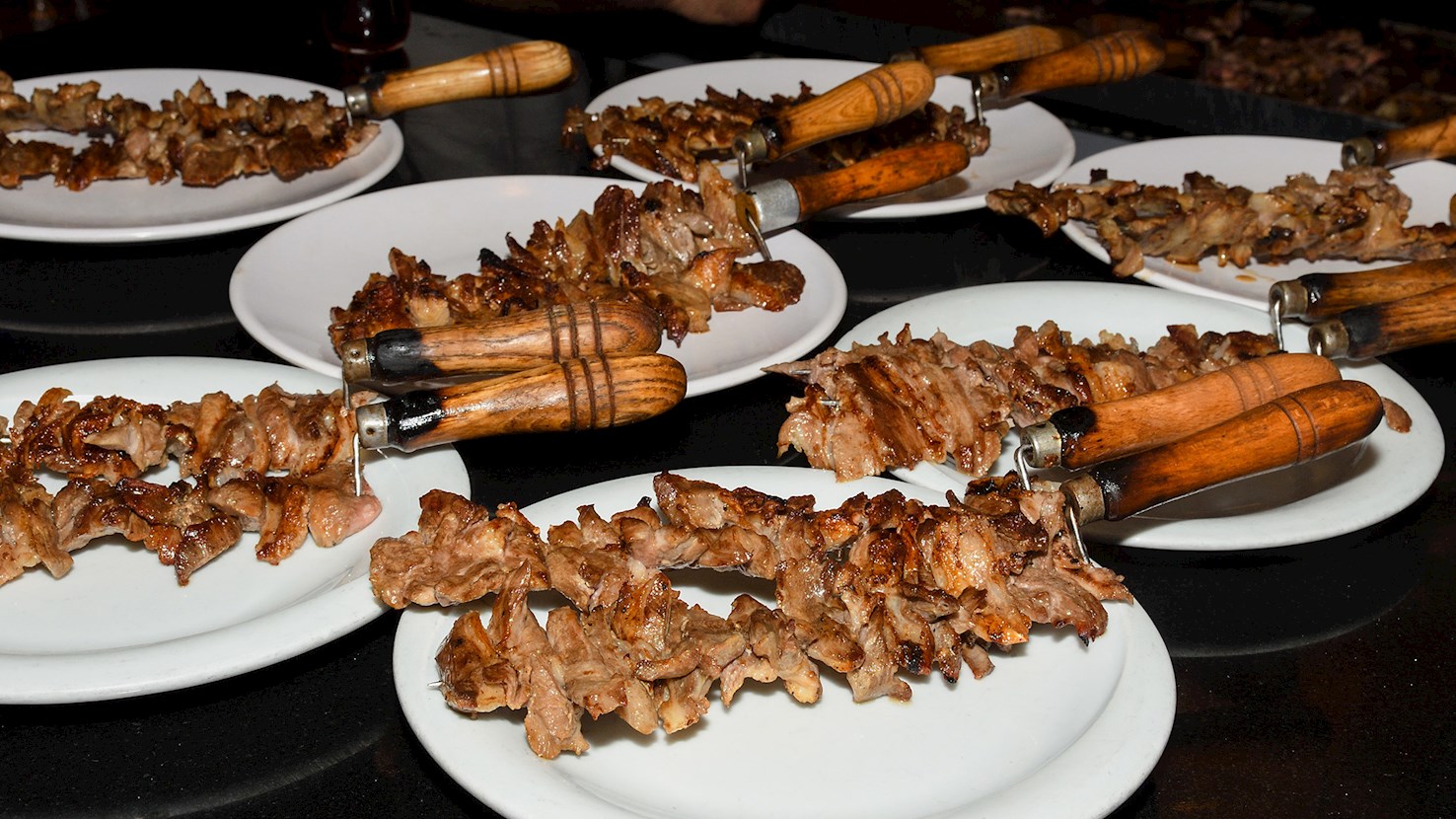
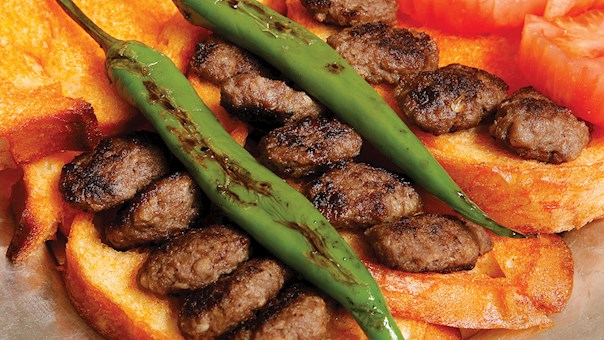
Oltu cağ kebabı is a horizontally roasted lamb kebab identified with the Oltu district of Erzurum Province in northeastern Türkiye, where the product took shape and continues to be defined by local practice and oversight. The kebab’s emergence is tied to sheep and lamb husbandry in Oltu and its surroundings, the availability of young lamb with a balanced fat profile, and a cooking method adapted to regional conditions that favored slow, controlled roasting on a horizontal spit rather than vertical stacking; over time, the name “Oltu” became inseparable from the product, and the name Oltu cağ kebabı is recorded in linguistic sources and in world culinary literature, a point that distinguishes it from similar regional preparations that may share techniques but not designation. Preparation centers on marinating carefully selected lamb, typically shoulder and leg cuts, with salt and restrained seasonings, then layering the meat onto a horizontal skewer and roasting it gradually over wood embers so the fat renders evenly and bastes the meat; as the exterior reaches doneness, thin slices are shaved off and served immediately, a service rhythm that prioritizes temperature and texture over batch holding. Serving is characteristically done on the cağ skewer itself, which functions both as utensil and presentation, and portions are often accompanied by flatbread and simple sides that do not compete with the meat; the method produces slices that balance exterior browning with a moist interior, and the horizontal orientation allows steady heat exposure that differentiates the cut and mouthfeel from vertical-spit kebabs. The product’s naming and oversight are formalized by the authorized supervisory body (Oltu Chamber of Commerce and Industry), which maintains standards tied to geographic identity and production criteria. Oltu cağ kebabı is commonly eaten as a shared table order served in successive cağs rather than a single plated portion, and it is paired most often with ayran, plain yogurt drinks, or lightly acidic beverages that refresh the palate, while bread and onions remain the customary accompaniments.
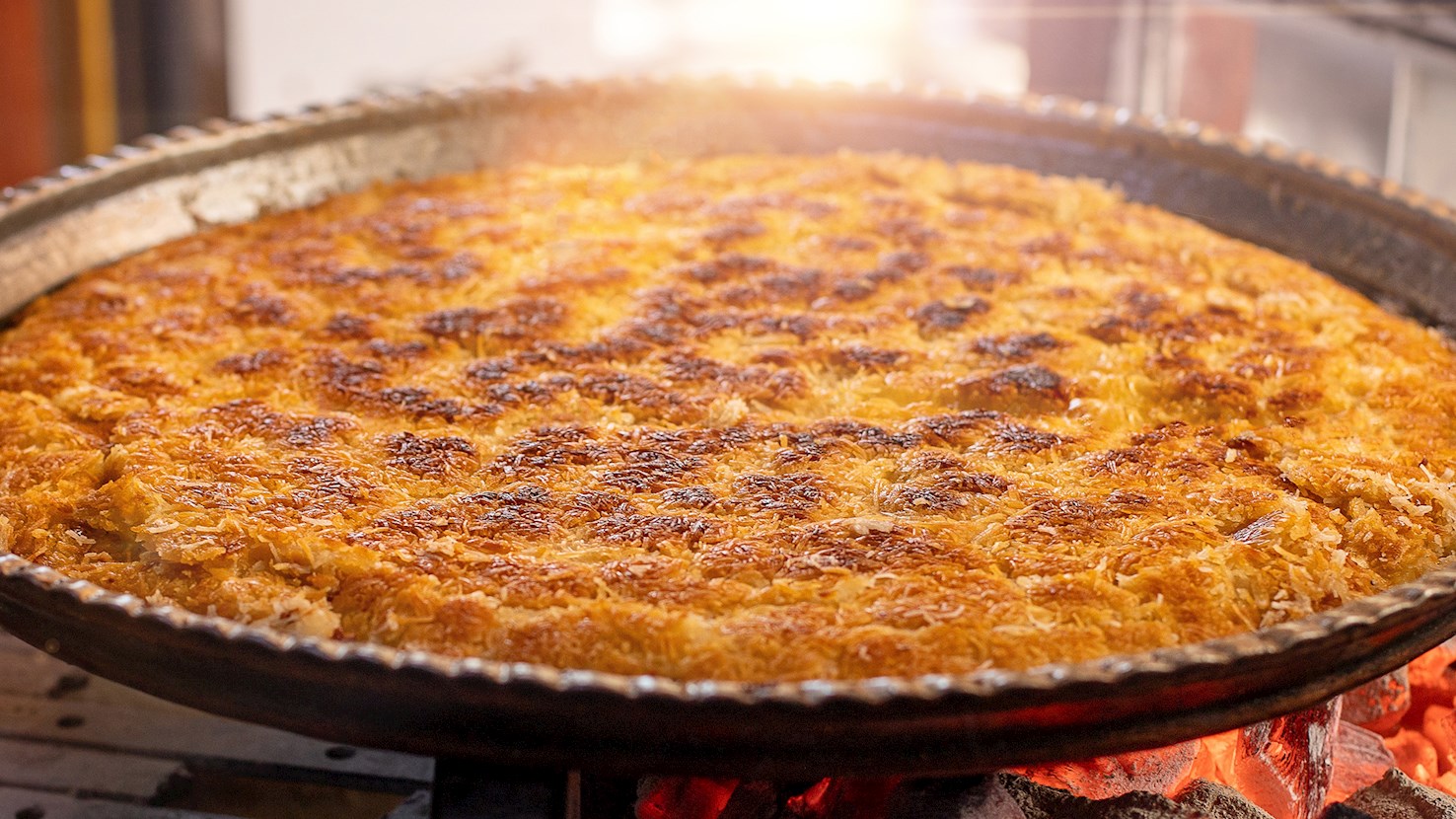
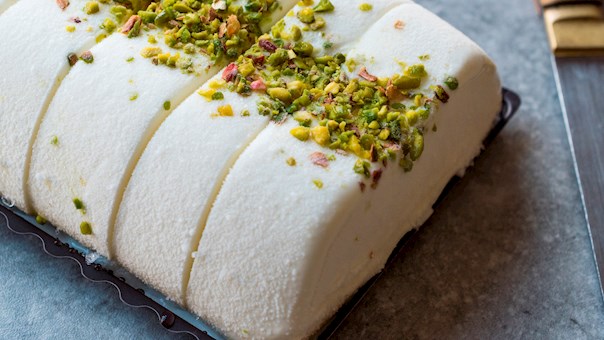
Antakya künefesi is a traditional kunāfah variety hailing from the ancient Turkish city of Antakya, made from shredded phyllo pastry filled with creamy unsalted cheese. The origins of this dish can be traced back to the Ottoman Empire, and to this day, it has remained one of the authentic representatives of Antakyan culinary heritage and traditions. To make Antakya künefesi, the pastry is first prepared by shredding phyllo dough into thin strips and placing it into a flat, round tray. The dough, in this form known as kadayıfın, is then topped with a mixture of unsalted cheese, traditionally Hatay peyniri, and another layer of shredded phyllo dough. After the concoction is baked on both sides (a step that makes this kunāfah variety unique), it is soaked with hot, sweet syrup made with sugar, water, and lemon juice. Antakya künefesi is served warm and garnished with chopped pistachios, walnuts, or hazelnuts. In 2006, this delicious dessert received the Protected Geographical Indication certificate.
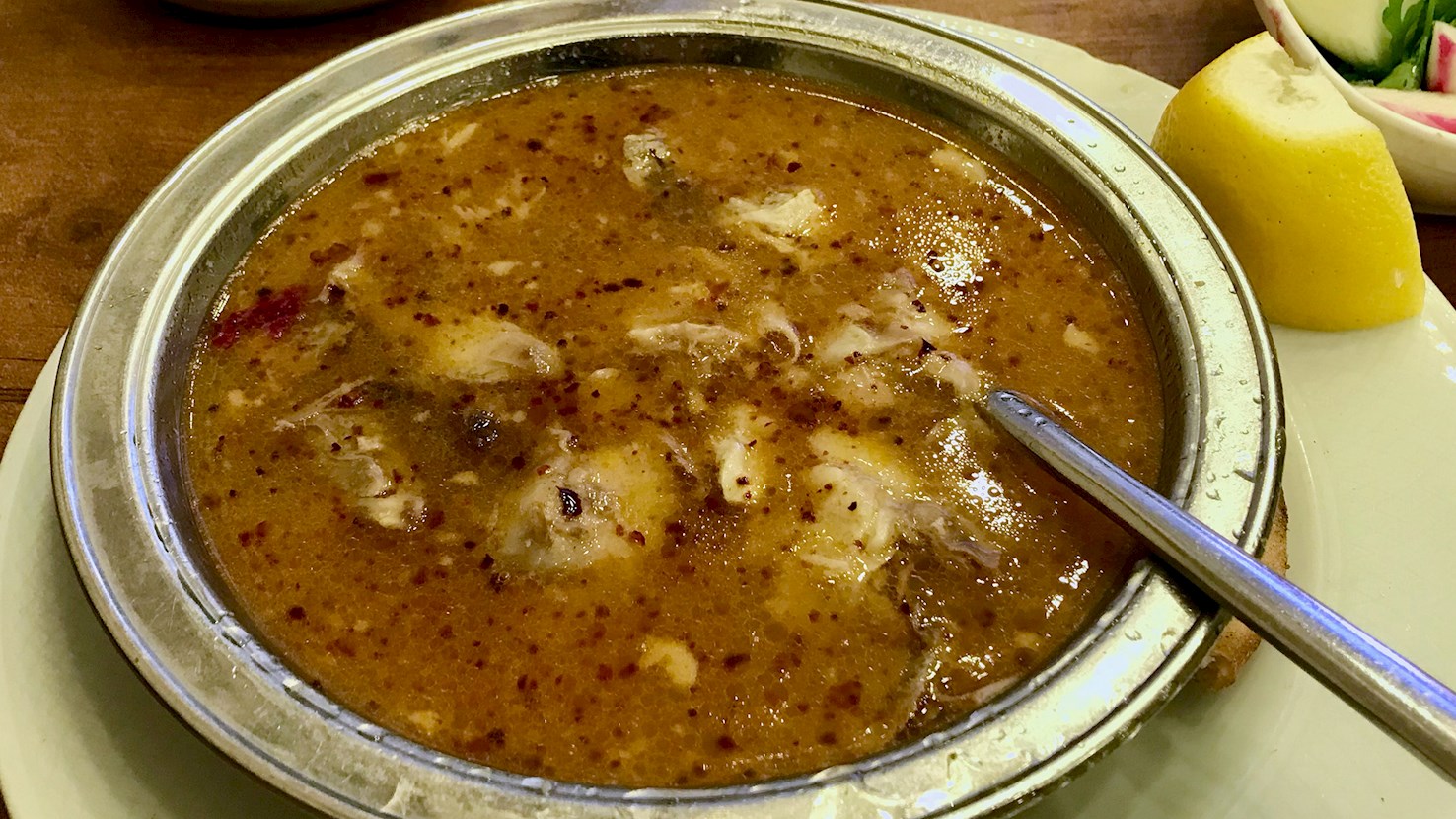
Beyran çorbası is a traditional soup originating from Gaziantep, where it's served for breakfast. It consists of rendered lamb fat that's topped with rice and shredded lamb meat. The combination is then cooked with the addition of garlic, pepper paste, and lamb broth. This soup is notorious for its spiciness, making it a pretty unusual way to start the day. If desired, the soup can be served with lemon wedges and fresh Turkish bread on the side.
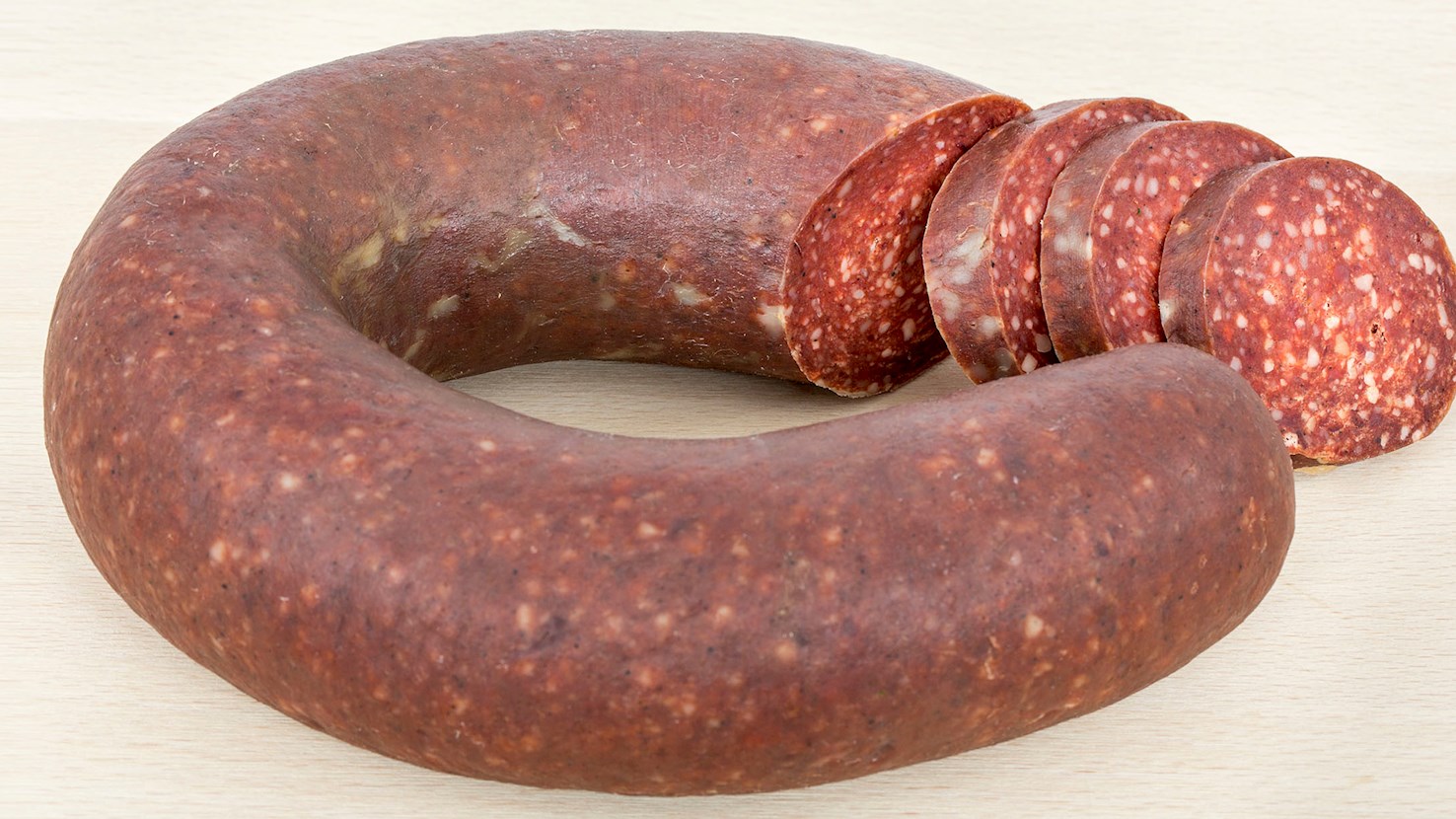
Afyon Sucuğu is a dry, fermented, and spiced sausage originating from the Afyonkarahisar province in Türkiye. The production of this cured meat stems from the nomadic Turkic tribes of Central Asia who developed methods to preserve surplus meat by salting, drying, and spicing it, which later adapted to the local climate and livestock of the Anatolian region as these populations settled. The preparation involves aging beef and buffalo meat in large pieces, separating the meat from tendons and fat, and then grinding the meat before mixing it with a blend of salt, red pepper, cumin, black pepper, garlic, and ginger. The mixture is stuffed into beef casings and hung on racks to undergo natural fermentation and drying at specific temperatures and humidity levels. A unique characteristic of Afyon Sucuğu is the mandatory inclusion of at least 15 percent water buffalo meat, which provides a distinct flavor profile and a fat content that allows the sausage to release its own rich oils when heated without the need for additional cooking fat. It is widely eaten across Türkiye, commonly sliced and pan-fried without extra oil to make breakfast dishes like sucuklu yumurta, or grilled and placed into flatbread to create a sandwich known as sucuklu ekmek. When served, it is typically accompanied by fresh tomatoes, cucumbers, white cheese, and olives, and it pairs well with a hot glass of black tea or a salty yogurt drink called ayran to balance the high sodium and spice levels.
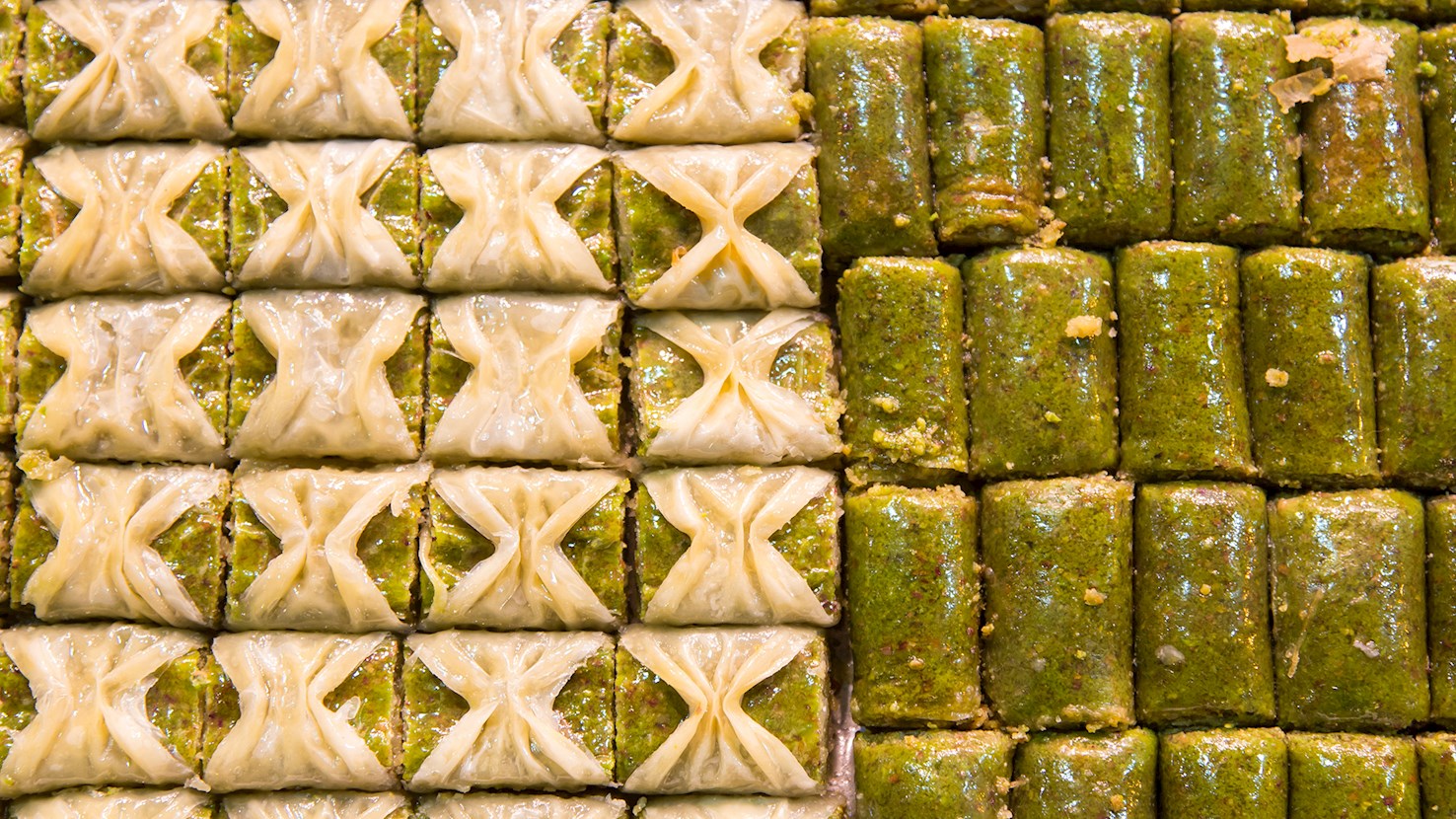
This Turkish sweet is made with a smooth, green, paste-like filling known as fıstık ezmesi (lit. pistachio butter). It is like a pistachio version of marzipan, and its bright green color is all-natural—it comes from the early-harvested Gaziantep pistachios. The delicious pistachio paste is wrapped around a single sheet of phyllo dough, just to hold its green goodness together, which is why this type of baklava is called either fıstıklı sarma or fıstıklı dürüm, meaning pistachio wrap or pistachio roll.
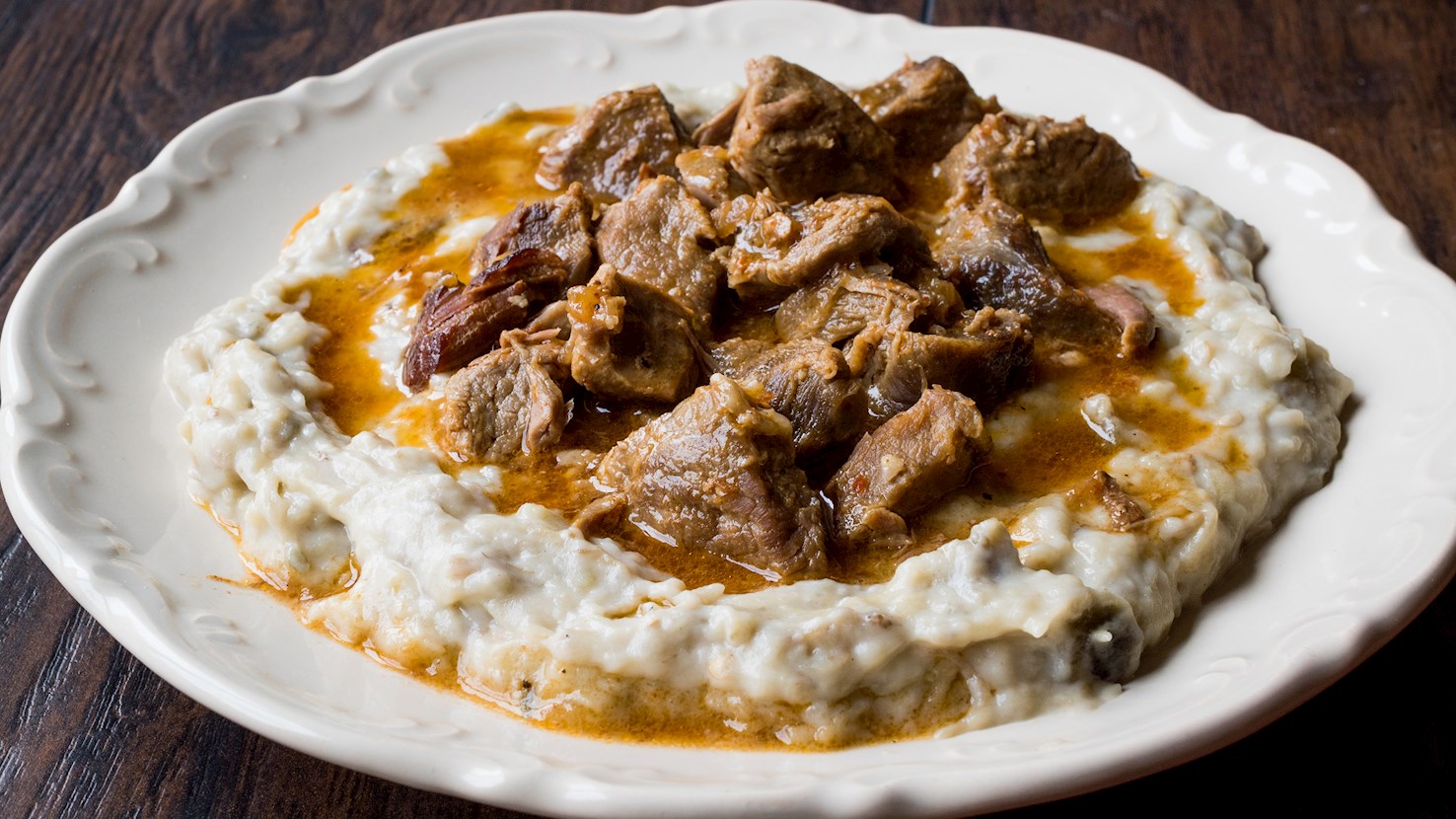
Hünkar beğendi is a traditional dish consisting of a flavorful lamb stew that is served on top of a creamy roasted eggplant purée. The purée is often thickened with milk and cheese, while the whole dish is sometimes topped with a tomato-based sauce or garnished with freshly chopped parsley. It is believed that the dish is native to Istanbul and was first prepared for the wife of Napoleon III in the late 19th century.
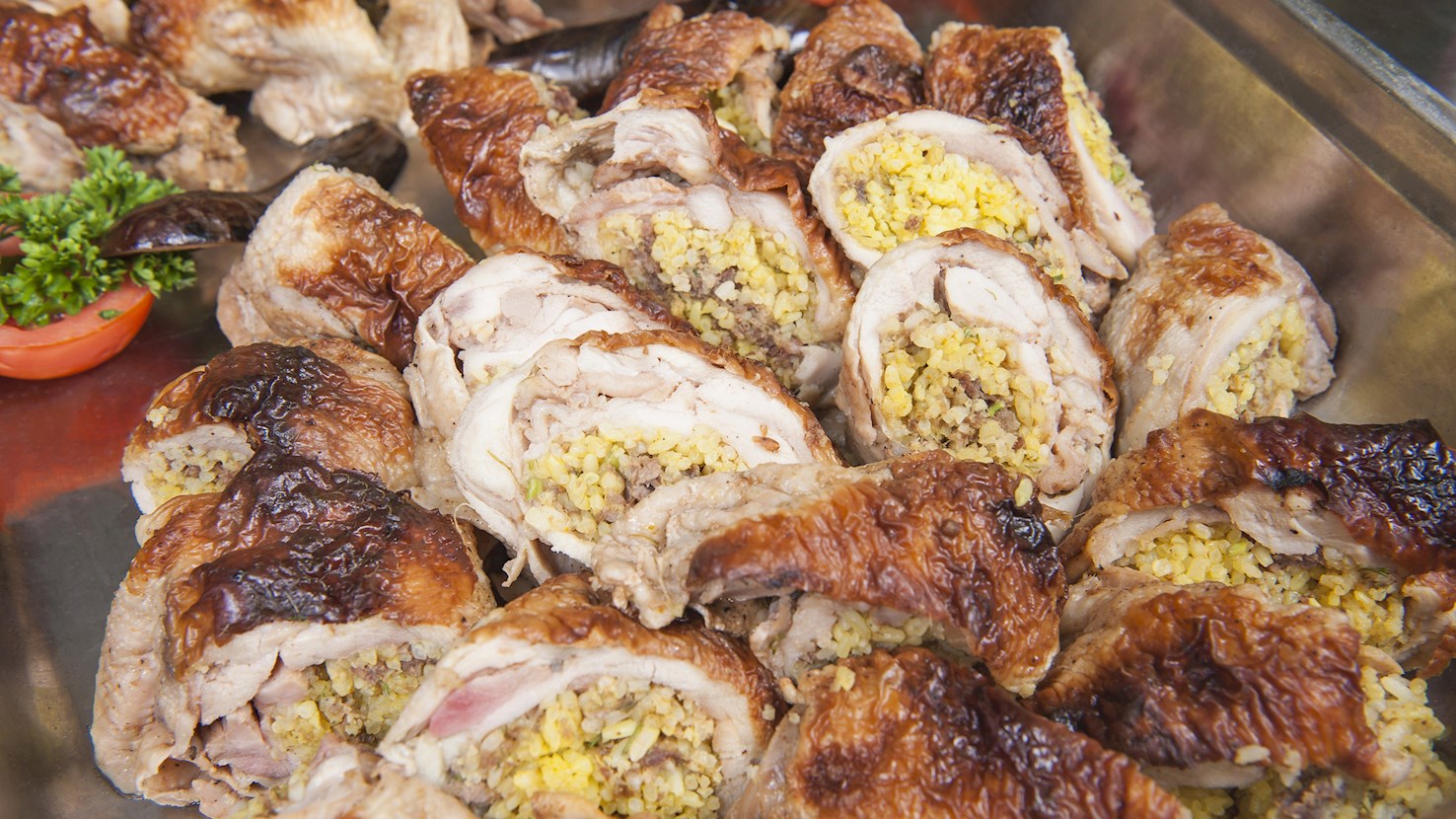
Piliç Topkapı is a classic Turkish chicken dish rooted in Ottoman culinary traditions, named after the Topkapı Palace in Istanbul. It features chicken, typically boneless pieces like thighs, stuffed with a savory rice pilaf. The stuffing is a flavorful mix of pine nuts, currants, onions, and spices such as cinnamon, allspice, and black pepper, creating a balance of savory and subtly sweet flavors. The stuffed chicken is secured with toothpicks, brushed with tomato paste and yogurt, and baked until golden and tender. It is usually served with rice pilaf on the side, accompanied by roasted vegetables or a simple salad.
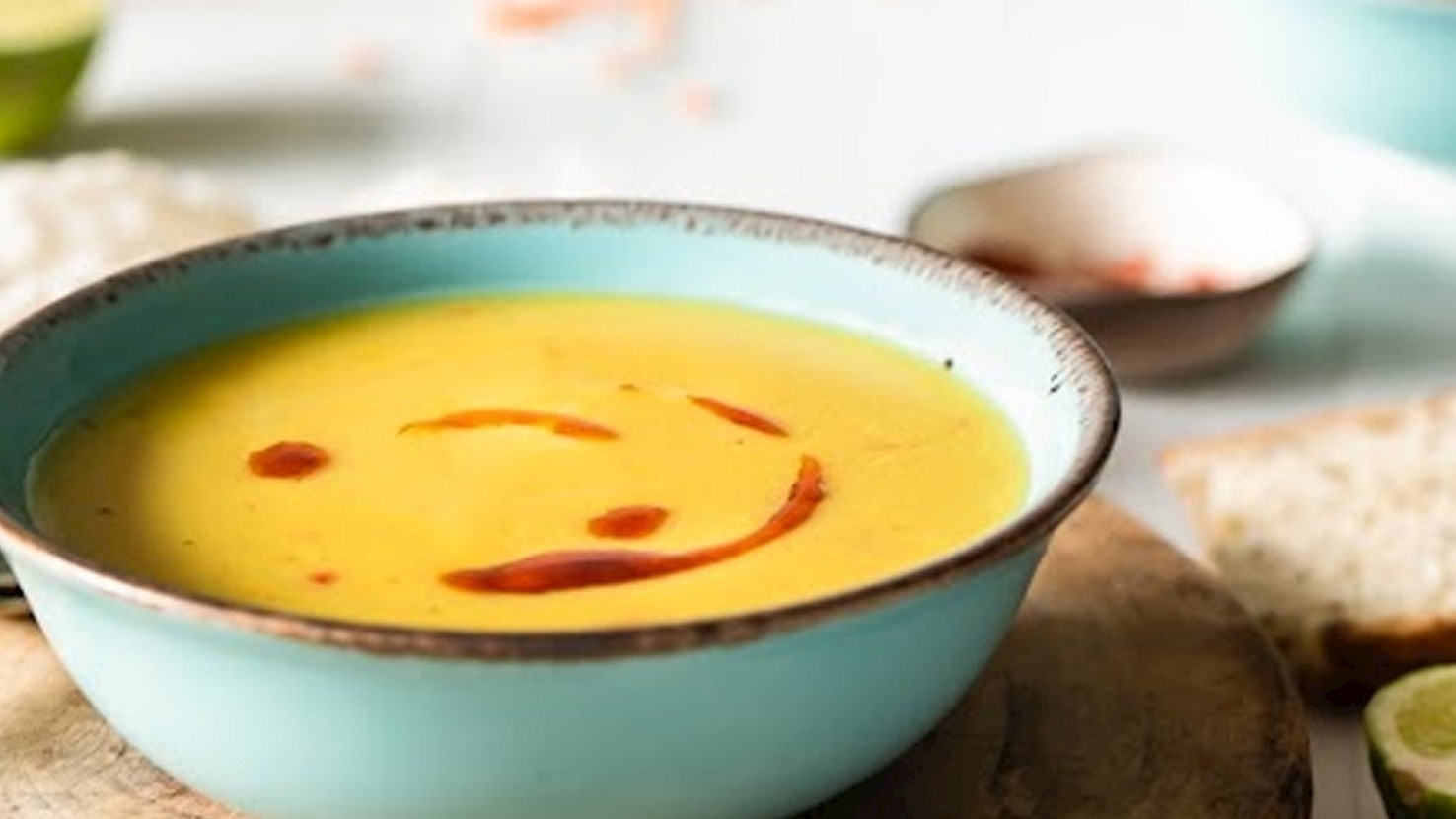
Mercimek çorbası is a beloved Turkish soup made with red lentils, chicken stock, onions, and carrots. It is often seasoned with salt, pepper, cumin, or paprika. Easy to prepare, filling, and warming, the soup is consumed for breakfast, lunch, or dinner in rural parts of Turkey, especially in local eateries known as lokantas.
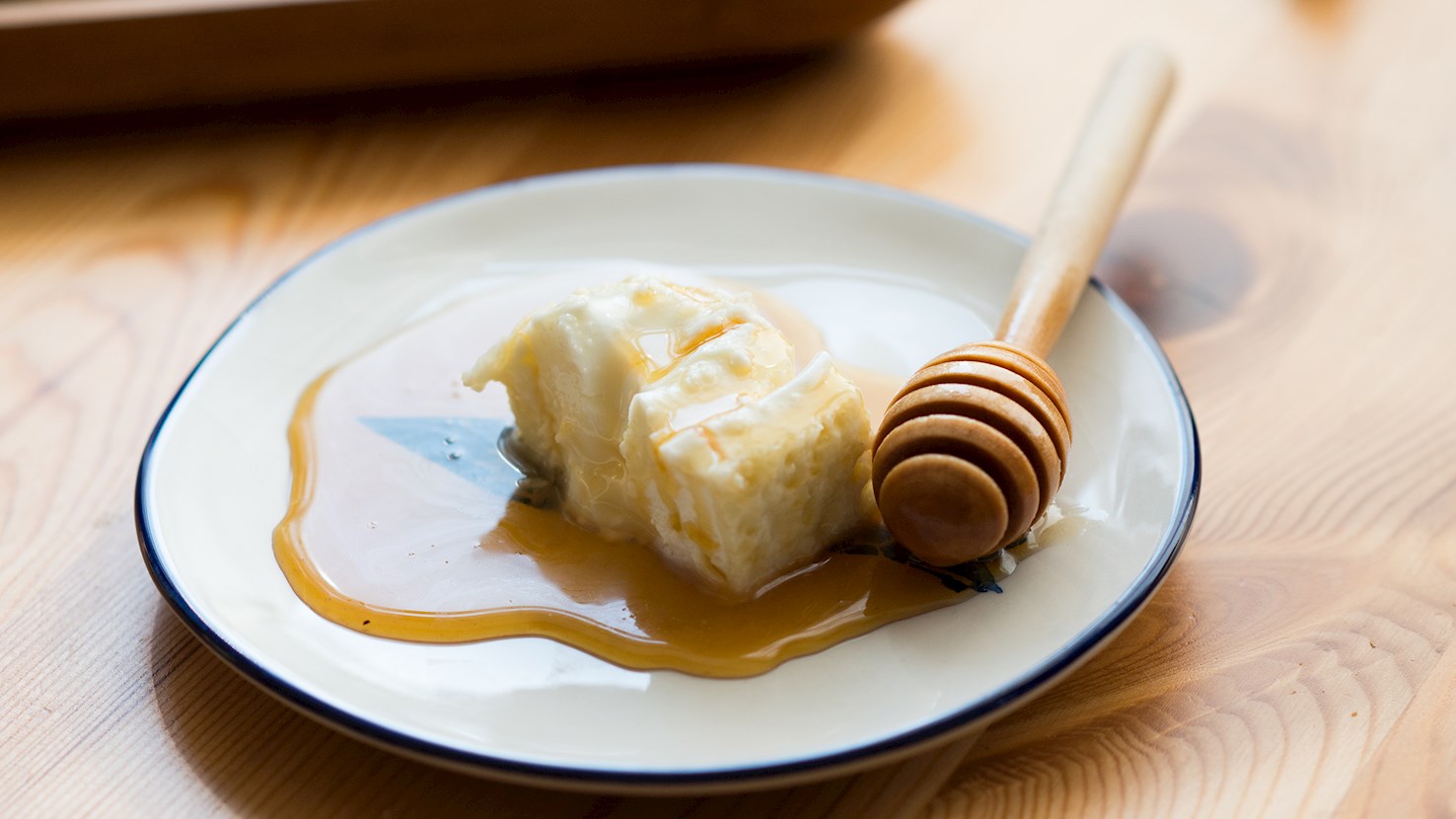
A staple breakfast dish in Turkey, bal kaymak is a delicious combination of kaymak - a traditional dairy product produced from water buffalo milk, very similar to clotted cream - that is generously doused with honey. The dish is served as a spread or a sweet dip alongside tea or a variety of other traditional breakfast dishes and is typically paired with bread. Rarely, it is served as a dessert and it sometimes comes garnished with ground, chopped, or whole walnuts.
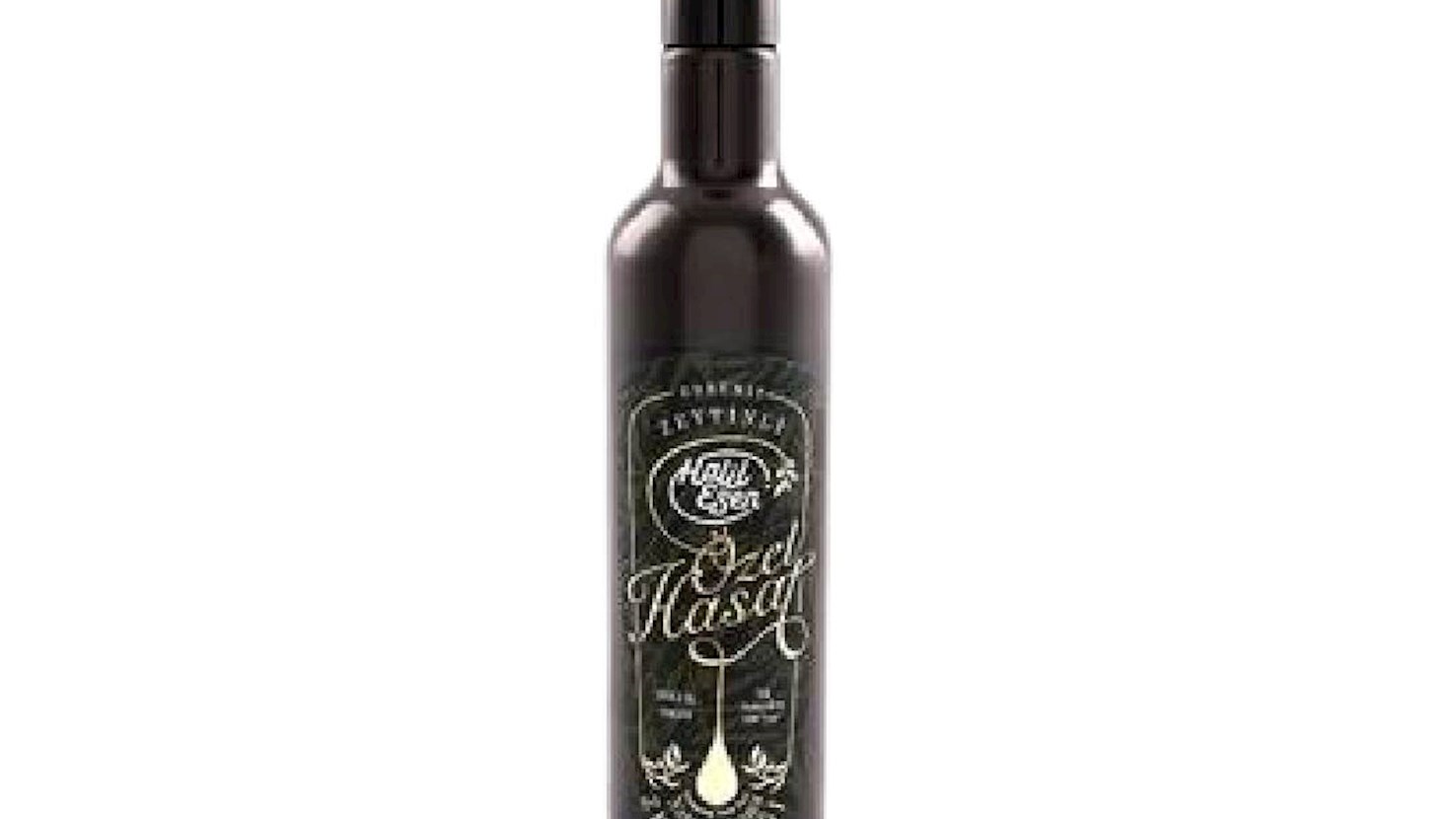
Halil Esen Zeytincilik & Zeytinyağı is a family story spanning generations, born out of love for the olive and the Aegean land. Based in the charming town of Zeytinli, at the foot of Mount Ida, the company nurtures a blend of tradition and modern methods, creating olive oils that radiate authenticity and freshness. Each olive is harvested with great care, and the oil is produced with respect for nature, preserving the rich flavors and aromas of the Mediterranean. Today, Halil Esen stands as a symbol of quality, reliability, and passion, with products recognized and cherished both in Turkey and across the world.
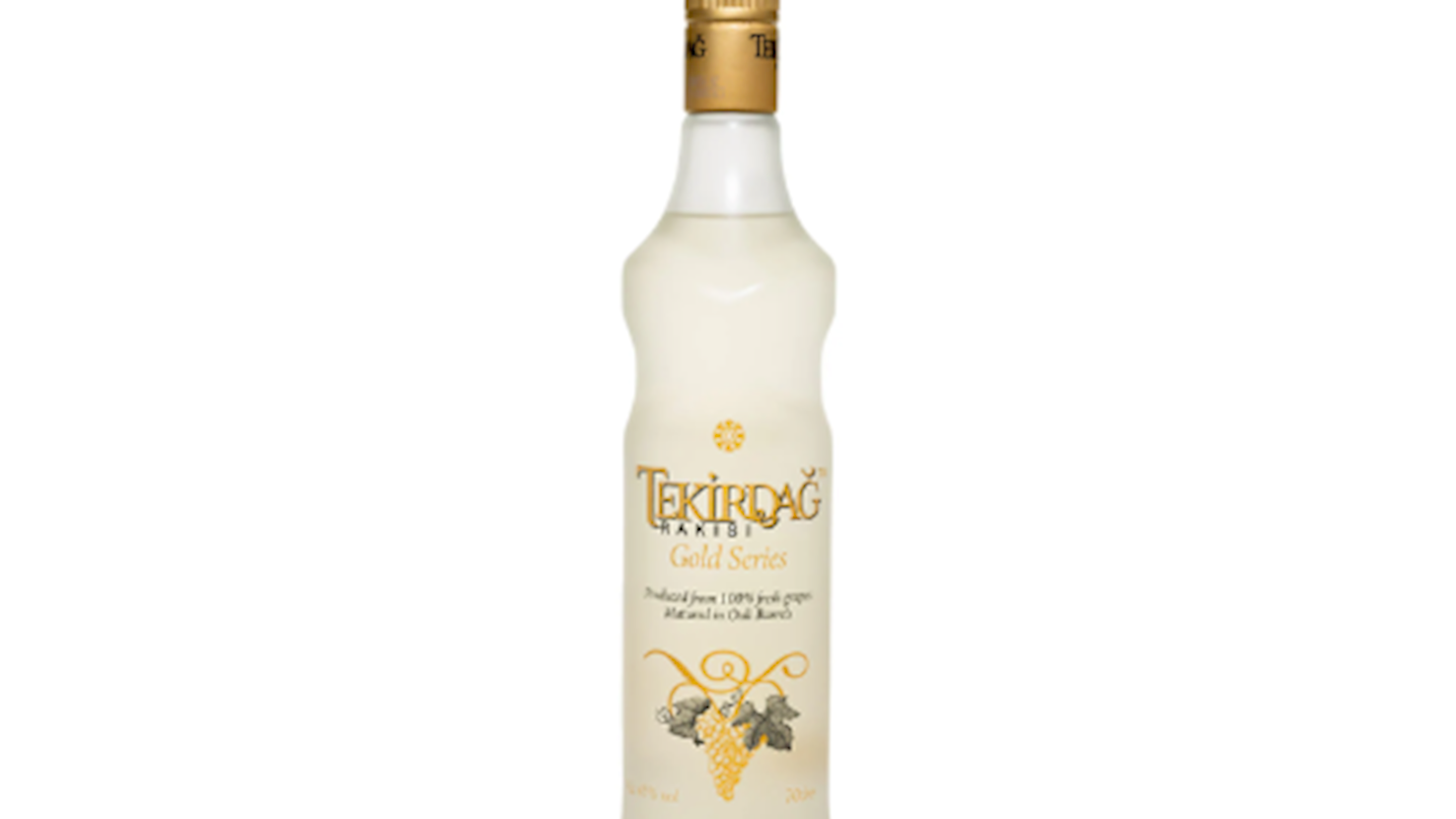
Mey İçki is Turkey’s largest producer and distributor of alcoholic beverages, established in 2004 following the privatization of the former state monopoly Tekel, and operating since 2011 as part of the international Diageo group. The company has a broad portfolio that includes raki, vodka, gin, wine, and liqueurs, with its flagship raki brands widely regarded as cultural icons in Turkey. Production and distribution are carried out through modern facilities and the country’s most extensive sales network, positioning Mey İçki as a key player in the domestic market. Under Diageo’s management, the company adheres to international standards of quality, food safety, and sustainability, while focusing on product development and strengthening export capabilities. With strong brands, robust logistics, and a long-standing tradition, Mey İçki stands as Turkey’s central and most influential producer of alcoholic beverages.
Awards
IWSC- International wine & spirit competition - Gold
(2023)
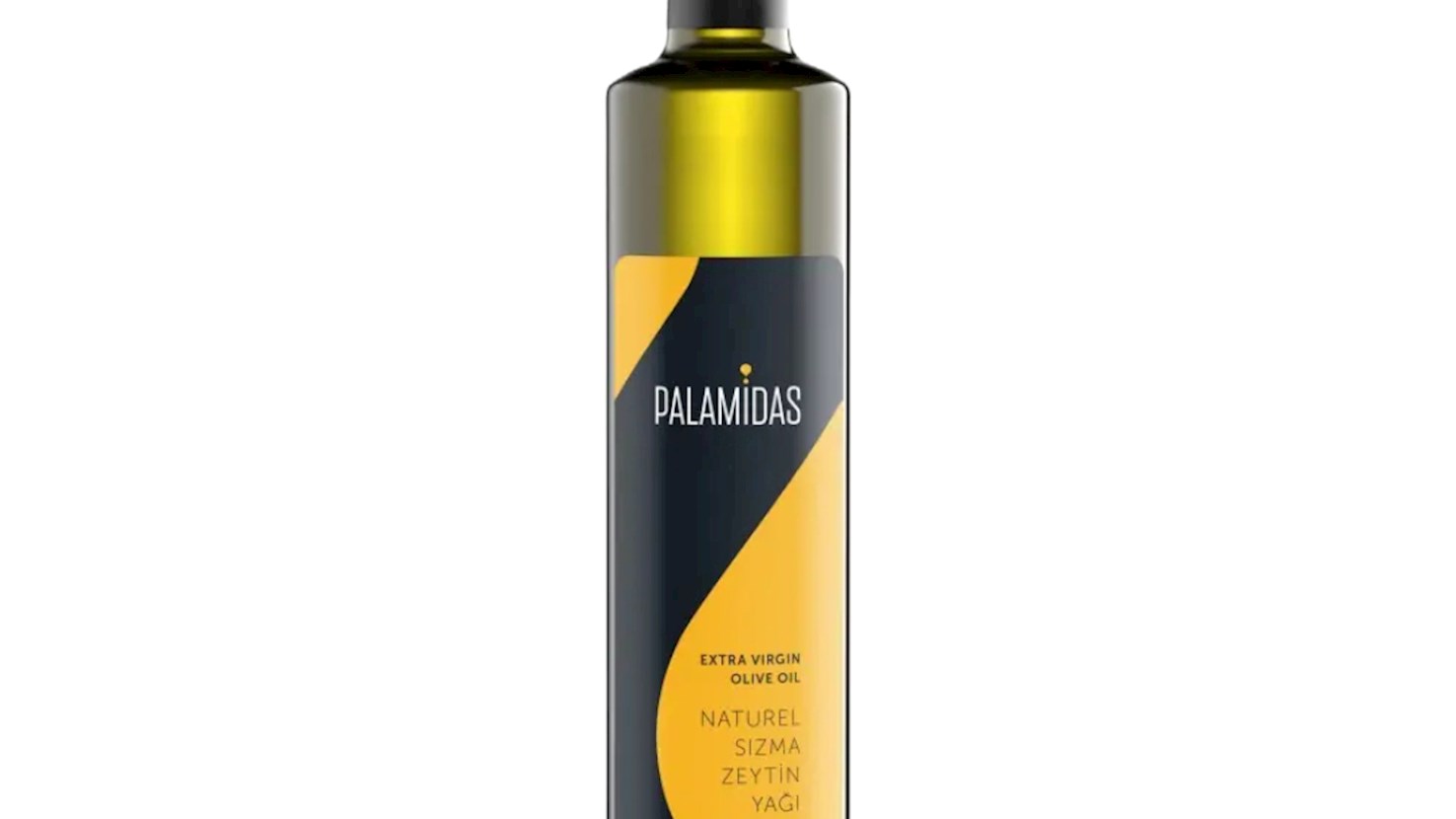
Palamidas is an olive oil producer located in Manisa, Turkey. They focus on producing high-quality extra virgin olive oil. The company uses olives cultivated in the Aegean region, known for its favorable climate for olive farming. Palamidas emphasizes traditional methods combined with modern technology in their production process.
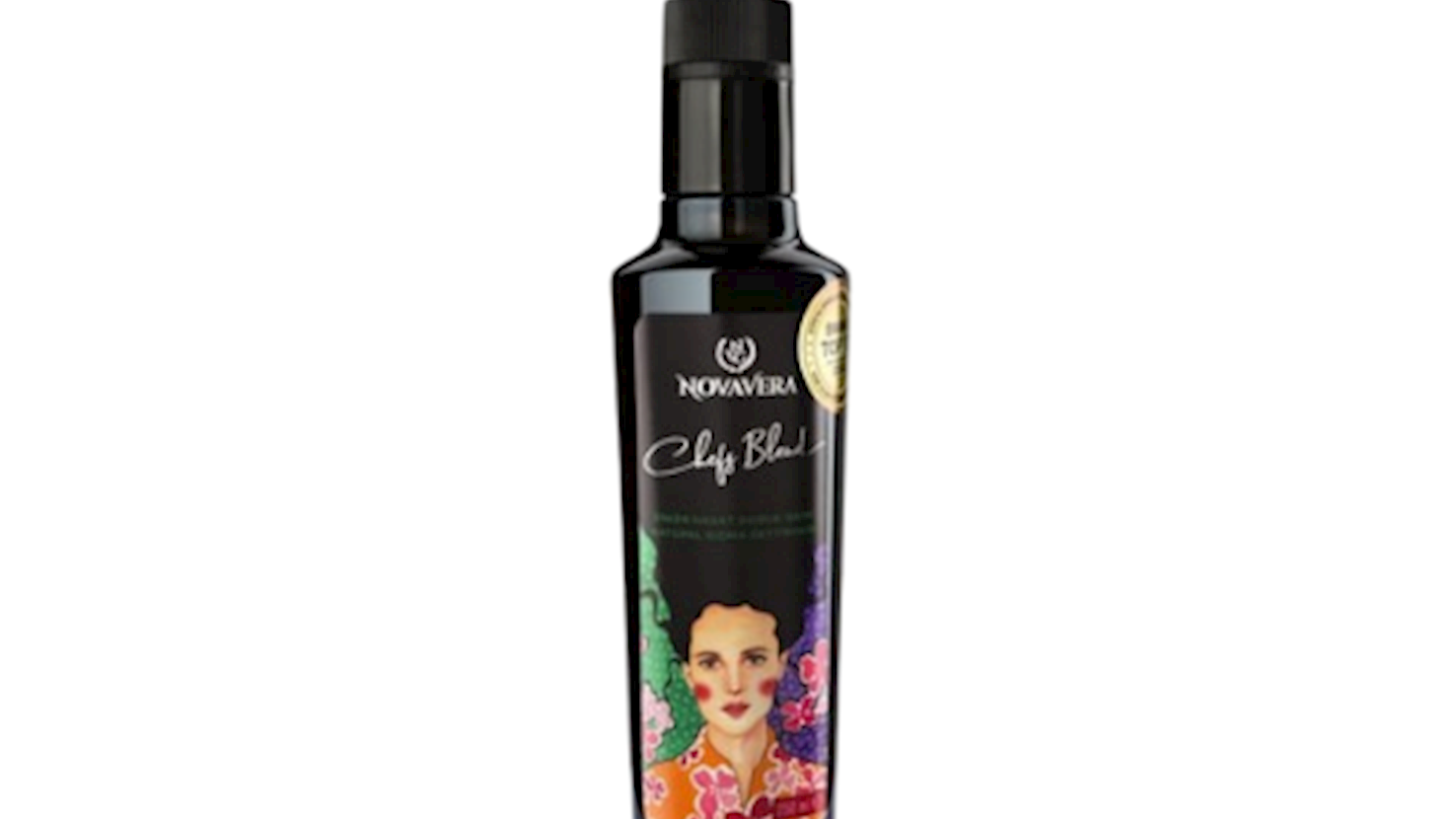
NovaVera is a family-owned Turkish company specializing in the production of high-quality extra virgin olive oil. Located in the Ayvalık region, known for its traditional olive cultivation, the company grows and processes olives exclusively on its own estates. It relies on early harvest and cold pressing to preserve the oil’s natural aroma, antioxidants, and nutritional value. All olives are processed within a few hours of harvesting, ensuring freshness and quality.
No pesticides or chemical fertilizers are used in the production process; the land is treated organically and manually, without irrigation—relying solely on natural rainfall. NovaVera places strong emphasis on traceability, allowing consumers to know exactly where each bottle of oil comes from. In addition to olive oil, they also produce items like soaps, vinegars, and natural dietary supplements, all made according to principles of sustainable and clean production.
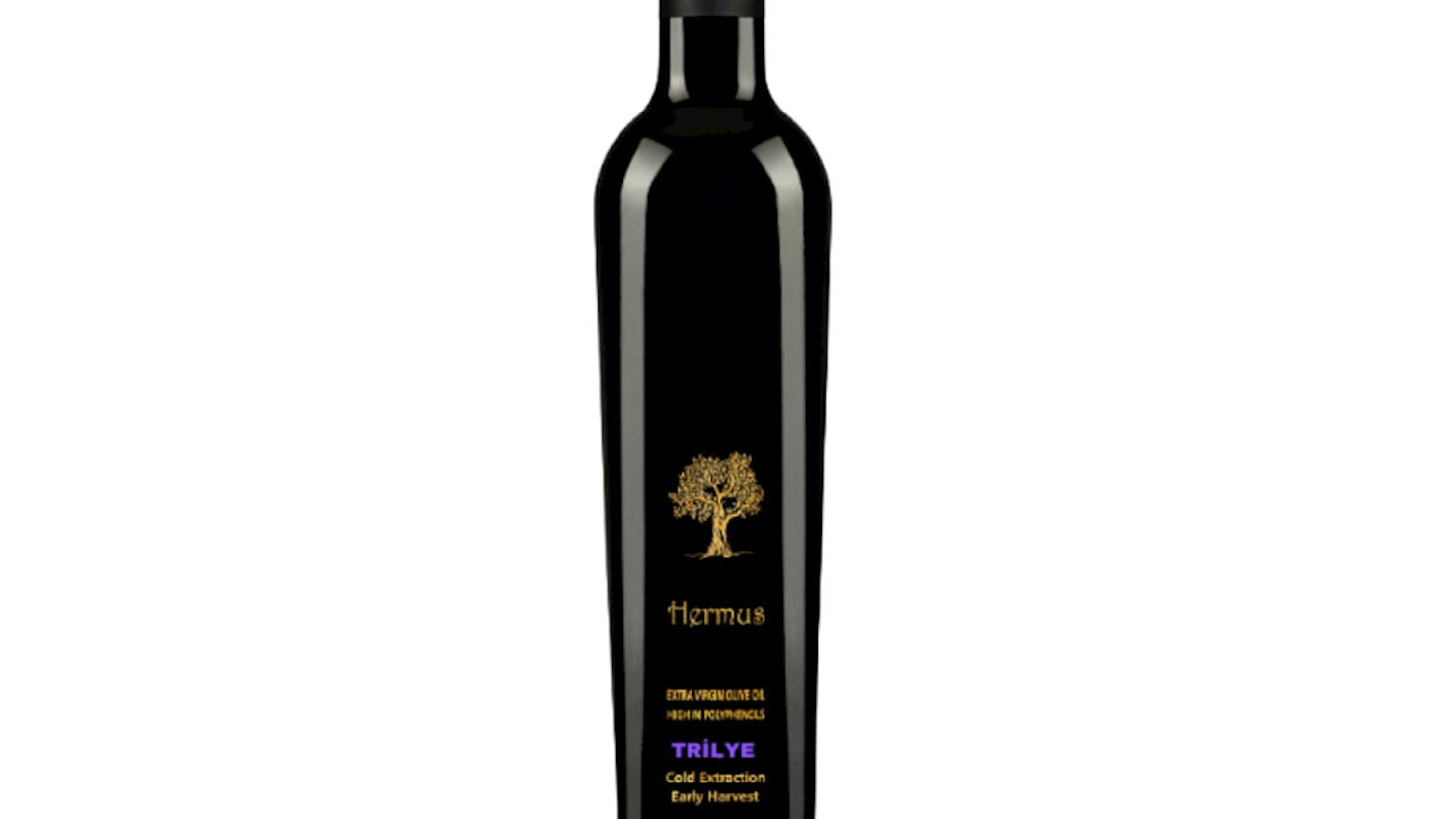
Hermus is a Turkish olive oil producer located in the Gediz Plain, Manisa, Turkey. The company focuses on cultivating high-quality Arbequina olives, which thrive in the region's fertile soil and Mediterranean climate. Their production combines traditional methods with modern agricultural techniques to create premium extra virgin olive oil known for its rich taste and balance.
Awards
Olive Japan - Gold
(2023, 2022, 2021, 2020)
EVO IOOC - Gold Medal
(2023, 2022, 2021, 2020, 2019, 2018)
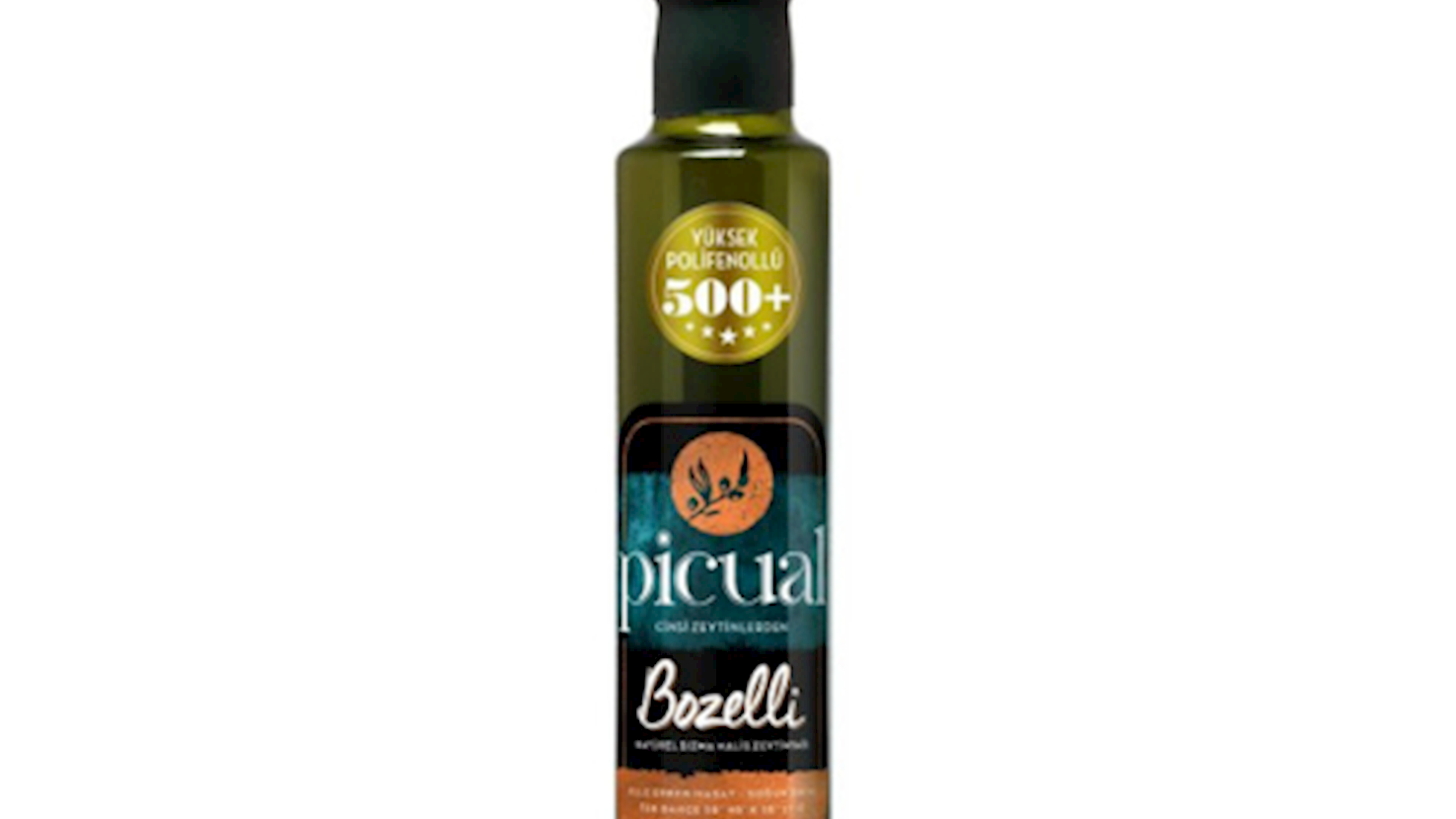
Bozelli is a family-owned olive oil producer based in the Manisa region of western Turkey, where olive trees are cultivated at altitudes between 500 and 600 meters, in conditions that blend the richness of Aegean heritage with a modern approach to agriculture. Founded in 2010, the company now spans over 40 hectares and includes more than 21,000 olive trees.
The vision of founder Mustafa Birhan Hazer, a former professional in the whisky industry, is rooted in precision, passion, and the artistry of varietal blending to achieve unique depth and balance in every oil.
Bozelli combines artisanal production with sustainable practices — using solar energy, irrigation from their own natural sources, a commitment to small-batch production, and no use of pesticides. All of this positions Bozelli as one of the most recognized and highest-quality Turkish olive oil brands, offering a product that unites science, terroir, and family dedication in every bottle.
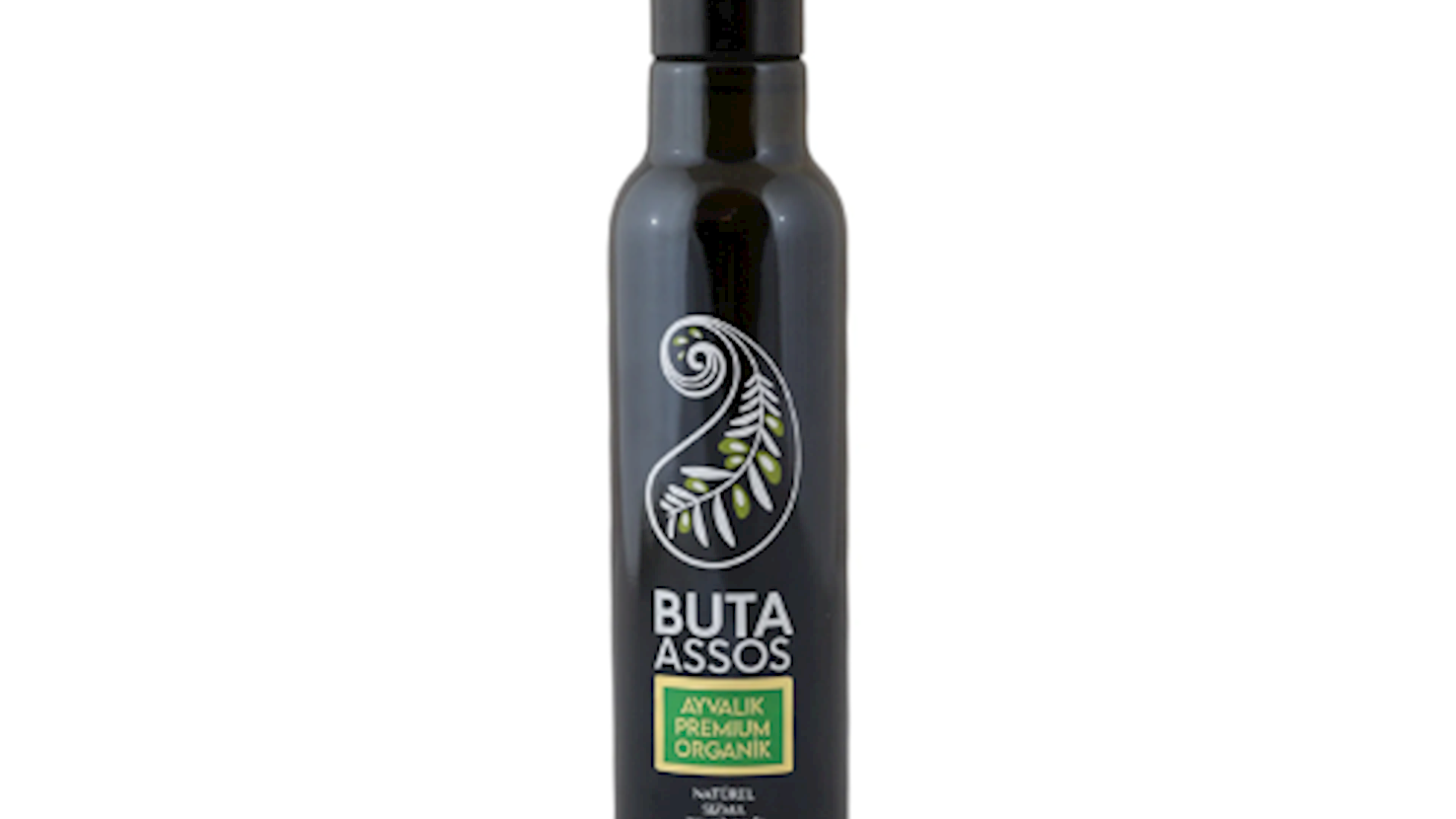
Buta Assos is a Turkish brand of extra virgin olive oil made from local olive varieties, harvested at their optimal stage of ripeness and cold-pressed to preserve nutritional value and a rich aromatic profile. Its color is an intense golden-green, while the aroma reveals notes of fresh grass, green fruit, and subtle floral tones. The taste is well balanced, with pleasant bitterness and medium-intensity pungency, giving the oil a strong yet not overly aggressive character. The texture is smooth and rounded, with a long and refreshing finish. Buta Assos is recommended for raw use, especially as a drizzle over salads, grilled vegetables, fish, and white meat, where its complexity and freshness are best expressed. The brand combines traditional cultivation and processing methods with modern quality standards, offering an oil that highlights the authenticity of Aegean olive growing.
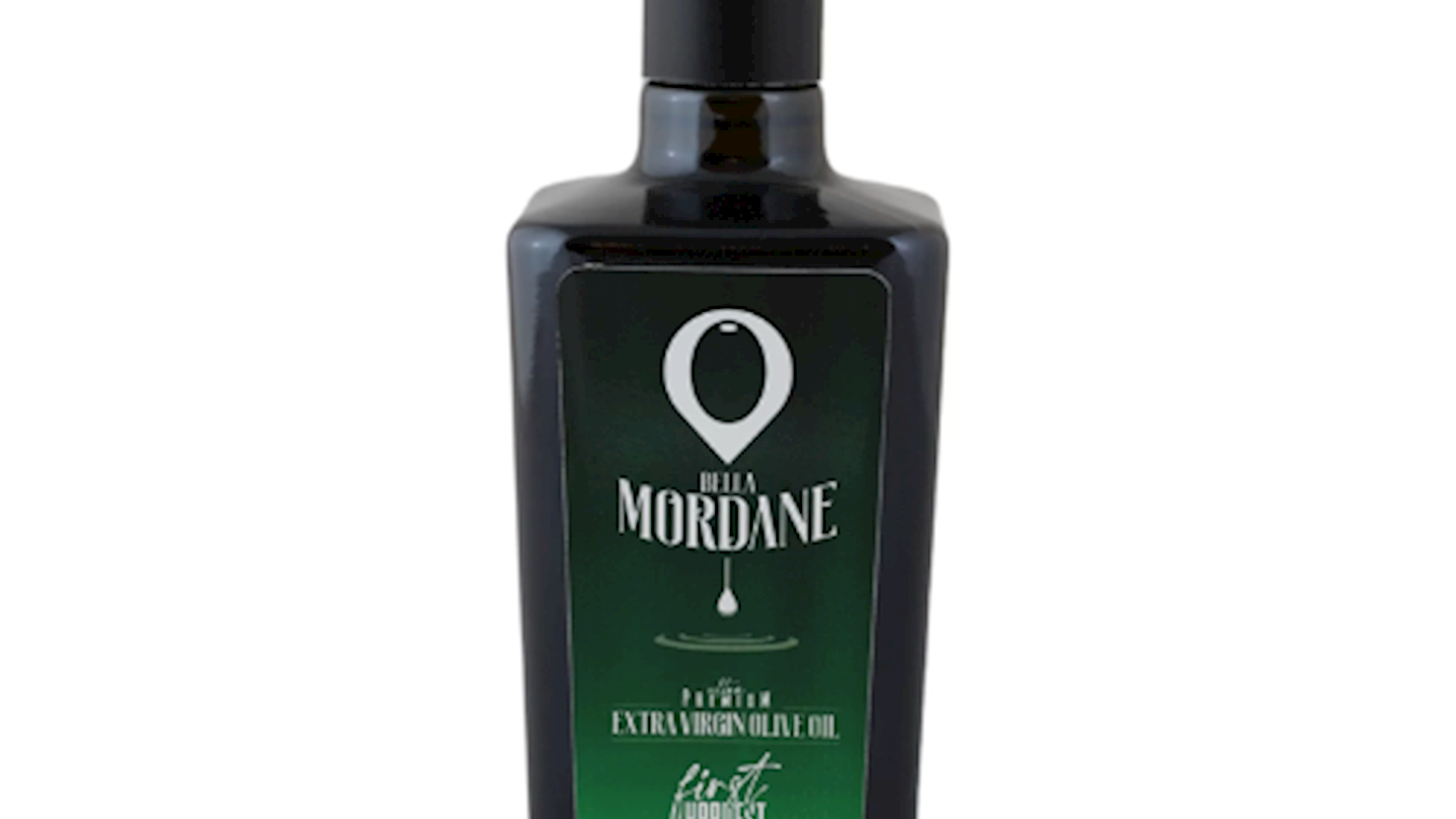
Bella Mordane is a premium line of extra virgin olive oil produced by the Turkish company Bella Serra Gurme Tarım Gıda, with olive groves located in the Manisa region. The oil is made exclusively from single-varietal olives such as Arbequina, Ayvalık, and Trilye, which are hand-harvested early in the ripening stage, between mid-September and mid-October. The olives are cold-pressed within four hours of harvest, preserving a high level of polyphenols and extremely low acidity. Bella Mordane oils are known for their rich, layered flavor with notes of green almond, tomato, fresh herbs, and a mild peppery finish. The oil is produced in limited quantities from a single estate, which contributes to its exclusivity and consistent quality. In global rankings, Bella Mordane is regularly listed among the most highly regarded Turkish olive oil brands. The brand combines traditional cultivation methods with modern processing and packaging standards. The oil is stored under inert gas and bottled in dark glass to preserve freshness and nutritional value.
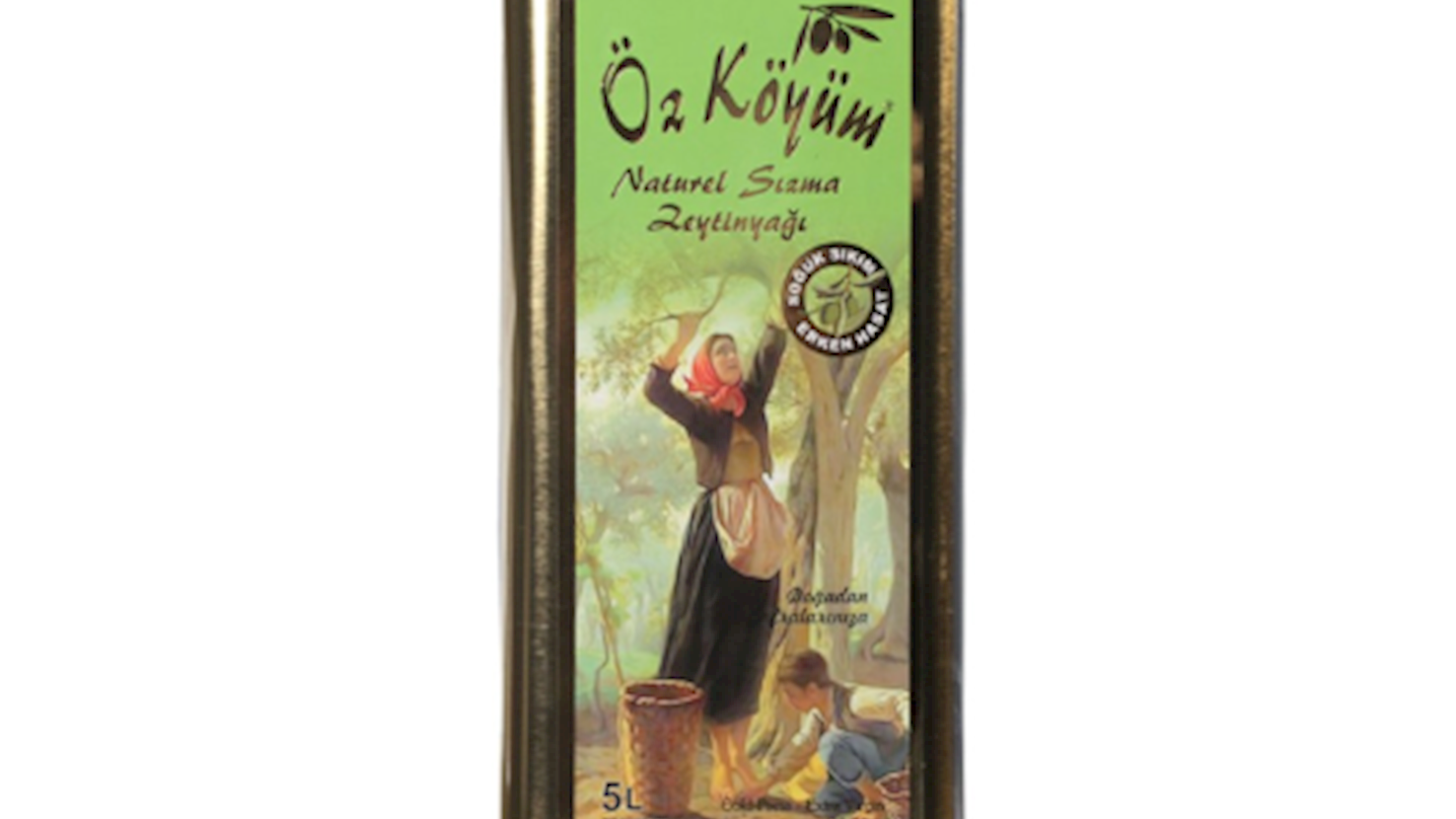
Öz Köyüm is a Turkish brand specialized in the production and sale of traditional, natural, and handcrafted food products that originate directly from rural regions of Turkey. The company is based in Burhaniye, in the Balıkesir province. Their product range includes cold-pressed extra virgin olive oil, olive oil soaps, homemade pasta, jams, ajvar, natural syrups, as well as a variety of olive-based and dried herb products. Öz Köyüm collaborates with local farmers and artisans, ensuring the use of only natural ingredients, free from additives and industrial processing. The brand is dedicated to preserving rural life, supporting local communities, and passing on the authentic flavors of Anatolian cuisine to new generations.
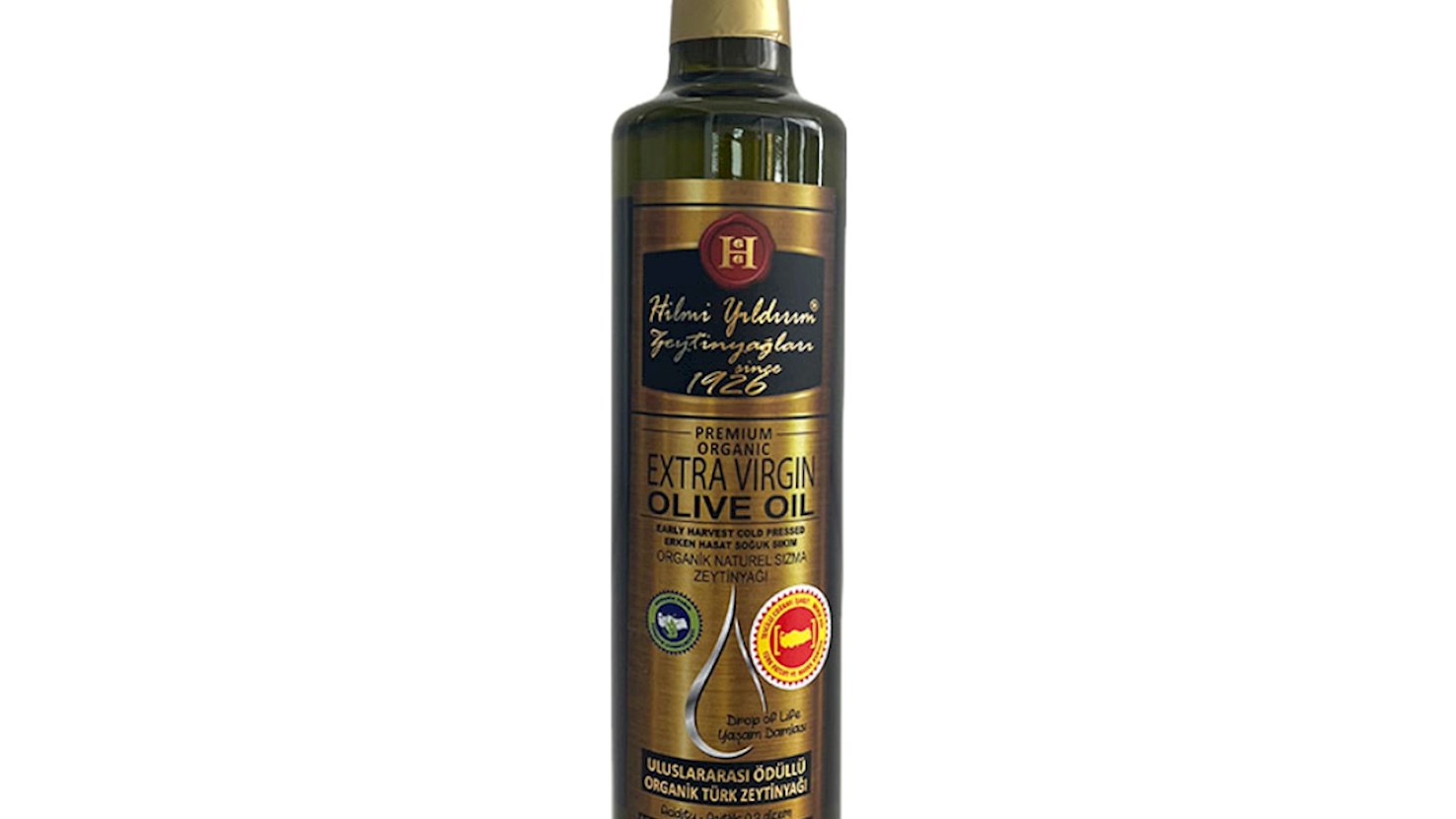
Hilmi Yildirim is an olive oil producer based in Aydın, Turkey. The company specializes in the production of high-quality extra virgin olive oil. Utilizing traditional and modern agricultural techniques, they ensure the preservation of the natural flavor and health benefits of their olive oil. The company is involved in both local and international markets.
TasteAtlas food rankings are based on the ratings of the TasteAtlas audience, with a series of mechanisms that recognize real users and that ignore bot,
nationalist or local patriotic ratings, and give additional value to the ratings of users that the system recognizes as knowledgeable.
For the “Top 100 Turkish Foods” list until June 04, 2026, 49,310 ratings were recorded, of which 25,432 were recognized by the system as legitimate.
TasteAtlas Rankings should not be seen as the final global conclusion about food. Their purpose is to promote excellent local foods,
instill pride in traditional dishes, and arouse curiosity about dishes you haven’t tried.
The initial list of top producers was compiled based on available reviews, awards, local recommendations, media and blog coverage, and consumer reviews.
The list will be updated with ratings from TasteAtlas local ambassadors and TasteAtlas users.