
shutterstock

Top 100 Croatian Foods

Last updated on June 06, 2026

Best Croatian foods

01
Side Dish

Zagorski mlinci

4.6 ·

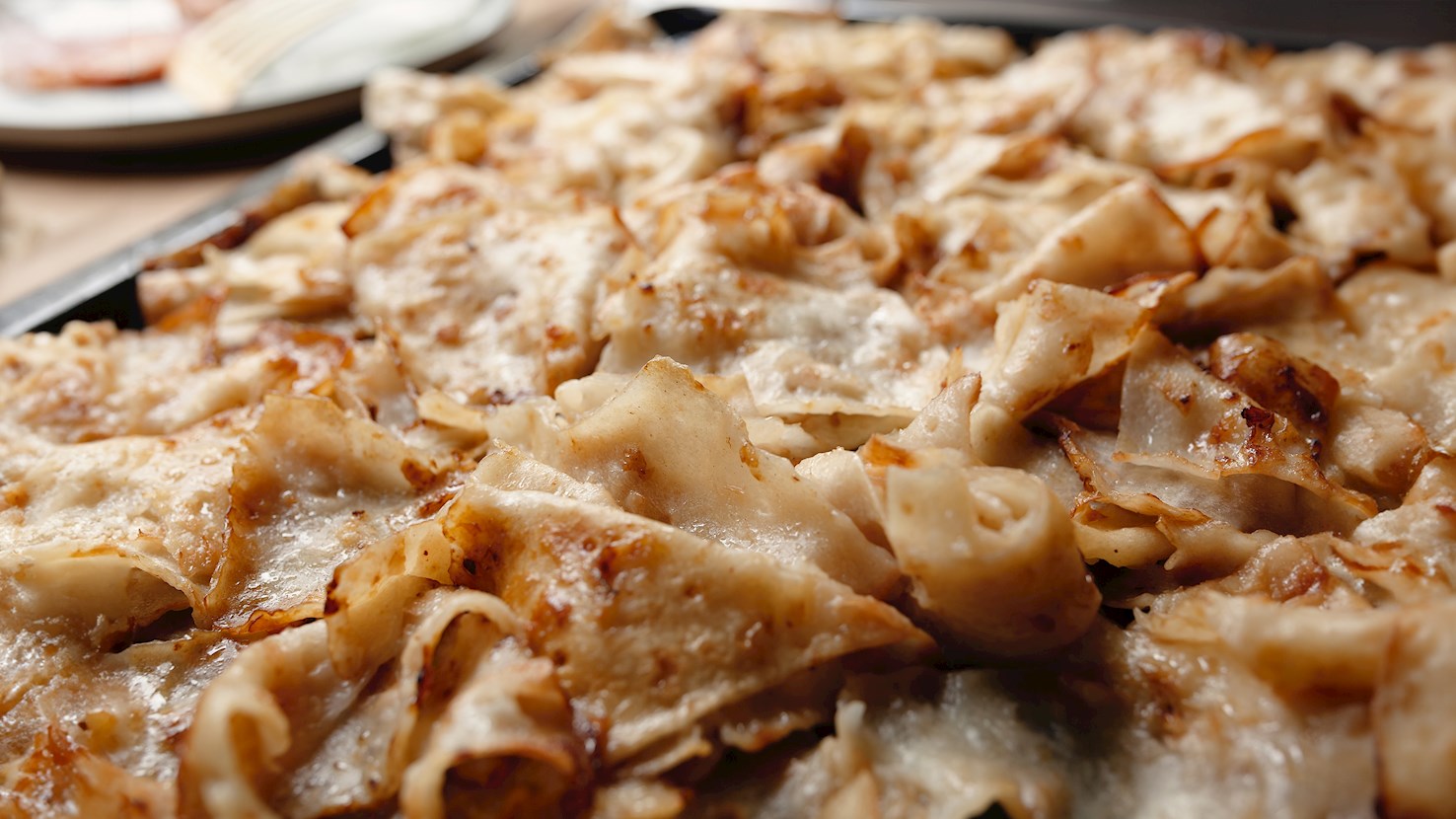
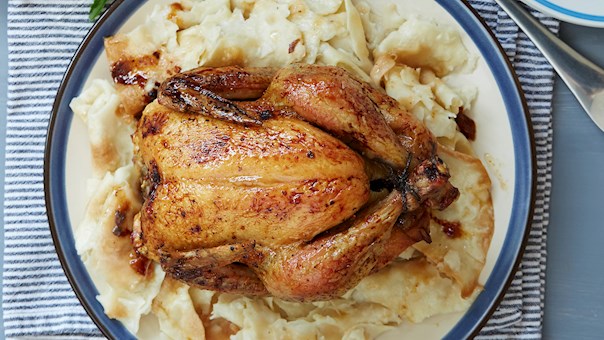
This traditional Croatian cross between pasta and flatbread is made with wheat flour (type 550) and water, with the occasional addition of lard and eggs (in which case it does not meet the standards necessary for its PGI status). To make mlinci, the dough is rolled by hand into thin sheets (not thicker than 2,5 mm) which are then baked twice and dried until crispy. All the pieces must be shaped into squares. Before serving, they are torn into smaller pieces, submerged in water or broth, drained, and finally doused in meat drippings. Mlinci are typically enjoyed alongside stuffed roast turkey—a traditional Croatian Christmas lunch—but they also pair well with other roasted meat dishes.

Best restaurants
02
Sausage

Slavonski kulen

4.5 ·

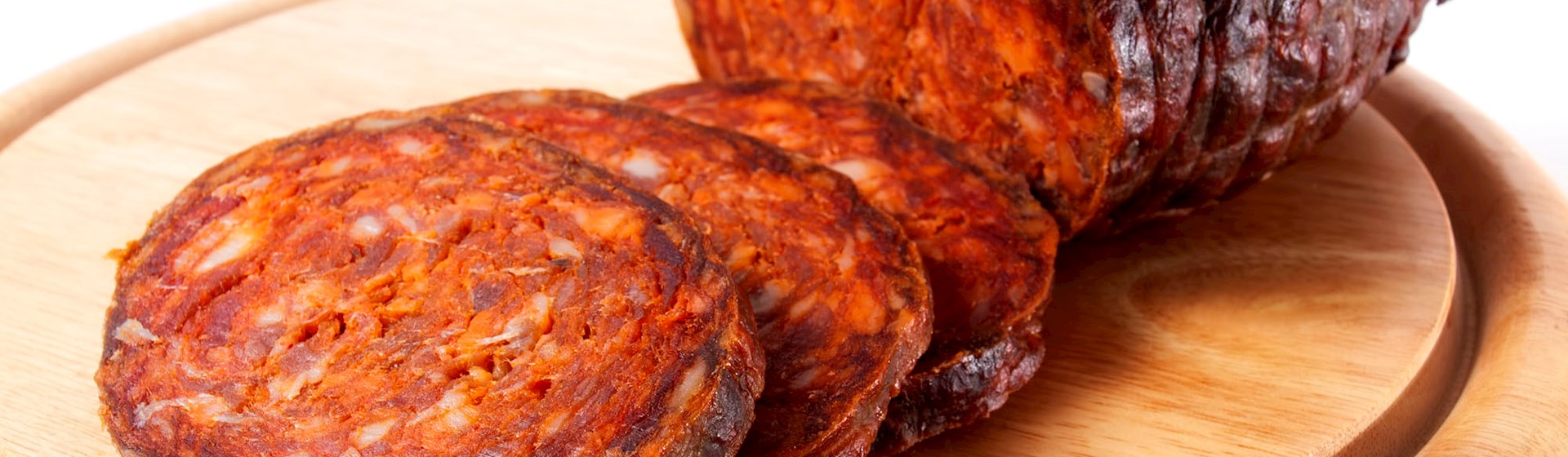
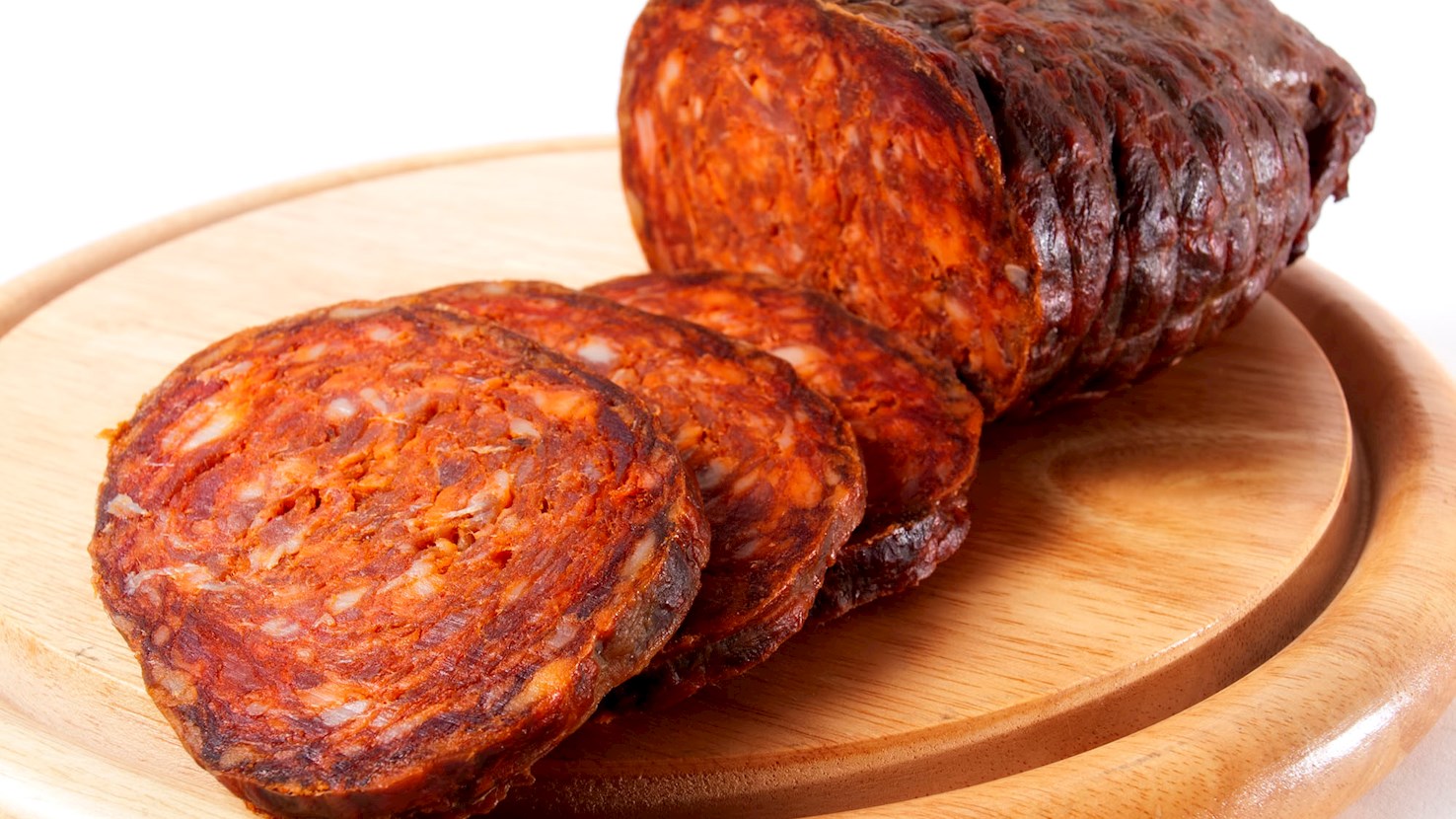
Slavonski kulen is the best-known delicacy of eastern Croatian cuisine. It is a cured sausage made from prime cuts of pork combined with carefully selected spices including red paprika and garlic. Kulen has a strong smoky flavor with the aromas of paprika and pepper. Slavonian type of kulen must be produced using the meat of pigs that have been raised in Slavonia. Only the premium cuts of pork are used in the making of this sausage and every step of the production process is kept separated from that of all other sausages. Kulen matures for several months during which it is smoked and dried. Historically, only one kulen was produced per slaughtered pig, which made it extremely rare, and the delicacy used to be served only on special occasions.

Best producers
03
Dry-cured Ham

Dalmatinski pršut

4.3 ·

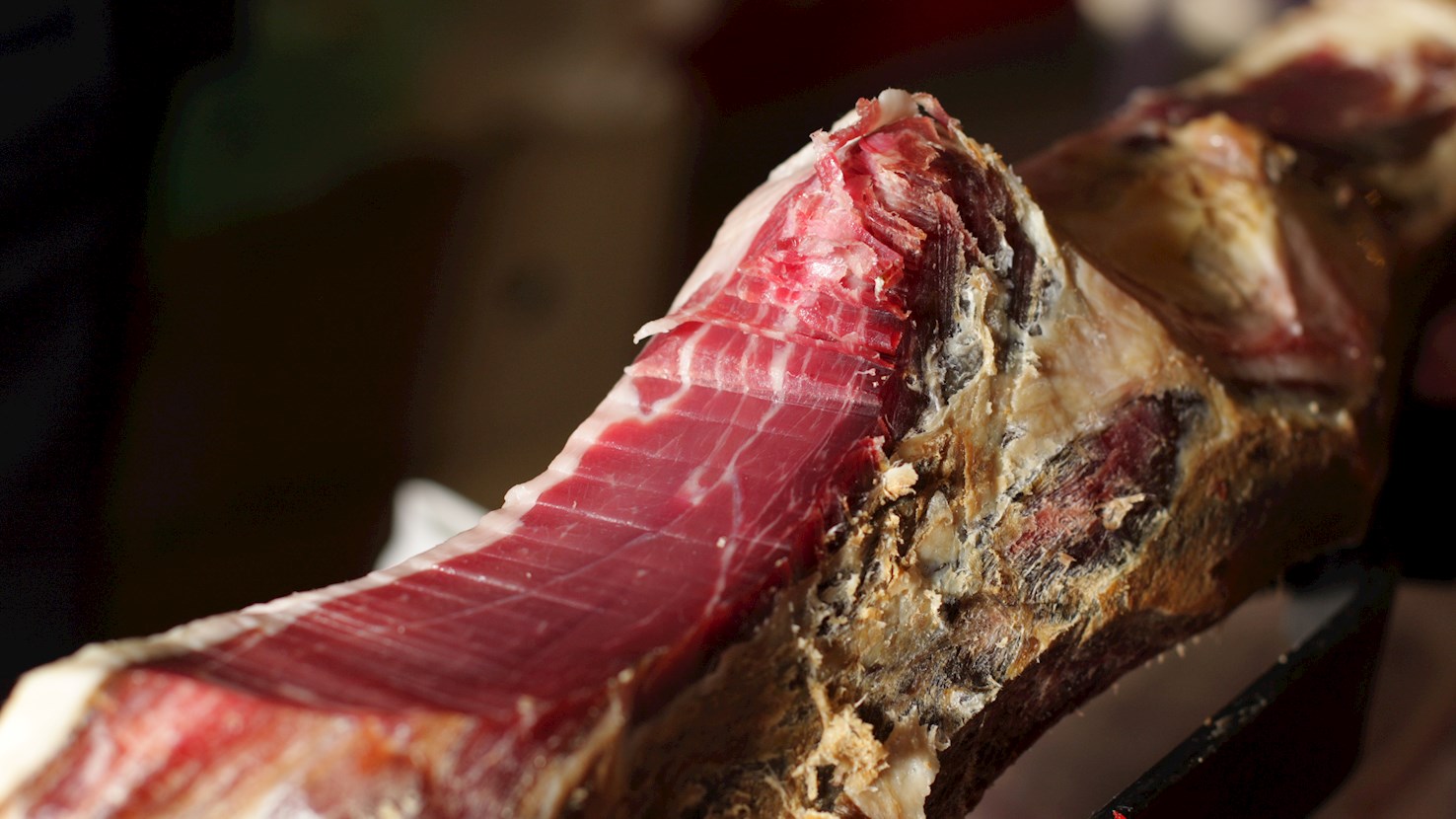
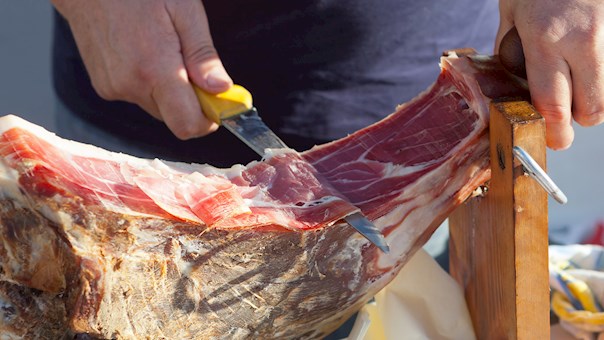
Dalmatinski pršut is a cured, smoked, and dried ham that is usually served thinly sliced alongside bread, cheese, or fruit such as melon. Unlike its Italian (prosciutto) and Istrian counterparts, the Dalmatian version of pršut is wood-smoked and dried for a minimum of twelve months. It is produced with fresh pork legs, with the bone, skin and subcutaneous fat. After preparation, which includes dry-salting, pressing, and seasoning, it is smoked and left to dry and mature in the air. The final period is strongly influenced by the cold and dry Bora wind, which creates favorable conditions for maturation. The combination of Mediterranean climate and traditional preparation techniques contribute to the exceptional quality of pršut, which is appreciated for its mildly smoky aroma, soft texture, and slightly salty taste.

04
Dry-cured Ham

Istarski pršut

4.3 ·

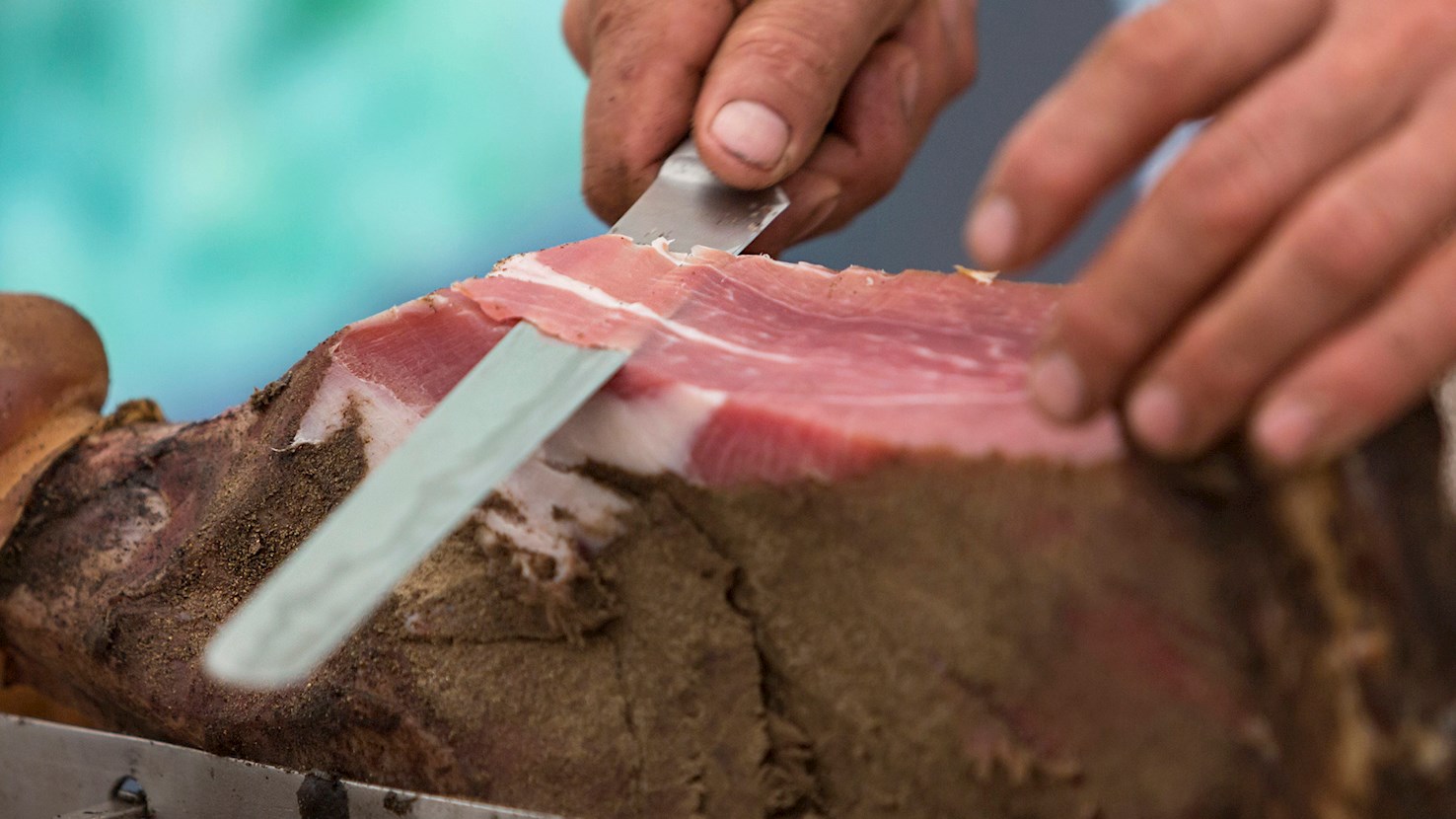
One of the staple ingredients of Croatian cuisine, Istrian pršut or prosciutto is a traditional cured and dried ham. It is usually served thinly sliced as an entree, alongside some artisanal bread and sheep or goat milk cheese. Its production is the simpler than those of other prosciuttos, as it is not smoked and is processed without its skin. After its skin and fat are removed, it is salted with coarse salt, pressed and rubbed with the mixture of black pepper, garlic, and different herbs. It is then dried for a few months in the wind before it is left to mature and ferment for the final six to eight months. The meat used in the production of pršut is sourced from the local pig breeds. Istrian pršut it deep red in color without any discolorations, and should have a sweet taste and almost melt in the mouth when thinly sliced.

05
Cheese

Paški sir (Pag cheese)

4.3 ·

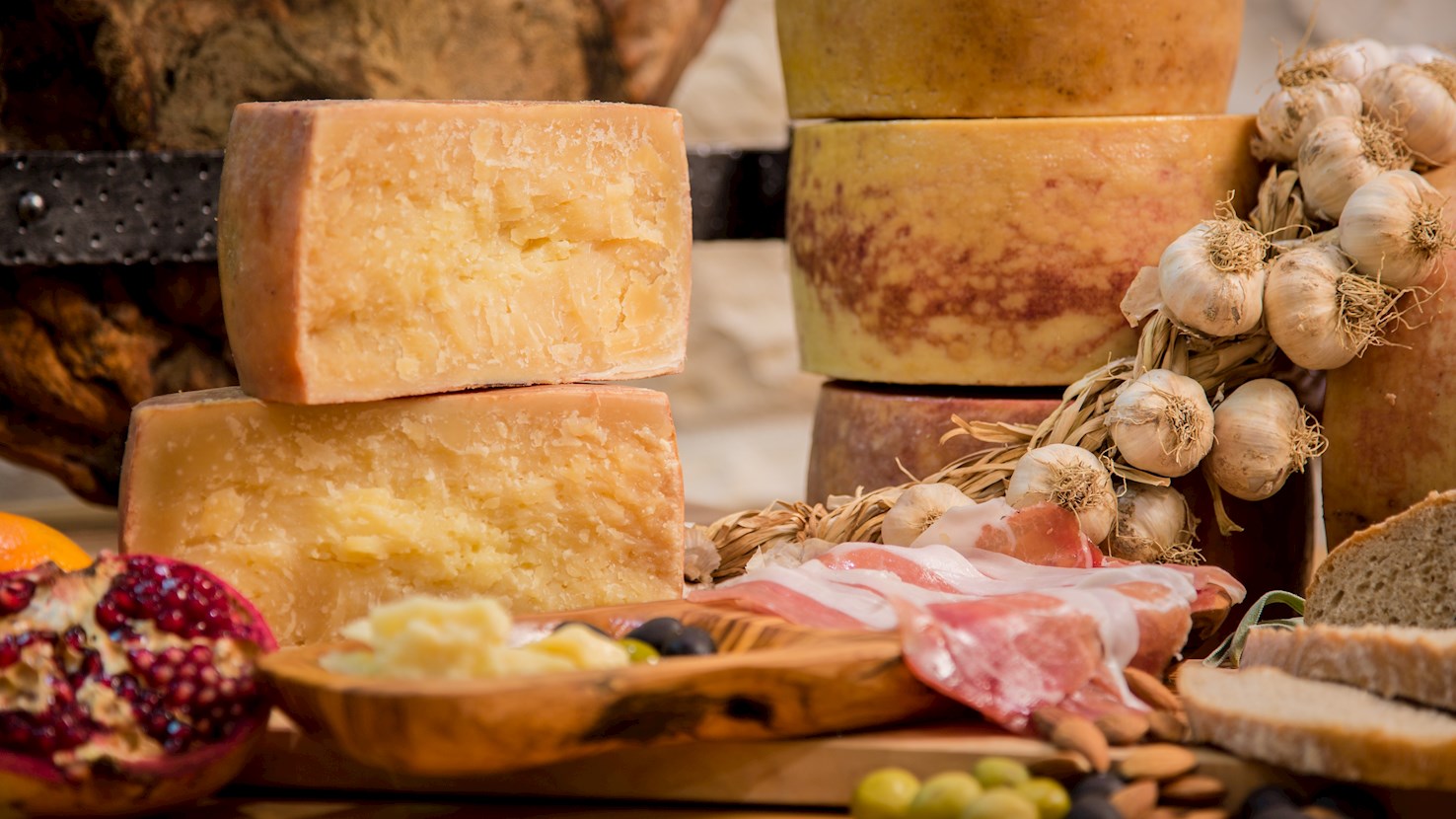
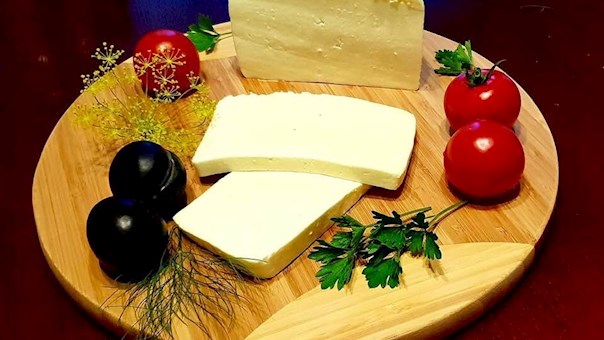
Paški sir is a hard Croatian cheese originating from the island of Pag. The cheese is made from milk of the Pag sheep. The harsh bura wind dusts the island with sea salt, flavoring various herbs (such as immortelle, sage, and sea fennel) on which the sheep graze, and as a result their milk has a unique flavor. This award-winning cheese is characterized by a dry, flaky, grainy, and crumbly texture, and a tangy, salty flavor. The cheese is typically rubbed with ash and olive oil, and it's then left to mature for at least four months. As it matures, the tangy and savory flavors become even stronger. When young, it’s herby and salty, reminiscent of Manchego in texture and flavor, while the aged version somewhat resembles Pecorino Romano. It is recommended to serve the cheese at room temperature, sliced into triangles. Pair the aged one with fruit jams, olive oil, wildflower honey, anchovies, prosciutto slices, grapes, or paške bubice (small local bread rolls), but “don’t use it in sandwiches,” as the locals say. The young version is suitable for shaving on top of risottos and pasta dishes, or it can be melted and used as a pasta sauce. If you want to store Paški sir, it is recommended to place it on a wooden board and turn it every now and then while rubbing it with olive oil in order to prevent the cheese from drying out and developing mold.

06
Ground Meat Dish

Sarma

4.2 ·

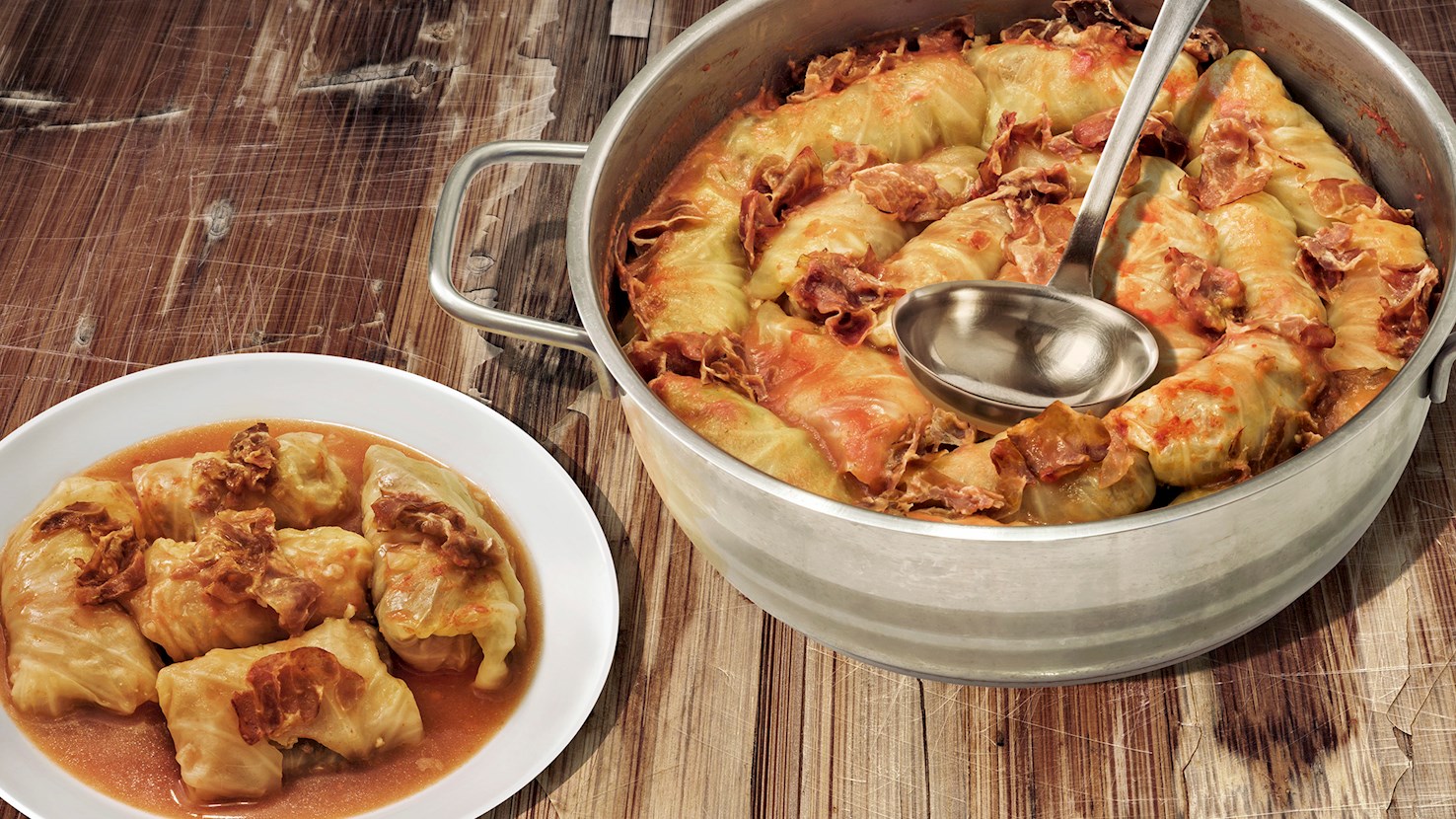
One of the staples of traditional Turkish cuisine, sarma consists of a filling that is snugly surrounded by leaves or leafy vegetables. There are numerous versions of this dish but the mixture typically combines ingredients such as minced meat, rice or bulgur, various herbs, seasonings, red pepper, paprika, ground sumac, or tomato sauce, while the typical wrapping usually includes vine, cabbage, or sauerkraut leaves, or a variety of leafy vegetables such as collard greens and swiss chard. Having its roots in the Ottoman Empire, sarma is also traditionally consumed in the Balkans, the countries of Central Europe, the South Caucasus, and the Middle East. Although it is commonly enjoyed as a filling lunch or dinner (typically during the winter season), sarma is often prepared on special occasions and holidays. The dish is usually accompanied by plain yogurt, mashed potatoes, and crusty bread on the side.

07
Savory Pastry

Burek sa sirom

4.2 ·

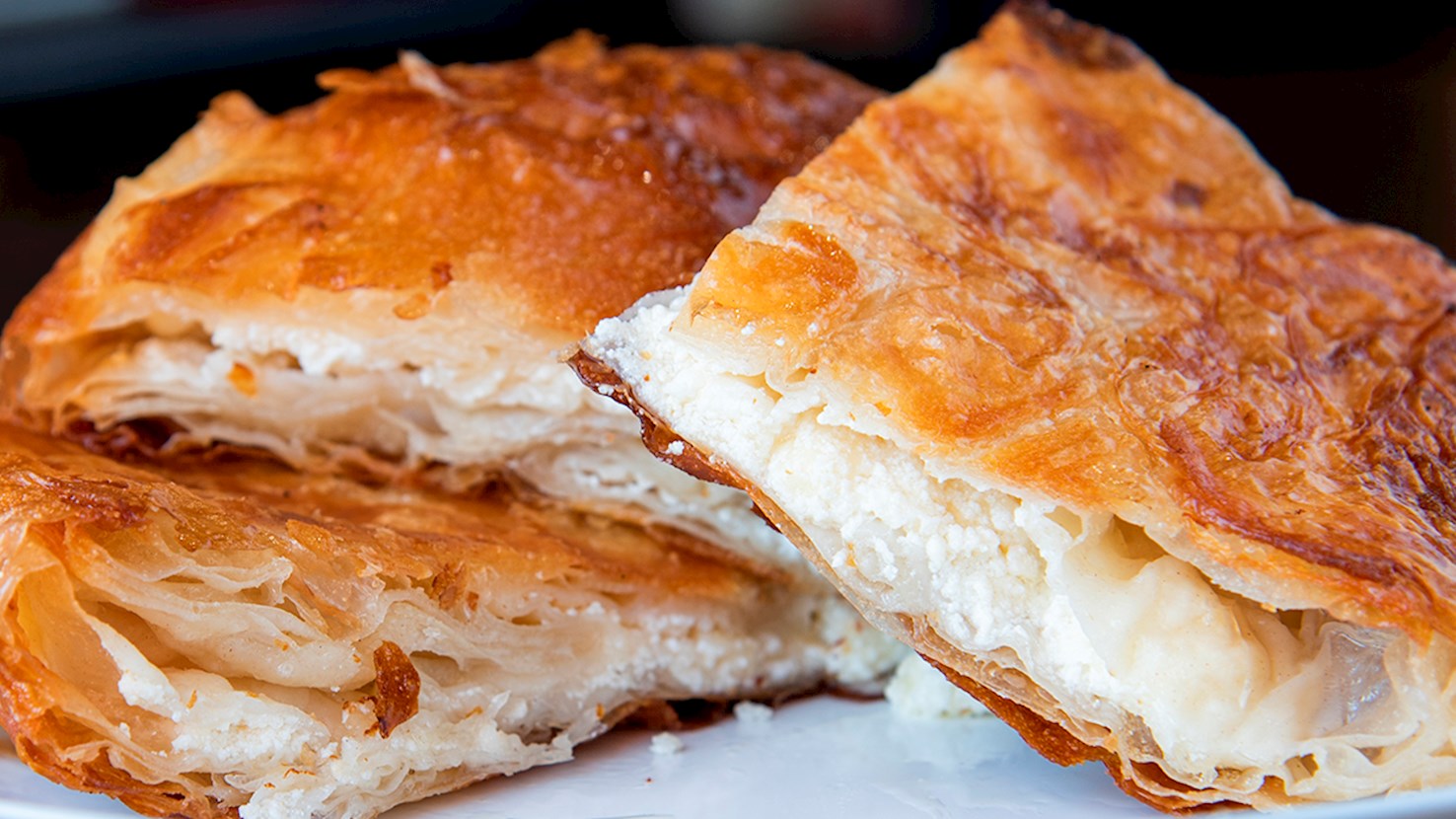
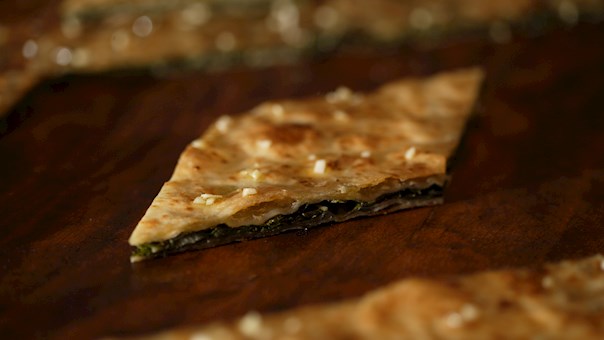
Burek sa sirom is a phyllo pastry that is round or coil-shaped and filled with a mixture of cheese and eggs. The dough is made with flour, salt, and water (and perhaps a bit of oil) and stretched into translucent sheets. The sheets of phyllo dough are stacked in a large tray, and each sheet is sprinkled with oil or oil and mineral water and spread with the cheese and egg filling. Still, you might have heard that burek can only be called burek if it's filled with meat. That is, if you live in Bosnia and Herzegovina, but not everyone does, nor is burek really Bosnian – in fact, it has Turkish origins. In Bosnia, burek (with meat) and other types of similar pies such as sirnica (cheese) and krumpiruša (potatoes) are usually rolled into a coil, while Croatians and Serbs have a more relaxed approach – burek can be round and cut into quarters, or rolled into a coil – both shapes are good, and both can be called burek sa sirom (when filled with cheese, of course). Initially, burek was brought over to Niš in the 15th century, and it was prepared as a round pie. After World War II, burek came to Croatia and Slovenia. The term burek sa sirom, denoting a round or coil-shaped pie filled with cheese has been so engrained into Croatian culture (for more than 50 years) that it can be considered a Croatian classic regardless of its name. The most important thing is that it's delicious, filling, and a great breakfast staple for many Serbs and Croatians, especially when paired with a refreshing cup of yogurt on the side.

08
Lamb Dish

Janjetina ispod peke (Lamb under the bell)

4.2 ·

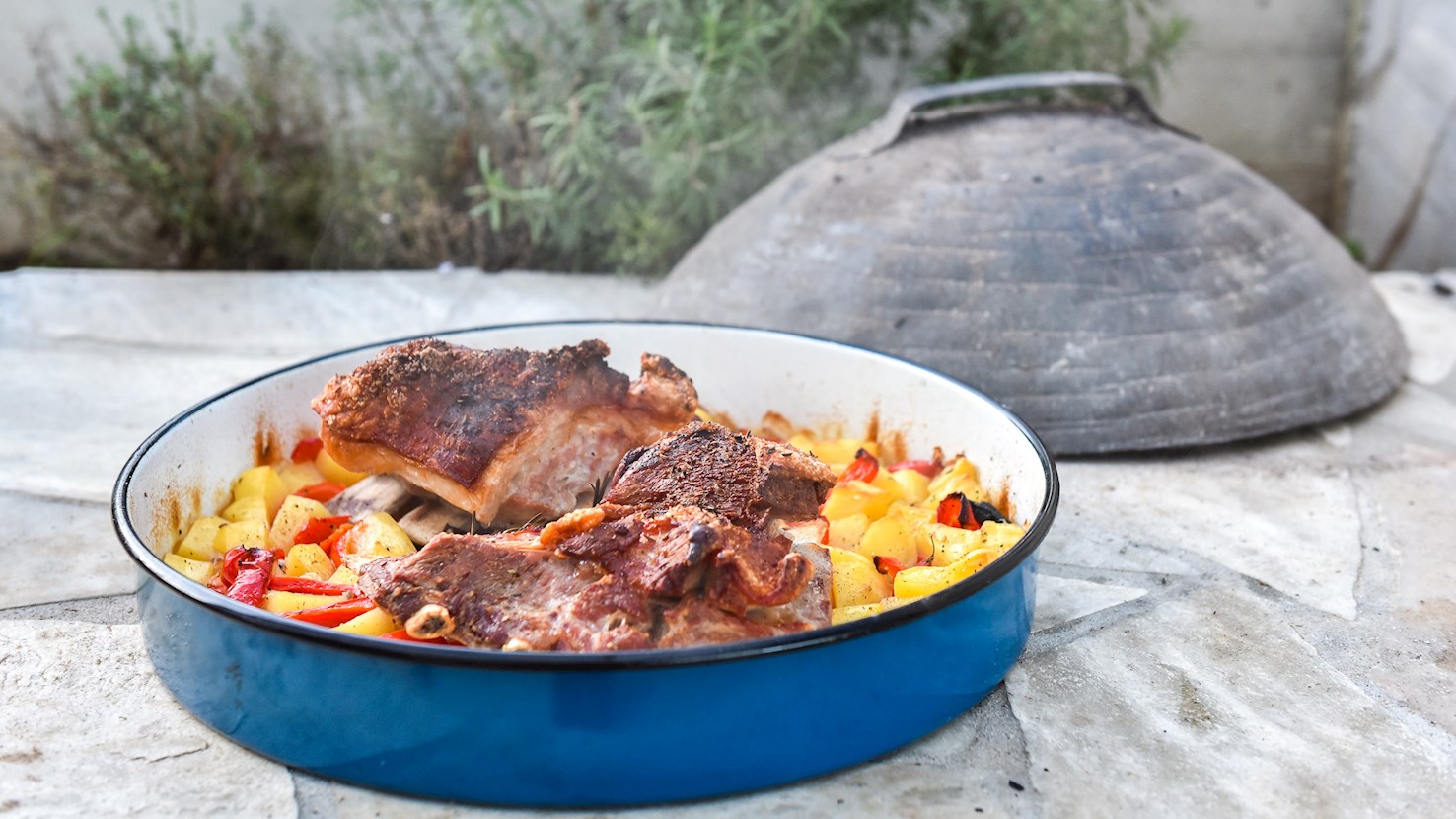
Janjetina ispod peke is a traditional lamb specialty that calls for preparing the meat under a metal, bell-like dome or lid called peka in Dalmatia or čripnja in Istria. The meat is usually combined with potatoes and vegetables such as onions, tomatoes, carrots, and zucchinis, and the whole thing is then commonly drizzled with olive oil. White wine or beer may occasionally be added to the concoction to speed up the cooking process, while the dish is often flavored with aromatic herbs and spices such as rosemary, bay leaves, mint, paprika, and black pepper. Traditionally, the baking tray or pot containing the food is topped with the peka lid, placed in a fireplace, and the lid is then covered with hot embers on top. After hours of cooking slowly under the lid, the meat comes out tender, succulent, and falling-off-the-bone. This specialty is typically accompanied by a fresh seasonal salad, kruh ispod peke (bread baked under the lid), and a glass of white wine or beer on the side. Janjetina ispod peke is a typical dish of the Dalmatia and Istria regions, where it can be savored in local restaurants or prepared at home.

Best restaurants
09
Meat Dish

Kotlovina

4.2 ·

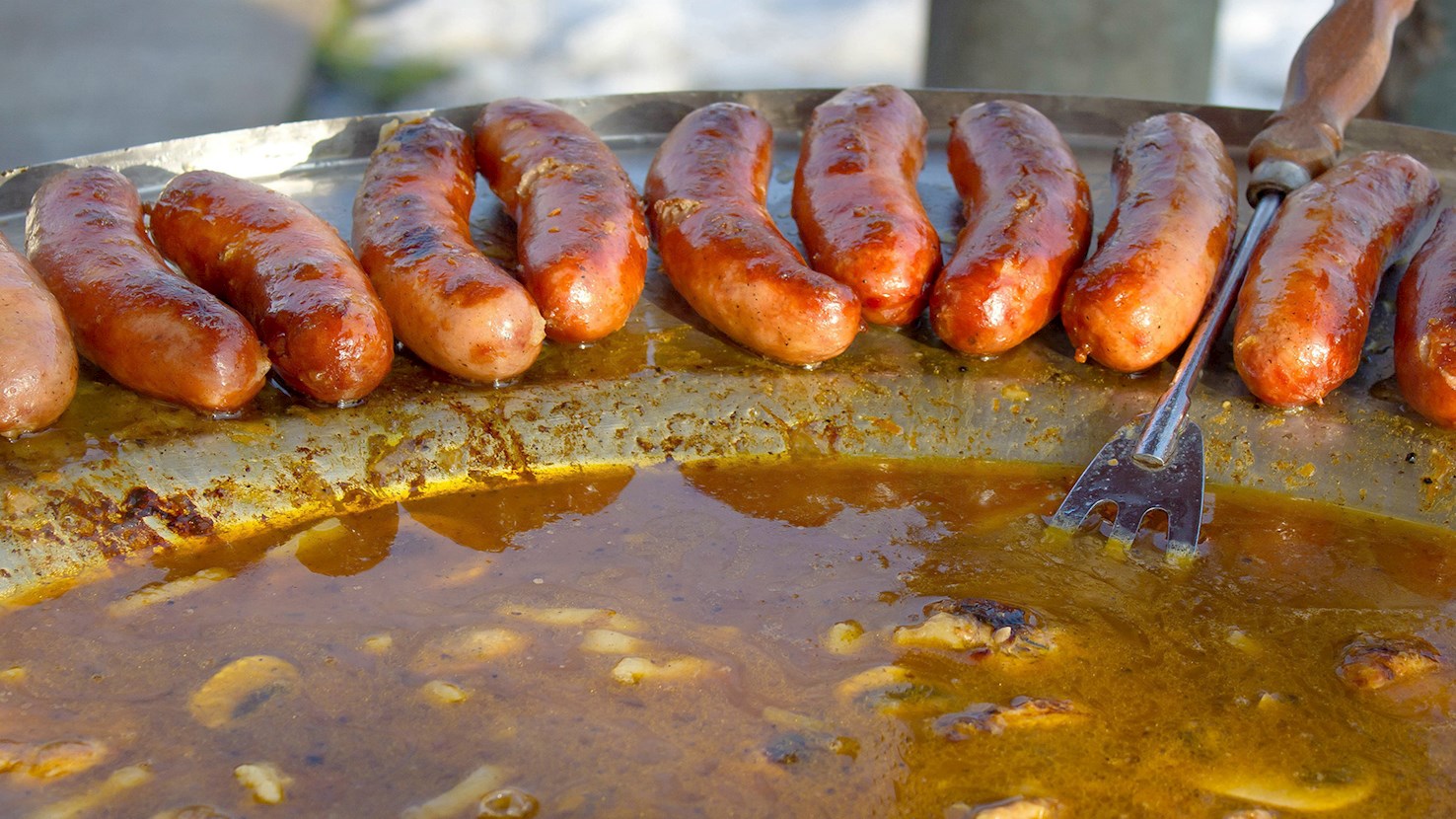
Kotlovina is a traditional dish made by cooking various types of meat, sausages, and vegetables in a large, shallow plate that is placed over an open fire. The dish is typically prepared outdoors, often in gardens or courtyards. There are numerous recipes for kotlovina, but the meat is usually seasoned with salt, pepper, and oil. It is recommended to serve the dish with roasted potatoes or a fresh salad on the side.

10
Appetizer

Kruh s maslinovim uljem

4.2 ·

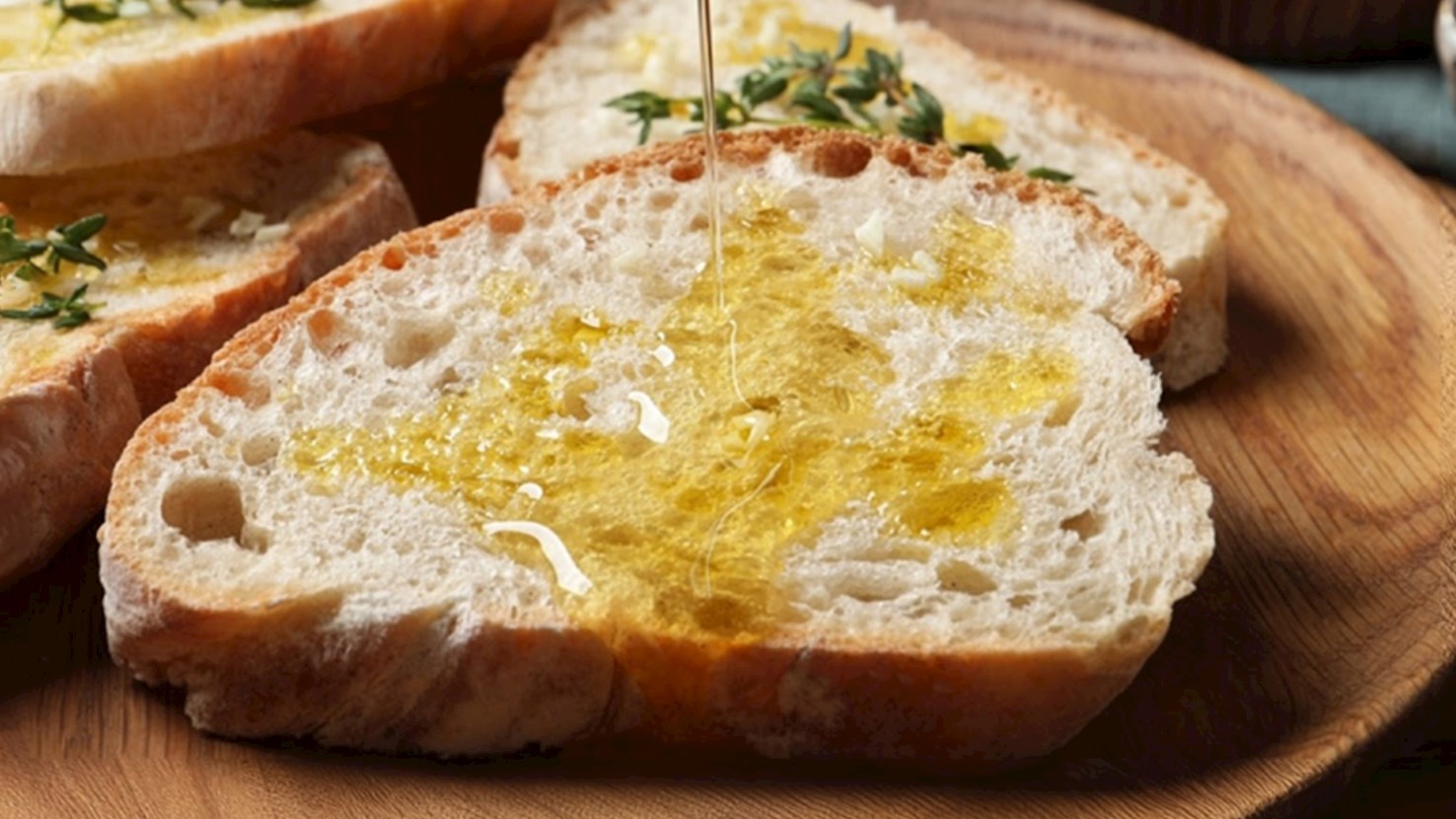
Pane e olio is an Italian phrase meaning bread and oil, referring to a simple yet classic Italian dish that highlights the quality of its basic ingredients: bread and olive oil. Traditional Italian bread such as ciabatta, focaccia, or a rustic country loaf is typically used, while extra virgin olive oil (EVOO) is the oil of choice due to its superior flavor and health benefits. High-quality, cold-pressed olive oil from regions like Tuscany or Puglia is ideal. The bread is usually sliced and may be served fresh or lightly toasted, with toasting enhancing its texture and providing a warm base for the olive oil. The olive oil is typically poured into a small dish or bowl for dipping, though some variations may include a drizzle of olive oil directly on the bread slices. The olive oil can be seasoned with a pinch of sea salt, freshly ground black pepper, or a dash of balsamic vinegar for added flavor, and some might add a sprinkle of dried or fresh herbs such as rosemary, thyme, or oregano. Rubbing a clove of garlic on the toasted bread before adding the olive oil can infuse the dish with a subtle garlic flavor, and additional toppings like sliced tomatoes, olives, or anchovies can be added for more complexity. Pane e olio is often served as an appetizer or a starter in Italian meals but can also be enjoyed as a light snack or part of an antipasto platter. This dish emphasizes the Italian culinary philosophy of using simple, high-quality ingredients to create delicious food and is a common practice in Italian households, showcasing the country's rich tradition of olive oil production and bread-making. But apart from Italy, the same dishes exist in other countries as well, such as Spain's pan con aceite, France's pain et huile d'olive, Lebanese khebez w zeit zaytoun, Turkish ekmek ve zeytinyağı, and many more.

Best Croatian food products

01
Olive Oil

Chiavalon

5 ·
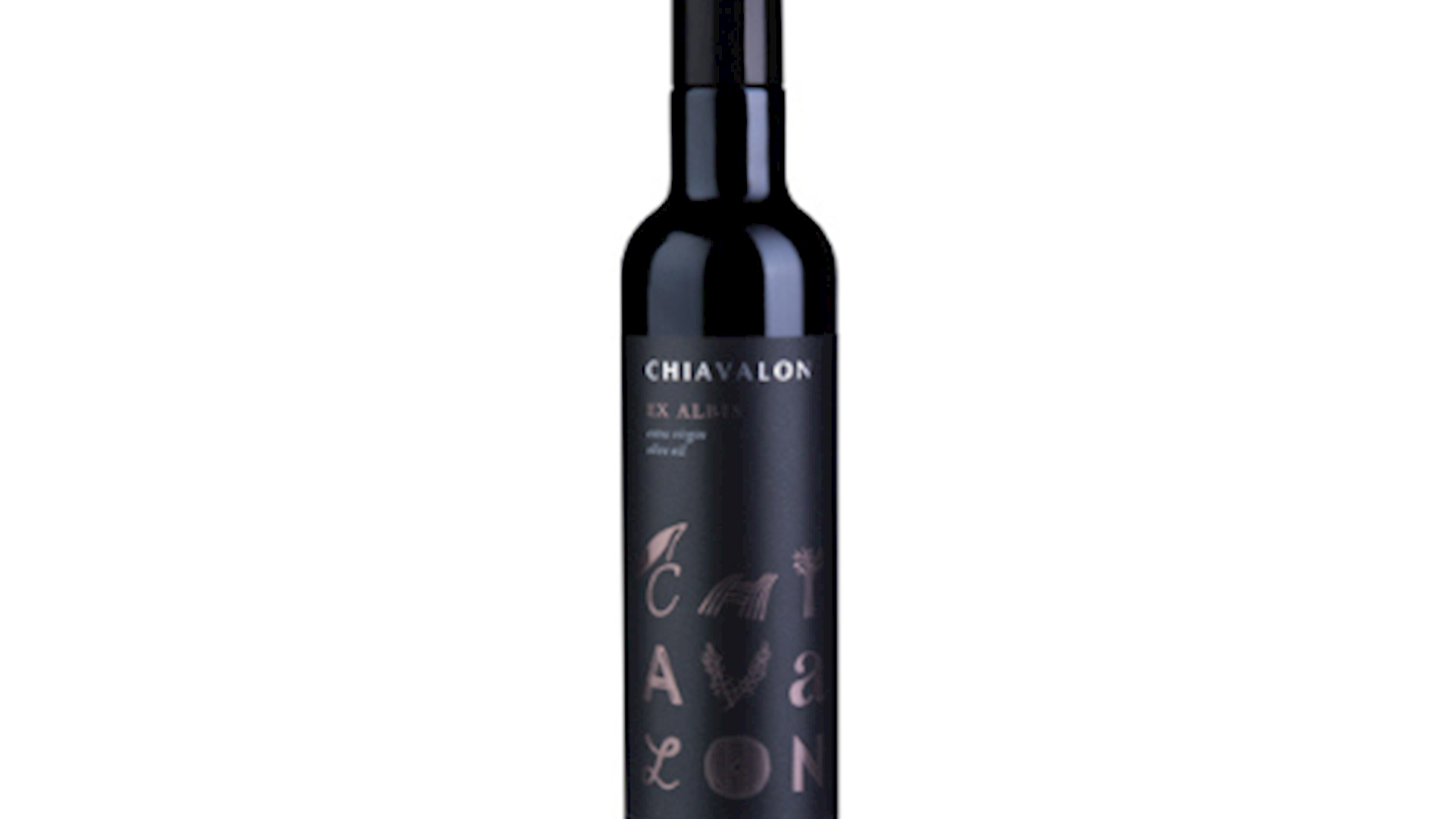
Chiavalon is a renowned Croatian producer of premium extra virgin olive oil based in Istria, a region famous for its long tradition of olive growing and high-quality olive oils. The Chiavalon family has been nurturing olive groves around the town of Vodnjan for generations, combining traditional methods with the latest processing technologies. Their dedication to quality and preserving the natural characteristics of the fruit results in products recognized on the international stage. Chiavalon’s extra virgin olive oils are distinguished by intense fruity aromas, balanced bitterness, and spiciness, giving them a complex and elegant flavor. The most commonly used varieties include Istarska bjelica, Leccino, and Pendolino, and each bottle is carefully controlled to meet strict quality and authenticity standards. With numerous prestigious awards and recognitions at global competitions, Chiavalon has become synonymous with top-quality Croatian olive oil, valued by both experts and olive oil enthusiasts worldwide. Their commitment to tradition, innovation, and sustainable development makes Chiavalon one of the most prominent brands in the olive oil industry.
Awards
EVO IOOC - Gold Medal (2022, 2019, 2018, 2017)
Olive Japan - Gold (2019, 2018, 2017, 2016)
02
Olive Oil

Mate Olive Oil

5 ·
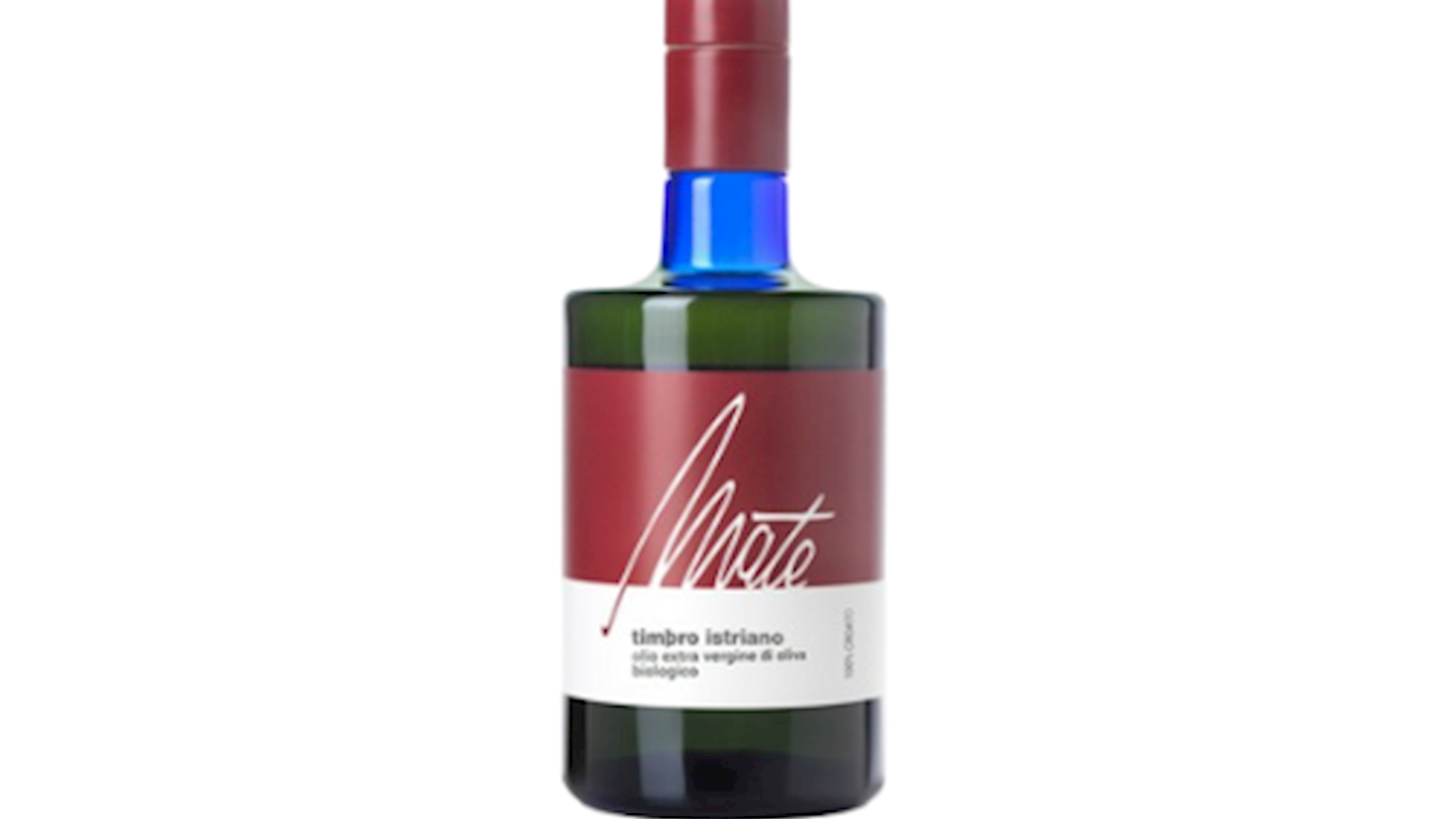
Mate Olive Oil is a family-run olive mill founded in 1994 in Zambratija, near Umag. The founder, Mate Vekić, planted his first olive trees and started the mill at the age of 75. Today, his daughter Aleksandra has taken over the management, integrating modern processing and bottling techniques while preserving the traditional approach to production. They own about 27,500 olive trees spread over 69 hectares and produce several single-varietal and blended oils, including Bianca Bellezza, Timbro Istriano, Viola Tonda, and the Trasparenza Marina blend, all from organic production. Alongside a strong commitment to tradition, Mate stands out for its ecological approach — olives are handpicked and processed quickly after harvesting in a modern mill, and the oils are certified as organic extra virgin.
Awards
Flos Olei - Hall of Fame (2024)
Flos Olei - The Best (2023, 2021)
03
Olive Oil

Oleum Viride Belić

5 ·
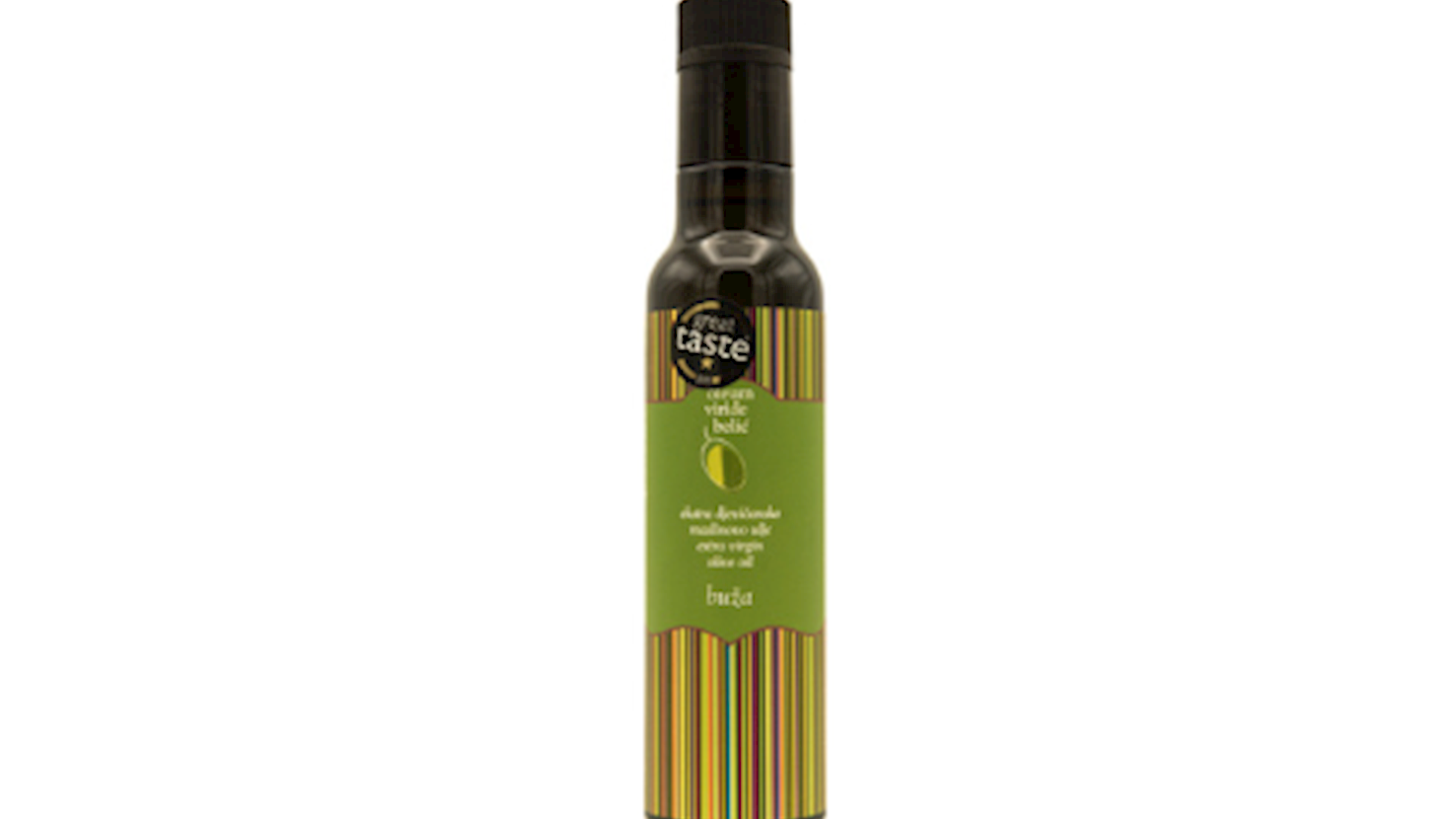
Oleum Viride Belić is a renowned Croatian producer of premium extra virgin olive oil, with production located in the heart of Istria, in the town of Rabac. The brand is run by the Belić brothers, who have transformed their family business into a synonym for quality and passionate dedication to olive growing. Their oils regularly win awards at international competitions, and their production philosophy is based on hand-picking, rapid cold-pressing, and full control of the process – from tree to bottle. The brand Oleum Viride, which in Latin means “green oil,” is named after the early harvest of still-green olives, resulting in a higher concentration of antioxidants, more intense aromas, and a distinctly pungent flavor. Their oils are known for pronounced fruity notes, freshness, and complexity, and are made from both indigenous Istrian varieties such as Istarska Bjelica, and international ones like Leccino and Frantoio.
Awards
Olive Japan - Gold (2022, 2021, 2020, 2018, 2017, 2016, 2014, 2013)
NYIOOC - Gold (2023)
04
Spirit

Šimić Distillery

5 ·
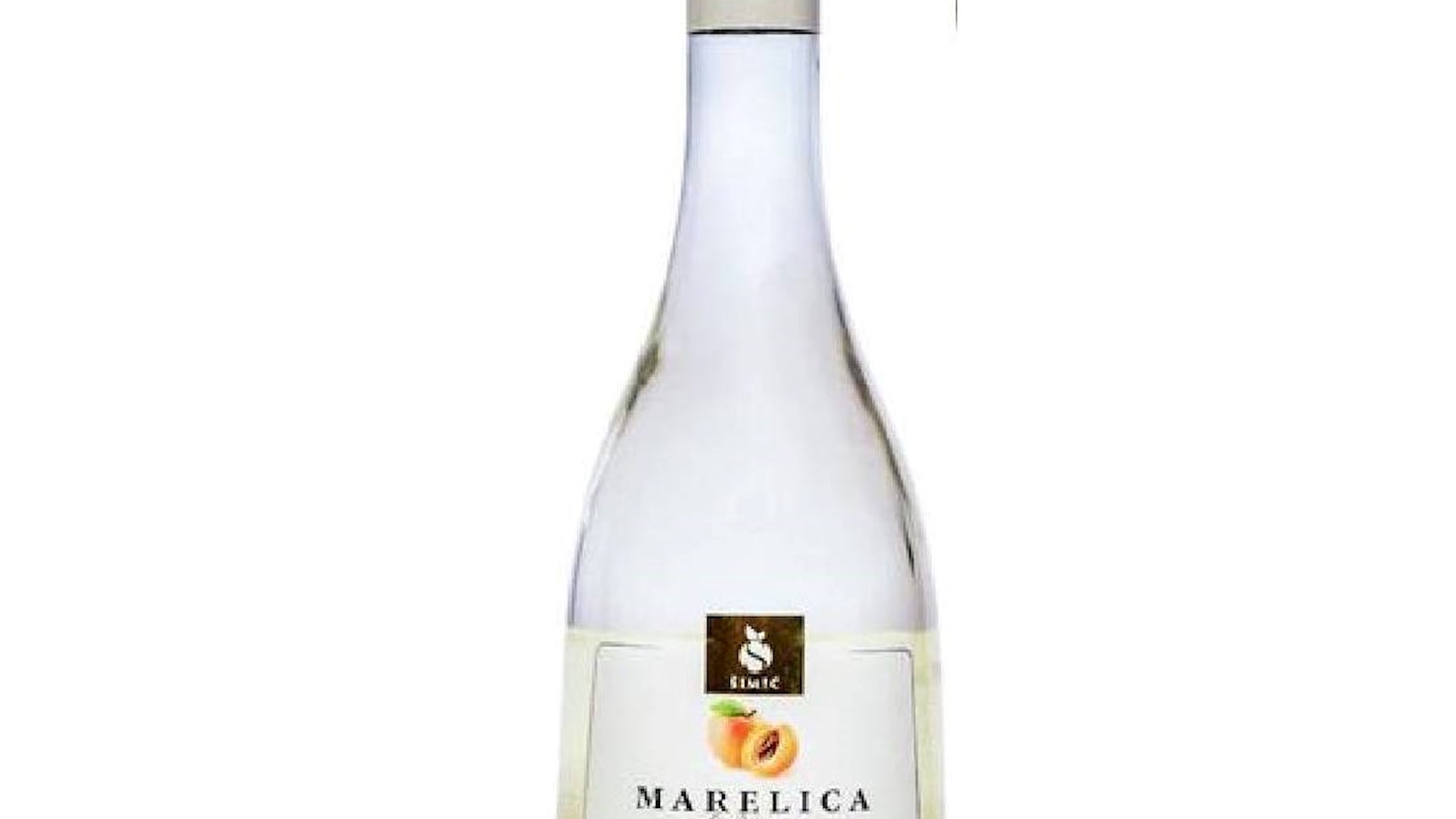
Šimić Distillery is a family-owned craft distillery dedicated to producing high-quality fruit brandies and liqueurs, grounded in tradition, knowledge, and deep respect for nature. Born out of a passion for fruit and artisanal distillation, the distillery combines decades of experience with a modern approach to deliver truly authentic flavors. All products are made from 100% natural ingredients, carefully grown in the family’s own orchards and harvested at peak ripeness. Each rakija is distilled in small batches using traditional copper stills, then aged in oak barrels to develop depth, aroma, and character. Every bottle reflects the family’s unwavering commitment to quality and craftsmanship. The range includes classic brandies made from plum, pear, and apricot, as well as innovative fruit liqueurs with distinctive character. Šimić Distillery is a name synonymous with purity, balance, and flavor integrity. Their spirits don’t just win awards—they win the hearts of those who truly appreciate the art of fine rakija.
Awards
IWSC- International wine & spirit competition - Spirit Gold Outstanding (2024, 2022)
ZGrappa festival - The World’s 15 Best Rakijas - Marin Levaj (2025)
05
Wine

Matuško

5 ·
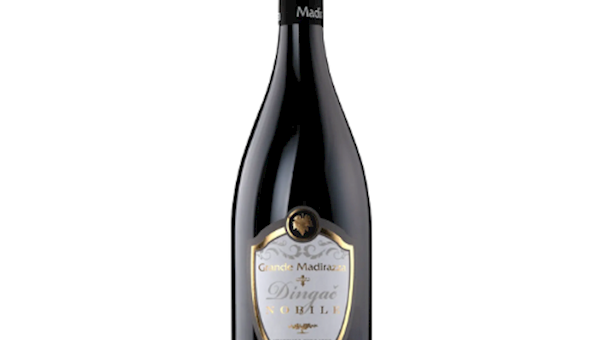
Matuško is a family-owned winery from the village of Potomje on the Pelješac Peninsula, founded in 1997 by Mato Violić - Matuško, one of the key figures in the modern promotion of the Plavac Mali grape and the Dingač appellation. Today, the winery is one of the largest and most visited on Pelješac, featuring an impressive 2,000 m² wine cellar that welcomes over 50,000 visitors annually. The stone-carved tasting room symbolically connects tradition with the raw power of Pelješac’s soil, which lies at the heart of all Matuško wines. The winery’s core focus is on red wines made from the Plavac Mali grape, particularly those from the Dingač protected designation of origin - Croatia’s first officially recognized vineyard micro-location. The Dingač terrain is extremely rocky, rich in minerals, and situated on steep southern slopes that receive more than 2,800 hours of sunshine per year. Under these extreme conditions, Plavac Mali produces wines of high extract, deep color, full body, and pronounced structure. In addition to Dingač, Matuško also produces wines from other Dalmatian appellations, which further enrich its regional identity. Matuško has become synonymous with Plavac Mali in its most powerful form, characterized by bold tannins, ripe fruit aromas, Mediterranean herbs, and deep minerality. Through a modern oenological approach and consistent quality, the winery successfully balances authenticity with broad accessibility, creating wines that are well recognized both in Croatia and internationally.
Awards
Vivino - 4.6
Vivino - 4.4
06
Liqueur

Rossi Distillery

5 ·
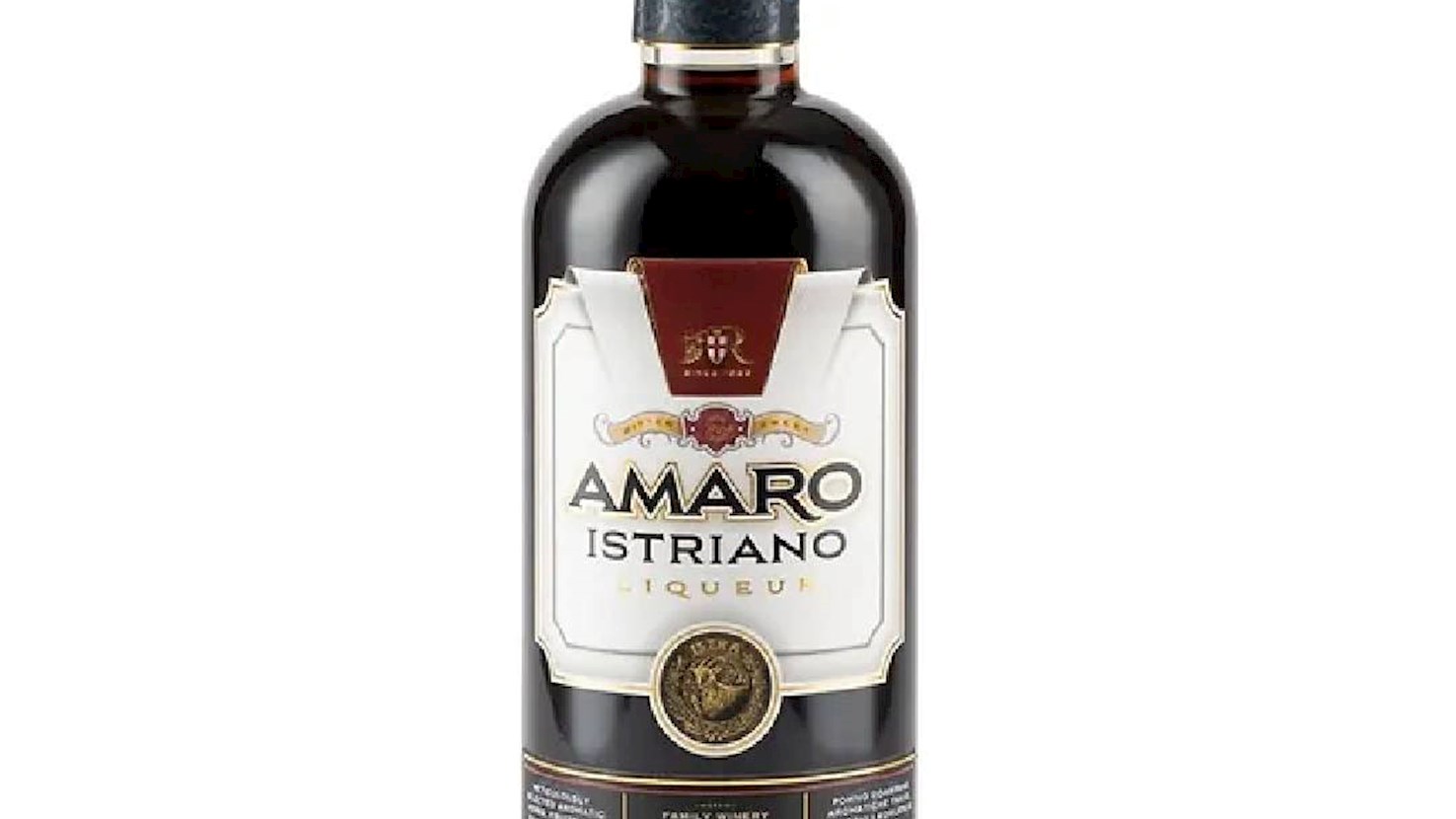
Rossi Winery is a family-owned winery and distillery with a long-standing tradition and a deep passion for viticulture and artisanal production. Since 1885, the Rossi family has been cultivating authentic grape varieties and crafting wines and spirits that reflect quality, character, and meticulous attention to detail. Every step—from the vineyard to the bottle—embodies a blend of tradition and modern expertise. The winery is known for its outstanding Malvazija wines, complex reds, and innovative products such as Malvazija-based gin and aged brandies. All creations are produced in limited batches, with great respect for nature, terroir, and varietal expression. Their work is recognized through numerous awards and the trust of those who value honest and refined craftsmanship. Rossi wines and spirits are not just products of skill and knowledge—they are expressions of family values and a deep connection to heritage. Enjoying their creations is a true wine and sensory experience. Rossi Winery stands as a symbol of quality, consistency, and a modern approach to lasting tradition.
Awards
European Spirits Challenge - Gold (2024)
European Spirits Challenge - Silver (2024)
07
Olive Oil

Ipša

5 ·
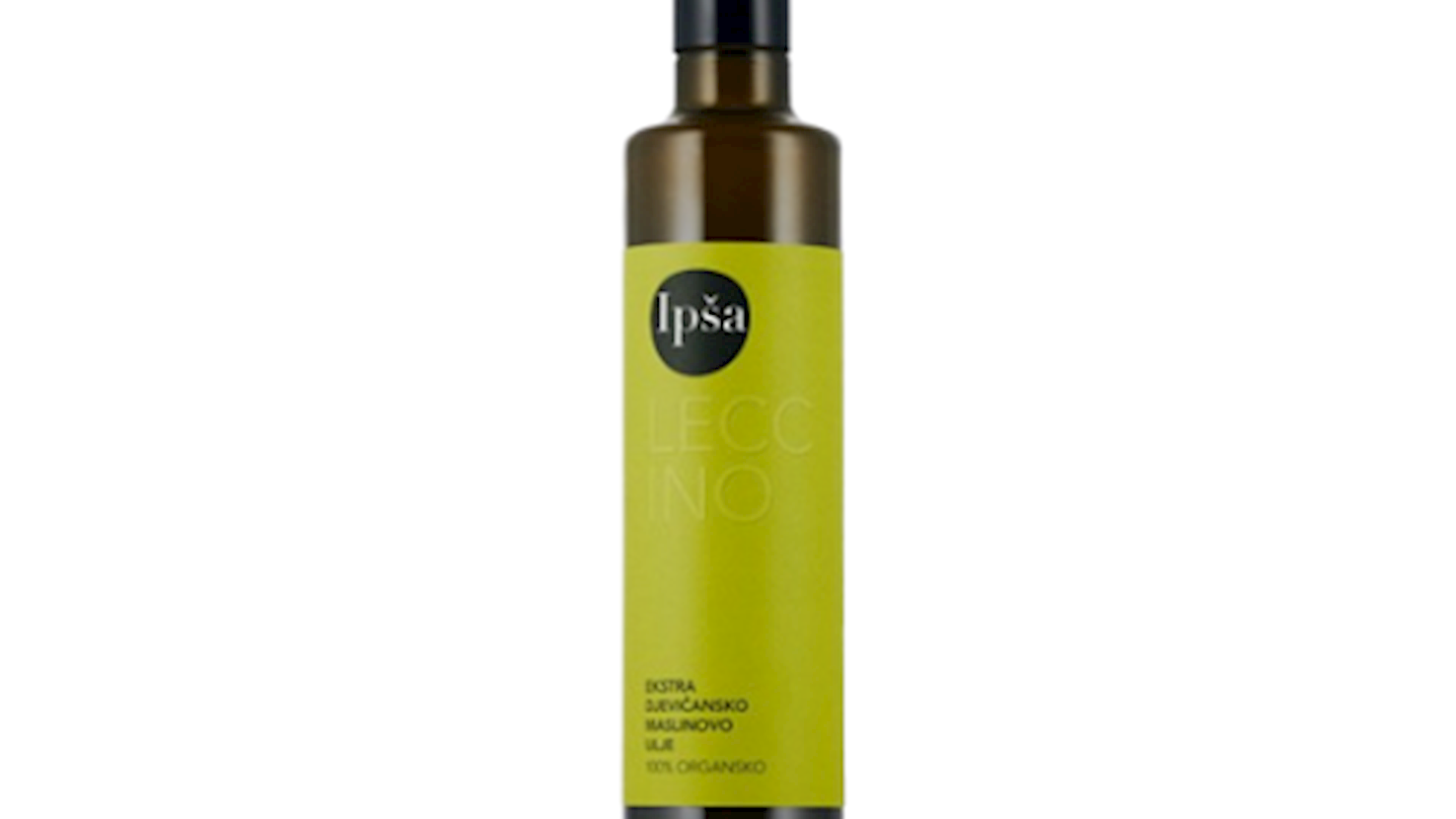
The Ipša family from Istria, located in the village of Ipši near Livade, is recognized as one of the most prominent Croatian producers of extra virgin olive oil. Their olive oils, made from varieties such as Istarska bjelica, Leccino, Frantoio, Crnica, and Bugla, regularly win prestigious awards at international competitions and are featured in global guides. In 2020, the Ipša family opened a modern olive mill that uses the latest technology for cold pressing olives, ensuring the preservation of all nutritional values and flavors of the olive oil. Their commitment to organic production is confirmed by certifications, and the olives are hand-harvested to maintain the quality of the fruit. In addition to olive oil, the Ipša family also produces wine, creating a synergy between olive growing and viticulture. Their estate has become well-known on the Croatian and international gastronomic map, and visitors can enjoy tastings of olive oil and wine while experiencing the flavors of Istria.
Awards
Vivino - 4.0
08
Wine

Bire

5 ·
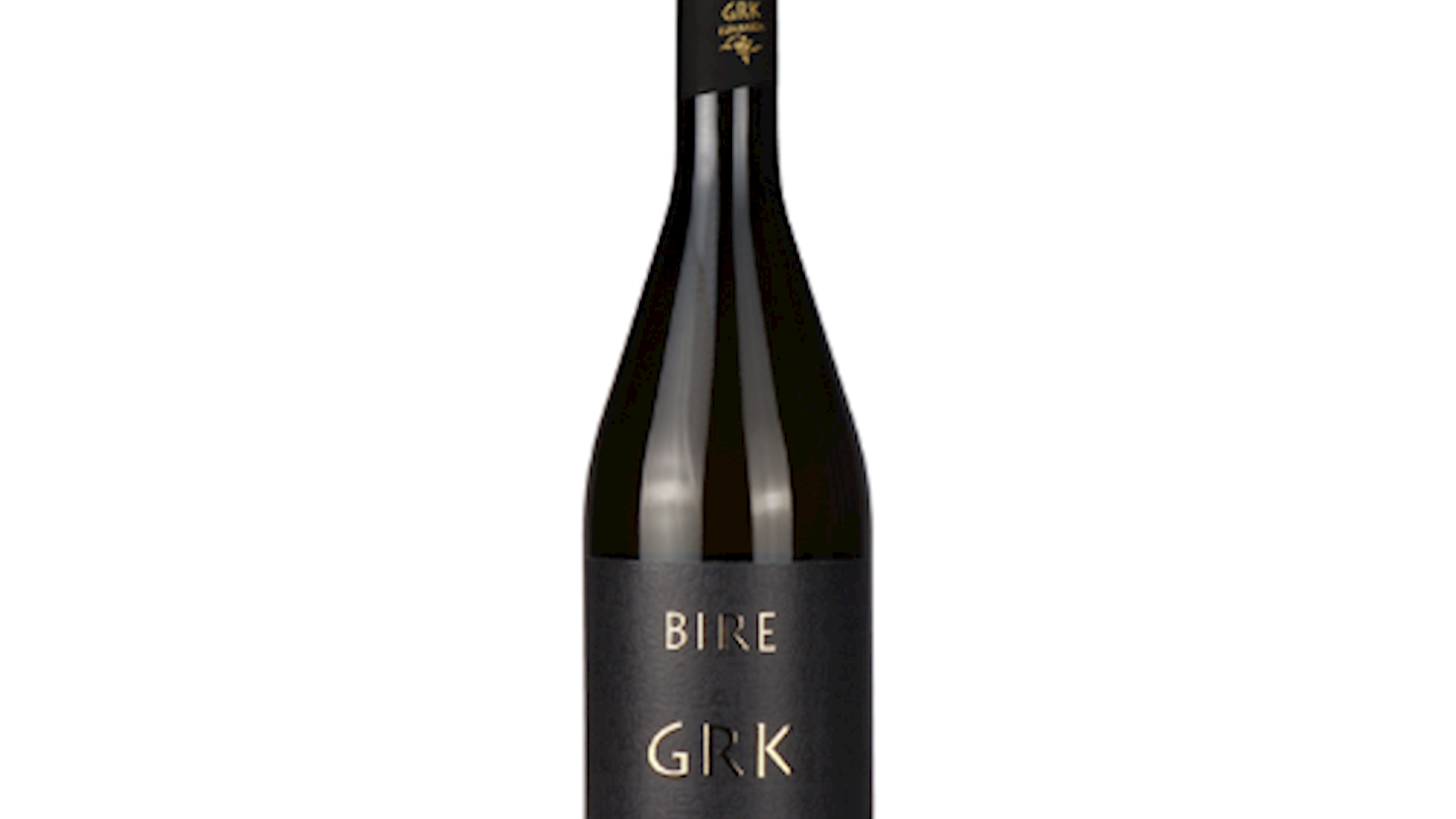
Bire is a family-owned winery located in the village of Lumbarda on the island of Korčula in southern Dalmatia, an area well known for the cultivation of the indigenous Grk grape variety. The winery is run by the Milina-Bire family, who continue a long tradition of viticulture in this part of the island and focus on preserving local grape varieties. The vineyards are situated on the distinctive sandy soils of Lumbarda, close to the sea, which create unique conditions for growing Grk, one of the rarest Croatian grape varieties. This variety forms the core of the winery’s production and represents an important part of the region’s wine identity. In addition to Grk, the winery also produces wines from varieties such as Plavac Mali as well as rosé wines. The grapes come from the family’s own vineyards, allowing careful control of quality and expression of the local terroir. Today, Bire is considered one of the recognizable wine producers from Lumbarda and an important representative of the wine tradition of the island of Korčula.
Awards
Decanter World Wine Awards - Platinum (2021)
Vivino - 4.6
09
Olive Oil

Meneghetti

5 ·
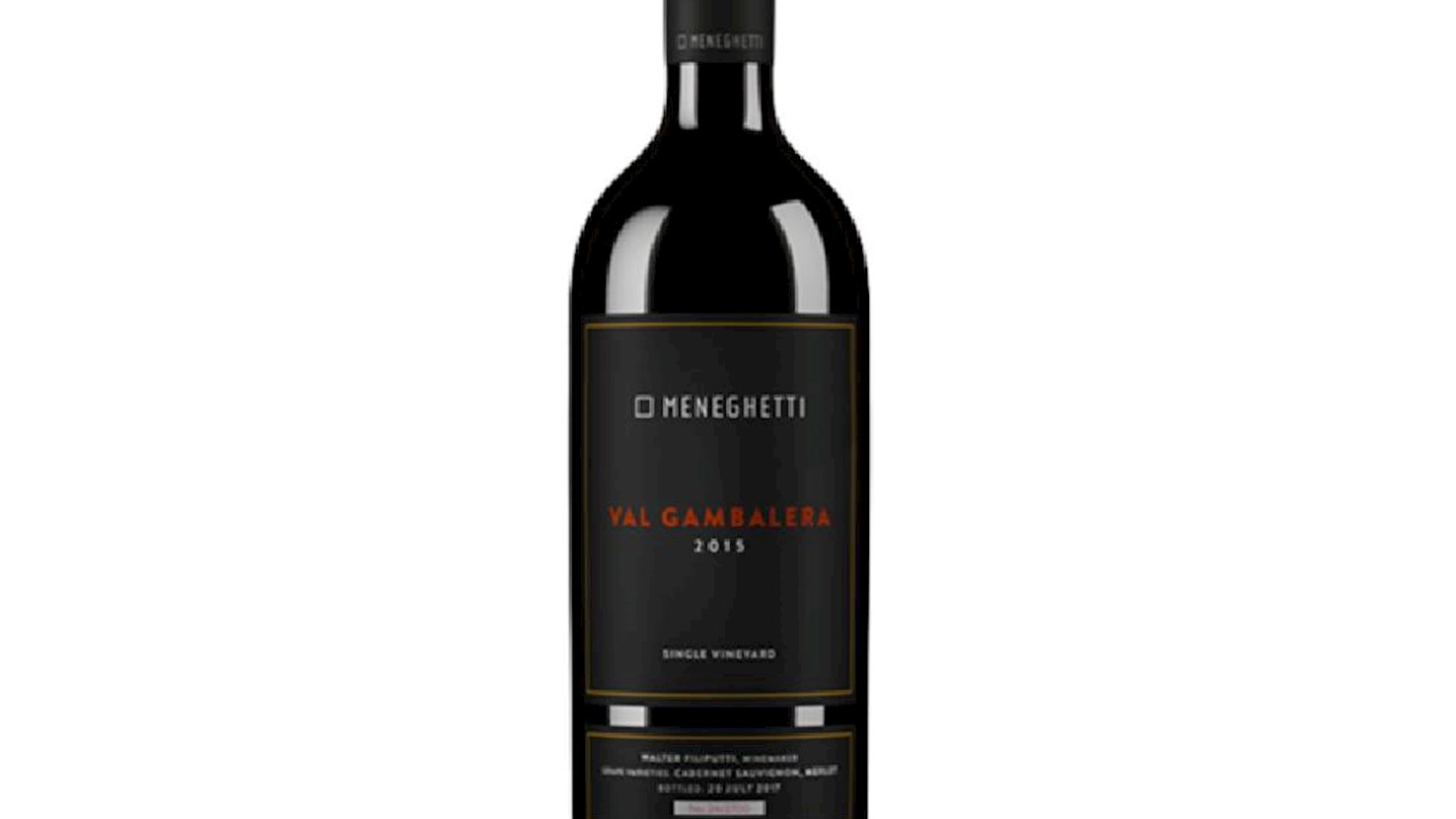
Meneghetti is a unique estate in the heart of Istria, where tradition and contemporary luxury come together in perfect harmony. Surrounded by vineyards and olive groves, Meneghetti produces award-winning wines and olive oils, while also offering an unforgettable experience through its renowned Wine Hotel & Winery. From the authentic Istrian Malvasia to elegant blends, every bottle reflects the character of the terroir and a deep passion for excellence. Today, Meneghetti is not just a producer, but a symbol of Istrian hospitality and the art of refined living – a true fusion of nature, craftsmanship, and taste.
Awards
Vivino - 4.6
Concours Mondial de Bruxelles - Grande Médaille d'or (2023)
10
Cheese

Sirana Gligora

4.9 ·
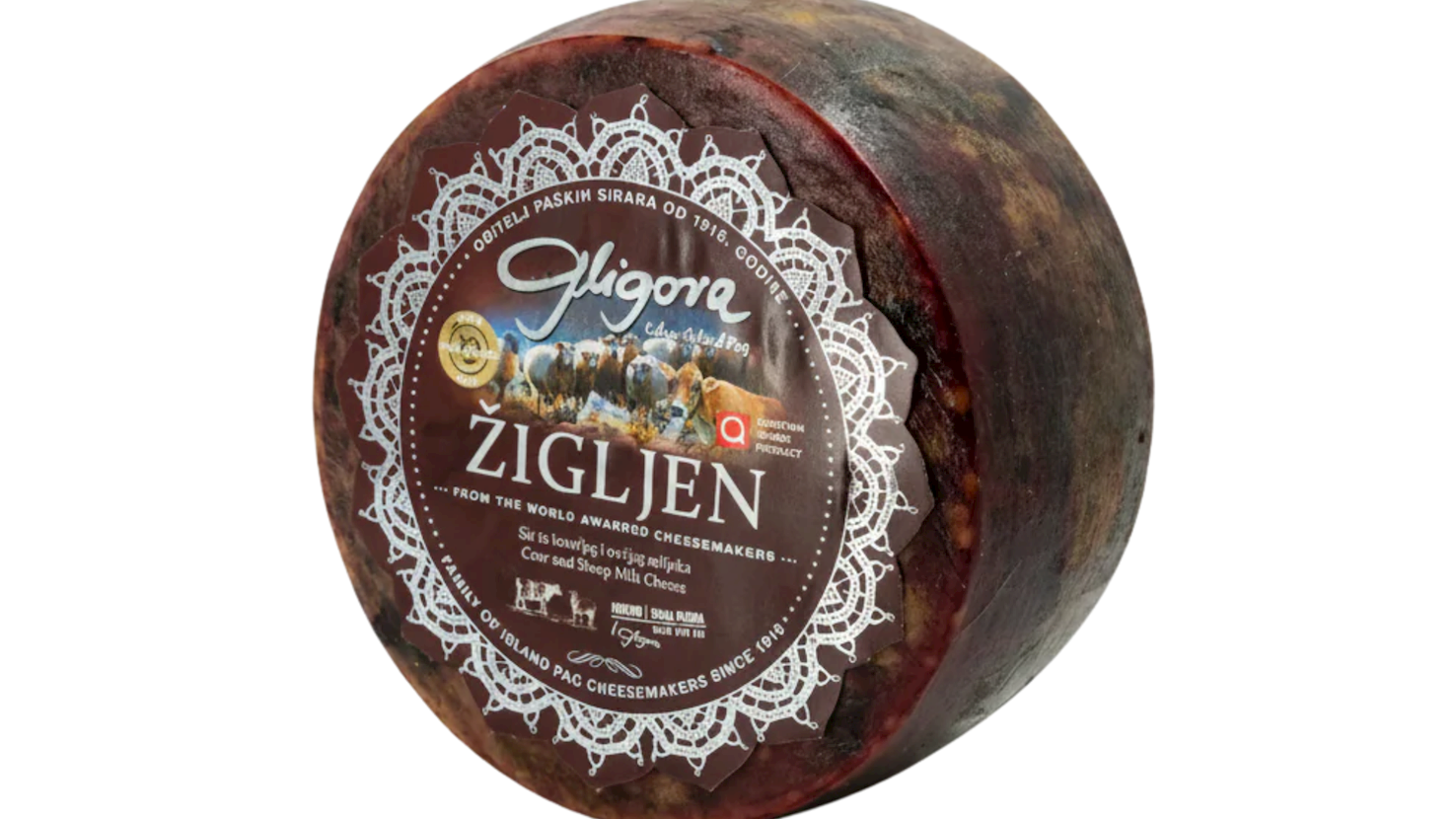
Sirana Gligora, located in Croatia, specializes in producing artisan cheeses primarily from sheep's milk. The company was founded by Ivan Gligora in 1995 on the island of Pag. They are notably recognized for their flagship cheese, Paški sir, a hard sheep's milk cheese awarded internationally for its quality. Sirana Gligora uses traditional cheese-making techniques integrated with modern technology.
Awards
World Cheese Awards - Super Gold (2022)
Global Cheese Awards - Best (2021)
Read more
View all
View map
About this ranking

TasteAtlas food rankings are based on the ratings of the TasteAtlas audience, with a series of mechanisms that recognize real users and that ignore bot, nationalist or local patriotic ratings, and give additional value to the ratings of users that the system recognizes as knowledgeable. For the “Top 100 Croatian Foods” list until June 06, 2026, 10,068 ratings were recorded, of which 6,237 were recognized by the system as legitimate. TasteAtlas Rankings should not be seen as the final global conclusion about food. Their purpose is to promote excellent local foods, instill pride in traditional dishes, and arouse curiosity about dishes you haven’t tried.

The initial list of top producers was compiled based on available reviews, awards, local recommendations, media and blog coverage, and consumer reviews. The list will be updated with ratings from TasteAtlas local ambassadors and TasteAtlas users.

Similar lists