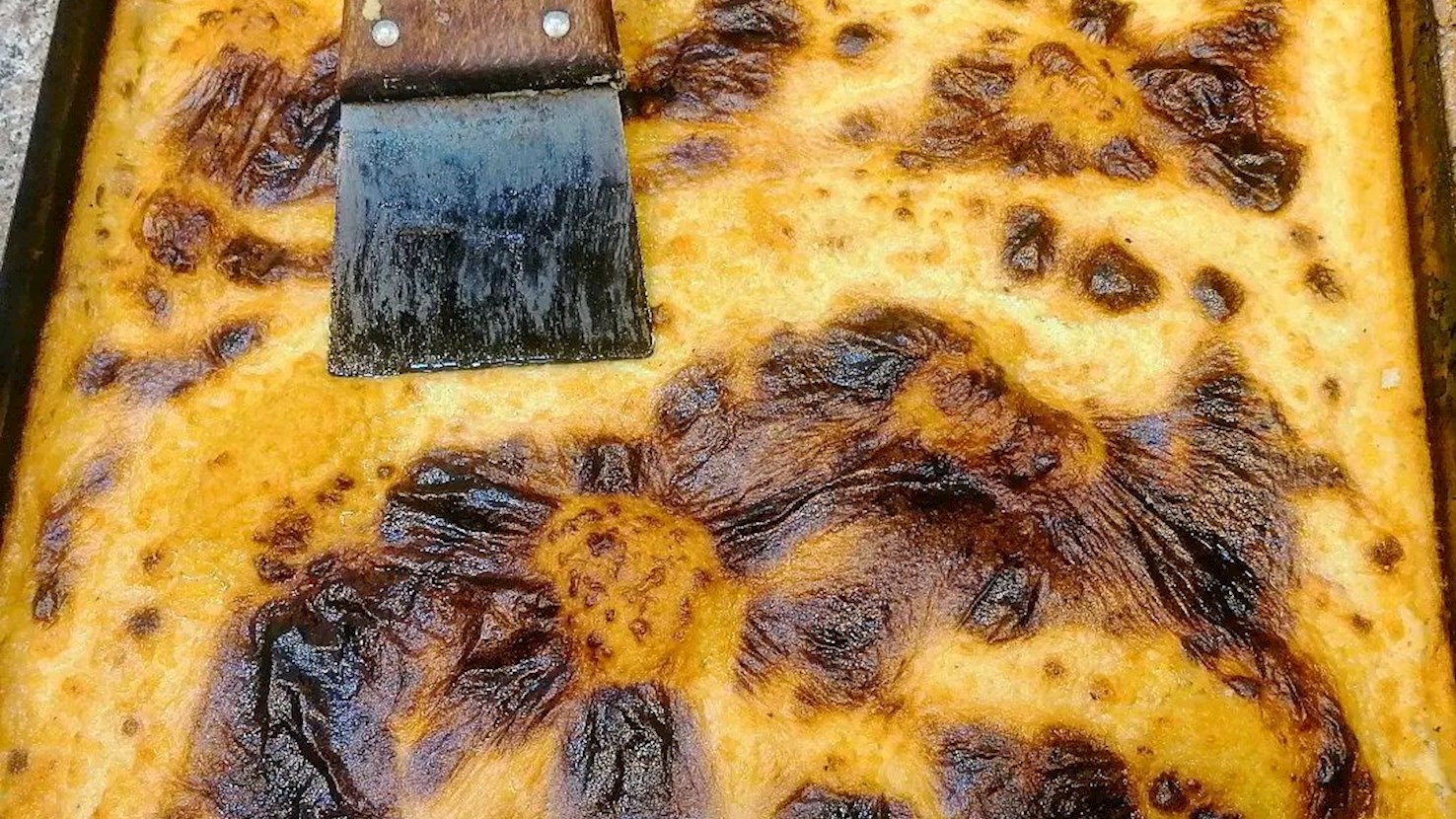
Karantika, also known as garantita, calentica, or karantita, is a deeply rooted Algerian street food most closely associated with the city of Oran. It belongs to the broader Mediterranean family of chickpea-based bakes, related to dishes like socca or farinata, but karantika is distinct in both texture and intent. Where socca is thin and crisp, karantika is poured thicker and baked until it sets into a soft, custard-like interior with a lightly browned surface, closer to a savory flan than a flatbread. At its most traditional, karantika is made from chickpea flour, water, oil, and salt, with cumin playing a defining role either mixed into the batter or added at serving. The structure comes entirely from chickpea flour, which thickens and sets when baked. Water is added gradually to the flour to prevent lumps, producing a batter similar in consistency to crêpe batter. Oil is added both for flavor and to help the surface brown. Resting the batter is an essential step: even a short rest allows the flour to fully hydrate, while an overnight rest produces a smoother, more cohesive texture once baked. Thickness is the real reference point. The batter is poured into an oiled dish to a moderate depth, thick enough to remain soft and creamy inside but not so deep that it becomes dense. To achieve the dish’s characteristic two-layer structure—a soft flan-like base with a smoother, creamier surface—it is important not to overmix once the batter has been poured into the pan. Letting it rest briefly before baking allows the layers to form naturally. The oven must be hot, and the dish is baked until the top is well colored while the center remains set yet slightly trembling. Overbaking is considered the main error, as it dries out the interior and removes the dish’s defining softness. There is a long-standing debate about eggs and milk, and this reflects genuine variation rather than contradiction. The simplest, street-food versions are often eggless, relying solely on chickpea flour for structure. Richer versions, more common in home cooking or in other regions, may include eggs and sometimes milk or butter to create a firmer, more custard-like result. These are considered legitimate adaptations rather than the original base form. Karantika is meant to be eaten hot or warm, when its texture is at its best. It is commonly cut into squares or wedges and served plain, or tucked into bread and finished with cumin and harissa. Once cold, it firms up and loses much of its appeal.
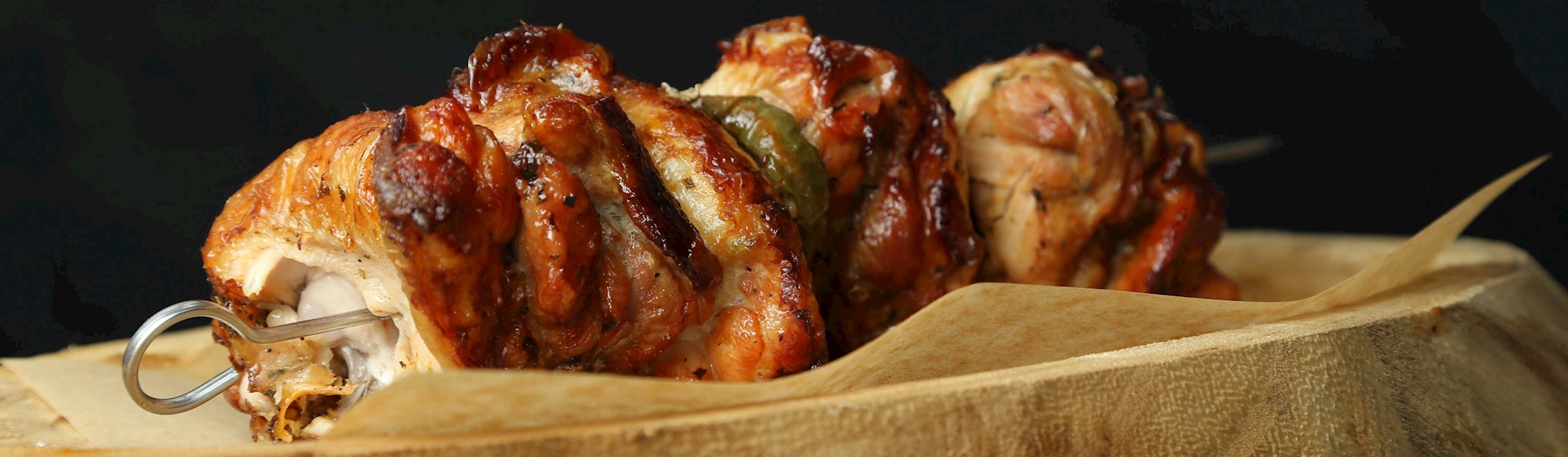
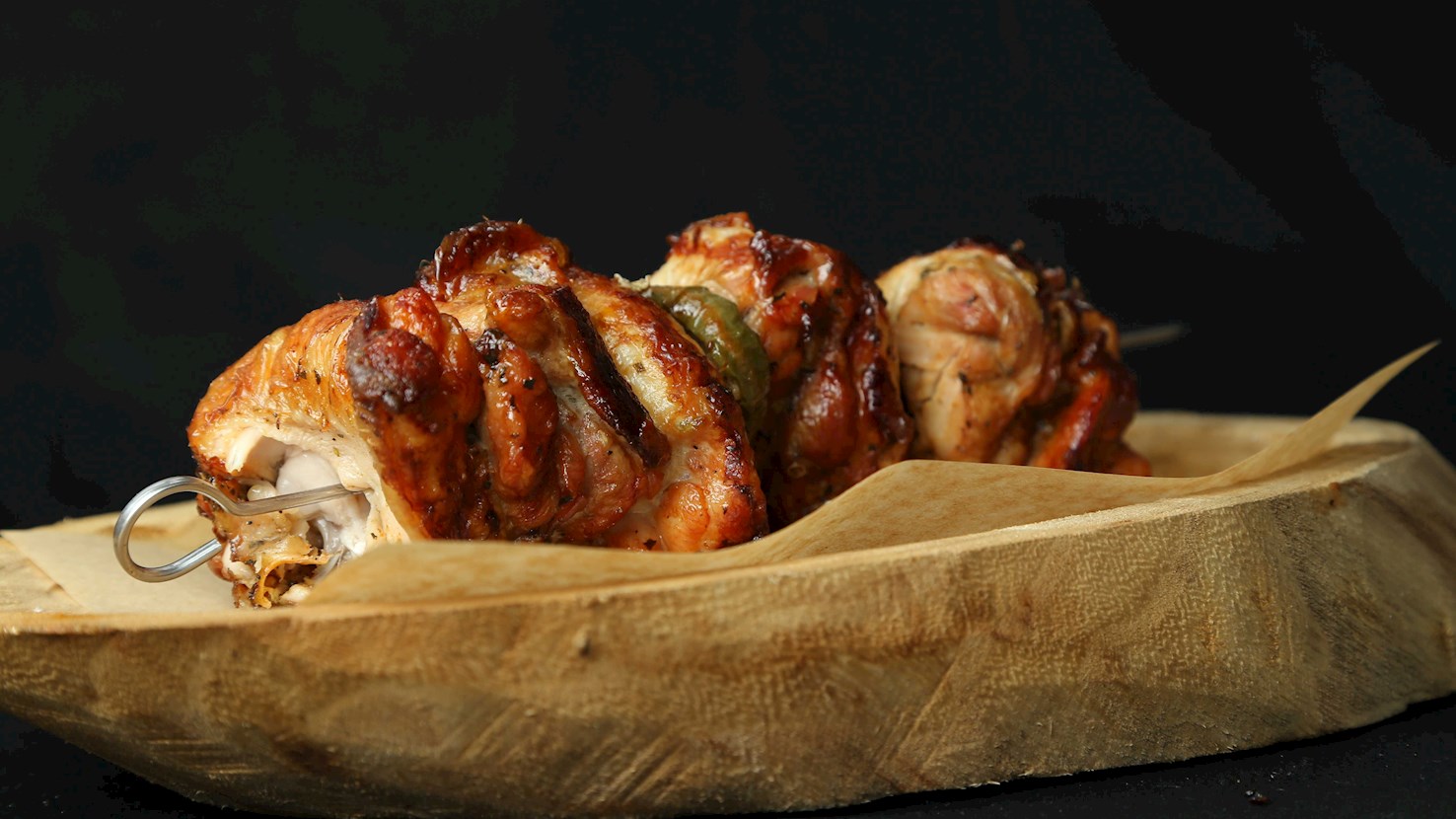
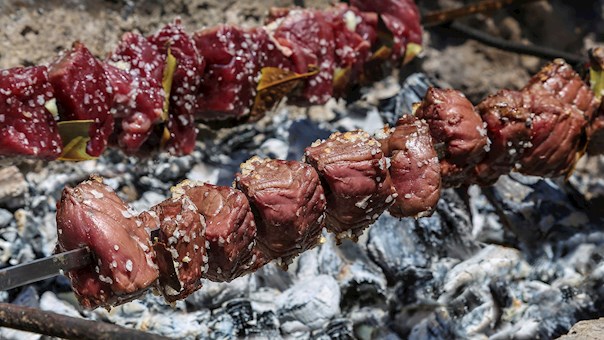
Kontosouvli is one of the most iconic forms of Greek outdoor cooking, rooted in rural gatherings, feasts, and weekend grilling traditions. It is essentially large pieces of meat, traditionally pork, but sometimes lamb, goat, or chicken, threaded onto a long metal skewer and roasted slowly over charcoal. Unlike souvlaki, where meat is cut into small cubes, kontosouvli uses substantial chunks that stay juicy during long, steady cooking. Its flavor depends less on complex seasoning and more on technique: the proper cut of meat, patient marinating, careful control of the coals, and slow rotation over an open fire. The preparation begins with choosing the appropriate cut. Pork shoulder, pork neck, or a section of the rump are the most common, as these cuts contain the right balance of fat and connective tissue. This fat renders as the meat cooks, keeping each piece moist. Lamb shoulder or rib sections can also be used, though these are more common in parts of Central Greece and the Peloponnese. Once the meat is selected, it is cut into large pieces, often 3 inches (8 cm) thick, so they hold up to prolonged exposure to heat without drying out. Seasoning is usually straightforward. Many households rely on a classic combination of salt, black pepper, oregano, garlic, olive oil, and sometimes paprika for color. Ingredients like grated onion, tomato, wine, or lemon juice are often used as well because they tenderize the meat. The marinade is mixed thoroughly, then worked well into the meat, which is left to rest in the refrigerator for several hours, ideally overnight. This long resting period allows the flavors to penetrate and helps the meat become more tender. Skewering the marinated meat is another essential step. A long, sturdy spit is used, strong enough to support the weight of the meat without bending. The pieces are arranged along the rod with enough space for heat to circulate, yet close enough so they roast as a single, coherent mass. Some people intersperse slices of onion, pepper, or tomato between the pieces, though many traditional cooks prefer only meat on the spit. Once assembled, metal clamps or hooks are tightened to secure the pieces and prevent them from rotating independently of the spit. The charcoal fire is at the heart of kontosouvli. Coals are lit well in advance to ensure they are glowing evenly by the time the meat goes on. The most traditional method is to place coals along the length of the grill, but not directly under the meat, especially during the first hour. This indirect heat prevents burning and allows the meat to cook slowly. The spit is positioned a hand’s distance above the coals and turned steadily. The meat is watched closely because too much heat too soon will char the outside while leaving the inside undercooked. As cooking continues, fresh coals are added gradually along the sides to maintain steady heat. After the first hour, many cooks remove any parchment or protective wrapping and lower the spit slightly so the meat can brown evenly. Occasional brushing with olive oil or a lemon-oil mixture helps the crust develop. Cooking time varies, but 2 to 3 hours is typical for pork kontosouvli, depending on the thickness of the pieces and the intensity of the embers. Lamb may cook slightly faster due to higher fat content. The meat is considered done when its internal temperature reaches about 165-175°F (75–80°C) and the exterior forms a well-browned crust. During the final stage, the spit is often moved closer to a hotter section of coals to crisp the outside. Once removed from the heat, the meat is tented loosely with foil for several minutes to allow the juices to redistribute. There are several traditional variations of kontosouvli across Greece. In Macedonia, it is common to add paprika or red pepper flakes to the marinade for a slight kick. In Thessaly and Central Greece, lemon and garlic dominate, and lamb versions appear more often. On the islands, some cooks marinate the meat in wine or add herbs such as thyme or savory. In Cyprus, a related preparation known as souvla uses even larger pieces of meat and a slower, more distant roasting method. Kontosouvli is typically served immediately after slicing. The meat is cut into smaller pieces, sprinkled with salt and dried oregano, and sometimes finished with a squeeze of lemon. It is commonly accompanied by flatbread or crusty bread, tzatziki, simple salads such as tomato-onion or cabbage-carrot, and roasted or fried potatoes. In many families, it appears at festive gatherings, Easter tables, or long Sunday lunches, where guests pick pieces off the platter as they are cut from the spit.
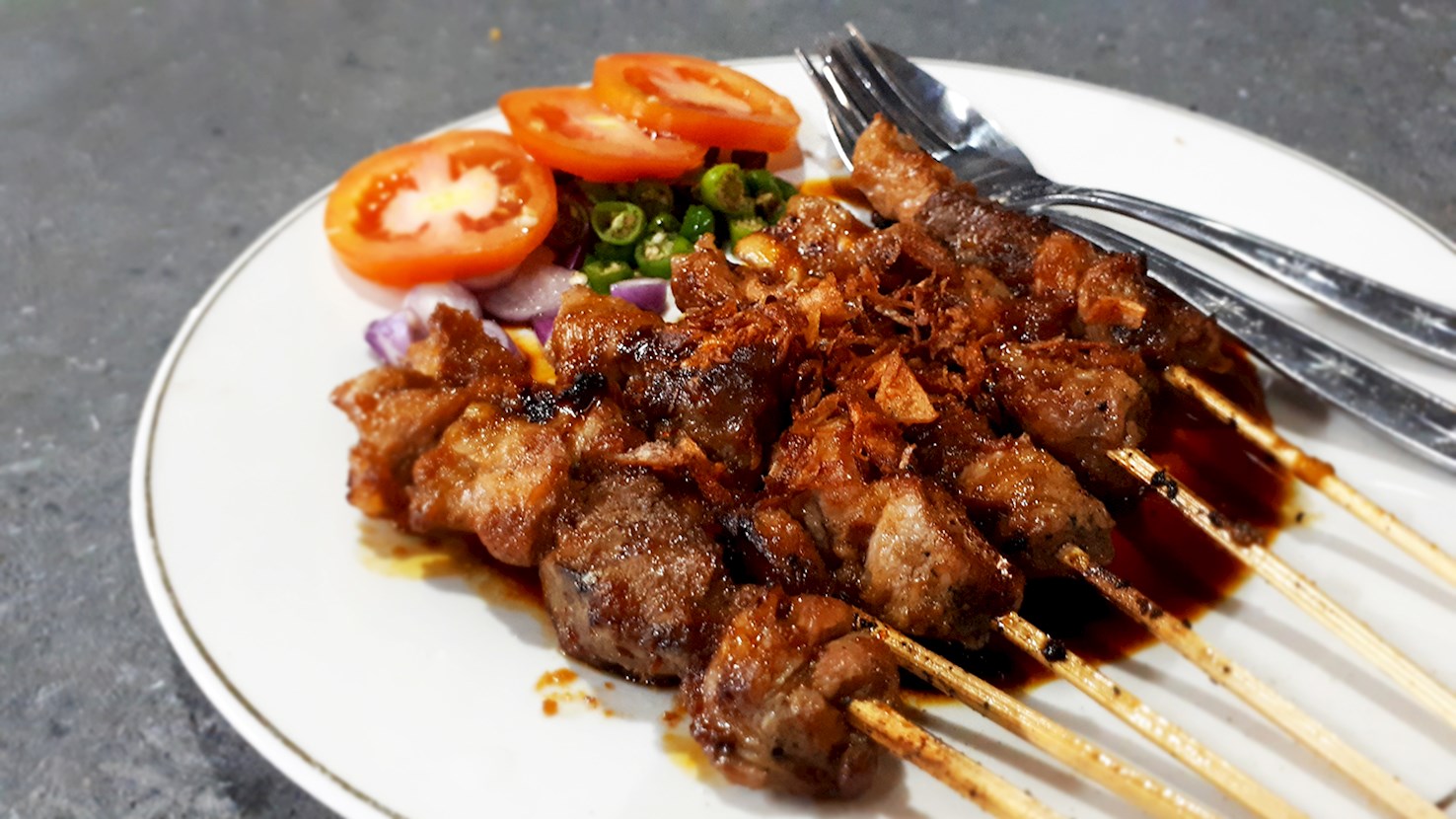
Sate kambing is one of Indonesia’s most recognizable grilled dishes, built around skewered pieces of goat or young lamb cooked over glowing charcoal. Although it appears across the archipelago, the foundations remain the same: small pieces of meat threaded onto bamboo skewers, lots of aromatic seasonings, and the unmistakable flavor of cooking directly over fire. The dish depends heavily on careful preparation and the quality of its ingredients, particularly the meat. Most traditional cooks prefer goat from younger animals because it is tender and less pungent, and the butcher is expected to provide lean pieces with minimal fat and connective tissue. Shallots, garlic, galangal, roasted coriander seeds, sweet soy sauce, and tamarind water form the backbone of typical marinades, creating a balance of sweetness, aroma, and acidity, while crushed pineapple or papaya leaf is briefly rubbed onto the meat to help soften it before applying the marinade; this step must be short so the meat retains its texture. Preparation begins with trimming the meat and applying a tenderizer, then slicing it against the grain into small cubes or thin pieces that fold easily onto skewers. Traditional sate kambing cuts are about 0.6–0.8 inches (1.5–2 cm), intentionally small so they grill quickly without drying out. A spice paste marinade is usually made by blending shallots, garlic, galangal, coriander seeds, and tamarind water, then mixing with sweet soy sauce, salt, pepper, and sometimes a bit of stock powder or chili peppers. The meat is marinated for 30 minutes to an hour. Bamboo skewers are soaked to prevent burning, and the meat is threaded loosely to allow even cooking. Grilling over charcoal is the defining step. The coals must be hot and glowing, and the skewers are turned constantly, often brushed with a mixture of sweet soy sauce and oil to promote caramelization. This fast, high-heat cooking seals the meat, minimizes any remaining gaminess, and produces the smoky edges characteristic of good sate kambing. In Yogyakarta’s Sate Klatak, iron skewers replace bamboo, and the seasoning is minimal—often just salt—with the satay served in a light broth. Madura versions use stronger seasoning and frequently include peanut sauce. Betawi (Jakarta) versions commonly incorporate kecap manis, garlic, coriander, and lime into the marinade and are served with kecap sambal, a sweet soy sauce-based condiment with chili, shallots, and tomato. Tegal is known for using extremely fresh young goat and lighter seasoning, while Solo’s style may include candlenut and palm sugar and is sometimes paired with gulai gravy. These regional differences keep the core technique intact while expressing local tastes. Sate kambing is always served hot from the grill. Two condiments are especially common: kecap sambal, a simple mixture of sweet soy sauce with sliced shallots, tomatoes, and fresh chilies, and peanut sauce, often thinned with a bit of water or lime for dipping. Many stalls offer both, allowing diners to choose or combine them. Thinly sliced cabbage or cucumber is usually provided for freshness and contrast, and the skewers are often eaten with lontong or ketupat, though plain rice is also typical. When prepared well, sate kambing delivers a combination of smoke, sweetness, spice, and acidity, with tender meat and caramelized edges. These defining qualities make it one of Indonesia’s most beloved grilled foods.
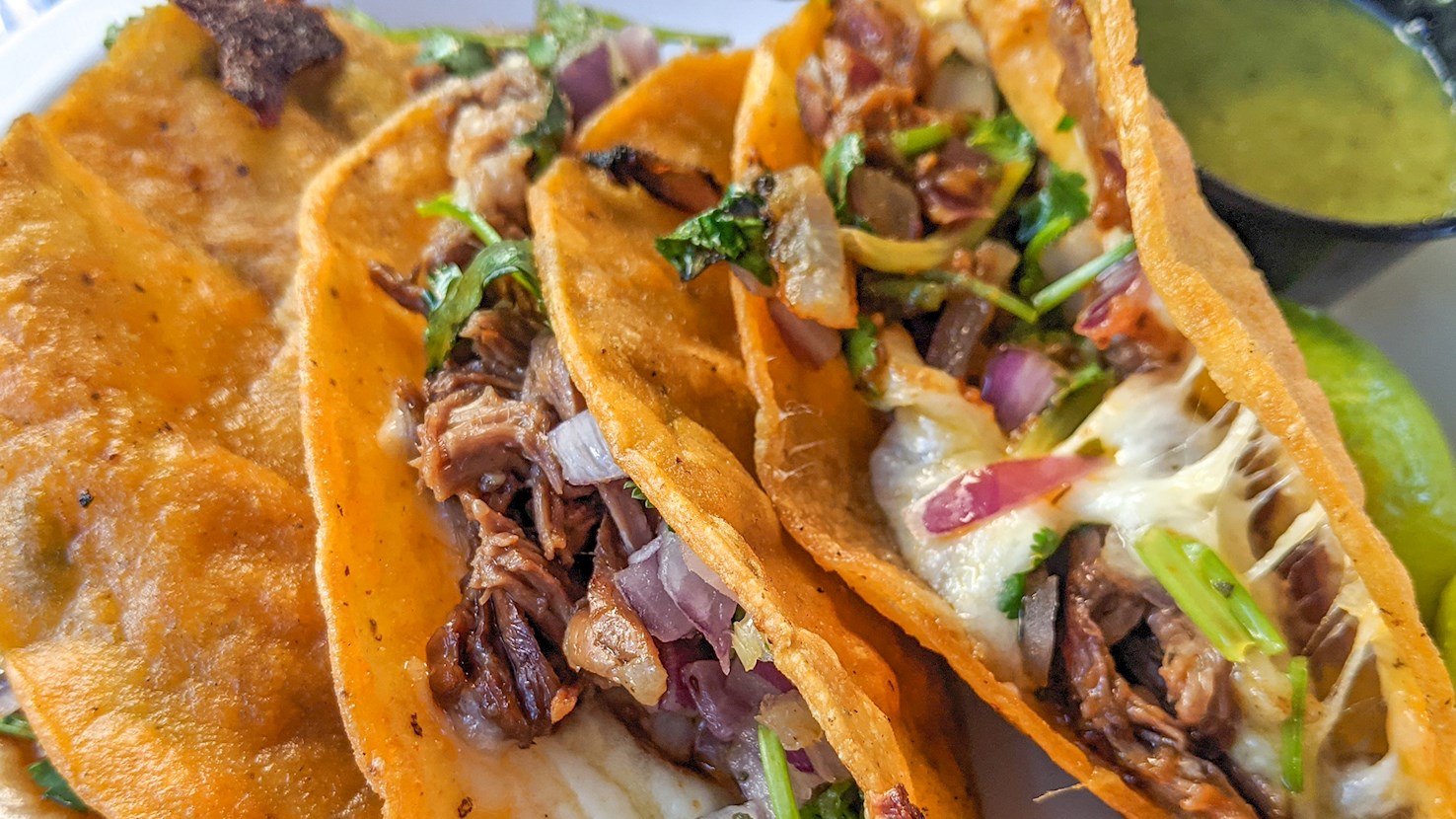
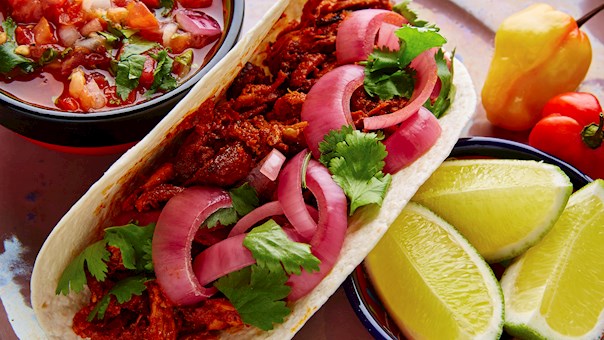
At its core, quesabirria is an extension of birria—Mexico’s deeply seasoned, slow-cooked meat stew—adapted into a crisp, cheese-filled tortilla meant to be dipped back into its own broth. What makes quesabirria distinctive is not novelty, but the way every component is prepared from the same base and used with intention. The process always begins with birria. Traditionally, birria was prepared with goat or lamb, especially in western and southern regions of Mexico, where these meats were readily available and valued for their strong flavor. In northern regions, beef became more common and remains widely used today. Regardless of the meat, the goal is the same: long, slow cooking until the meat is exceptionally tender and infused with adobo flavors. That adobo is built around dried chiles, most commonly guajillo for color and body, supported by ancho, mulato, cascabel, pasilla, or morita for depth. The chiles are softened, often briefly fried to release their oils, then blended with garlic, onion, herbs, and warm spices. Oregano, thyme, cumin, black pepper, allspice, bay leaf, and a small amount of cinnamon are typical. Many traditional birria preparations also include vinegar, which adds acidity, balances the richness of the meat and chiles, and contributes to the characteristic savory sharpness of the broth. The meat—usually bone-in cuts such as shank, ribs, or shoulder—is cooked slowly in this chile sauce until it falls apart. The cooking liquid becomes the consomé, a richly flavored broth that is essential to quesabirria. As the birria cooks, a layer of chile-stained fat rises to the surface. This fat is carefully skimmed and reserved because it plays a crucial role in the final dish. Crisping the tortilla is essential to quesabirria. The tortillas are not dipped in watery broth, but lightly coated in the rendered birria fat, which allows them to fry, develop color, and become sturdy. This step is critical: the tortilla must be crisp enough to hold its shape when dipped into the consomé. Without this structure, the taco collapses and loses its defining texture. To assemble quesabirria, corn tortillas are warmed and lightly fried in the reserved fat on a hot griddle. A melting cheese—traditionally Oaxaca, though asadero, Chihuahua, or mozzarella are often used—is added, followed by chopped or shredded birria meat. The tortilla is folded and cooked slowly until the cheese melts fully and the exterior becomes evenly crisp and golden. Despite its relatively recent popularity, quesabirria remains grounded in traditional practice. Variations arise mainly in meat choice, chile combinations, and cooking methods, but the fundamentals stay the same: slow-cooked birria, a deeply seasoned consomé, rendered fat used for frying, and tortillas crisped enough to withstand dipping. Some versions emphasize a thicker stew with minimal broth, while others highlight a generous, aromatic consomé served alongside the tacos. Quesabirria is always served with accompaniments that reinforce its balance and richness. A bowl of hot consomé—often with a bit of meat added—is served for dipping. Finely chopped onion, fresh cilantro, lime wedges, and a spicy salsa, frequently made with árbol or morita chiles, complete the plate.
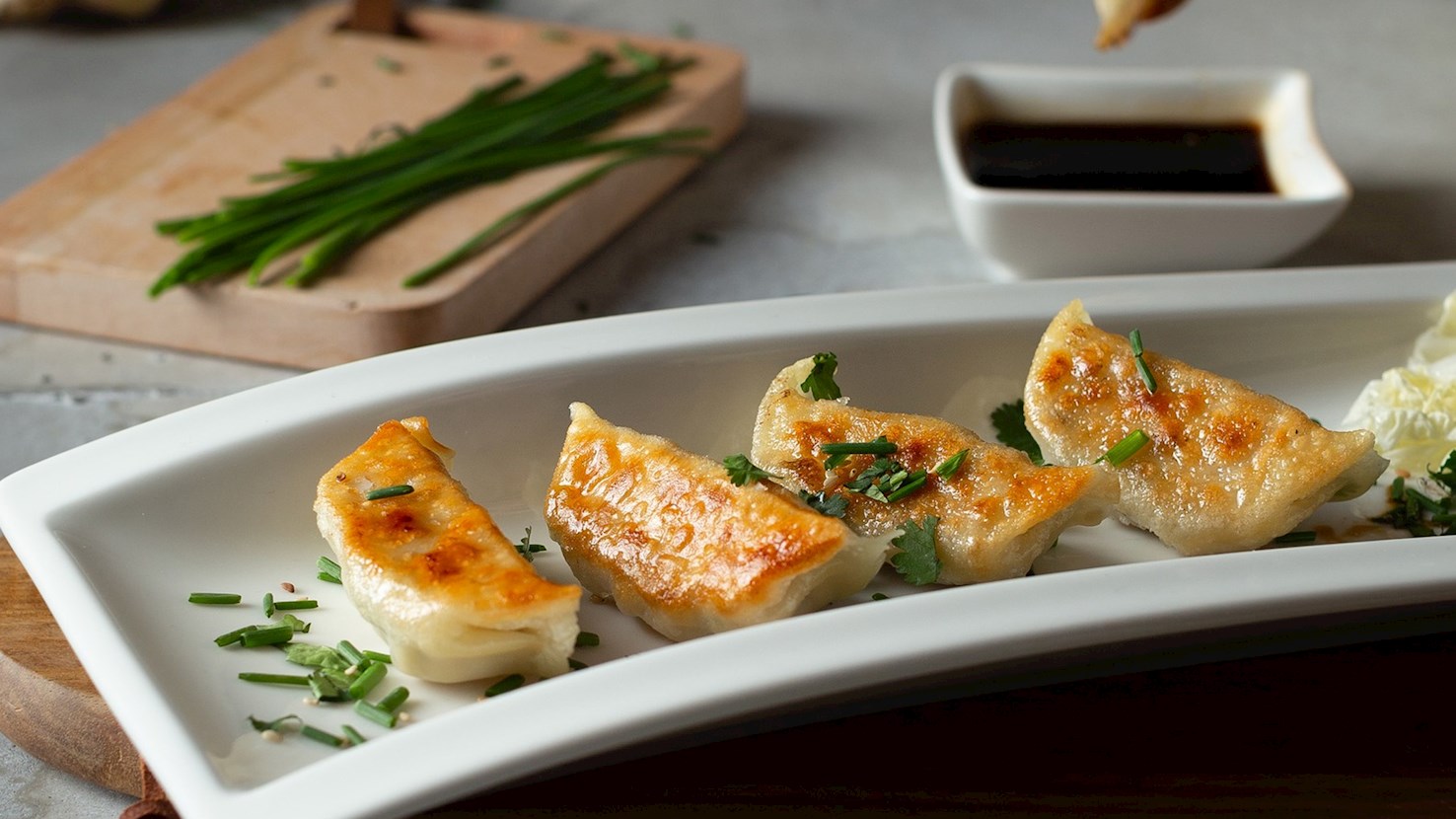
Belonging to a group of Chinese jiaozi dumplings, guotie, also known as potstickers, are prepared by searing the bottom part while the rest of the dumpling is steamed, thus creating a play on textures. The preparation begins with making the dough for the wrappers from just flour, salt, and warm water. The dough is then left to rest, and in the meantime, the filling is prepared by mixing minced pork, best if minced by hand using a cleaver, and minced cabbage with, including but not limited to, sesame oil, shrimp, ginger, scallions, peanut oil, soy sauce, and rice wine. Next, the dough is divided into small portions which are rolled into 1-2mm circles using a Chinese rolling pin, which unlike the western one is smaller and shorter. To form the dumplings, a small amount of the filling is spread in the center of each wrapper, and then the opposite sides of the dough are pinched together to seal — the ends are left open, which allows the meat juices to flow out into the pan, making the crust on the bottom more flavorful. The assembled guotie dumplings are arranged in a large, heated, and oiled pan and seared until the bottom browns, at which point, a mixture of flour and water is poured into the pan which is then covered with a lid, and the dumplings are cooked until the liquid boils off. Once cooked, the pan is covered with a plate and inverted so the crispy side is on top, as that way the crispy bottom will not turn soggy. Guotie are served warm with the dipping sauce on the side, traditionally, rice vinegar zhenjiang xiang cu.
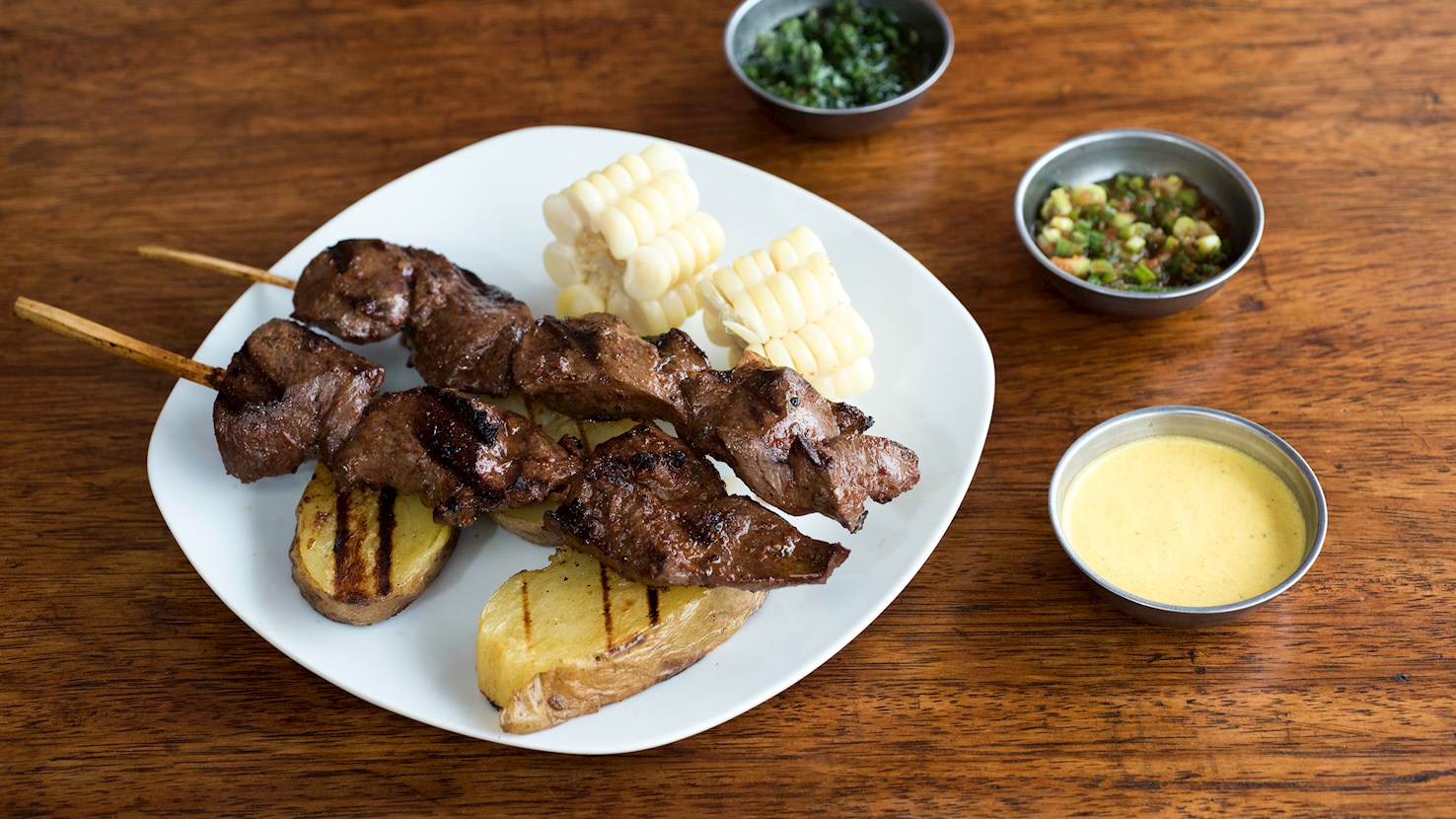
Anticuchos de corazón stand as one of Peru’s most recognizable street dishes, carrying a history that mirrors the country’s cultural and culinary evolution. Its origins trace back to pre-Hispanic Andean practices of roasting skewered meat over fire, later reinterpreted during the colonial era by enslaved Africans who made use of beef heart—then considered a low-value cut—to create a dish that would grow into a defining symbol of Peruvian cuisine. The preparation begins with careful cleaning of the beef heart, removing exterior fat, sinew, and blood vessels, then cutting it into evenly sized cubes that cook quickly while remaining tender. The heart is prized for its dense yet delicate texture when handled properly. The marinade is central to the dish and traditionally includes ají panca, a deep red Peruvian chili with mild heat and smoky fruitiness, often complemented by ají mirasol or ají amarillo for brightness. Garlic, ground cumin, black pepper, oregano, vinegar, oil, and sometimes dark beer are added to round out the flavor. The meat is marinated for several hours or overnight, allowing the seasoning to penetrate while softening the fibers. Once marinated, the beef heart is threaded onto skewers—traditionally cane or bamboo—and grilled over charcoal or a very hot grill. Constant basting (traditionally with corn husks) is essential: the leftover marinade is mixed with oil and brushed onto the skewers repeatedly to keep the meat moist and build layers of flavor as it cooks. Properly grilled anticuchos develop a charred exterior while remaining juicy inside, with a balance of smokiness, spice, and acidity. Timing is crucial, as overcooking can quickly toughen the meat. The seasoning profile may vary slightly by household, with adjustments to chili ratios or spice levels, but ají panca remains the backbone in most traditional recipes. Anticuchos de corazón are traditionally served hot, straight from the grill, often accompanied by boiled or roasted potatoes and large-kernel Peruvian corn (choclo). A spoonful of salsa criolla—made from thinly sliced red onion, chili, lime juice, and cilantro—is commonly served on the side to add freshness and acidity. In street settings, they are eaten standing, shared, and enjoyed late into the evening, frequently paired with a simple glass of beer or chicha.
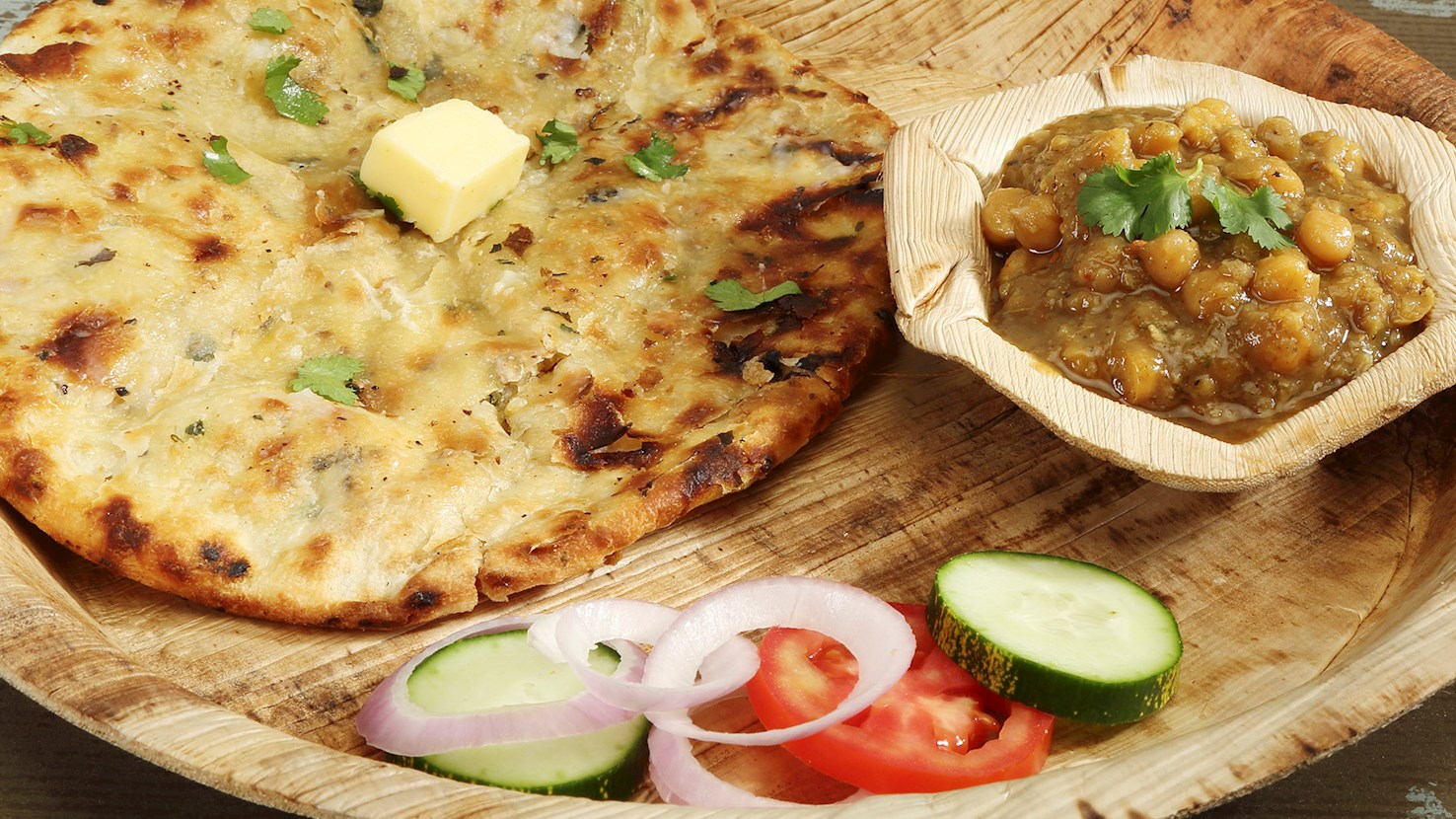
Amritsari kulcha is a stuffed flatbread from the city of Amritsar, valued for its crisp outer surface, soft interior, and seasoned filling. The preparation relies on a simple dough made from maida, curd, salt, a small amount of sugar, and baking powder or soda, with ghee added to improve softness and layering. The dough is kneaded until smooth, then left to rest so it becomes easier to roll and stretch without tearing. The filling is traditionally made with boiled potatoes, grated or mashed, and mixed with onions, green chilies, fresh coriander, and dry spices such as cumin, coriander, chilli powder, garam masala, aamchur (dried mango powder), ajwain (carom), and salt. However, the spice blend will often vary from recipe to recipe. The mixture must be firm, not watery, to prevent the dough from breaking. To form the kulcha, a portion of dough is flattened, filled with the potato mixture, sealed, and then rolled gently to an even thickness. The surface is brushed with water to help it adhere during cooking and topped with nigella seeds, dried pomegranate anardana, sesame seeds, coriander, or a combination of these. Kulchas are traditionally cooked in a tandoor, where they cling to the hot clay surface and puff under high heat, creating their characteristic blistering and texture. At home, a tawa is commonly used: the kulcha is placed water-side down on a very hot tawa, allowed to stick, and the pan is then inverted over the flame so the top cooks directly over the heat. Once cooked, the kulcha is brushed with ghee or butter. Most differences come from the spice mix used in the potato filling, which ranges from mild to heavily seasoned. Dough preparation also varies: some cooks use yeast instead of curd, while others use yogurt in place of curd for a softer texture. Toppings differ slightly as well, typically switching between kalonji, sesame seeds, or coriander. Amritsari kulcha is usually served hot straight from the tandoor or tawa, brushed with ghee or butter, and paired with chole, sliced onions, and tamarind chutney. Some versions are served with a side of raita, but chole and chutney remain the standard accompaniment.
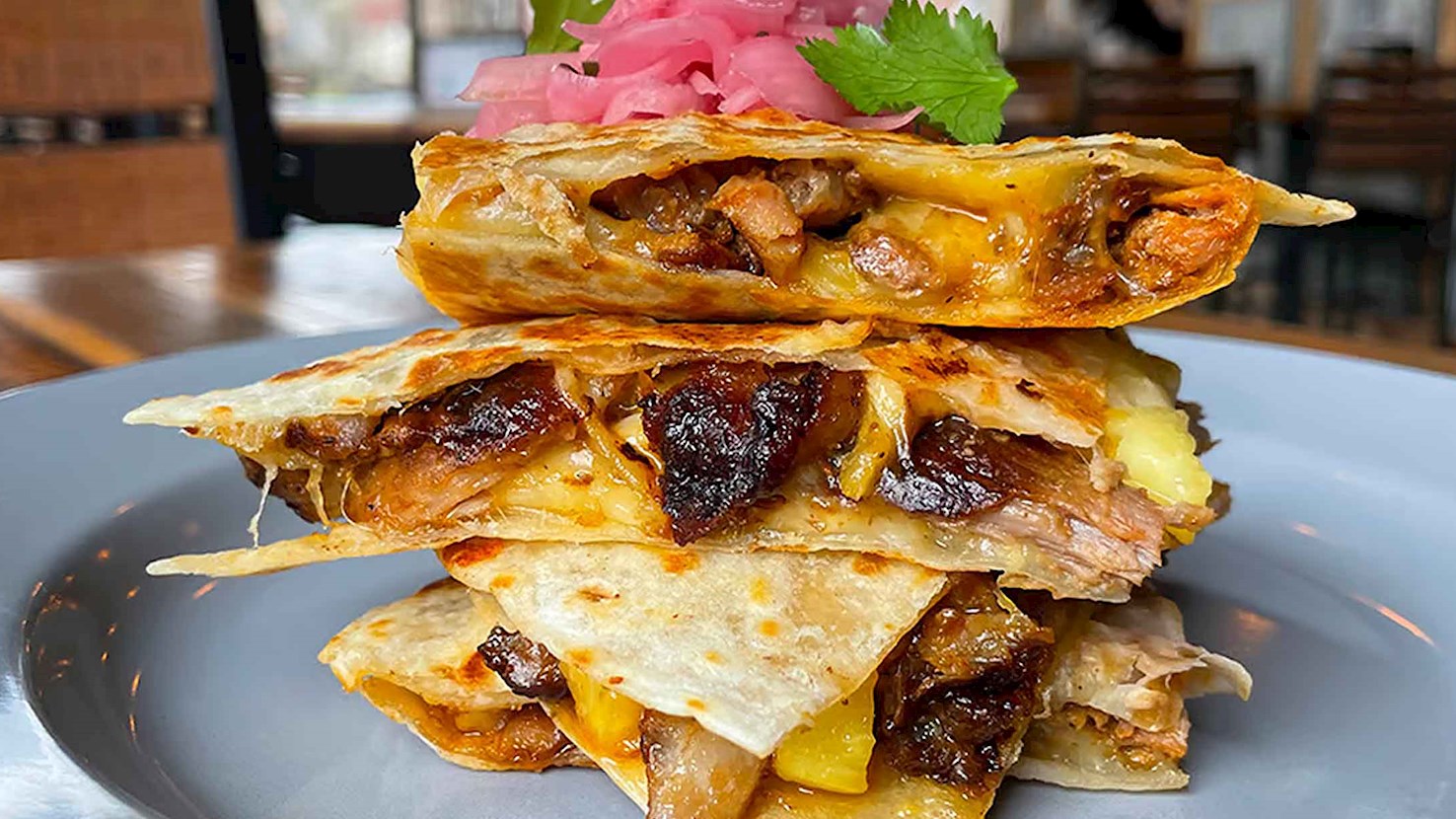
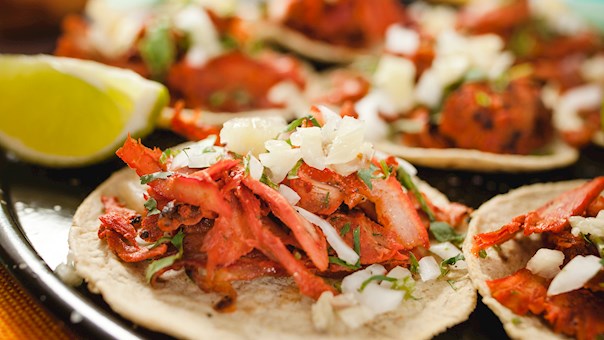
Gringas are a popular Mexican street food dish that is considered a type of quesadilla or a quesadilla-taco hybrid consisting of a flour tortilla filled with cheese, al pastor pork (a type of marinated, spit-roasted pork), and sometimes pineapple, white onions, and coriander. The filled tortilla is grilled or cooked on a comal (a flat griddle) until the cheese melts and the tortilla gets crispy and golden brown. There are two ways of making it. One is by using a single tortilla, which is folded over the filling, and the other is by placing the filling between two tortillas, kind of like a mulita or a sincronizada. In the latter's case, the gringa is often served cut into wedges. However, no matter the type, all gringas are accompanied by various salsas and garnishes such as chopped onions and cilantro.
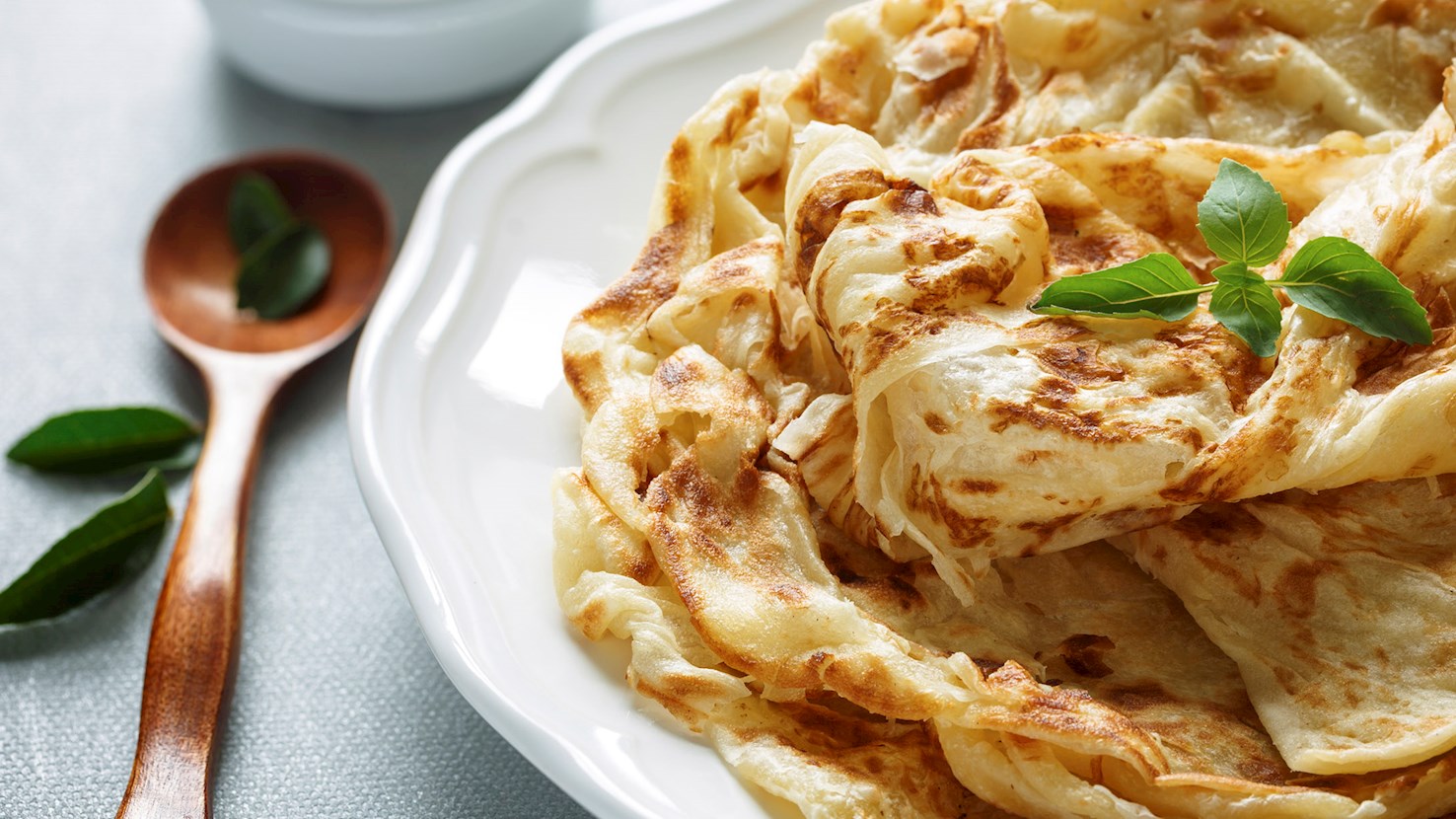
Roti canai, a traditional Malaysian flatbread that can also be found in other Southeast Asian countries, is made with only a few ingredients, namely flour, water, salt, and, traditionally, ghee (clarified butter). However, nowadays, cooking oil is often substituted for ghee, mainly due to price reasons. After combining the ingredients, the dough is kneaded until it becomes smooth and elastic, but the prowess of the cook shows itself in the shaping process. The dough is skillfully spun, tossed, and stretched into a thin, almost translucent layer, which is then folded and shaped into a round or a square, creating multiple flaky layers in the process. Roti canai is typically cooked on a flat griddle until golden brown, revealing its flaky texture and buttery flavor. It's commonly served as a delicious breakfast or a side dish, usually accompanying dhal (lentil curry), chicken, or fish curry. The combo of roti canai and teh tarik, a sweetened hot milk tea, is a well-established breakfast staple. The flatbread can also be enjoyed filled, whether with savory or sweet fillings, the most typical being cheese, egg, bananas, onion, and minced meat.
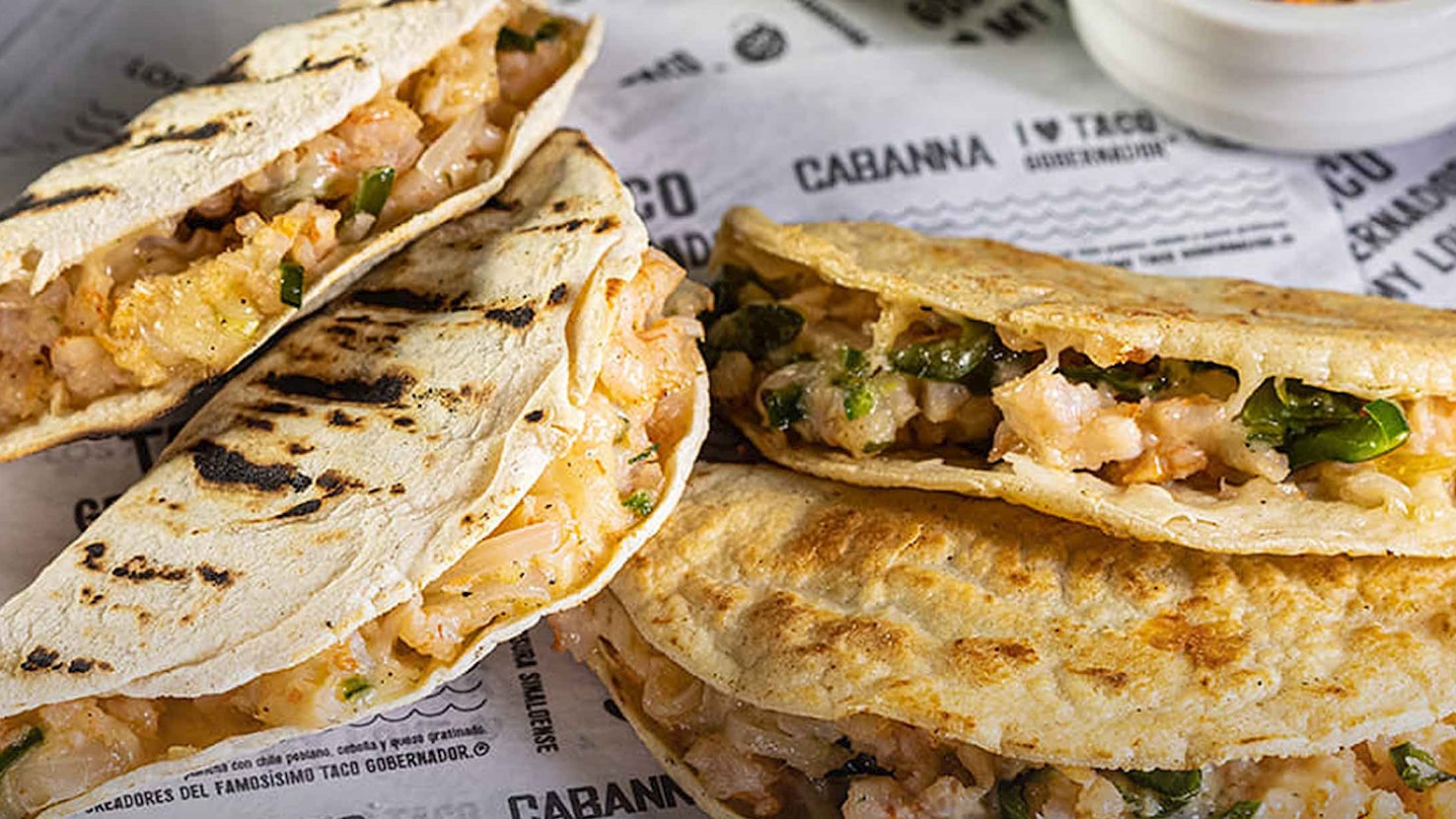
The traditional way of preparing tacos gobernador starts with sautéing shrimp with white onions, garlic, and poblano pepper until cooked. This mixture is then combined with shredded cheese (originally Chihuahua cheese), stuffed into corn tortillas, folded, and grilled until the tortilla is crispy and the cheese has melted. For a kick of heat, sometimes jalapeño chili pepper is added. Today, the classic preparation will also include tomatoes, cilantro, and other kinds of cheese, such as Machango and Oaxaca cheese. Tacos gobernador does not need any sides but will often be topped with some hot sauce, such as the tatemado habanero sauce.
TasteAtlas food rankings are based on the ratings of the TasteAtlas audience, with a series of mechanisms that recognize real users and that ignore bot,
nationalist or local patriotic ratings, and give additional value to the ratings of users that the system recognizes as knowledgeable.
For the “Top 78 Street Food Recipes” list until October 17, 2026, 98,073 ratings were recorded, of which 63,485 were recognized by the system as legitimate.
TasteAtlas Rankings should not be seen as the final global conclusion about food. Their purpose is to promote excellent local foods,
instill pride in traditional dishes, and arouse curiosity about dishes you haven’t tried.








What People Say