shutterstock

Top 100 Asian Alcoholic Beverages

Last updated on June 10, 2026

Best Asian Alcoholic Beverage Types
01

Umeshu

4.3 ·

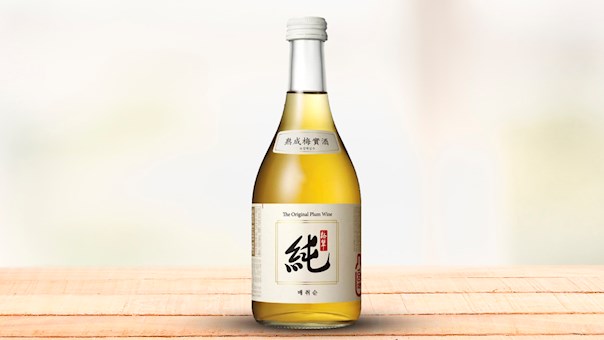
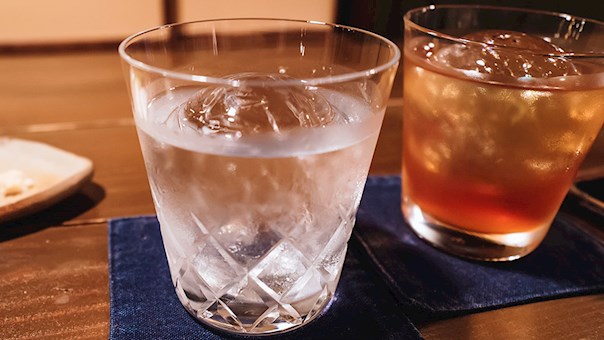
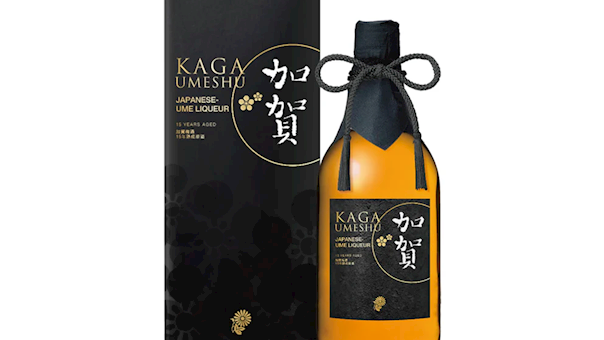
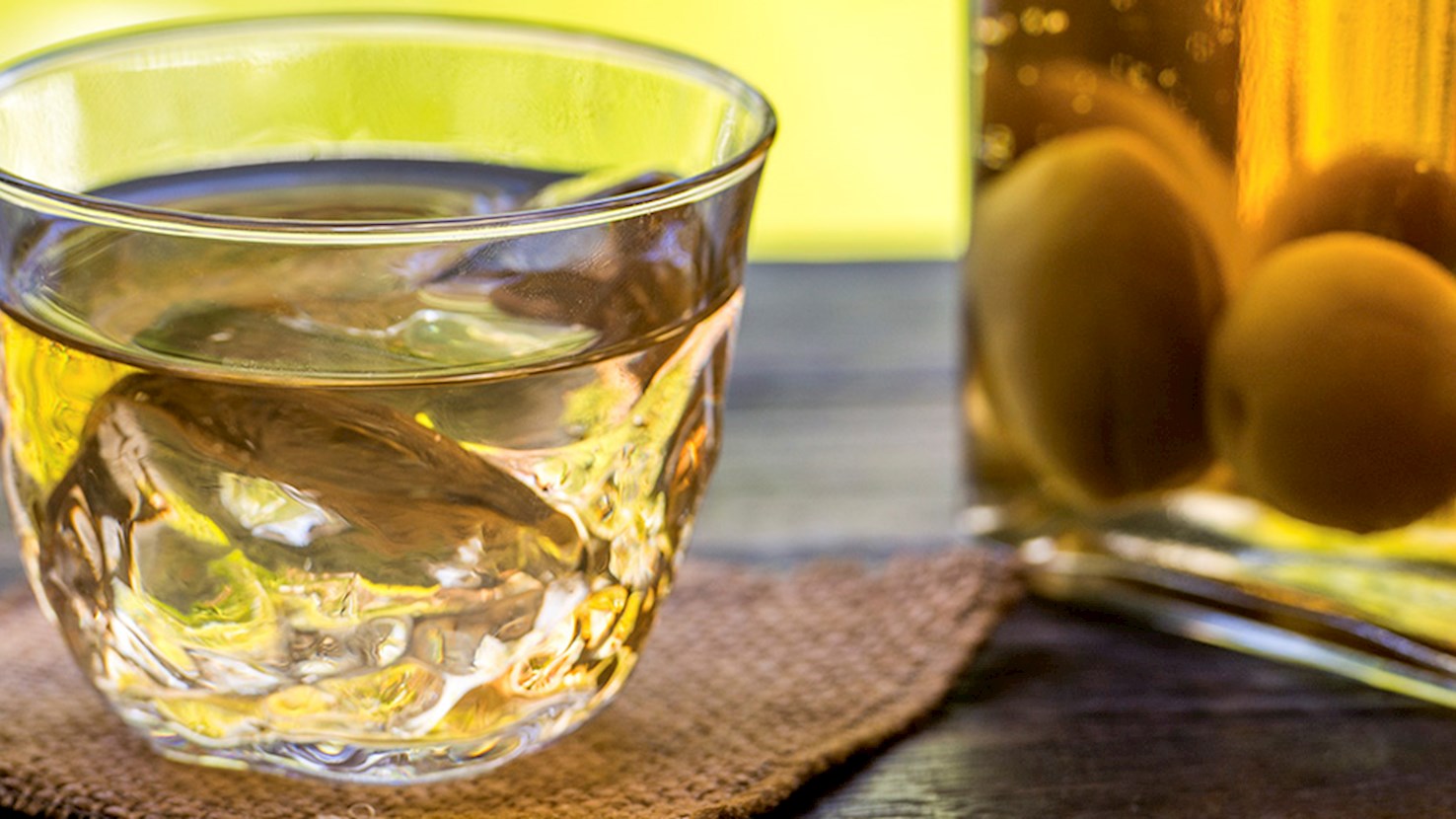
Umeshu is a Japanese liqueur made by macerating sugar and ume plums (Prunus mume) in alcohol. It is usually made with rock sugar and ripe or green ume plums, while the base is generally made with shōchū, though other neutral spirits can also be used. The result is a bittersweet liqueur with a fruity aroma. Apart from the classic version, umeshu comes in a variety of styles that may include other sweeteners such as honey or black sugar, while some add additional flavorings. Umeshu can be enjoyed straight, on the rocks, or diluted with water, tea, or soda. It also incorporates well in cocktails and typically has 10-15% ABV. Ume plums were brought to Japan from China and are botanically classified as Japanese apricot. Apart from umeshu, they are also pickled (umeboshi) and can be enjoyed as a condiment or a side dish. Umeshu is often homemade, but there are numerous commercially available labels.

02

Gin and Tonic

4 ·

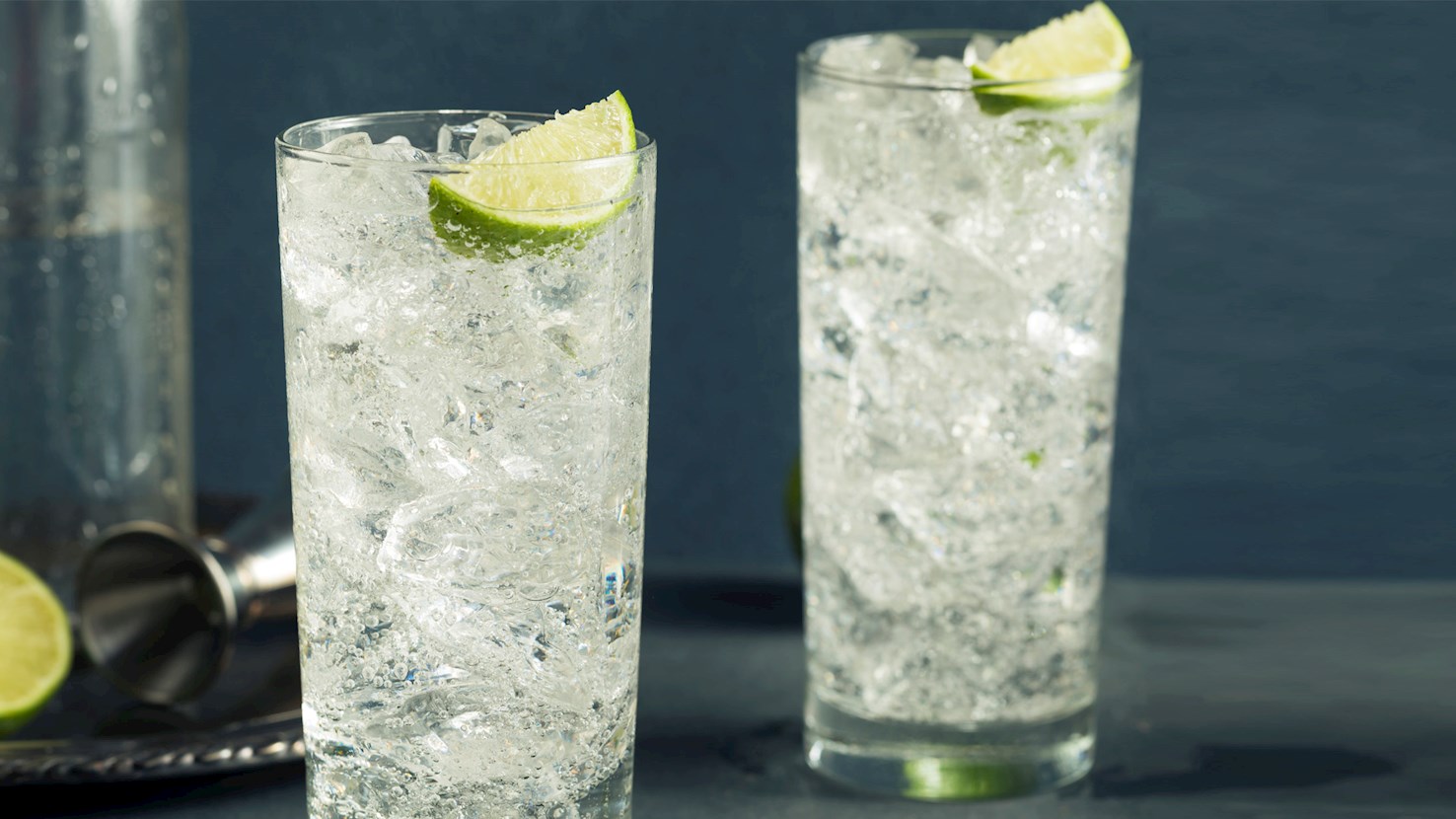
A simple highball cocktail made with gin and tonic water poured over ice, then garnished with a lime wheel is called Gin and Tonic. In the early 19th century, the cocktail was introduced to India by British officers. Malaria was a persistent problem in India, so the officers used the cocktail to prevent and treat the disease with the tonic's quinine. Due to its bitterness and sour notes, this cocktail is hugely popular worldwide, especially during the summer months. One can experiment with ratios of the components, even though suggested ratios of gin to tonic water range between 1:1 and 1:3. In some countries, it is commonly referred to as Gin Tonic, while people in English-speaking countries often simply call it G & T. Today, the cocktail is so popular that it is celebrated on October 19th, when it is known as International Gin & Tonic Day.

03

Öküzgözü

4 ·

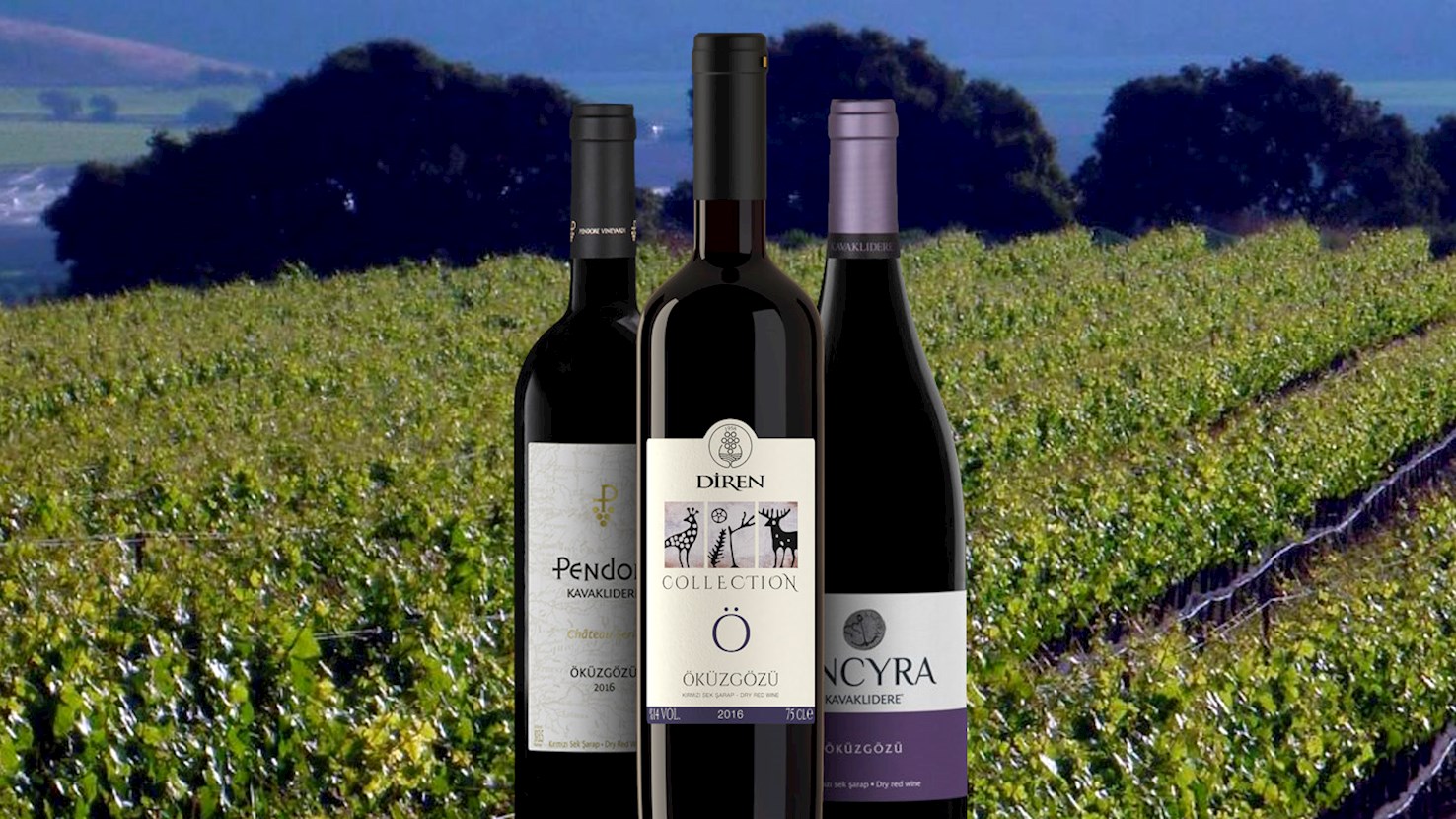
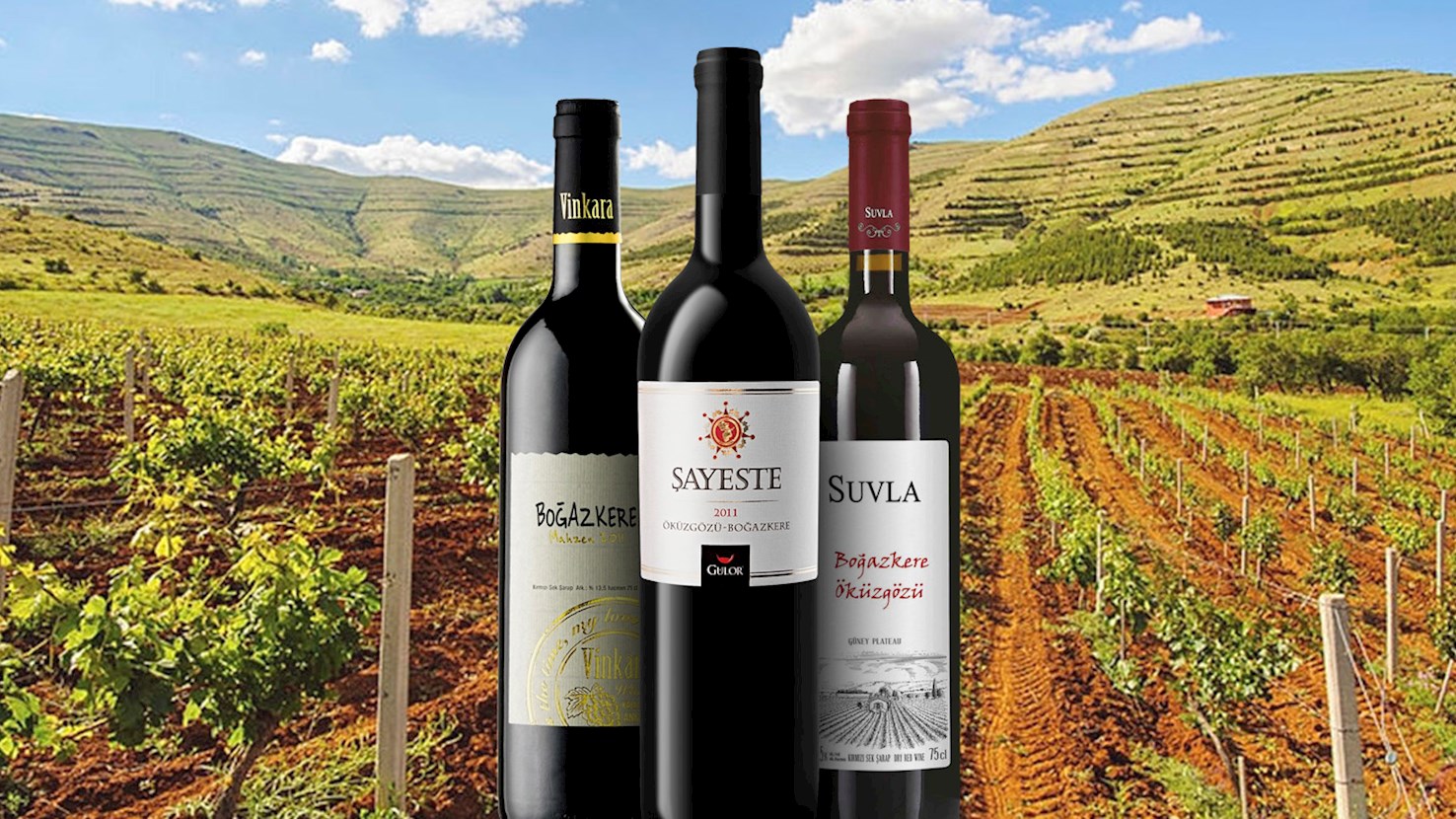
Öküzgözü is a native Turkish red grape with excellent potential. It hails from Elazığ province, though it is widely planted in other wine-growing regions. The grape is often made into a varietal, but it is also commonly blended with native Boğazkere. The latter will add more body and tannins to the blends. Öküzgözü produces ruby red wines with fruity aromas reminiscent of raspberries and cherries. They usually display some herbal nuances, and oak-aged styles will typically have jammy notes reminiscent of ripe fruit, leather, and spices. These medium-bodied wines have bright and lively acidity and moderate tannins. Öküzgözü wines would pair well with grilled meat and meat dishes doused in a richly flavored tomato sauce. Interestingly, öküzgözü translates as bull’s eye. The name is probably a reference to its large, dark grapes.

04

Junmai

4 ·

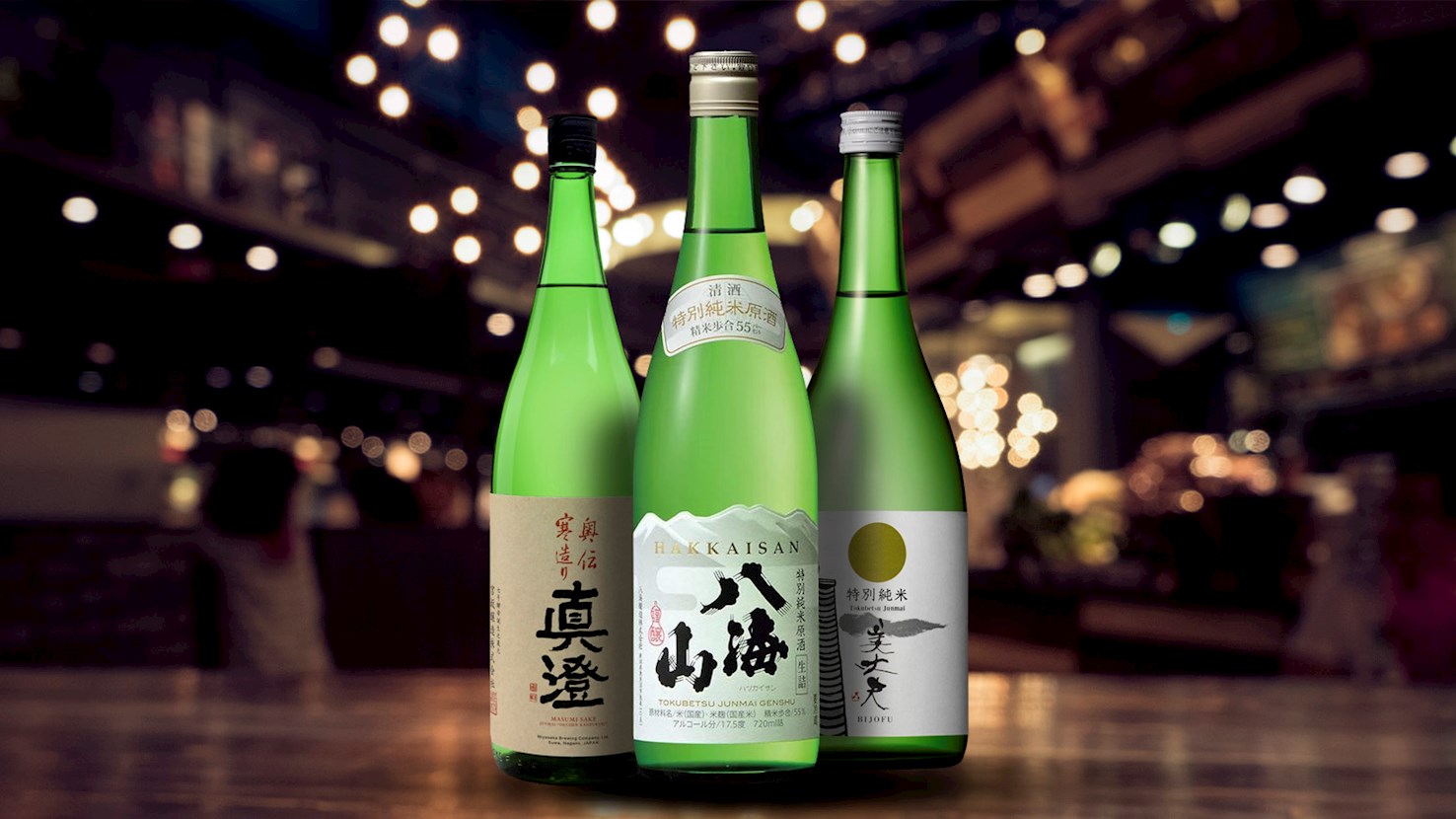
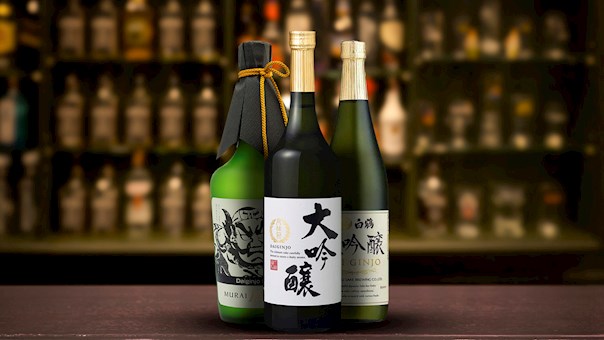
Junmai is a type of sake made with rice that is polished with 70% of the grain remaining. The requirements specify that the only ingredients used to produce junmai include rice, koji, yeast, and water, while no other additions, such as alcohol or sugar, are allowed. This sake is usually slightly heavier and full-bodied, with a more earthy character than its fruity and floral counterparts, but remaining light and refreshing. It is an easy-drinking sake that can be a good match to slightly heavier dishes. Junmai can be served chilled or warm.

Best producers
05

Japanese Whisky

4 ·

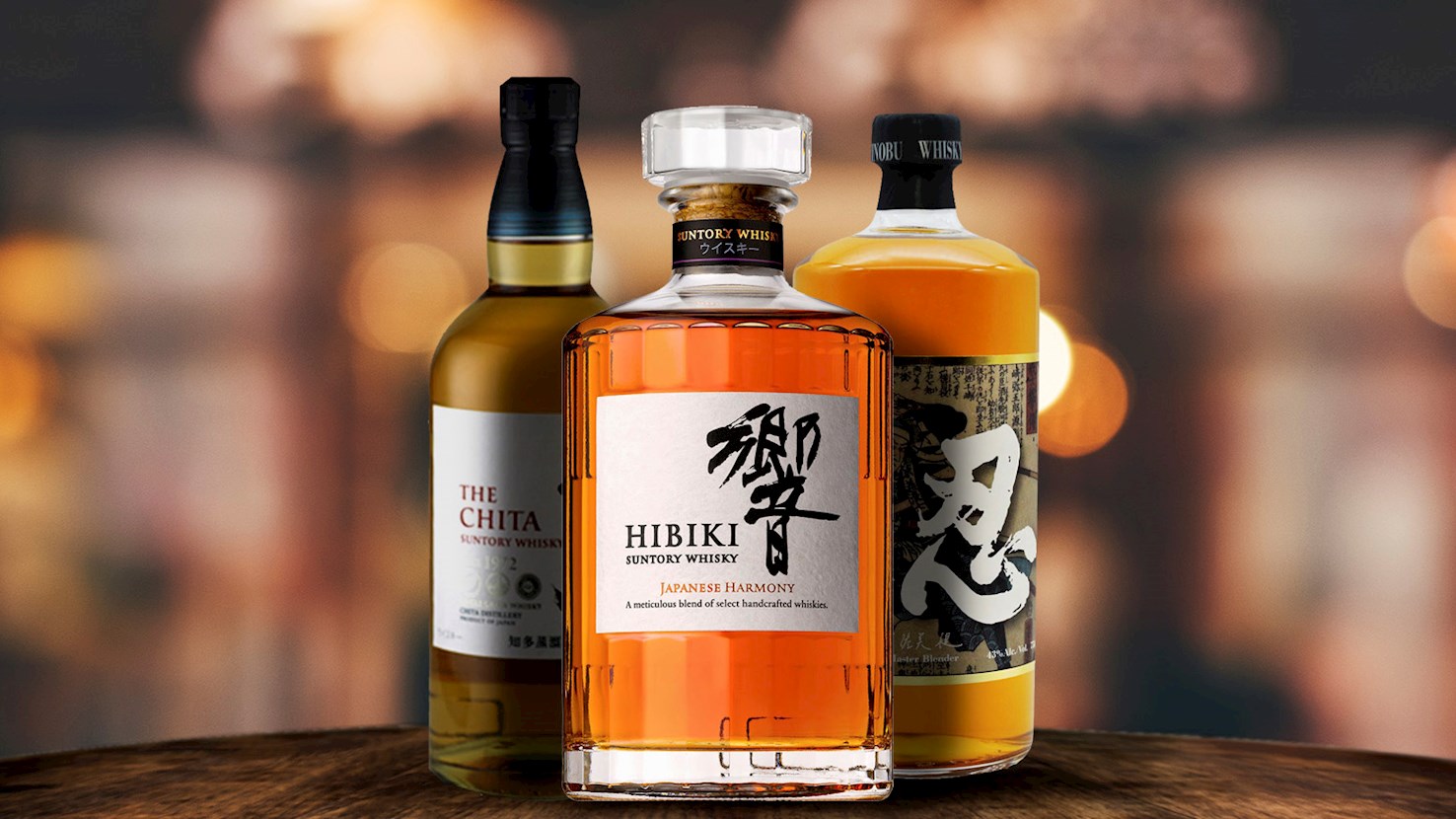
Japanese single malt, blended malt, and blended whiskies were inspired and modeled on Scottish tradition. They are double distilled from malted barley, which is occasionally peated (dried over smoked peat) and fermented grains. The spirit is then aged in oak casks, which may include American or Scottish oak, old Sherry casks, or Japanese Mizunara oak. The official production of Japanese whiskey started in 1923 when the first distillery was opened in Yamazaki (Kyoto). The distillery was a joint effort of Shinjiro Torii and Masataka Taketsuru, who eventually went to found his own Nikka distillery on Hokkaido. The two companies remain the biggest producers of Japanese whisky. Despite its fairly recent invention, Japanese whisky has been praised for its finesse and usually exceptional quality. Due to the recent upsurge in international popularity and the small scale of production, some distilleries even import foreign whisky and use it Japanese blends. Still, Japanese whisky holds its typical characteristic due to the specific climate, faster maturation, and water quality. Though the styles differ depending on the distillation procedure and the choice of grains, most varieties are powerful yet milder and more mellow that Scotch. They are balanced, complex, and aromatic with a wide range of flavors and aromas. Japanese prefer to enjoy it as a highball mixed with soda water, but it can be served neat, on the rocks, or mixed with water. It can also work well as a cocktail ingredient.

06

Makgeolli

3.8 ·

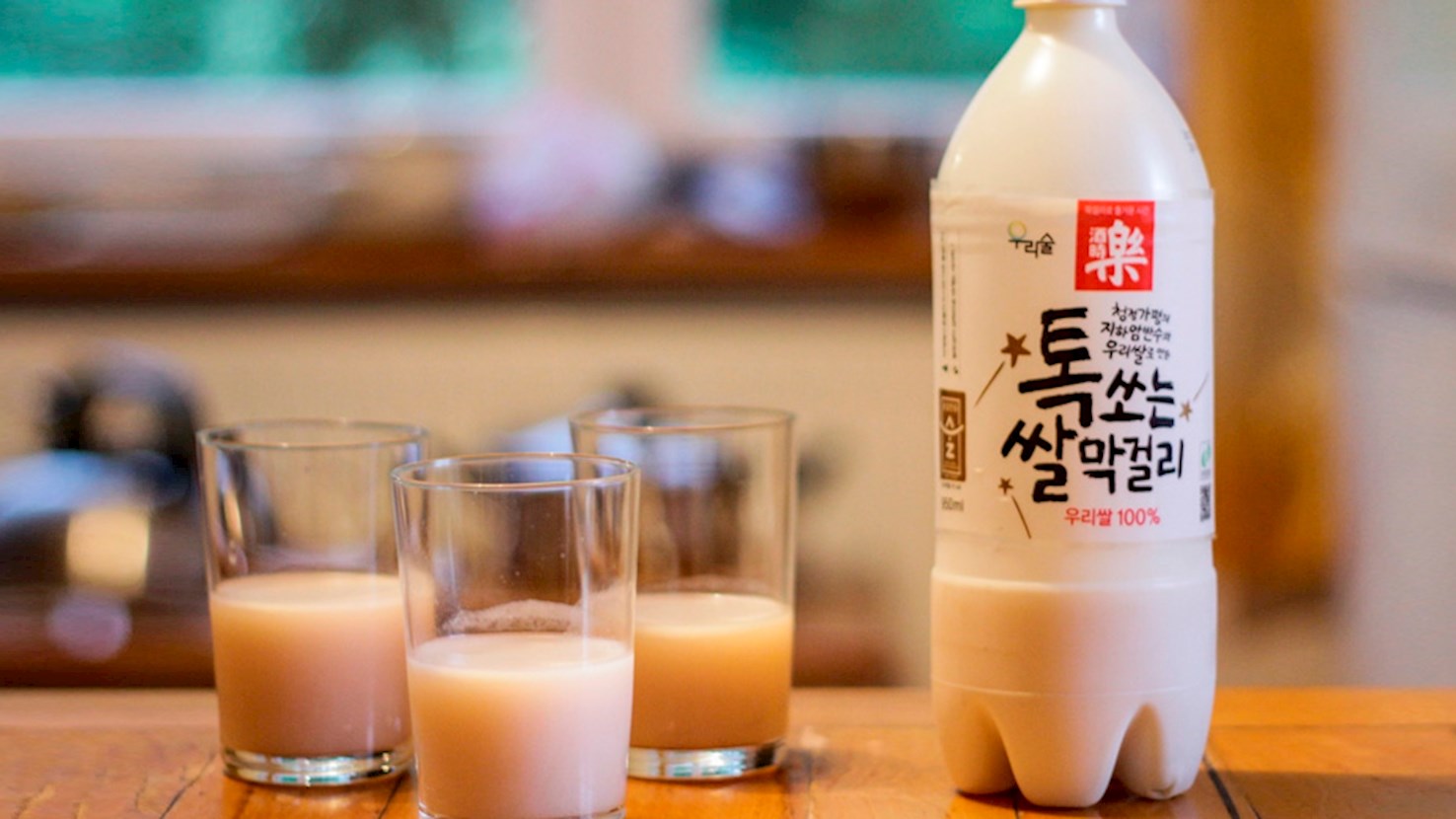
Makgeolli is the oldest Korean rice wine that dates back to the 10th century. It is usually made from rice which is fermented with nuruk—traditional Korean starter. The fermentation process produces a lightly fizzy drink with a typical milky appearance and a slightly sweet flavor. Makgeolli was the most popular Korean drink until the 1980s when it was largely overshadowed by imports, and it gained the status of a farmer’s drink (nongju). However, in the last decade, the drink has seen an increase in popularity, and it can be found in many South Korean bars. Makgeolli is best enjoyed cold and should be stirred before it is served.

07

Kalecik Karası

3.8 ·

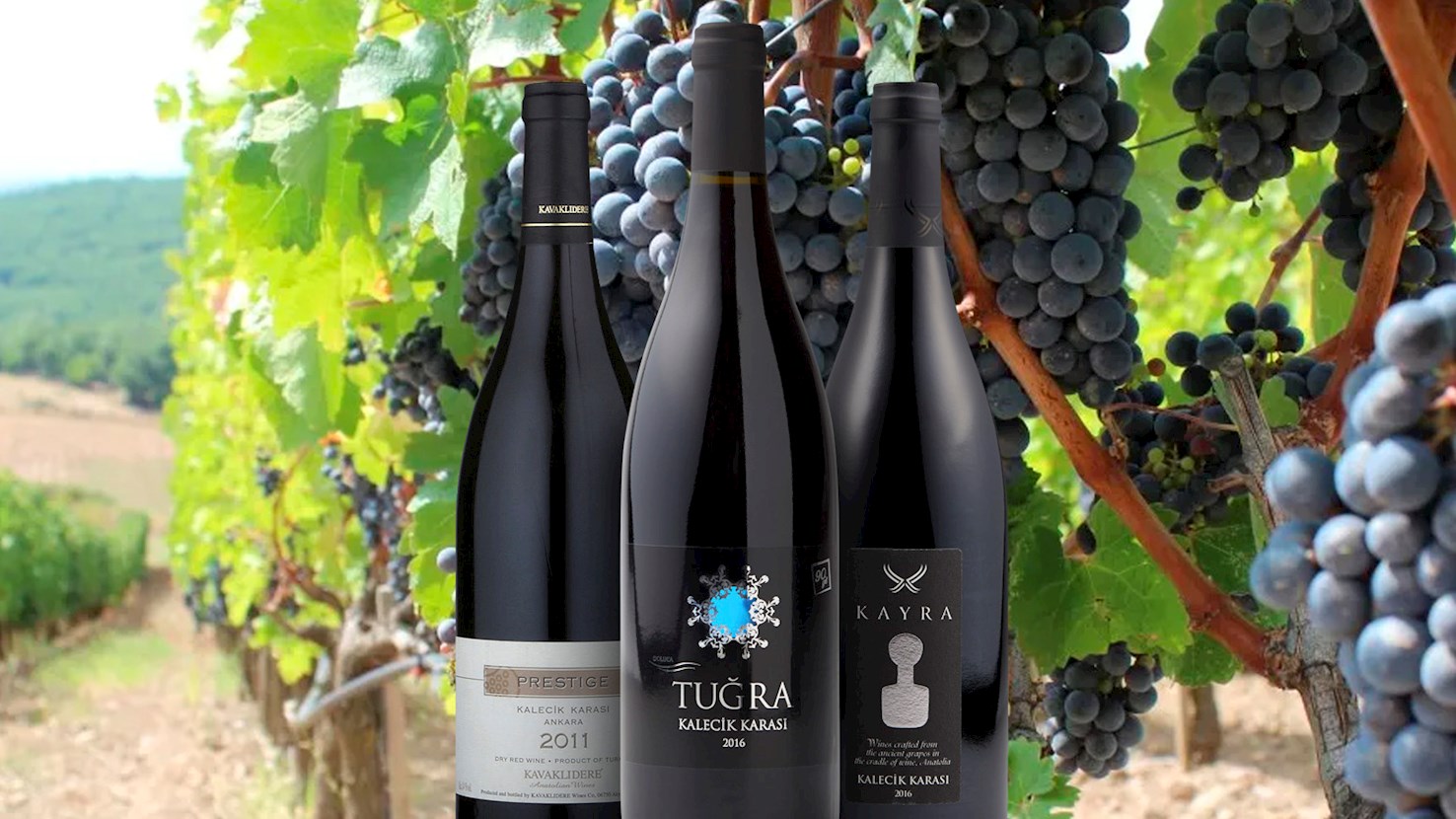
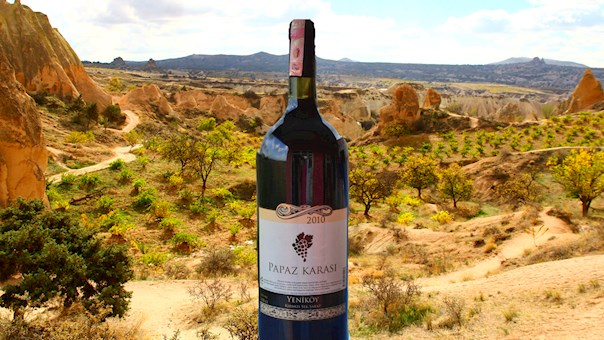
Kalecik Karası is a native Turkish grape that probably originated in Kalecik district of Central Anatolia. The grape is not well-known outside Turkey, but it is slowly gaining international recognition. It is considered one of the finest Turkish grapes. Kalecik Karası produces light to medium-bodied wines, often described as a cross between Pinot Noir and Gamay. They are typically cherry-colored with a fruity aroma reminiscent of red berries. On the palate, they are smooth and velvety, with good acidity and soft tannins. They often display earthy and herbal nuances, while those aged in oak have subtle vanilla, cocoa, or spicy aromas. This wine pairs nicely with local specialties and lighter dishes, especially those made with poultry, fish, or vegetables.

08

Chūhai

3.8 ·

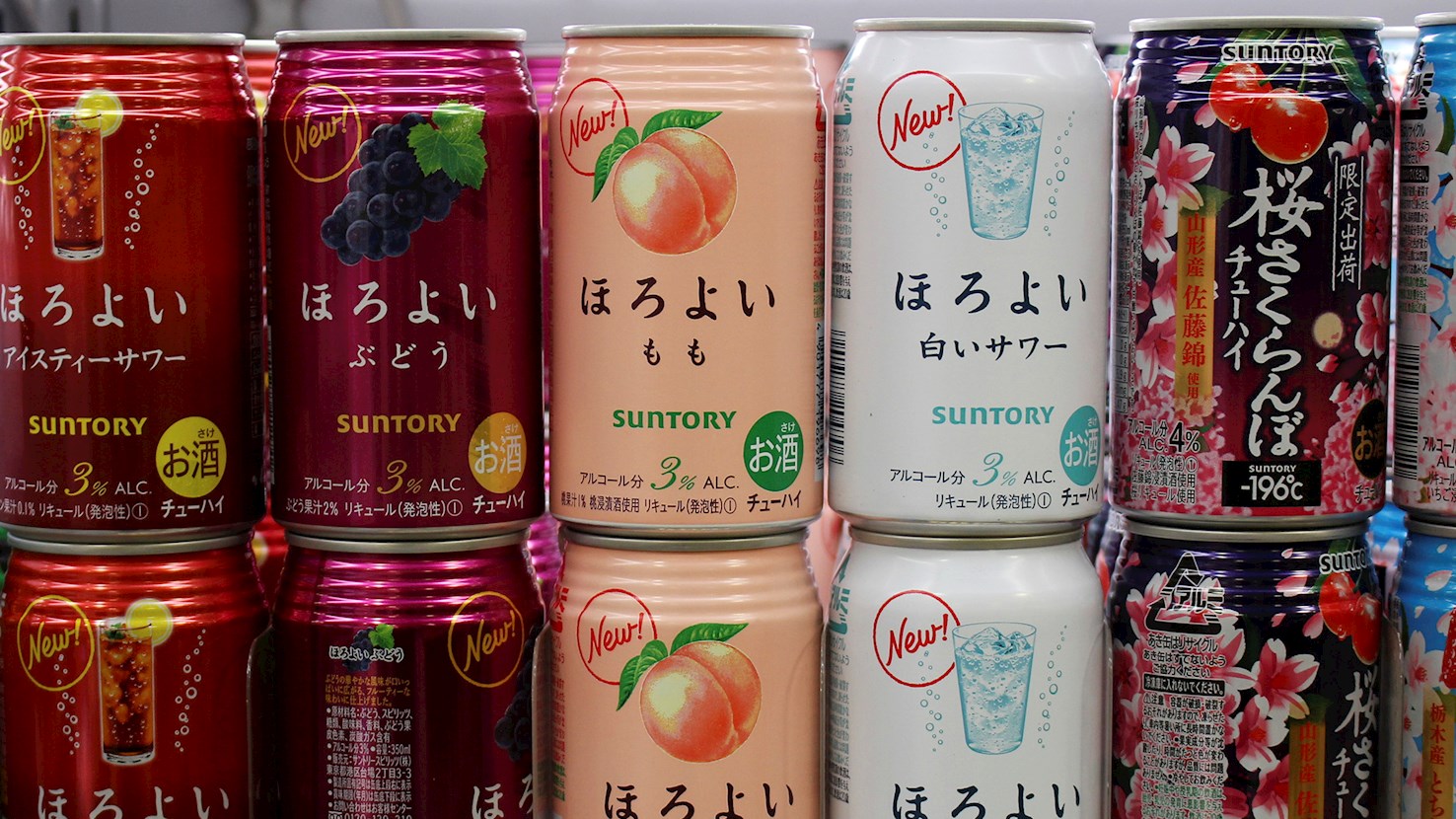
Chūhai is a mixed Japanese drink with fairly low alcohol content. In its original form, it was made with soda water and shōchū—Japanese spirit distilled from various ingredients such as barley, sweet potatoes, rice, or buckwheat. Nowadays, shōchū is sometimes replaced with vodka, and the combinations usually include various types of fruit-flavored soda water, fruit juices, or syrups. The name chūhai originated as a portmanteau of the words shōchū and highball, and it is believed that the drink first appeared in izakayas in Tokyo. Although it is still freshly prepared in bars, where it is served in high glasses or mugs, canned versions of the drink are also incredibly popular and widely available through the country. A version prepared with fresh juice typically goes under the name nama chūhai.

09

Boğazkere

3.8 ·

Boğazkere is a native Turkish grape originating from Diyarbakır, but it is now grown in other Turkish regions. The grape is best known for its ability to produce powerful, tannic wines. Because of its character, it is often used in blends to provide body and structure. It is mainly blended with the aromatic Öküzgözü. Boğazkere wines are full-bodied, with grippy tannins and good acidity. They are filled with a fruity aroma, typically reminiscent of cherries, raspberries, and blackberries, often accompanied by spicy, tobacco, leather-like, and cocoa notes. These richly-flavored wines can age well, and they tend to become softer with age. Boğazkere wines can pair with equally strong dishes. It would go well with red meat, game, lamb, stews, and hearty vegetable dishes.

10

Singapore Sling

3.8 ·

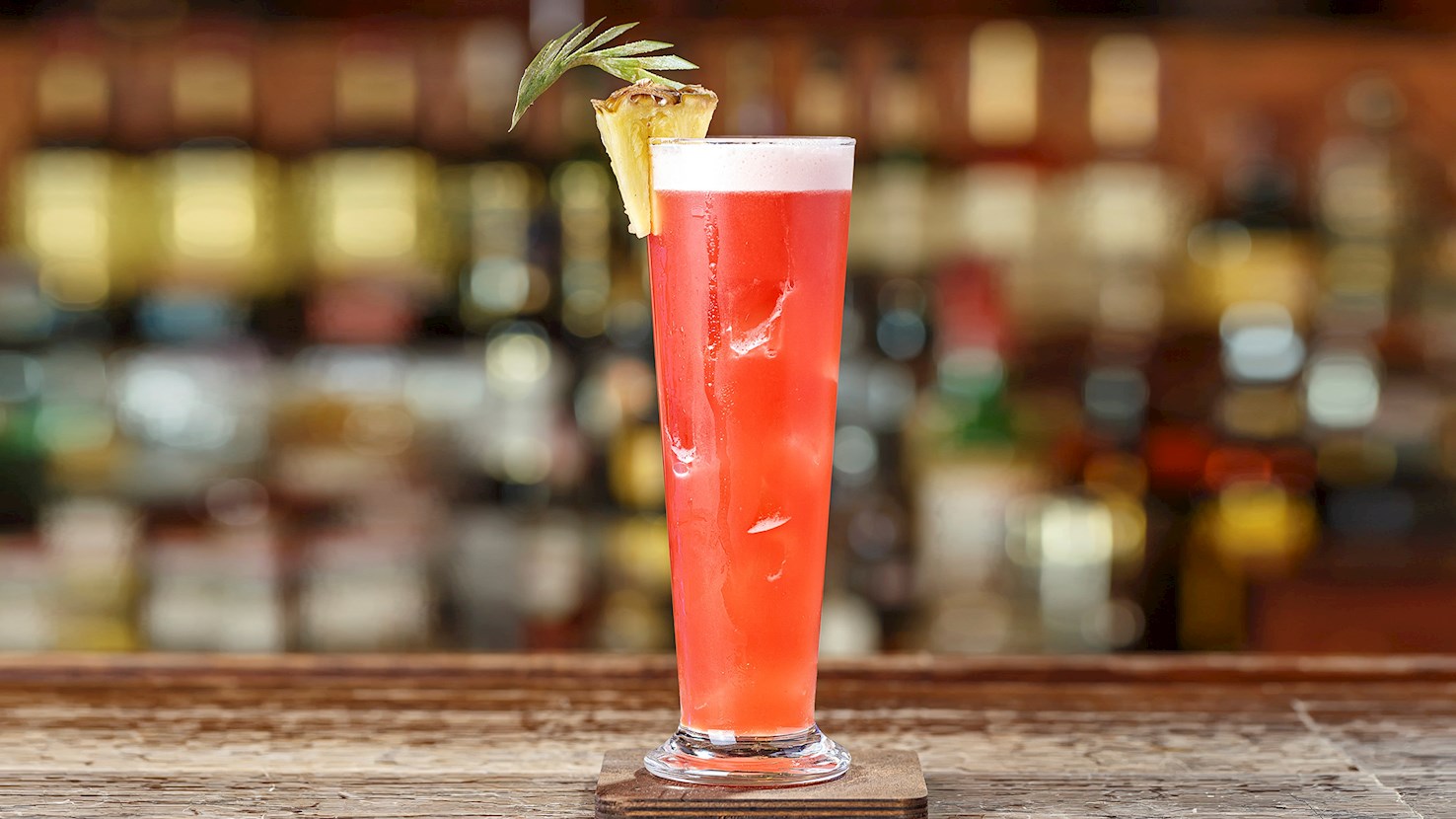
Originally known as Gin Sling, Singapore Sling is a gin-based cocktail that was invented around 1915 in Singapore by a bartender named Ngiam Tong Boon. While the original recipe calls for gin, cherry brandy, and orange, pineapple, and lime juice, the cocktail is nowadays prepared by shaking gin with cherry liqueur, Cointreau, grenadine, Bénédictine herbal liqueur, pineapple juice, freshly squeezed lime juice, and Angostura bitters. Singapore Sling is typically served straight up in a hurricane glass garnished with a Maraschino cherry and a pineapple wedge.

Best Asian Alcoholic Beverages
01

Kavalan

5 ·
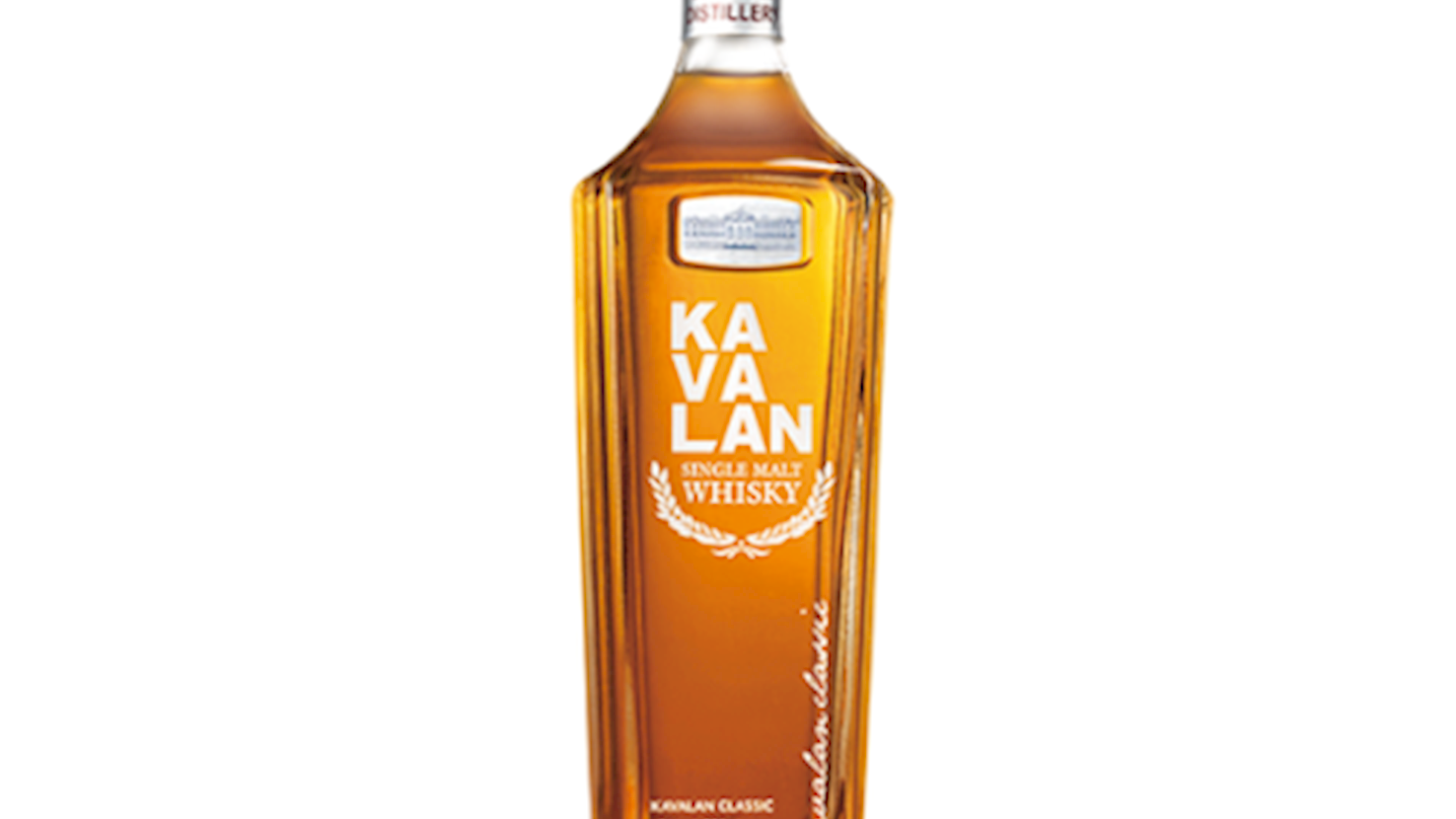
Kavalan is a renowned Taiwanese whisky brand, celebrated for its single malts produced in Yilan County. Established by King Car Group, Kavalan leverages Taiwan’s subtropical climate to mature its whisky faster, creating rich and complex flavors. The brand has earned global acclaim, winning numerous awards for its innovation and craftsmanship, especially for expressions aged in various casks like sherry, port, and wine. Kavalan’s unique process and commitment to quality make it a standout in the world of whisky.
Awards
SFWSC - San Francisco World Spirits Competition - Double Gold (2024, 2023)
ISC-International Spirits Challenge - Double Gold (2024)
02

Xiaohutuxian Group

5 ·
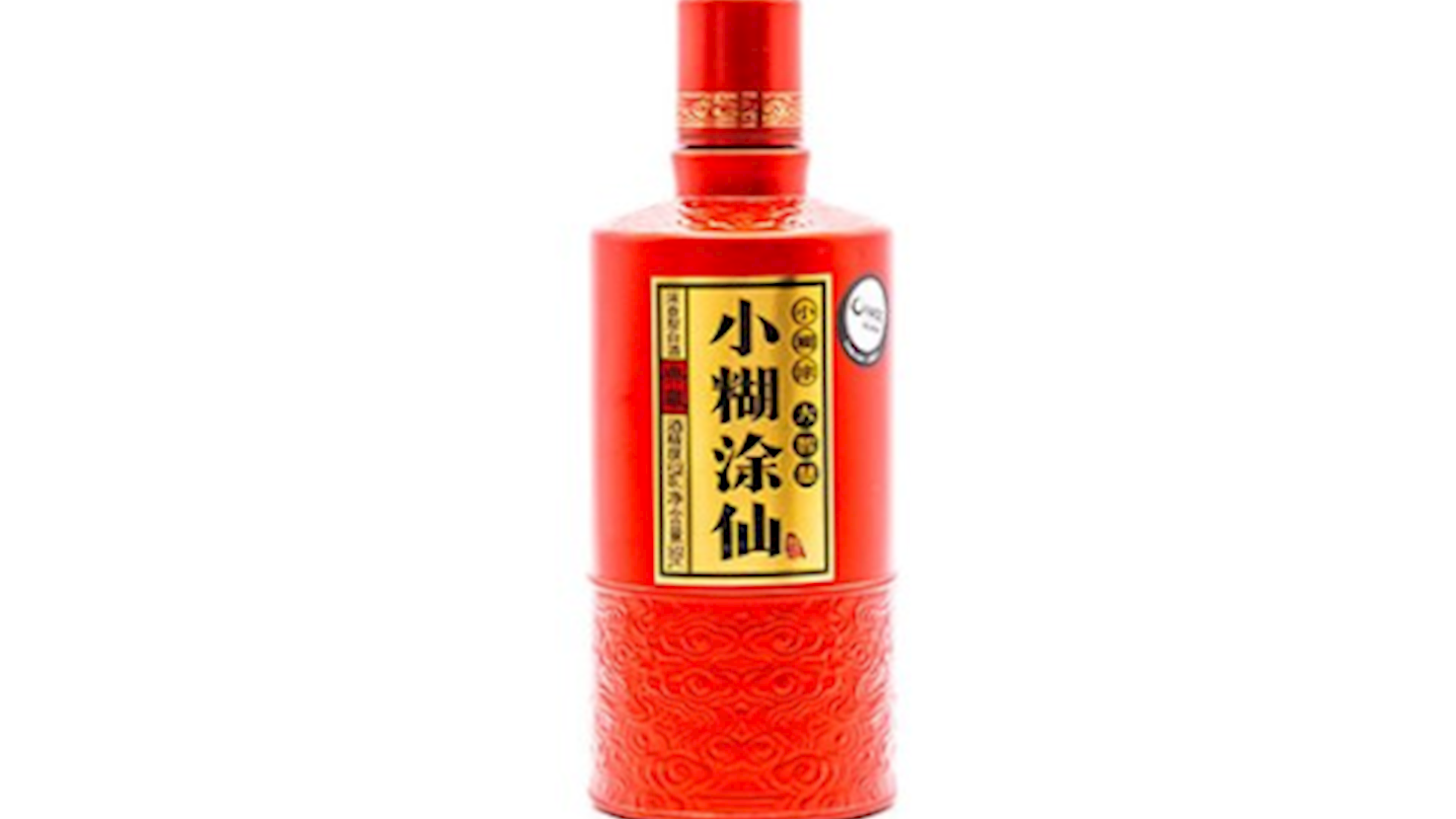
Xiaohutuxian Group is a modern Chinese distillery based in Chengdu, Sichuan Province, specializing in the production of high-quality baijiu spirits that seamlessly blend tradition and innovation. The company has built a reputation as one of the leading producers in the premium segment of the Chinese market, combining authentic fermentation and distillation methods with a modern approach to design, marketing, and brand identity. A particular focus is placed on preserving the microbial culture and grain base traditionally used in Chinese baijiu production, ensuring consistency in quality and richness of flavor. Their spirits are distinguished by complex aromatic profiles that unite floral, fruity, nutty, and umami tones, creating a unique tasting experience. The company’s vision is to connect the past and future of Chinese distillation - honoring tradition while introducing technological innovation and contemporary aesthetics. Today, Xiaohutuxian Group stands as a symbol of the new wave of Chinese producers redefining the global identity of baijiu, combining artisanal precision, cultural authenticity, and distinctive design into a single, harmonious whole.
Awards
SFWSC - San Francisco World Spirits Competition - Double Gold (2024, 2023)
IWSC- International wine & spirit competition - Spirit Gold (2024, 2023, 2022, 2021, 2020)
03

Iichiko

5 ·
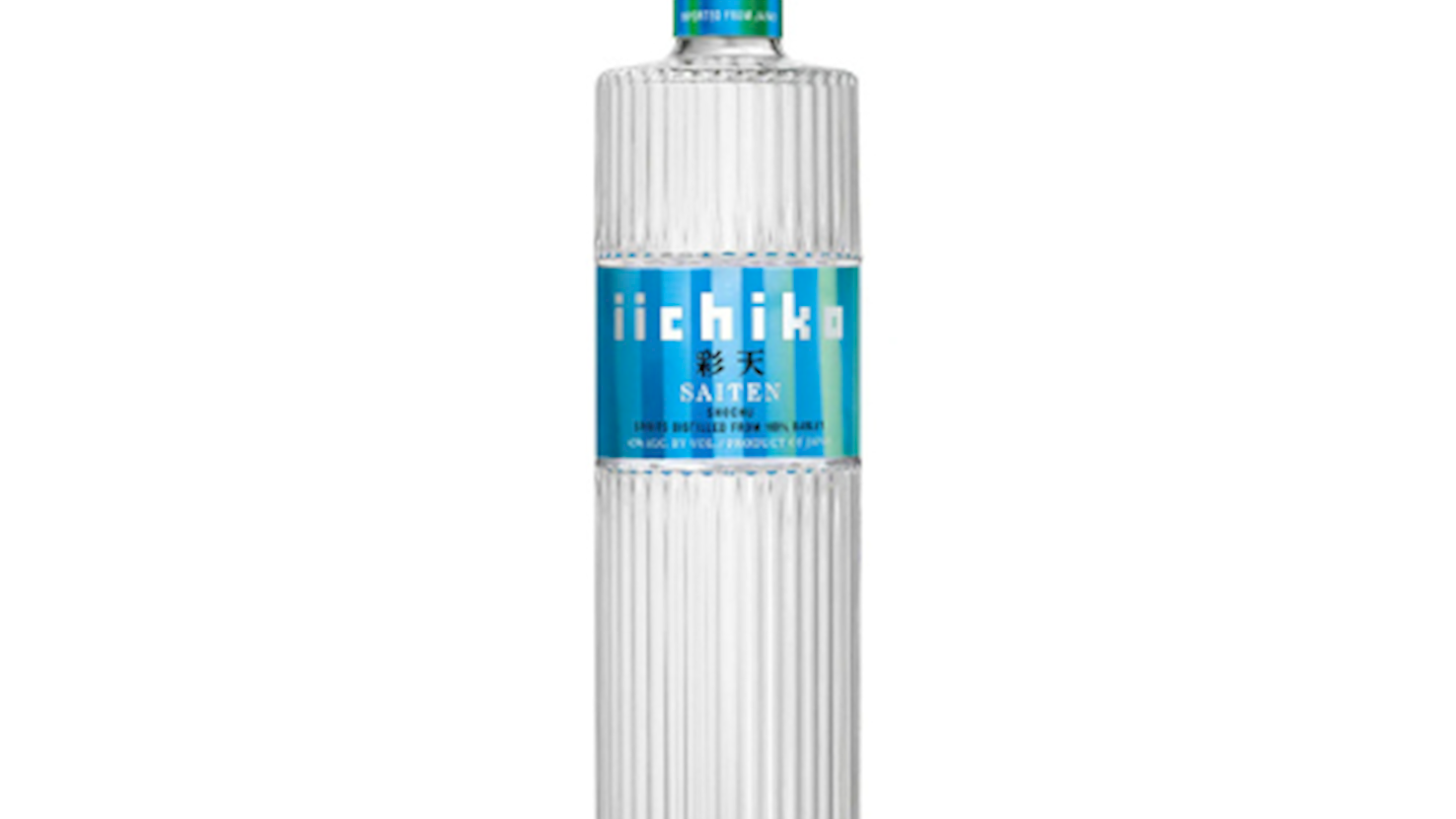
Iichiko is a renowned Japanese producer of shochu, a traditional Japanese spirit made from various ingredients like barley, sweet potatoes, and rice. Founded by Sanwa Shurui, Iichiko is famous for its commitment to high-quality production and innovation. Headquartered in the Oita Prefecture of Kyushu, Japan, an area known for its clean water and natural beauty, Iichiko has become a global leader in the shochu industry. Iichiko's most notable products include its flagship barley-based shochu, iichiko Saiten, which is crafted using unique methods such as the "all Koji" fermentation technique. This involves using barley Koji, a special mold that helps break down the starches in barley into sugars, enhancing the flavor profile of the spirit. The production also focuses on the single distillation process, preserving the delicate aromas and flavors of the barley.
Awards
SFWSC - San Francisco World Spirits Competition - Double Gold (2024, 2023)
ISC-International Spirits Challenge - Double Gold (2022)
04

Amrut Distilleries

5 ·
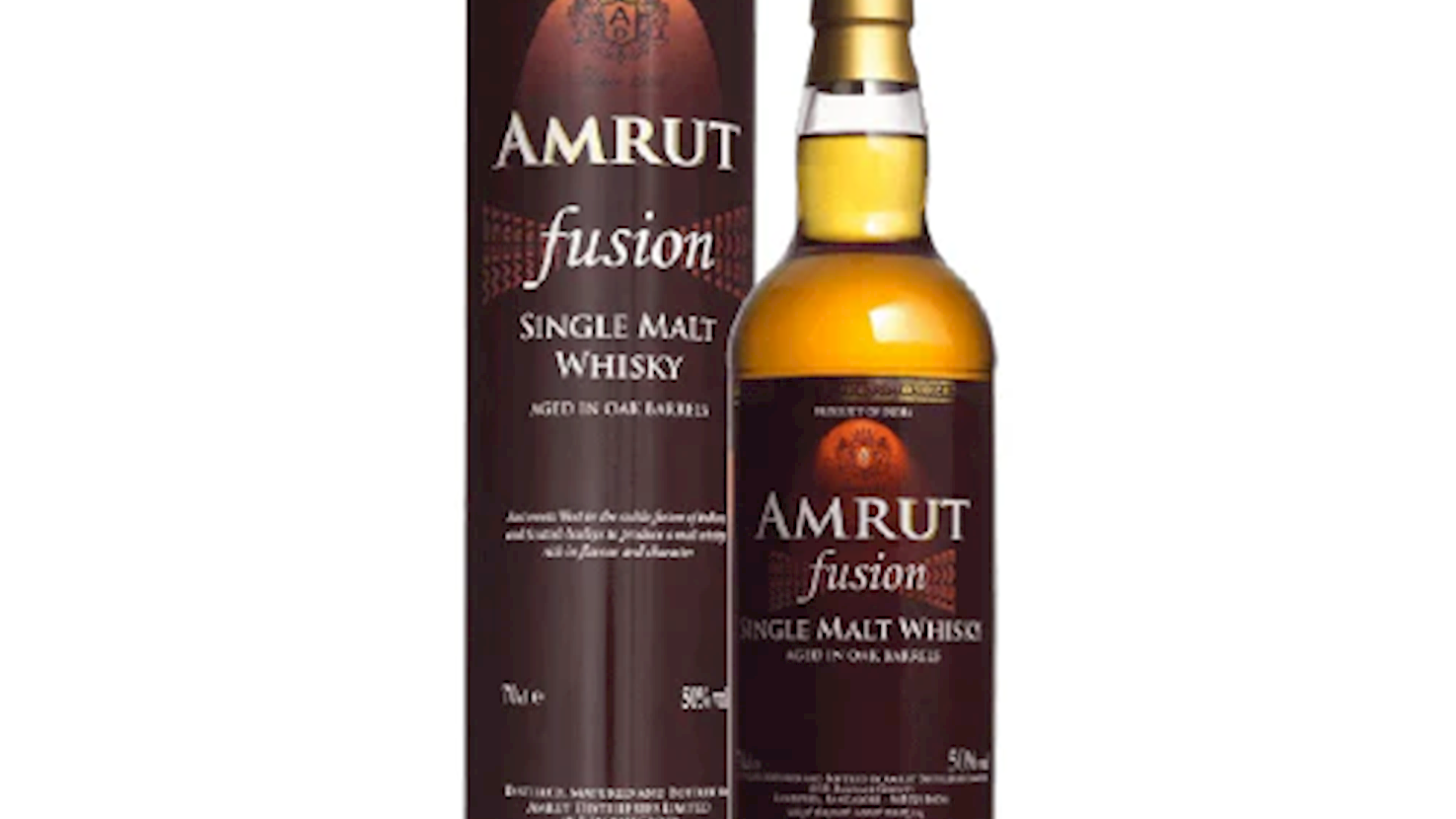
Amrut Distilleries, founded in 1948 and based in Bengaluru, Karnataka, is a pioneering Indian spirits producer. Renowned for introducing India's first single malt whisky, Amrut Indian Single Malt, in 2004, the company has gained international acclaim for its innovation and quality. Amrut sources indigenous six-row barley and employs traditional distilling methods to craft a diverse range of products, including single malts, rum, brandy, and blended whiskies, earning global recognition as a leader in the Indian spirits industry.
Awards
Bartender Spirits Awards - Double Gold (2023, 2022)
IWSC- International wine & spirit competition - Spirit Gold (2024, 2020)
05

The Kyoto Distillery

5 ·
Awards
NYWSC - New York World Spirits Competition - Double Gold (2023)
SFWSC - San Francisco World Spirits Competition - Double Gold (2023)
06

Akkeshi

5 ·
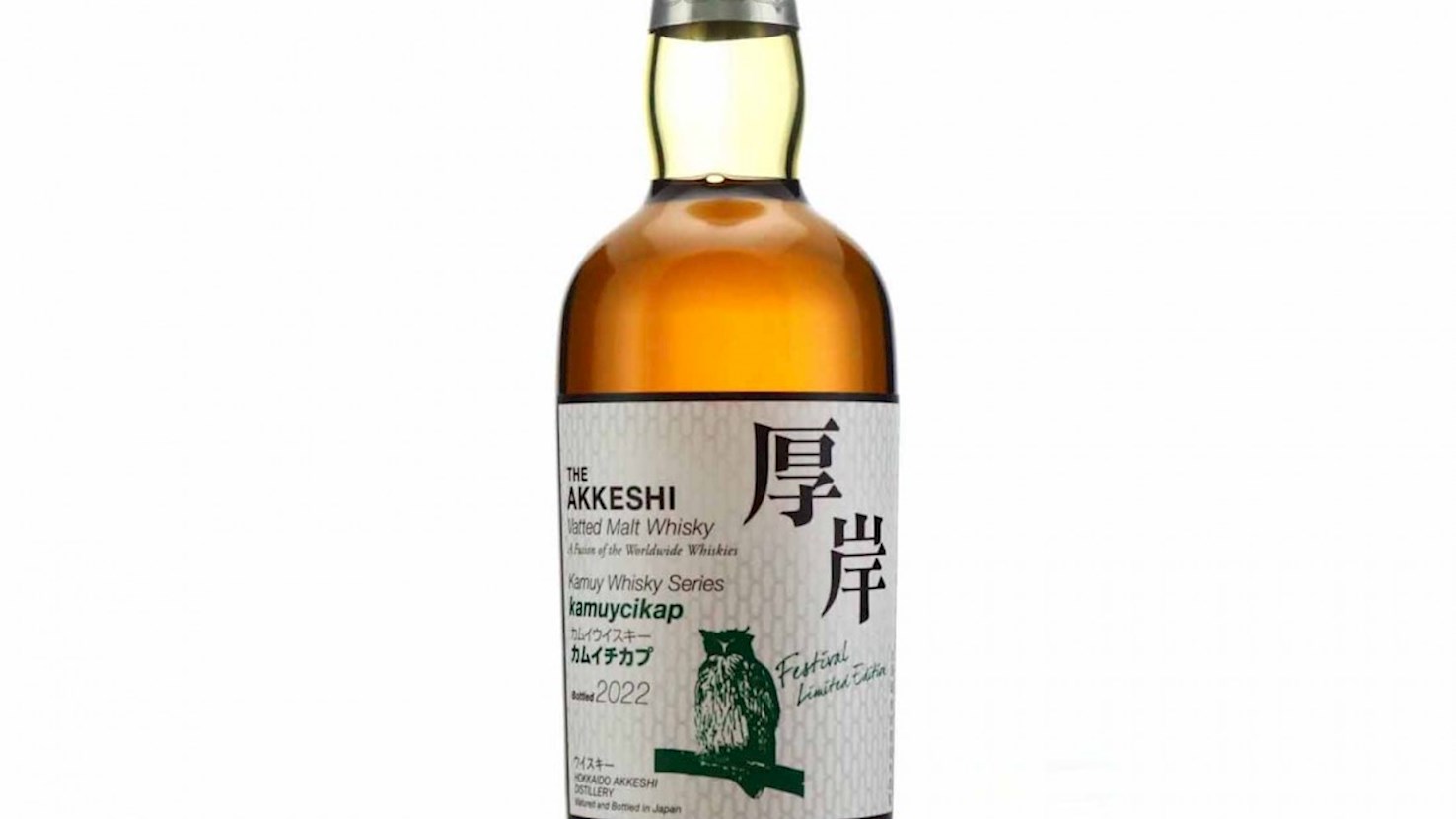
Located in Japan’s northern most island of Hokkaido and further east than any other distillery in the country, production at Akkeshi Distillery started in 2016. The goal of Akkeshi Distillery is to blend traditional Scottish methods with the unique flavors of Akkeshi, Japan. With extremely unique aromas and flavors unlike anything else these whiskies will be a delight to aficionados worldwide. Akkeshi Distillery is the true embodiment of craftsmanship and is on track to be a leader in the highest quality Japanese whisky world. ​
Awards
ISC-International Spirits Challenge - Gold (2024)
ISC-International Spirits Challenge - Gold (2023, 2022, 2021)
07

Kirin Brewery Company

5 ·
Awards
ISC-International Spirits Challenge - Double Gold (2020, 2019)
ISC-International Spirits Challenge - Gold (2024)
08

Nagahama Distillery

5 ·
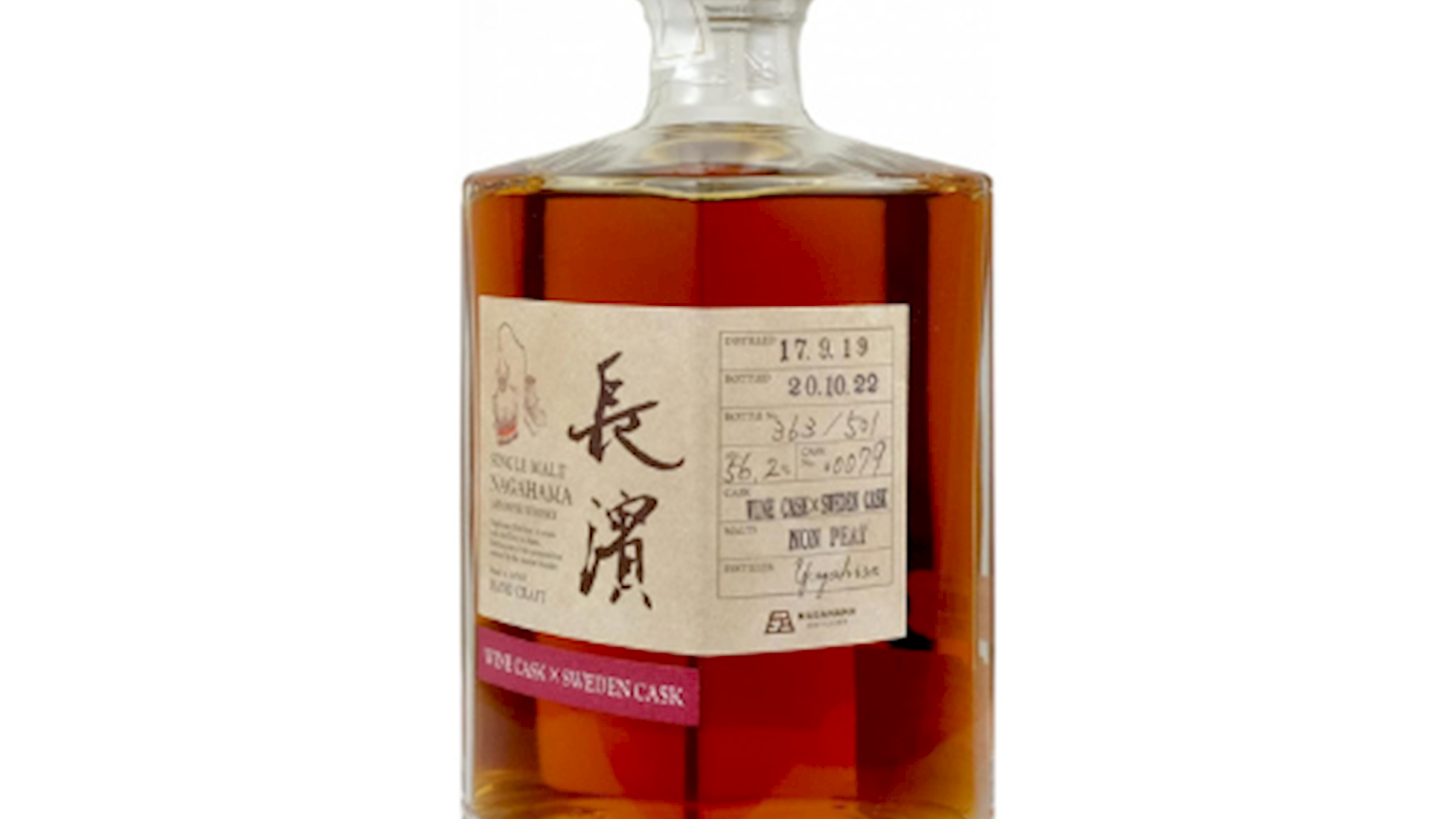
Nagahama Distillery is a Japanese distillery located in Nagahama, Shiga Prefecture. It is renowned for being Japan's smallest distillery, offering artisanal whiskies with unique and bold flavors. Nagahama Distillery uses traditional production methods, focusing on small-batch processes to ensure the highest quality and character in its whiskies. The distillery offers tours where visitors can learn about the whisky-making process, taste their products, and explore the charming surroundings of Nagahama.
Awards
ISC-International Spirits Challenge - Gold (2024)
IWSC- International wine & spirit competition - Spirit Gold (2023)
09

Sakurao Brewery and Distillery Co

5 ·
Awards
ISC-International Spirits Challenge - Gold (2024)
The Gin Masters – Second Tasting - Gold (2022)
10

VentureWhisky Ltd.

5 ·
Awards
ISC-International Spirits Challenge - Double Gold (2020)
ISC-International Spirits Challenge - Gold (2024)
Read more
View all
View map
About this ranking

TasteAtlas food rankings are based on the ratings of the TasteAtlas audience, with a series of mechanisms that recognize real users and that ignore bot, nationalist or local patriotic ratings, and give additional value to the ratings of users that the system recognizes as knowledgeable. For the “Top 100 Asian Alcoholic Beverages” list until June 10, 2026, 2,553 ratings were recorded, of which 1,778 were recognized by the system as legitimate. TasteAtlas Rankings should not be seen as the final global conclusion about food. Their purpose is to promote excellent local foods, instill pride in traditional dishes, and arouse curiosity about dishes you haven’t tried.

The initial list of top producers was compiled based on available reviews, awards, local recommendations, media and blog coverage, and consumer reviews. The list will be updated with ratings from TasteAtlas local ambassadors and TasteAtlas users.

Similar lists