shutterstock

Top 100 Desserts
in the World

Last updated on April 15, 2026

Best Desserts in the World
01

Pastel de Belém

4.6 ·

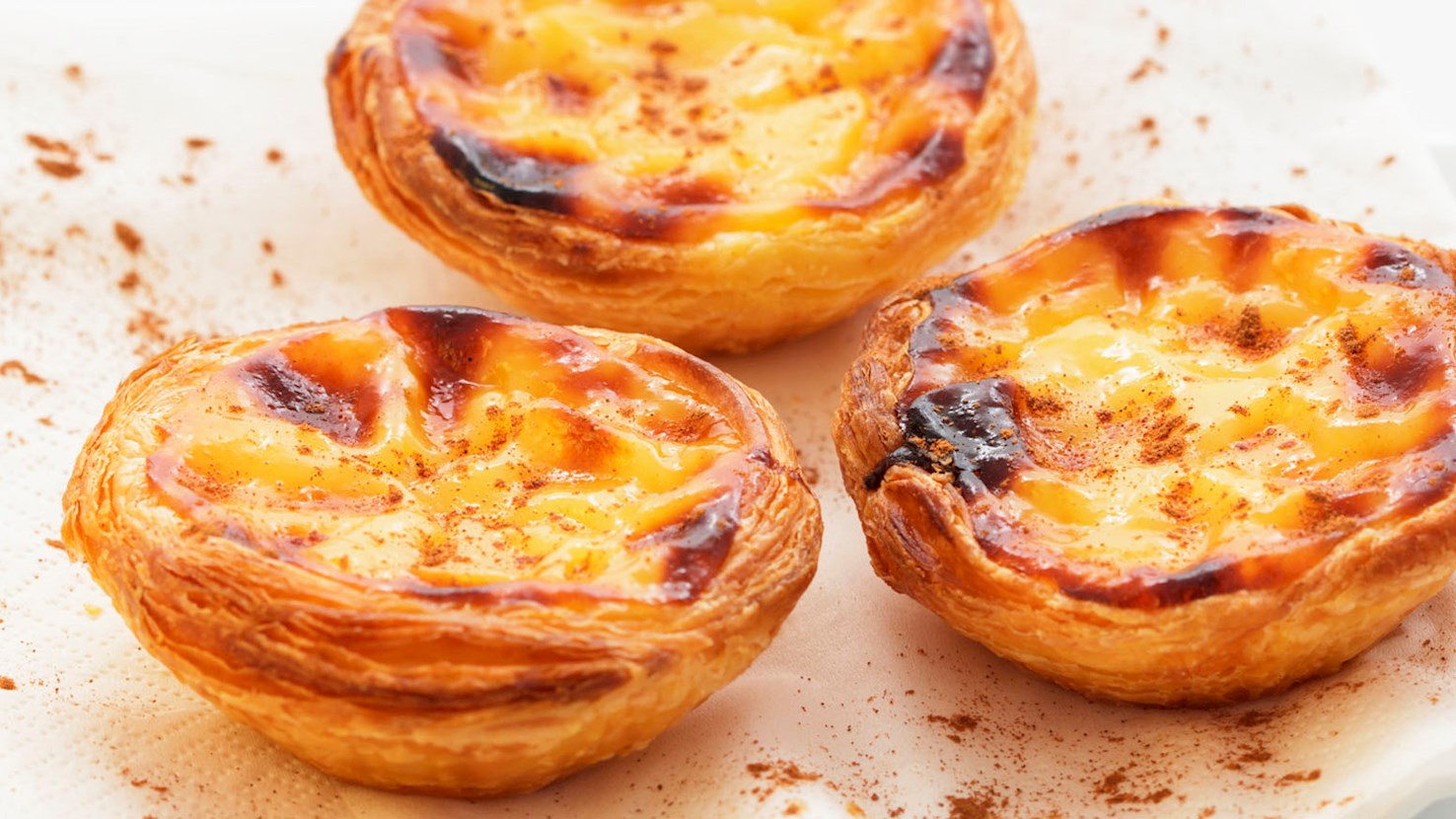
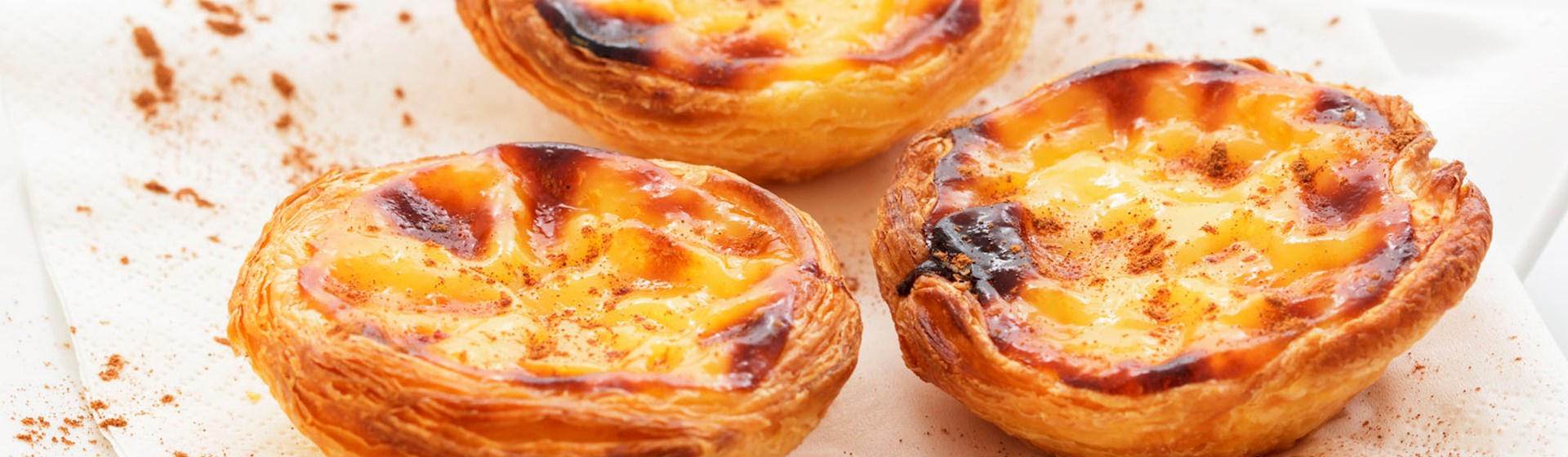
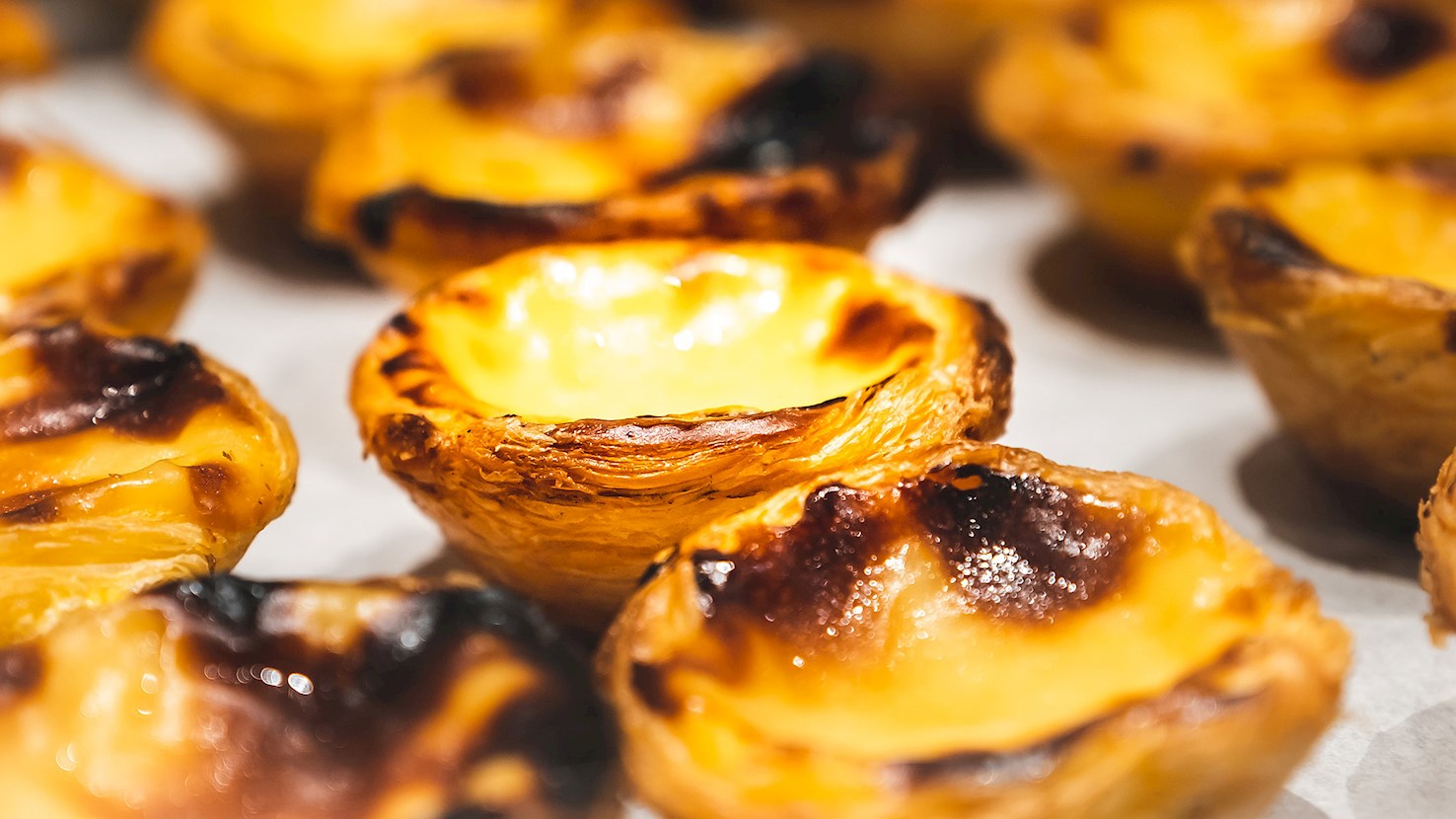
Pastel de Belém is a traditional egg custard tart and a predecessor to the famous pastel de nata. The tarts are made with a pastry shell that's filled with a combination of milk, eggs, sugar, lemon, and cinnamon. The first recipe for pastel de Belém dates back to 1837 when it was produced by the monks of the Jerónimos monastery. Only the custard tarts produced at the Fábrica Pastéis de Belém can be called pastel de Belém, while all the others, produced by other patisseries in Lisbon are called pastel de nata. Regardless of the name, these tarts can be served hot or cold and in 2009, The Guardian listed pastel de Belém as one of the 50 'best things to eat' in the world.

02

Pastel de nata

4.5 ·

Pastel de nata is a traditional egg custard tart that is popular throughout the world. It is believed that for the best result, the filling should not be too sweet and should not have flavors of lemon nor vanilla. Instead, the tarts should be sprinkled with cinnamon and, ideally, paired with a cup of coffee. Originally, this treat was made before the 18th century by Catholic monks and nuns in Santa Maria de Belém in Lisbon. The tart was made from leftover egg yolks that were used in the clearing of wines and starching of clothes. Later on, the clerics made a deal with a nearby bakery to start selling pastel de nata commercially, and the product was a huge success. It is still hugely popular, and the fact can be supported by long lines of people who are waiting on their pastel de nata in front of numerous Portuguese bakeries. However, pastel de Belém's recipe is kept secret, and only the ones produced at the Fábrica Pastéis de Belém can be called pastel de Belém, while all the other egg custard tarts from other producers in Lisbon are called pastel de nata.

03

Antakya künefesi

4.5 ·

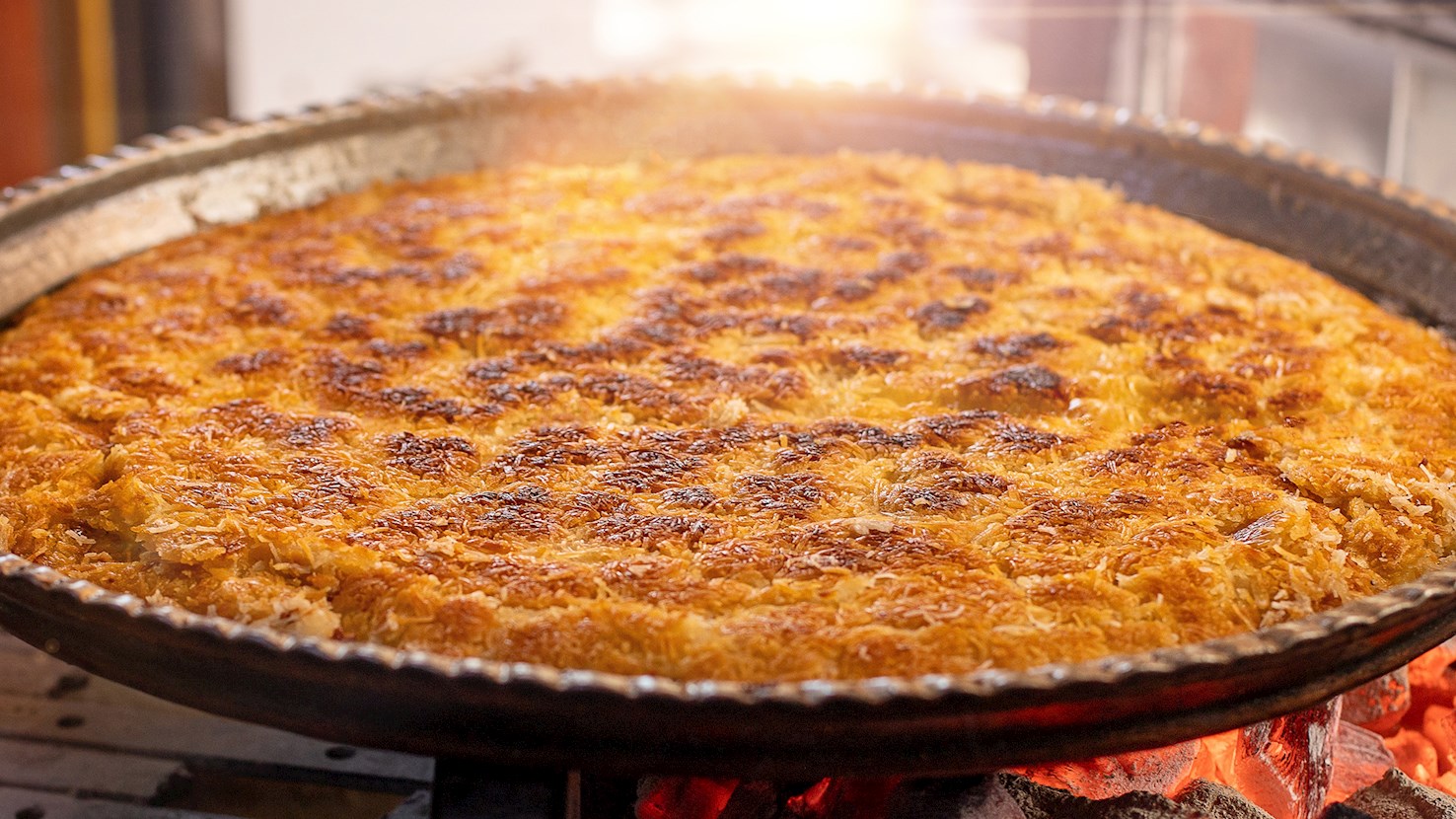
Antakya künefesi is a traditional kunāfah variety hailing from the ancient Turkish city of Antakya, made from shredded phyllo pastry filled with creamy unsalted cheese. The origins of this dish can be traced back to the Ottoman Empire, and to this day, it has remained one of the authentic representatives of Antakyan culinary heritage and traditions. To make Antakya künefesi, the pastry is first prepared by shredding phyllo dough into thin strips and placing it into a flat, round tray. The dough, in this form known as kadayıfın, is then topped with a mixture of unsalted cheese, traditionally Hatay peyniri, and another layer of shredded phyllo dough. After the concoction is baked on both sides (a step that makes this kunāfah variety unique), it is soaked with hot, sweet syrup made with sugar, water, and lemon juice. Antakya künefesi is served warm and garnished with chopped pistachios, walnuts, or hazelnuts. In 2006, this delicious dessert received the Protected Geographical Indication certificate.

04

Clotted cream ice cream

4.5 ·

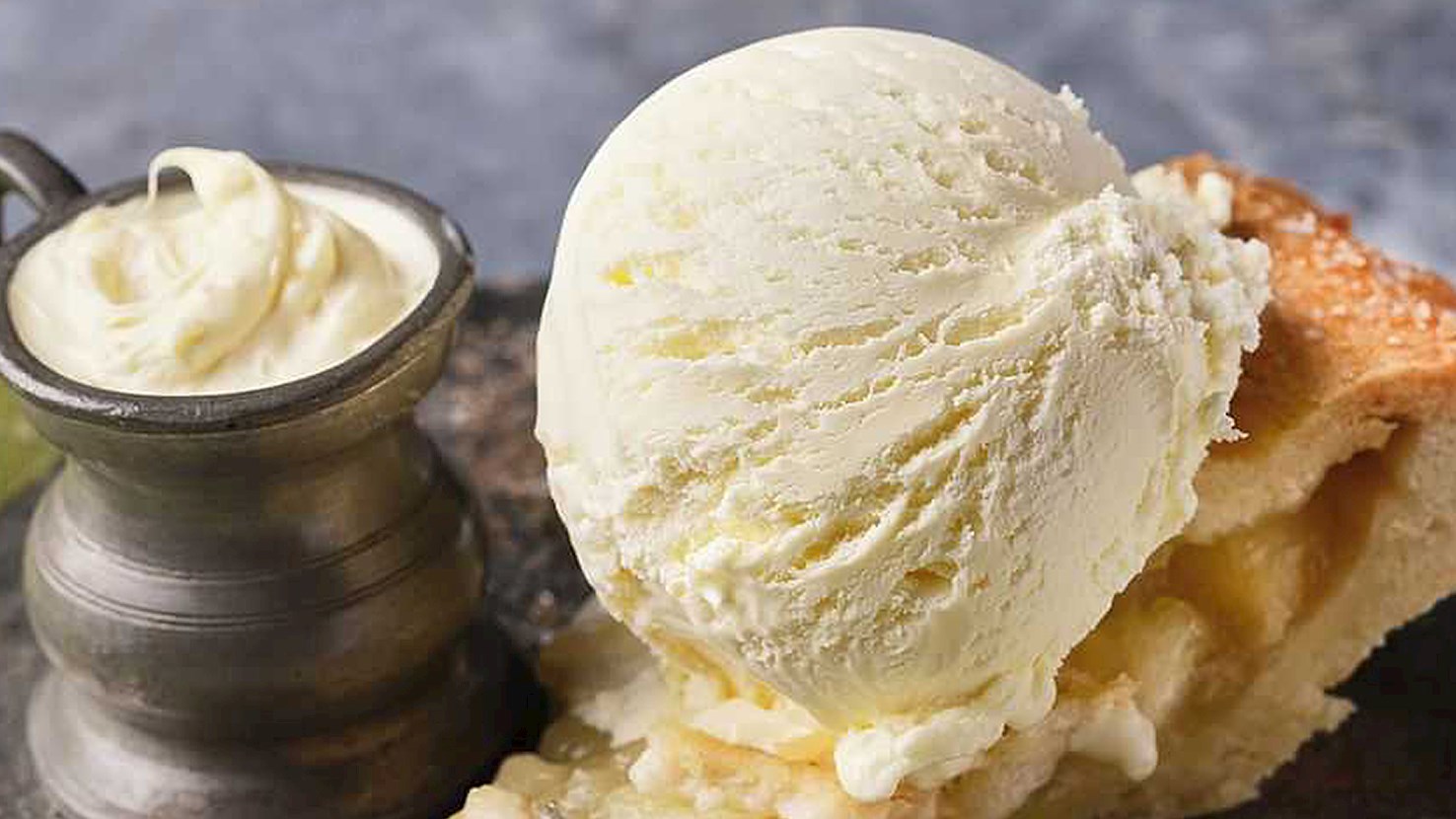
Clotted cream ice cream is a traditional ice cream that’s associated with Cornwall, although it’s sold in supermarkets throughout the United Kingdom. This ice cream is made with Cornish whole milk, eggs, and clotted cream. The use of Cornish clotted cream gives the ice cream a unique flavor and a velvety consistency. This decadent ice cream can be flavored with various additional ingredients such as vanilla, and it can be found in many bars and cafes across the region. It is also not uncustomary to add a dollop of clotted cream on top of the scoops of Cornish ice cream.

05

Strudel (Trentino-Alto Adige)

4.5 ·

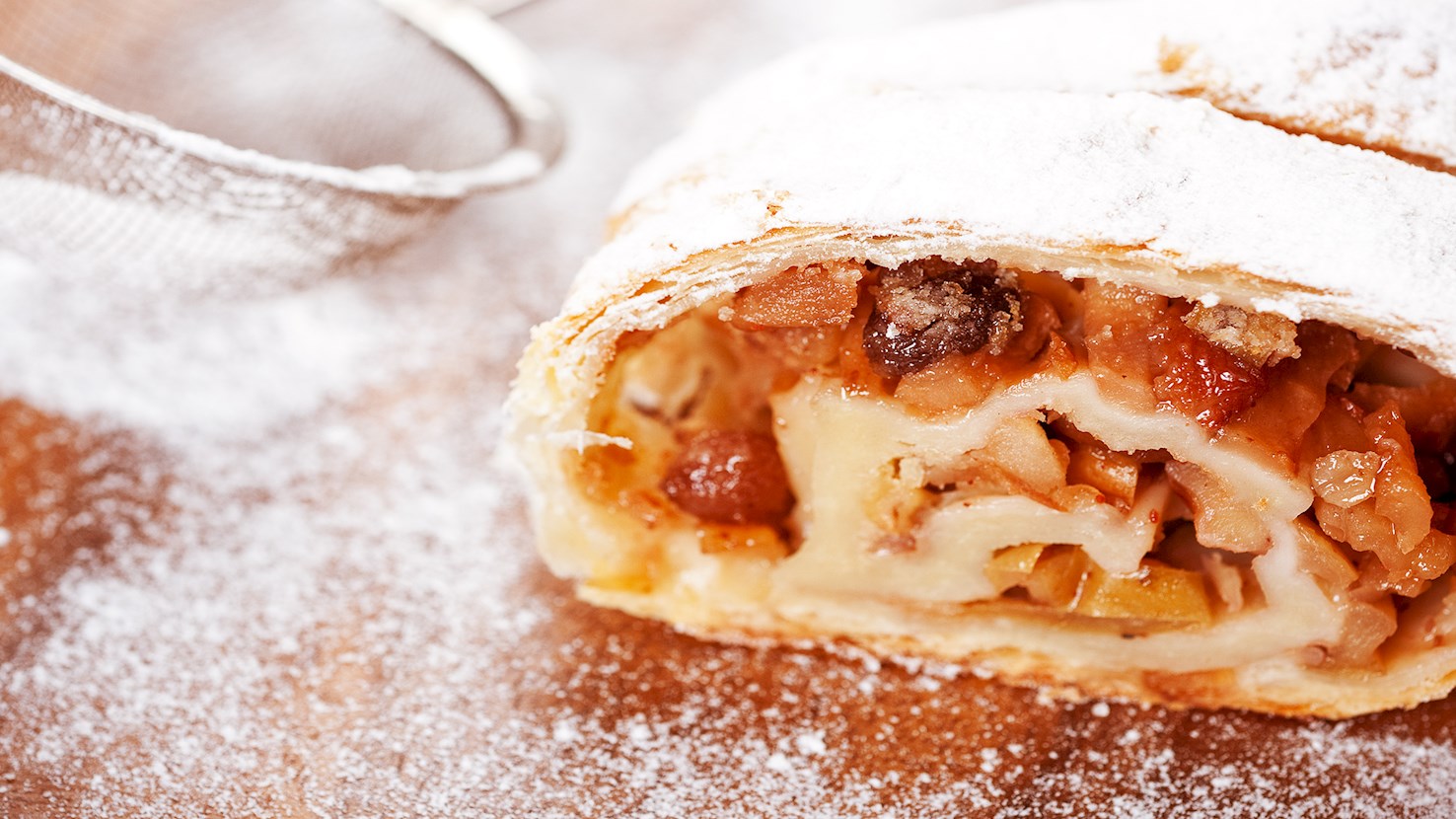
You may not think of strudel as a classic Italian dish, but Trentino Alto Adige, especially the region around Val di Non valley is renowned for their strudel. Rolling and stretching delicate sheets of paper-thin strudel pastry requires skills obtained through many years of practice, but the resulting flaky, crispy dessert is surely worth the effort. Strudel can be prepared with various fruit, but given the fact that this area is renowned for their tasty apples, the most popular variety is strudel con le mele, usually prepared with Golden Delicious apples, due to the fact that they are available all year round. Besides apples, the traditional filling includes raisins, sugar, butter, cinnamon, and pine nuts. The strudel is best enjoyed when it is still warm and generously dusted with powdered sugar.

06

Gelato al pistacchio

4.4 ·

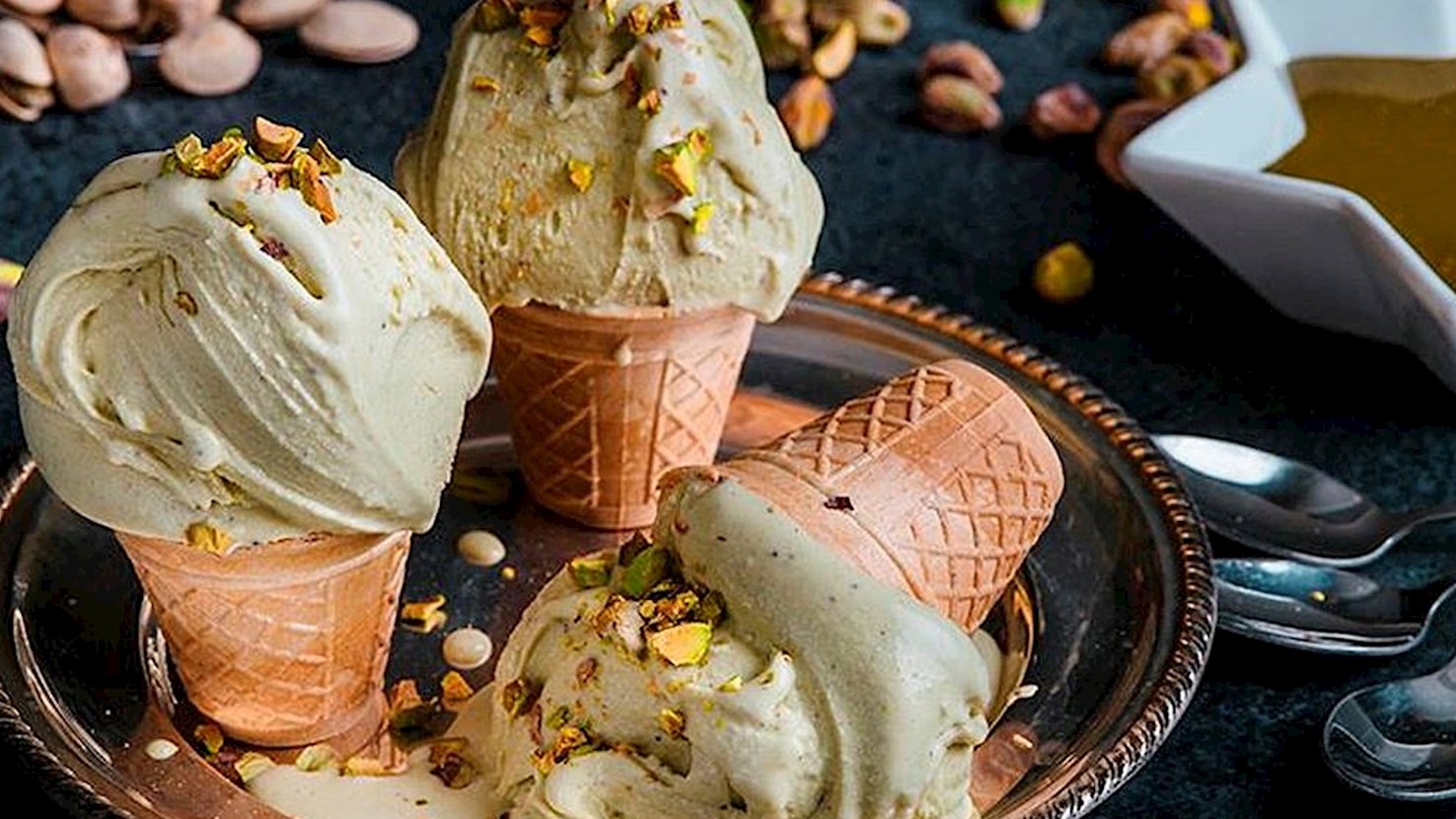
Pistachio is one of the most popular flavors of Italian gelato. A mainstay in every gelateria, in its original form, this frozen treat combines pistachio paste with the classic base of milk, cream, eggs, and sugar. Occasionally, crushed and toasted pistachios can be added, but the basic texture should always remain dense and creamy. Due to the high prices of pistachios and pistachio paste, many gelaterias nowadays opt for cheaper replacements, but the best pistachio is considered to be the grown in a small Sicilian town of Bronte.

07

Fıstıklı sarma

4.4 ·

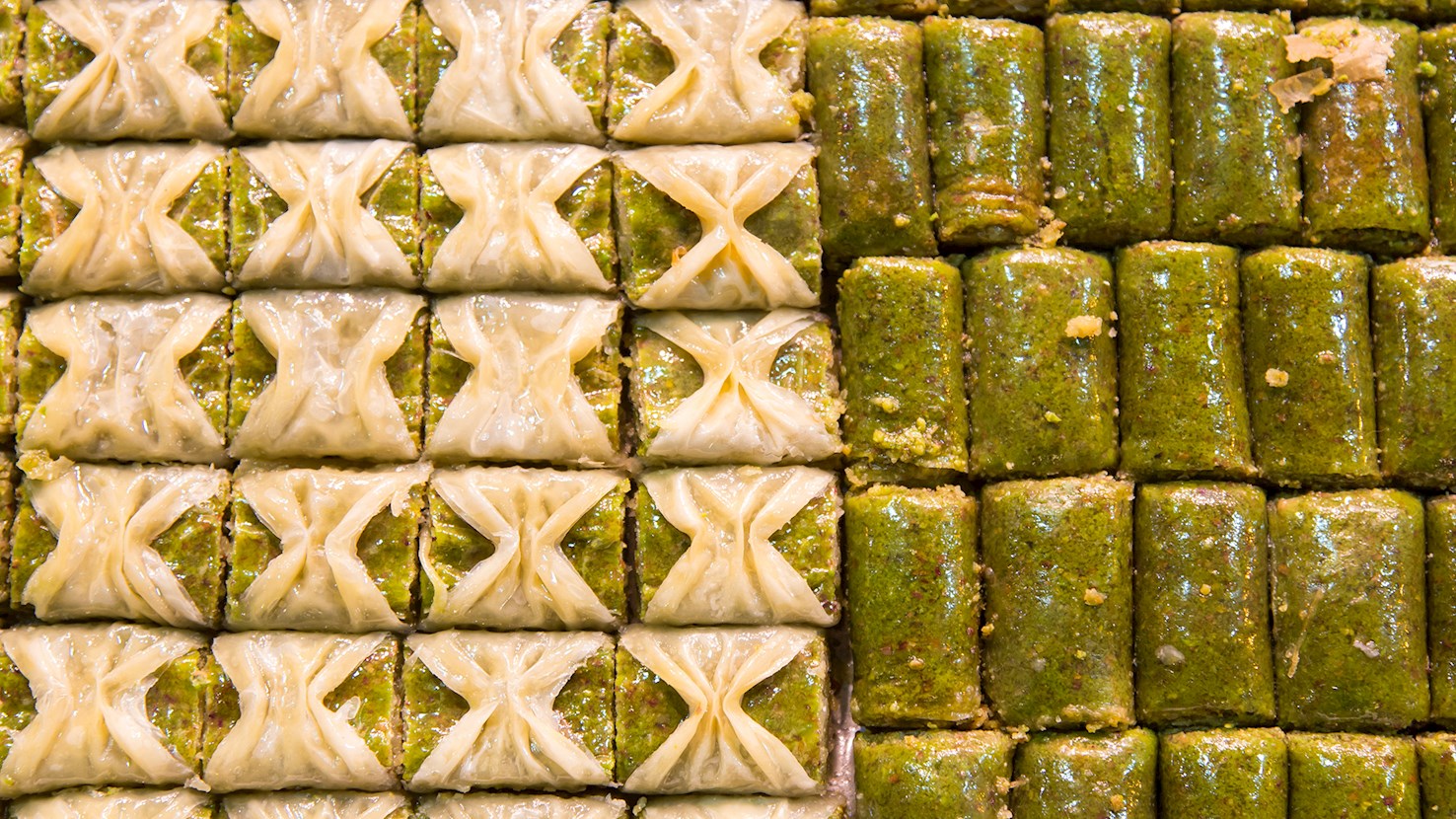
This Turkish sweet is made with a smooth, green, paste-like filling known as fıstık ezmesi (lit. pistachio butter). It is like a pistachio version of marzipan, and its bright green color is all-natural—it comes from the early-harvested Gaziantep pistachios. The delicious pistachio paste is wrapped around a single sheet of phyllo dough, just to hold its green goodness together, which is why this type of baklava is called either fıstıklı sarma or fıstıklı dürüm, meaning pistachio wrap or pistachio roll.

08

Tembleque

4.4 ·

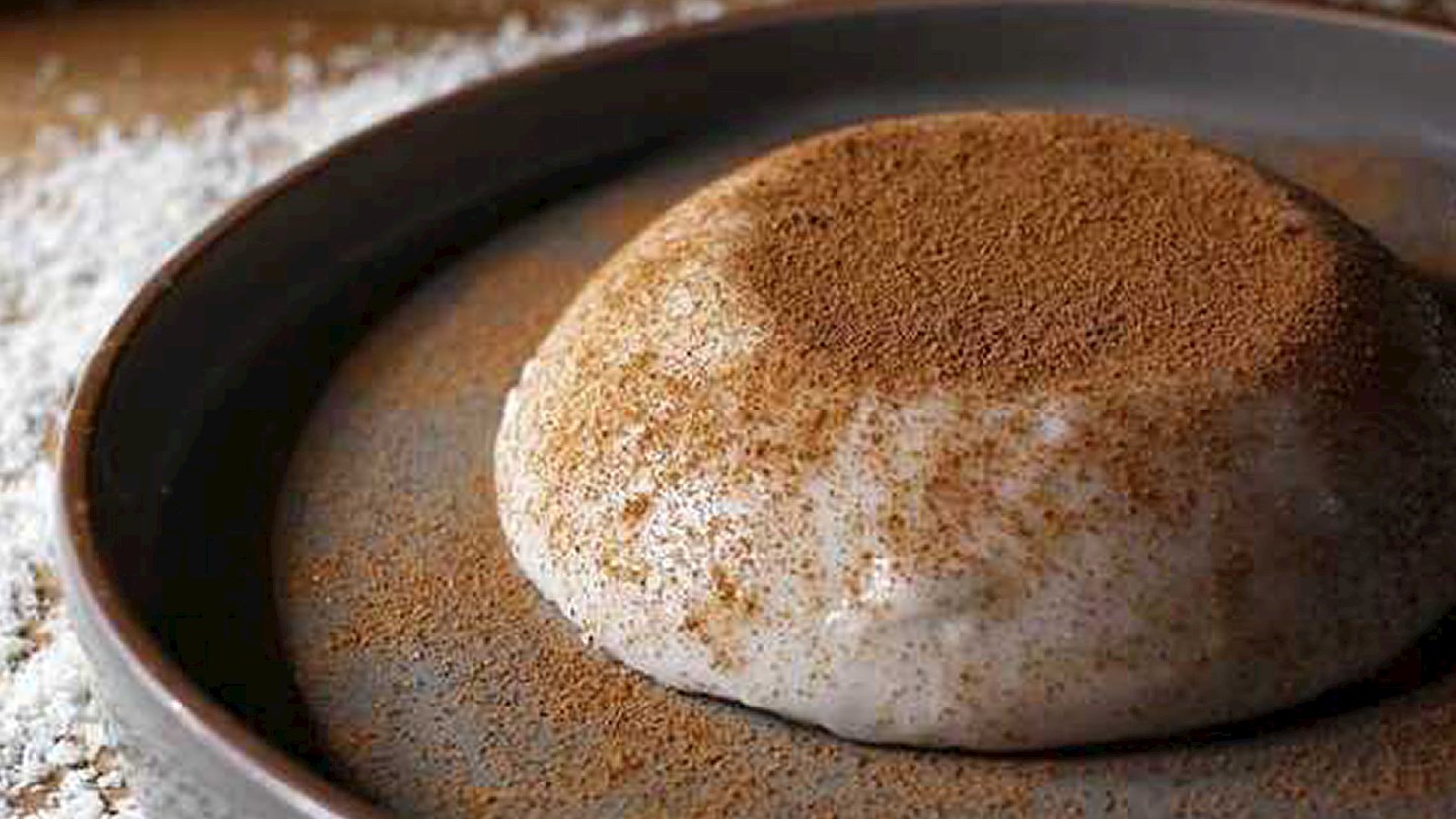
This creamy pudding is one of Puerto Rico’s specialties, made by cooking coconut milk with cornstarch and sugar, then topping the concoction with cinnamon. The end result is a slightly firm pudding with a smooth custard-like texture, and it is typically served cold. The name tembleque means wiggly, referring to a slight wiggle when the pudding is shaken. This rich dessert can also be flavored with vanilla, nutmeg, or rum, if desired. It is especially popular at birthday parties and similar festive occasions.

09

Gaziantep baklavası

4.4 ·

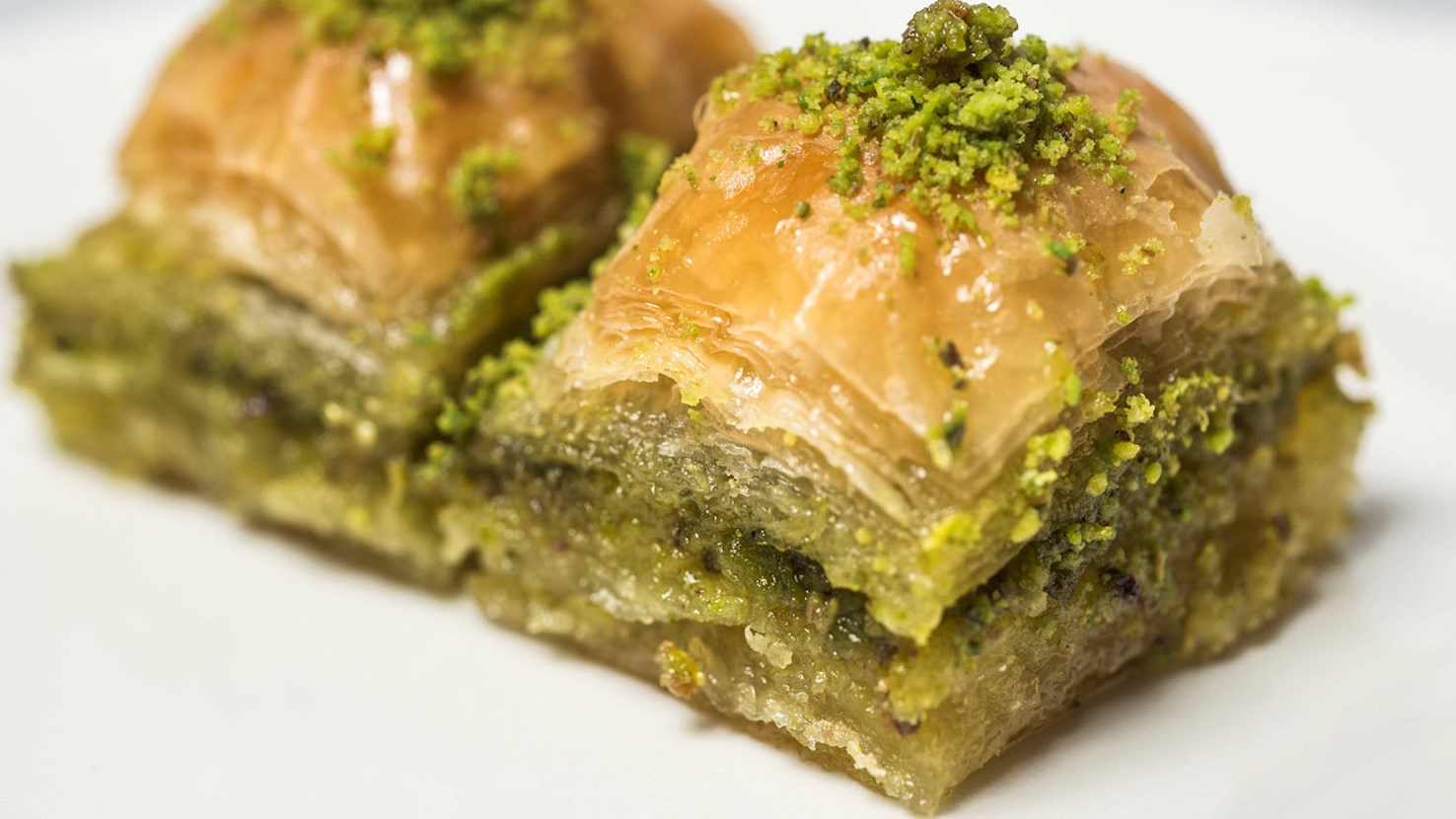
The ancient Anatolian city of Antep, today known as Gaziantep, is Türkiye's gastronomic capital famous for being home to the world’s finest pistachios and the delicious Antep baklavası. Originally an Ottoman legacy, baklava is regarded as one of the greatest creations from the pastry chefs at Topkapı Sarayı, the major royal residence of Ottoman sultans from the 15th to the 19th century. Baklava was traditionally prepared for Eid-al-Fitr, also known in Türkiye as Ramazan or Şeker Bayramı, a religious holiday when Muslims celebrate the ending of Ramadan, the Islamic holy month of fasting. Today, this Turkish treat is available year-round, and with more than 500 baklava bakeries in the city of Gaziantep, it is definitely not to be missed, especially during the pistachio harvest from midsummer to September, when these emerald-colored nuts are just the right size for baklava. To make this popular pastry, the finely crushed, genuine Gaziantep pistachios are generously spread between paper-thin sheets of phyllo dough which are brushed with melted butter and smeared with semolina cream. Antep baklava is then splashed with another dose of melted butter, baked, and finally, poured over with a hot sugar and lemon juice syrup. According to Turkish ustaları or master bakers, a well-baked baklava is tender, but at the same time has a perfect crunch to it. When divided with a fork, it makes a cracking sound which is not only a sign of freshness, but also a sign of the finest baklava, which isn't too sweet or heavy and leaves a heavenly taste in your mouth. Garnished with crushed pistachios, and often topped with kaymak, Turkish clotted cream, or a scoop of milk-flavored ice cream called kaymaklı dondurma, Antep baklava goes a long way: it can be enjoyed either with Turkish coffee in the morning or as a mid-afternoon treat with a cup of tea, but also as an after lunch or dinner dessert.

10

Crêpes sucrées (Sweet crêpes)

4.4 ·

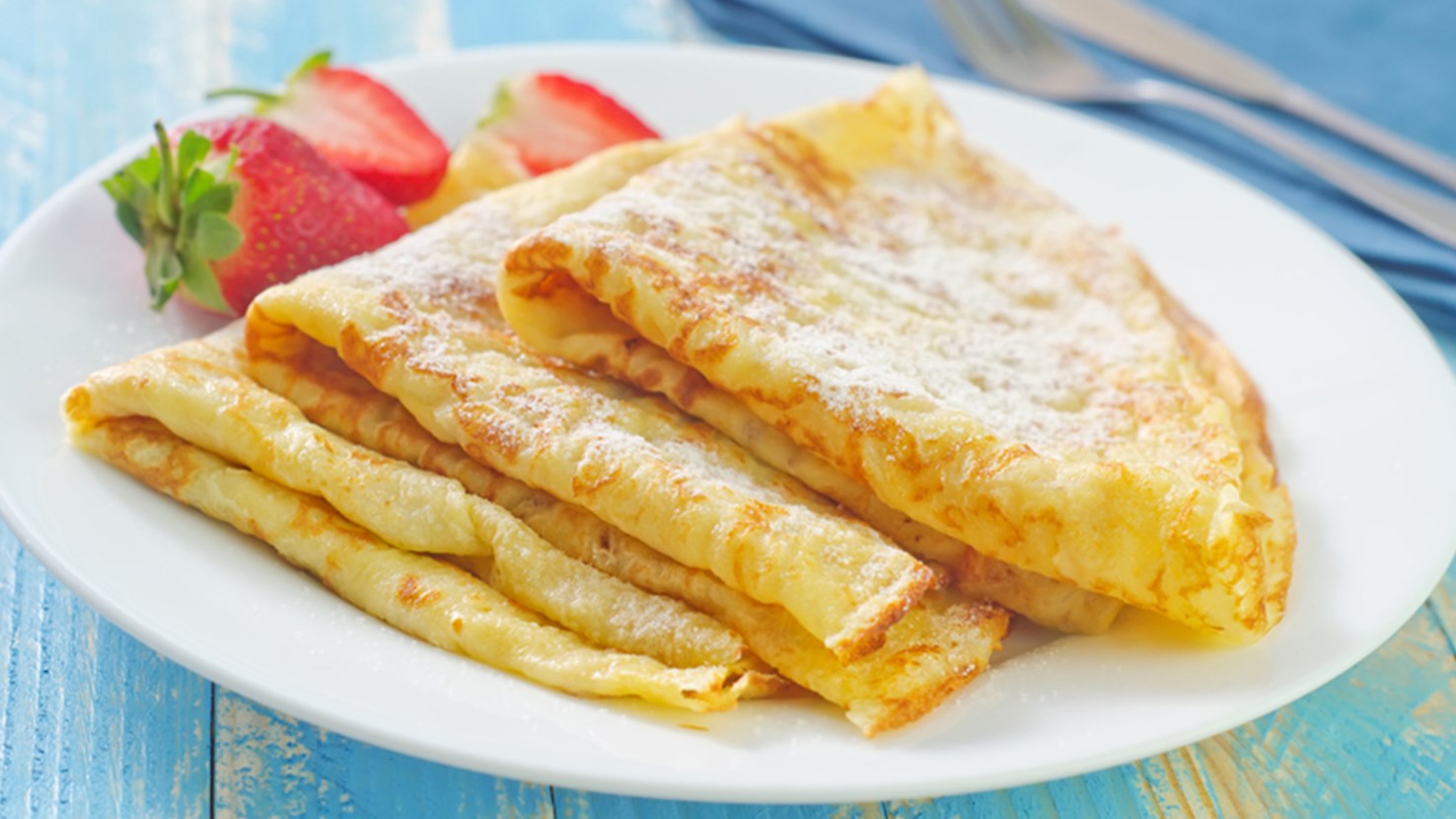
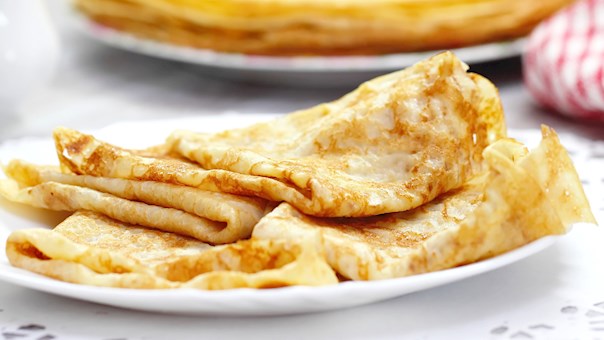
Crêpes sucrées are sweet crepes, a type of very thin pancake originating from France. The term "sucrées" means "sugared" in French, indicating that these crepes are meant to be served with sweet fillings or toppings. They are made from a simple batter consisting of flour, milk, eggs, a pinch of salt, and sometimes a bit of sugar and butter. Unlike their savory counterpart, known as "crêpes salées" (or "galettes" in some regions of France), sweet crêpes are usually made with white wheat flour and often have a bit of sugar added to the batter. Sweet crepes can be filled or topped with a variety of ingredients such as powdered sugar, whipped cream, fruit preserves, fresh fruits, nutella, honey, and maple syrup. Crêpes sucrées are enjoyed as a dessert, a sweet snack, or even as a breakfast dish in France and around the world.

Best restaurants
11

Tinginys

4.4 ·
13

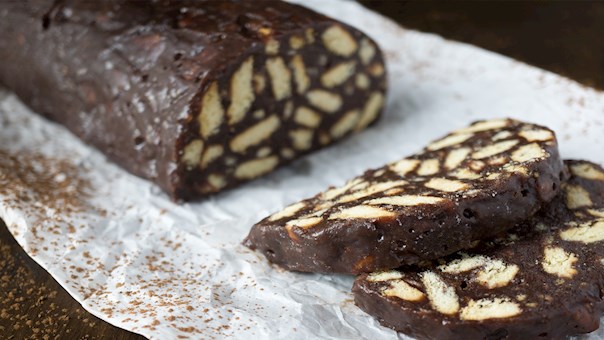
Kladdkaka

4.4 ·
14

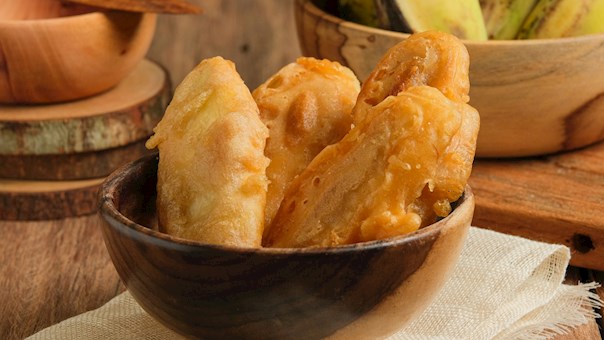
Pisang goreng

4.4 ·
15

Pavê

4.4 ·
16

Crêpes

4.3 ·
17

Nutella crêpes

4.3 ·
18

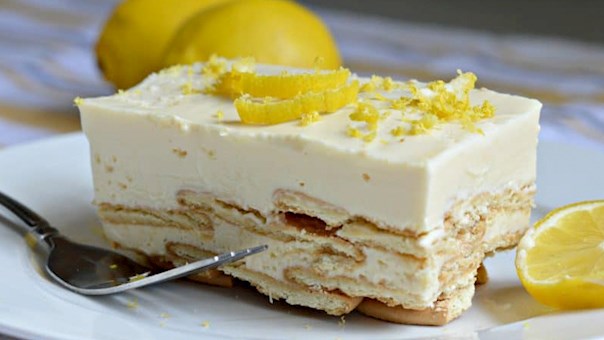
Carlota de limón

4.3 ·

Best Desserts in the World

01

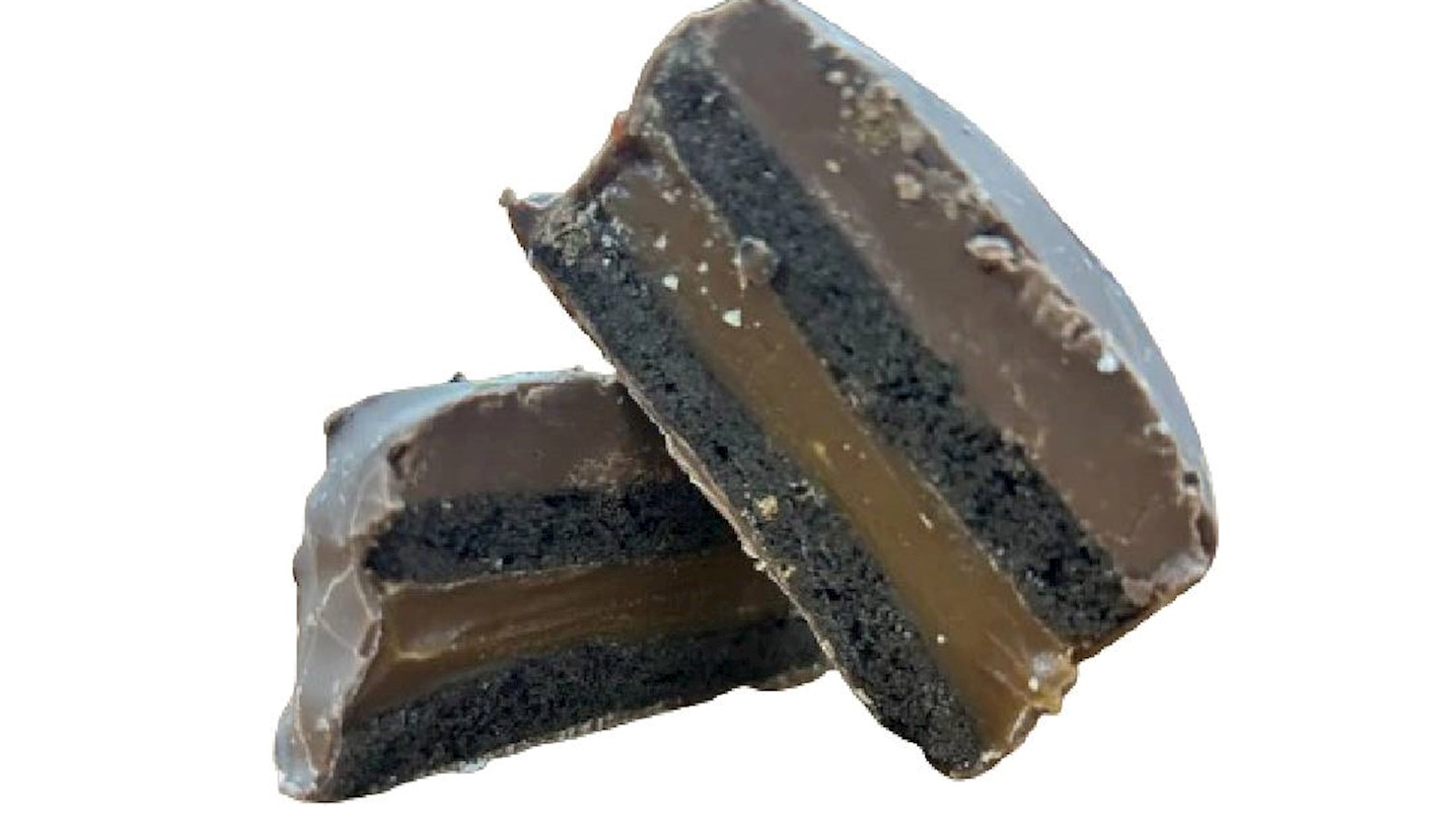
El Nazareno

5 ·
El Nazareno is a family-owned confectionery from the Traslasierra Valley in Argentina’s Córdoba province, founded in 1982 and renowned for its production of alfajores and other traditional sweets. The brand was born from a small workshop created by Leonardo José Grisoni and María Estela Gurriere, and today it is regarded as one of the country’s most recognizable producers. Their philosophy is based on the use of natural ingredients. Each alfajor is handcrafted, layer by layer, with care and precision to achieve the perfect balance between dough and dulce de leche. Their longevity in the market is the result of consistency in maintaining both quality and authenticity. They have preserved their artisanal approach, even as they have grown into a brand with a broader assortment and strong presence. Their story demonstrates how a small family workshop can evolve into a brand of international reputation. Today, El Nazareno is considered a symbol of tradition and quality in the world of Argentine confections.
02

Guolis

5 ·
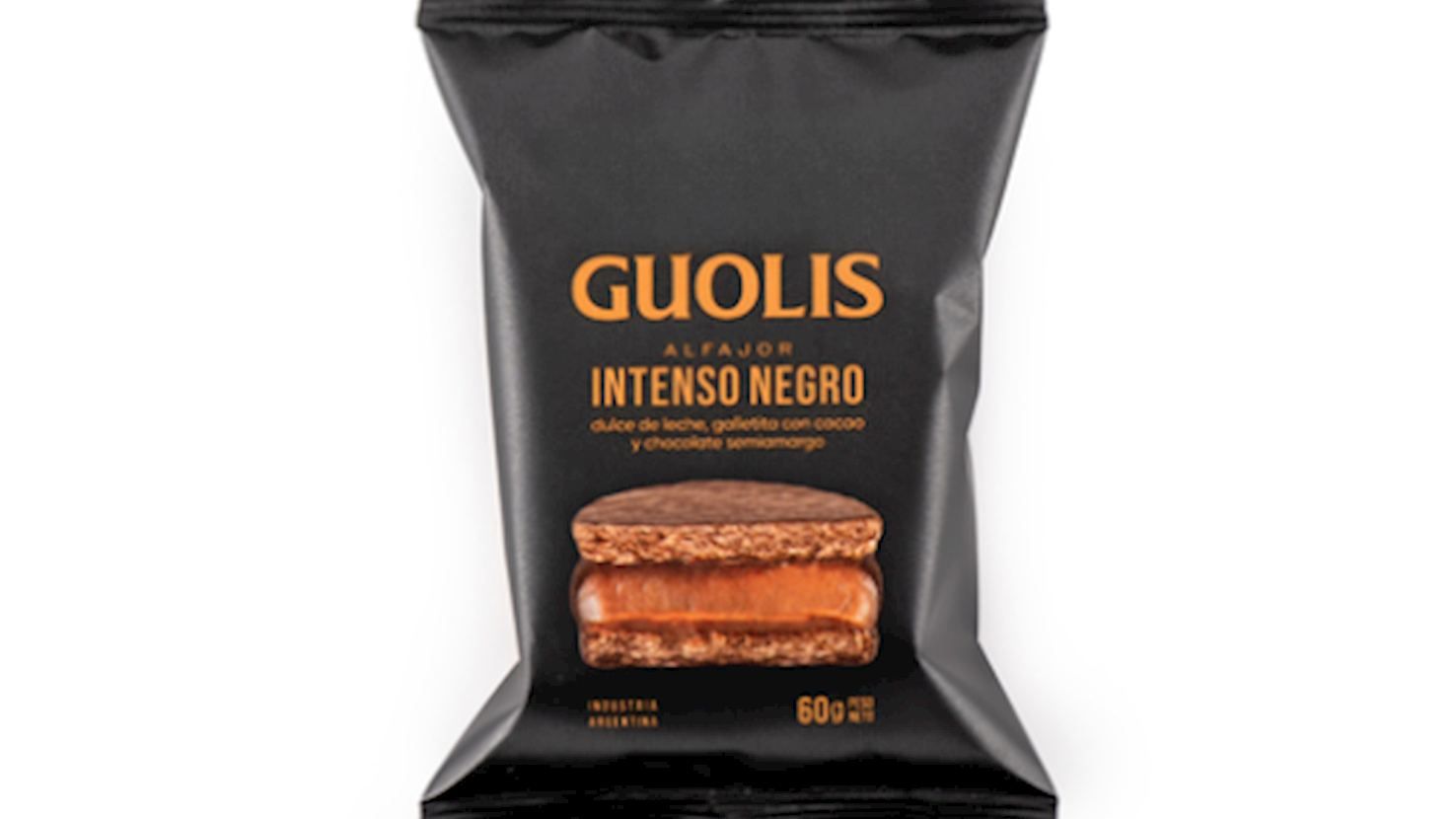
Guolis is an Argentine confectionery brand that emerged in the late 1990s as a small family workshop and has since become recognized for its original approach to the traditional alfajor. Their distinctiveness lies in the innovation known as the “alfajor with a heart”, where a layer of fruit marmalade is added to the classic dulce de leche filling, bringing freshness and contrast to the flavor. The dulce de leche filling is moderate, creamy enough without being overly sweet, maintaining a delicate balance. The fruit marmalade notes are pleasant, although some, such as raspberry, leave a milder impression compared to other variants. The brand positions itself between artisanal tradition and modern interpretation, offering products that are visually appealing while remaining true to Argentina’s confectionery culture. Their philosophy is based on the idea that classic sweets can be given new meaning through small but thoughtful innovations. For this reason, Guolis is increasingly present in international markets, where it attracts attention with its originality and quality. Reviews emphasize that this is a brand committed to high standards, yet without losing the warmth and recognizable essence of Argentine tradition.
03

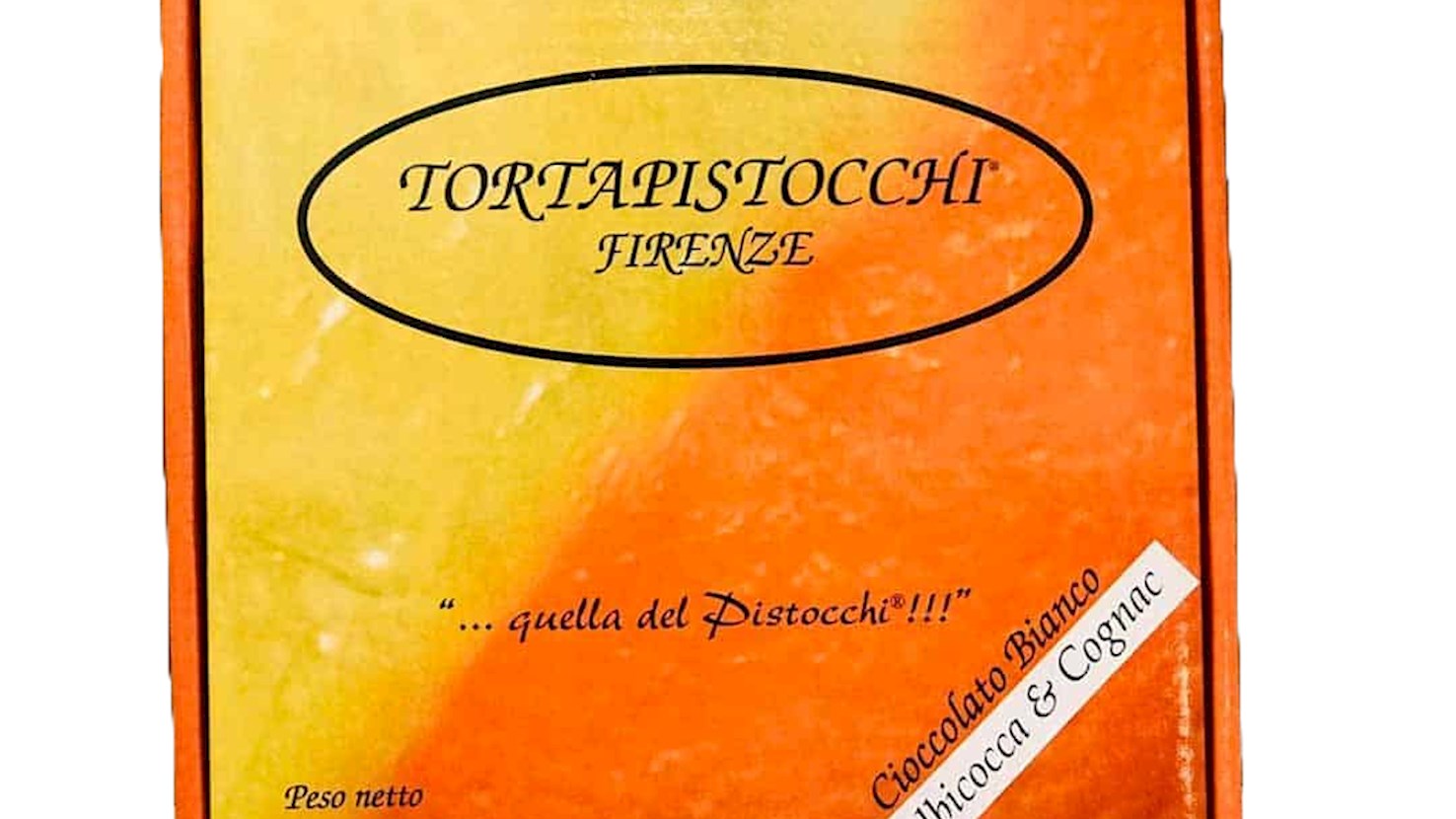
Torta Pistocchi Firenze

4.9 ·
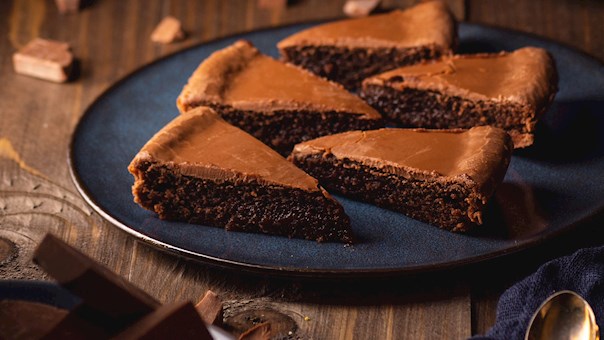
Torta Pistocchi Firenze, based in Florence, Italy, started as a small cake shop in 1990. The company is known for its rich, artisan chocolate cakes, which are made using high-quality, simple ingredients without adding flour, butter, or eggs. One of their signature products is a dense, flourless chocolate cake made from a blend of dark chocolates. Torta Pistocchi has won several awards for its innovative approach to chocolate cake making.
Awards
International Chocolate Awards - Gold (2019, 2018, 2017, 2016)
International Chocolate Awards - Silver (2019, 2018, 2017, 2016, 2015)
04

La Olla de Cobre

4.9 ·
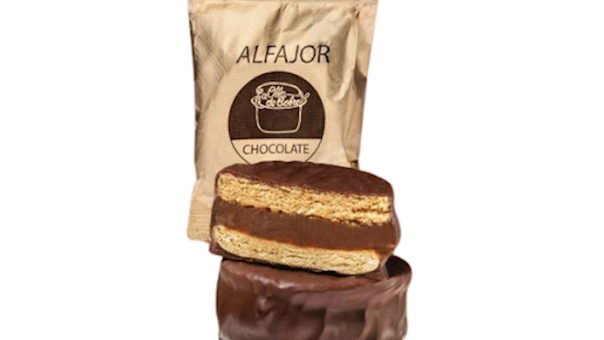
La Olla de Cobre is a family-owned chocolate shop and alfajor factory located in San Antonio de Areco, Argentina. It was founded in the late 1970s by Carlos and Teresa Gabba, who aimed to offer tourists an authentic and high-quality souvenir from their hometown. Their commitment to quality and handcrafted production quickly made La Olla de Cobre a well-known name in the region. Before starting the factory, Carlos Gabba spent 16 years distributing sweets in nearby towns, which connected him with the chocolate and alfajor industry. Noticing the growth of tourism in San Antonio de Areco, Carlos and Teresa decided to create a product that visitors could take home as a souvenir. This led to the idea of producing alfajores, a traditional Argentine pastry. Their goal was to make the best possible alfajor, regardless of cost, by focusing on premium ingredients and artisanal craftsmanship. La Olla de Cobre offers a wide variety of handmade chocolates and alfajores. The alfajores are known for their rich dulce de leche filling and coating of high-quality chocolate. Everything is made by hand, using traditional methods and carefully selected ingredients.
05

Señor Alfajor

4.9 ·
Señor Alfajor was born from a simple idea—to transform a traditional treat into a memorable experience. Every batch is crafted with care, focusing on quality, texture, and balance of flavor. These handmade sandwich cookies are thoughtfully filled and beautifully presented, offering delight not just in taste, but in every detail. Behind each alfajor is a commitment to craftsmanship and the desire to create a moment of pure enjoyment. Whether given as a gift or savored personally, they bring warmth, authenticity, and a touch of something special to everyday life.
Awards
Campeonato Mundial del Alfajor - ORO (2025)
Campeonato Mundial del Alfajor - Mejor Alfajor del Mundo (2024)
06

Alfajores Malfatti

4.9 ·
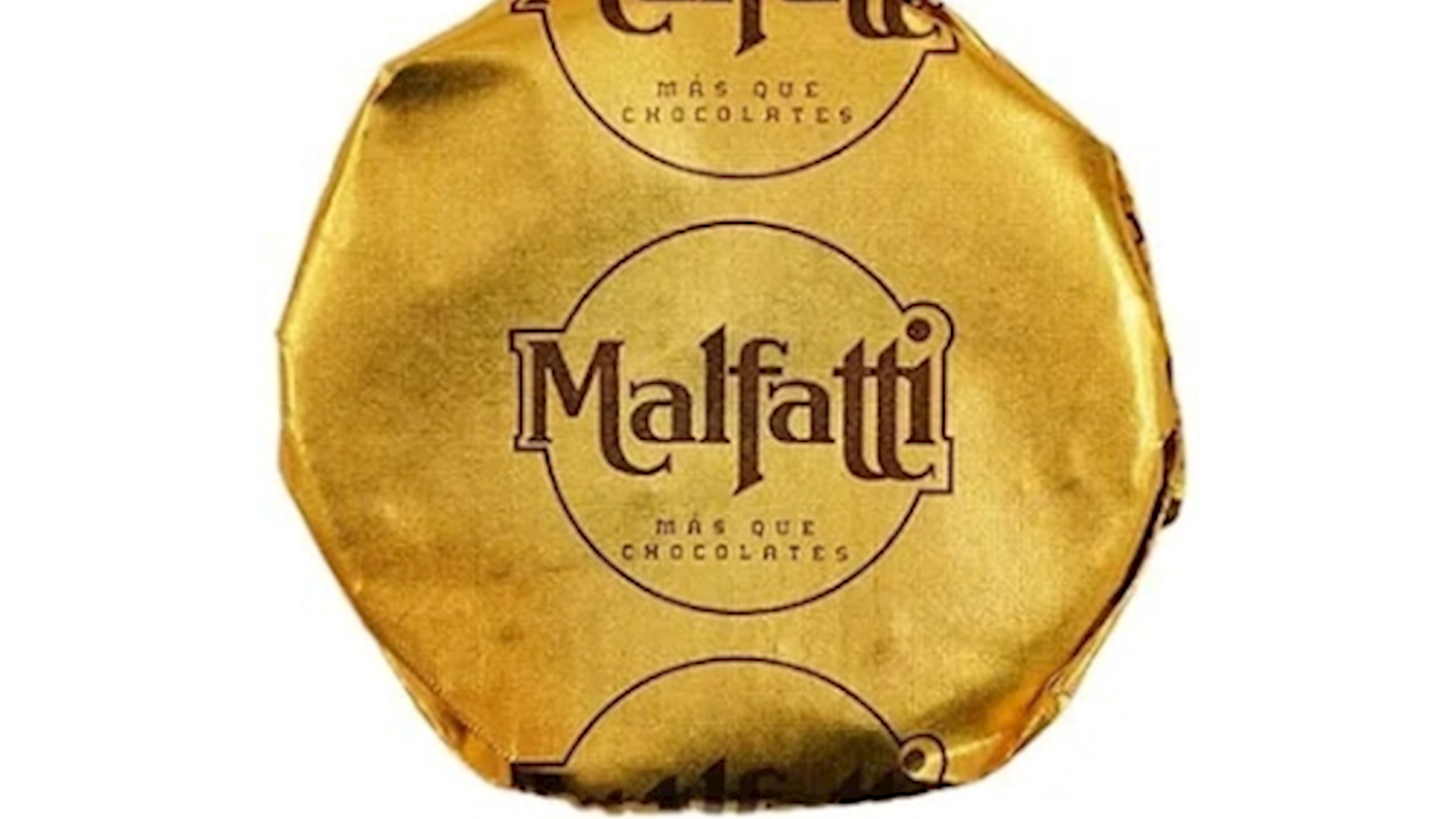
Alfajores Malfatti originate from the port city of Mar del Plata and began as a family-run artisanal venture inspired by a love for sweets and traditional chocolate making. The name “Malfatti”, which in Italian means “badly made”, was chosen as a symbol of honesty and authenticity, emphasizing that while the products may be imperfect in shape, they are flawless in quality. Each alfajor is handmade with carefully selected premium ingredients, preserving its natural character and distinctive, authentic flavor. On the market, they stand out for their generous, oversized format, significantly larger than the standard alfajor, making them unique and instantly recognizable. The brand was founded by the Di Meglio family - Orlando and Susana -who first started this project as a family story and hobby. Their dedication and original homemade alfajor recipe eventually led to the establishment of the company in 2017, transforming Alfajores Malfatti into a brand that seamlessly combines tradition, craftsmanship, and modern identity.
07

Dulce de Leche & Co.

4.9 ·
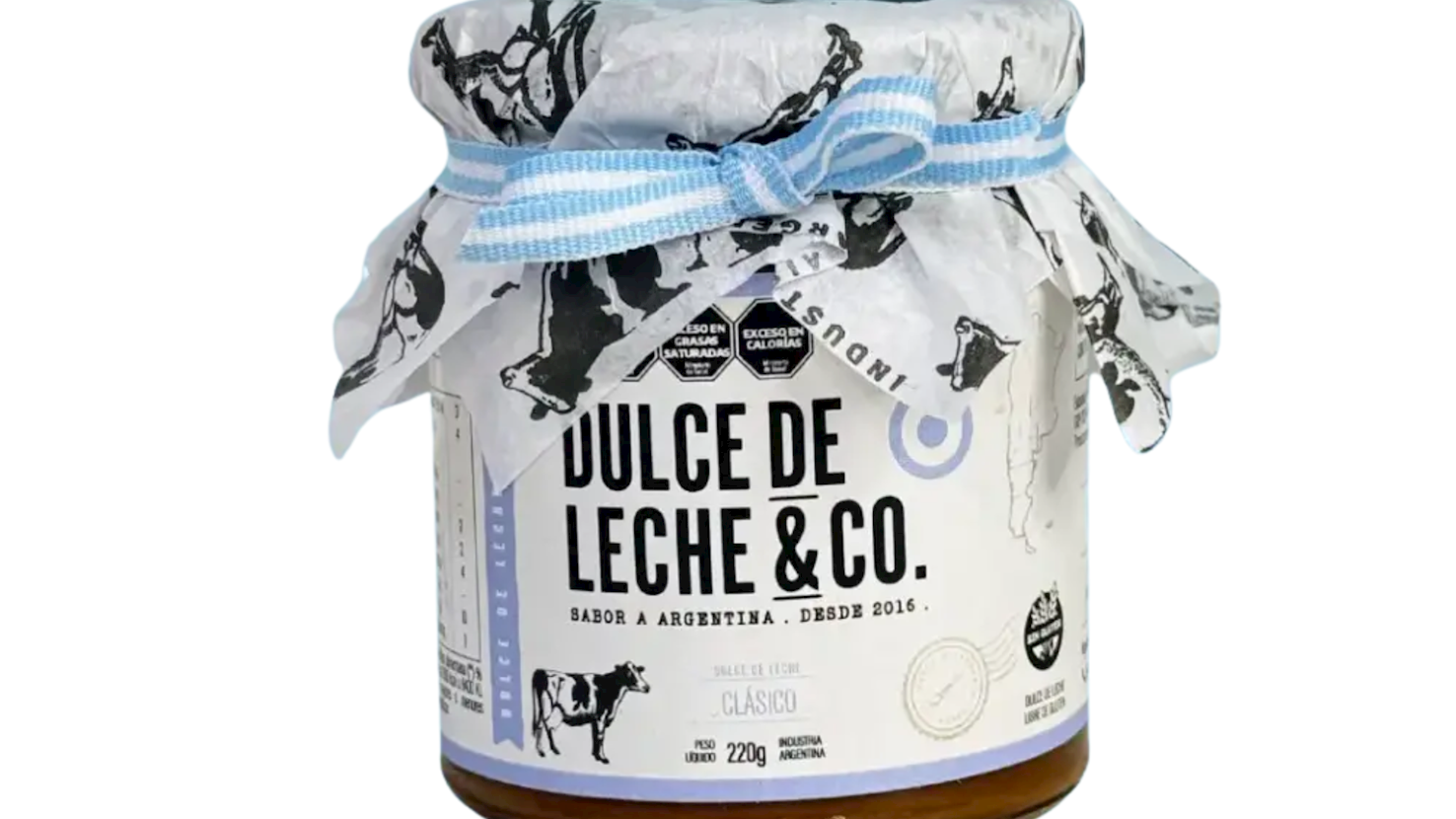
Dulce de Leche & Co. is an Argentine company specialized in the production and distribution of products based on traditional milk caramel – dulce de leche. Their product range includes carefully crafted alfajores, candies, spreads, liqueurs, and more. Founded in 2016, the company has quickly gained significant recognition in the Argentine market. Their dulce de leche was awarded Best in Argentina at the prestigious “Caminos y Sabores” fair two years in a row – in 2023 and 2024 – confirming the high standards of quality and the authenticity of the ingredients they use. The company is headquartered in the popular Palermo district of Buenos Aires, and their products are available both in physical retail stores and through the official online shop. Dulce de Leche & Co. places special emphasis on handcrafted production, locally sourced ingredients, and elegant packaging, which makes them appealing to both domestic and international markets. The brand is an ideal choice for all lovers of authentic Argentine flavors and a perfect representative of the country's gastronomic identity.
Awards
Caminos y Sabores - Experiencias del Sabor (2024, 2023)
08

Levain Bakery

4.9 ·
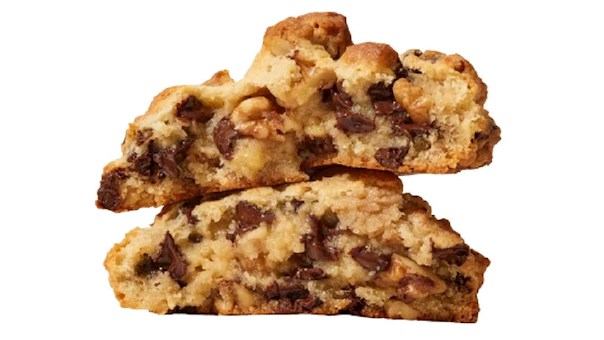
Levain Bakery is a legendary American bakery born in the heart of New York City, globally celebrated for its rich, hand-crafted cookies that captivate with their aroma, taste, and texture. Founded in 1995 out of friendship and a shared passion for baking, Levain began as a small neighborhood shop on the Upper West Side - but quickly rose to fame thanks to its now-iconic chocolate chip walnut cookie: crispy on the outside, irresistibly gooey on the inside, and often hailed as one of the best cookies in the world. At the core of Levain’s philosophy is simplicity - high-quality ingredients, careful preparation, and a deep commitment to craftsmanship. Every cookie is freshly baked by hand each day, with the same warmth and care you'd find in a cherished family kitchen. Today, with locations across the United States, Levain remains true to its roots - uncompromised, authentic, and devoted to flavor that transcends trends. What makes Levain truly special is not just the size of its cookies, but the comfort they bring. Each treat is a reminder of how a simple bite can spark genuine joy. Whether you're visiting in person or ordering from afar, Levain cookies remain a heartfelt symbol of dedication to truly exceptional baking.
09

Haci Bekir

4.9 ·
Hacı Bekir is one of the oldest and most recognizable producers of traditional Turkish confectionery, with a history that dates back to 1777 in Istanbul. Founded by Hacı Bekir Efendi, the brand quickly gained a reputation for its lokum and candies, eventually becoming the official confectioner to the Ottoman court. Over more than two centuries, Hacı Bekir has remained a family-run business, allowing recipes and production philosophy to be passed down through generations with remarkable consistency. The company is closely associated not only with sweets, but with the preservation of Turkey’s confectionery heritage. Its Turkish delight is still made using classical methods and carefully selected ingredients such as rose water, pistachios, walnuts, and natural flavorings. Alongside lokum, the range includes akide candies, halva, almond paste, and other desserts rooted in Ottoman and modern Turkish culinary tradition. The brand’s strength does not lie in following trends, but in maintaining a recognizable style built over time. Hacı Bekir’s historic shops in Istanbul, especially in districts like Eminönü, continue to function as living extensions of this tradition. Their interiors, packaging, and service reflect a respect for continuity rather than constant reinvention. In this way, Hacı Bekir goes beyond being a confectionery brand and becomes a cultural institution. Although its products are now exported worldwide, the identity remains firmly anchored in its origins. This commitment to authenticity is what makes Hacı Bekir more than a name on a box - it is a symbol of longevity in a craft that few have sustained for over two hundred years.
10

Camboya

4.9 ·
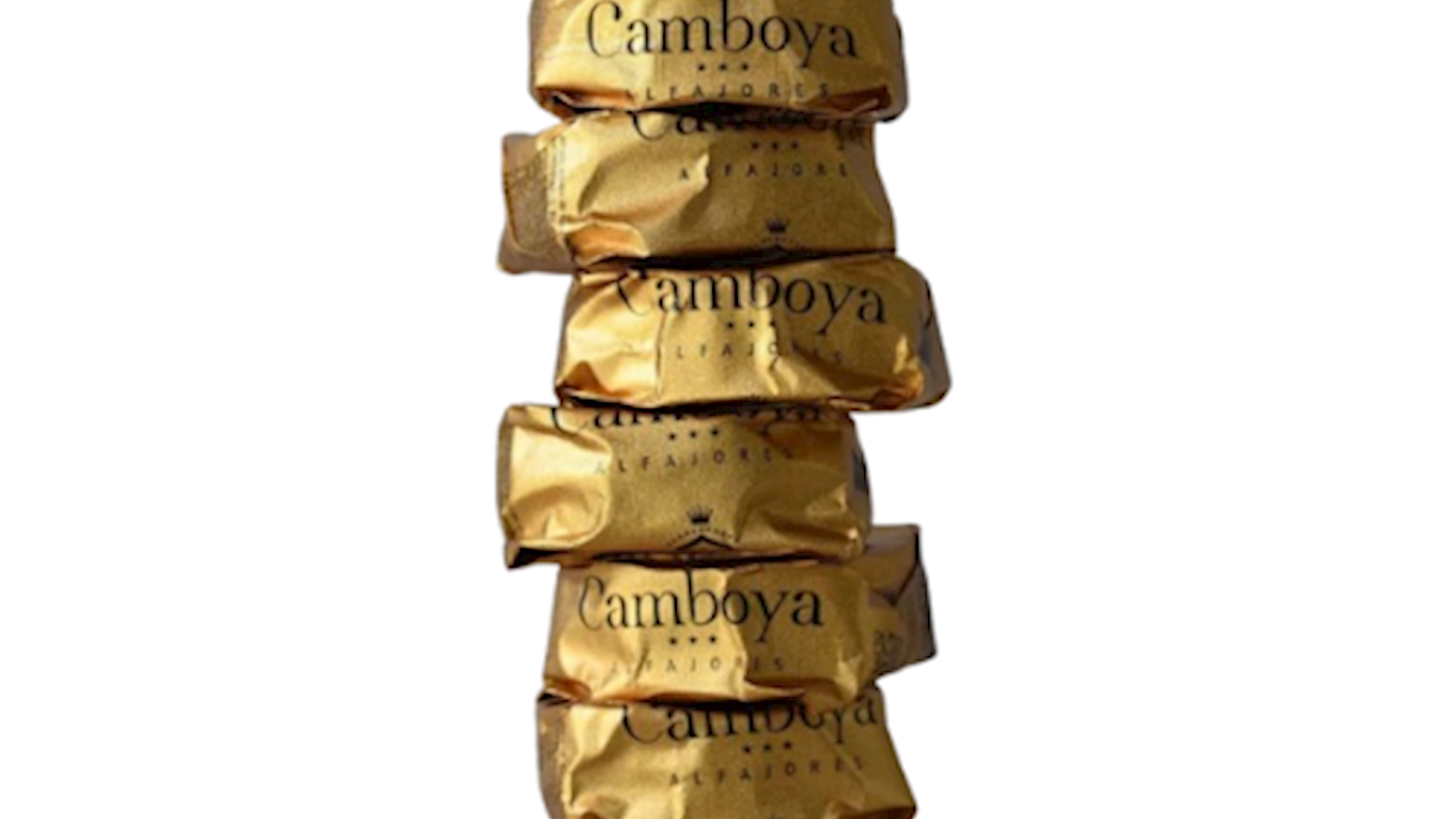
Camboya is a brand of alfajores from Mar del Plata that, since its founding in 2012, has built a reputation as one of the most recognized producers of premium Argentine confections. Their range includes a wide variety of flavors - from classic versions filled with rich dulce de leche, to indulgent coatings of dark and white chocolate, as well as modern interpretations featuring Nutella or pistachios. A highlight of their offer are the tasting boxes, designed to give customers the opportunity to experience different styles and flavor profiles in a single package. The brand’s philosophy is rooted in a balance of tradition and innovation: while staying true to authentic Argentine recipes, they present and promote their products in a modern and creative way. Thanks to carefully selected ingredients and consistent quality, Camboya has quickly earned a reputation as a producer that pushes the boundaries of alfajores making, while remaining committed to preserving the original identity of this iconic Argentine confectionery tradition.
Awards
Campeonato Mundial del Alfajor - Bronce (2024)
About this ranking

TasteAtlas food rankings are based on the ratings of the TasteAtlas audience, with a series of mechanisms that recognize real users and that ignore bot, nationalist or local patriotic ratings, and give additional value to the ratings of users that the system recognizes as knowledgeable. For the “Top 100 Desserts in the World” list until April 15, 2026, 158,026 ratings were recorded, of which 105,839 were recognized by the system as legitimate. TasteAtlas Rankings should not be seen as the final global conclusion about food. Their purpose is to promote excellent local foods, instill pride in traditional dishes, and arouse curiosity about dishes you haven’t tried.

The initial list of top producers was compiled based on available reviews, awards, local recommendations, media and blog coverage, and consumer reviews. The list will be updated with ratings from TasteAtlas local ambassadors and TasteAtlas users.

Similar lists