Gai hor bai toey

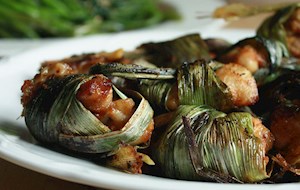
Gai hor bai toey is a traditional chicken dish originating from Thailand. The dish consists of chicken pieces that are marinated, wrapped in pandan leaves, and then deep-fried. The ingredients for the marinade include garlic, coriander, pepper, soy sauce, oyster sauce, and sesame oil. Once deep-fried and golden brown, pandan-wrapped chicken is traditionally served with a dip consisting of sesame seeds, soy sauce, sugar, and salt.
Merveilleux

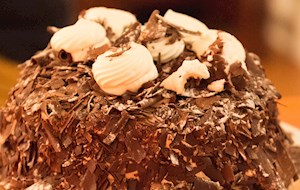
The merveilleux is a small meringue-based cake from Belgium, composed of two crisp meringues sandwiched with whipped cream, covered with more cream, and rolled in chocolate shavings. It originated in Belgian pâtisseries in the 18th and 19th centuries, where it was prized for its lightness and simplicity, and it later spread to northern France, where pâtissiers reinterpreted it to suit local tastes. In its Belgian form, the dessert is built around pure whipped cream, keeping the composition airy and delicate. In France, however, the filling is often made from chocolate buttercream instead of whipped cream, giving the cake a richer, denser texture and a more pronounced chocolate flavor. This difference in filling marks the key distinction between the two countries’ versions and reflects the French preference for slightly more indulgent, structured pastries. The preparation starts with a meringue made by beating egg whites with sugar until firm and glossy, then piping the mixture into small rounds that are baked slowly until crisp and dry. Two discs are then joined with the chosen filling—whipped cream in Belgium or chocolate buttercream in France—and the entire piece is covered with the same cream before being rolled in fine chocolate shavings or curls. The result is a small dome-shaped pastry, chilled briefly to firm the coating before serving. French versions often feature additional elements such as flavored buttercreams with coffee, praline, or caramel, and are sometimes topped with a dusting of cocoa powder or a decorative piece of chocolate. Variations across both countries include using milk, dark, or white chocolate coatings, incorporating nuts, or adapting the size from individual pastries to larger cakes meant for sharing. A defining feature of the merveilleux is the contrast between its crisp meringue and smooth, creamy coating, which creates both lightness and richness in every bite. Merveilleux is served as a dessert or pâtisserie item, often enjoyed with coffee or tea and paired with sweet sparkling or dessert wines that complement its cream and chocolate components. The Belgian and French interpretations coexist today, each highlighting a different character: one light and airy, the other rich and velvety, both rooted in the same enduring confectionery tradition.

Klatkager

Klatkager are thick, disc-shaped pancakes from Denmark that are distinct for their use of cooked grains rather than flour as a primary base. They are crafted from cold rice porridge combined with eggs, flour, sugar, and vanilla. This composition yields a pancake with a soft, dense interior and a surface that browns gently without becoming brittle. The dish evolved as a practical culinary solution designed to minimize food waste. It stems from the tradition of repurposing leftover rice porridge—typically from the previous evening's meal—to create a fresh dish. This approach reflects a historical emphasis on household economy and the resourceful use of staple ingredients to ensure nothing edible was discarded. The making of pancakes begins by smoothing out the texture of cold rice porridge and incorporating eggs, wheat flour, sugar, and vanilla to form a cohesive batter. A small amount of milk may be added to adjust the consistency if the mixture is too stiff. Spoonfuls of the batter are dropped onto a pan heated with butter or fat and fried slowly, which makes for a light golden color and a moist, tender crumb. Cooks may incorporate grated apple for freshness or season the batter with warm spices like cinnamon or cardamom. Some versions thin the batter further with milk for a lighter result, but the core identity of the dish remains tied to the starchy, cooked rice base rather than a standard liquid batter. Klatkager are served warm and are versatile enough to function as breakfast, a dessert, or a simple distinct meal. They are traditionally topped with fruit preserves, sugar, syrup, applesauce, or a simple pat of butter. Due to their gentle sweetness and soft consistency, they are frequently paired with cold milk, coffee, or tea.
Alicante Bouschet

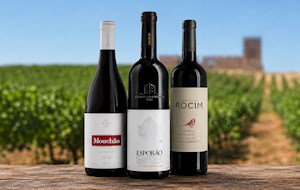
Alicante Bouschet is a teinturier grape variety, a rare category of wine grapes characterized by having both dark skins and red-pigmented pulp, primarily cultivated in the Alentejo region of Portugal, southern France, and parts of Spain and California. The cultivar was created in 1866 by botanist Henri Bouschet at Domaine de la Calmette in Hérault, France, through the crossbreeding of Petit Bouschet and Grenache (known as Alicante in parts of France). His objective was to develop a variety that combined the high color intensity of the former with the superior quality and yield of the latter. Following its release, the variety gained significant agricultural importance in Europe during the post-Phylloxera replanting era and in the United States during the Prohibition period, as its thick skins and high tannin content allowed for the safe transport of grapes over long distances and enabled multiple pressings of the same fruit. Preparation of Alicante Bouschet involves a fermentation process where the naturally red juice is kept in contact with the dark skins to achieve an opaque, deep purple hue that is nearly impenetrable to light. Due to its high concentration of phenolic compounds, the resulting wine often requires extended maceration and significant aging in French or American oak barrels to soften its dense tannic structure and integrate its primary flavors of blackberry, cocoa, and black pepper. Serving standards dictate that the wine be served at a temperature between 16°C and 18°C, and it is highly recommended to decant the beverage for at least one hour to allow the volatile aromatics to expand and the tannins to stabilize. A unique physiological attribute of this grape is that, unlike 99% of red wine grapes which produce clear juice, Alicante Bouschet contains anthocyanins within the flesh of the berry itself, allowing for the production of deeply colored wines with minimal skin contact time if necessary. The wine is consumed as a robust varietal or as a structural blending component in regions like Alentejo, where it is considered a prestige variety. It is paired with heavy, protein-rich dishes such as grilled ribeye steak, venison, or wild boar, as the high tannin levels require substantial fats to be neutralized on the palate. In a cheese context, it is served with extra-mature cheddar or smoked gouda, which align with the wine's smoky and earthy secondary notes. For beverage pairings involving non-alcoholic options, the intense profile is mirrored by unsweetened blackcurrant juice or concentrated hibiscus infusions, which provide a similar level of astringency and dark fruit character. When served with dessert, it is paired with high-percentage dark chocolate, utilizing the wine's dark fruit notes to complement the bitterness of the cacao.
Coccoi

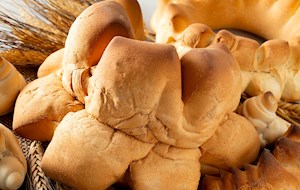
Pane coccoi, also known as coccoi a pitzus, is a traditional Sardinian bread renowned for its intricate designs and cultural significance. Crafted primarily from durum wheat semolina, water, salt, and natural yeast, this bread is distinguished by its firm, sculpted crust and delicate, decorative patterns. Historically, pane coccoi was reserved for special occasions such as weddings, Easter, and religious festivals. During Easter, for instance, the bread often incorporates whole eggs into its design, symbolizing fertility and renewal. The elaborate shapes—ranging from crowns and flowers to animals and symbolic figures—are meticulously crafted using simple tools like knives and scissors, reflecting the artisan's skill and creativity. The preparation involves kneading the semolina dough to a firm consistency, shaping it into various forms, and then carefully incising and pinching the surface to create ornamental patterns. After shaping, the bread undergoes a leavening process before being baked to achieve a golden, crisp crust. Beyond its visual appeal, pane coccoi holds deep cultural value in Sardinia, symbolizing prosperity and community. The tradition of baking this bread is often passed down through generations, with families preserving unique designs and techniques. Today, while it remains a centerpiece during festivities, Pane Coccoi is also appreciated as a representation of Sardinian heritage and craftsmanship.
Ostie
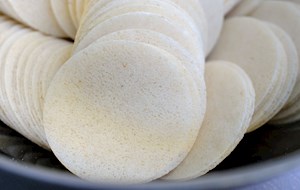
Ostie are thin, unleavened wafers composed of wheat flour and water, produced throughout Italy with historical concentrations in Lombardy and Piedmont. They are physically defined by a paper-thin, brittle texture and a neutral flavor, serving as a structural barrier for high-sugar confections. The item emerged from ecclesiastical baking practices for the Eucharist, with standardized production involving heated iron plates appearing by the 12th century. Confectioners later integrated these wafers into the production of honey-based sweets to prevent the sticky masses from adhering to surfaces or hands. Preparation involves a liquid batter poured onto specialized iron presses engraved with geometric or symbolic patterns. The batter is baked briefly until the moisture evaporates, creating a crisp sheet that is then stamped into circular or rectangular shapes. A unique technical requirement for confectionery-grade ostie is a specific degree of flexibility, allowing the wafer to be pressed onto hot, expanding nougat paste without fracturing. A unique application exists in the ostie ripene of Agnone, where the wafers are used as the primary casing for a dense honey-and-nut filling. Ostie are primarily eaten as a structural component of desserts like torrone and panforte.
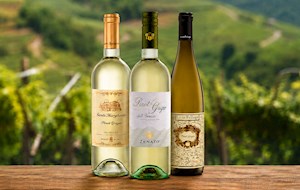
Pinot Grigio
Pinot Grigio is a white wine produced from a grayish-blue skinned grape variety that is a genetic mutation of Pinot Noir, primarily cultivated in the northern administrative regions of Italy, including Veneto, Friuli-Venezia Giulia, and Trentino-Alto Adige. The grape has its roots in the Burgundy region of France, where it was known as Pinot Gris, before it was introduced to the alpine and sub-alpine microclimates of northern Italy during the nineteenth century. In these specific Italian territories, the variety adapted to the well-drained, mineral-rich soils and the significant temperature diurnal shifts between day and night, which arrested the development of sugar and preserved high levels of natural tartaric acid. Preparation begins with an early harvest, typically occurring in late August or early September, to ensure the berries do not over-ripen or lose their characteristic snap of acidity. The juice is separated from the skins immediately after crushing to prevent the extraction of the copper-toned pigments found in the grape’s epidermis, a process known as white vinification. Fermentation takes place in temperature-controlled stainless steel vats at cool intervals ranging from 16°C to 18°C to retain volatile aromatic compounds like citral and ethyl peelargonate. The wine does not undergo malolactic fermentation or oak aging, resulting in a liquid that is clear, pale straw in color, and light in body. A specific technical aspect of Pinot Grigio production is its vulnerability to oxidation, requiring winemakers to use inert gases like nitrogen during bottling to maintain its chemical stability and crisp profile. This wine is served chilled at a temperature between 7°C and 10°C in a narrow-bowled glass to direct the subtle aromas toward the nose. It is consumed globally as a standard apéritif and is a staple in Italian trattorias where it is paired with light, acidic, or saline-heavy dishes. The chemical profile of the wine makes it an effective palate cleanser when consumed alongside fritto misto, grilled sea bass, or garden-based pasta dishes like primavera. It is also frequently served with young, soft cheeses such as buffalo mozzarella or mild goat cheese, as the high acidity of the wine cuts through the lipid content of the dairy.
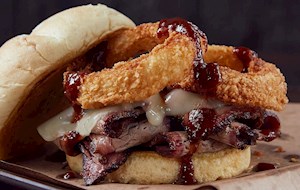
Z-Man

Z-Man is an American burger originating from Kansas City. It consists of a split Kaiser roll that's filed with sliced smoked brisket, smoked provolone cheese, onion rings, and barbecue sauce. This burger was invented at a barbecue joint called Joe's Kansas City Bar-B-Que. Jeff, the owner, went to Zarrick, a sports talk show host on the local radio station, and asked him to talk about this new burger. The listeners chose the name as they began regularly asking for that Z-Man sandwich on the air, referring to Zarrick, who had begun calling himself Z-Man not long before. Eventually, the name stuck, and the burger was even proclaimed to be the "Best Sandwich in Kansas" by Zagat, and "One of 50 Sandwiches to Eat Before You Die" by Thrillist.
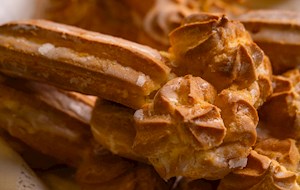
Bolos de São Gonçalo

Bolos de São Gonçalo are unusual Portuguese pastry cakes originating from the village of Amarante. Although there is no set recipe, and the sizes of these cakes vary from one street vendor to another, the cakes have one thing in common – they all have phallic shapes. Every year on January 10 and the first weekend in June, there's a local celebration of Saint Gonçalo de Amarante, and the penis-shaped cakes are usually sold from street carts, either covered in powdered sugar or filled with sweet cream. It is believed that the practice has its roots in pagan fertility rituals, but the claim hasn't yet been proven. Nowadays, the cakes and local dried figs are handed out to women to usher in a fertile and favorable year.
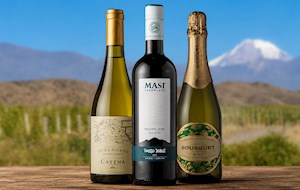
Tupungato

Tupungato is a prominent viticultural department located in the northern reaches of the Uco Valley in Mendoza. It is situated at the foot of the Andes Mountains, dominated by the 6,570-meter Tupungato volcano from which the region takes its name. Vineyard elevations are among the highest in Mendoza, typically ranging between 1,000 and 1,500 meters above sea level. The region's geography is characterized by an arid continental climate with a significant diurnal temperature variation of up to 15°C, which facilitates a slow ripening process. The soil is predominantly alluvial, consisting of sandy loam surface layers over a subsoil rich in limestone, calcium carbonate, and rounded pebbles. The establishment of viticulture in this department dates back to the mid-19th century, with the region gaining official status as a department on November 8, 1858. Significant development occurred in the 1990s when international investors and local producers began planting vineyards in previously uncultivated high-altitude zones to explore the potential for premium wine production. Today, vineyards cover approximately 21,000 hectares, representing roughly 30% of the department's cultivated land. Preparation of the wine often emphasizes minimal intervention to reflect the specific terroir. Grapes are manually harvested in small boxes and sorted before destemming. Some red varieties undergo cold maceration for up to 20 days at temperatures around 10°C to 12°C to extract color and aromatics without harsh tannins. Fermentation frequently involves native yeasts in stainless steel or concrete vats, followed by aging in a combination of concrete tanks and French oak barrels. White wines are typically fermented at cooler temperatures, near 15°C, to preserve natural acidity and fresh fruit profiles. Red wines are served at 16°C to 18°C, while white wines and sparkling varieties are served between 6°C and 10°C. A specific feature of this region is the presence of the Gualtallary and El Peral districts, which are recognized for their unique calcareous soil compositions. These soils, combined with high ultraviolet radiation at altitude, produce grapes with thicker skins and higher concentrations of anthocyanins and phenols. This results in red wines, particularly Malbec and Cabernet Franc, with intense color, firm tannins, and a characteristic mineral profile often compared to chalk or graphite. The region is also a major producer of base grapes for sparkling wines, utilizing the high natural acidity found in its Chardonnay and Pinot Noir. The wines are commonly consumed alongside the local cuisine of the Cuyo region. Red varieties like Malbec and Cabernet Sauvignon are paired with grilled red meats, specifically beef cuts cooked in the asado style, as the tannins complement the protein and fat of the meat. They also accompany mature cheeses, spicy vegetable dishes, and slow-roasted goat. White wines and sparkling expressions are paired with full-flavored fish, such as tuna or shellfish, as well as white meats, sushi, and grilled vegetables.
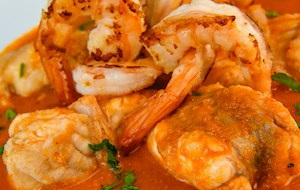
Lotte à l’armoricaine
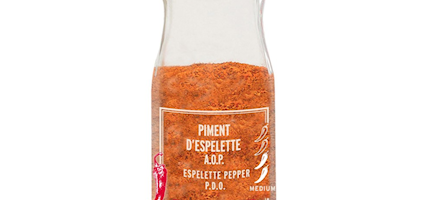
A cornerstone of French coastal cooking, lotte à l'armoricaine is a profoundly savory seafood stew starring monkfish, a uniquely resilient species prized for its dense, cartilaginous tail, which maintains its structural integrity without flaking under heat. This classic preparation is characterized by its vibrant, rust-colored tomato gravy, whose historical roots remain heavily disputed; purists argue it hails directly from the shores of Brittany—anciently referred to as Armorica—while skeptics insist it is merely a linguistic corruption of the famous Parisian lobster dish, sauce américaine. To construct this beloved maritime staple, cooks typically slice the thick fish into hefty portions, often dusting them lightly in flour before achieving a golden sear in a heavy skillet. The flavor profile is dramatically elevated by a generous pour of Cognac that is promptly ignited, a flambé technique that eliminates the harsh alcoholic bite while leaving behind a sophisticated, toasted resonance. Following the flames, the pan receives a robust foundation of sweated onions, shallots, crushed garlic, ripe chopped tomatoes, and a splash of dry white wine, heavily seasoned with a bouquet garni and a mandatory pinch of cayenne pepper or piment d'Espelette to provide the sauce's signature underlying warmth. The previously browned monkfish is left to gently poach in this complex, bubbling reduction, allowing the pristine white flesh to absorb the acidic, sweet, and spicy dimensions of the surrounding liquid. Often spooned over a modest bed of plain rice or steamed potatoes to capture the luxurious drippings, this comforting culinary masterpiece beautifully illustrates the rustic sophistication of France's traditional fishing communities.
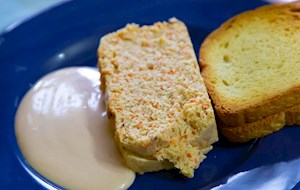
Paté de cabracho

Paté de cabracho is a scorpionfish paste or a terrine from the Basque Country, Cantabria, and Asturias along the Cantabrian coast. It is made from cabracho, the Spanish name commonly used for red scorpionfish, a rocky-bottom fish with firm white flesh, many bones, and a strong seafood taste. The terrine version is from the Basque version created by Juan Mari Arzak in San Sebastián in 1971. Arzak called it pudin de kabrarroka, using the Basque name for the fish, and built it on an older idea of fish pudding rather than a raw-liver-style pâté. His version changed the status of cabracho in restaurant cooking. The fish had good flavor but was awkward to serve whole because of its spines, head, and bones. Turning the cooked flesh into a smooth, molded mixture solved that problem, made the fish easy to portion, and gave the dish a clean restaurant format. From there, it moved into home kitchens, taverns, ready-made seafood counters, and northern Spanish seafood menus. Scorpionfish is well-suited to this recipe because its flavor holds up during cooking and blending. It is not a neutral white fish. The flesh has a marked marine taste, partly because the fish feeds on smaller fish, crustaceans, and mollusks. The practical drawback is the same feature that made the dish useful: cabracho must be handled carefully. The fish has hard spines, and after cooking, it needs patient cleaning so that no bones, skin, or rough pieces end up in the mixture. Many cooks use hake, monkfish, or other white fish when cabracho is unavailable, but the result is milder and should be understood as an adaptation, not the same dish. The work begins by gently cooking the fish. The scorpionfish may be simmered in salted water with onion, leek, carrot, bay leaf, or parsley, or steamed so the flesh retains more flavor. Once cooked, it is cooled just enough to handle, then picked apart by hand. This is the slowest and most important part of the work. The flesh is separated from the head, skin, fins, and bones, and the cook checks it more than once. The cooking liquid can be kept and reduced for another use, but it is usually not added in large amounts because the pâté needs structure. The cleaned fish is then mixed with eggs, cream, and tomato sauce or tomato purée. The tomato is not there to make a red sauce; it gives color, acidity, and a slight sweetness that rounds the fish. The eggs set the mixture, while the cream gives it a softer texture. Some recipes include sautéed onions, leeks, or shallots, along with a small amount of pepper, brandy, white wine, or cayenne. The seasoning should stay controlled. If the mixture tastes mainly of tomato, alcohol, or spice, the scorpionfish has been pushed into the background. Once blended, the mixture is poured into a buttered or oiled mold. A loaf shape is common because it slices neatly, but round molds and small ramekins also work. It is usually baked in a water bath, which keeps the heat gentle and prevents the outside from setting too quickly while the center remains loose. When cooked, it should be firm enough to unmold and cut, but not rubbery. After baking, it is cooled and refrigerated, often for several hours or overnight, so the texture settles, and the flavor becomes cleaner. Served warm, it can feel heavy and eggy; served properly chilled or cool, it cuts better and spreads more smoothly. Paté de cabracho can be brought to the table in two main ways. In the molded version, it is unmolded, sliced, and served on a plate with toasted bread, crackers, or small pieces of plain white bread. In the softer jarred version, it is served as a spread, often with a knife and a small bowl of mayonnaise, salsa rosa, or a light tomato-based sauce nearby. Lettuce, boiled egg, roasted pepper, or a few pickles may appear on the plate, but the best versions do not need much decoration. The texture should be smooth but not pasty, with enough body to hold on toast and enough moisture to avoid dryness. Several details separate a good version from a weak one. The fish must be present in both aroma and taste. Too much cream makes it dull, too much egg makes it bouncy, and too much tomato turns it into a seafood-flavored flan. The color should be pale orange to salmon pink, depending on the tomato and the fish, not bright red. The surface may be plain or lightly glazed, but it should not be wet. A clean slice should show a fine, even interior without visible bones or large vegetable pieces unless the cook has deliberately left some texture. Today, paté de cabracho is eaten mostly as a starter, tapa, pintxo, or seafood spread in northern Spain. In San Sebastián and the Basque Country, it fits naturally into pintxo bars and restaurant starters. In Asturias and Cantabria, it is common on seafood menus, holiday tables, and shop-bought assortments of fish pâtés and conservas. It is practical food for sharing: a small plate, a basket of toast, and a cold drink are usually enough. Dry white wine is the safest pairing, especially Txakoli, Albariño, Godello, or a young white from coastal northern Spain. Cider also works well in Asturias because its acidity cuts through the cream and egg. Fino or manzanilla sherry suits the briny side of the fish, while a clean lager is a good casual match. On the plate, the best partners are crisp toast, plain bread, lightly dressed salad, pickled piparras, roasted red peppers, olives, boiled egg, or a small spoonful of mayonnaise sharpened with lemon.
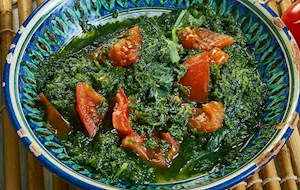
Sukuma wiki

Sukuma wiki is a vegetable dish made with finely sliced collard greens or kale sautéed with onion, tomato, oil, and salt. It is especially associated with Kenya, but it is also widely eaten in Tanzania, Uganda, and other parts of the region. The name comes from Swahili and is usually translated as “push the week” or “stretch the week,” a practical reference to the way these inexpensive greens help make a meal last when money is tight. The dish is closely tied to everyday home cooking because it is cheap, filling, and easy to make with vegetables that grow well in small plots and kitchen gardens. In Kenya, the word sukuma often refers to collard greens themselves, although kale and other sturdy leafy greens are also used. The greens are usually washed, stripped of their tougher stems, stacked, and sliced into thin ribbons so they cook quickly and evenly. The work starts with heating a little oil in a pan and cooking onions until soft. Tomatoes are then added and cooked down until they loosen and form a simple base. The sliced greens go in next with salt and, depending on the cook, a little garlic, coriander, bouillon cube, chili, or other seasoning. Some versions are cooked only briefly so the greens stay bright and slightly firm, while others are left longer until they become softer and more deeply flavored. Meat is not necessary, but small pieces of beef, leftover meat, or minced meat are sometimes added when the dish is served as a more substantial meal. Sukuma wiki is most often eaten with ugali, the stiff maize porridge that is one of the region’s main staples. Other than ugali, it is also served alongside beans, stewed beef, fish, chicken, or nyama choma.

Alvarinho
Alvarinho is a white grape cultivar predominantly cultivated in the Monção and Melgaço sub-regions of the Vinho Verde DOC in northern Portugal. It is defined by small, thick-skinned berries that grow in compact, winged clusters, resulting in a high skin-to-juice ratio that yields significant aromatic concentration and structural phenolic content. The genetic emergence of the variety is localized to the northwest Iberian Peninsula along the Minho River valley, where it has been an established component of regional viticulture for several centuries. Scientific DNA profiling has categorized it as an indigenous variety of the Atlantic coast, refuting earlier 20th-century hypotheses that suggested a relationship to Central European Riesling. Its development into a commercially prominent single-varietal wine began in the early 1900s, specifically with the 1908 demarcation of the Monção region, which recognized the grape's superior quality in the local granitic soils and protected microclimate. Preparation of Alvarinho involves the harvest of grapes at a precise balance of high sugar levels and naturally elevated acidity, followed by fermentation in temperature-controlled stainless steel vats. To enhance the mouthfeel and complexity, many producers utilize batonnage, a process of stirring the lees (spent yeast cells) back into the wine during the maturation phase. While many variations are released as young, fresh wines, a specific technical attribute of the cultivar is its high concentration of terpenes, which allows it to undergo successful barrel aging and long-term bottle maturation. Serving standards suggest a temperature between 10°C and 12°C, utilizing a standard white wine glass with a slightly tapered rim to concentrate the primary aromas of peach, apricot, and citrus blossoms. A unique characteristic of the Alvarinho vine is its high vigor and adaptability to different training systems, though it performs most consistently when grown on granite-based soils that provide a distinct mineral and saline finish to the juice. The wine is consumed as a premium table beverage and is a staple of Portuguese maritime gastronomy, found in specialty wine shops and restaurants globally. It is drank alongside shellfish such as oysters, grilled prawns, and lobster, where the wine's acidity and saline notes act as a palate cleanser for the briny fats of the seafood. In a poultry context, it is paired with lemon-roasted chicken or duck breast, as the citrus-forward profile of the wine complements the savory proteins. For vegetable-based pairings, it is served with asparagus or salads featuring citrus vinaigrettes, as the grape's chemical structure is one of the few capable of matching the difficult-to-pair vegetal compounds found in these foods. Non-alcoholic pairings that mirror the wine's sensory profile include sparkling water with a twist of lime or chilled white peach infusions, which provide a similar refreshment and aromatic weight.
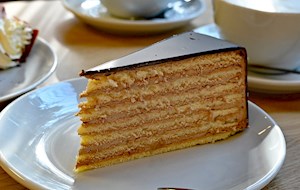
Herrentorte

Herrentorte is a layered German cake known for its balanced combination of rich chocolate and subtle bitterness, created to appeal to those who prefer desserts that are less sugary and more refined in flavor. Its name means “gentlemen’s cake” in German, a reference to the fact that it was conceived as a dessert suited to mature tastes, with an emphasis on cocoa and occasionally coffee or liqueur notes rather than pronounced sweetness. The cake is believed to have developed in German-speaking Europe during the 20th century, emerging in bakeries that specialized in layer cakes and fine pastries. Though there is no single codified recipe, Herrentorte typically consists of several thin layers of sponge cake or shortcrust pastry, which are filled and covered with a bittersweet chocolate cream or a smooth dark ganache. Some variations incorporate thin spreads of fruit preserves, such as currant or apricot jam, to provide a gentle contrast to the chocolate. The surface is usually finished with a glossy chocolate glaze, and in some versions, decorated with chocolate shavings or piped cream. While the ingredients themselves are not unusual (flour, eggs, butter, sugar, and cocoa) the preparation requires care to produce an even, firm structure that slices cleanly. The restrained sweetness and focus on cacao make Herrentorte distinct from richer cream cakes and heavily frosted layer cakes more common in other European confectionery traditions. The cake is commonly served in German cafés, pastry shops, and on special occasions, presented in thin slices alongside coffee or dessert wine. Because of its understated taste, it appeals to those who appreciate desserts with deeper roasted and bitter notes rather than overtly sugary profiles.
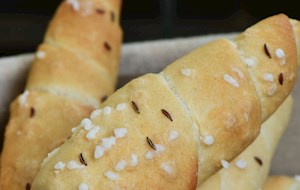
Salzstangerl

Salzstangerl is a straight, elongated bread roll native to Austria, distinguished by its tapering spindle shape and a prominent topping of coarse salt crystals and whole caraway seeds. The documentation of this specific baked good dates back centuries within Central European baking guilds, emerging as a savory variation on standard Viennese white dough. The shape serves to maximize the exterior surface area, deliberately increasing the ratio of crisp crust to soft crumb compared to standard spherical rolls. The bread rolls are made with a yeast-leavened wheat dough that frequently incorporates small quantities of milk and fat, such as butter or lard, to tenderize the interior. To achieve the final shape, bakers flatten the proofed dough into an elongated triangle and tightly coil it from the wide base down to the pointed tip. This specific coiling technique creates a distinct, spiraled, layered structure within the crumb that pulls apart easily after baking. Before entering the oven, the unbaked surface receives a light moisture wash to ensure the heavy application of salt and caraway adheres securely. Found extensively in bakeries, coffeehouses, and taverns across Austria and neighboring countries, this roll serves as both a standalone snack and a meal component. It is also used to make sandwiches with fillings such as unsalted butter, cured hams, and mild cheeses. It frequently accompanies rich, heavily sauced dishes like beef goulash or acts as a side to various sausages.
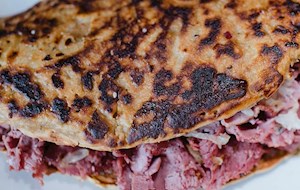
Corned beef boxty

Corned beef boxty is an Irish dish that combines two elements strongly associated with the country’s food culture: the potato-based pancake known as boxty and the cured meat that became popular in Irish households and abroad, especially in the diaspora. Boxty itself comes from rural Ireland, where potatoes were central to the diet and used in as many forms as possible. Corned beef, while often thought of as Irish, became more widespread among Irish communities abroad, particularly in America, where beef was more accessible than in Ireland itself. The preparation of corned beef boxty starts with the making of the potato batter, which involves combining grated raw potatoes with mashed cooked potatoes, flour, and buttermilk to form a mixture that is fried on a griddle or pan until golden and crisp. Into this, corned beef is folded, either diced into the batter itself or layered between the pancakes, depending on the cook’s preference. The beef provides a savory, salty counterpoint to the mild starchiness of the potato, while the buttermilk in the batter lends a slight tang that balances the richness. The dish is usually fried in butter or oil, producing a crisp exterior with a soft, comforting interior. Today, corned beef boxty is eaten both in Ireland and in countries with large Irish populations, especially during festive occasions like St. Patrick’s Day, where it reflects both tradition and adaptation. It pairs naturally with stout or Irish ale, though lighter beers or even cider can complement its flavors.
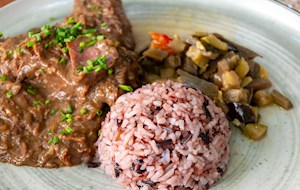
Gardiane de boeuf
Gardiane de boeuf is a traditional dish originating from Camargue. The dish is made with a combination of Camargue beef, garlic, onions, red wine, bay leaves, thyme, dried orange skin, vinegar, salt, and pepper. The meat is cut into cubes, and it's then marinated in a combination of chopped onions, red wine, vinegar, thyme, bay leaves, and orange skin. On the next day, the marinade is strained, and the meat is browned in olive oil, then placed in an earthenware casserole dish which is deglazed with the strained marinade. The ingredients from the marinade are added to the dish with a chopped garlic clove. The dish is simmered for a few hours until the vegetables become mushy, and the sauce is thickened with grated dry bread. Gardiane is served hot, ideally with Camargue rice on the side. In the past, the dish was prepared with bull meat and it was a staple of local farmers.
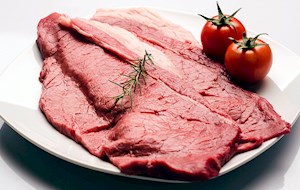
Topside

In English butchery, the topside is a primal beef cut located on the inner side of the rear leg, situated above the knee and below the rump. Due to its position on the cow, it's part of a muscle group that does some work but not as much as the front legs or shoulders. As a result, the topside strikes a balance between tenderness and flavor. Topside is characterized by its lean nature, with minimal fat marbling, but a thin layer of fat covers its outer side. This fat layer can be utilized during roasting to help retain moisture and imbue the meat with additional flavor. Given its lean texture, the topside is particularly well-suited for roasting. In traditional English meals, the topside roast is a classic choice for Sunday dinners. When roasted, it's crucial to avoid overcooking to preserve its natural tenderness. Many cooks will sear the joint at a high temperature initially and then reduce the heat to let it cook slowly. This method, combined with regular basting, ensures a juicy result. Once cooked, the topside is often sliced thinly and is best if served medium-rare to medium. Apart from roasting, topside is also a preferred cut for making corned beef or even minced for pies and casseroles.

Gualtallary
Gualtallary is a high-altitude viticultural sub-region located in the Tupungato district of the northern Uco Valley, within the Mendoza province of Argentina. It is situated at the foot of the Andes Mountains, with vineyards planted at elevations ranging from 1,100 to 1,600 meters above sea level. This elevation places it at the absolute climatic limit for grape cultivation in the region. The geography is characterized by a cool, semi-arid continental climate with extreme diurnal temperature variations, often exceeding 15°C between day and night. The soil is primarily alluvial, consisting of sand, gravel, and a significant presence of calcium carbonate, which appears as a white coating on stones known locally as "caliche." The establishment of viticulture in this specific area began in 1992, when the sparkling wine producer Chandon sought cooler climates to maintain higher acidity in their base wines. Shortly thereafter, in the mid-1990s, other producers followed to experiment with high-altitude still wines. These early developments proved that the previously ignored slopes of the Jaboncillo Hills could achieve full phenolic ripeness despite the lower average temperatures. Unlike the lower, warmer plains of Mendoza that were utilized in the late 19th century, Gualtallary’s development was driven by a modern technical search for freshness and mineral tension. The region is currently divided into five distinct sub-zones based on soil and height: Rio, La Vencedora, Albo, Monasterio, and Las Tunas. Preparation of Gualtallary wine involves managing the high levels of ultraviolet radiation, which causes the grapes to develop thicker skins and higher tannin concentrations. Malbec is the primary variety, alongside Cabernet Franc, Chardonnay, and Pinot Noir. Winemakers often utilize concrete eggs or large, neutral untoasted foudres for fermentation and aging to prevent oak flavors from masking the site-specific aromatics. White wines, particularly Chardonnay, are frequently fermented with indigenous yeasts and aged on the fine lees to enhance their saline quality. Red wines are served at 16°C to 18°C, while the region’s high-acid whites are presented between 10°C and 12°C. A specific feature of this region is the presence of "white stones" in the Monasterio zone, where vines are planted directly into the calcareous bedrock. This soil structure limits the vigor of the vines and results in extremely low yields of highly concentrated fruit. This environmental stress produces a distinct "chalky" or "grainy" tannin texture in the red wines and a flinty, mineral profile in the whites. Additionally, due to the cooling effect of the altitude, Gualtallary is often one of the last regions in Mendoza to finish its harvest, despite the intense sunlight. The wines are typically consumed with the high-protein cuisine of the Andean foothills. Red varieties, such as the region's prominent Cabernet Franc and Malbec, are paired with grilled ribeye, slow-roasted lamb, and game meats like venison. The firm tannins and high acidity also balance rich dishes like mushroom risotto or smoked eggplant. White wines from Gualtallary are served with grilled river trout, roasted poultry, and hard, nutty cheeses like Comté or aged Gruyère. Because of their structural intensity, these wines are frequently decanted for at least one hour before consumption.
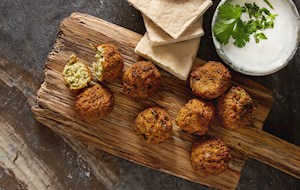
Falafel

Falafel is a deep-fried food made from ground legumes, most commonly chickpeas or fava beans, and is widely eaten across the Middle East and North Africa. It is shaped into balls or patties and seasoned with herbs, onions, and spices such as cumin, coriander, and garlic. Falafel is recognized as one of the most characteristic foods of Levantine and Egyptian cuisines, commonly served in pita bread or flatbreads with salads, pickles, and tahini-based sauces. Its presence extends beyond the Middle East, having become a common street food and vegetarian option in many parts of the world. Falafel is believed to have originated in Egypt, where it was first made from fava beans and known as ta’amiya. The dish spread north through trade and migration, especially during the 20th century, and chickpeas became the preferred ingredient in Levantine regions such as Lebanon, Syria, and Palestine. Its popularity grew because it was inexpensive, nutritious, and could be prepared in large quantities, making it suitable for both home and commercial cooking. Over time, regional variations developed, with differences in texture, spice levels, and serving style. In Egypt, falafel tends to be greener and softer, while in the Levant, chickpea-based versions are denser and crispier. Preparation begins by soaking dried chickpeas or fava beans overnight, then draining and grinding them with onions, garlic, fresh herbs like parsley or cilantro, and spices. The mixture is formed into small balls or disks, often with a pinch of baking soda to ensure lightness. They are deep-fried in hot oil until golden brown and crisp on the outside while remaining moist inside. The cooking process requires precise oil temperature to achieve the right balance of texture and color without excessive oil absorption. In modern kitchens, falafel may also be baked or air-fried, though frying remains the most common method. It is served in many ways, most often in pita or laffa bread with lettuce, tomato, cucumber, pickled vegetables, tahini sauce, and sometimes hummus or yogurt sauce. In Egypt, it is commonly eaten at breakfast, while in the Levant, it is served throughout the day as a snack or meal. The dish is particularly popular among vegetarians and vegans, as it provides a high-protein option free from animal products. Falafel pairs well with beverages that balance its fried texture and spices, such as mint tea, lemonade, or yogurt drinks like ayran or laban. In Middle Eastern eateries, it is often accompanied by fries, tabbouleh, or baba ghanoush, forming part of a broader mezze spread. Across different regions, falafel maintains its core identity as a flavorful, plant-based dish prepared with skill and precision, reflecting the regional diversity and shared culinary heritage of the Middle East.
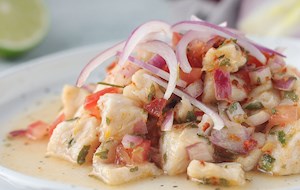
Ceviche

Ceviche is the national dish of Peru consisting of slices of raw fish or shellfish that is spiced with salt, onions, and chili peppers, then marinated in lime juice. Due to the acidity of lime juice, the texture of the fish changes, as does its color – from pink to white. The acidic marinade, also known as leche de tigre (lit. tiger's milk) "cooks" the meat without any heat involved in the process. For ceviche, fresh fish is an imperative, as fish and shellfish that are not fresh can cause food poisoning. Peruvians are used to fresh ingredients, so the fish will sometimes be prepared for ceviche less than an hour after being caught. Fish for ceviche can be divided into three categories: firm, medium, and soft. The dish was originally made by the natives who marinated fish and amarillo chiles in the juices of a native fruit called tumbo, which was replaced by lime juice when the Spanish brought limes and onions to the country. The flavors of ceviche are slightly acidic and spicy, with an intense aroma of the sea. Traditionally, it is served on a bed of lettuce with tiny pieces of corn, chunks of sweet potato, and boiled yuca. Cancha, a variety of popcorn made from large corn kernels toasted in salt and oil provides an ideal side dish. The dish is traditionally served at cevicherias, specialized ceviche restaurants that can be found all over the country, and it is so popular that it even has its day, known as National Ceviche Day.
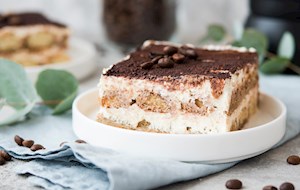
Tiramisù
Even though tiramisù is actually a fairly recent invention, this dessert of coffee-soaked ladyfingers layered with mascarpone cream enjoys an iconic status among Italian desserts. Its name stems from the phrase tirami sù, an Italian expression which literally means pick me up, a reference to the uplifting effects of sugar, liquor, and coffee. The origins of tiramisù are heavily disputed between Veneto and Friuli-Venezia Giulia regions, but it is often suggested that the first was made in Veneto in the early 1960s. The earliest documented recipe for tiramisù (interestingly, without alcohol!) was printed in the 1981 spring edition of Vin Veneto magazine in an article on coffee-based desserts by Giuseppe Maffioli, a renowned food critic and member of the Italian Academy of Cuisine. However, in August 2017, Friuli-Venezia Giulia's tiramisu was officially added to the list of traditional regional dishes, but a Veneto local won the Tiramisu World Cup in November 2017, so the playing field is somewhat levelled once again. Regardless of these disputes, the perfect tiramisù should always deliver a serious caffeine kick from a shot of strong espresso, while brandy-fortified Marsala wine adds a nice sweet buzz. In 2021, Ado Campeol, the owner of the restaurant where tiramisù is widely thought to have been invented, has died.
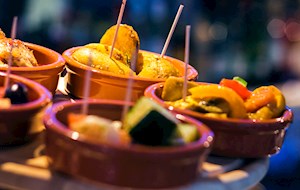
Tapas
Popularly known as Spain's greatest food invention, these small finger foods are usually accompanied by a few drinks at lunchtime or in the early evening, led by the philosophy "eat when you drink, drink when you eat." The name originates from the Spanish verb tapar, which means to cover, and the dish stems from the region of Andalusia where drinkers would cover their glasses with slices of bread or meat to keep out the dust and flies. Today, the popularity of tapas has brought them across the borders of Spain, and tapas bars can now be found in nearly every developed country. Classic tapas were all about shellfish, originally consisting of a few olives, mussels, or anchovies served on a tiny plate. Today, however there is no end to the variety in modern tapas, which can be assembled from almost any type of ingredient served in small portions, with virtually no rules as to what goes with what. In southern Spain, tapas include shellfish, squid, eggs, shrimp, mixed breaded seafood, and fried fish marinated in saffron. Tapas in the north often consist of béchamel-based croquettes and battered prawns, while Madrid loves tripe, anchovies cured in vinegar, and ham tapas. Other common varieties include olives, meatballs, stuffed mussels, green peppers, cured cheeses, and thinly sliced salted cod. Regardless of the variety, tapas are a staple in Spain, amazing bar food worldwide, a way of eating, and a way of living.
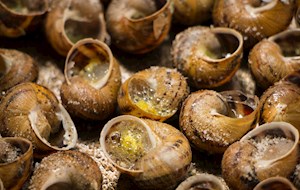
Caragols
Common land snails, known as caragols in the Catalan dialect, are a highly appreciated gourmet delicacy in Spain, especially in Catalonia, Andalucía, and Valencia - regions where snails have long been wild-harvested and featured as a staple ingredient in traditional cuisine. Some of the most common varieties of snails eaten in the country include the country snail or garden snail (Helix aspersa), and the vineyard snail (Helix pomatia), with the first being more commonly used. Known as caracoles in Spanish, these soft-shelled mollusks are typically distinguished by a delicate and earthy flavor, and these days, they are also cultivated at special snail farms throughout the country. Once a seasonal delicacy, caragols can be prepared in various traditional ways including caragols a la llauna, caragols a la gormanda, and caragols in samfaina. This beloved local mollusk is celebrated during the gastronomic event called L’Aplec del Caragol, held each May in the Catalan city of Lleida and featuring a wide range of snail specialties that are savored by a great number of locals and tourists.

Burger
A quintessential American food, burger evolved from the German Deutsches beefsteak, according to the New York Times food critic Mimi Sheraton. Its other name (hamburger) is a result of the fact that many German immigrants originally came from the port of Hamburg. Burger is a succulent dish consisting of, ideally, medium-rare seared beef patties tucked in fresh, lightly toasted buns, accompanied by onion slices and ketchup or Dijon mustard. Of course, there is a variety of other condiments and vegetables such as salad greens and tomatoes, but they tend to turn the meat cold, according to Mrs. Sheraton. If cheese is added, it should be mozzarella, Gruyere or Cheddar, slightly melting and mildly pungent. It is yet unclear who first thought to encase the beef patties with buns. Giovanni Ballarini, a food historian, says that the immigrants were given grilled meat between sliced of bread, so there would be no plates involved, and no water was wasted for washing the dishes. Hannah Glasse first mentioned a Hamburg "sausage" in her 1747 cookbook The Art of Cookery, Made Plain and Easy, defining it as a chopped mixture of beef and spices that should be served with toast. Or maybe it was Charlie Nagreen, a meatball seller from Wisconsin, who, in 1885, decided to put meatballs between bread so the consumers could eat them while walking at a country fair where he worked. Today, toppings and accompaniments vary from region to region, but for an original version one should visit Louis' Lunch in New Haven, Connecticut, serving the burgers since 1900, and claiming to be the oldest burger joint in the United States. Whatever the theories about the origin of burgers may be, and there are a lot of them, it is a convenient, simple and hearty meal that most meat lovers will gladly indulge in.
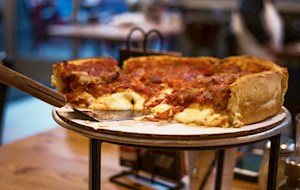
Chicago-style deep dish pizza
In the late 1800s and the early 1900s, Neapolitan immigrants came to the USA in search of a better life. Shortly after, in 1943, their descendants, Ike Sewell and Ric Riccardo had opened Pizzeria Uno in Chicago, serving a new variety of pizza in a deeper dish, with inverted layers of cheese, meat, and tomatoes, and a crunchy crust. No longer an immigrant tradition, Chicago-style deep dish pizza is now one of Chicago's cultural and culinary icons. The dish is not just popular in Chicago, but all over the world, and its popularity is evident in the fact that there is even a National Deep Dish Pizza Day, celebrated every year on April 5. Thick, hearty and crispy, Chicago-style deep dish is a cheesy and gooey treat for pizza lovers throughout the world.
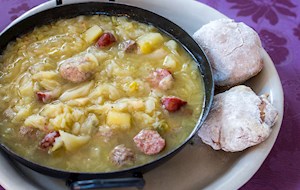
Steckrübeneintopf
Steckrübeneintopf is a traditional stew based on rutabagas and a combination of other root vegetables such as carrots, onions, and potatoes. All vegetables are usually cut into small cubes and then cooked in a vegetable broth seasoned with salt, pepper, nutmeg, and (optionally) dried herbs. Although this stew is typically considered a vegetarian dish, it is often enhanced with pieces of ham or sliced sausages. Rich and savory, the stew is usually eaten hot with slices of fresh, buttered bread. Eating rutabagas in Germany has long been associated with times of hardship as rutabaga dishes were a type of survival food for the war-stricken families in the country during both world wars of the 20th century. There is even a period during World War I that is known as Hunger winter or Steckrübenwinter, meaning Rutabaga winter. This root vegetable has nevertheless made its comeback and is nowadays available at numerous vegetable markets and supermarkets across Germany.
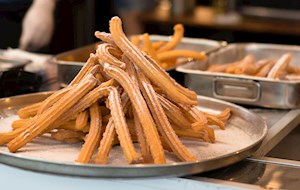
Churros
Elongated, crispy, crunchy and intensely fragrant, churros consist of deep-fried yeast dough encrusted with sugar. Although some may argue against consuming these sweet treats, warning others about the dangerous effects of sugar and fat on human bodies, the popularity of churros throughout the world doesn't seem to wane. Originally invented by Spanish shepherds who could easily cook them in a pan over an open fire, today these unusually shaped, cinnamon sugar sprinkled twists are most commonly eaten in Spain and Latin America as a hot breakfast food, accompanied by a strong cup of coffee or a cup of thick hot chocolate. Their characteristical shape is achieved by pressing the dough through plastic tubes so it emerges on the other side in thin, ridged ropes. Although churros are a Madrid specialty, the ones found in Seville are often praised because they differ in a lighter and more delicate texture. In Cuba, they may be filled with guava, in Mexico with dulce de leche, and in Uruguay with cheese. Regardless of the varieties, churros are an indulgence that must be tried at least once.
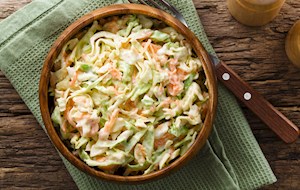
Coleslaw
Originating from the Dutch term koolsla, meaning cabbage salad, coleslaw is nowadays a true American staple and a side dish that's often served with barbecued meat or fried chicken. Originally, it was brought over to New York state in the 18th century by the Dutch settlers. It consists of shredded cabbage, mayonnaise, carrots, buttermilk or sour cream with vinegar, sugar, and other seasonings, depending on the cook and regional variations. Some of the variations have other ingredients such as salad dressings, celery seeds, grated cheese, pineapple, or peppers. However, the only consistent ingredient in coleslaw is shredded cabbage. The salad is always served chilled, and it's commonly used in hamburgers, sandwiches, and hot dogs.
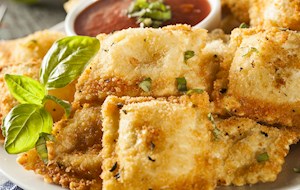
Toasted Ravioli
Toasted ravioli is a St. Louis specialty consisting of crunchy, breaded pasta that is topped with grated parmesan and served with a marinara-style sauce on the side. The dish is served hot as an appetizer. Despite the name, toasted ravioli are deep-fried, not toasted, making it yet another example of a misnomer. Food experts believe that the first iteration of the dish was made in the 1950s, at a restaurant called Angelo Oldani's. The ravioli can be filled with a variety of ingredients, and some of the most popular ingredients include eggs, cheese, spinach, and beef.
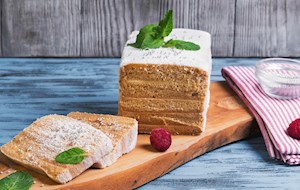
Pastila

Pastila is a traditional sweet originating from the 17th century. It is a cross between candy and meringue cookies: light and airy puffs made from egg whites, sugar, and fruit, reminiscent of the popular Turkish Delight. Traditionally, pastila are made from sour apples or berries, although other types of fruit can also be used. Pastila from Kolomna is thought to be the most delicious variety, and the recipe for Kolomensky pastila has been closely guarded until the 19th century. At the same time, the confectioners started using sugar instead of honey, a practice which is still in use today. Pastila is usually consumed as a dessert in between meals, although it is also often served with tea as an afternoon snack.
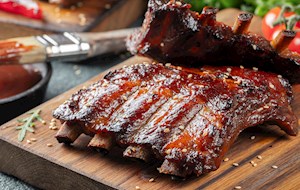
Barbecue
Modern American barbecue stems directly from barbacoa, the tradition of smoke-cooking meat which Caribbean natives were doing long before the colonists arrived. Today, the centuries-old technique of smoking whole hogs over a pit is now common in both Virginia and North Carolina. Barbecue was originally found mostly in rural areas, but in recent years it has moved to bigger cities, and how could it not with the aromatic and fragrant appeal of tender, juicy meats, elevating the mouth-watering bites to cult status. Varieties of barbecue are greatly linked to geography with styles varying wildly from North to South and East to West. In Eastern North Carolina, the hog is slowly cooked over coals and doused for hours in a spicy sauce of red pepper flakes and vinegar while being chopped or 'pulled' throughout the process. Pulled pork meat is then stuffed into tender white buns and topped with fresh, mayonnaise-flavored coleslaw. In Western North Carolina, Lexington-style barbecue is king with slowly cooked pork shoulders heavily seasoned with pepper, vinegar, and ketchup sauce. Texas barbecue replaces pork with tender beef briskets cooked in pits, while Kentuckians like to slowly cook mutton in Worcesteshire sauce. Louisiana barbecue differs from all the rest, as the pulled meat served in a soft bun with slaw comes from a suckling pig. Similarly, in South Carolina, pulled pork is drizzled with a mustard and vinegar sauce, while in Kansas the barbecue pork is served on bread with a sauce based on tomatoes and molasses. Traveling to Memphis, one can find barbecued pork ribs with a flavorful, spicy crust achieved by a special dry-rub seasoning. More than just a cooking technique, barbecue is a subculture of its own with rivalry between neighboring states and contests for titles at numerous competitions throughout the South.
Vori-vori

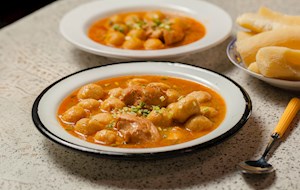
Vori-vori is a soup from Paraguay made with small balls of cornmeal and cheese cooked in a broth that often includes chicken, vegetables, and herbs, and it is recognized as a staple dish across the country’s rural and urban regions. Its development is linked to the long-standing use of corn and poultry in Guaraní and later mixed culinary practices documented in household cooking records and regional accounts from the eighteenth and nineteenth centuries, where corn-based doughs were shaped into dense dumplings to stretch ingredients during periods of limited supply. Preparation involves mixing finely ground cornmeal with grated cheese and a small amount of fat or broth to form a firm dough, shaping it into small spheres, and poaching them gently in a simmering broth until they swell and soften; the soup is seasoned with onions, garlic, parsley, and occasionally peppers, and served as soon as the dumplings reach a uniform texture. A notable feature is the density of the dumplings, which absorb broth while retaining their structure, giving the dish a thickened consistency without flour or other thickeners. Vori-vori is eaten throughout Paraguay in home kitchens, rural gatherings, and small restaurants, often as a main meal during cooler weather, and it pairs well with simple accompaniments such as mandioca, fresh salads, mild cheeses, herbal teas, and lightly flavored nonalcoholic beverages, with some households serving it alongside light beers or local wines depending on the occasion.

Sfinz

Sfinz is a traditional fried pastry made with a dough consisting of flour, sugar, yeast, salt, and water. The dough is shaped into small balls which are then flattened to form a thin layer of pastry. After it has been fried, sfinz is typically enjoyed with honey, although it can also be fried with an egg on top. Also known as Libyan doughnut, this fried pastry is especially popular for breaking the fast during Ramadan, but it can also be served for breakfast. If there is any leftover dough, Libyans usually transform it into herb bread.

Gueffus
This simple, round-shaped Sardinian dessert employs a combination of ground almonds and sugar to create a thick dough that is then shaped into small-sized balls. Often elevated with the addition of lemon zest or orange blossom, gueffus balls are traditionally rolled in icing sugar and are always wrapped in colorful, decorative papers. It is claimed that their name stems from the Spanish huevos, meaning eggs, because of their round shape. A staple at every festive event in Sardinia, these decorative treats are usually prepared in large amounts and are often given out as presents.
Cheesesteak
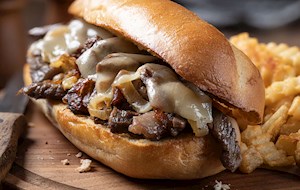
The Philadelphian icon known as Philly cheesesteak is an extremely popular sandwich consisting of thinly sliced pieces of steak and tender, melting cheese in a long and crusty hoagie roll. It was invented in the 1930s in what is now a Philadelphian institution called Pat's King of Steaks. Pat's started as a regular hot dog stand in South Philadelphia, and one day Pat had decided to make himself a sandwich consisting of thinly sliced rib-eye steak and cooked onions placed into an Italian roll. When a hungry cab driver stopped by and smelled the beef, he forgot about the hot dogs, and Philly steak sandwich was born. Originally, the sandwich was made without cheese, which only started to be added during the 1960s. Some claim that the cheese (ideally, Cheez Whiz or Provolone) was added by Pat's friendly rival Joey Vento, the owner of Geno's Steaks, located across the street from Pat's joint. Today, it is one of the most popular fast foods in Philadelphia, ready to satiate even the hungriest customers with additional toppings such as sautéed mushrooms, ketchup, and hot or sweet peppers.
Pečeni puh

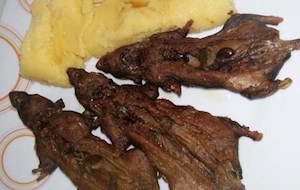
Roasted dormouse (or pečeni puh in Croatian) is a Croatian meat delicacy that has been traditionally prepared in various parts of the country, especially on the islands of Hvar and Brač, and in the Rijeka hinterland. Dormice are cleaned thoroughly either by burning their fur (thereby leaving the skin intact) or skinning, and they are then cooked in a traditional oven until nicely crispy, yet tender. Once done, the roasted dormice can be enjoyed on their own, or they can be tucked between two slices of bread and eaten as a sandwich. The meat is fatty, crispy, tender, and rather bony, while its flavor has been described as being reminiscent of sweet pork shoulder. The unusual tradition of cooking and consuming this rodent dates back to the times of the Roman emperors, who greatly appreciated the flavor of the animal’s meat, and typically enjoyed it as an appetizer or even as a dessert.
Detroit-Style Pizza
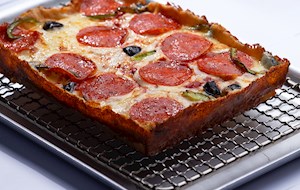
Detroit-style pizza is a square pizza characterized by a thick deep-dish crisp crust and inverted toppings. Cheese is applied directly to the top of the dough, followed by a thick tomato sauce that is seasoned with garlic and spices. The most common topping is pepperoni, put either on top of the sauce or buried underneath the cheese. Detroit-style pizza can be traced back to Buddy's Rendezvous in 1946, and thanks to its popularity, it is now available nationwide. This dish is best paired with beer or wine.
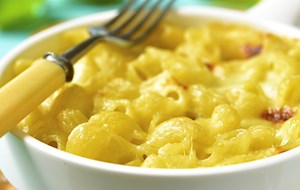
Mac and Cheese
Mac and cheese—a seemingly simple combination of macaroni and melted cheese—is one of the most popular dishes in the United States. The preferred American combination consists of curved macaroni pasta and Cheddar cheese, but modern varieties include vegetables, breadcrumb toppings, or gourmet ingredients such as crab, lobster, or truffles. Although it is an American staple, the dish was probably inspired by similar pasta dishes enjoyed in Italy and France. In the United States, it was popularized by none other than Thomas Jefferson. He fell in love with the combination of pasta and cheese during his European travels, and soon after returning, he started importing macaroni and had the pasta machine shipped to Virginia. Jefferson's chefs prepared macaroni and cheese and served it at his lavish banquets, and his distant cousin Mary Randolph published the first mac and cheese recipe in 1824. The dish was further popularized when Kraft placed the boxed variety on the market. Mac and cheese is a cheap, no-frills dish that could feed the whole family, and it is no surprise it has become a mainstay in American kitchens. It is the ultimate comfort food and is often listed as one of the most iconic American dishes.