Top 100 Catalan Alcoholic Beverages

Last updated on June 15, 2026

Best Catalan Alcoholic Beverages
01

Torres Brandy

5 ·
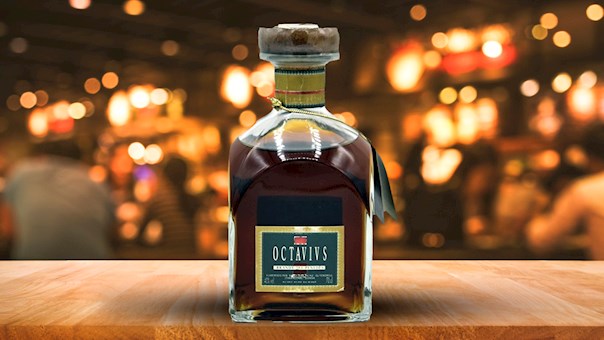
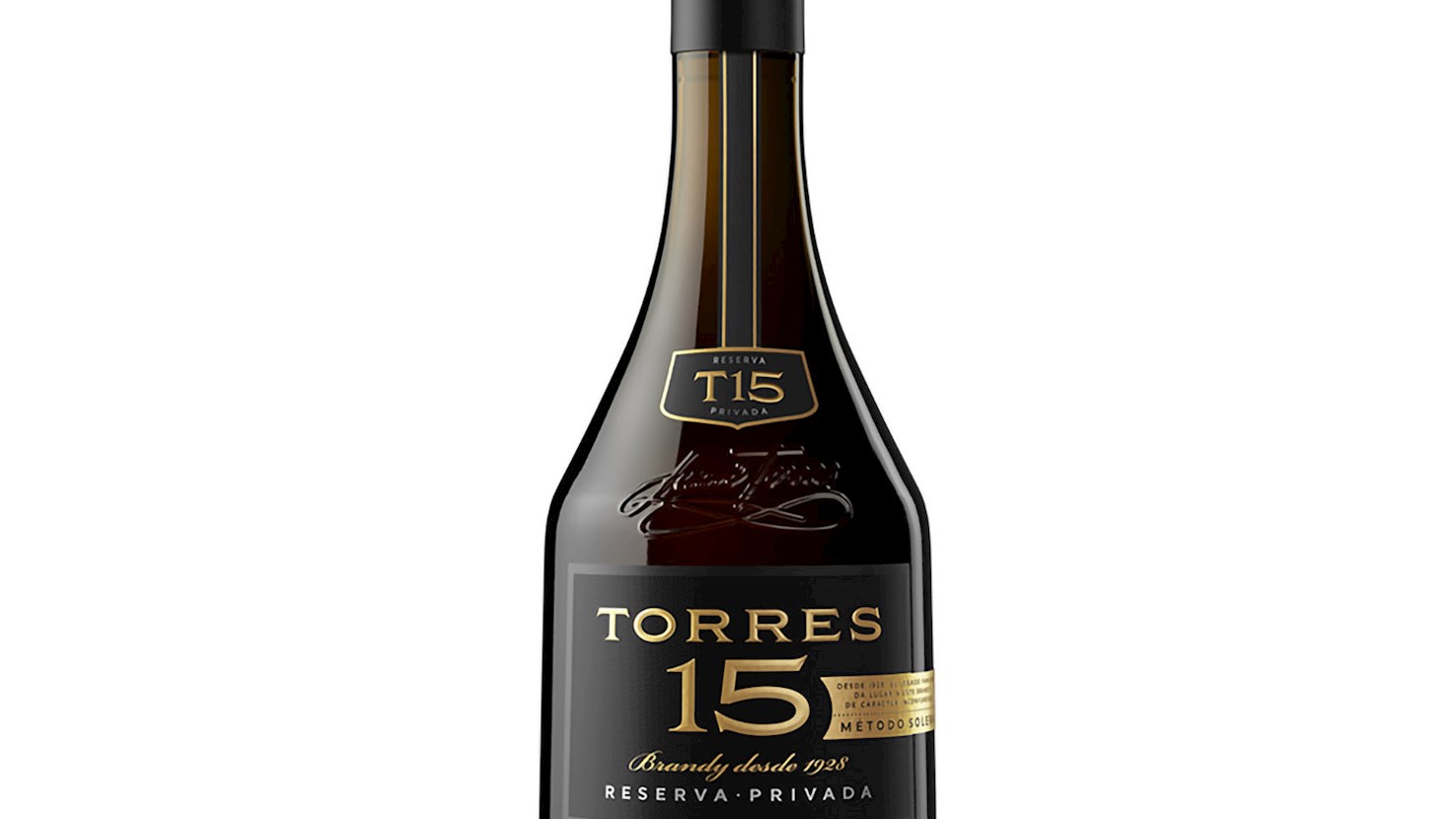
Torres Brandy is a renowned Spanish producer of high-quality brandies and spirits, based in Vilafranca del Penedès, Barcelona. The brand is part of the Torres family legacy, which has been dedicated to winemaking and distillation for generations since 1928. They are recognized for blending tradition with innovation, producing premium spirits crafted from select white wines and aged meticulously in oak barrels. Their product portfolio includes various expressions of brandy, such as Torres 10, Torres 15, Torres 20, and Jaime I, each representing distinct levels of aging and complexity. These spirits are celebrated worldwide for their rich aromas, smooth textures, and exceptional craftsmanship.
Awards
SFWSC - San Francisco World Spirits Competition - Double Gold (2024, 2023)
ISC-International Spirits Challenge - Double Gold (2019)
02

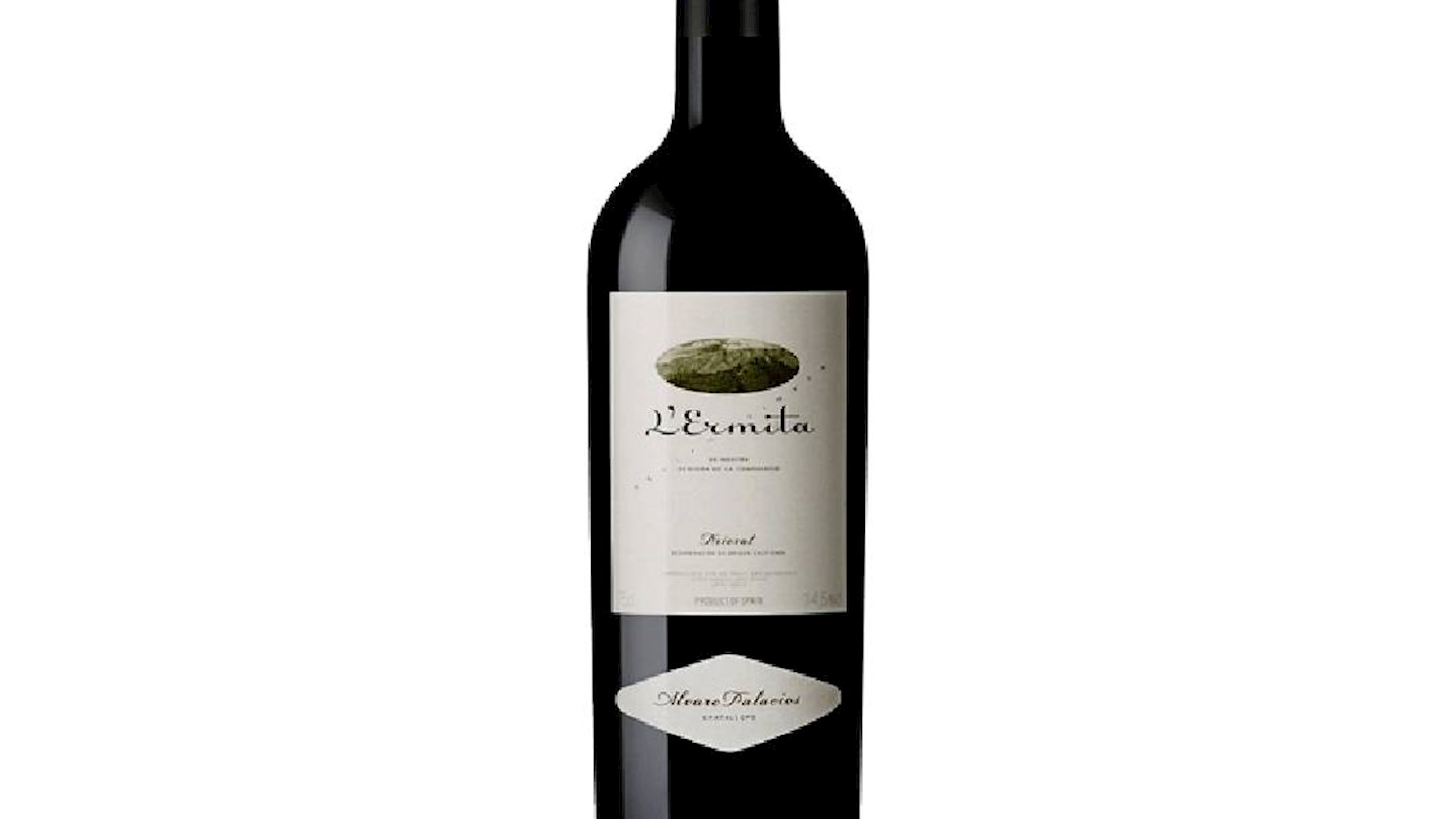
Álvaro Palacios

5 ·
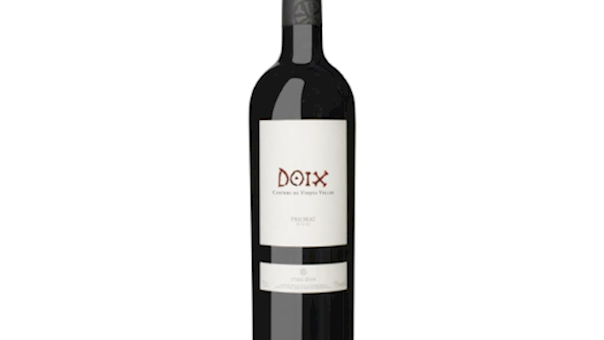
Álvaro Palacios comes from a renowned winemaking family in Rioja, yet he built his reputation through the bold decision to revive forgotten regions of Spain. His passion and vision led him to Priorat, where on steep slopes with ancient Garnacha vines he created wines that became symbols of elegance, depth, and authentic terroir expression. Among his most celebrated vineyards are Finca Dofí and the iconic L’Ermita, now regarded among the finest in the world. Beyond Priorat, Palacios also restored the winemaking tradition of Bierzo, where through Descendientes de J. Palacios he crafts distinctive wines from the Mencía grape. His approach combines deep respect for land and tradition with modern viticultural insight, establishing him as one of the most influential winemakers of his generation. Álvaro Palacios remains true to simplicity and to the belief that wine is more than a beverage - it is a story of the land, of time, and of the people who shape it.
Awards
Falstaff - 100
Vivino - 4.7
03

Alicia i Josep Viticultors

5 ·
Alicia i Josep Viticultors is a small family winery based in Porrera in the DOCa Priorat, founded in 2017 as a joint project of two winegrowers who work both in the vineyard and in the cellar. Their approach is rooted in organic and regenerative farming, with a strong focus on preserving old parcels and maintaining healthy soils, without aggressive interventions. Wines are produced in small batches, with a clear intention to express the character of the local terroir, especially the iconic llicorella slate soils that define Priorat. The core of their production is built around traditional varieties such as Garnatxa and Carinyena, shaping wines that combine structure with a sense of balance and elegance. The house style is restrained, precise and authentic, avoiding technical excess and emphasizing the pure expression of place and vintage. Today, Alicia i Josep Viticultors are recognized as part of a new generation of Priorat winemakers who successfully connect tradition with a modern, sustainable vision of viticulture.
Awards
Decanter World Wine Awards - Best in Show (2024)
04

Familia Torres

5 ·
Familia Torres is a prominent Spanish winery founded in 1870 by the Torres family in the Penedès region of Catalonia. Renowned for its commitment to quality and innovation, the winery produces a wide range of wines, including red, white, rosé, and sparkling wines, primarily using native grape varieties such as Tempranillo, Garnacha, and Parellada. The Torres family emphasizes sustainable vineyard practices and has been a pioneer in organic and biodynamic farming. Their vineyards are located in various regions of Spain, including Penedès, Priorat, and Ribera del Duero, allowing them to craft wines that reflect the distinct terroir of each area.
Awards
Decanter World Wine Awards - Platinum (2022, 2021, 2019, 2017)
Decanter World Wine Awards - Best in Show (2021, 2020, 2019, 2016)
05

Bodegas y Viñedos de Cal Grau

4.9 ·
Bodegas y Viñedos de Cal Grau is a winery located near El Molar in the Priorat region, one of Spain’s most prestigious appellations known for its mineral-rich slate soils, locally called llicorella. The project was established in the early 2000s as part of the Osborne Group, with a focus on expressing the rugged terroir of Priorat through carefully managed vineyards situated at higher altitudes. The estate cultivates varieties such as Garnacha, Cariñena, Syrah, and Cabernet Sauvignon, which thrive in the region’s dry climate and poor soils, resulting in low yields and highly concentrated fruit. The wines are typically structured, intense, and mineral-driven, with pronounced notes of dark berries, herbs, and spice. Winemaking combines modern precision with respect for traditional practices, often including aging in oak to enhance complexity and integration. Cal Grau’s style balances power with freshness, aiming to preserve elegance despite the natural richness of Priorat wines. Today, the winery is recognized for producing consistent, terroir-focused wines that reflect both the identity of Priorat and a contemporary approach to Spanish winemaking.
Awards
Decanter World Wine Awards - Best in Show (2019)
Vivino - 4.4
06

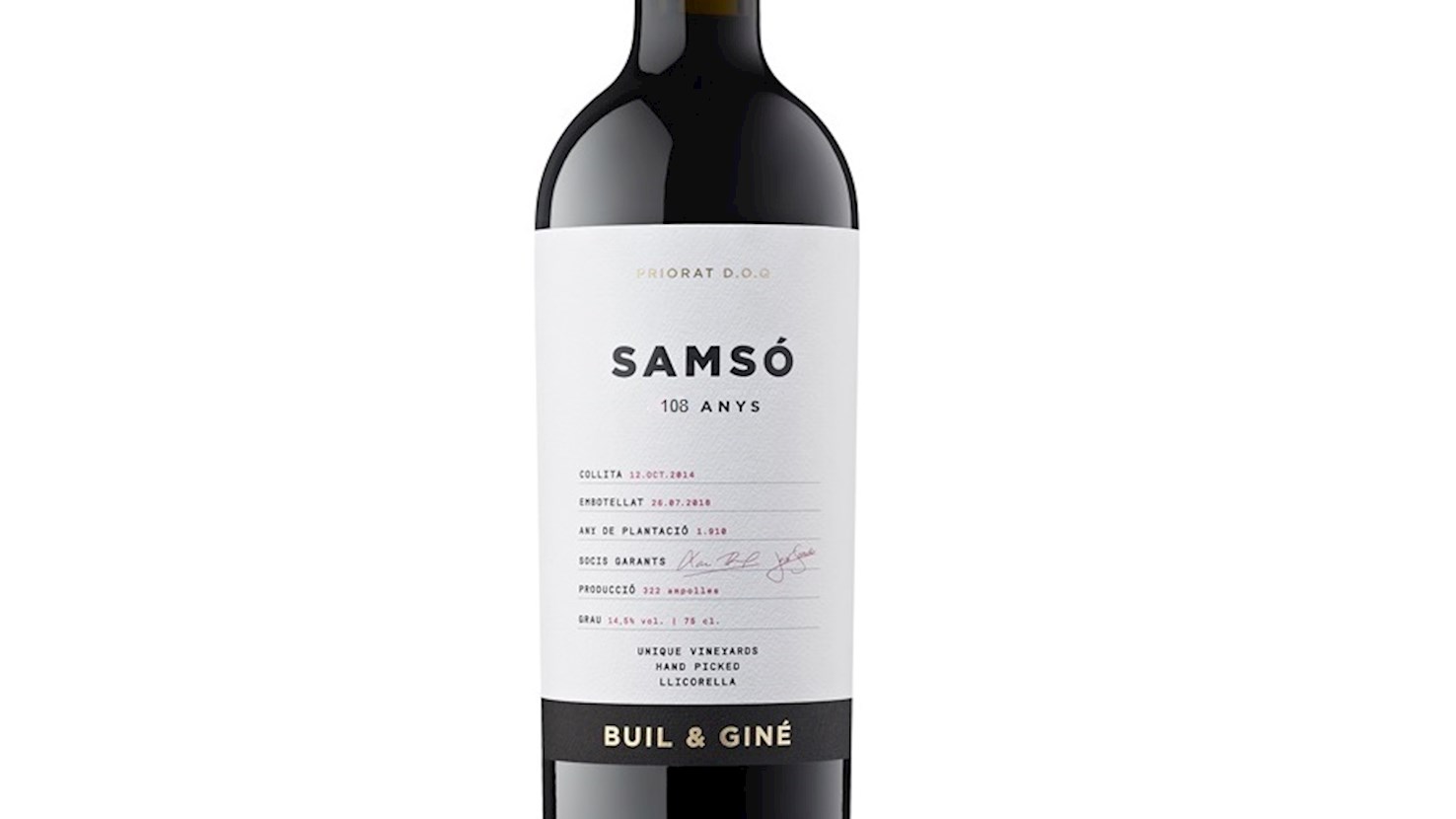
Buil & Giné

4.9 ·
Awards
Decanter World Wine Awards - Platinum (2023)
Berlin Wine Trophy - Grand Gold (2018)
07

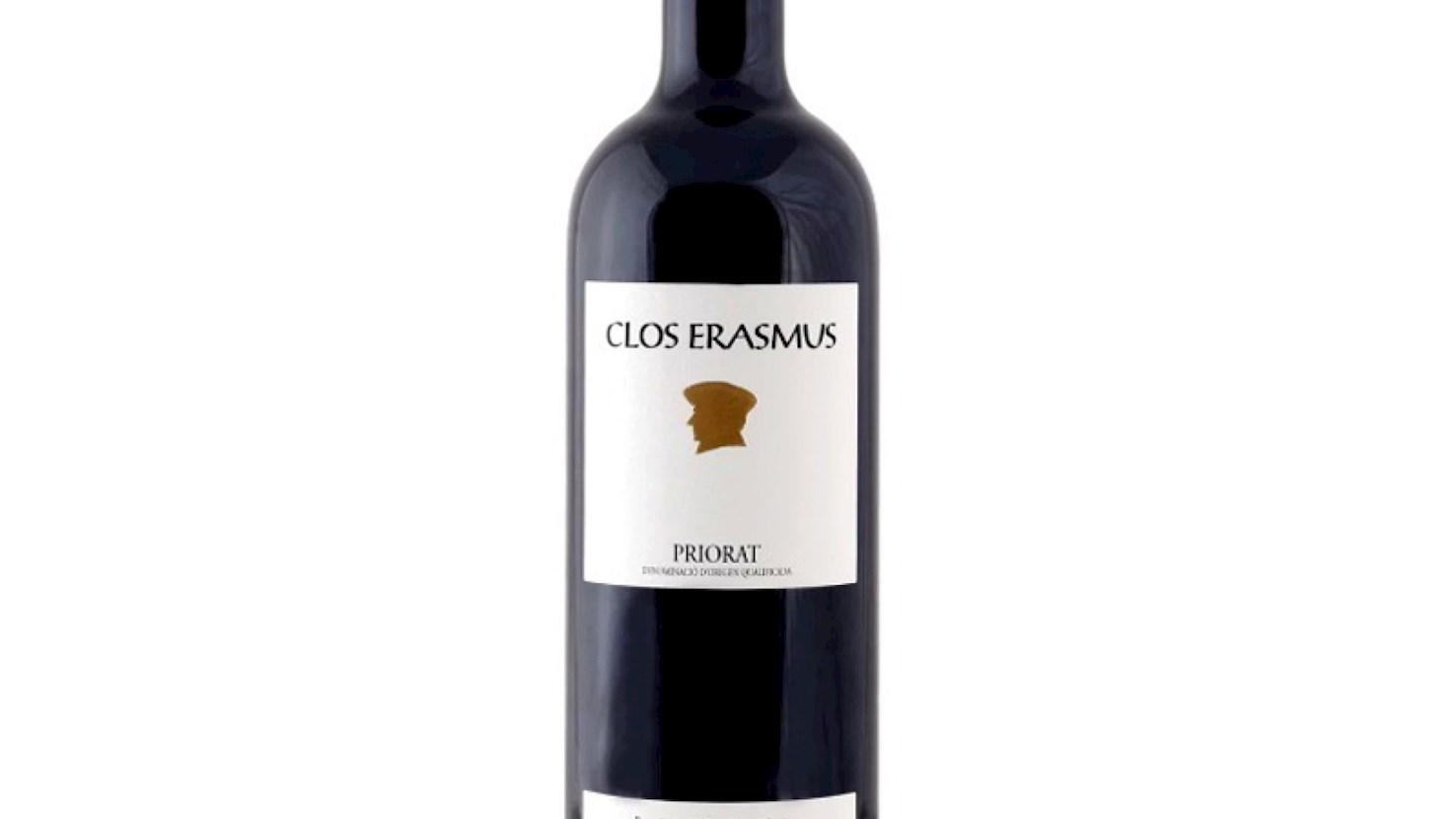
Clos Erasmus

4.9 ·
Awards
Falstaff - 100
Vivino - 4.5
08

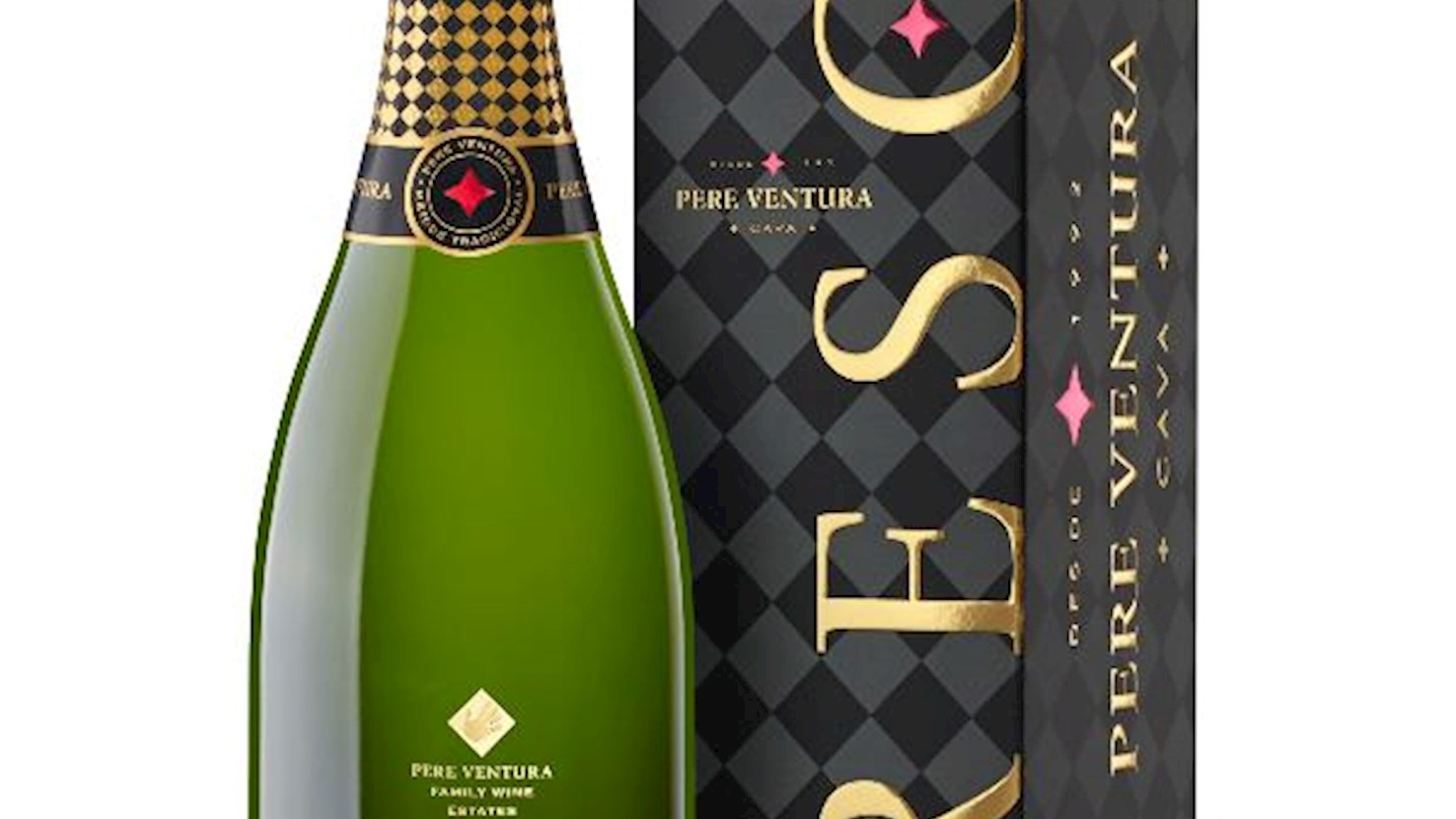
Pere Ventura

4.9 ·
Awards
Decanter World Wine Awards - Platinum (2019)
Concours Mondial de Bruxelles - Grande Médaille d'or (2023)
09

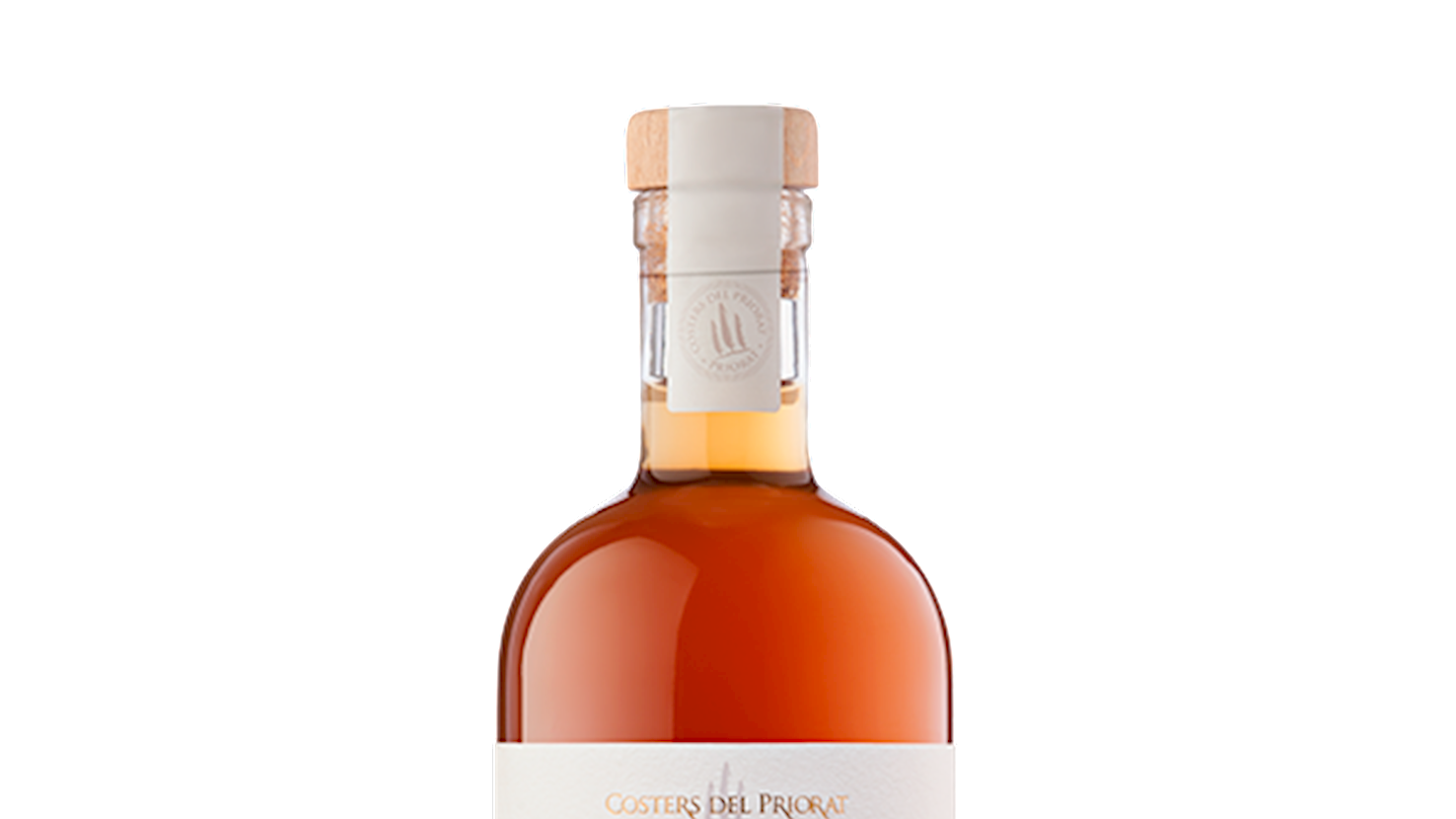
Viticultors Costers Del Priorat

4.9 ·
Awards
Decanter World Wine Awards - Platinum (2024)
10

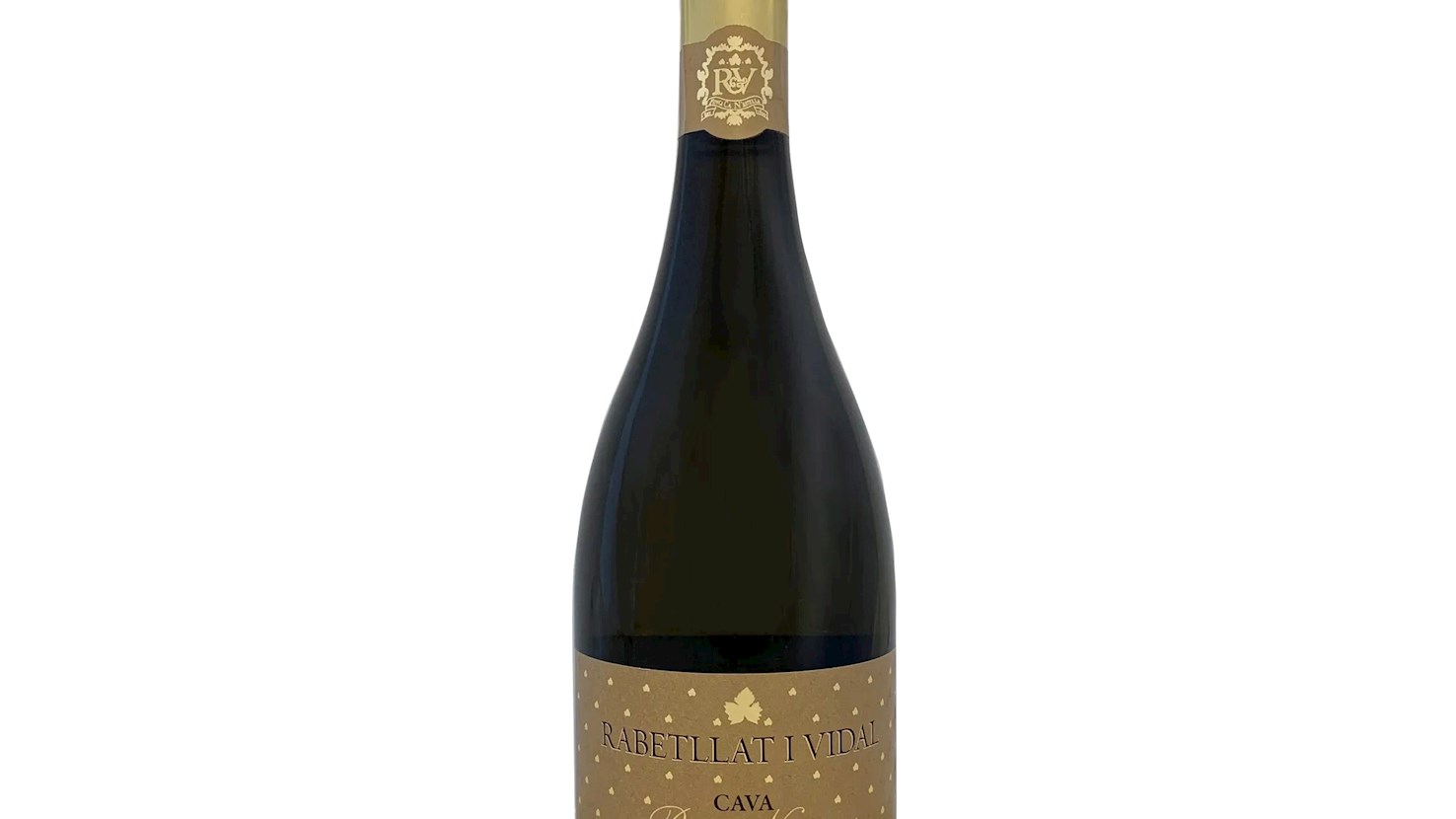
Rabetllat i Vidal

4.9 ·
Awards
Decanter World Wine Awards - Platinum (2021)

Best Catalan Alcoholic Beverage Types
01

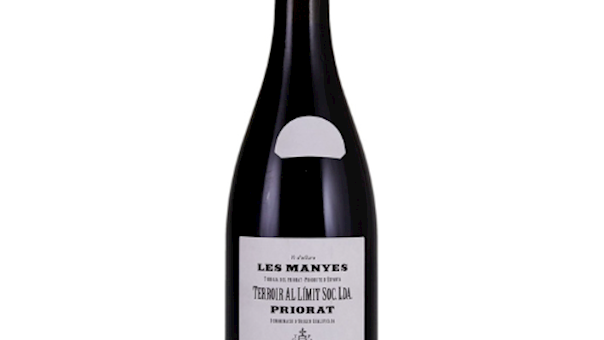
Priorat

4 ·

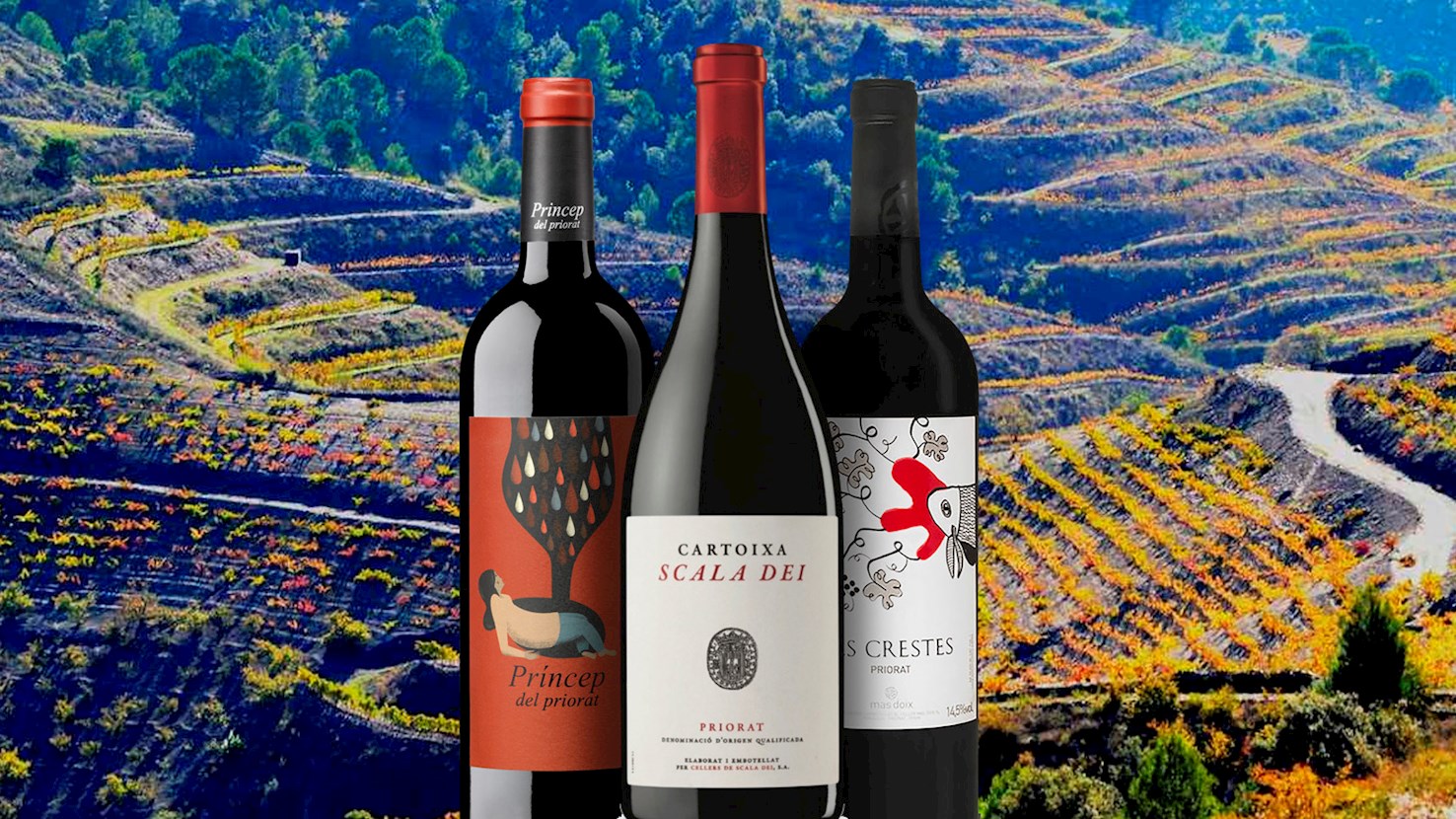
Priorat is a Spanish wine region—located in the Catalonian province of Tarragona—which has been awarded DOC status (DOQ in Catalan) - the highest category in Spanish wine regulations. Established in the 12th century, Priorat has undergone significant changes through centuries, but it was René Barbier who realized the real potential of the region in the 1980s. The backbone of red Priorat wines is made from local Garnacha and Carineña, with some amounts of French Cabernet Sauvignon, Merlot, and Syrah. The most common flavors and aromas found in rich and powerful Priorat wines include dark fruit and berries that may be accompanied by salty, spicy, mineral, and herbal notes. Their tannins are typically firm, and the wines tend to have high alcohol content. Depending on their character and style, these wines can match bold and hearty grilled or roasted meat dishes, stews, paella, spicy dishes, wild game, tomato sauces, and aged cheese.

02

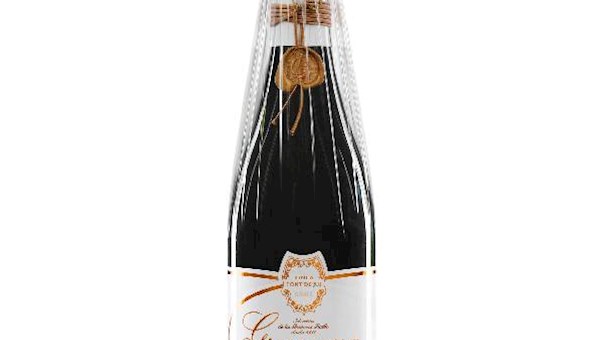
Cava

4 ·

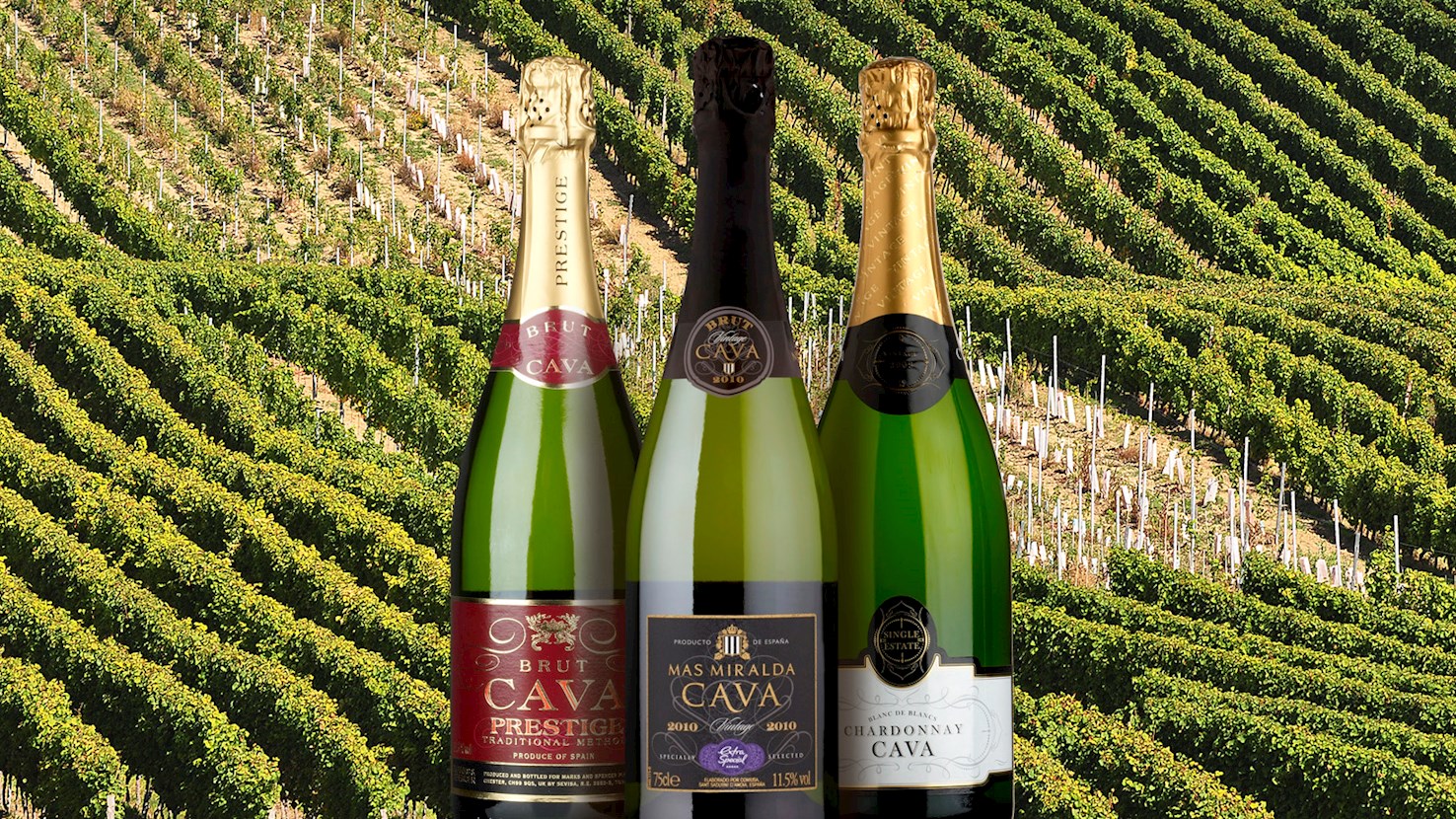
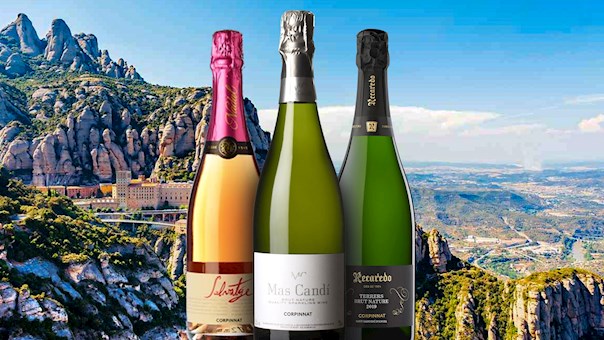
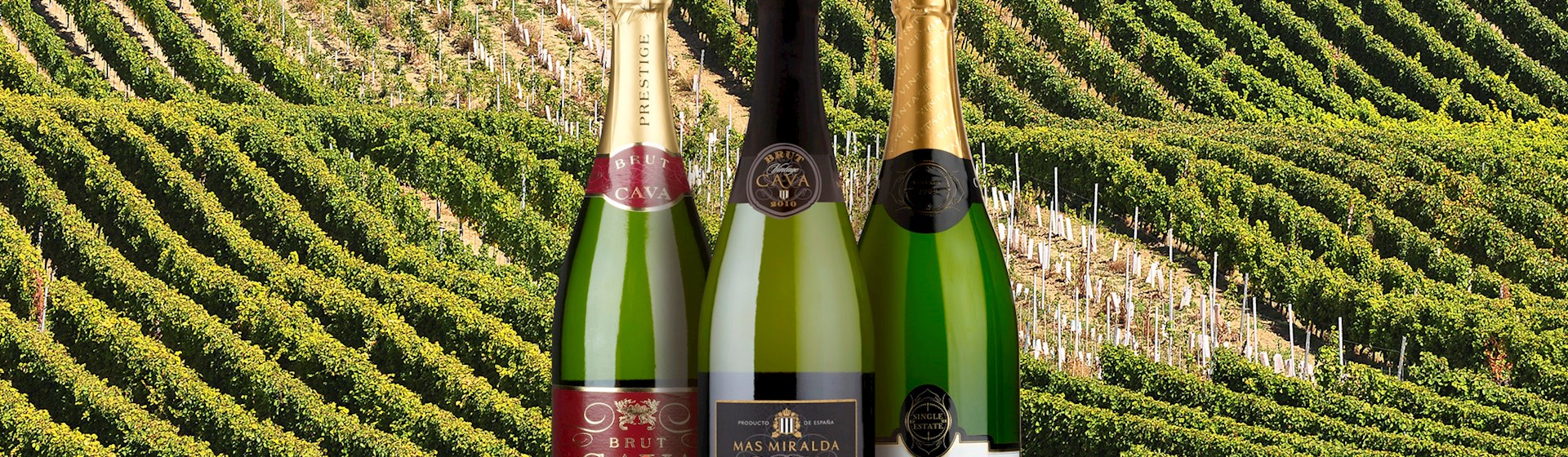
This supreme Spanish sparkling wine is made with a blend of grape varieties indigenous to Spain, mainly Macabeo, Parellada, and Xarello. Rosé Cava, called rosat in Spanish, is produced by adding Trepat, Garnacha, or other red grapes, which lends delicate red berry and floral aromas, and also boosts its body. Sometimes even Chardonnay will be added to the blend, though some producers suggest that this practice diminishes Cava's regional character. Though Cava D.O. appellation extends across a number of Spanish regions, Catalonian Penedés is its heartland and accounts for over 95% of the entire production. The style was first produced in 1872 by Josep Raventós, heir of the Codorniú family whose brand has been dominating Cava production until this day. Cava is produced with método tradicional, which was modeled on the méthode Champenoise in France. Though similar in quality and style to the French Champagne, Cava usually sells for a fourth of the price of its French counterpart. The wine is produced in several styles, and perfectly pairs with light fish-based courses, cheese, or traditional Spanish tapas.

03

Spanish Vermouth

3.9 ·

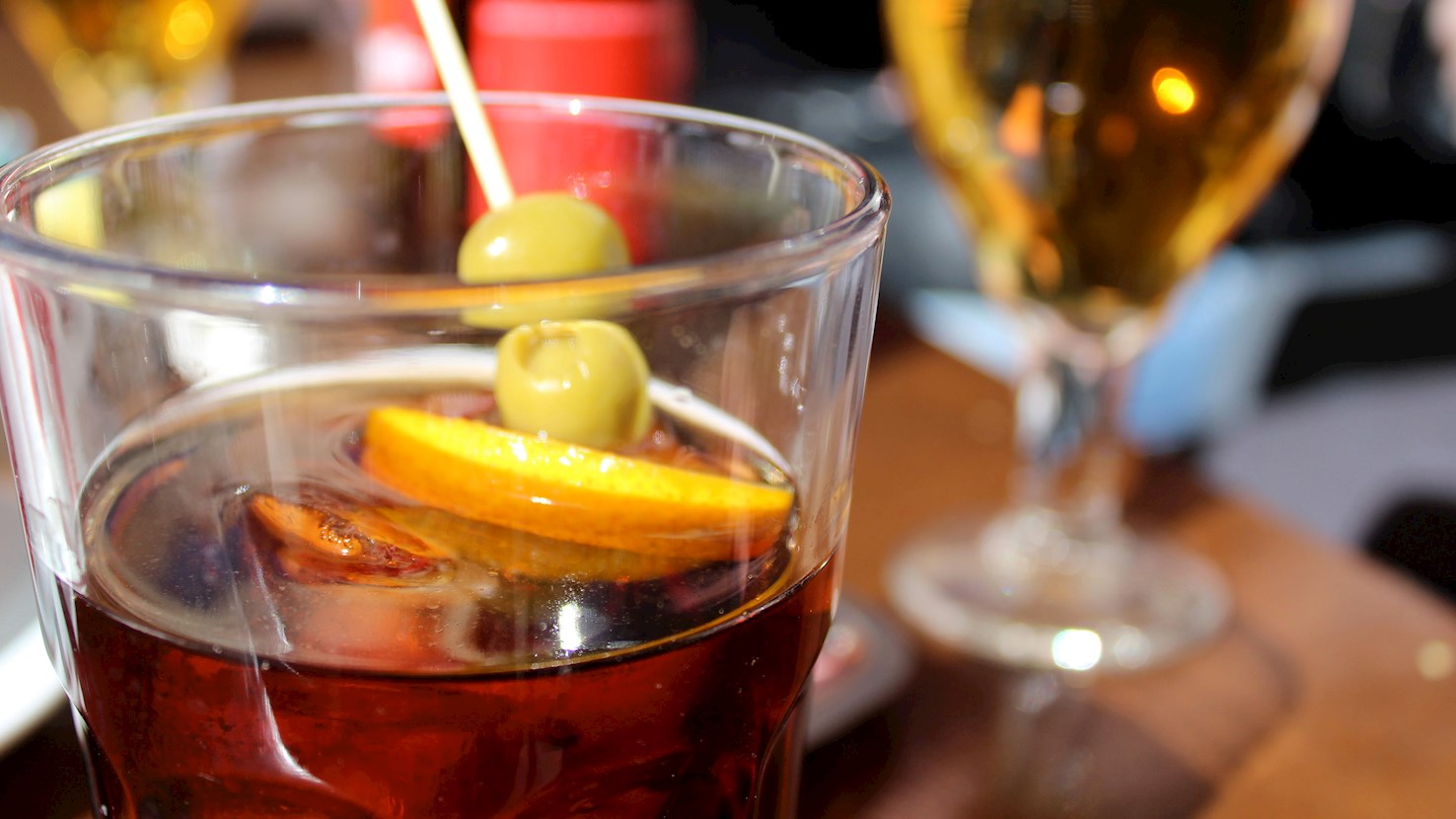
Vermouth or vermut is a fortified and aromatized wine that has its origins in Italy and France. It was imported to Spain sometime in the 19th century, and it soon became a signature local drink, primarily in Catalonia, but the tradition later spread to other Spanish regions. Although dry French-style vermouth is also produced, most vermouths in Spain are the red (sweet) Italian styles, which tend to have a rich, fruity, spicy flavor and more sugar than their French counterparts. Spanish vermouth is not distinguished as a distinct style, but it is slightly different from the Italian version. Most examples are sweeter and less bitter, and they usually have more citrus and fruit notes. Spanish vermouths are easy-drinking, and they are mainly considered to be slightly lighter in character than the traditional versions that typically come from Italy. The history of red vermouth in Spain started in Reus Catalonia, where some of the biggest vermouth houses once operated. Vermouth is such an essential part of Spanish tradition that the pre-dinner aperitif period is often called la hora del vermut. Spanish like to drink vermouth over ice and garnished with an orange slice and a manzanilla olive. It is also common to add a splash of soda water. Although vermouth drinking tradition in Spain had never disappeared, it did slightly dwindle in popularity, but in the 20th century, vermouth again became a trendy, sought-after drink. It is traditionally served on tap in traditional bodegas and vermuterías where you can pair vermouth with various small dishes and snacks.

04

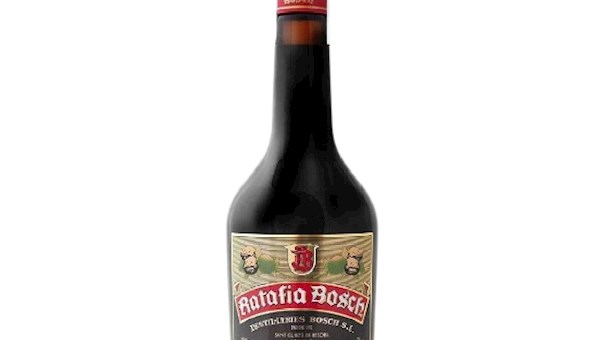
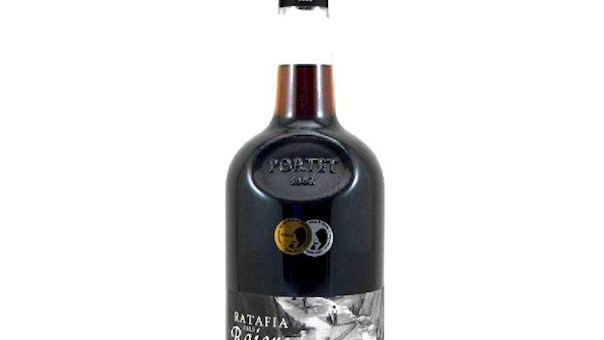
Ratafia catalana

3.4 ·

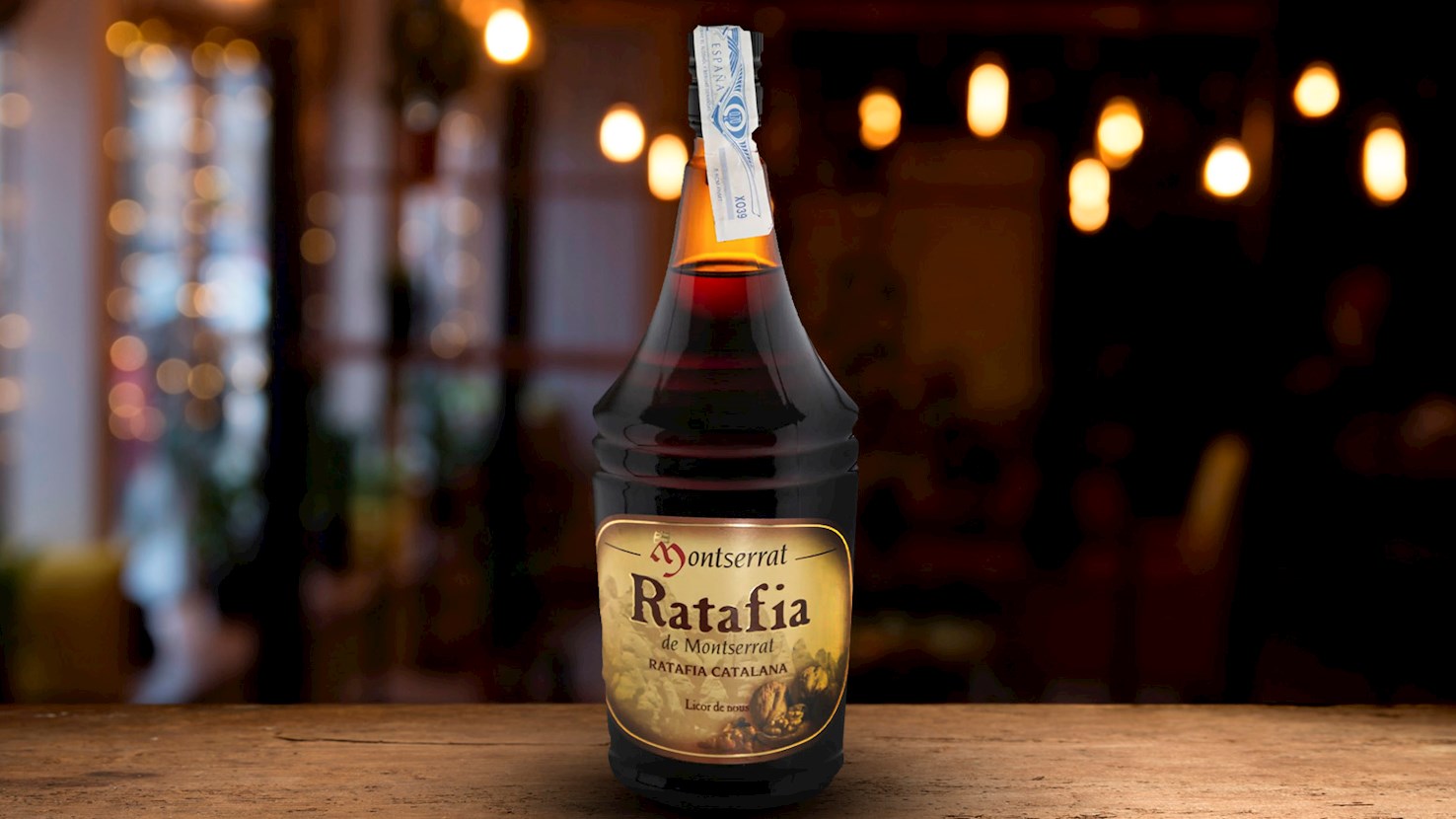
Catalonian ratafia is a rich and aromatic nut liqueur that belongs to the broad category of ancient ratafia liqueurs mostly associated with Mediterranean countries. It originated as a homemade beverage made with availabe ingredients and without a particular recipe. The recipes were usually handed down through the generations. Catalonian ratafias are made by macerating unripe green walnuts in aguardiente (distilled spirit). Additional ingredients can incorporate various fruits and herbs. It always includes lemon verbena, cinnamon, cloves, and nutmeg, but citrus zest, bay leaves, chamomile, and fennel are also common. Ratafia has to be oak-aged for at least three months, and it can have a maximum of 30% ABV. Despite their versatility, most ratafias are dark brown liqueurs with a distinctive nutty flavor and aroma, along with herbal and earthy nuances. They are dense and rounded, with a long, warming finish. Ratafia can be enjoyed neat or on the rocks. It is an excellent aperitif or digestif, but it can also be served with desserts, nuts, or dried fruit, and it is occasionally used as a cooking ingredient. According to the ancient belief, herbs picked on the morning following Saint John's Eve (June 23rd) will have the best properties for making ratafia.

05

Xarel·lo

3.2 ·

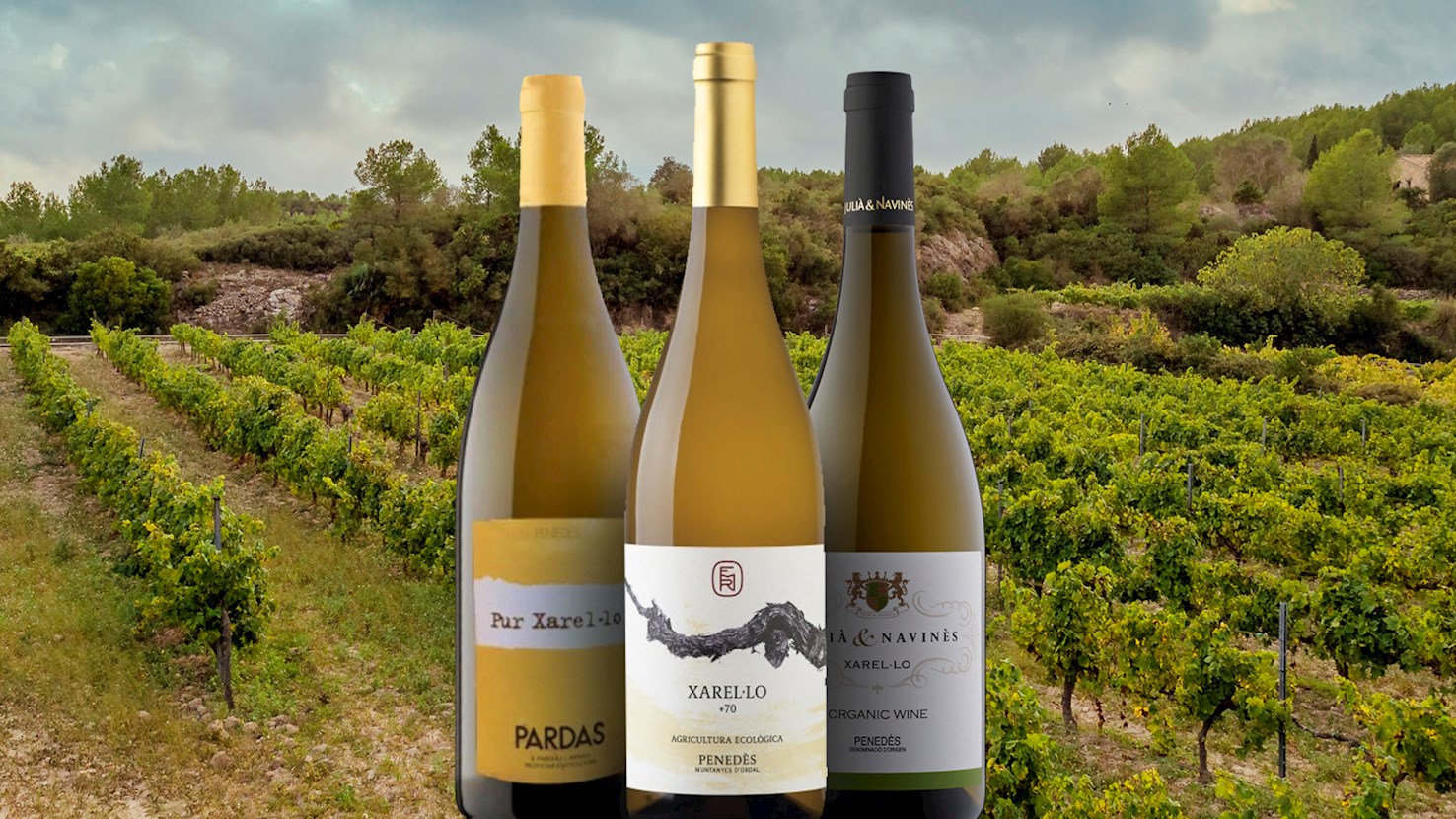
Xarel·lo is a Spanish grape variety best known for its use in sparkling Cava, where it is used along with Macabeo and Parellada. It is a high-quality grape that provides power, body, and structure in Cava wines. It is the most planted variety in DO Penedès. Apart from sparkling wines, the grape is used for dry white wines, both varietals and blends. Wines made from Xarel·lo are medium-bodied and aromatic, with good acidity and alcohol content. The aromas are reminiscent of citrus and stone fruit, and the wines will typically have herbal and mineral character. The grape is quite versatile and suitable for various vinification methods. Xarel·lo wines pair well with lighter fare. They go incredibly well with fish and oysters and make an excellent aperitif.

06

Yzaguirre

3.2 ·

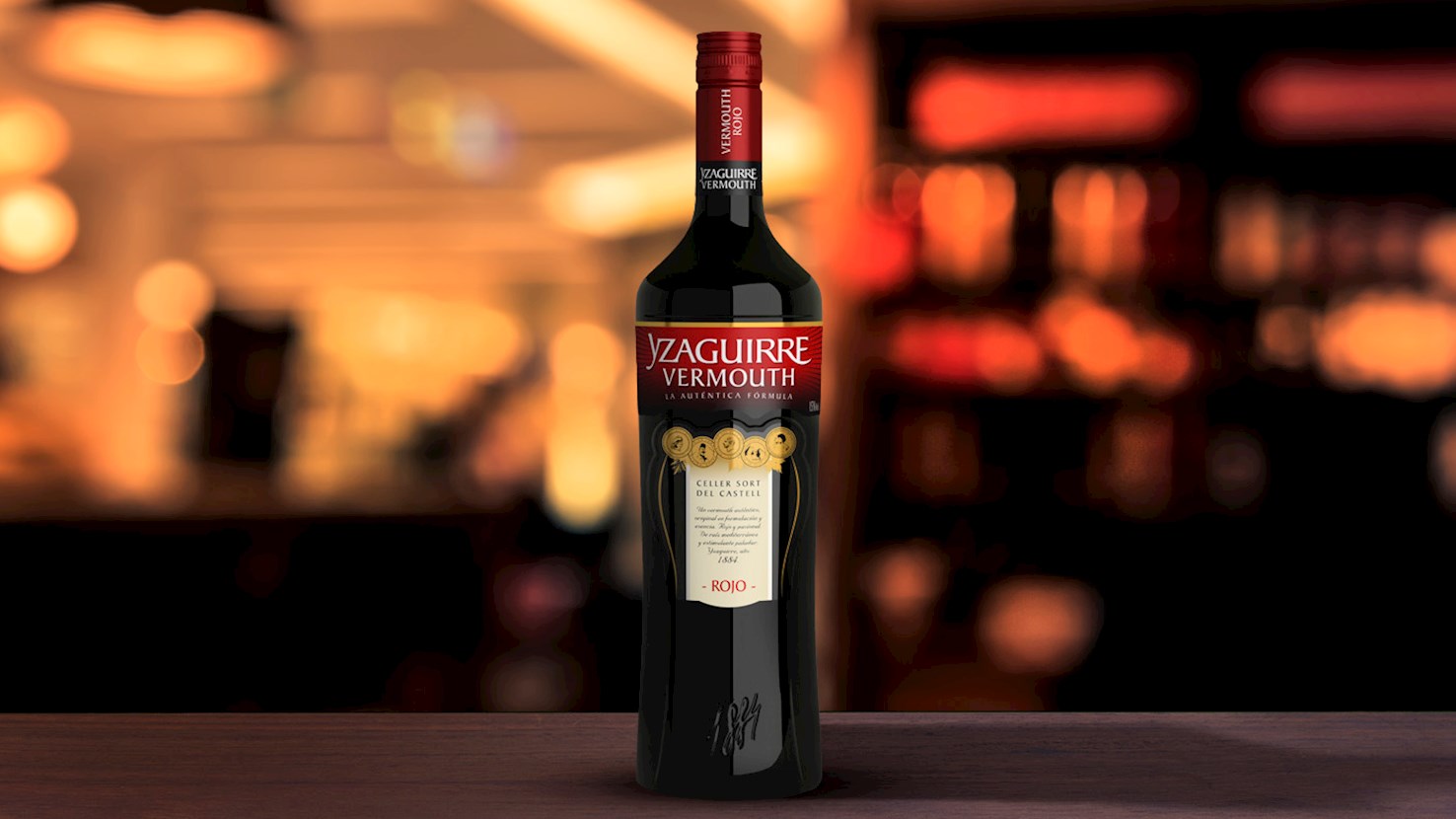
Yzaguirre is often called the oldest vermouth in Spain. It is the first Spanish vermouth brand, and though the company produces several styles, the first and signature label is Yzaguirre Rojo, the sweet (red) vermouth. This classic has been produced since 1884, and it is still one of the most popular varieties on the market. This vermouth starts as a white wine made from the local Macabeo variety that is mixed with herbal macerate and is then left to age in oak. The resulting vermouth is aromatic, smooth, and pleasantly balanced with sweetness and acidity. It has fruity, herbal, and spice aromas with hints of balsamic notes. The finish is long and intense. Yzaguirre is usually enjoyed on the rocks, traditionally with an orange slice or an olive. It is also a great ingredient in cocktails and long drinks.

07

Trifásico

n/a ·

Trifásico or tricolor is a Spanish coffee variety that consists of an espresso shot that is layered with milk and a splash of alcohol. It is often described as a variety of carajillo—which only incorporates coffee and liquor. The most common alcoholic beverages that are added to trifásico include brandy, whisky, rum, or sweet and creamy liqueurs. Trifásico is mostly associated with Catalonia.

08

Grenache Blanc

n/a ·

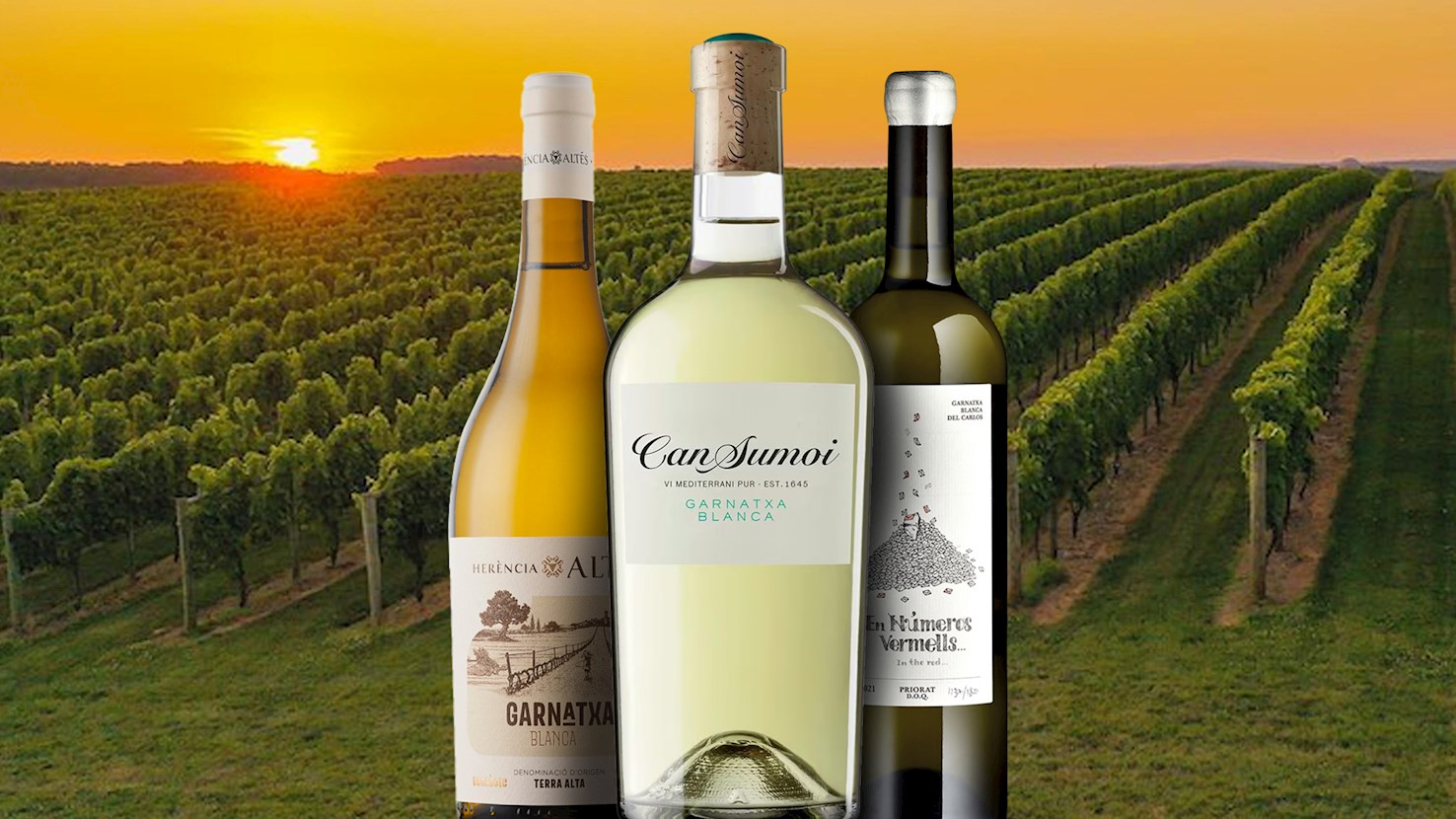
Garnatxa Blanca or Grenache Blanc is a white wine grape variety that is a mutation of the red Garnacha grape. It is predominantly grown in Spain and France, but it is also found in other wine regions around the world. Garnatxa Blanca is known for producing wines that are full-bodied and aromatic with a rich texture and relatively high alcohol content. In terms of flavor profile, Garnatxa Blanca wines often exhibit notes of green apple, pear, citrus (such as lemon and lime), and white flowers. They can also have hints of stone fruits like peach and apricot, along with a distinctive minerality. When aged or fermented in oak, the wines can develop additional flavors of vanilla, almond, and spices. Garnatxa Blanca is particularly significant in the Rhône Valley in France, where it is one of the key grape varieties in white Côtes du Rhône blends. It is also an important component in the white wines of Châteauneuf-du-Pape and other southern Rhône appellations. In Spain, where it is known as Garnatxa Blanca, it is widely planted in regions such as Catalonia and Rioja, often used in both single-varietal wines and blends. The grape's ability to thrive in warm climates makes it well-suited to regions with hot, dry summers. Its thick skin helps it to withstand drought and heat, while its ability to retain acidity ensures that the wines remain balanced and fresh even in warm conditions. Garnatxa Blanca wines are versatile in terms of food pairings. Their full-bodied nature and balanced acidity make them an excellent match for a variety of dishes, including seafood, poultry, pork, and Mediterranean cuisine. They also pair well with creamy sauces, grilled vegetables, and dishes featuring herbs like rosemary and thyme.

09

Sumoll

n/a ·

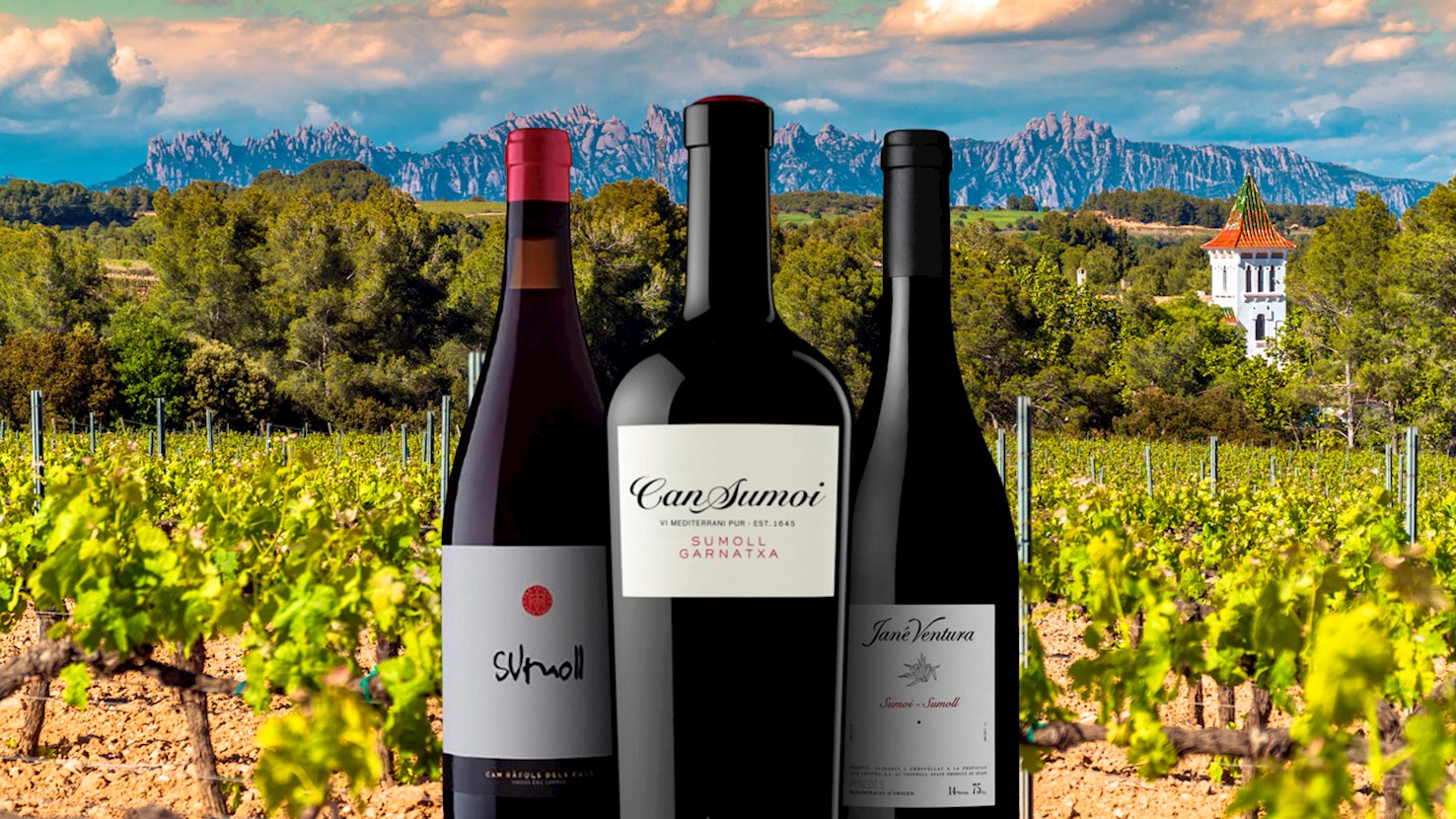
Sumoll is a rare red grape native to Catalonia. It is an old, late-ripening variety that is somewhat finicky to cultivate and vinify. Although it declined in popularity throughout the 20th century, it is still important in Penedès DO, where it is used both in varietals and blends, and for still and sparkling wines. Sumoll will usually result in full-bodied, somewhat rustic red wines. The aroma is fruity, usually with some herbal notes and a mineral character. Sumoll is excellent at retaining freshness, creating lively and bright wines with vibrant acidity. It was proven that Sumoll is identical to Vijariego Nego, a variety grown on the Canary Islands where it is used in several regional appellations. Sumoll-based wines pair with a variety of dishes. They can be served with first courses, and they would be great with various tapas dishes.

10

Trepat

n/a ·

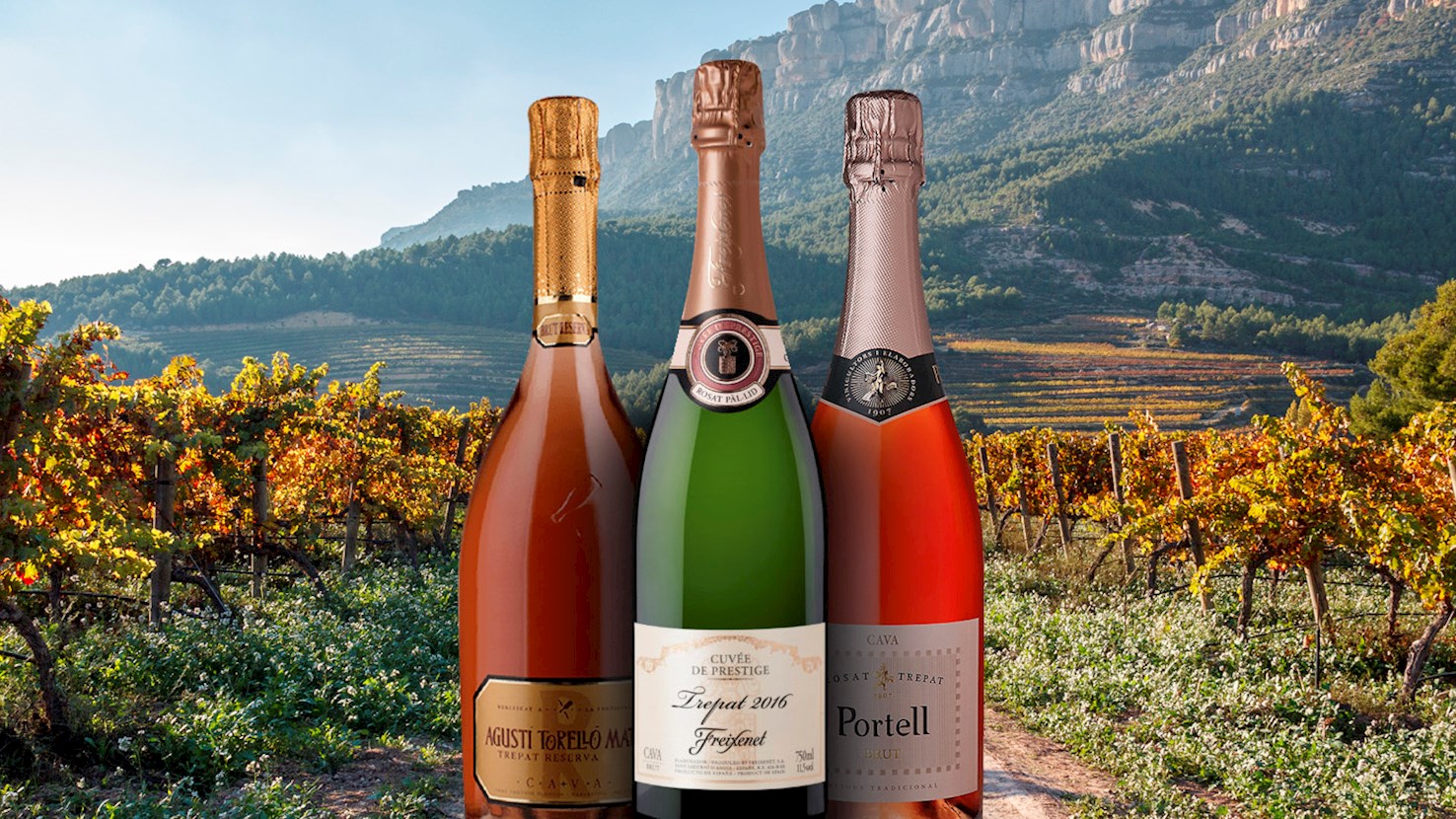
Trepat is a pale red grape variety from Catalonia that is traditionally used for sparkling Cava rosés and dry rosé styles. The grape is most likely native to Conca de Barberà region. Although it is still primarily used for sparkling wines, it is also suitable for still wines that are usually elegant and light in color, body, and alcohol. Sparkling Trepat wines are fresh and light, with fruity notes reminiscent of strawberries, cherries, and raspberries, sometimes with floral nuances and a hint of spice. Both dry and sparkling wines are well-balanced and have a bright, juicy acidity. Trepat wines are best paired with Spanish tapas.

Read more
View all
View map
About this ranking

TasteAtlas food rankings are based on the ratings of the TasteAtlas audience, with a series of mechanisms that recognize real users and that ignore bot, nationalist or local patriotic ratings, and give additional value to the ratings of users that the system recognizes as knowledgeable. For the “Top 100 Catalan Alcoholic Beverages” list until June 15, 2026, 270 ratings were recorded, of which 229 were recognized by the system as legitimate. TasteAtlas Rankings should not be seen as the final global conclusion about food. Their purpose is to promote excellent local foods, instill pride in traditional dishes, and arouse curiosity about dishes you haven’t tried.

The initial list of top producers was compiled based on available reviews, awards, local recommendations, media and blog coverage, and consumer reviews. The list will be updated with ratings from TasteAtlas local ambassadors and TasteAtlas users.

Similar lists