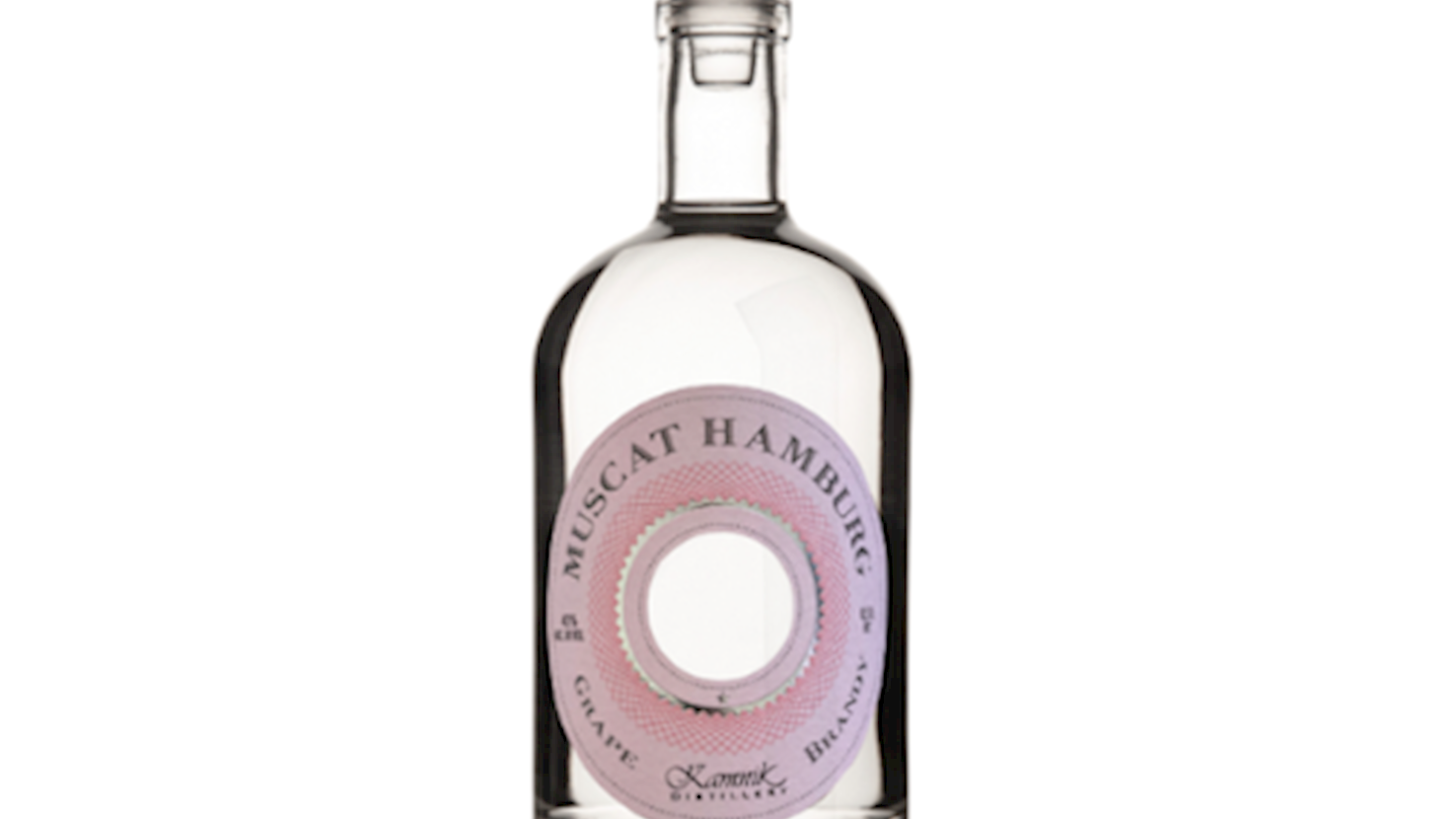
Chateau Kamnik is a modern Macedonian winery located on the hills above Skopje, where the combination of southern exposure, dry summers, and cool nights shapes the character of its wines. The estate covers roughly fourteen hectares planted with both local and international varieties, including Vranec, Merlot, Carménère, Chardonnay, and Temjanika. Production is built on a balance between traditional winemaking principles and contemporary enological techniques, allowing for a precise expression of terroir and consistent quality across vintages. The winery is well known for its barrel-aged red wines with depth and structure, as well as for its aromatic white wines with a fresh, mineral profile. Their Temjanika stands out with pronounced tropical and floral notes, while the premium line offers complex, layered wines suitable for aging. The property also includes the Hunter’s Lodge Kamnik, a space dedicated to tastings, gastronomy, and wine tourism, reinforcing the estate’s reputation as a destination offering a complete and refined wine experience.
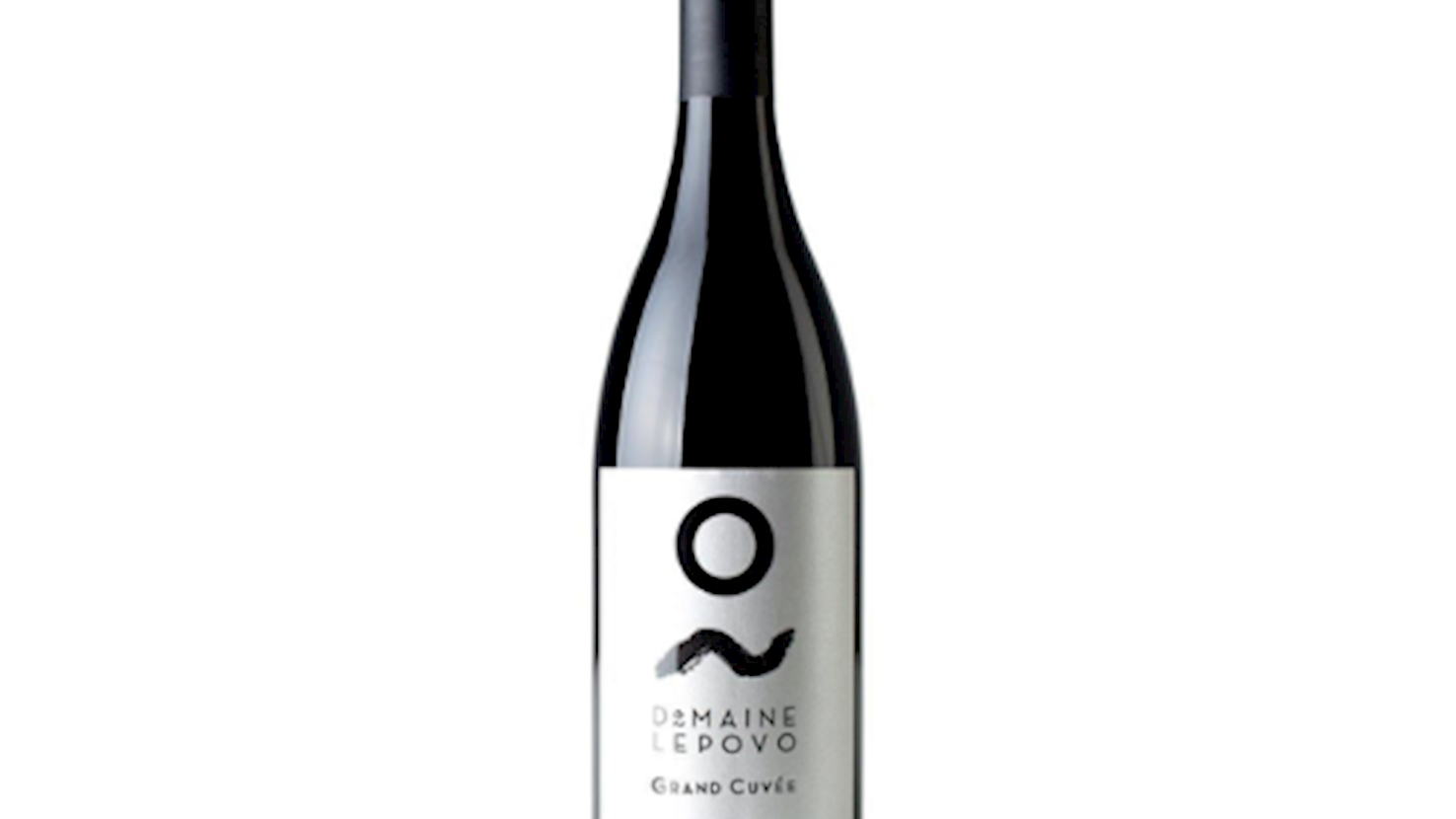
Domaine Lepovo is a boutique winery within Tikveš Winery, located on the hills near Negotino in the Vardar River Valley, where Mediterranean warmth meets cooling night winds that allow slow ripening and high aromatic concentration. The estate covers around 15 hectares planted on sandy-loamy and carbonate soils, giving the wines a defined structure and notable minerality. Production is intentionally small, with full control from vineyard to bottle, ensuring precision, consistency, and a clear stylistic identity. The winery focuses on Chardonnay, Pinot Noir, and the Grand Cuvée red blend, each marked by purity of fruit, layered aromas, and balanced texture. The Chardonnay shows strength and minerality with subtle buttery and stone-fruit notes; the Pinot Noir leans toward elegance with fine earthy nuances; while the Grand Cuvée combines depth and spice into a rich, well-structured whole. Since 2021 the estate has been transitioning to organic production, with an increasing share of grapes coming from certified organic parcels. Limited volumes and a strong terroir-driven approach position Domaine Lepovo among the leading premium wineries in the region, producing wines with a distinctly authentic sense of place.
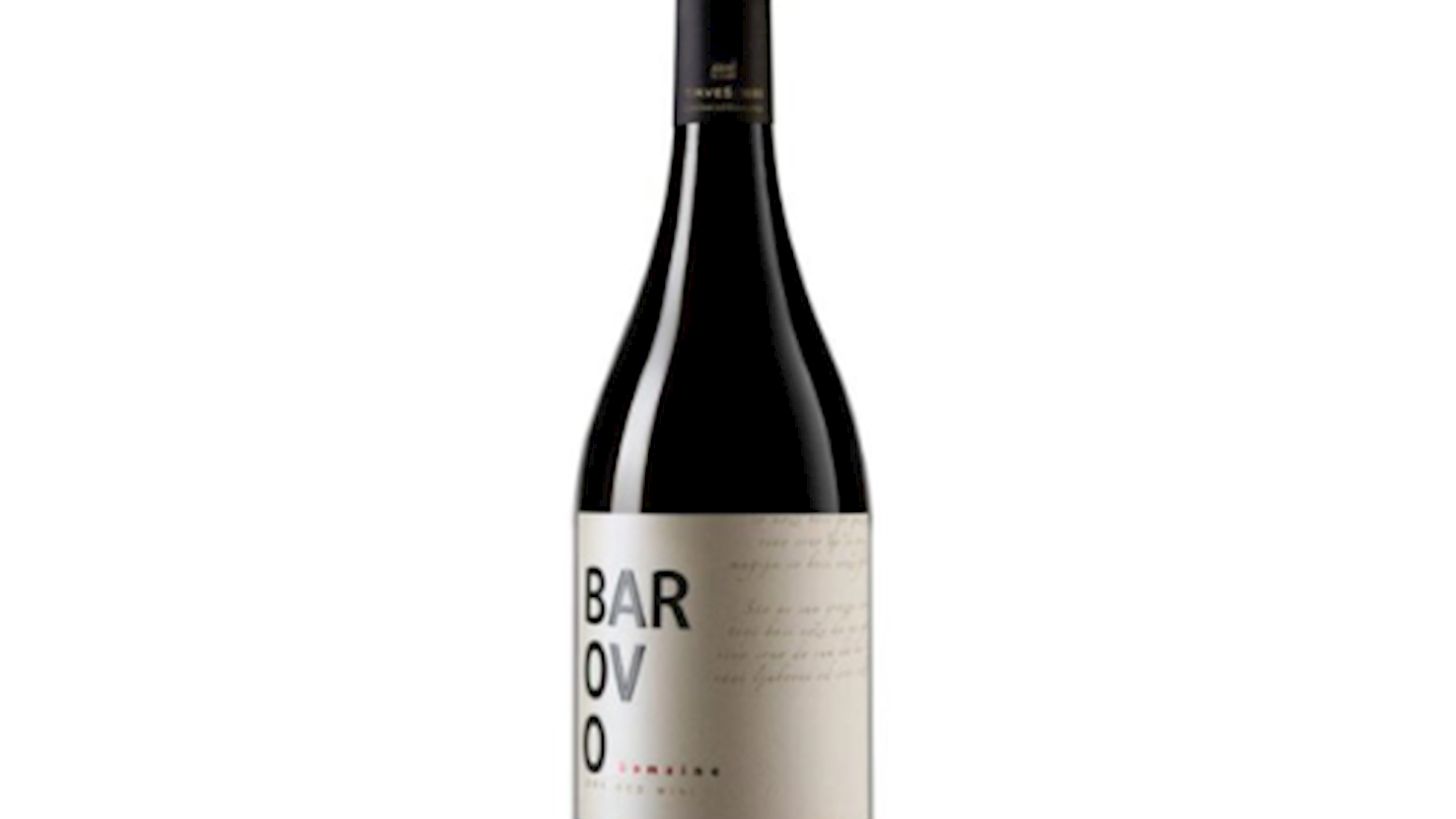
Tikveš is one of the oldest and most influential wineries in the Balkans, founded in 1885 in the heart of the namesake wine-growing region that stretches along the Vardar River valley. The terroir of this area combines continental and Mediterranean influences, allowing the grapes to reach full ripeness while preserving freshness and minerality - characteristics that are evident in nearly all of the winery’s wines. Today, Tikveš manages an extensive vineyard area and stands among the most significant producers in Southeast Europe, with a strong focus on authentic local varieties such as Vranec, Smederevka, and Temjanika. In addition to traditional lines, they develop premium collections, including Barovo, Bela Voda, and Heritage, which represent a contemporary interpretation of the Macedonian terroir. Modern vinification techniques are applied with respect for tradition: selective harvesting, precise fermentation, and careful aging in oak barrels shape wines with notable structure and aromatic depth. Their portfolio covers a wide range of styles - from fresh, easy-drinking white and aromatic wines to full-bodied, robust red labels. The wines often reveal notes of ripe fruit, subtle spice, and a specific minerality that reflects the character of Macedonian soil. Tikveš has also built a strong wine-tourism segment, offering tastings, a restaurant, and cellar tours that showcase both its historical roots and technological evolution. Despite its size, the winery has retained a distinct identity based on the authenticity of local varieties and a modern approach to production.
Awards
Decanter World Wine Awards - Platinum
(2022, 2018)
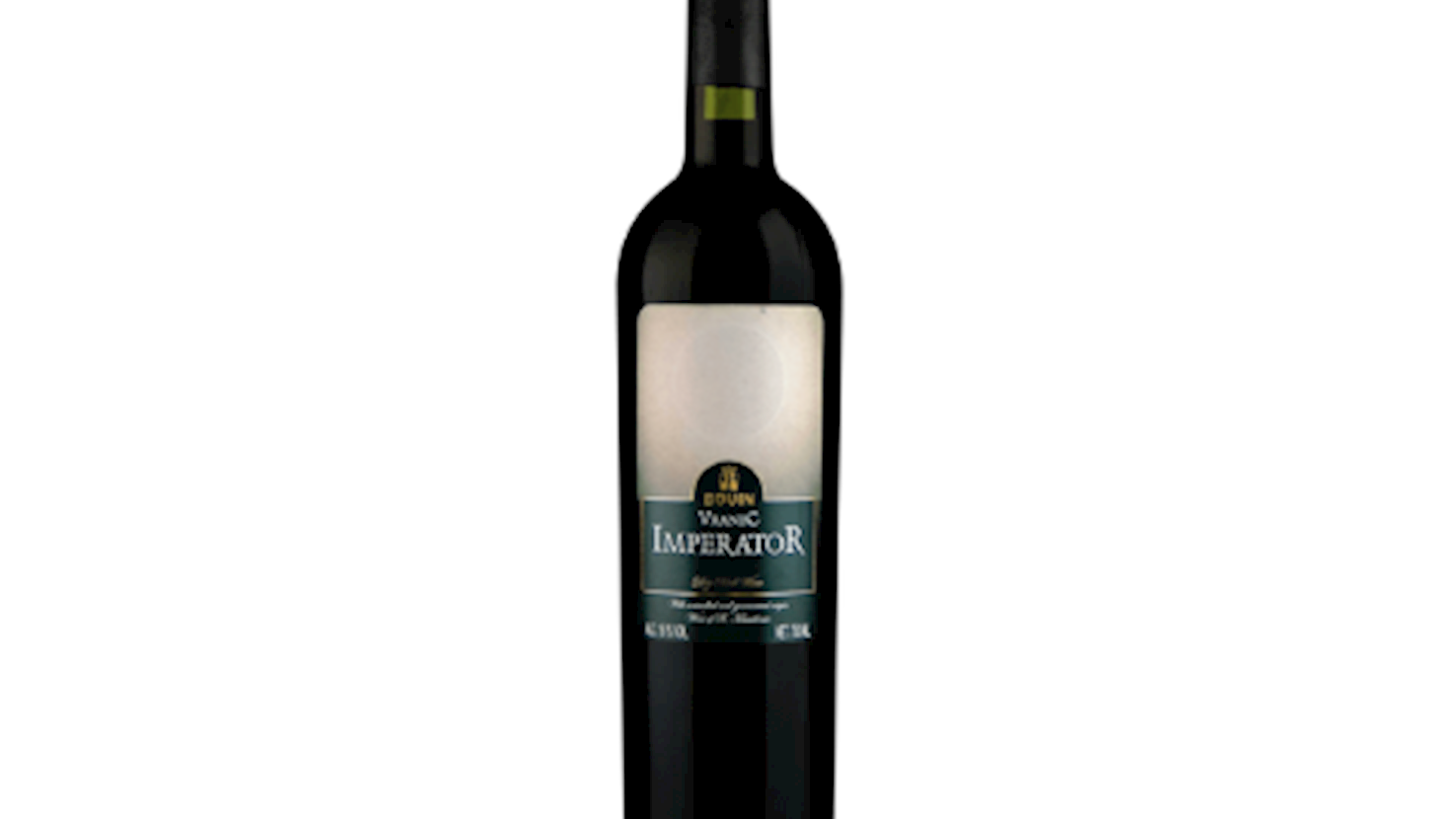
Bovin Winery is the first private winery in North Macedonia, founded in 1998 in the Tikveš wine region, where the dry climate and long, warm summers support the development of high-quality grapes. With around sixty hectares of vineyards and a diverse portfolio of varieties - including Vranec, Cabernet Sauvignon, Merlot, Shiraz, and Tempranillo - the winery produces a wide range of red, white, and rosé wines, with a strong emphasis on concentrated, well-structured reds suited for aging. What began as a production of 120,000 bottles has grown to approximately 1.5 million bottles per year, positioning Bovin among the country’s leading producers. Their approach combines modern technology with sustainable viticultural practices and strict quality control from vineyard to bottle. The assortment spans classic, premium, and special lines, including dessert wines, allowing the brand to cater to different markets and tastes while exporting to dozens of countries worldwide. Bovin Winery represents a successful modern expression of Macedonian winemaking—rooted in authentic local varieties, defined by consistent quality, and shaped by the distinctive Tikveš terroir.
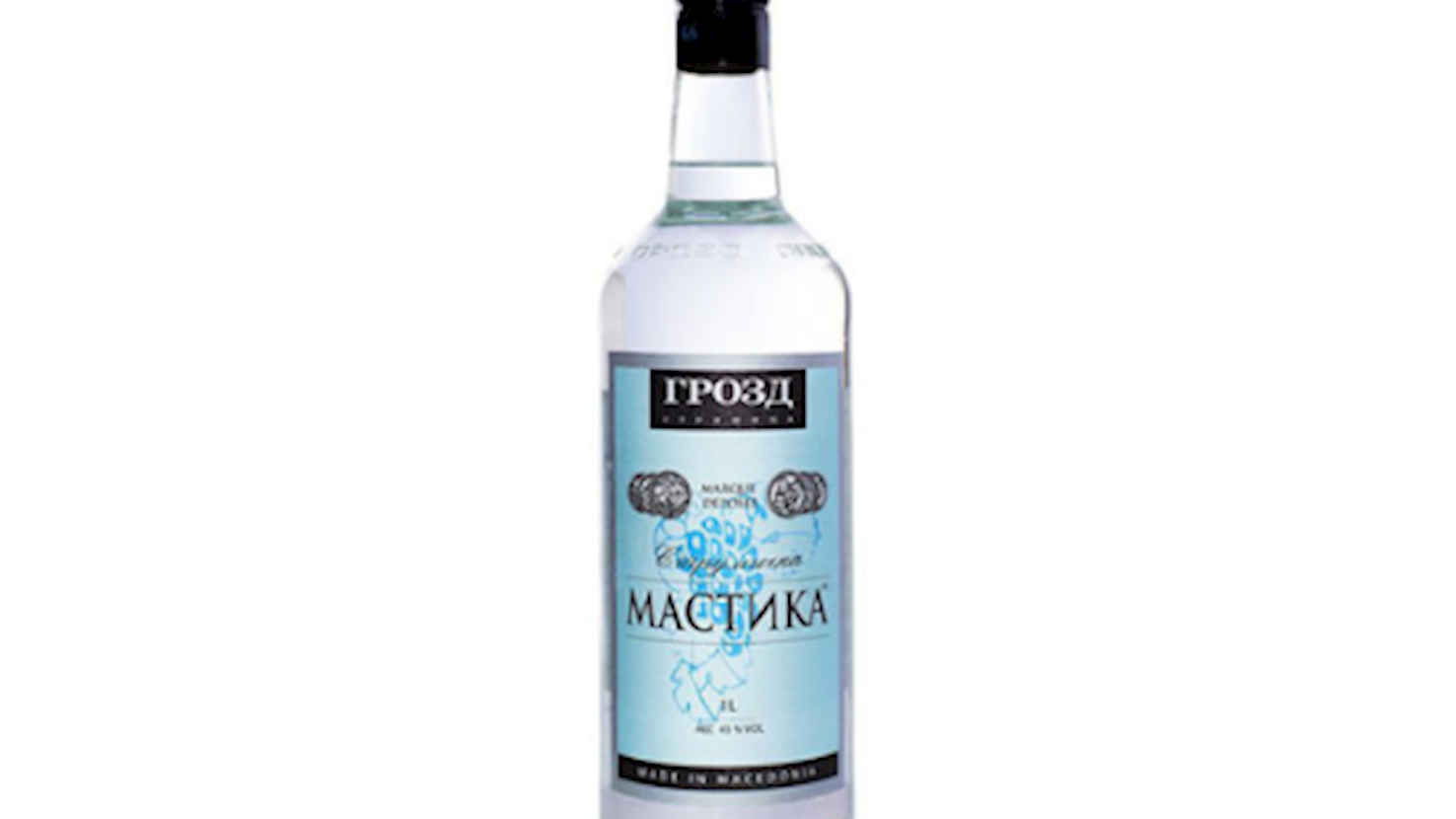
Grozd is one of the oldest and most recognizable Macedonian wineries and beverage producers, founded in 1953 and known for its long-standing tradition that spans the production of wine, rakija, juices, and non-alcoholic drinks. Their vineyards cover approximately 700 hectares in the Strumica–Radoviš wine region, an area whose Mediterranean-continental climate allows grapes to ripen slowly and develop pronounced color and aromatic complexity. Their portfolio includes well-known varieties such as Chardonnay, Merlot, Vranec, and Muscat, all characterized by an approachable, clean, and balanced flavor profile. In addition to wine, Grozd is renowned for Strumica Mastika, a traditional anise-based spirit with a strong local identity. Modern technology, consistent quality, and an extensive distribution network have contributed to Grozd’s status as a regionally significant producer whose products blend tradition, authenticity, and a contemporary approach to production.
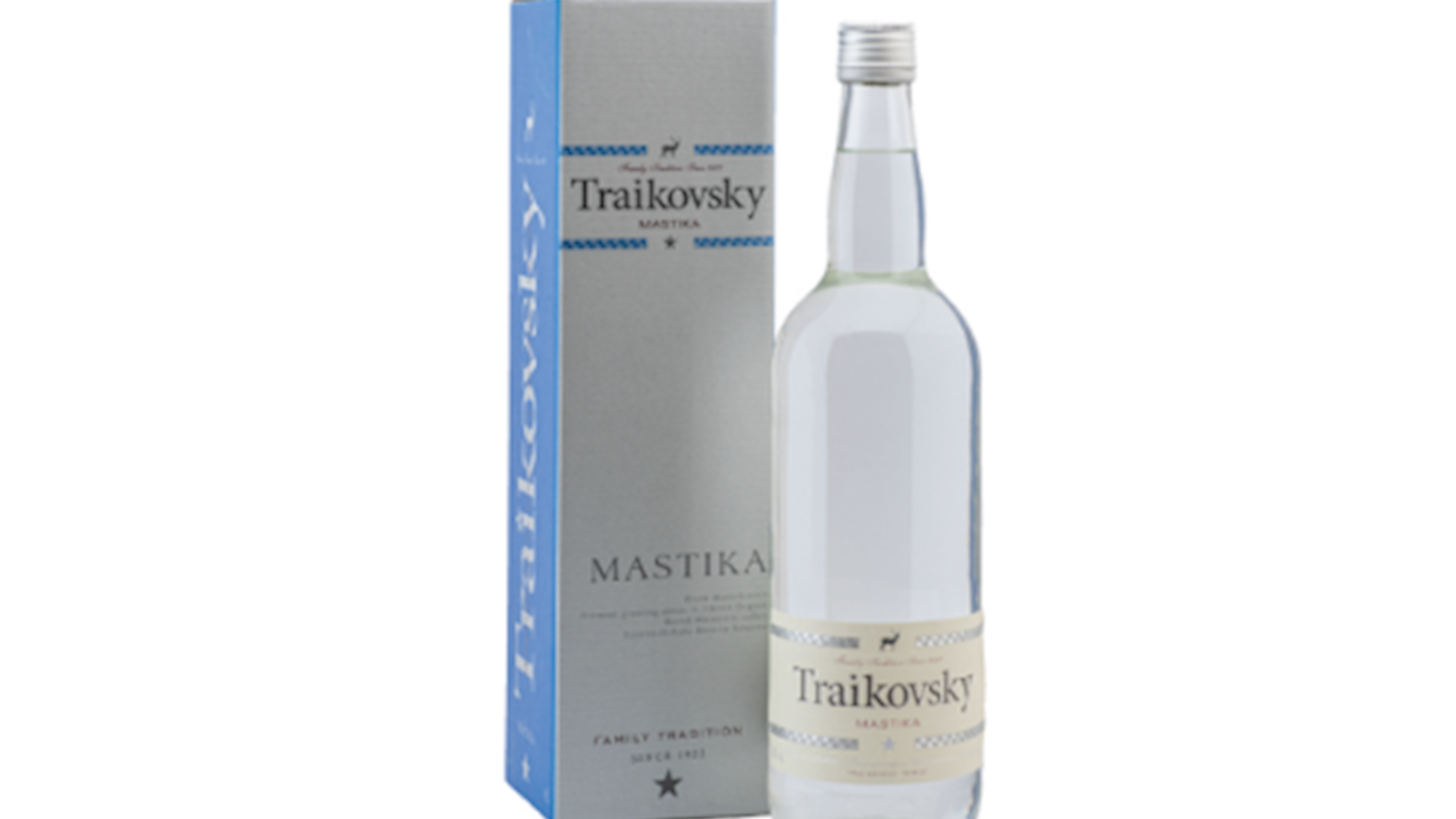
Traikovsky Wines & Spirits is a family-run winery and artisanal distillery located in the village of Krnjevo, in the mountainous Kozuf region of North Macedonia, where heritage and recipes have been passed down since 1922. Their production is based on hand-harvested grapes, double distillation in traditional copper stills, and ageing the distillates for a minimum of three years in oak barrels, resulting in exceptional purity and a layered aromatic profile. Beyond production, Traikovsky embraces rural eno-gastronomic tourism, offering tastings, traditional cuisine, and an authentic mountain setting as part of the visitor experience. The blend of long-standing tradition, craftsmanship, and distinct local terroir positions Traikovsky as a notable and respected producer within the Macedonian wine and spirits scene.
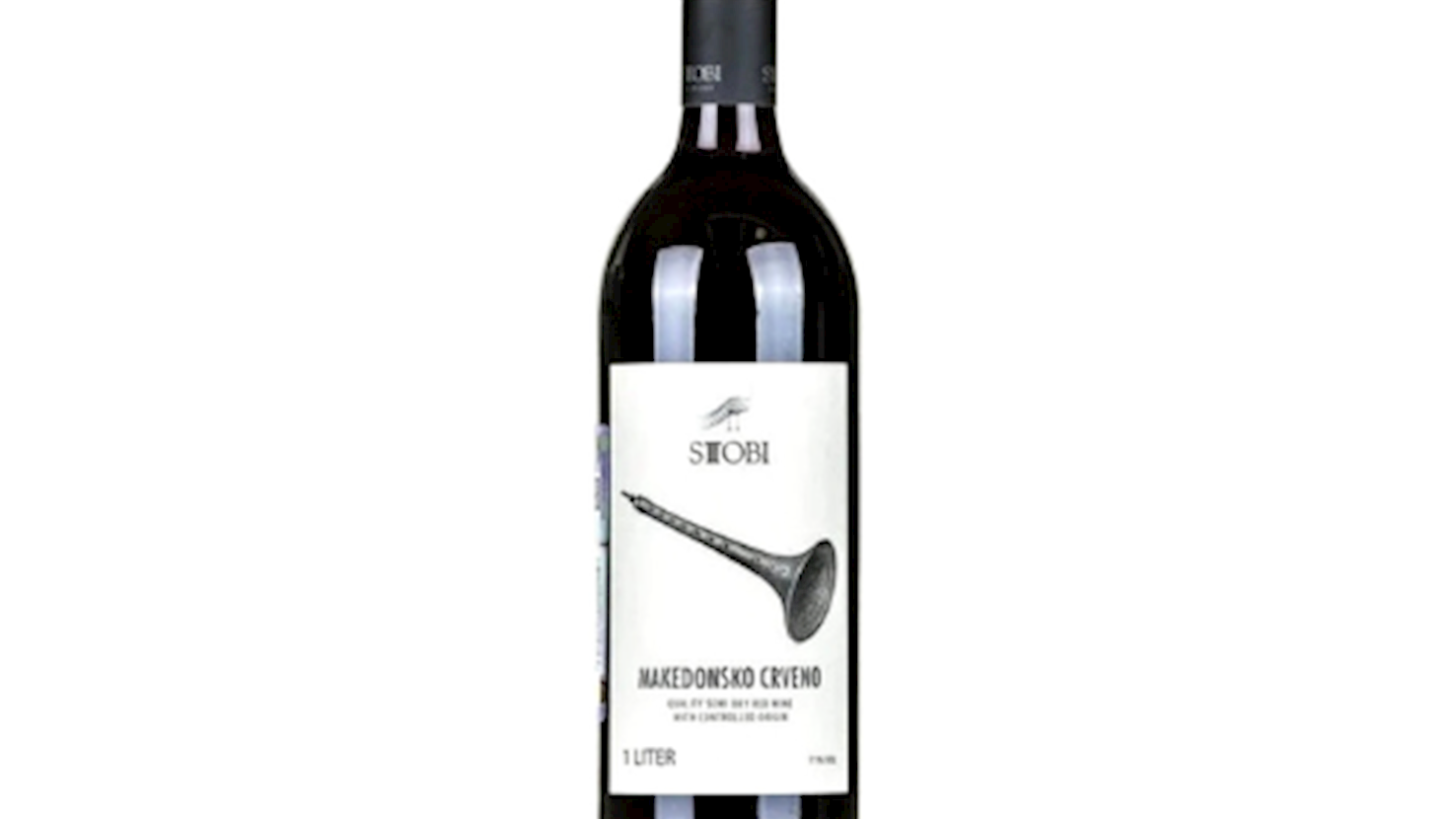
Stobi Winery is a modern winery located in the Tikveš wine region, near the archaeological site of Stobi, which gives the estate a distinct cultural and geographical identity. Founded in 2009, it is now one of North Macedonia’s largest and most technologically advanced producers, with an annual capacity of about 4.5 million liters and approximately 600 hectares of vineyards. The portfolio includes a wide range of local and international varieties - such as Vranec, Cabernet Sauvignon, Merlot, Syrah, Temjanika, Zilavka, and Chardonnay - organized into several lines, from classic to premium and elite. Stobi combines contemporary winemaking technology with controlled production from its own vineyards, ensuring consistent quality and a clear expression of the Tikveš terroir. Beyond winemaking, the estate has developed a strong wine-tourism offering through guided tastings, cellar tours, and a restaurant focused on local cuisine. With this approach, Stobi stands as one of the leading ambassadors of Macedonian wine on the international scene.
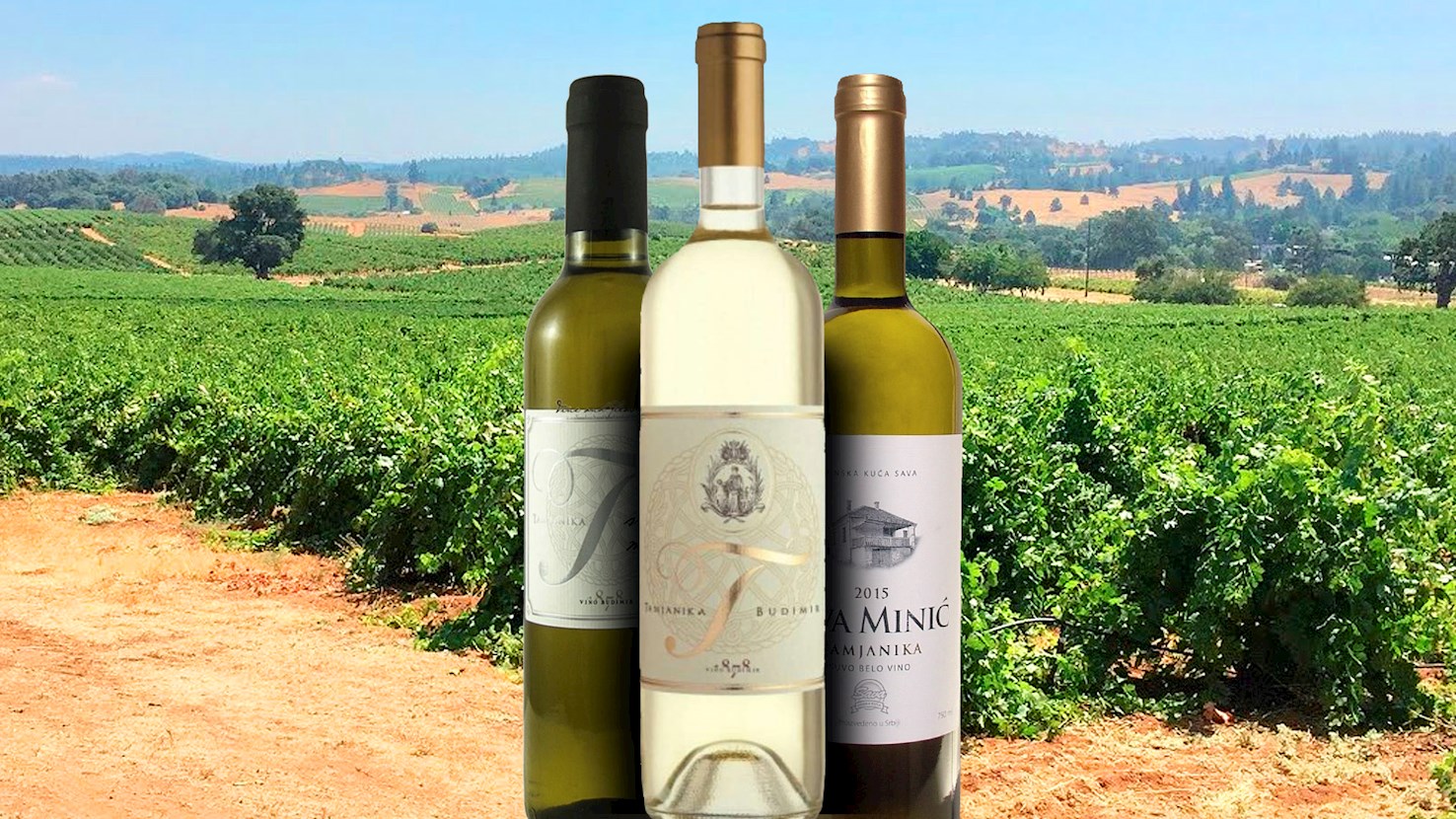
Although it is sometimes dubbed as a native Serbian grape, Tamjanika is often said to be a local clone of Muscat Blanc à Petits Grains, but its origins remain relatively unknown and unconfirmed. It is grown in Serbia and North Macedonia, and it is mostly used in the production of dry varietal wines. These white wines are typically light, floral, and refreshing. They usually display aromas and flavors of white or citrus fruit that are complemented by bright acidity. Tamjanika should always be served well chilled, and it pairs best with white meat or fish, but it can also be an excellent match to desserts, especially those made with hazelnuts, walnuts, or almonds. The name of the grape stems from the local term for frankincense (tamjan), presumably because of the strong spicy scent of grapes. Although red-skinned Tamjanika also exists, it is quite rare, but often said to be of exceptional quality.
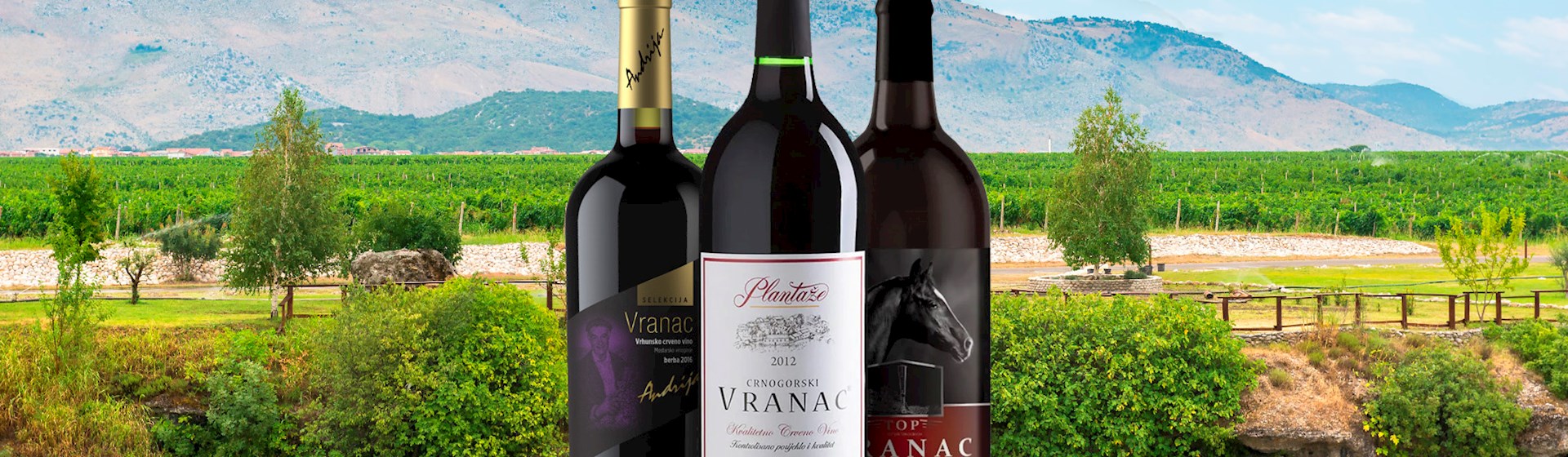
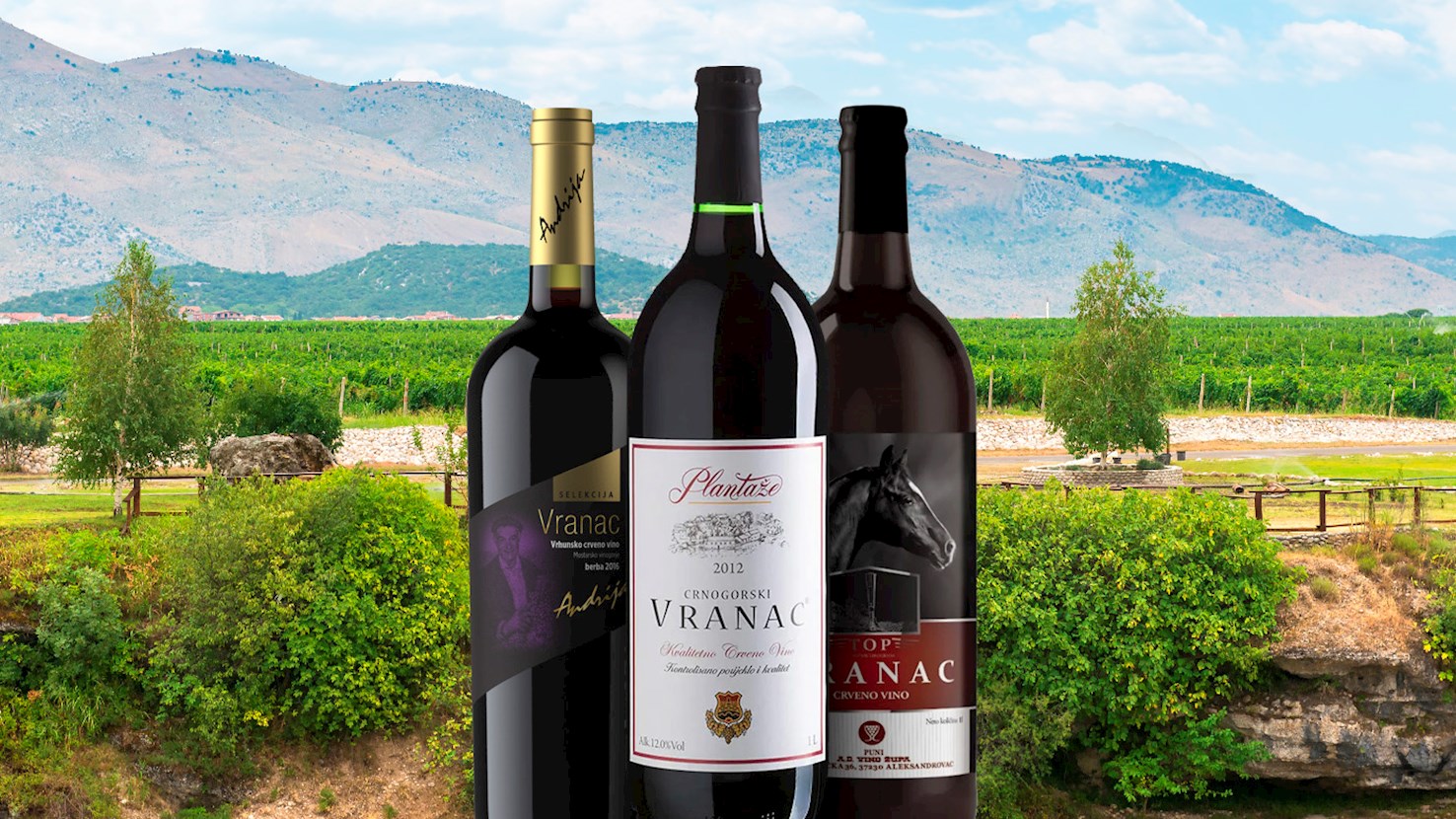
Vranac is a red grape variety most likely native to Montenegro. It is assumed that it originated around Lake Skadar, but it is also an important variety in several Balkan countries and regions, primarily in North Macedonia, Herzegovina, southern Croatia, and Serbia. The grape probably has ancient origins because it is related to several regional varieties, including Crljenak kaštelanski, also known as Tribidrag, Zinfandel, and Primitivo. Vranac produces intensely colored and full-bodied red wines typically high in alcohol with lively and bright acidity. On the nose and the palate, they display fruity notes reminiscent of cherries and blackberries. These wines have excellent aging potential and usually gain complexity and character. The tannins tend to soften, and the aroma attains the notes of ripe fruit, spices, and licorice. Vranac is best paired with red meat, game, lamb roast, and cured meat.
Mastika is a clear, aromatic spirit produced in Bulgaria, North Macedonia, and parts of Serbia, flavored with mastic resin, anise, or a combination of the two. It is widely consumed in bars, restaurants, and homes throughout the Balkans and is bottled by both large commercial distilleries and smaller local producers. The alcohol content usually ranges between 40 and 50 percent, and the drink is known for its sweet aroma, mild herbal character, and the distinct resinous note imparted by mastic. Although mastika shares certain characteristics with Mediterranean anise spirits such as ouzo and rakı, it has its own established profile within Balkan drinking culture, shaped by local taste preferences and regional distilling practices. Mastika emerged within the broader distillation traditions of the Balkans, where grape-based spirits such as rakia have long been produced. Distillers began flavoring clear spirits with mastic resin brought from the eastern Mediterranean or with anise grown in the region. Bulgaria adopted mastika on a large scale, incorporating it into commercial production during the twentieth century, while North Macedonia developed its own variations. The use of mastic resin distinguished it from other flavored spirits in the region, and the drink gained popularity as a flavored alternative to grape brandy. In some areas, producers used anise either to enhance the flavor or to replace the resin when supplies were limited, resulting in a range of styles that vary from strongly resinous to predominantly anise-based. Mastika is made by infusing a distilled base spirit—typically derived from grapes or grain—with mastic resin or aniseed. The flavoring may be added directly to the alcohol or combined before a second distillation that clarifies the spirit and concentrates its aroma. Some producers add sugar to achieve a smoother, slightly sweet finish. When mixed with water or ice, mastika often becomes cloudy due to the separation of essential oils, a characteristic shared with other anise-flavored spirits. Its flavor is both sweet and herbal, with a soft resin note that defines the drink in its resin-forward versions. Mastika is consumed across the Balkans as an aperitif or a social drink, commonly served chilled or over ice. It can be mixed with water to reduce its intensity or consumed neat in small glasses. It is paired with salads, grilled meats, cheeses, olives, and other small appetizers found in Balkan cuisine. In warm months, it is frequently enjoyed outdoors and in casual social settings, while in restaurants it accompanies shared dishes and light starters. Outside the region, mastika appears in Balkan specialty restaurants and among communities maintaining regional drinking customs, where it is valued for its distinctive combination of sweetness, resin, and herbal notes.
TasteAtlas food rankings are based on the ratings of the TasteAtlas audience, with a series of mechanisms that recognize real users and that ignore bot,
nationalist or local patriotic ratings, and give additional value to the ratings of users that the system recognizes as knowledgeable.
For the “Top 7 Macedonian Alcoholic Beverages” list until June 02, 2026, 76 ratings were recorded, of which 39 were recognized by the system as legitimate.
TasteAtlas Rankings should not be seen as the final global conclusion about food. Their purpose is to promote excellent local foods,
instill pride in traditional dishes, and arouse curiosity about dishes you haven’t tried.
The initial list of top producers was compiled based on available reviews, awards, local recommendations, media and blog coverage, and consumer reviews.
The list will be updated with ratings from TasteAtlas local ambassadors and TasteAtlas users.