Top 12 German Ales

Last updated on May 30, 2026

Best German Ales

01

Spaten-Franziskaner-Bräu

4.8 ·
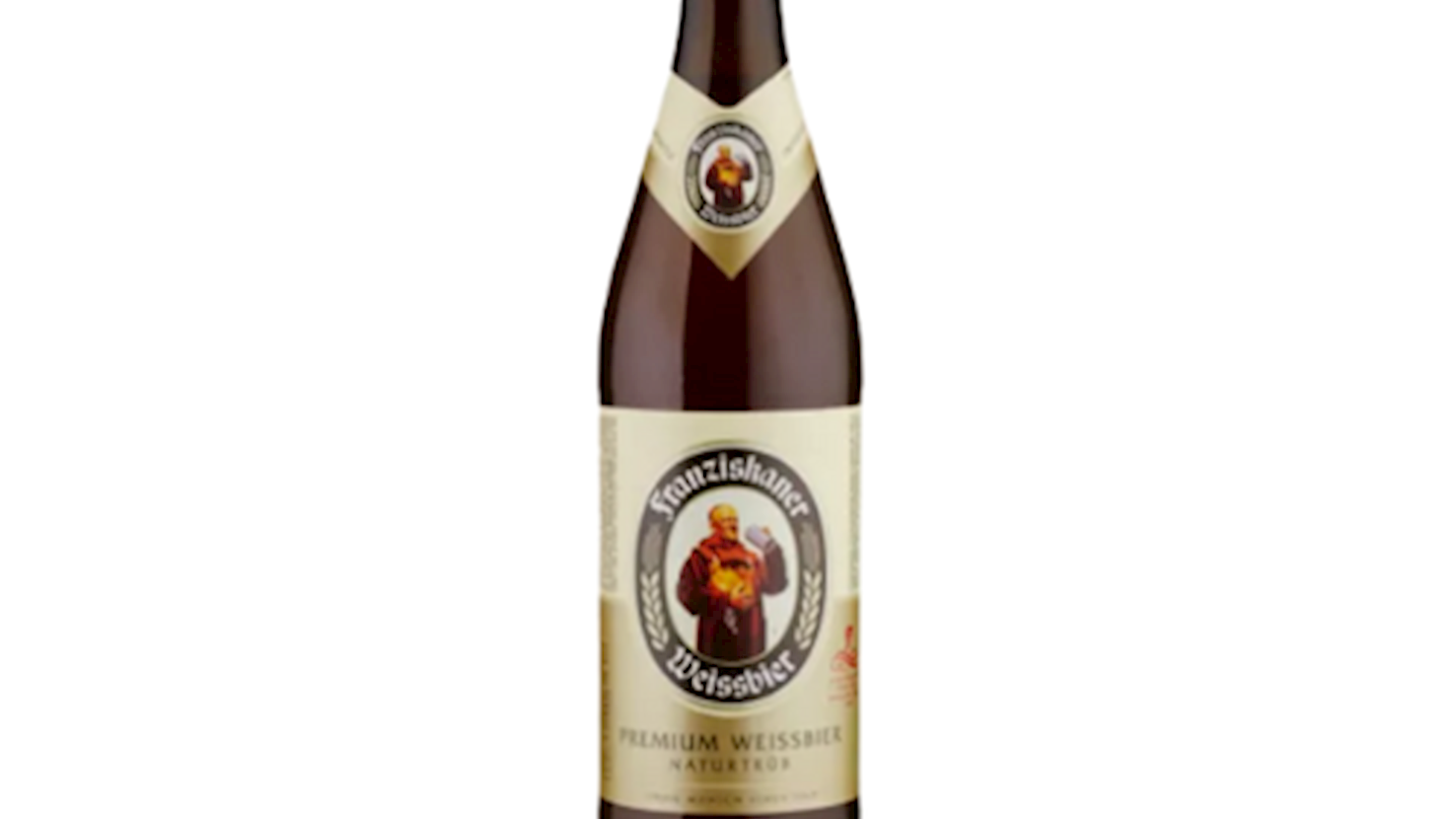
Spaten-Franziskaner-Bräu is one of Munich’s oldest breweries, with a tradition dating back to 1397, and today stands as a symbol of Bavarian brewing heritage and technical precision. Over the centuries, the brewery has been a pioneer in introducing new production methods, including the early use of steam power and later the development of cooling systems that enabled the rise of modern lager styles. Spaten-Franziskaner-Bräu is particularly credited with popularizing Münchener Helles, a beer known for its clean, mild, and balanced flavor that has become one of Munich’s signature beer profiles. In production, the brewery strictly follows the 1516 Reinheitsgebot, using only deep-well water, malt, Hallertau hops, and its own yeast culture. Spaten-Franziskaner-Bräu maintains a clear aromatic line across its lagers - gentle grain notes, subtle floral hop character, and exceptional drinkability. For lovers of traditional German lagers, Spaten-Franziskaner-Bräu offers steady, recognizable, and historically grounded quality. Its labels are considered classic examples of the style and often serve as a reference point for understanding Bavarian lager heritage. For these reasons, Spaten-Franziskaner-Bräu continues to be one of the key benchmarks when discussing longevity, consistency, and authenticity in German brewing.
Awards
World Beer Cup - Gold (2016)
Untappd - 3.6
02

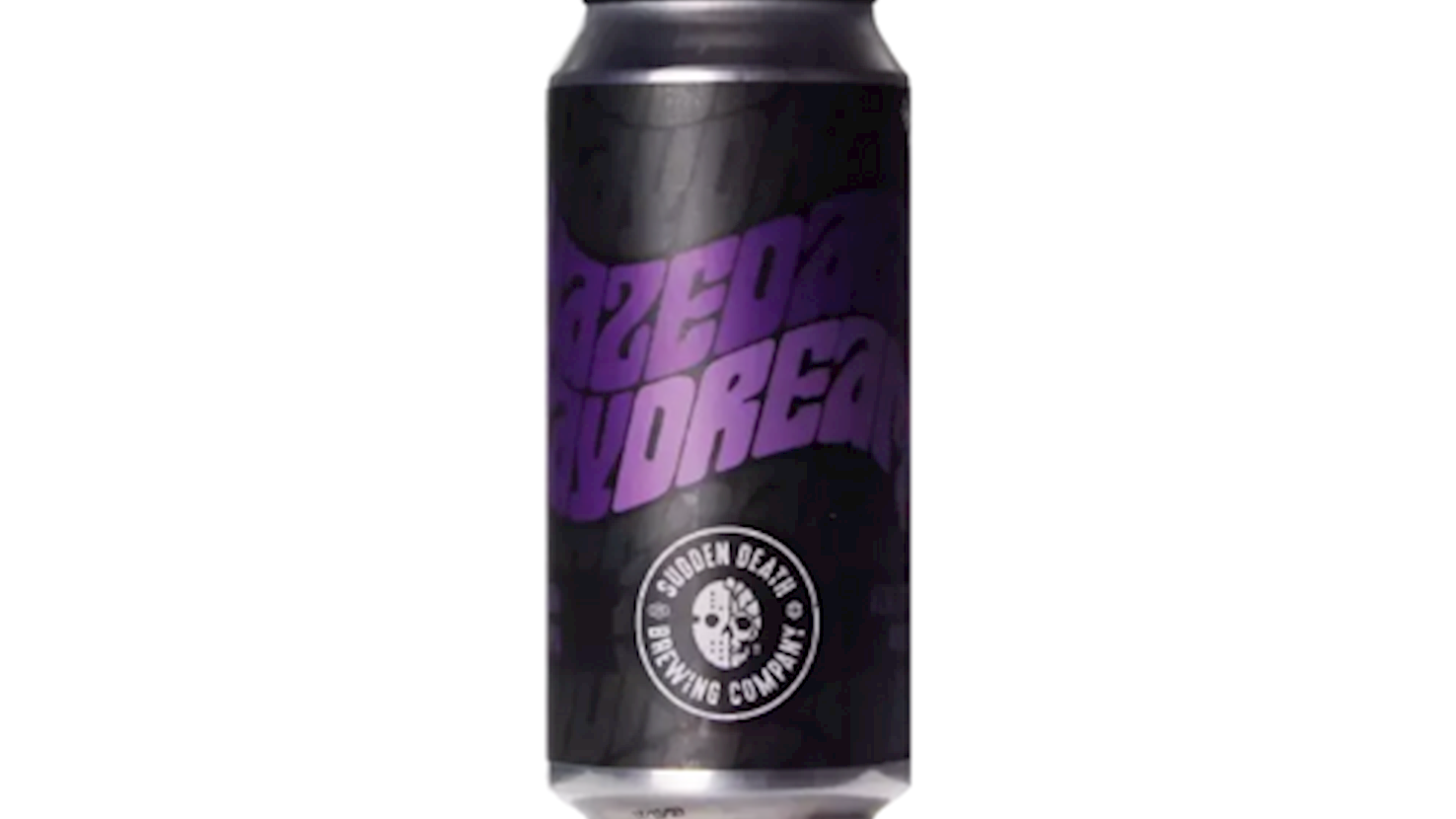
Sudden Death Brewing

4.7 ·
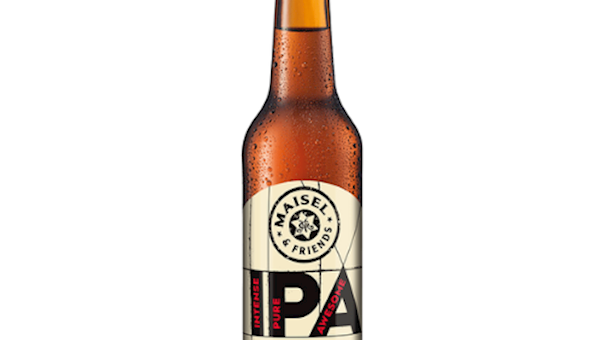
Sudden Death Brewing is an independent craft brewery from the German city of Lübeck, known for its energetic and modern approach to brewing. It was founded by Oliver Schmökel and Jan Eric Nagel, longtime friends and hockey enthusiasts, who developed their first recipes at home after traveling through the United States and discovering the American IPA scene. The brewery focuses on highly hopped and aromatic styles, primarily IPA, Double IPA and DDH IPA, though their portfolio regularly includes sour ales, stouts and lagers as well. Their beers are often intensely fruity, juicy and packed with tropical hop aromas, setting them apart from the classic German brewing tradition. In the Werftquartier Gollan industrial area, they opened a taproom and brewpub - a space that combines beer, food and music, with around twenty rotating taps. Limited releases and collaborations with other breweries are a key part of their approach and have significantly contributed to their popularity on the European craft scene. Sudden Death does not chase mass production; instead, they release small-batch beers where they experiment with different hops and fermentation techniques. Despite that, their beers are now available in several countries and frequently appear at craft beer festivals. The brewery positions itself between German precision and American creativity, making it attractive for beer enthusiasts who seek modern and intense styles. Sudden Death Brewing exemplifies how a hobby and experimentation can evolve into a brewery with a clear identity and a loyal following. The result is a brand that brings energy, humor and strong character to every beer.
Awards
Untappd - 4.0
03

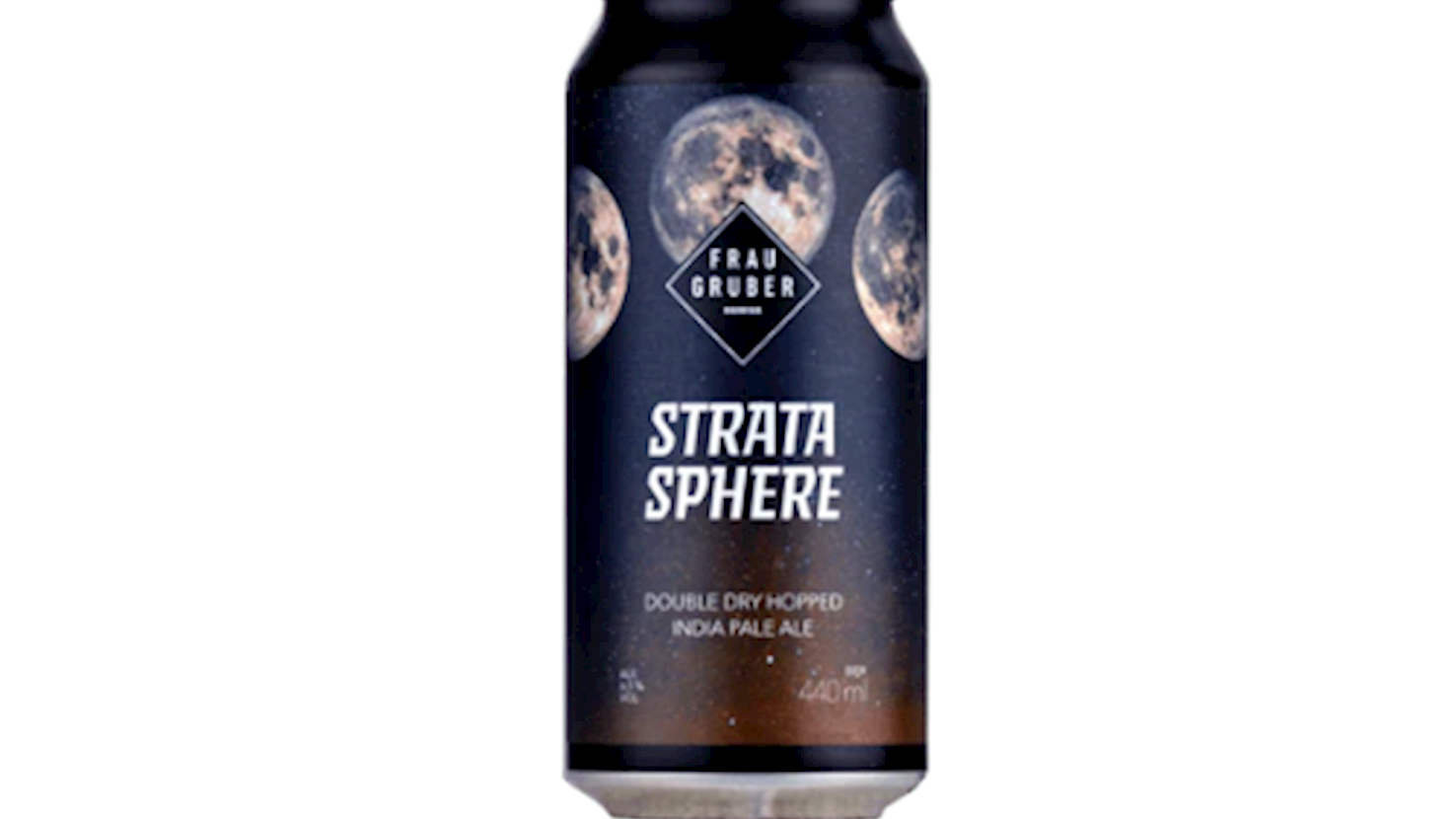
FrauGruber Brewing

4.7 ·
FrauGruber Brewing is an independent craft brewery from Gundelfingen in Bavaria, founded in 2017 by Enzo Frauenschuh and Matthias Gruber. They started as a “gypsy brewer”, using other breweries’ facilities, but soon opened their own production site to gain full control over the process. Their portfolio covers a wide range of styles - from clean, precise pilsners and helles lagers to modern hazy IPAs and robust barrel-aged stouts. FrauGruber is known for using high-quality hops, particularly from the U.S. and Australia, resulting in pronounced tropical and citrus aromas in their IPA series. While their focus is on innovation, they rely on German technical precision and fermentation control, which brings clarity of flavor without unnecessary aggression. Their seasonal and limited releases are frequently produced in small batches and often sell out quickly. The brewery’s visual identity is exploratory and modern - labels are stylized and minimal, yet instantly recognizable. An online shop enables distribution across Europe, contributing to their presence beyond Germany. FrauGruber collaborates with breweries in other countries, including Denmark, Italy and the United States, allowing constant learning and exchange of expertise. Their IPA releases tend to be juicy with a soft bitterness, while the stouts incorporate layers of chocolate, coffee and caramel. Despite the modern approach, the beers remain balanced and approachable for a wide audience.
Awards
Untappd - 4.0
04

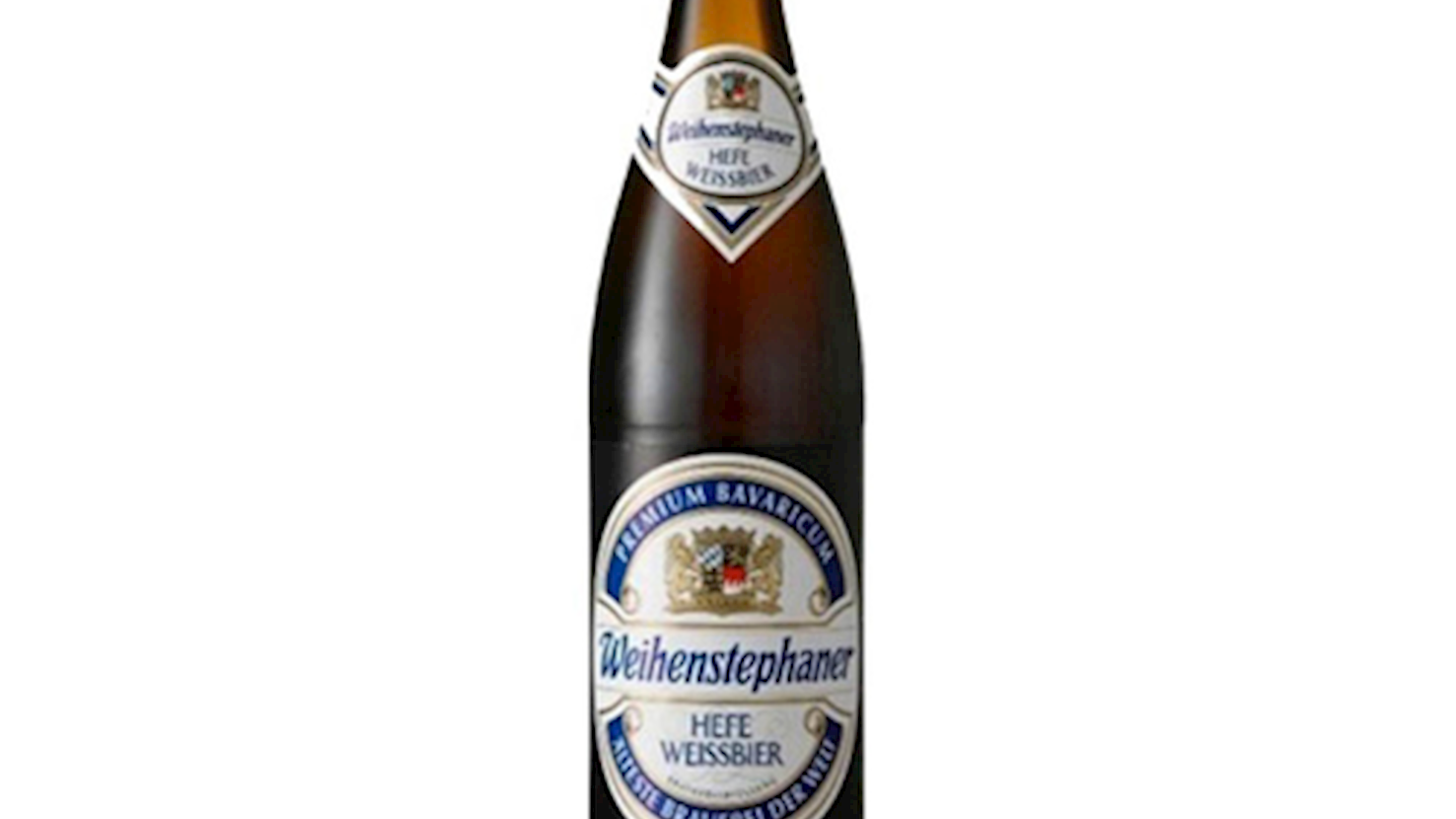
Bayerische Staatsbrauerei Weihenstephan
4.5 ·
Bayerische Staatsbrauerei Weihenstephan is the oldest still-operating brewery in the world, located in the town of Freising, in the German federal state of Bavaria. Its origins date back to the year 1040, when the Benedictine monastery of Weihenstephan received official permission to brew and sell beer, although records suggest brewing activity on the site existed several centuries earlier. Today, Weihenstephan operates as a state-owned brewery under the authority of Bavaria and is closely affiliated with the Technical University of Munich, which houses the renowned Faculty of Brewing and Fermentation Science. The brewery combines a thousand-year-old tradition with the latest brewing technology, producing high-quality beers in accordance with the German Beer Purity Law (Reinheitsgebot). Its most famous product is Weihenstephaner Hefeweissbier, an unfiltered wheat beer known for its rich aromas of banana, clove, and bread. The brewery is situated on Weihenstephan Hill above Freising and is open to visitors, offering guided tours and tastings that showcase the intersection of science, craftsmanship, and history. As a symbol of German brewing heritage, Weihenstephan not only preserves its legacy but also sets global standards for beer quality and excellence.
Awards
Beer Advocate - 98 World-Class
Beer Advocate - 95 World-Class
05

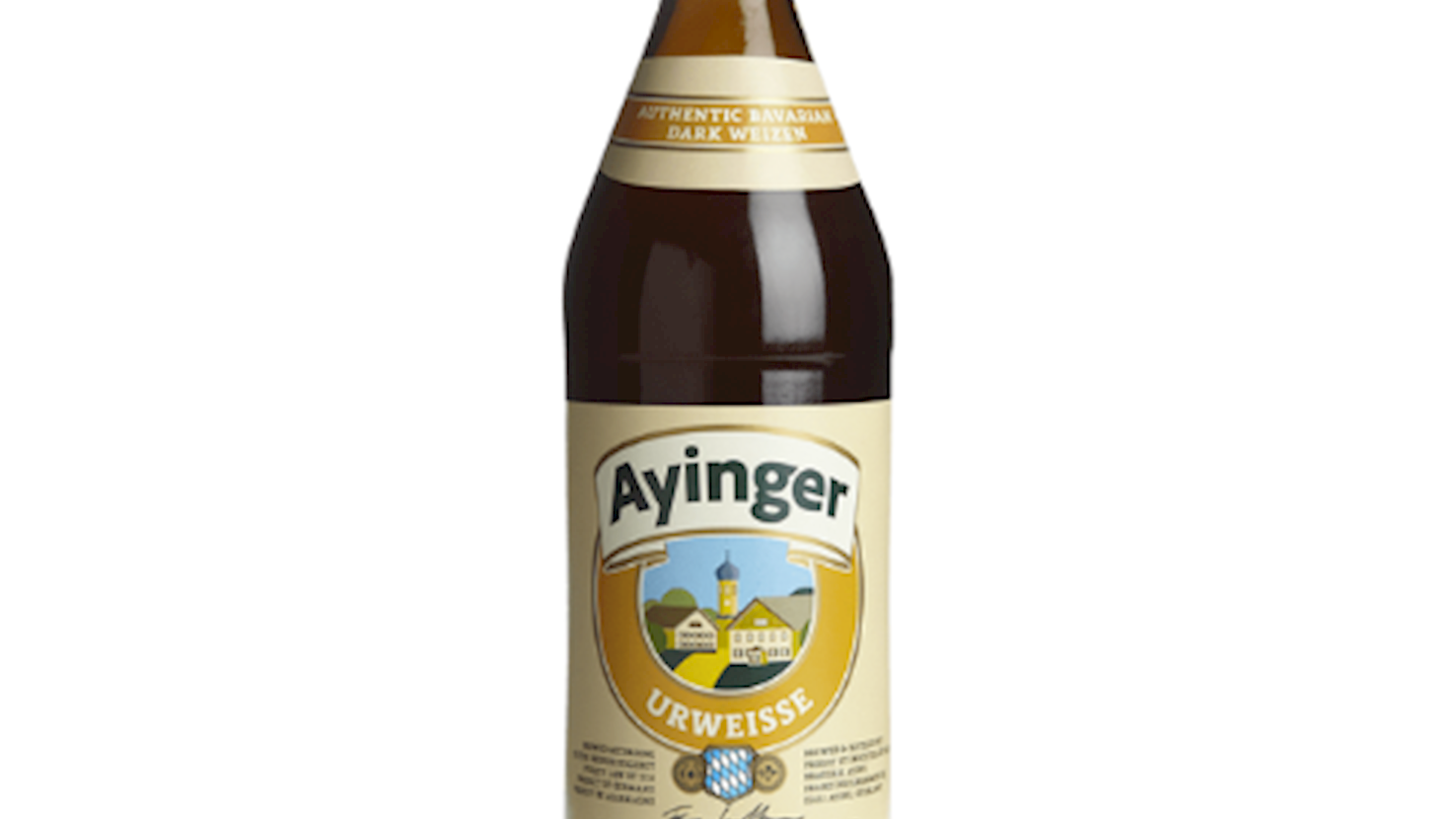
Ayinger Privatbrauerei

4.5 ·
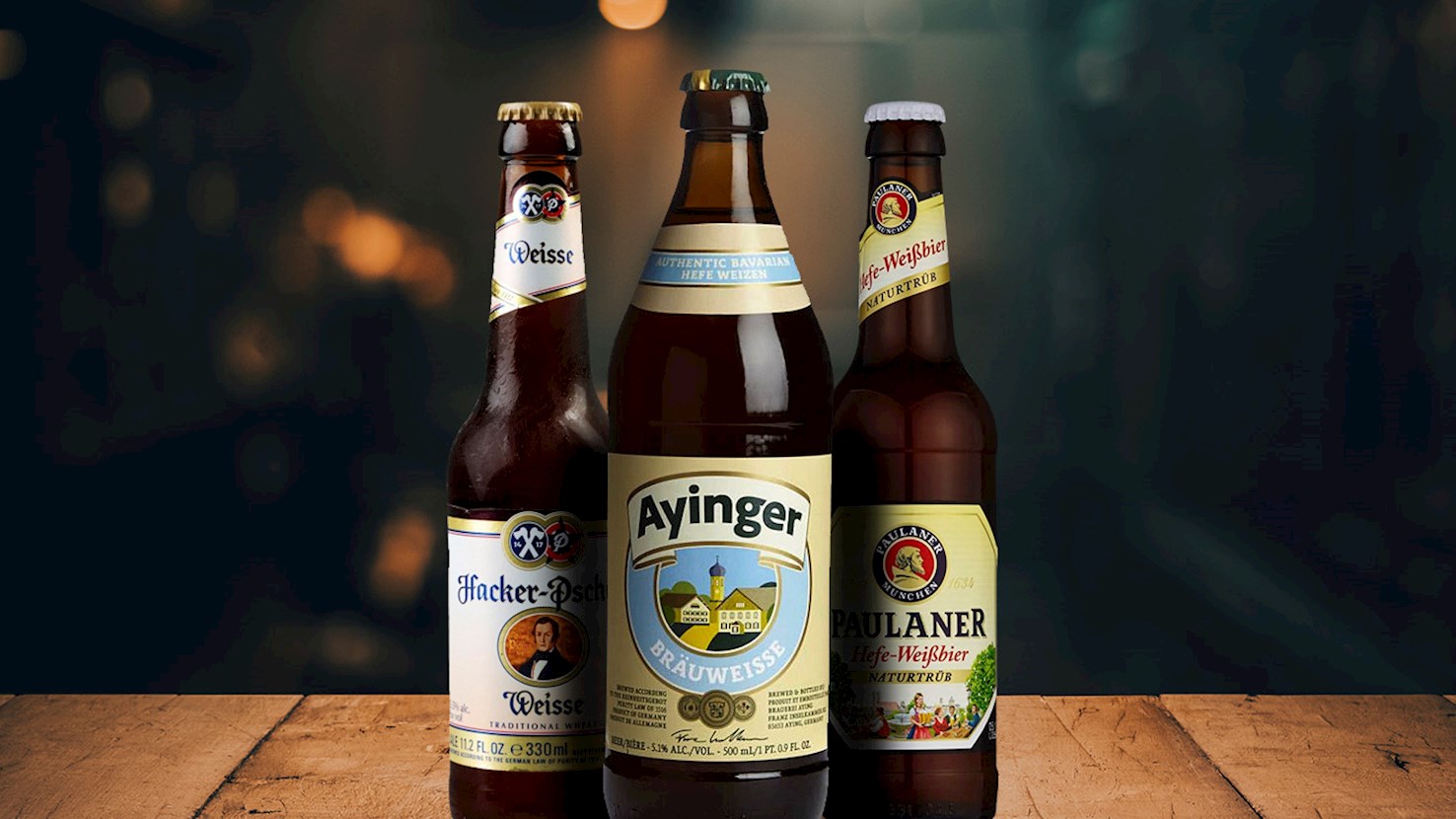
Ayinger Privatbrauerei is located in the idyllic Bavarian village of Aying, about 25 kilometers southeast of Munich, and has operated as a family-owned business since 1878. Over more than a century of brewing tradition, the brewery has built a reputation for producing authentic, high-quality beers crafted according to traditional methods and in strict adherence to the German Beer Purity Law - Reinheitsgebot. The key to its exceptional quality lies in the use of the purest local ingredients, including water from its own St. Andreas spring, carefully selected malt, and hops from the Hallertau region. Ayinger offers a wide range of beer styles - from classic helles and dunkles lagers, to wheat beers and seasonal brews, all the way to the legendary doppelbock “Celebrator”, which enjoys international acclaim. By combining tradition with modern technology, the brewery achieves artisanal precision while maintaining high sustainability standards. In addition to brewing, Ayinger plays an important role in the local community - with its own tavern, hotel, and guided tours that celebrate Bavarian beer culture and hospitality.
Awards
Beer Advocate - 96 World-Class
World Beer Cup - Gold (2024)
06

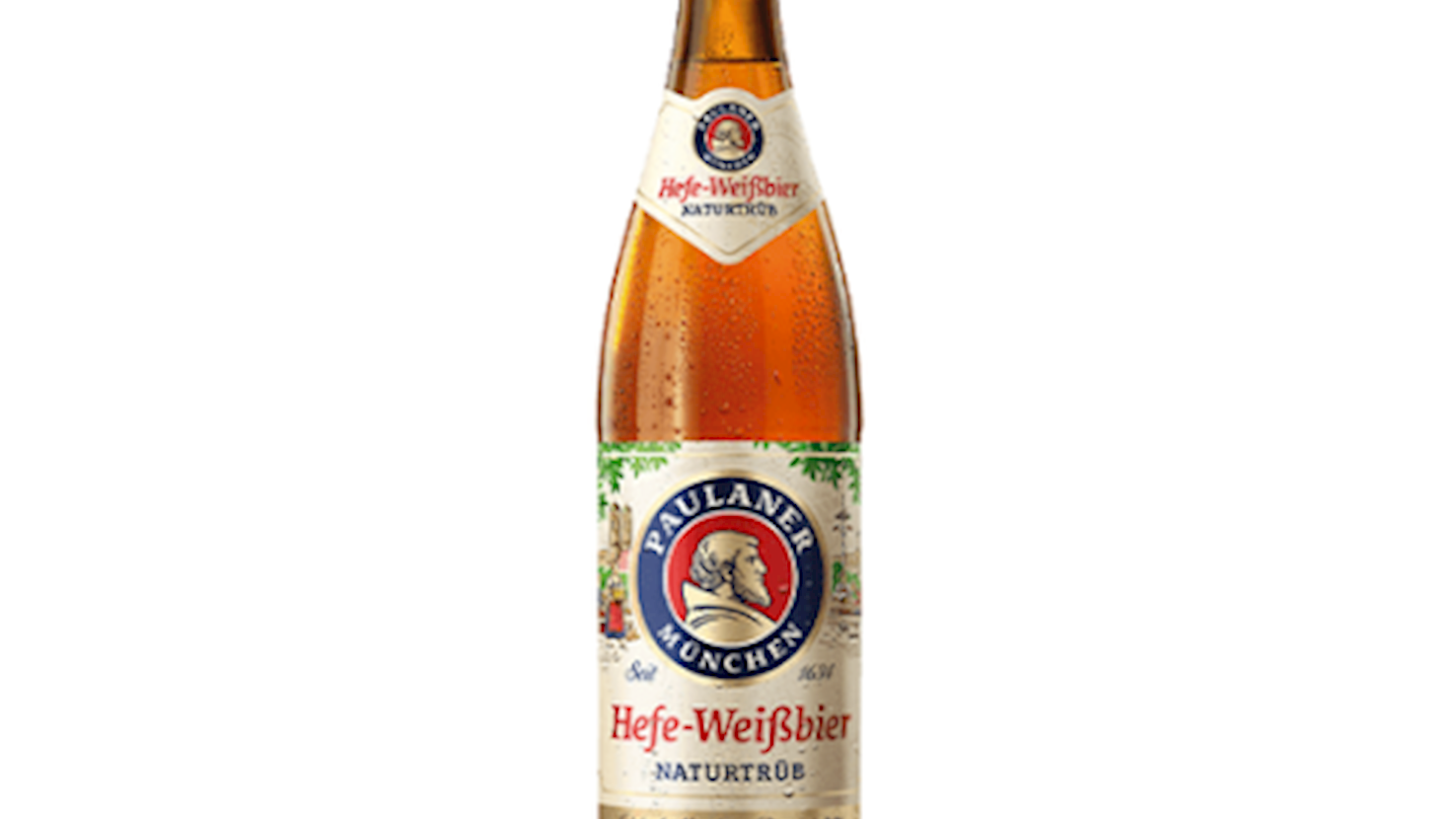
Paulaner Brauerei

4.4 ·
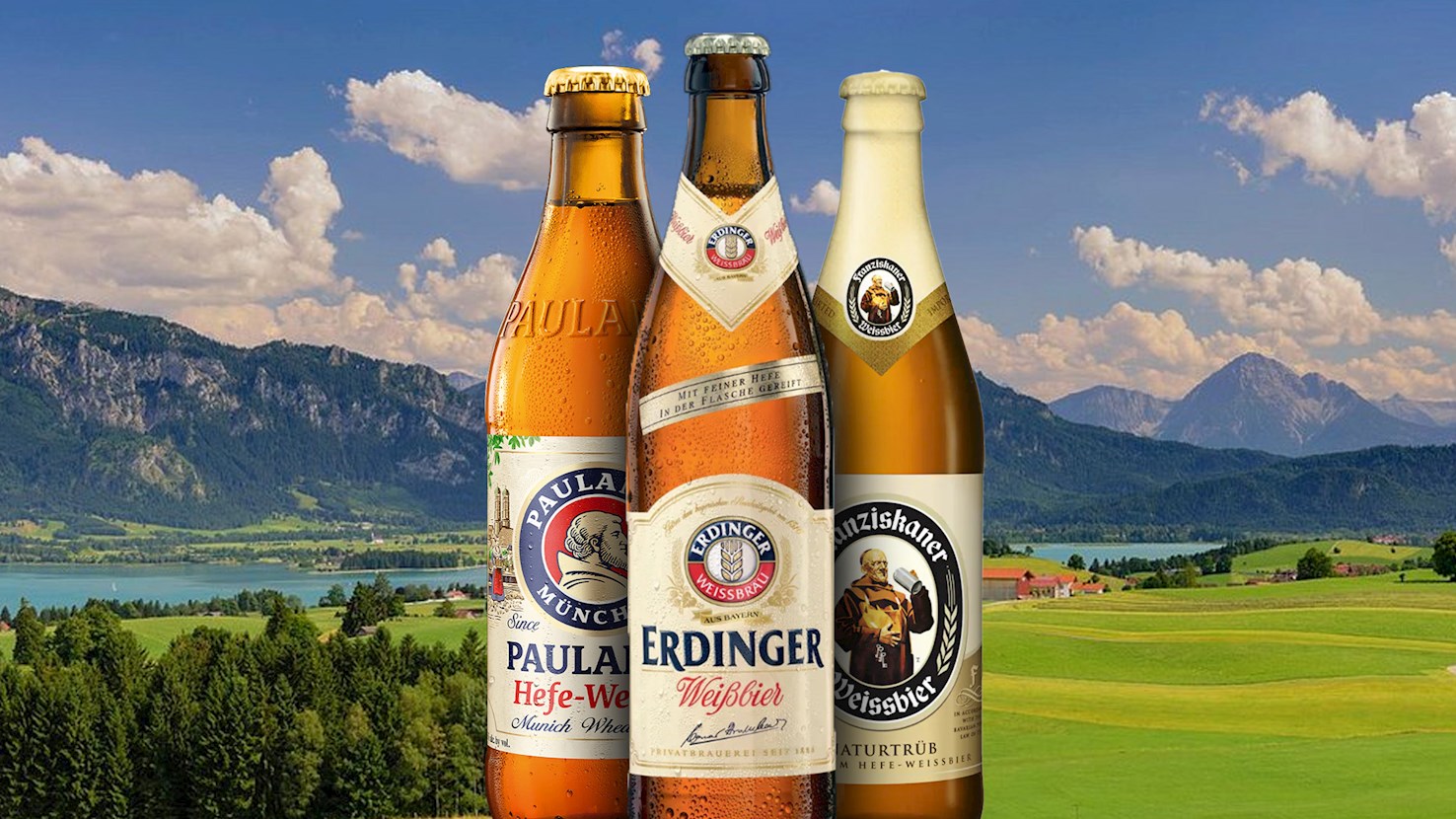
Paulaner Brauerei is one of the most renowned German breweries, based in Munich and boasting a tradition nearly four centuries long. It was founded by monks of the Order of Saint Francis of Paola, from whom the brewery takes its name. Their first beer, the famous “Salvator”, was a strong, dark doppelbock-style beer traditionally consumed during fasting periods. Over the centuries, Paulaner has grown into a symbol of Bavarian beer culture and is one of the six Munich breweries granted exclusive rights to serve beer at Oktoberfest. The brewery combines modern technology with classic recipes, using only high-quality ingredients in accordance with the German Beer Purity Law - Reinheitsgebot. With an annual production exceeding 2 million hectoliters and exports to more than 80 countries, Paulaner ranks among the largest exporters of German beer worldwide. Its central brewery in Munich remains a gathering place for celebrations and beer culture, while events such as the Starkbierfest and the traditional “Derblecken” tasting further underscore Paulaner’s deep-rooted presence in the life of the Bavarian capital.
Awards
European Beer Star - Gold (2020)
Untappd - 3.6
07

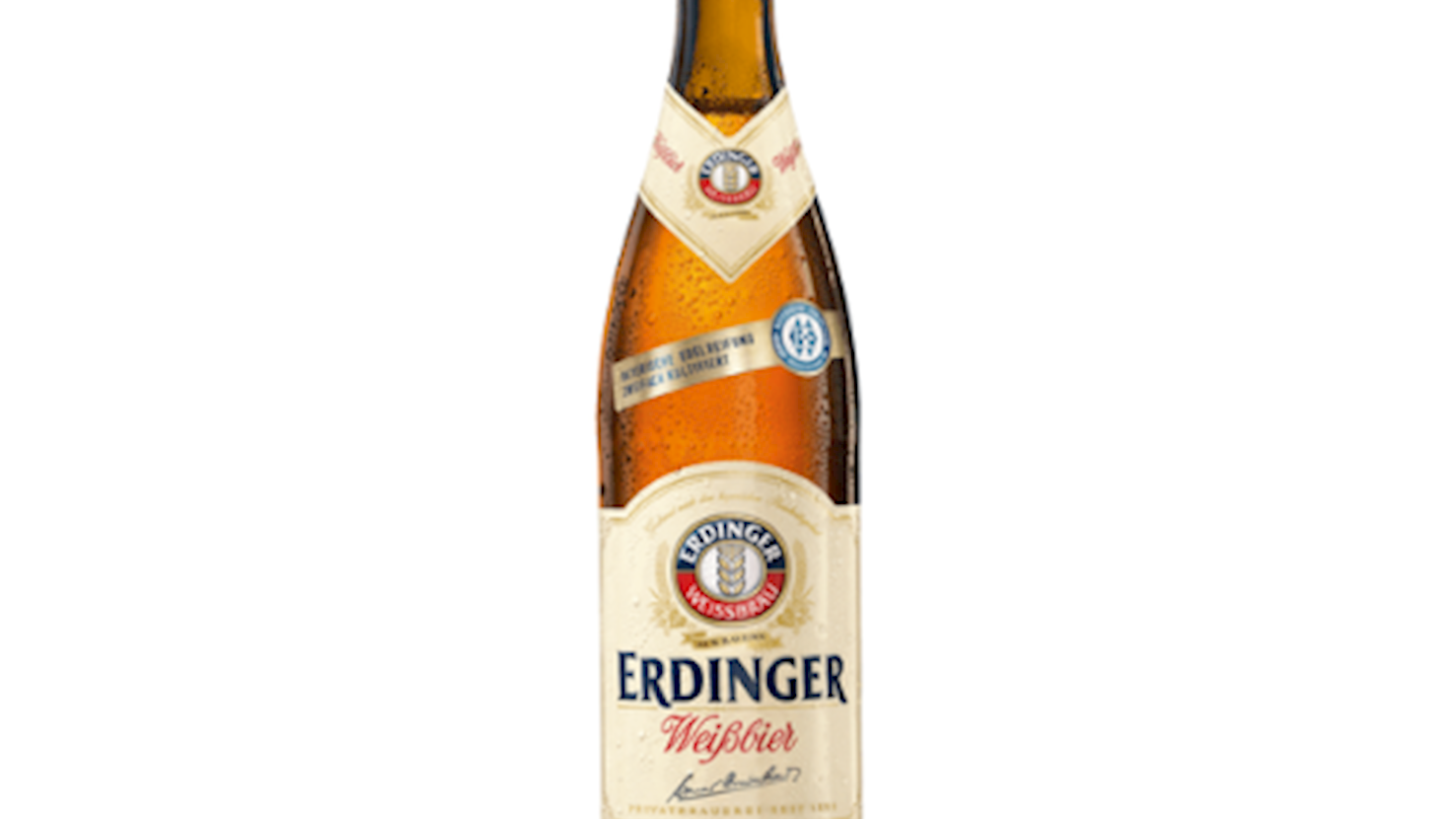
Erdinger Weissbräu

4.4 ·
Erdinger Weißbräu is a family-owned Bavarian brewery founded in 1886 in the town of Erding and is today one of the world’s best-known producers of wheat beer. From the very beginning, it specialized exclusively in the weissbier style, which makes it unique among major German breweries. For more than a century, it has preserved its local character - all production still takes place in Erding, without licensing or satellite facilities. Erdinger uses its own spring water from deep wells, carefully selected varieties of malt and wheat, and its distinctive yeast strain that is key to the typical banana aroma and light spicy notes. Its most famous product is the classic Weissbier, recognizable for its naturally hazy golden color, creamy foam, and smooth, balanced flavor. Erdinger now exports to more than one hundred countries and is considered one of the ambassadors of Bavarian beer culture. Despite its large production volume, the brand continues to uphold family values and a commitment to authenticity, which keeps it firmly positioned in the premium segment of wheat beers. For lovers of the weissbier style, Erdinger remains a reference point - a beer that delivers tradition, consistency, and a clearly defined Bavarian identity.
Awards
Untappd - 3.6
08

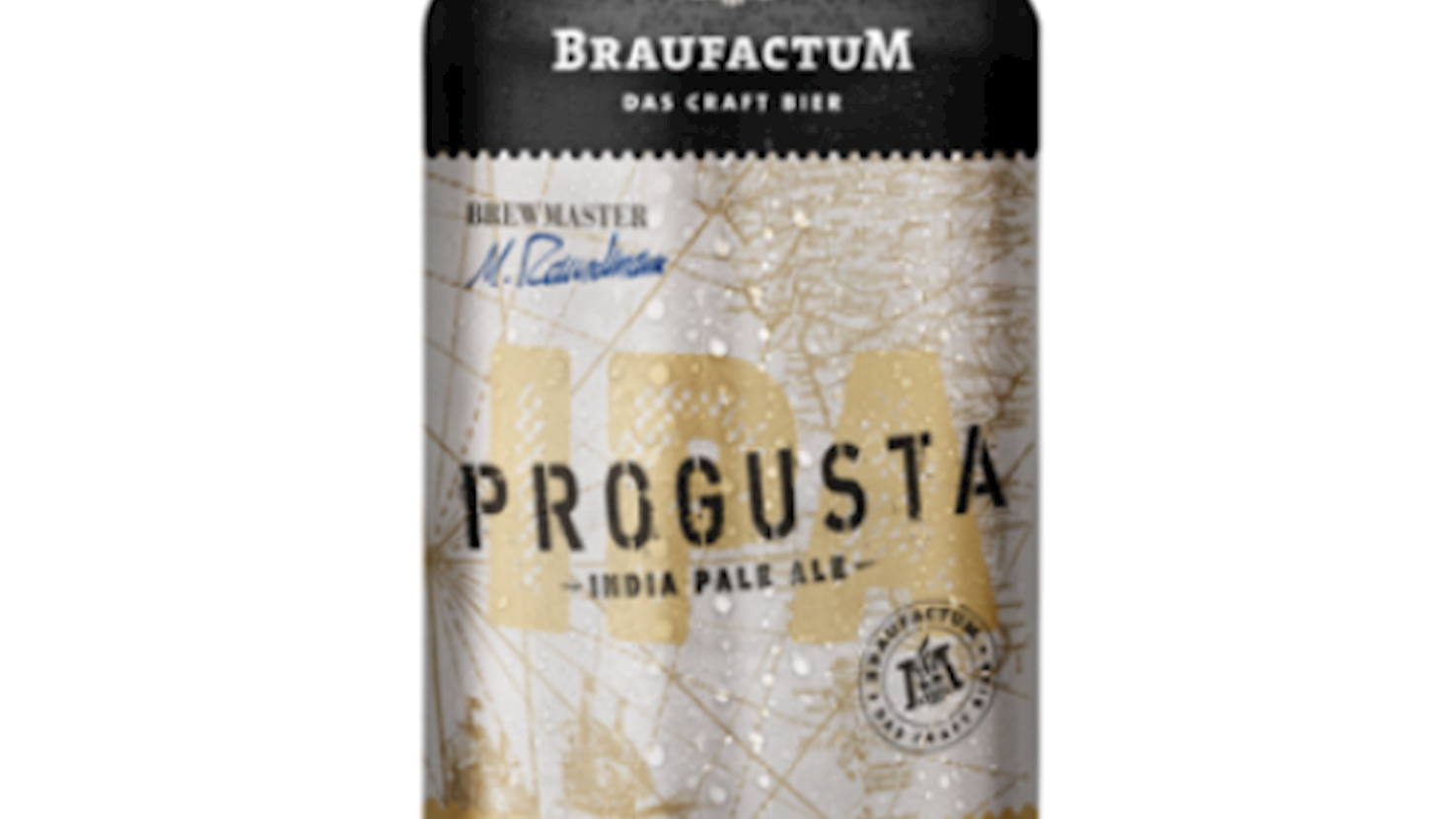
Braufactum

4.3 ·
Awards
European Beer Star - Gold (2022, 2021)
Untappd - 3.6
09

Hacker-Pschorr Brewery

4.2 ·
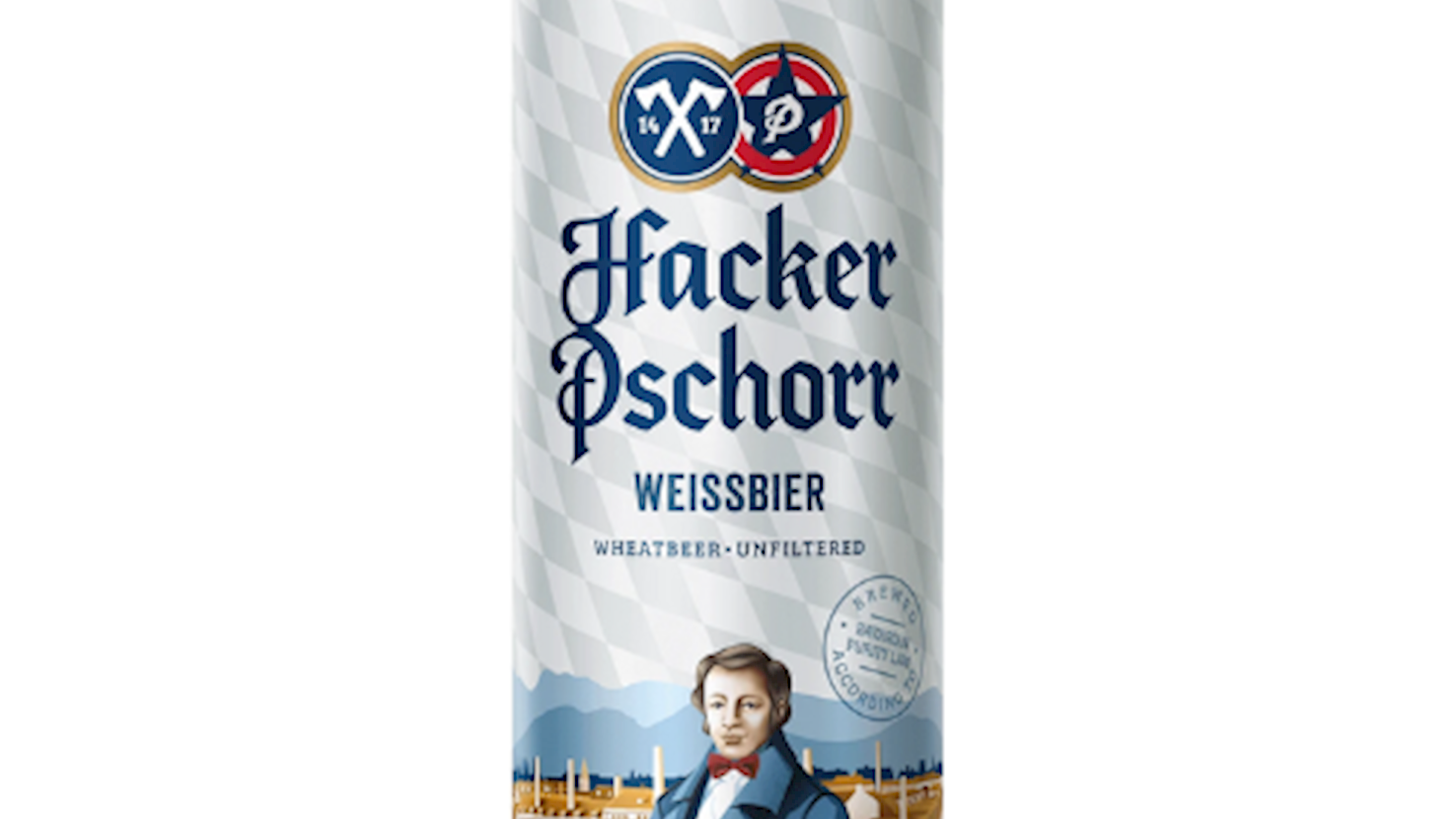
Hacker‑Pschorr is a Bavarian brewery from Munich, with origins dating back to 1417 - nearly a century before the introduction of the famous Reinheitsgebot, the German Beer Purity Law. The brewery evolved through family ties and entrepreneurial vision, taking on its modern form in the early 19th century when Joseph Pschorr married Maria Theresia Hacker, took over the Hacker brewery, and later established his own brand, which was eventually unified by their sons. Throughout its history, Hacker‑Pschorr stood out as an innovator - most notably in 1813, when it built the largest beer cellar in Germany at the time, with a capacity of 35,000 hectoliters, enabling year-round beer availability. Today, Hacker‑Pschorr is a symbol of traditional Munich brewing, with a strong emphasis on preserving authentic methods and style. Although it has not brewed in its own facilities since 1998, the brand remains faithful to Bavarian heritage and is one of the six official breweries represented at Oktoberfest. Its portfolio features iconic styles such as Münchner Hell, Kellerbier, and Hefe Weisse, blending history, quality, and regional identity.
Awards
Untappd - 3.6
Beer Advocate - 91 Outstanding
10

Schlossbrauerei Unterbaar

3.8 ·
Schlossbrauerei Unterbaar is a traditional German brewery located in the region of Swabia, specifically in Baar, Bavaria. The brewery is known for its craftmanship and dedication to producing high-quality beers using traditional brewing methods. It produces a variety of beer styles, including lagers, wheat beers, and seasonal brews, all crafted with locally sourced ingredients.
Awards
European Beer Star - Gold (2023, 2022, 2021)
Untappd - 3.6

Best German Ale Types

01

Weissbier

4.1 ·

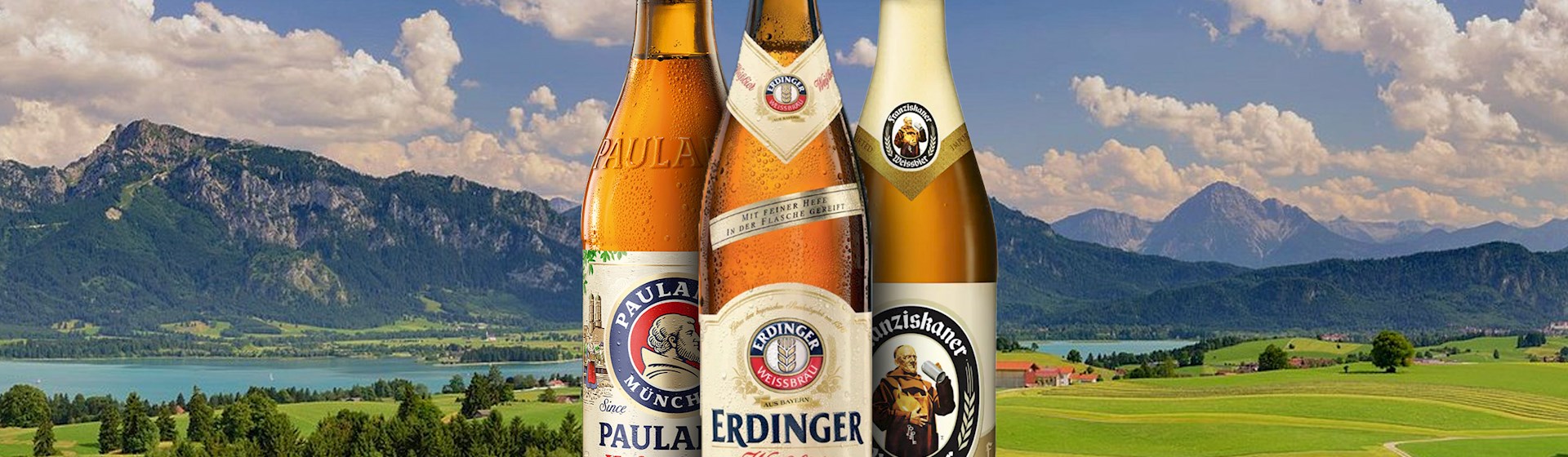
Weissbier is a classic Bavarian wheat ale that is top-fermented and characterized by its mousse-like foam and cloudy appearance—which is a result of a large proportion of wheat and a small amount of barley malt used in its production. German weissbier has to be made with at least 50% malted wheat, but most producers use more than the minimum. These beers are fermented with yeast strains that provide typical clove, banana, smoke, and occasionally even bubble gum aroma. Weissbiers are typically malty and subtly bitter, and though they are traditionally fermented in the bottle, this practice has become rare. Nevertheless, they retain their lightness, creamy texture, and effervescence. Although this beer style is nowadays mostly associated with Bavaria, wheat beers have been produced since antiquity. The European origin is believed to be in the Czech Bohemia, from where it spread to Bavaria. Throughout the centuries, it declined in popularity, but following the 1960s it gained back its former glory and became one of the most sought-after styles in Germany and in the world. These food-friendly beers pair with poultry, sausages, seafood, light dishes, and salads as well as fresh and creamy cheese varieties.

02

Hefeweizen

3.9 ·

Hefeweizen is a German wheat beer originating in Bavaria, where it has become one of the region’s most recognized and widely enjoyed styles. The name combines “hefe,” meaning yeast, and “weizen,” meaning wheat, referring to its unfiltered nature and the high proportion of wheat malt in the grain bill. Hefeweizen is brewed with at least 50% malted wheat alongside pale barley malt, resulting in a hazy, pale golden appearance. The defining characteristic is the yeast strain used during fermentation, which produces signature aromas of banana and clove, along with subtle notes of bubblegum and vanilla. The brewing process employs warm fermentation temperatures that encourage the yeast to express these fruity and spicy phenolic compounds. The beer undergoes bottle conditioning, meaning it is packaged with residual yeast and allowed to naturally carbonate. This secondary fermentation develops fine bubbles and a gentle effervescence that lifts the aroma. Hefeweizen typically has moderate alcohol content, around 4.8–5.5%, and a smooth, creamy texture from both wheat proteins and suspended yeast. Hop bitterness is low, leaving the yeast and wheat to define the flavor profile. Hefeweizen is commonly served in tall, curved glasses that accommodate the large, frothy head and showcase its cloudy body. In Bavaria, it is enjoyed year-round, often with pretzels, sausages, or lighter dishes that complement its refreshing qualities. To pour it properly, the bottle is usually swirled at the end to release the last of the yeast into the glass. The taste is lively and slightly tart, with a soft finish that makes it highly drinkable. The style has influenced wheat beer production worldwide, inspiring brewers across Europe and North America to create their own versions, sometimes with creative interpretations of yeast character and malt composition. German purity laws, or Reinheitsgebot, historically shaped how Hefeweizen was brewed, though wheat beers were once exempt from certain rules due to their importance in Bavarian brewing heritage. Modern producers maintain the focus on yeast-driven aromas and the balance between fruitiness and spice. Hefeweizen remains a staple of beer culture, valued for its distinctive profile and the way it showcases the expressive potential of German brewing yeast.

03

Dunkelweizen

3.8 ·

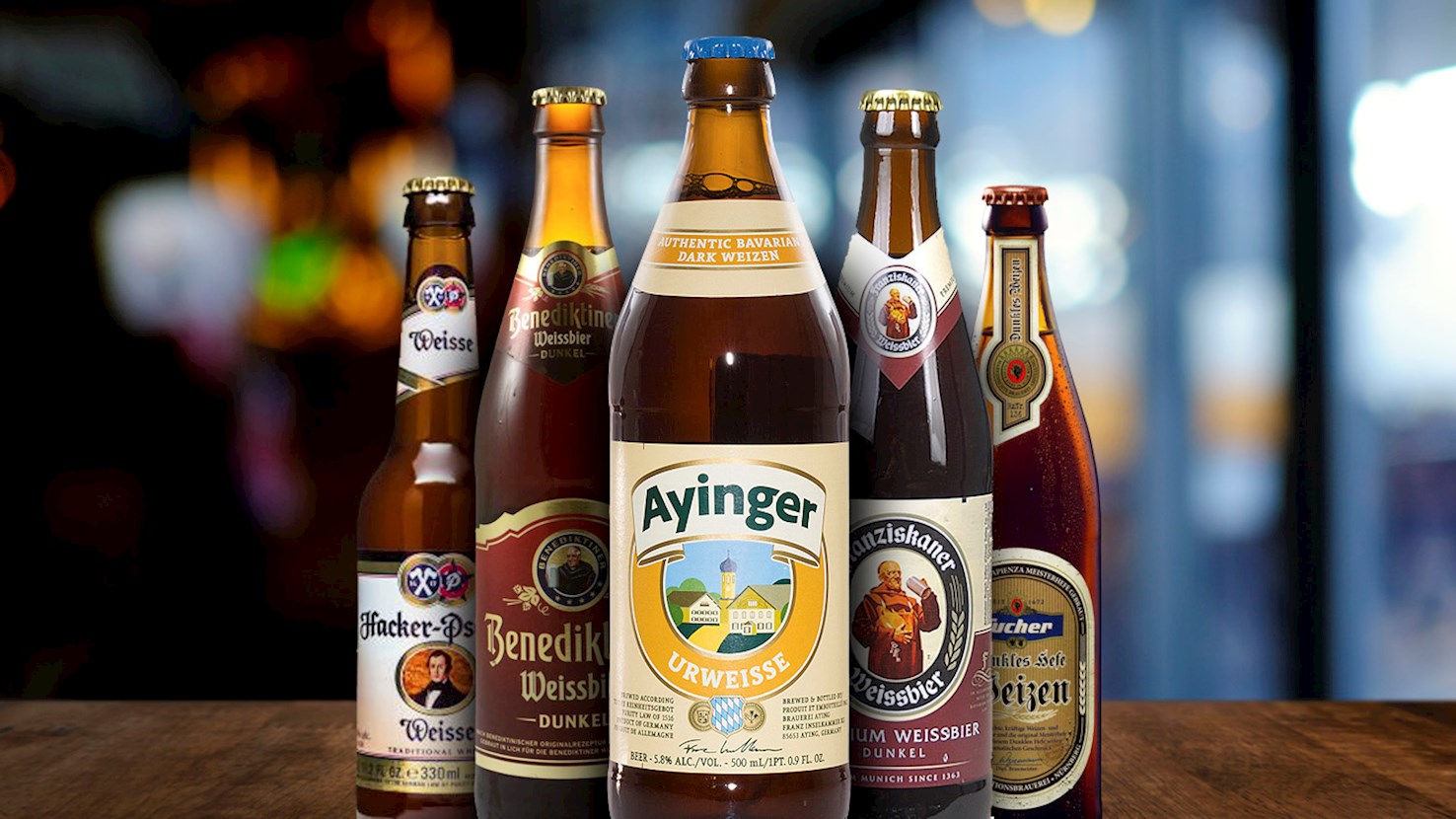
Dunkelweizen is a moderately dark, wheat-based German ale that is often described as a cross between a dunkel and a hefeweizen (weissbier). These refreshing beers typically range from copper to dark brown and are distinguished for banana and clove-like flavors and aromas. Dunkelweizen beers have a malty character, medium body, smooth texture, and medium to high carbonation. Along with clove and banana aromas, some examples display hints of vanilla and bubblegum. The flavor is bready and grainy, often complemented by caramel nuances. Hop flavor and aromas are absent. These fruity and malty beers would pair well with smoked ham, sausages, pork, Mexican dishes, and banana-based desserts. Dunkelweizen originated in Bavaria.

04

Gose

3.7 ·

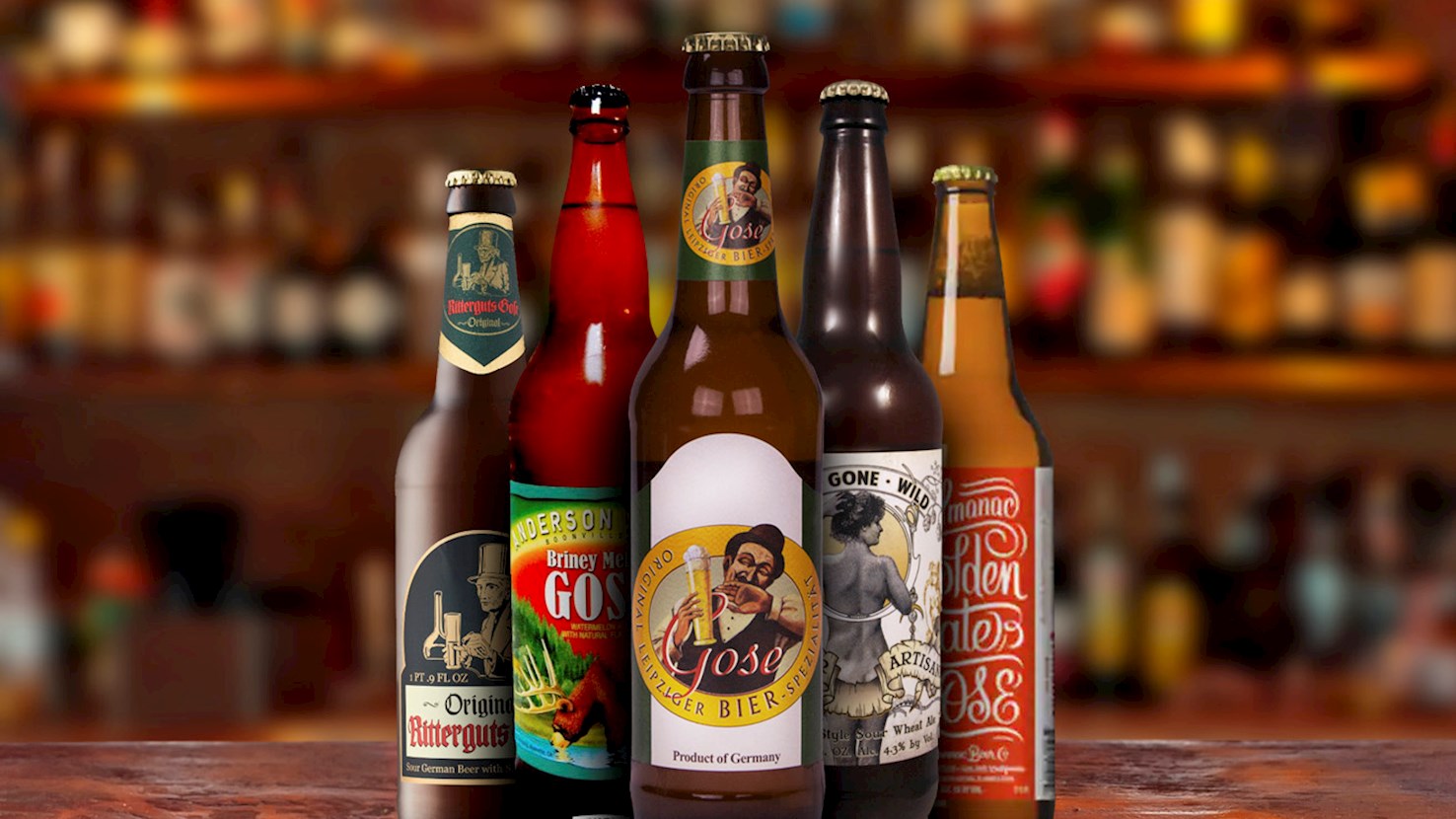
Gose is a German beer style that is usually brewed with the addition of salt, and it is traditionally spiced with coriander. It is characterized by medium sourness, malt and yeast aromas, as well as fruity and salty nuances. It is not known when the style was created, but evidence suggests it was already familiar in the 15th century. Although the style originated in Goslar, in the 18th century, it became a mainstay in Leipzig, where the brewers started producing it, and where it eventually found its spiritual home. Throughout the 19th century, the style was incredibly popular, and Leipzig was even dubbed as the Gose city. Despite its popularity, by 1966, the style completely disappeared. It was reintroduced in the late 1990s by Leipzig brewers, and its reinterpretations are nowadays also produced outside its native location. Although traditional Gose was spontaneously fermented, modern versions are more controlled and usually fermented with ale yeasts and Lactobacillus. Because of its tart and crisp character, this style is an excellent pairing with seafood, light poultry dishes, citrus flavors, and cheese.

05

Berliner Weisse

3.6 ·

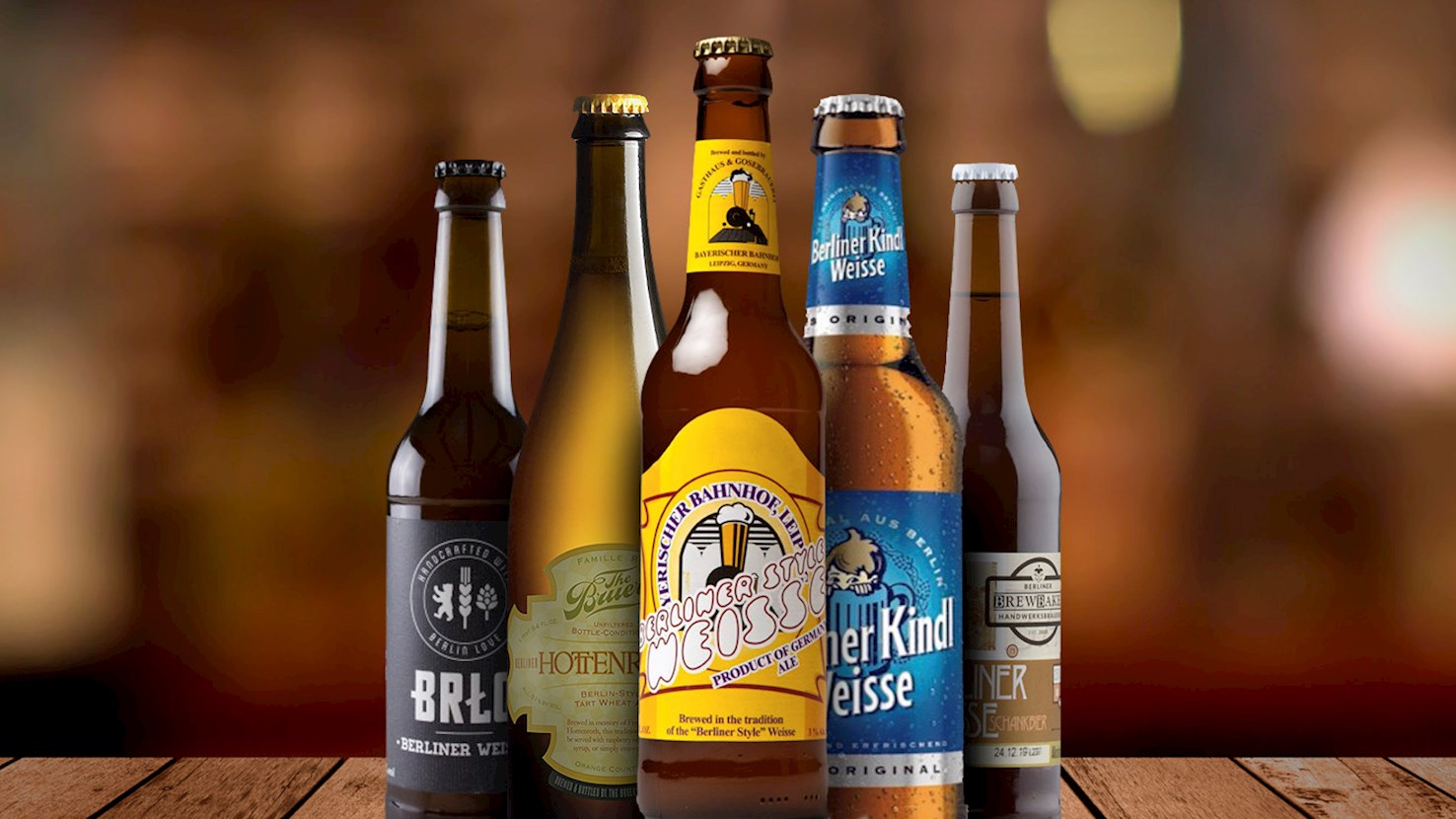
Berliner Weisse is a wheat beer that is characterized by low alcohol content, sour flavor, and a light body. Most representatives of the style are soured with the use of lactic acid bacteria, which gives the beer its specific funky, tart, and fizzy character. The origin of Berliner Weisse is unclear. Although there are several theories explaining its origin, the most probable claims that the style evolved from the now-extinct Breyhan or Broyhan beer from Hannover. Weisse was especially popular in the 19th century, and it is even said that when Napoleon encountered this beer style in Germany, he named it the Champagne of the north. By the late 1990s, the style almost disappeared, but lately it has been slowly revived, mostly by craft breweries. In Germany, these wheat beers are often served with raspberry (himbeer) or woodruff (waldmeister) sugar syrups. To mellow it down, sometimes the beer is also mixed with pilsner. Following this tradition, many modern brews may incorporate various fruit. Because of its crisp and refreshing flavor, Berlin Weisse beer is a food-friendly beer that goes well with a variety of dishes. Unsweetened versions would match fruit desserts, goat cheese, and salty snacks.

Read more
View all
View map
About this ranking

TasteAtlas food rankings are based on the ratings of the TasteAtlas audience, with a series of mechanisms that recognize real users and that ignore bot, nationalist or local patriotic ratings, and give additional value to the ratings of users that the system recognizes as knowledgeable. For the “Top 12 German Ales” list until May 30, 2026, 436 ratings were recorded, of which 401 were recognized by the system as legitimate. TasteAtlas Rankings should not be seen as the final global conclusion about food. Their purpose is to promote excellent local foods, instill pride in traditional dishes, and arouse curiosity about dishes you haven’t tried.

The initial list of top producers was compiled based on available reviews, awards, local recommendations, media and blog coverage, and consumer reviews. The list will be updated with ratings from TasteAtlas local ambassadors and TasteAtlas users.

Similar lists