Top 100 European Berries

Last updated on June 01, 2026

Best European Berries Types
01

Truskawka Kaszubska

4.7 ·

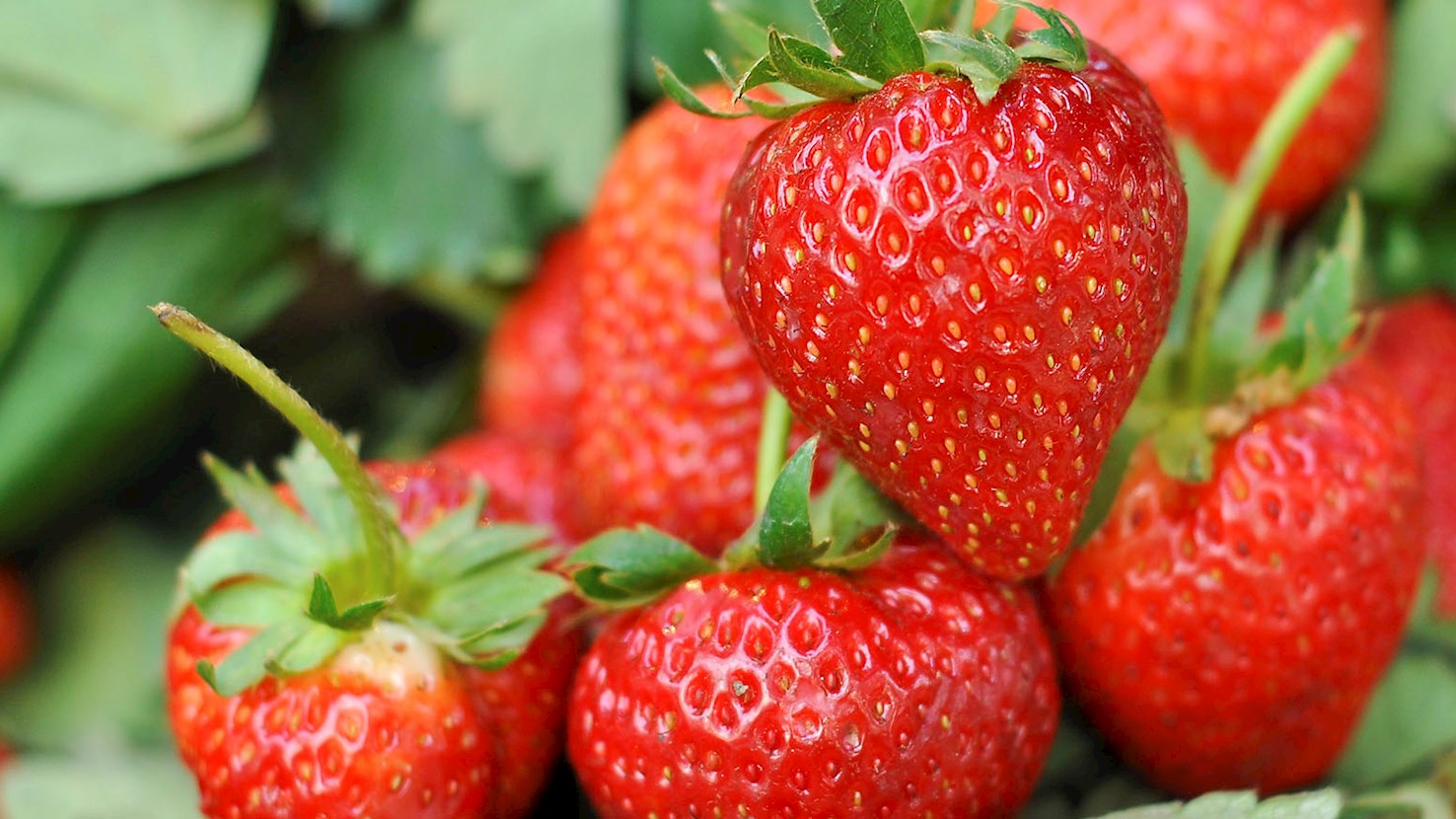
Truskawka kaszubska, also known as Kaszëbskô malëna, are strawberries of the Elsanta, Honeoye and Senga Sengana varieties, grown in the Kartuski, Kościerski and Bytowski districts in Poland. The Elsanta and Honeoye varieties are intended for direct consumption and are light red to intense red, rounded and small, with juicy, firm flesh. Their taste is sweet, aromatic and well-balanced, similar to that of wood strawberries. The Senga Sengana variety is intended for processing, it has firm, juicy and hard flesh and comes in various sizes and shapes. When the strawberries are ripe, their stem is easy to remove and they contain more sugar than other varieties of strawberries, making them unique in their specific taste. A typical fruit of the region, it can be enjoyed on its own or in various sweet desserts and cakes.

02

Saperavi

4.4 ·

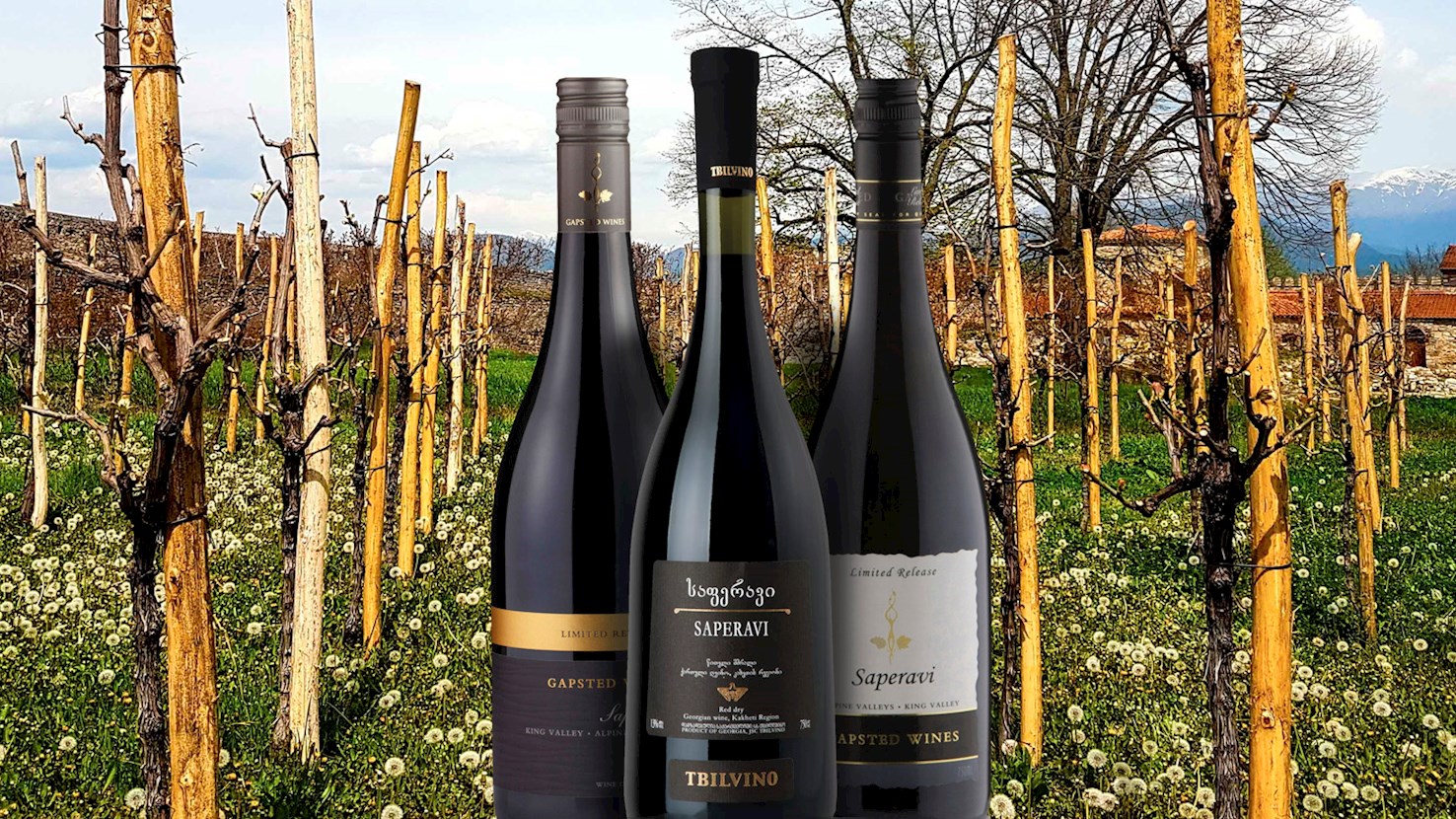
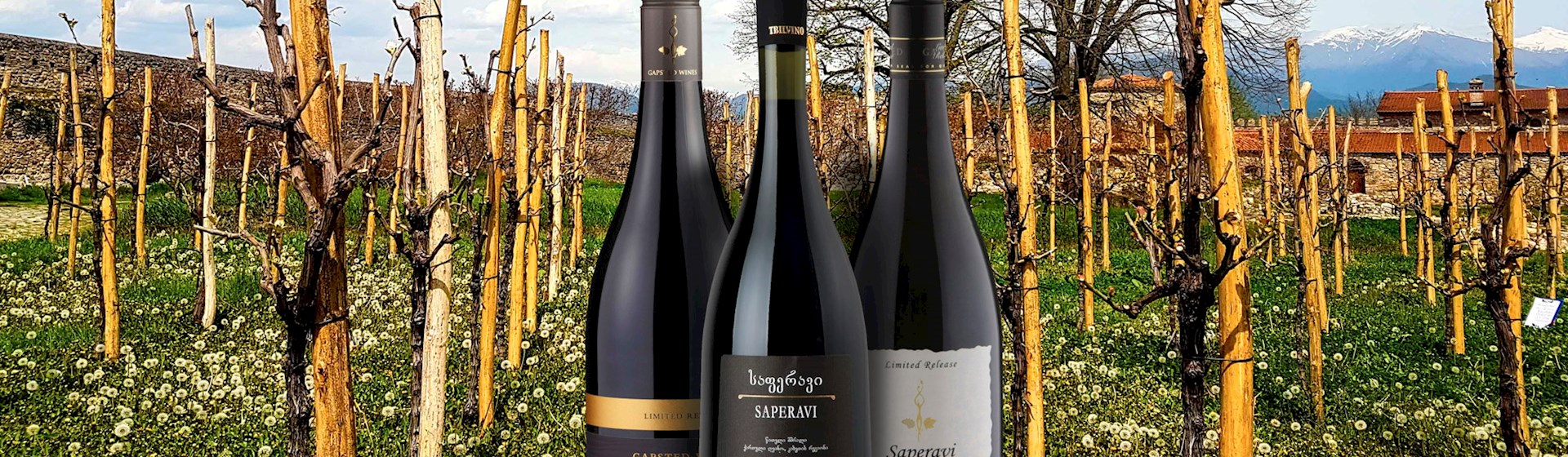
Saperavi is a resilient red Georgian grape that originated in the eastern region of Kakheti, and though it is still predominant in Georgia, small amounts are also grown in other Eastern European regions, Australia, and the United States. This teinturier grape that has dark skins and flesh produces full-bodied wines of a dark garnet color which are characterized by aromas of ripe red berries and pleasant acidity. Most wines produced from the Saperavi grapes are varietal and have a great tendency to age. Sapervai wines are incredibly versatile and can match a variety of dishes, including delicate fish dishes, stews, grilled meat, or game.

03

Nero d’Avola

4.4 ·

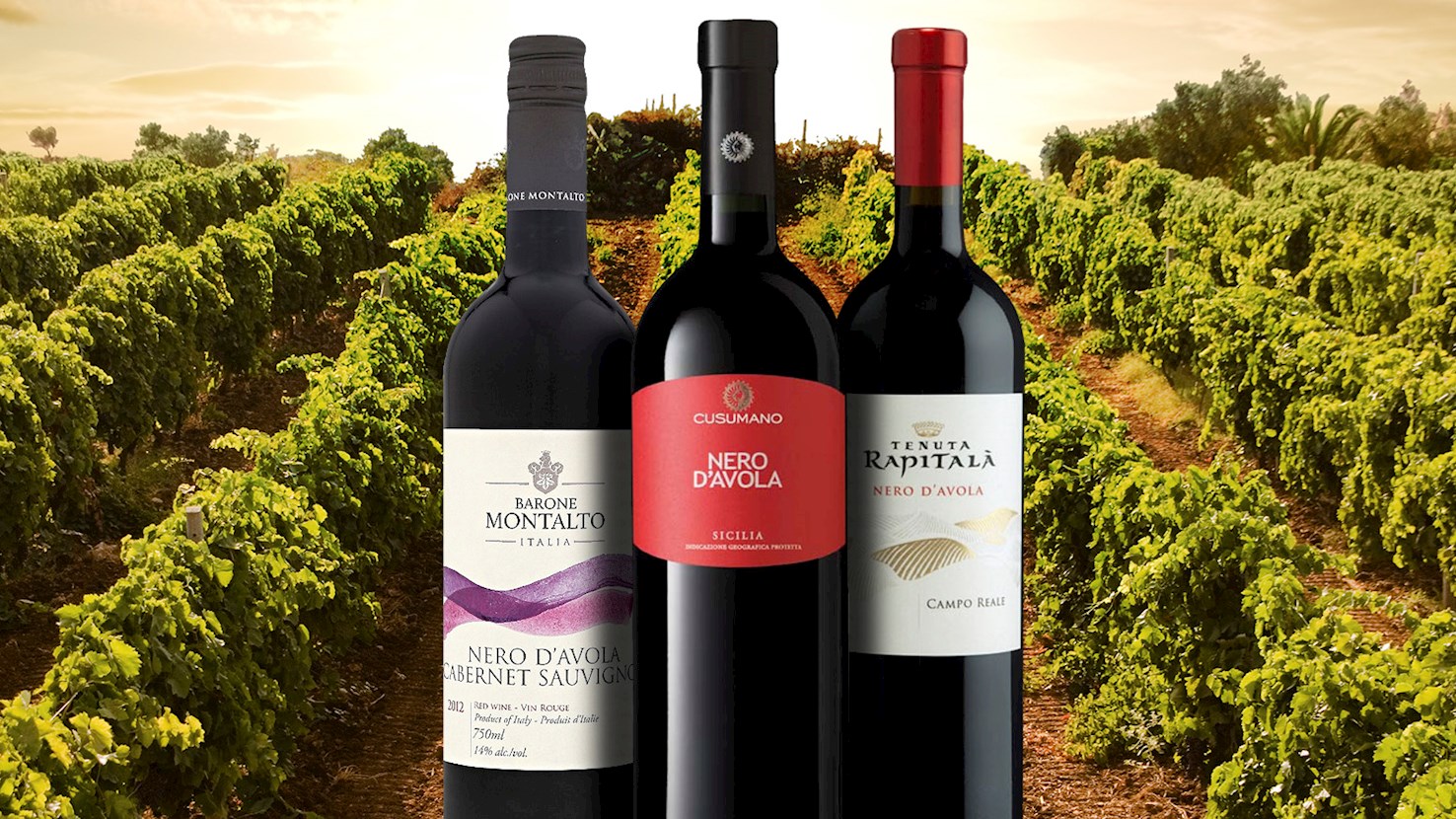
Nero d’Avola is an indigenous Sicilian red grape, whose name, meaning the black of Avola, refers to its distinctive dark color. For most of the 20th century, Nero d'Avola was used as a blending grape, but in the 1990s winemakers started making high-quality, bold varietal wines. Nero d’Avola wines are typically produced as dense and dark, with flavors reminiscent of black fruit and chocolate, or as young and fresh wines that are characterized by cherry and herbal notes. They are high in tannins and pair well with rich meat dishes, hearty stews, and barbecued meat.

Best producers
04

Primitivo

4.3 ·

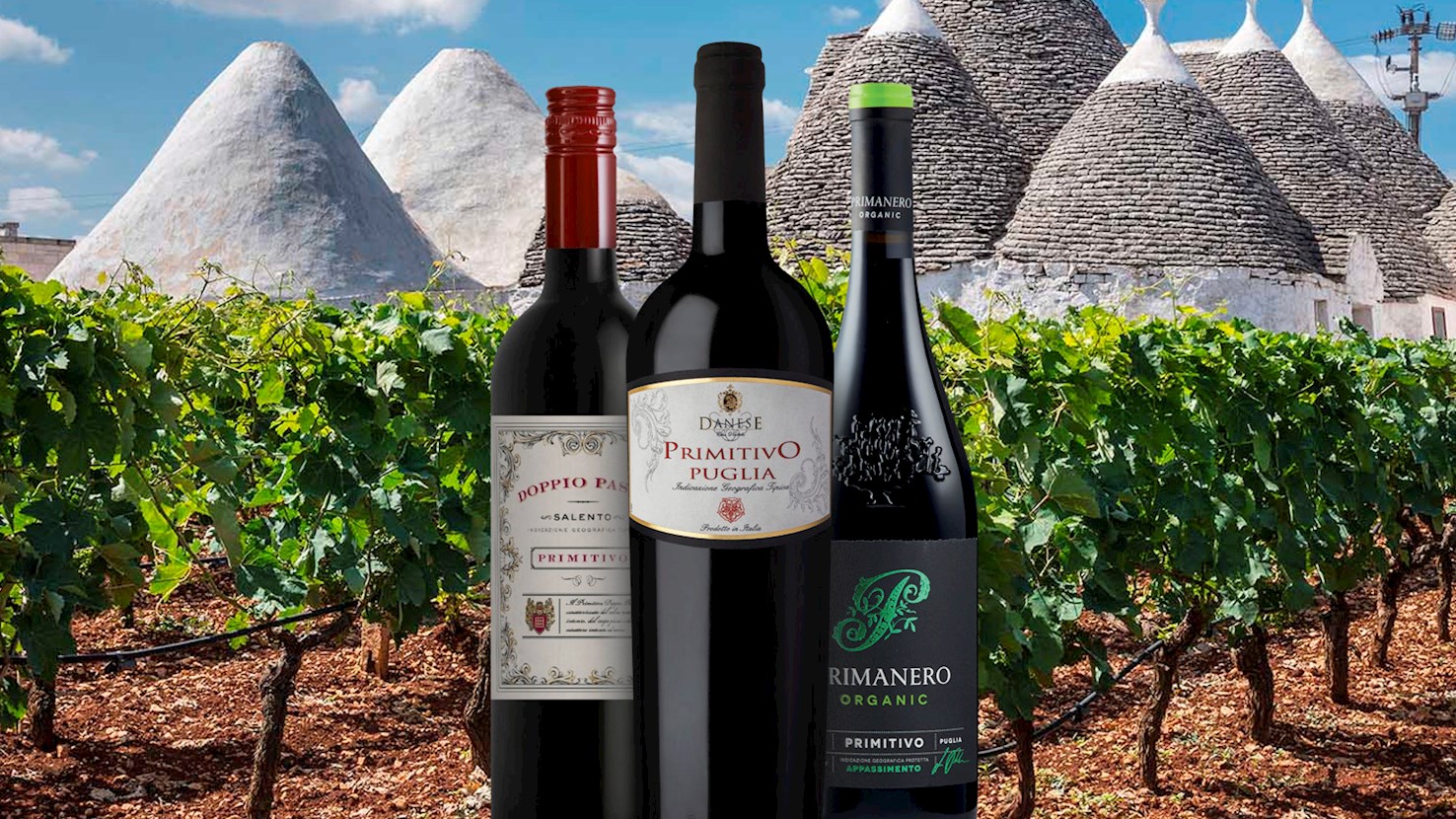
Primitivo is an Italian grape variety with quite interesting origins. Research conducted in 1994 proved that the grape is identical to Californian Zinfandel, while it was later discovered that both grapes originated from an old and obscure Croatian grape Crljenak Kaštelanski. Despite the same lineage, these grapes are influenced by their terroir, and they can slightly differ in character. In Italy, Primitivo is mostly cultivated in Apulia, where it is used in the appellation Primitivo di Manduria. Primitivo is a somewhat rustic wine, dark, intense, and rich in tannins that tend to mellow with age. Young styles usually display fruity aromas of cherries, plums, and blackberries, as well as floral notes of violets. Aged varieties tend to develop nuances of cocoa, tobacco, and spices. Primitivo is best paired with meat dishes and aged cheese. It can also work well with lamb, vegetable dishes, game, and legumes.

05

Gewurztraminer d'Alsace

4.3 ·

Gewurztraminer is a pink-skinned grape that produces some of the most aromatic and complex white wines in the world. The exact origin of Gewurztraminer is hard to trace, but the grape is related to Traminer family that is cultivated across Europe, and although Gewurztraminer has shown success in Germany, Austria, Australia, Washington and California, the French Alsace region remains its foreground. Alsace produces varietals that are rich and typically deeply colored, often low in acidity and high in alcohol with exotic aromas of lychee and rose petals. Their character and the body heavily depends on the terroir and ripeness of the grapes, and they may range from dry to off-dry and sweet styles. Dry Gewurztraminer from Alsace is a perfect match to cheese and savory, preferably spicy or creamy dishes, while sweeter styles may match fruit or spiced desserts.

06

Sangiovese

4.2 ·

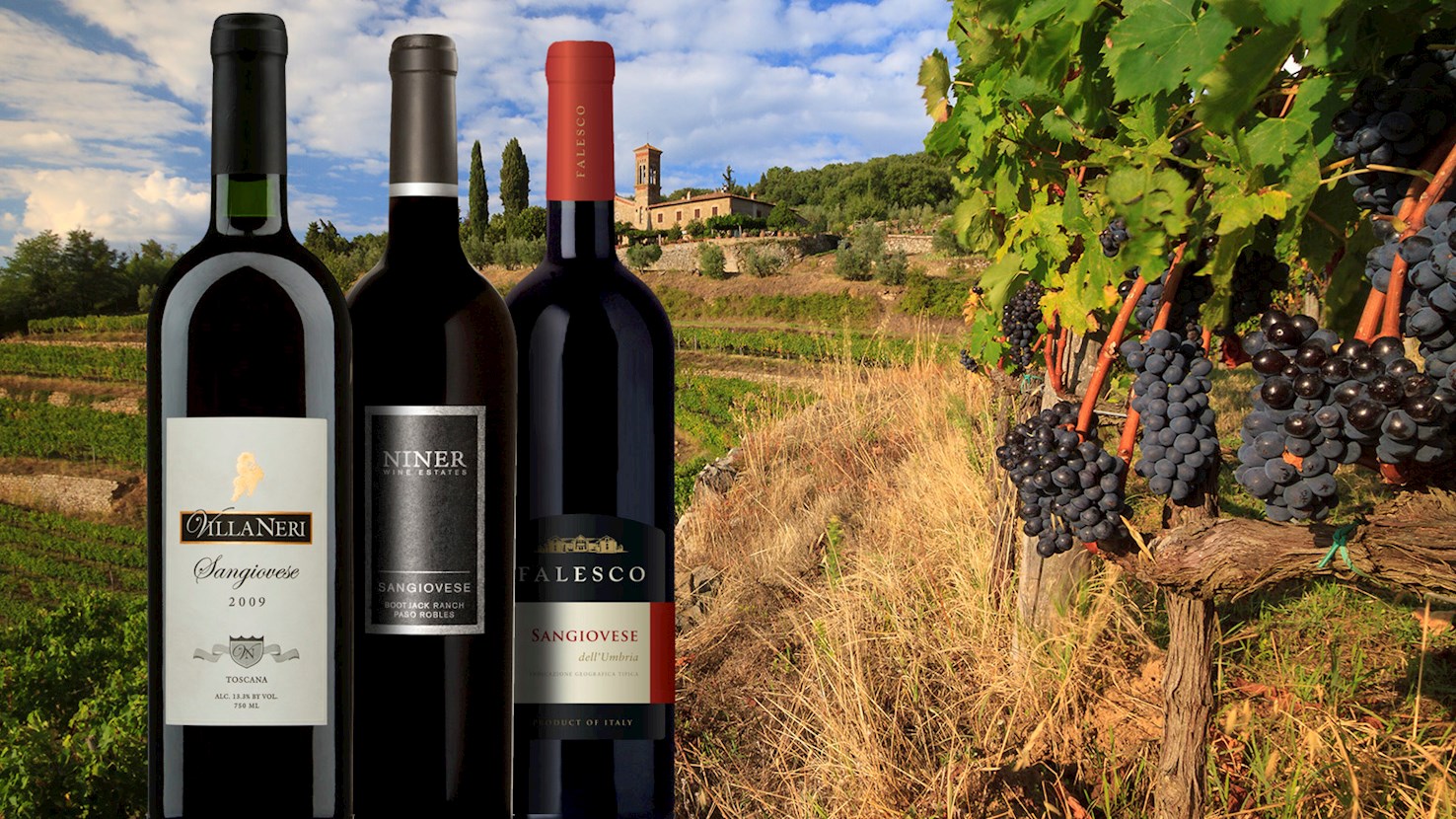
Sangiovese is a red grape variety indigenous to Italy that is predominantly grown in Tuscany, but also in other central and southern regions, from Romagna down to Lazio, Campania, and Sicily. It is best known as the main grape used in Chianti or Vino Nobile di Montepulciano and as the only grape in the prestigious Brunello di Montalcino. Though its flavor profile may be influenced by the terroir, Sangiovese based wines are rich in tannins and high in acidity, while their flavor is savory, and may range from rustic to fruity, with typical notes of cherries, dark stone fruit, spices, tobacco, and dry herbs. Because of its savory character, it goes well with a wide range dishes, including pasta, pizza, grilled meats, poultry, charcuterie and matured cheese varieties.

07

Pinot Gris d'Alsace

4.2 ·

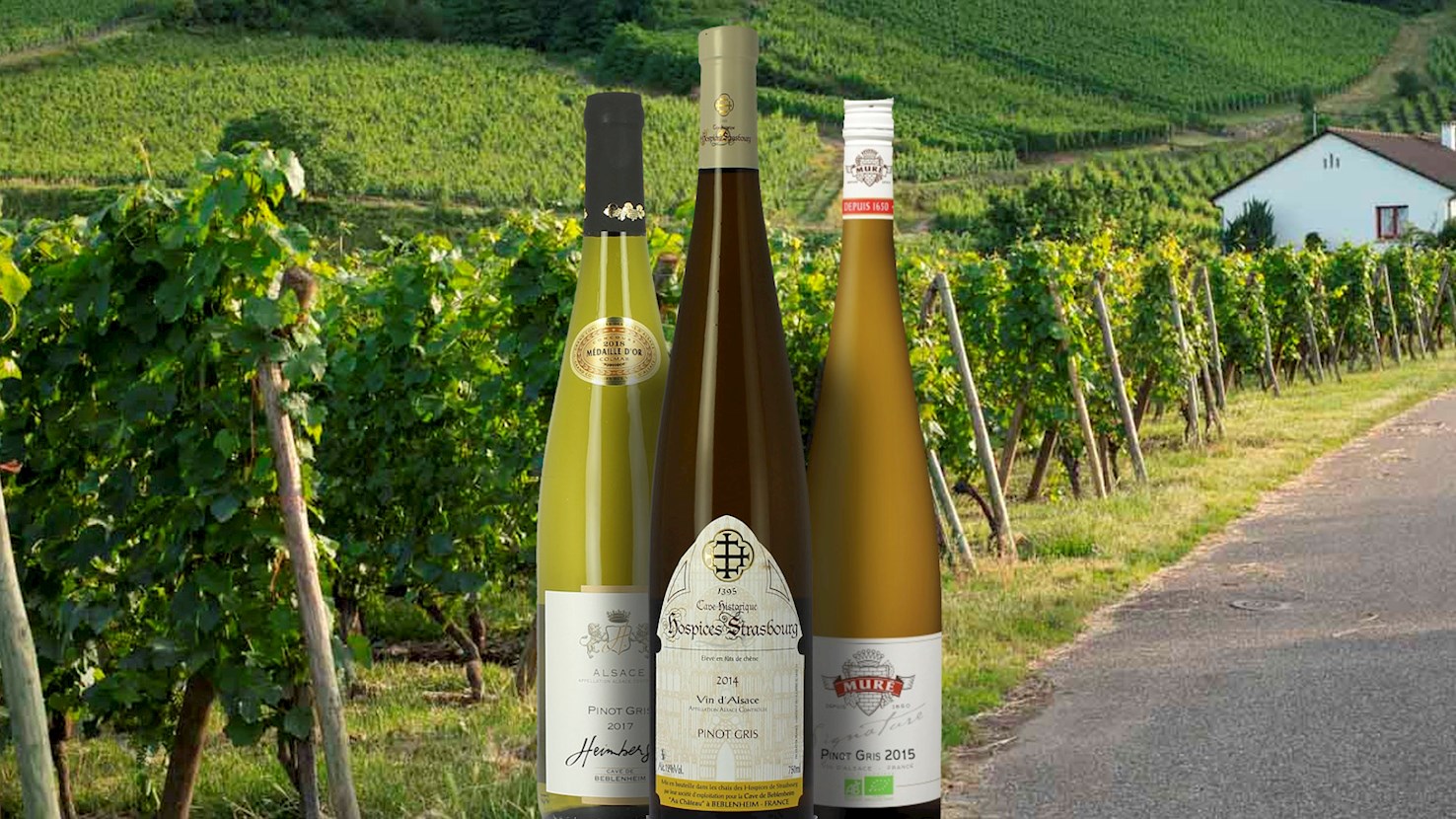
Pinot Gris, also known as Pinot Grigio and Grauburgunder, is a white grape variety whose origins are believed to be in Burgundy, but the grape has shown amazing potential in Alsace—the region with which it is mostly associated nowadays. In Alsace, Pinot Gris is considered a noble grape. In the past, it was mistakenly related with Hungarian Tokaj, and it was often called Tokaj d'Alsace. The wines made from Pinot Gris considerably differ in character than those found in other wine-growing regions. They are dense and concentrated, with typical notes of white flowers, honey, ginger, apricot, lemons, spices, and dry fruit. The wines are typically dry with some off-dry varieties. They are usually full-bodied and pair well with poultry, feathered game, and pork.

08

Malagousia

4.2 ·

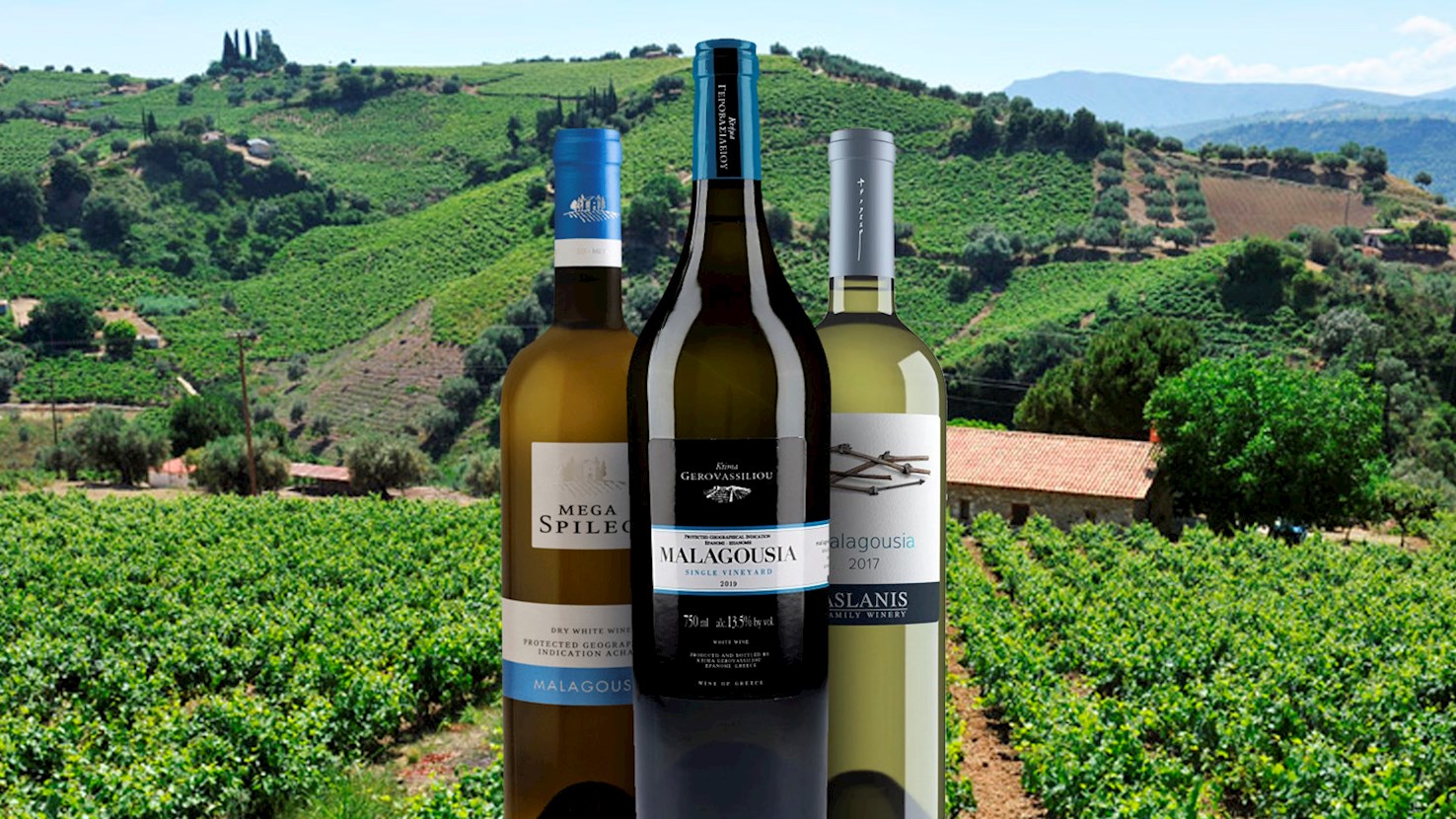
Malagousia is an ancient, white-skinned Greek grape that was saved from extinction by Vangelis Gerovassiliou, who brought it back from obscurity in the 1970s. The grape produces aromatic dry wines, which are usually of excellent quality. It is also used to make dense and perfumed dessert styles. On the nose, the wines display intense aromas often reminiscent of peaches, pears, and tropical fruit, usually with citrusy, herbal, and subtle floral notes. On the palate, they are full-bodied, rich, and round, and the best examples manage to remain lively and fresh. Malagousia can be enjoyed young, but it is also aged, both in steel and oak. Dry wines would pair well with Mediterranean and Asian fare, especially seafood, poultry, pasta dishes, salads, and vegetables. Sweet versions can be a good match with fruit desserts.

09

Moschofilero

4.2 ·

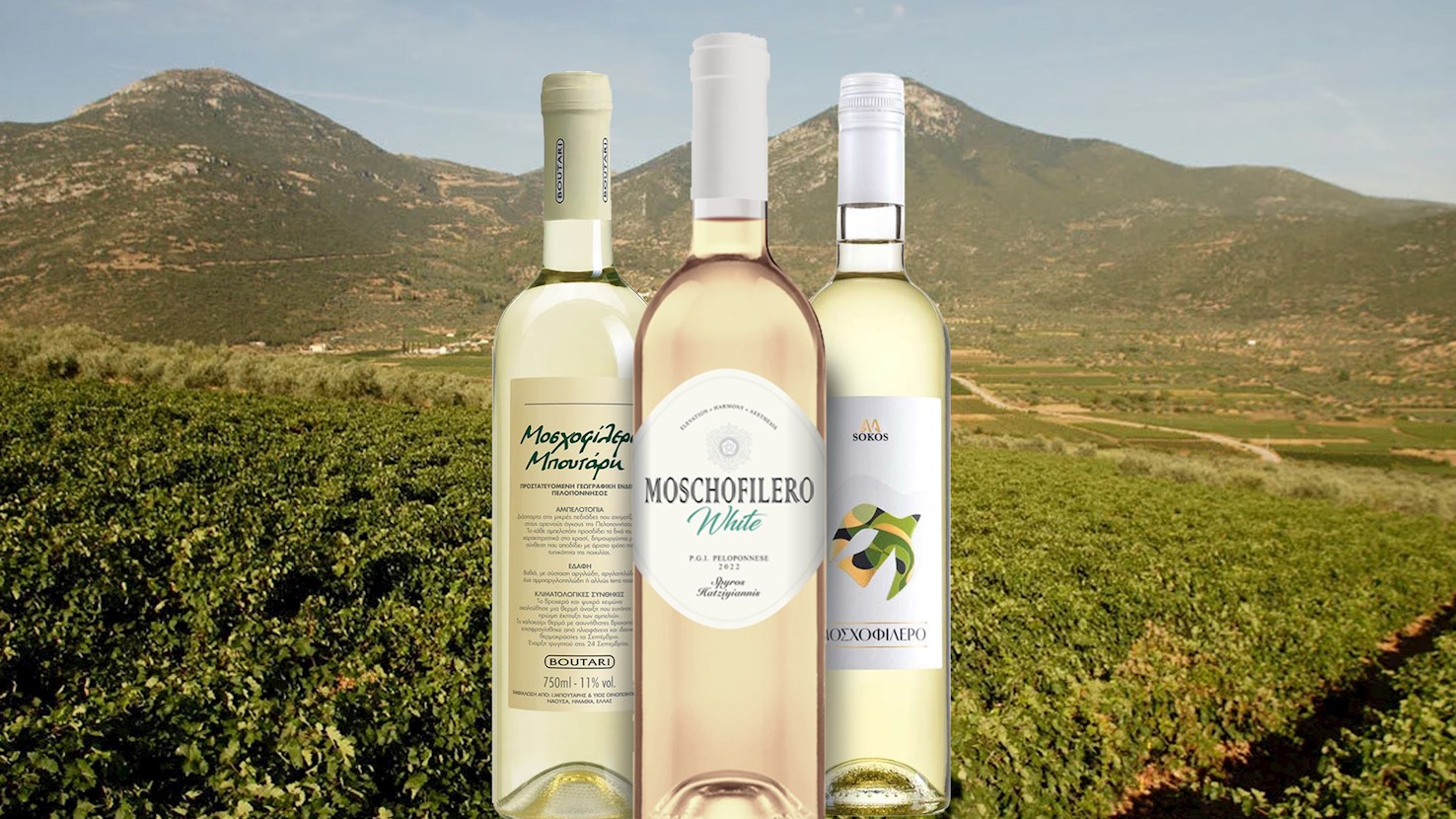
Moschofilero is a Greek grape that hails from Peloponnese. It is an aromatic and late-ripening variety that delivers high yields, but it is sometimes sensitive and finicky to grow. Despite its common presence, Moschofilero was only popularized in the 1970s and ’80s, primarily by the producers from PDO Mantinia, the most important wine region for Moschofilero. Varietal Moschofilero wines can be incredibly versatile. They will usually have bright and crisp acidity, which highlights their clean and fresh character. The wines from lower altitudes will usually have more freshness, and those from higher vineyards tend to have a more prominent floral character. Typical aromas are reminiscent of peaches, jasmine, orange blossom, roses, and citrus fruit. Moschofilero is usually enjoyed young, but the best examples sometimes show aging potential. These wines would pair nicely with fish and seafood, poultry, light snacks, spicy dishes, Asian fare, and salads.

10

Irsai Olivér

4.2 ·

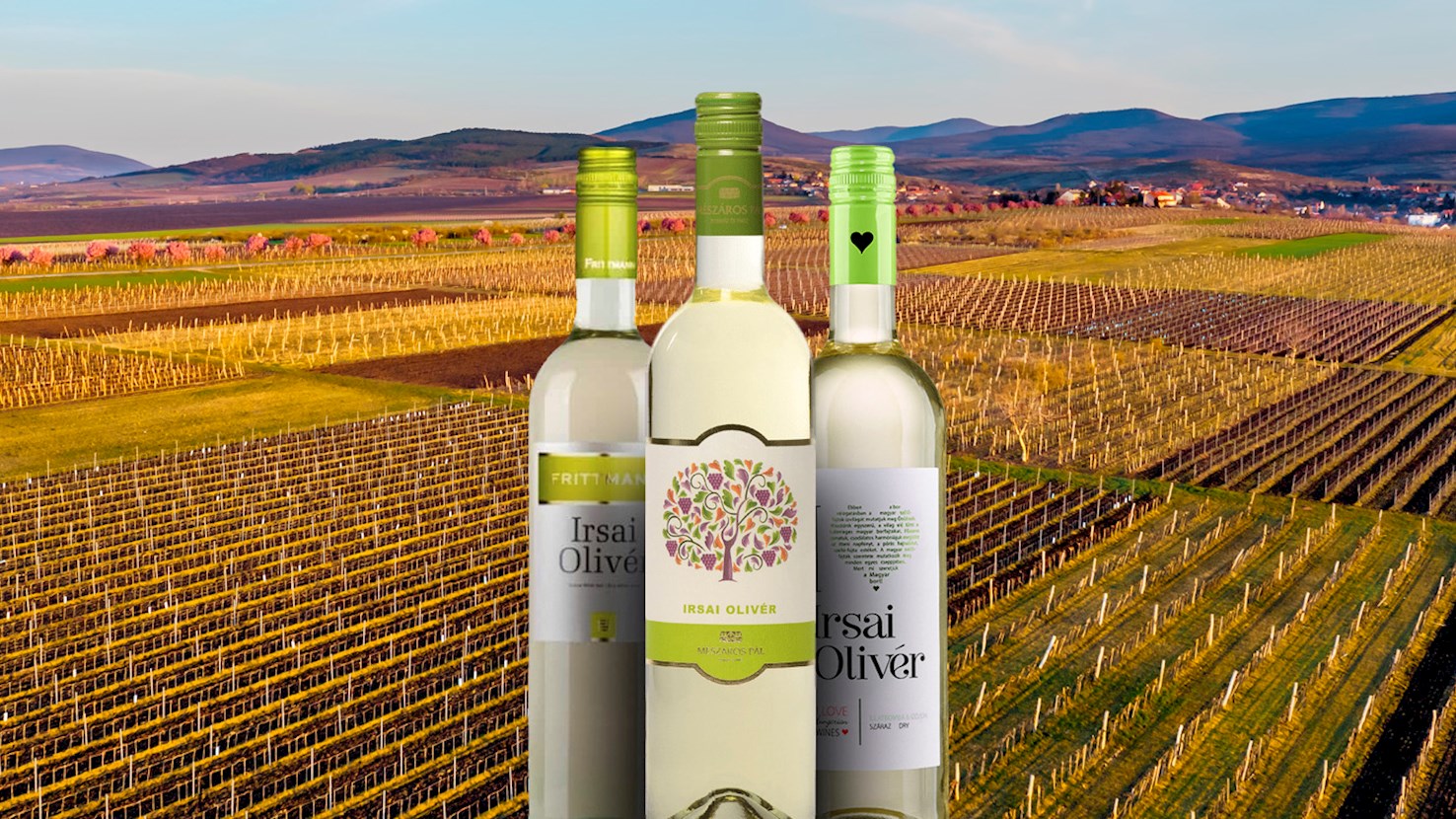
Irsai Olivér is a Hungarian white grape created in 1930 by Pál Kocsis as a cross between Pozsonyi and Pearl of Csaba. The grape is used in varietals and blends and is cultivated in several Hungarian wine regions. It is best suited for cooler areas, and the best expressions generally come from Mátra, where the grape prospers on volcanic soils. Irsai Olivér is an early-ripening grape. It was initially used as a table grape, but since the 1980s, it has been promoted as an excellent wine grape that can produce aromatic and fresh white wines. The grape is sometimes compared with Muscat because of its subtle acidity and citrusy, tropical, and floral aromas. These wines are best enjoyed young, and they should be paired with appetizers, vegetable dishes, and light fish-based main courses. There are many legends about the origin of the grape's name, but Kocsis most likely named it after his friend's son.

Best European Berries
01

Quinta Nova de Nossa Senhora do Carmo

4.9 ·
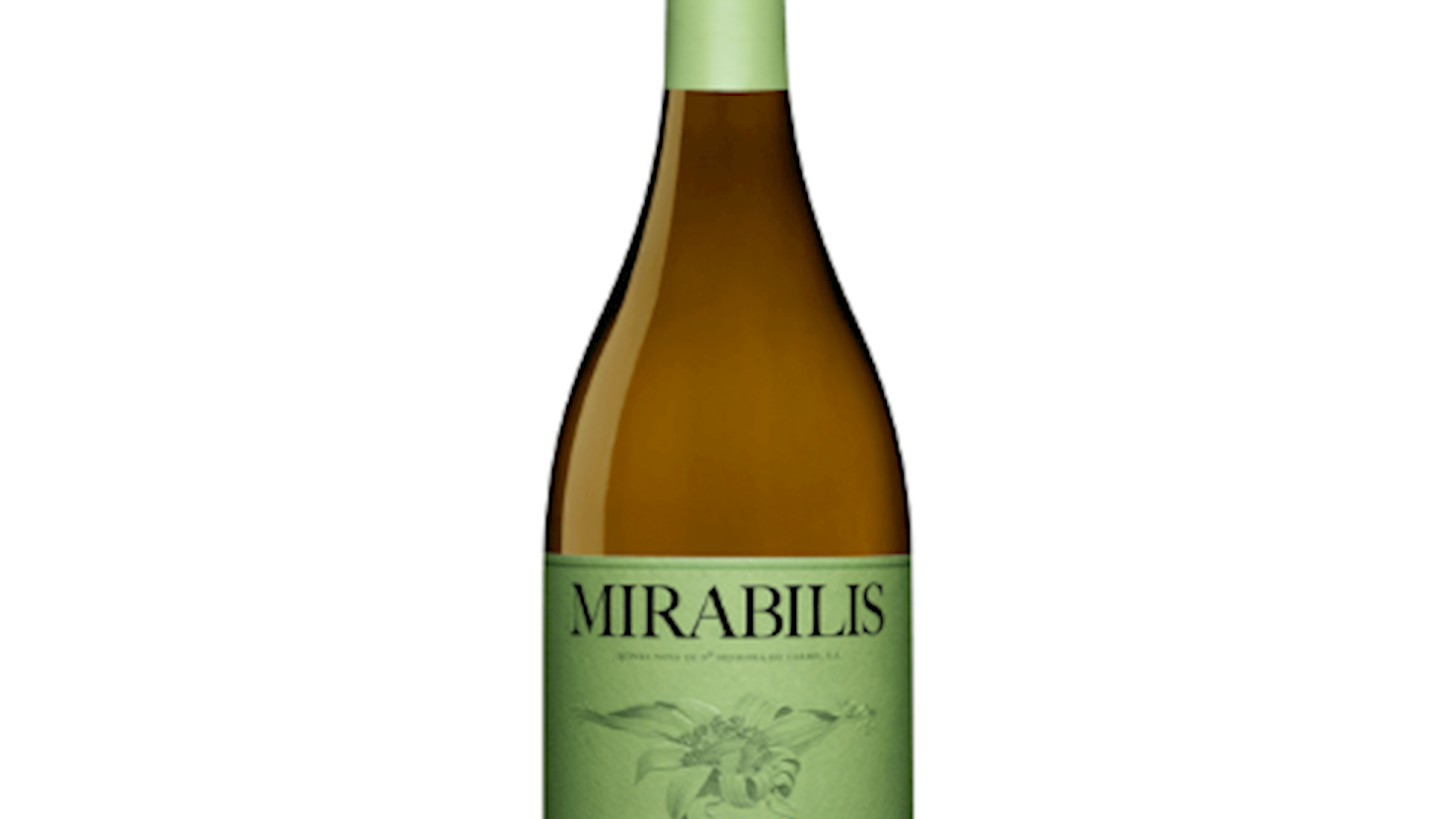
Quinta Nova de Nossa Senhora do Carmo is a historic wine estate located in Portugal’s Douro Valley with a winemaking tradition dating back more than two centuries. The estate was already recognized during the official demarcation of the Douro wine region in 1764, making it part of one of the world’s oldest regulated wine areas. Today the property belongs to the Amorim Group, which acquired the estate in 1999 and modernized both the winery and the surrounding vineyards while preserving its historical character. The vineyards extend across terraced slopes overlooking the Douro River, where schist soils and the region’s warm climate create ideal conditions for growing traditional Portuguese grape varieties. Quinta Nova produces both Douro DOC wines and Port wines, often focusing on the expression of individual vineyard plots and the diversity of the estate’s terroirs. The property is also known for its role in developing wine tourism in the Douro, hosting one of the region’s early wine hotels and offering visitors vineyard tours, tastings, and cultural experiences linked to the history of the estate. Today Quinta Nova de Nossa Senhora do Carmo is considered one of the emblematic estates of the Douro, combining historical heritage, modern winemaking, and a strong connection to the landscape of the region.
Awards
Decanter World Wine Awards - Best in Show (2018)
Vivino - 4.5
02

BiancaVigna

4.9 ·
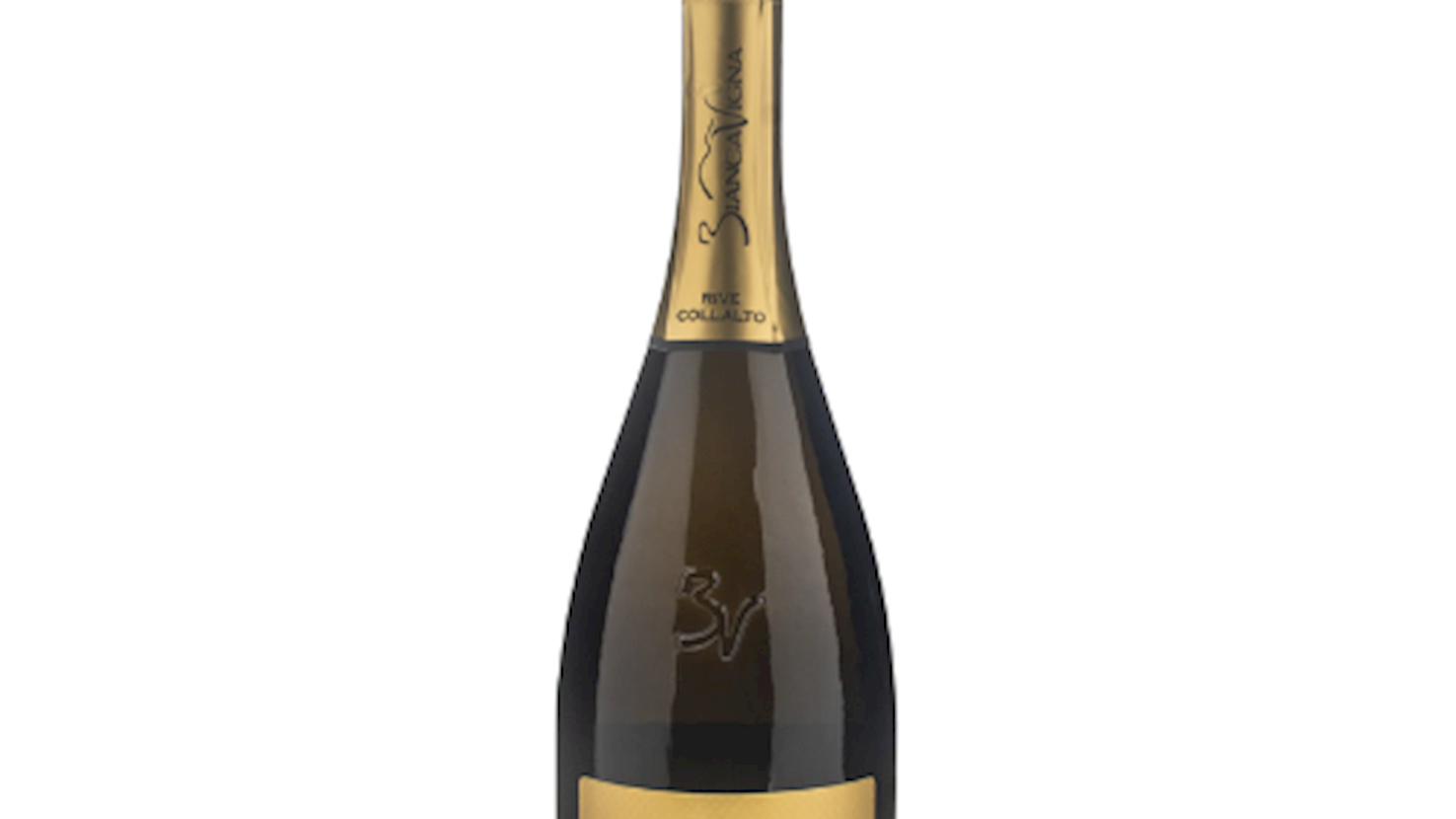
BiancaVigna is a family-run winery located in the Conegliano Valdobbiadene area of Veneto, founded in 2004 by Elena and Enrico Moschetta on the basis of a long-standing family tradition in viticulture dating back to the early 20th century. Its vineyards are spread across steep, hillside sites such as Ogliano, Soligo, San Gallo, and Collalto, all within the Conegliano Valdobbiadene Prosecco Superiore DOCG zone, allowing each wine to reflect specific microclimatic and soil conditions. Production focuses primarily on Glera, with an emphasis on precision in both vineyard management and winemaking to preserve freshness, clarity of fruit, and refined mousse. BiancaVigna places strong importance on sustainability, applying integrated vineyard management practices, with part of the range certified organic. The winery itself is designed according to CasaClima Wine standards, prioritizing energy efficiency and reduced environmental impact. The style of the wines is clean and contemporary, marked by elegant aromatics of pear, apple, and subtle floral notes, balanced by vibrant acidity and a mineral-driven finish. Alongside classic expressions, the estate produces “Rive” bottlings that highlight the distinct identity of individual vineyard sites.
Awards
IWSC- International wine & spirit competition - Gold (2023, 2022)
Vivino - 3.7
03

Adami

4.1 ·
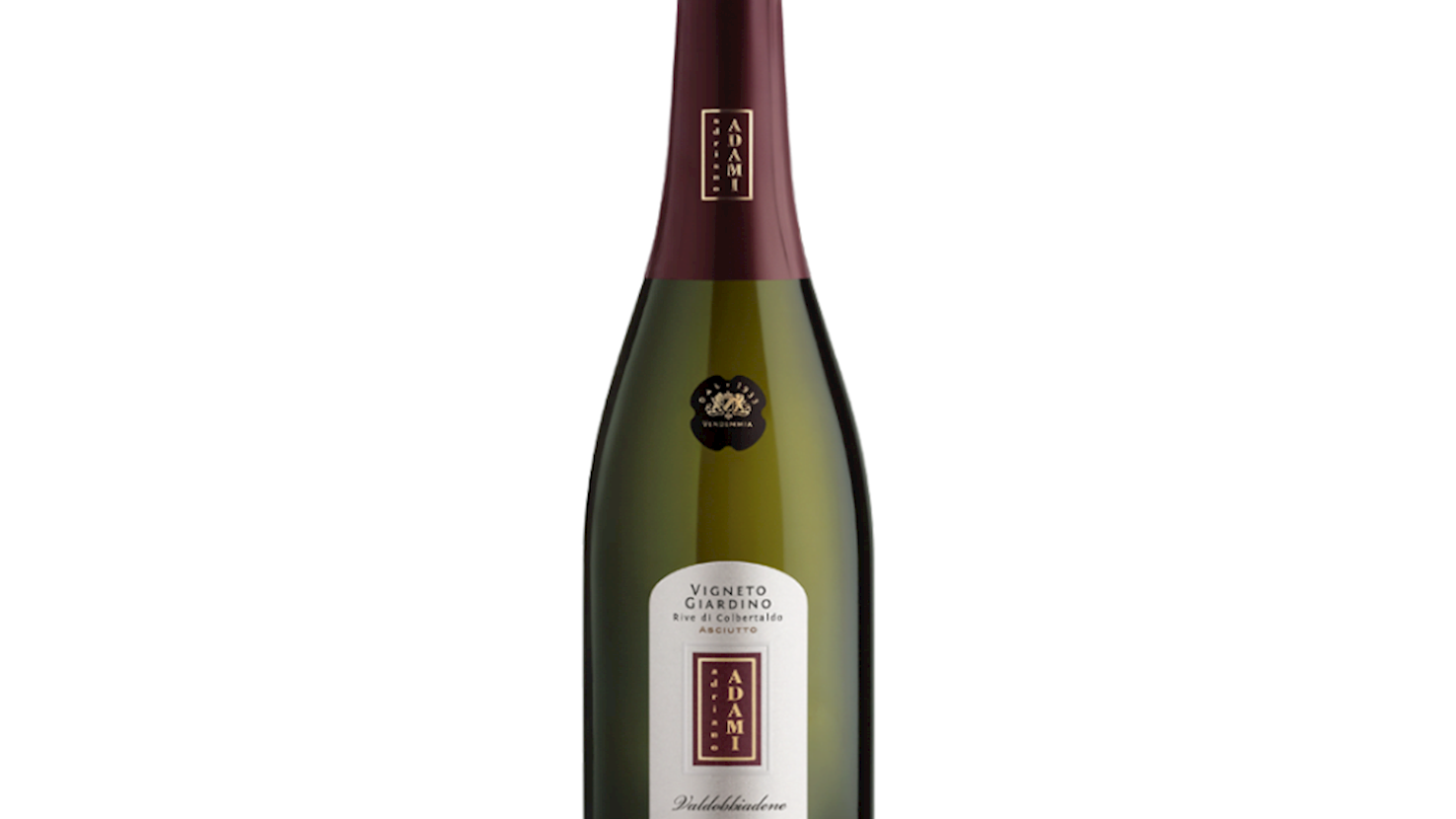
Adami is a renowned family-owned winery based in Valdobbiadene, in the Veneto region of Italy, dedicated for over a century to the production of premium Prosecco Superiore DOCG wines. The winery was founded in 1920 by Abele Adami, who purchased the historic Vigneto Giardino vineyard in Colbertaldo. In 1933, Abele presented the first single-vineyard Prosecco at a national wine exhibition in Siena, laying the foundation for the production of wines with clearly defined origin and identity. Today, the winery is managed by the third and fourth generations of the Adami family – Armando and Franco, along with their successors – who continue the tradition while incorporating modern enological techniques. Adami owns and cultivates approximately 50 hectares of vineyards, some of which are family-owned and others managed in partnership with local growers. The vineyards are located on the steep hillsides of Valdobbiadene, benefiting from diverse microclimates and soil types, which contribute to the production of wines with distinct character and complexity. Adami is a symbol of high-quality Prosecco, built on deep respect for tradition and a continuous drive for innovation. Their wines faithfully express the terroir of Valdobbiadene and the Adami family's commitment to excellence in every aspect of winemaking.
Awards
Vivino - 3.9
04

Nino Franco

4.1 ·
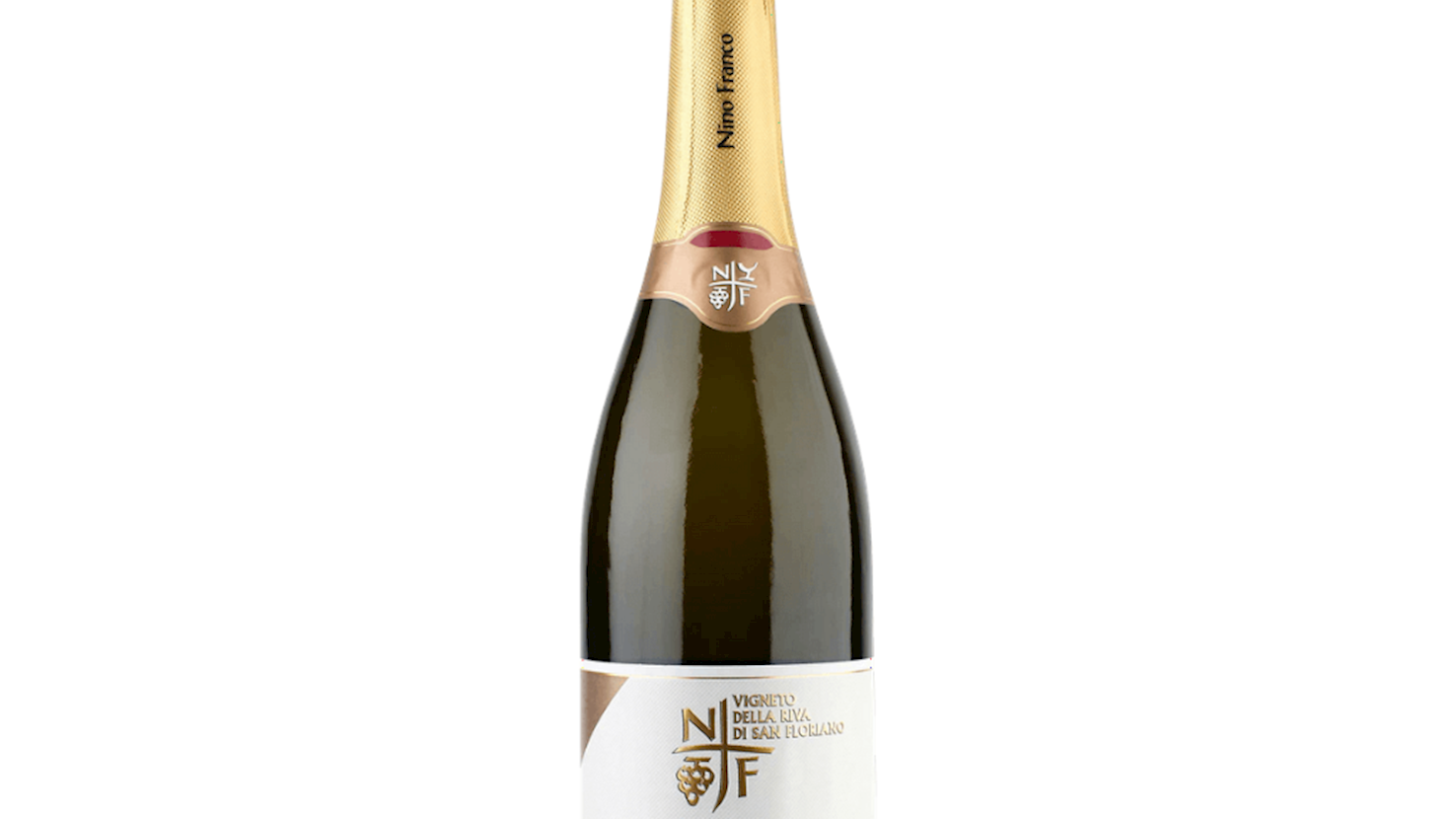
In the heart of Valdobbiadene, one of the most prestigious winegrowing regions in northern Italy and a protected designation of origin for Prosecco Superiore DOCG, the story of Nino Franco has been unfolding for over a century. Founded in 1919 by Antonio Franco, this family-run winery not only stands at the very foundation of prosecco tradition but also redefines its modern, sophisticated expression. Today, the winery is led by Primo Franco, the third generation of the family, whose work in the 1980s was instrumental in modernizing the entire prosecco sector. He was among the first to recognize the importance of vineyard identity and bottle quality over soulless mass production. Under his leadership, Nino Franco has become a winery that blends technical precision with emotional authenticity. Their wines are made exclusively from the Glera grape variety, hand-harvested from the steep slopes of Conegliano-Valdobbiadene, and vinified with remarkable care to preserve the natural aromatic profile and minerality. Today, the winery combines a craft-based approach with modern technology, and every step - from vineyard to bottle - is guided by a deep respect for the land, for time, and for heritage.
Awards
Vivino - 3.8
Read more
View all
View map
About this ranking

TasteAtlas food rankings are based on the ratings of the TasteAtlas audience, with a series of mechanisms that recognize real users and that ignore bot, nationalist or local patriotic ratings, and give additional value to the ratings of users that the system recognizes as knowledgeable. For the “Top 100 European Berries” list until June 01, 2026, 3,048 ratings were recorded, of which 2,119 were recognized by the system as legitimate. TasteAtlas Rankings should not be seen as the final global conclusion about food. Their purpose is to promote excellent local foods, instill pride in traditional dishes, and arouse curiosity about dishes you haven’t tried.

The initial list of top producers was compiled based on available reviews, awards, local recommendations, media and blog coverage, and consumer reviews. The list will be updated with ratings from TasteAtlas local ambassadors and TasteAtlas users.

Similar lists