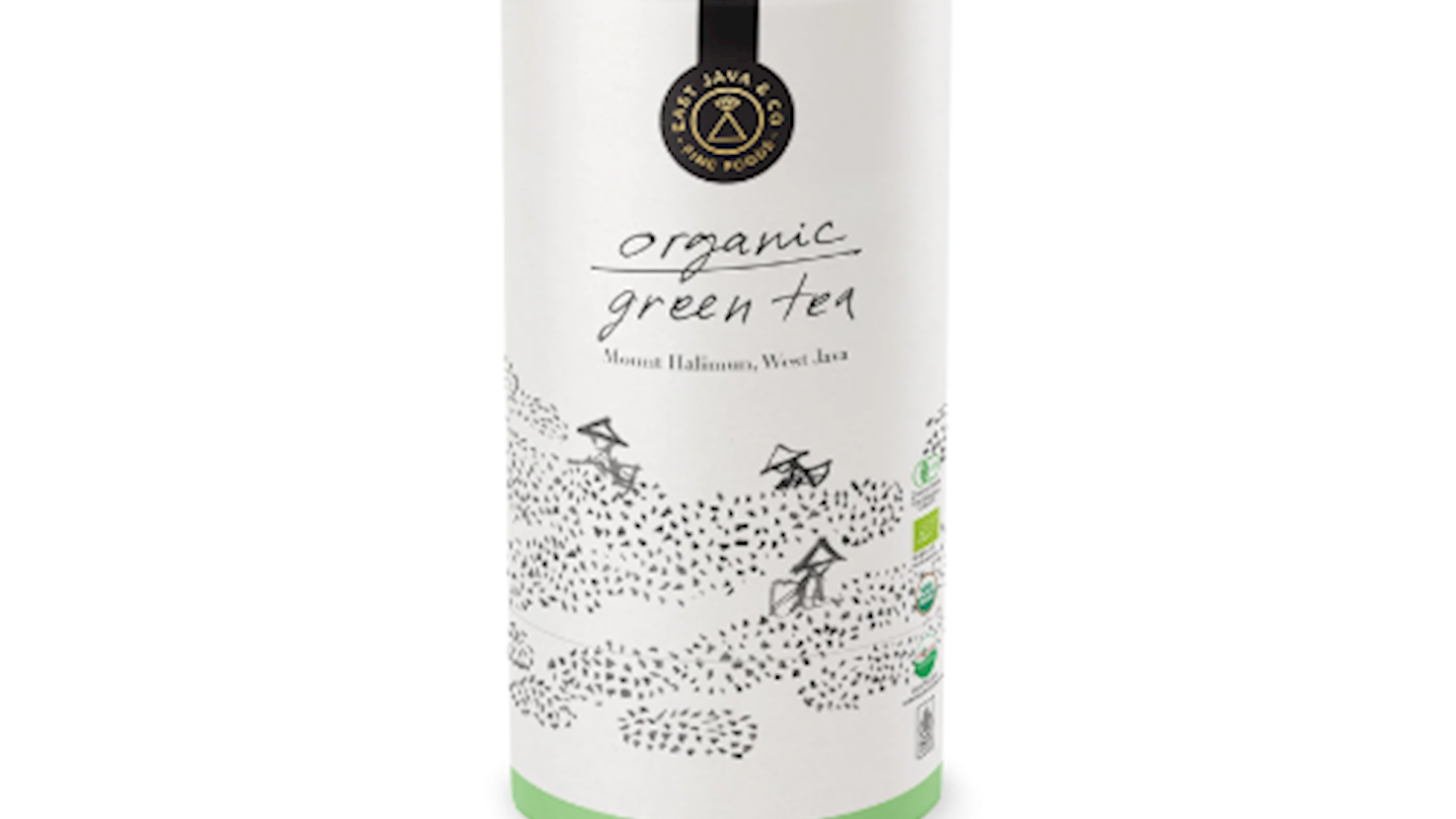
East Java is an Indonesian brand dedicated to producing natural, organically grown foods with a clear focus on origin, ingredient purity, and artisanal processing methods. Their range includes spices, honey, teas, grains, salts, jams, and other products sourced from specific regions across the archipelago, following a strict “single origin” philosophy. The brand works closely with small producers who rely on sustainable agricultural practices and manual techniques, preserving authentic flavors while avoiding unnecessary industrial processing. East Java aims for every product to reflect its terroir - whether it’s aromatic spices from East Java, honey from tropical plantations, or fine sea salt from Indonesia’s coastal areas. Their commitment to quality, transparency, and ethical collaboration with local farmers makes these products a representative example of modern Indonesian gastronomy that seamlessly blends tradition, sustainability, and traceable provenance.
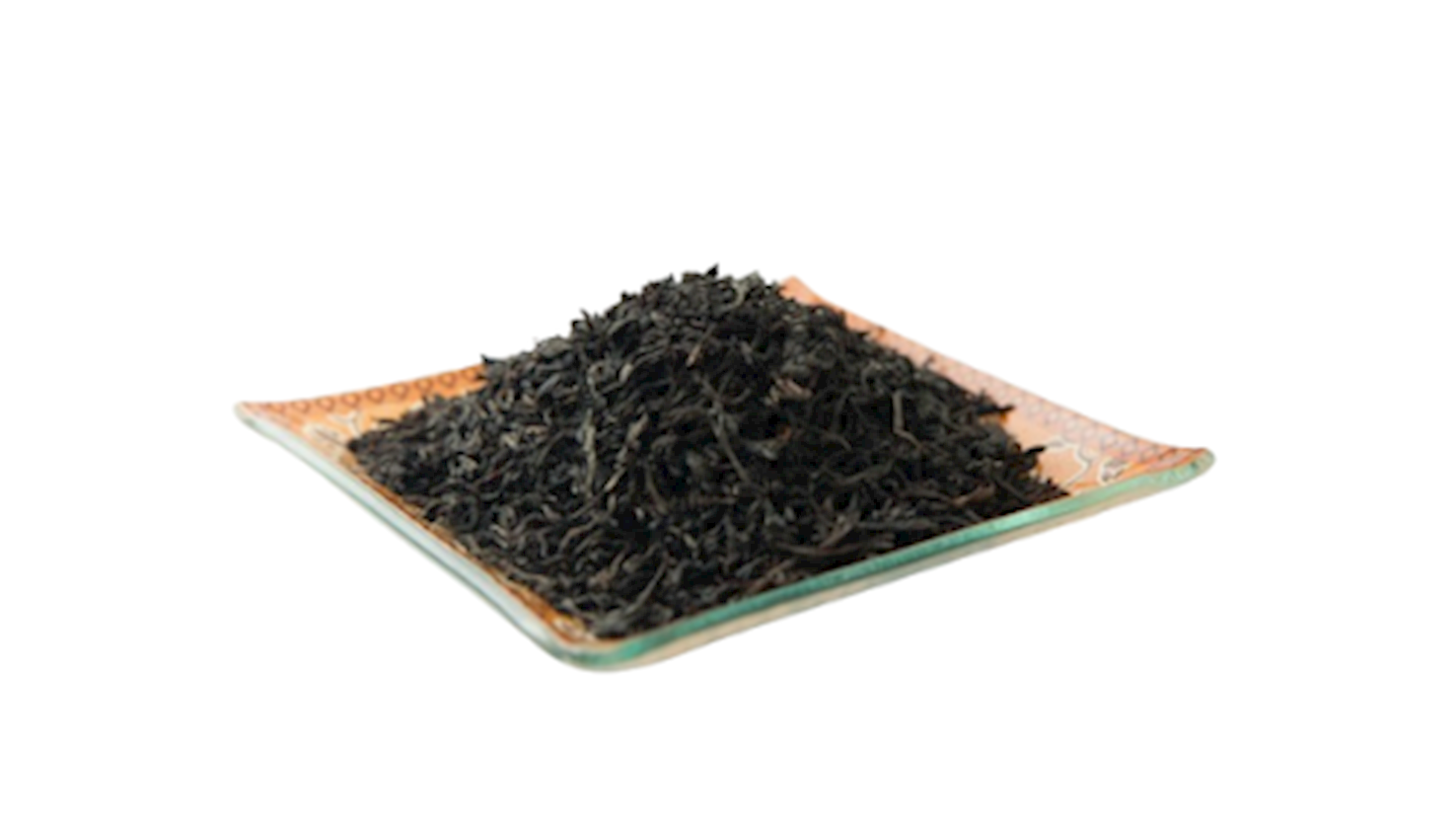
Bukit Sari is one of the oldest and largest organic tea plantations in Indonesia, located in West Java and spanning more than 1,400 hectares of certified ecological cultivation. Their assortment includes green, black, white and premium “imperial” teas, each reflecting the distinctive climate and volcanic soil of West Java. The plantation relies on its own natural mountain spring and implements sustainable energy solutions, including a small hydroelectric system, which helps reduce its overall environmental footprint. Full control over the entire process - from hand-picking to final packaging - ensures that their teas retain authenticity, a clearly expressed terroir and the high quality expected from a specialized grower.
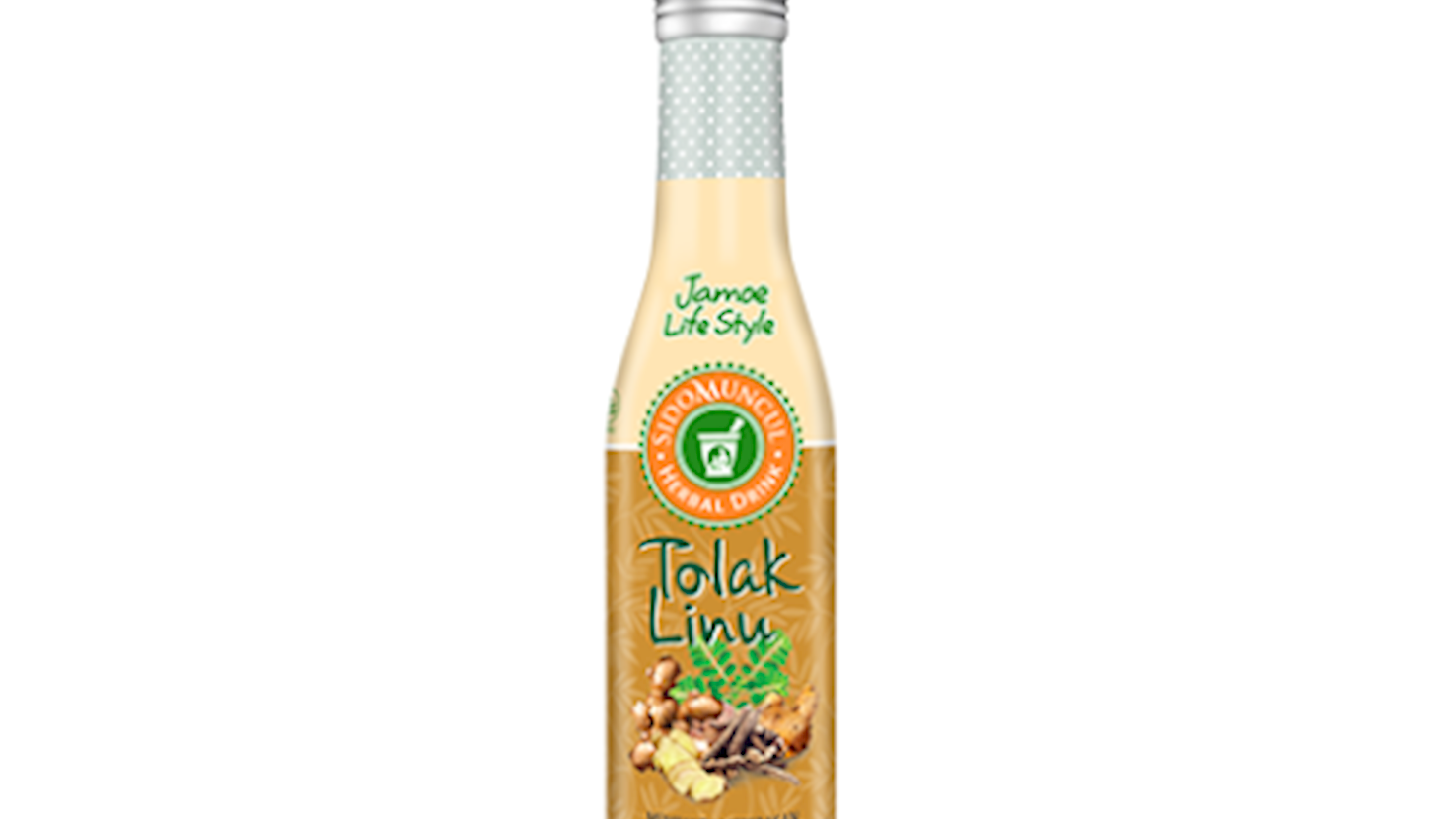
Sido Muncul is a leading Indonesian producer of traditional herbal remedies, supplements, and functional beverages, founded in 1951 in Semarang and developed into one of the most recognized brands in the jamu industry. The company combines Indonesia’s botanical heritage with modern pharmaceutical standards, using strictly controlled raw materials to ensure consistent quality and safety. Sido Muncul operates a modern manufacturing facility employing several thousand people, maintains extensive nationwide distribution, and exports its products globally, positioning itself as a brand that successfully merges tradition, science, and contemporary consumer needs.
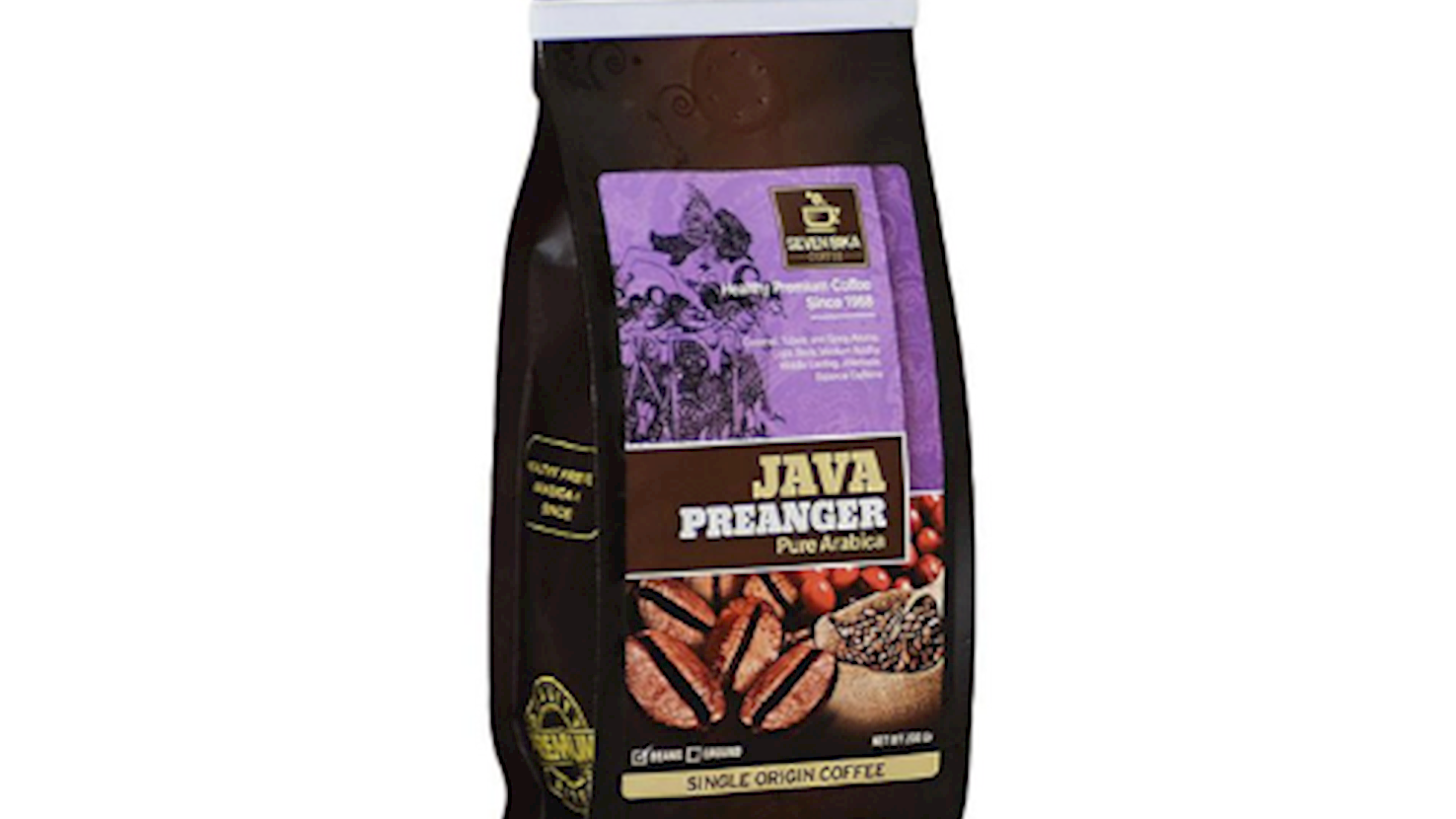
Seven Bika Coffee is an Indonesian specialty coffee brand that uniquely blends rich tradition with modern quality standards. Founded in 2014, it is the natural continuation of the family-run factory “Tjap Gadjah”, established back in 1968 in the heart of Sidikalang. The brand draws its inspiration and raw materials from seven legendary regions renowned for producing exceptional coffee: Sidikalang, Gayo, Toraja, Java, Bali, Papua, and Flores. At the core of their philosophy is a focus on single-origin Arabica, alongside carefully crafted blends that reflect the richness of Indonesia’s diverse terroirs.
The coffee is processed by hand and in small batches, allowing the authentic aromas and unique character of each origin to shine through. Great care is also given to health-conscious aspects - their coffees are known for low caffeine content and proudly carry the label “Healthy Premium Coffee”, a symbol of both quality and responsibility toward consumers.
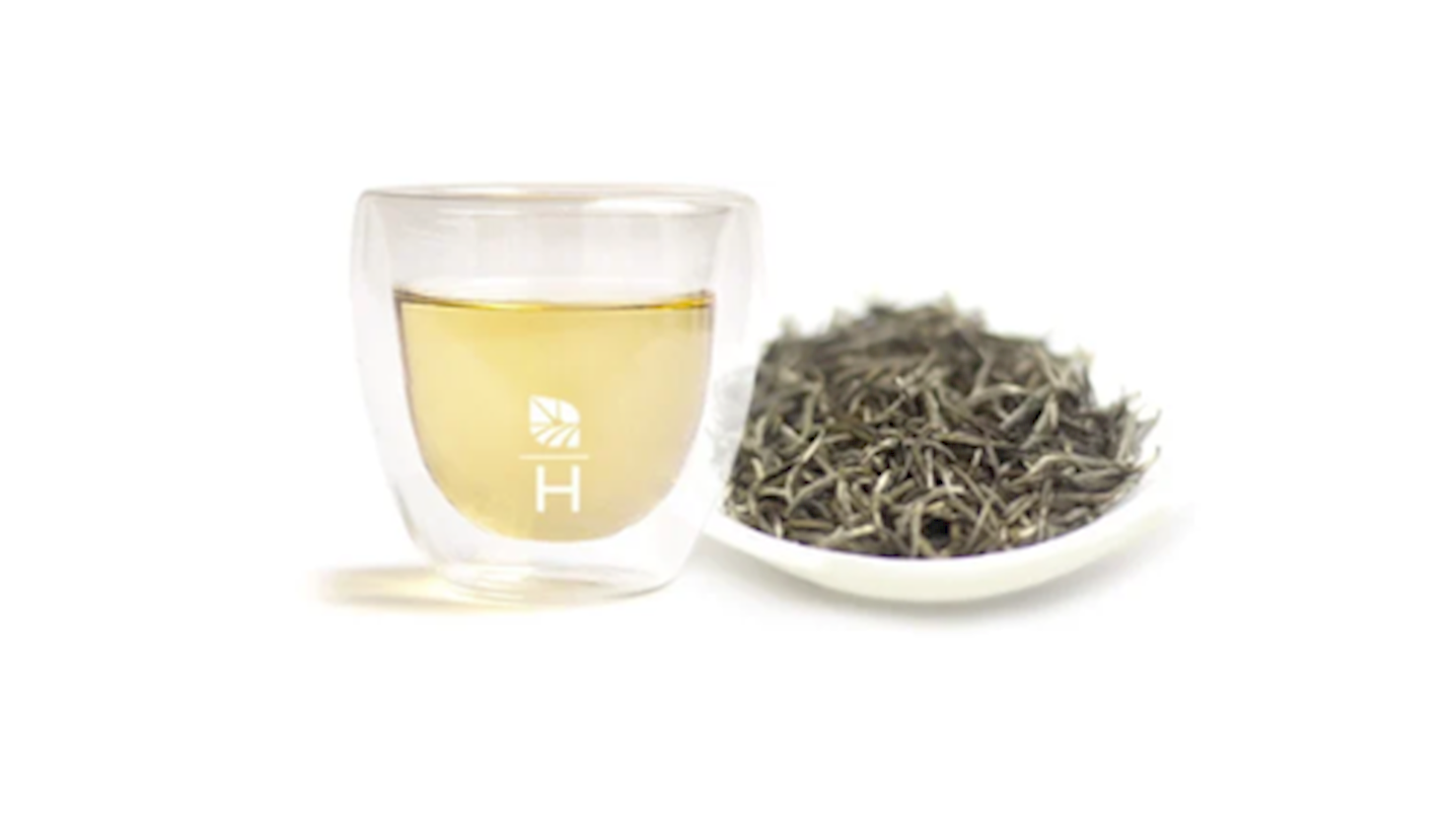
Harendong Organic Tea Estate is an organically certified tea plantation located in the mountainous region near Mount Halimun Salak National Park in Banten Province, at an elevation of roughly 800 to 1000 meters. The leaves are hand-picked and processed in small batches with minimal intervention, preserving the natural aroma, mineral character of the volcanic soil and the distinct terroir of this highland environment. High humidity, frequent mists and abundant rainfall contribute to the development of clean, elegant flavor profiles in the black, green, oolong and white teas produced here. Their “clean taste” character - marked by the absence of bitterness and subtle floral, grassy or mineral nuances - reflects fully natural cultivation and careful resource management. Harendong Tea Estate combines sustainable agriculture, deep respect for the local ecosystem and precise processing techniques to offer teas with an authentic expression of West Java’s mountainous landscape.
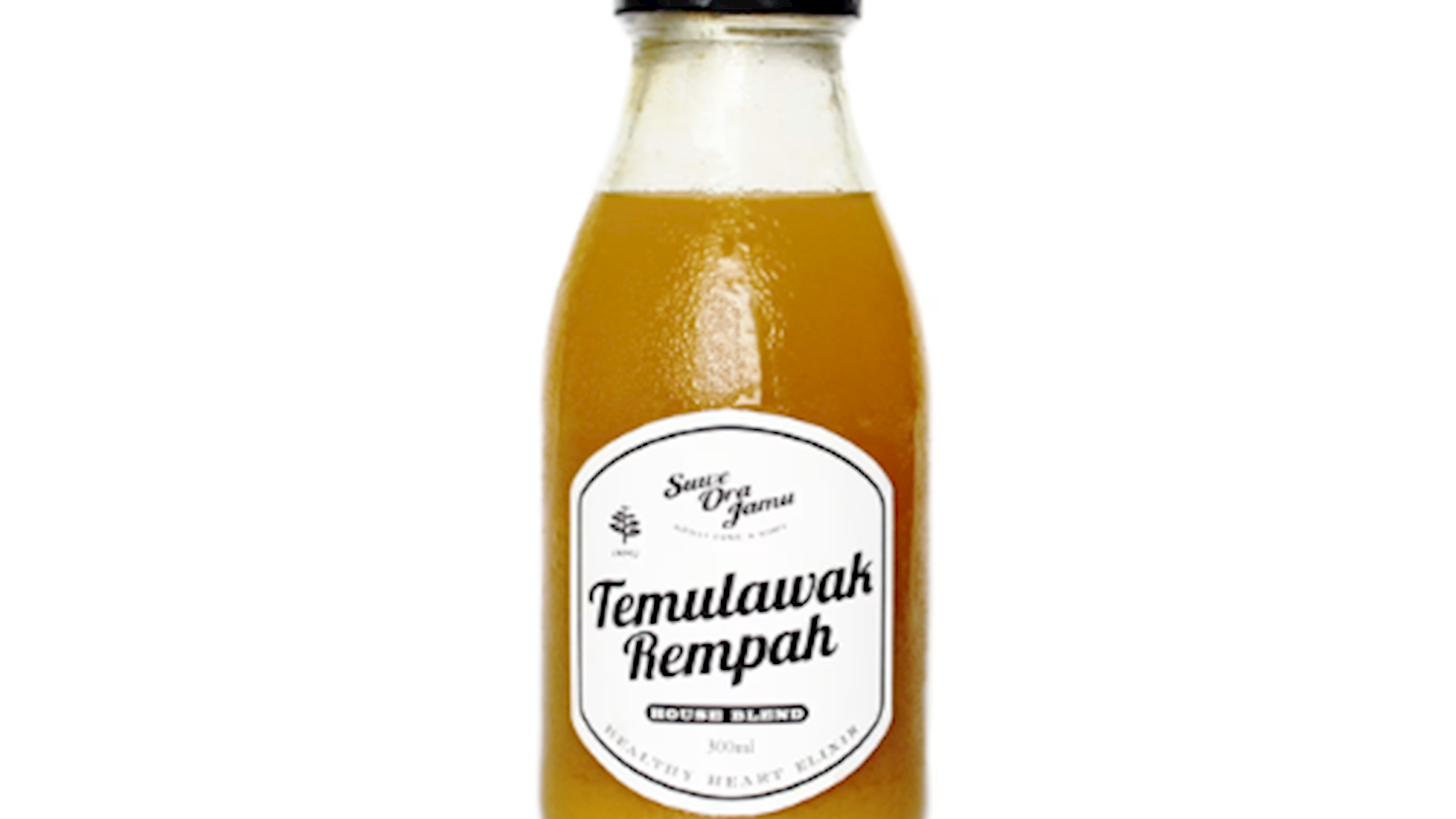
Suwe Ora Jamu is a contemporary Indonesian brand that reintroduces the traditional herbal drink jamu in a modern, urban format tailored to younger consumers and those seeking a natural yet practical alternative to industrial beverages. Their products are based on classic Indonesian herbal recipes and use ingredients such as ginger, turmeric, kencur, lemongrass, and various spices, combining them into handcrafted herbal drinks and teas. The assortment includes traditional blends, wellness-focused variants, and seasonal formulas, while the brand also offers innovative modern interpretations such as lightly carbonated jamu drinks. Through its blend of tradition, natural ingredients, and modern design, Suwe Ora Jamu has become one of the most recognizable forces driving the contemporary revival of jamu culture in Indonesia.
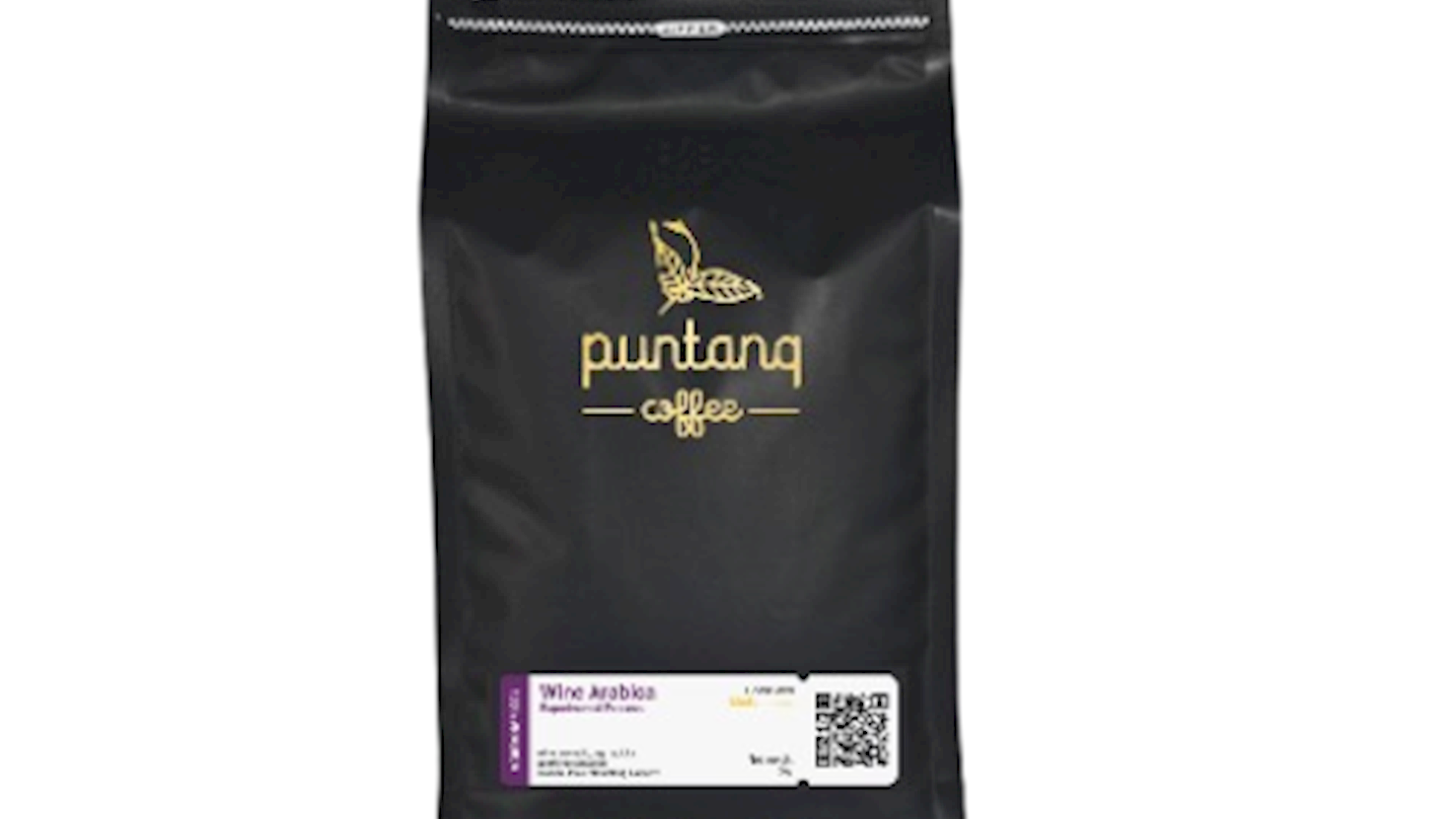
Puntang Coffee is a specialized coffee producer from Indonesia that focuses on high-quality Arabica varieties grown exclusively on Mount Gunung Puntang. Their philosophy is encapsulated in the slogan “Pantang Pulang Tanpa Kopi Puntang”, which translates to “Don’t go home without Puntang Coffee”. They guarantee origin authenticity - all of their coffees come from the Gunung Puntang region, known for its rich volcanic soil and ideal conditions for coffee cultivation.
Their production includes various processing methods, such as washed, natural, and wine processing, which enhance the flavor complexity. The Arabica beans they use are carefully selected and handpicked at altitudes between 1,200 and 1,500 meters, contributing to their distinctive aromatic profile. Puntang Coffee emphasizes freshness as a core value - the coffee is roasted in small batches to ensure it reaches customers at peak flavor. Their coffees are celebrated for their rich aroma, balanced taste, and fruity notes.
Kopi Luwak is a renowned Indonesian coffee company specializing in the production of premium civet coffee, commonly known as Kopi Luwak. Established in 1969, the company has dedicated decades to perfecting the art of coffee cultivation and processing. Their signature product is derived from coffee cherries consumed and naturally fermented by wild civets, resulting in beans that are meticulously collected, cleaned, roasted, and ground to produce a rich, full-bodied coffee with unique flavor notes of caramel and chocolate. Kopi Luwak is committed to maintaining high-quality standards and ethical sourcing practices, ensuring that their coffee not only delivers an exceptional taste experience but also supports sustainable and humane production methods.
Bajigur is a traditional Indonesian beverage hailing from the Sundanese culture of West Java, celebrated for its comforting warmth and rich, sweet flavor, typically enjoyed during the rainy season or cooler evenings. At its heart, Bajigur is a mixture of coconut milk and palm sugar (gula aren), which combine to form a creamy, caramel-toned base. What sets it apart is the addition of aromatic spices such as ginger and a subtle hint of pandan leaf, infusing the drink with a gentle spiciness and a fragrant, almost vanilla-like depth. Some variations also include a pinch of salt or coffee for added complexity. Bajigur is traditionally served hot and is often accompanied by local snacks like boiled bananas, steamed sweet potatoes, or sticky rice cakes, enhancing the overall experience of rustic, homestyle indulgence. Historically, it was sold by street vendors who would roam neighborhoods with portable stoves, the steam rising from their kettles drawing in passersby with the irresistible scent of spiced coconut, though it has modernized over time, with instant versions now available in sachets.
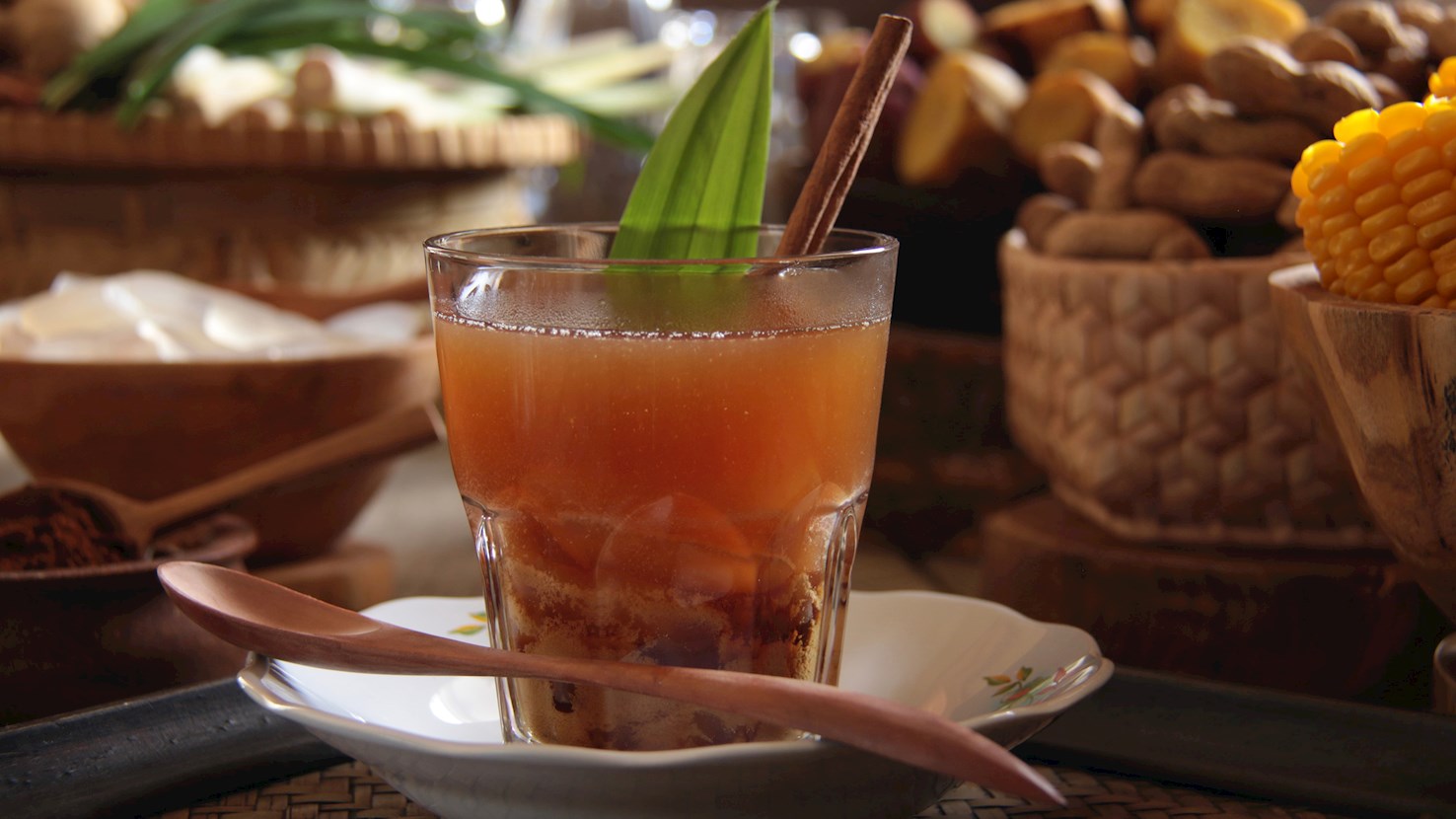
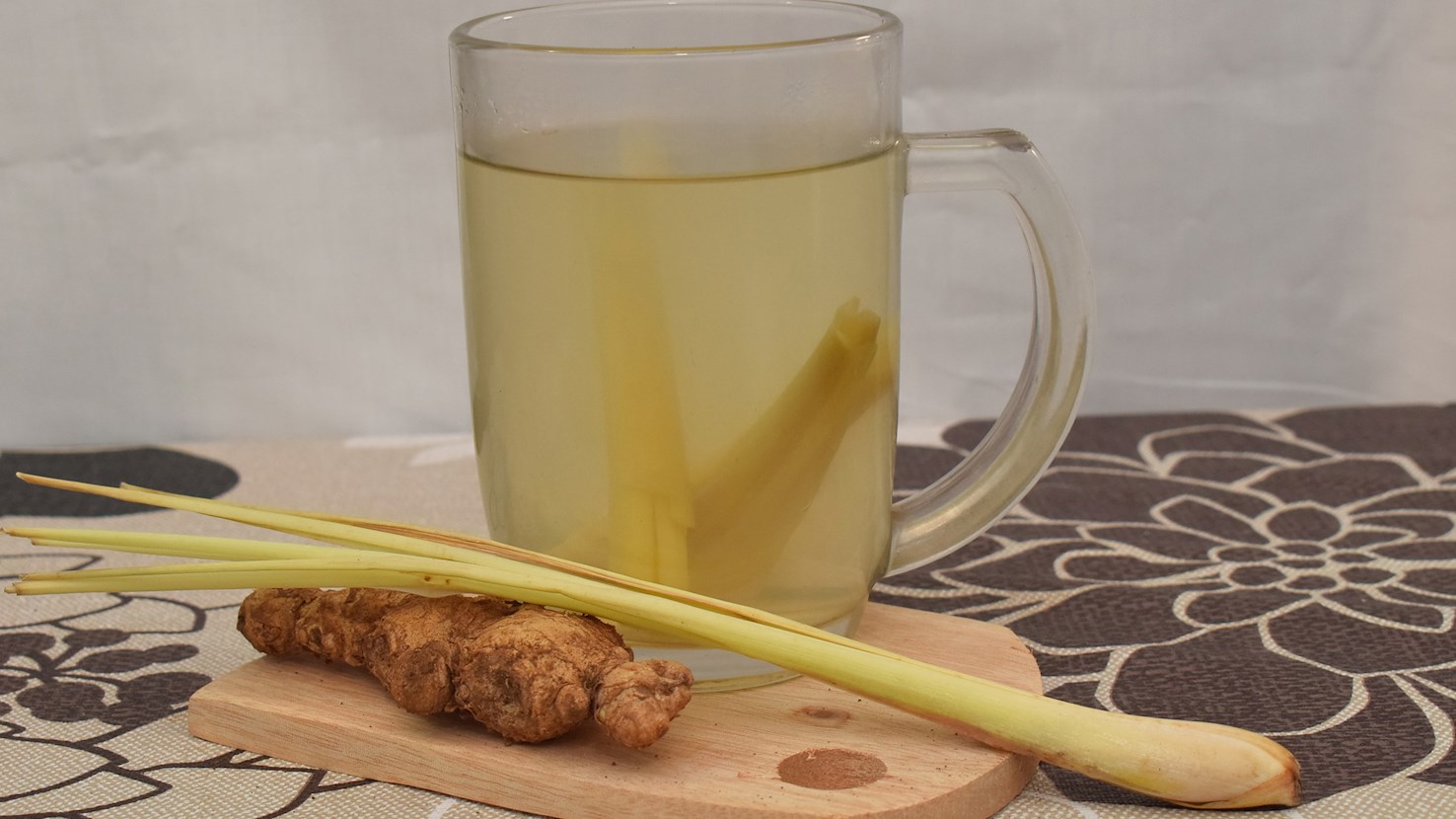
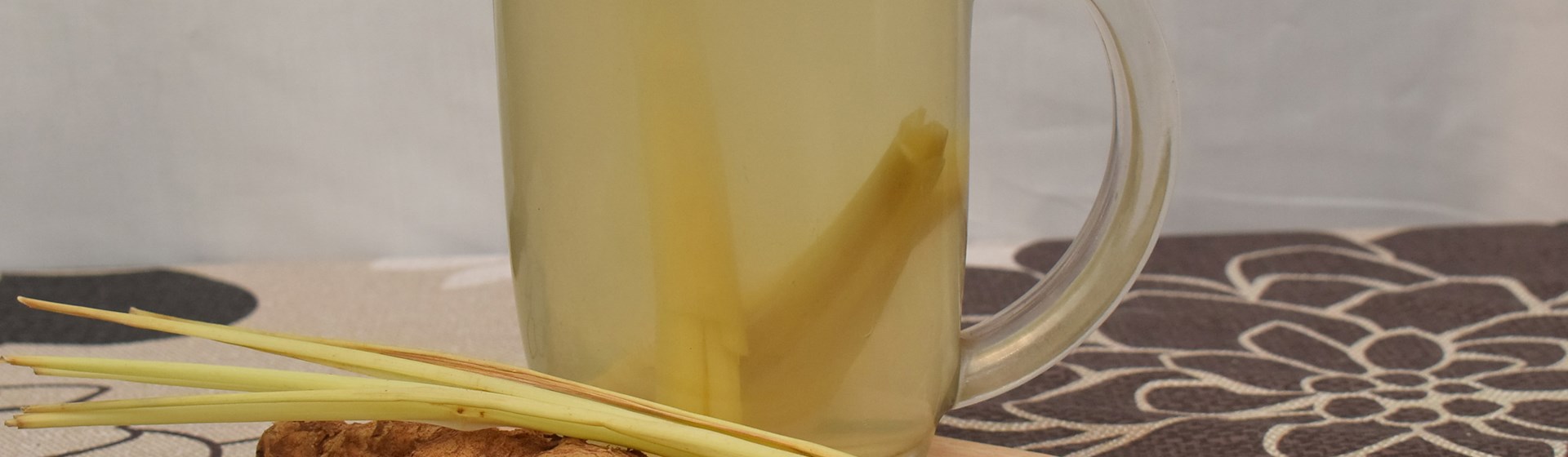
Wedang jahe is a spiced ginger drink from Indonesia, commonly enjoyed across Java and other parts of the archipelago as a warming and soothing beverage. The name comes from the Javanese word “wedang”, meaning a hot drink, and “jahe”, meaning ginger, highlighting its key ingredient and primary function. Made by boiling slices of fresh ginger root with palm sugar and occasionally enhanced with additional spices like cinnamon, cloves, pandan leaves, or lemongrass, wedang jahe is known for its bold, aromatic flavor and mild spiciness. It is typically served hot and is appreciated for both its taste and its comforting properties, particularly in the evening or during cooler weather. This drink is deeply rooted in Javanese culinary culture, where it is associated with hospitality and everyday well-being. It is commonly served in homes, warungs, and street stalls, sometimes as part of a larger offering of jamu, Indonesia’s herbal drink tradition. The ginger used in wedang jahe is often crushed or thinly sliced to maximize the release of its pungent oils, while palm sugar provides a rich, caramel-like sweetness that balances the heat. The result is a drink that is both invigorating and relaxing, often sipped slowly and valued for its ability to promote digestion, ease cold symptoms, and warm the body.
Bandrek is a traditional Indonesian spiced drink from West Java, particularly popular among the Sundanese people, known for its warming, soothing qualities and bold, aromatic flavor. It is typically consumed during the rainy season or in cold weather, especially in highland areas, to warm the body and boost circulation. The drink is made from a base of palm sugar and fresh ginger, giving it a rich, sweet-spicy taste. Other ingredients often include cinnamon, cloves, lemongrass, pandan leaves, and black pepper, with some regional versions adding coconut milk for a creamy texture or young coconut flesh for extra richness. Traditionally prepared by boiling all ingredients together, bandrek is served hot, often enjoyed in the evening or during gatherings as a natural remedy for colds, sore throats, or fatigue. In Sundanese culture, it’s not just a drink but a symbol of hospitality and communal warmth, frequently offered to guests or shared during social occasions.
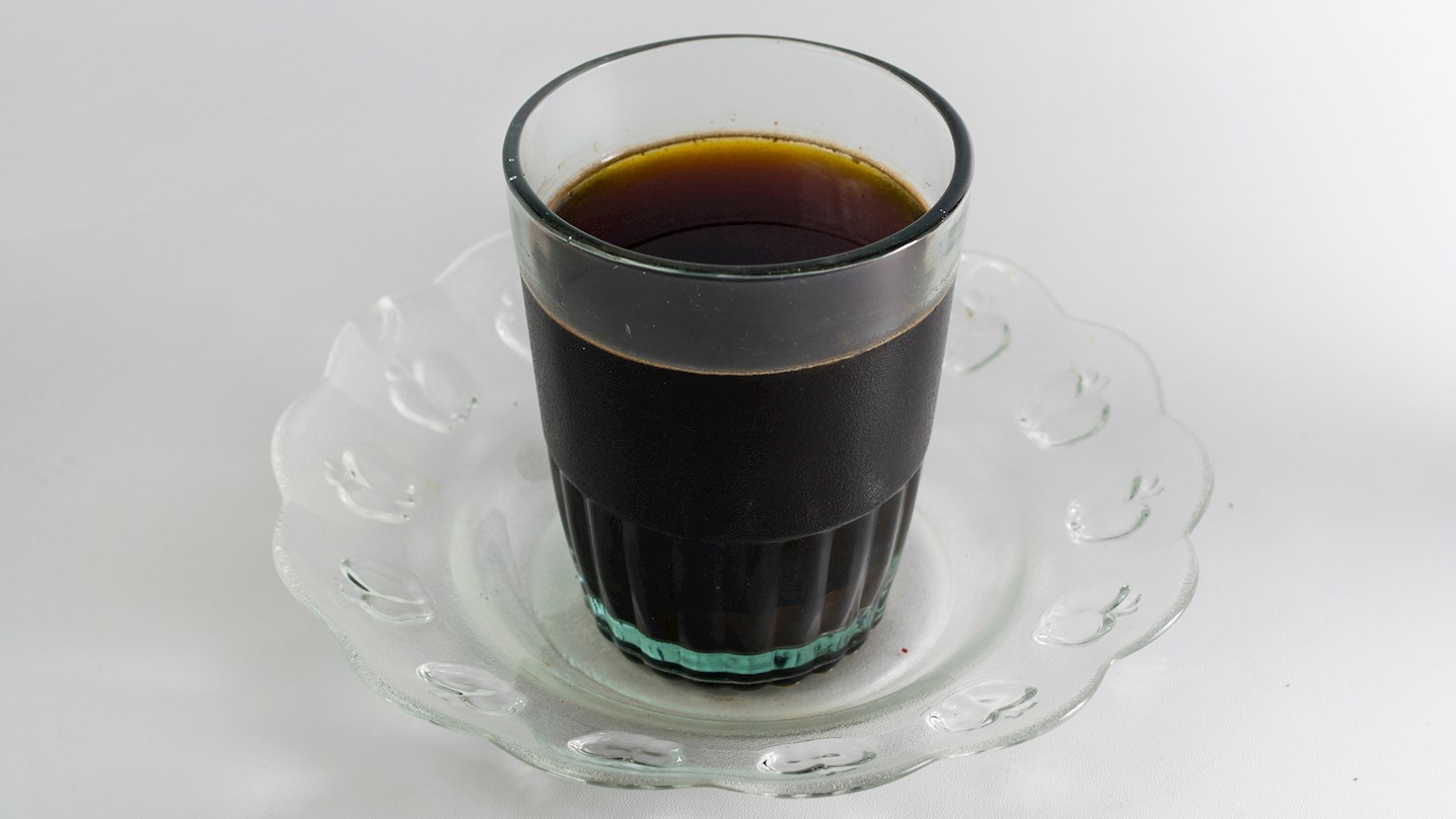
Thick and rich kopi tubruk is the most popular coffee in Indonesia, especially in Java. It involves simple preparation in which boiling or hot water is combined with fine or medium ground coffee. The combination is mixed until it is well incorporated, and it is then left to sit for a couple of minutes until the coffee grounds settle at the bottom of the cup. Although sugar is optional, most people choose to sweeten the coffee by mixing sugar with coffee grounds, before the water is added. This method of preparation is believed to have been introduced by the traders from the Middle East since both the method and the coffee are quite similar to Turkish (Greek) coffee. In Indonesia, coffee is brewed at home, but it is also sold at numerous street stands or specialized coffee shops (warkop or warungkopi).
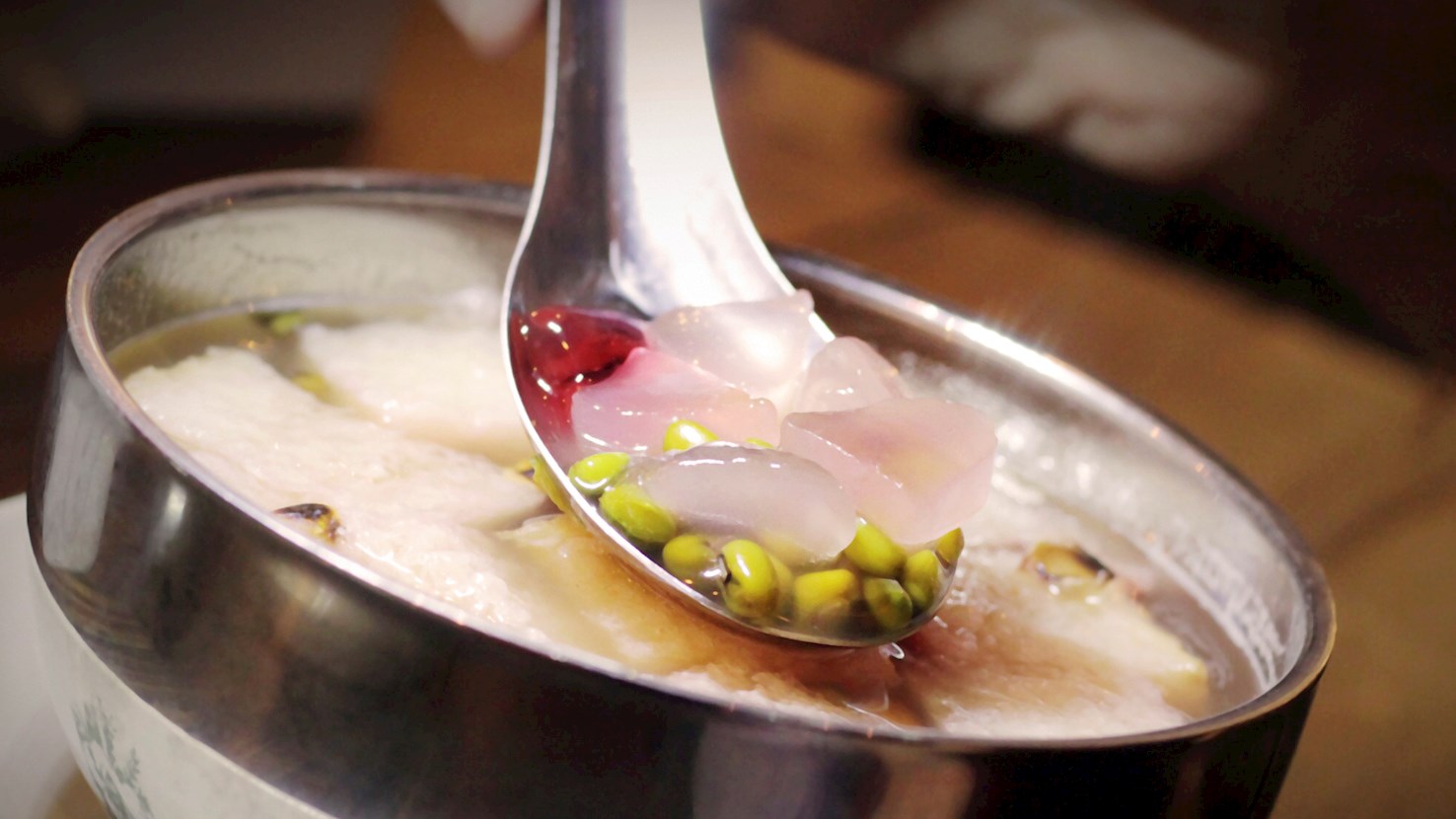
Sekoteng is a warm, comforting Indonesian beverage made from sweet ginger-infused broth, commonly enjoyed in Central Java, particularly in cities like Semarang and Solo. It is typically served with a colorful mix of ingredients such as peanuts, mung beans, diced bread, and chewy tapioca pearls, all floating in the steaming spiced liquid. The defining element of sekoteng is its aromatic ginger base, which is often sweetened with sugar and sometimes lightly enhanced with pandan or lemongrass to create a deeply soothing and slightly spicy profile. Vendors often serve it in glass mugs, ladling it from large pots that keep the drink hot and inviting, especially during cooler evenings or rainy days. Sekoteng is popular as a street food drink and can often be found sold by pushcart vendors who roam neighborhoods in the evening, calling out to customers with the sound of clinking glasses or a soft chime. Its appeal lies in the warmth it provides, both from the temperature and the natural heat of the ginger, making it a beloved choice for winding down or socializing in the night hours. While the core elements remain consistent, some local versions may include additional grains or jellies, allowing each cup to vary slightly in texture and richness.
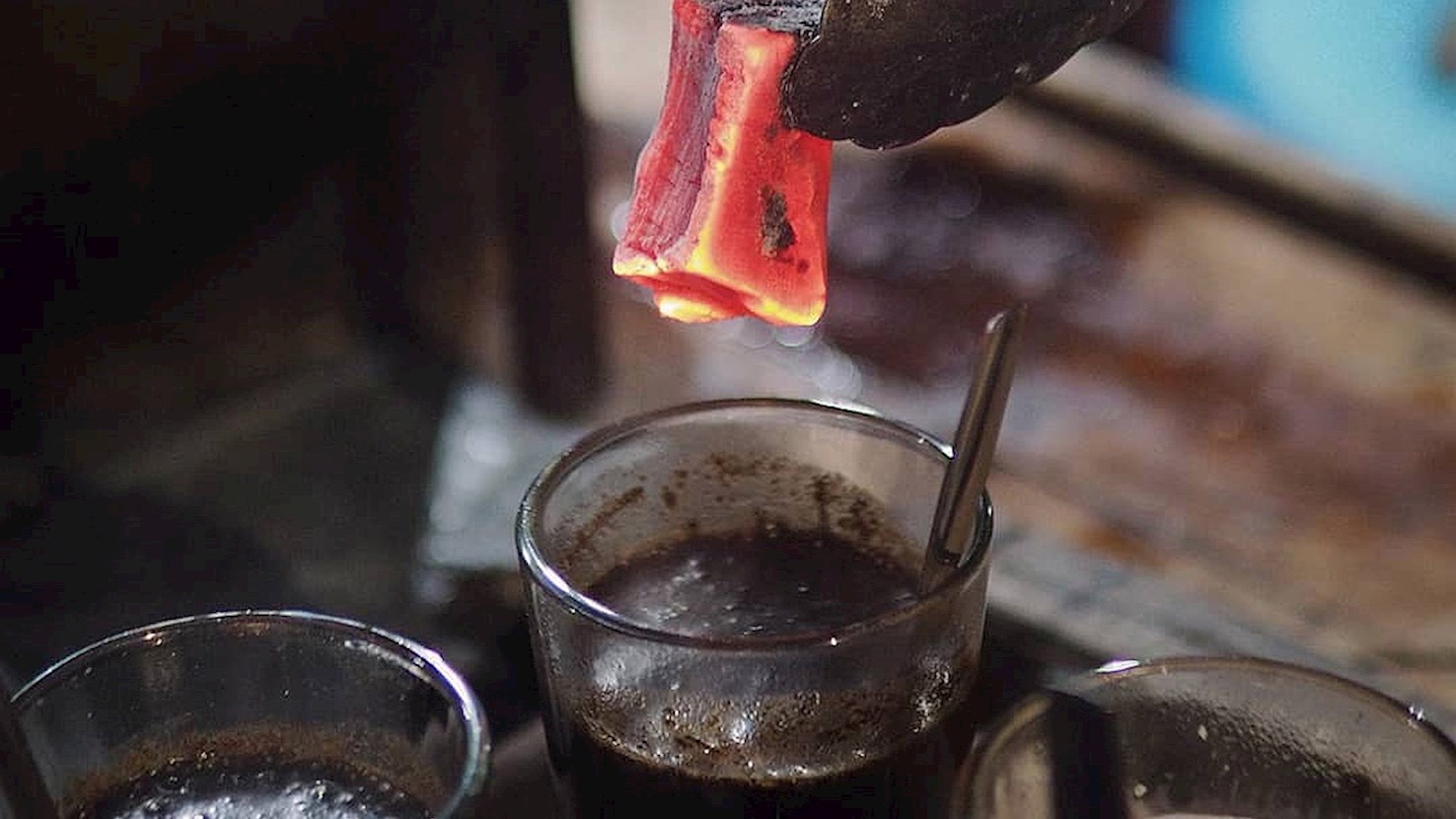
Kopi joss is a distinctive coffee preparation from Yogyakarta, Indonesia, known for its unusual method of adding a piece of hot-burning charcoal directly into a cup of brewed black coffee. It is most closely associated with street-side angkringan stalls, small, informal food carts that serve drinks and snacks, often near train stations or busy night markets. The drink consists of strong black coffee, usually brewed using finely ground robusta beans, mixed with sugar, and then dramatically finished with a red-hot lump of charcoal dropped into the cup, producing a sizzling sound and a brief plume of steam. The origin of kopi joss dates back to the 1960s or 1970s, and it is generally credited to a street vendor in Yogyakarta who began adding hot charcoal to brewed coffee as a way to modify its flavor and possibly reduce perceived acidity. The name "joss" is said to imitate the hissing sound made when the hot charcoal touches the liquid. Over time, the drink gained popularity among locals, students, and curious visitors, becoming a recognizable part of the city’s informal food and beverage culture. It is now widely associated with Yogyakarta’s late-night culinary scene. Despite its unconventional preparation, kopi joss is served and consumed like any regular coffee. After the charcoal is added and the initial fizzing stops, the drink is allowed to settle for a moment before being stirred and sipped. Some vendors remove the charcoal before serving, while others leave it in the glass until the coffee is finished. The charcoal is usually made from coconut shell or hardwood and is fully carbonized, minimizing the release of unwanted substances. While scientific opinions vary, fans of the drink claim that the charcoal smooths the bitterness of the coffee and gives it a slightly smoky or toasted aroma. Kopi joss is usually consumed without milk or creamer, in keeping with its robust, straightforward character. It is often enjoyed alongside simple snacks like fried tempeh, boiled eggs, or rice-based dishes offered at the same angkringan stall. The drink is inexpensive and accessible, maintaining its place as a popular choice for both casual coffee drinkers and those seeking a local specialty. Its unique preparation has drawn attention beyond Yogyakarta, and some coffee shops in other Indonesian cities have attempted to replicate the experience, though it remains most closely tied to its original context.
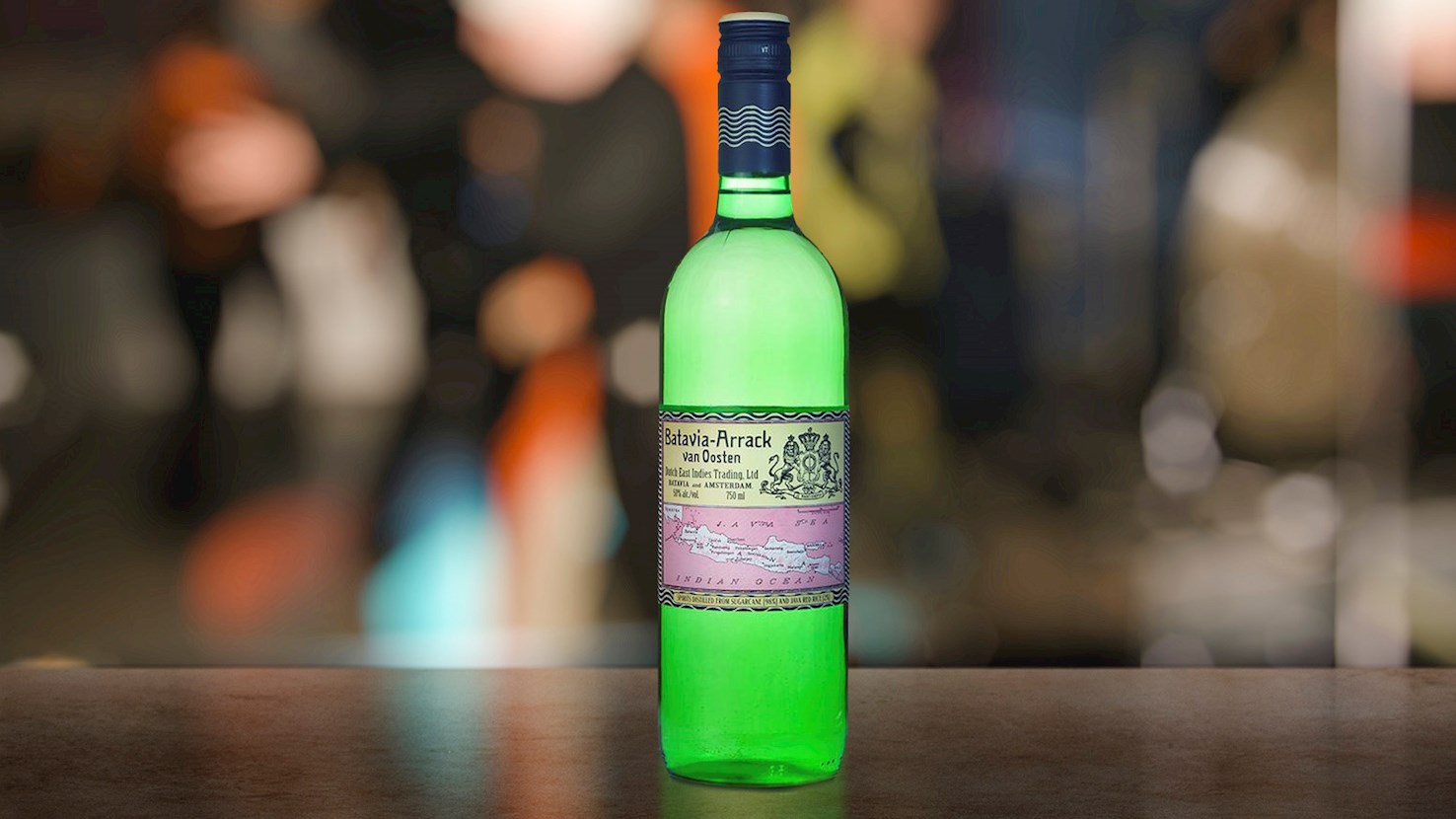
Batavia arrack is a spirit that hails from Java, and it is produced from sugarcane molasses, red rice cakes, and occasionally small amounts of toddy (fermented palm juice). Often compared to rum, the drink is quite potent with herbaceous, nutty, smoky, and subtly spicy flavors and aromas. The exact time when Batavia arrack originated is not known, but it has long been in existence before the Dutch settled East India Company on Java, which makes arrack one of the oldest distillates in the world, and a predecessor to all old world spirits such as gin, whisky, or brandy. The Dutch started exporting arrack and promoting the drink outside its native country, and throughout the 18th and 19th century, Batavia arrack was considered far superior to Caribbean rum, but it was later overshadowed by its counterpart. In the past, arrack was mainly used as the base for punch, but recently it has been promoted as a suitable cocktail ingredient. It is also the base for punsch, traditional Swedish arrack-based liqueur. The name Batavia stems from the old colonial Dutch name for Jakarta.
TasteAtlas food rankings are based on the ratings of the TasteAtlas audience, with a series of mechanisms that recognize real users and that ignore bot,
nationalist or local patriotic ratings, and give additional value to the ratings of users that the system recognizes as knowledgeable.
For the “Top 9 Javanese Beverages” list until June 04, 2026, 284 ratings were recorded, of which 108 were recognized by the system as legitimate.
TasteAtlas Rankings should not be seen as the final global conclusion about food. Their purpose is to promote excellent local foods,
instill pride in traditional dishes, and arouse curiosity about dishes you haven’t tried.
The initial list of top producers was compiled based on available reviews, awards, local recommendations, media and blog coverage, and consumer reviews.
The list will be updated with ratings from TasteAtlas local ambassadors and TasteAtlas users.