Top 18 Local Beverages
in the Metropolitan City of Florence

Last updated on June 15, 2026

Best Metropolitan City of Florence Beverages
01

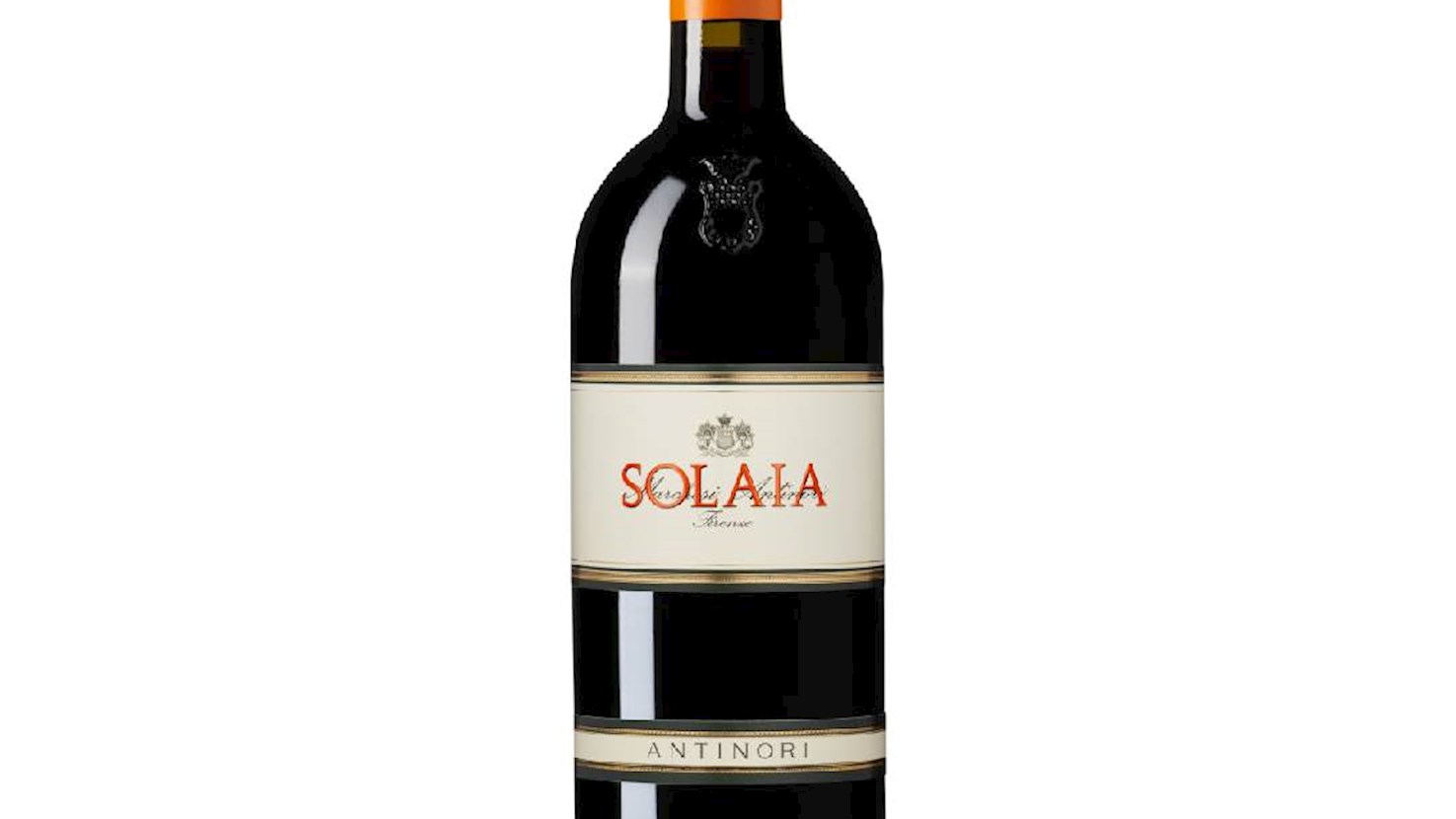
Marchesi Antinori

5 ·
Marchesi Antinori is an Italian winery headquartered in Florence, Tuscany, with a winemaking tradition dating back to 1385. Over 26 generations, the Antinori family has directly managed the winery, blending innovation with respect for tradition and environmental preservation. In 1928, Marchese Niccolò Antinori created Villa Antinori, which became the family's signature wine, representing the unique identity of Chianti Classico and Tuscany. In 2012, the family inaugurated the Antinori nel Chianti Classico winery in Bargino, symbolizing their bond to their ancestral land. This winery was constructed entirely with locally sourced materials, respecting the surrounding environment and the Tuscan landscape. Today, the Antinori family continues to explore new territories and grape varieties, maintaining their commitment to quality and tradition, making them one of the most esteemed wineries in Italy and the world.
Awards
James Suckling - 98 points (2024)
Wine Spectator - 95 (2023)
02

Ruffino

5 ·
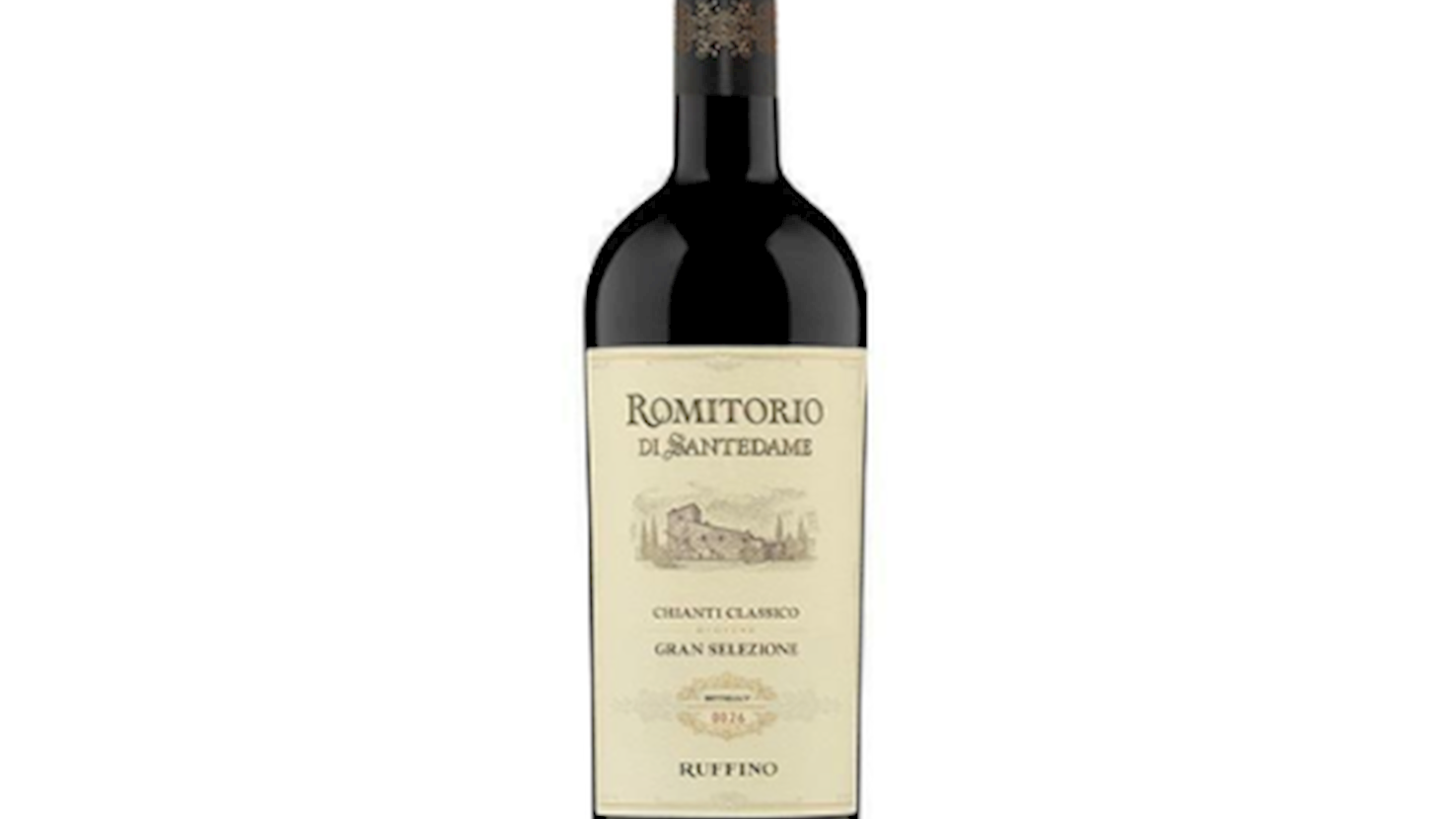
Ruffino is one of the oldest and most recognizable Tuscan wineries, founded in 1877 in Pontassieve near Florence, with the clear ambition of making Tuscan wines known and appreciated beyond Italy. From an early stage, the winery became a pioneer in wine export, especially with Chianti, helping to build an international reputation that still defines the brand today. Ruffino now manages several estates located in key Tuscan wine areas, including Chianti Classico, Brunello di Montalcino and Maremma, with a strong focus on expressing the identity of each terroir. Its style combines historical winemaking knowledge with a modern, technically precise approach. The winery is particularly known for the Riserva Ducale line, long regarded as a benchmark expression of Chianti. Alongside these classic labels, Ruffino also produces higher-tier wines such as Gran Selezione, as well as more accessible styles intended for a wider audience. Sustainability plays an important role in its philosophy, with attention to biodiversity, soil protection and responsible vineyard management. Ruffino also invests in wine tourism, offering tastings and hospitality experiences at its estates. The wines are generally defined by clarity of fruit, balance, and a recognizable Tuscan character. Through continuity, innovation and strong identity, Ruffino remains one of the most influential names in Italian winemaking.
Awards
Decanter World Wine Awards - Best in Show (2023)
Decanter World Wine Awards - Platinum (2019)
03

Tenuta La Massa

4.9 ·
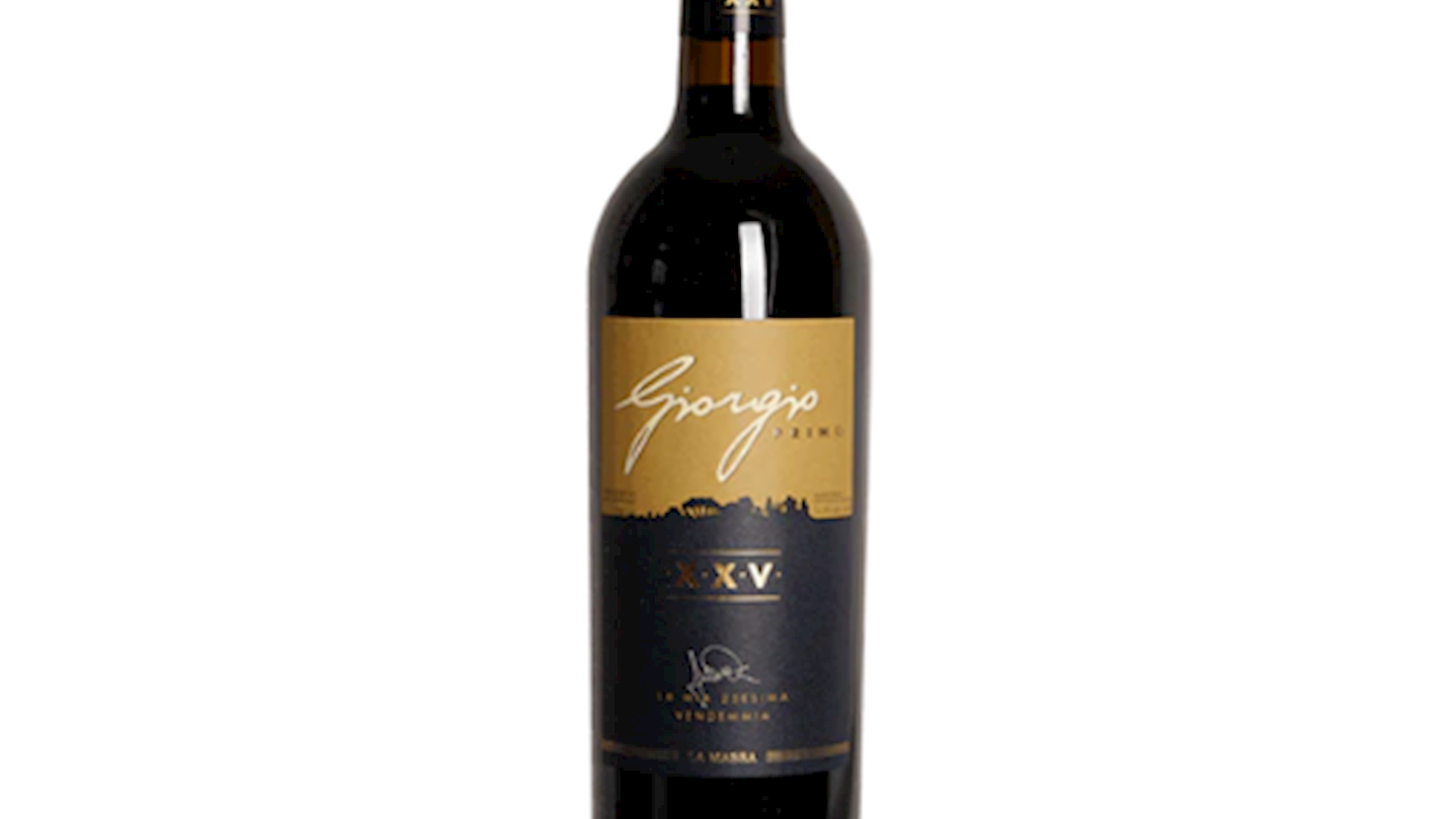
Tenuta La Massa is a Tuscan estate located in Panzano in Chianti, an area known for its favorable exposure and balanced microclimate within the Chianti Classico zone. The winery was revitalized in the 1990s under the ownership of Giampaolo Motta, who shifted its direction toward a more international and terroir-focused style, moving away from traditional Chianti classification. The vineyards are planted on galestro-rich soils at moderate elevations, contributing to both structure and freshness in the wines. While Sangiovese remains an important component, the estate also cultivates Merlot and Cabernet Sauvignon, reflecting a broader stylistic approach. Winemaking combines careful vineyard selection with modern techniques, including controlled fermentation and aging in French oak barrels. The wines are typically structured yet polished, showing dark fruit, spice, and subtle herbal notes, with a balance between richness and freshness. One of the estate’s defining wines, Giorgio Primo, is a Bordeaux-style blend that highlights depth and concentration, while other labels offer a more immediate and approachable expression. Despite the international influence, the wines retain a clear connection to the Chianti terroir, particularly through their acidity and mineral backbone. Tenuta La Massa has established a reputation for producing refined, structured wines that bridge traditional Tuscan character with a more contemporary style.
Awards
Falstaff - 99
Vivino - 4.4
04

Fontodi

4.9 ·
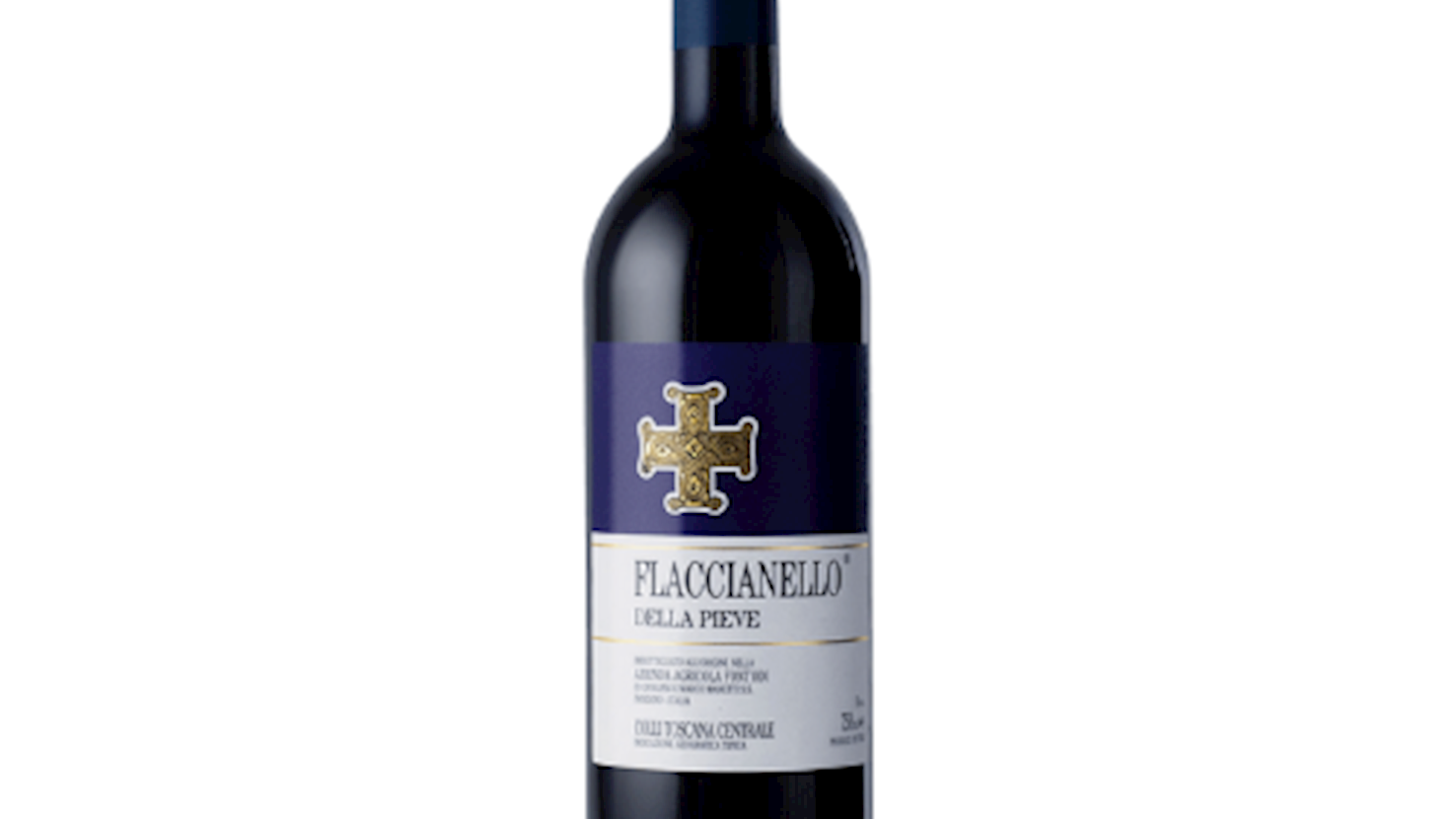
Fontodi is a leading estate in the Chianti Classico region, located in Panzano within the renowned Conca d’Oro valley, a natural amphitheater known for its ideal viticultural conditions. Owned by the Manetti family since 1968, the winery has built a strong reputation through a long-term commitment to quality, terroir expression, and sustainable practices. The estate covers around 130 hectares, with approximately 70 hectares under vine, all farmed organically with a focus on biodiversity and minimal intervention. Fontodi is primarily dedicated to Sangiovese, treating it as the key to expressing the character of Panzano’s soils and microclimate. Winemaking combines traditional methods with modern precision, including spontaneous fermentation and careful aging in oak, always aiming to preserve balance and authenticity. The wines are known for their depth, clarity, and structure, with a style that emphasizes elegance over excess weight. Their flagship wine, Flaccianello della Pieve, is considered one of Tuscany’s most iconic Sangiovese expressions. Overall, Fontodi represents a benchmark for Chianti Classico, defined by consistency, site transparency, and strong aging potential.
Awards
Falstaff - 99
Vivino - 4.4
05

Castello Vicchiomaggio

4.9 ·
Awards
IWSC- International wine & spirit competition - Gold (2021)
06

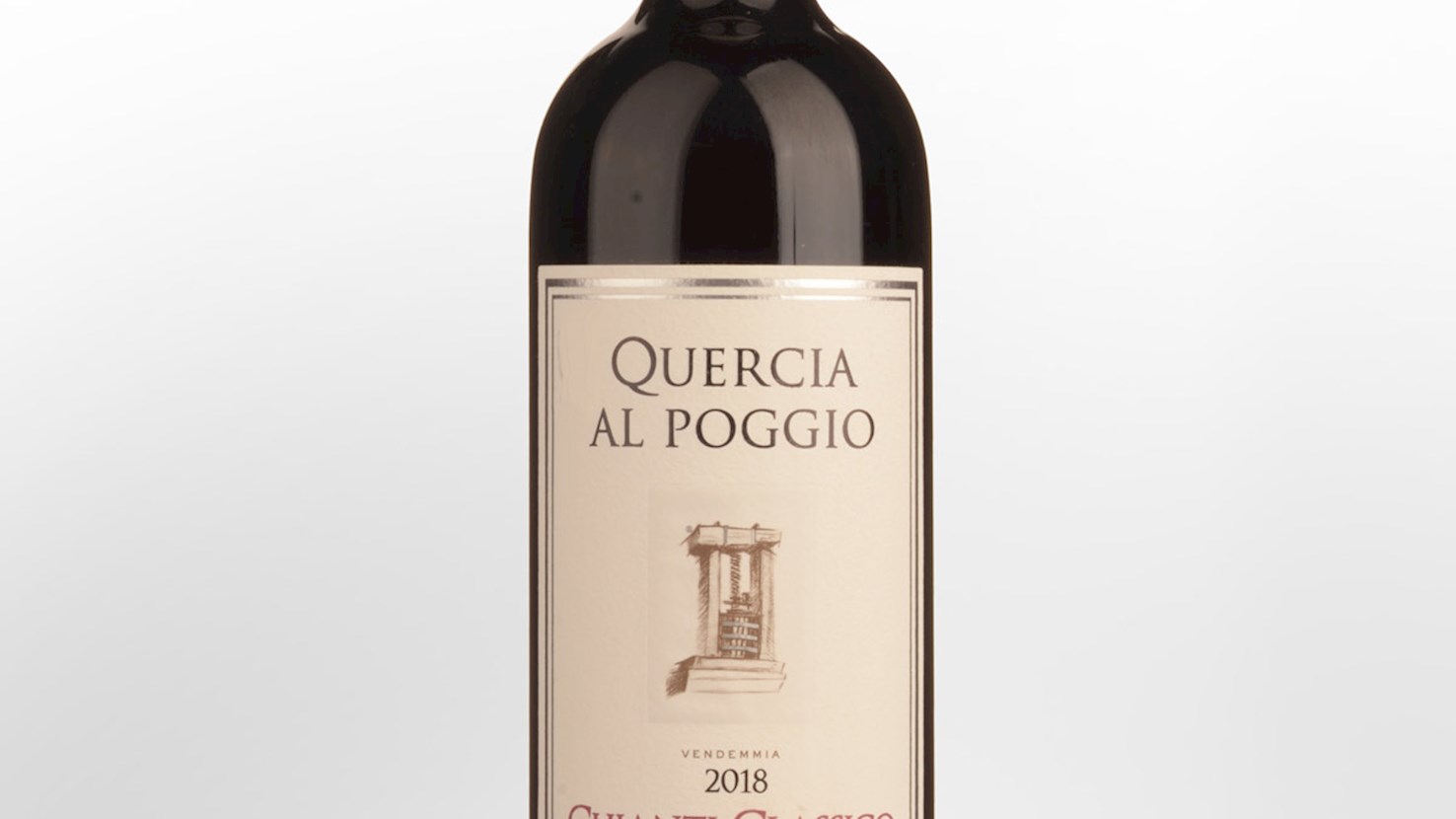
Quercia Al Poggio

4.9 ·
Awards
IWSC- International wine & spirit competition - Gold (2021)
07

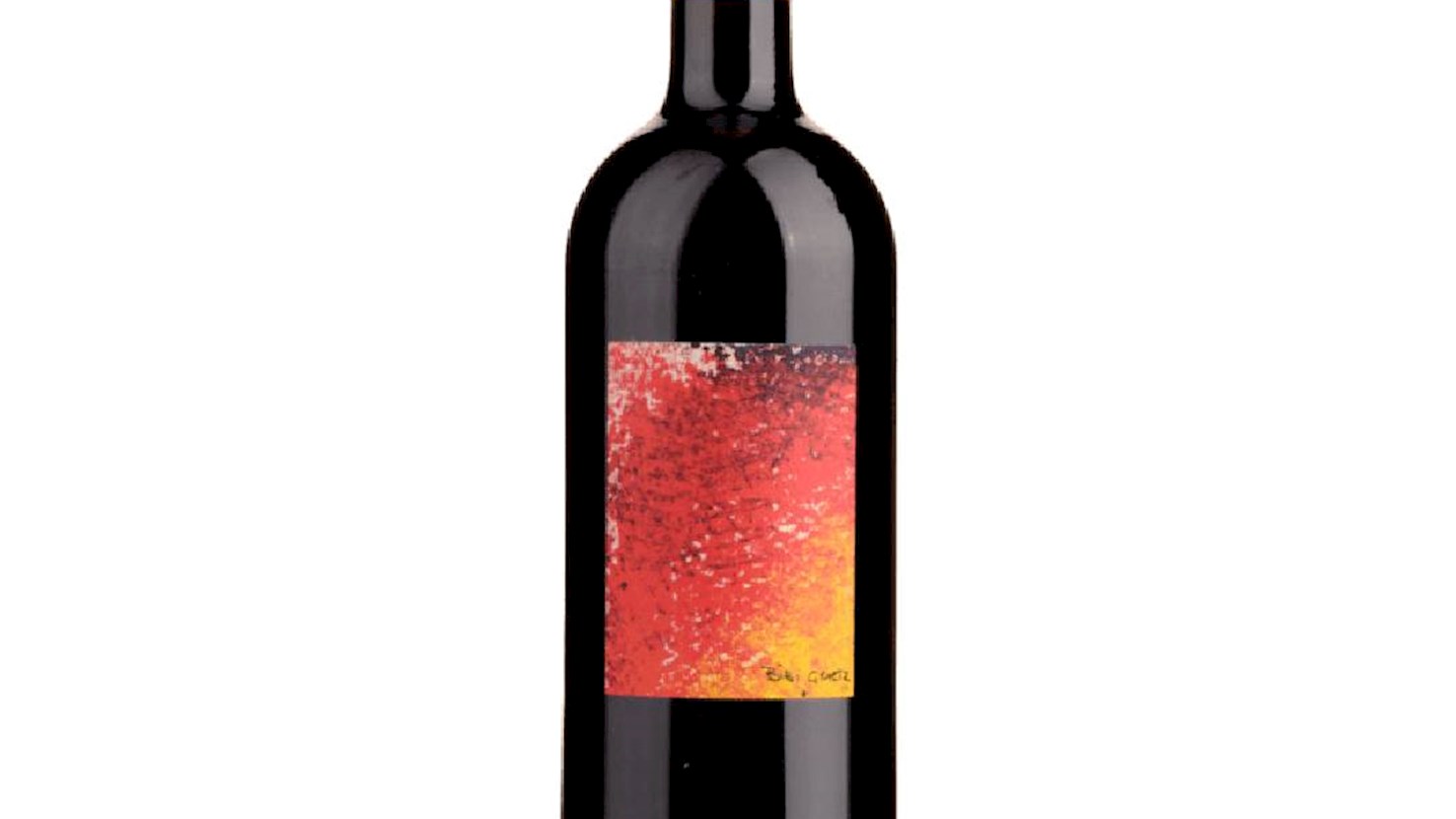
Bibi Graetz

4.8 ·
Bibi Graetz is a Tuscan winery based in Fiesole, overlooking Florence, known for its distinctive approach centered on old vines and native grape varieties. Founded by Bibi Graetz in the early 2000s, the estate operates from the historic Castello di Vincigliata and focuses on expressing terroir through minimal intervention winemaking. The vineyards are spread across hillside sites around Florence as well as coastal areas, including the island of Giglio, providing a diverse range of growing conditions. The winery works primarily with indigenous varieties such as Sangiovese, Canaiolo, and Colorino for reds, and Ansonica for whites, often sourced from very old vines that contribute depth and complexity. The wines are characterized by intensity, aromatic clarity, and a strong sense of place, with reds showing layered dark fruit, spice, and structure, while whites emphasize salinity, citrus, and texture. Bibi Graetz is also known for its artistic identity, with labels designed by the founder himself, reflecting his background as an artist. Overall, the estate represents a modern, expressive interpretation of Tuscany that blends tradition with creativity and individuality.
Awards
James Suckling - 100 points (2024)
Vivino - 4.3
08

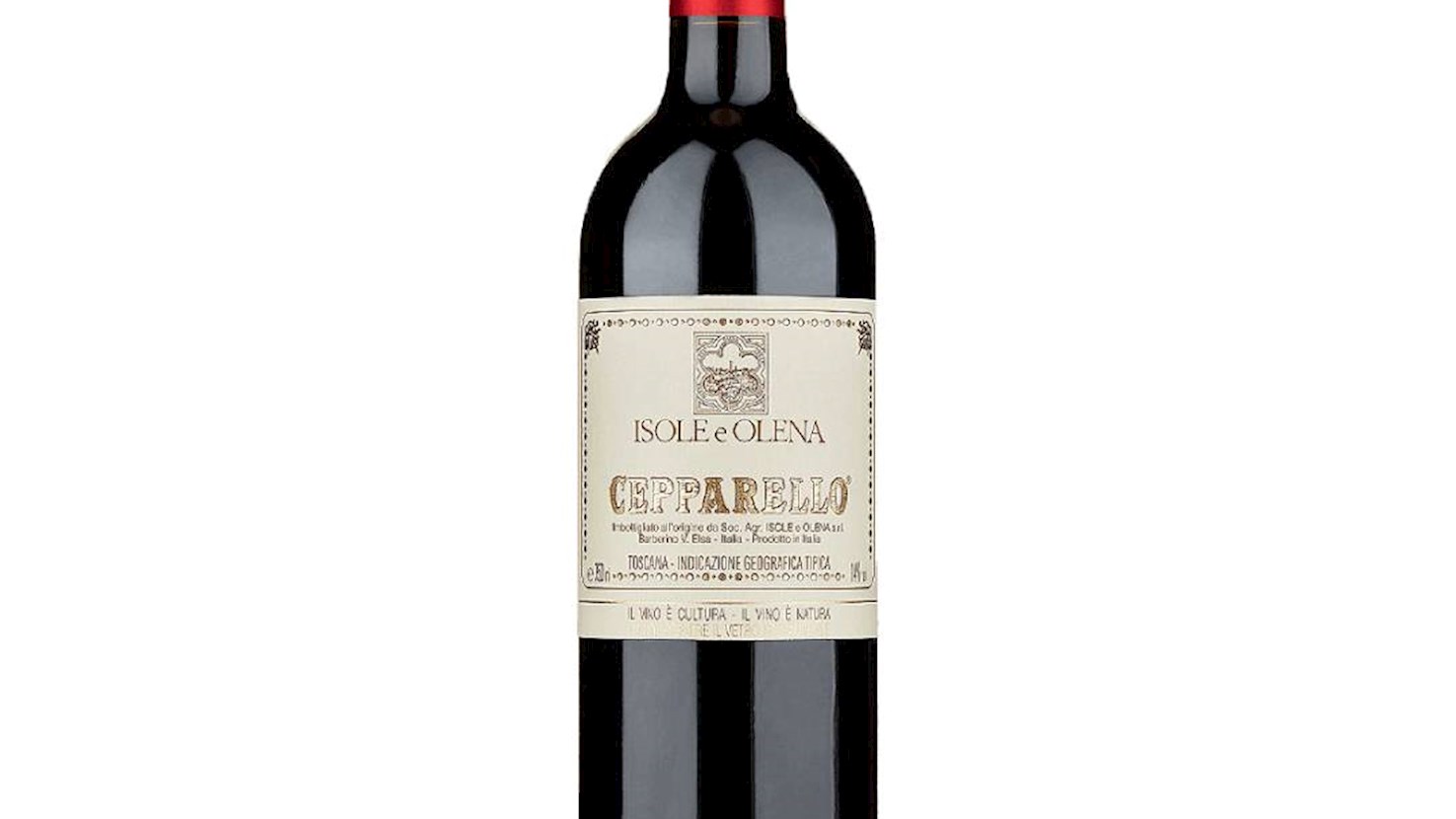
Isole e Olena

4.8 ·
Isole e Olena is a benchmark estate in the heart of Chianti Classico, located between Florence and Siena, and widely regarded as one of the driving forces behind the qualitative renaissance of the appellation. Formed in 1956 through the unification of the neighboring hamlets of Isole and Olena, the estate rose to international prominence under the leadership of Paolo De Marchi, whose work from the 1970s onward redefined the potential of Sangiovese in this area. The vineyards extend across rolling hills at elevations of roughly 300–500 meters, planted on galestro and limestone-rich soils that contribute tension, aromatic clarity and longevity to the wines. The philosophy at Isole e Olena centers on a deep respect for terroir, meticulous vineyard management and restrained cellar practices, aiming to preserve freshness, balance and site expression rather than power. Sangiovese is the undisputed core of production, most famously expressed in Cepparello, a pure and uncompromising interpretation that helped challenge rigid appellation rules and set new standards for Tuscan fine wine. Alongside it, the Chianti Classico wines are known for their precision, vibrant acidity and finely grained tannins, while limited plantings of international varieties are handled with the same disciplined, terroir-driven approach. The overall style is defined by elegance, transparency and aging potential, positioning Isole e Olena as a reference point for classical yet forward-looking Tuscan winemaking.
Awards
James Suckling - 99 points (2024)
Wine Spectator - 96 (2023)
09

Tenuta Casenuove

4.6 ·
Awards
IWSC- International wine & spirit competition - Gold (2022)
10

Carobbio

4.6 ·
Awards
Decanter World Wine Awards - Platinum (2017)

Best Metropolitan City of Florence Beverage Types
01

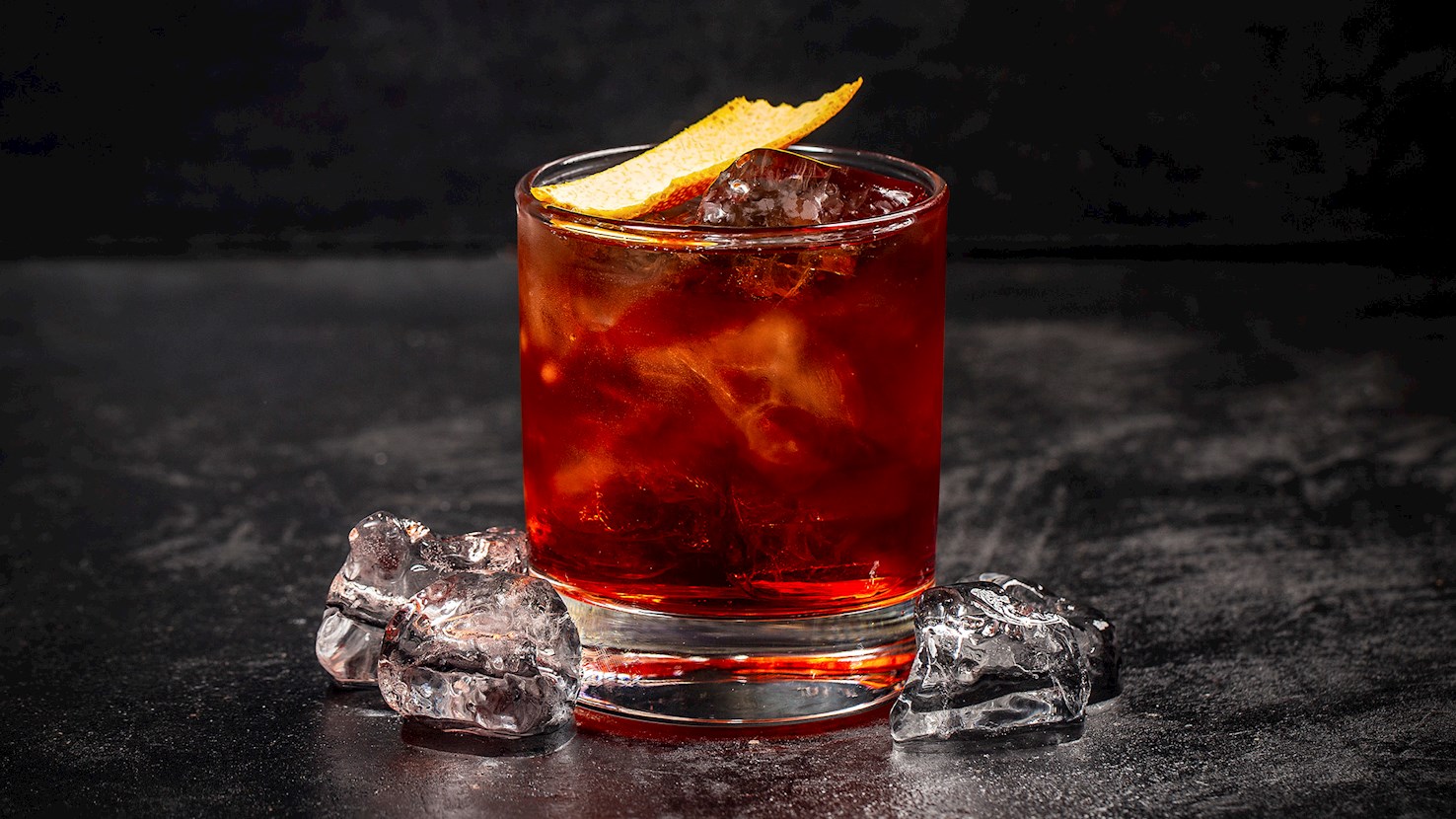
Negroni

3.6 ·

Negroni is a cocktail made with equal parts gin, sweet vermouth, and Campari. Although its origin is unclear, it is believed that this cocktail was invented in Florence in 1919 by Count Camillo Negroni, who wanted to improve his favorite drink - the Americano - by replacing soda with gin. The cocktail was so popular that the Count started to produce its ready-made version in a distillery. Due to its bitterness, Negroni is considered an apéritif, and it is typically served on the rocks in an old-fashioned glass with an orange wheel garnish.

02

Alchermes

3.2 ·

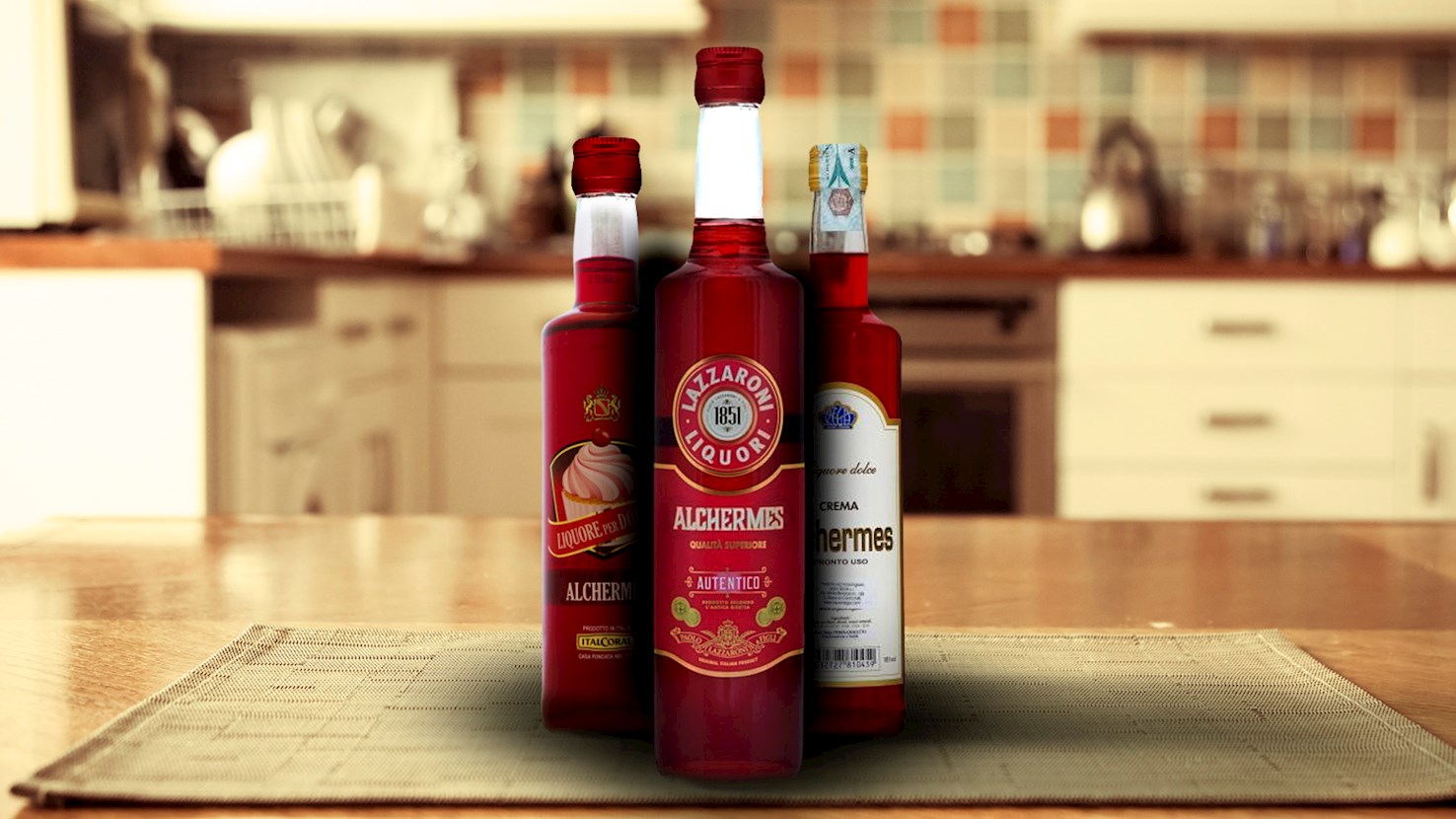
Alchermes is an ancient Italian liqueur based on a combination of rosewater and orange blossom water, sugar, herbs, and spices, while the typical red hue was traditionally imparted with the addition of crushed cochineal insects. It is believed that the liqueur was invented by the Sisters of the Order of Santa Maria dei Servi in Florence. Nowadays, several brands are available on the market, and most of them list artificially derived dye that gives the drink its distinctive red color. The subtly spicy Alchermes can be enjoyed as a digestif, but it is also commonly used in the preparation of sweets, out of which the most popular are pesche di Prato and zuppa Inglese—a trifle-like Italian dessert, as well as its corresponding zuppa Inglese gelato flavor.

03

Chianti Rùfina

n/a ·

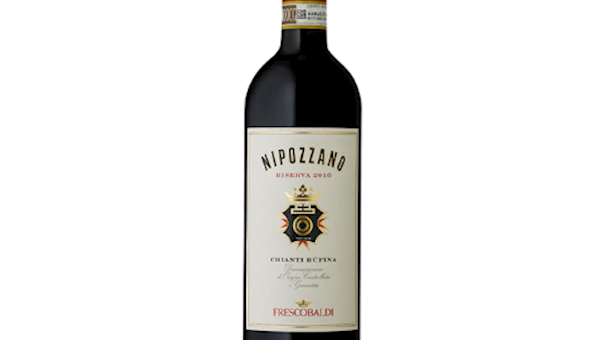
Chianti Rùfina is a red wine produced in the Rùfina area northeast of Florence in the Tuscany region of Italy and forms a distinct subzone within the Chianti DOCG system, defined by hillside vineyards at higher elevations than most other Chianti areas. The wine developed in an inland zone shaped by the Sieve River valley, where viticulture expanded alongside monastic estates and later noble landholdings, with the cooler climate and forested surroundings favoring slower grape ripening and reinforcing a style based on structure and acidity rather than immediate softness. Production centers on Sangiovese as the dominant grape, harvested later than in warmer parts of Chianti, fermented under controlled conditions, and aged in a combination of large casks or smaller barrels depending on producer approach, with regulations requiring longer minimum aging than standard Chianti to ensure stability and integration. A defining aspect of Chianti Rùfina is the influence of altitude and temperature variation, which contributes firmer tannins and more pronounced acidity compared to many other Chianti subzones, giving the wines a profile oriented toward longevity rather than early release. It is consumed primarily with meals in homes and restaurants, served at moderate cellar temperature, and pairs well with grilled or roasted meats, game, aged cheeses, and dishes based on beans or mushrooms, while it is most often enjoyed at lunch or dinner as a food-focused wine rather than as a casual aperitif.

04

Amaro Santoni

n/a ·

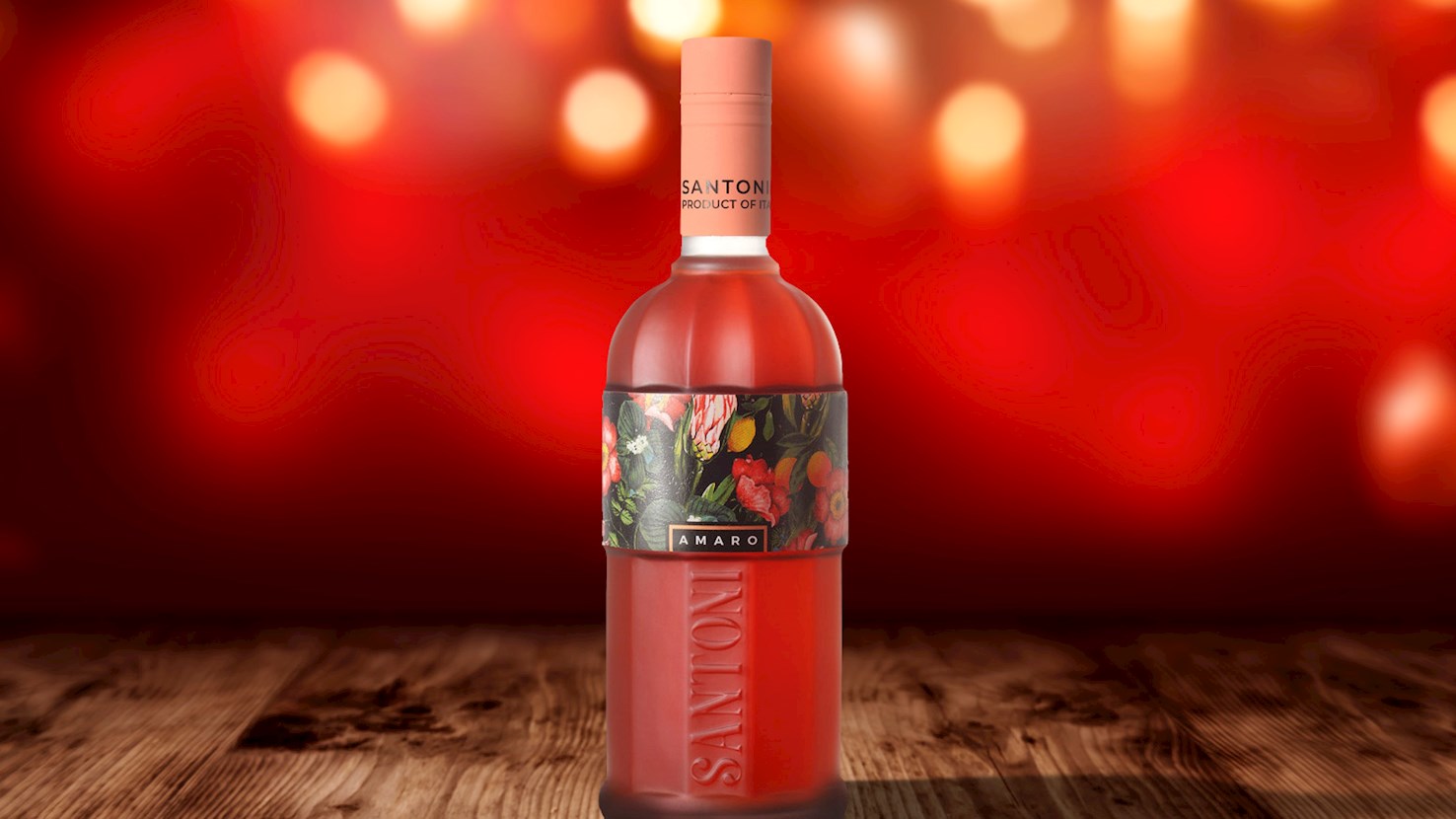
Amaro Santoni is a classic Italian aperitif hailing from Florence. It was invented by Gabriello Santoni in 1961. Made with a secret recipe, the product is flavored with thirty-four botanicals, including rhubarb, iris, and olive leaf. Santoni is a red-colored liqueur with herbal, floral, and earthy aromas. It is a bittersweet, refreshing aperitif with herbaceous and citrusy flavor, and just hints of floral notes. The bottle is an homage to Florence as the upper part of the bottle resembles the dome of the Florence Cathedral. Amaro Santoni is best enjoyed as an aperitif. It can be sipped on its own or mixed with soda or tonic. Santoni has 16% ABV.

About this ranking

TasteAtlas food rankings are based on the ratings of the TasteAtlas audience, with a series of mechanisms that recognize real users and that ignore bot, nationalist or local patriotic ratings, and give additional value to the ratings of users that the system recognizes as knowledgeable. For the “Top 18 Local Beverages in the Metropolitan City of Florence” list until June 15, 2026, 207 ratings were recorded, of which 176 were recognized by the system as legitimate. TasteAtlas Rankings should not be seen as the final global conclusion about food. Their purpose is to promote excellent local foods, instill pride in traditional dishes, and arouse curiosity about dishes you haven’t tried.

The initial list of top producers was compiled based on available reviews, awards, local recommendations, media and blog coverage, and consumer reviews. The list will be updated with ratings from TasteAtlas local ambassadors and TasteAtlas users.

Similar lists