Top 15 Midi-Pyrénéen Beverages

Last updated on June 24, 2026

Best Midi-Pyrénéen Beverages
01

Domaine Du Grand Comte

5 ·
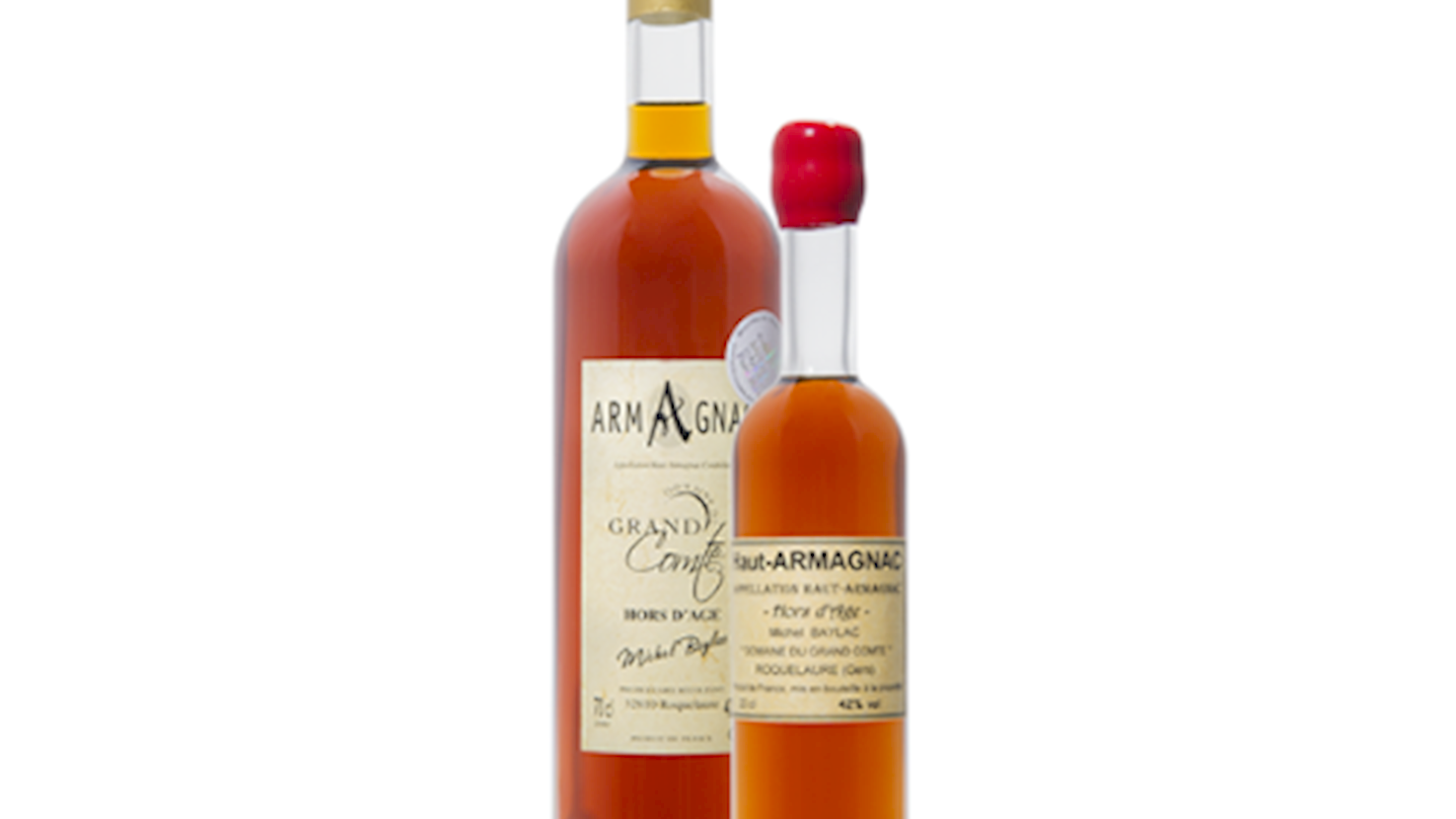
Domaine Grand Comté, located in Roquelaure in the Gers department of southwestern France, is a family-owned estate managed by Michel Baylac and his daughter Aurélie, continuing a legacy dating back to 1860. The estate spans 15 hectares of vineyards planted on clay-limestone soils typical of the Haut-Armagnac terroir, and operates under sustainable farming practices that respect the environment. Domaine Grand Comté produces a range of high-quality beverages, including IGP Côtes de Gascogne wines (red, rosé, and white), traditional Floc de Gascogne aperitifs, and aged Armagnac. The estate also offers sparkling wines crafted through traditional fermentation methods.
Awards
SFWSC - San Francisco World Spirits Competition - Double Gold (2024, 2023)
NYWSC - New York World Spirits Competition - Double Gold (2023)
02

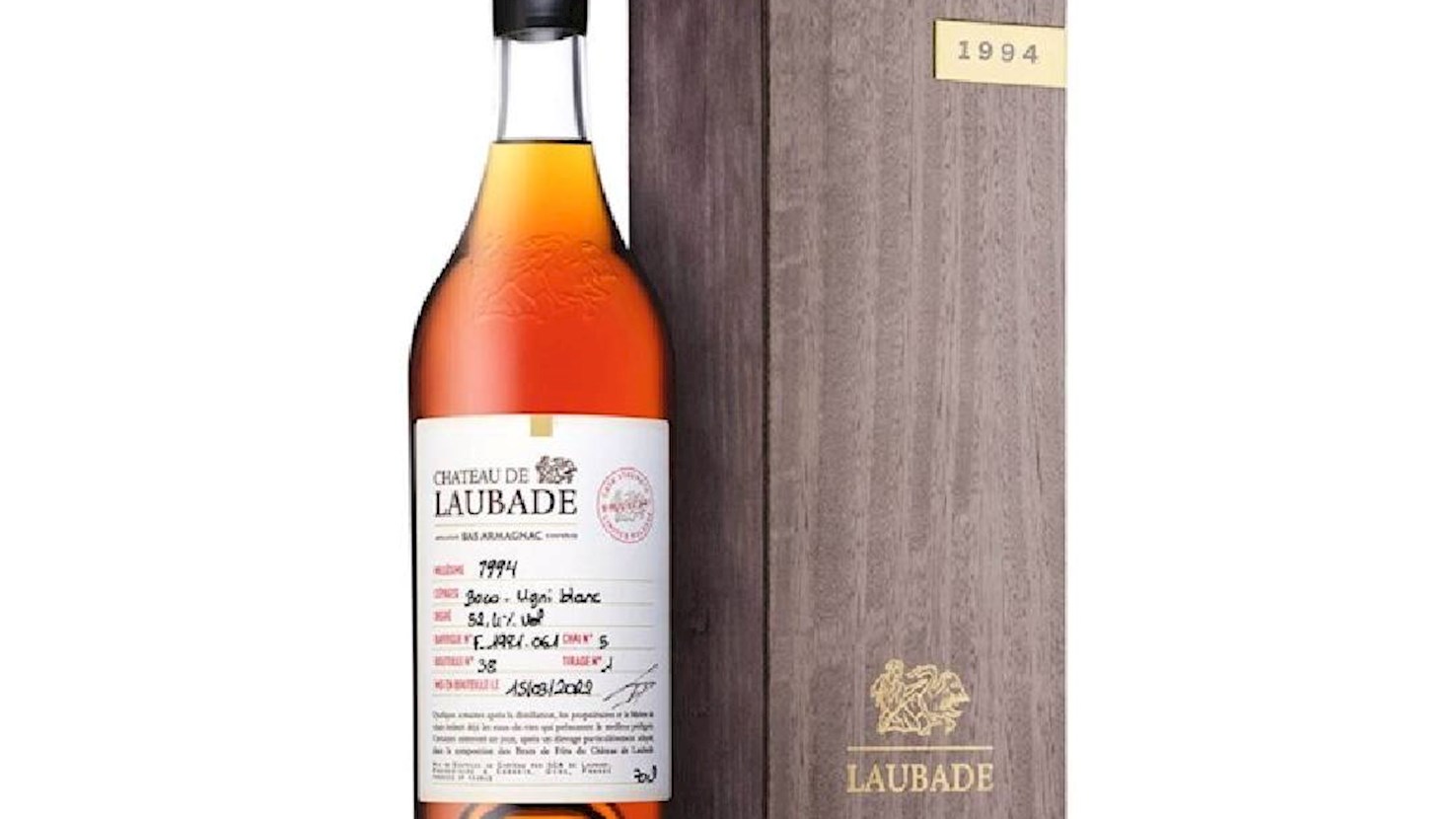
Chateau de Laubade

5 ·
Château de Laubade is a prestigious estate located in the heart of Bas Armagnac, the most esteemed area of this renowned appellation in southwest France. Founded in 1870, the estate spans 105 hectares of vineyards in a single block, making it the largest of its kind in the region. Owned by the Lesgourgues family for three generations, Château de Laubade masterfully combines tradition with innovation. Only traditional grape varieties are cultivated—Ugni Blanc, Baco, Folle Blanche, and Colombard—and each is distilled separately in copper stills located on the estate. The eaux-de-vie are aged in Gascony oak barrels crafted in their own cooperage, ensuring full control over quality and a distinctive house style. The collection ranges from classic Armagnacs, rich in complex aromas, to exclusive series and rare vintages that have matured for several decades. Alongside exceptional craftsmanship, Château de Laubade is deeply committed to sustainability—the vineyards are farmed with respect for nature, and organic fertilizer is sourced from the estate’s own flock of 600 sheep. With international recognition and numerous awards, Château de Laubade stands today as a symbol of excellence, heritage, and artisanal mastery in the world of Armagnac.
Awards
SFWSC - San Francisco World Spirits Competition - Double Gold (2023)
USC- Ultimate Spirits Challenge - Chairman's Trophy (2022)
03

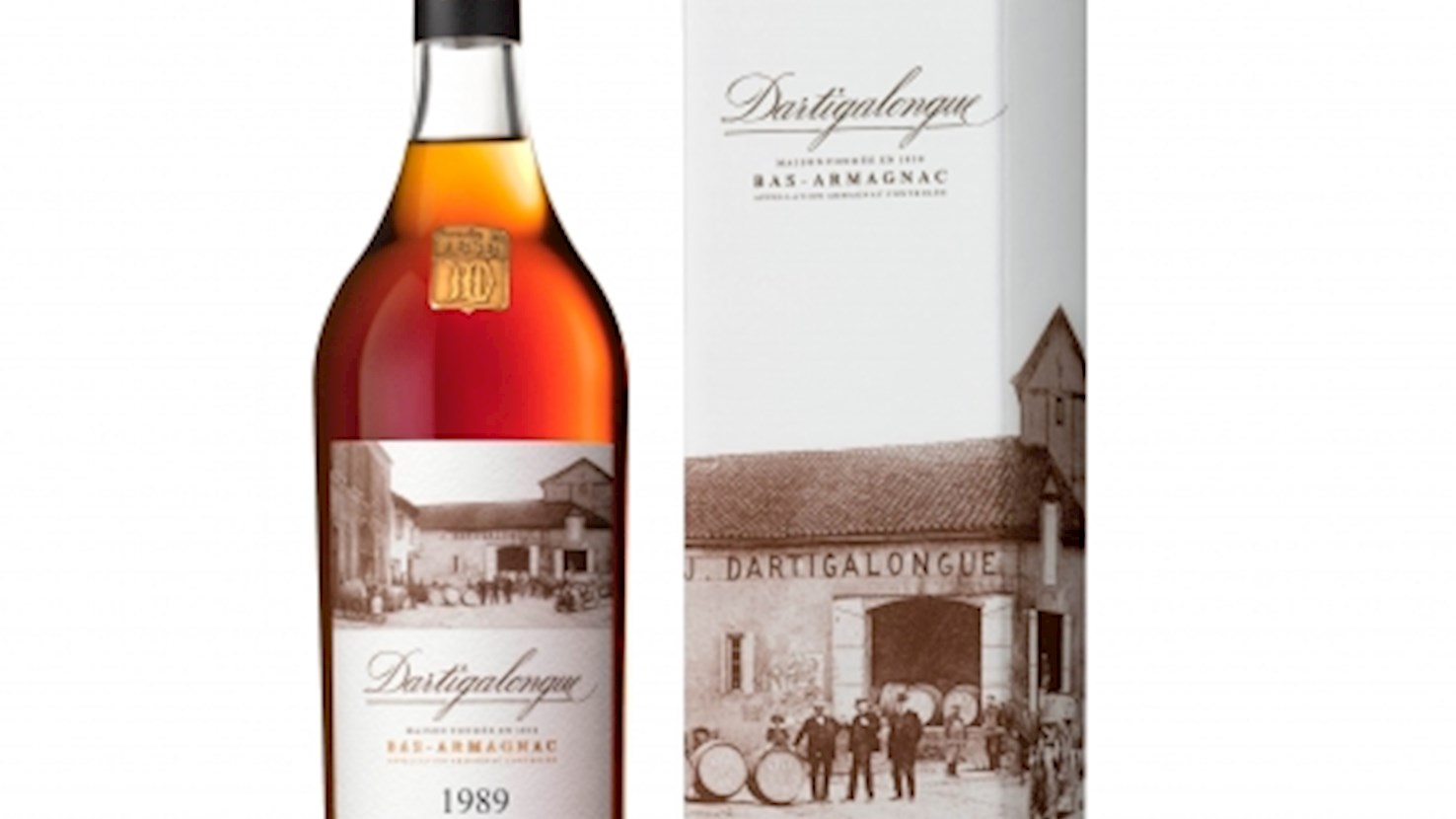
Dartigalongue

5 ·
Awards
USC- Ultimate Spirits Challenge - Chairman's Trophy (2021)
USC- Ultimate Spirits Challenge - Top 100 (2021, 2020)
04

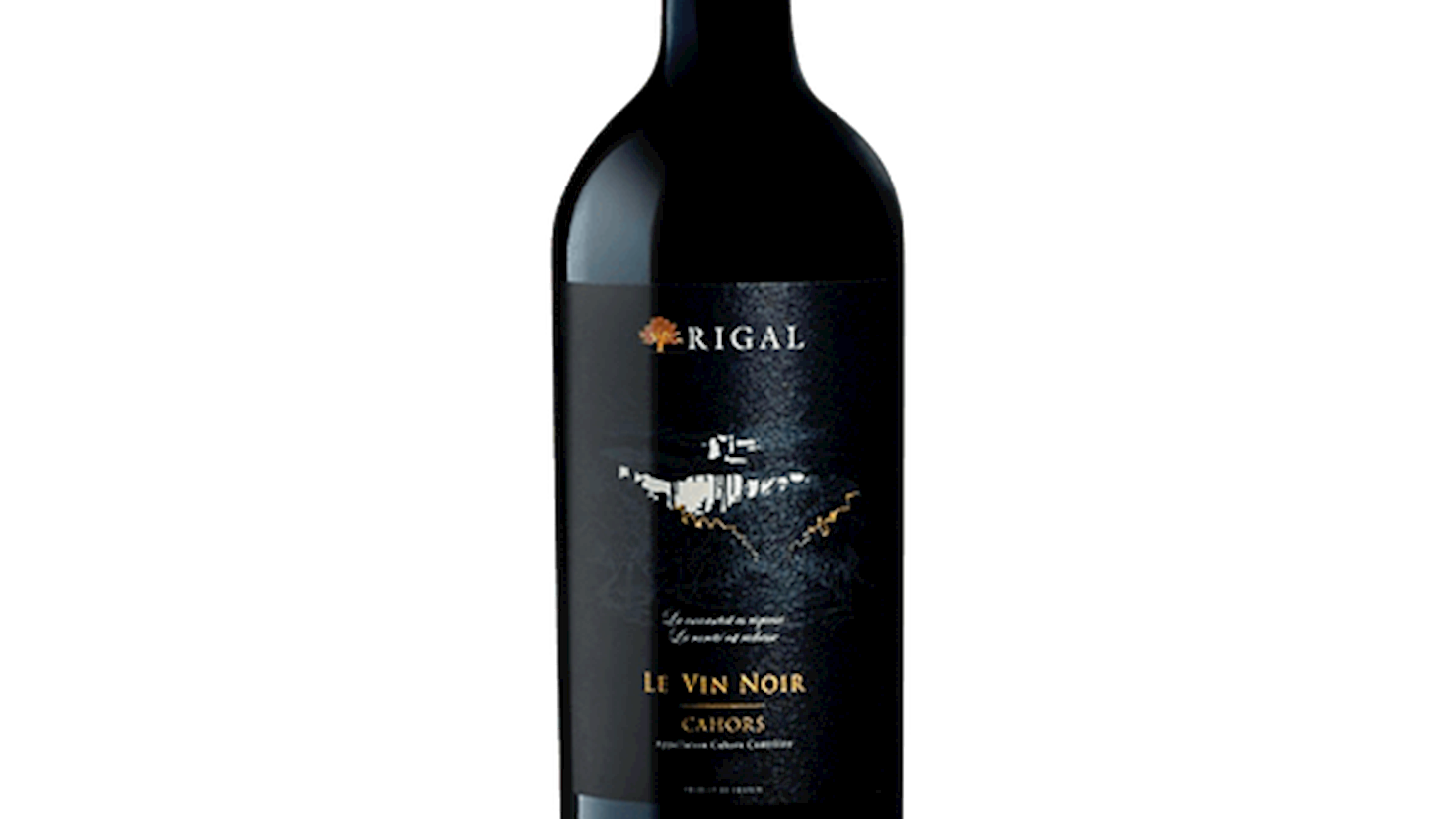
Rigal

4.9 ·
Awards
Decanter World Wine Awards - Platinum (2017)
05

Société des Produits d'Armagnac
4.8 ·
Awards
IWSC- International wine & spirit competition - Spirit Gold (2024)
06

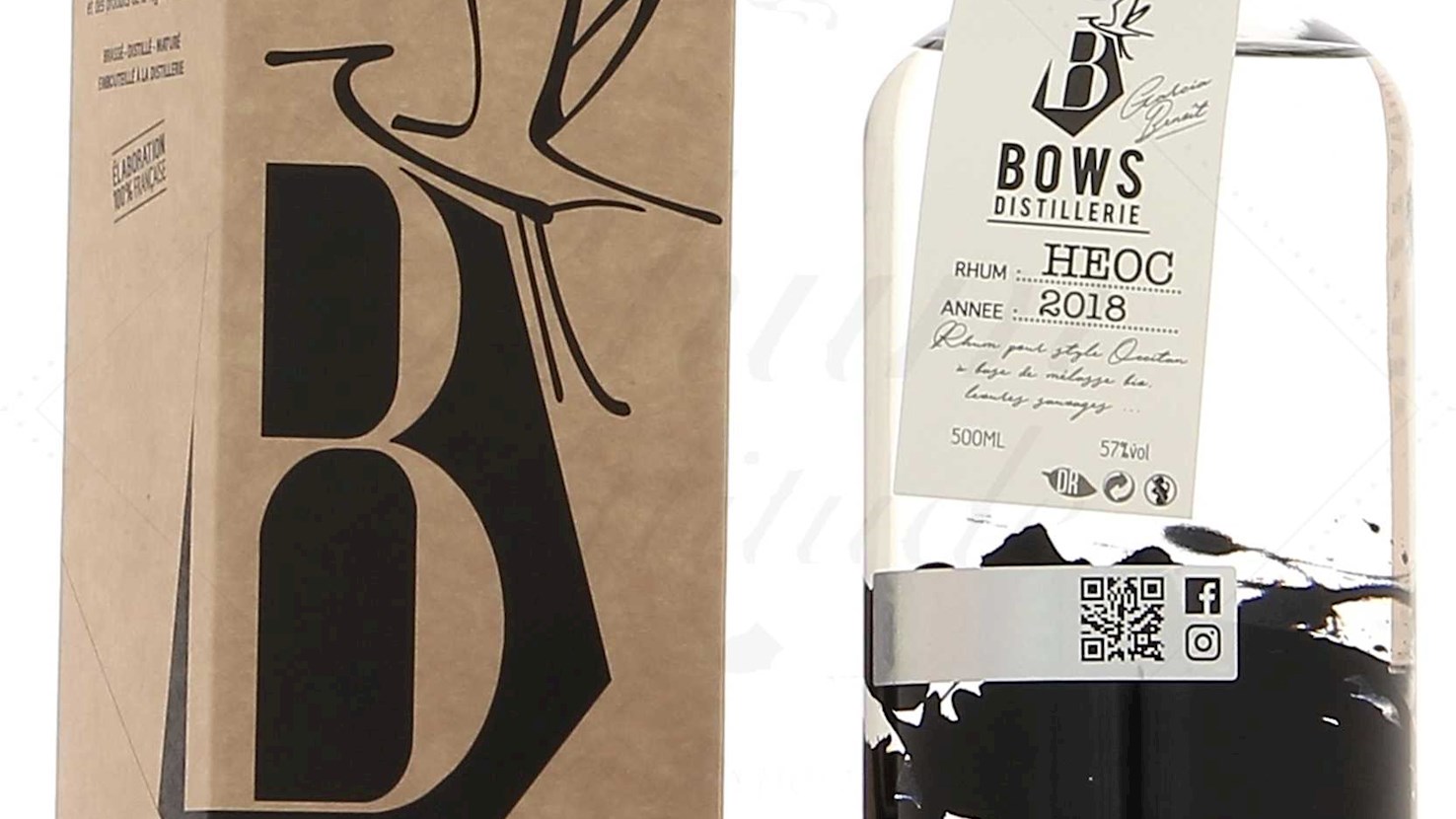
BOWS DISTILLERIE

4.8 ·
Awards
IWSC- International wine & spirit competition - Spirit Gold (2019)
07

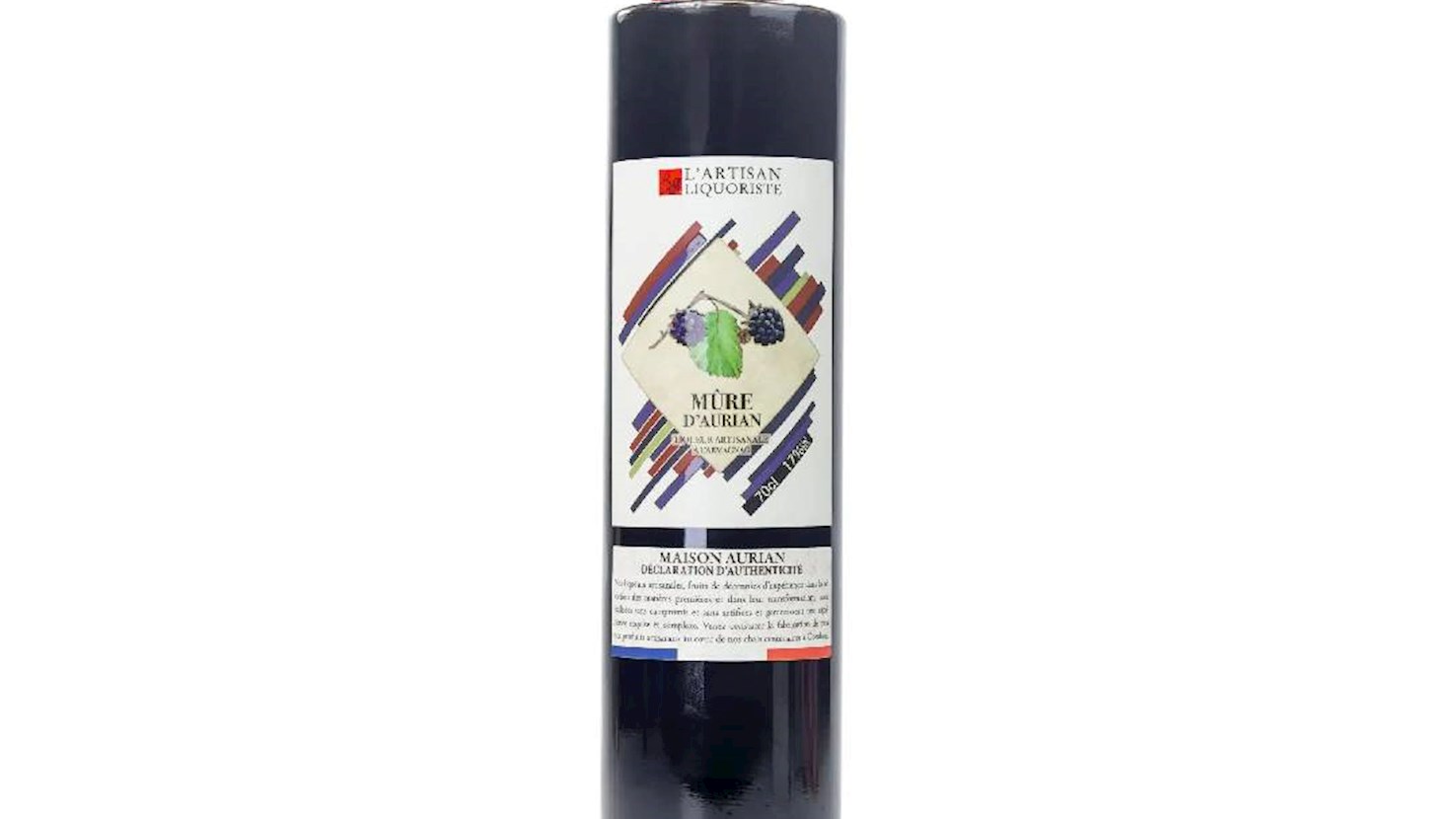
AURIAN

4.8 ·
Awards
IWSC- International wine & spirit competition - Spirit Gold (2019)
08

Château du Cèdre

4.7 ·
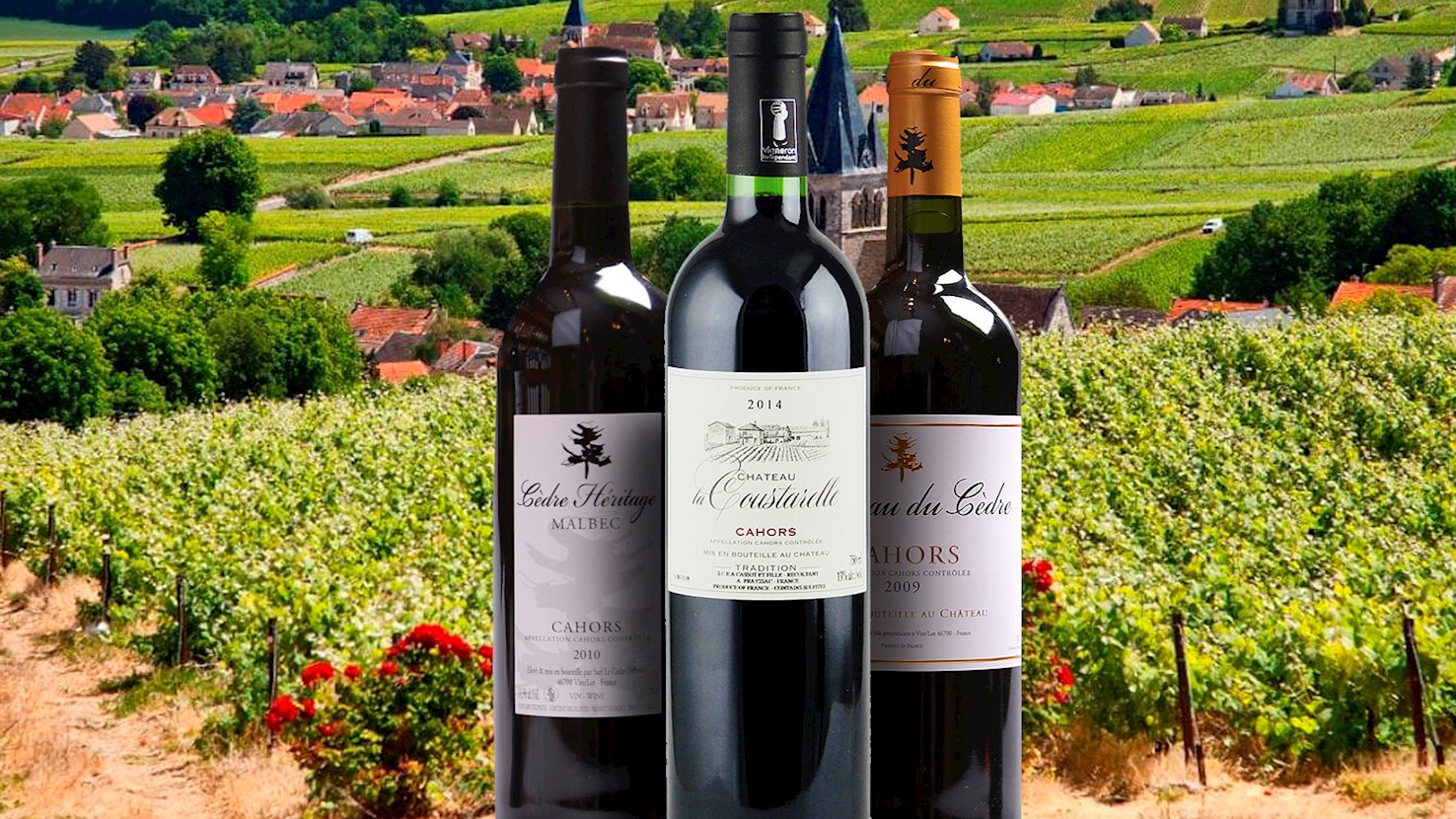
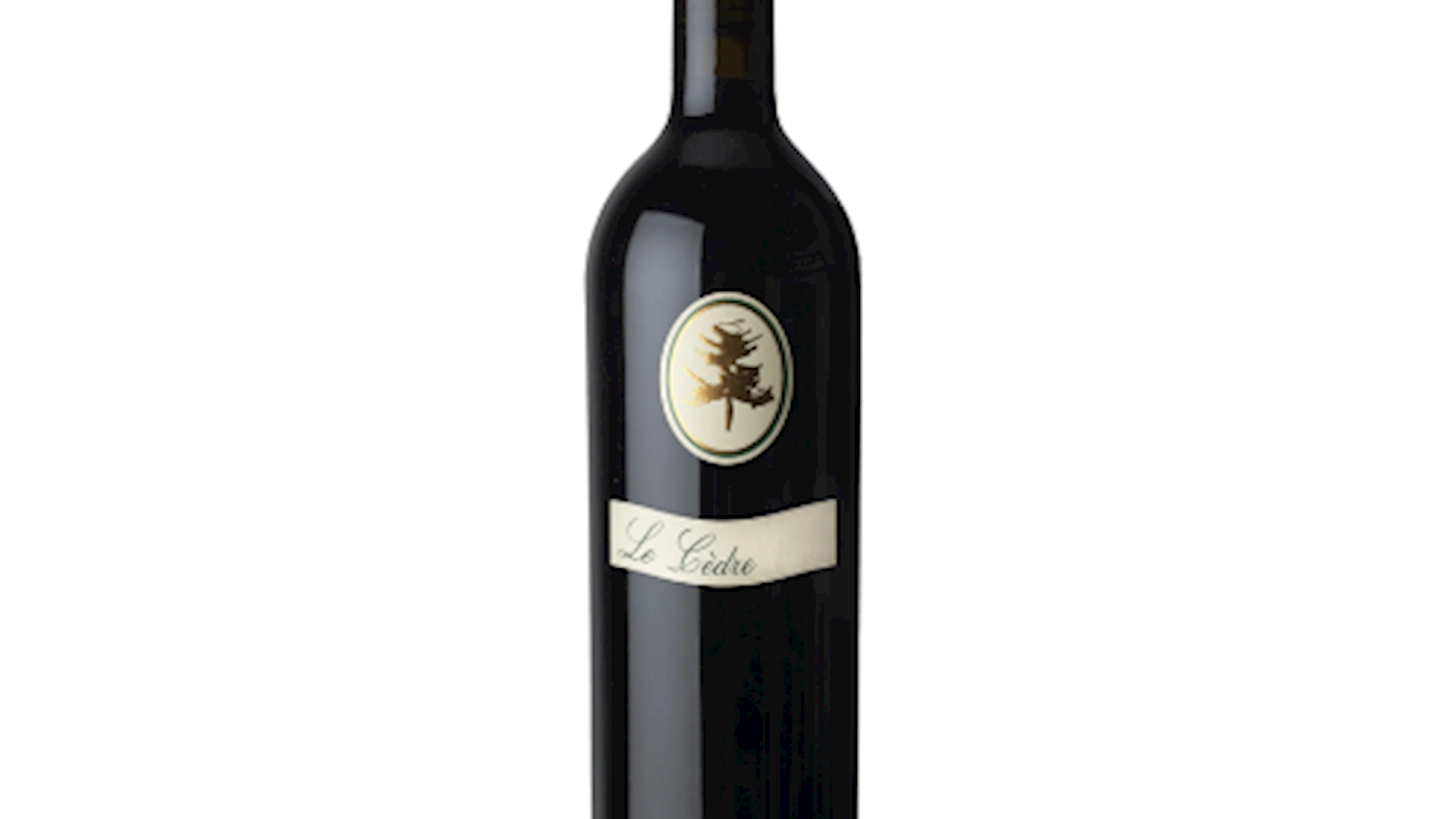
Château du Cèdre is a family-owned winery located in the Cahors appellation in southwest France, with origins dating back to the 1950s when the Verhaeghe family planted their first vineyards on the rocky slopes of the Lot Valley. The estate developed further in the 1970s, establishing itself as a key producer focused on Malbec, the region’s signature grape variety. Today, it is run by brothers Pascal and Jean-Marc Verhaeghe, who divide responsibilities between winemaking and vineyard management, ensuring a consistent and controlled approach to quality. The vineyards are spread across limestone and clay-rich terraces, allowing for a range of expressions, from more refined styles to structured and concentrated wines. Château du Cèdre has been committed to organic viticulture for many years, aiming to preserve soil health and reflect the authenticity of its terroir. Their wines are predominantly based on Malbec, sometimes blended with small amounts of Merlot or Tannat, in line with Cahors regulations. Stylistically, they show dark fruit notes such as plum and blackberry, combined with earthy, spicy, and occasionally smoky nuances, supported by firm tannins and good aging potential. Over time, the winery has become one of the leading names in Cahors, contributing to the region’s renewed reputation for producing complex and expressive Malbec wines.
Awards
Vivino - 4.1
Wine-Searcher - 91/100
09

Cardinal du Four Armagnac
4.7 ·
Awards
NYWSC - New York World Spirits Competition - Double Gold (2023)
10

De Montal

4.7 ·
Awards
USC- Ultimate Spirits Challenge - Top 100 (2022)

Best Midi-Pyrénéen Beverage Types

01

Cahors

4 ·

Cahors is a French wine region where the principal grape is Malbec, with small percentages of Tannat and Merlot. Although Malbec is nowadays primarily associated with Argentinian Mendoza region, the grape originated in France, but in the 1950s, it was almost entirely wiped out by frost. Cahors now remains as the only French region that produces Malbec-based wines. Often dubbed as black due to their dark purple color, young wines from Cahors are powerful and rich in tannins, and they typically display aromas of dark fruit and spices. They have excellent aging potential, resulting in styles that usually have softer tannins and aromas of truffle and undergrowth. Cahors wines are a perfect match to red meat, rich stews, or duck.

02

Madiran

3.7 ·

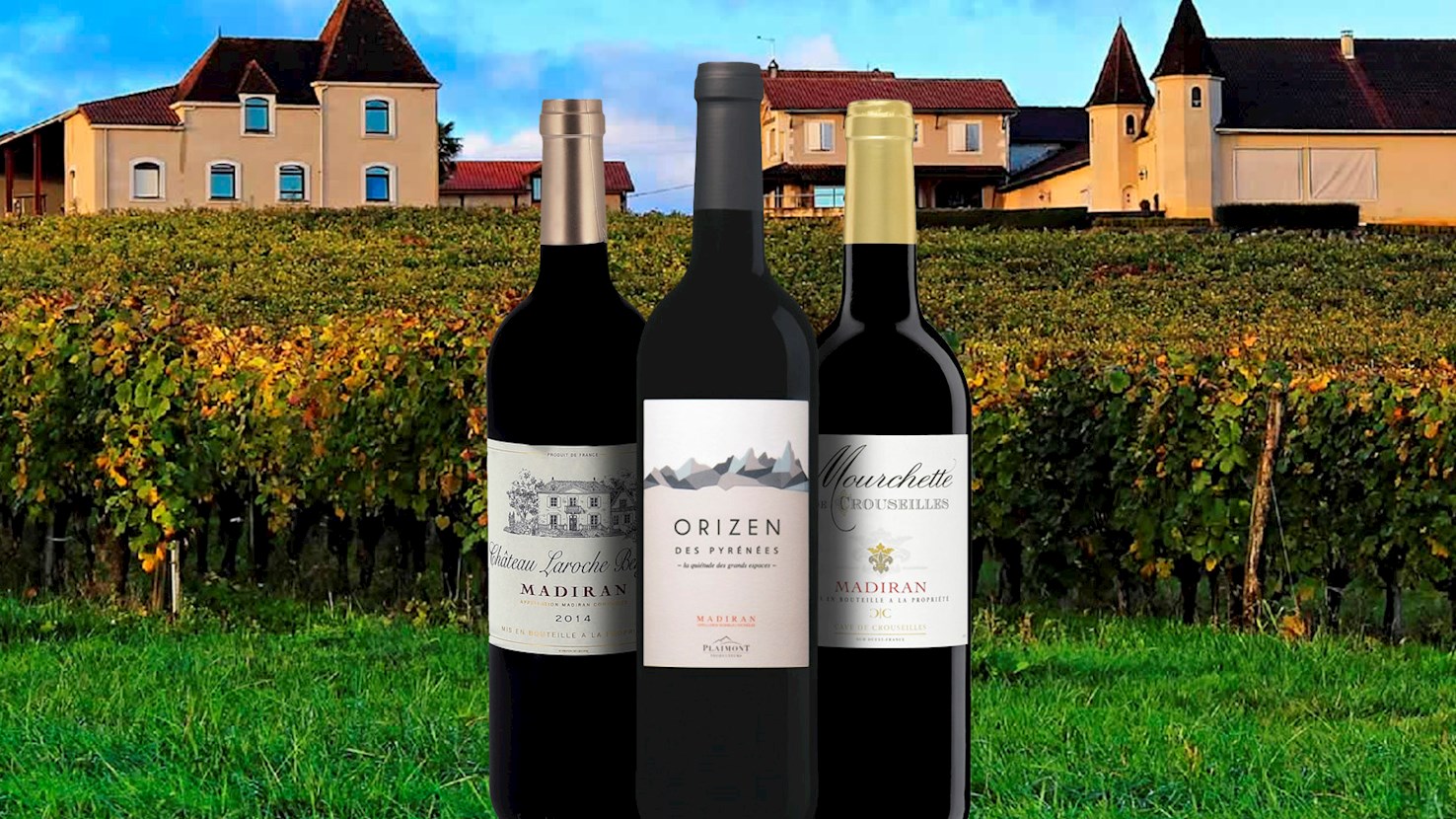
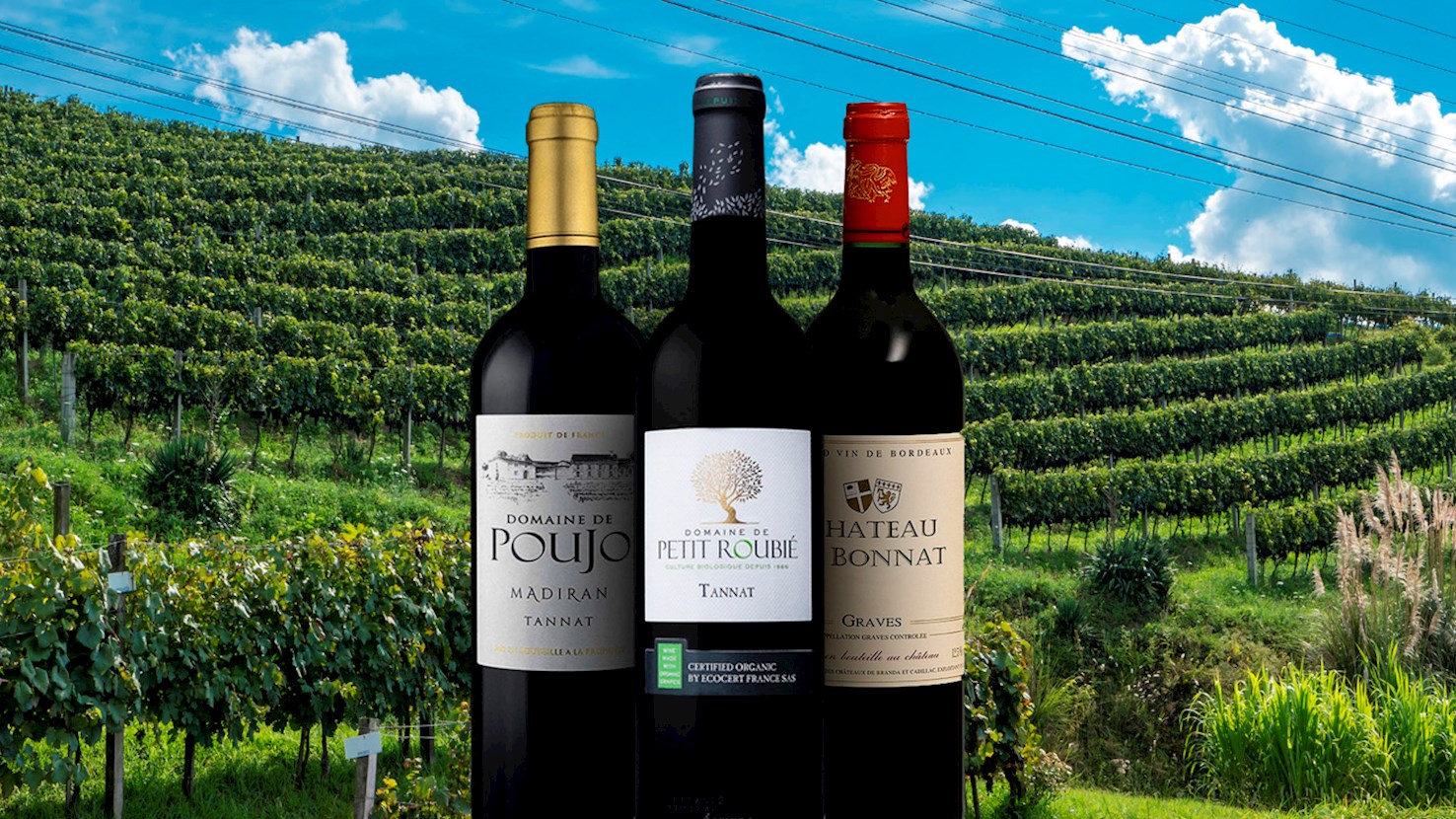
Madiran is a French appellation known for the production of dense red wines that are primarily based on the local Tannat grape with the usual addition of Cabernet Franc (Bouchy), Cabernet Sauvignon, and Fer (Pinenc). Madiran wines are typically dark-ruby, earthy, fruit-forward, and rustic with firm tannins that are mainly present in their youth. These age-worthy wines are characterized by the aromas of red fruit, primarily raspberry, while aromas of spices and black fruit usually develop with age. Madiran wines are praised as a perfect accompaniment to rich Gascon cuisine which includes specialties such as duck confit, foie gras, or cassoulet. The appellation expands over three departments: Gers, Hautes-Pyrénées, and Pyrénées-Atlantiques.

03

Tannat

3.3 ·

Tannat is a French red-skinned grape primarily associated with south-western France and the Madiran appellation, though it is suggested that it could have Basque origin. This grape typically produces big, bold, and richly-colored tannic red wines with good acidity and excellent aging potential. Because of those rich tannins—which is why it probably got its name—Tannat is often blended with Cabernet Sauvignon, Cabernet Franc, and Fer to soften its natural astringency. The wines are usually harsh in their youth, but modern techniques are often oriented towards supple expressions that can be enjoyed young, though all benefit from age. French Tannat typically has a fruity flavor and aroma, usually reminiscent of red and dark berries, licorice, and tobacco. Apart from Madiran, Tannat is also used in the appellations Saint-Mont, Irouléguy, Béarn, Tursan, Côtes du Brulhois, and Cahors. Tannat is found in several other wine regions, but Uruguay is its undisputable second home. French Tannat would pair well with red meat and game.

04

Négrette

n/a ·

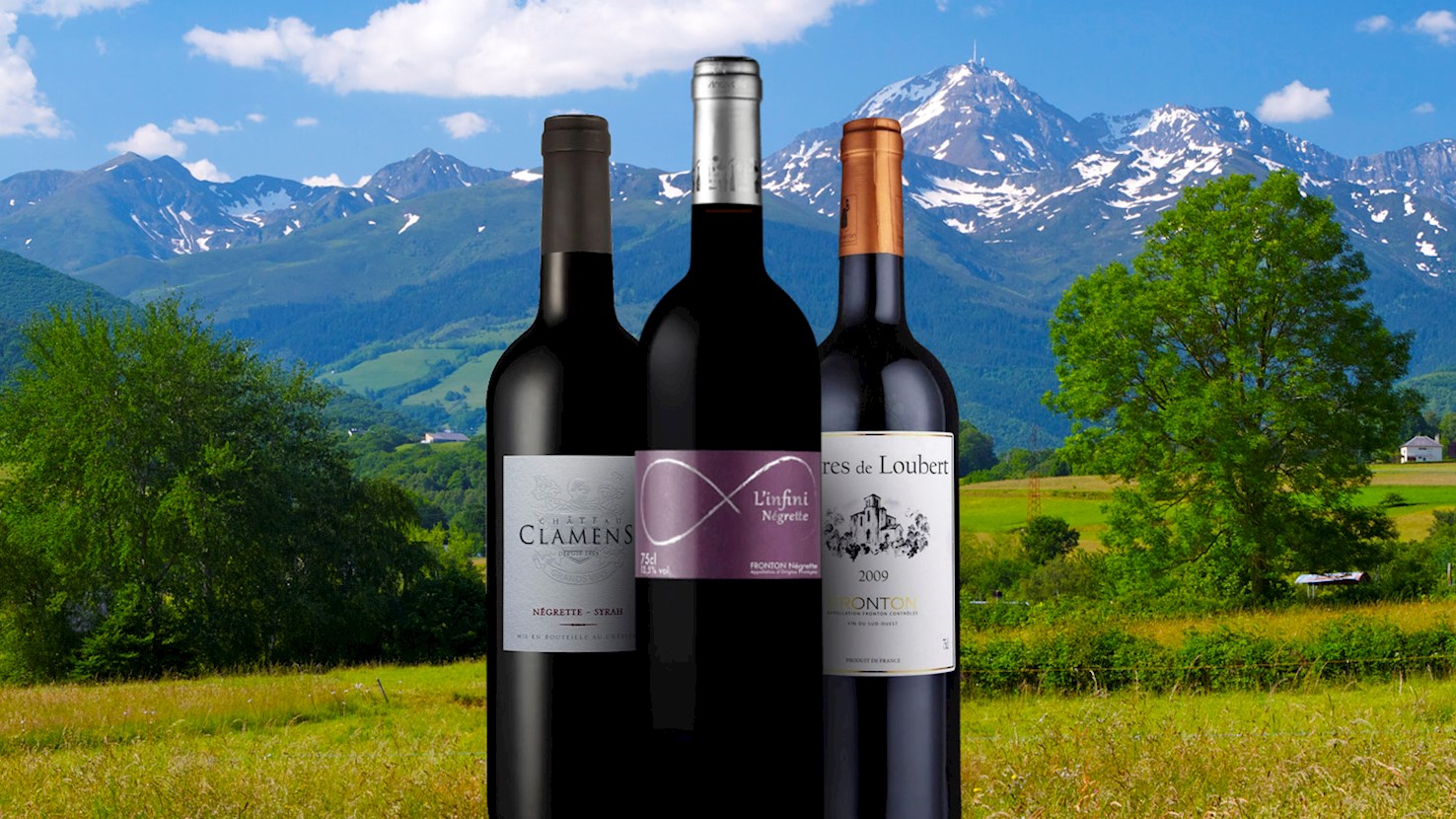
Négrette is an old French red grape cultivated around Fronton in the namesake appellation located north of Toulouse. Although there are several theories, the grape's origin has not yet been thoroughly identified. Négrette is a deeply colored grape that produces aromatic and supple wines with medium acidity and low tannins. The wines are mostly fruity in aroma and flavor, and they sometimes have violet and animal-like notes with a hint of spice. The wines are excellent in their youth, but they also have some potential to age.

05

Duras

n/a ·

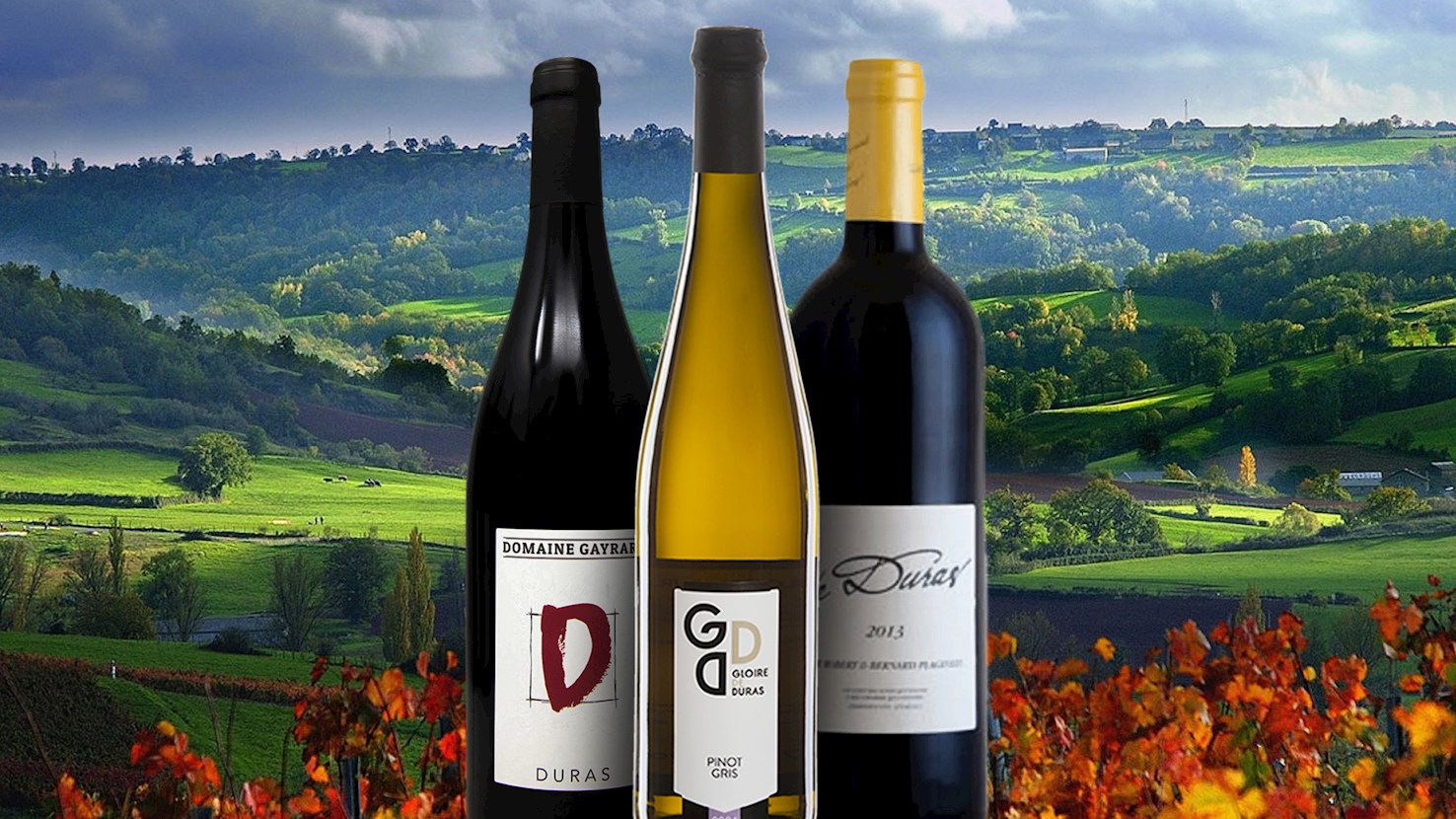
Duras is a red wine grape variety native to the Tarn Valley in the southwest of France, particularly associated with the Gaillac wine region. It is known for producing robust and spicy wines with good structure and aging potential. Duras is one of the traditional grape varieties of the Gaillac appellation and has been cultivated in the region for centuries. Wines made from Duras grapes typically exhibit deep, dark colors and a medium to full body. The flavor profile often includes dark fruit notes such as blackberries, black cherries, and plums, complemented by distinctive spicy and peppery aromas. Additionally, Duras wines may have earthy undertones and hints of tobacco or leather, particularly as they age. Duras is often blended with other local grape varieties, such as Braucol (also known as Fer Servadou) and Syrah, to create well-balanced wines with added complexity and depth. The blending helps to soften the tannins of Duras and enhance the overall aromatic profile of the wine. The grape's natural acidity and tannic structure make Duras wines suitable for aging, allowing them to develop more complex flavors over time. However, they can also be enjoyed young, where their bold fruit and spice characteristics are most prominent. In terms of food pairing, Duras wines are versatile and can complement a wide range of dishes. They pair particularly well with hearty and flavorful foods, such as grilled or roasted meats, stews, game, and dishes with rich sauces. The spiciness of Duras wines also makes them a good match for Mediterranean cuisine and foods with aromatic herbs and spices.

06

Marcillac

n/a ·

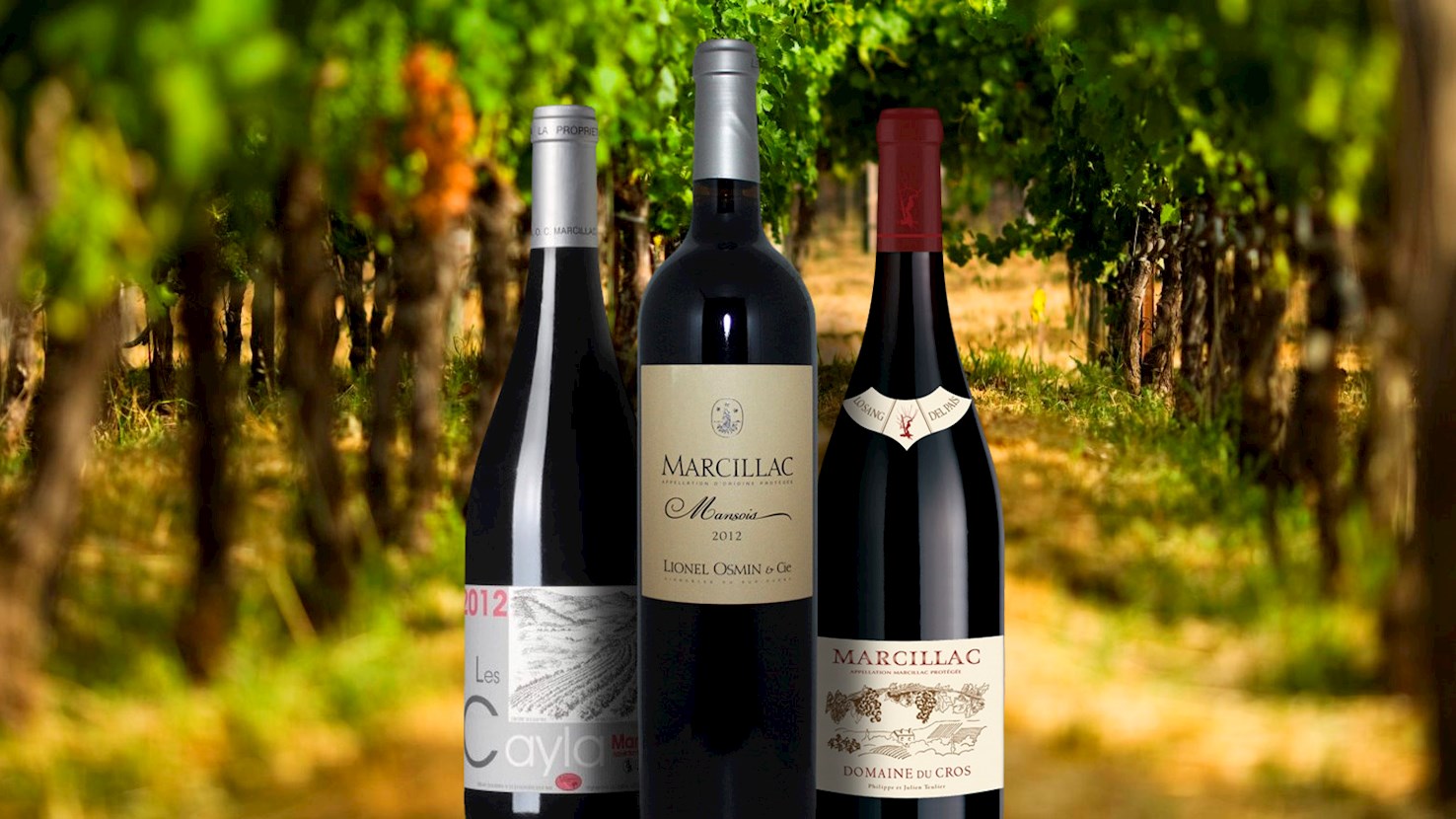
Marcillac is a French appellation located in Aveyron department that produces dark red wines almost exclusively from Fer Servadou (Mansois) grapes, though small amounts of Cabernet Sauvignon and Cabernet Franc or other French grapes are occasionally used in the blends. These red wines are usually tannic, aromatic, and rustic with bright, fruity, and mineral aromas of black and red berries and subtle spicy nuances. Marcillac wines can be aged for several years, but they are mostly enjoyed young. They pair well with charcuterie, grilled meat, tripe, and cheese.

07

Gaillac Méthode Ancestrale

n/a ·

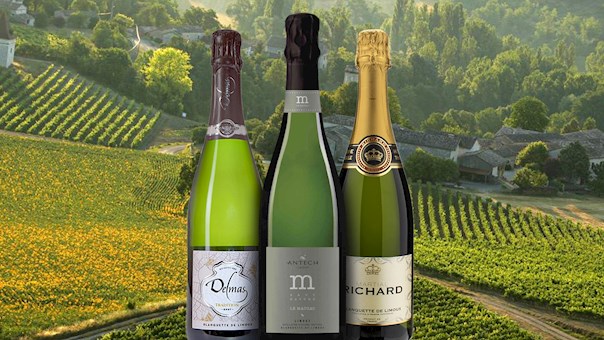
Gaillac Méthode Ancestrale is a lightly sparkling wine from Tarn in the southwest France, produced primarily from the Mauzac grape. It is distinguished by its low alcohol content—typically between 7% and 9%—and fine, natural effervescence. The profile is defined by soft acidity and a gentle sweetness resulting from unfermented sugars, with dominant notes of green apple, pear, and fresh grape. Depending on the finishing style, the wine may appear clear or slightly cloudy due to suspended yeast. This style of winemaking predates modern sparkling wine techniques, originating from a time when fermentation was naturally interrupted by the region's cold winters. When temperatures rose in the spring, the dormant yeast would reactivate, finishing the fermentation process inside the bottle and creating natural carbonation. This "ancestral method" has been preserved in the Gaillac region for centuries as a continuous tradition. Production starts with an early harvest to ensure high acidity and limit potential alcohol. The juice undergoes partial fermentation in tanks but is bottled while sugar remains. The fermentation then concludes within the sealed bottle, generating carbon dioxide without the addition of a liqueur de tirage (sugar and yeast mixture) used in other sparkling methods. This single-fermentation process results in lower pressure than standard sparkling wines and preserves the primary fruit character of the Mauzac grape without the bready, autolytic notes found in Champagne. The primary variation concerns clarity and texture: some producers disgorge the bottles to remove the sediment for a clear appearance, while others sell the wine with the lees (spent yeast) intact, resulting in a hazy, more textural beverage. Sweetness levels also range from off-dry to moderately sweet, depending on when the fermentation stops. Gaillac Méthode Ancestrale is intended to be consumed young and is served well-chilled. It is a popular choice for an aperitif or a brunch wine due to its lightness. It pairs exceptionally well with fruit-based desserts (such as apple tarts or poached pears), light pastries, and mild cheeses, fitting comfortably into casual dining and daytime celebrations.

08

Gaillac

n/a ·

Gaillac is a diverse wine designation in Southwest France that encompasses red, white, rosé, and sparkling wines. The appellation is defined by its reliance on indigenous grape varieties, producing wines that balance moderate alcohol with distinct varietal expression. The flavor profiles vary significantly, ranging from crisp, floral whites to robust, tannic reds, all united by a fresh character and balanced acidity. Viticulture in the region is ancient, with roots stretching back to the Roman era. The wine trade expanded significantly during the Middle Ages, driven by the needs of religious institutions and access to river-based trade routes. This established a deep tradition of winemaking that has maintained a continuous lineage of production through centuries of economic shifts and recovery. Winemaking relies on managing yields and utilizing both manual and mechanical harvesting, depending on the estate. Production techniques are tailored to the style: white wines are fermented at cool temperatures to retain aromatic freshness, while reds are typically vinified in stainless steel or concrete vats, with some receiving oak aging. Sparkling wines are notably produced using the ancestral method, where a single fermentation is completed inside the bottle to create natural bubbles. The character of the wine varies based on the winemaker's approach and the specific blend of grapes. Red wines primarily utilize Duras, Braucol (Fer Servadou), and Syrah, while white wines feature Mauzac, Loin de l’Œil, Sauvignon Blanc, and Muscadelle. Styles range from light, thirst-quenching bottles to complex, age-worthy examples. The sparkling Méthode Ancestrale is particularly distinct for its lower alcohol and gentle effervescence compared to standard sparkling wines. Gaillac wines are designed as versatile food partners rather than standalone tasting samples. They are enjoyed locally and internationally as staples for both daily meals and special occasions. Common pairings include grilled meats, poultry, and charcuterie for reds, while whites and sparkling versions accompany freshwater fish, mild cheeses, and regional specialties.

09

Côtes-de-Millau

n/a ·

Côtes-de-Millau is an appellation for white wines from France, produced around the Millau area. Viticulture in the area dates back to medieval times when monks and local farmers planted vines on the steep slopes near the Tarn and Dourbie rivers; over the centuries the vineyard area expanded and then contracted because of disease, economic changes and rural depopulation, until a revival in the late 20th century led to formal recognition of the appellation with delivery of the controlled designation of origin status. The vineyards of Côtes-de-Millau lie on schist and limestone soils, often on steep, south-facing slopes, where grape varieties such as Marsanne and Roussanne dominate, sometimes blended with Viognier; yields are kept low and harvesting is manual to preserve the fruit’s character. Winemaking practices include pressing the grapes gently and fermenting at low temperatures to retain freshness, with some producers choosing short ageing on fine lees to add texture and complexity. Variants of Côtes-de-Millau white wines range from light, crisp styles aimed at early drinking with pure fruit and minerality to richer, more structured wines with extended lees ageing offering honeyed or nutty notes; some producers bottle a reserve designation indicating older vines or longer ageing. A distinctive attribute of Côtes-de-Millau wines is the combination of mountain-influenced altitude, schist soils and warm sunlight in the valley which results in white wines showing both freshness and ripe fruit richness within a small, dedicated enclave of vines. These wines are best enjoyed chilled and often accompany local dishes such as freshwater fish, goat cheese or light poultry; they pair well with seafood, white meats or mild cheeses, and their balance of acidity and weight makes them suitable for both everyday consumption and more formal meals.

10

Entraygues‑Le Fél

n/a ·

Entraygues‑Le Fél is an appellation for red, rosé, and white wines from France, produced in the departments of Aveyron and Cantal. Viticulture in the area traces back to at least the early Middle Ages when vineyards were planted by monks and local farmers along the steep slopes of the Lot and Truyère valleys. The terrain forced terraced plantings and manual labour, and over centuries the vineyard surface expanded until phylloxera, economic changes and abandonment in the 19th and 20th centuries reduced the area greatly; the appellation achieved VDQS status in 1965 and full AOC/AOP recognition in 2011. The vineyards sit on granite and schist soils facing south-east on slopes, and the producer works by hand to harvest grapes in parcels planted at high density and low yield to preserve quality. For reds and rosés the primary grape is Fer Servadou (locally called Mansois) blended with Cabernet Franc and Cabernet Sauvignon, while whites are dominated by Chenin Blanc with Mauzac and Saint-Côme permitted. Red wines undergo controlled maceration to maintain supple tannins and bright fruit, rosés are produced by short skin contact or direct pressing, and whites are fermented cool to retain the aromatic intensity of Chenin and the minerality of the soil. Among variations the reds may range from light, fruity, early-drinking styles emphasising Fer, to more structured blends with Cabernet and extended cellaring capacity; whites vary from crisp, fresh profiles to richer, honeyed versions depending on vine age and vinification choices. A distinctive trait of Entraygues-Le Fél wines is their tiny production area—around 20 hectares—planted in remote, steep vineyards, which reinforces the artisanal character and limits the scale of output. These wines are typically enjoyed young: reds and rosés served at around 16 °C, whites chilled at 10-12 °C; they pair well with regional dishes such as grilled trout from the Lot, roasted lamb, or local charcuterie and cheese, with the fresh acidity and moderate tannin structure providing balance to the rustic cuisine.

Read more
View all
View map
About this ranking

TasteAtlas food rankings are based on the ratings of the TasteAtlas audience, with a series of mechanisms that recognize real users and that ignore bot, nationalist or local patriotic ratings, and give additional value to the ratings of users that the system recognizes as knowledgeable. For the “Top 15 Midi-Pyrénéen Beverages” list until June 24, 2026, 27 ratings were recorded, of which 23 were recognized by the system as legitimate. TasteAtlas Rankings should not be seen as the final global conclusion about food. Their purpose is to promote excellent local foods, instill pride in traditional dishes, and arouse curiosity about dishes you haven’t tried.

The initial list of top producers was compiled based on available reviews, awards, local recommendations, media and blog coverage, and consumer reviews. The list will be updated with ratings from TasteAtlas local ambassadors and TasteAtlas users.

Similar lists