shutterstock

Top 68 Southeast Asian Beverages

Last updated on June 15, 2026

Best Southeast Asian Beverage Types
01

Thai Iced Tea

4.3 ·

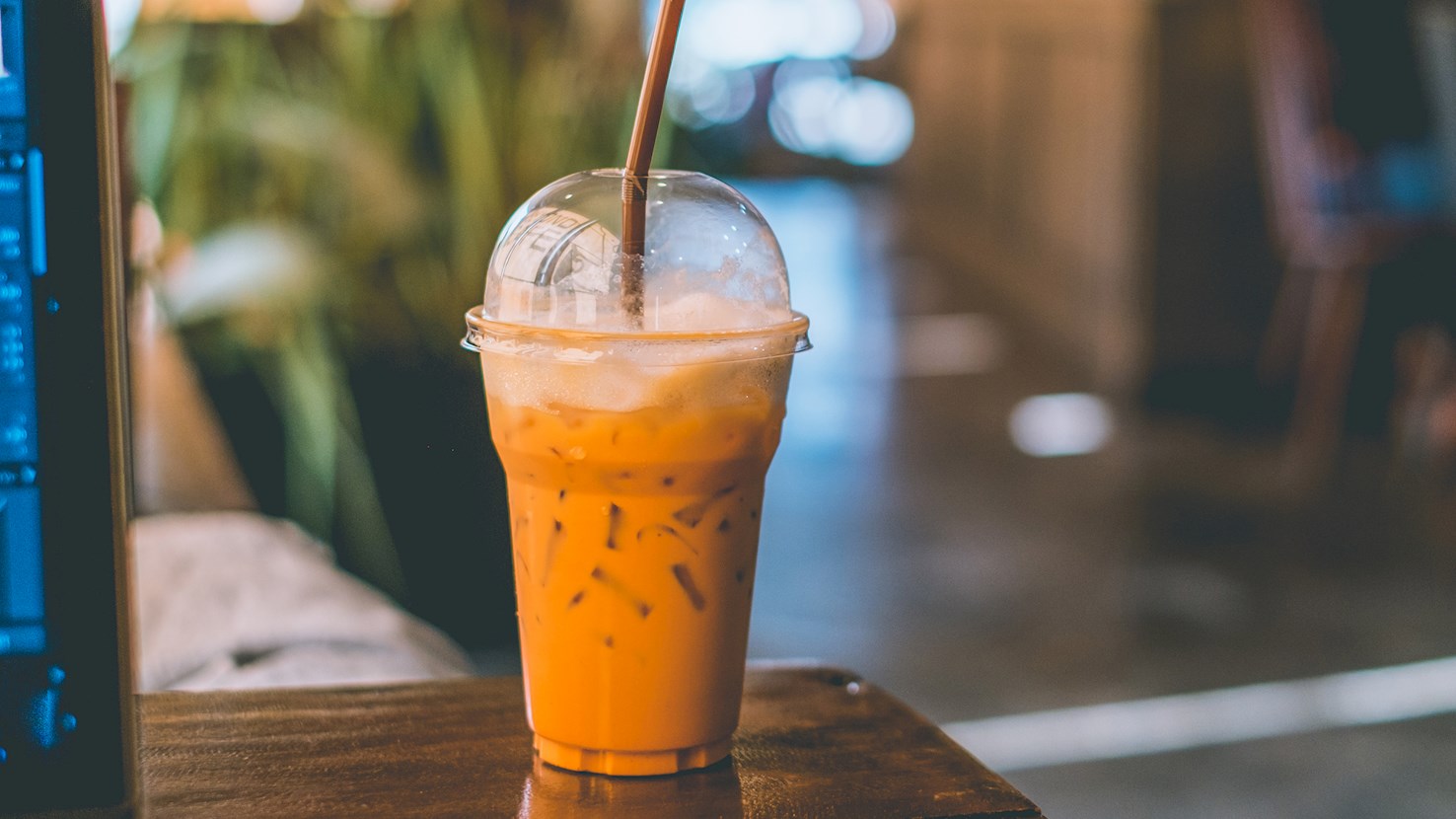
An authentic Thai iced tea is a combination of strong black tea, condensed or evaporated milk, sugar, and spices that is served over crushed ice. Traditionally, the drink is made with loose-leaf black tea such as Assam, Ceylon, or Keemun tea varieties, while the additions usually include crushed tamarind, anise, or cardamom. However, both street and restaurant versions nowadays often incorporate with pre-packed tea mix that contains food coloring, which gives the tea a distinctive and unnatural orange tint, while the traditional version should have a deep amber hue. The tea is usually chilled before it is combined with ice. Thai iced tea is sold by street vendors, but it is also available at various restaurants, both in Thailand and abroad.

02

Vietnamese Iced Coffee

4.2 ·

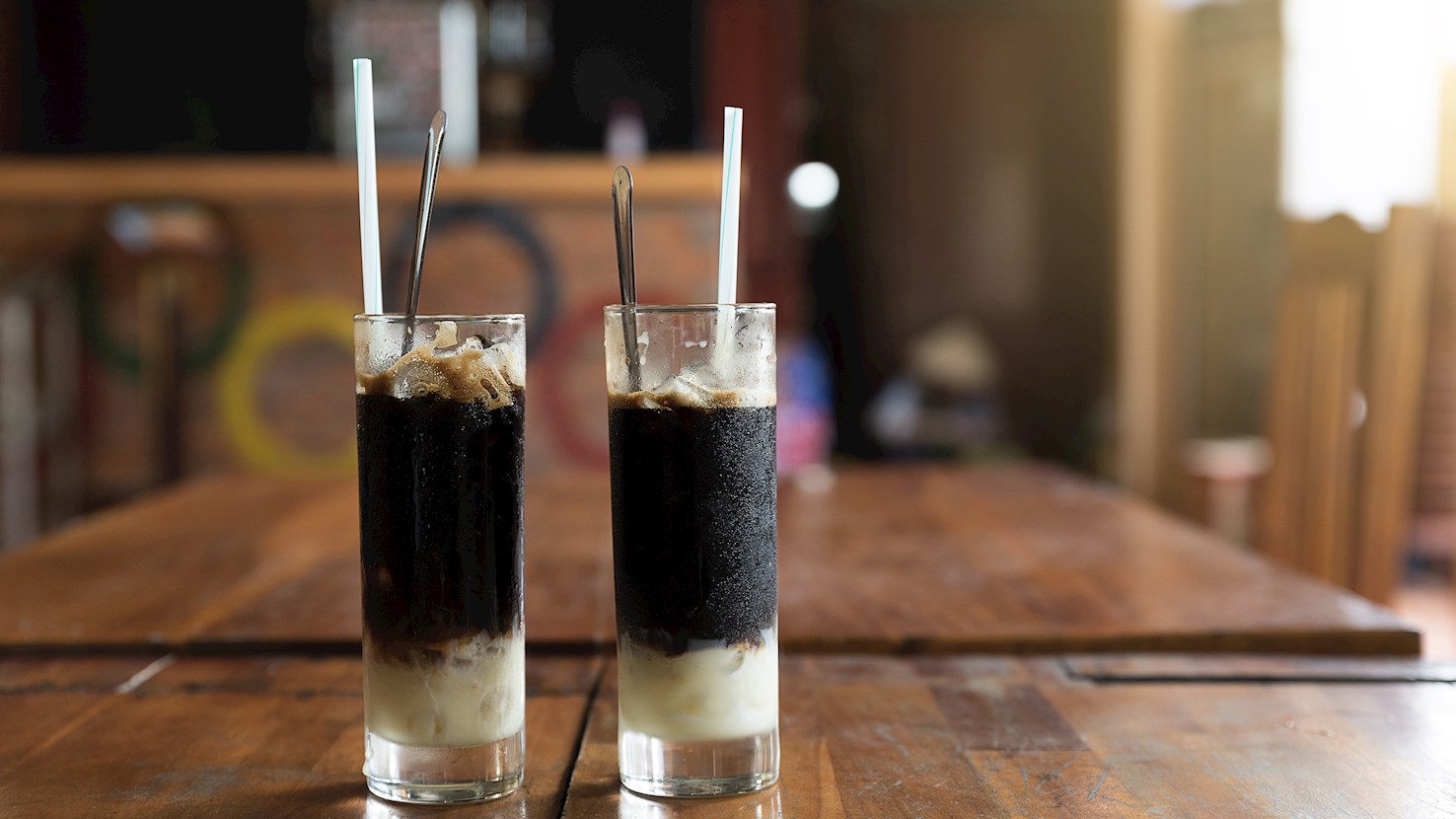
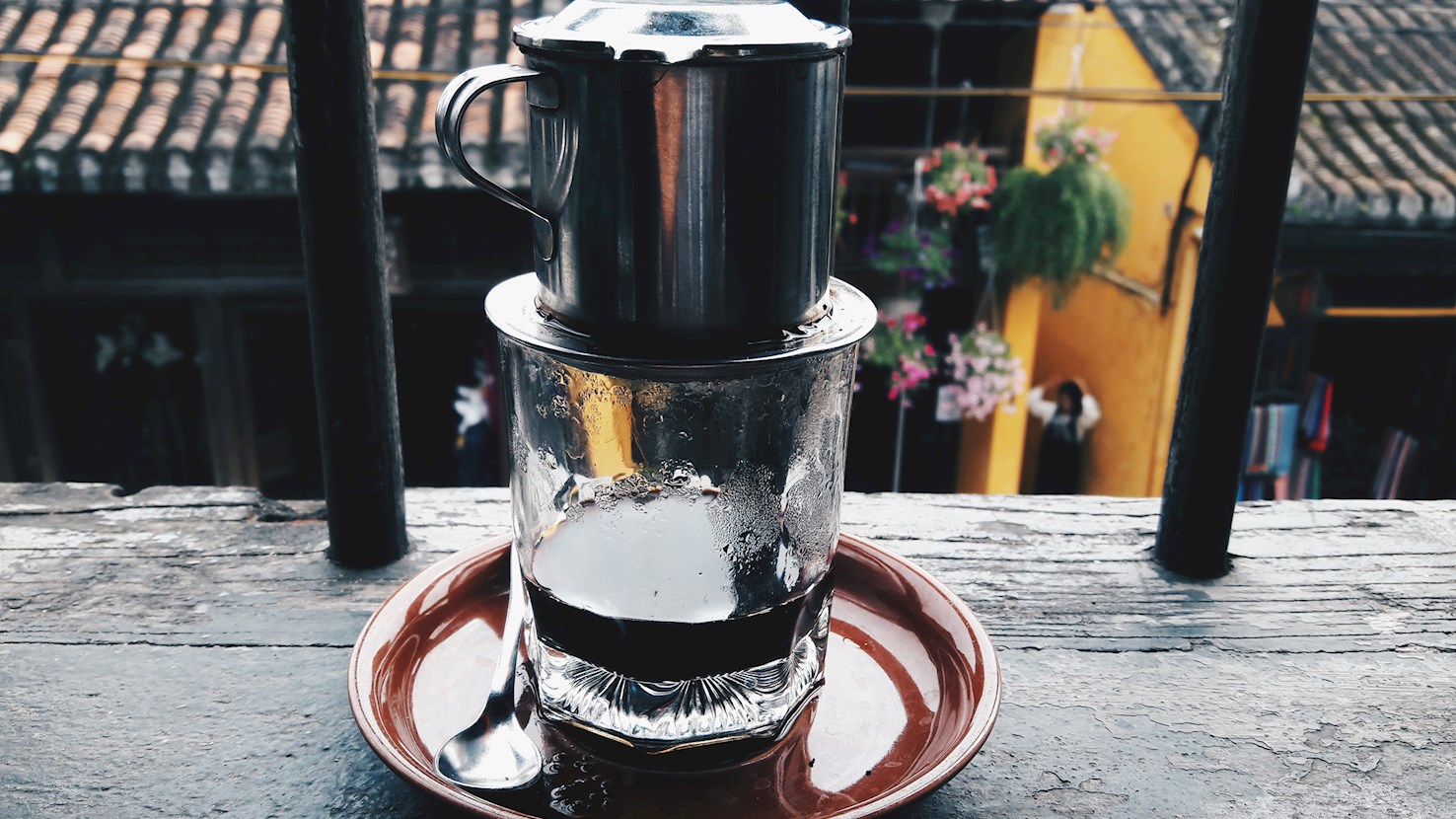
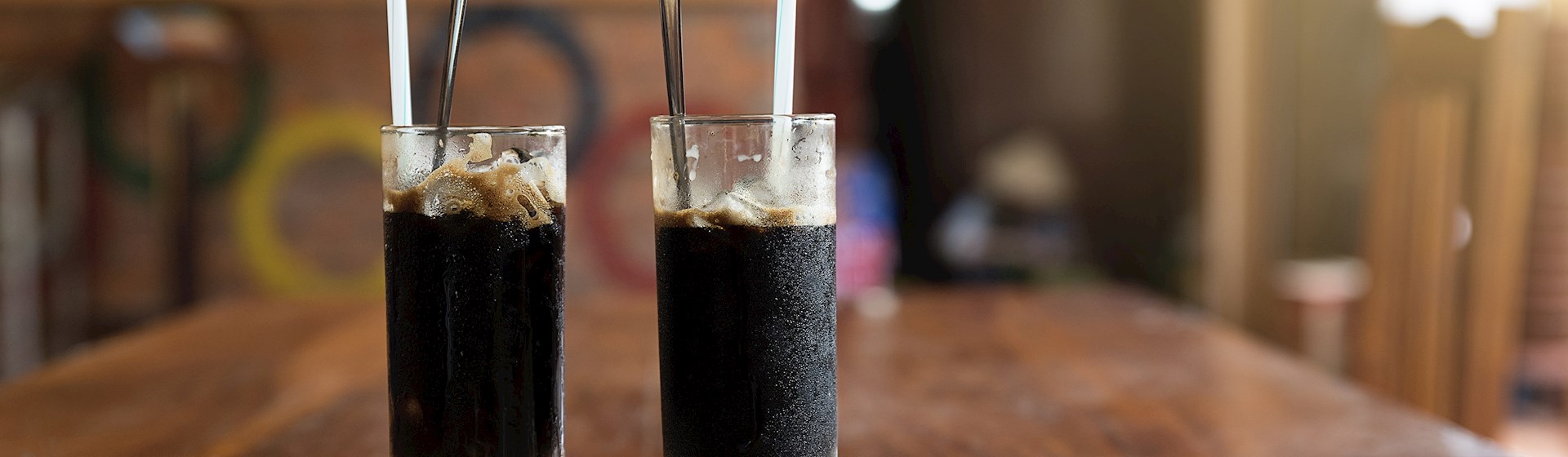
Vietnamese iced coffee is a drink that combines strong coffee, condensed milk, and ice. It is traditionally made with medium or coarse ground Vietnamese-grown coffee, typically the Robusta variety, which is brewed using a drip phin filter—in which the coffee is brewed and then slowly dripped in the cup. The coffee is then poured over ice and mixed with condensed milk. It is usually served in a tall glass. Although it is most commonly made with condensed milk (cà phê sữa đá), there is also a version that combines only coffee and ice (cà phê đá).

03

Teh Tarik

4.2 ·

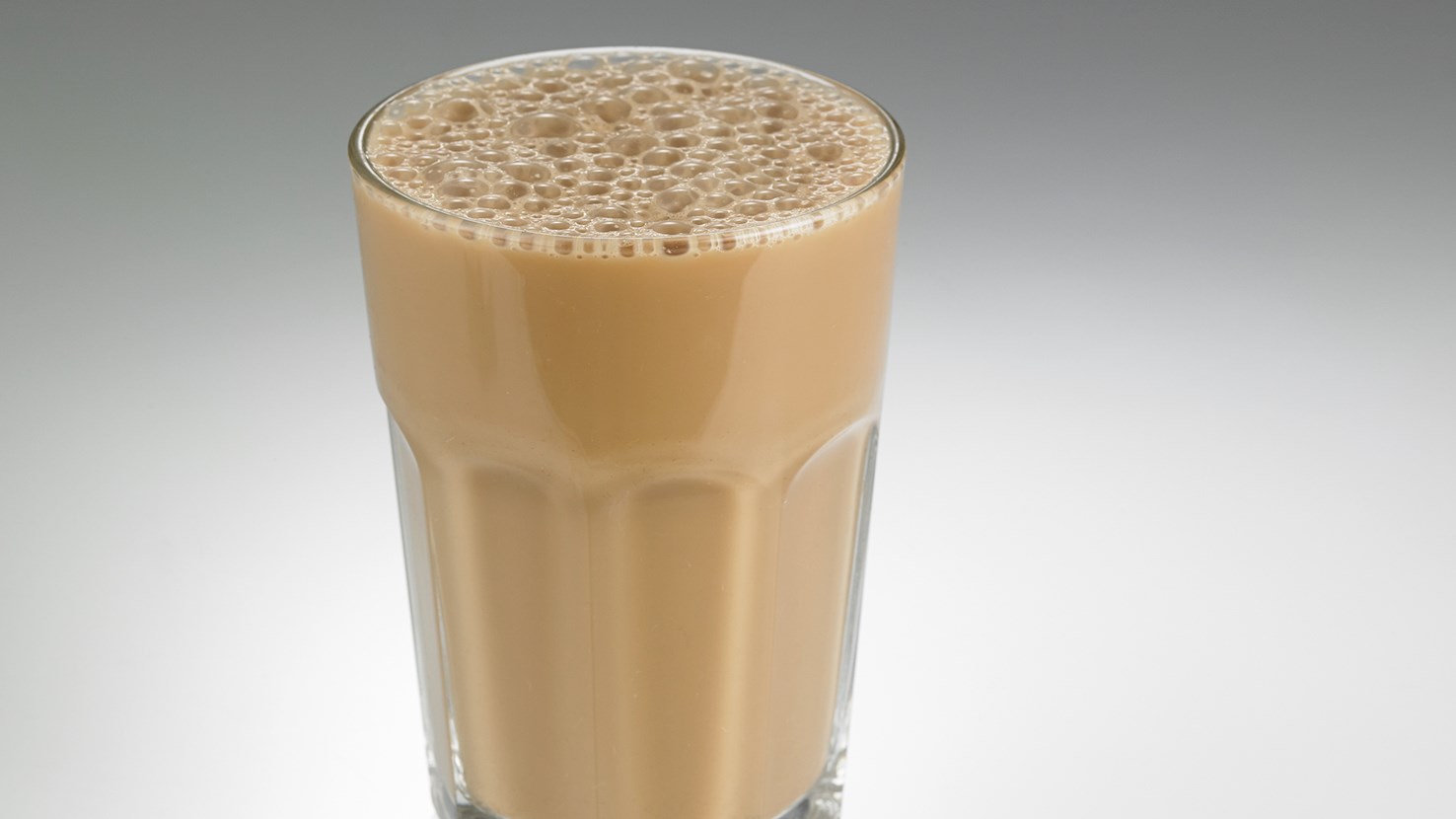
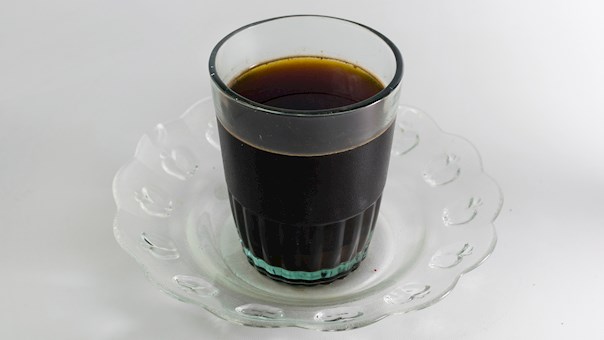
Teh tarik is a unique Malaysian beverage consisting of black tea, sugar, and condensed milk. The combination is then poured back and forth between two brass containers, a technique known as pulling tea. It improves the flavors of both tea and milk, imparts a creamy and smooth texture, and adds a visually appealing frothy top. Teh tarik is traditionally served in clear glasses, so that the beverage can be seen and appreciated in all its glory. It is often paired with roti prata, and can be found in most coffee shops and mamak stalls in Malaysia and Singapore.

04

Vietnamese Coffee

4.1 ·

Coffee culture is an important part of daily life in Vietnam. Although it was first brought by the French colonist in the mid-19th century, coffee quickly became popular, and Vietnam is currently one of the largest coffee producers, as well as the leading producer and exporter of the Robusta coffee variety. Robusta is also the most commonly used variety in Vietnam. It attains its quite strong flavor and a thick texture due to the slow and long dark roast. Occasionally, the beans are also roasted with butter and sugar, while some even decide to add cocoa and vanilla during roasting. Vietnamese coffee is traditionally brewed with a phin filter—which consists of a perforated plate that is placed on top of the cup. The plate is topped with a metal vessel in which the ground coffee is mixed with hot water, and brewed coffee is then slowly dripped directly in the cup. Because Vietnamese coffee is quite strong and bitter, the local prefer to mix it with ice and sweeten it with condensed milk (cà phê sữa đá), but it can also be enjoyed as a straight black coffee (cà phê đen) or black coffee with ice (cà phê đá). Another popular local variation is coffee mixed with egg yolks (cà phê trứng).

05

Bubble Tea

4 ·

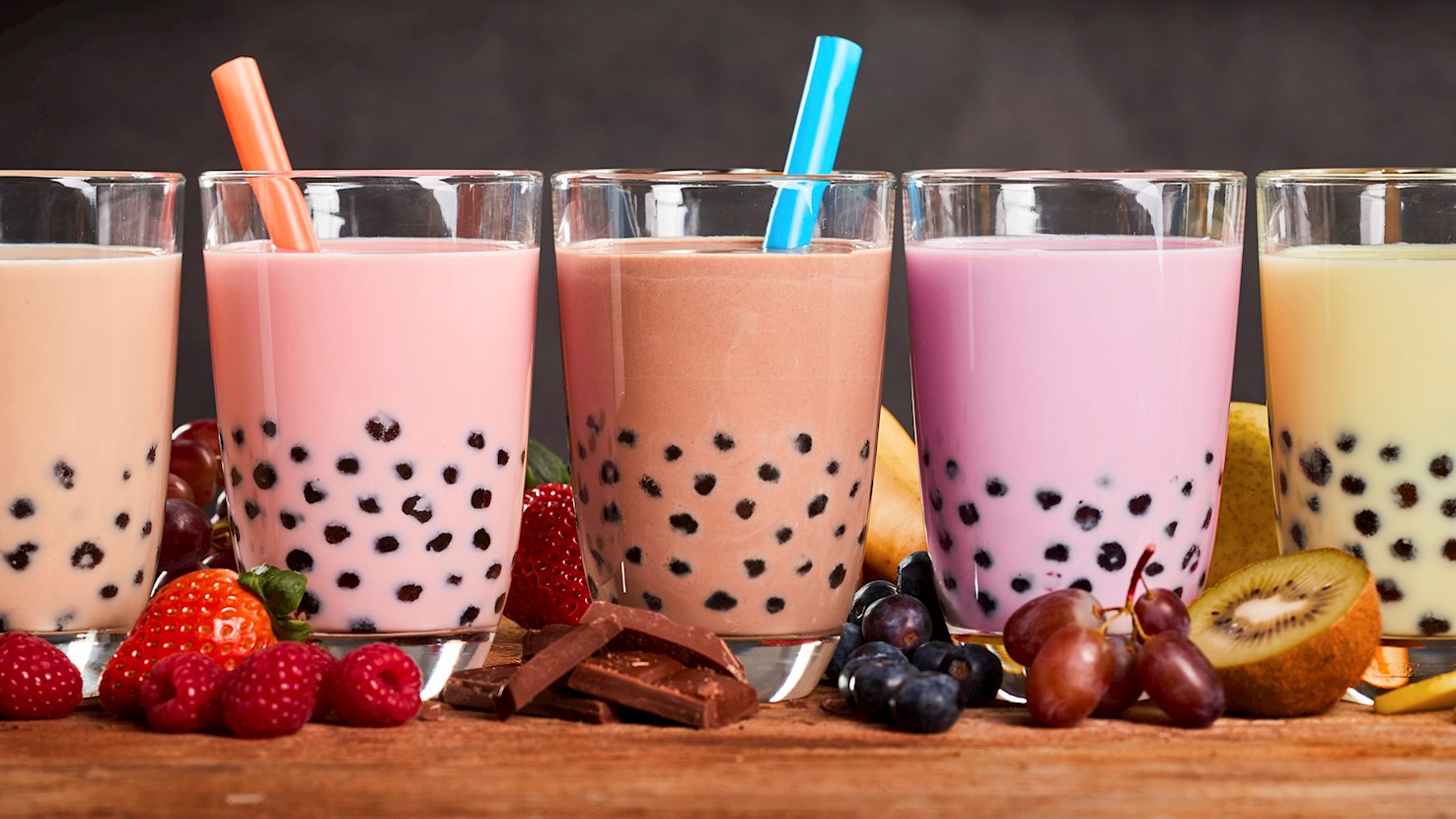
Invented in Taichung, Taiwan in the 1980’s, bubble tea is a tea-based beverage that is shaken or mixed with fruit or milk. It is combined with tapioca balls, also known as bubbles, pearls, or boba, so the drink is also often referred to as boba milk tea, boba tea, tapioca tea, pearl tea or bubble drink. Over the decades, a wide range of ingredients has been included in the production, which resulted in many varieties of bubble tea. Some recipes replace milk with cream, ice cream, or soya milk, and flavor it with chocolate, coffee, ginger, caramel, rose, or lavender. Others use black tea or green jasmine tea mixed with fresh fruits such as strawberries, apples, mangos, avocados, bananas, coconut, pineapple, kiwi, or peaches. However, the most popular varieties are bubble milk tea with tapioca and bubble green milk tea with tapioca. Bubble tea is not just a beverage, it's also an interactive game, because you never know which sip will be liquid tea, and which will deliver a sticky and sweet tapioca ball through the giant straw, which is an integral part of the bubble tea experience.

06

Ca phe trung (Egg Coffee)

4 ·

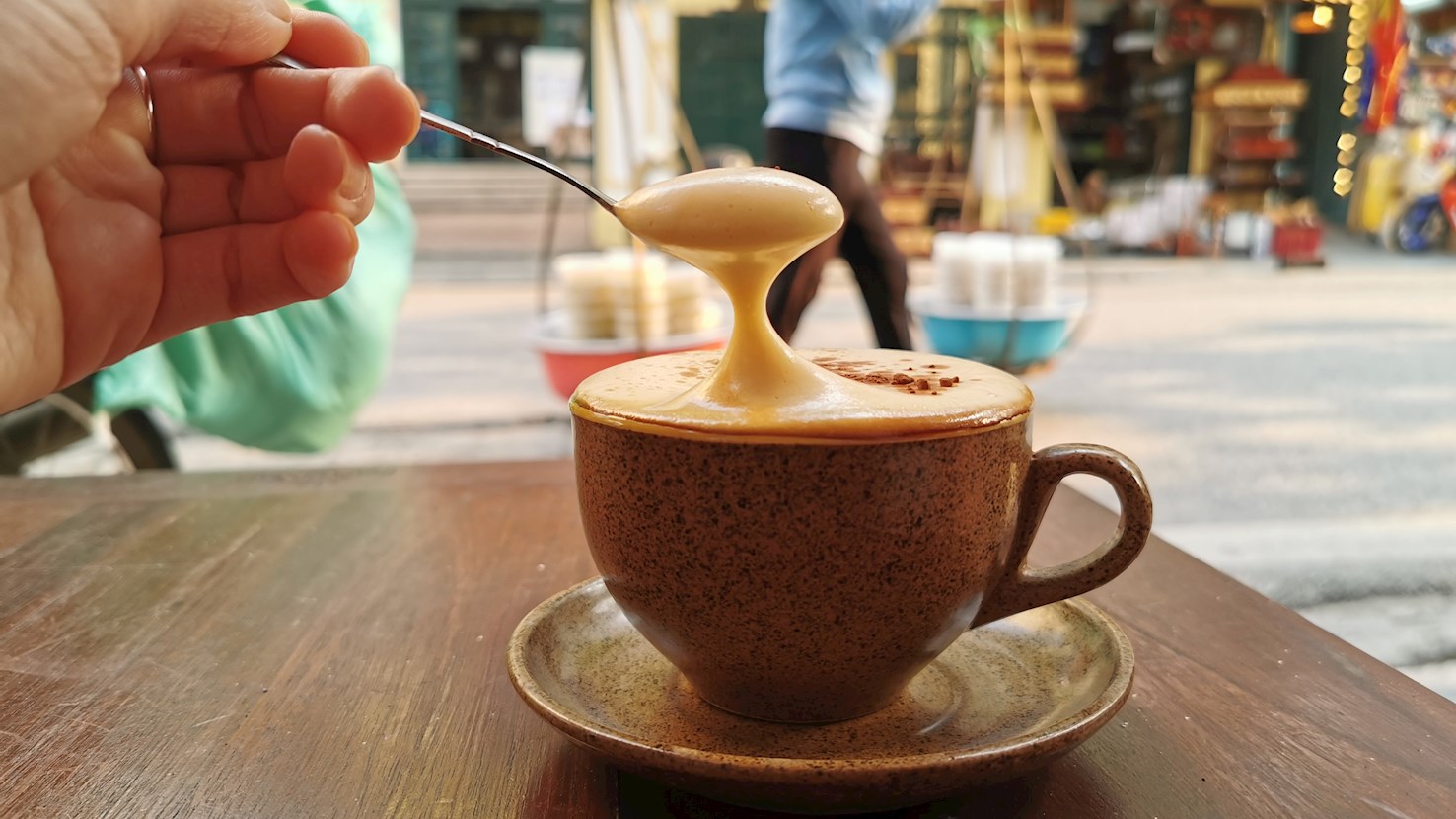
Egg coffee (ca phe trung) is a sweet and dense Vietnamese beverage that traditionally consists of strong black robusta coffee that is mixed with egg yolks and sweetened condensed milk. The egg yolks and the milk are whipped for about 10 minutes, and boiled until meringue-like consistency. The coffee is mostly made using a traditional Vietnamese phin filter in which the coffee is brewed and then slowly dripped in a cup. It is poared into the whipped eggs, forming the characteristic, aromatic foam. The origin of the drink dates back to 1950s and the French Indochina War. During the period, milk was scarce, and a barista by the name Nguyen Van Giang decided to use eggs as a replacement. At the time, he was working at the Sofitel Hotel in Hanoi, but after his creation became successful, he eventually opened his shop, Giang Cafe, which still exists in Hanoi and is run by his son.

07

Bandung

3.9 ·

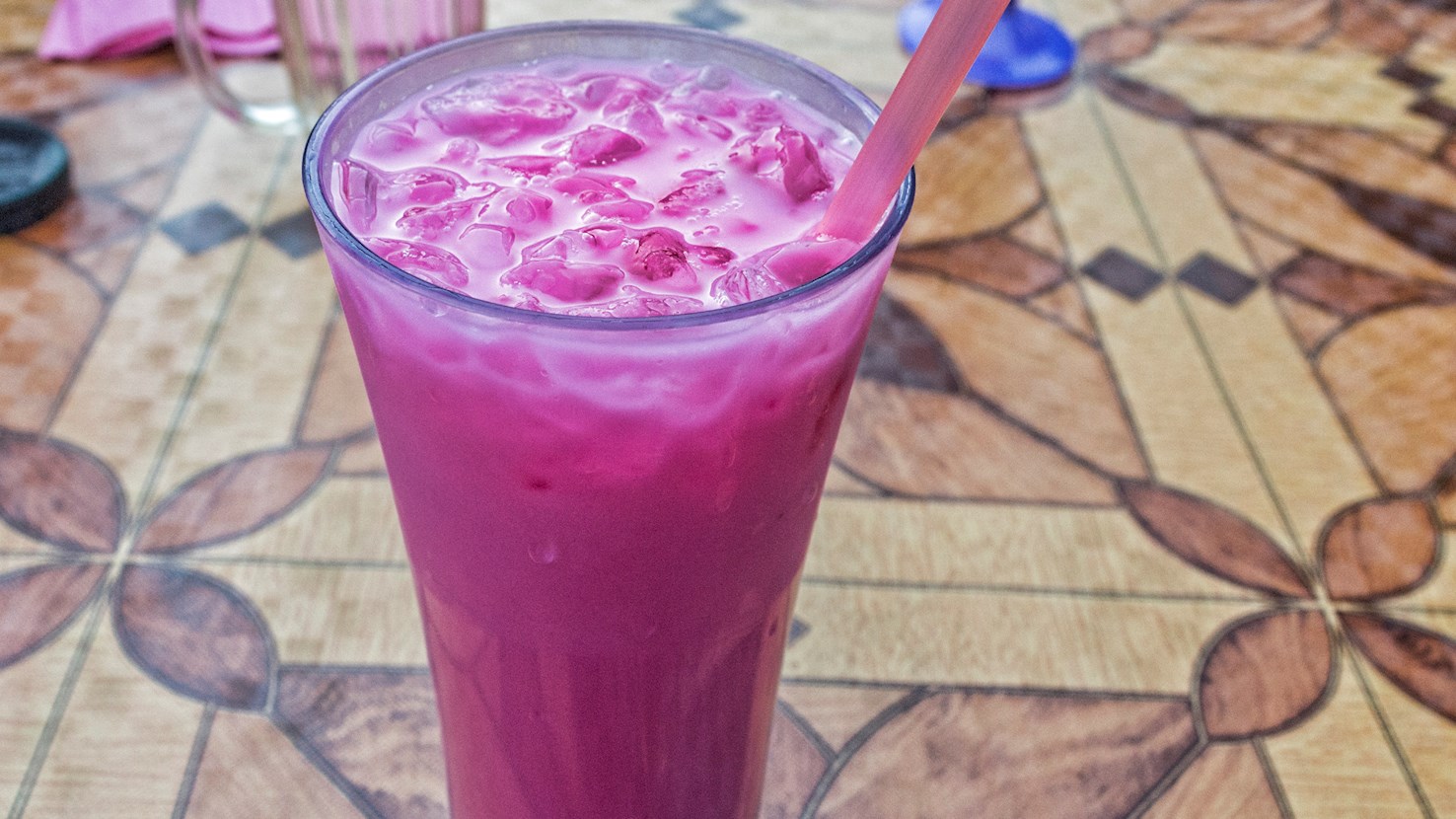
Bandung is a popular Malaysian pink-hued beverage that is especially beloved by the Malai community. This simple drink is made with a combination of milk and rose syrup, and depending on where it has been bought, bandung can be made with condensed milk, fresh milk, evaporated milk, or any combination of the three. It is typically served over ice, and it is especially popular at weddings or during Iftar (breaking the fast) in the month of Ramadan.

08

Soda gembira

3.9 ·

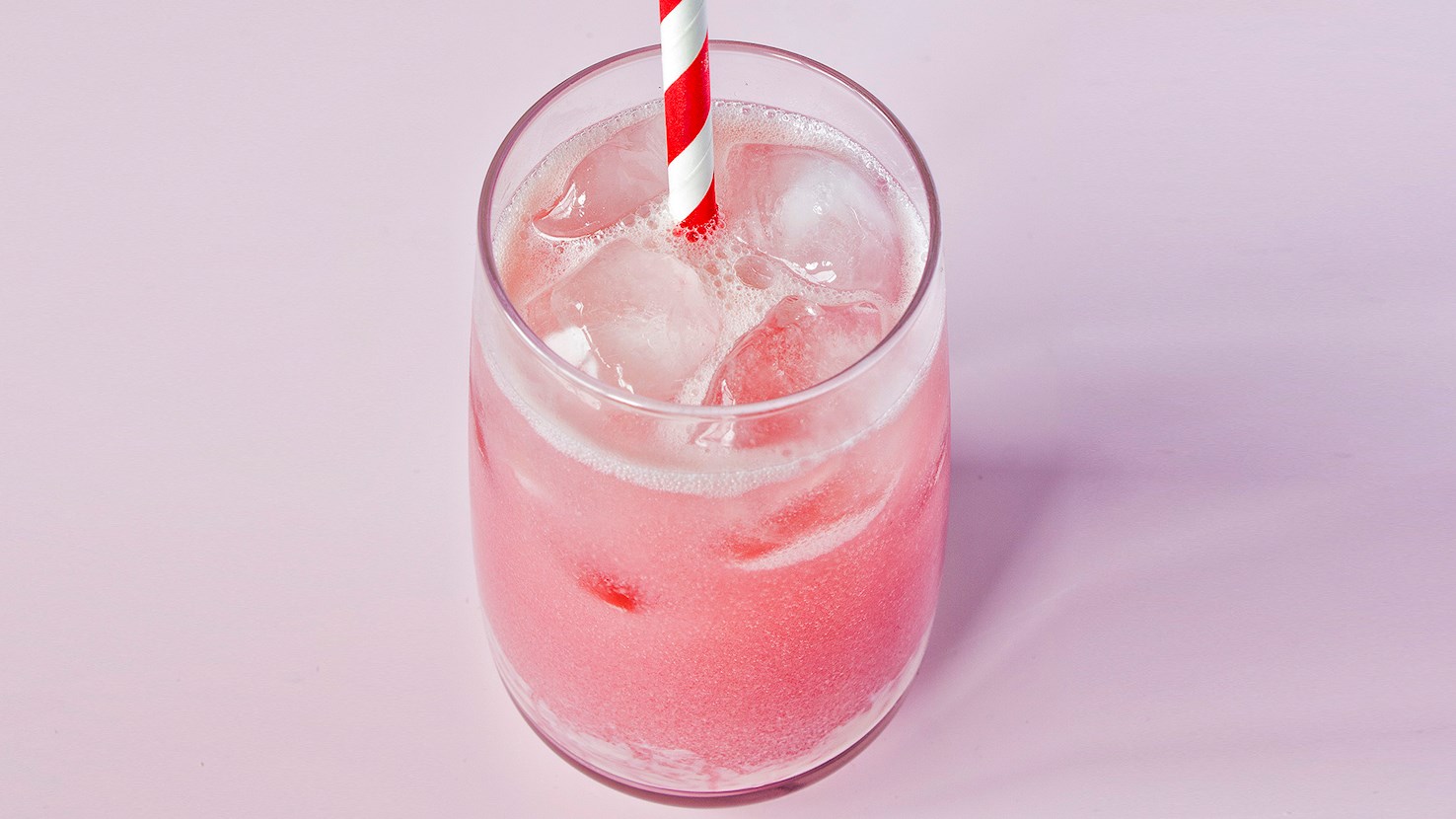
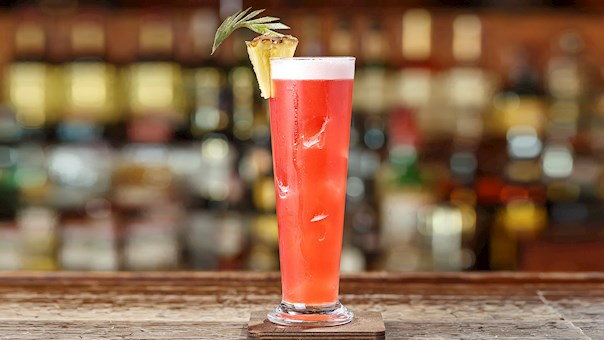
Soda gembira is a sweet, fizzy beverage from Indonesia, widely consumed across the country and especially popular in Java and Sumatra. The name translates to "happy soda," reflecting its status as a cheerful, indulgent drink often enjoyed during festive meals, gatherings, or as a casual refreshment. The drink is made by combining sweetened condensed milk, syrup (typically strawberry or rose-flavored) and carbonated soda water. The result is a visually striking and sweet-tasting drink with a light, creamy texture balanced by carbonation. Its origins are not tied to a specific region but rather to the broader Indonesian approach to mixing Western-style beverages with local tastes. The use of sweetened condensed milk is common in Southeast Asian drinks, and in the case of soda gembira, it acts as both a sweetener and a source of richness. The syrup, often vibrant pink in color, adds fruity notes and visual appeal. Soda water, usually a plain or lemon-lime variant, is poured over the milk and syrup mixture just before serving, creating a layered and slightly effervescent drink that is stirred before consumption. Soda gembira is typically served over ice in tall glasses and consumed immediately to retain the carbonation. It is especially popular during iftar in the month of Ramadan, served alongside other sweet or savory dishes to break the fast. Although it is a non-alcoholic and simple beverage, it holds a special place in social and family contexts, often evoking a sense of comfort and nostalgia for many Indonesians. While there are variations that use different syrups, flavored sodas, or even evaporated milk, the basic concept remains the same: a cold, sweet, and carbonated drink designed to be both satisfying and easy to prepare. In some food stalls or restaurants, it may be customized further with additional toppings like jelly or fruit pieces, though the classic version remains the most common.

09

Ipoh White Coffee

3.8 ·

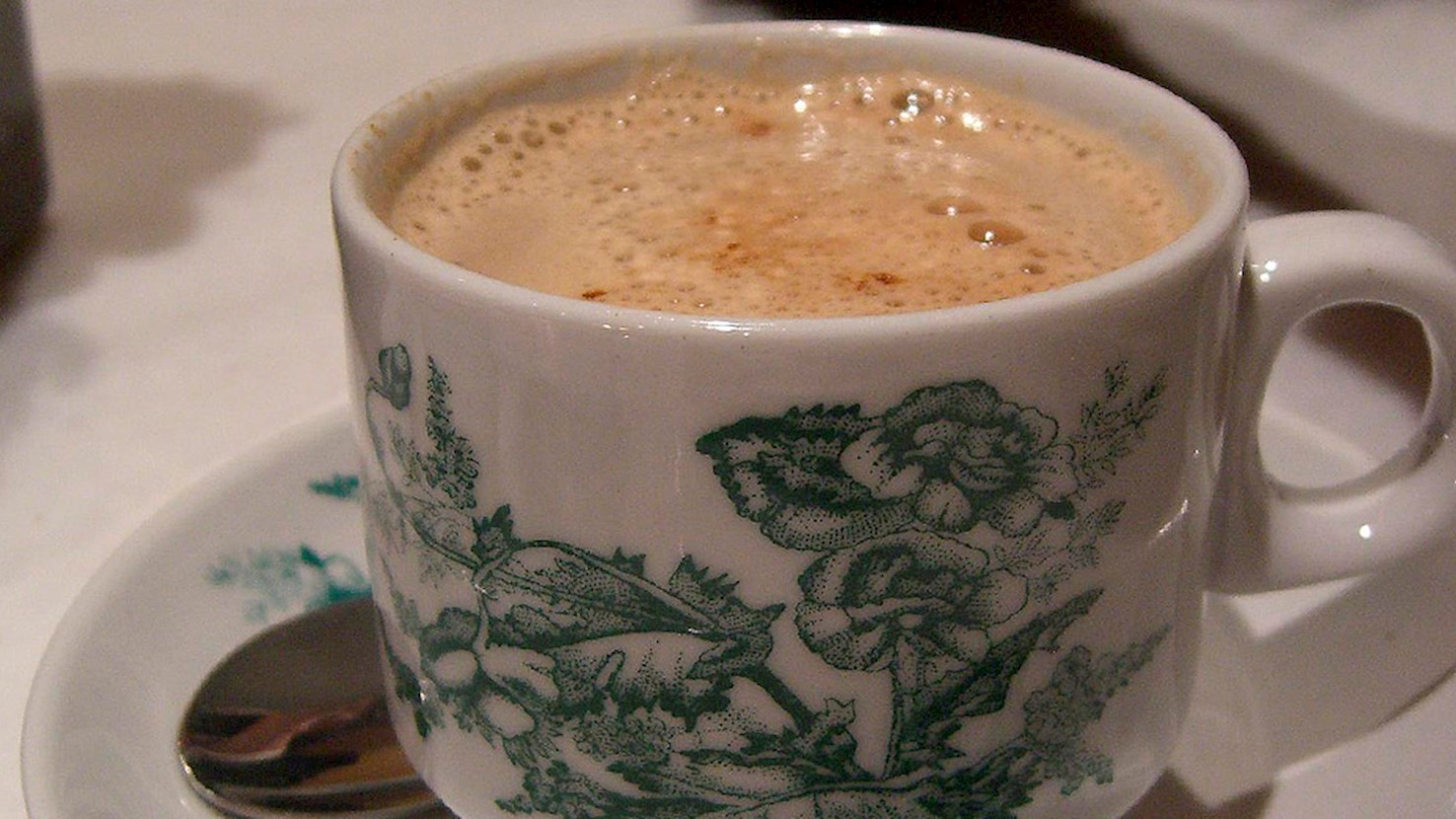
As the name suggests, this coffee style originated in Ipoh, but contrary to its name, it is not white. The name stems from the roasting technique in which coffee beans are lightly roasted in margarine before they are ground and brewed. The origin of this roasting style is usually associated with Hainanese immigrants in Malaysia, who adapted the classic technique to create a beverage that has a milder, lightly caramelized coffee flavor. Ipoh white coffee is usually enriched with condensed milk and should have a light froth on top. It should not be mistaken for a general term white coffee, which may refer to any coffee served with the addition of milk or creamer.

10

Bajigur

3.8 ·

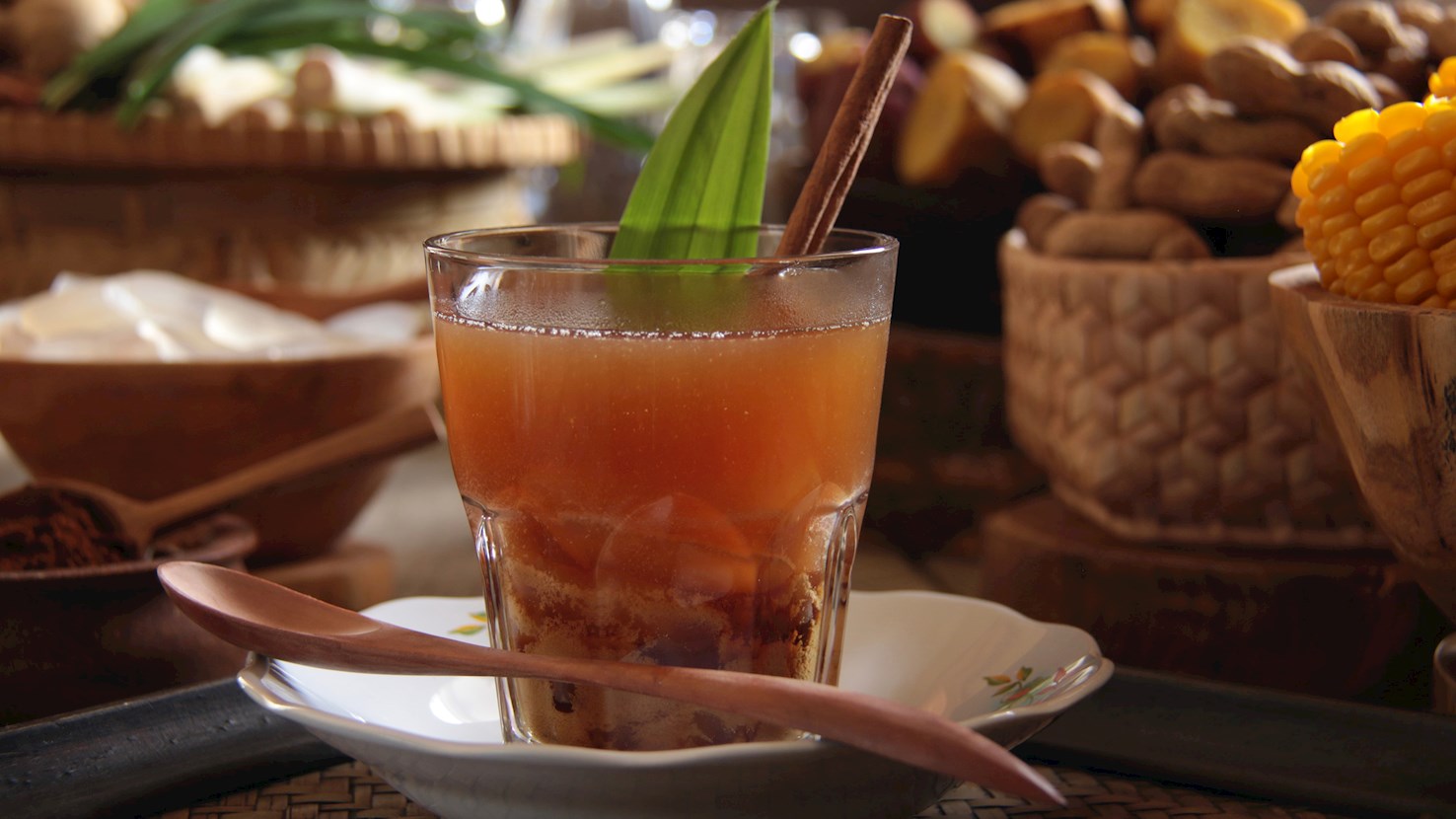
Bajigur is a traditional Indonesian beverage hailing from the Sundanese culture of West Java, celebrated for its comforting warmth and rich, sweet flavor, typically enjoyed during the rainy season or cooler evenings. At its heart, Bajigur is a mixture of coconut milk and palm sugar (gula aren), which combine to form a creamy, caramel-toned base. What sets it apart is the addition of aromatic spices such as ginger and a subtle hint of pandan leaf, infusing the drink with a gentle spiciness and a fragrant, almost vanilla-like depth. Some variations also include a pinch of salt or coffee for added complexity. Bajigur is traditionally served hot and is often accompanied by local snacks like boiled bananas, steamed sweet potatoes, or sticky rice cakes, enhancing the overall experience of rustic, homestyle indulgence. Historically, it was sold by street vendors who would roam neighborhoods with portable stoves, the steam rising from their kettles drawing in passersby with the irresistible scent of spiced coconut, though it has modernized over time, with instant versions now available in sachets.

Best Southeast Asian Beverages
01

Three Six Manor

5 ·
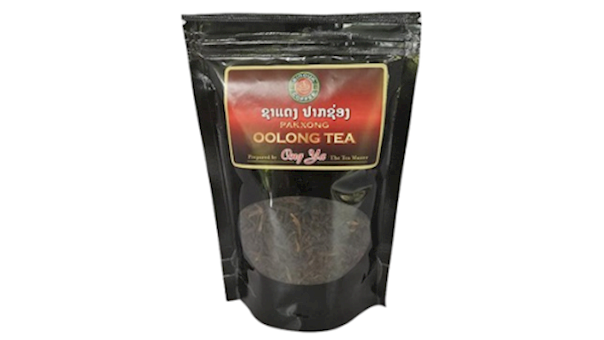
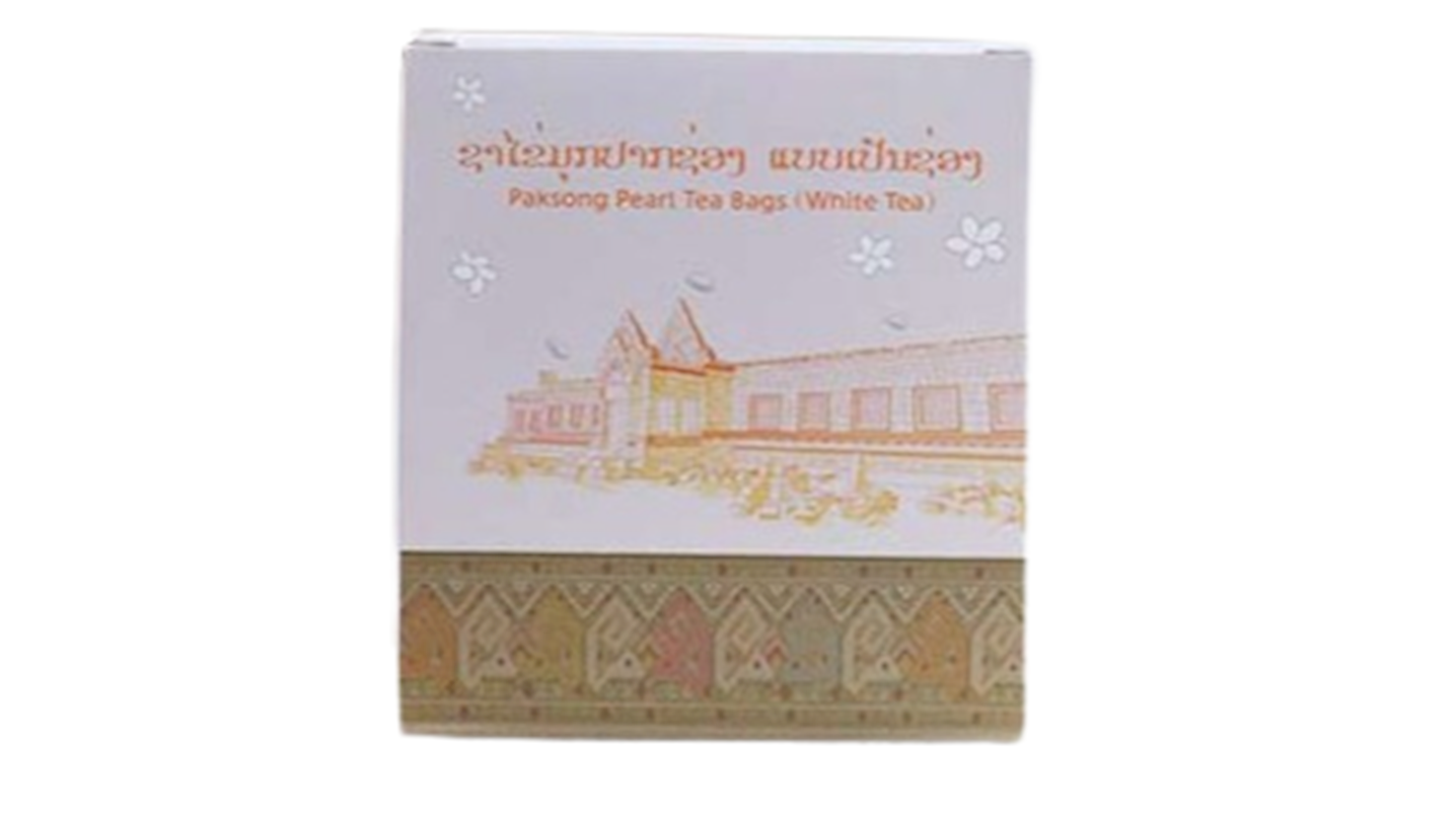
36 Manor is a premium tea brand located in Laos, specifically known for its Paksong teas grown on the Bolaven Plateau, a region famous for its volcanic soils and high-altitude climate. The company, under the Rongxing Group, has developed a unique approach to tea production, offering a variety of high-quality teas such as black tea, green tea, and white tea, often highlighted by their "Paksong" series. These teas are enriched by the pristine environment of the plateau, where aged tea trees and traditional craftsmanship are key to creating distinctive, aromatic blends.
02

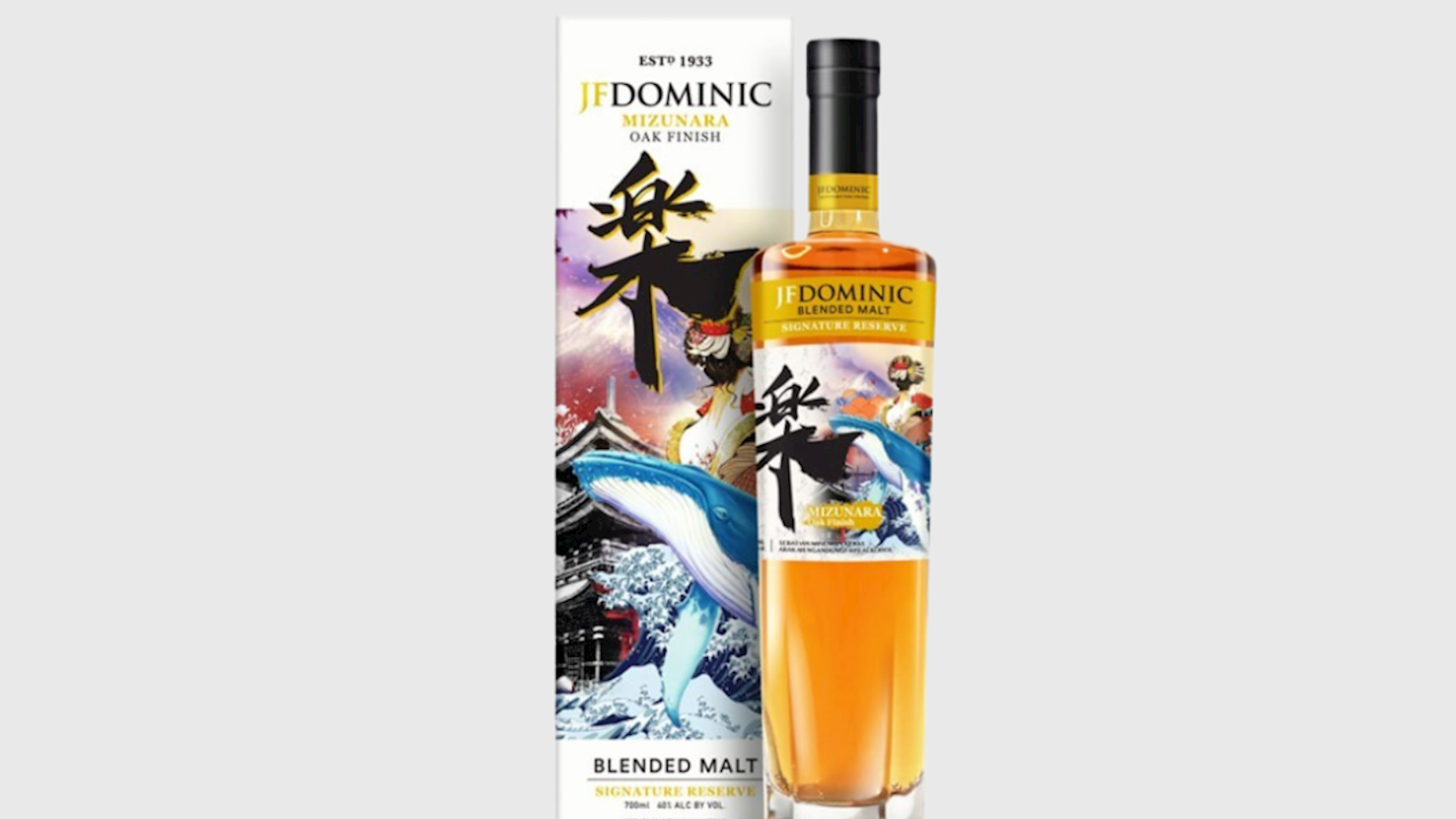
East Asia Whisky Company

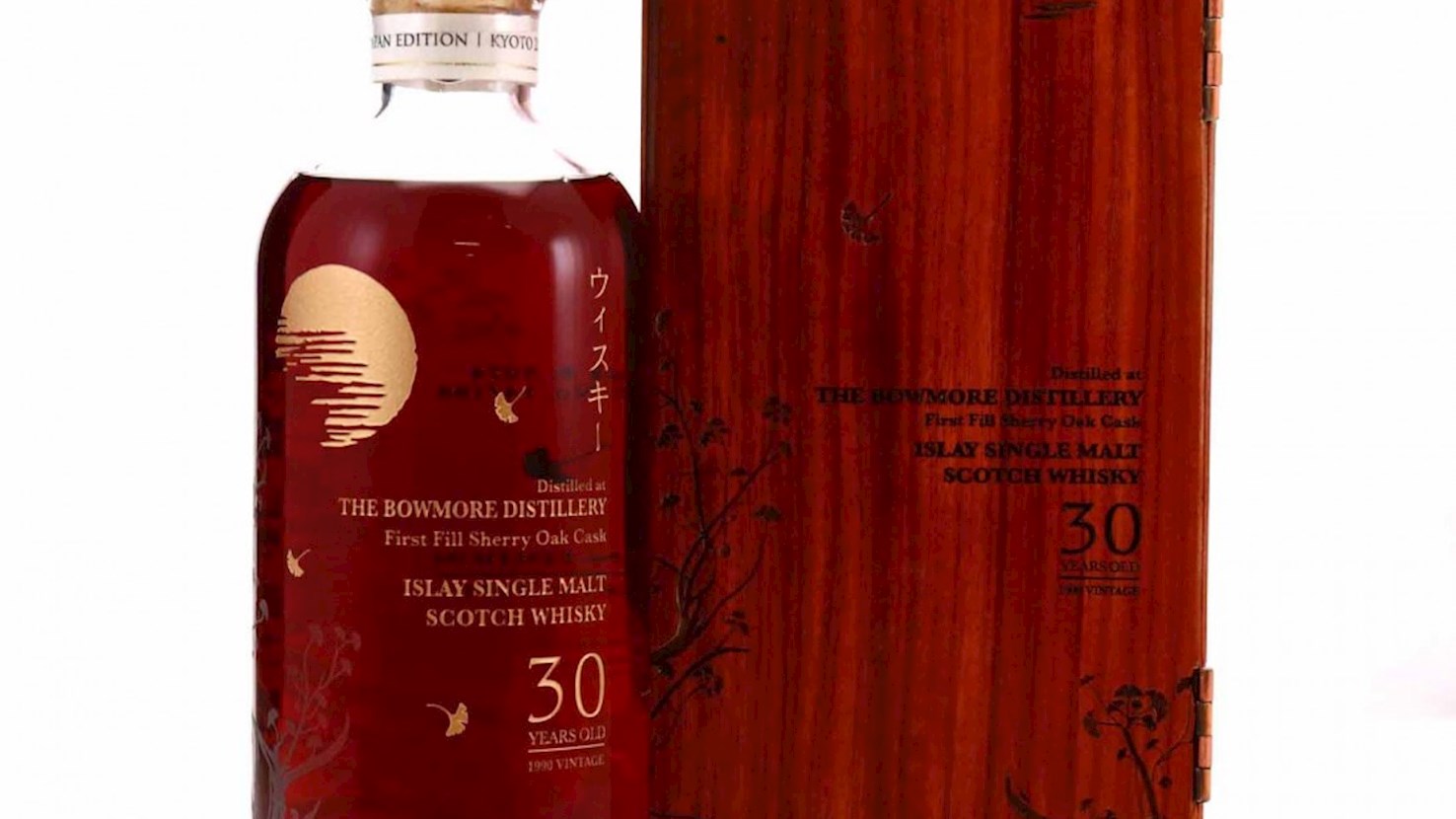
5 ·
Awards
ISC-International Spirits Challenge - Double Gold (2023)
IWSC- International wine & spirit competition - Spirit Gold Outstanding (2024, 2023)
03

53 degrees enterprise

5 ·
Awards
SFWSC - San Francisco World Spirits Competition - Double Gold (2024)
ISC-International Spirits Challenge - Gold (2021)
04

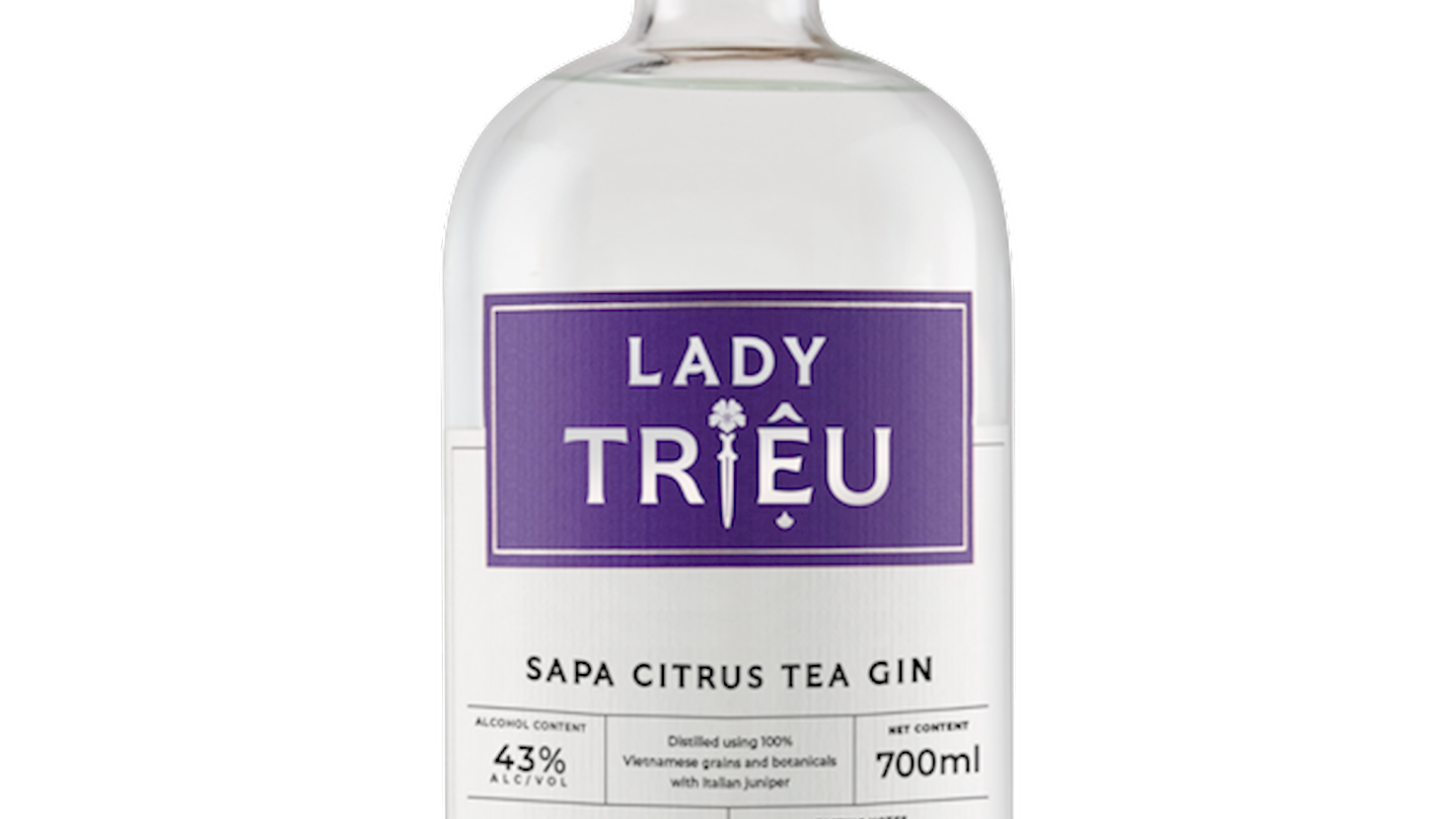
Lady Trieu

5 ·
Awards
SFWSC - San Francisco World Spirits Competition - Double Gold (2024)
05

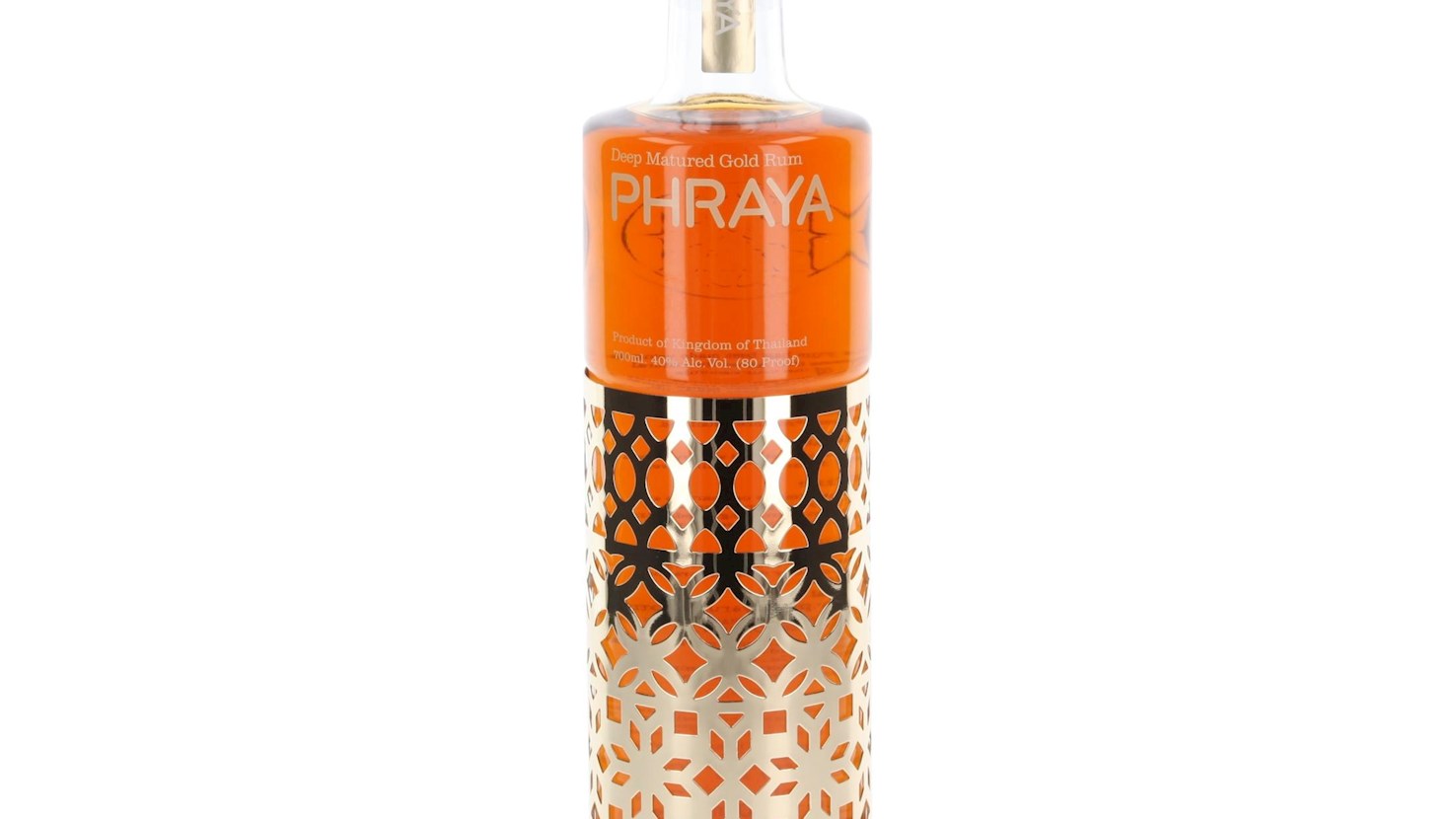
Phraya

5 ·
Awards
SFWSC - San Francisco World Spirits Competition - Double Gold (2024)
06

ACTAS TRADING SDN BHD

5 ·
Awards
ISC-International Spirits Challenge - Gold (2024)
07

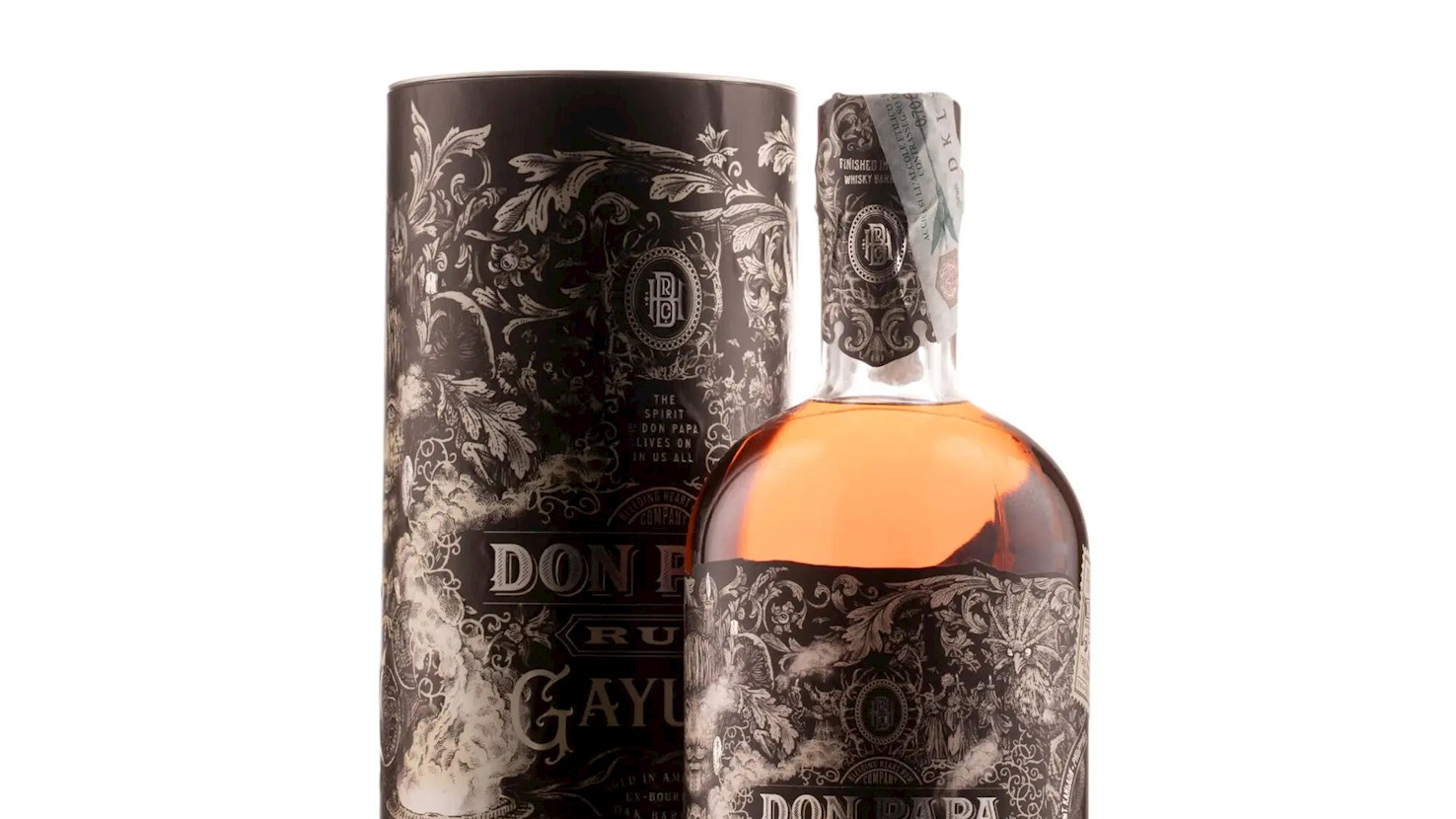
Bleeding Heart Rum Company

5 ·
Awards
The Rum & Cachaça Masters - Master (2023)
08

Sangsom Distillery

5 ·
Awards
IWSC- International wine & spirit competition - Spirit Gold (2024)
IWSC- International wine & spirit competition - Spirit Gold Outstanding (2024)
09

Botani

5 ·
Awards
SFWSC - San Francisco World Spirits Competition - Double Gold (2024, 2023)
SWSC - Singapore World Spirits Competition - Double Gold (2023)
10

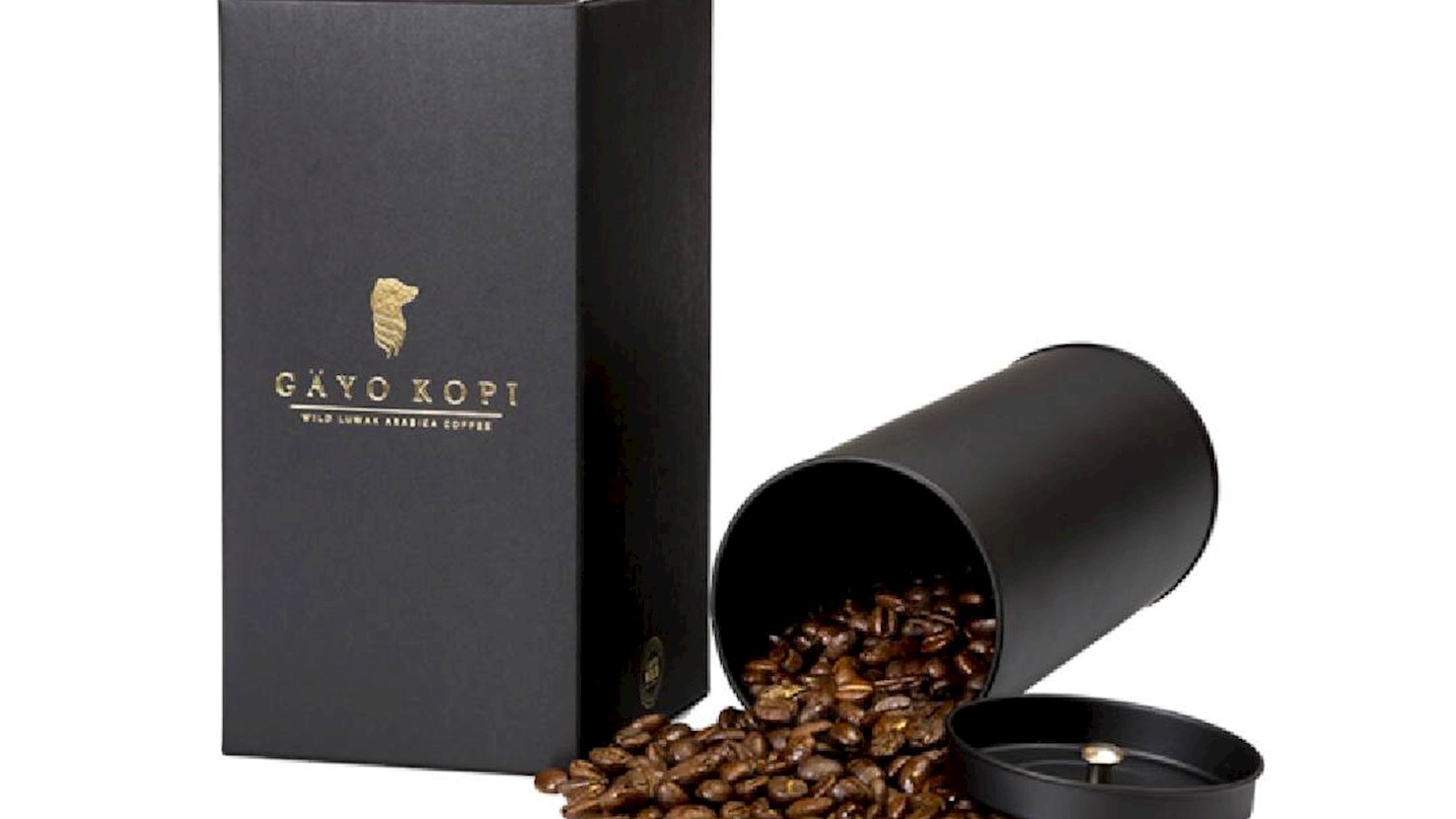
Gayo Kopi

4.9 ·
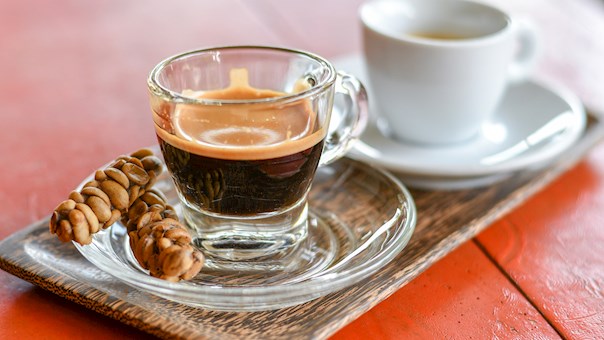
Gayo Kopi is a distinguished Indonesian company specializing in the production and export of premium Wild Kopi Luwak coffee. Their beans are sourced from the Gayo Highlands in Northern Sumatra, where wild civets naturally select and consume the finest coffee cherries. This natural process imparts unique flavor profiles to the beans, resulting in a rich and indulgent coffee experience. Gayo Kopi is committed to ethical sourcing, ensuring that all their Kopi Luwak is collected from wild, uncaged civets, thereby supporting both environmental sustainability and animal welfare.
Read more
View all
View map
About this ranking

TasteAtlas food rankings are based on the ratings of the TasteAtlas audience, with a series of mechanisms that recognize real users and that ignore bot, nationalist or local patriotic ratings, and give additional value to the ratings of users that the system recognizes as knowledgeable. For the “Top 68 Southeast Asian Beverages” list until June 15, 2026, 1,694 ratings were recorded, of which 1,112 were recognized by the system as legitimate. TasteAtlas Rankings should not be seen as the final global conclusion about food. Their purpose is to promote excellent local foods, instill pride in traditional dishes, and arouse curiosity about dishes you haven’t tried.

The initial list of top producers was compiled based on available reviews, awards, local recommendations, media and blog coverage, and consumer reviews. The list will be updated with ratings from TasteAtlas local ambassadors and TasteAtlas users.

Similar lists