Top 100 Spanish Beverages

Last updated on June 04, 2026

Best Spanish Beverage Types
01

Albariño

4.3 ·

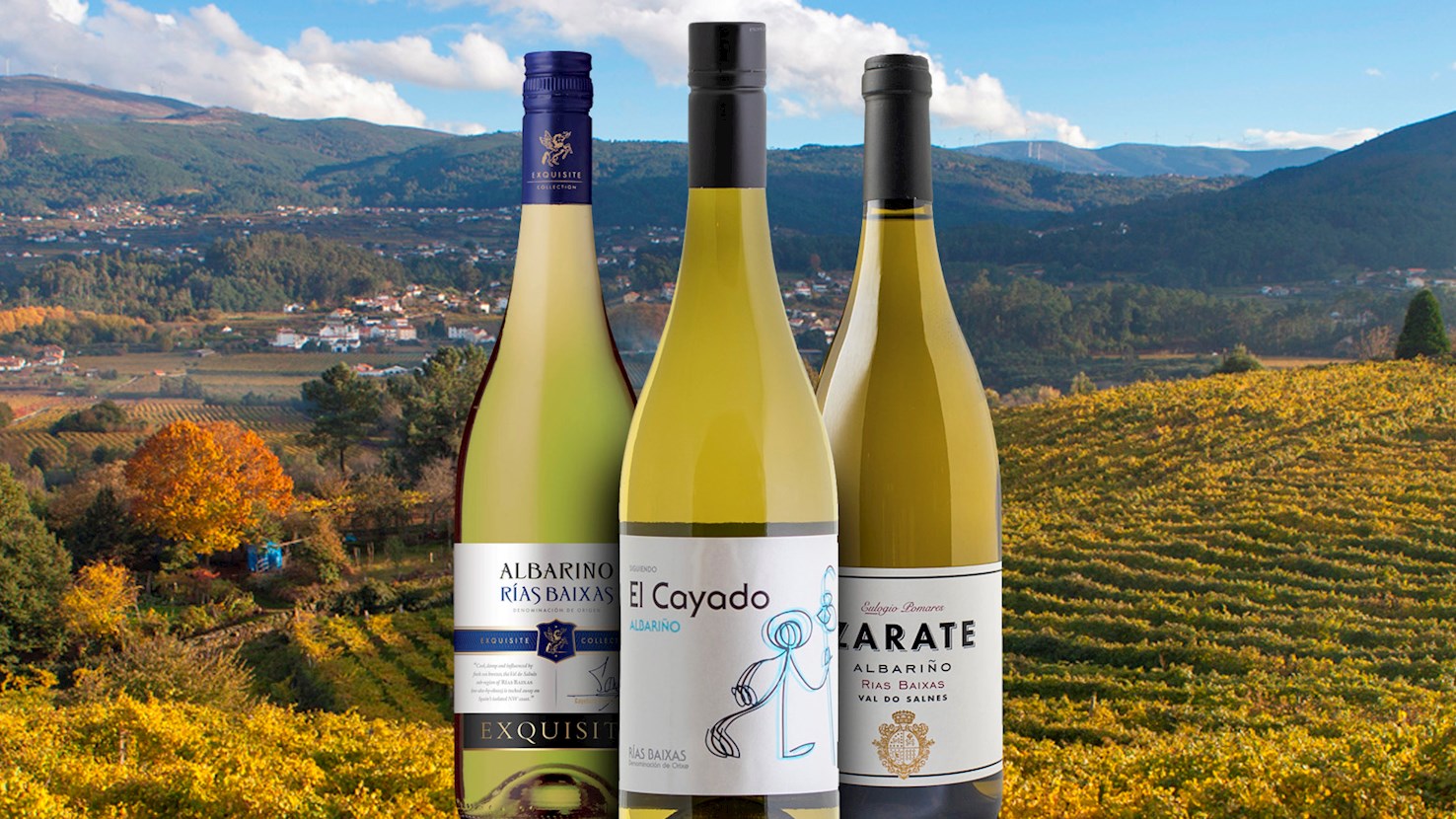
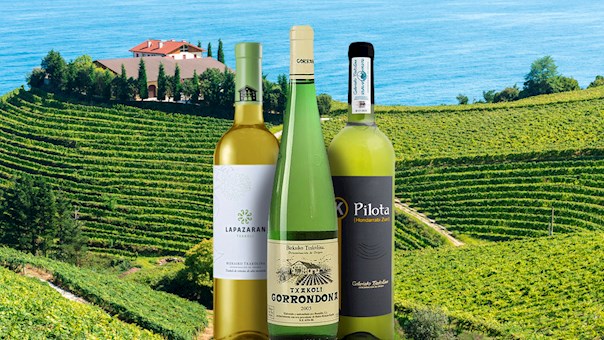
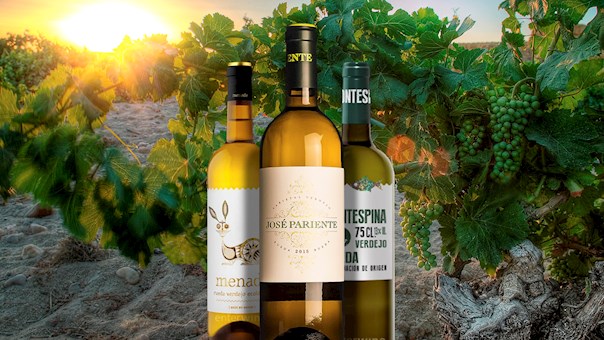
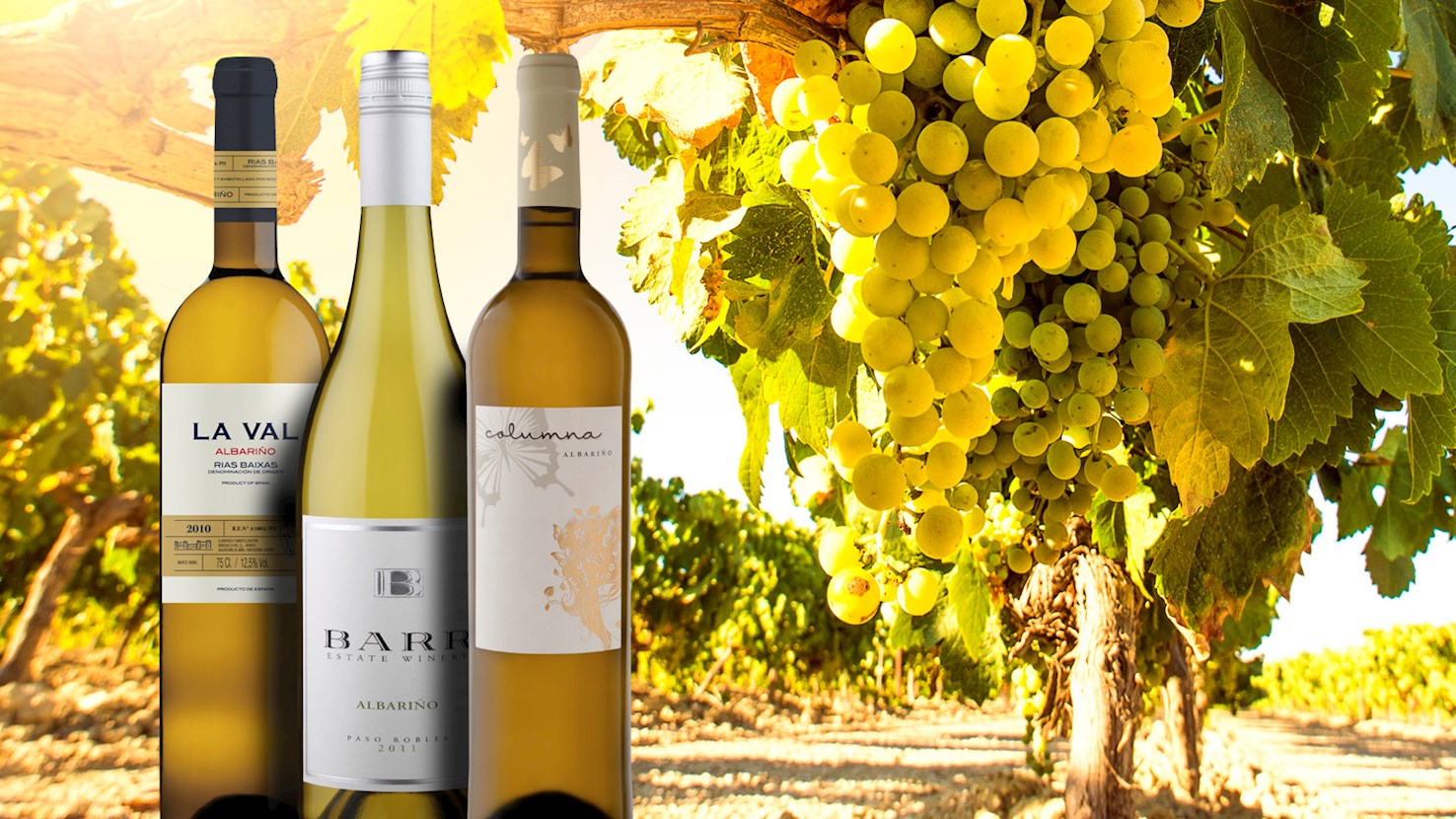
Albariño is a white grape variety grown in northwest Spain (Galicia) and northwest Portugal (Monção and Melgaço) where it is used to make varietal white wines. Albariño wines are very light, fresh, crisp, with high acids and of a rich, floral, and aromatic character. Its specific aromas often include white peach, apricot, melon, pineapple, mango, and honeysuckle with an underlying minerality. Albariño wines are very versatile when it comes to food pairing, with seafood being the most obvious choice, along with a variety of dishes from Chinese, Indian, and Thai cuisine.

02

Ribera del Duero

4.3 ·

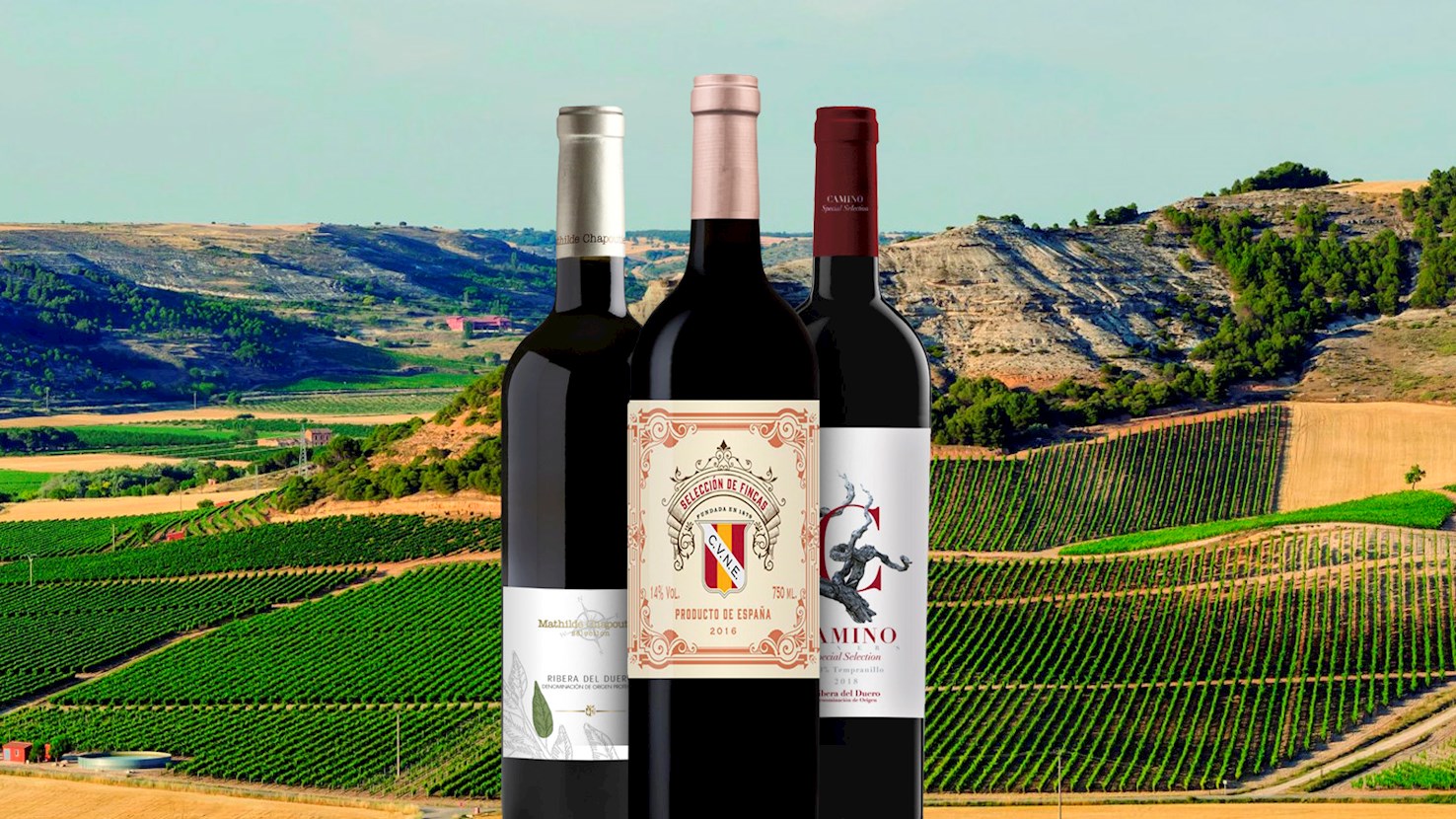
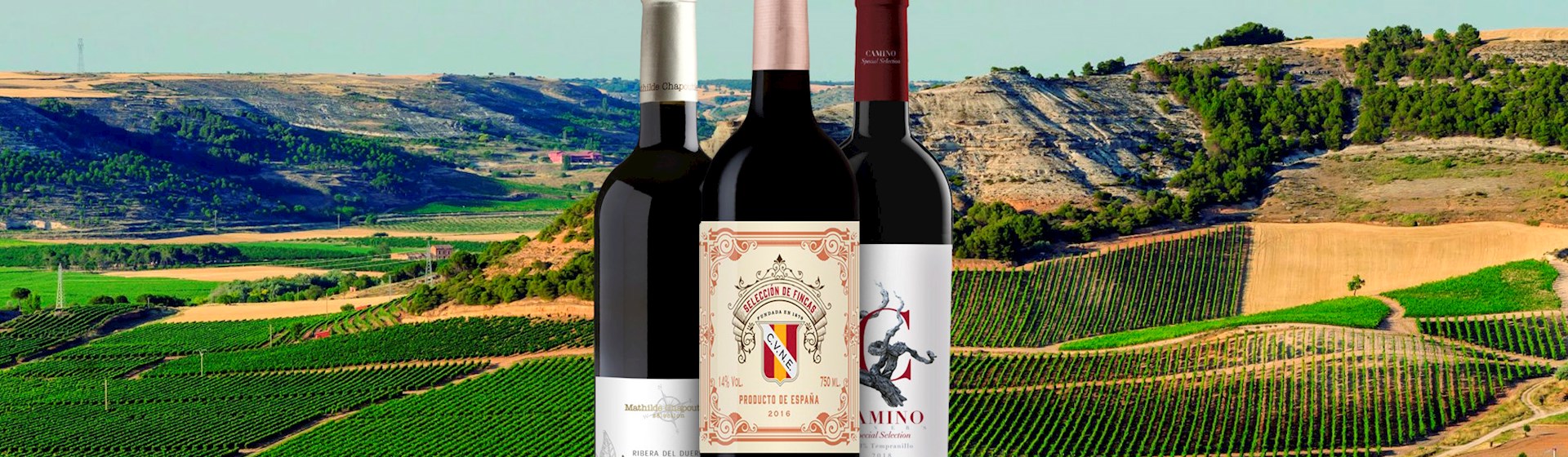
Ribera del Duero is a Spanish appellation located in several provinces of Castilla and Leon, in north-central Spain. The region is best known for big and bold varietals made with Tempranillo, also known as Tinto Fino or Tinta del Pais. The blends have to include 75% Tempranillo, while other permitted varieties include Garnacha, white Albillo, and international varieties Malbec, Merlot, and Cabernet Sauvignon. Ribera del Duero wines are built to age. With time, they develop complexity and become more balanced. Most of the wines are deeply colored, full-bodied, and well-structured with bright acidity and aromas of ripe fruit, vanilla, and spices. Aging requirements are similar to those in Rioja. Crianza is the youngest, aged for two years and 12 months in oak. Reserva labels are aged at least three years with at least 12 months in oak, and the Gran Reservas have to be aged for five years, including two years of oak aging. The D.O was established in 1982 when the region had merely nine wineries. Now, there are more than 300. Because of their fruit character and good acidity, Ribera del Duero are food-friendly wines that can agree with different types of food, from sausages, appetizers, and pasta dishes to roast meat (pork, beef, lamb), BBQ dishes, casseroles, game, and aged cheese.

03

Rías Baixas

4.2 ·

Rías Baixas is a Spanish appellation located along the Atlantic coast in Galicia. The entire region is divided into five subregions: Salnes Valley, O Rosal, Soutomaior, Ribeira do Ulla, and Condado do Tea. There are several permitted grape varieties, but Albariño prospers and dominates in the entire region. Other permitted grapes that are sometimes used include Treixadura, Loureiro, Caiño Blanco, Torrontes, and Godello. The styles slightly differ depending on the subregion and the production, but most of the wines hail from the region are pale golden, fresh, and aromatic. Typical aromas and flavors include citrus, peach, and apricot notes, and some styles may have mineral overtones and hints of salinity. These Albariño-based wines might vary from bright and crisp wines with melon-like flavors to richer and softer styles with honeysuckle nuances. Most examples share a common characteristic of firm natural acidity. Some producers decide to use skin contact, oak, or lees to produce more elaborate expressions, and the best labels will usually prosper and improve with age. The ideal pairing with these wines is seafood.

04

White Sangría

4.2 ·

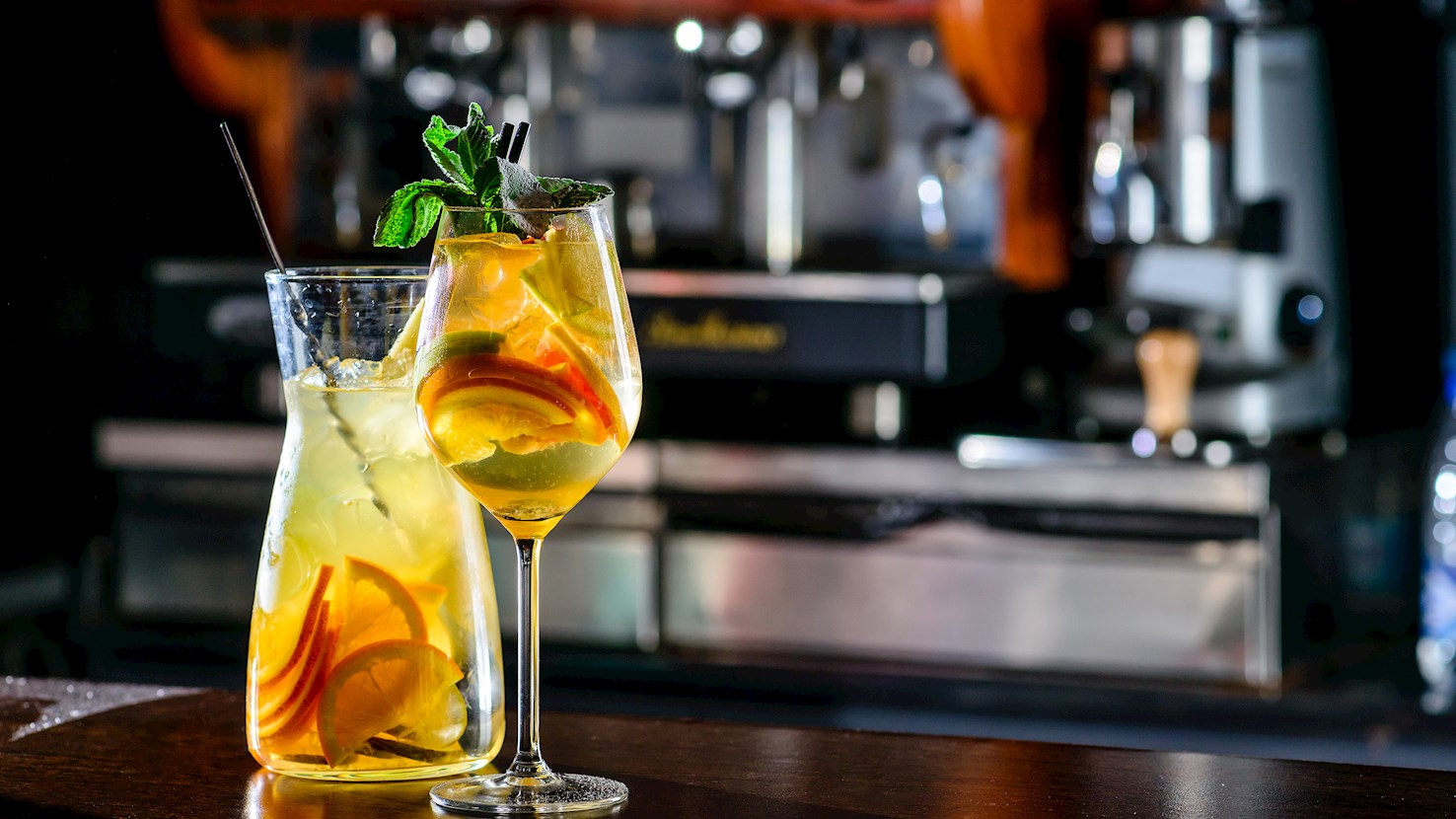
Sangría blanca or white sangría is a white wine version of this popular Spanish wine cocktail. It is usually sweetened and made with light, fruity, and fragrant white wines, while the selection of fruit typically includes peaches, apples, pears, melons, plums, berries, oranges, lemons, and limes. The drink is made by combining white wine, sugar, citrus juice, and fruit. The amount of sugar will depend on the sweetness of the wine and is usually adjusted to taste. It is recommended to cut the fruit into equal-sized pieces, and the combination is best left to macerate for several hours or overnight. This sangría is served well-chilled, preferably topped with ice cubes, while some fresh fruit should be added before serving. White wine sangría should not be made with aged or rich white wines. Recommended varieties include Albariño, Pinot Gris, Chardonnay, Riesling, Chablis, Sauvignon Blanc, and Gewurztraminer. Sometimes, brandy, rum, liqueurs, or spirits can be added to the mix. Like other types of Spanish sangrías, this white version is also served in a pitcher. It is best paired with seafood and pasta or rice dishes, but it can also be a good pairing with cheese.

05

Rioja

4.2 ·

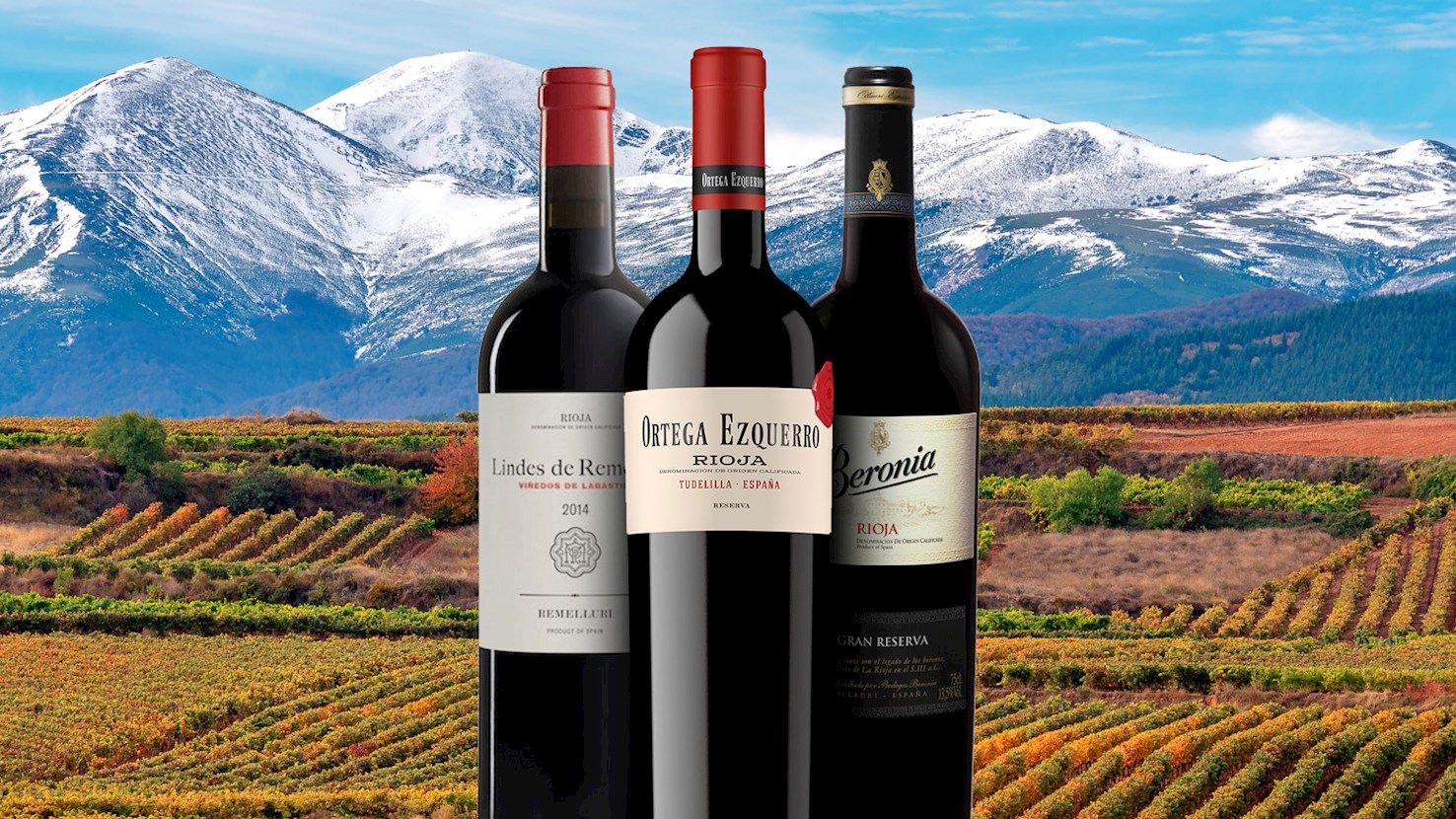
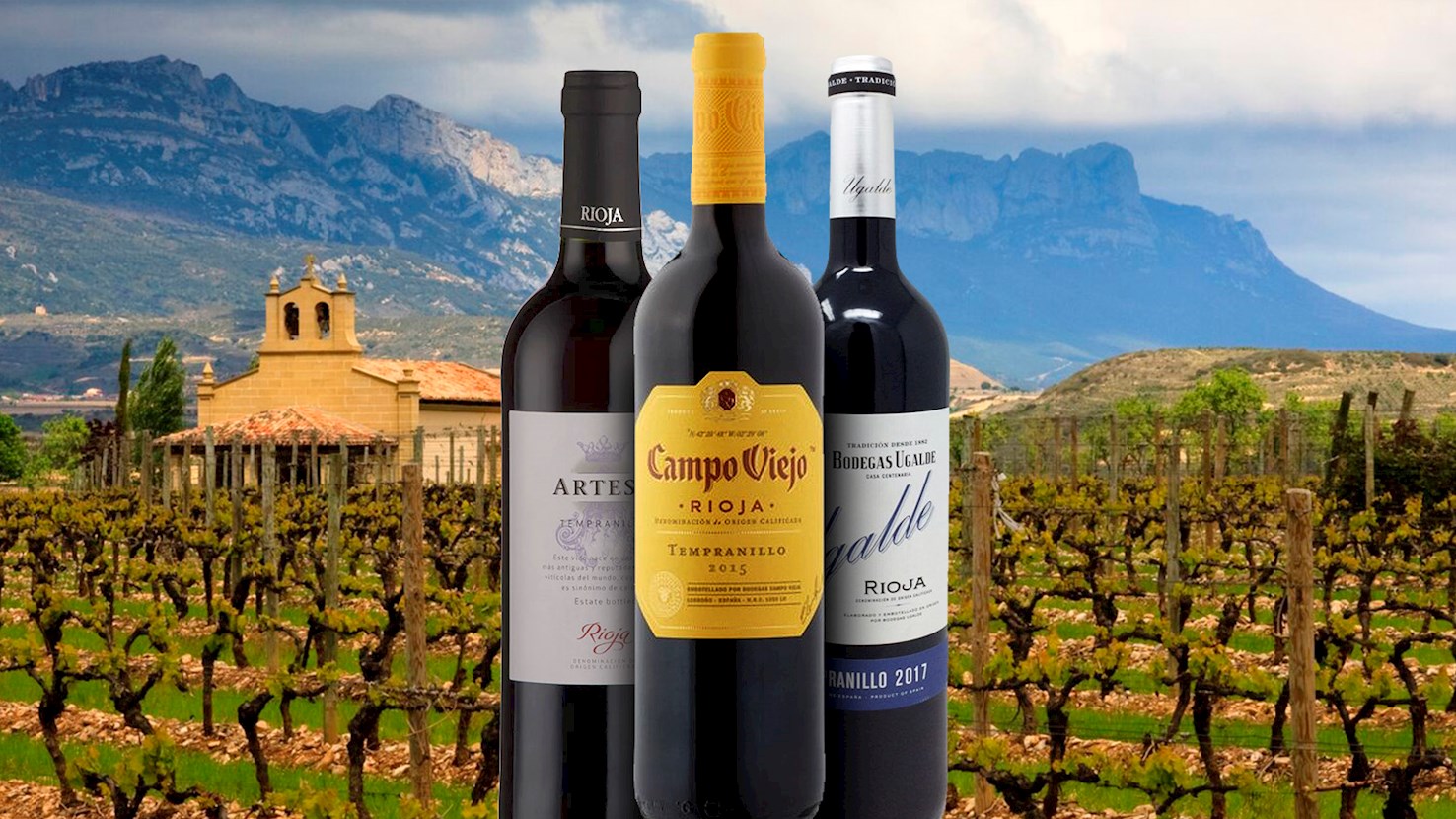
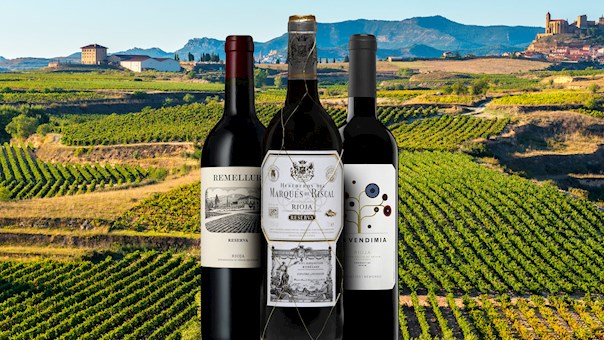
Rioja was the first Spanish appellation that received protected status. This renowned Spanish region is located in the north of the country, on both sides of the river Ebro. It is best known for its red varietals and blends, and while Tempranillo is the dominant grape, blending varieties include Garnacha, Graciano, Mazuelo, and Maturana varieties. Some amount of rosés and whites are also produced. The region is vast, and it is divided into three subregions: Rioja Alta, Rioja Alavesa, and Rioja Oriental. Aging guidelines categorize it under the generic label with no aging requirements (also known as Joven), Crianza (aged for two years), Reserva (at least three years of age), and Gran Reserva (five years of age and a minimum of two years in a barrel). The entire area is impacted by two different climates—Atlantic and Mediterranean—but specific microclimates and different types of soil, together with different winemaking techniques and maturation, generate various styles and greatly influence the final character of Rioja wines. They can range from light, fruity, and approachable styles to more complex expressions that often showcase rich notes of dark fruit and spices. Most styles will have firm tannins that are balanced with bright acidity. Pairing suggestions mostly depend on the style and the age, but most examples work well with pork, lamb, and spicy dishes. Aged varieties may also be a good match with game. The new classification system that allows the use of village and municipality on the label tends to encourage producers not to rely exclusively on oak-aging as the sign of quality.

06

Chocolate caliente (Spain)

4.2 ·

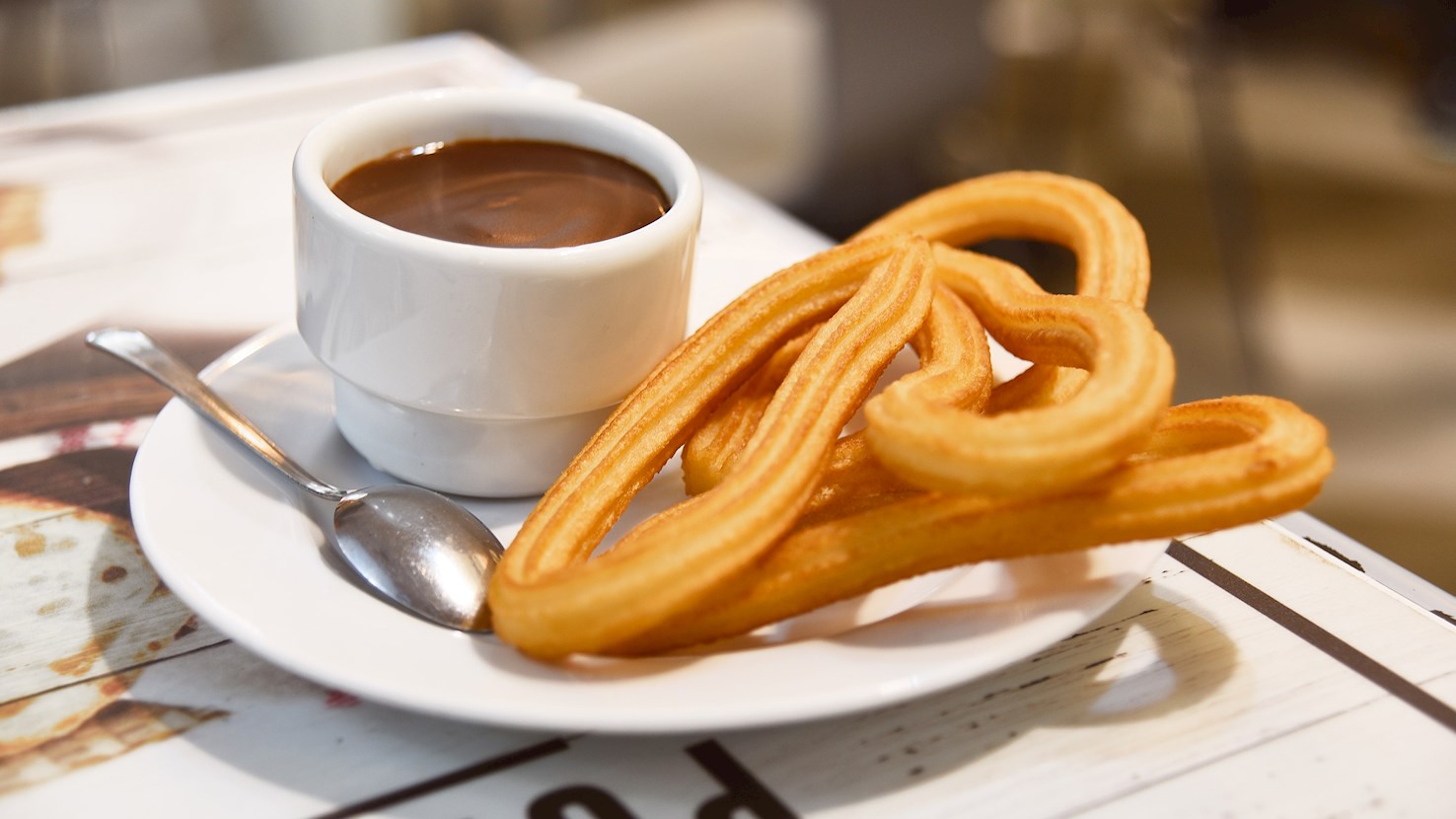
Although hot chocolate is an internationally-known beverage, this Spanish version stands out for its creamy and thick consistency. It is usually made with dark chocolate or cocoa powder, milk, sugar, and cornstarch—which is used to achieve the typical dense texture of the drink. Optionally, cinnamon and grated nutmeg can be used as flavorings. This type of hot chocolate is mainly served as an accompaniment to desserts, while the most traditional combination includes a cup of hot chocolate and freshly fried Spanish churros. Hot chocolate became a drink of choice of the Spanish aristocracy sometime in the 17th century, and when chocolate and cocoa became more available, it became a staple throughout the country. It should always be served hot, and the pastry is supposed to be dipped in the drink.

07

Tempranillo

4.1 ·

Tempranillo is a red grape variety whose origin is associated with the Iberian Peninsula. Although it is planted in other countries, Tempranillo is best known as the primary grape used in the classic Rioja blend. The wines produced from Tempranillo are typically full-bodied and rich in tannins with the flavors that range from ripe red and dark berries, leather, and tobacco, while aging in French or American oak helps them attain typical vanilla and spice notes. In the Rioja wine, Tempranillo is the principal grape, but it is often blended with Garnacha, Graciano, and Mazuelo. The grape is especially popular in Portugal where it is known as Tinta Roriz, and it has also shown success in the United States, South America, and Australia. Tempranillo-based wines are incredibly food friendly and can match charcuterie, sausages, lamb, pork, and aged cheese.

08

Pedro Ximénez

4.1 ·

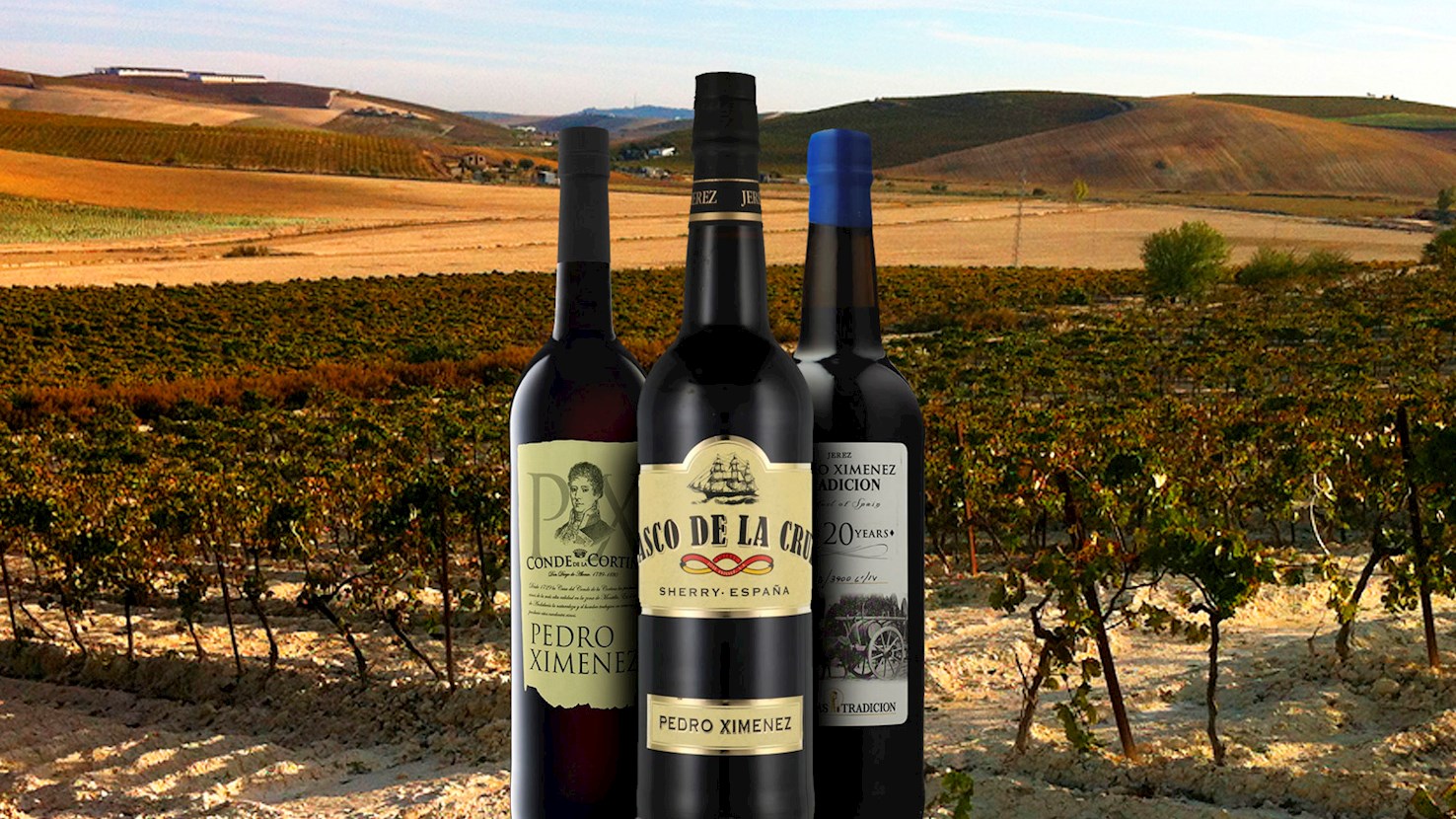
Pedro Ximénez is a type of Spanish sherry, as well as the name of the grape that is used to produce it. The grapes are picked when ripe and are then traditionally laid out in the sun—which increases their sugar content. After the grapes are pressed, the grape juice is fermented and fortified before it is left to age using the traditional solera system. Pedro Ximénez sherry is typically intense and sweet with a thick, velvety texture and aromas that are reminiscent of dried fruit, primarily raisins, dates, and figs, as well as the complementary notes of honey, jam, vanilla, chocolate, and coffee. These wines are an excellent match with blue and aged cheese, decadent chocolate desserts, ice cream, or dark chocolate. They can also be drizzled over fresh fruit, creamy desserts, or ice cream. Although Pedro Ximénez grapes are mainly grown in Montilla-Moriles D.O., they are mostly associated with Jerez. If the sherry is at least partially produced in Jerez, it can be labeled as such, while the one entirely produced in Montilla-Moriles will include the name of the region.

09

Sangría

4 ·

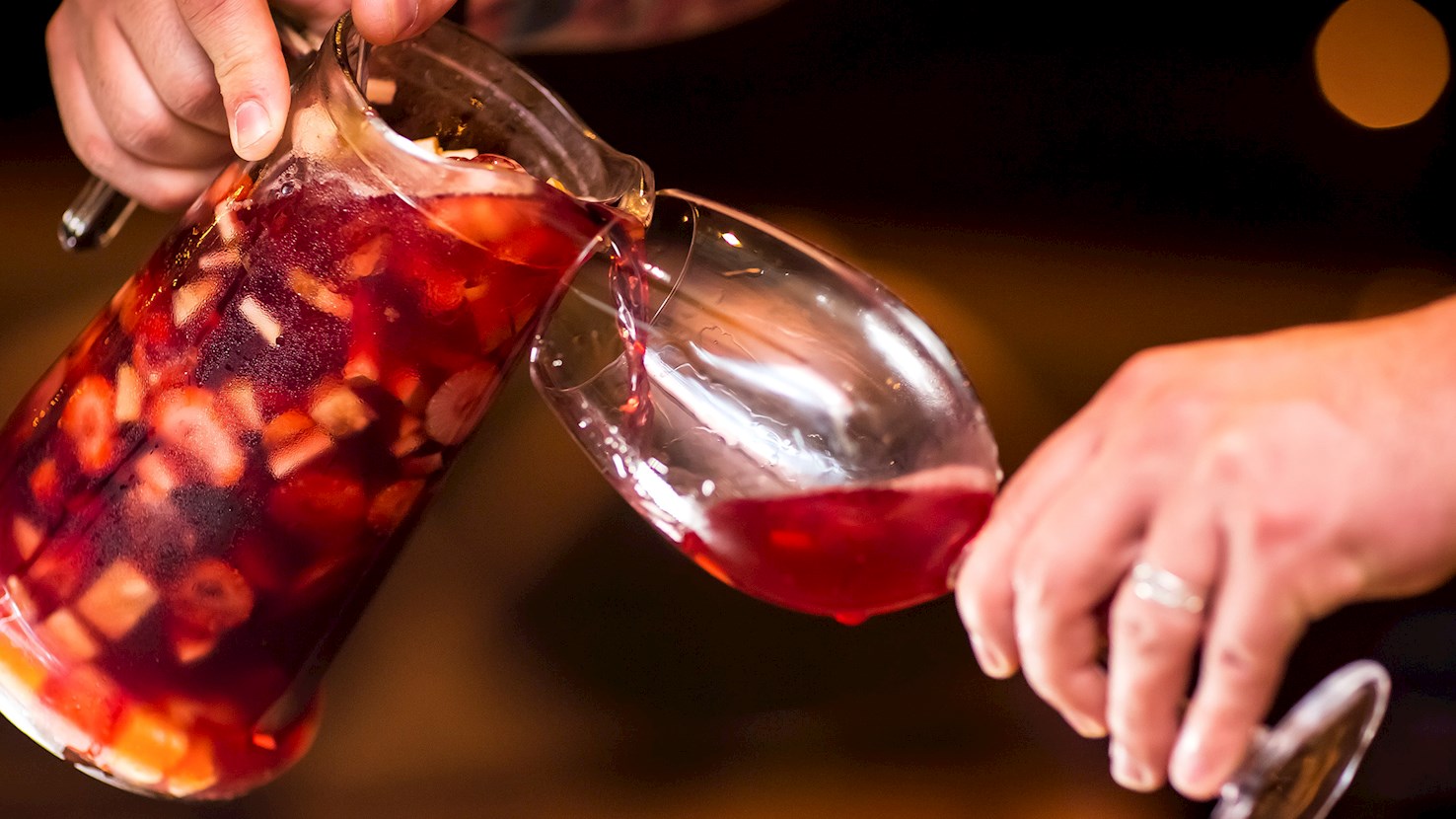
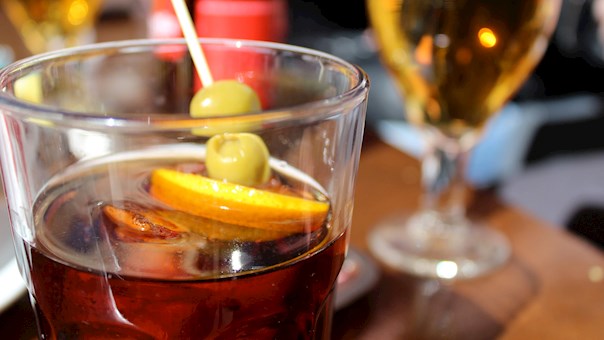
Sangria is a fruity Spanish cocktail made with red wine and chopped fruits such as pears, peaches, berries, apples, nectarines, or pineapple. The beverage is often combined with sugar, orange juice, sparkling water, and even brandy. It is believed that the predecessor of Sangria is hippocras, a beverage made with wine, sugar, and spices. Hippocras was prepared by early Greeks and Romans, who used alcohol to make the beverage drinkable, as water was typically filled with bacteria and was unsafe to drink. The name Sangria means bleeding in Spanish, referring to the red wine used in the preparation process. Even though no Sangria is made in the same way, it has been traditionally prepared with Spanish Tempranillo and similar wines from Rioja. In the 1700s and 1800s, Sangria varieties were prepared in France and England, while the American varieties have been prepared since the 1964 World’s Fair in New York City. Nowadays, European law states that the authentic Sangria must be made in Spain or Portugal, and it must contain less than 12% alcohol by volume. Although Sangria is regularly served at bars and restaurants, where it is served in tall glasses and garnished with an orange slice, especially during summer, it is said that the best versions are made at home.

10

Priorat

4 ·

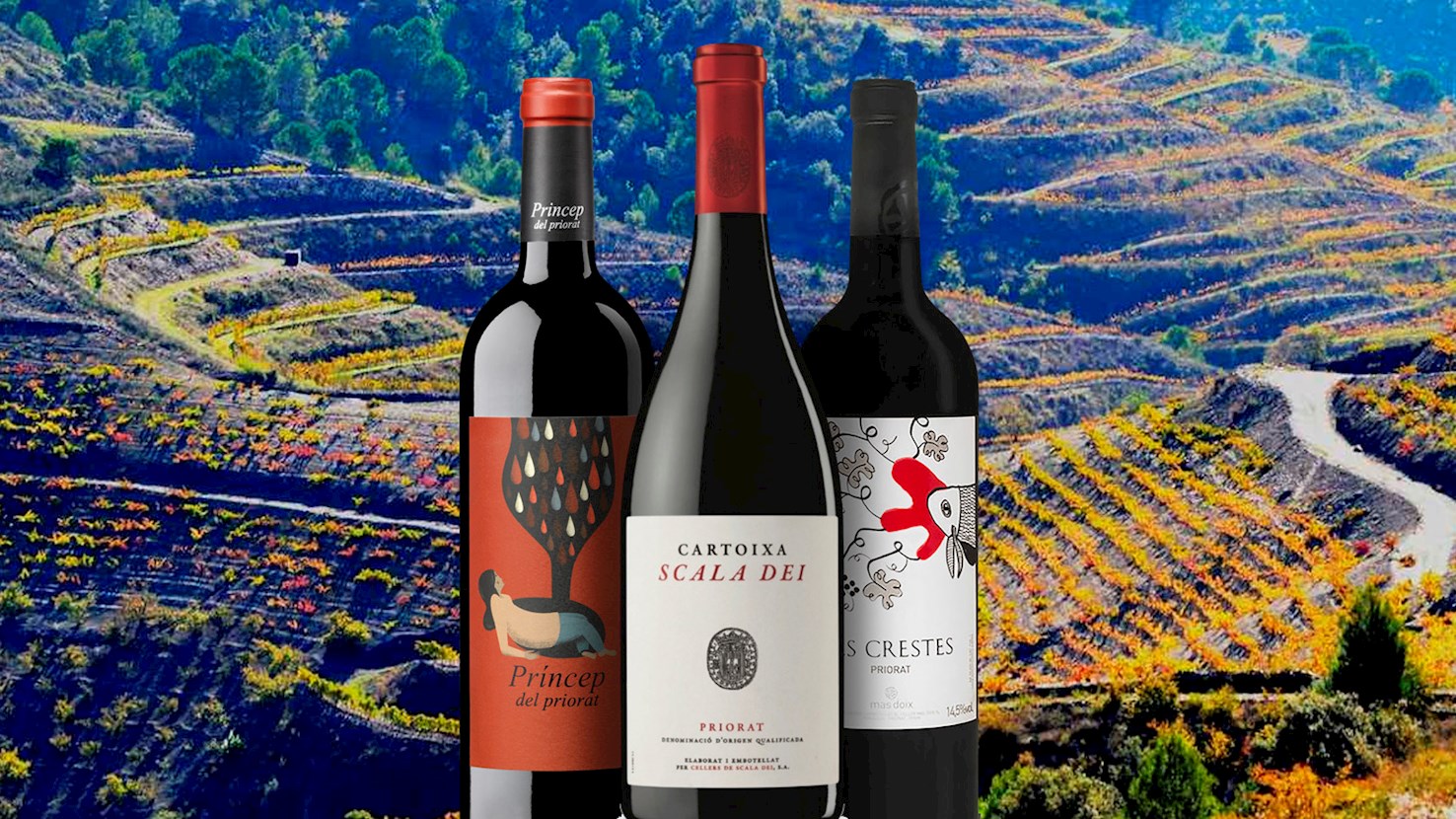
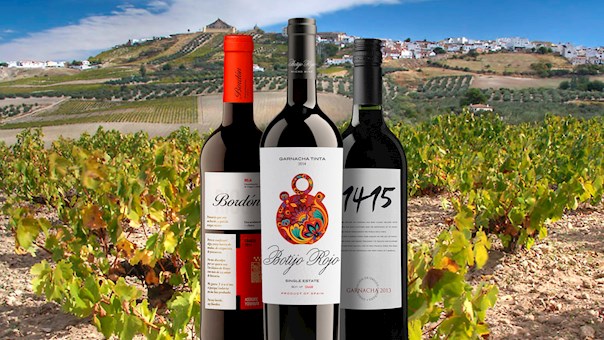
Priorat is a Spanish wine region—located in the Catalonian province of Tarragona—which has been awarded DOC status (DOQ in Catalan) - the highest category in Spanish wine regulations. Established in the 12th century, Priorat has undergone significant changes through centuries, but it was René Barbier who realized the real potential of the region in the 1980s. The backbone of red Priorat wines is made from local Garnacha and Carineña, with some amounts of French Cabernet Sauvignon, Merlot, and Syrah. The most common flavors and aromas found in rich and powerful Priorat wines include dark fruit and berries that may be accompanied by salty, spicy, mineral, and herbal notes. Their tannins are typically firm, and the wines tend to have high alcohol content. Depending on their character and style, these wines can match bold and hearty grilled or roasted meat dishes, stews, paella, spicy dishes, wild game, tomato sauces, and aged cheese.

Best Spanish Beverages
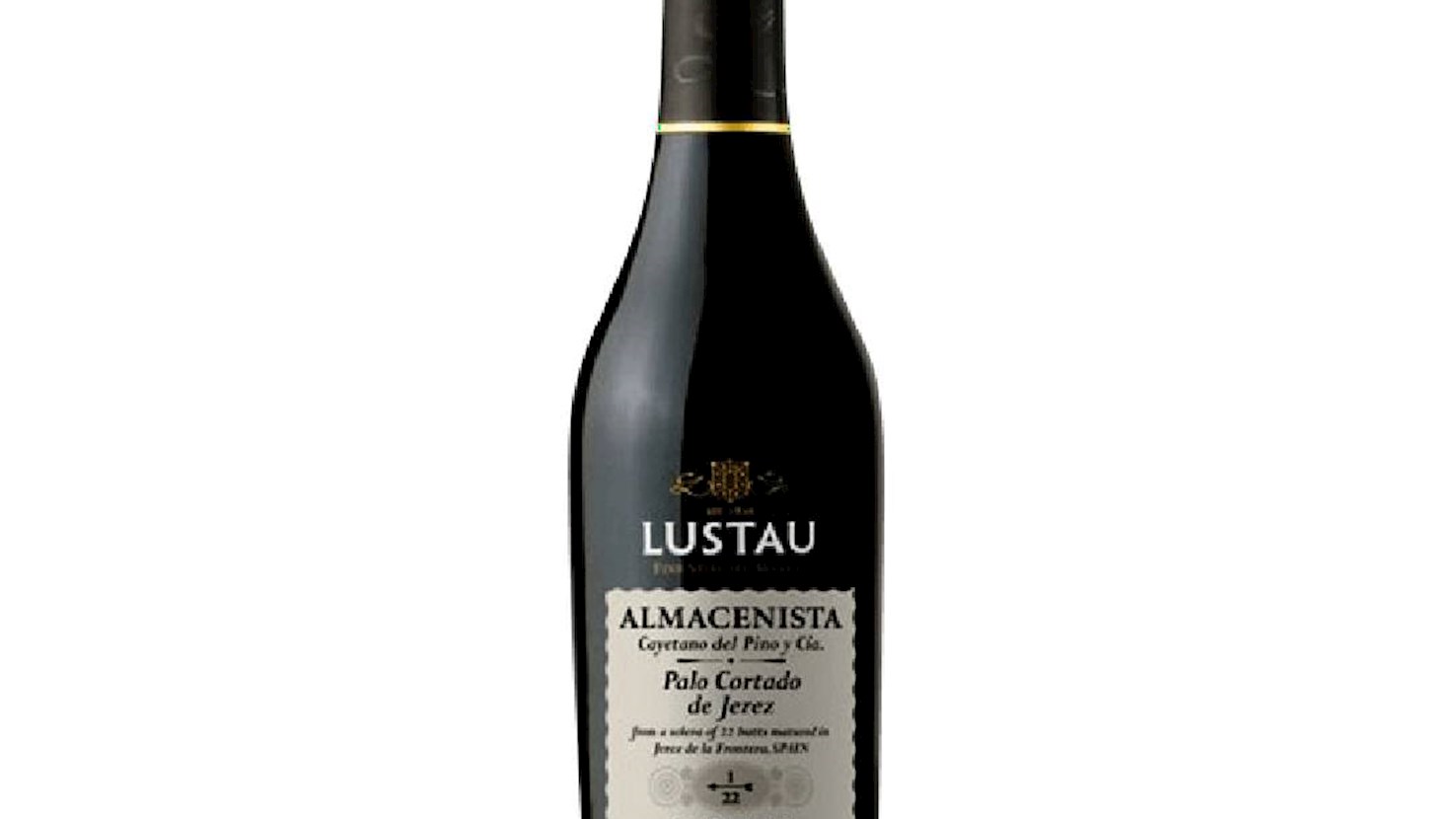
01

Bodegas Lustau

5 ·
Bodegas Lustau is one of the most important and influential wineries in the world of Sherry, based in Jerez de la Frontera, with a tradition that dates back to the late 19th century. It was founded in 1896 as a small family bodega and has grown over the decades into a global reference for both quality and stylistic diversity in Jerez wines. Lustau is especially known for being among the first to systematically highlight the origin of its wines from different parts of the Marco de Jerez, including Jerez, El Puerto de Santa María, and Sanlúcar de Barrameda, thereby emphasizing the role of microclimate and local character. Its portfolio covers almost every style of Sherry, from Fino and Manzanilla to Amontillado and Palo Cortado, as well as deep Oloroso and sweet styles such as Pedro Ximénez. In Lustau’s cellars, soleras of different ages are carefully maintained, with a strong focus on long aging and the preservation of traditional methods. The winery is also known for its precise selection of wines, often working with small, historic producers whose soleras are integrated into its own system. The house style is defined by a balance between authenticity and accessibility, without the need to follow short-lived trends. Over the years, Lustau has received numerous international awards and has been repeatedly named the world’s best Sherry producer, yet its reputation rests above all on consistent quality.
Awards
Decanter World Wine Awards - Best in Show (2023, 2022, 2020, 2019, 2018)
Decanter World Wine Awards - Platinum (2023, 2022, 2021, 2020, 2019, 2018)
02

Fundador

5 ·
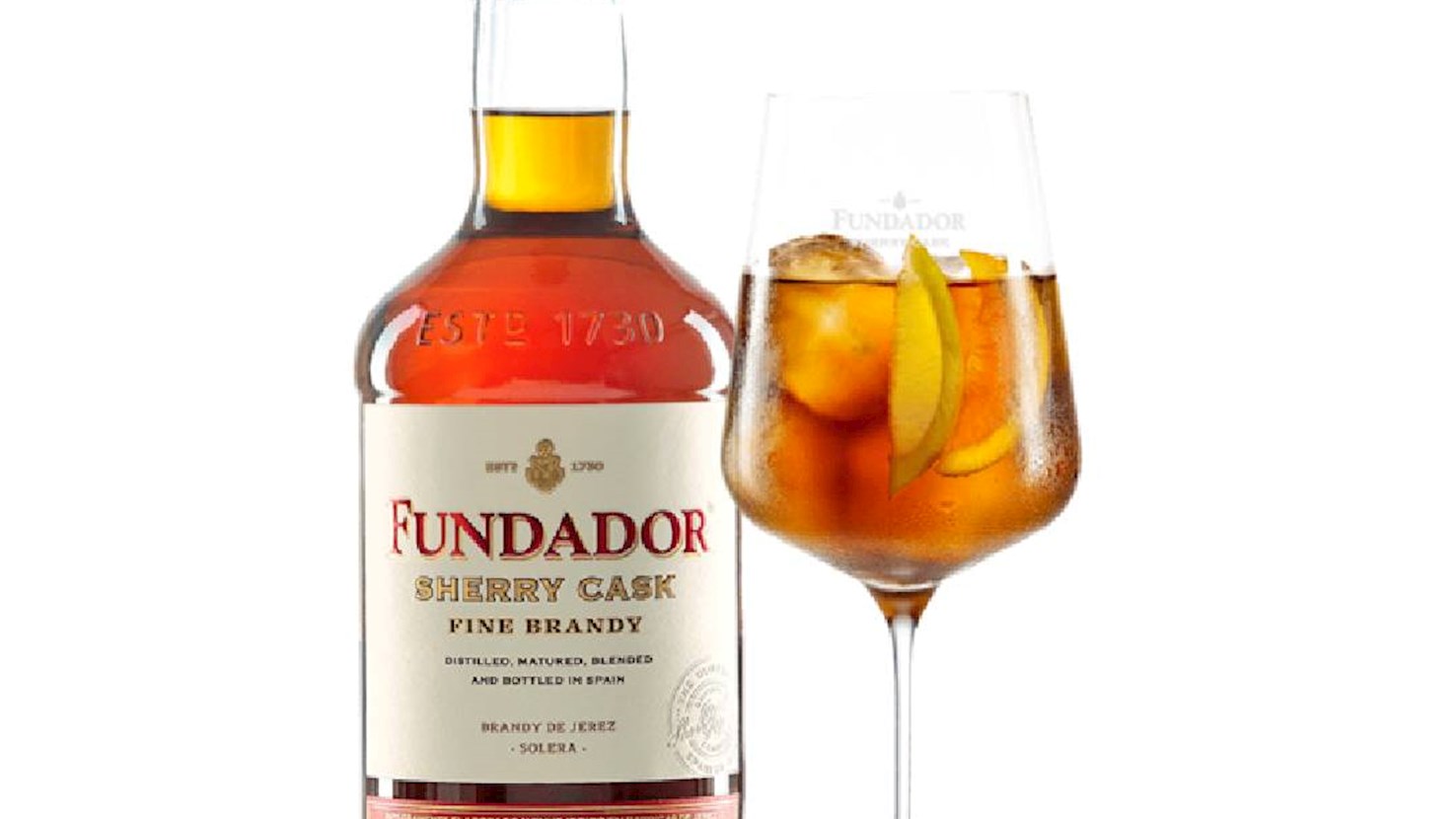
Fundador is a distinguished Spanish brandy producer, renowned for crafting the first Brandy de Jerez. Established in 1730, it stands as the oldest bodega in Jerez, Spain, with a rich history spanning nearly three centuries. The brand's legacy began in 1874 when it introduced Fundador, the inaugural Spanish brandy, marking a significant milestone in the spirits industry. Over the years, Fundador has maintained its commitment to quality and tradition, producing brandies aged in Sherry Casks that previously held some of the finest sherry wines. Today, Fundador continues to be a leader in the production and exportation of Brandy de Jerez, offering a diverse range of products that honor its storied heritage while embracing innovation.
Awards
SFWSC - San Francisco World Spirits Competition - Double Gold (2024, 2023)
ISC-International Spirits Challenge - Double Gold (2022, 2021, 2019)
03

Marqués de Murrieta

5 ·
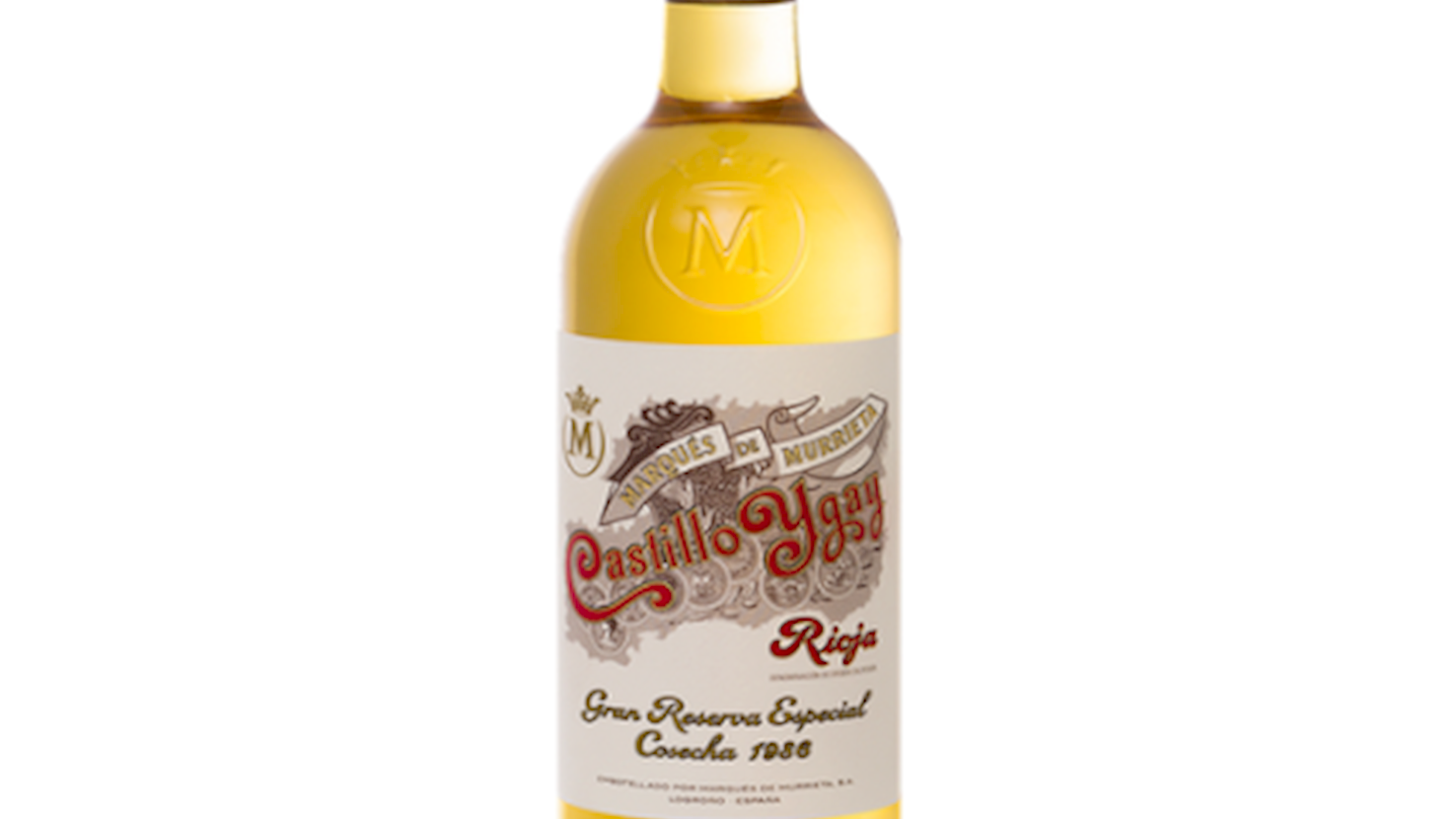
Marqués de Murrieta is one of Spain’s most iconic wineries, with a legacy that dates back to 1852. As a pioneer of modern winemaking in Rioja, the estate introduced Bordeaux-inspired techniques while preserving the unique character of the local terroir, laying the groundwork for what would become a benchmark in Spanish viticulture. Located on the historic Ygay Estate near Logroño, the winery combines over 300 hectares of vineyards with a state-of-the-art winemaking facility and the magnificent Castillo de Ygay, a 19th-century château that serves as the heart of the estate. The castle also houses a wine museum, offering visitors a glimpse into the rich cultural and historical heritage of Marqués de Murrieta and Spanish wine. Led by the Cebrián-Sagarriga family and renowned winemaker María Vargas, the estate produces wines of great elegance, structure, and longevity. Among them, the celebrated Castillo Ygay Gran Reserva Especial stands out as a true expression of Rioja’s aging potential and depth. Marqués de Murrieta is more than a winery - it is a symbol of tradition, excellence, and innovation, where history and modernity coexist to create wines of timeless character and international acclaim.
Awards
Falstaff - 100
Vivino - 4.6
04

González Byass

5 ·
González Byass is one of the most important and influential wine houses in Spain, founded in 1835 in Jerez de la Frontera, with a strong identity built on the tradition of Sherry production. Over nearly two centuries, this family-owned company has preserved stylistic continuity while growing into an international group whose portfolio now includes wines, vermouths, and spirits from several Spanish regions. The best-known symbol of the house is Tío Pepe, one of the most recognizable Fino Sherries in the world, which has largely shaped the global perception of Sherry. González Byass is renowned for its long-standing solera systems, some of which have been operating for more than a century, ensuring consistency of quality and clarity of style across generations. Its cellars in Jerez, Sanlúcar de Barrameda, and El Puerto de Santa María represent key reference points for understanding the diversity of Sherry, from Fino and Manzanilla to Amontillado, Oloroso, and Pedro Ximénez. The philosophy of the house is based on a balance between respect for tradition and openness to innovation, without compromising the identity of its wines. Special emphasis is placed on preserving cultural heritage, visible in the architecture of the bodegas and the historical archives that trace the brand’s development. Today, González Byass is seen not only as a wine producer but as an institution of Spanish wine culture. Its role in the internationalization of Sherry has made the house one of the main ambassadors of Jerez around the world.
Awards
ISC-International Spirits Challenge - Double Gold (2023)
Decanter World Wine Awards - Platinum (2023, 2022, 2020, 2019, 2018)
05

Torres Brandy

5 ·
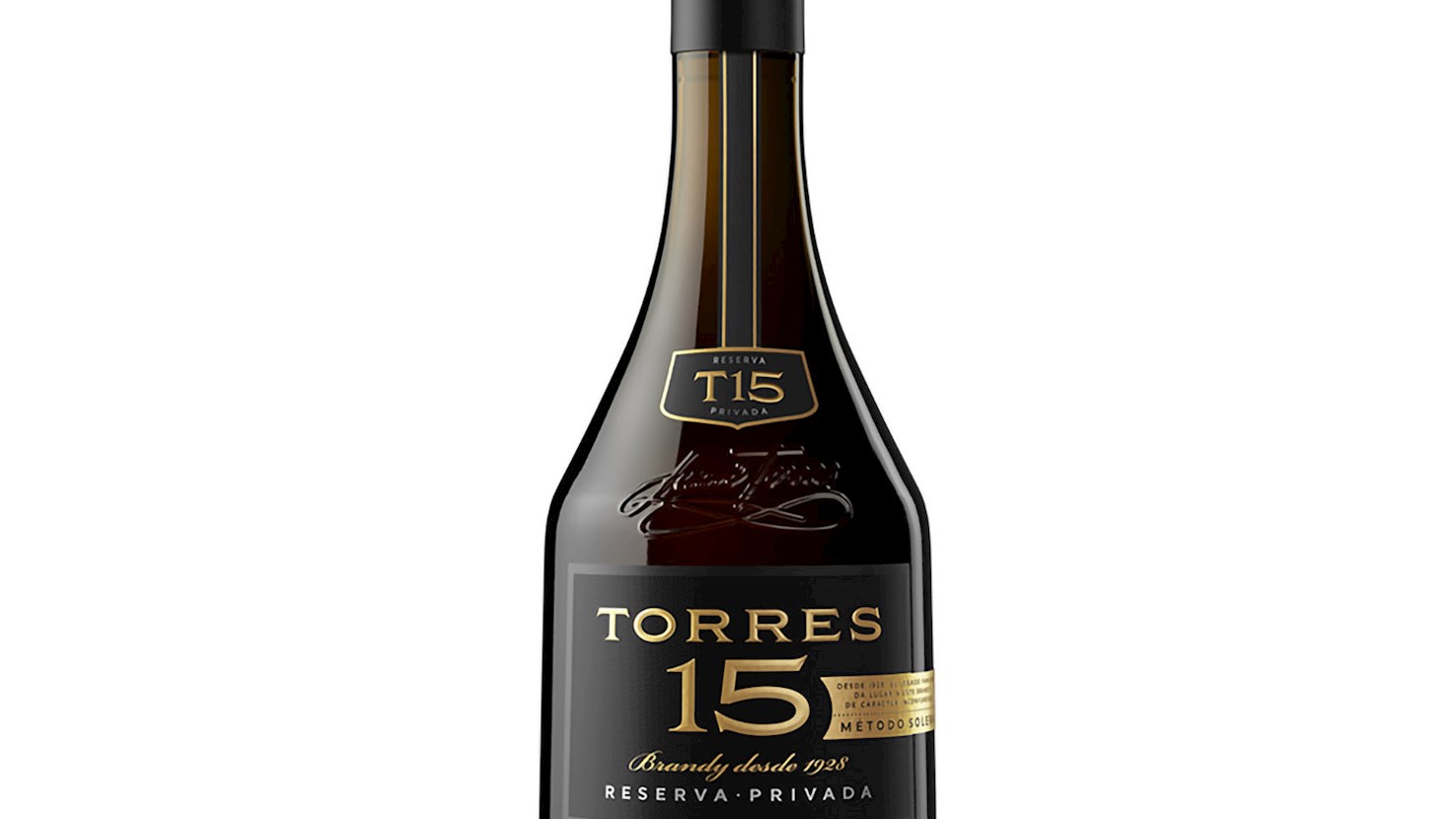
Torres Brandy is a renowned Spanish producer of high-quality brandies and spirits, based in Vilafranca del Penedès, Barcelona. The brand is part of the Torres family legacy, which has been dedicated to winemaking and distillation for generations since 1928. They are recognized for blending tradition with innovation, producing premium spirits crafted from select white wines and aged meticulously in oak barrels. Their product portfolio includes various expressions of brandy, such as Torres 10, Torres 15, Torres 20, and Jaime I, each representing distinct levels of aging and complexity. These spirits are celebrated worldwide for their rich aromas, smooth textures, and exceptional craftsmanship.
Awards
SFWSC - San Francisco World Spirits Competition - Double Gold (2024, 2023)
ISC-International Spirits Challenge - Double Gold (2019)
06

Valdespino

5 ·
Valdespino is one of the oldest and most prestigious wineries in the Jerez de la Frontera region of Spain, with a sherry-making tradition dating back to the 13th century. The winery is unique for producing wines from the renowned Pago de Macharnudo Alto vineyard, the most important "cru" in Jerez and one of the most esteemed in the world. Valdespino is known for its commitment to traditional production methods, including fermentation in oak barrels and long aging processes, resulting in sherry wines of exceptional complexity and character. Their collection includes various styles of sherry, such as Fino, Manzanilla, Amontillado, Oloroso, and Palo Cortado, each with its own distinctive characteristics.
Awards
Decanter World Wine Awards - Platinum (2022, 2020)
Falstaff - 100
07

Vega Sicilia

5 ·
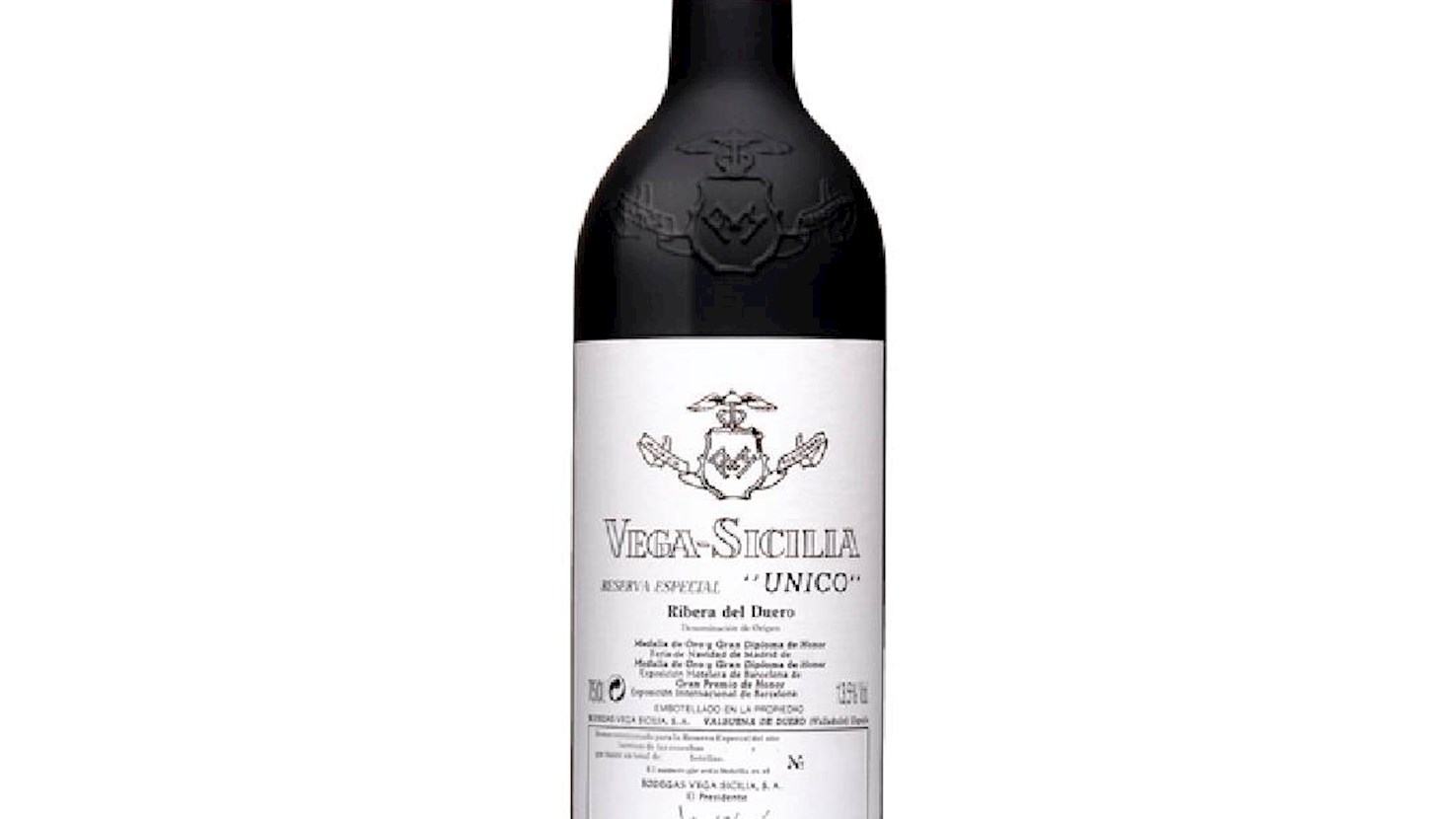
Vega Sicilia is far more than a name - it is a symbol of tradition, patience, and enduring value. Since its founding in 1864, the estate has embraced a philosophy where time is not an obstacle but a vital ingredient in creating wines that leave a lasting impression. Every harvest, every grape, and every moment in the cellar is approached with the care of an artist, guided by a quiet pursuit of excellence. Their wines are the result of slow, deliberate craftsmanship. Grapes are hand-harvested with great precision, and the wines are aged for years - sometimes over a decade - before they are deemed ready to be shared. That deep commitment to quality is felt in every sip, whether it’s the legendary Único, the graceful Valbuena, or the intricate and timeless Reserva Especial. Tempos Vega Sicilia is not just a winery, but a guardian of a winemaking philosophy defined by silence, time, and profound respect for the land. These are not wines made for fleeting moments - they are made for memories that endure.
Awards
Falstaff - 100
Falstaff - 99
08

Álvaro Palacios

5 ·
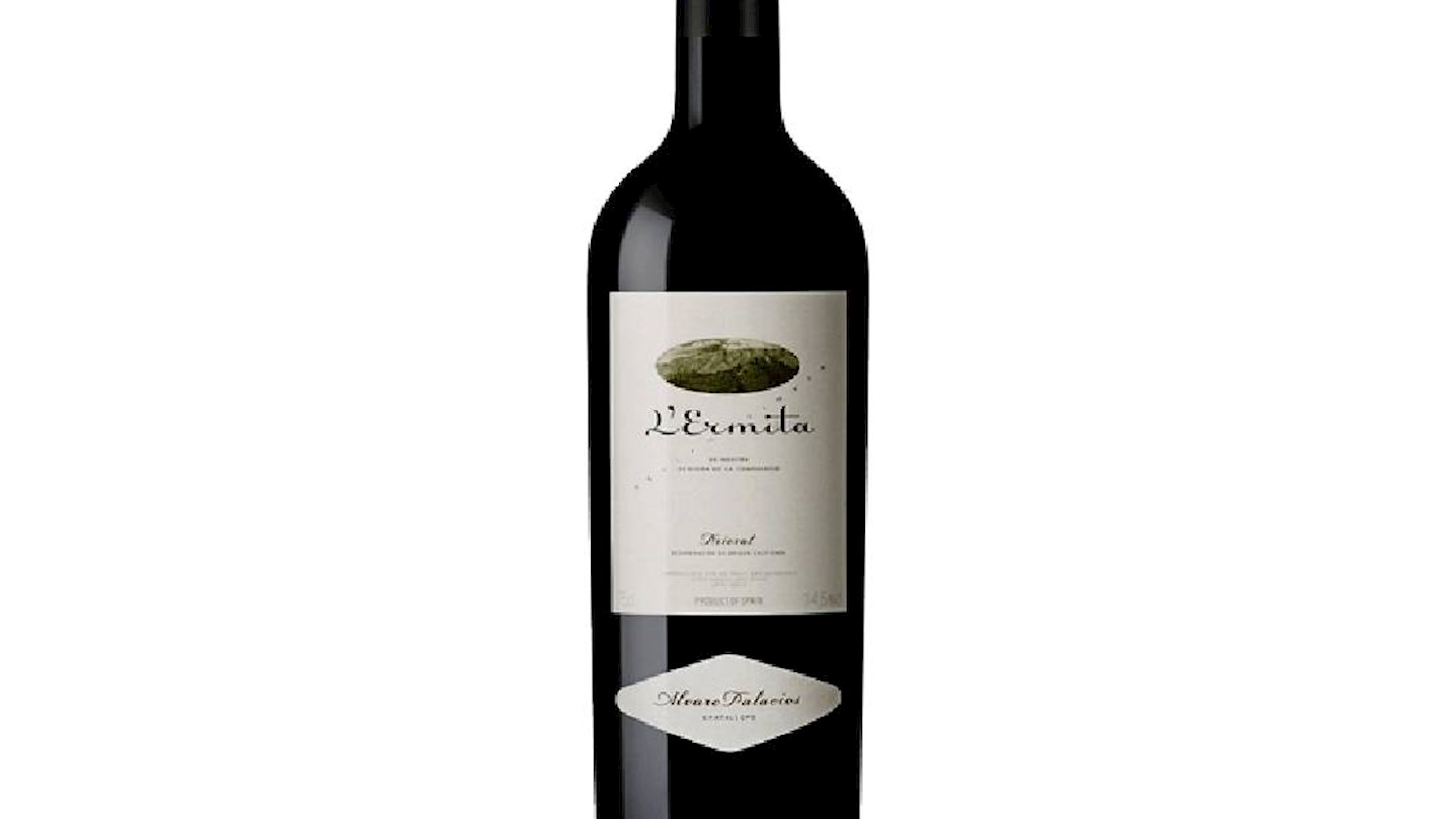
Álvaro Palacios comes from a renowned winemaking family in Rioja, yet he built his reputation through the bold decision to revive forgotten regions of Spain. His passion and vision led him to Priorat, where on steep slopes with ancient Garnacha vines he created wines that became symbols of elegance, depth, and authentic terroir expression. Among his most celebrated vineyards are Finca Dofí and the iconic L’Ermita, now regarded among the finest in the world. Beyond Priorat, Palacios also restored the winemaking tradition of Bierzo, where through Descendientes de J. Palacios he crafts distinctive wines from the Mencía grape. His approach combines deep respect for land and tradition with modern viticultural insight, establishing him as one of the most influential winemakers of his generation. Álvaro Palacios remains true to simplicity and to the belief that wine is more than a beverage - it is a story of the land, of time, and of the people who shape it.
Awards
Falstaff - 100
Vivino - 4.7
09

Hacienda López de Haro

5 ·
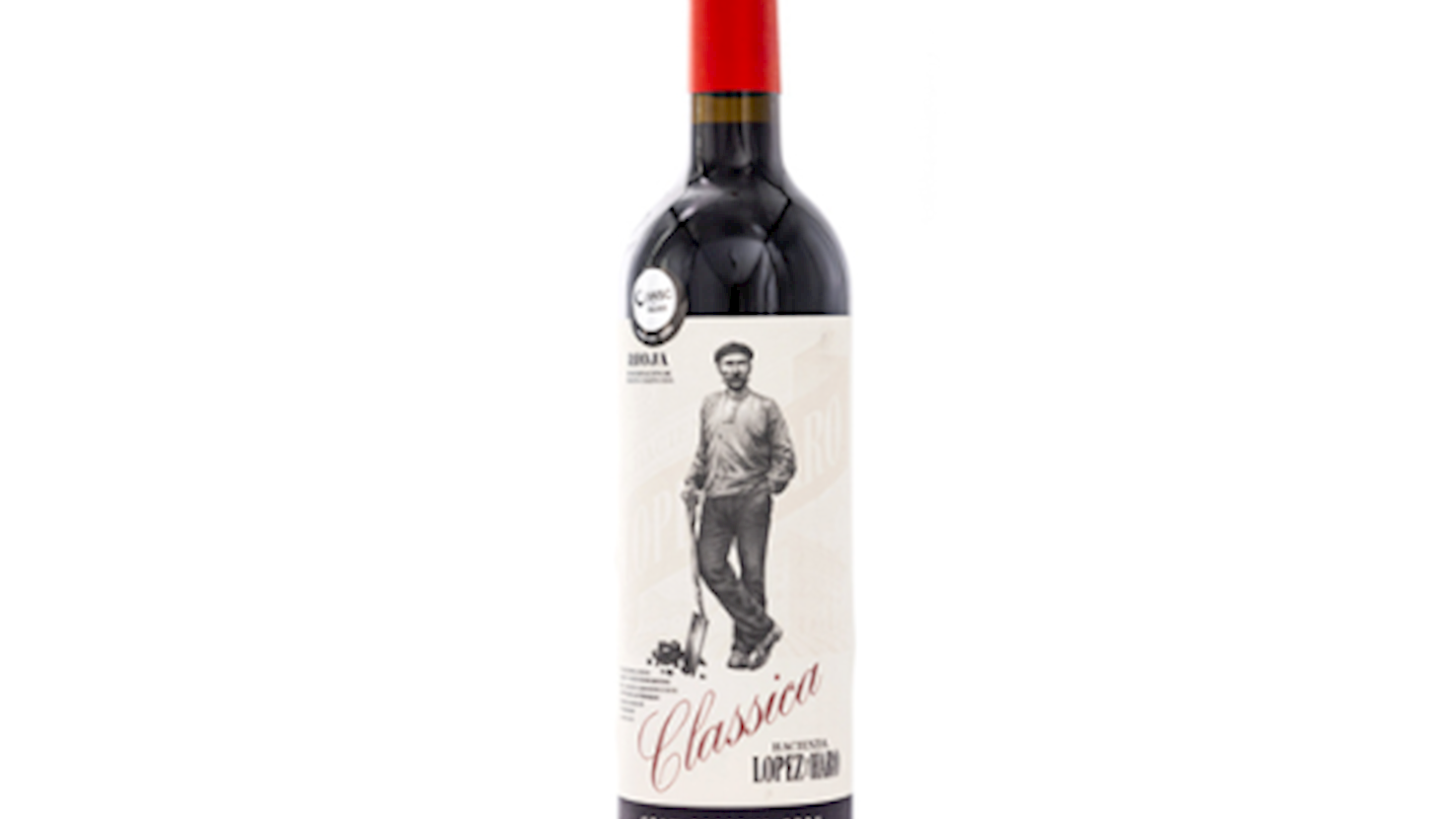
Hacienda López de Haro is a winery located in San Vicente de la Sonsierra, in the heart of the Rioja, known for offering a modern interpretation of classic Rioja wines. It is part of the Vintae portfolio, a company focused on creating accessible wines that reflect regional identity. The vineyards are primarily situated in Rioja Alta, where a combination of altitude, soil diversity, and climate contributes to balanced ripening and complexity. Tempranillo is the dominant grape variety, often complemented by Garnacha and Graciano to enhance structure and aromatic depth. The winemaking approach emphasizes a balance between fruit expression and oak aging, resulting in wines that show notes of red and dark berries, spice, vanilla, and light toast. The style is approachable yet structured, with good freshness and smooth tannins, making the wines suitable for both early drinking and moderate aging. Overall, Hacienda López de Haro represents a contemporary take on Rioja, blending tradition with a more accessible and fruit-driven profile.
Awards
Decanter World Wine Awards - Platinum (2024)
Decanter World Wine Awards - Best in Show (2022, 2021)
10

Destilerias Arehucas

5 ·
Awards
IWSC- International wine & spirit competition - Spirit Gold (2023)
IWSC- International wine & spirit competition - Spirit Gold Outstanding (2023)
Read more
View all
View map
About this ranking

TasteAtlas food rankings are based on the ratings of the TasteAtlas audience, with a series of mechanisms that recognize real users and that ignore bot, nationalist or local patriotic ratings, and give additional value to the ratings of users that the system recognizes as knowledgeable. For the “Top 100 Spanish Beverages” list until June 04, 2026, 2,802 ratings were recorded, of which 2,270 were recognized by the system as legitimate. TasteAtlas Rankings should not be seen as the final global conclusion about food. Their purpose is to promote excellent local foods, instill pride in traditional dishes, and arouse curiosity about dishes you haven’t tried.

The initial list of top producers was compiled based on available reviews, awards, local recommendations, media and blog coverage, and consumer reviews. The list will be updated with ratings from TasteAtlas local ambassadors and TasteAtlas users.

Similar lists