Top 19 South American Brandies

Last updated on July 08, 2026

Best South American Brandies
01

Tacama

5.0 ·

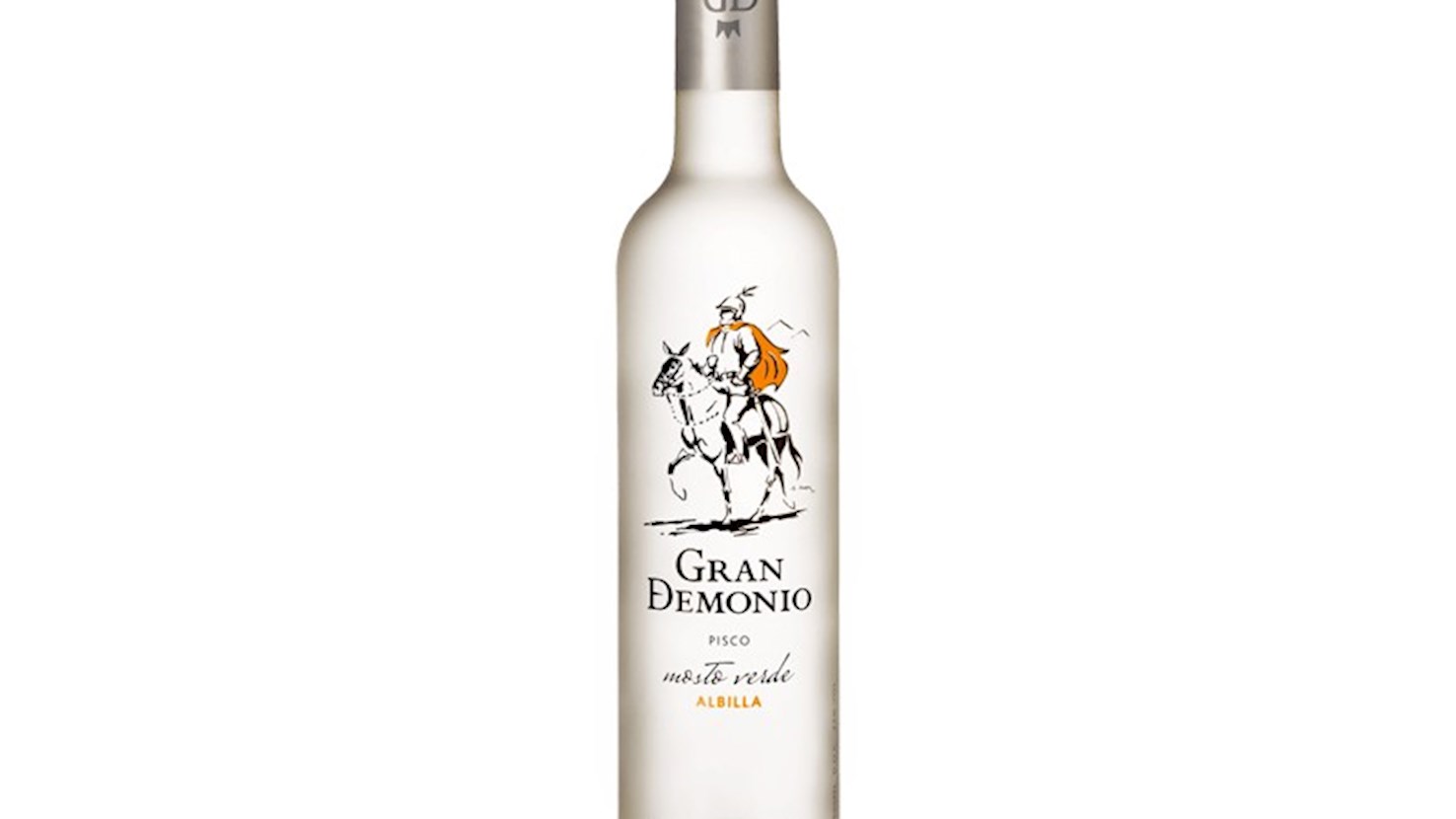
Tacama is one of the oldest and most prestigious wineries and distilleries in Peru, with a history dating back to the 16th century. Located in the Ica Valley, Tacama is renowned for its production of premium wines and piscos, using traditional methods combined with modern technology.

The winery is known for cultivating a variety of grapes that thrive in the region’s unique climate, producing exceptional spirits like their iconic Pisco Gran Demonio. Tacama’s long-standing commitment to quality and innovation has made it a key player in the Peruvian wine and pisco industry.

Awards
Expo Vino Wong - Medalla de Oro (2024)
USC- Ultimate Spirits Challenge - Chairman's Trophy (2021, 2020)
02

Pisco Huamaní

5.0 ·

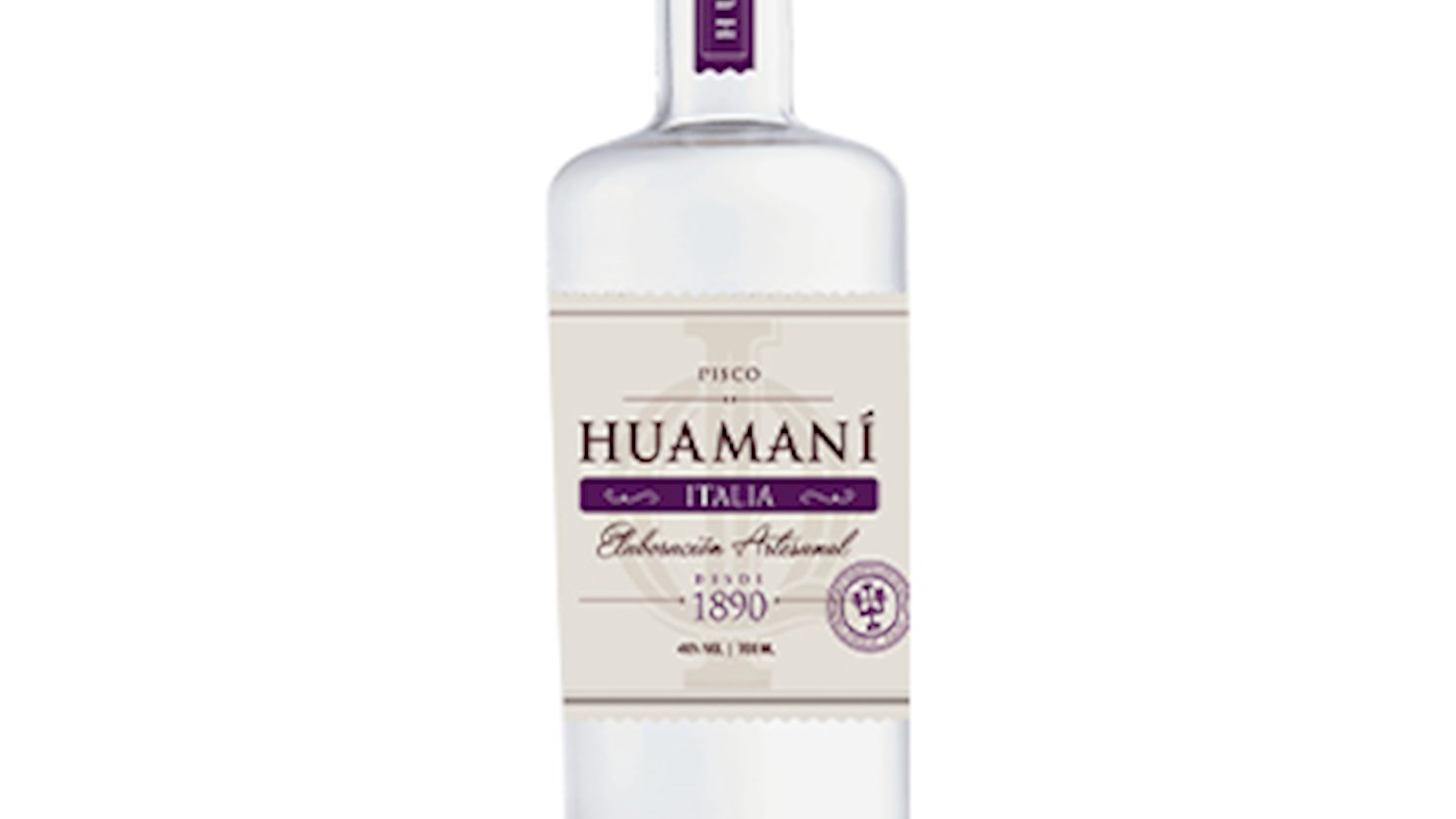
Pisco Huamaní is a heritage-driven brand rooted in the Ica Valley, where pisco has been produced since 1890 following a family tradition based on handcraft, precision, and deep respect for the terroir. Its name comes from the Quechua word huaman, meaning “eagle” symbolizing protection, vigilance, and the intimate bond between the land and those who cultivate it.

The brand specializes in high-purity pisco distilled in small batches without the addition of water after distillation, ensuring that the natural character of the grapes remains fully expressed. Huamaní focuses on aromatic and varietal clarity, working with grapes such as Torontel, Italia, Quebranta, and Acholado, which contribute floral, citrus, or ripe fruit notes along with a clean, elegant structure.

Production adheres to traditional methods - slow fermentation, careful grape selection, and precise distillation - resulting in a distinct identity shaped by the balance of history, craftsmanship, and modern quality standards. As a brand, Huamaní preserves the essence of Peruvian pisco culture while presenting it in a refined and contemporary expression.

Awards
SFWSC - San Francisco World Spirits Competition - Double Gold (2024)
03

VCT

5.0 ·
Awards
ISC-International Spirits Challenge - Double Gold (2023)
04

Barsol Pisco

5.0 ·

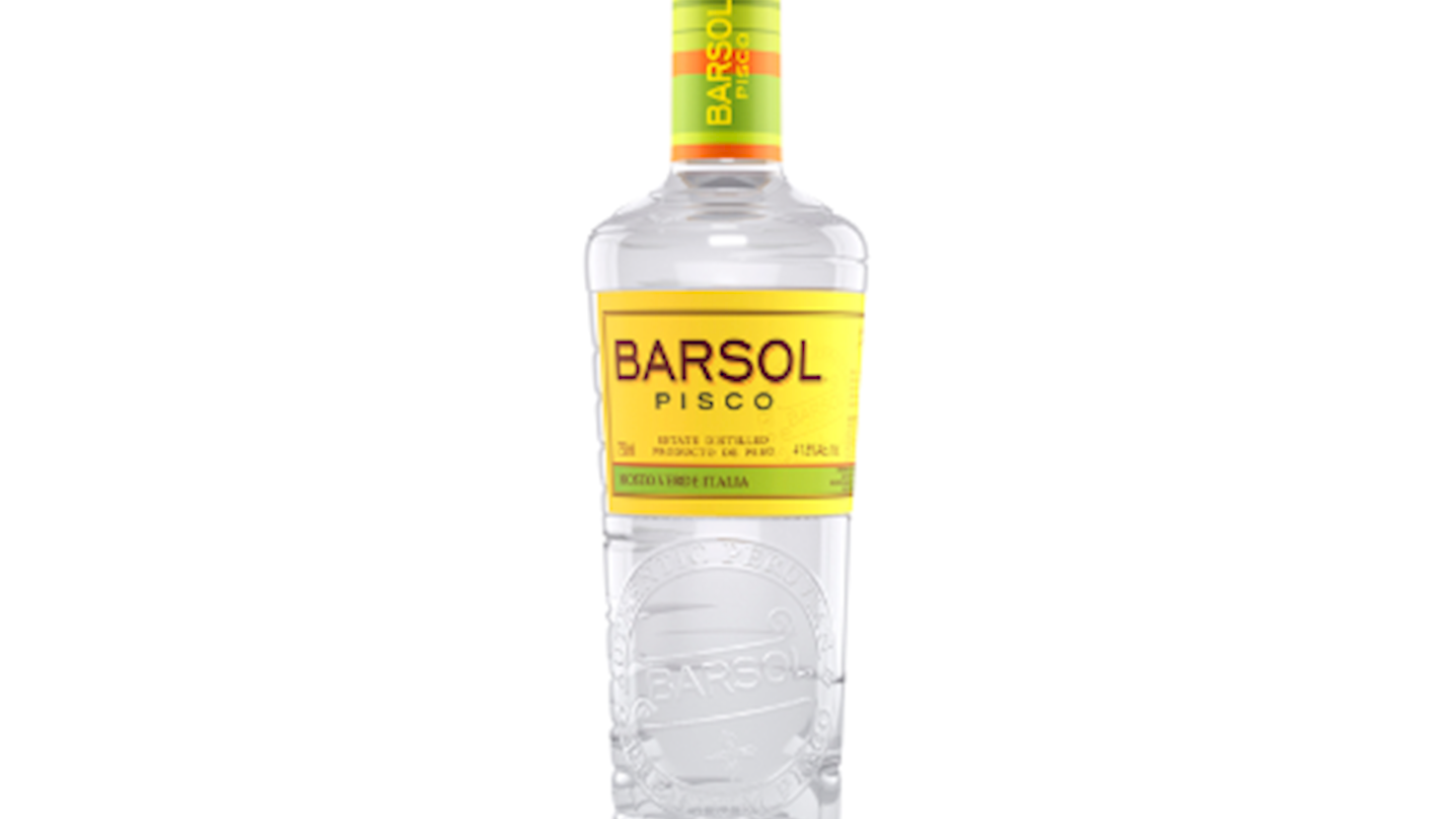
Barsol Pisco is a Peruvian pisco produced in the Ica Valley, at the historic Bodega San Isidro distillery, where production relies on grape varieties typical of the southern part of the region, such as Quebranta, Italia, and Torontel. Fermentation occurs naturally, without additives, and distillation is carried out in traditional copper pot stills, preserving a clean aromatic profile and the authentic character of pisco.

The brand was revitalized in the early 2000s with the aim of restoring classic pisco traditions through small-batch production, manual craftsmanship, and consistent ingredient quality. Barsol Pisco includes single-varietal expressions, more aromatic styles like Italia and Torontel, as well as Mosto Verde, distilled from partially fermented must and known for its richer and rounder profile.

Acholado, a blend of several varieties, highlights complexity and a balanced interplay of structure and aromatics. The alcohol level is never adjusted with water, meaning the final spirit directly reflects what leaves the still.

Barsol is recognized for its clean, floral, and fruity aroma, smooth texture, and long finish, making it a frequent choice for cocktails such as the pisco sour, but also suitable for sipping on its own. The brand emphasizes a sustainable approach through recycling and mindful resource use, aligning with modern craft-distillery standards.

Awards
SFWSC - San Francisco World Spirits Competition - Double Gold (2011)
TAG Global Spirits Awards - Gold (2025)
05

Caravedo Pisco

5.0 ·

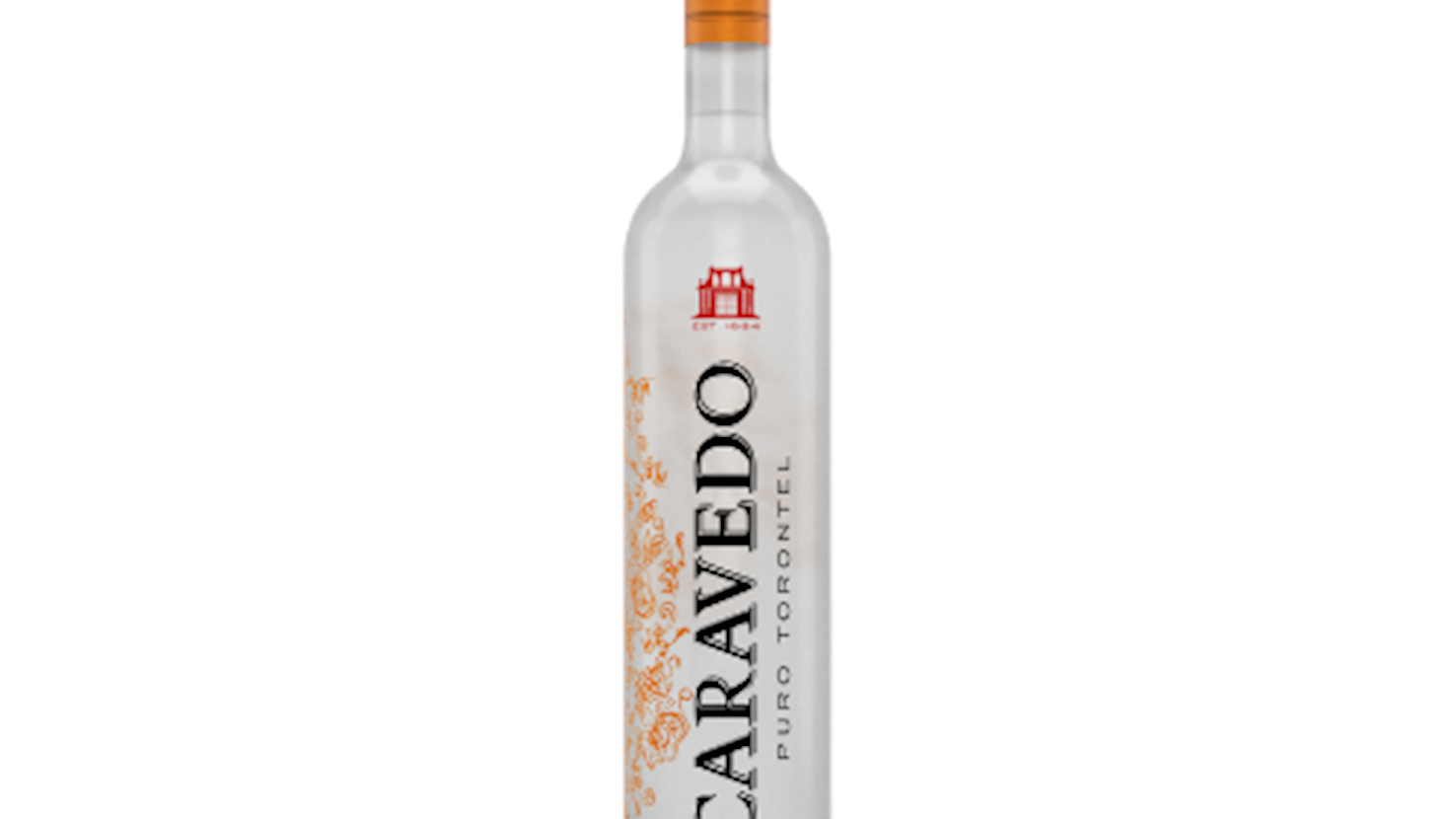
Caravedo Pisco originates from the historic Hacienda La Caravedo in the Ica Valley, founded in 1684 and known as the oldest continuously operating distillery in the Americas. Production is based on a fully manual approach, additive-free fermentation, and copper pot-still distillation, resulting in a clean and precise expression of the grape and its terroir.

The pisco is made from permitted varieties such as Quebranta, Torontel, Italia, and others, and the final spirit is neither diluted with water nor aged, allowing its authentic strength and purity to remain intact in the glass. The aromatic profile varies by grape variety but commonly features clean fruit notes, floral accents, and soft herbal nuances, all carried by a smooth, rounded texture typical of high-quality Peruvian piscos.

The distillery stands out for its focus on sustainable production, preservation of traditional methods, and the use of grapes grown on its own estate, ensuring consistency and a strong sense of identity. Caravedo is widely recognized by connoisseurs as one of the purest and most authentic expressions of pisco, clearly reflecting the long heritage of the Ica Valley.

Awards
USC- Ultimate Spirits Challenge - Top 100 (2022)
06

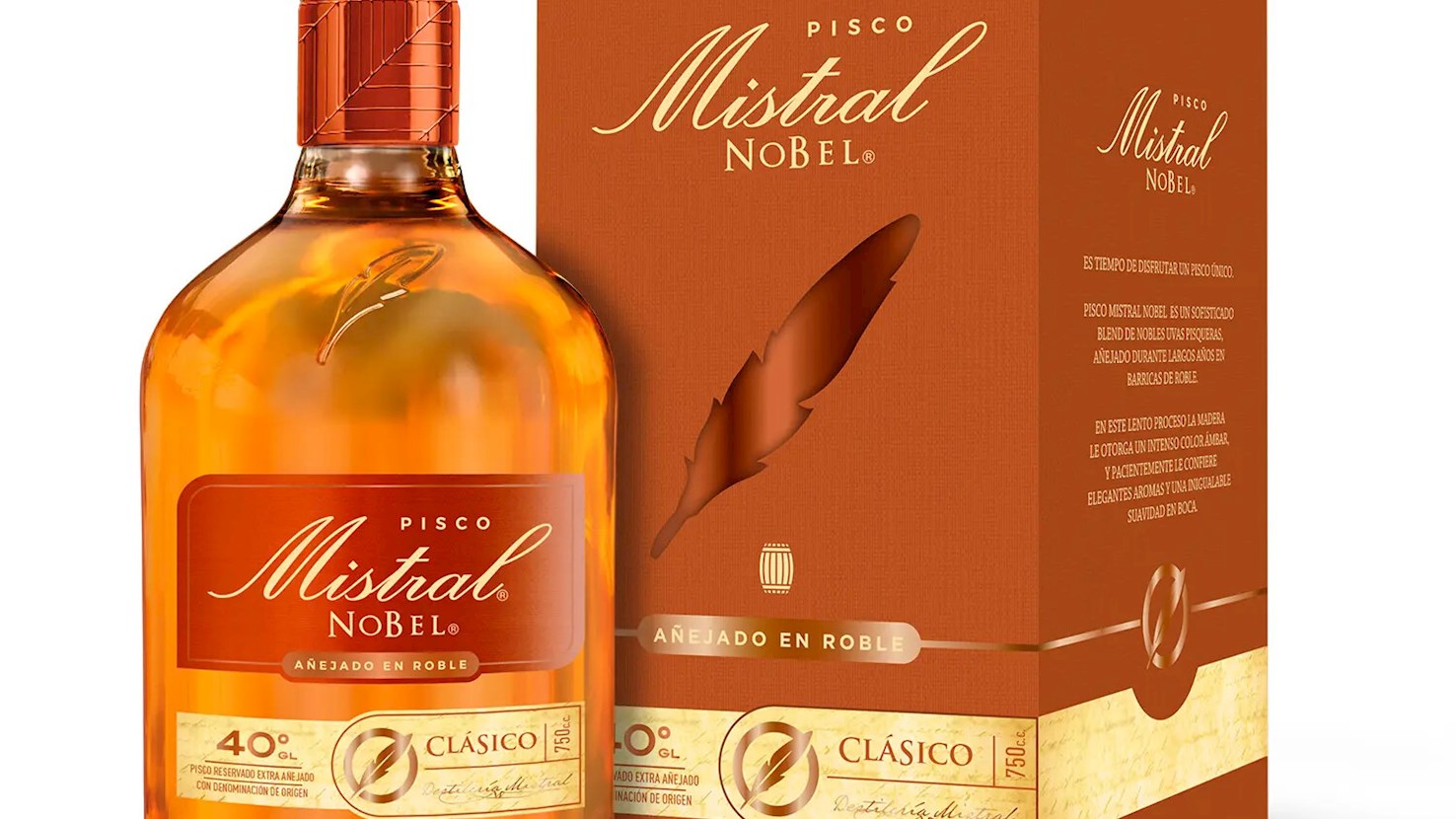
Pisco Mistral

5.0 ·
Awards
SFWSC - San Francisco World Spirits Competition - Double Gold (2024)
07

Bou Barroeta

5.0 ·
Awards
IWSC- International wine & spirit competition - Spirit Gold Outstanding (2024)
08

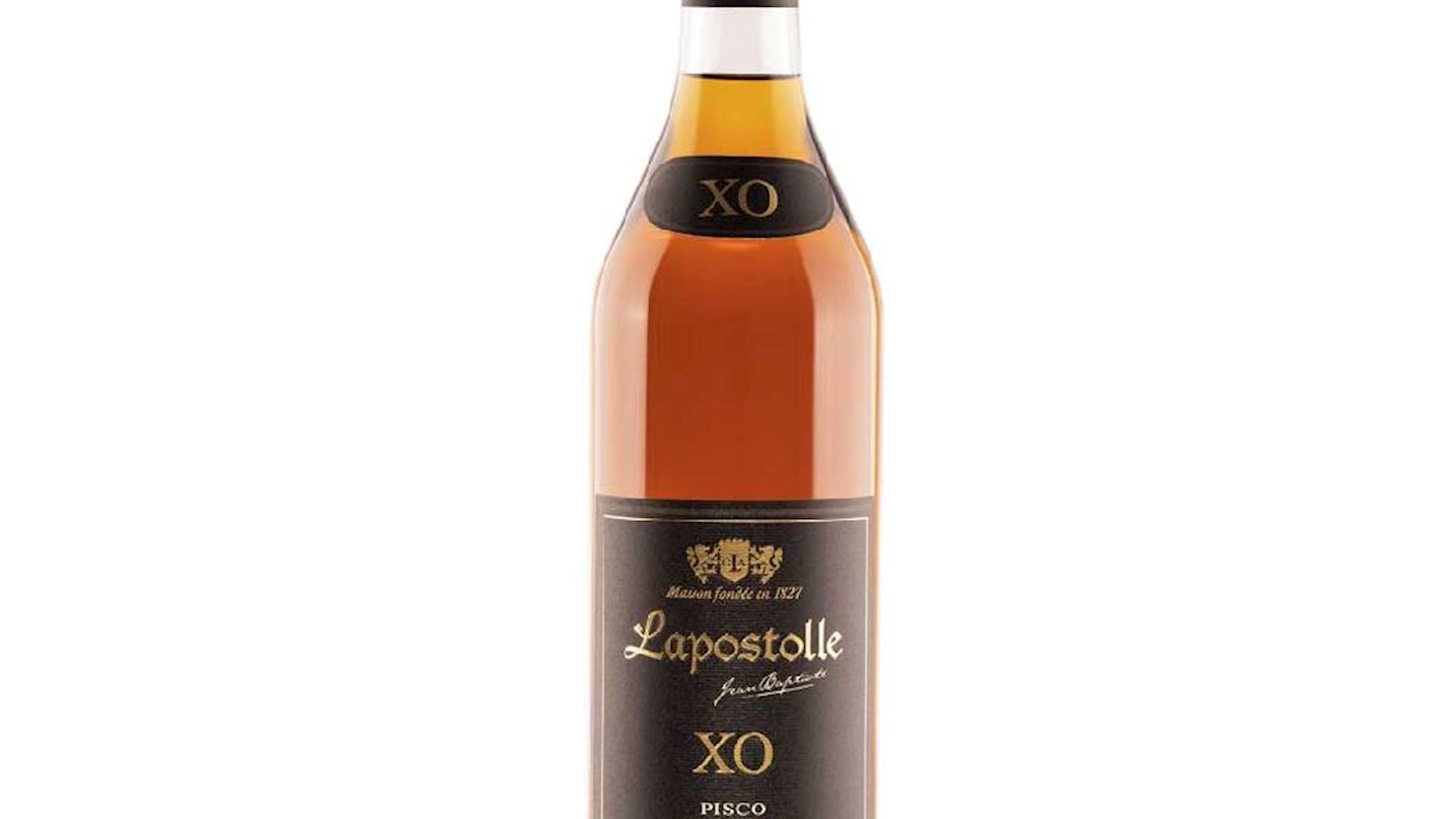
Lapostolle

5.0 ·

Viña Lapostolle is a distinguished Chilean winery founded in 1994 by Alexandra Marnier-Lapostolle and her husband, Cyril de Bournet. Born from a passion for fine wine and the legacy of the family behind Grand Marnier, the estate blends French winemaking tradition with the richness of Chilean terroir.

Nestled in the Colchagua Valley, at the heart of the prestigious Apalta vineyards, Lapostolle cultivates rare, century-old pre-phylloxera vines whose grapes bring exceptional depth, complexity, and elegance to its wines. Guided by top winemakers and a deep respect for nature, the winery produces internationally acclaimed wines - including the iconic Clos Apalta, a multiple award-winner that has secured Lapostolle’s place among the world’s finest wine producers.

Awards
James Suckling - 100 points (2024)
Vivino - 4.4
09

Viña Concha y Toro

5.0 ·

Viña Concha y Toro is one of the most iconic and influential wine producers in the world, founded in 1883 with a vision to craft exceptional wines that reflect both quality and character. Today, it stands as the leading winery in Latin America and a key player on the global stage. Its diverse portfolio ranges from the globally recognized Casillero del Diablo, known for consistency and approachability, to the highly acclaimed Don Melchor, representing the pinnacle of Chilean winemaking.

With a presence in over 130 countries, Concha y Toro remains committed to innovation while staying true to its roots and family heritage. The winery owns and manages vineyards across Chile, as well as strategic ventures in Argentina and the United States, including partnerships like Trivento and Almaviva. Sustainability is at the core of its philosophy, with strong environmental initiatives and a commitment to becoming a global leader in responsible viticulture. Blending tradition, modern techniques, and a deep respect for terroir, Concha y Toro creates wines that resonate with wine lovers around the world - a true symbol of excellence, authenticity, and vision.

Awards
ISC-International Spirits Challenge - Double Gold (2022)
Vivino - 4.5
10

Casa Real

4.9 ·

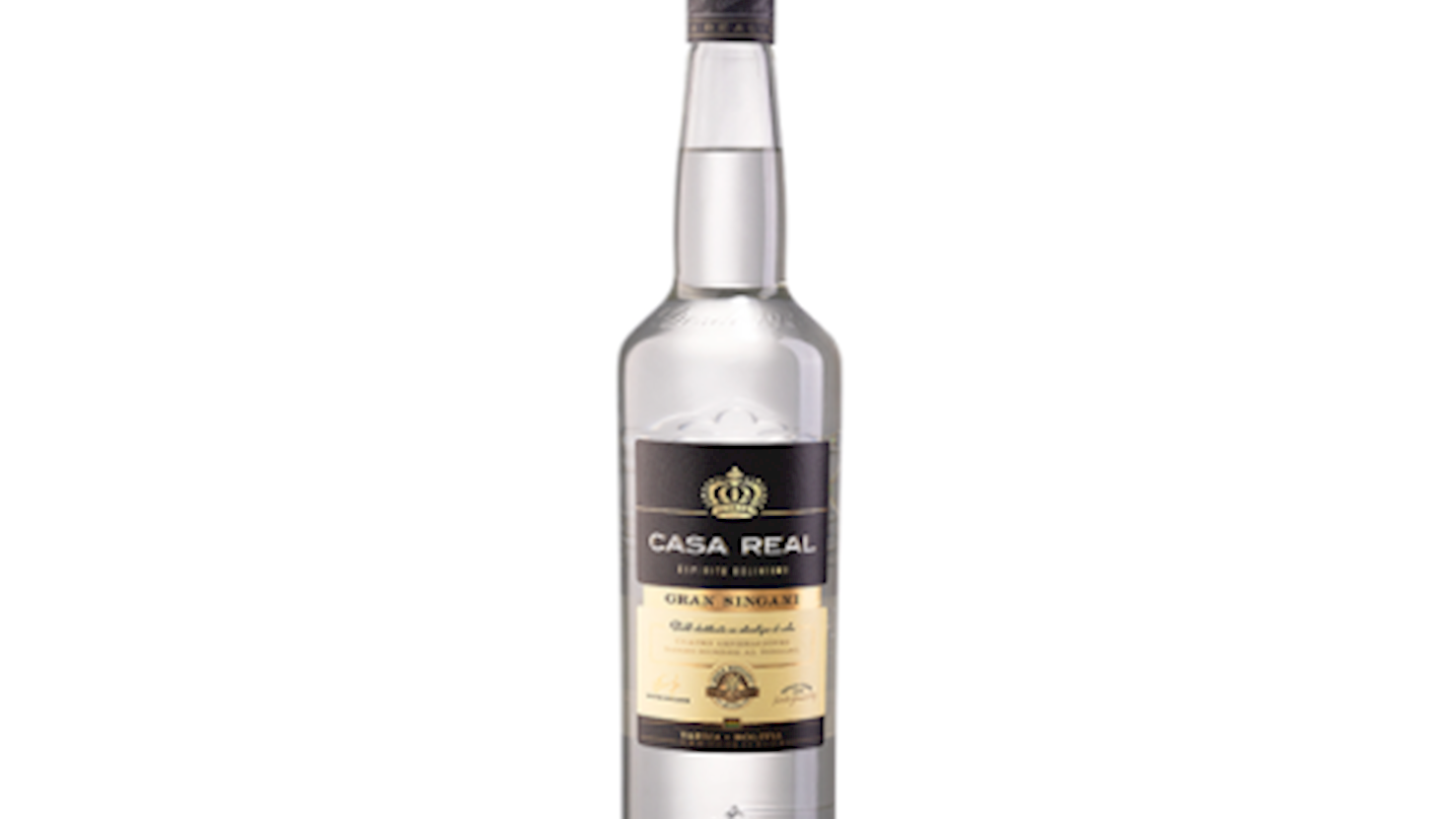
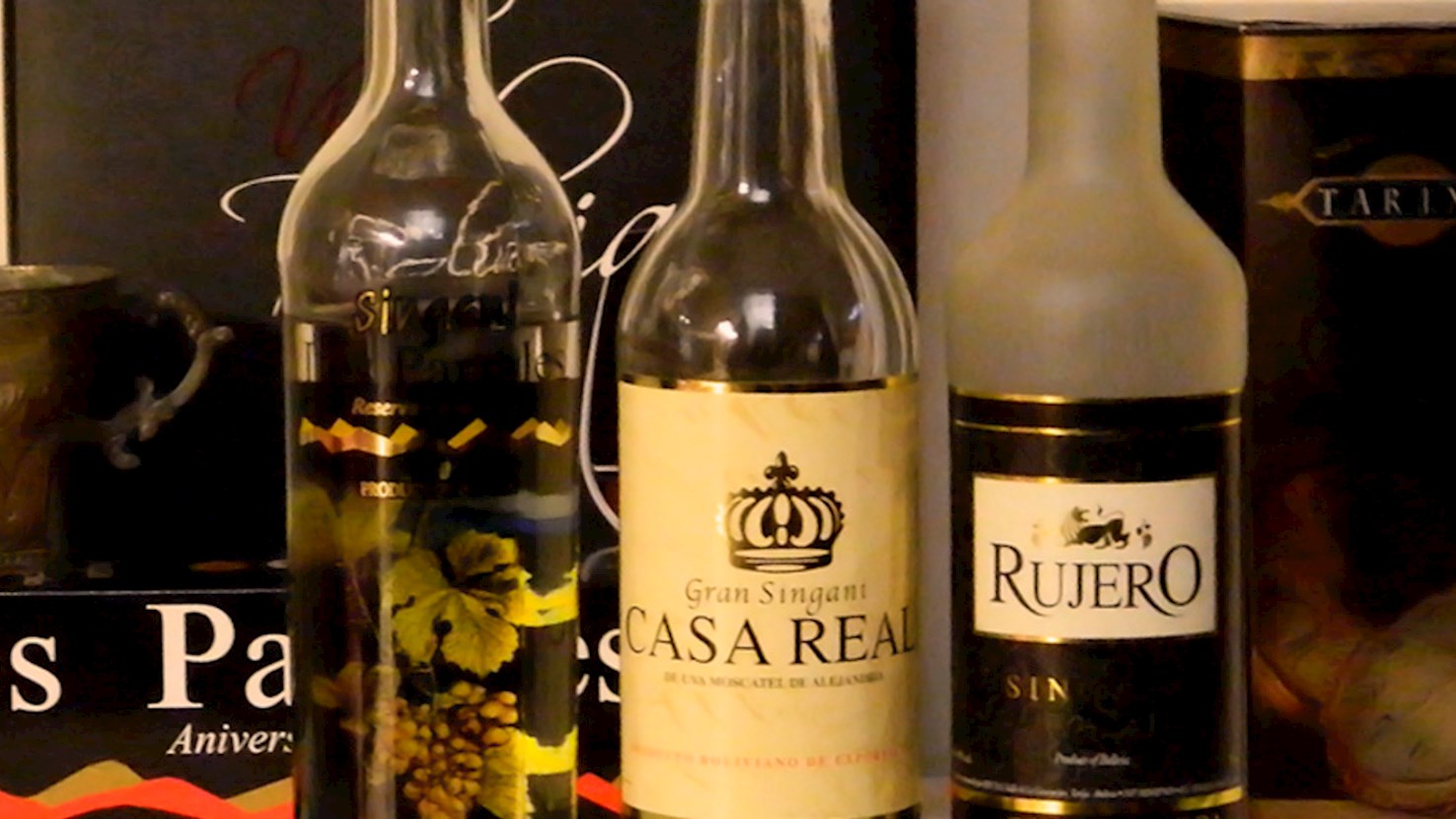
Casa Real is Bolivia’s leading distillery dedicated to Singani, the traditional spirit made exclusively from Muscat of Alexandria grapes grown in the high Andean valleys of the Tarija region. The vineyards sit above 1,600 meters, where the altitude fosters grapes with concentrated aromas and thick skins, resulting in Singani’s distinctive floral and fruity character.

Casa Real uses a double distillation process in copper stills to achieve a clean, elegant spirit marked by notes of orange blossom, jasmine, and subtle citrus tones. Recognized as Bolivia’s national spirit, Casa Real Singani has gained significant international visibility in recent years, increasingly appearing on the global stage and in contemporary cocktail culture.

Best South American Brandy Types
01

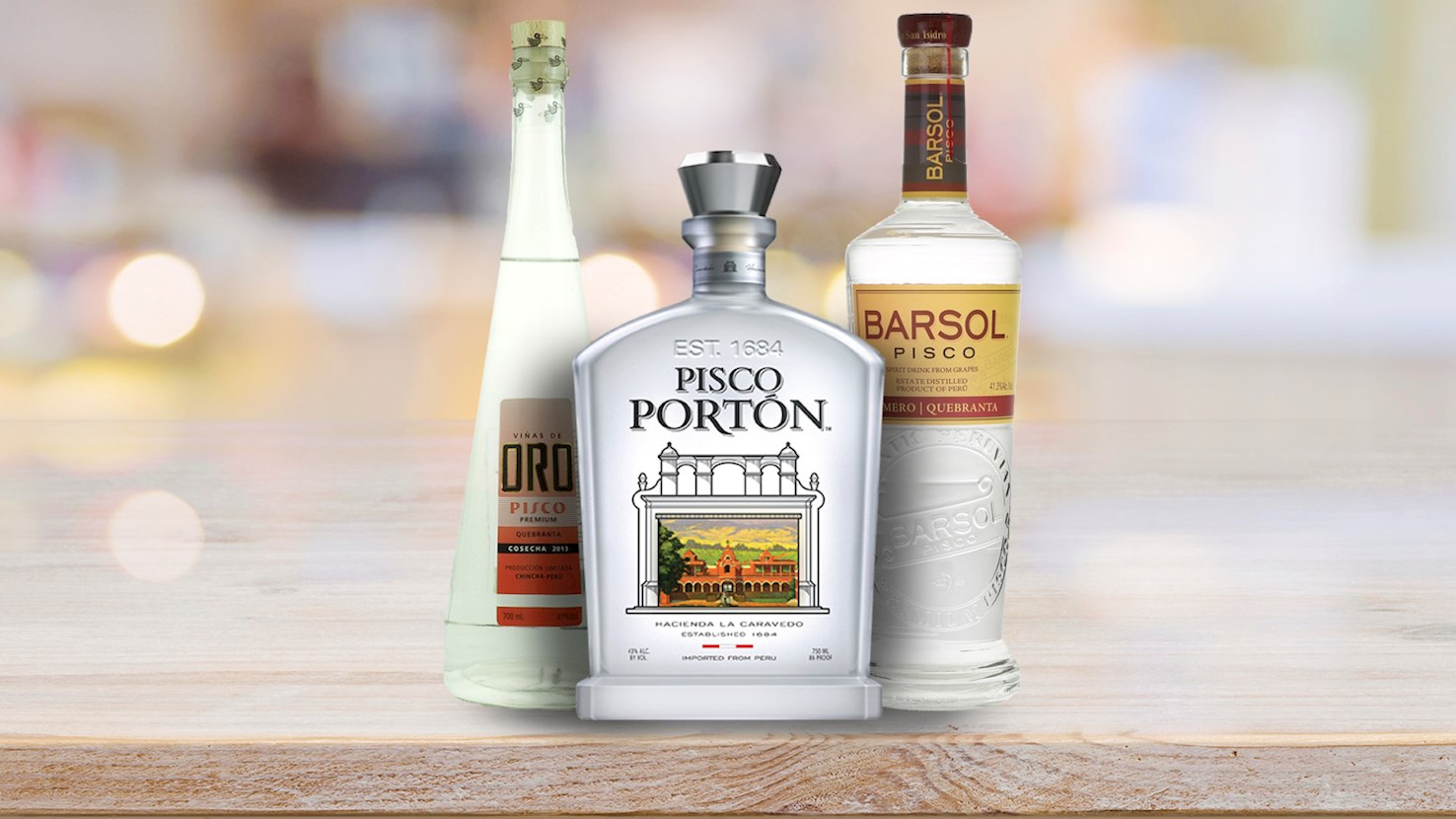
Pisco

4.0 ·

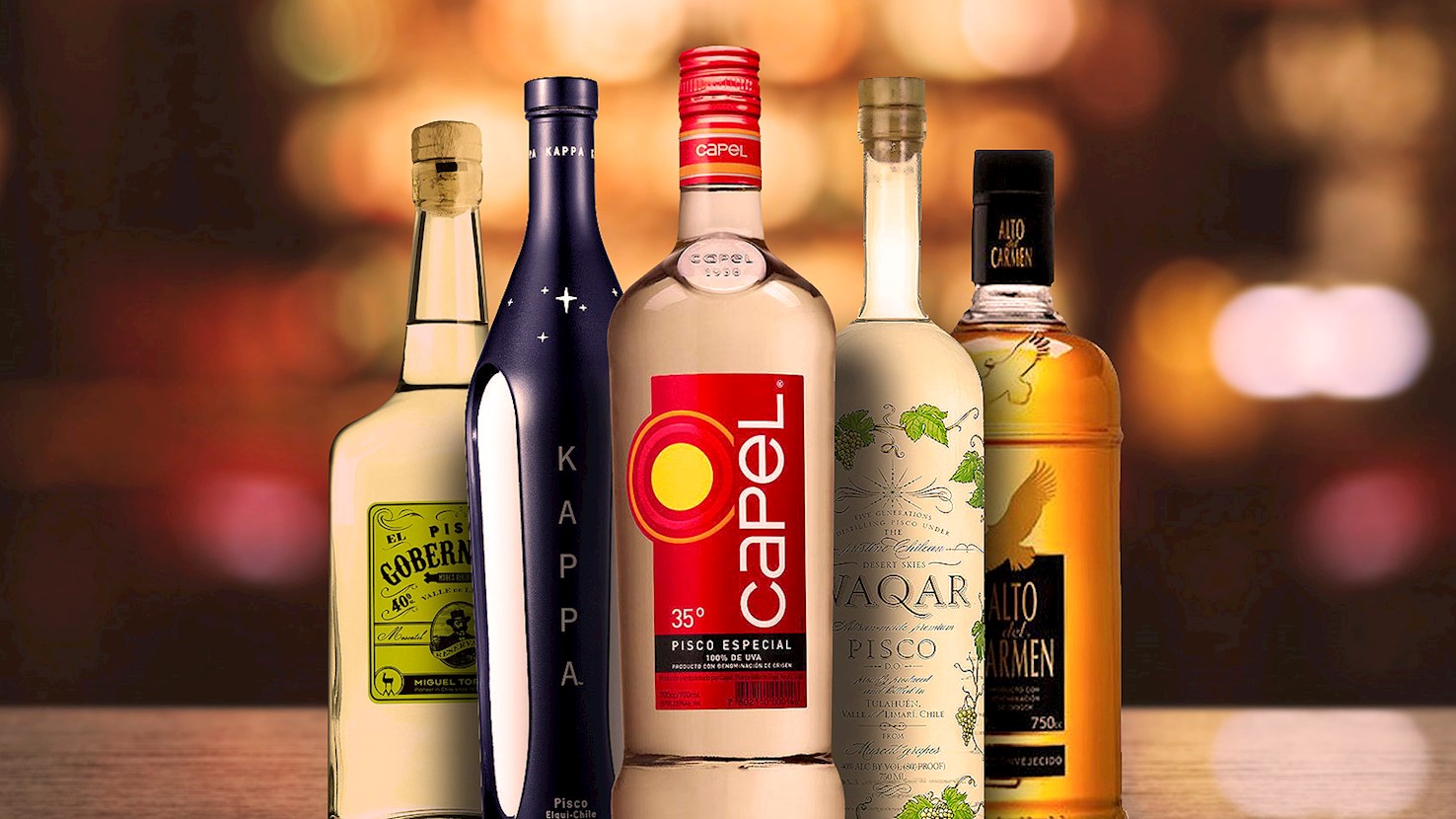
Pisco is a brandy that is distilled from the fermented grape juice. It was invented in the 16th century as a replacement for orujo—an ancient Spanish pomace brandy. Although it is also produced in Chile, Peruvian pisco results in a slightly different drink due to different terroir, grapes, and techniques used in its production. In Peru, pisco can be made with eight, mostly native grape varieties. It is distilled only once to preserve its dominant flavors while diluting and oak-aging is strictly forbidden. The drink is typically strong with dominant earthy and herbal flavors, but the character can slightly differ depending on the choice of grapes. Pisco can be enjoyed neat, but it is often used in cocktails and mixed drinks, out of which the best known is the classic Pisco Sour. For centuries, both Chile and Peru have claimed to be the birthplace of pisco. Peruvians argue that the name and the drink hail from a port town named Pisco—a claim which was also officially supported by the European Commission when Peruvian pisco was given geographical indication in 2013. Etymological evidence also suggests Peruvian root—it is believed that the name pisco stems from Quechuan pisqu, which translates as little bird. Despite the protection trademark, the Commission does not prohibit Chile to market and sell their drink under the same name. Interestingly, Chile is the leading producer of pisco in the world, and the biggest importer of Peruvian pisco.

02

Pisco (Chile)

3.7 ·

Pisco is a drink that is distilled from fermented grape must and juices. It is considered a national drink in both Peru and Chile, but the style and the character of pisco can differ based on the location where it was created. Chilean pisco is predominantly made from Muscat, and it can be distilled more than once, while oak-aging is also permitted. Depending on the production method and the choice of grapes, its color and flavor profile can significantly vary. Pisco can be enjoyed neat, preferably as a digestif, but it is usually used in cocktails and mixed drinks, such as the classic Pisco Sour, Pisco Punch, or Piscola.

03

Singani

3.2 ·

Singani is a brandy variety that is exclusively distilled from Muscat of Alexandria grapes. Due to the specific terroir and the strict rules regarding the production method, the base wine is complex, aromatic, and flavorful. Signani has been produced since the 16th century, and it was invented as an alternative to Spanish orujo brandy. Its origin is closely associated with Potosí—once an affluent city and the center of the silver mining industry—but now it is produced in Tarija, Cinti, Potosí and La Paz. In Bolivia, singani is usually enjoyed neat, preferably over ice and accompanied by a slice of lime, but it also incorporates well in cocktails and long drinks, out of which the most notable are Chufly and Sucumbé—a milk-based drink that is enriched with spices.

Best producers
Read more
View all
View map
About this ranking

TasteAtlas food rankings are based on the ratings of the TasteAtlas audience, with a series of mechanisms that recognize real users and that ignore bot, nationalist or local patriotic ratings, and give additional value to the ratings of users that the system recognizes as knowledgeable. For the “Top 19 South American Brandies” list until July 08, 2026, 649 ratings were recorded, of which 195 were recognized by the system as legitimate. TasteAtlas Rankings should not be seen as the final global conclusion about food. Their purpose is to promote excellent local foods, instill pride in traditional dishes, and arouse curiosity about dishes you haven’t tried.

The initial list of top producers was compiled based on available reviews, awards, local recommendations, media and blog coverage, and consumer reviews. The list will be updated with ratings from TasteAtlas local ambassadors and TasteAtlas users.

Similar lists