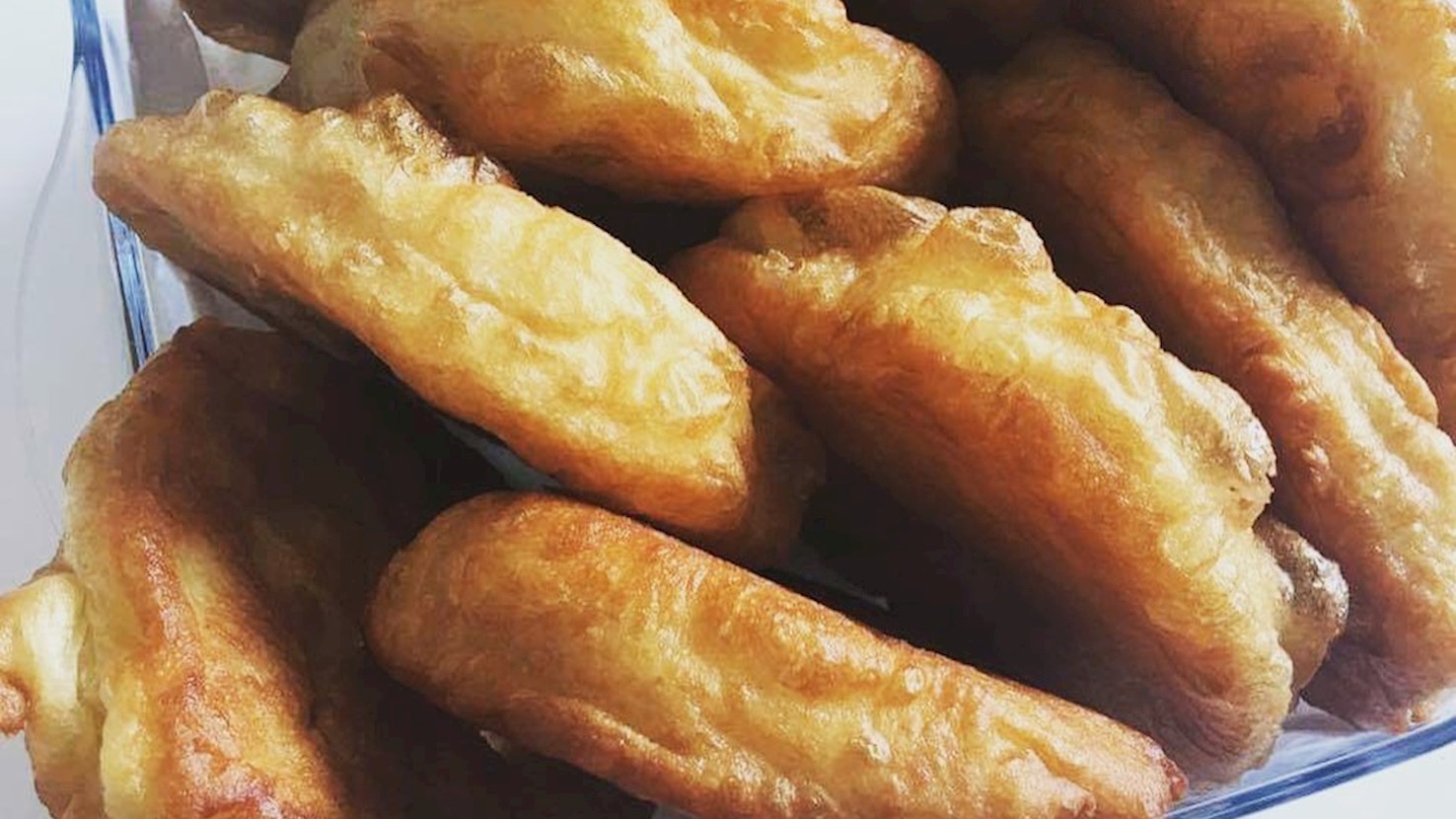
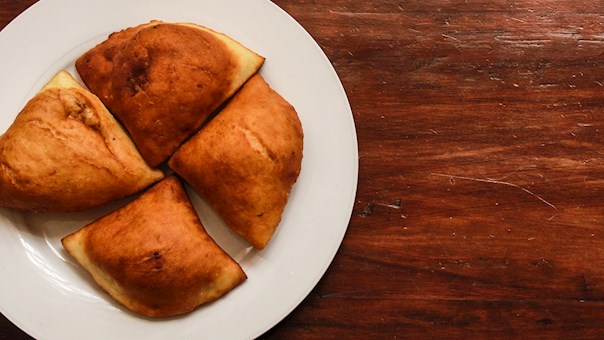
Sfinz is a traditional fried pastry made with a dough consisting of flour, sugar, yeast, salt, and water. The dough is shaped into small balls which are then flattened to form a thin layer of pastry. After it has been fried, sfinz is typically enjoyed with honey, although it can also be fried with an egg on top. Also known as Libyan doughnut, this fried pastry is especially popular for breaking the fast during Ramadan, but it can also be served for breakfast. If there is any leftover dough, Libyans usually transform it into herb bread.
Bambalouni are traditional Tunisian doughnuts that are especially popular in the village of Sidi Bou Said. They are made with flour, hot water, yeast, and salt. After the dough has been prepared, it is fried in hot oil until golden brown, and the doughnuts are then sprinkled with sugar on top. It is recommended to serve bambalouni with coffee, either for breakfast or as a snack eaten at the end of the day.
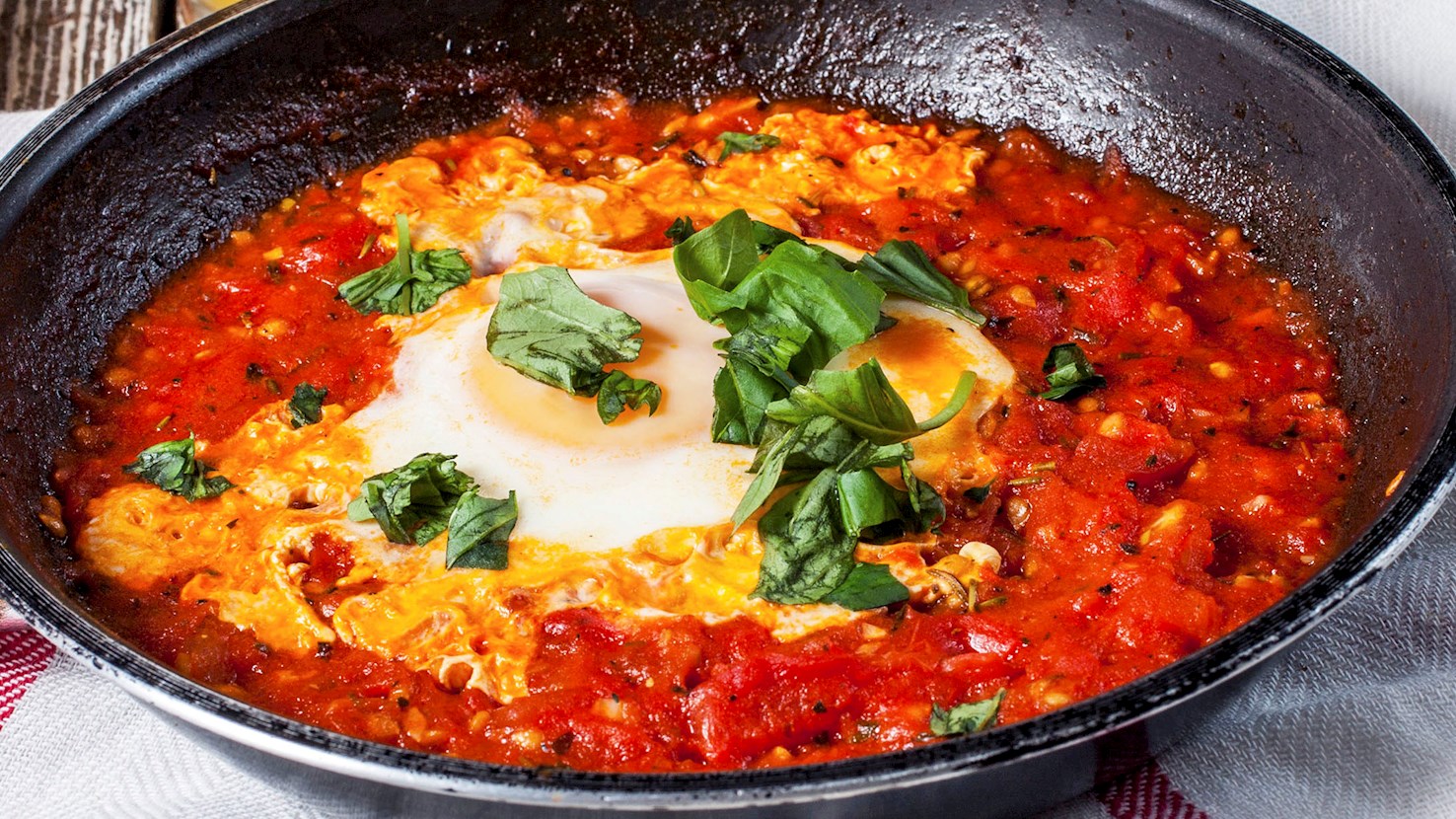
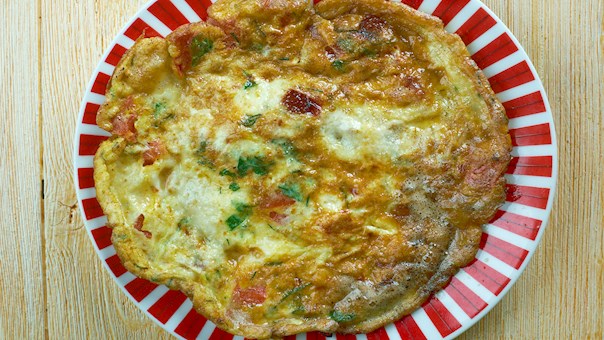
Shakshouka is a delicious combination of eggs poached in a spicy tomato sauce. Although it has an unusual name, the dish is straightforward and easy to make. It is usually made in a skillet in which onions, tomatoes, and spices are cooked until they form a delicious tomato sauce. Eggs are then added directly to the tomato sauce and poached until done. Merguez sausage can also be added to the dish. It is believed that shakshouka originated in Tunisia, but the dish is well-known and commonly eaten throughout North Africa and the Middle East as well. Almost every region has formed their distinctive variety of shakshouka: in Egypt, eggs are usually scrambled and served in a sandwich, and in Israel it is often served with salty feta cheese on top. The consistency of the sauce and eggs is also variable – the sauce can be thinner or thicker, while the eggs can be completely firm or soft. For a more nutritious meal, meat, most commonly sausages, can be included in the dish. Shakshouka is suitable for any meal of the day and is usually served warm or sizzling hot, with bread on the side. Because it is budget-friendly, simple, and easy to prepare, the dish has recently gained popularity both in Europe and North America.
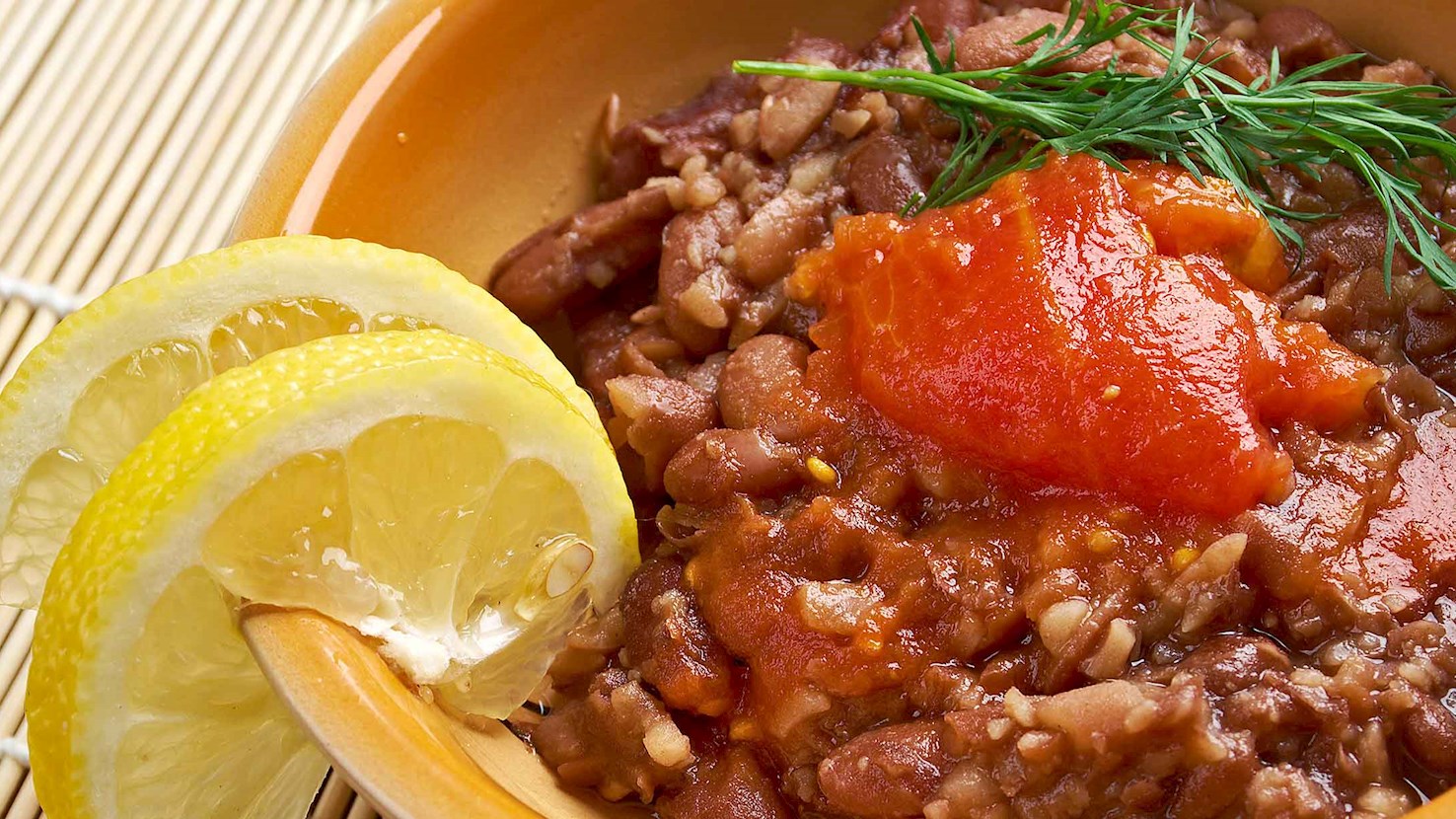
Ful medames is an ancient, pre-Ottoman and pre-Islamic national dish of Egypt, a traditional breakfast food consisting of slowly simmered fava beans seasoned with a squeeze of lemon juice, olive oil, garlic, and selected spices. Some remnants of the dish were found in the 12th Dynasty Pharaonic tombs in Egypt, and any food that has been found in an ancient tomb must have been a wildly popular culinary treat. Because it is a breakfast food that is also good for breaking the fasting, the dish is extremely popular during Ramadan. Although it's an Egyptian dish, it is also prepared throughout North Africa and the Middle East. Ful medames is a staple of the Egyptian diet, so much that the price of beans is regulated by the government in order to ensure that they are affordable to the poorest citizens. The creamy, earthy stew is usually spiced with the addition of chilis and cayenne pepper. It is recommended to prepare it a day in advance because the beans need to be soaked and cooked overnight. When eaten, the hearty stew is traditionally served out of big metal jugs, and once on the plate, it is often mopped up with pieces of fresh pita bread and topped with pickled beets, parsley, onions, tomatoes, and cumin. Filling, savory, nutritious, and easy to prepare, ful medames is a literal blast from the past.
Shahan ful is a traditional dish from the countries of the Horn of Africa that is typically served for breakfast. The dish is made by slowly cooking fava beans in water until they soften, then mashing them into a purée. The purée is then combined with onions, lemon juice, berbere spices, chili peppers, and tomatoes. When served, shahan ful is sometimes garnished with yogurt on top and accompanied by bread rolls on the side. The dish is especially popular during Lent and Ramadan.
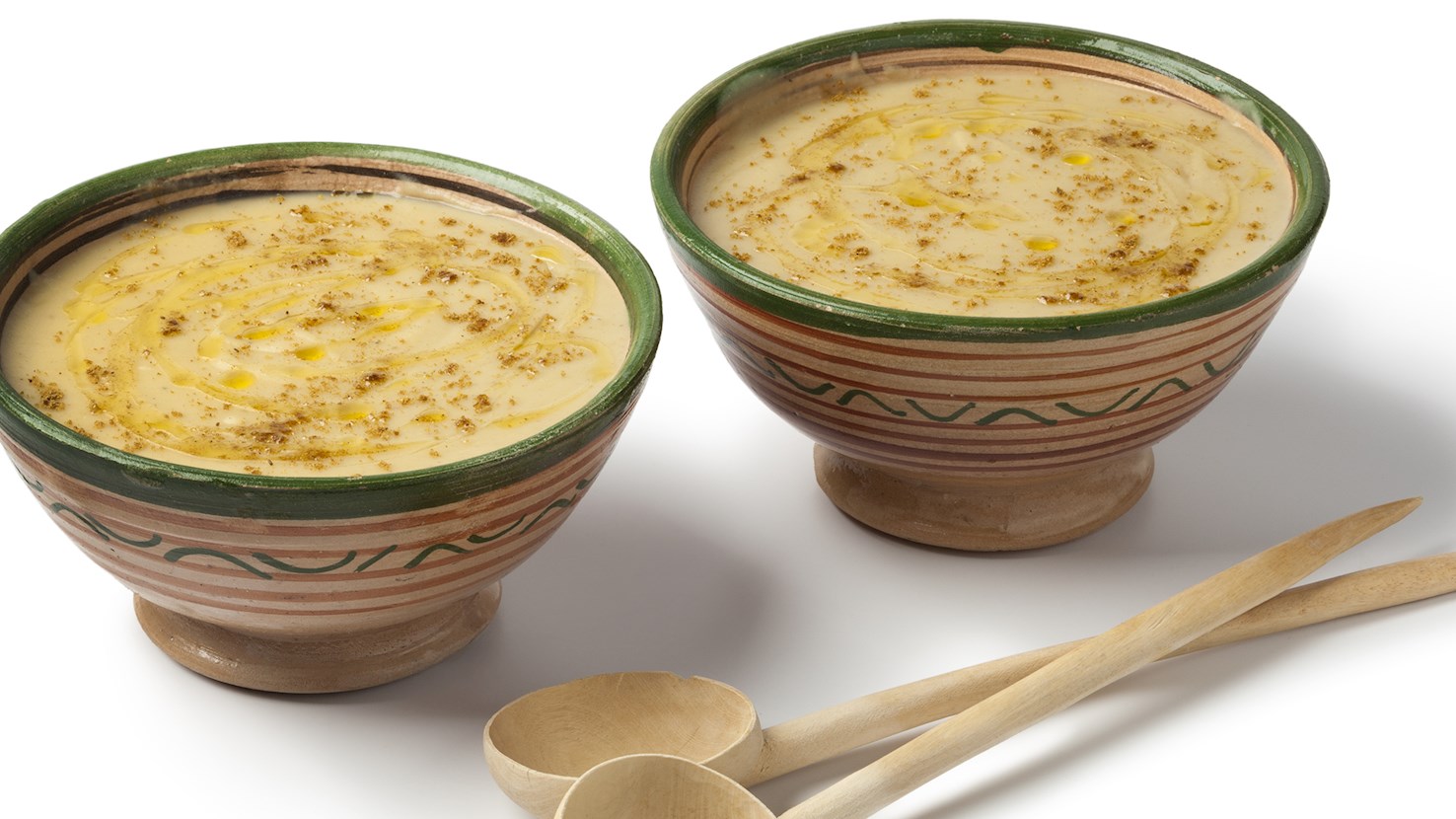
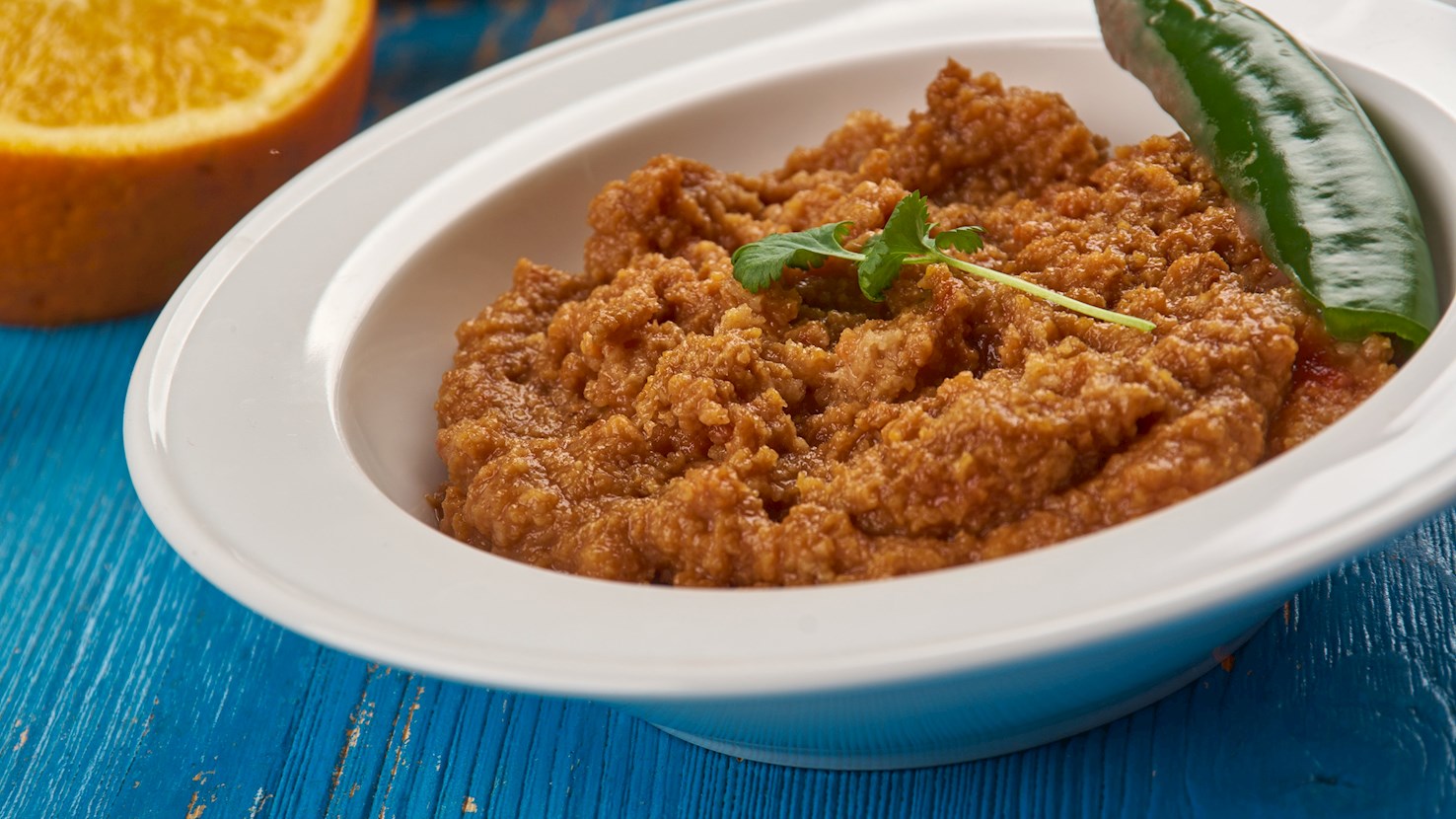
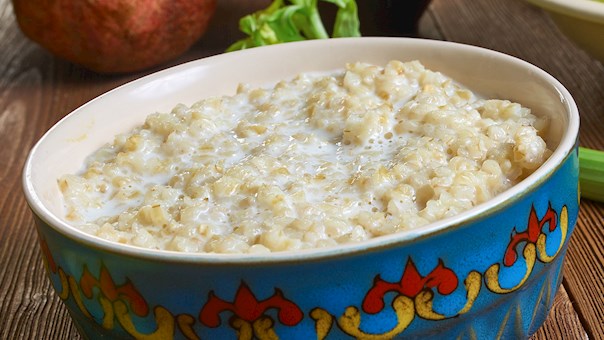
Bissara is a comforting Egyptian and Moroccan dish made with puréed beans – either split peas or dried fava beans. It can be prepared in the form of a soup or porridge, while the thicker versions are commonly used as a dip. The puréed beans are typically seasoned with olive oil, lemon juice, and garlic, and the dish is often served with paprika and cumin on the side, while crusty bread is almost mandatory. Bissara is traditionally served for breakfast, and it is especially popular during winter.
Fir-fir is an Ethiopian and Eritrean dish made by tearing flatbread into small pieces and mixing it with a seasoned sauce, spiced butter, or stew until the bread softens and absorbs the surrounding flavors. It is especially associated with Eritrea and the northern Ethiopian highlands, where it is commonly eaten for breakfast but can also appear as a light meal at other times of day. The name refers more to a method of preparing torn bread than to a single fixed recipe, and closely related preparations are known as fir-fir in much of Ethiopia. Fir-fir developed within the everyday bread-based cooking of the Horn of Africa, where injera and unleavened breads such as kitcha have long been reused or combined with sauces rather than discarded once they begin to dry. Two of the best-known forms are injera fir-fir, made from pieces of fermented teff flatbread, and kitcha fir-fir, prepared from torn unleavened wheat bread. Injera fir-fir is usually mixed with a sauce based on berbere, onions, tomatoes, and oil or clarified butter, while kitcha fir-fir tends to be richer and drier, with the bread tossed directly with butter or oil and spices. Some versions incorporate leftover stew, yogurt, fresh cheese, or vegetables, and the amount of liquid can range from just enough to coat the bread to enough to produce a much softer, almost spoonable dish. Because injera already has a noticeable fermented acidity, injera fir-fir tends to be tangier than versions made with kitcha, whose mild wheat flavor allows berbere and seasoned butter to dominate. The bread is usually torn by hand rather than cut neatly, creating pieces of different sizes that absorb the sauce at slightly different rates and give the finished dish a mixture of soft and firmer textures. Fir-fir is generally served warm or at room temperature and is often eaten communally, either with the hand or with additional injera. At breakfast it may be accompanied by yogurt, fresh cheese, eggs, or mild vegetables, while stronger versions work well beside lentils or greens. Tea and coffee are the most common drinks served with it, particularly in the morning, and the combination of spicy bread, mild dairy, and a hot drink is one of the most familiar ways fit-fit is eaten in Eritrean and northern Ethiopian households.
Injera fir-fir is an Ethiopian and Eritrean dish made by tearing injera into small pieces and mixing it with a spicy sauce, usually based on onions, tomatoes, oil or clarified butter, and berbere. It is eaten throughout Ethiopia and Eritrea and is especially common as a breakfast or quick home meal, where leftover injera can be turned into something warm, filling, and strongly seasoned. The dish belongs to the wider family of fir-fir preparations, in which bread is broken into pieces and combined with sauce rather than served separately. Injera fir-fir developed naturally within a food culture where injera is made frequently and often remains from the previous meal, so using slightly dried bread in a moist, flavorful preparation became an efficient and widely accepted way of serving it again. The sauce is usually prepared first by cooking onions until soft, then adding tomato, garlic, berbere, and oil or niter kibbeh, sometimes with a little water to loosen the mixture. The injera is then torn by hand and folded into the sauce, where its porous surface quickly absorbs the seasoning while its fermented structure gives the dish a noticeable sourness. Depending on the amount of liquid, fir-fir can be relatively dry and loose or soft and almost stew-like, and some versions are made with leftover wat instead of a newly prepared sauce. Berbere gives the dish its characteristic chile heat, while the acidity of the injera keeps the flavor from becoming too heavy. Eggs, yogurt, fresh cheese, or mild vegetable dishes are sometimes served alongside it, particularly when the fir-fir is strongly spiced. Injera fir-fir is usually eaten hot or warm, often at breakfast but also as a simple lunch or light evening meal, and it is commonly shared from a plate in the same way as many other Ethiopian and Eritrean foods. Tea and coffee are the most common drinks served with it in the morning, while yogurt or fresh cheese pair especially well with the dish because they soften both the heat of the berbere and the sourness of the fermented bread.
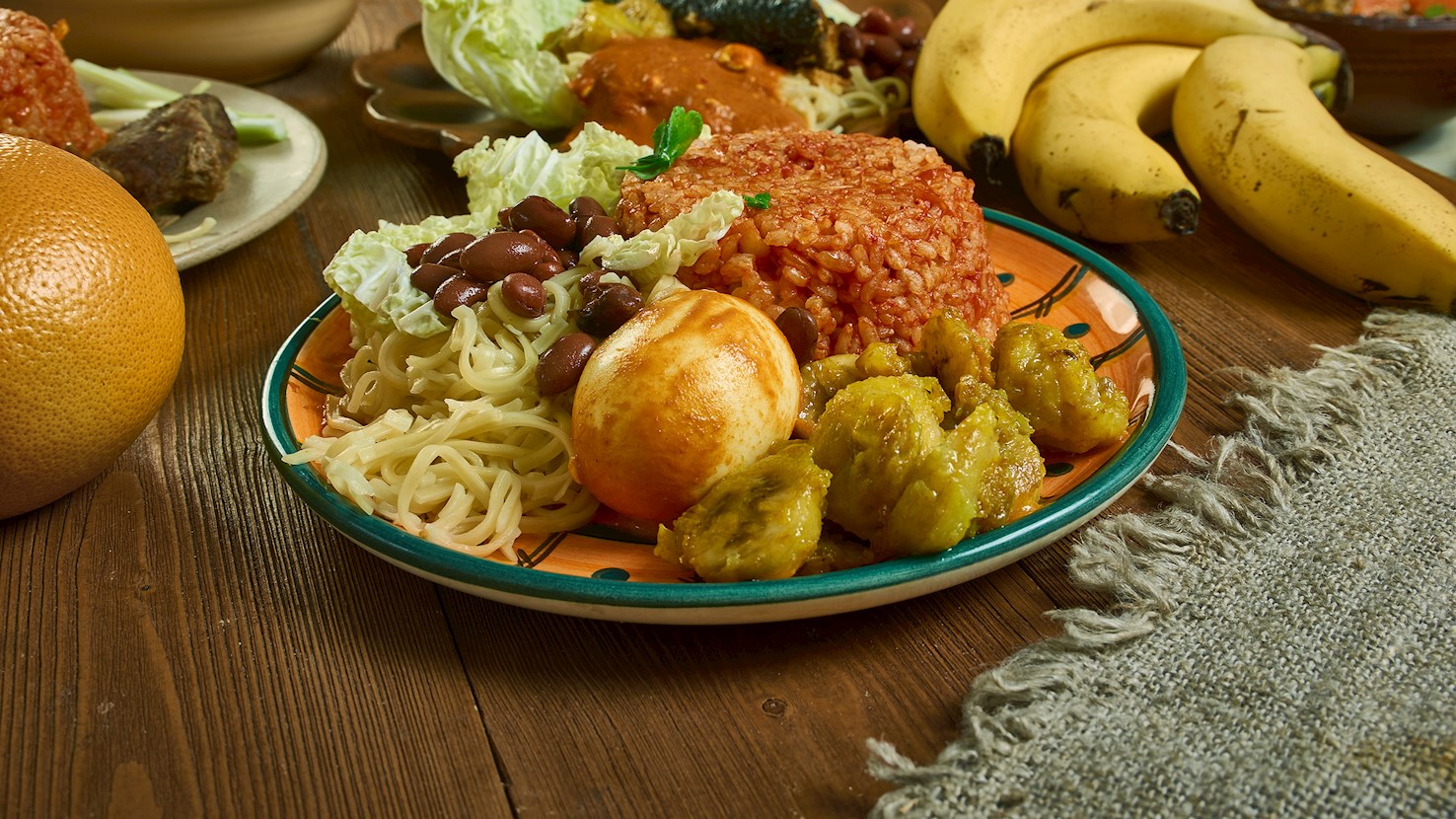
Although it originated in northern parts of Ghana, the rice-and-bean-based dish known as waakye is today consumed on a national level. Whether it's eaten for breakfast or lunch, this dish can be made as rich and as filling as one likes by adding an almost unending list of accompaniments. The most typical ones include fried plantains, the spaghetti-like talia, a black pepper sauce called shito, boiled eggs, avocados, a tomato-based soup which contains meat, and gari foto — a mashed sauce made with finely grated cassava. This versatile dish is a favorite street food and comes served on a large waakye leaf.
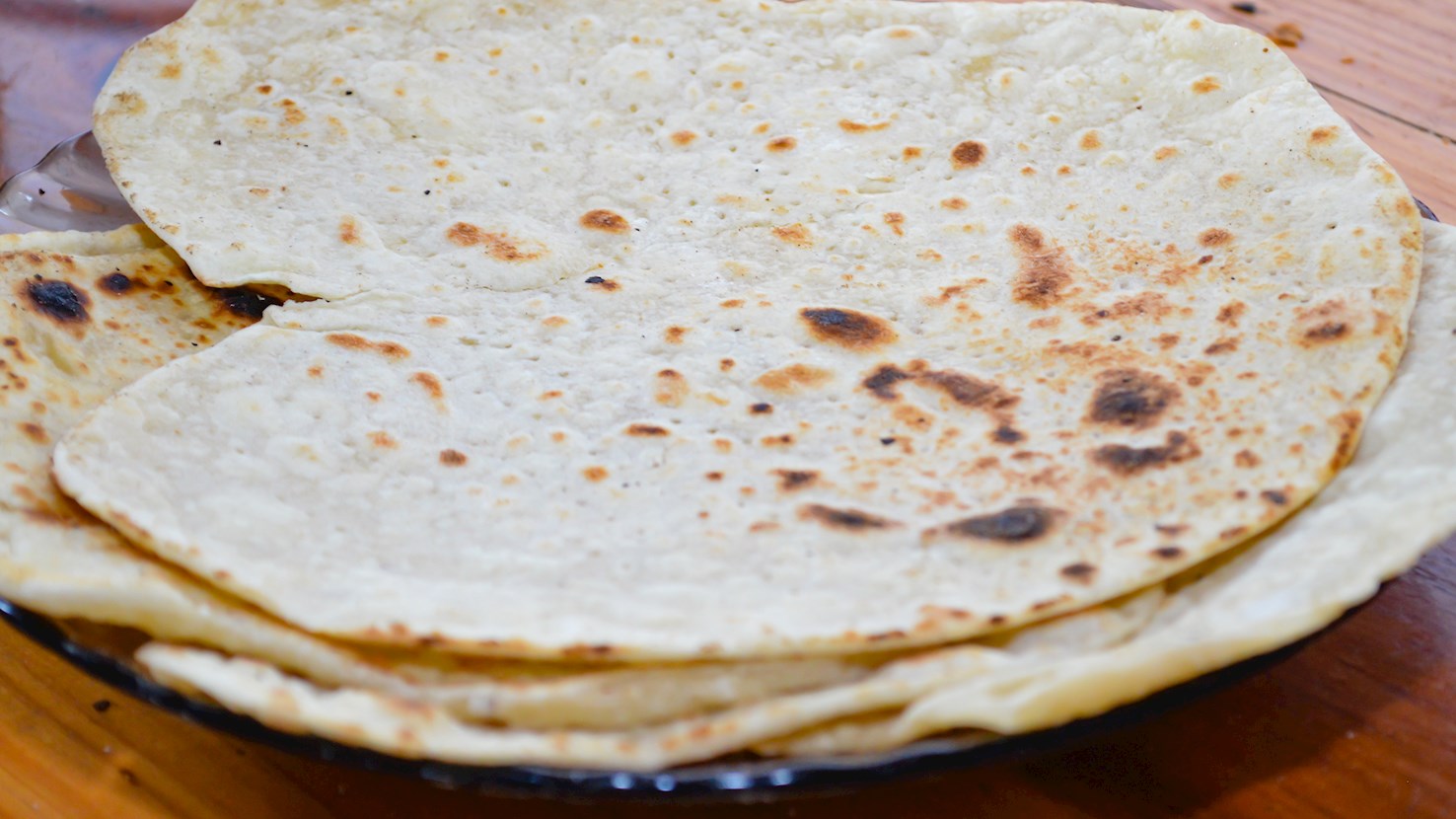
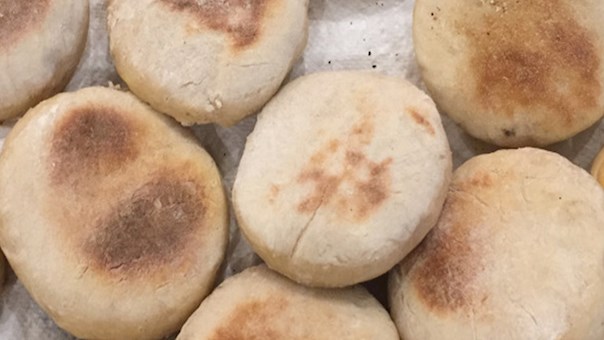
Kitcha is an unleavened flatbread from Eritrea and northern Ethiopia, made from a basic dough of flour, water, and salt and cooked directly on a hot griddle or pan. In Ethiopia, the same bread is commonly known as kita or kitta, while kitcha is the more characteristic Tigrinya name used in Eritrea and Tigray. It belongs to the wider group of quick breads found across the Horn of Africa, where breads without yeast or long fermentation have long been part of everyday cooking because they can be prepared quickly and with very few ingredients. Wheat flour is the most common base, although other grains or flour blends can also be used depending on local availability and household preference. The dough is mixed until soft and pliable, then flattened into a thick round, usually by hand, and cooked on a dry or lightly greased griddle until both surfaces develop browned spots and the center is fully cooked. Some versions are relatively thin and flexible, while others are thicker and more substantial, with a soft interior and lightly crisped exterior. Unlike injera, kitcha is not fermented, so it has no pronounced sourness and no spongy, porous structure. Its flavor is mild and cereal-forward, which makes it especially suitable for serving with strongly seasoned foods or for tearing into pieces and mixing with fat and spices. Its best-known preparation is kitcha fit-fit, in which freshly cooked or leftover bread is broken into small pieces and tossed with clarified butter or oil and berbere, sometimes with onion, garlic, tomato, or a little water added to soften the bread and distribute the seasoning. Kitcha can also be served whole or cut into wedges with eggs, yogurt, fresh cheese, lentils, stews, or cooked vegetables. In Eritrea it is especially associated with breakfast and is often eaten with tea or coffee, while in northern Ethiopia it appears in similar morning meals and in dishes such as kita fir-fir. Because it is quick to make, neutral in flavor, and able to absorb butter, sauces, and spices well, kitcha functions both as a bread on its own and as the base for more elaborate breakfast dishes.
TasteAtlas food rankings are based on the ratings of the TasteAtlas audience, with a series of mechanisms that recognize real users and that ignore bot,
nationalist or local patriotic ratings, and give additional value to the ratings of users that the system recognizes as knowledgeable.
For the “Top 36 African Breakfasts” list until November 15, 2026, 2,186 ratings were recorded, of which 865 were recognized by the system as legitimate.
TasteAtlas Rankings should not be seen as the final global conclusion about food. Their purpose is to promote excellent local foods,
instill pride in traditional dishes, and arouse curiosity about dishes you haven’t tried.





















What People Say