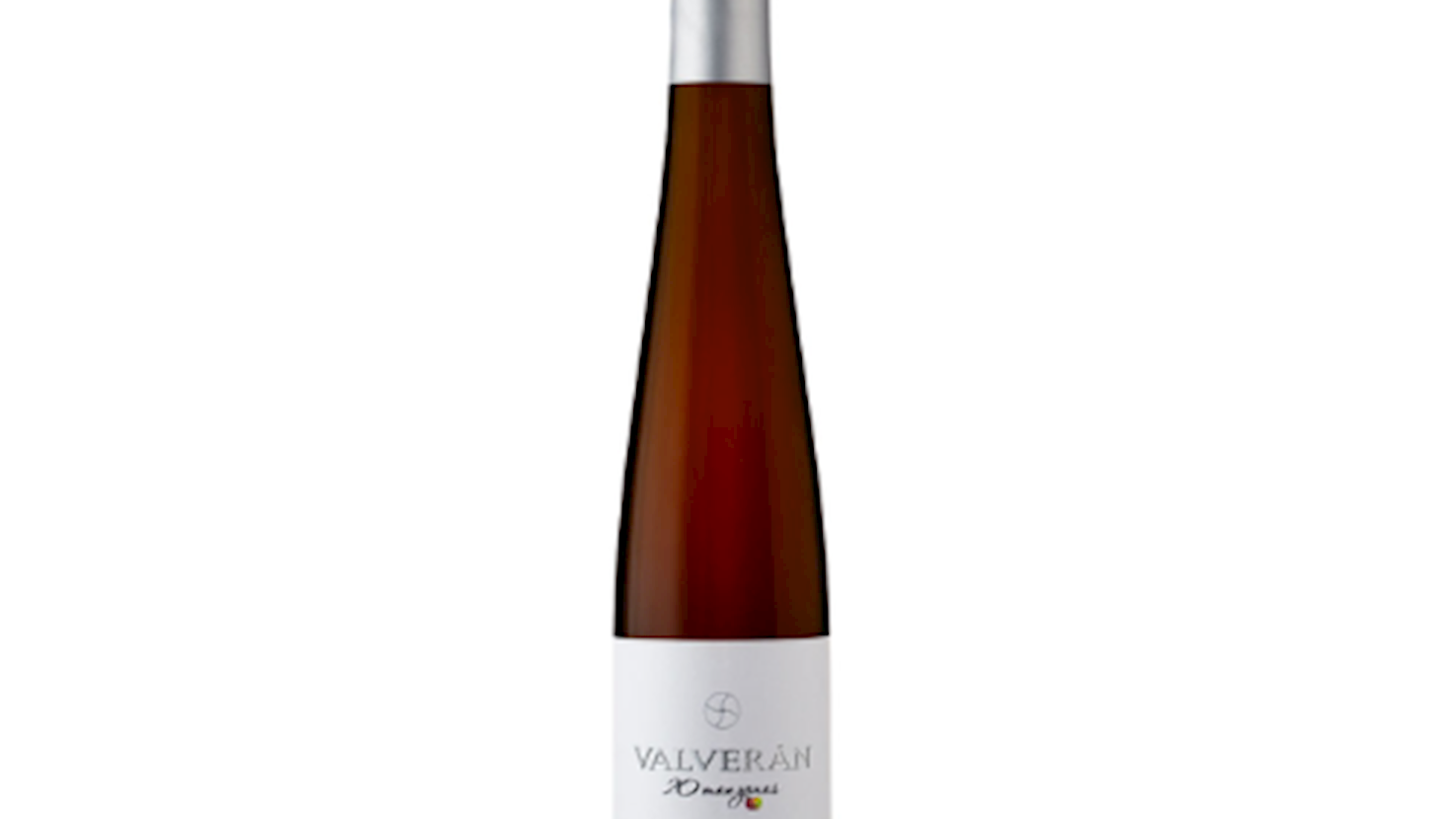
Valverán is a specialized producer of ice cider based in Sariego, in the Asturian region of northern Spain, an area deeply rooted in cider-making tradition known as the “Comarca de la Sidra”. Established in 1998 by the Masaveu family, the project was conceived with the aim of creating a high-quality product that reinterprets traditional cider through a more refined and innovative approach.
Valverán is recognized as a pioneer of ice cider production in Spain, having introduced this style in 2007, inspired by techniques more commonly associated with Canada. The production relies on estate-grown apples, with over ten native Asturian varieties cultivated to achieve a balanced blend of acidity, sweetness, and bitterness.
The process is meticulous and time-intensive, involving careful hand selection of fruit, freezing or simulation of frost conditions, slow fermentation, and extended aging that can last up to two years. It takes at least twenty apples to produce a single bottle, resulting in a concentrated and complex profile.
Their flagship product, Valverán 20 Manzanas, has received international recognition, including being named the world’s best specialty cider at the World Cider Awards. The cider is characterized by pronounced apple aromas, citrus nuances, and subtle quince notes, with a well-balanced interplay between sweetness and acidity.
This balance makes it suitable for pairing with cheeses, foie gras, or lightly sweet desserts. Valverán stands out as a producer fully dedicated to ice cider, combining regional identity with technical precision and a focus on limited, high-quality production.
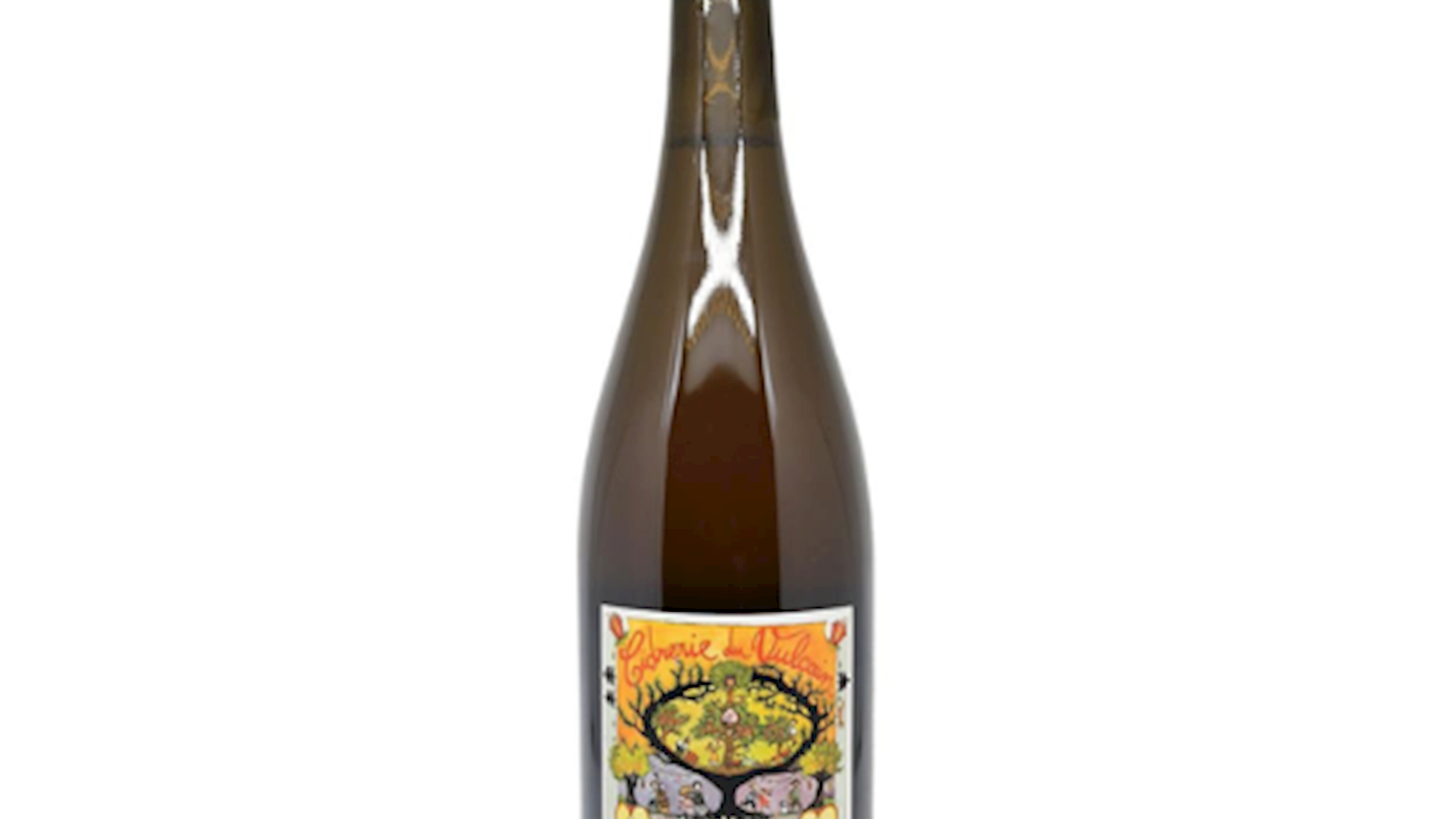
Cidrerie du Vulcain, led by Jacques Perritaz, is now based in Normandy, in the village of Juvigny-Val-d’Andaine. In 2022, Perritaz purchased a farm, securing his own orchards and production space, thereby strengthening the foundation of his work.
The fruit he uses comes from old apple, pear, and quince trees, often abandoned or forgotten varieties that he rediscovers and revives. Fermentation takes place spontaneously with indigenous yeasts in stainless steel or lined tanks, and he often employs the ancestral method, bottling before fermentation is complete.
This process results in natural carbonation and an authentic character, without disgorging or additional processing. His work reflects a fusion of Swiss experience, gained in Fribourg working with old orchards, and the rich traditions of Normandy as a historic center of cider and perry.
In this way, Perritaz has developed a distinctive style rooted in minimal intervention and authenticity. Today, Cidrerie du Vulcain stands as an example of a producer that successfully combines tradition, terroir, and innovation, preserving rare varieties and creating drinks that captivate with their natural purity and sense of origin.
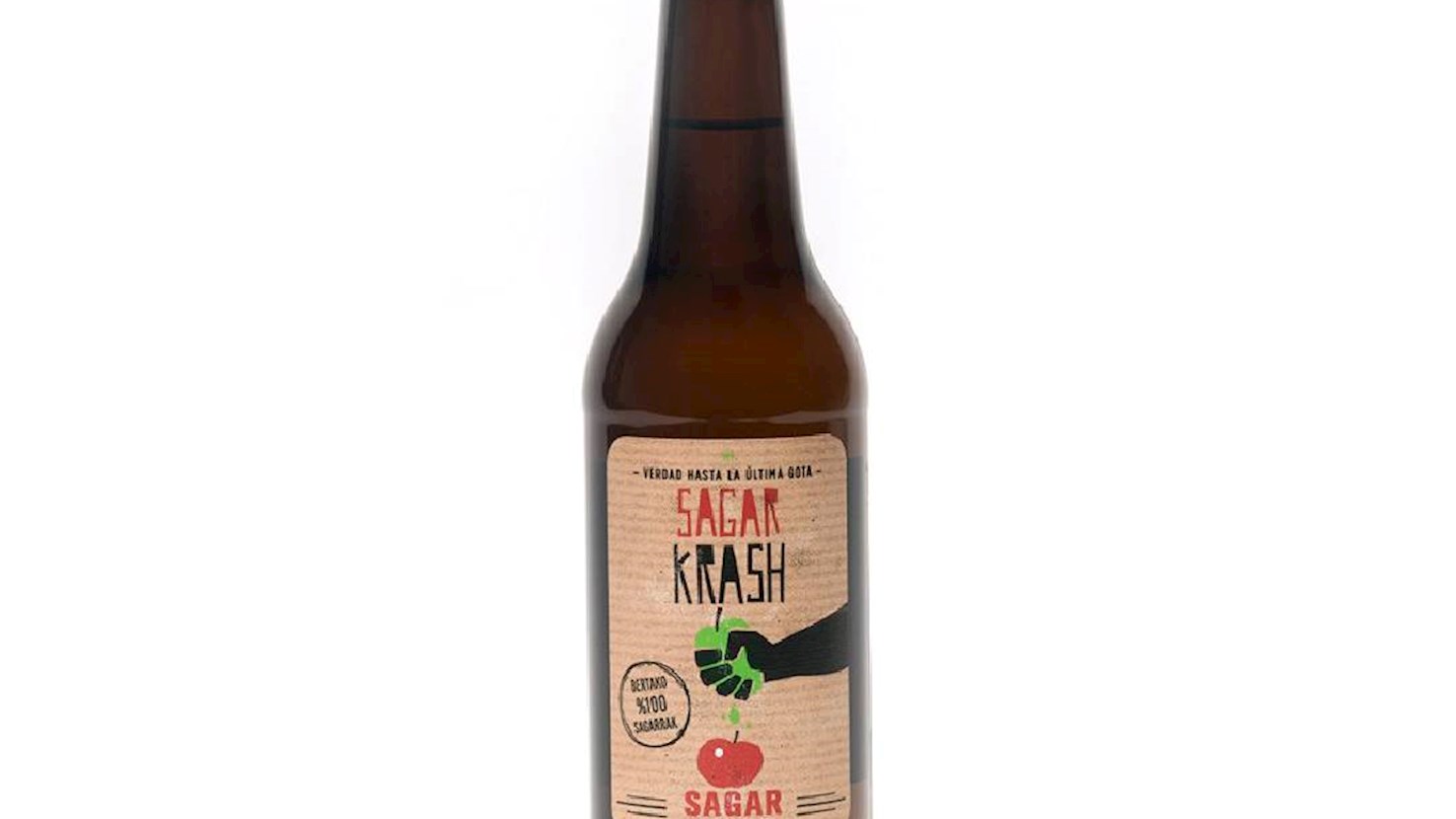
Petritegi is a renowned Basque cider house located in Astigarraga, Spain, celebrated for its long-standing tradition of producing high-quality beverages. Established in the 16th century, Petritegi specializes in crafting authentic Basque cider (sagardo) using only natural ingredients and traditional methods.
In addition to classic cider, they offer a variety of other drinks, including organic cider and special blends that combine modern flavors with traditional techniques. Petritegi cider is made from carefully selected local apple varieties, known for their exceptional aroma and freshness.
This beverage is a favorite among enthusiasts of natural and refreshing drinks, with a rich history rooted in Basque culture. With their products, Petritegi blends centuries-old tradition with modern creativity, making them an ideal choice for gourmets and lovers of authentic beverages.
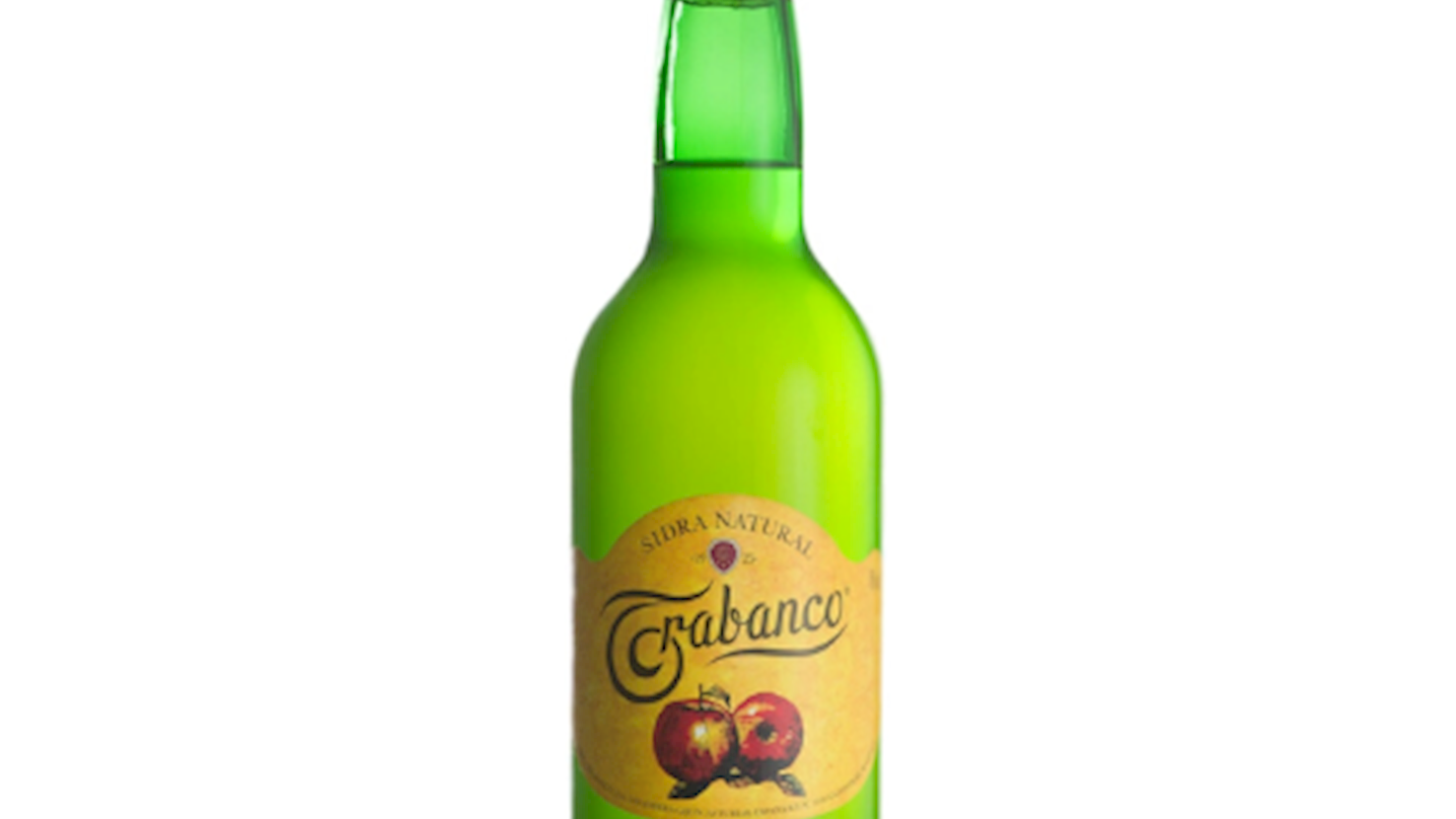
Sidra Trabanco is a traditional cider producer from Asturias, founded in 1925 in Lavandera near Gijón, and widely regarded as one of the reference names in Asturian cider. It began as a family project started by Emilio Trabanco, who transitioned from mining to cider production, gradually developing a small llagar into a recognized brand.
Production is based on traditional methods, particularly the “mayado” process, where apples are crushed and pressed to obtain juice that ferments in large wooden barrels. Over time, the company has introduced technical improvements while maintaining the core principles of artisanal production.
Today, Sidra Trabanco operates several production facilities in Asturias and offers a range of cider styles, from traditional “sidra natural” to more modern interpretations such as sparkling cider and other apple-based products.
Its ciders are widely distributed across Spain and present on international markets, reinforcing its position within the category. The brand represents a balance between heritage and development, with a consistent focus on raw material quality, regional identity, and the preservation of Asturian cider-making traditions.
Sidra Cortina is a family-run cider house from Asturias, established in 1952, with a strong focus on preserving traditional cider-making methods while maintaining consistent quality. The production is based in Villaviciosa, one of the most important cider regions in Asturias, known for its apple orchards and long-standing cider culture.
Their ciders are made from carefully selected native apple varieties, harvested and blended to achieve balance between acidity, bitterness, and subtle fruit character. Fermentation is controlled and adapted to each batch, allowing the producer to maintain a stable profile while respecting the natural variability of the apples.
A significant part of their portfolio carries the “Sidra de Asturias” designation, reflecting adherence to regional standards and the use of local raw materials. Their natural cider remains unfiltered, retaining a slightly cloudy appearance and a more rustic, expressive profile.
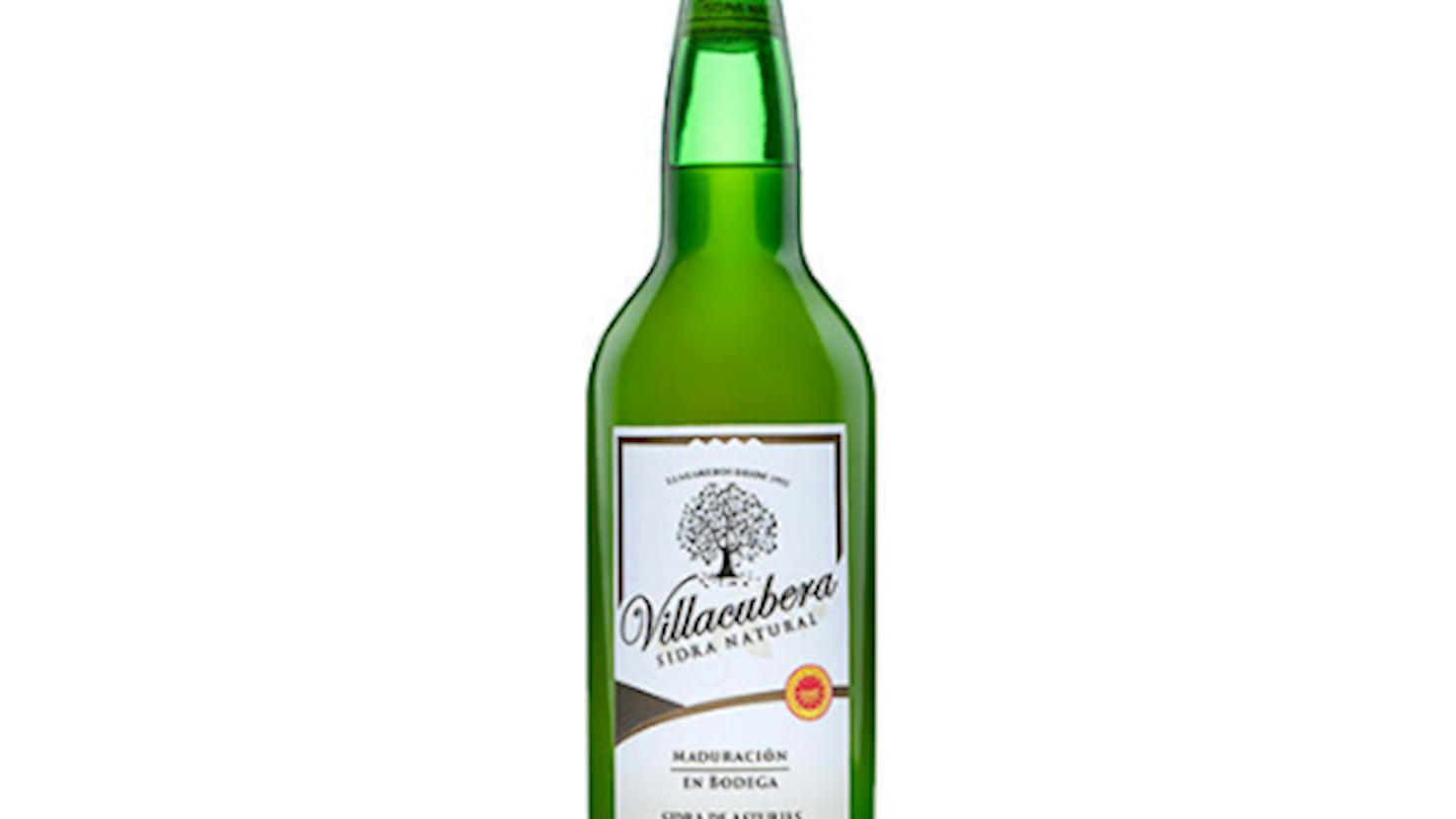
Among their products, Villacubera stands out as a cider made from bitter and sharp apple varieties, aged longer to develop greater aromatic complexity. In addition to traditional styles, the producer has also explored ice cider, showing a willingness to innovate within the boundaries of regional identity.
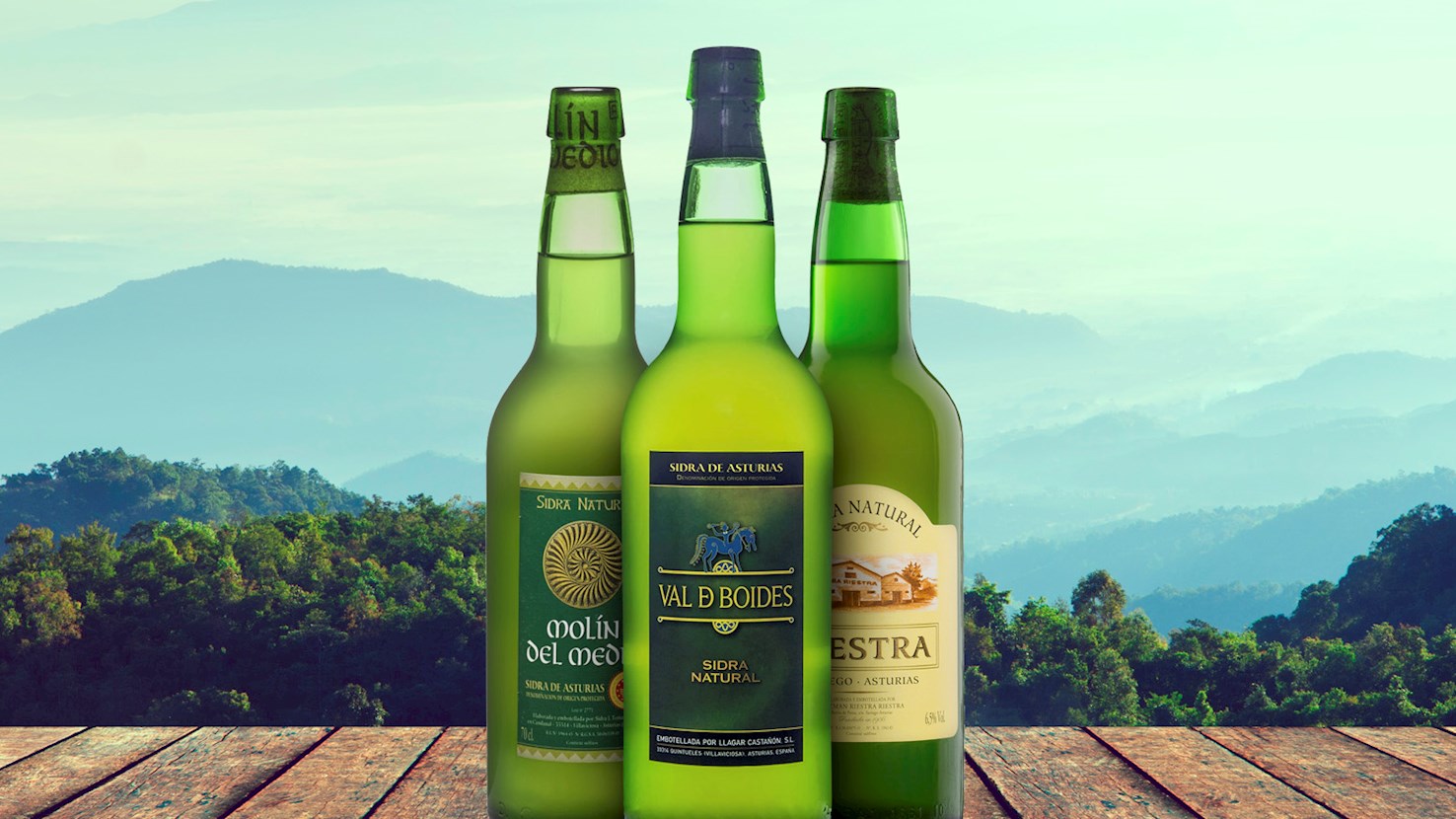
Sidra Castañón is a family-owned cider house based in Quintueles, Asturias, representing a long-standing tradition of cider production in one of Spain’s most recognized cider regions. Founded in 1938, the company is now managed by the fourth generation of the Castañón family, reflecting a strong continuity of knowledge and local heritage.
Their production approach combines traditional Asturian cider-making methods with modern facilities introduced in the early 2010s, allowing for greater consistency while preserving authenticity. The focus is on natural cider made from locally sourced apple varieties, fermented without added sugars, in line with the standards associated with the “Sidra de Asturias” designation.
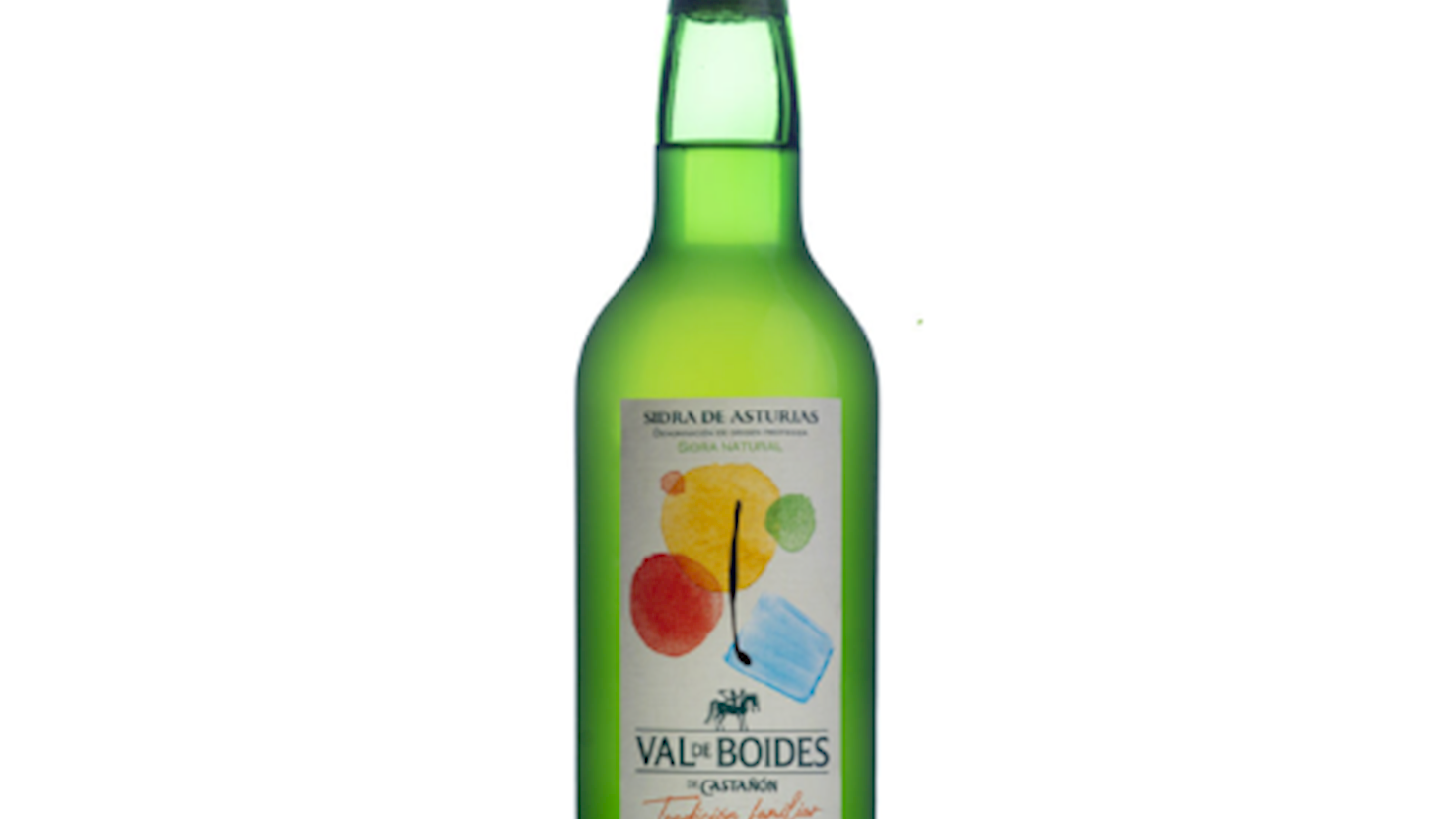
Among their portfolio, Val de Boides stands out as one of their most recognized ciders, having received awards in categories dedicated to traditional natural cider. In terms of sensory profile, their ciders are defined by freshness, marked acidity, and a subtle bitterness typical of the Asturian style, often accompanied by a light natural effervescence.
Sidra Castañón positions itself at the intersection of tradition and controlled innovation, maintaining the regional identity of Asturian cider while refining production processes. In addition to cider-making, the company is also involved in cider tourism, offering visitors insight into the full production cycle from orchard to bottle.
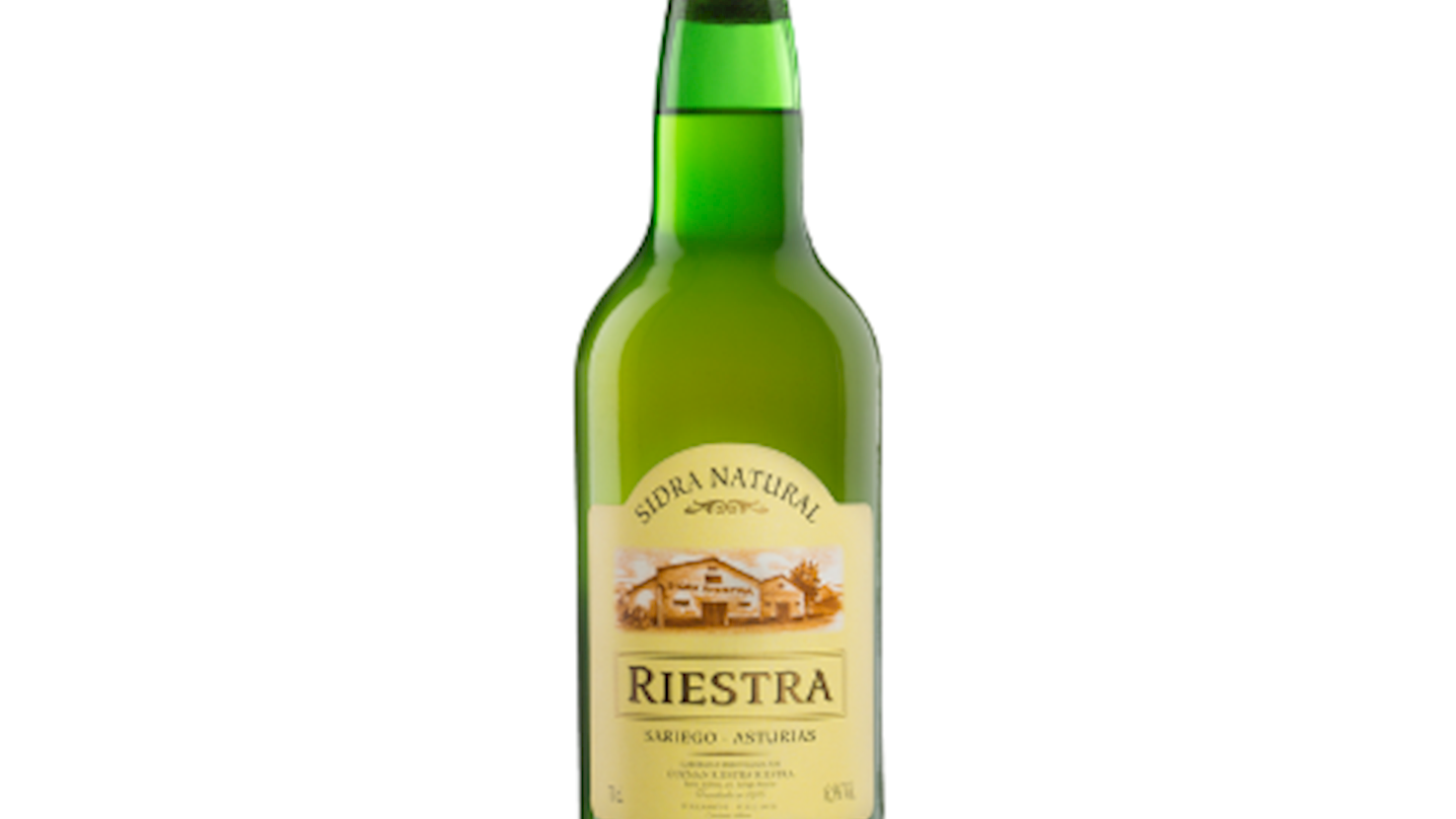
Sidra Riestra is a traditional cider producer from Asturias with origins dating back to 1906, when the first apple press was built within the family household near Gijón. Over time, the operation evolved into an established cider house, with knowledge and production practices passed down through several generations of the Riestra family.
Today, production is based in Sariego, one of the core cider-producing areas of Asturias, where the company continues to follow a largely traditional approach. Their focus is on natural cider made from carefully selected apples, fermented without added sugars in line with regional standards.
The process includes multiple stages of selection and handling, combining manual sorting with controlled production techniques to ensure consistency. In sensory terms, Riestra ciders are characterized by freshness, pronounced acidity, and a subtle bitterness typical of the Asturian style, often with a slightly tannic structure depending on the apple varieties used.
The ciders maintain a rustic and authentic profile, with natural effervescence and a style that leans toward gastronomic use rather than mass-market appeal. Sidra Riestra positions itself as a producer committed to preserving traditional cider culture while gradually integrating modern production practices.
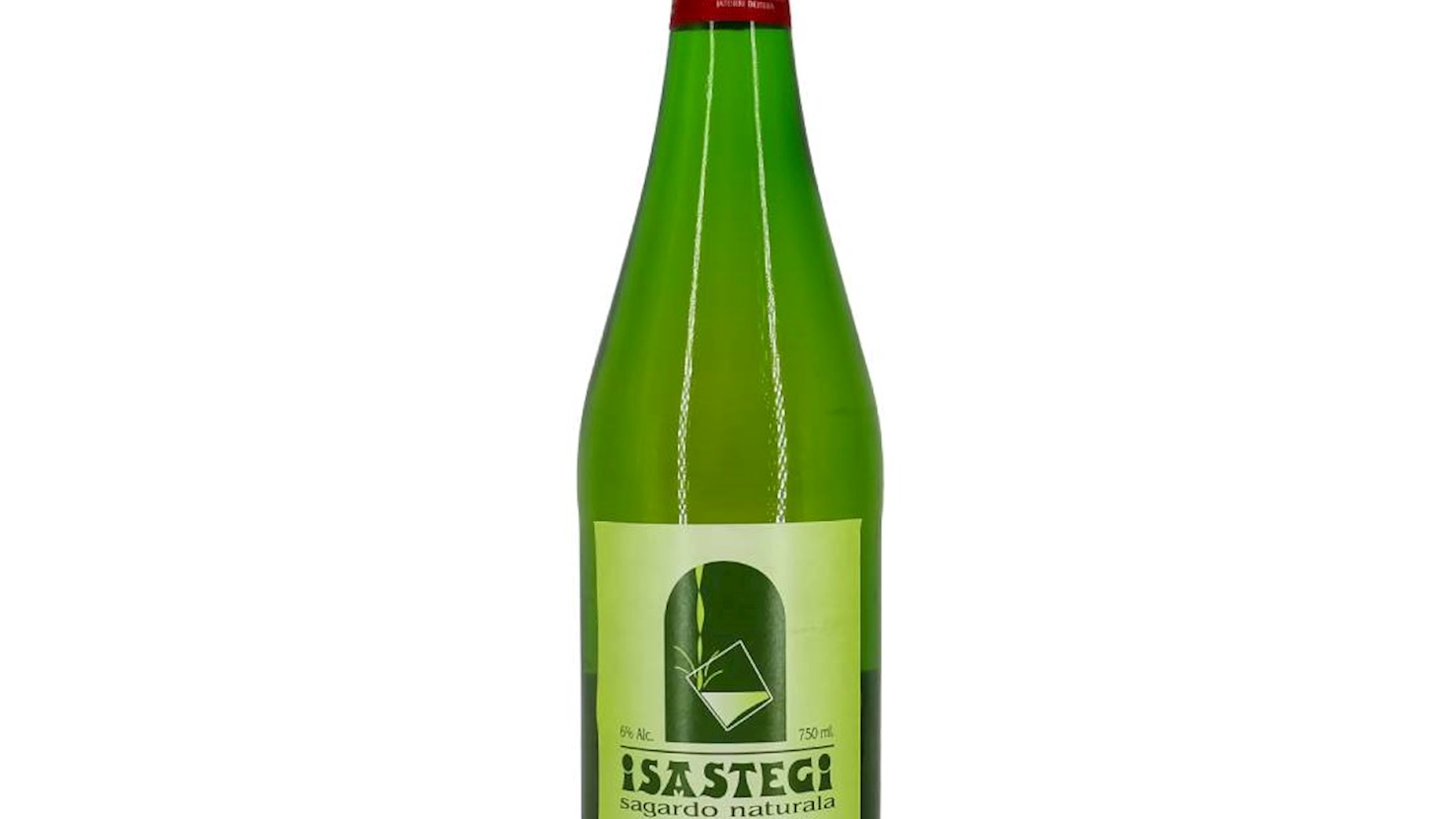
Isastegi Sagardotegia is a traditional Basque cider house located in Tolosa, Gipuzkoa, Spain. During the Txotx season, which runs from January to April, visitors can enjoy freshly poured cider directly from barrels, accompanied by traditional dishes such as cod omelet, cod with peppers, and succulent steak.
This custom of cider tasting with friends and neighbors is a cherished part of Basque culture, offering an authentic and unique experience at Isastegi.
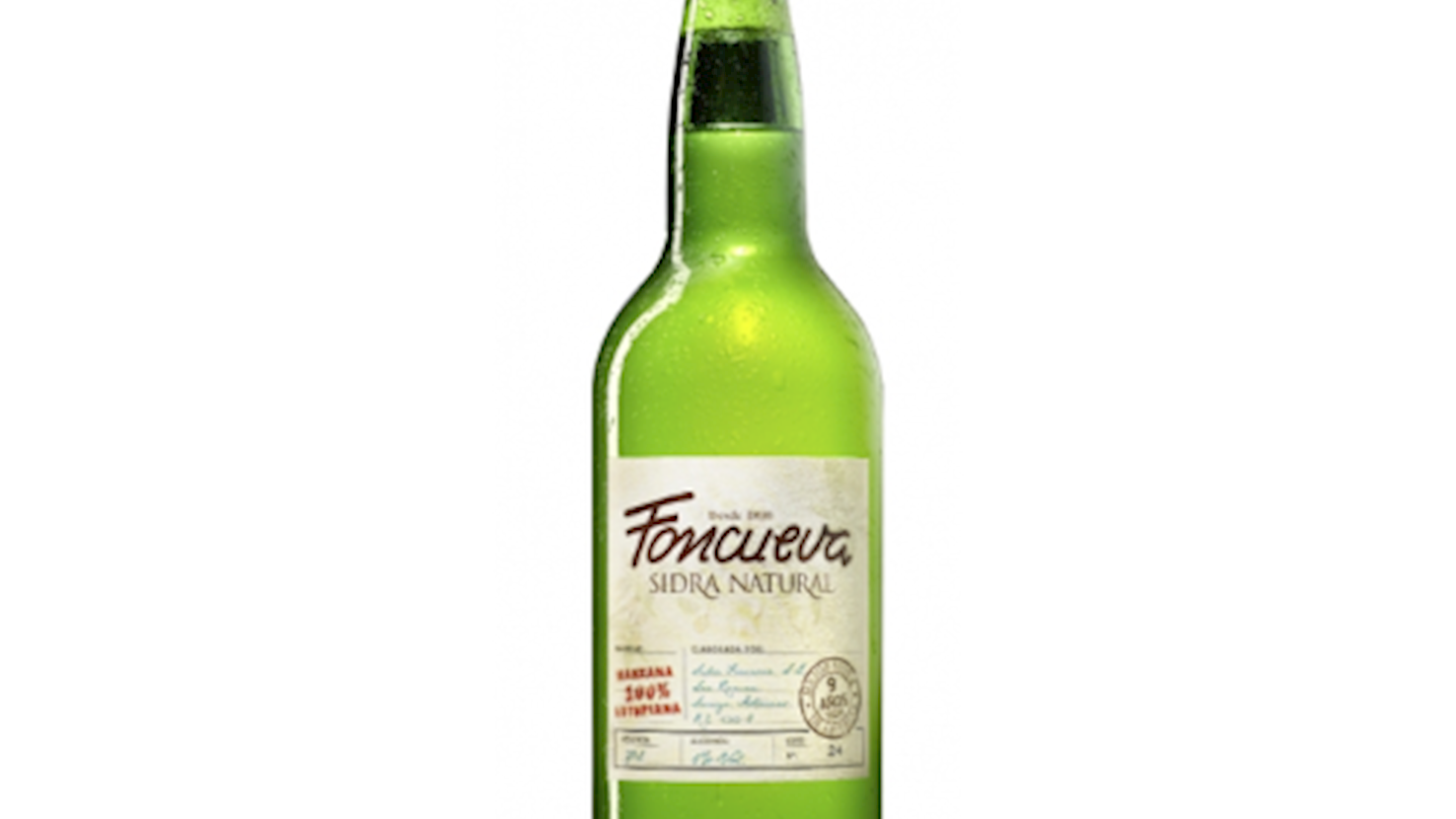
Sidra Foncueva is a cider producer based in Asturias, a region closely associated with traditional cider making and the cultivation of native apple varieties. The company operates with a focus on controlled production and consistent quality, maintaining a scale that allows close supervision of each stage of the process.
Their approach emphasizes careful apple selection and small-batch work, enabling greater precision during fermentation and improved stability in the final product. The ciders are produced according to Asturian tradition, blending different apple varieties to achieve balance between acidity, bitterness, and subtle fruit character.
Most of their range falls within the “sidra natural” category, meaning the cider is unfiltered and retains a slightly cloudy appearance along with a more direct, rustic expression. Aromatically, this style typically shows fresh apple notes, light earthy tones, and a clean, dry finish.
Foncueva positions itself between artisanal practice and technical control, without moving toward large-scale industrial production. The portfolio remains focused rather than extensive, reflecting a clear stylistic direction aligned with regional standards.
Within the Asturian cider landscape, the producer contributes to the diversity of smaller-scale cider houses that sustain and develop traditional cider culture.
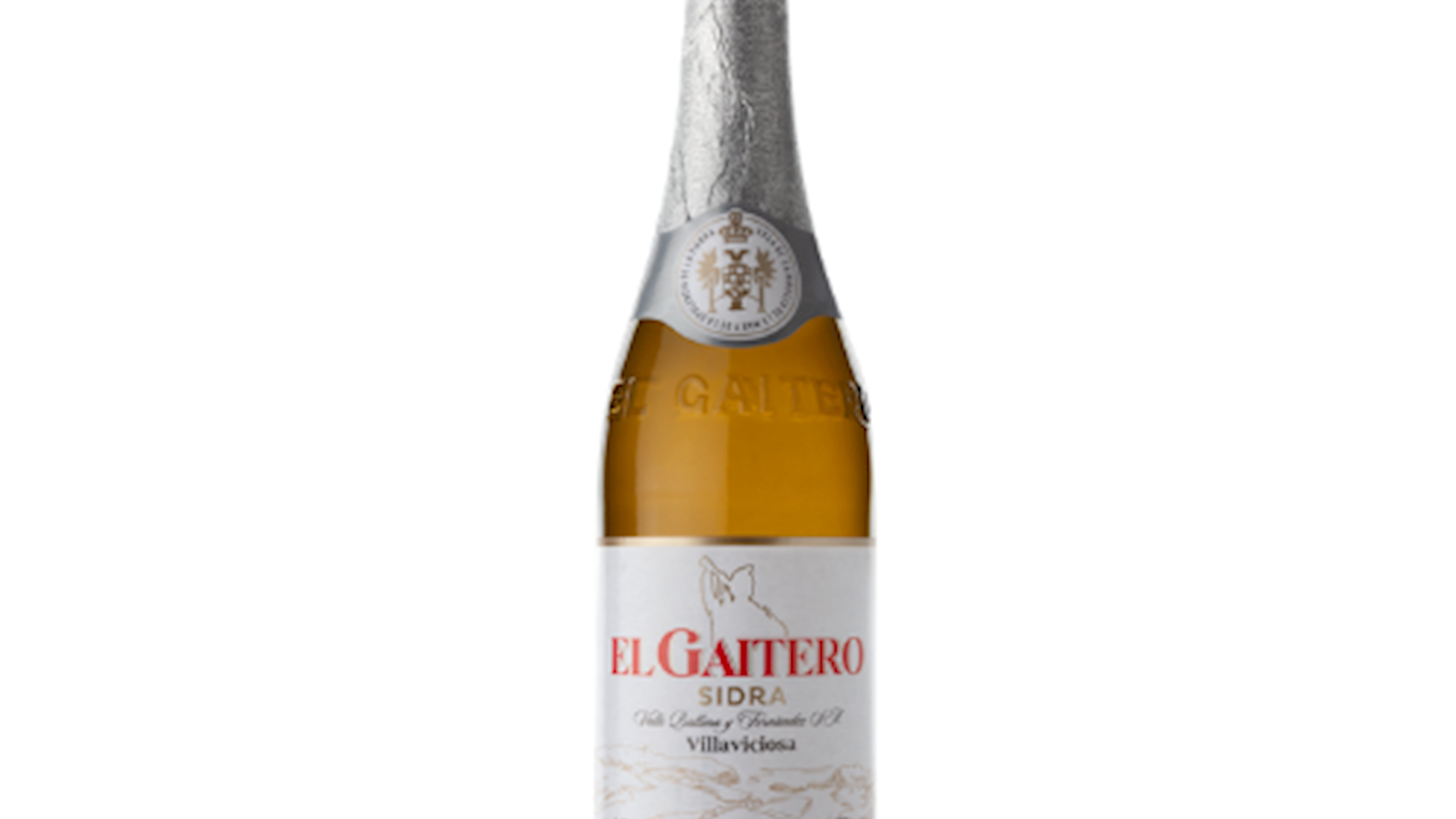
Sidra El Gaitero is one of the most recognizable Spanish cider producers, based in Villaviciosa in the Asturias region, an area with a deep-rooted tradition of cider making. Founded in 1890 by the Valle brothers, the brand quickly became associated with Asturian cider and gained strong international presence, particularly in Latin America, where it was embraced by Spanish emigrant communities.
Production is based on locally sourced Asturian apple varieties, carefully selected and processed through controlled fermentation to achieve a balance between freshness, acidity, and fruit expression. Over time, the company has expanded its range beyond traditional natural cider to include sparkling and filtered styles, making its products more accessible to a wider audience.
Its most iconic cider is known for a slightly sweet profile and pronounced apple aroma, offering a softer and more approachable alternative to drier traditional ciders. Today, Sidra El Gaitero operates on a large scale while maintaining a clear connection to regional identity and raw materials, with products widely distributed across retail and hospitality channels.
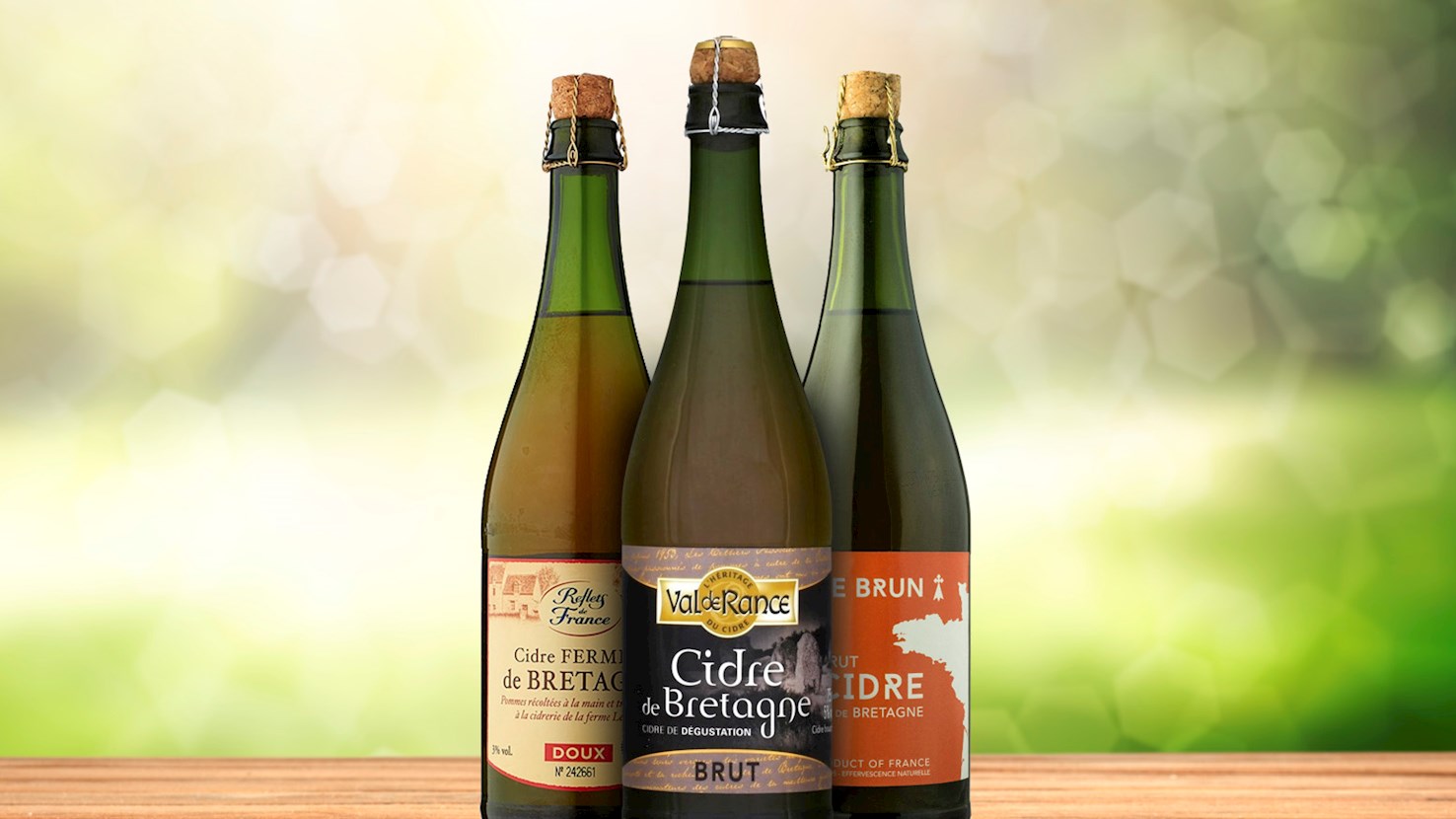
Cidre de Bretagne are ciders produced in the Brittany region in France, clear or muddy alcoholic beverages made by the fermentation process, with a foamy head and fine bubbles throughout the body. The ciders vary in color from yellow to brown, according to their geographical positions, so ciders from Ille-et-Vilaine, which are more acidic, have a lighter color, and ciders from Finistére have a darker color because of the bitter apples from the area. Britanny ciders have a rich, rustic, fruity, flowery and bold flavor, and develop spicier flavors as they mature. When in Brittany, do not be alarmed when you order a cider and get it served in a cup instead of a glass, it is a traditional oddly-shaped tea cup, with or without handles, used to drink the local ciders.
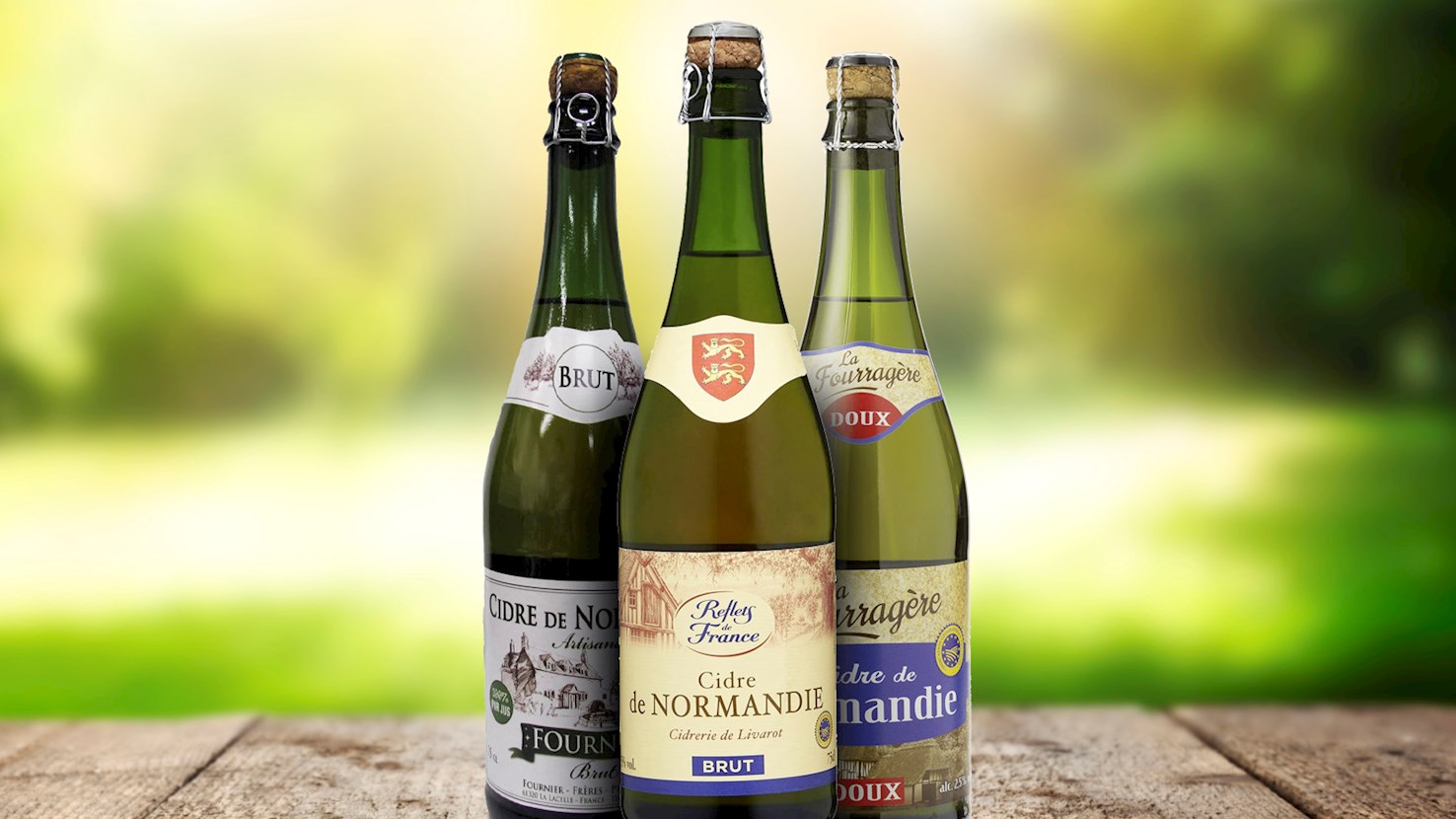
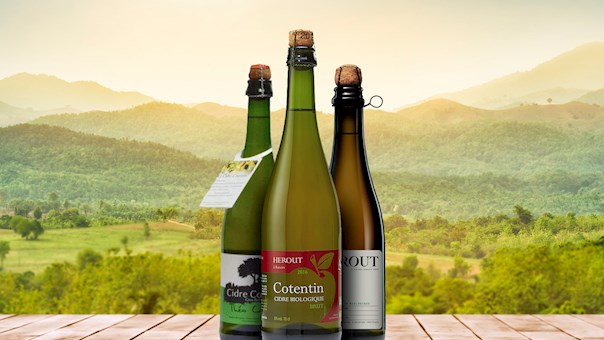
Cidre de Normandie is a cider, clear or muddled alcoholic beverage made through the process of fermentation in the French region of Normandy. Ciders from Normandy are light yellow to dark orange, with a foamy head and fine bubbles throughout their liquid body. The flavors are intense and rich - fruit, flowery and sweet, with a plethora of undertones reminiscent of apple, citrus fruit, peach, apricots, aniseed, lime, rose, cocoa, caramel and honey. The apples used in the process are sweet or bittersweet varieties, with the addition of perry pears to make the Normandy cider characteristically more acidic. Due to the slow and long fermentation, a deeper, sweeter flavor is produced, making the cider a great drink at the end of a big meal.
Sidra de Asturias or Sidra d'Asturies is an apple cider made with fresh, locally-grown apples or apple must in Asturia, a mountainous region in Spain. There are three products protected under this designation: Sparkling cider, Natural Traditional cider, and Natural New expression cider, all of which have a minimum alcohol content of 5 %. Sidra de Asturias is traditionally sold in sidrerias, where the bartender serves the cider in rustic glasses. A traditional way of pouring, known as escanciado, sets it apart from any other cider type - the glass is held at hip height, while the bottle is held as high as possible in order to carbonate the drink as it "breaks" against the glass. Asturian cider is also often used as an ingredient in local gastronomy, especially in a variety of different marinades and sauces.
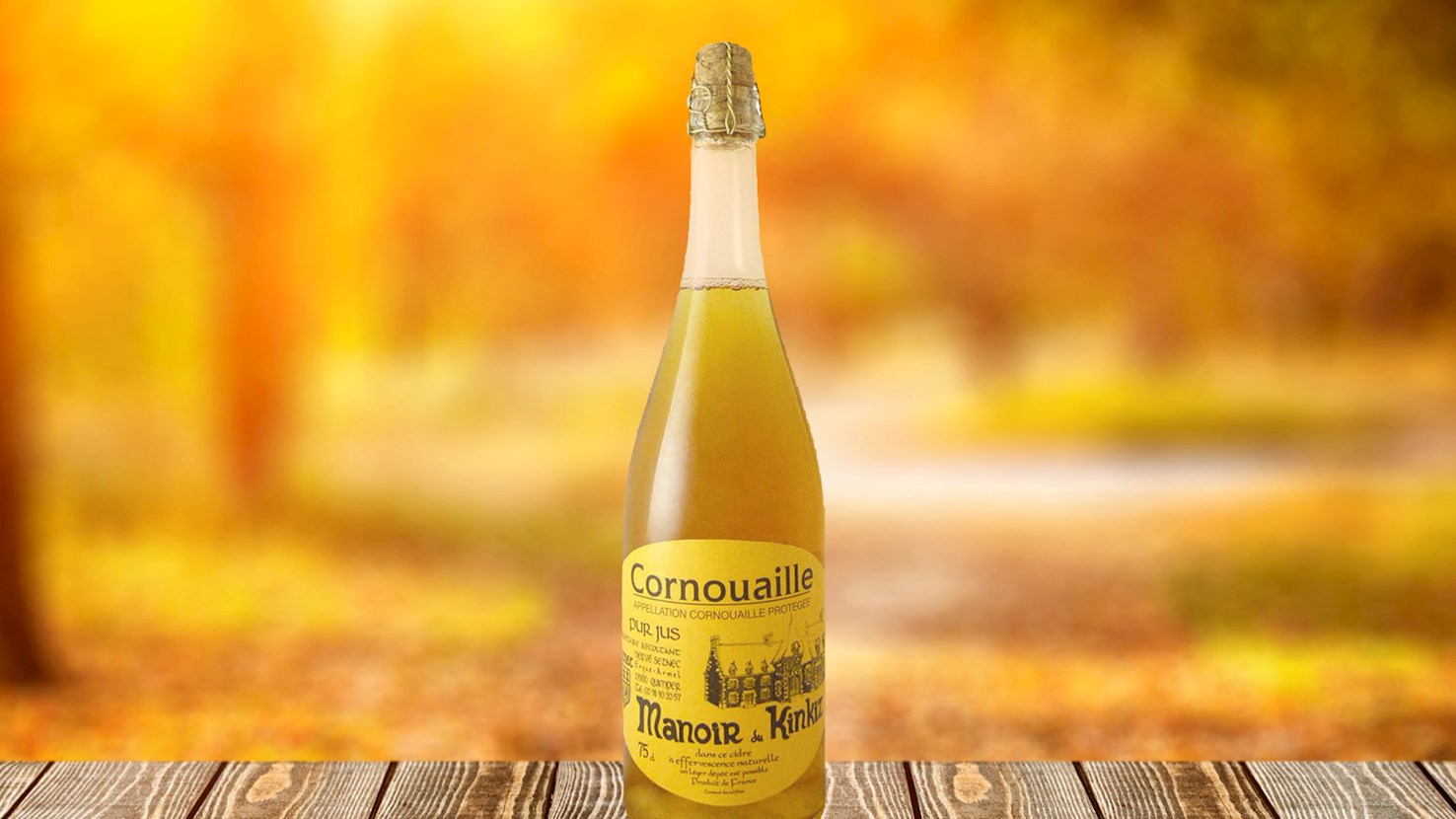
Cornouaille is a traditionally made cider produced since the 14th century from cider apples that have been grown in the region of Bretagne in France since the 6th century. During the production process, the apples are crushed or grated and the juice is fermented, and no water, sweeteners or carbonation can be added to the final product. Since the apples have a high content of natural sugar and tannin, the cider is unique for its reddish-brown orange color and a bittersweet aroma of orange peel and fresh apples with a mild acidity, leaving a nice, dry feeling on the palate.
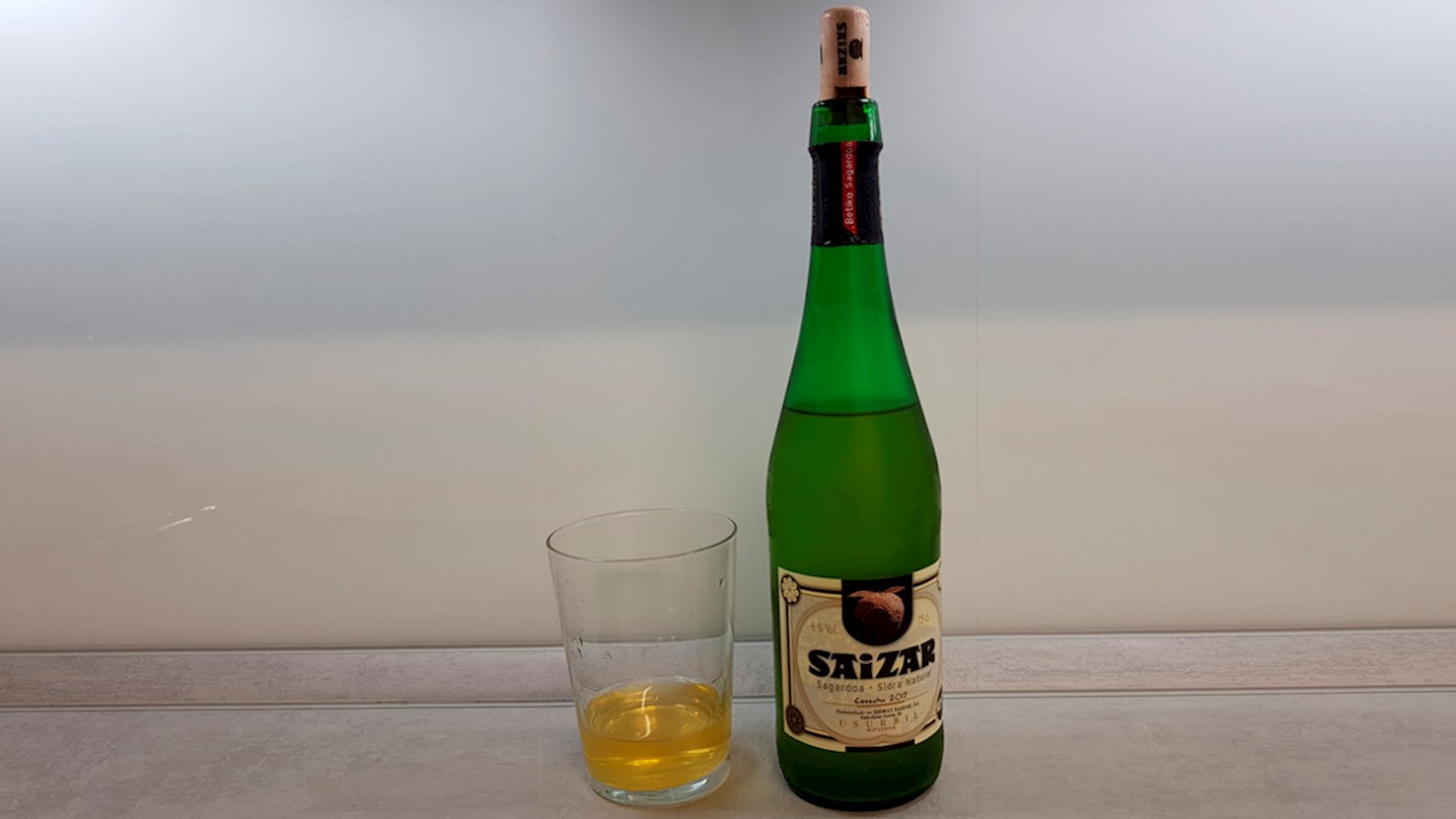
Basque cider is a naturally produced apple cider from the Basque Country. It is made from pressed apple juice that is then fermented into a cider. Basque cider does not include sugar or any other additions, and more than 100 bitter, acidic or sweet apple varieties are used in its production. In its native region, this famed cider is known as sagardo or sagarno. To make the cider, the apples are pressed to extract the juice. The juice is then filtered and allowed to ferment, usually for several months. The cider is produced in several styles, though the bone-dry version is prevalent. It typically ranges from pale yellow to golden and has a firm body and bright acidity. The alcohol level usually ranges from 5 to 11% ABV. It is believed that the cider tradition in the Basque region might date back to the Middle Ages. Despite the significant decline that started in the 17th century, the entire industry has been revitalized in the mid-20th century, and since the 1960s, Basque cider has been promoted as one of the most recognizable Basque products. The beginning of the cider season (sagardo denboraldia) starts in January and continues until April. In the past, the tradition of tasting cider in cider houses (sagardotegi)—which was often accompanied by regional snacks—was mainly reserved for the locals who would come to taste and buy the cider for their establishments. This practice began to change in the mid-20th century when cider houses saw this as an opportunity to elevate the whole tasting experience. Today, a visit to the region is not complete without a stop to several cider houses. The cider is kept in the barrels, and it is poured directly into the glass. The wooden cork (txotx) is pulled, allowing the cider to flow in a thin stream. The visitors need to strategically catch the cider with a glass. When poured correctly, the cider will be topped with foam, which should quickly disappear. The whole cider experience is accompanied by Basque dishes that come served on small plates. The dishes are usually traditional and straightforward, such as chorizo in cider, cod omelet, cheese, and quince jelly. At many cider houses, people typically eat standing, gathered around high tables. In its beginnings, cider was not bottled, and it was only kept in barrels and enjoyed during the season. Nowadays, most producers bottle the cider, making it a year-round beverage. Most production of apple cider in Basque is centralized in Gipuzkoa, while Astigarraga is known as the capital of cider.
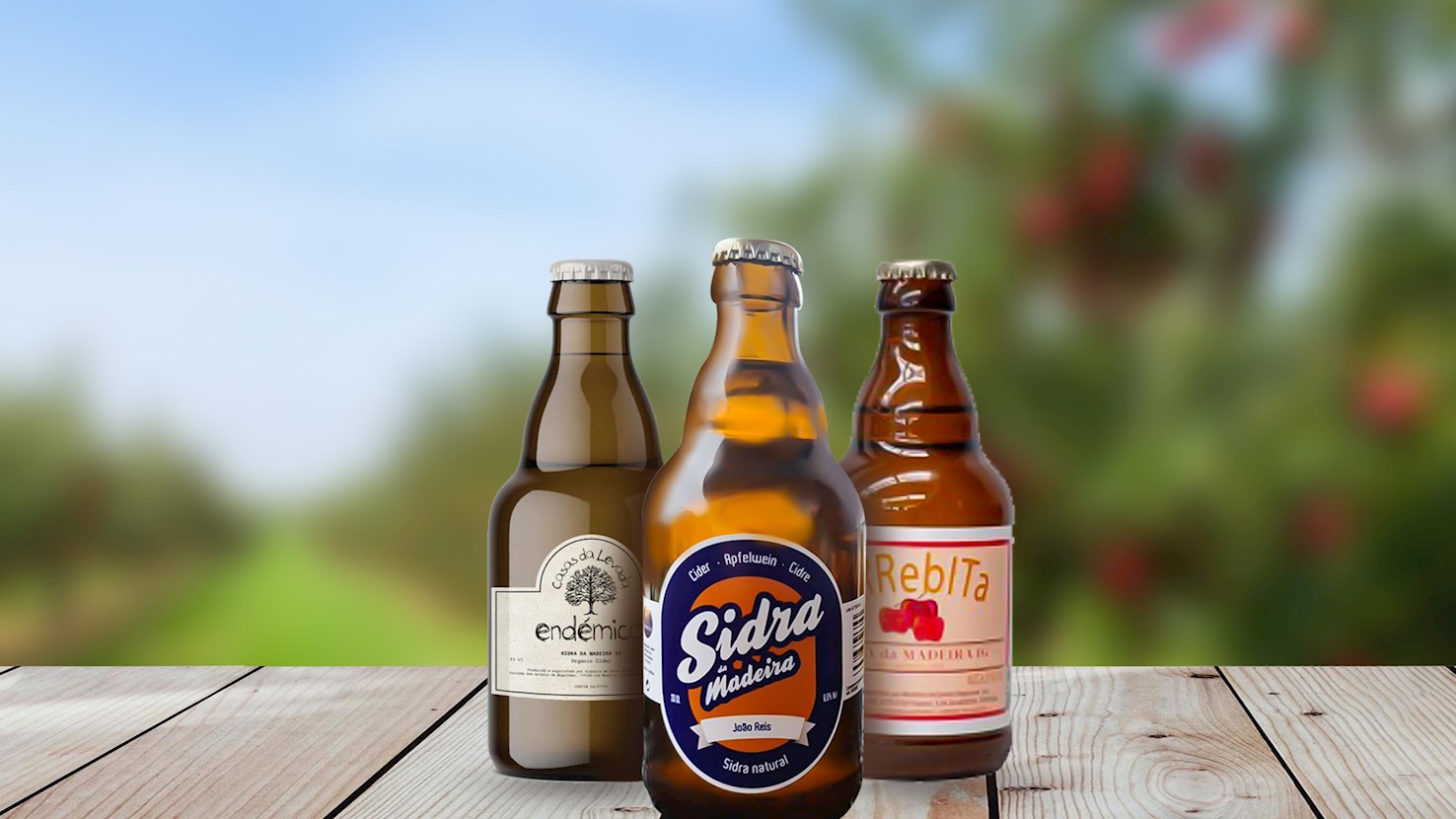
Sidra da Madeira is a cider made from the natural fermentation of fresh apple juice, sometimes mixed with pear, from traditional and other varieties exclusively grown on Madeira Island. It showcases a unique blend of colors, aromas, and flavors, with a notable freshness attributed to its particular acidity. The natural sugars in the apples and potentially pears are converted to alcohol through fermentation. This process typically occurs using the natural yeasts present on the fruit itself or within the fermentation containers, resulting in a cider with a minimum alcohol content of 5% ABV. Sidra da Madeira is generally known for its dry and acidic character. It can be enjoyed as a sparkling cider with added carbonation or as a still cider without bubbles. Sidra da Madeira has been awarded a Protected Geographical Indication (PGI) status by the European Union.
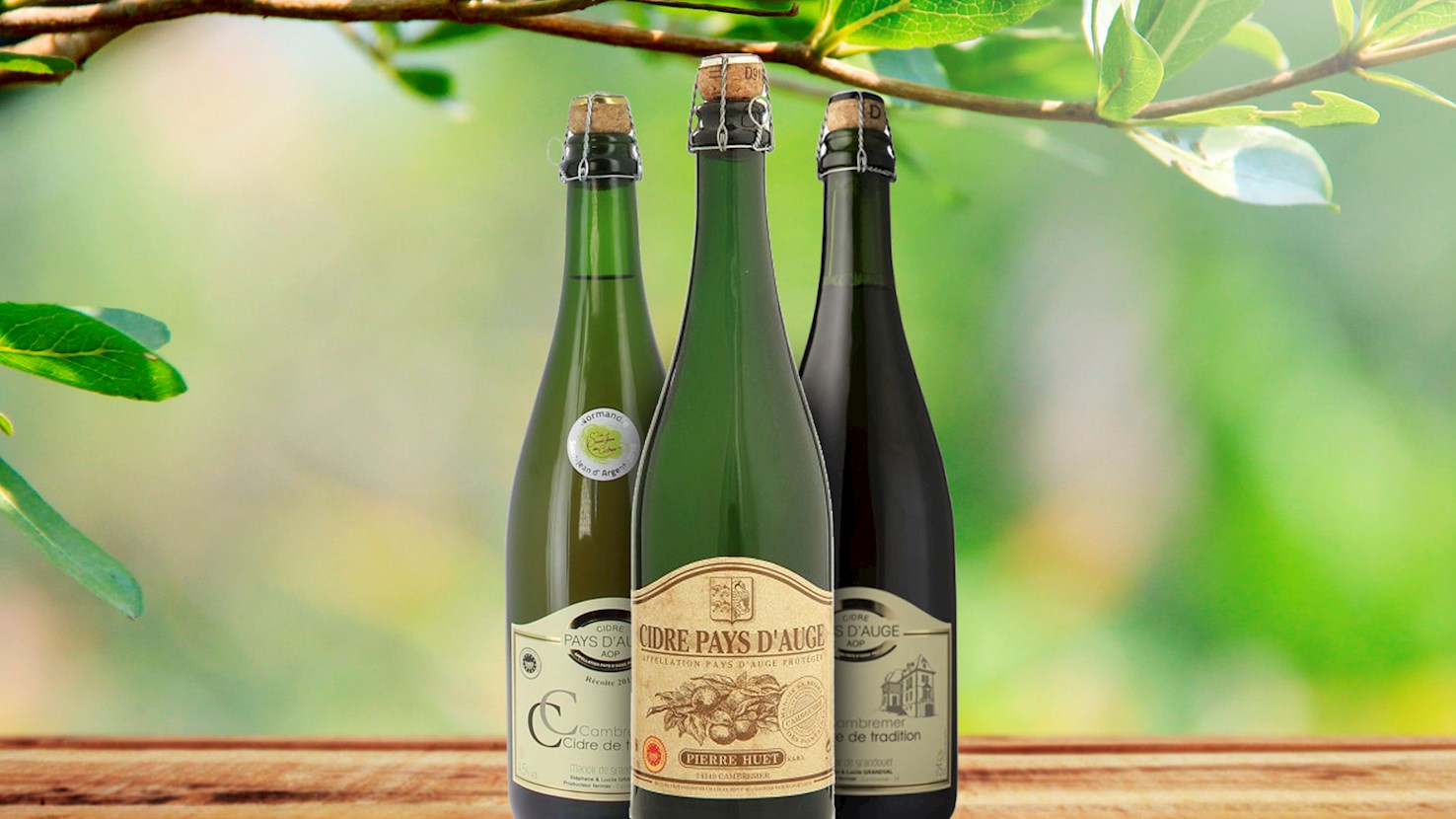
Pays d'Auge Cambremer is a cider made by the process of fermentation of a traditional variety of apples in the French regions of Lower and Upper Normandy. The Cambremer area is in the middle of the Pays d'Auge. The fermentation of the chopped or grated apples is a slow process, and the final product is an unsweetened, unpasteurized and natural cider with a fruity flavor and an amber color. It has a perfect balance of acidity and sweetness and has been renowned for its quality since the time of King Henry IV when his doctor mentioned the unique cider in his writings. It still holds a very high reputation in France and is sold in glass bottles of different shapes and sizes that are suitable for the internal pressure resistance caused by the final stage of fermentation. Locally, it is enjoyed after a hearty meal and goes especially well with seafood or poultry dishes.
Vermut de sidra is an Asturian aperitif made with cider, especially associated with the cider-producing areas around Gijón, Villaviciosa, Nava, and other towns with active llagares (cider press or mill). It takes the idea of vermouth, usually based on wine flavored with botanicals, and adapts it to a region where cider is one of the main drinks of local life. Some versions are made mostly from Asturian natural cider, while others blend cider with white wine and botanicals, so the exact style depends on the producer. Roxmut from Llagar Castañón is one of the best-known examples and is made with Sidra de Asturias DOP as the main base, herbs, 15% alcohol, and a period in wood. Alma from Sidra Trabanco is another important version, made by blending Asturian cider with vermouth based on white wine. These drinks appeared as part of a newer wave of Asturian cider products, but they are not random inventions; they come from a place where cider houses, apple varieties, and the work of local cider mills already had a strong public identity. In older family and bar culture, cider was usually poured and drunk on its own, while vermouth was more associated with the Spanish aperitif hour. Vermut de sidra brings together two habits: the apple acidity and freshness of Asturian cider, and the bitter, herbal, lightly sweet profile of vermouth. Producers make it by starting with a cider or cider-wine base, then adding botanicals such as wormwood, gentian, chamomile, oregano, citrus peel, spices, or other herbs, depending on the recipe. Some versions age in barrels, which softens the edges and gives the drink a rounder color and taste. The result is usually amber or golden, with apple notes, herbal bitterness, citrus, spice, and enough acidity to keep it from feeling heavy. It is normally served cold, often over ice, with an orange slice, lemon peel, olive, or sometimes no garnish at all. People drink it before lunch or dinner, in bars, cider houses, vermouth bars, restaurants, food shops, and at home, usually in the same social space where vermouth and cider culture overlap. It does not need to be mixed, though it can be used in cocktails when a bartender wants apple acidity in place of a standard vermouth base. In Asturias, it fits naturally with salty snacks and small plates, especially anchovies, olives, mussels, cockles, potato chips, pickles, cured cheese, chorizo, empanada, croquetas, grilled seafood, oysters, and simple conservas. It also pairs well with tortilla española, fabes-based small plates, roasted peppers, crusty bread, and mild blue cheeses, as long as the drink has enough sweetness to balance them.
Poiré de Domfront is an elegant, naturally sparkling perry (pear cider) exclusively crafted in the Domfront region of Orne. Showcasing a pale straw-gold hue and delicate, persistent bubbles, this low-alcohol beverage is celebrated for its lively acidity, subtle sweetness, and an aromatic bouquet brimming with fresh pear and floral notes. Its origins are deeply rooted in the region's ancient, high-stem pear orchards, where local producers gradually developed a refined style entirely distinct from the area's robust apple ciders—a unique heritage formally recognized with an official geographic designation in the late 20th century. The production process is meticulous: designated perry pears are hand-harvested at peak ripeness, crushed, and cold-fermented over several months. This unhurried method allows the liquid to clarify naturally and develop its own carbonation in the bottle, strictly avoiding any artificially injected gas. While the final profile can range from dry to gently sweet based on the specific fruit blend and fermentation time, appellation laws require a dominant proportion of local Domfront pears to guarantee the drink's signature aromatic finesse. Best served chilled, this refreshing beverage is a sophisticated choice for an aperitif or a table companion, pairing beautifully with delicate foods like shellfish, fresh cheeses, savory crêpes, and light desserts without overpowering them.
Cidre du Pays d’Auge is an apple cider from France produced within the legally defined Pays d’Auge area. It is a naturally sparkling beverage with a pale gold to amber color, moderate alcohol, fine bubbles and a balance of fruit sweetness, acidity and gentle tannin derived from cider apples, offering a fresh mouthfeel and aromas that range from ripe apple and pear to subtle floral and earthy notes. Cider making in this area developed as apple orchards expanded after viticulture declined in northern France, and by the Middle Ages fermented apple drinks were firmly established as a daily beverage, with the Pays d’Auge becoming known over time for careful orchard management and controlled fermentation that distinguished its cider from more rustic farmhouse versions. Production begins with the cultivation of cider apple orchards composed of bitter, bittersweet, sweet and acidic varieties, harvested in autumn and milled to extract juice that is slowly fermented at low temperatures, often over several months, allowing natural clarification and the development of fine carbonation before bottling. The cider matures in tanks or bottles until its flavors integrate, with no forced carbonation, resulting in a beverage that reflects both apple selection and fermentation pace. Variations include dry, semi-dry and sweet styles depending on the balance of apple types and fermentation duration, as well as still and more effervescent expressions, while a defining element of Cidre du Pays d’Auge is the strict use of apples grown within the designated area and the emphasis on slow fermentation that preserves aromatic complexity. It is consumed in homes, bistros and restaurants, served chilled as a table drink, used in cooking with poultry, pork or sauces, and paired naturally with dishes such as crepes, cheeses, seafood or apple-based desserts where its acidity and fruit character complement the food without overpowering it.
TasteAtlas food rankings are based on the ratings of the TasteAtlas audience, with a series of mechanisms that recognize real users and that ignore bot,
nationalist or local patriotic ratings, and give additional value to the ratings of users that the system recognizes as knowledgeable.
For the “Top 11 Western European Ciders” list until July 01, 2026, 228 ratings were recorded, of which 199 were recognized by the system as legitimate.
TasteAtlas Rankings should not be seen as the final global conclusion about food. Their purpose is to promote excellent local foods,
instill pride in traditional dishes, and arouse curiosity about dishes you haven’t tried.
The initial list of top producers was compiled based on available reviews, awards, local recommendations, media and blog coverage, and consumer reviews.
The list will be updated with ratings from TasteAtlas local ambassadors and TasteAtlas users.