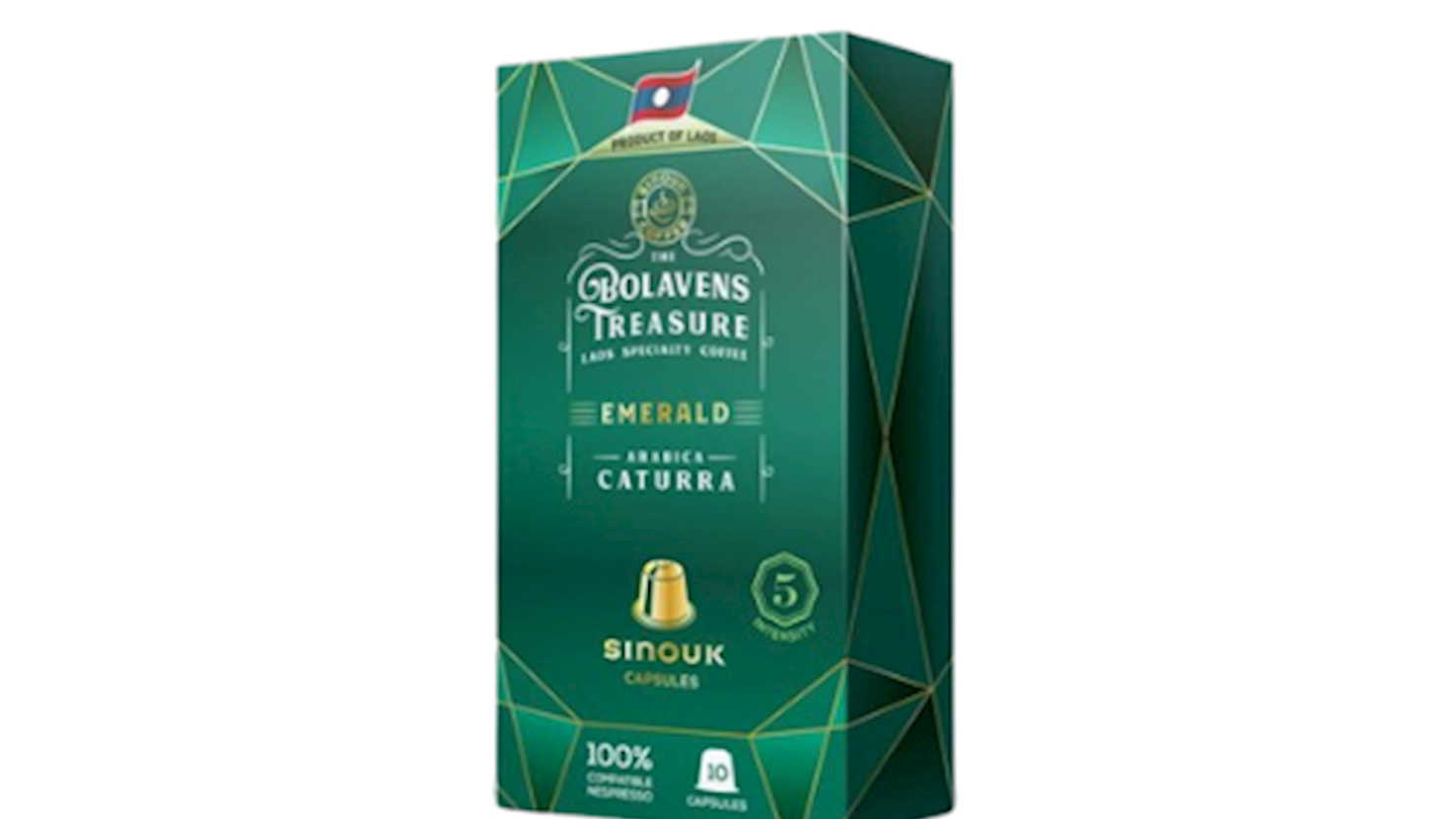
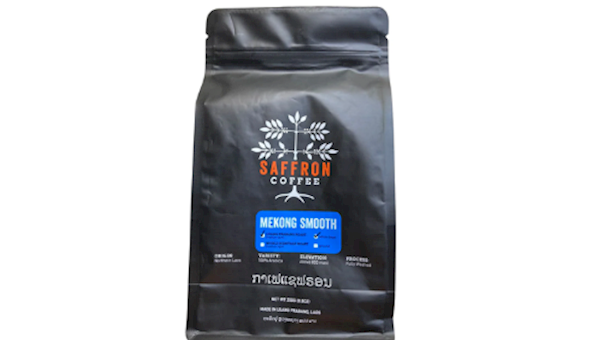
Sinouk Coffee is one of the most influential and established coffee producers in Laos, deeply rooted in the Bolaven Plateau - a region known for its volcanic soil and cool, high-altitude climate ideal for cultivating high-quality Arabica. Founded in 1994, the company is considered a pioneer of modern Lao coffee, developing its own plantations, controlling every stage of processing, and promoting awareness of local origin and quality.
The beans are hand-picked, processed using both washed and natural methods, and roasted in small batches to achieve a consistent and expressive flavor profile. Their range includes single-origin Arabica, Arabica-Robusta blends, capsules, and drip bags, while the Café Sinouk network and the Sinouk Coffee Pavilion serve as key hubs for coffee culture, education, and tasting experiences.
Sinouk Coffee also plays a significant role in the Lao Coffee Association, making it a central force in the country’s coffee sector and a prominent representative of Lao coffee internationally.
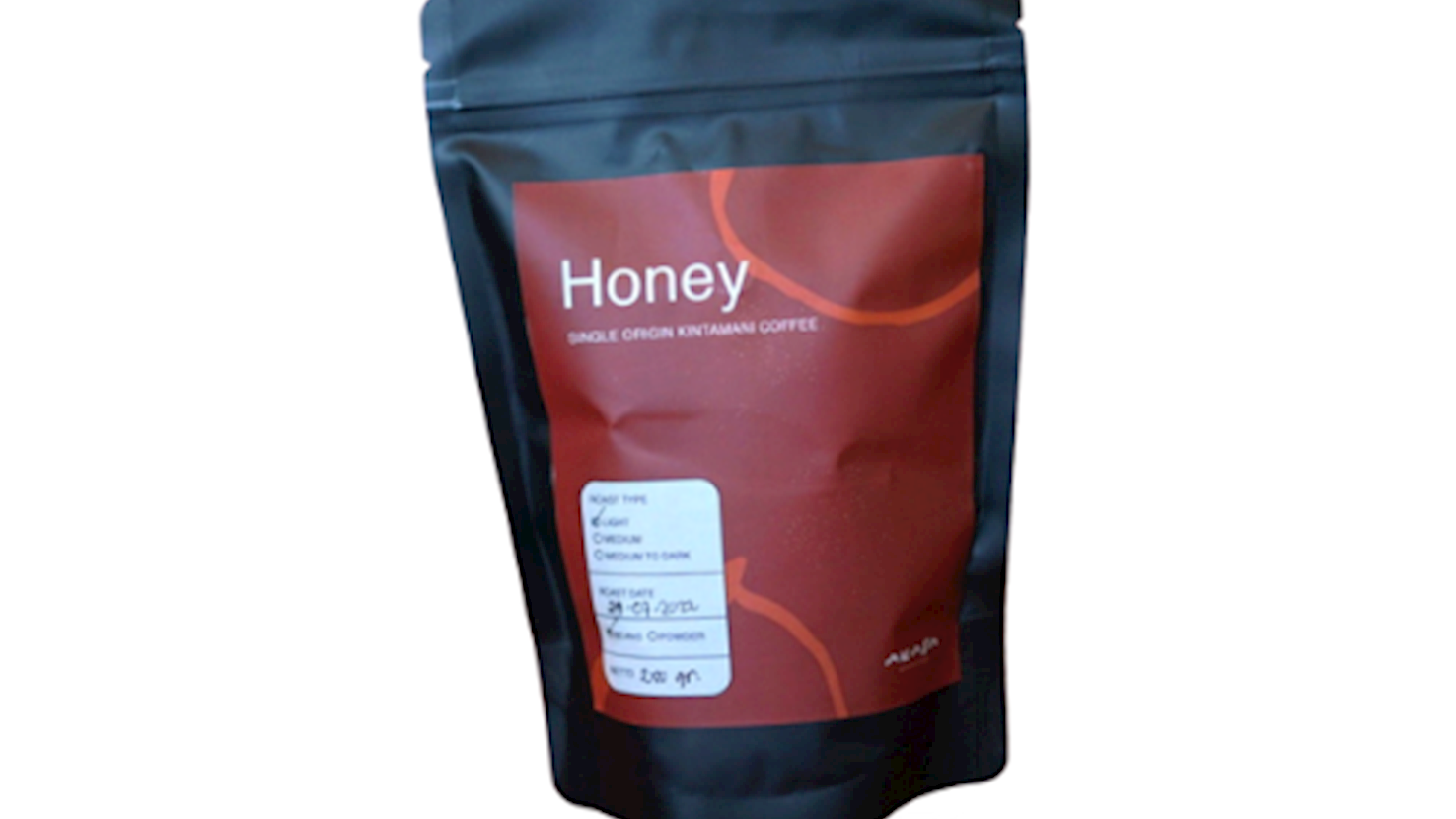
Akasa Coffee is a specialty coffee roastery and brand from Kintamani, a mountainous region in Bali, Indonesia, renowned for its high-quality Arabica beans. Their philosophy, “From Farm to Cup” reflects a deep commitment to every step of the coffee production process – from seed selection, planting, fermentation, drying, roasting, to serving.
The goal is to deliver the authentic taste of Kintamani coffee in every cup. Akasa Coffee focuses on preserving quality and flavor consistency by paying close attention to every detail of production.
Their coffee is processed according to international standards, making them a recognized brand both locally and internationally.
Expat. Roasters is a Bali-based specialty coffee roastery that works exclusively with high-quality Arabica varieties, placing strong emphasis on the richness and diversity of Indonesia’s coffee-growing regions.
The brand collaborates directly with more than fifty smallholder farmers, maintaining short supply chains within roughly a 40-kilometer radius of its roastery and ensuring full traceability from farm to cup. Their portfolio includes single-origin coffees and carefully crafted blends dominated by beans from Bali, Java, Aceh, and other Indonesian terroirs, each roasted with precision to preserve its natural aromatic profile.
Alongside whole-bean offerings, Expat. Roasters produces drip bags, Nespresso-compatible capsules, and basic barista tools, complemented by a training program that covers extraction techniques, latte art, and sensory evaluation.
Sustainability plays a central role in their identity - they promote recycling of coffee by-products, minimize plastic use, and encourage reusable packaging. Expat.
Roasters positions itself as a meeting point between local craftsmanship and global specialty standards, contributing significantly to the development of Indonesia’s contemporary coffee culture.
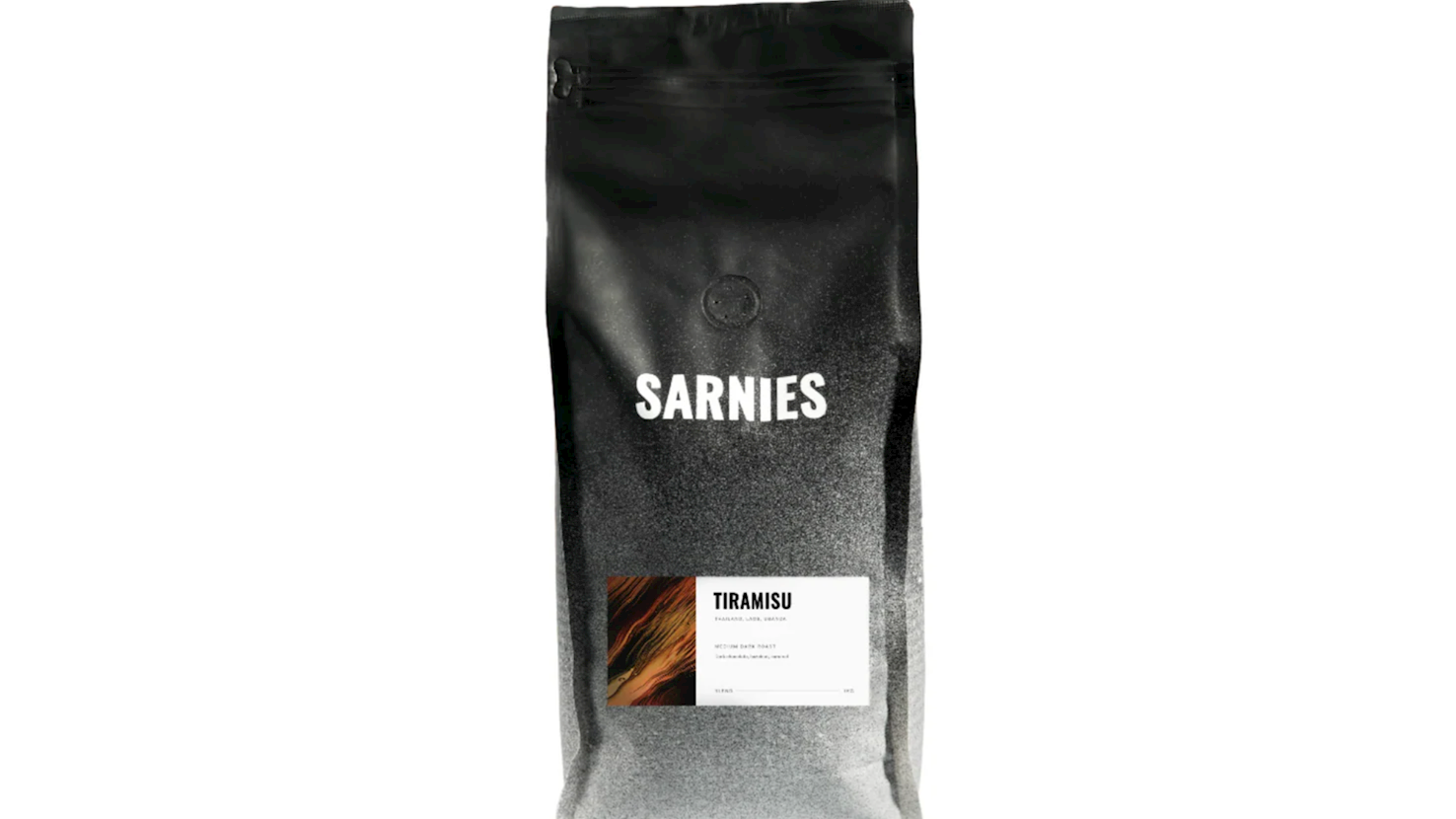
Sarnies Bangkok is a chain of specialty cafés and restaurants established as part of the Sarnies brand, which was founded in Singapore in 2017. The first Bangkok location opened in 2018 in the historic Bang Rak district, occupying a carefully restored former boat repair workshop that is more than 150 years old. The brand's concept combines specialty coffee, artisanal baking, and contemporary brunch cuisine, with a strong emphasis on high-quality ingredients and sustainability. Sarnies serves coffee roasted in its own roastery and collaborates with producers from various coffee-growing regions around the world, while its food menu blends international culinary influences with locally sourced Thai ingredients. The offering includes specialty coffee beverages, naturally leavened sourdough bread, pastries, sandwiches, breakfast and brunch dishes, as well as seasonal specialties. Following the success of its original café, the brand expanded with several locations across Bangkok, each maintaining its own distinctive character while adapting its menu to the surrounding neighborhood.
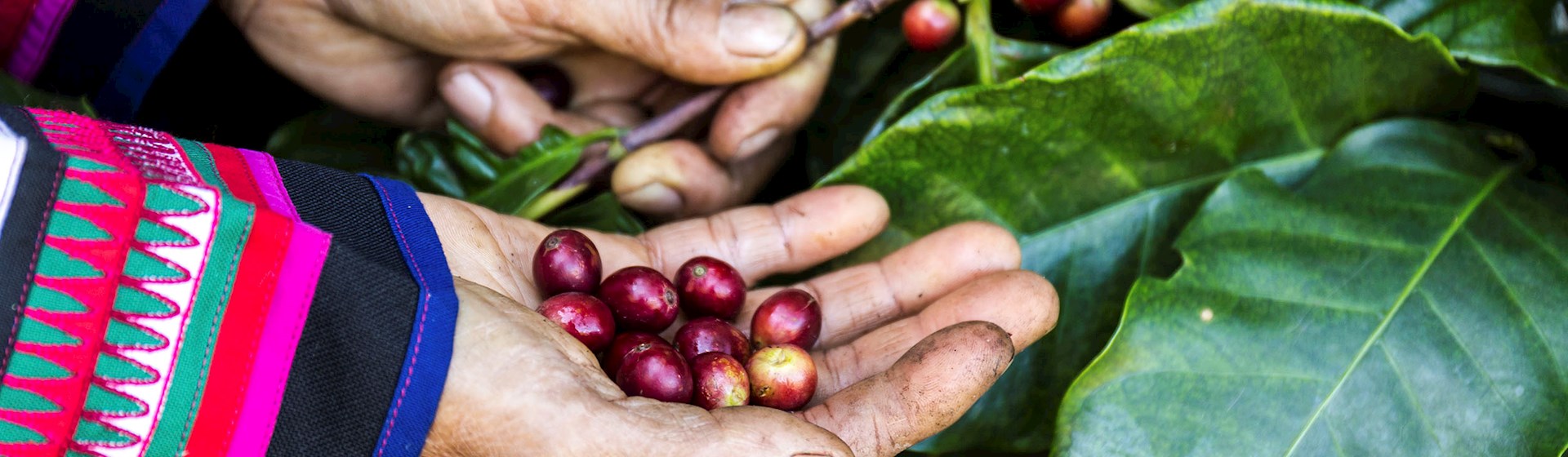
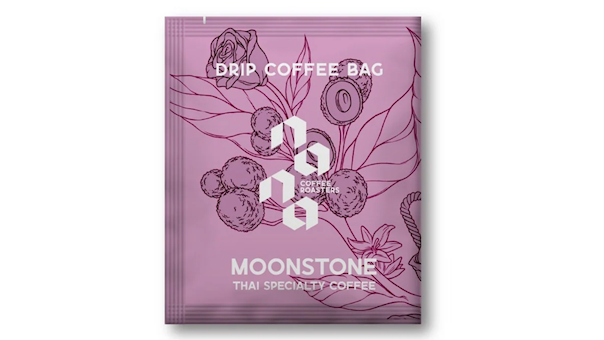
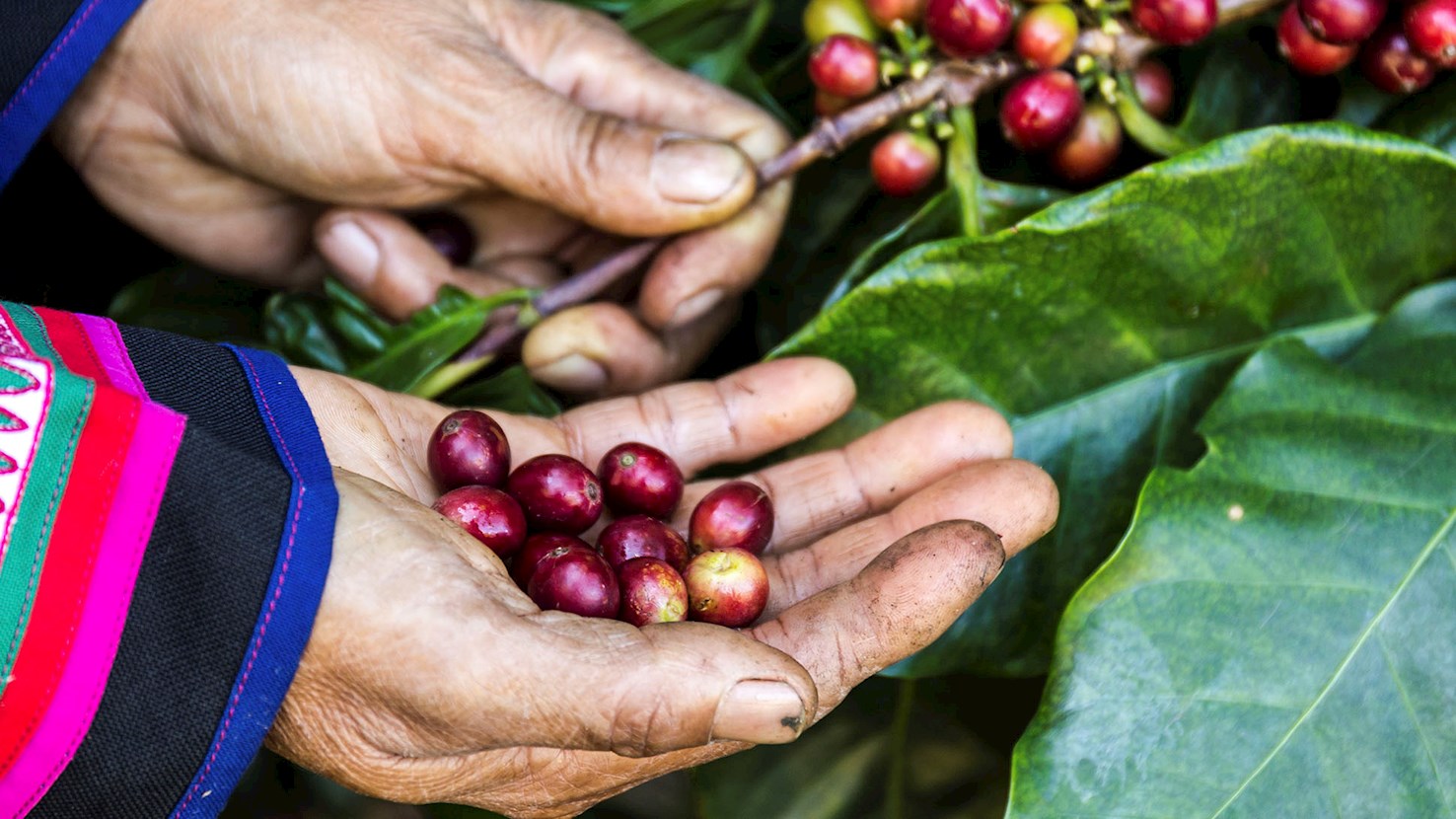
Doi Chaang Coffee is a Thai specialty coffee producer headquartered in Chiang Rai Province, best known for producing single-origin 100% Arabica coffee grown in the mountainous village of Doi Chaang at elevations ranging from approximately 1,000 to 1,700 meters above sea level. The company was established in 1990 as a cooperative of the local Akha community with the goal of improving coffee quality and creating a sustainable source of income for local farmers. Coffee cultivation was introduced as part of a crop substitution program that replaced opium poppy farming, and today production is based on sustainable agricultural practices in cooperation with hundreds of local growers. Only Arabica coffee varieties are cultivated, with the cherries being hand-picked, carefully sorted, and processed to preserve their distinctive origin characteristics. The company oversees the entire production process, from cultivation and processing to roasting and packaging, ensuring consistent quality. Doi Chaang Coffee holds a Geographical Indication (GI) designation for coffee produced in the Doi Chaang region, and its products are exported to numerous international markets. In addition to roasted whole bean and ground coffee, the company operates coffee shops and actively promotes Thai specialty coffee worldwide.
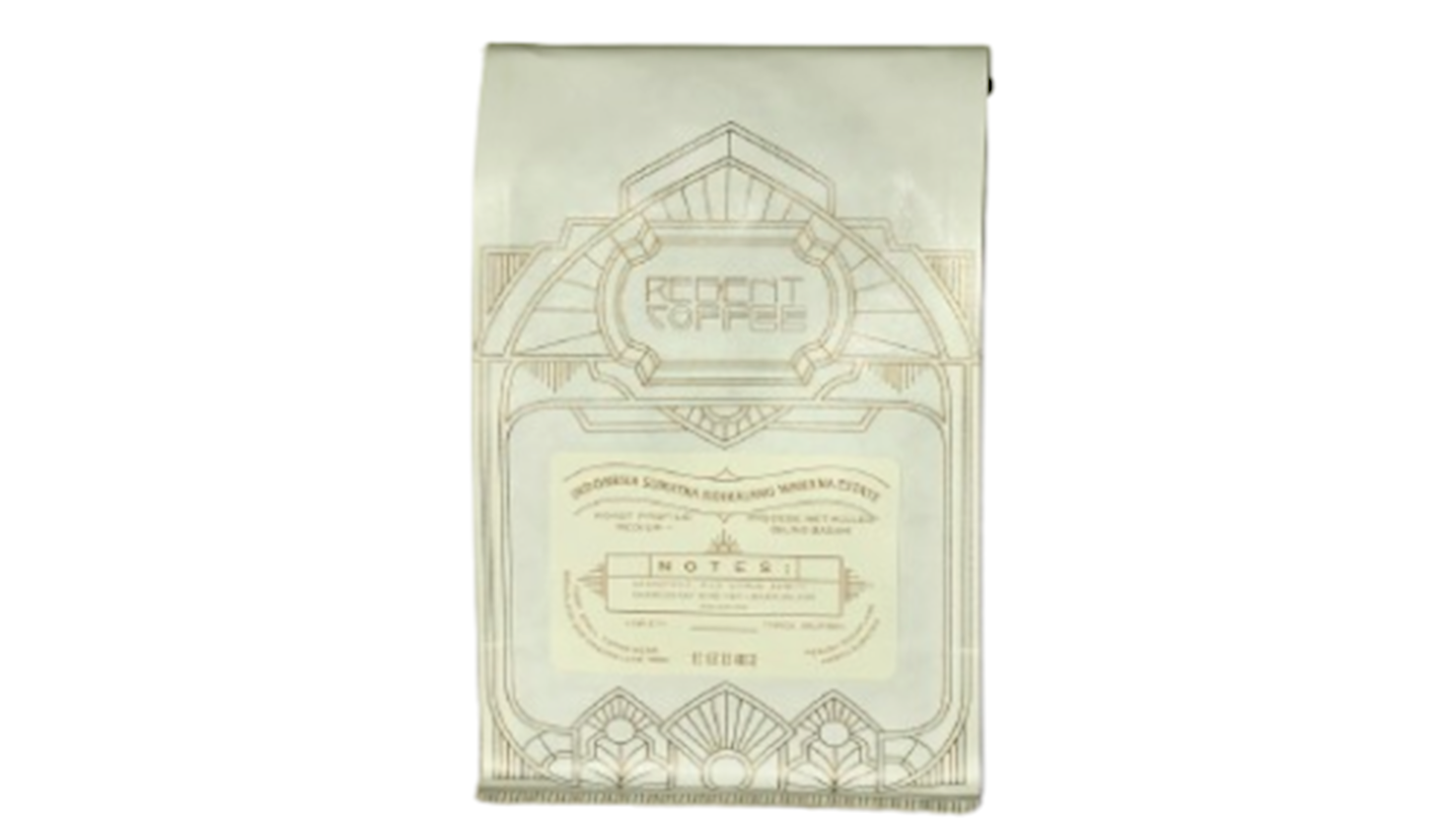
Wahana Estate is one of the most renowned and innovative coffee plantations in Indonesia, located in the Sidikalang region at elevations ranging from 1,300 to 1,500 meters above sea level in North Sumatra. Established in 2005, the estate is owned by the company PT Wahana Graha Makmur, and its name, “Wahana”, symbolically means “a vehicle for great success” in the Indonesian language.
The estate spans approximately 500 hectares, with around 250 hectares dedicated to coffee cultivation and over 30 hectares used for nurseries where numerous coffee varieties are developed.
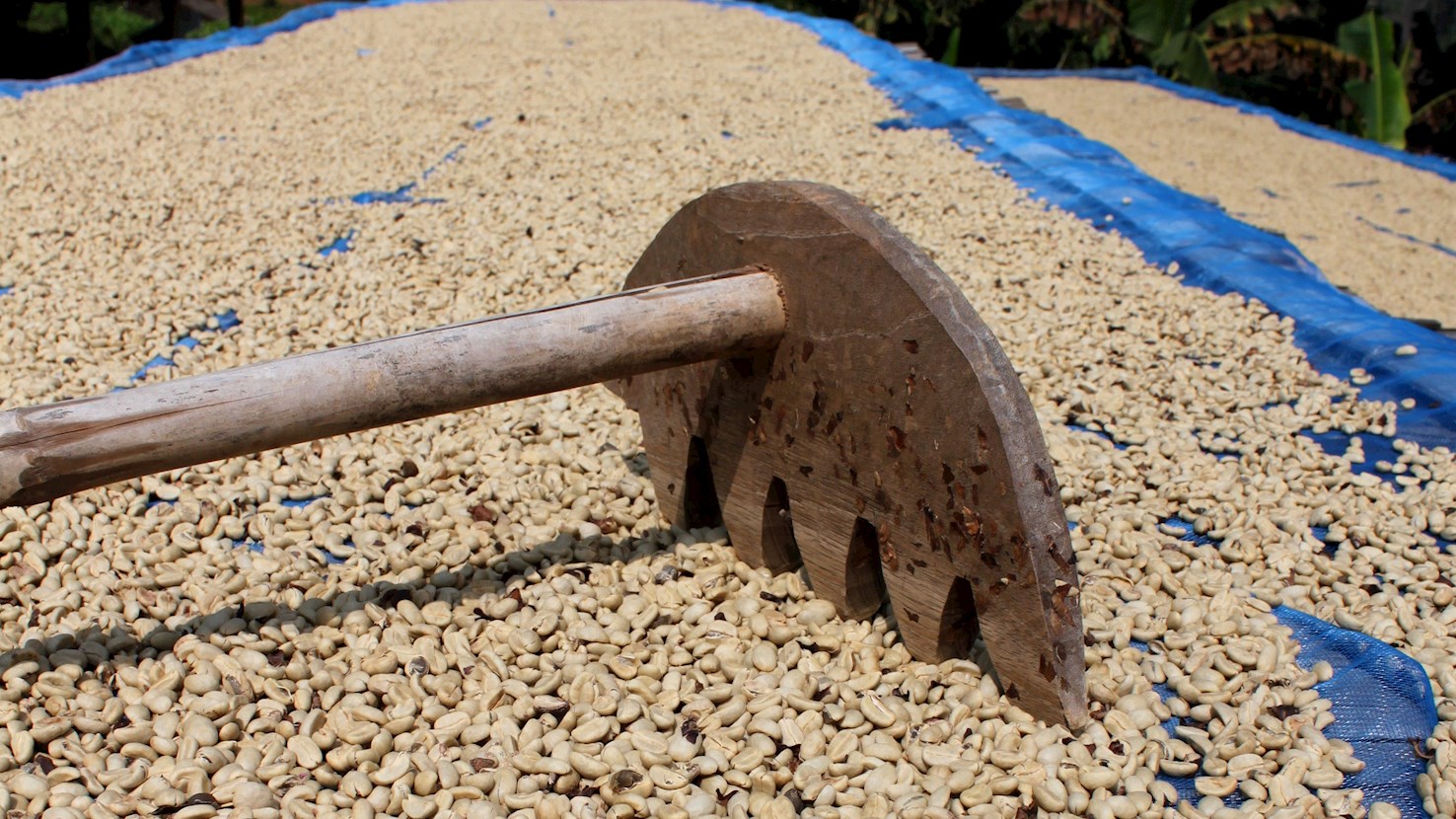
Wahana Estate stands out in the world of specialty coffee due to its dedication to varietal research and experimentation with a wide range of cultivars. Coffee processing takes place directly on the estate, using the traditional Indonesian giling basah (wet-hulled) method, as well as natural and dry processes.
This results in diverse flavor profiles - from notes of chocolate, almond, dried fruits, and spices, to citrusy and floral tones such as jasmine, honey, and black tea.
Today, Wahana Estate is a symbol of sustainability, varietal diversity, and high standards in specialty coffee from Sumatra - an ideal choice for those seeking complex and authentic flavor experiences.
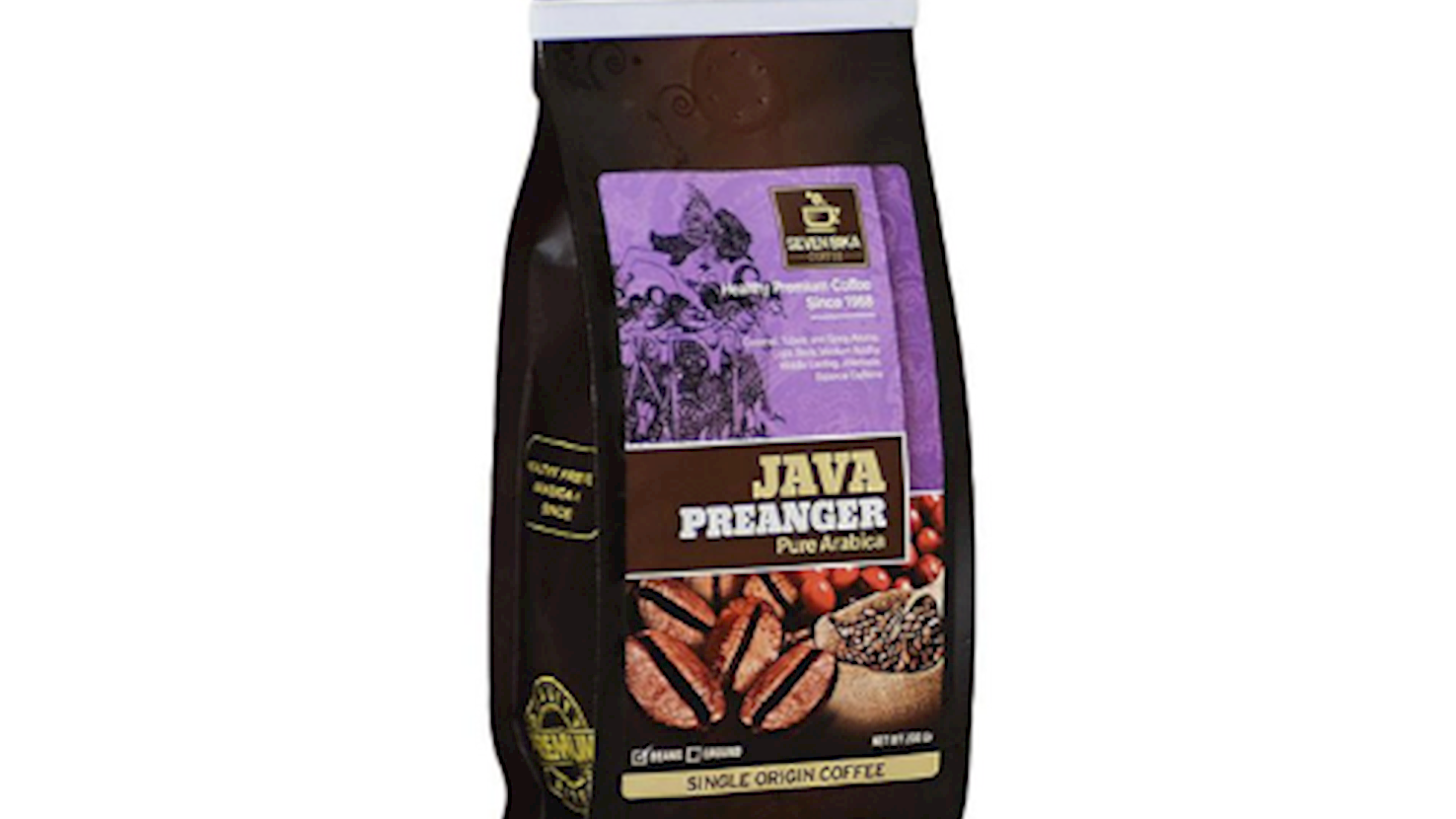
Seven Bika Coffee is an Indonesian specialty coffee brand that uniquely blends rich tradition with modern quality standards. Founded in 2014, it is the natural continuation of the family-run factory “Tjap Gadjah”, established back in 1968 in the heart of Sidikalang.
The brand draws its inspiration and raw materials from seven legendary regions renowned for producing exceptional coffee: Sidikalang, Gayo, Toraja, Java, Bali, Papua, and Flores. At the core of their philosophy is a focus on single-origin Arabica, alongside carefully crafted blends that reflect the richness of Indonesia’s diverse terroirs.
The coffee is processed by hand and in small batches, allowing the authentic aromas and unique character of each origin to shine through.
Great care is also given to health-conscious aspects - their coffees are known for low caffeine content and proudly carry the label “Healthy Premium Coffee”, a symbol of both quality and responsibility toward consumers.
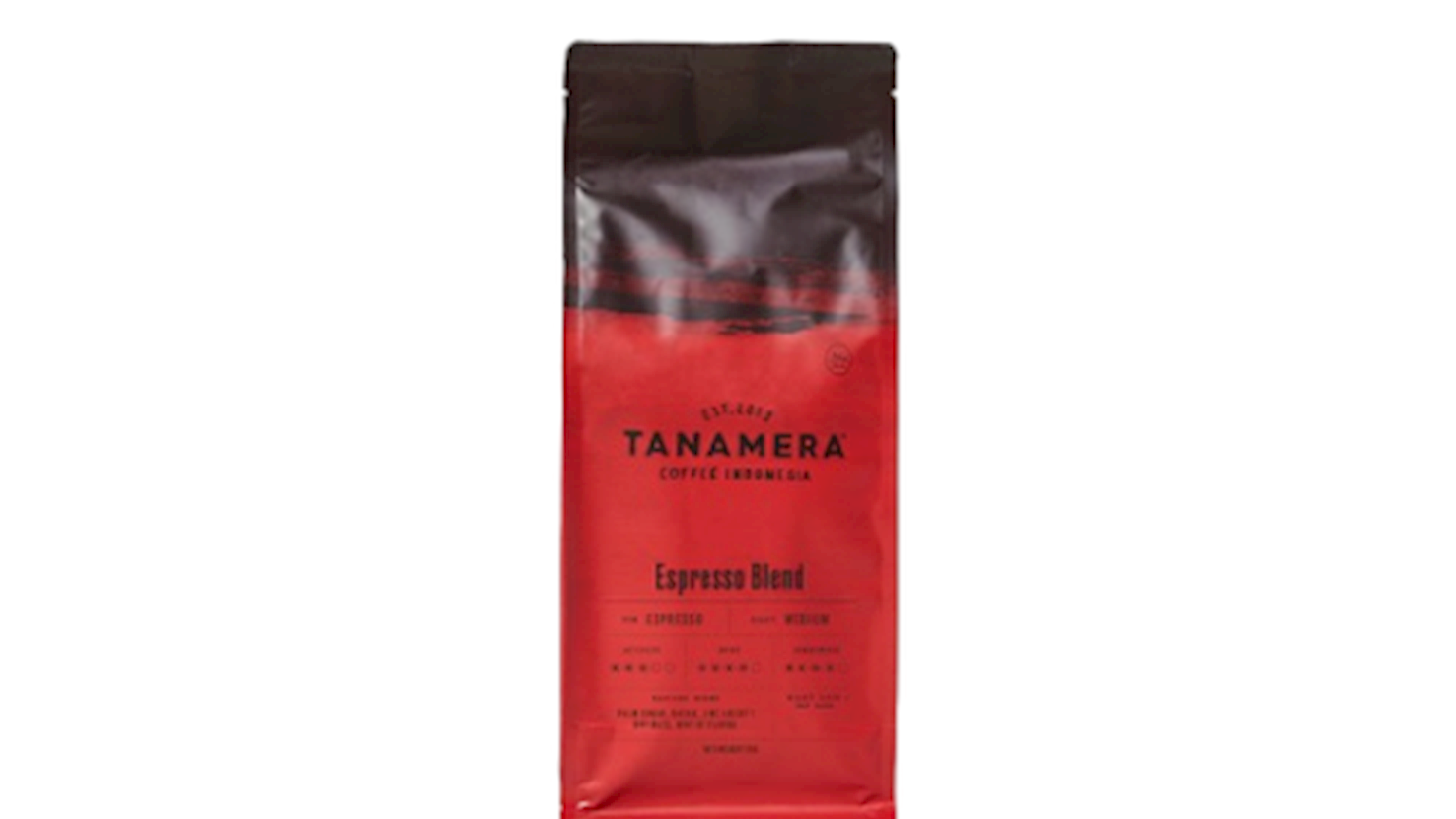
Tanamera Coffee is an Indonesian specialty brand that has been promoting the diversity and high quality of Indonesian coffees since 2013 through direct collaboration with local farmers and full control of the process from bean to cup. Founded as a small roastery in Jakarta, Tanamera is now recognized for its consistent approach that combines hand-selection of beans from various regions of the archipelago, precise roasting and clearly defined terroir profiles.
Their beans come from plantations in Sumatra, Java, Bali, Sulawesi and other regions, resulting in cups that showcase a wide aromatic spectrum - from earthy, chocolatey and nutty notes to citrusy, floral and fruity nuances. Farmer education, sustainable partnerships and continuous improvement of processing methods are central to their philosophy.
Today, Tanamera operates as both a roastery and a café chain, representing a modern, professional approach to Indonesian specialty coffee.
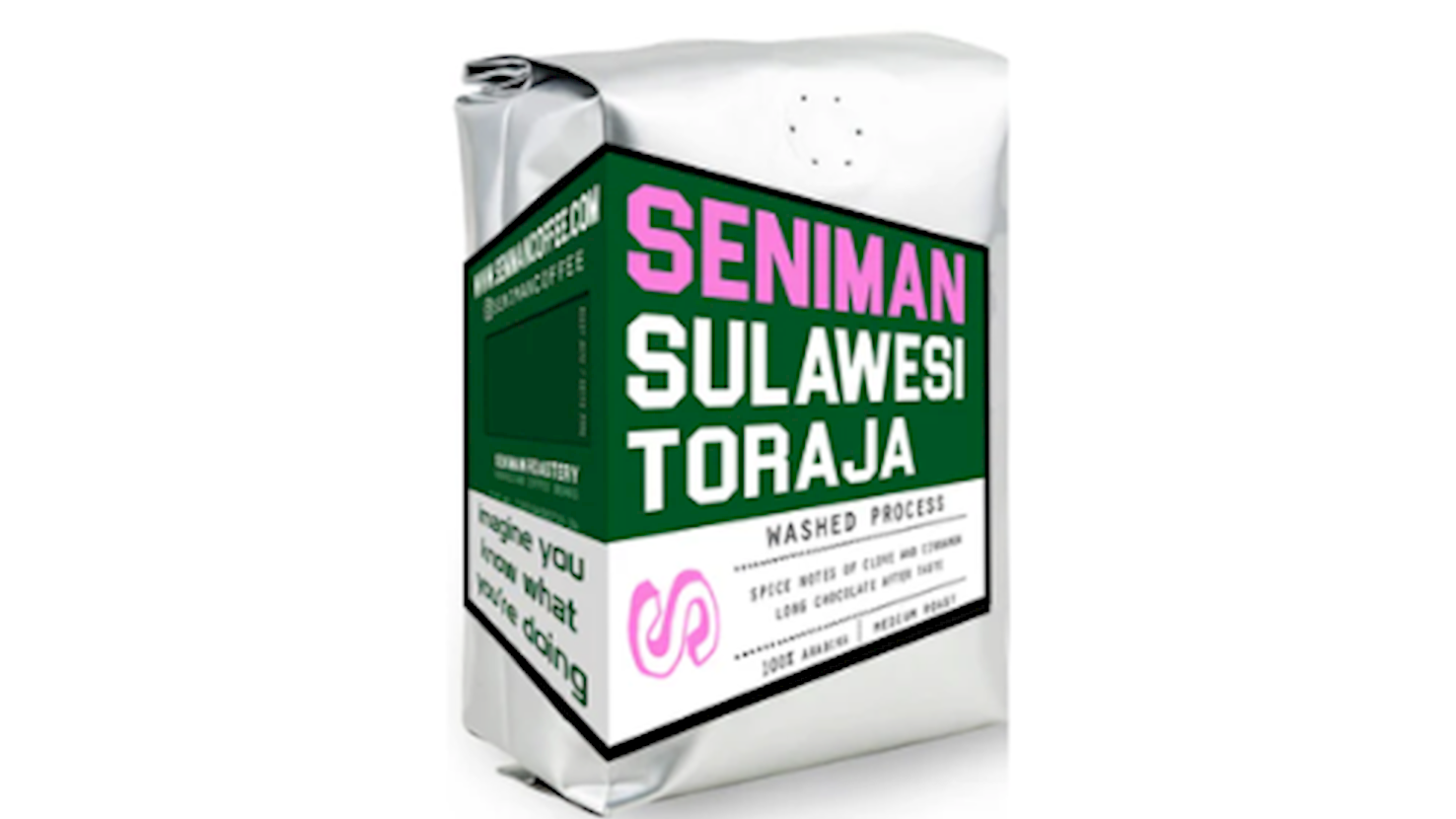
Seniman Coffee is a contemporary Indonesian specialty brand that integrates sourcing, processing, and roasting through close collaboration with small family farms across the country, with a strong emphasis on Bali. Their approach centers on clearly defined terroir expression, using natural, honey, and washed processing methods to highlight the distinct aromatic characteristics of each micro-region.
The lineup includes single-origin coffees from Bali, Java, Sulawesi, and Sumatra, available as whole-bean offerings and tailored for various brewing methods such as espresso, filter, moka pot, and cold brew. In addition to roasted coffee, they offer Nespresso-compatible capsules and convenient drip bags designed for modern consumers and travelers.
The heart of the brand is the Seniman Coffee Studio in Ubud, which operates as a micro-roastery and educational space showcasing the full seed-to-cup process. Through transparent work with farmers and a modern interpretation of Indonesian terroir, Seniman Coffee positions itself as one of the key contributors to the new wave of specialty coffee in Indonesia.
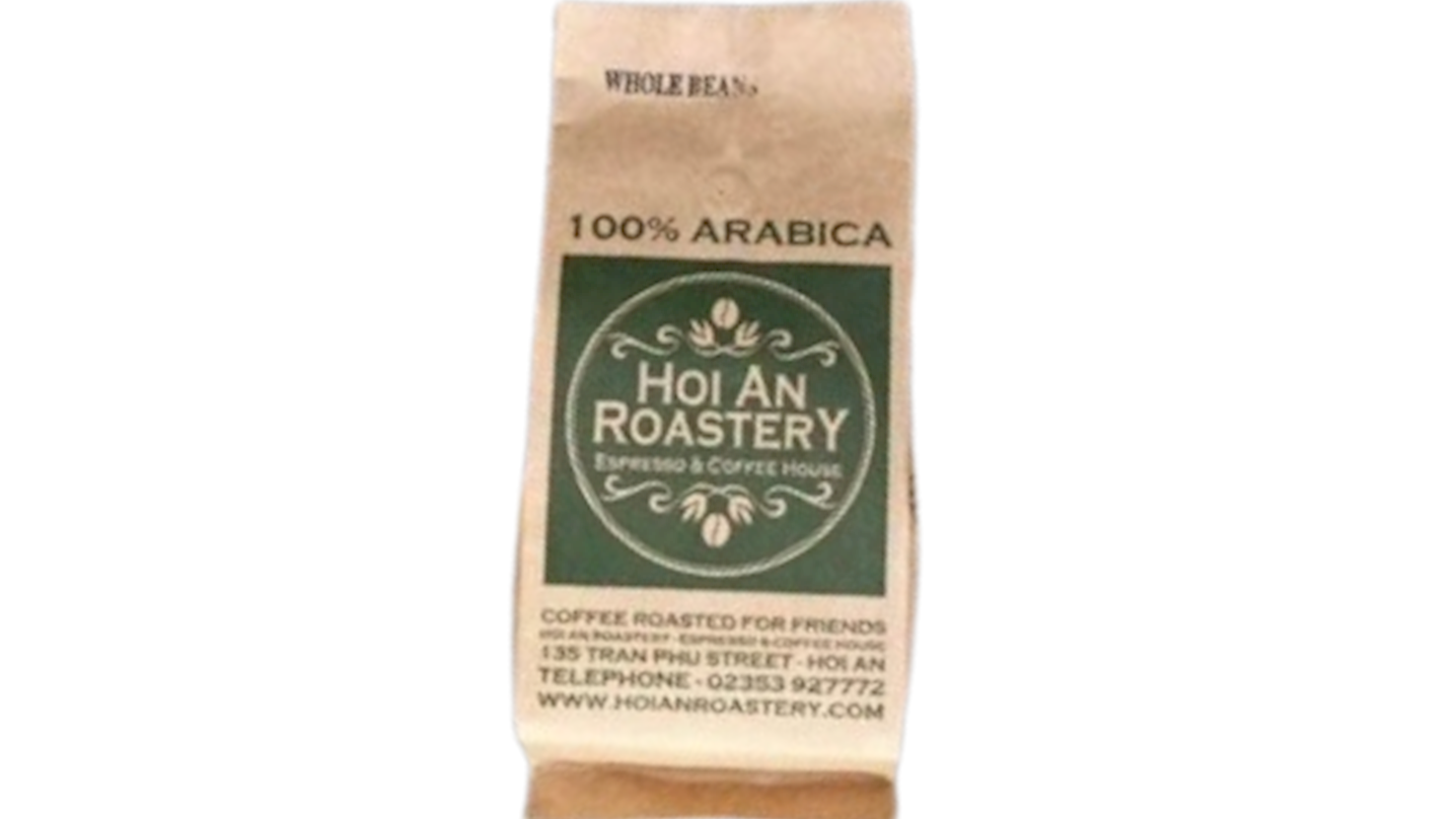
Hoi An Roastery is a specialized Vietnamese coffee roastery founded in 2015 in the historic town of Hội An, with a strong focus on direct sourcing of coffee beans from farmers in mountainous regions such as Dalat and on careful, local roasting. Their selection includes Arabica, Robusta, and various espresso and filter blends, available as whole beans, ground coffee, or convenient drip-bag formats.
The cafés operate in traditional wooden houses with rustic interiors, creating an atmosphere that blends the town’s heritage with a modern approach to coffee preparation. The menu features classic Vietnamese coffee, espresso drinks, pour-over, cold brew, and popular local specialties such as coconut coffee and egg coffee.
The brand emphasizes sustainability and supply-chain transparency, aiming to deliver a true “from tree to cup” experience, which has positioned it as one of the most recognizable destinations for quality coffee in Hội An.
Kopi Arabika Gayo is a type of Arabica coffee cultivated in the highland region of Gayo in Aceh Province, located in the northern part of Sumatra, Indonesia. It is grown primarily in the Gayo Plateau, which encompasses areas such as Central Aceh, Bener Meriah, and Gayo Lues. The coffee is recognized for its clean taste, medium to full body, and low acidity, often with herbal, earthy, or spicy notes. It is considered one of the most prominent Indonesian Arabica coffees and has been awarded a Geographical Indication (GI) status by the Indonesian government, certifying its origin and specific growing conditions. The cultivation of Arabica coffee in the Gayo region began in the early 20th century during the Dutch colonial period. Over time, it developed into a key economic activity, especially after the 1970s, when demand for specialty coffee began to increase globally. Gayo’s elevation, which ranges from 1,200 to 1,700 meters above sea level, along with its volcanic soil and moderate climate, makes it well-suited for growing high-quality Arabica beans. Most of the coffee is cultivated by smallholder farmers, often organized into cooperatives that focus on organic and fair trade practices. Gayo coffee is typically processed using the wet-hulling method known locally as giling basah, a technique widely used in Sumatra. This involves partially drying the beans before hulling and then completing the drying process afterward. The result is a unique flavor profile that emphasizes a rich mouthfeel and deep, earthy undertones. The beans are known for their large size and greenish hue before roasting. When brewed, Gayo coffee is appreciated for its balance and clarity, with a cup profile that may include hints of dark chocolate, cedar, nutmeg, and dried fruit, depending on the roast level and specific lot. The reputation of Kopi Arabika Gayo extends beyond Indonesia, with exports reaching major markets in Europe, North America, and Asia. It is often featured in specialty coffee competitions and praised by roasters for its consistency and traceability. In international contexts, it is commonly marketed as Gayo Mountain Coffee or Gayo Sumatra Arabica, and it is sometimes included in single-origin offerings by premium coffee brands. Domestically, it holds a strong place in the Indonesian coffee industry as a symbol of the country’s capacity to produce high-grade Arabica. Gayo coffee shops and cooperatives play a role not only in promoting the product but also in preserving sustainable farming and post-harvest processing practices. The coffee has also contributed to the economic development of the region and is integrated into Acehnese cultural identity and local hospitality.
Kafae Doi Chaang is an organic coffee of the Caturra, Catimor and CatuaiArabica varieties, grown in the hills of northeastern Thailand on the Doi Chaang mountain. The coffee is pure, refreshing and of the highest quality. It has a good balance of sweetness and acidity, with a honey-like scent and hints of flowers and cherries. The green beans are carefully cultivated, hand-picked, processed and roasted, making a coffee with a complex and full flavor. Doi Chaang coffee is naturally low in caffeine content and goes great with fresh milk and some sugar. Roasting the beans slightly darker will bring out its subtle chocolate and hazelnut tones.
Kafae Doi Tung are Arabica coffee beans gathered from coffee plants grown in the Doi Tung area in Thailand. These Arabica coffee hybrids are made from the crosses of Catimor, Catuai and Caturra hybrids . The trees are grown in the shade of vast forests and receive special care and treatment at every step of the production process. This strict quality control and a slow maturation process ensure that the beans have a balanced taste, medium body, sweet scent and a slight acidity without any sharpness. They are bluish green to green, and when roasted, the coffee is brown to dark brown. Before drinking a cup of this unique coffee, make sure to keep it at the right temperature without exposure to light, heat and moisture, as the freshness of the cup depends on how new the coffee is.
TasteAtlas food rankings are based on the ratings of the TasteAtlas audience, with a series of mechanisms that recognize real users and that ignore bot,
nationalist or local patriotic ratings, and give additional value to the ratings of users that the system recognizes as knowledgeable.
TasteAtlas Rankings should not be seen as the final global conclusion about food. Their purpose is to promote excellent local foods,
instill pride in traditional dishes, and arouse curiosity about dishes you haven’t tried.
The initial list of top producers was compiled based on available reviews, awards, local recommendations, media and blog coverage, and consumer reviews.
The list will be updated with ratings from TasteAtlas local ambassadors and TasteAtlas users.












What People Say