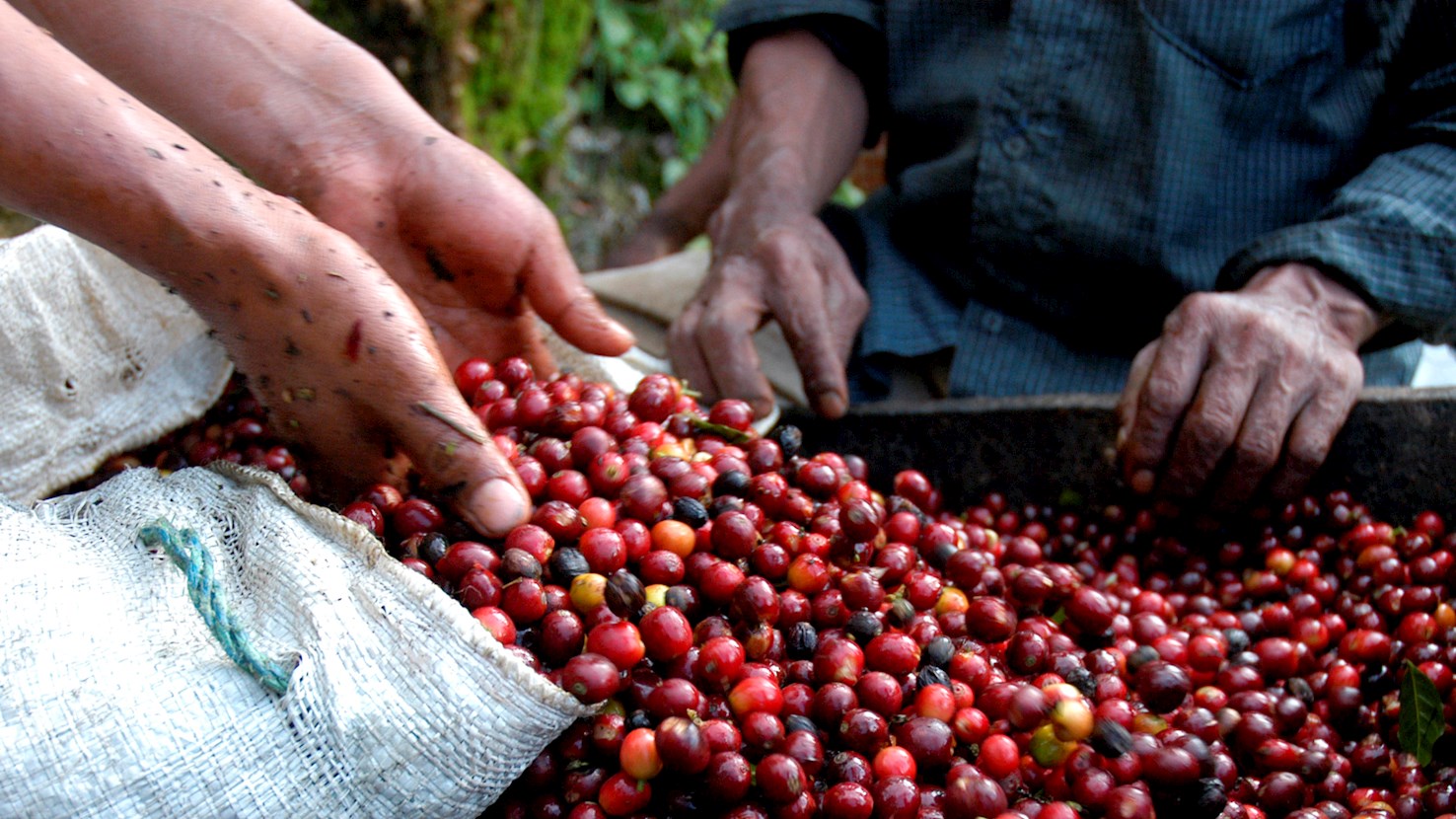
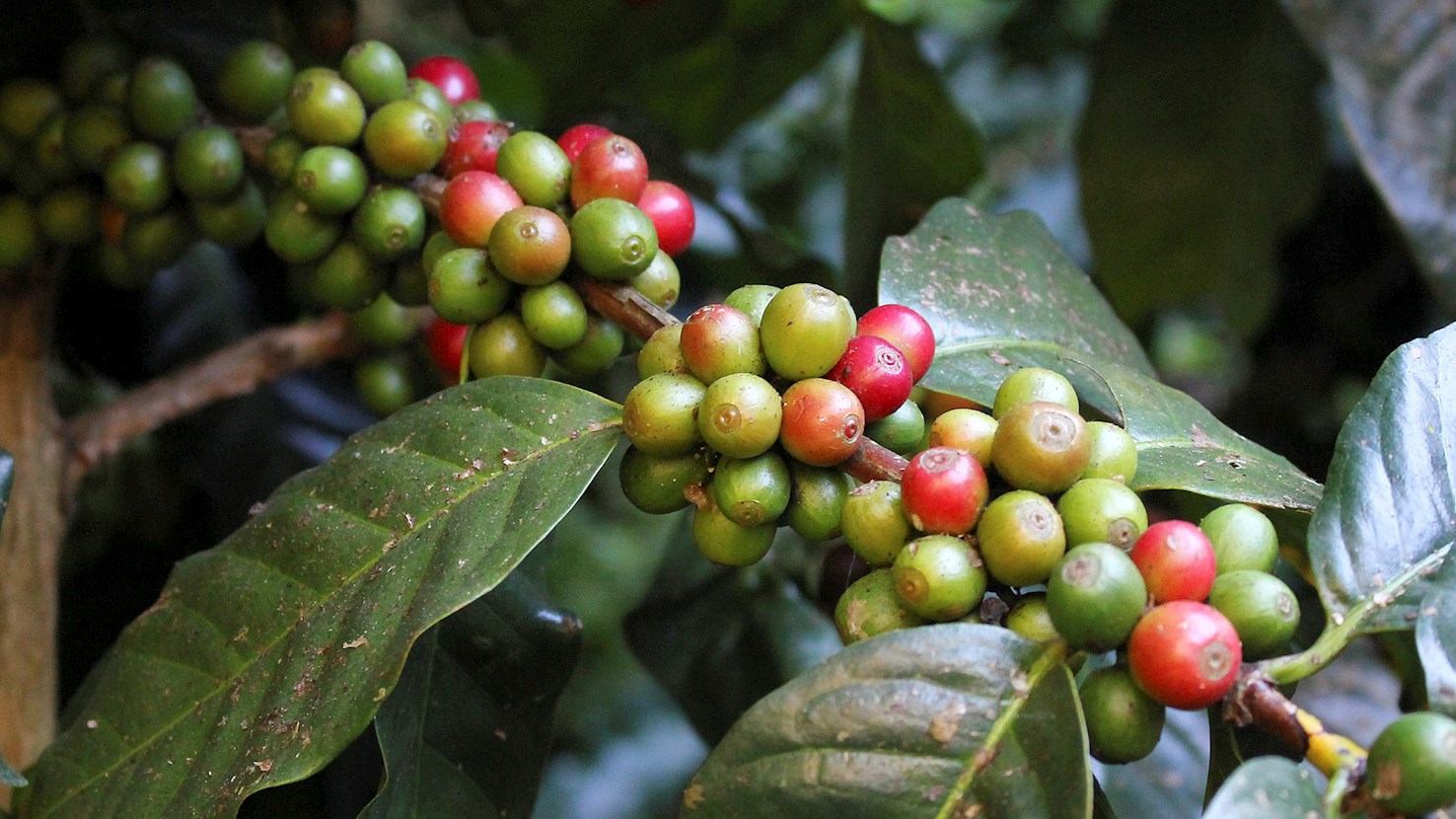
Café de Colombia is produced using different varieties of coffee of the Arabica species such as Caturra, Típica, Borbón, Maragogipe, Tabi, Colón, San Bernardo and Colombia, now known as Castillo. It is cultivated in the Colombian Coffee Growing Area, which is situated on the slopes of the Andean mountain range and was declared a UNESCO World Heritage site in 2011. This area is known to offer fresh coffee throughout the year, as the harvesting is carried out several times. According to some documents, it was the Jesuits who first cultivated coffee in Colombia, in the region of Santander around 1732. Today, approximately 12% of the world’s total coffee production comes from Colombia, and one of the most distinctive features of the Colombian coffee production chain is that it is primarily run by local farmers on coffee plantations, where each coffee bean is carefully hand-picked and wet-processed. In 1958, Juan Valdez, a fictional coffee farmer appeared in adverts for the National Federation of Coffee Growers of Colombia and became a symbol for Café de Colombia which is prized for its full body, fragrant aroma and rich flavor.
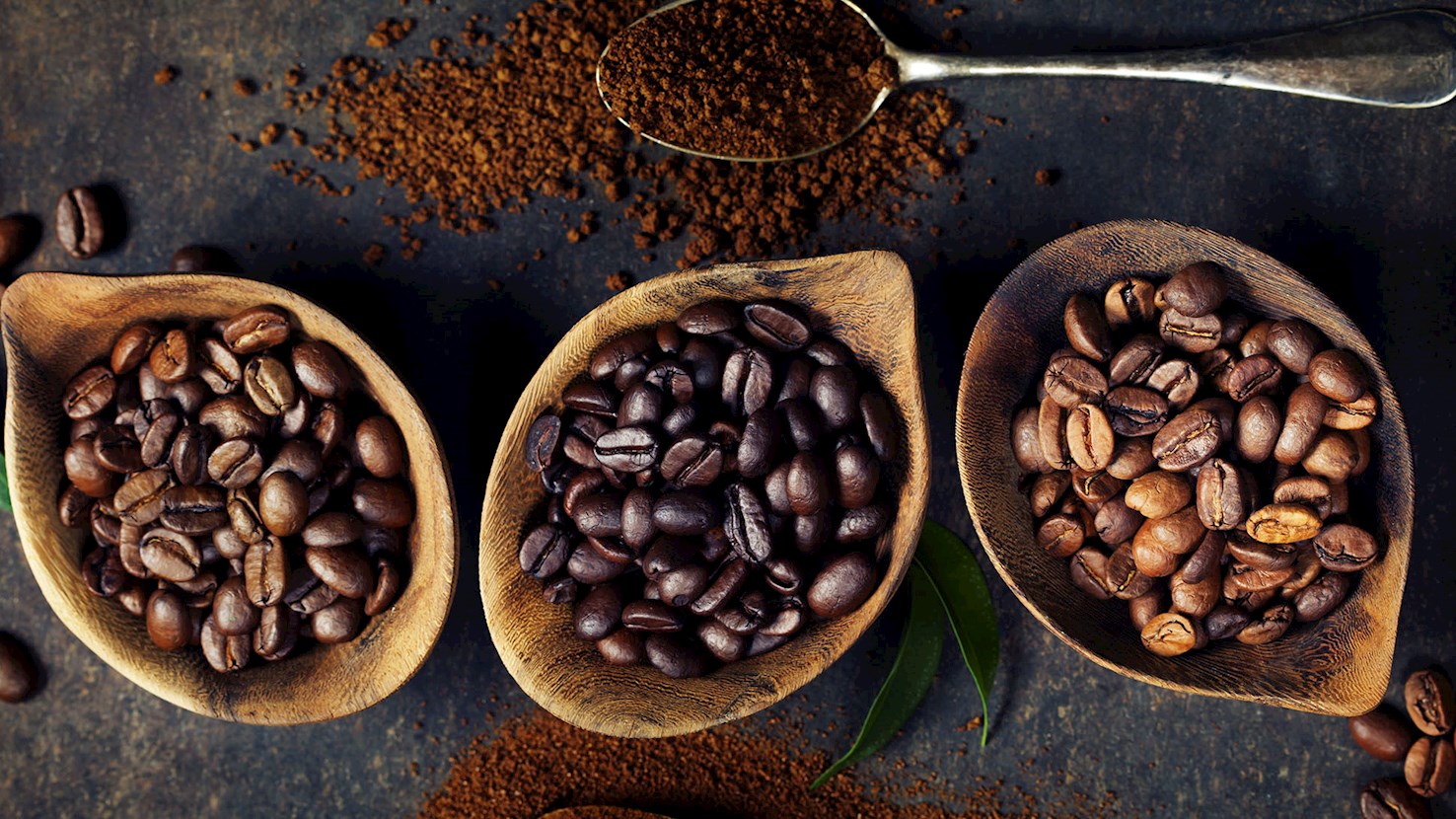
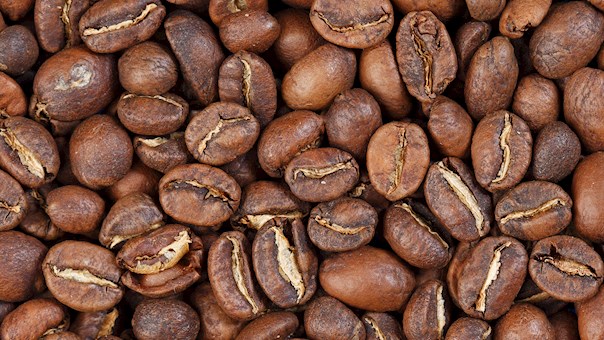
Arabica is considered the first species of coffee that today makes up about 60% of total coffee production. It is native to the southern highlands of Ethiopia but today is grown in many parts of the world, namely parts of Africa, Latin America, Southeast Asia, India, China, the Caribbean, and the Pacific. Since the bean only succeeds in wet and dry tropical climates, with constant temperatures, where it grows at high altitudes and gets lots of indirect sun, all of the countries in which Arabica is grown are located between the Tropic of Capricorn and the Tropic of Cancer, which is an area also known as The Coffee Belt. Arabica coffee is a delicate plant that is difficult to cultivate, does not stand frost and harsh climate changes, and produces a lower yield compared to robusta, for example. It has a mild and rich flavor, with hints of chocolate, fruit, nuts, and berries, and has very little caffeine and fine acidity. The bean is oval, slightly bigger than the robusta bean, and develops an uneven and s-shaped groove when roasted. Because of these characteristics, including the growing conditions needed to produce it, Arabica is the most sought-after, prized, and most expensive coffee bean. At present, there are about 70 different varieties of Arabica coffee, the most noted of which are Typica and Bourbon.
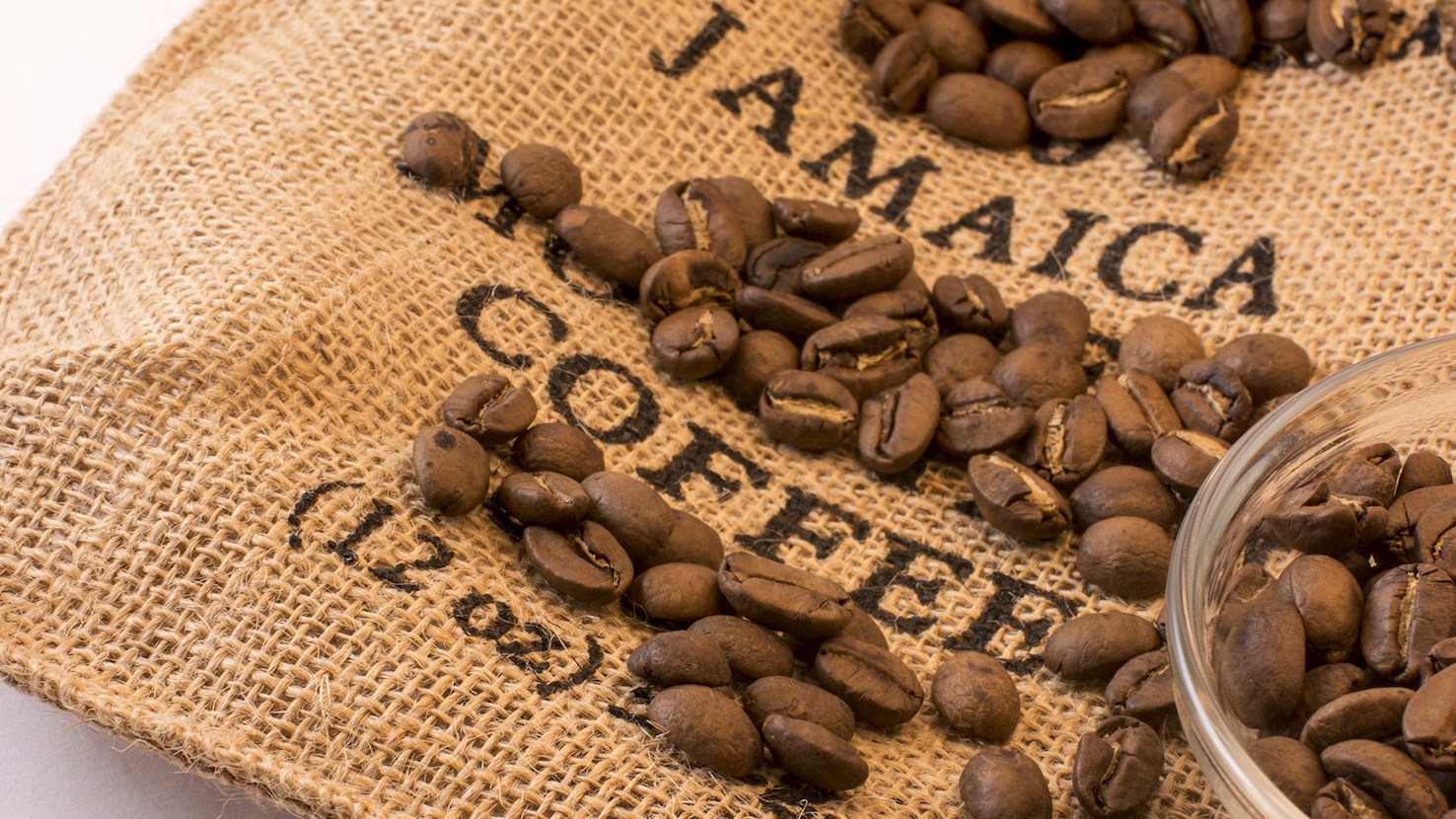
Jamaican Blue Mountain Coffee is a specialty Arabica coffee grown in a legally defined zone within the Blue Mountain range of eastern Jamaica, at elevations between roughly 900 and 1,700 meters. The area spans parts of the parishes of St. Andrew, St. Thomas, Portland, and St. Mary, where cool temperatures, consistent mist, volcanic soil, and slow-ripening conditions contribute to the character of the coffee. The product is regulated by the Coffee Industry Board of Jamaica, which oversees planting, processing, grading, and export standards. Only coffee grown and processed within the protected region may be labeled Jamaica Blue Mountain. Coffee cultivation in Jamaica began in the eighteenth century, when Arabica seedlings were introduced to the island and gradually adapted to the mountainous terrain. The Blue Mountains, with their high elevation and steady humidity, proved suitable for slow maturation, and by the nineteenth century the region had become the center of the island’s coffee production. Over the following decades, improvements in processing practices such as wet milling and careful drying led to a reputation for consistent, mild, balanced coffee. During the twentieth century, export relationships, especially with Japan, strengthened demand for the beans, establishing Jamaica Blue Mountain as a recognized high-grade product in global specialty coffee markets. Regulatory frameworks were introduced to maintain quality and protect the geographic designation. Preparation begins with hand-picking the ripe red coffee cherries from the steep mountain slopes. The cherries are transported to wet mills where they are pulped, fermented, washed, and then dried either mechanically or in the sun, depending on the weather. The dried beans are sorted and graded according to size and defect count, with Grades 1 and 2 representing the highest quality. After grading, the beans are rested, packed (often in wooden barrels for export), and roasted by importers or local roasters. When brewed, the coffee is noted for a mild flavor, low bitterness, balanced acidity, and a clean finish. These characteristics come from the slow maturation of the cherries at high altitude and the careful processing required to preserve the beans’ clarity. Jamaican Blue Mountain Coffee is consumed in Jamaica in cafés, hotels, and homes, and internationally in roasteries and specialty coffee shops. Today, over 80% of this coffee type gets exported to Japan. It is usually served black or with minimal additions so its mild profile remains perceptible. It pairs well with pastries, buttered breads, coconut-based desserts, and lightly sweet baked goods, since these do not overpower the coffee’s subtle flavors.
Robusta is a coffee species characterized by its high acidity, bitterness, and woody and nutty taste. The Robusta bean is smallish and round, with a straight line down its center. It was first discovered in Congo but is native to Central and West Africa, in countries like Angola, Liberia, and Tanzania. Scientifically, Robusta is identified as caffea canephora and has two varieties, robusta and nganda. Robusta production makes for about 30% of total coffee production. The plant grows at low elevations, can withstand many harsh conditions, has a greater crop yield, and is less prone to disease, making it easier and cheaper to produce than the more prized Arabica. However, despite the benefits when it comes to cultivation and price, Robusta is considered subpar in the taste department when compared to Arabica. Some would even go as far as to say it tastes like burnt rubber. Because of this, it is often used as filler in lower-grade coffee blends and instant coffee. In fact, in Italy, espresso is usually and traditionally made with a blend of 85-90% Arabica and 10-15% Robusta. One reason for this is that Robusta produces a honey-colored, long-lasting, and stable cream on top of the shot Italians call crema. The other reason is Robusta's woody, bitter, earthy taste and high caffeine amount. Today, Vietnam is the world's largest producer of Robusta coffee, followed by Brazil, Indonesia, and India.
Kopi Arabika Gayo is a type of Arabica coffee cultivated in the highland region of Gayo in Aceh Province, located in the northern part of Sumatra, Indonesia. It is grown primarily in the Gayo Plateau, which encompasses areas such as Central Aceh, Bener Meriah, and Gayo Lues. The coffee is recognized for its clean taste, medium to full body, and low acidity, often with herbal, earthy, or spicy notes. It is considered one of the most prominent Indonesian Arabica coffees and has been awarded a Geographical Indication (GI) status by the Indonesian government, certifying its origin and specific growing conditions. The cultivation of Arabica coffee in the Gayo region began in the early 20th century during the Dutch colonial period. Over time, it developed into a key economic activity, especially after the 1970s, when demand for specialty coffee began to increase globally. Gayo’s elevation, which ranges from 1,200 to 1,700 meters above sea level, along with its volcanic soil and moderate climate, makes it well-suited for growing high-quality Arabica beans. Most of the coffee is cultivated by smallholder farmers, often organized into cooperatives that focus on organic and fair trade practices. Gayo coffee is typically processed using the wet-hulling method known locally as giling basah, a technique widely used in Sumatra. This involves partially drying the beans before hulling and then completing the drying process afterward. The result is a unique flavor profile that emphasizes a rich mouthfeel and deep, earthy undertones. The beans are known for their large size and greenish hue before roasting. When brewed, Gayo coffee is appreciated for its balance and clarity, with a cup profile that may include hints of dark chocolate, cedar, nutmeg, and dried fruit, depending on the roast level and specific lot. The reputation of Kopi Arabika Gayo extends beyond Indonesia, with exports reaching major markets in Europe, North America, and Asia. It is often featured in specialty coffee competitions and praised by roasters for its consistency and traceability. In international contexts, it is commonly marketed as Gayo Mountain Coffee or Gayo Sumatra Arabica, and it is sometimes included in single-origin offerings by premium coffee brands. Domestically, it holds a strong place in the Indonesian coffee industry as a symbol of the country’s capacity to produce high-grade Arabica. Gayo coffee shops and cooperatives play a role not only in promoting the product but also in preserving sustainable farming and post-harvest processing practices. The coffee has also contributed to the economic development of the region and is integrated into Acehnese cultural identity and local hospitality.
Kafae Doi Chaang is an organic coffee of the Caturra, Catimor and CatuaiArabica varieties, grown in the hills of northeastern Thailand on the Doi Chaang mountain. The coffee is pure, refreshing and of the highest quality. It has a good balance of sweetness and acidity, with a honey-like scent and hints of flowers and cherries. The green beans are carefully cultivated, hand-picked, processed and roasted, making a coffee with a complex and full flavor. Doi Chaang coffee is naturally low in caffeine content and goes great with fresh milk and some sugar. Roasting the beans slightly darker will bring out its subtle chocolate and hazelnut tones.
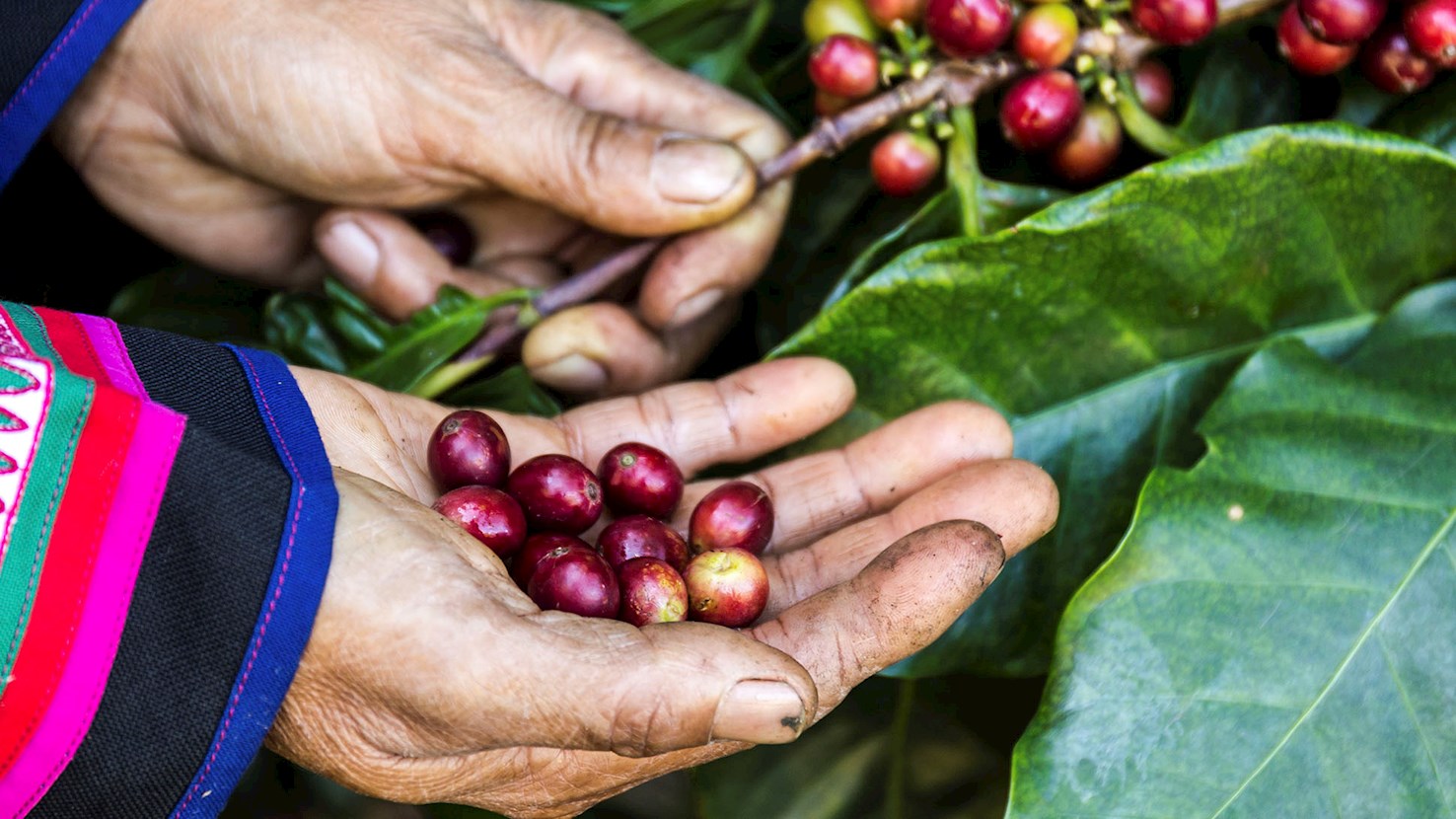
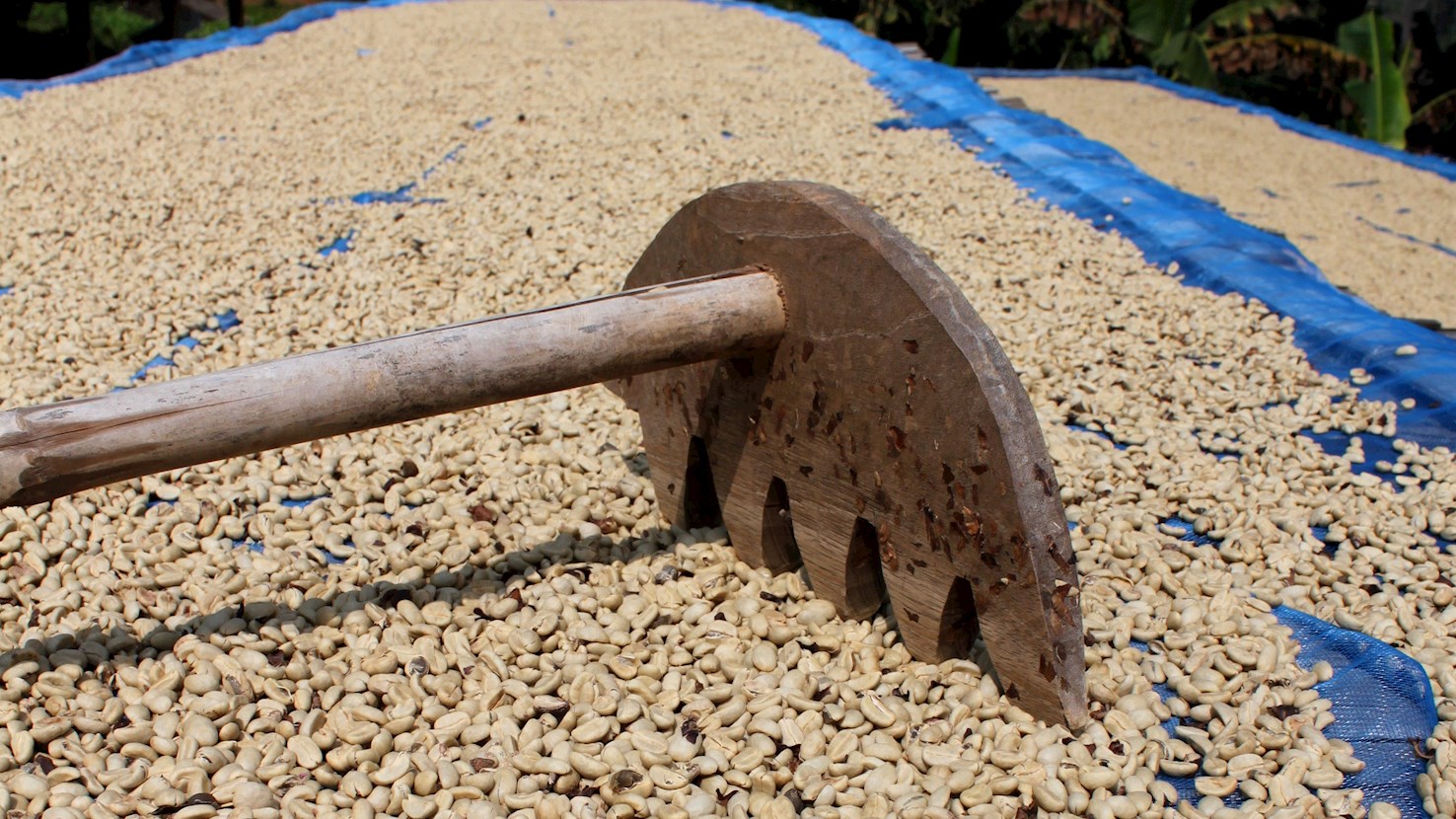
Produced in the Huehuetenango region in Guatemala at altitudes up to 1,900 meters, this coffee is made from plants of coffea arabica, which is cultivated in the shade of tall trees. It comes in three varieties – Typica, Bourbon, and Caturra. The berries are harvested by hand – one by one, they are transferred to a wicker basket that is tied around harvesters’ waists. Using a process of soft fermentation, the beans are extracted from the berries. The process begins within 4 hours of gathering and typically lasts from 24 to 36 hours. The beans are then dried for at least 3 hours, and during that time, they are manually turned with a rake. When roasted, the floral flavors with hints of honey and milk chocolate start to present themselves. The indigenous people in the area are descendants of various Mayan tribes and belong to some of the poorest groups in Central America, so the local economy depends on the export of this coffee, which is practically a monoculture in Huehuetenango.
In the Harenna forest in the Ethiopian region of Oromia, wild arabica coffee grows in the shade of tall trees. For the local farmers, selling this coffee is the main source of income. They harvest the ripe fruit by hand, a process that is quite often obstructed by cheeky baboons. After the harvest, these berries don’t need to be stripped or washed – they are simply dried in the sun. The preparation of coffee in Ethiopia is a daily ceremony including all social classes. The coffee beans are roasted and ground in a mortar, and the obtained powder is traditionally poured into a coffee pot (known as jabana) filled with boiling water. The first coffee, called abol, is sweetened with sugar and served in a small cup without handles to the oldest person. The next two coffees (tona and baraka) are made by adding water to the jabana. All three types of coffee are typically served with wheat, corn, or toasted barley.
Café de Valdesia is produced from the varieties of Typica and Caturra, both of which are Arabian species grown in the highlands of the provinces Ocoa, Peravia and San Cristóbal. Coffee was first introduced into the Dominican Republic in 1735 and today, together with the cocoa industry, plays a great role in the country's agriculture sector, employing nearly half of the sector's workforce and exporting almost 20% of the annual production. Café de Valdesia is harvested throughout the year, but mostly between November and May. Depending on the roasting level, there are three types of Valdesia coffee available on the market: medium, medium-dark and dark, each with different organoleptic properties. Cafe de Valdesia has a well-balanced body of an exceptional flavor, with a delicate chocolate aroma and slight citrus notes.
Kafae Doi Tung are Arabica coffee beans gathered from coffee plants grown in the Doi Tung area in Thailand. These Arabica coffee hybrids are made from the crosses of Catimor, Catuai and Caturra hybrids . The trees are grown in the shade of vast forests and receive special care and treatment at every step of the production process. This strict quality control and a slow maturation process ensure that the beans have a balanced taste, medium body, sweet scent and a slight acidity without any sharpness. They are bluish green to green, and when roasted, the coffee is brown to dark brown. Before drinking a cup of this unique coffee, make sure to keep it at the right temperature without exposure to light, heat and moisture, as the freshness of the cup depends on how new the coffee is.
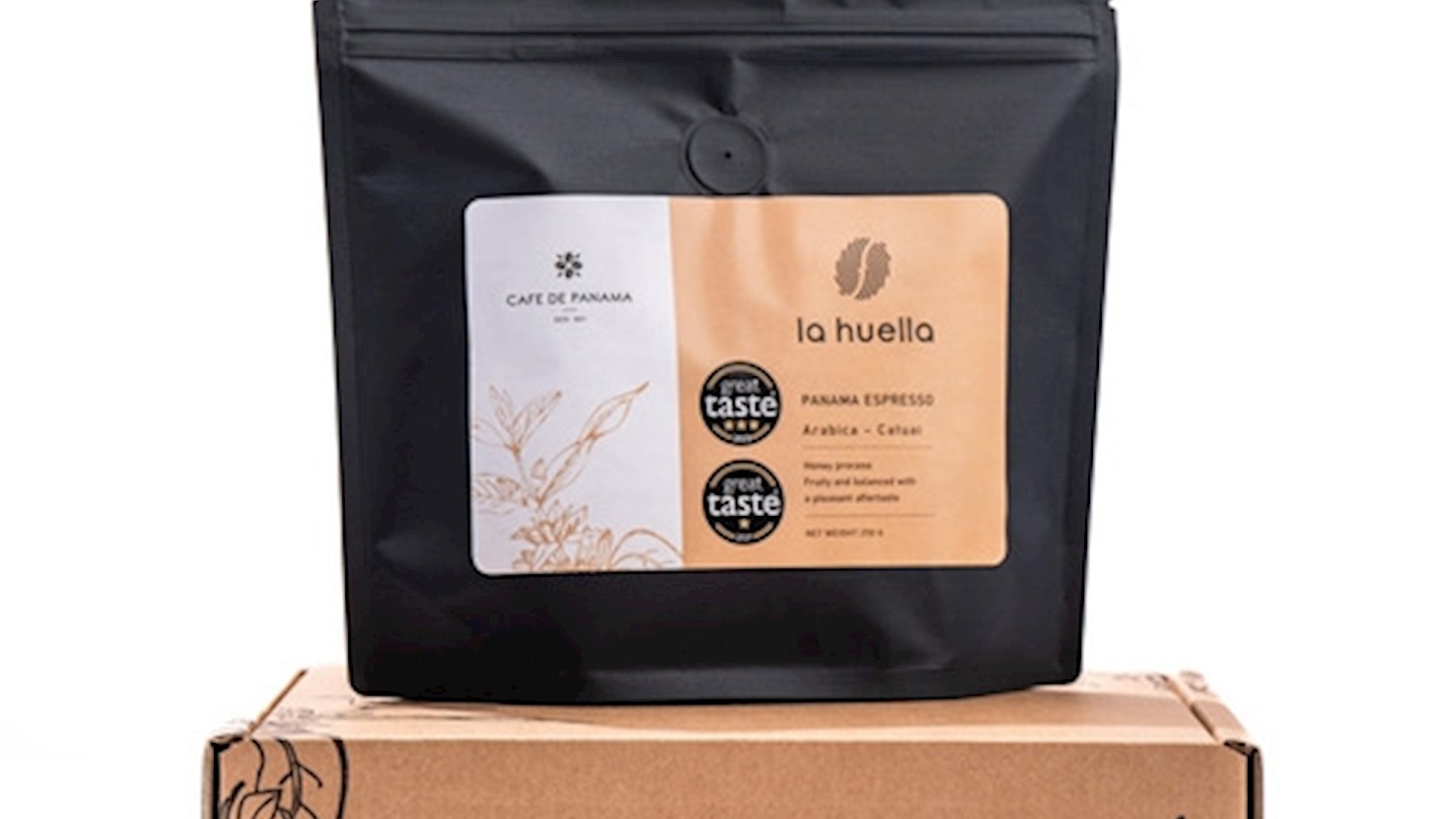
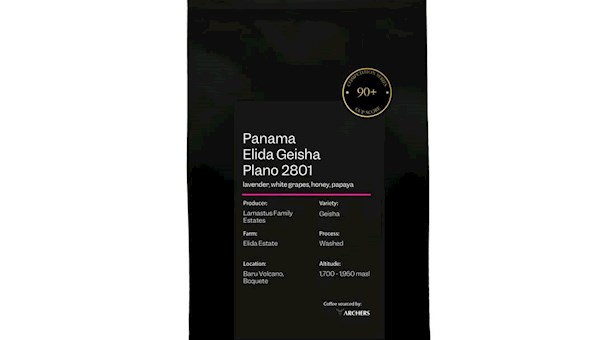
Cafe de Panama S. De RL is a coffee producer based in Panama.
They specialize in high-quality coffee sourced from the region's rich and fertile highlands. Their production includes various premium coffee beans, including the prestigious Geisha variety.
The company emphasizes sustainable farming practices and works closely with local farmers to ensure both quality and fair trade.
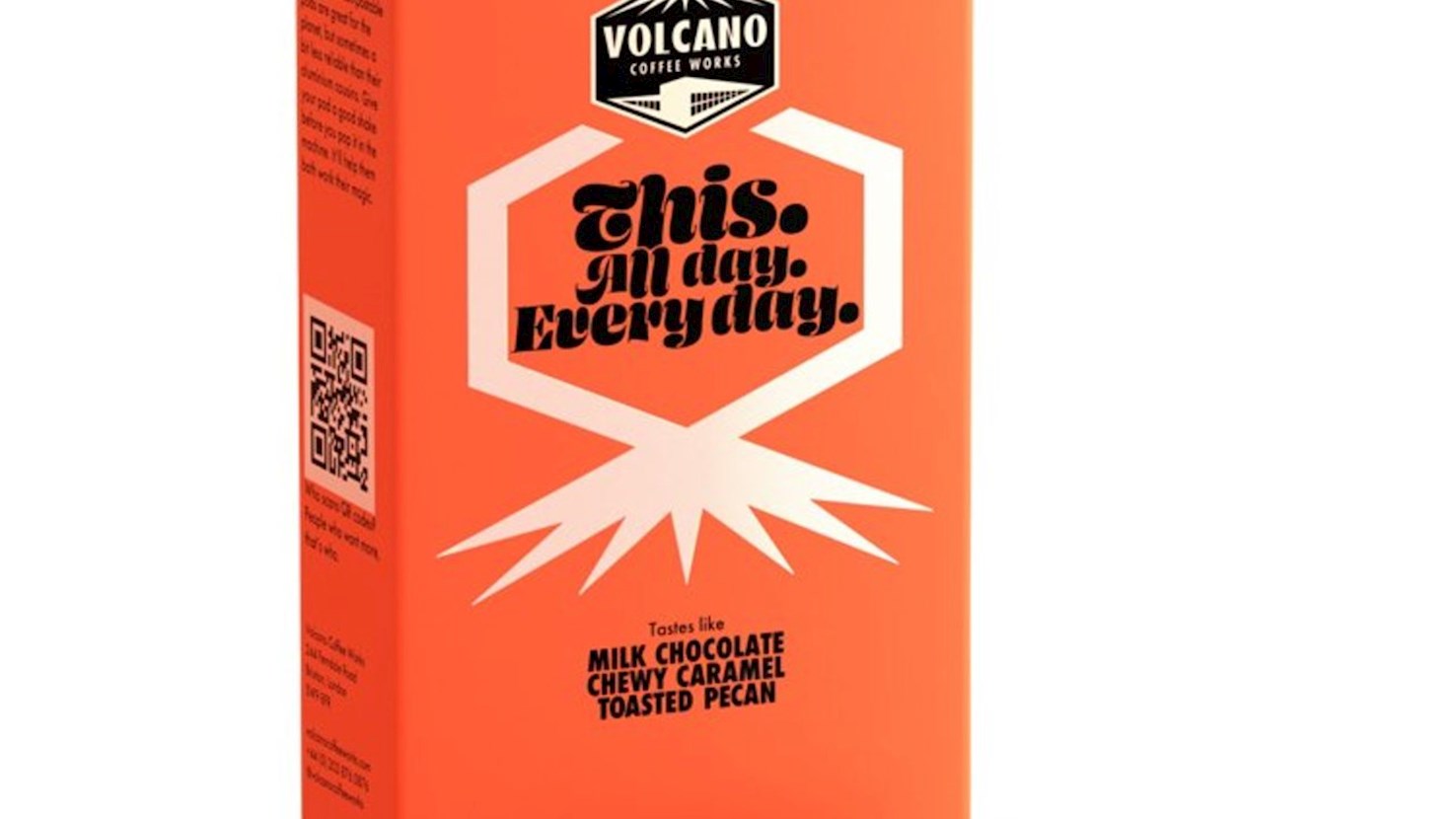
Volcano Coffee Works is a specialty coffee producer based in London, UK. The company is known for its commitment to sustainability, incorporating eco-friendly practices in its production processes.
They offer a range of coffee beans sourced from various regions worldwide, emphasizing both quality and ethical sourcing.
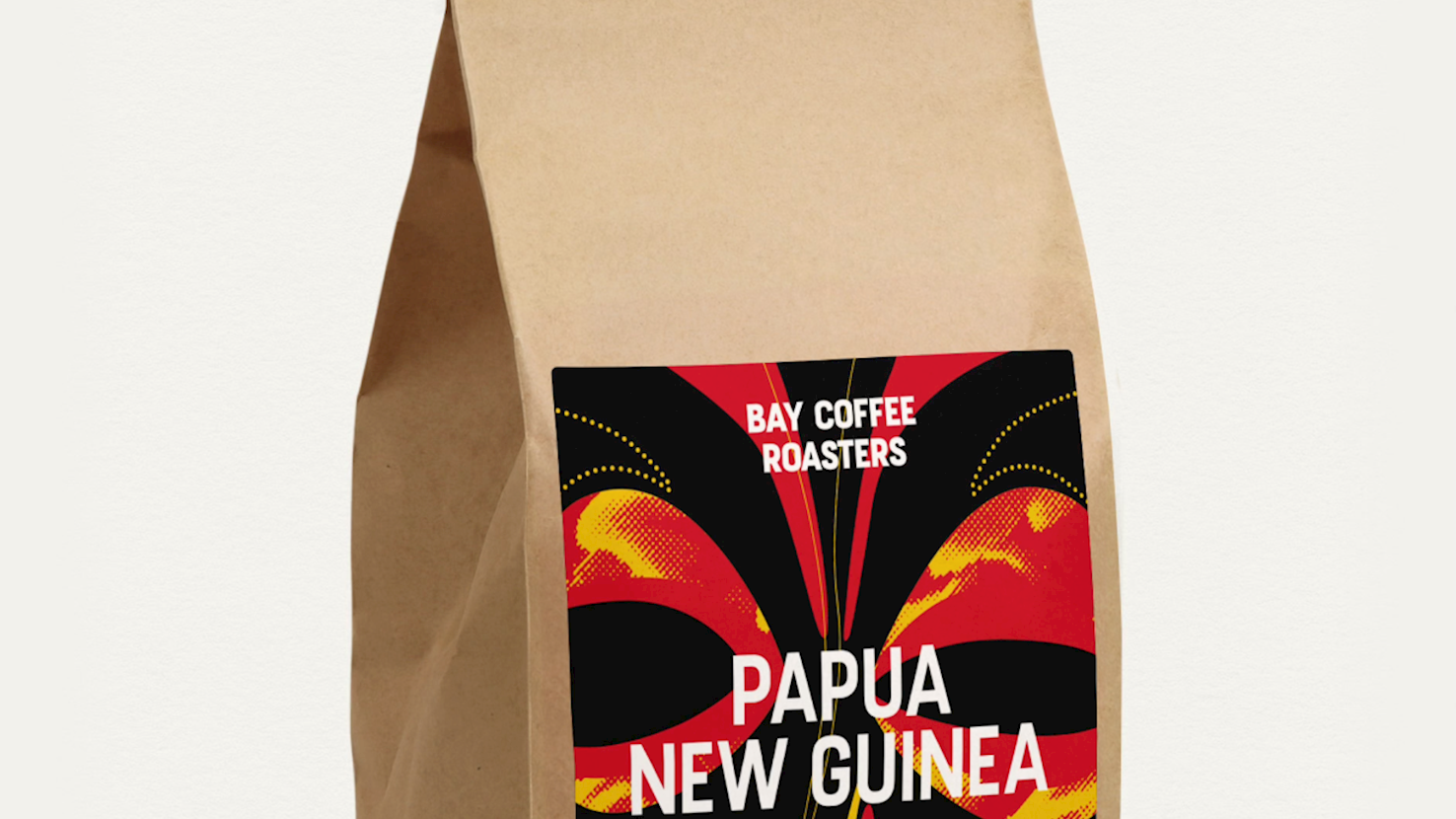
Bay Coffee Roasters is a coffee producer based in Cardigan. The company is known for sourcing high-quality beans and roasting them to create unique coffee blends.
They focus on ethical sourcing and sustainability, ensuring that their coffee is both delicious and responsibly produced. Bay Coffee Roasters offers a range of coffee products, including single-origin beans and custom blends, catering to various tastes and preferences.
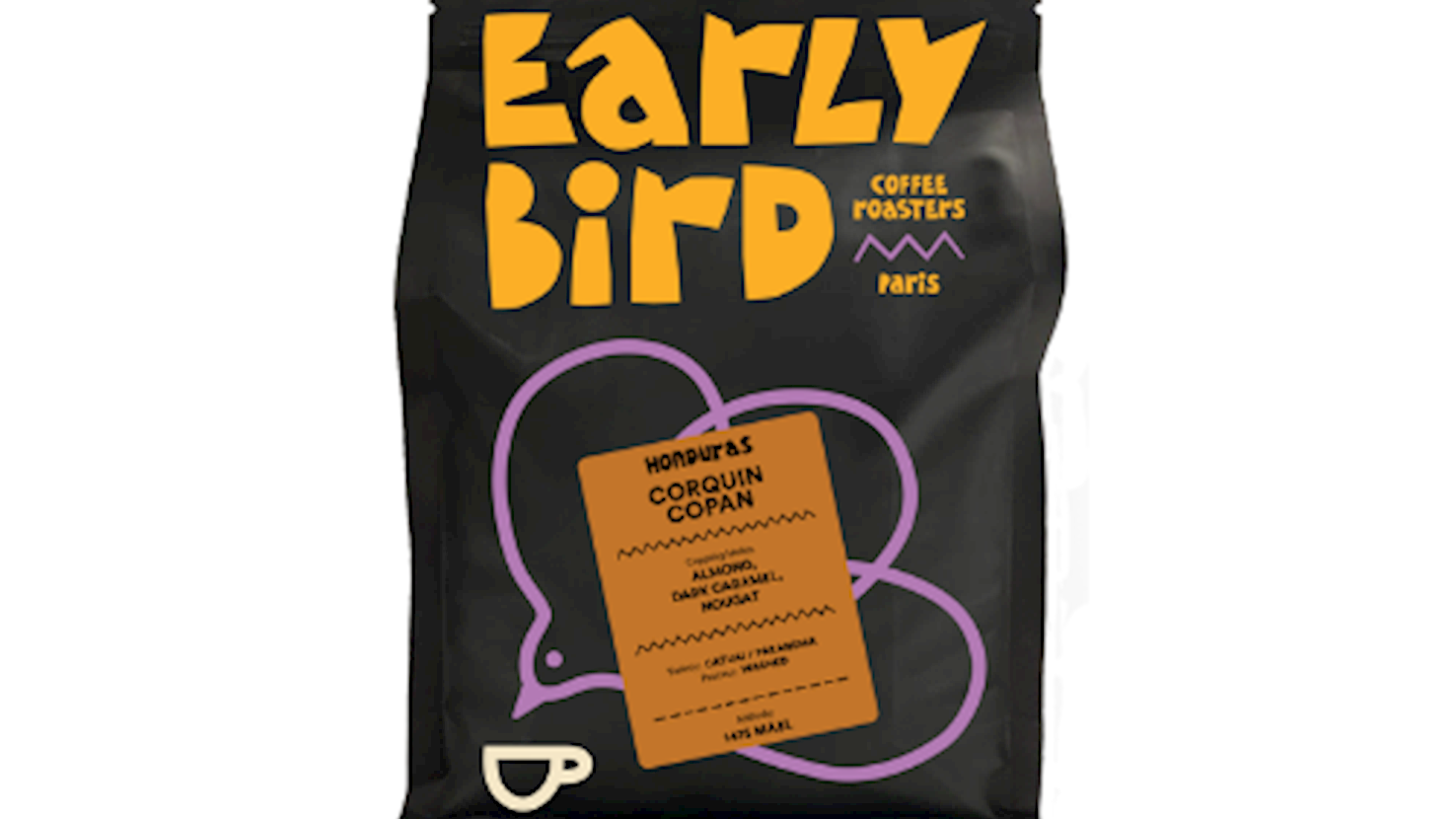
Early Bird Coffee is a Paris-based artisanal coffee roastery specializing in specialty coffee, with a focus on carefully selected beans and in-house roasting designed to highlight the character of each origin. The brand offers coffees sourced from various regions around the world, including Brazil, Ethiopia, Colombia, Honduras, Tanzania and Sumatra, with flavor profiles ranging from chocolatey and full-bodied to fruity and more complex.
In addition to coffee, its offering includes teas, herbal infusions, brewing equipment and educational tasting experiences. Early Bird was created with the idea of combining artisanal roasting, quality service and a local community-driven concept, establishing a space dedicated to contemporary coffee culture.
The brand places particular emphasis on origin transparency, freshly roasted coffee and an approach that showcases the individual identity of each terroir. Within the modern Paris coffee scene, Early Bird is positioned as an independent craft coffee brand that brings together technical expertise, quality sourcing and an authentic artisanal experience.
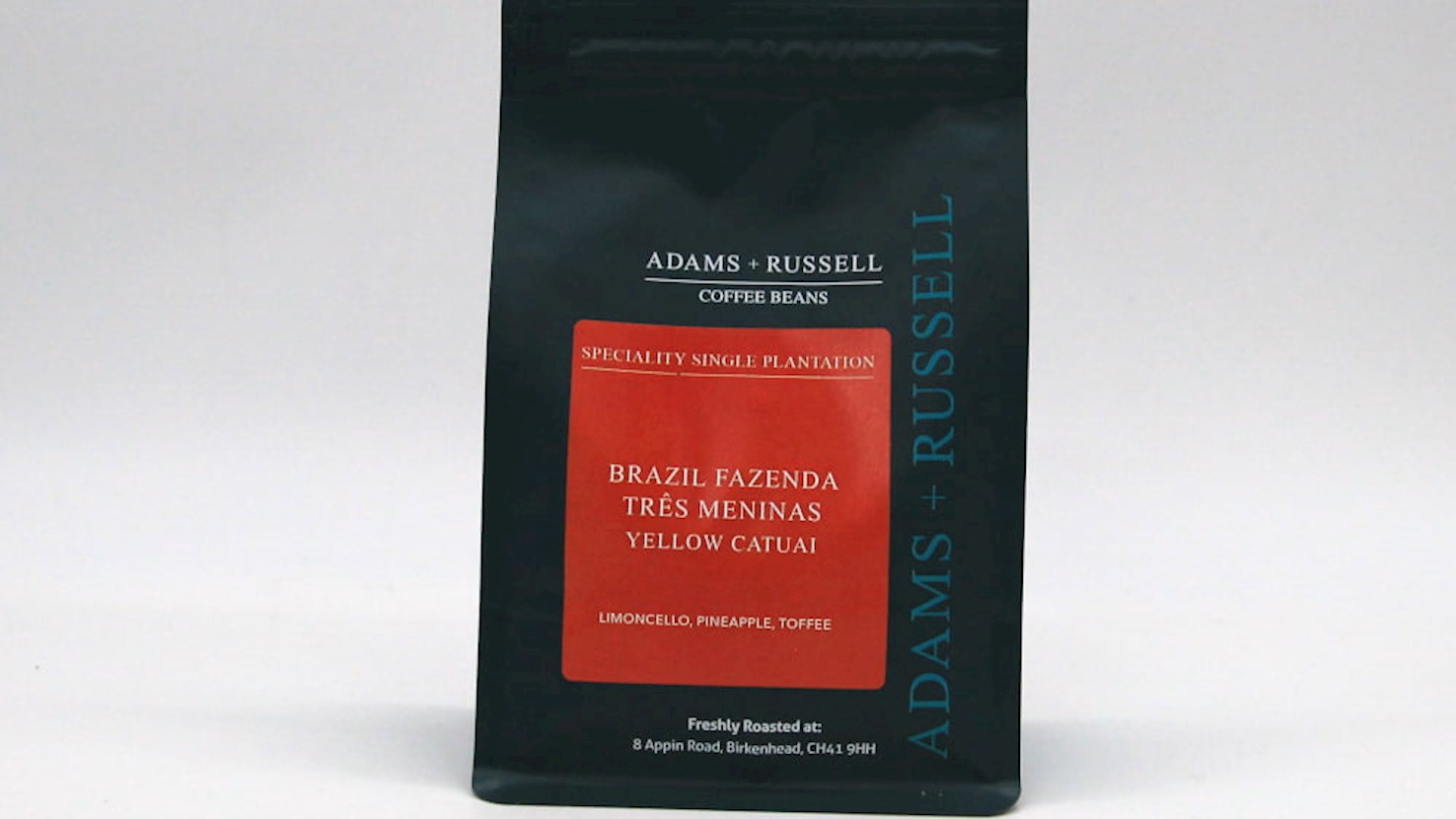
Adams & Russell Coffee Roasters is a coffee producer based in England. They specialize in sourcing and roasting high-quality coffee beans from various regions around the world.
The company offers a wide range of coffee products including single-origin beans, blends, and espresso options. They also focus on sustainability and ethical practices in their sourcing process.
Adams & Russell supplies both retail and wholesale customers, including coffee shops and restaurants.
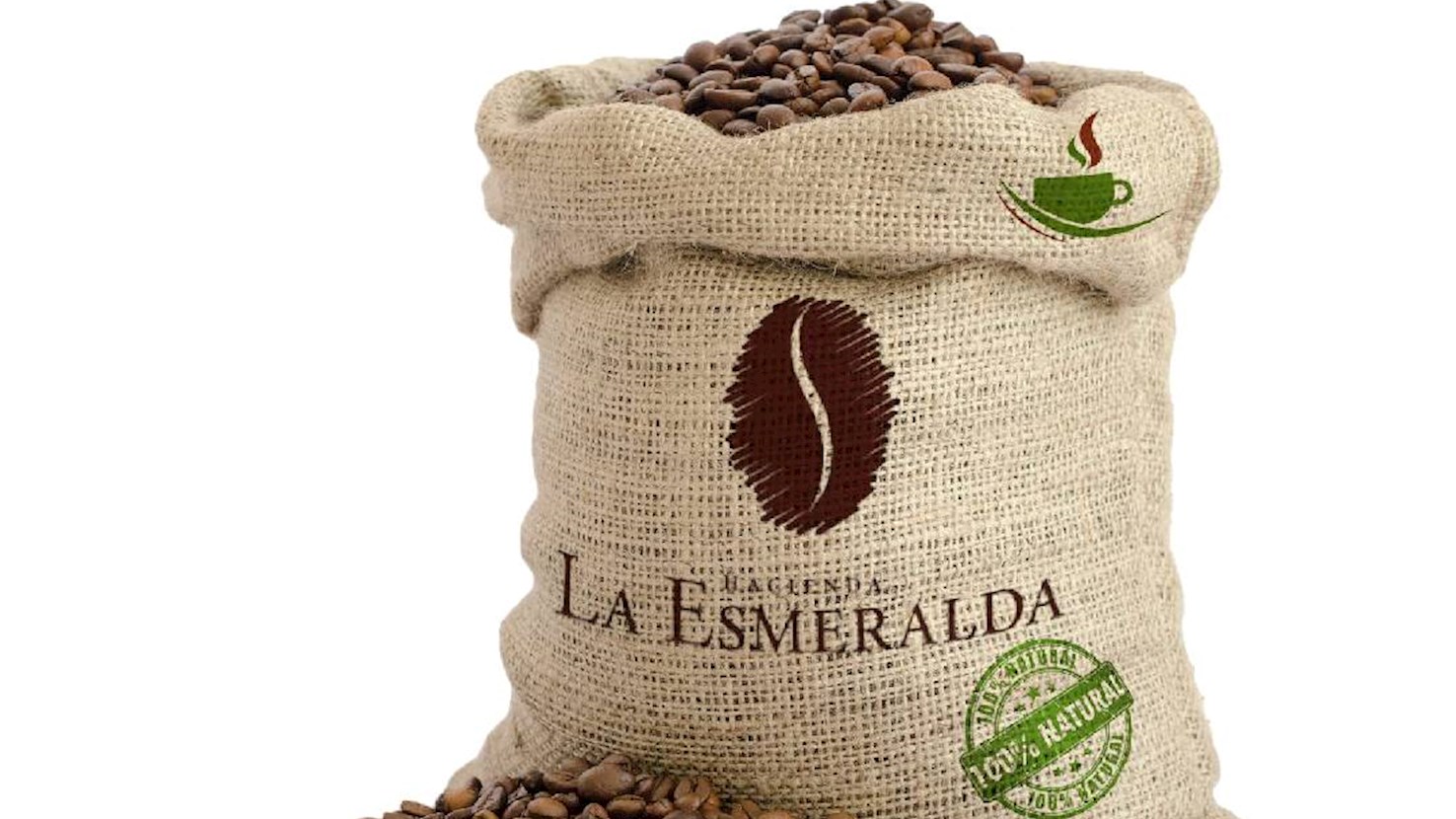
Hacienda La Esmeralda is synonymous with premium coffee and is one of the most esteemed specialty coffee producers in the world. Nestled in the beautiful Boquete region of Panama, this family-owned estate boasts a tradition spanning more than half a century.
The Peterson family acquired the estate in 1967, dedicating themselves to cultivating coffee with unparalleled quality and character.
Their breakthrough moment came in 2004 when they discovered the exceptional properties of the Geisha coffee variety, renowned for its extraordinary aroma and complex flavor profile.
Today, Hacienda La Esmeralda produces exclusive micro-lots of Geisha coffee, such as Esmeralda Auction, Esmeralda Special, and Esmeralda Private Collection, available only through auctions and select sales channels. Each batch of their coffee is the result of meticulously controlled cultivation, careful hand-picking, and innovative processing methods, ensuring an unforgettable taste and experience in every cup.
Hacienda La Esmeralda is more than just a coffee producer – it is a story of dedication, tradition, and the pursuit of perfection.
Their mission is clear: to craft coffee that pushes boundaries and inspires coffee lovers around the world.
Awards
Best Of Panama Competition - 1st Place
(2019, 2010)
TasteAtlas food rankings are based on the ratings of the TasteAtlas audience, with a series of mechanisms that recognize real users and that ignore bot,
nationalist or local patriotic ratings, and give additional value to the ratings of users that the system recognizes as knowledgeable.
TasteAtlas Rankings should not be seen as the final global conclusion about food. Their purpose is to promote excellent local foods,
instill pride in traditional dishes, and arouse curiosity about dishes you haven’t tried.
The initial list of top producers was compiled based on available reviews, awards, local recommendations, media and blog coverage, and consumer reviews.
The list will be updated with ratings from TasteAtlas local ambassadors and TasteAtlas users.




















What People Say