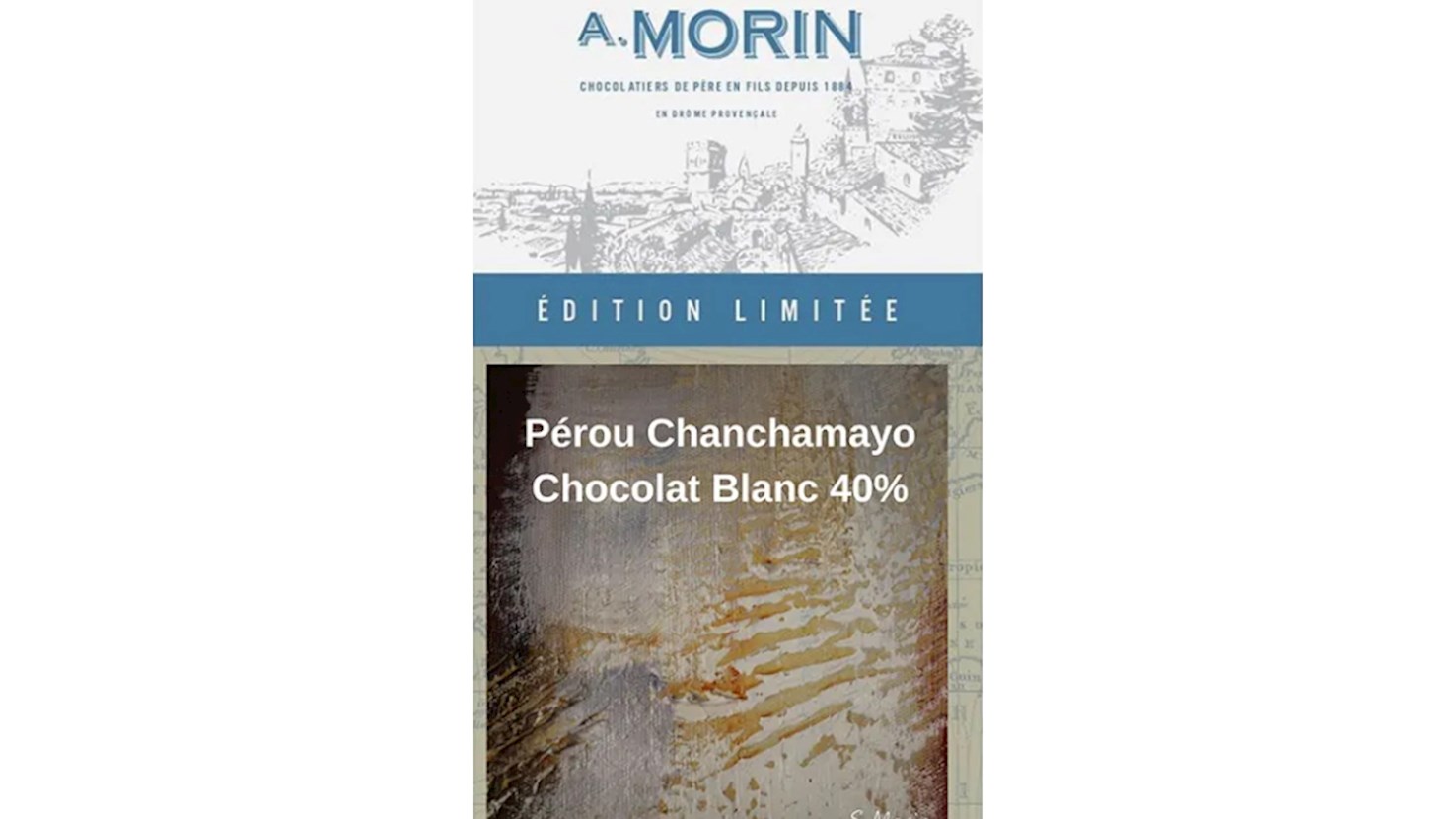
Chocolaterie A. Morin is a family-run chocolate producer based in Donzère, France, established in 1884. The company specializes in bean-to-bar chocolate, processing cocoa beans directly into finished chocolate products. They source a diverse range of cocoa beans from various countries, including Peru, Colombia, and the Dominican Republic, and are known for their meticulous approach to crafting unique chocolate flavors. A. Morin also emphasizes sustainable practices in their production processes.
Awards
International Chocolate Awards - Gold
(2023, 2022, 2019)
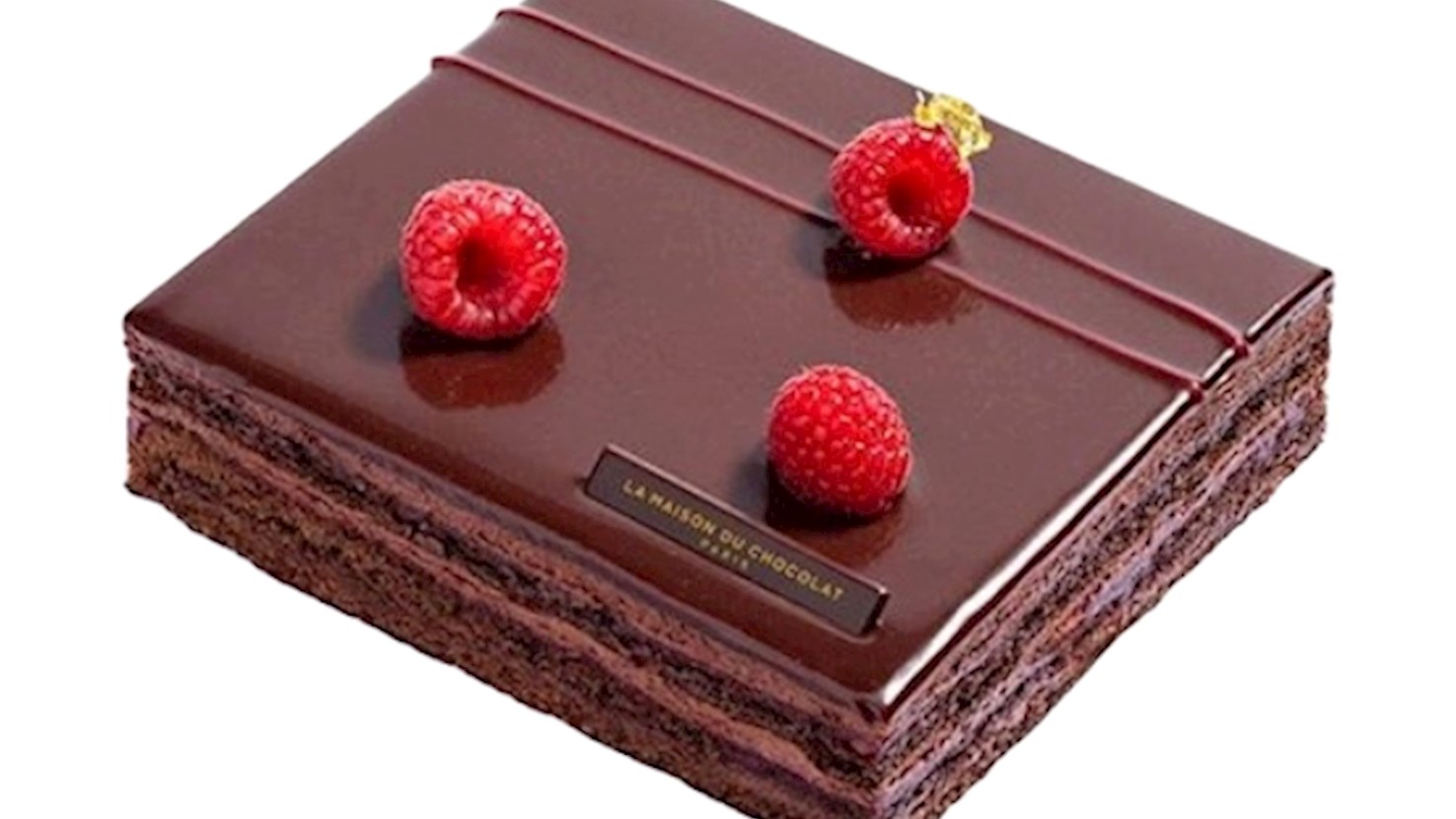
La Maison du Chocolat is a renowned Parisian chocolate house founded in 1977, widely respected for its rigorous approach to fine chocolate and its emphasis on balance, precision and purity of flavour. The brand is particularly recognised for its ganaches, defined by smooth textures, controlled sweetness and clearly expressed cocoa profiles rather than overt richness. Its range includes pralines, truffles, chocolate bars and seasonal collections, all produced with close attention to sourcing, tempering and consistency. La Maison du Chocolat follows a minimalist philosophy in both recipes and presentation, allowing the character of the chocolate itself to remain central. Packaging is elegant and understated, reinforcing the house’s discreet luxury positioning. Over time, the brand has built an international reputation while maintaining strong ties to French chocolatière tradition. Today, La Maison du Chocolat is regarded as a benchmark for refined, technically precise chocolate that prioritises clarity of taste over spectacle.
Vincent Guerlais is a chocolate producer based in Nantes, France. He is known for creating high-quality chocolates and pastries, often featuring innovative flavors and artistic presentations. Guerlais also operates a number of boutiques in Nantes where his products are sold.
Delaveaux Chocolatier is a premium chocolate maker renowned for handcrafted pralines and chocolate specialties. This chocolatier combines traditional production techniques with a modern approach, using high-quality ingredients to create rich and innovative flavors. They emphasize aesthetics, authenticity, and intense chocolate experiences.
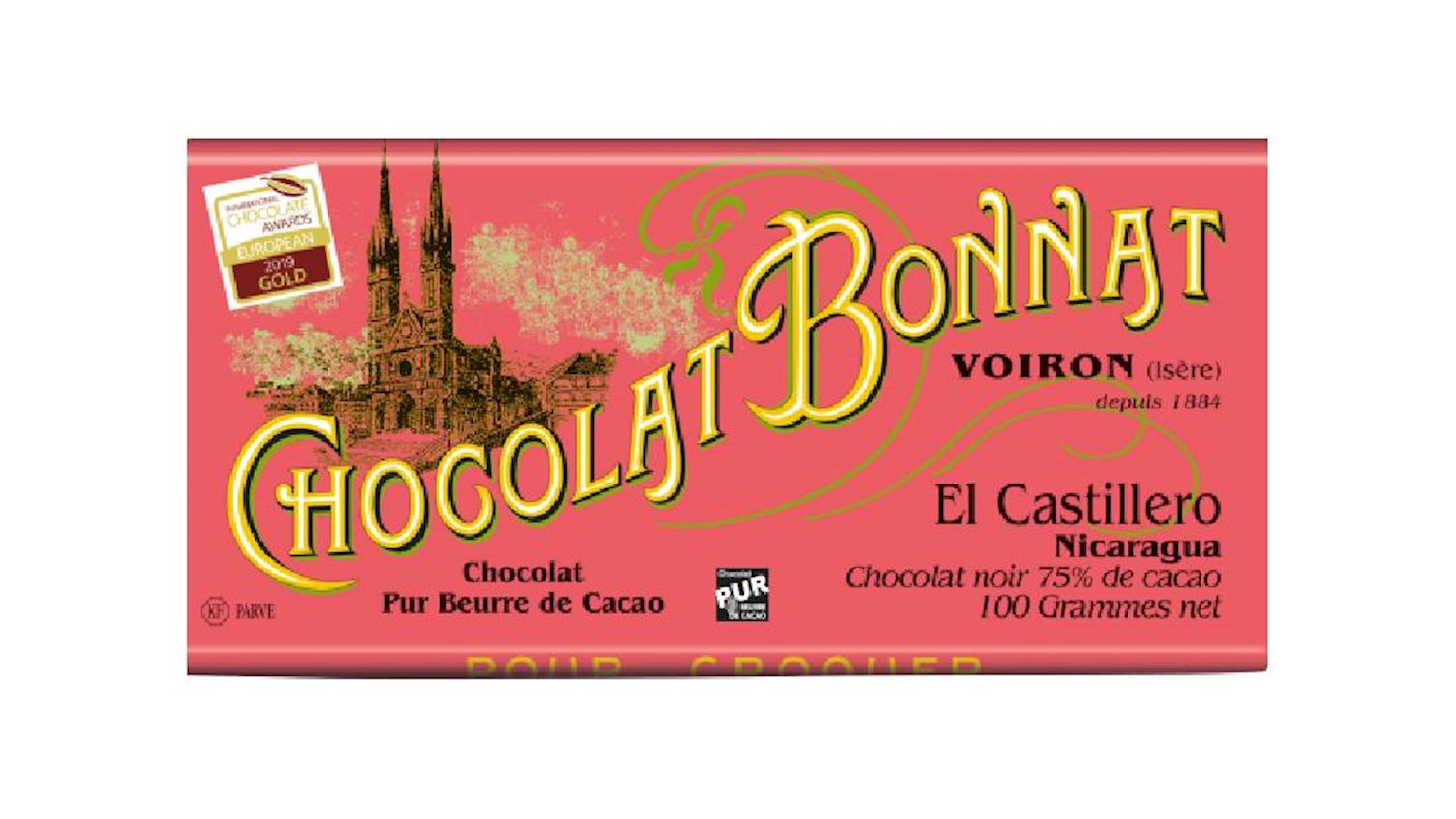
Bonnat Chocolatier is a family-owned chocolate house from France, founded in 1884 in the town of Voiron, in the Isère region. Since then, through generations of the Bonnat family, the company has nurtured a tradition of fine chocolate craftsmanship, combining artisanal precision with innovations that have helped shape the modern world of chocolate. Today, under the leadership of Stéphane Bonnat, the house continues to explore and utilize rare cocoa varieties from Latin America, Asia, and Africa, working directly with producers and supporting sustainable agriculture. Their chocolates, such as "Selva Maya" from Mexico and "Cacao Real del Xoconuzco," have won numerous international awards, including honors from the International Chocolate Awards. Bonnat is renowned for its commitment to quality, using only pure cocoa butter without additives such as lecithin, and creating chocolates that highlight the pure flavors and characteristics of each origin. Their "Grands Crus" bars, with 75% cocoa content, represent the pinnacle of chocolate-making artistry, offering an authentic and refined tasting experience.
Awards
International Chocolate Awards - Best in competition' overall winners
(2016)
International Chocolate Awards - Gold
(2019, 2016)
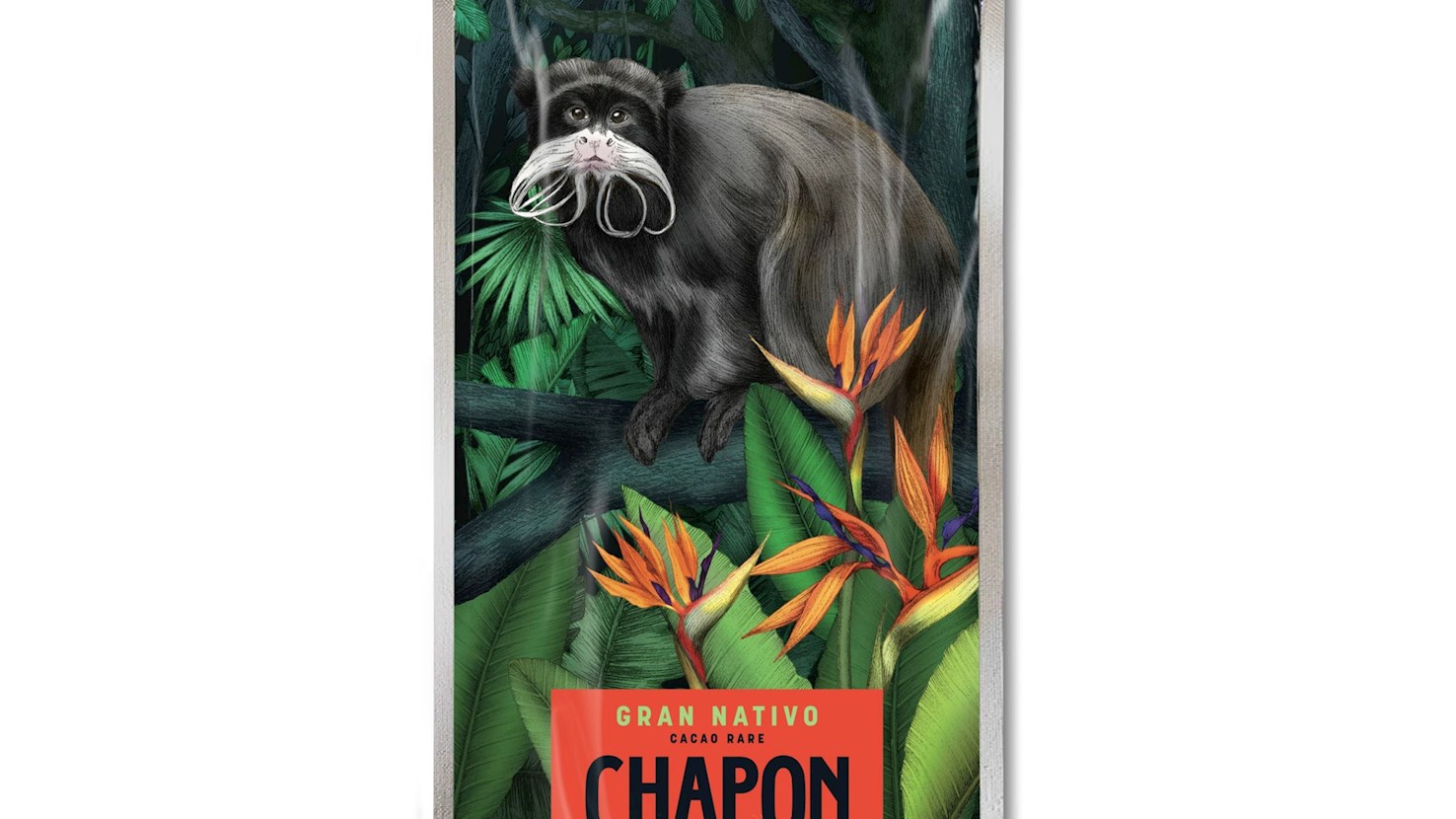
Chapon is a French artisanal chocolate brand founded by Patrice Chapon in 1986, known for its high-end “bean-to-bar” approach where every stage of production is controlled in-house—from selecting cocoa beans to roasting, grinding, and crafting the final chocolate products. The brand focuses on single-origin cocoa, allowing each chocolate bar to express the unique flavor profile of its geographic origin, without artificial additives or flavorings. Chapon is recognized for its craftsmanship and innovation, including its signature chocolate mousse bar concept and a wide range of pralines, truffles, and origin-based dark chocolates. Under the philosophy of treating chocolate as a true gastronomic product, the brand combines traditional French pastry expertise with precise modern production techniques, resulting in complex, aromatic chocolates with a strong emphasis on purity and taste identity.
Awards
Academy of Chocolate - Gold
(2024, 2023)
Academy of Chocolate - Silver
(2024, 2023, 2020, 2019)
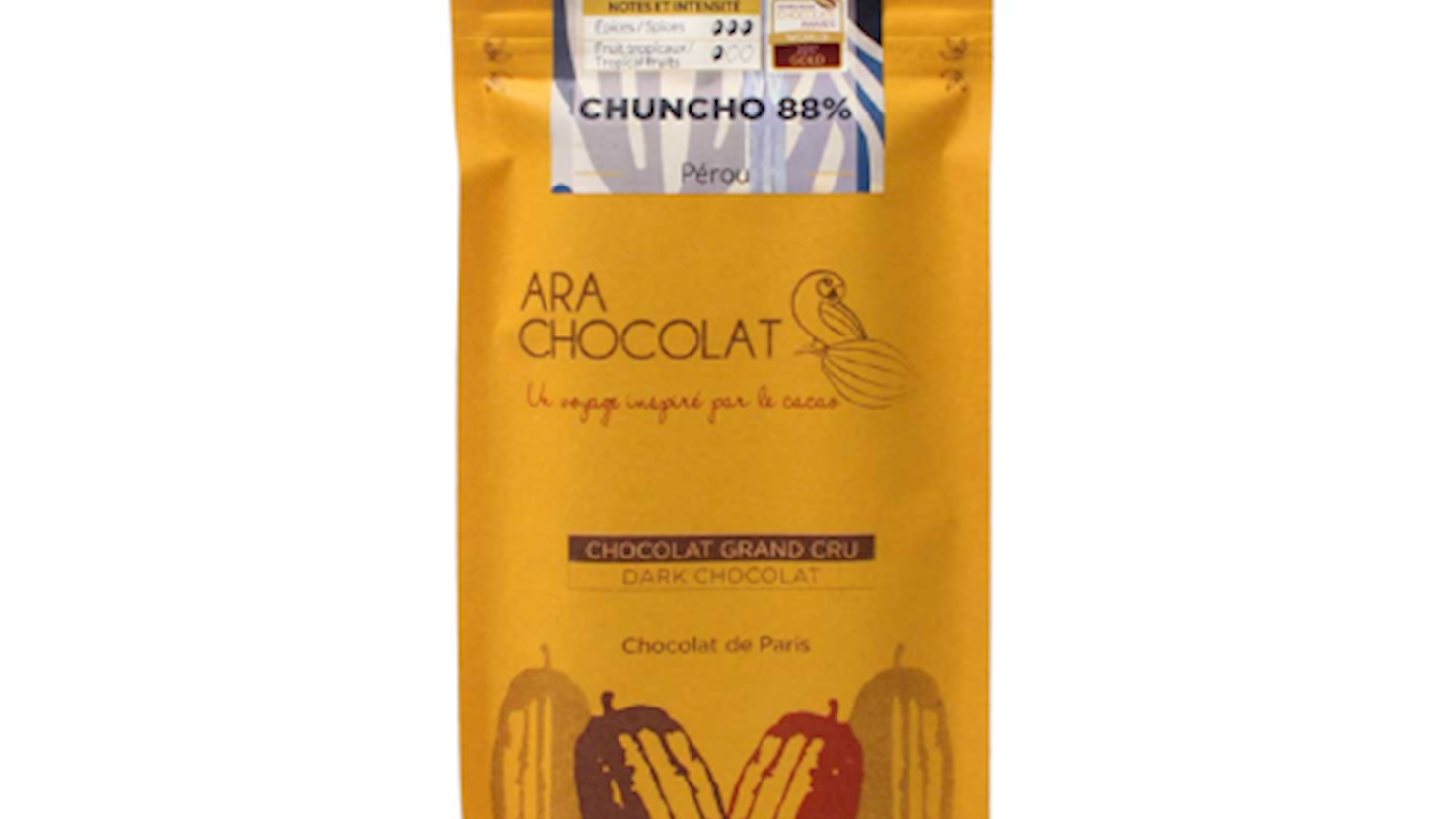
Ara Chocolat is a Parisian chocolate maker operating under the “bean-to-bar” principle, meaning they control the entire process - from cacao bean to finished bar. It was founded by Andrés and Sabrina, a Venezuelan couple, who wanted to connect their Latin American roots with Paris’s chocolate tradition. Their philosophy is based on direct collaboration with small cacao producers in Latin America. A special focus is placed on preserving native cacao varieties, which carry the distinctive aromatic profiles of their terroirs. Their commitment to sustainability is also reflected in supporting cooperatives that work on preserving cacao biodiversity. Through quality, authenticity, and a clear mission, Ara Chocolat has earned a special place among Parisian artisanal chocolatiers.
Awards
International Chocolate Awards - Gold
(2017, 2016)
International Chocolate Awards - Silver
(2023, 2019, 2018, 2016)
Valrhona is a renowned French chocolate manufacturer celebrated for its commitment to excellence, innovation, and sustainability. As a pioneer in the chocolate industry, Valrhona has introduced unique flavors, such as Guanaja 70%, the first dark chocolate with a high cocoa content, and Dulcey, an innovative blond chocolate that added a new dimension to the chocolate world.
The company stands out with its "bean-to-bar" philosophy, carefully selecting cocoa beans from various parts of the world to create chocolates that reflect authentic aromas and characteristics of their origin. This dedication to quality and transparency enables Valrhona to offer products that meet the highest standards in the industry.
Awards
Academy of Chocolate - Gold
(2011, 2009, 2008, 2006)
Academy of Chocolate - Silver
(2011, 2008, 2006, 2005)
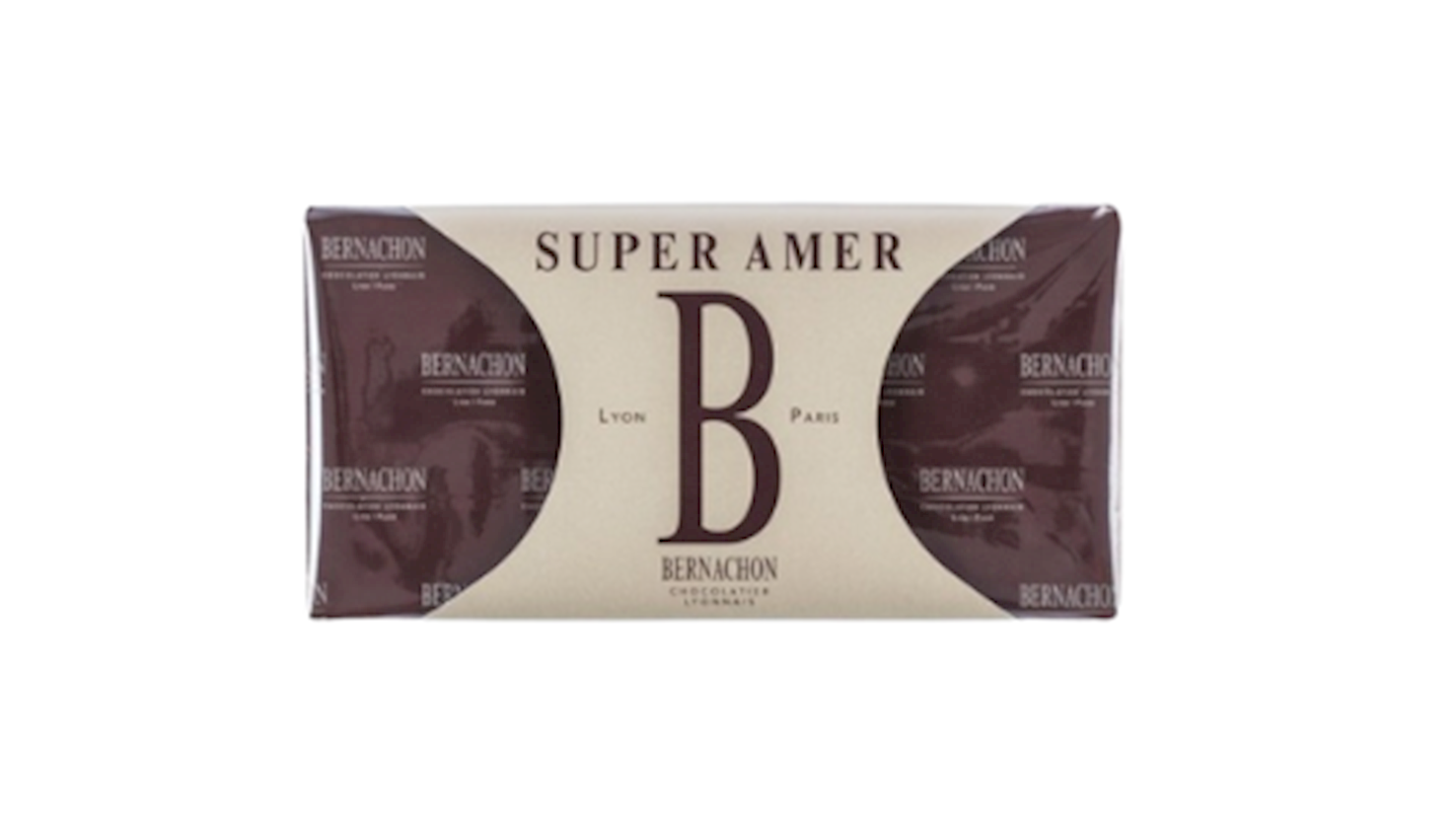
Bernachon is a family-run chocolate house from Lyon, founded in 1953 by Maurice Bernachon, and today stands as one of the most authentic representatives of French artisanal chocolaterie. What sets it apart is the fact that it is among the few producers that craft chocolate entirely bean-to-bar, meaning they control every stage from cocoa bean to finished product. Bernachon roasts, grinds, and refines its own cocoa beans, ensuring complete mastery over the quality and flavor profile of each batch. The brand has remained a family enterprise - now led by Philippe and Stéphanie Bernachon, the founder’s descendants - who continue the tradition of blending classic craftsmanship with contemporary creativity. The house holds the prestigious Entreprise du Patrimoine Vivant label, a recognition granted by the French government to brands that preserve exceptional traditional know-how. Their boutique in Lyon combines a workshop, pastry shop, and tasting salon, offering an immersive experience that goes beyond simply buying chocolate. Bernachon chocolates are renowned for their aromatic complexity - a fusion of rich cocoa tones, praliné fillings, and fruity notes, often adorned with touches of edible gold leaf. The assortment includes pralines, truffles, chocolate bars, candied fruits, and confections that blend classic French recipes with modern aesthetics. Bernachon remains faithful to the philosophy that chocolate is an art form - one that reflects the origin of every ingredient and the precision of the artisan’s hand. Their creations radiate warmth, authenticity, and refined luxury, making the brand one of the cornerstones of French haute chocolaterie.
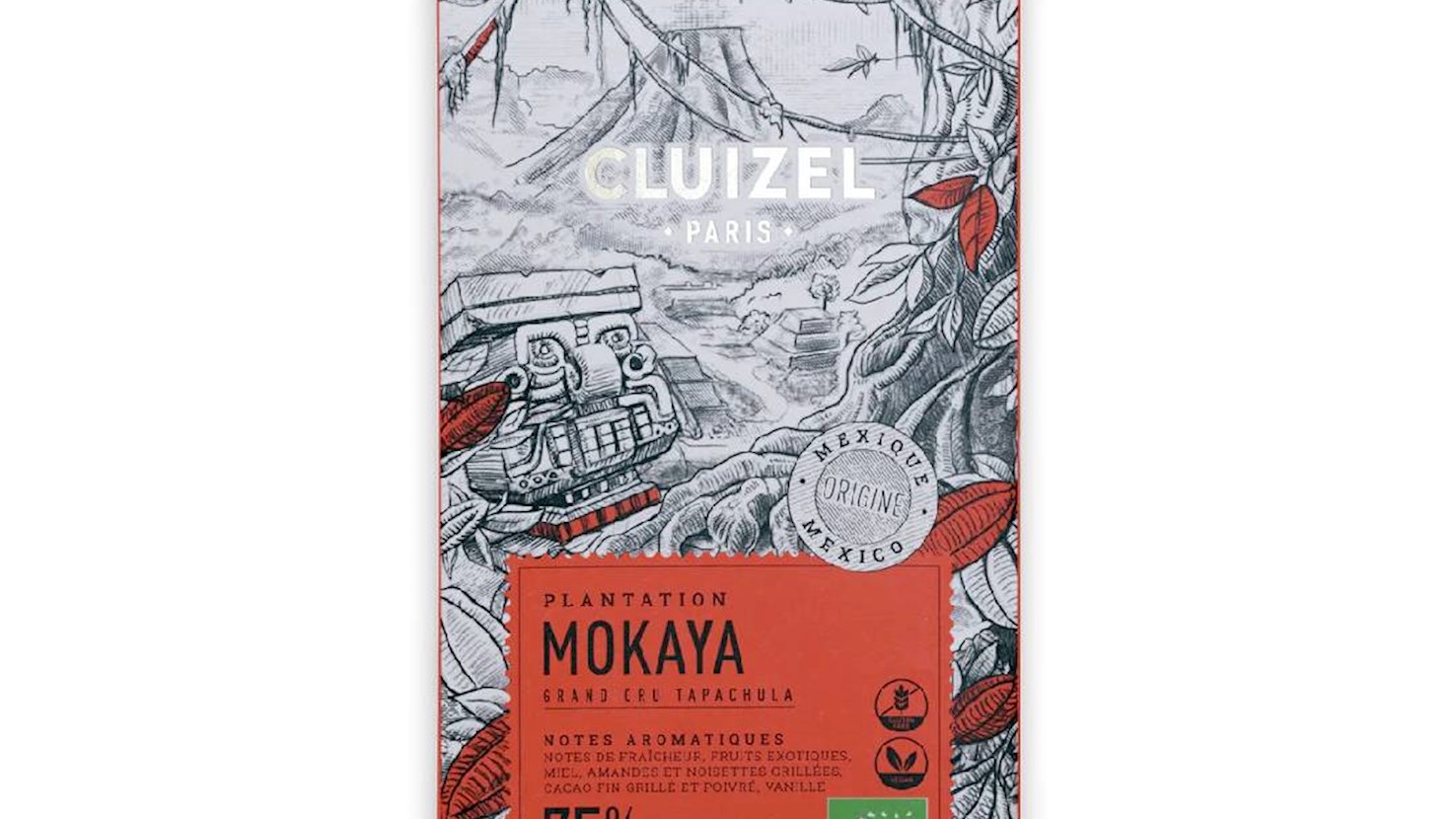
Michel Cluizel is a renowned French chocolate maker based in Mesnils-sur-Iton, Normandy, celebrated for its dedication to crafting premium bean-to-bar chocolate. Founded in 1948 by Marc and Marcelle Cluizel, the company has remained family-owned and is now led by the third generation of the Cluizel family. Cluizel stands out as one of the few chocolate manufacturers that controls the entire production process—from selecting cacao beans to the finished product—without using soy lecithin, artificial flavors, or preservatives. Their "Noble Ingredients" philosophy ensures the exclusive use of pure cocoa butter, sugar, and Bourbon vanilla in their chocolate making. In addition to a wide range of chocolate bars, Cluizel also offers an assortment of pralines, truffles, spreads, and other delicacies, including chocolates tailored for professional pastry chefs. Their products are available in specialty stores as well as in their own boutiques in Paris and New York.
Awards
Academy of Chocolate - Gold
(2021, 2016, 2013, 2011, 2006)
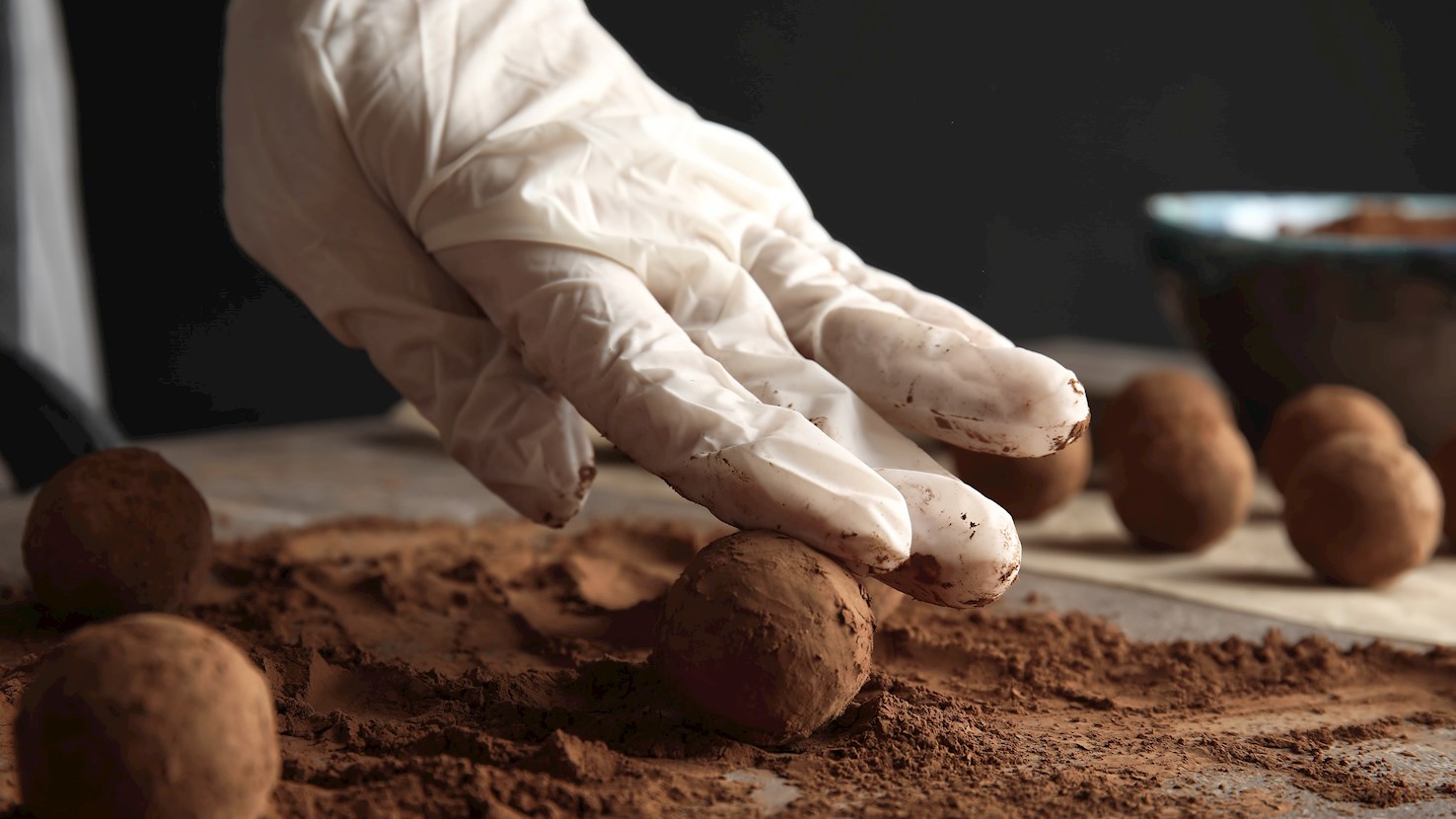
Chocolate truffles are made with ganache that's shaped into a ball, dipped in chocolate, and rolled in cocoa powder. The story of chocolate truffles began with the invention of cocoa press in 1828, which allowed chocolatiers to extract cocoa butter from cocoa beans. After extracting the cocoa butter, they were left with chocolate solids which, combined with cream, became ganache, the key ingredient used as an inner layer of true chocolate truffles. In order to make different and distinctive flavors, additions such as peanut butter, cognac, champagne, caramel, fruits, or nuts are added to the ganache. The first chocolate truffles were made in the French city of Chambéry in 1895 by Louis Dufour. Having run out of ideas for Christmas treats, he decided to shape the ganache into a ball, dip it in melted chocolate, and roll it in cocoa powder. The sweet treat got its name because it looked similar to another kind of truffle – the luxurious, rare, prized mushroom. Due to the high cost of cocoa beans, chocolate truffles were initially a treat consumed only by the wealthy, but as times changed, they spread all over Europe and the rest of the world. Today, they are traditionally consumed during the holiday season or given as a symbol of love and appreciation that is best paired with a bouquet of flowers.
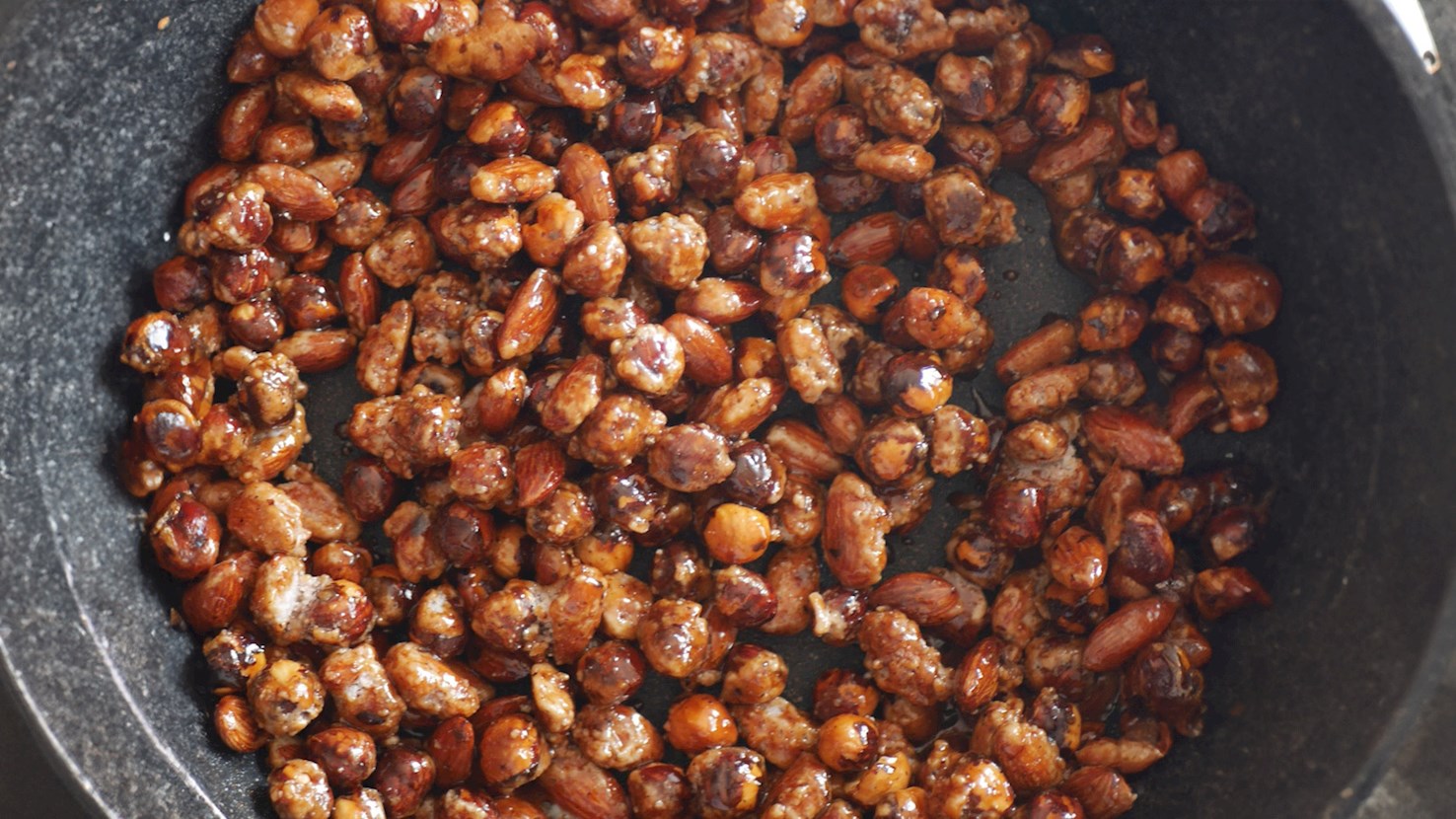
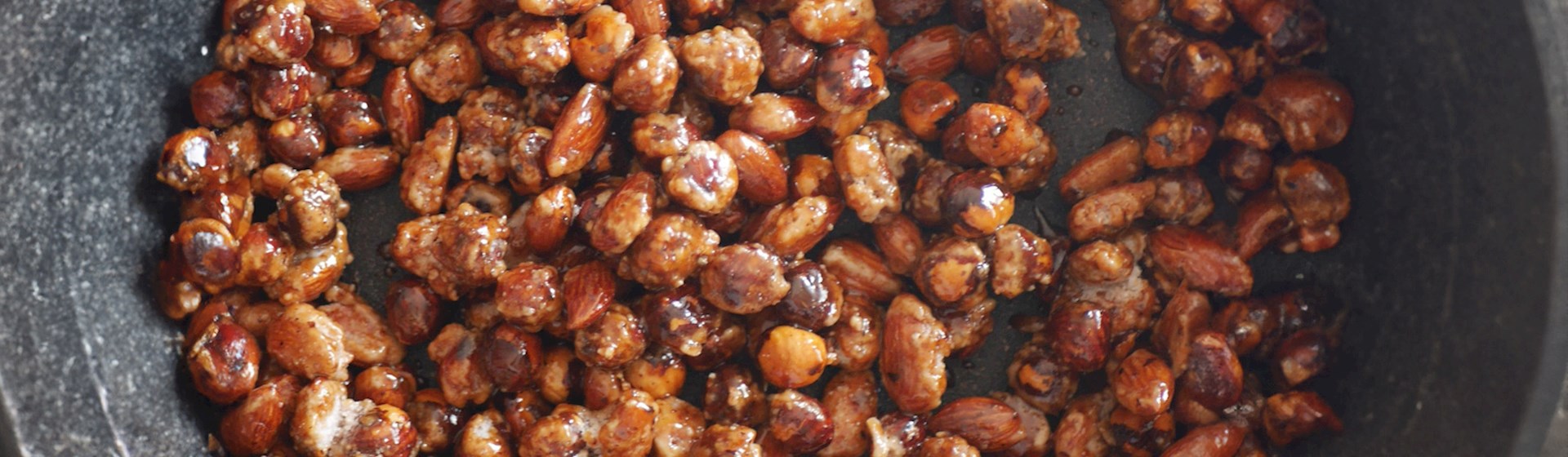
French pralines are traditional sweet products made with a combination of caramelized sugar and whole almonds. They bear little resemblance to the classic, chocolate-based Belgian pralines, though these caramel-coated almonds are occasionally ground into a fine powder called pralin, which is commonly used as a filling in Belgian pralines. It is believed that Ursuline nuns who arrived in Louisiana in the 1700s brought the tradition of preparing French pralines. The original recipe was later adapted with butter, cream, and pecans to create the now-classic American pecan praline.
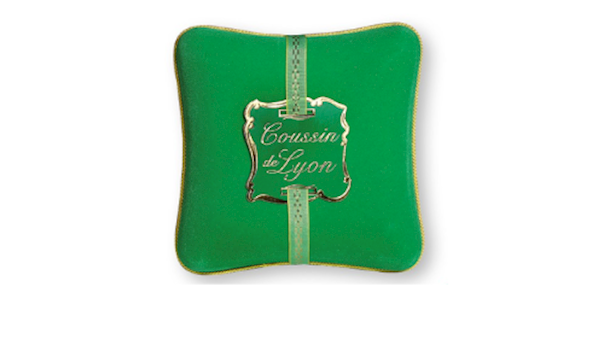
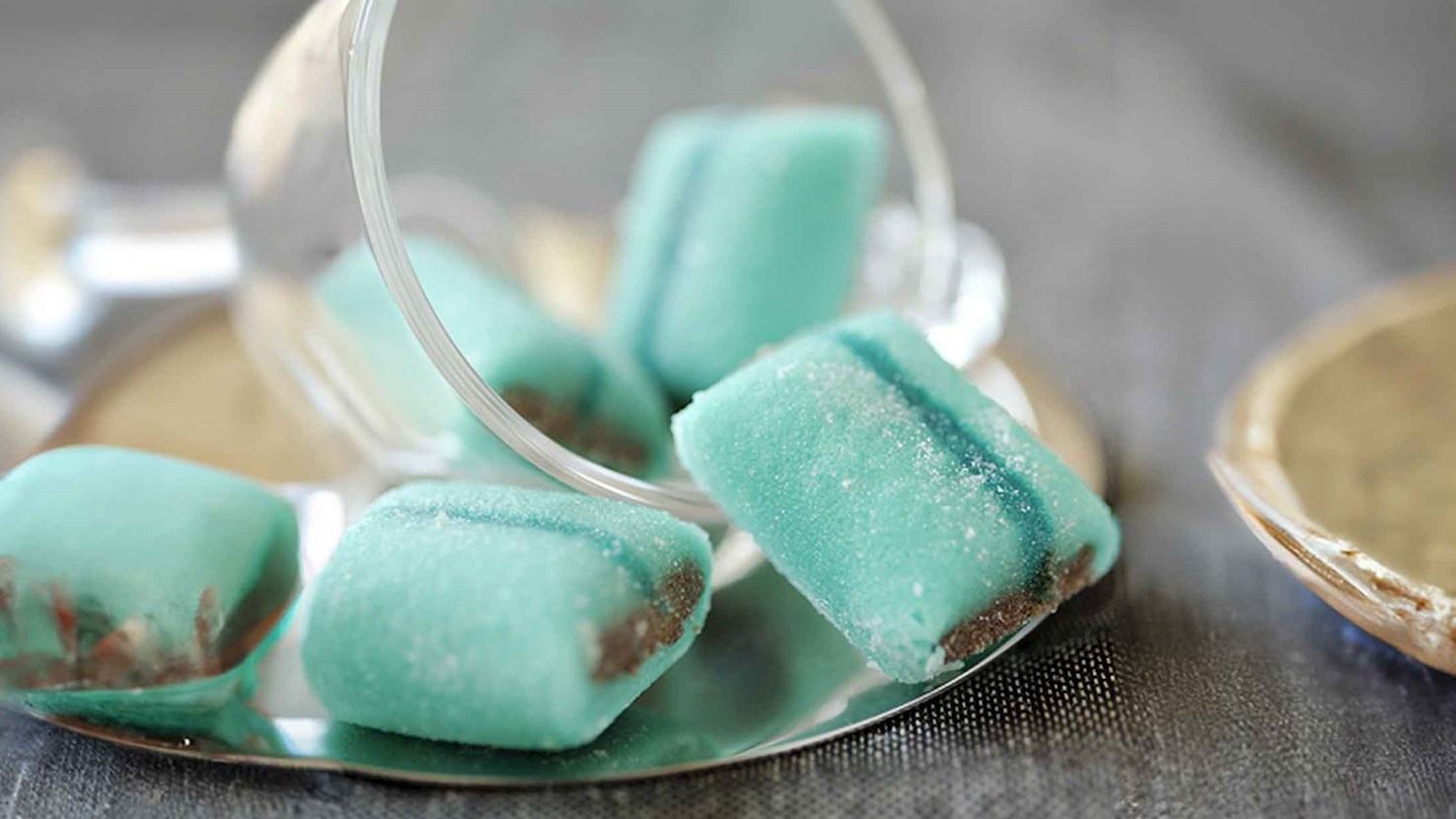
Coussin de Lyon is a traditional confection originating from Lyon. This delicacy is a type of marzipan candy, characterized by its unique shape and vibrant green color. The candy is made from high-quality almond paste (marzipan) and filled with chocolate ganache flavored with curaçao, an orange-flavored liqueur. Shaped like a small, rectangular cushion, it is usually bright green with gold or silver decorative accents. The name comes from its resemblance to a small, decorative cushion. The confection was created by the famous Lyon-based chocolatier Voisin in the 1960, and was inspired by a historical event during the plague in the 17th century when the aldermen of Lyon offered a gold cushion with a wax candle to the Virgin Mary, hoping to be spared from the epidemic. Traditionally handmade, Coussin de Lyon ensures that each piece maintains its quality and distinctive appearance. These confections are available at fine chocolate shops in Lyon and can also be purchased online from various gourmet retailers.
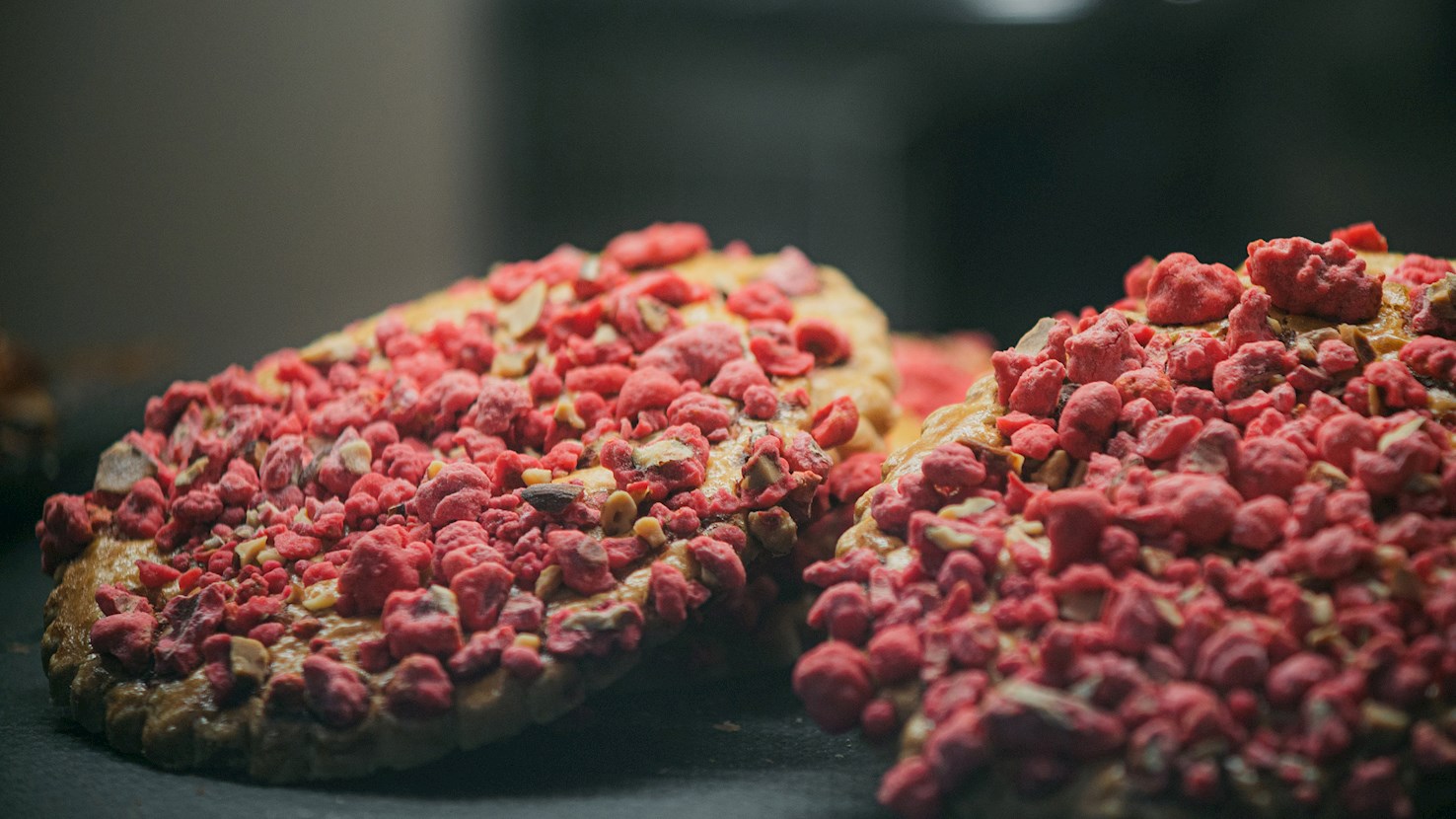
Pralines roses, or "pink pralines," are a type of confectionery from France, particularly associated with Lyon. These candies are made by coating almonds with a vibrant pink sugar coating. They are both visually striking and delicious, and they serve as a key ingredient in several traditional French desserts. The main ingredients are almonds and sugar, with pink food coloring giving the pralines their distinctive color. The preparation involves coating the almonds in pink sugar syrup, which is heated until it crystallizes around the nuts, creating a crunchy, sweet coating. This process is repeated several times to achieve a thick, consistent coating. Pralines roses are used in various desserts. One of the most famous is Tarte aux Pralines Roses, a specialty from Lyon. This tart consists of a pastry crust filled with a mixture of crushed pralines and cream, resulting in a rich, sweet, and visually appealing dessert. Another popular use is in brioche, where the pralines are incorporated into the dough or sprinkled on top before baking.
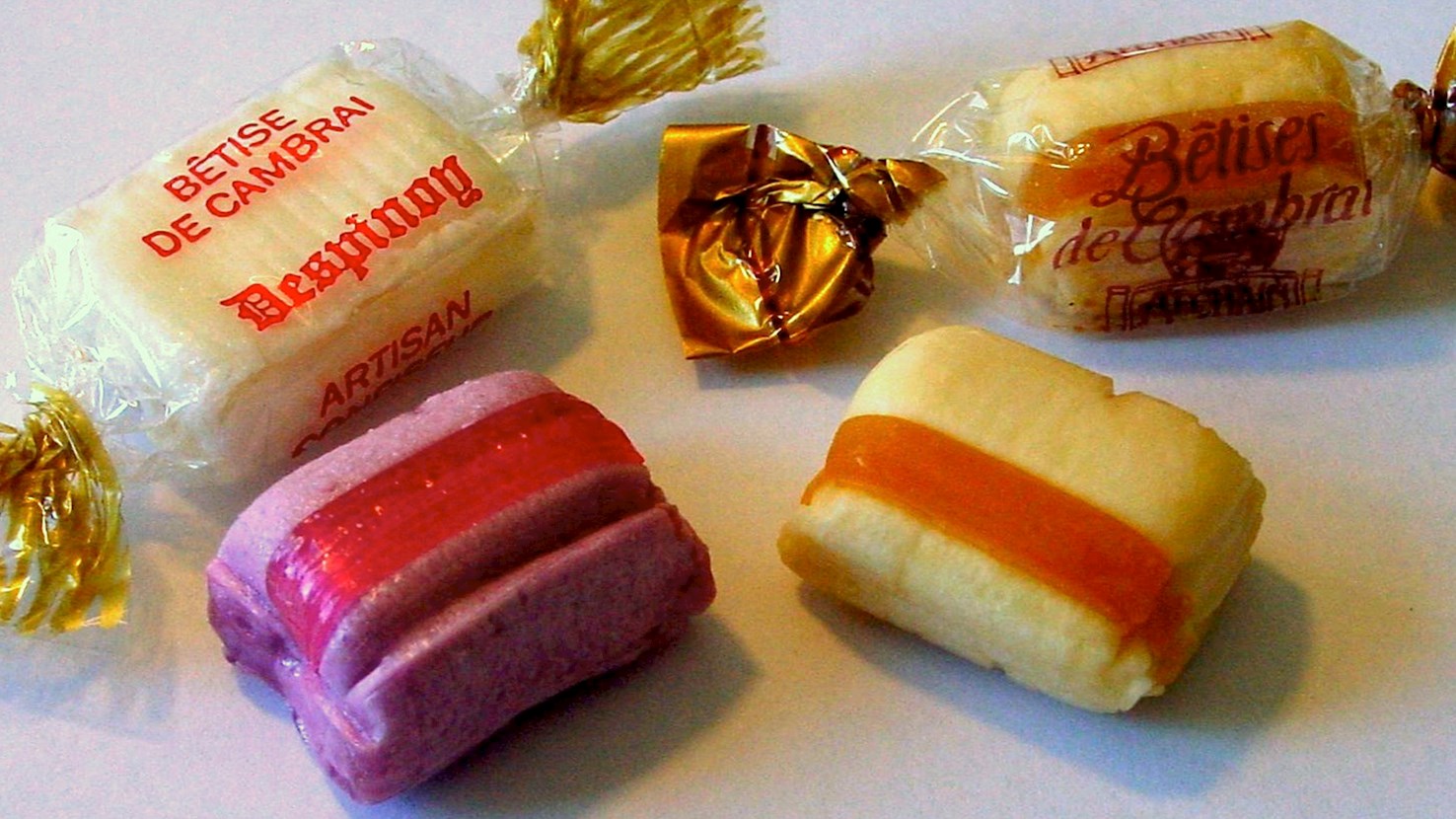
Bêtise de Cambrai is a popular candy and a specialty of the town of Cambrai. Their original flavor is mint, but nowadays there is a great range of flavors such as apple, chocolate, violet, and cherry. The candies are usually decorated with a caramel stripe which gives them extra sweetness. Bêtises come individually wrapped in cellophane, and are often packaged in tin boxes. They are so popular that the French consume an average of 3.5 kg of these sweets per year. Interestingly, two houses have a dispute over the candy - Afchain and Despinoy. In 1889, the court declared that Despinoy was the creator and Afchain the inventor, but the debate continues to live on.
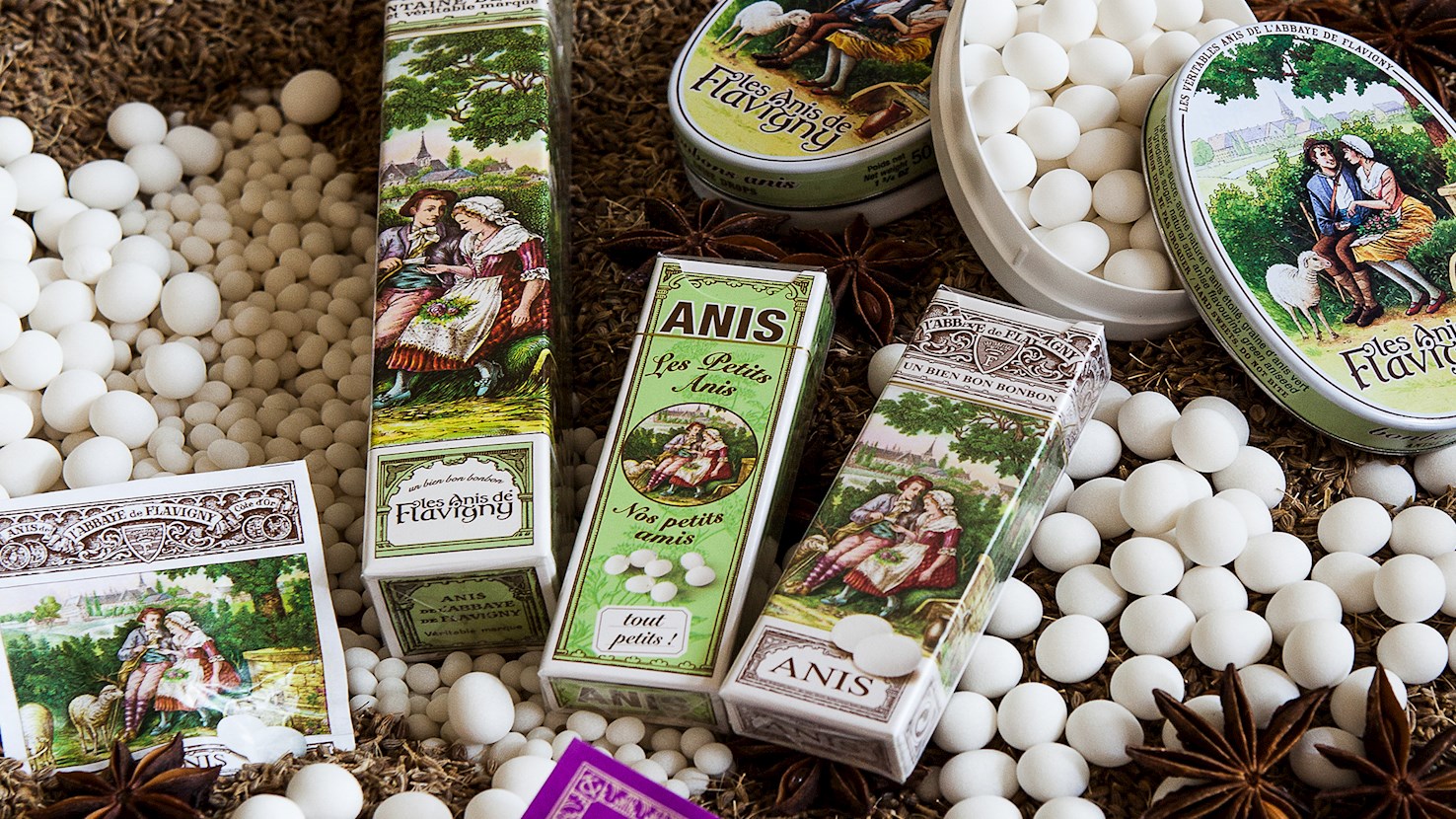
These candies are traditionally produced in Flavigny from a recipe dating back to 1591. Anise seeds are first placed in a pan and coated with a combination of sugar and water, and then the pans are rotated, making the candies smooth. It takes about 15 days to transform a small seed into a candy that weighs one gram. The candies come in ten natural flavors – anise, blackcurrant, lemon, ginger, tangerine, mint, orange blossom, liquorice, violet, and rose. Regardless of the flavor, the finished candy is always called Anis de Flavigny.
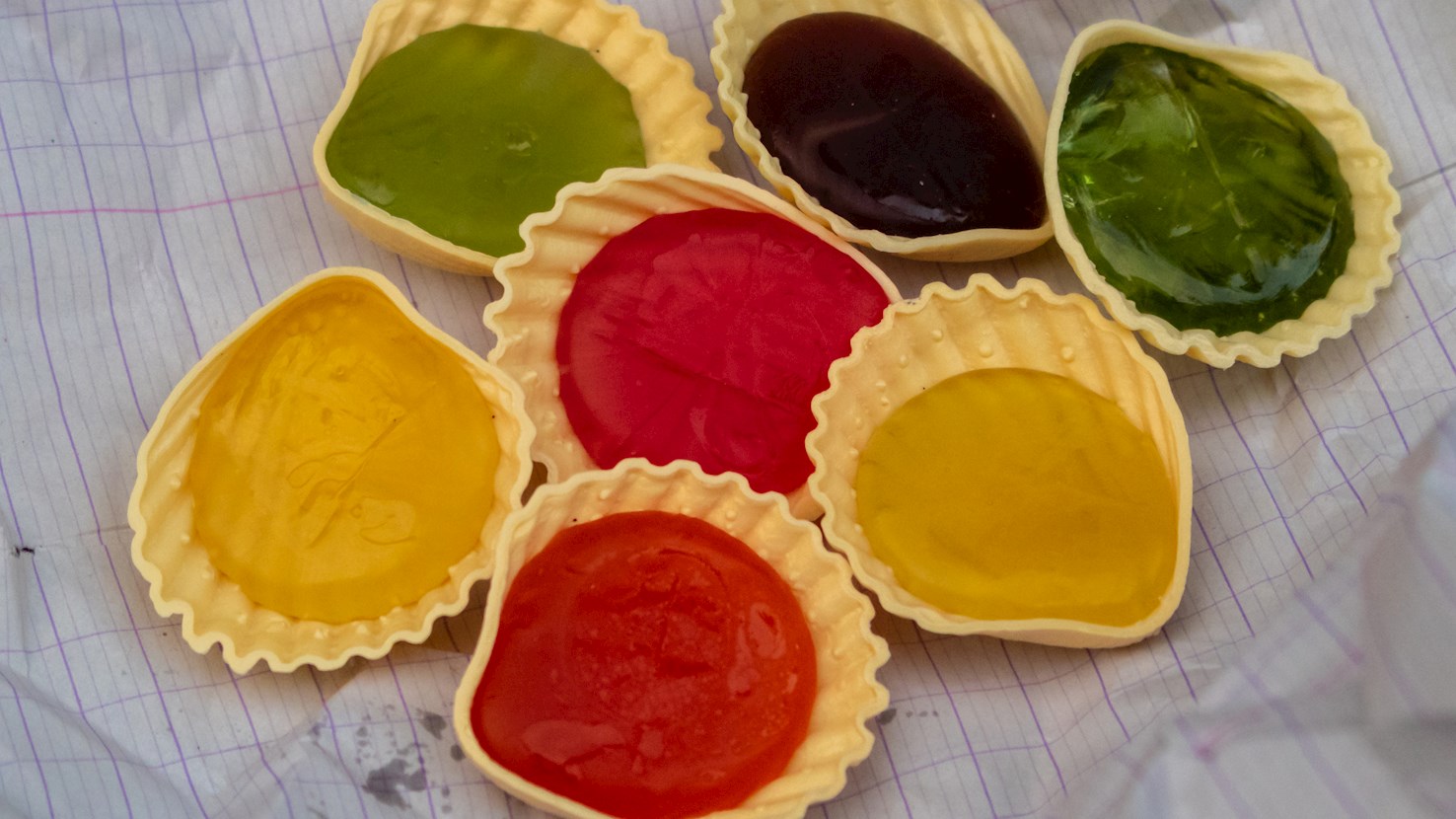
Roudoudous are traditional candies originating from France. These sweets were especially popular from the 1950s to the 1970s, when local confectioners drizzled fresh caramel or fruit-flavored syrup into a seashell and left the concoction to harden. Roudoudous were one of the favorite sweet treats for children, and nowadays, the commercial versions are usually sold in plastic shells. The sweet treat is enjoyed just like a lollipop – by licking it until it disappears.
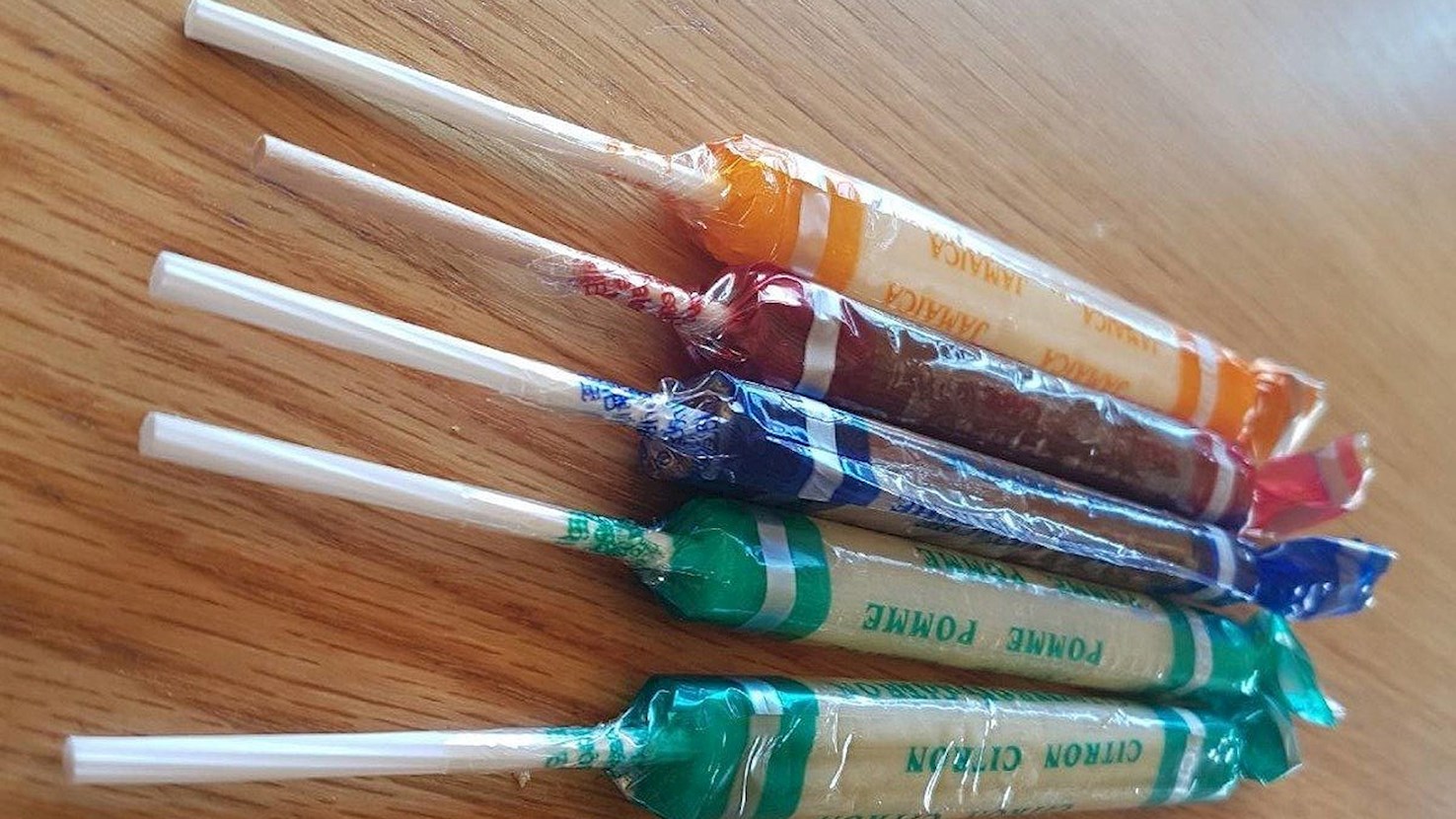
Niniches are traditional and trademarked French confectionery items originating from Quiberon in Brittany. These hard candies in the shape of a long lollipop in a colored wrapping are made from a combination of sugar, glucose, flavorings, and citric acid for the fruit version. There are a few varieties, and the salted butter-caramel lollipop one is made from glucose, condensed milk, butter, dried fruit, salt, and alcohol or flavorings. The fruit version is flavored with strawberries, pears, banana, melons, or coconut. The niniches were invented by Raymound Audebert in 1946, and the recipe is now a part of French culinary heritage.
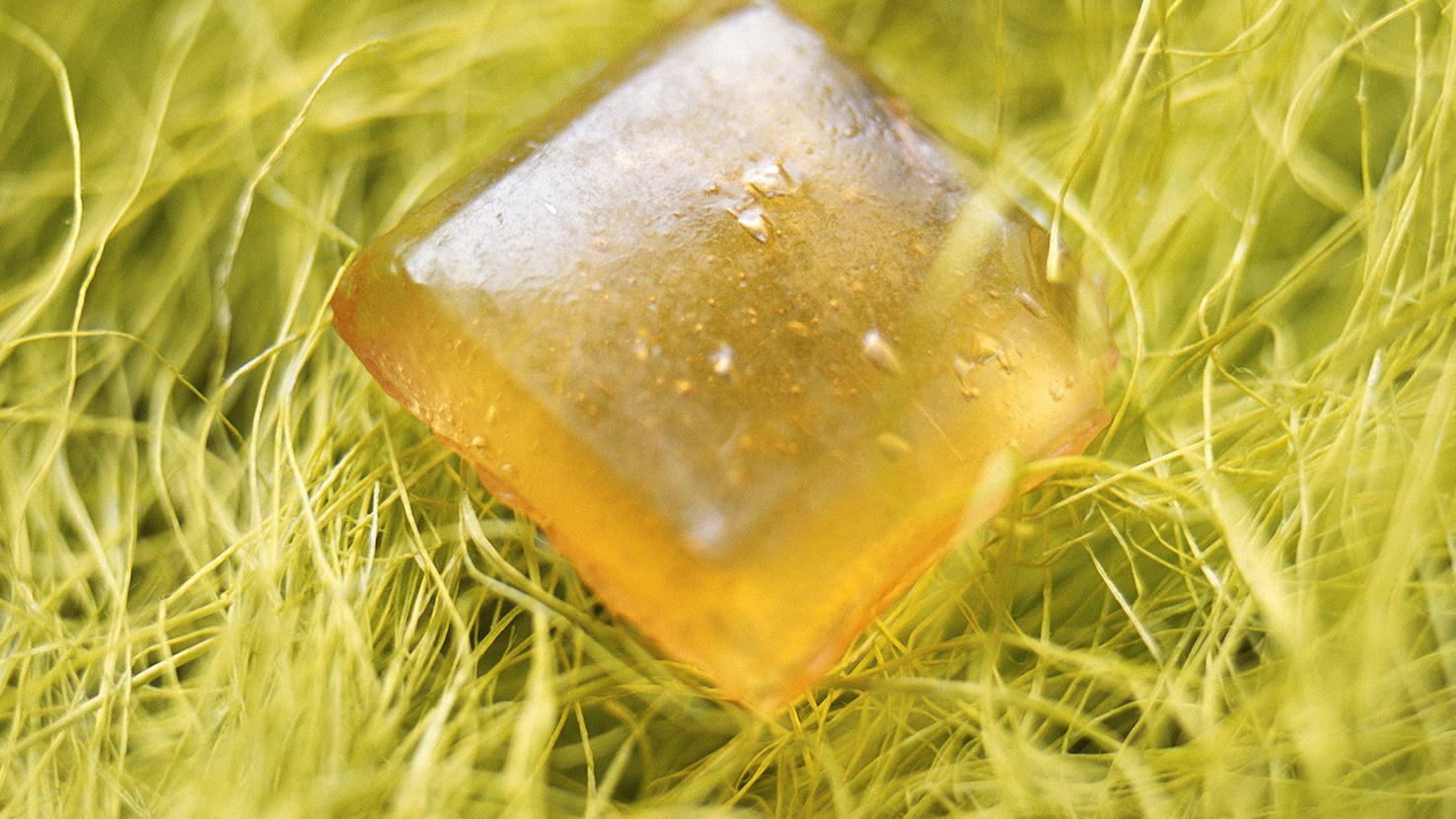
Since 1857, this shiny, small, hard candy is made from cooked sugar and bergamot essential oil in the French region of Lorraine. First, sugar is heated over the flame, and then the bergamot essence is added. When the mixture cools, it gets cut by hand into tiny pieces. Bergamot oil is extracted by pressing the rind of bergamot orange, which is a hybrid between lemon and wild orange and is a symbol of the city of Nancy. The square shaped Bergamote de Nancy is translucent amber and has a refined, sweet, slightly bitter, inimitable taste. No artificial colors or additives are allowed in the final product. In the culinary world, they can be used crushed, as a sprinkling powder for soufflés.
A mentchikoff is a small, oval-shaped confectionery consisting of a dark chocolate praline core enrobed in a crisp, white meringue shell, originating from the city of Chartres in the Centre-Val de Loire region of France. The creation of this sweet item occurred in the autumn of 1893, formulated by a local master chocolatier named Daumesnil who operated a confectionery shop on Rue de la Volaille in Chartres. The release of the sweet coincided directly with the signing of the Franco-Russian Alliance, a diplomatic treaty celebrated across France that inspired Daumesnil to name his creation after Prince Vladimir Andreevich Menshikov, a prominent Russian military and political figure, as a commercial homage to the newly established geopolitical partnership between the two nations. The preparation of a mentchikoff requires a multi-stage assembly process that begins with the fabrication of the internal praline core. This core is produced by finely grinding a mixture of roasted hazelnuts, roasted almonds, and granulated sugar into a dense, oily paste, which is subsequently blended with dark chocolate couverture and cocoa butter to stabilize the matrix. This chocolate-praline mass is then extruded or rolled into small, uniform logs, sliced into bite-sized oval portions, and left to cool completely until rigid. For the exterior encapsulation, a specialized French meringue is prepared by whipping fresh egg whites with icing sugar until stiff, glossy peaks form. Each cooled praline core is manually dipped into the raw meringue slurry using a dipping fork, ensuring complete, seamless coverage before being placed onto baking sheets. The coated candies are then transferred to a low-temperature oven maintained at approximately 50 to 60 degrees Celsius for several hours, a thermal drying process that slowly dehydrates the egg-white layer to create a brittle, powdery white shell without melting or liquefying the inner chocolate-praline core. Mentchikoff is primarily purchased and consumed in artisanal pastry shops and chocolateries throughout the city of Chartres, where it functions as a signature local specialty eaten by hand as an individual sweet treat. For culinary and beverage pairings, the high sugar concentration and rich fat profile of the hazelnut-almond praline make the candy an ideal accompaniment to hot, bitter beverages that can dissolve the fats and cut through the intense sweetness, such as unsweetened black espresso, roasted chicory, or dark Earl Grey tea. It is also paired alongside dry, sparkling regional wines like Vouvray or Crémant de Loire, where the sharp carbonation and acidity balance the dense texture of the nut paste.
TasteAtlas food rankings are based on the ratings of the TasteAtlas audience, with a series of mechanisms that recognize real users and that ignore bot,
nationalist or local patriotic ratings, and give additional value to the ratings of users that the system recognizes as knowledgeable.
For the “Top 64 French Confectioneries” list until June 02, 2026, 376 ratings were recorded, of which 331 were recognized by the system as legitimate.
TasteAtlas Rankings should not be seen as the final global conclusion about food. Their purpose is to promote excellent local foods,
instill pride in traditional dishes, and arouse curiosity about dishes you haven’t tried.
The initial list of top producers was compiled based on available reviews, awards, local recommendations, media and blog coverage, and consumer reviews.
The list will be updated with ratings from TasteAtlas local ambassadors and TasteAtlas users.