shutterstock

Top 100 Cookies
in the World

Last updated on June 15, 2026

Best Cookies in the World
01

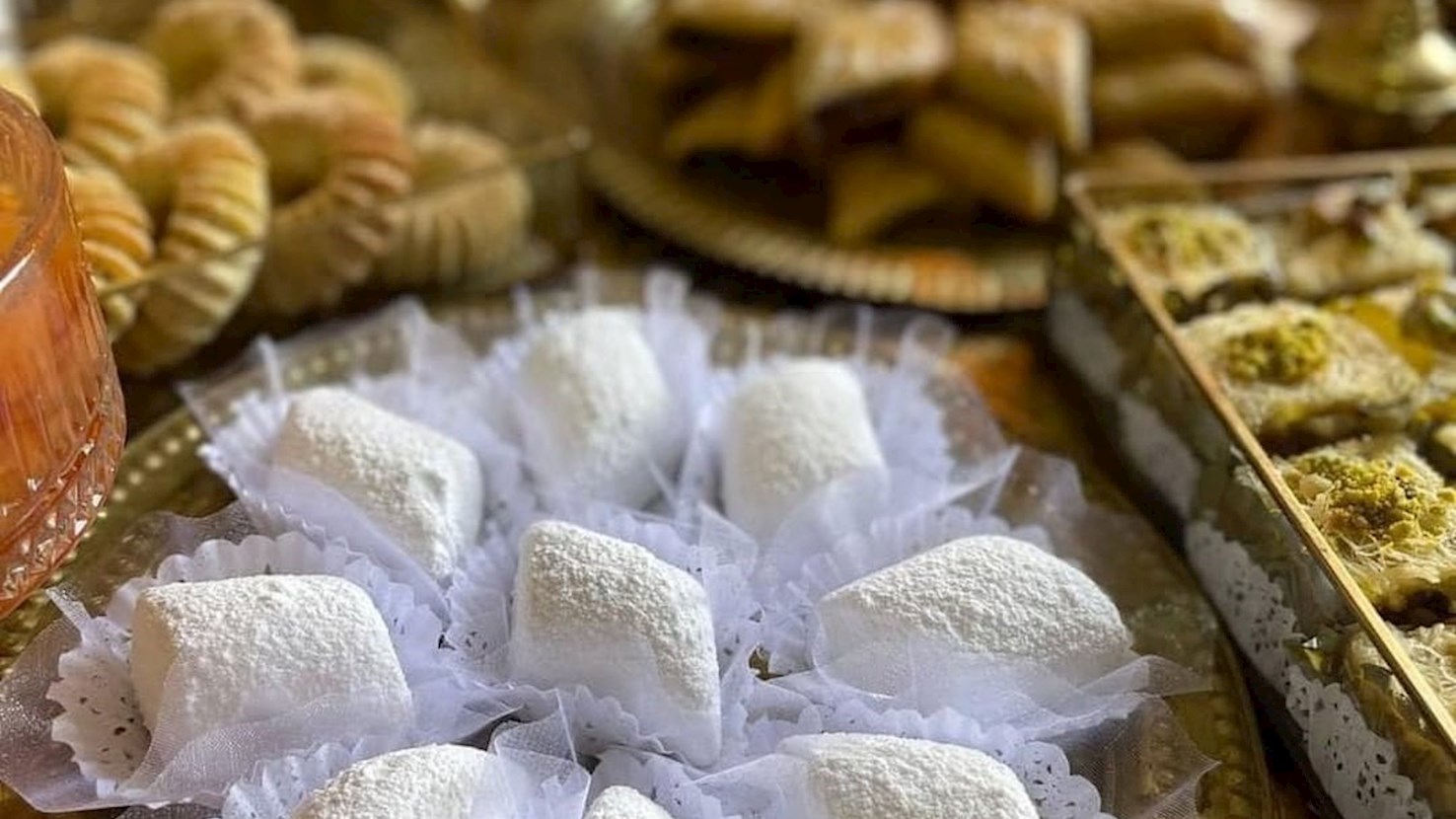
Makroud el louse

4.3 ·

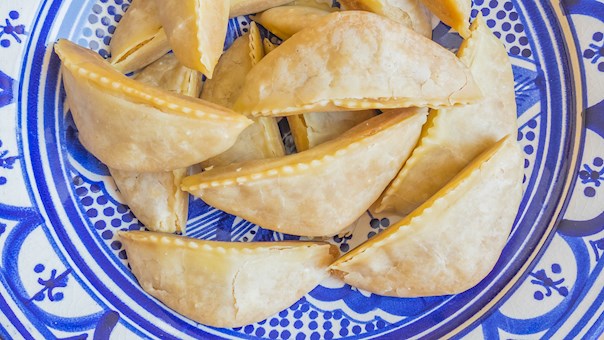
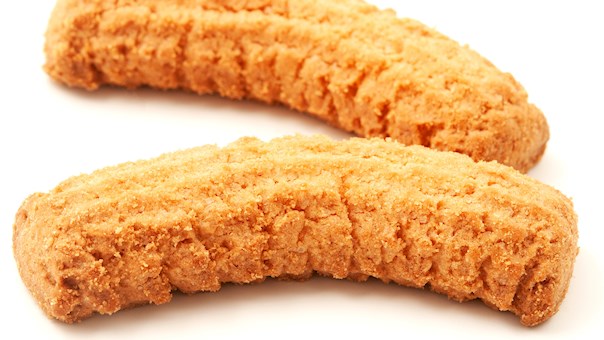
Makroud el louse are flourless Algerian cookies consisting of almonds, eggs, sugar, and a flavoring of orange flower water. Baked until lightly browned, these cookies are typically tossed in powdered sugar in order to be completely coated. Once consumed, makroud el louse should melt in the mouth. It is recommended to serve these cookies with a cup of tea or coffee on the side.

02

Melomakarona

4.3 ·

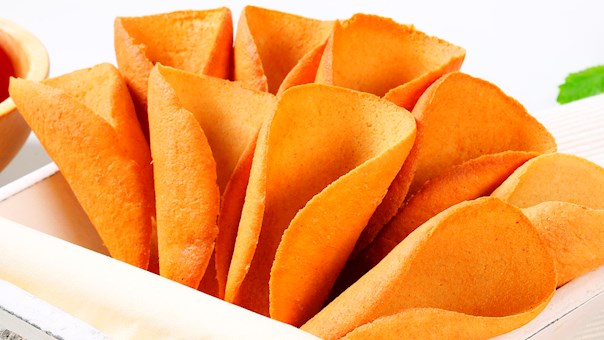
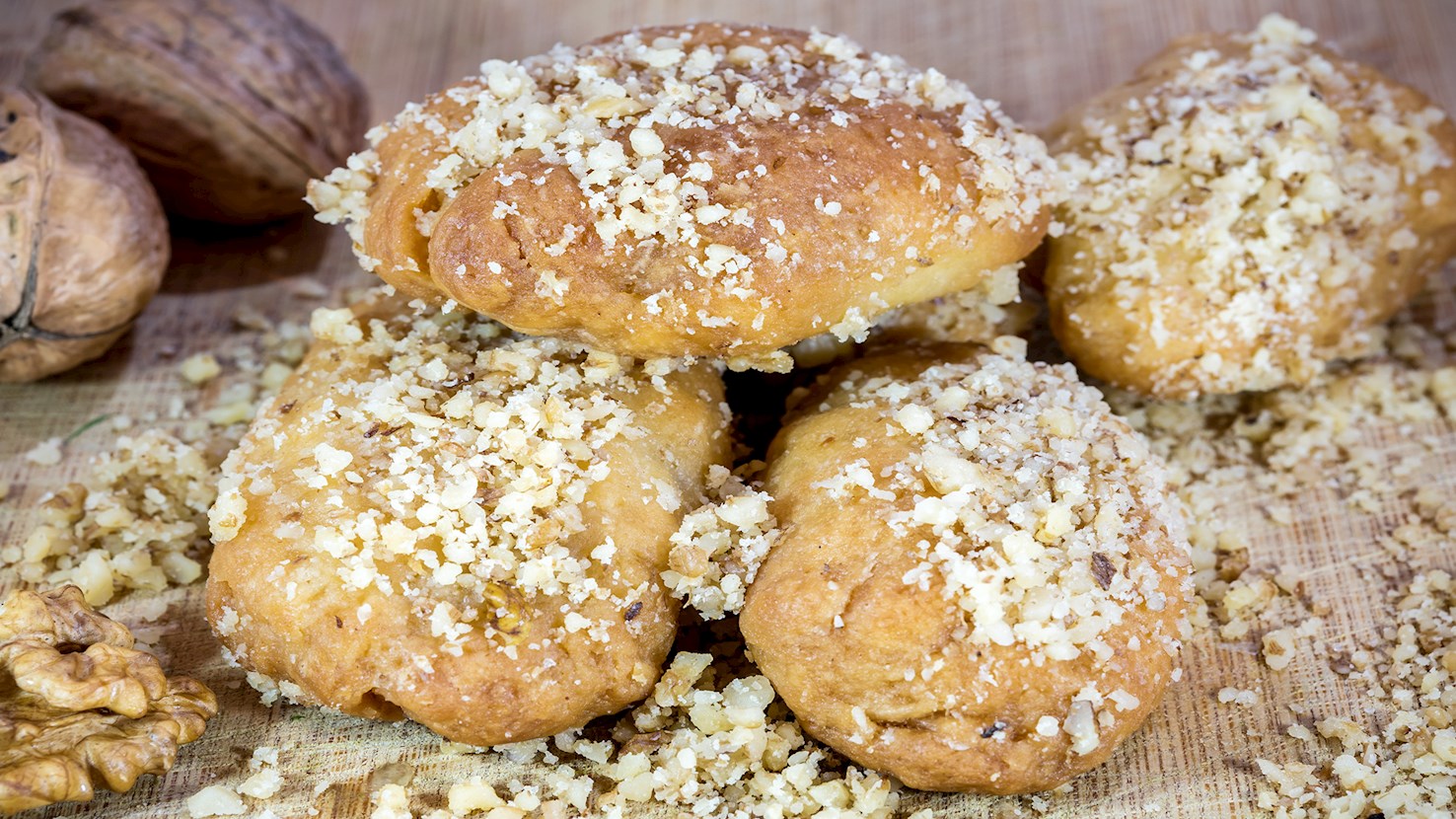
Though they are thought to have originated in ancient Phoenicia, melomakaronas are nowadays a typical Greek Christmas treat. These delicious semolina cookies are traditionally flavored with honey, orange zest, cinnamon and other spices, olive oil, and cognac. Immediately after baking, melomakarona cookies are doused in honey syrup, then sprinkled with ground walnuts. Although some argue that another Greek treat that goes under the name finikia refers to a slightly different dessert, occasionally fried and served without walnuts, today both names are used interchangeably.

Best restaurants
03

Alfajores

4.2 ·

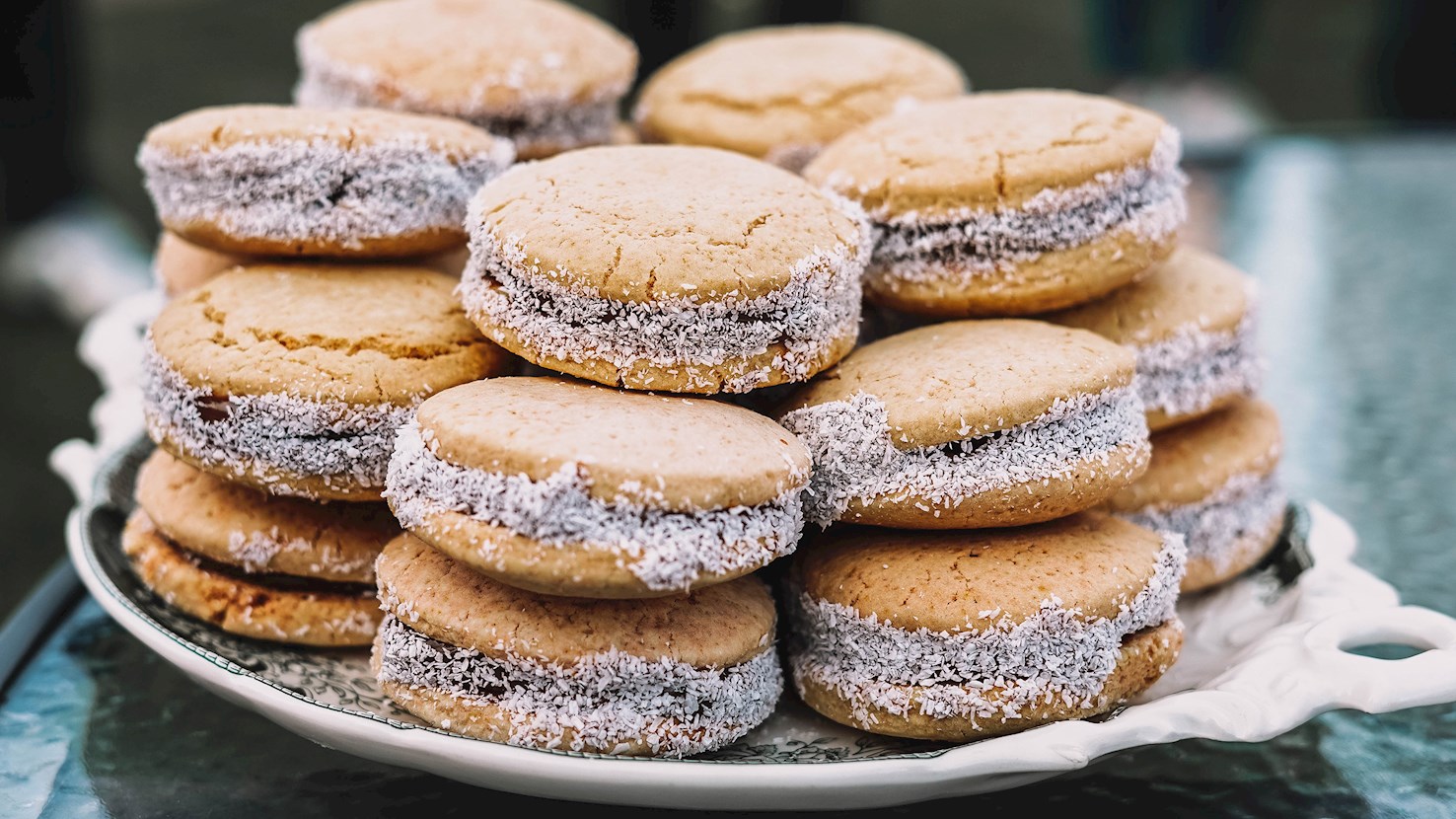
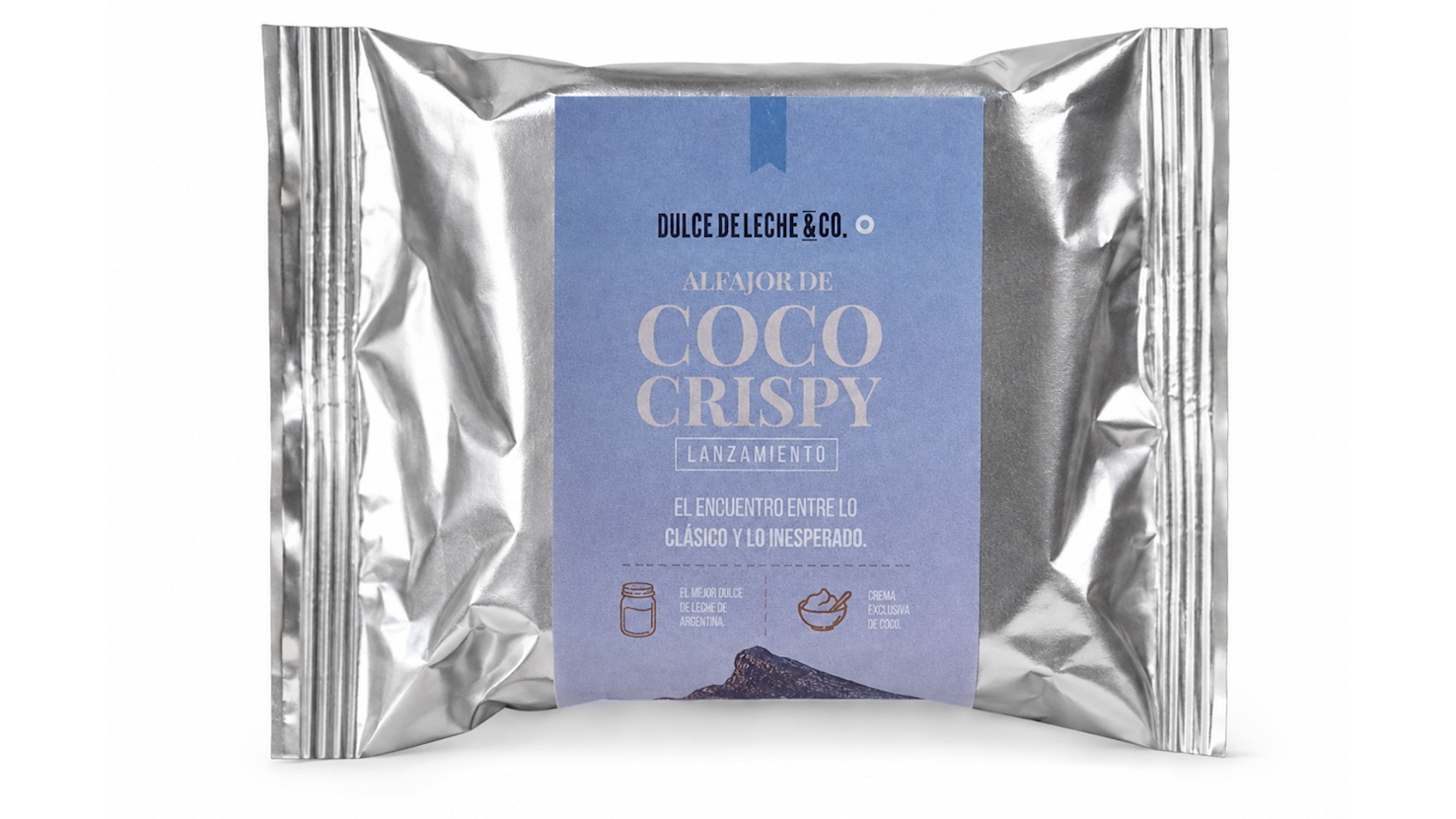
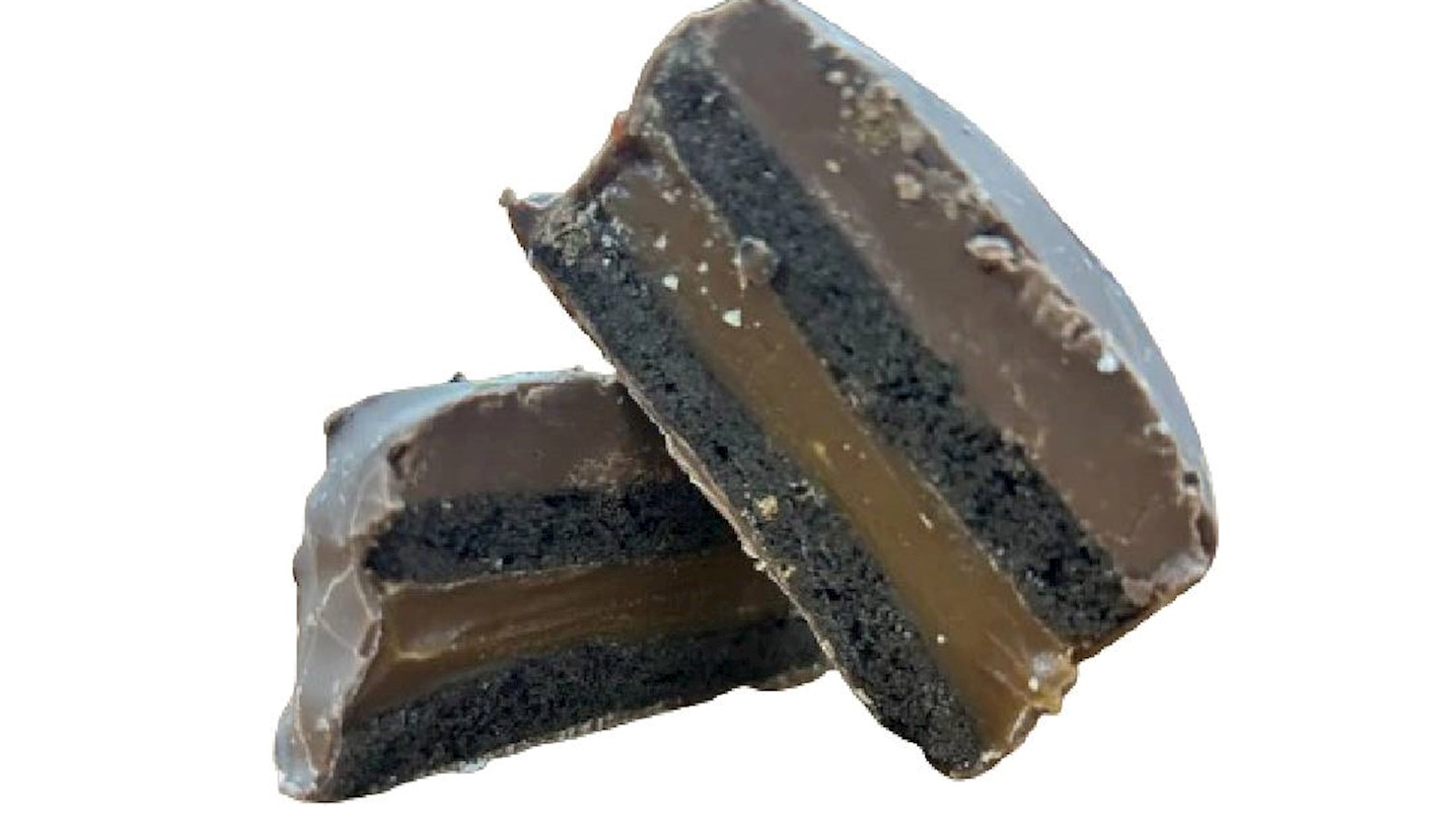
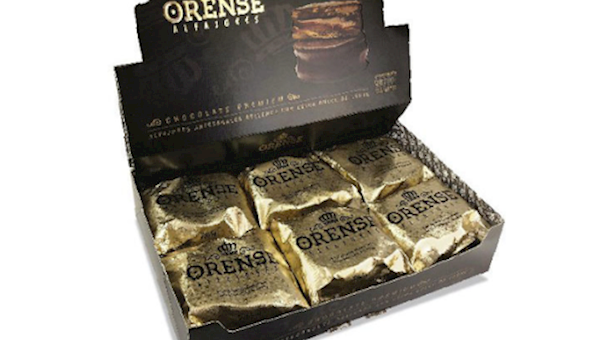
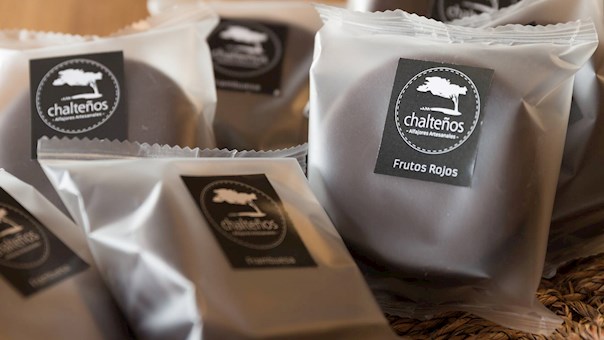
Argentinian alfajores are sandwich cookies consisting of two round, crumbly sweet cookies with a dulce de leche or milk jam stuffing between them. The combination is then coated with a layer of chocolate or sprinkled with confectioners' sugar. The name alfajor stems from the Arabic word al-hasú, which means stuffed or filled. Although the cookies can be found throughout Latin America, they are originally from Andalusia, Spain. When the Spaniards came to America, they brought their foods and traditions along the way, and with time, almost every country in Latin America has adapted the Spanish alfajor to make it their own. In Argentina, you can find alfajores with different flavors of dulce de leche, like chocolate, vanilla or various fruits. They are also packaged in different shapes and sizes, and are usually enjoyed with tea or coffee.

04

Stroopwafel

4.2 ·

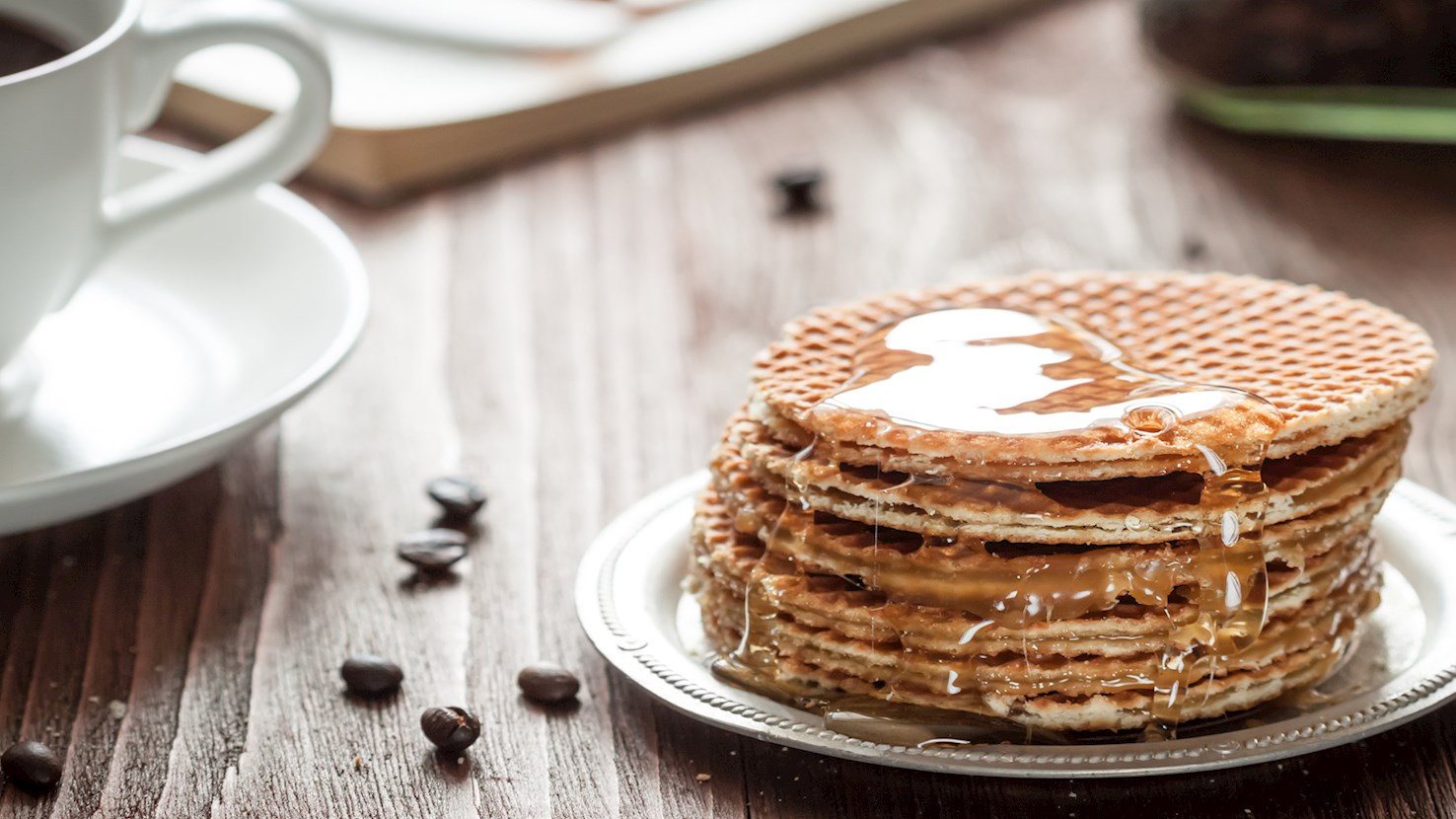
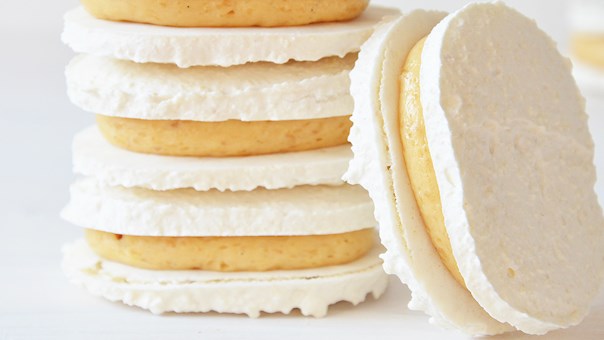
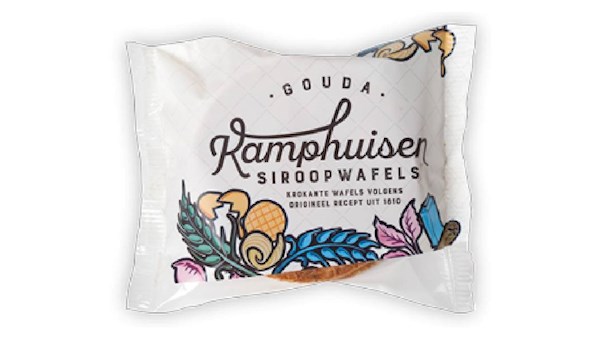
These delicious Dutch cookies consist of a very thin layer of syrup, sugar, butter, and cinnamon that is sandwiched between two thin wafers. Stroopwafels were invented in the late 18th century in the city of Gouda, and many sources give credit to a baker named Gerard Kamphuisen as their inventor. In the Netherlands, stroopwafels are traditionally consumed with tea or coffee, and it is a custom to place a cookie on top of the cup and let it steam for a few minutes, so that the cookie is heated and the syrupy layer softens.

05

Petticoat Tails

4.2 ·

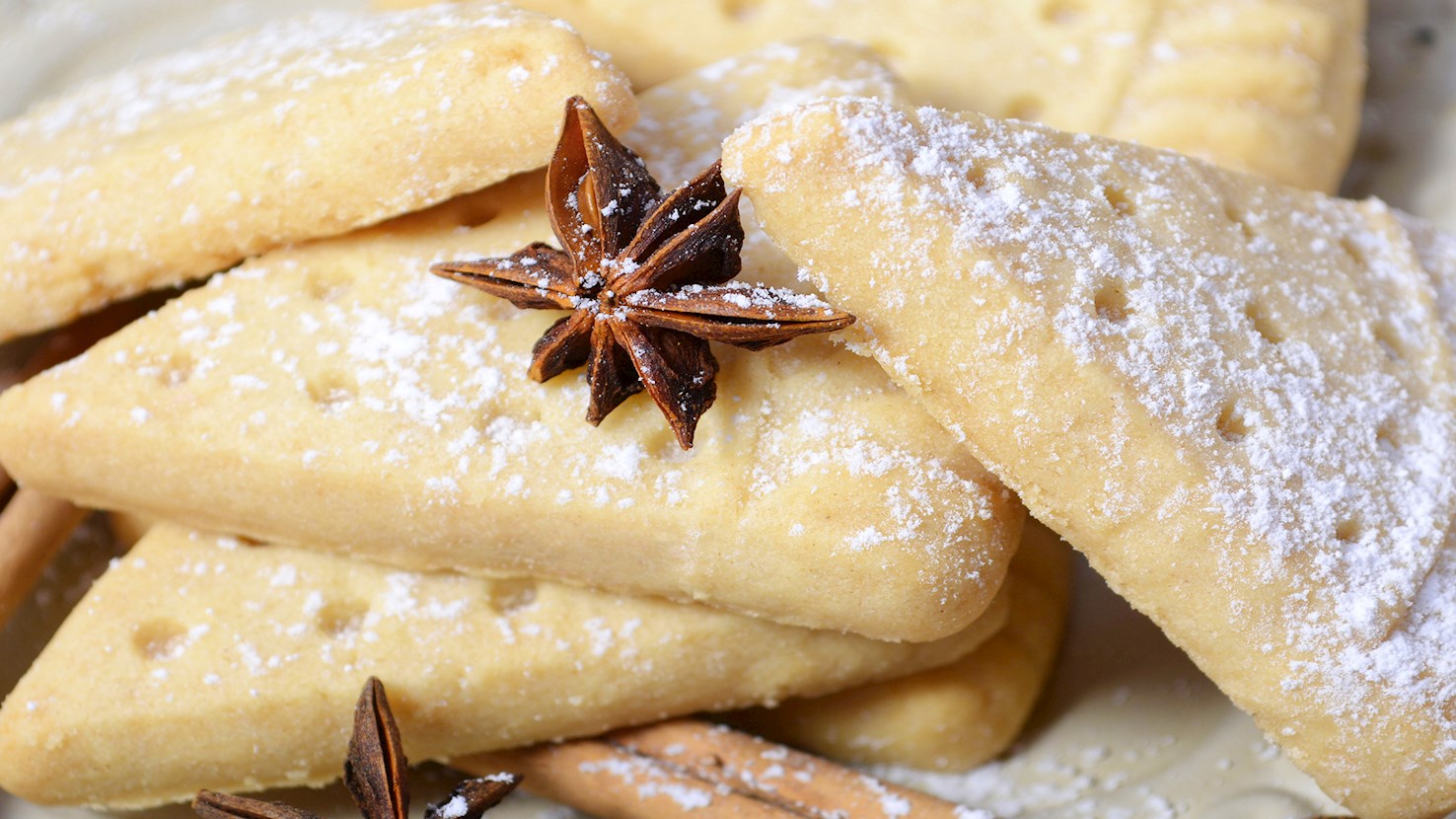
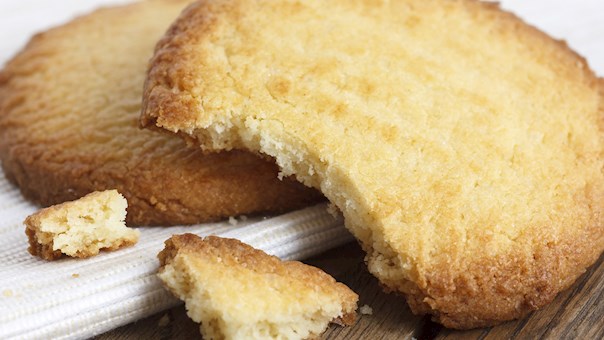
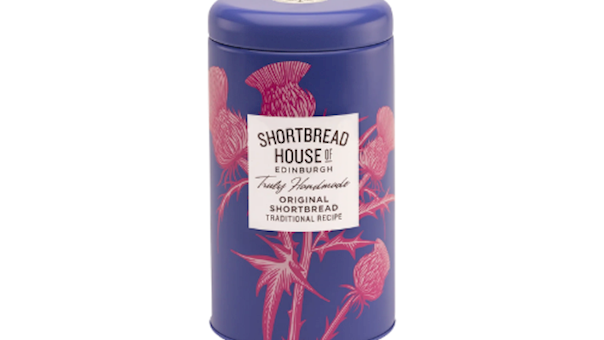
The dainty petticoat tails gained their peculiar name and distinctive shape by resembling the pieces of fabric used to create the elaborate 16th-century petticoats, including that of Mary Queen of Scots, who was reputed to have been particularly fond of these sweet, buttery shortbread biscuits. However, another less romantic theory claims their name could've been derived from petits cotés, the old French term for little biscuits. Regardless of their real origins, petticoat tails remain a Scottish favorite until this day. They are often dusted with icing sugar and are traditionally enjoyed with afternoon tea.

06

Chocolate Chip Cookie

4.1 ·

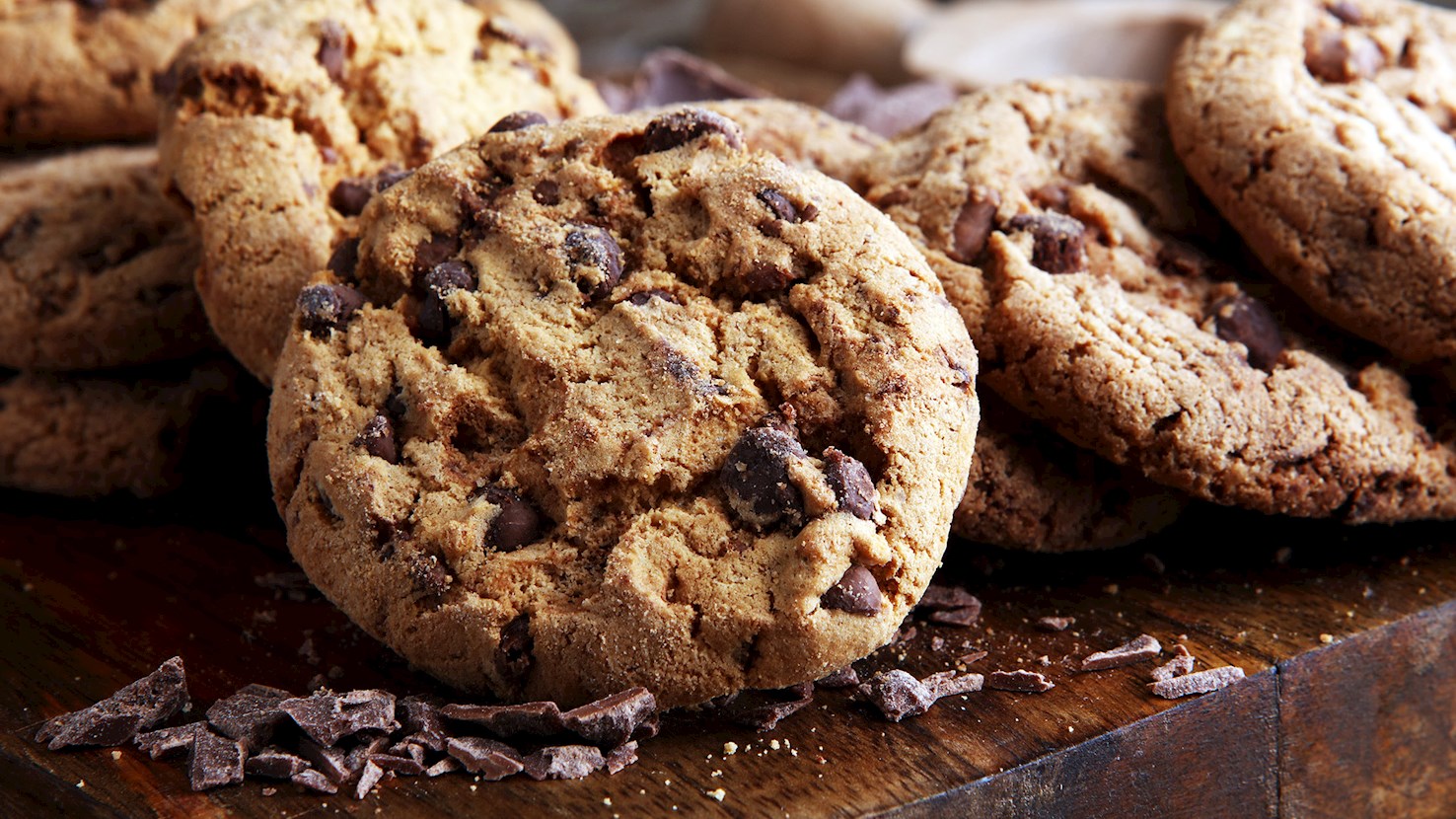
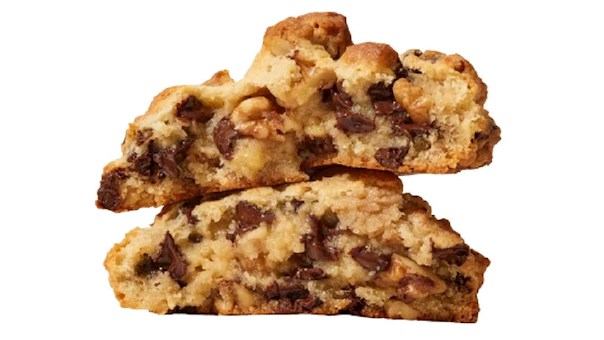
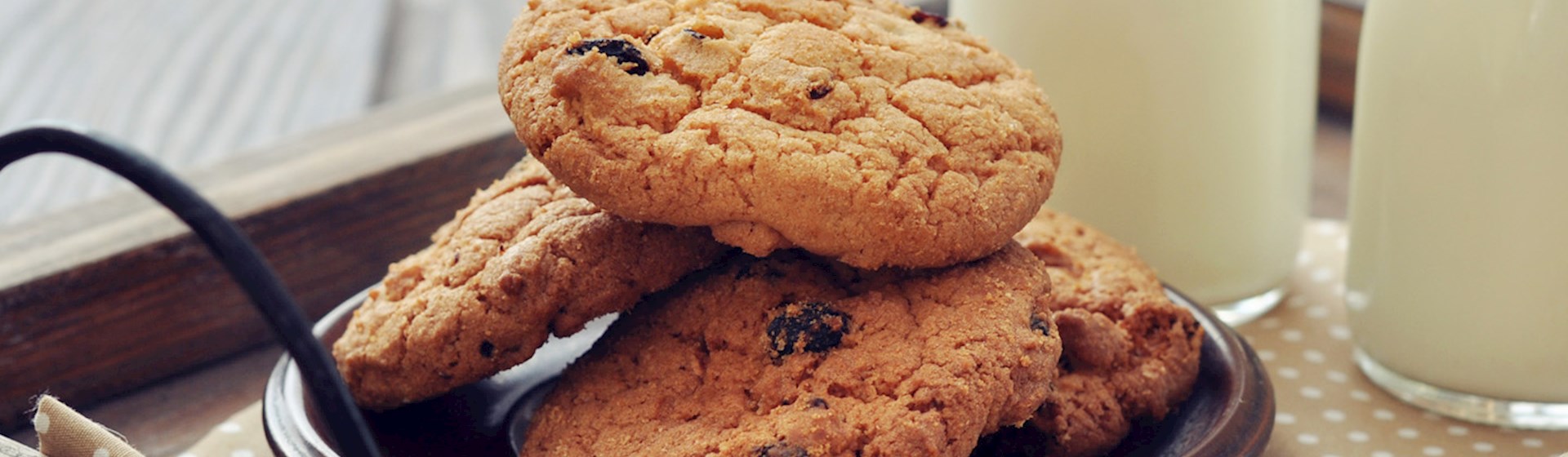
Usually accompanied by a glass of milk or a cup of hot tea or coffee, chocolate chip cookies are well balanced between salty and sweet in flavor, tenderly chewy in texture, and filled with small melting chocolate pyramids, bringing a generation of Americans back to their childhood. The origin story of these sweet treats is incredibly interesting, almost as the cookies themselves. The Toll House Inn was a popular bed-and-breakfast in Whitman, Massachusetts, bought by Ruth Graves Wakefield and her husband in 1930. Ruth's cooking was so good that the inn gained an excellent reputation in a short span of time. Enter Duncan Hines, a traveling salesman from Kentucky who began compiling a list of the best roadside eateries in 1935. First, he included the Toll House Inn's Indian pudding on the list, and a decade later, he also included the chocolate chip cookies that we all know and love today. Ruth was baking chocolate cookies when she found out that she didn't have any more baker's chocolate. Instead, she used a new, semisweet chocolate that she got from her friend Andrew Nestlé, broke it into small pieces, and places them in her batter for buttered sugar cookies. The chocolate didn't melt like she thought it would, and the result was a cookie that Ruth originally called the Toll House chocolate crunch cookie. The Boston press published her recipe, and the sales of both Nestlé chocolate and the cookies skyrocketed. Nestlé and Wakefield made a deal - he would print the recipe on the chocolate, and she would get a lifetime supply of chocolate. The recipe is printed on the chocolate package up to this day, giving everyone a chance to make their own chocolate chip cookies.

07

Baci di dama

4.1 ·

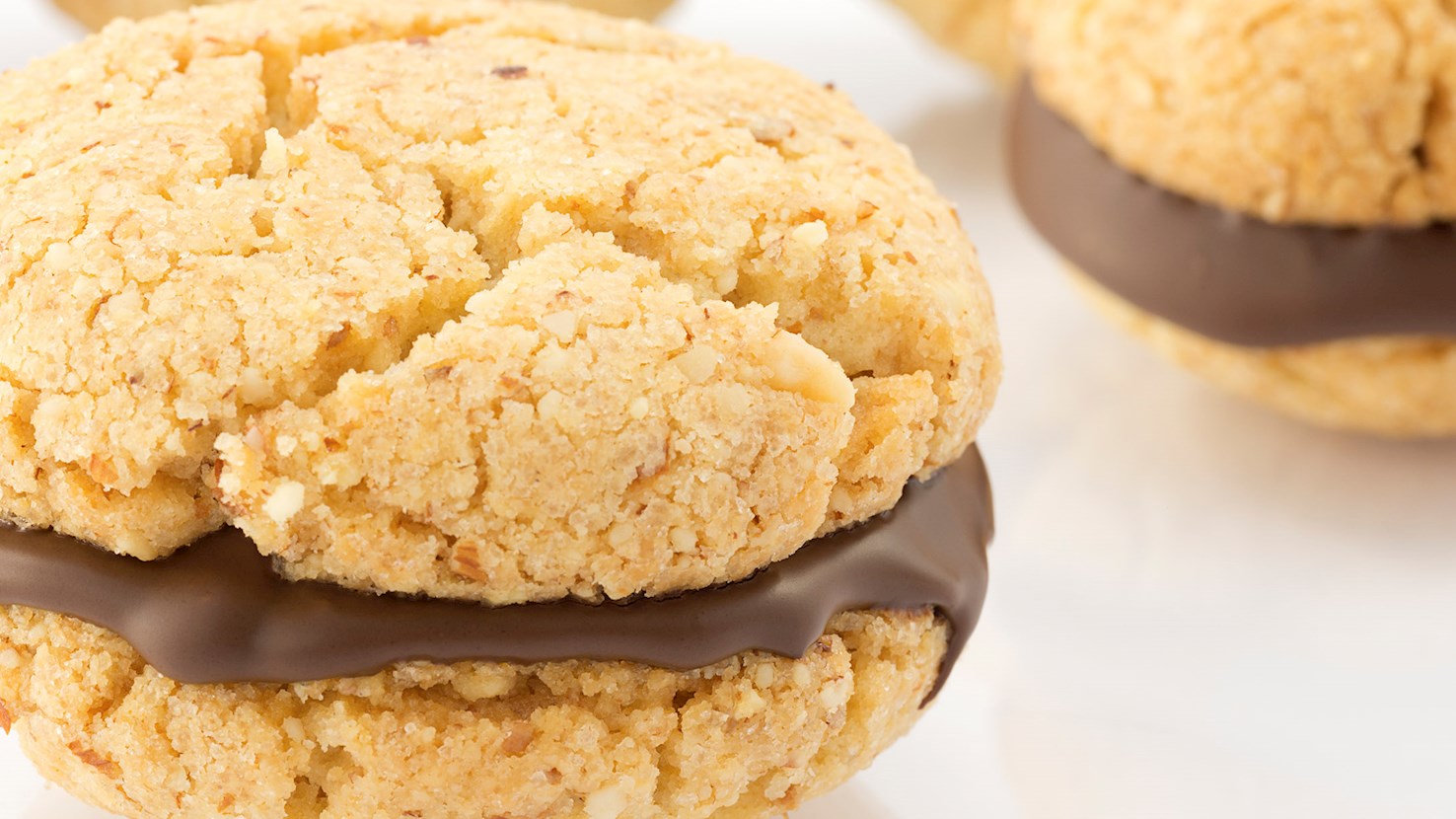
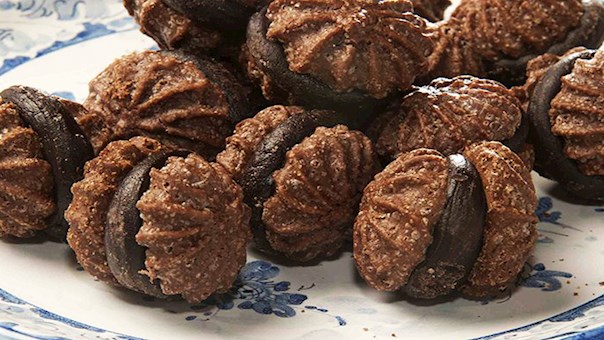
Baci di dama, meaning lady's kisses, are traditional hazelnut butter cookies with a layer of chocolate-hazelnut spread sandwiched between them. They originated in pastry shops in Tortona, Piedmont (famous for its hazelnuts), in the second half of the 19th century. The name of these cookies refers to their visual appearance, since it is reminiscent of two mouths kissing, or the mouth of a lady (ladies didn't use to open their mouths while kissing, as it was considered crude). Baci di dama is often used as a holiday cookie, and they are sometimes even referred to as the Italian version of popular Oreo cookies.

08

Speculaas

4 ·

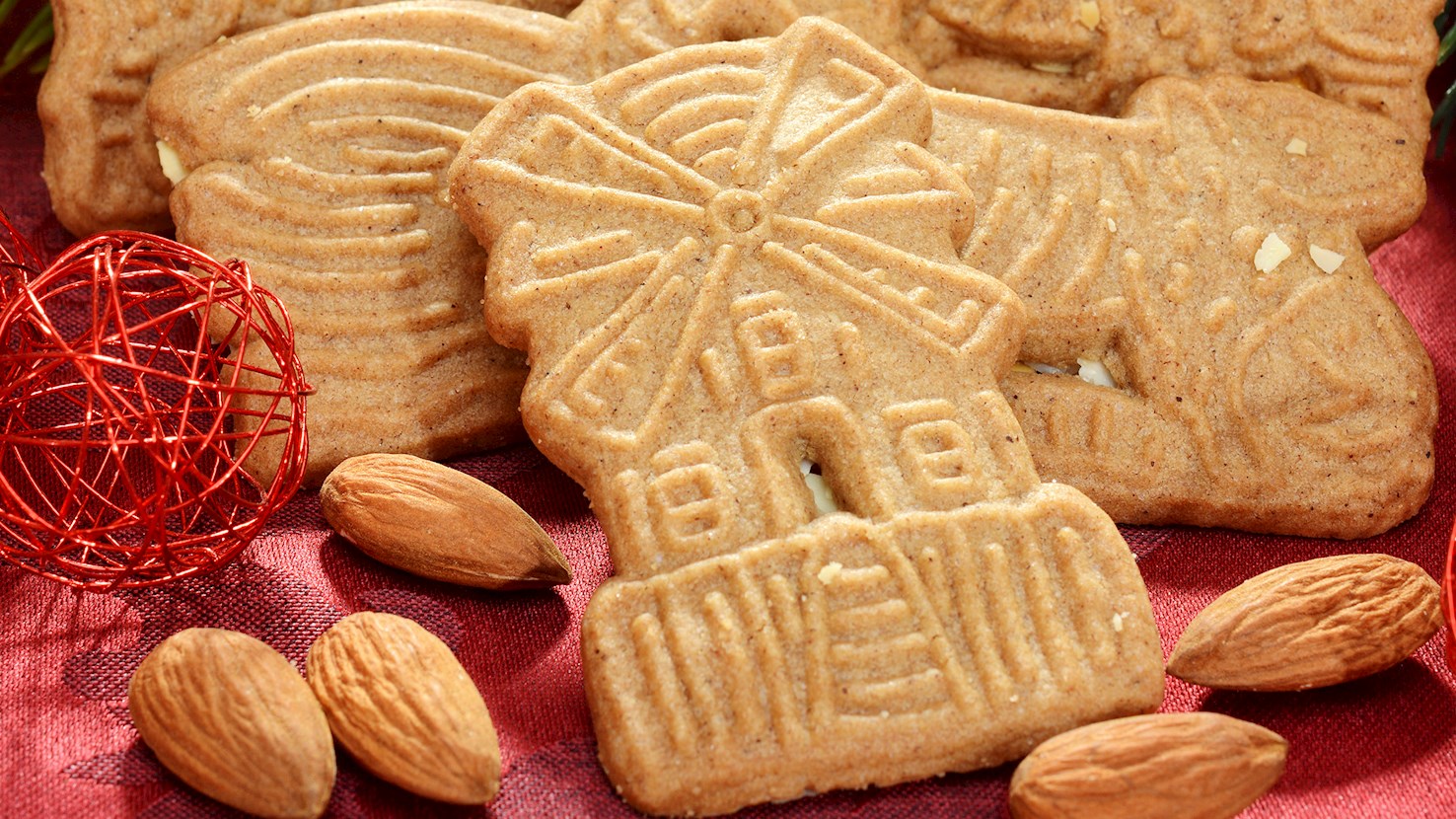
Speculaas are spiced cookies mainly made in Belgium and the Netherlands, although they are also popular in Germany (Rhineland and Westphalia), Luxembourg and northern France. With an intense fragrance of cinnamon, cloves, nutmeg, and ginger, the cookies are traditionally baked on the eve of St Nicholas Day, celebrated on December 5 and December 6. Before going to bed, the children put their shoes by the chimney, and if they behaved well, they are rewarded with speculaas in their shoes. There are a few theories on the origin of its name - one says it derives from the Latin word speculum, meaning a mirror, referring to the mirrored images that the cookies are decorated with. Another popular theory claims the origin of speculaas stems from specerij, the Dutch word for spice. The third theory suggests that it derives from the Latin speculator, referring to a bishop, such as St Nicholas. And how about the issue of speculaas vs. speculoos? Apparently, speculoos is just the Belgian word for these cookies, but without any (or most of) the once-expensive spices, as loos means without in Dutch. Also, the word speculaas doesn't exist in French, so they're always called speculoos in France. Today, the cookies are not reserved only for the St Nicholas Day or for Christmas, but are available the whole year round, ideally paired with a cup of hot tea or coffee.

Best restaurants
09

Canestrelli (Liguria)

4 ·

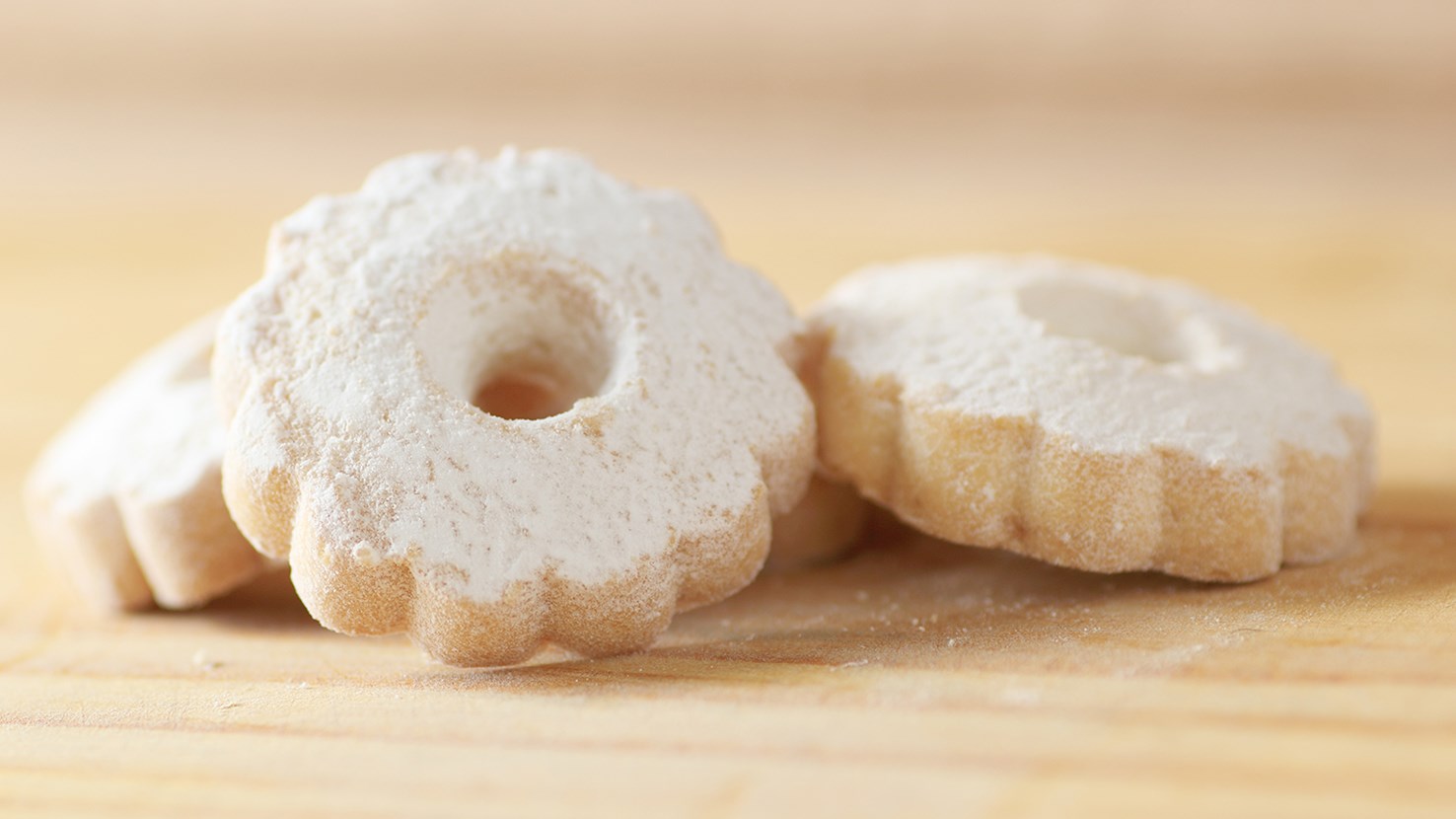
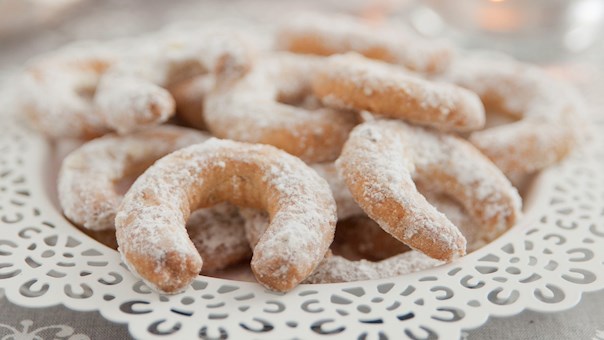
Canestrelli liguri are ancient Ligurian flower-shaped butter cookies with a hole in the center, allegedly named after canestro, a straw basket in which they were left to cool down after baking. Although they are quite simple, made only with flour, sugar, butter, and hard-boiled yolks, these cookies are very popular, so much that they are even recognized as a traditional agricultural product of the region. Local varieties of the recipe also exist, such as canestrelli di Santo Stefano D'Aveto, Acquasanta, or Torriglia, where the basic dough is enriched with ground almonds, lemon zest, orange blossom water, or a topping of granulated sugar before baking. Canestrelli liguri are traditionally enjoyed generously rolled in powdered sugar, accompanied by a cup of coffee or tea.

10

Pardubický perník

4 ·

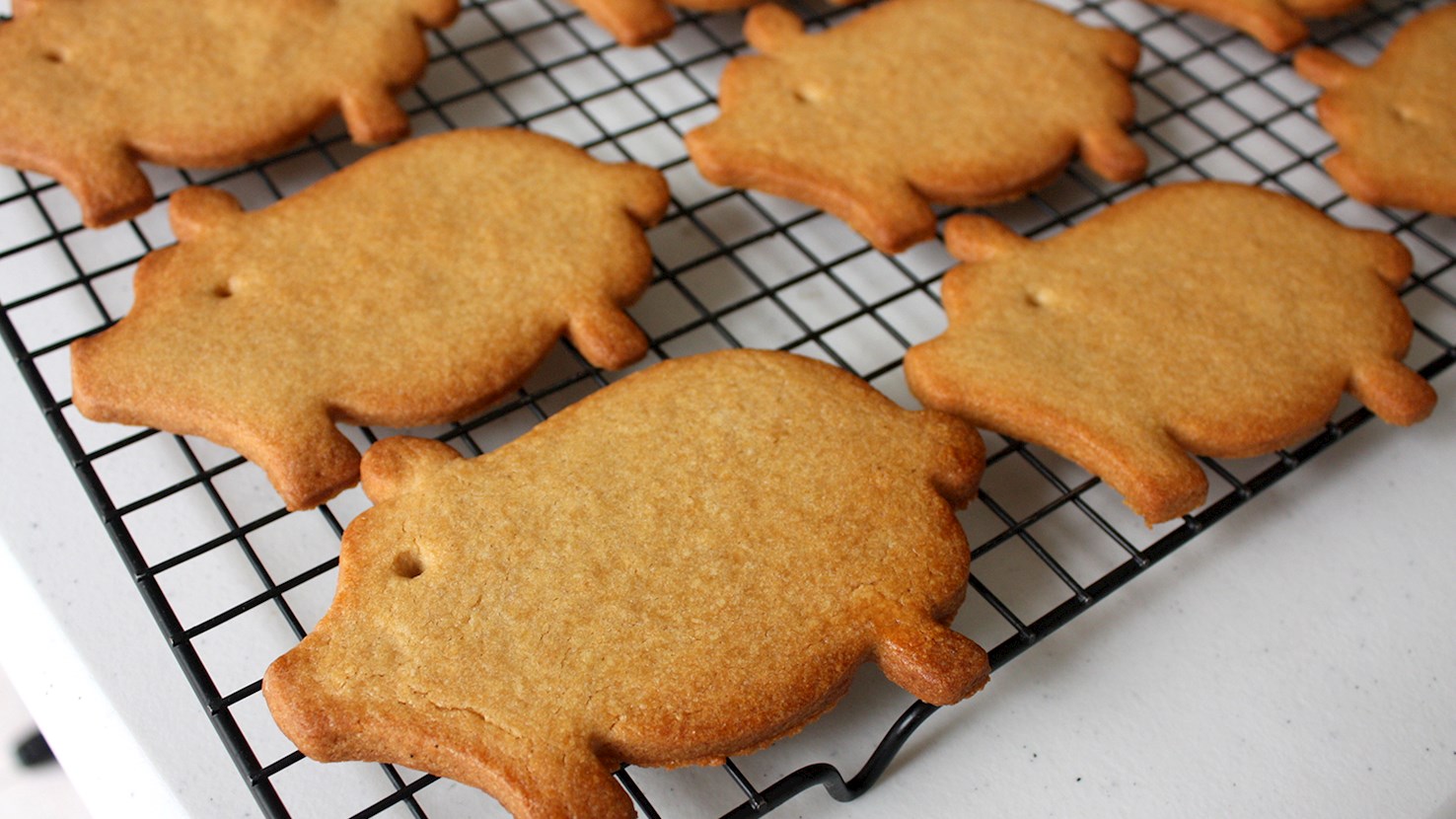
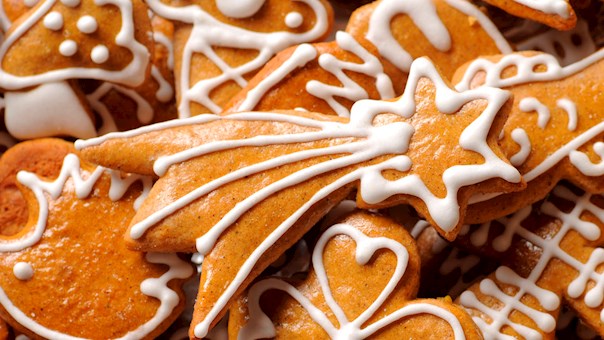
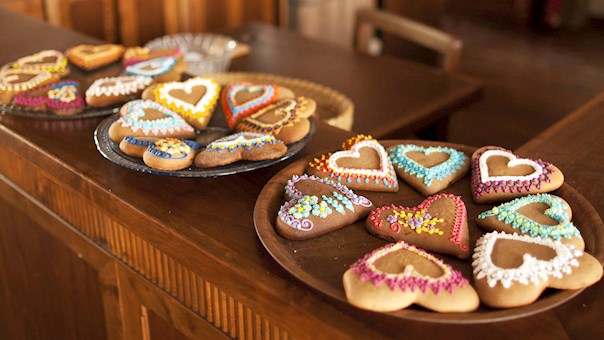
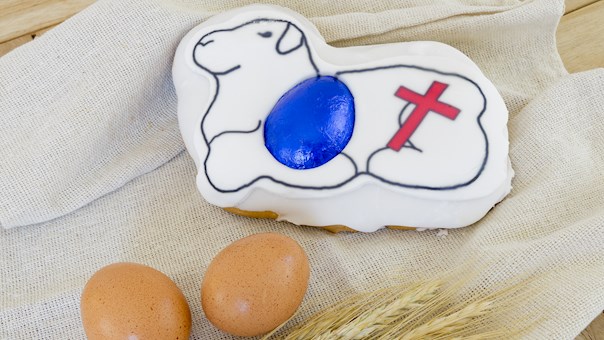
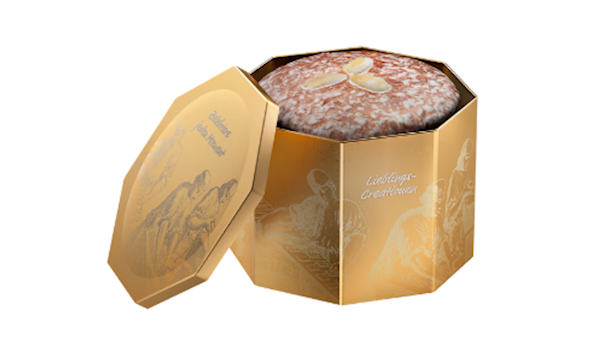
Pardubický perník is a baked pastry product made in the city of Pardubice and the municipality of Spojil in the Czech Republic since the 16th century, but the production really took off in the 20th century. It is a decorated gingerbread product made in two varieties. One is a filled product where the filling is placed between two pieces of gingerbread and coated with sugar or chocolate, and the second variety are gingerbread figures cut in various two or three-dimensional shapes such as hearts, stars, animals, cars, boxes, sledges or Christmas trees, and coated with sugar or fat glaze. Both products are made from wheat flour, eggs, sugar, honey, jam, cocoa and gingerbread mixture - including cloves, coriander, cinnamon, allspice and aniseed. The gingerbread products make a great sweet gift and are commonly bought for special occasions such as Easter, St. Valentine's Day, St. Nicholas Day, Christmas and New Year's Eve.

Best Cookies in the World
01

El Nazareno

5 ·
El Nazareno is a family-owned confectionery from the Traslasierra Valley in Argentina’s Córdoba province, founded in 1982 and renowned for its production of alfajores and other traditional sweets. The brand was born from a small workshop created by Leonardo José Grisoni and María Estela Gurriere, and today it is regarded as one of the country’s most recognizable producers. Their philosophy is based on the use of natural ingredients. Each alfajor is handcrafted, layer by layer, with care and precision to achieve the perfect balance between dough and dulce de leche. Their longevity in the market is the result of consistency in maintaining both quality and authenticity. They have preserved their artisanal approach, even as they have grown into a brand with a broader assortment and strong presence. Their story demonstrates how a small family workshop can evolve into a brand of international reputation. Today, El Nazareno is considered a symbol of tradition and quality in the world of Argentine confections.
02

Guolis

5 ·
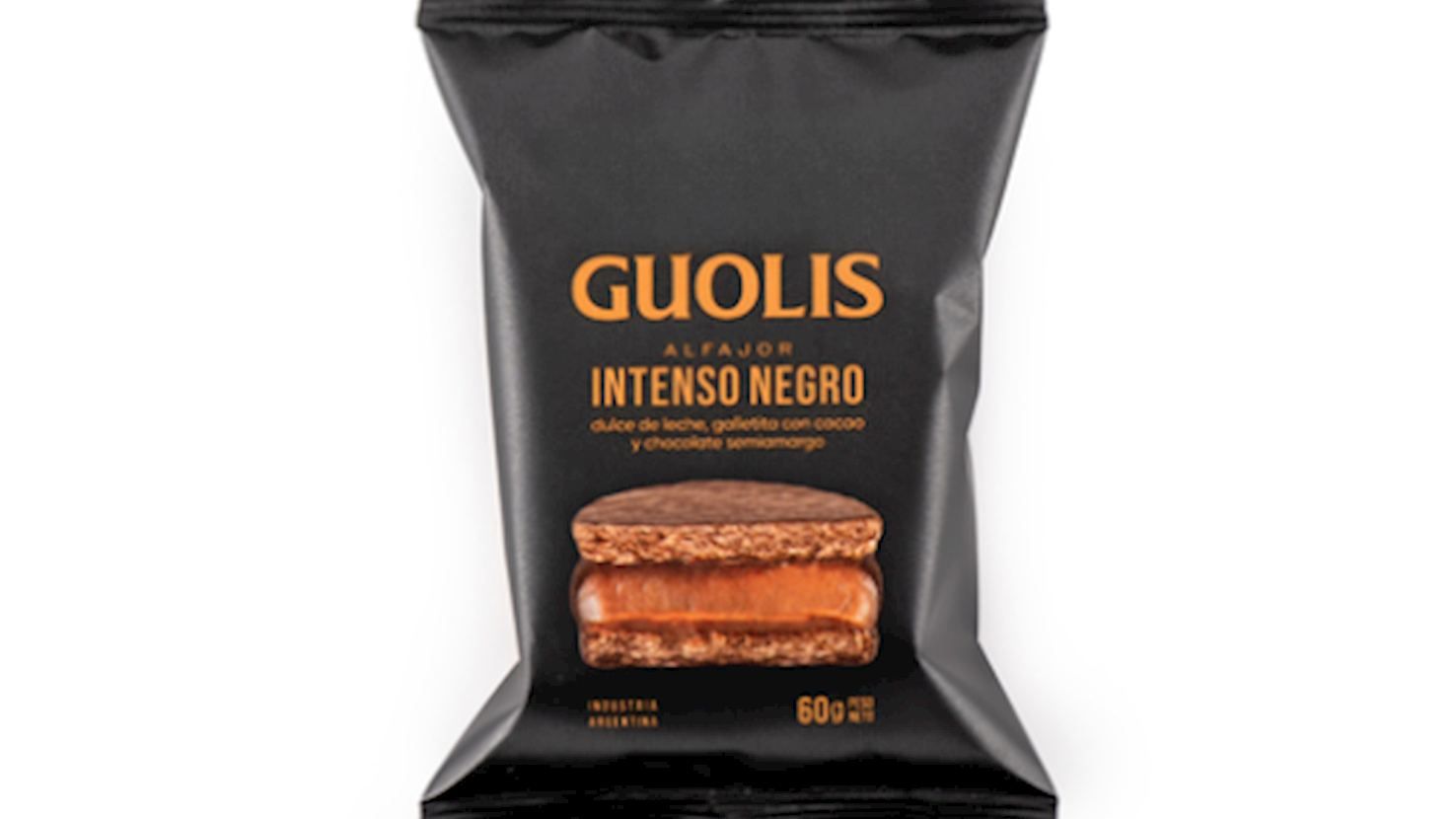
Guolis is an Argentine confectionery brand that emerged in the late 1990s as a small family workshop and has since become recognized for its original approach to the traditional alfajor. Their distinctiveness lies in the innovation known as the “alfajor with a heart”, where a layer of fruit marmalade is added to the classic dulce de leche filling, bringing freshness and contrast to the flavor. The dulce de leche filling is moderate, creamy enough without being overly sweet, maintaining a delicate balance. The fruit marmalade notes are pleasant, although some, such as raspberry, leave a milder impression compared to other variants. The brand positions itself between artisanal tradition and modern interpretation, offering products that are visually appealing while remaining true to Argentina’s confectionery culture. Their philosophy is based on the idea that classic sweets can be given new meaning through small but thoughtful innovations. For this reason, Guolis is increasingly present in international markets, where it attracts attention with its originality and quality. Reviews emphasize that this is a brand committed to high standards, yet without losing the warmth and recognizable essence of Argentine tradition.
03

Señor Alfajor

4.9 ·
Señor Alfajor was born from a simple idea—to transform a traditional treat into a memorable experience. Every batch is crafted with care, focusing on quality, texture, and balance of flavor. These handmade sandwich cookies are thoughtfully filled and beautifully presented, offering delight not just in taste, but in every detail. Behind each alfajor is a commitment to craftsmanship and the desire to create a moment of pure enjoyment. Whether given as a gift or savored personally, they bring warmth, authenticity, and a touch of something special to everyday life.
Awards
Campeonato Mundial del Alfajor - Mejor Alfajor del Mundo (2024)
Campeonato Mundial del Alfajor - ORO (2025)
04

Sarah Nelson’s Grasmere Gingerbread

4.9 ·
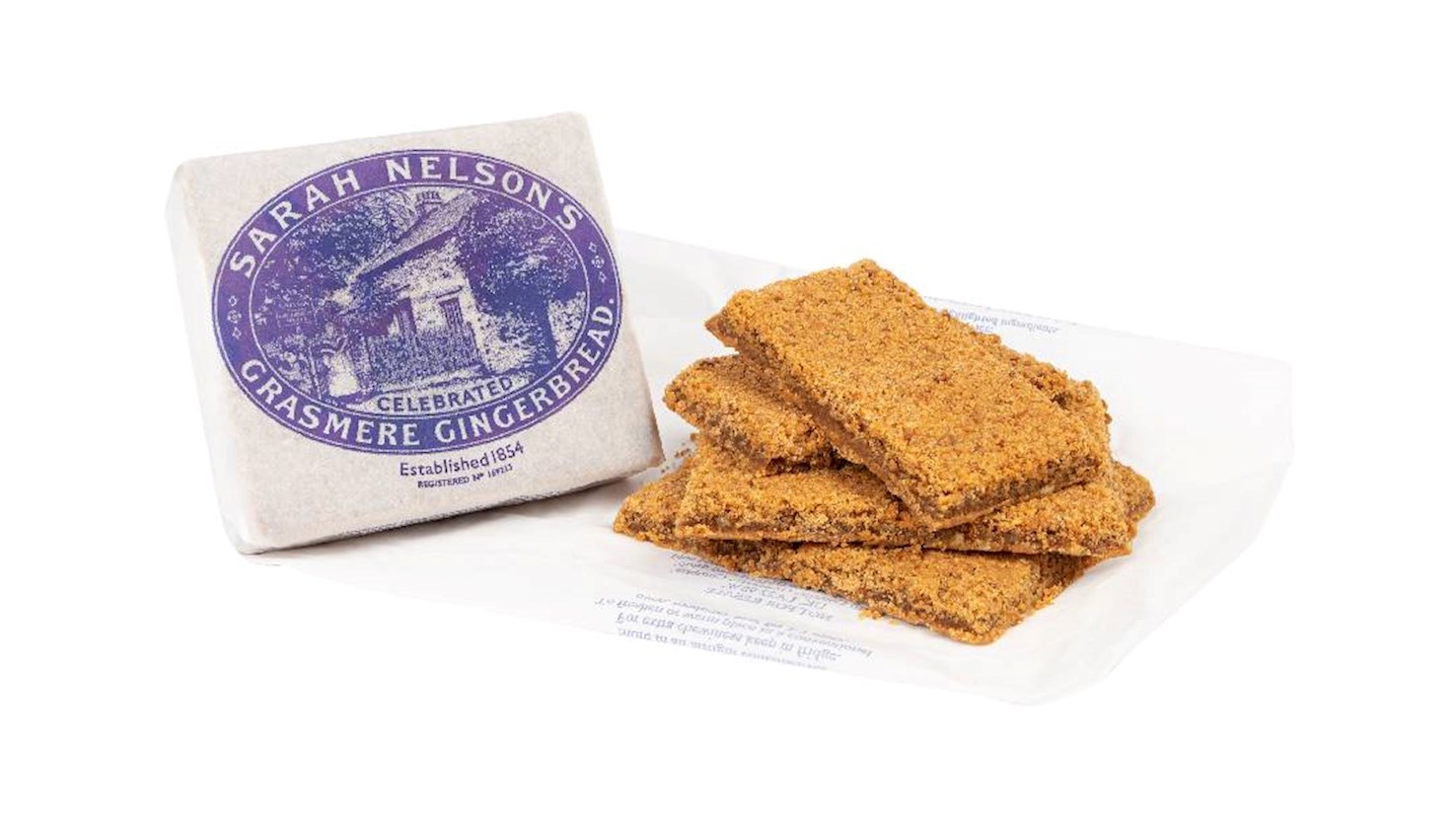
Sarah Nelson’s Grasmere Gingerbread is a traditional producer based in Grasmere in the Lake District, with origins dating back to 1854. The business began when Sarah Nelson started baking gingerbread in her home, Church Cottage, which remains the only production and retail location today. The company operates on a small scale, without expansion into multiple sites, maintaining a highly localized identity. Production is carried out in small batches using largely manual methods, ensuring consistency and control over quality. The recipe has remained closely guarded and largely unchanged, reflecting a strong focus on continuity. The product itself is the central focus, with no significant diversification into other categories. This specialization allows the producer to maintain a clear and recognizable identity. The gingerbread is closely linked to the Lake District, both culturally and gastronomically. It is widely regarded as a regional specialty rather than a mass-market product. The combination of limited production, historical continuity, and strong geographical connection defines its position on the market.
05

Jakob’s Basler Leckerly

4.9 ·
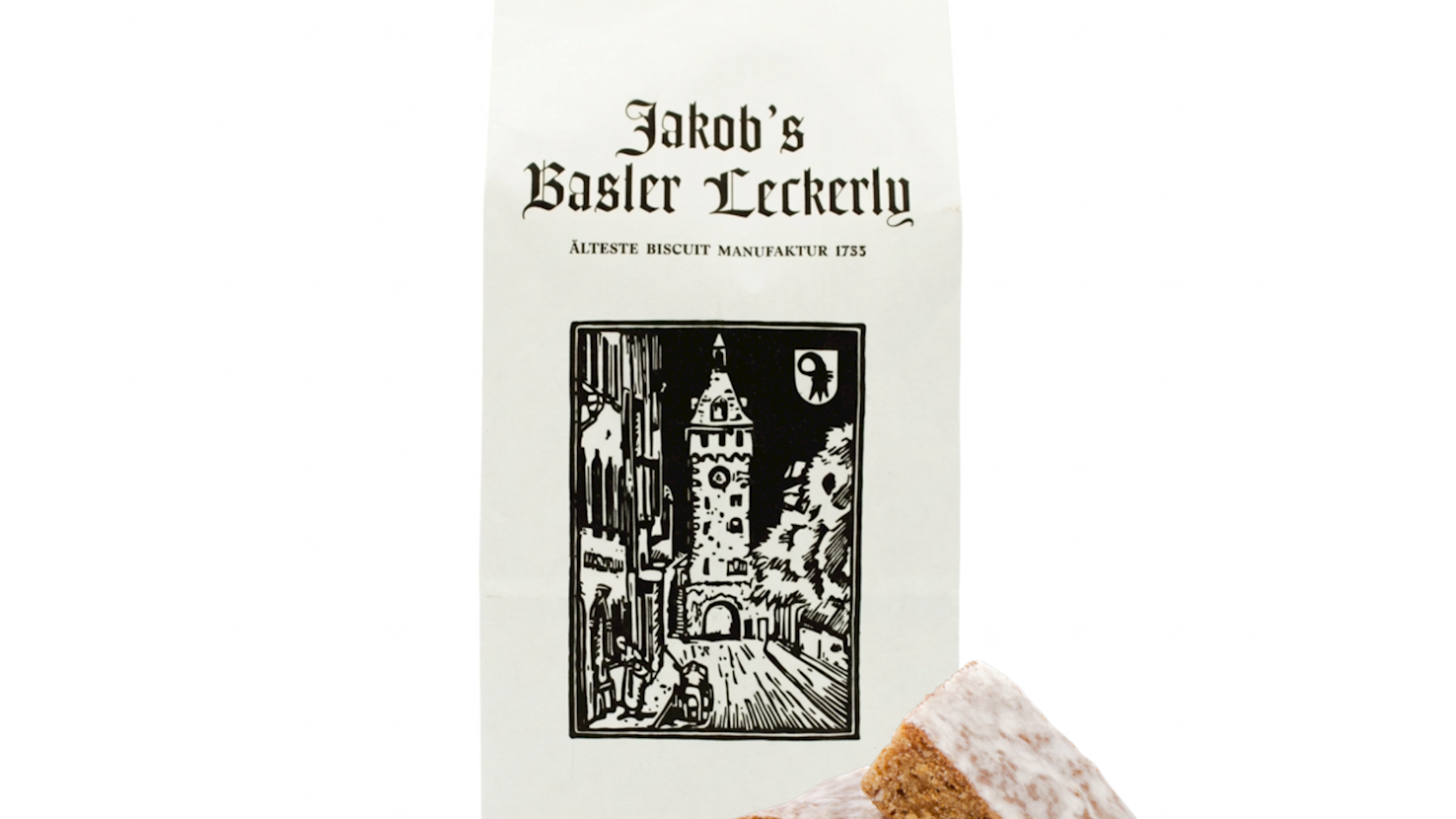
Jakob’s Basler Leckerly is a traditional Swiss confectionery producer based in Basel, with origins dating back to 1753, making it one of the oldest continuously operating bakeries in the country. The company is strongly focused on a single specialty, Basler Läckerli, which defines both its identity and production approach. These biscuits are made from a dense mixture of honey, nuts, candied citrus peel, and spices, then finished with a thin sugar glaze and cut into rectangular pieces. Compared to more industrial versions, Jakob’s Läckerli are known for their thicker structure, pronounced honey flavor, and slightly softer, more compact texture. Production remains closely aligned with traditional methods, carried out within a manufactory setting rather than large-scale industrial lines. The brand maintains a clear connection to the culinary heritage of Basel, where Läckerli have been a regional specialty for centuries. In addition to production, the company operates a retail and visitor-oriented space where customers can observe parts of the process and purchase products directly. While the assortment has expanded modestly with variations such as chocolate-coated versions, the core recipe and product format have remained largely unchanged.
06

Alfajores Malfatti

4.9 ·
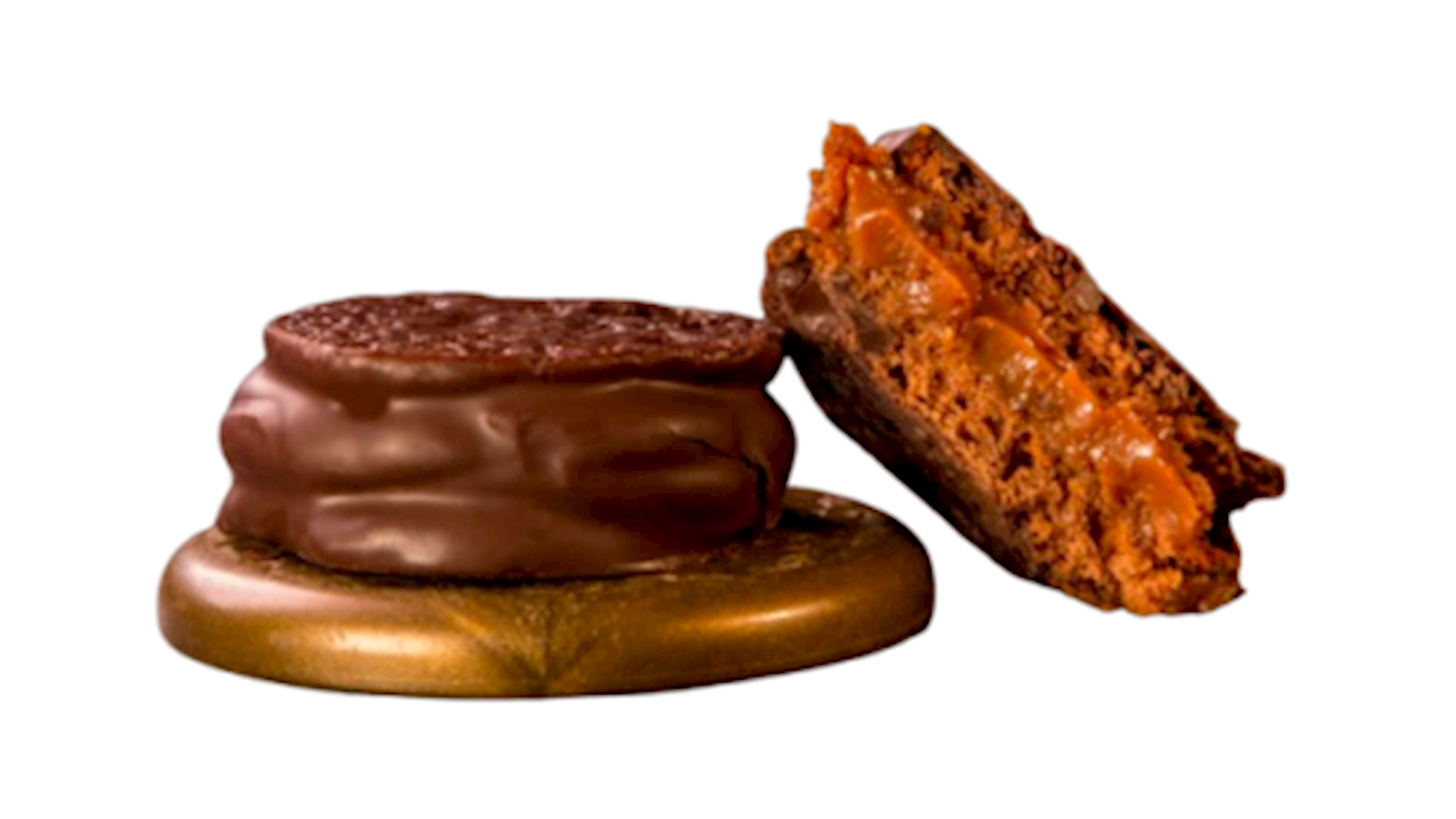
Alfajores Malfatti originate from the port city of Mar del Plata and began as a family-run artisanal venture inspired by a love for sweets and traditional chocolate making. The name “Malfatti”, which in Italian means “badly made”, was chosen as a symbol of honesty and authenticity, emphasizing that while the products may be imperfect in shape, they are flawless in quality. Each alfajor is handmade with carefully selected premium ingredients, preserving its natural character and distinctive, authentic flavor. On the market, they stand out for their generous, oversized format, significantly larger than the standard alfajor, making them unique and instantly recognizable. The brand was founded by the Di Meglio family - Orlando and Susana -who first started this project as a family story and hobby. Their dedication and original homemade alfajor recipe eventually led to the establishment of the company in 2017, transforming Alfajores Malfatti into a brand that seamlessly combines tradition, craftsmanship, and modern identity.
07

Levain Bakery

4.9 ·
Levain Bakery is a legendary American bakery born in the heart of New York City, globally celebrated for its rich, hand-crafted cookies that captivate with their aroma, taste, and texture. Founded in 1995 out of friendship and a shared passion for baking, Levain began as a small neighborhood shop on the Upper West Side - but quickly rose to fame thanks to its now-iconic chocolate chip walnut cookie: crispy on the outside, irresistibly gooey on the inside, and often hailed as one of the best cookies in the world. At the core of Levain’s philosophy is simplicity - high-quality ingredients, careful preparation, and a deep commitment to craftsmanship. Every cookie is freshly baked by hand each day, with the same warmth and care you'd find in a cherished family kitchen. Today, with locations across the United States, Levain remains true to its roots - uncompromised, authentic, and devoted to flavor that transcends trends. What makes Levain truly special is not just the size of its cookies, but the comfort they bring. Each treat is a reminder of how a simple bite can spark genuine joy. Whether you're visiting in person or ordering from afar, Levain cookies remain a heartfelt symbol of dedication to truly exceptional baking.
08

Camboya

4.9 ·
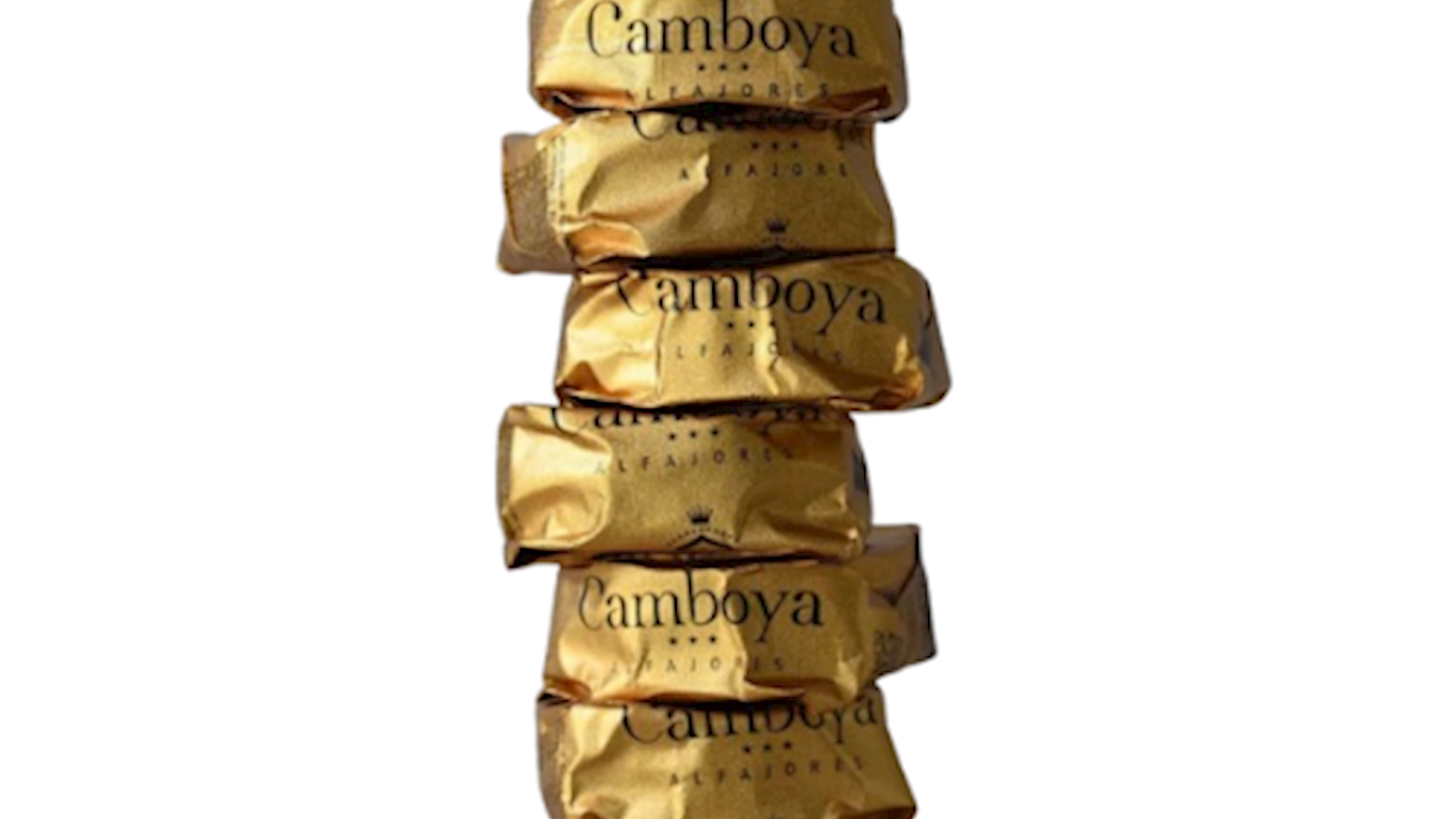
Camboya is a brand of alfajores from Mar del Plata that, since its founding in 2012, has built a reputation as one of the most recognized producers of premium Argentine confections. Their range includes a wide variety of flavors - from classic versions filled with rich dulce de leche, to indulgent coatings of dark and white chocolate, as well as modern interpretations featuring Nutella or pistachios. A highlight of their offer are the tasting boxes, designed to give customers the opportunity to experience different styles and flavor profiles in a single package. The brand’s philosophy is rooted in a balance of tradition and innovation: while staying true to authentic Argentine recipes, they present and promote their products in a modern and creative way. Thanks to carefully selected ingredients and consistent quality, Camboya has quickly earned a reputation as a producer that pushes the boundaries of alfajores making, while remaining committed to preserving the original identity of this iconic Argentine confectionery tradition.
Awards
Campeonato Mundial del Alfajor - Bronce (2024)
09

Mary Macleod's Shortbread

4.9 ·
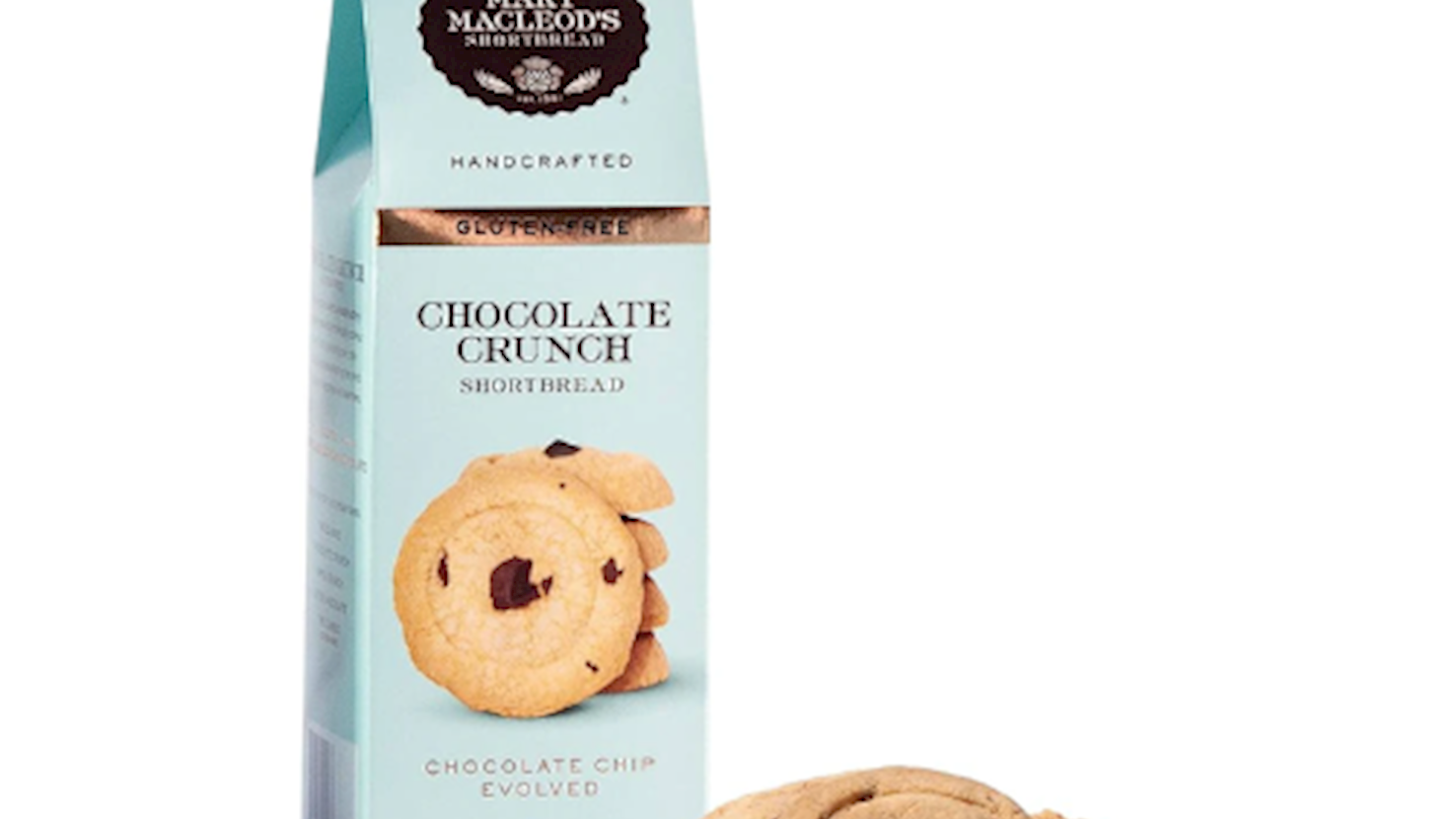
Mary Macleod’s Shortbread is a Canadian bakery renowned for its luxurious, handcrafted shortbread cookies, made according to the original recipe from 1981. The brand was founded by Mary Macleod, a woman who believed that the simplest things are often the most beautiful – as long as they're made with love and the finest ingredients. Mary started her business in a small workshop in Toronto, insisting that every cookie be hand-mixed and shaped, using only pure butter, flour, sugar, and carefully selected add-ins. The brand’s assortment includes both classic and modern variations of cookies – from the pure buttery original to those with chocolate chunks, pecans, caramel, hazelnuts, spices, and more. Today, nearly half a century later, the brand remains a symbol of quality, tradition, and refined indulgence.
10

La Olla de Cobre

4.8 ·
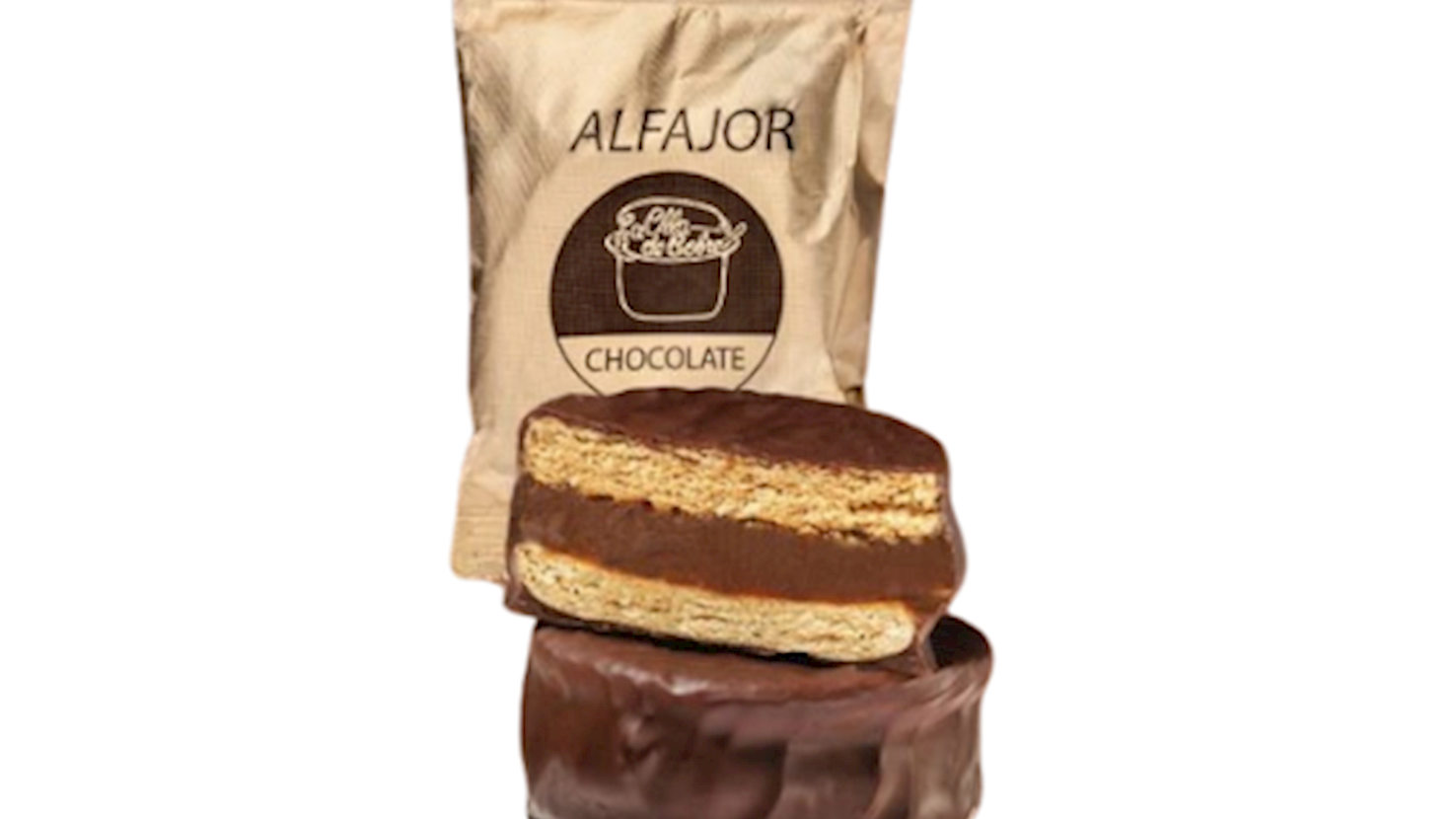
La Olla de Cobre is a family-owned chocolate shop and alfajor factory located in San Antonio de Areco, Argentina. It was founded in the late 1970s by Carlos and Teresa Gabba, who aimed to offer tourists an authentic and high-quality souvenir from their hometown. Their commitment to quality and handcrafted production quickly made La Olla de Cobre a well-known name in the region. Before starting the factory, Carlos Gabba spent 16 years distributing sweets in nearby towns, which connected him with the chocolate and alfajor industry. Noticing the growth of tourism in San Antonio de Areco, Carlos and Teresa decided to create a product that visitors could take home as a souvenir. This led to the idea of producing alfajores, a traditional Argentine pastry. Their goal was to make the best possible alfajor, regardless of cost, by focusing on premium ingredients and artisanal craftsmanship. La Olla de Cobre offers a wide variety of handmade chocolates and alfajores. The alfajores are known for their rich dulce de leche filling and coating of high-quality chocolate. Everything is made by hand, using traditional methods and carefully selected ingredients.
About this ranking

TasteAtlas food rankings are based on the ratings of the TasteAtlas audience, with a series of mechanisms that recognize real users and that ignore bot, nationalist or local patriotic ratings, and give additional value to the ratings of users that the system recognizes as knowledgeable. For the “Top 100 Cookies in the World” list until June 15, 2026, 18,233 ratings were recorded, of which 11,919 were recognized by the system as legitimate. TasteAtlas Rankings should not be seen as the final global conclusion about food. Their purpose is to promote excellent local foods, instill pride in traditional dishes, and arouse curiosity about dishes you haven’t tried.

The initial list of top producers was compiled based on available reviews, awards, local recommendations, media and blog coverage, and consumer reviews. The list will be updated with ratings from TasteAtlas local ambassadors and TasteAtlas users.

Similar lists